Showing Posts From
Antigone
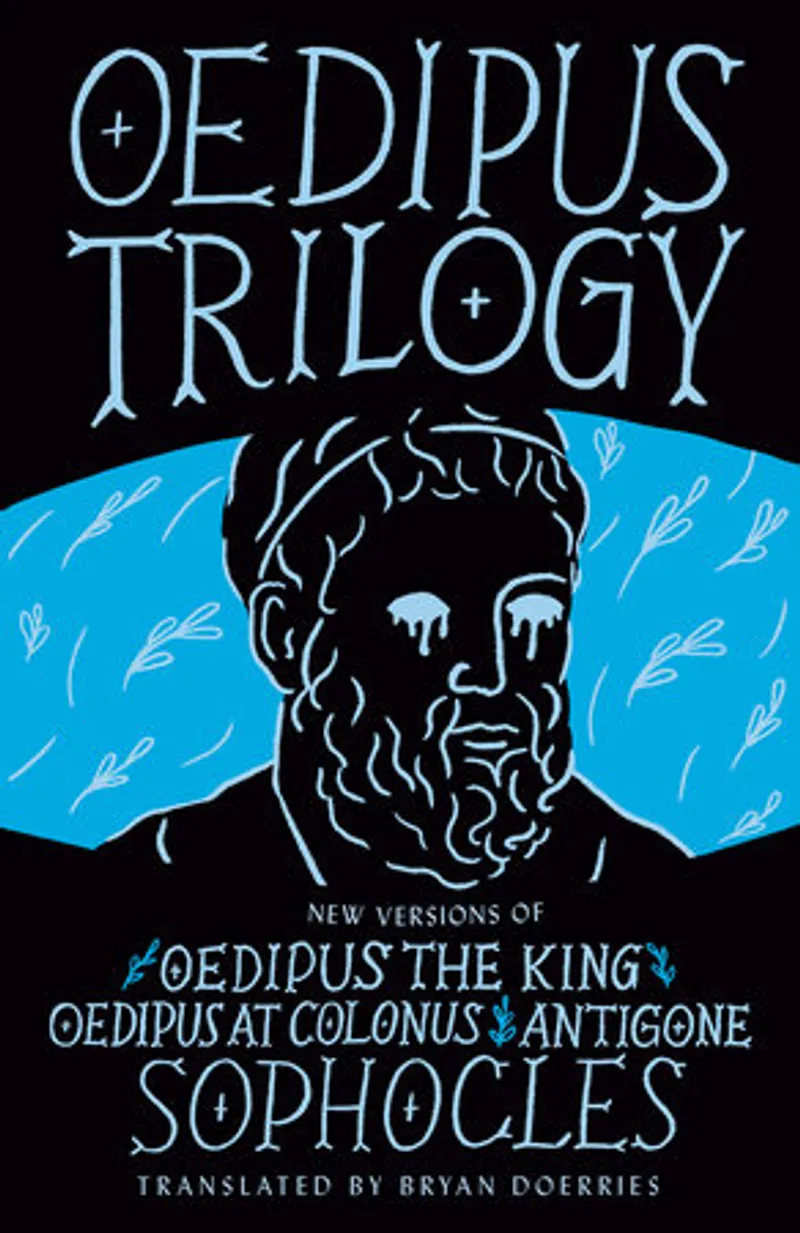
Oedipus Trilogy Author: SophoclesPage Count: UnknownPublication Date: 2021-PRH Sophocles’ Oedipus Trilogy has long stood as a cornerstone of Western literature, a timeless exploration of fate, hubris, and the human condition. Yet Bryan Doerries’ fresh translations breathe new life into these ancient tragedies, stripping away the dust of centuries to reveal their raw, urgent relevance. This isn’t just a retelling—it’s a resuscitation, a way to make Sophocles’ words resonate in a world still grappling with pandemics, racial injustice, and the failures of leadership. At its core, the trilogy is a meditation on suffering and the illusions of control. Oedipus the King begins with a plague ravaging Thebes, a crisis met with arrogance by its ruler, Oedipus, who clings to his belief in his own intellect even as the gods’ prophecies unravel around him. Doerries’ translation sharpens the play’s modern parallels, framing Oedipus’ downfall not as a distant myth but as a cautionary tale about denial and the dangers of ignoring expert warnings—whether in a pandemic or a climate crisis. The language is direct, stripped of archaic flourishes, making the tragedy feel immediate. When Oedipus declares, “I am the one who must bear the burden,” the weight of his hubris lands with visceral force. Oedipus at Colonus shifts tone, offering a quieter, more reflective meditation on aging, exile, and redemption. Doerries’ version emphasizes the play’s themes of homelessness and displacement, framing Oedipus’ wandering as a metaphor for modern refugees and the elderly abandoned by society. The dialogue here is more lyrical, yet still accessible, with a rhythm that mirrors the inevitability of fate. The play’s ending—Oedipus’ mysterious disappearance—feels less like a resolution and more like a challenge, leaving readers to ponder what it means to find peace in a world that has rejected you. Antigone is the trilogy’s most explosive work, a defiant cry against unjust laws and the cost of moral integrity. Doerries’ translation amplifies its political urgency, particularly in its resonance with movements like Black Lives Matter. Antigone’s refusal to obey Creon’s edict—“I was born to join in love, not hate”—becomes a rallying cry for civil disobedience. The choral odes, often dense in other translations, here sing with clarity, their rhythms mirroring the pulse of protest. The play’s ending, with its pile of bodies and the king’s belated realization of his folly, feels like a gut punch, a reminder that power unchecked always collapses under its own weight. Doerries’ greatest achievement is his refusal to treat these plays as museum pieces. His translations are designed to provoke, to spark conversations—not just about ancient Greece, but about today’s crises. The accompanying notes and context (drawing from his Theater of War projects) reveal how Sophocles’ words have been weaponized in modern struggles: Antigone in Ferguson used the play to confront racial injustice; The Oedipus Project linked its themes to COVID-19’s devastation. This isn’t just literary scholarship; it’s an act of cultural alchemy, turning tragedy into a tool for healing. Doerries’ style is unpretentious but precise. He avoids the stilted grandeur of older translations, opting for a language that feels like it’s spoken, not performed. The result is a trilogy that feels alive, where every line crackles with the potential to unsettle. His introductions and afterwords are concise but illuminating, providing just enough context without overwhelming the text. He doesn’t just translate Sophocles—he translates his urgency. The only minor quibble is that the book’s design (as a 2021 publication) doesn’t fully capture the multimedia energy of Doerries’ theatrical projects. The absence of QR codes or references to the original performances feels like a missed opportunity to immerse readers in the full experience. Still, the text stands powerfully on its own. In an era where we’re constantly told to “learn from history,” Doerries reminds us that the past isn’t just a lesson—it’s a mirror. Sophocles’ trilogy isn’t about kings and oracles; it’s about us. Oedipus’ blindness, Antigone’s defiance, Creon’s tyranny—these aren’t relics. They’re warnings. And Doerries’ translations ensure we can’t ignore them. #OedipusTrilogy #Sophocles #BryanDoerries #AncientGreekTragedy #ModernRelevance #TheaterOfWar Related Insights’Salem’s Lot Book Review and Summary Bastille vs. the Evil Librarians Book Review and Summary Blood of Rome Book Review and Summary{ "@context": "https://schema.org", "@type": "FAQPage", "mainEntity": [ { "@type": "Question", "name": "What is the main focus of Antigone Book Review and Summary?", "acceptedAnswer": { "@type": "Answer", "text": "Everything you need to know about Antigone with our detailed review." } }, { "@type": "Question", "name": "Who authored the comprehensive guide on Antigone Book Review and Summary?", "acceptedAnswer": { "@type": "Answer", "text": "This detailed article and its insights were carefully researched and authored by Sophocles." } }, { "@type": "Question", "name": "Where can I find more related content about Books?", "acceptedAnswer": { "@type": "Answer", "text": "You can explore more articles, detailed reviews, and similar insights by browsing the Related Insights section at the bottom of this article or visiting our dedicated Books category page." } } ] }