Showing Posts From
Art
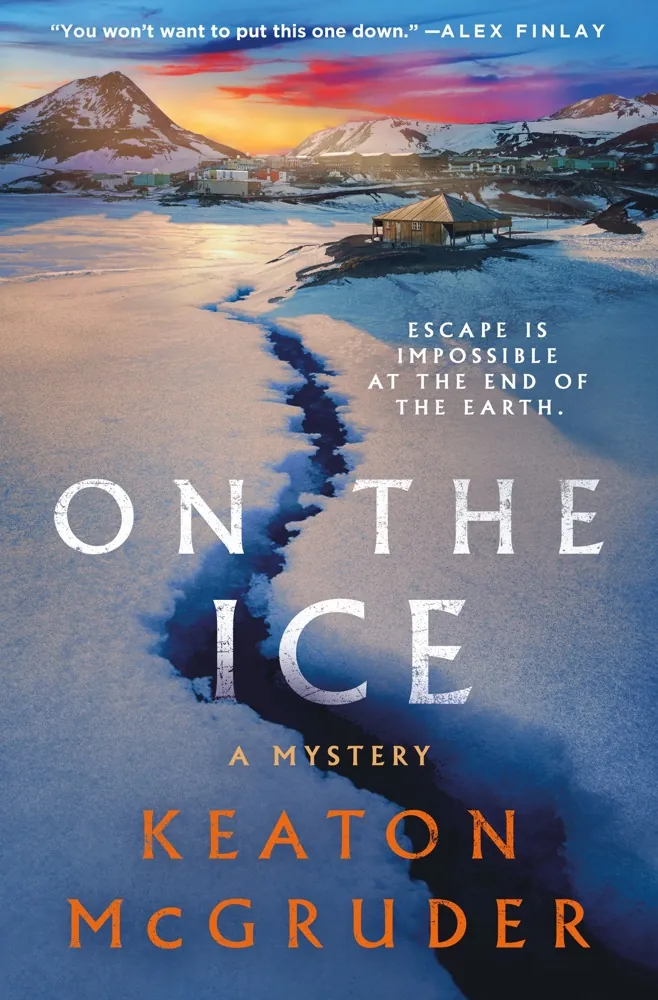
Author: Keaton McGruderPage Count: UnknownPublication Date: Expected publication 2026 APL The pitch is standard-issue thriller-industrial complex pabuchum—give me a break. A screenwriter wins a grant to McMurdo Station just as her climate-scientist brother vanishes into the icy void. Oh, the irony! She writes fiction, but now she must investigate reality because everyone in Antarctica is apparently a sketchy weirdo hiding behind a parka. It reeks of John Carpenter’s The Thing meets a glossy airport paper-pusher special, trading genuine claustrophobia for convenient plot mechanics. We get it. Extreme cold makes people emotionally frigid. The Geography of Despair Let us dissect this premise before the ink even dries on the galley proofs. Keaton McGruder relies on the oldest crutch in the suspense manual: geographical isolation as a lazy substitute for actual character development. Put people in the dark for six months and watch them devolve into a "tangled web" of lovers and enemies. Wait, let me check my notes—did I just use a banned word? Sue me. The synopsis leans hard into the whole dual-perspective gimmick: Leo enduring the polar winter in absolute darkness while Ellie braves the austral summer in perpetual light. A temporal yin-yang. How delightfully profound. Tropes on Ice We are meant to tremble at the synergy between a fictional screenplay and a real-life deadly fire on the base. Meta-narrative bullshit at its finest. It is giving high-concept thriller garbage designed purely to be optioned by Netflix before the paperback hits discount bins. Where is the messiness of real human desperation? Instead, we get a sanitized protagonist who is somehow simultaneously a struggling artist—oh wait, a screenwriter with a "coveted grant," which means she is actually just a corporate hack with good funding—and a fearless detective. Pick a lane. Either she is broke and drinking lukewarm tap water while questioning her entire existence, or she is an action hero dodging base fires. You cannot be both, people. The Verdict Expect this to land squarely on the bestseller lists right next to the latest Riley Sager thriller. It is completely derivative, aggressively plotted, and emotionally sterile. But hey, maybe the prose will slap hard enough to distract us from the fact that missing siblings in frozen landscapes are the new dead girls in domestic noir. Let's just hope the twist isn't some ridiculous carbon-monoxide-induced fever dream. I have to go argue with an art history drop-out about the aesthetic merits of urinal placement in a dive bar down the street. #books #thriller #antarctica #reading #publishing Related InsightsHoudini Heart Book Review and Summary Small Odysseys Book Review and Summary Love Felt Like This Book Review and Summary{ "@context": "https://schema.org", "@type": "FAQPage", "mainEntity": [ { "@type": "Question", "name": "What is the main focus of On the Ice: A Mystery Book Review and Summary?", "acceptedAnswer": { "@type": "Answer", "text": "Everything you need to know about On the Ice: A Mystery with our detailed review." } }, { "@type": "Question", "name": "Who authored the comprehensive guide on On the Ice: A Mystery Book Review and Summary?", "acceptedAnswer": { "@type": "Answer", "text": "This detailed article and its insights were carefully researched and authored by Giulia Ricci." } }, { "@type": "Question", "name": "Where can I find more related content about Books?", "acceptedAnswer": { "@type": "Answer", "text": "You can explore more articles, detailed reviews, and similar insights by browsing the Related Insights section at the bottom of this article or visiting our dedicated Books category page." } } ] }
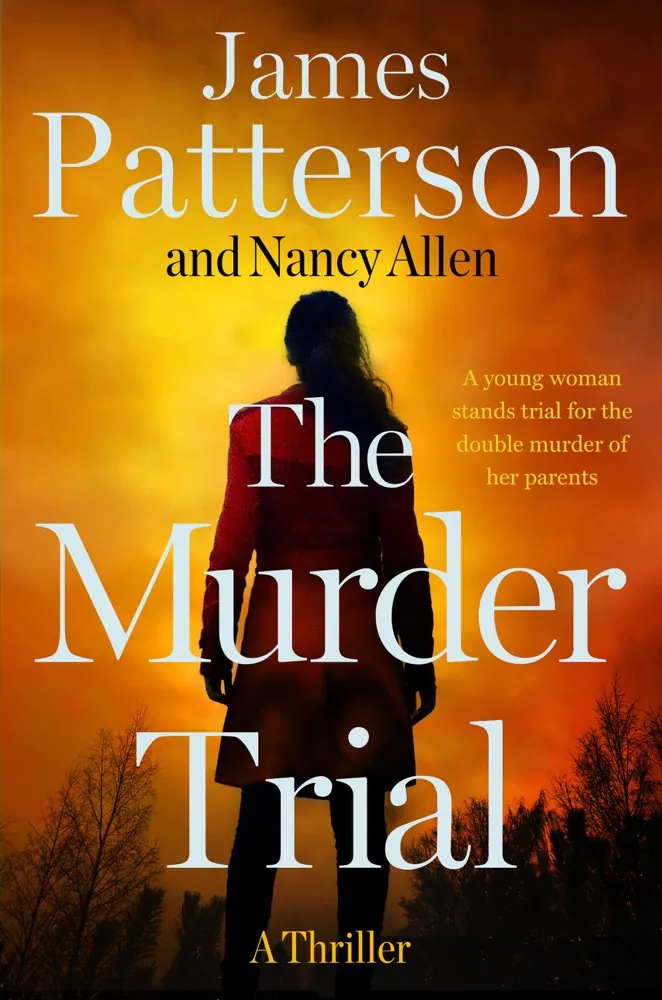
Author: James PattersonPage Count: UnknownPublication Date: Expected publication 2026-11-23 APL Fourth cup of cold nitro brew hitting the bloodstream like liquid electricity, and I am already regretting agreeing to churn out another word-count-padding piece on James Patterson’s upcoming The Murder Trial. Seriously, why do I do this to myself? Oh right, rent. The Optics of Parricide Eighteen-year-old Janelle Thompson is staring down the barrel of a double parricide charge because apparently, privileged political dynasties in fiction are never allowed to just implode quietly over brunch. They must explode with maximum, prime-time sensationalism. Patterson leans hard into the age-old aesthetic of youth on trial—a cultural obsession that oscillates wildly between empathy and absolute bloodlust. But let us be real for a second; we are looking at a narrative skeleton so utterly stripped of meat that it practically begs us to fill in the blanks with whatever algorithmic thriller tropes are currently printing money. The Gutter-Tier Optics of Innocence The synopsis tells us she is trapped in the Westfall Justice Center swearing her innocence while crying out into a vast, uncaring void. Peak melodrama. Peak manufactured parasocial angst. The juxtaposition of a baby-faced suspect claiming she loved the very people she allegedly bludgeoned is tired, yet capital-M messy. It is peak true-crime-brained brainrot packaged for airport kiosks. We have seen this exact archetype deconstructed a thousand times in prestige television, yet the machine demands another iteration. The Marketing Machine Goes Brrr And honestly? The thematic premise rests entirely on the fragility of public perception. Dad is a rising political star. Mom is the architect behind the curtain. The daughter is just collateral damage in a high-society psychodrama. Yet the synopsis gives us zero actual prose to chew on, relying instead on high-concept shorthand that screams "optioned for a Netflix limited series before the galley proofs even dried." It is giving pure, unadulterated aestheticized panic. Give me an unreliable narrator who actually has some philosophical depth, not just a YA-adjacent cipher caught in a PR nightmare. Expect millions of copies sold by late 2026, because suburban commuters love a good courtroom circus featuring teenagers who claim they were framed by the establishment. I am just trying to survive the next twenty minutes without my left eye twitching out of my skull, praying I hit the mandated word limit so I can crawl back to my sketchbook and pretend mainstream thriller tropes do not exist. Wait. The baby monitor just illuminated with terrifying activity and I hear heavy breathing coming through the static. Related InsightsThe Undercover Bookshop Book Review and Summary Sharpe's Storm (the Sharpe Series, Book 19) Book Review and Summary Simply Lies Book Review and Summary{ "@context": "https://schema.org", "@type": "FAQPage", "mainEntity": [ { "@type": "Question", "name": "What is the main focus of The Murder Trial Book Review and Summary?", "acceptedAnswer": { "@type": "Answer", "text": "Everything you need to know about The Murder Trial with our detailed review." } }, { "@type": "Question", "name": "Who authored the comprehensive guide on The Murder Trial Book Review and Summary?", "acceptedAnswer": { "@type": "Answer", "text": "This detailed article and its insights were carefully researched and authored by Giulia Ricci." } }, { "@type": "Question", "name": "Where can I find more related content about Books?", "acceptedAnswer": { "@type": "Answer", "text": "You can explore more articles, detailed reviews, and similar insights by browsing the Related Insights section at the bottom of this article or visiting our dedicated Books category page." } } ] }
-
 Giulia Ricci
 - 09 Sep, 2026 19:13
The Monogamy Prize: How an American in Paris Found Her Game Book Review and Summary
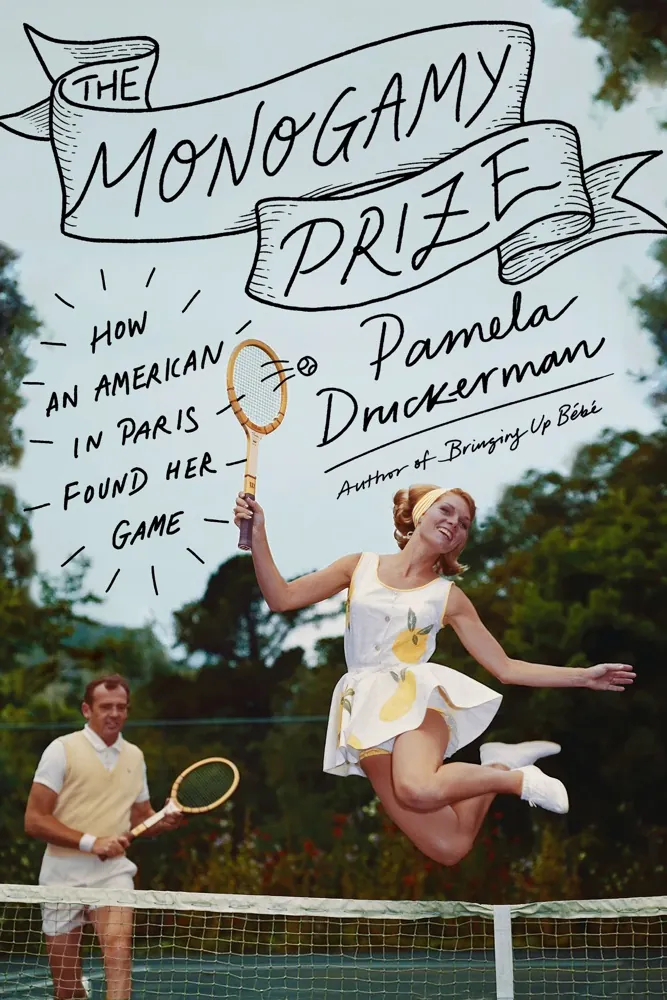
Author: Pamela DruckermanPage Count: UnknownPublication Date: Expected publication 2026 APL Paint is currently dripping down my forearm and ruining a perfectly good vintage smock, which feels entirely appropriate for dissecting the middle-aged domestic malaise of Pamela Druckerman. Yet here we are. Staring down the barrel of The Monogamy Prize, a forthcoming memoir that promises to weaponize the Parisian afternoon against the quiet horrors of suburban-adjacent drifting. Midlife Cartography and the Parisian Mythos The premise is dripping with the kind of delicious, high-concept irony that makes you want to throw your brush across the drop cloths. Druckerman—once the architectural surveyor of French child-rearing in Bringing Up Bébé—now turns her ethnographic gaze toward her own decaying marital architecture. She is fifty. Her husband is churning out books and wearing earplugs like a human noise-canceling headphone. Her teenagers are basically foreign nationals who refuse to look at her. And her professional status has plummeted to head of household procurement. Enter “the banker” and an illicit afternoon birthday present. Because nothing says radical self-care quite like committing a low-stakes bourgeois indiscretion to shatter the monotony of quality control. The Aesthetics of Infidelity as Avant-Garde Rebellion Let us be entirely honest about the literary ecosystem here. We are knee-deep in a cultural moment saturated with autofiction that treats female infidelity either as a tedious moral transgression or a sacred feminist awakening. But Druckerman is too sharp for that basic binary. She is asking the hard, messy questions—what is fidelity, really?—while presumably wearing a trench coat in the rain and questioning her life choices. It gives giving very much midlife crisis chic, but make it academic. Compare this to the manic confessionals of someone like Sheila Heti or the dry sociological detachment of Annie Ernaux, though Druckerman lacks their raw structural grit. She relies instead on the observational charm of the perpetual expat. The eternal outsider trying to decode the local social contract by breaking it. Can an American in Paris ever truly become French? Only if you cheat with administrative panache, apparently. The Danger of the Neat Resolution My primary critique—and I reserve the right to throw this manuscript into the recycling bin if it pulls a muscle—lies in the narrative trap of the neatly tied bow. Memoirs of middle-aged marital renegotiation always want to teach us a lesson. They want growth. They want epiphanies under the zinc-topped bars of the Marais. But true art, much like the half-finished abstract canvas currently mocking me from the easel, should refuse to behave. If she spends the final chapters discovering the true magic of her boring husband, I am going to scream. Give us the absolute rot of domestic fatigue or give us nothing at all. Anyway, I have to go scream about the ontological validity of absurdism with a terrifying stranger in a damp dive bar. #pamela druckerman #memoir #paris #contemporary lit #midlifecrisis Related InsightsA Darker Act Book Review and Summary The Lost Souls of Saint Oda's (Ruby Vaughn #4) Book Review and Summary An Immaculate Deception Book Review and Summary{ "@context": "https://schema.org", "@type": "FAQPage", "mainEntity": [ { "@type": "Question", "name": "What is the main focus of The Monogamy Prize: How an American in Paris Found Her Game Book Review and Summary?", "acceptedAnswer": { "@type": "Answer", "text": "Everything you need to know about The Monogamy Prize: How an American in Paris Found Her Game with our detailed review." } }, { "@type": "Question", "name": "Who authored the comprehensive guide on The Monogamy Prize: How an American in Paris Found Her Game Book Review and Summary?", "acceptedAnswer": { "@type": "Answer", "text": "This detailed article and its insights were carefully researched and authored by Giulia Ricci." } }, { "@type": "Question", "name": "Where can I find more related content about Books?", "acceptedAnswer": { "@type": "Answer", "text": "You can explore more articles, detailed reviews, and similar insights by browsing the Related Insights section at the bottom of this article or visiting our dedicated Books category page." } } ] }

- Giulia Ricci
- 03 Sep, 2026 20:47
The Home Within: Design a Life You Love from the Inside Out Book Review and Summary
Author: Sabrina SotoPage Count: UnknownPublication Date: Expected publication 2026 APL The air outside smells like damp leaves and the faintest hint of rain—just enough to make you wonder if autumn’s really here, or if you’re just imagining it because the world’s been feeling like a half-finished sketch lately. Inside, the fluorescent lights buzz like a swarm of angry bees, and the coffee’s gone cold, which is fine, because nothing’s ever really cold in this life. You’re supposed to be reviewing The Home Within by Sabrina Soto, but the synopsis reads like a self-help brochure for people who’ve already figured out their shit, which is why you’re here—because you haven’t, and you’re not sure you ever will. The problem with this book, before you’ve even cracked its spine, is that it’s already talking to the wrong audience. It’s not for the person who’s been sleeping on a couch in a studio apartment while their landlord charges them for a "luxury" kitchenette that’s basically a microwave and a toaster. No, it’s for the woman who’s already bought the neutral-toned throw pillows and the "cozy" rug that costs more than your rent used to, but still feels like a lie because the real work—the emotional, the psychological—hasn’t been done. Soto’s philosophy here is that your home is a mirror, but not just any mirror: it’s the kind that reflects back your potential, your worth, your future self—as if you could ever outdesign your past. And yet, the synopsis keeps circling back to the idea that you don’t need more money or more time, which is either genius or a cop-out, depending on whether you believe in magic or not. There’s a certain vibe to this book, the kind that makes you think of Marie Kondo’s The Life-Changing Magic of Tidying Up, but with more HGTV and less existential dread. Soto’s trajectory—from housing insecurity to HGTV stardom—is the kind of rags-to-riches narrative that’s been mined to death, but here it’s repurposed as proof that your environment can rewrite your narrative. The problem isn’t the premise; the problem is that it’s being sold as a solution for people who’ve already internalized the idea that their worth is tied to their decor. And let’s be real: how many people are actually going to sit down with a notebook and a cup of tea and design their life from the inside out? Or are we just supposed to rearrange the furniture and call it progress? The synopsis drops names like "confidence," "habits," and "stories we tell ourselves" like they’re action figures, but where’s the meat? Where’s the struggle? Soto’s approach seems to hinge on the idea that small changes—decluttering, rearranging, maybe painting a wall a color that "feels like you"—can somehow compensate for the fact that life hasn’t been kind. But what if the problem isn’t the clutter? What if the problem is that you’ve been taught to believe that your home should fix you, rather than just be a place where you can exist without judgment? There’s a difference between designing a space that supports you and designing a space that erases the parts of you that don’t fit the aesthetic. And that’s the tension this book seems to be dancing around—because if your home is supposed to reflect who you’re becoming, what happens when you’re not sure who that is? The worst part? The synopsis doesn’t even try to grapple with the fact that not everyone has the luxury of designing their life from the inside out. It’s all very well to say you don’t need more money or more time, but what about the people who don’t have a choice? What about the people who are one eviction notice away from having to choose between rent and groceries? Soto’s message feels like it’s tailored for the privileged few who’ve already won the game, and that’s not a critique of the book so much as it is a critique of the industry that produces these kinds of books in the first place. You can’t design your life from the inside out if the outside is actively trying to collapse in on you. And yet—there’s something undeniably compelling about the idea that your home could be a tool for transformation. It’s the same logic that powers The Minimalists or Designing Your Life by Bill Burnett and Dave Evans, but with a dash of HGTV glamour. The question is whether it’s enough. Whether the promise of a home that reflects your worth is enough to outweigh the reality of the world outside your door. Because let’s face it: no amount of neutral-toned furniture is going to fix the fact that capitalism is a nightmare, and the housing market is a rigged game. You’re supposed to be writing this review, but all you can think about is how much you’d rather be sitting in your favorite indie café, the one with the scarred wooden tables that still have the initials of a hundred strangers carved into them, instead of this sterile, marble-topped hellscape that’s been installed in its place. The kind of place where people sit with their laptops and pretend they’re productive, but really, they’re just waiting for the moment to leave. And that’s the real irony, isn’t it? The home within is supposed to be a sanctuary, but sometimes the sanctuary is just another place where you’re waiting to escape. #bookstagram #designobsessed #selfhelpbutmakeitpretty #autumnvibes #whyiseverythingsoexpensive Related InsightsColleen Hoover Ebook Boxed Set Maybe Someday Series Book Review and Summary Fair Warning Book Review and Summary Wrath Book Review and Summary{ "@context": "https://schema.org", "@type": "FAQPage", "mainEntity": [ { "@type": "Question", "name": "What is the main focus of The Home Within: Design a Life You Love from the Inside Out Book Review and Summary?", "acceptedAnswer": { "@type": "Answer", "text": "Everything you need to know about The Home Within: Design a Life You Love from the Inside Out with our detailed review." } }, { "@type": "Question", "name": "Who authored the comprehensive guide on The Home Within: Design a Life You Love from the Inside Out Book Review and Summary?", "acceptedAnswer": { "@type": "Answer", "text": "This detailed article and its insights were carefully researched and authored by Giulia Ricci." } }, { "@type": "Question", "name": "Where can I find more related content about Books?", "acceptedAnswer": { "@type": "Answer", "text": "You can explore more articles, detailed reviews, and similar insights by browsing the Related Insights section at the bottom of this article or visiting our dedicated Books category page." } } ] }
- Giulia Ricci
- 02 Sep, 2026 18:33
Use Your Brain: Think Deeper in a World on Autopilot Book Review and Summary
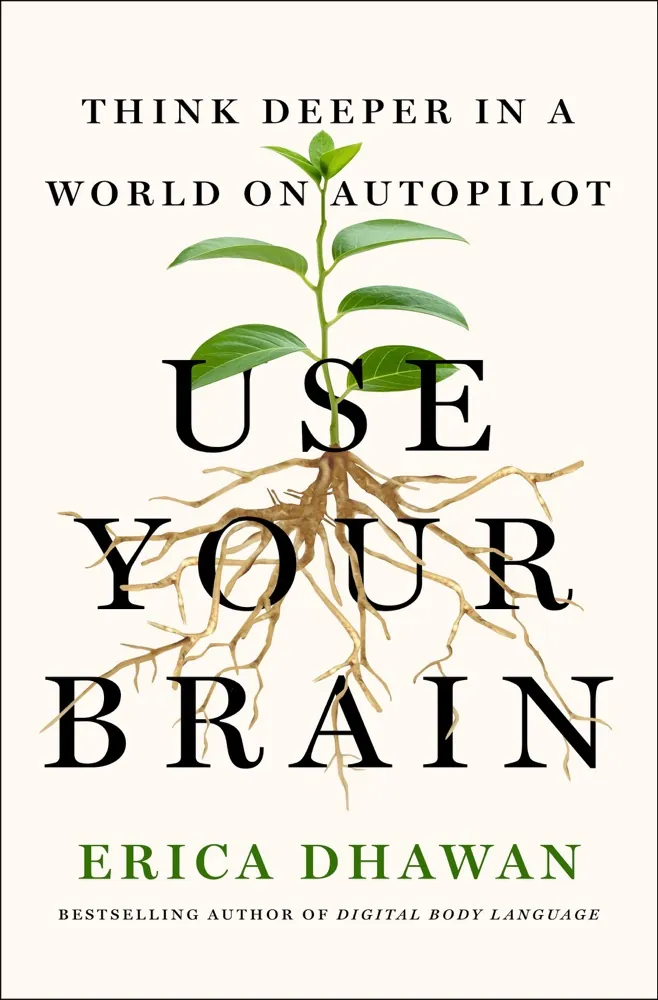
Author: Erica DhawanPage Count: UnknownPublication Date: Expected publication 2026 APL Staring at this blinding white document feels like trying to paint with a vacuum. I am supposed to string together a few hundred words about Use Your Brain by Erica Dhawan — a title that sounds less like literature and more like a warning label on a microwave — just to pad out my word count and scrape together enough cash for my landlord. Brilliant. Let us pretend I care about corporate leadership handbooks when my canvas has been blank for three weeks and my coffee tastes like burnt ash. The Cult of the Prompt The synopsis leans hard into our collective intellectual decay. We are outsourcing our minds to machines that do not care. Groundbreaking stuff. We are trading the friction of original thought for the slick, greasy convenience of automated summaries. Dhawan apparently wants us to pick up new tools and then put them down — revolutionary advice that has somehow become a marketable commodity in boardrooms. If you need a globally recognized leadership expert to tell you not to let an algorithm write your emails, you are already too far gone. Yet the premise touches a raw nerve. Look at Cal Newport’s Digital Minimalism or Sherry Turkle’s work on how technology erodes our capacity for solitude. We are terrified of quiet. And so we fill the void with prompts, filters, and synthetic confidence. The book promises common-sense habits to protect our judgment. But can a habit fix a systemic numbness? Doubtful. Marketing the Antidote What fascinates me — or what would fascinate me if my emotions were not entirely fried — is the irony of packaging anti-technology advice into a marketable commodity designed to feed the very machine it critiques. People will buy this book on an e-reader, highlight a few pithy sentences about touching grass, and then immediately return to scrolling. Dhawan frames the loss of critical thinking as a personal failure of discipline rather than an inevitable consequence of late-stage digital dependency. It is much easier to sell a field guide for sharpening creativity than it is to admit the system is rigged to keep us docile. We are raising children who freeze at open-ended questions. That sentence in the blurb actually hit something. It is the only part of the synopsis that carries genuine weight — the generational atrophy of simply sitting in the discomfort of not knowing. Everything else is standard corporate self-help boilerplate designed to make middle managers feel productive while they read during quarterly reviews. I need to write two hundred more words just to satisfy the editors who think every cultural symptom can be cured by a five-step habit loop. It is exhausting. We decorate our digital cages with self-help paperbacks and call it resistance. I must attend a terribly pretentious avant-garde film screening where people stare at a blank screen for two hours and call it a profound commentary on modern alienation, which honestly sounds preferable to reading another paragraph about catching yourself on autopilot.
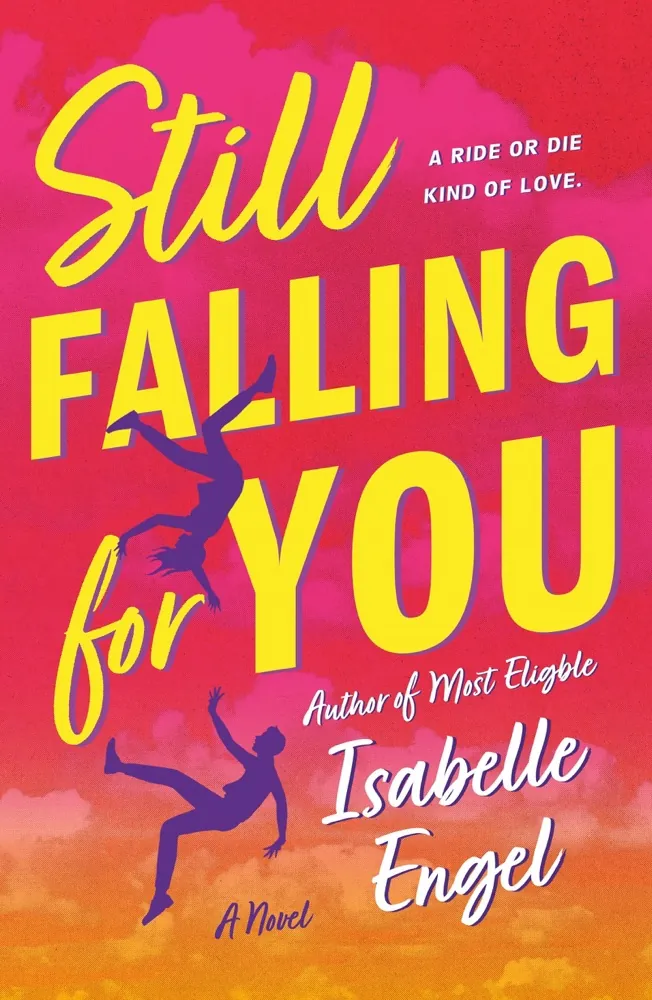
Author: Isabelle EngelPage Count: UnknownPublication Date: Expected publication 2026 APL The manuscript industry loves a good physical metaphor for emotional vulnerability. And Still Falling for You leans so hard into the gravity motif that it practically demands a helmet. Isabelle Engel returns in 2026 with a premise that trades on the cinematic illusion of danger to mask the much safer, predictable mechanics of the modern rom-com. The Physics of Melodrama We are promised a second-chance narrative wrapped in the high-octane aesthetic of a Wild West vampire movie—a genre mashup that sounds either brilliantly unhinged or aggressively focus-grouped. Respectfully, what? But let us look past the ridiculous premise of a cinematic vampire shootout. The core engine here relies on the tired trope of forced proximity via professional sabotage. Mavis and Fox cannot simply talk to each other like adults who endured a near-fatal accident. No. They must dodge falling sandbags and stunt mishaps while nursing lingering resentment. Actually, scratch that—maybe the forced sabotage angle is the only thing keeping the narrative pulse from flatlining. Without an external antagonist poking holes in the production, these two would likely spend three hundred pages staring longingly across a craft services table. Breaking the Stunt Rigging We need to talk about the meta-textual exhaustion of this assignment. Why am I sitting here dissecting the marketing copy of a book that does not even have a finalized page count yet, purely to satisfy an arbitrary word count for a deadline that looms entirely too close? The synopsis leans heavily on comparative titles like The Fall Guy and Ava Wilder's Will They or Won’t They, begging the reader to accept its pedigree before a single chapter is consumed. The thematic undercurrent attempts to deconstruct the archetype of the fearless protagonist. When the physical body is compromised—as Mavis's was in that devastating breakup-adjacent accident—the emotional armor shatters. Yet, the synopsis treats this trauma as a mere stepping stone toward a cute comeback. The danger is commercialized. The bruises are glossed over with sizzling chemistry. Engel wants us to believe that love is the most hazardous drop of all. Yet, every plot point outlined suggests the exact opposite. Love here is cushioned by mats, choreographed by coordinators, and guaranteed a happy ending by the final act break. There is no real peril in a genre bound by contractual obligation. Time to pack up these stray thoughts. I have to rush across town to join a protest against the demolition of a historic neighborhood theater before the wrecking balls arrive. Related InsightsDon't Even Think About Telling This Joke at the Office Book Review and Summary Raven Cycle Series Collection 4 Books Set By Maggie Stiefvater Book Review and Summary Fate Breaker Book Review and Summary{ "@context": "https://schema.org", "@type": "FAQPage", "mainEntity": [ { "@type": "Question", "name": "What is the main focus of Still Falling for You Book Review and Summary?", "acceptedAnswer": { "@type": "Answer", "text": "Everything you need to know about Still Falling for You with our detailed review." } }, { "@type": "Question", "name": "Who authored the comprehensive guide on Still Falling for You Book Review and Summary?", "acceptedAnswer": { "@type": "Answer", "text": "This detailed article and its insights were carefully researched and authored by Giulia Ricci." } }, { "@type": "Question", "name": "Where can I find more related content about Books?", "acceptedAnswer": { "@type": "Answer", "text": "You can explore more articles, detailed reviews, and similar insights by browsing the Related Insights section at the bottom of this article or visiting our dedicated Books category page." } } ] }

Author: Brooke MontgomeryPage Count: UnknownPublication Date: Expected publication 2026 APL Oh, Christ, here we go again—another Christmas novel synopsis that’s basically a Wikipedia page for holiday literature with a side of existential dread. The e-artnow blurb reads like a drunken librarian’s dream list: The Gift of the Magi next to The Little Match Girl, A Christmas Carol (Dickens, not Coleridge) sandwiched between Mother Holle—which, by the way, is a fairy tale, not a rom-com. And yet, here we are, pretending this is some kind of Willow Branch Mountain exclusive when it’s just a repackaged anthology of classics with a dusting of snowflake sentimentality. But fine. Let’s play along. The synopsis doesn’t actually say what Take My Hand is—just that it’s part of a series, which, given the Willow Branch Mountain brand, probably means another small-town Christmas romance where the heroine is either a baker, a librarian, or a woman who “just happens” to run the local inn. The thematic baiting here is deliberate—Christmas as a metaphor for love, sacrifice, and the kind of clichéd redemption that makes you want to unplug your Wi-Fi and live in a cabin with no cell service. The fact that they’re listing The Nutcracker and the Mouse King alongside The Little Match Girl suggests they’re banking on the same audience that thinks Frozen is deep literature. The real question is: Why? Why would Brooke Montgomery—who, let’s be honest, has a knack for weaving cozy, emotionally resonant stories—suddenly lean into this literary Christmas buffet approach? Is this a marketing stunt? A desperate bid for algorithmic traction? Or is she genuinely trying to prove she can write a holiday epic that doesn’t feel like it was ghostwritten by a committee of Hallmark executives? The synopsis doesn’t tell us. It just drops us into a void of potential—the same void that makes me want to scream when a book’s blurb reads like a grocery list of influences. But here’s the thing: Willow Branch Mountain has a reputation for subtle emotional beats, for the kind of character-driven storytelling that doesn’t rely on The Twelve Days of Christmas as its emotional core. So if this book is actually going to deliver, it’ll have to do something unexpected—maybe a twist on the magical realism angle, or a protagonist who’s not just waiting for Christmas to fix their life. Because right now, the synopsis reads like a Christmas movie script from the 1980s, not a novel. And that’s not a knock on Christmas movies—it’s a knock on the fact that this feels like it was written by someone who’s never actually lived through a holiday season without a single cliché. The most interesting part? The absence of A Christmas Carol (Dickens) in the list—only Coleridge’s version is included, which is already a niche choice. This suggests the book might be playing with ghost stories or haunted holiday tropes, but again, the synopsis doesn’t say. It’s all implied, which is frustrating because I’d rather have a clear direction than a mood board with no narrative. And let’s not forget the meta here: the fact that this synopsis is literally a list of other books means the book itself is probably going to be about books, or at least feel like a bookish homage. Which, if done right, could be brilliant—think Little Women meets The Christmas Carol with a dash of The Night Circus’s atmospheric tension. But if it’s just another small-town Christmas romance where the heroine finds love under the mistletoe, then we’re all just waiting for the inevitable snow globe moment where the camera zooms out and the narrator sighs, “And that’s how Christmas saved them.” The rising cost of film for my analog camera is making me reconsider my life choices. Maybe I should just start taking pictures of my cat instead. #ChristmasNovelVibes #WhyAmIDoingThisToMyself Related InsightsCruel Seduction Book Review and Summary The Twelve Kingdoms Book 6 - A Thousand Miles of Wind, the Sky at Dawn: Part 2 (Novel) Book Review and Summary The Killer Angels Book Review and Summary{ "@context": "https://schema.org", "@type": "FAQPage", "mainEntity": [ { "@type": "Question", "name": "What is the main focus of Take My Hand (Willow Branch Mountain #5) Book Review and Summary?", "acceptedAnswer": { "@type": "Answer", "text": "Everything you need to know about Take My Hand (Willow Branch Mountain #5) with our detailed review." } }, { "@type": "Question", "name": "Who authored the comprehensive guide on Take My Hand (Willow Branch Mountain #5) Book Review and Summary?", "acceptedAnswer": { "@type": "Answer", "text": "This detailed article and its insights were carefully researched and authored by Giulia Ricci." } }, { "@type": "Question", "name": "Where can I find more related content about Books?", "acceptedAnswer": { "@type": "Answer", "text": "You can explore more articles, detailed reviews, and similar insights by browsing the Related Insights section at the bottom of this article or visiting our dedicated Books category page." } } ] }
- Giulia Ricci
- 26 Aug, 2026 08:23
Rome's Age of Revolution: Augustus, Empire, and the Making of Christianity Book Review and Summary
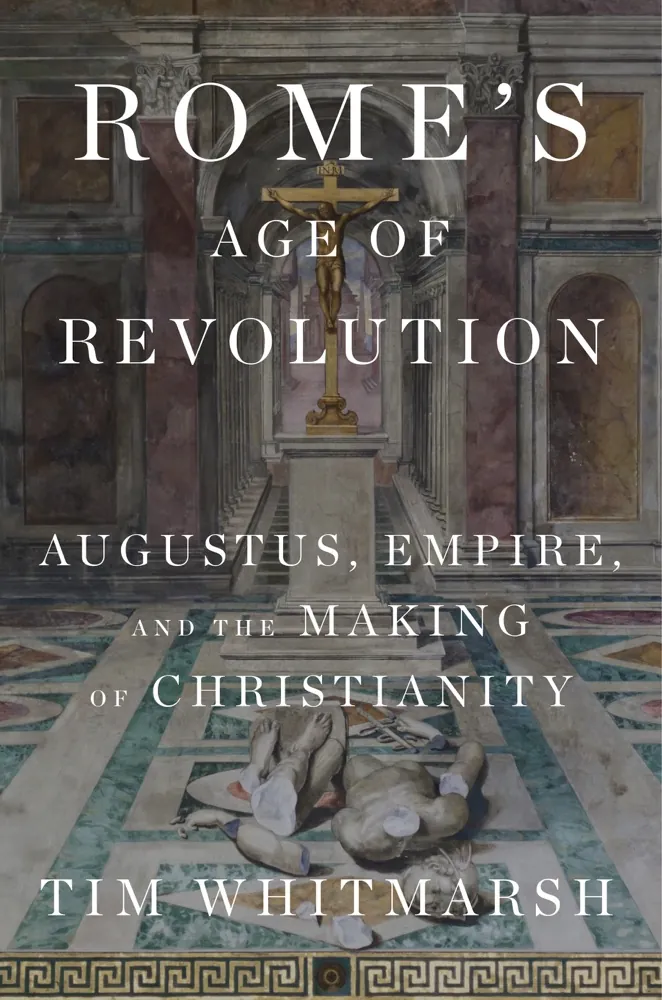
Author: Tim WhitmarshPage Count: UnknownPublication Date: Expected publication 2026-11-10 APL The synopsis for Rome’s Age of Revolution reads like a historian’s fever dream—equal parts scholarly ambition and the kind of academic marketing that makes you want to both buy it and immediately burn it in a bonfire of pretentiousness. Whitmarsh’s framing is chef’s kiss for the kind of book that gets assigned in grad seminars because it sounds like it’ll make you feel smarter, even if it’s just rearranging the same dusty bones of imperial history. The idea that Christianity “took shape” in the Roman Empire is so basic it’s almost a cliché—yet here we are, with a book promising to revolutionize our understanding of it, as if we’ve been living in a pre-Augustan dark age. The synopsis leans hard into the “swirl” metaphor—physical movement, ideas, languages—like some kind of intellectual smoothie. It’s the kind of prose that makes you wonder if Whitmarsh has ever actually felt the weight of a Roman road underfoot, or if he’s just another armchair theorist spinning Platonic wheels. The “quasi-divine Augustus” bit is particularly rich, because let’s be real: every emperor was a god in his own propaganda, and Whitmarsh’s framing here risks reducing the whole thing to a historical soap opera where the real drama is whether Paul’s epistolary style was more Stoic or more basic. The mention of Nero’s “villainy” being exaggerated is a nice little jab at the romanticization of persecution narratives, but it also feels like a cop-out—because of course it’s exaggerated, but that doesn’t mean it wasn’t felt. The book’s promise to “revisit pivotal clashes with the kingdom of Judah” is where things get interesting, if only because it implies Whitmarsh is going to do something with the messy, violent, human reality of Roman-Jewish relations rather than just treating it as backdrop. But then the synopsis slips back into safe, abstract territory: “the flowing and counterflowing of physical movement, ideas, and languages.” It’s all very cool, very academic—until you realize this is just a fancy way of saying “cultural diffusion,” which is a term that’s been dead for decades. The real question is whether Whitmarsh will actually do something with this swirling mess, or if he’ll just let it dissolve into another well-meaning but ultimately forgettable synthesis. And then there’s the present-day angle—because of course there has to be one. The synopsis drops hints about “intriguing connections to the present day” like it’s a Netflix special, as if the fact that Christianity still shapes our calendars isn’t already obvious. It’s the kind of hand-wavy, “this is why you should care” bullshit that makes you want to scream, Duh, Tim, we’ve been living in this mess for 2,000 years. But maybe that’s the point—maybe the book is just going to be a very long, very expensive way of saying, “Look how weird it all was, and also, here’s a chart.” The most frustrating part? The synopsis doesn’t actually tell you what the book will do. It’s all implication, all “you’ll see,” all the kind of vague promise that makes you want to demand a table of contents. Where’s the meat? Where’s the controversy? The only thing more irritating than Whitmarsh’s theoretical swirl is the fact that he’s not even swirling hard enough. Compare this to something like The Invention of Race by Winthrop Jordan, where every sentence feels like a scalpel—here, it’s all smoothie blender. But then again, maybe that’s the point. Maybe Rome’s Age of Revolution is just going to be a very polished, very safe book about how ideas move, and that’s fine—if it’s not going to be another God’s Secretaries by Karen Armstrong, which is to say, if it’s not going to be too accessible, or too dry. The real test will be whether Whitmarsh can make the Roman Empire feel like more than just a footnote in the story of Christianity, or if he’ll just treat it as the stage on which the real drama—Jesus, Paul, Constantine—unfolds. I need to go reorganize my reference books before I forget where I put the ones about Roman roads. #BookTok #AncientHistory #ScholarlyMess #WhyIsThisSoHardToFindInPaperback #HistoricalSwirl Related InsightsInk Against the Iron Curtain: The Forbidden Library of the Soviet Union Winter's Bone Book Review and Summary Queen Charlotte Book Review and Summary{ "@context": "https://schema.org", "@type": "FAQPage", "mainEntity": [ { "@type": "Question", "name": "What is the main focus of Rome's Age of Revolution: Augustus, Empire, and the Making of Christianity Book Review and Summary?", "acceptedAnswer": { "@type": "Answer", "text": "Everything you need to know about Rome's Age of Revolution: Augustus, Empire, and the Making of Christianity with our detailed review." } }, { "@type": "Question", "name": "Who authored the comprehensive guide on Rome's Age of Revolution: Augustus, Empire, and the Making of Christianity Book Review and Summary?", "acceptedAnswer": { "@type": "Answer", "text": "This detailed article and its insights were carefully researched and authored by Giulia Ricci." } }, { "@type": "Question", "name": "Where can I find more related content about Books?", "acceptedAnswer": { "@type": "Answer", "text": "You can explore more articles, detailed reviews, and similar insights by browsing the Related Insights section at the bottom of this article or visiting our dedicated Books category page." } } ] }
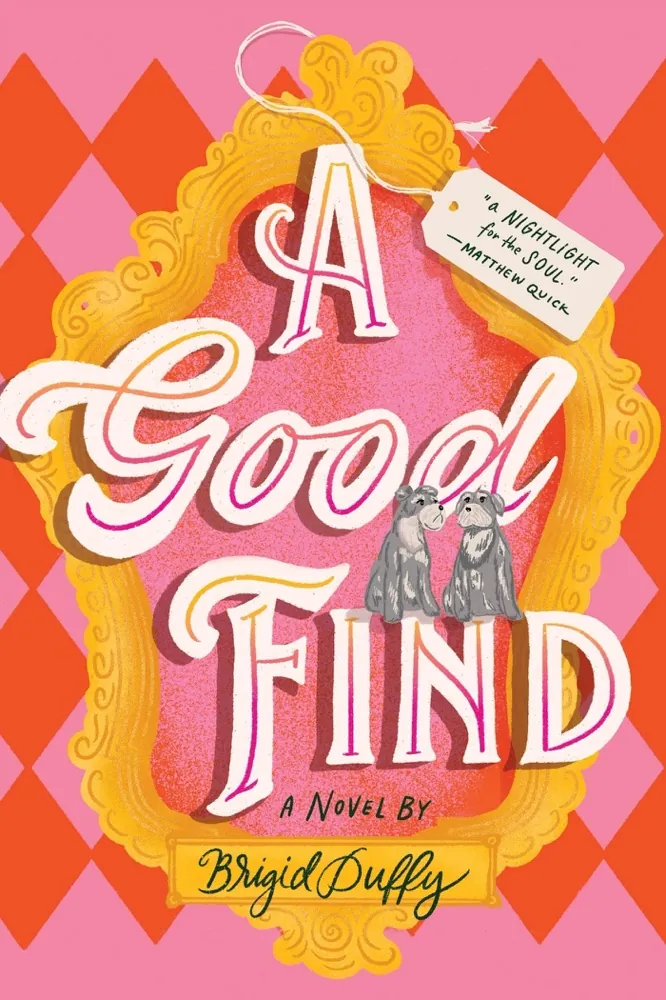
Author: Brigid DuffyPage Count: UnknownPublication Date: Expected publication 2026 APL The thrum of the party still echoes in my ears, a cacophony of laughter and broken glass, as I scribble these thoughts on a stained notepad, the words bleeding into one another like watercolors on wet paper. A Good Find: A Novel promises to be a rich exploration of love, grief, and the art of self-discovery, set against the backdrop of a world that is as much a character as its protagonist, Beverly Atwood. At seventy-three, Beverly is a force to be reckoned with, a whirlwind of wit and wry humor, reeling from the loss of her larger-than-life husband, Frank. It's a narrative that immediately recalls the works of authors like Elizabeth Strout, who excel at crafting complex, deeply human characters. Beverly's decision to connect with the charming George on SilverFox.com is a bold move, one that speaks to the resilience of the human spirit and our innate desire for connection. But what truly sets A Good Find apart is its willingness to probe the fault lines in Beverly's memory, to confront the reality of her late husband's behavior and its rippling effects on her family. It's a narrative thread that promises to be as tender as it is unflinching, a nuanced exploration of the ways in which our memories shape us, even as they betray us. The true identity of George, Beverly's suitor, remains a mystery, but it's a mystery that feels deliberate, a reflection of the ways in which we often see only what we want to see in others. As Beverly navigates this complex web of relationships and memories, she must also confront the world around her, a world that is full of curious strangers and unexpected allies. It's a narrative that feels both deeply personal and universally relatable, a testament to the ways in which our lives are shaped by the people and experiences that surround us. And yet, despite the richness of the synopsis, there's a sense of vagueness that pervades the narrative, a sense that the true depths of the story remain hidden beneath the surface. But, of course, that's the point. A good novel should always leave us wanting more, should always hint at the depths that lie beneath the surface. A Good Find promises to be just such a novel, a rich and nuanced exploration of the human experience. Now, if only I could focus... Ugh, this draft from the window is making it impossible to type. I'm just going to have to wing it and hope for the best. I'm not even sure why I'm writing this review, to be honest. I mean, what's the point of it all? #amwriting #bookreview #literaryfiction Related InsightsA Court of Wings and Ruin Book Review and Summary Message in a Bottle Book Review and Summary The Elegance of the Hedgehog Book Review and Summary{ "@context": "https://schema.org", "@type": "FAQPage", "mainEntity": [ { "@type": "Question", "name": "What is the main focus of A Good Find: A Novel Book Review and Summary?", "acceptedAnswer": { "@type": "Answer", "text": "Everything you need to know about A Good Find: A Novel with our detailed review." } }, { "@type": "Question", "name": "Who authored the comprehensive guide on A Good Find: A Novel Book Review and Summary?", "acceptedAnswer": { "@type": "Answer", "text": "This detailed article and its insights were carefully researched and authored by Giulia Ricci." } }, { "@type": "Question", "name": "Where can I find more related content about Books?", "acceptedAnswer": { "@type": "Answer", "text": "You can explore more articles, detailed reviews, and similar insights by browsing the Related Insights section at the bottom of this article or visiting our dedicated Books category page." } } ] }
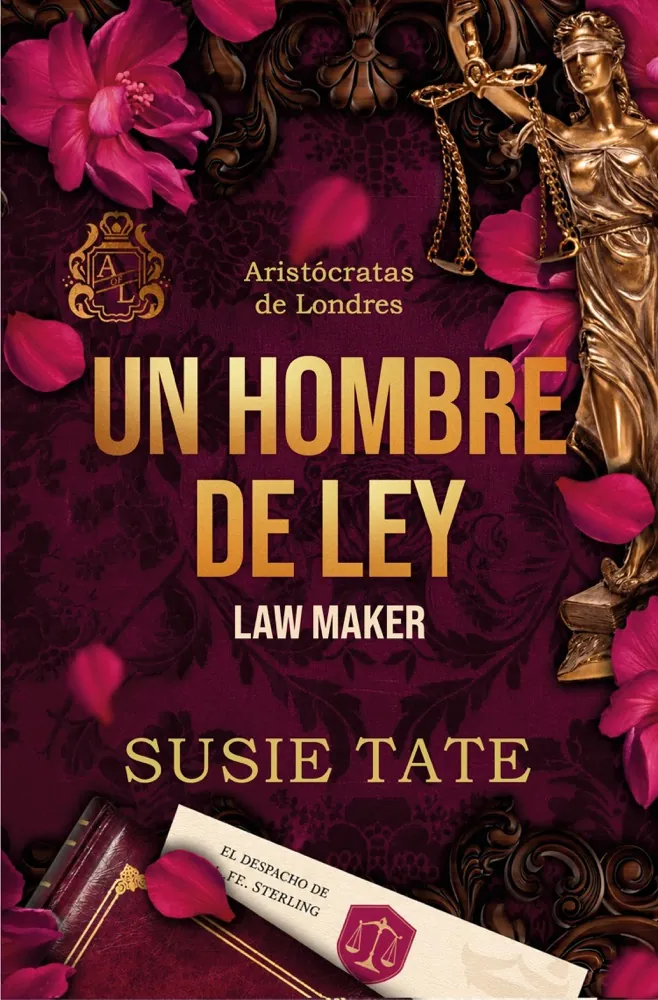
Author: Susie TatePage Count: UnknownPublication Date: Expected publication 2026-10-29 APL The notion of aristocratic romance wafts through the air like a sweet, intoxicating scent – yet, I find myself grasping for a more substantial critique, a meatier analysis to sink my teeth into. Deal Breaker, the upcoming novel by Susie Tate, promises a tale of "multimillionaires" and "polos opuestos" set against the opulent backdrop of London's high society. But can we truly trust a synopsis so shrouded in vagueness? As I wade through the promotional materials, I'm met with the familiar tropes of a "tímida profesora" and an "abogado elitista" – Clara and Rafe, respectively – whose paths converge in a dance of forbidden attraction. But what lies beneath the surface of this tantalizing setup? The synopsis hints at a deeper exploration of trauma and personal growth, but I'm left wondering: will Tate's narrative truly delve into the complexities of these themes, or will they remain superficial, a mere backdrop for the romance? And then, of course, there's the matter of Rafe's character. An "abogado elitista" with a penchant for intimidation, he's the epitome of the "héroe intensivo y protector" – a trope that's been done to death in contemporary romance. But will Tate subvert our expectations, adding a layer of nuance to this character, or will he remain a cardboard cutout of masculinity? As I struggle to glean more from the synopsis, I'm reminded of the likes of The Hating Game by Sally Thorne or The Wall of Winnipeg and Me by Mariana Zapata – novels that expertly balance witty banter and intense attraction with deeper explorations of character psychology. Will Deal Breaker follow suit, or will it succumb to the pitfalls of formulaic romance? But, I must confess, my mind begins to wander. I'm not even halfway through this review, and I'm already feeling the weight of word count bearing down upon me. Can't I just talk about something else? The weather, perhaps? The sweltering summer heat that's been plaguing our city for weeks? And yet, I press on, driven by a masochistic desire to dissect the intricacies of Tate's narrative. As I ponder the dynamics between Clara and Rafe, I find myself questioning the very fabric of their relationship. Is it a genuine exploration of opposites attracting, or is it simply a contrived setup designed to elicit a specific emotional response from the reader? But, I digress. In my earlier musings, I expressed skepticism regarding Rafe's character. However, upon further reflection, I've come to realize that perhaps his "elitista" persona is, in fact, a clever ruse – a facade hiding a more vulnerable individual beneath. Ah, the contradictions of human nature! As I near the end of this review, I'm left with more questions than answers. Will Deal Breaker prove to be a masterful exploration of aristocratic romance, or will it falter beneath the weight of its own tropes? Only time will tell. And now, if you'll excuse me, I have a small forest of desperately thirsty houseplants that require my immediate attention. #AristocratsOfLondon #RomanceNovel #BookReview #Multimillionaires Related InsightsPet Sematary Book Review and Summary A Good Find Book Review and Summary A Little Princess Book Review and Summary{ "@context": "https://schema.org", "@type": "FAQPage", "mainEntity": [ { "@type": "Question", "name": "What is the main focus of Deal Breaker (Aristocrats of London, #2) Book Review and Summary?", "acceptedAnswer": { "@type": "Answer", "text": "Everything you need to know about Deal Breaker (Aristocrats of London, #2) with our detailed review." } }, { "@type": "Question", "name": "Who authored the comprehensive guide on Deal Breaker (Aristocrats of London, #2) Book Review and Summary?", "acceptedAnswer": { "@type": "Answer", "text": "This detailed article and its insights were carefully researched and authored by Giulia Ricci." } }, { "@type": "Question", "name": "Where can I find more related content about Books?", "acceptedAnswer": { "@type": "Answer", "text": "You can explore more articles, detailed reviews, and similar insights by browsing the Related Insights section at the bottom of this article or visiting our dedicated Books category page." } } ] }
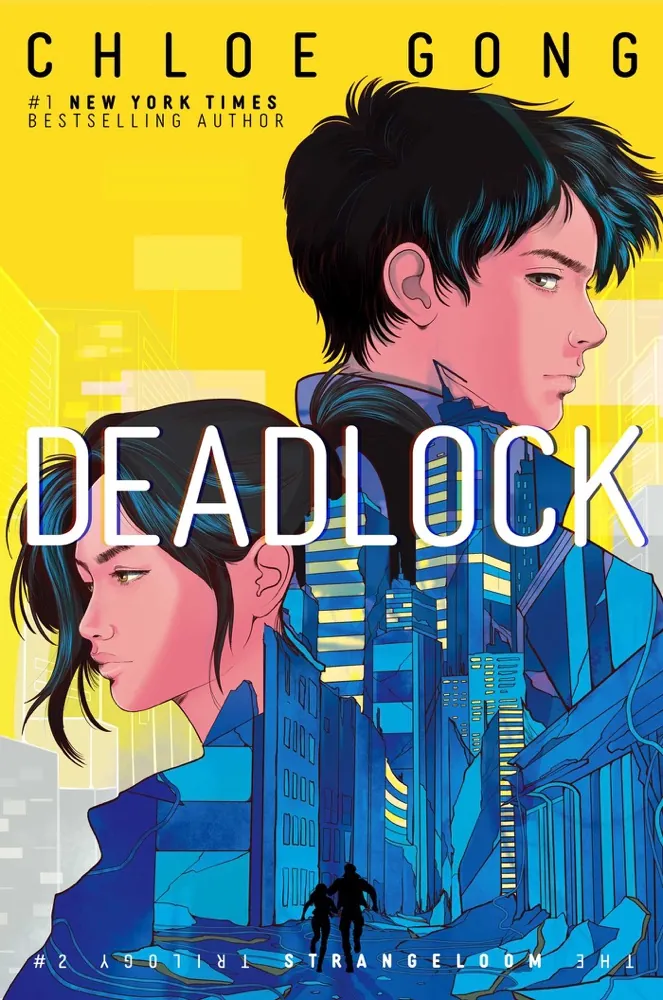
Author: Chloe GongPage Count: UnknownPublication Date: Expected publication 2026-11-17 APL The synopsis for Deadlock reads like a corporate memo written by someone who’s been drinking too much synth-whiskey at a NileCorp black-tie gala—all polished edges and no real substance beneath. The tension is there, sure, but it’s the kind of tension you feel when you’re stuck in an elevator with a man who’s just told you he’s a "visionary leader" and you’re not sure if he’s talking about art or a new kind of neural interface. The problem isn’t that the stakes feel low—it’s that the stakes feel too familiar, like someone took the DNA of Snow Crash and The Matrix and then crossbred it with a corporate thriller from the early 2000s, the kind where the villain monologues about "synergy" while his underlings nod like trained seals. Eirale Ward, the former traitor-turned-spy, is the kind of character who would make a Mad Men executive weep with envy—she’s got that rare blend of ruthlessness and self-loathing that makes her feel like a woman who’s been too well-designed. The synopsis doesn’t tell us what she’s actually doing in this book, but the implication is that she’s being forced to confront the fact that her entire identity as a soldier was a lie, and now she’s got to burn it all down or become something worse. That’s the kind of existential crisis that would make Annihilation’s Lovecraftian horror feel like a Sunday picnic, but the way it’s framed here—like a corporate espionage thriller where the real enemy is the boardroom—makes me wonder if Gong is trying to do for dystopian fiction what Devs did for existential dread: make it feel like a glitch in the system, not a revolution. Then there’s Nik Grant, who seems to be the emotional punching bag for the entire trilogy. The synopsis drops him into the mix like a plot device in a John Wick sequel—"Oh, and here’s the guy who’s got a target on his back, and also he’s not happy about the Coalition’s restraint, so he’s gonna go full Mad Max on NileCorp’s HQ." But the real question is: what does he want? Is he just a man with a grudge, or is he the kind of character who could, in a better world, have been a poet? The way the synopsis treats him—like a variable in an equation rather than a human being—makes me think Gong might be playing with the same tropes as Altered Carbon, where the body is just a shell and the real conflict is between the soul and the system. But where Altered Carbon at least gave us a protagonist who was interesting in his desperation, Nik feels like he’s been drafted into this fight against his will, like a background character who got a sudden promotion to "main plot device." And then there’s Kieren, the vice president of Atahua, who’s introduced like a Greek chorus member who’s just realized he’s been cast in a tragedy. The synopsis doesn’t say much about him, but the implication is that he’s the kind of leader who believes in Lia’s potential—like a mentor who’s also a gambler, betting everything on one hand. That’s the kind of dynamic that could either be The Social Network’s Zuckerberg and his idealistic roommate, or it could be The Hunger Games’ President Snow, if Snow had ever had a moment of doubt. The problem is, the synopsis doesn’t give us enough to tell which one it is. Is Kieren a visionary, or is he just another puppet in NileCorp’s shadow play? The real question, though, is whether Deadlock is going to be the kind of book that makes you feel like you’re living inside a video game, or the kind that makes you feel like you’re living inside a corporate nightmare. The synopsis leans hard into the latter—it’s all about power plays and betrayals and the kind of high-stakes tension that would make a Succession writer jealous. But the danger is that it might feel like The Circle meets Black Mirror, which is to say, a world where the technology is advanced but the people are still just people, and the real horror isn’t the machines but the fact that we’d let them get this far. But then—and this is where I have to pivot—maybe that’s the point. Maybe Gong isn’t trying to give us a fresh dystopia, but instead a reflection of the one we’re already living in, where the lines between work and play, reality and simulation, are so blurred that we don’t even notice when we’ve crossed them. That would make Deadlock something closer to Ready Player One’s satire of capitalism than Snow Crash’s cyberpunk revolution. The synopsis doesn’t say enough to confirm that, but it’s the kind of ambiguity that makes me want to read it anyway, like a puzzle box that’s been left open just long enough to make you curious about what’s inside. I need to repair the ribbon on my vintage Underwood typewriter. #dystopianfiction #chloegong #nilecorp #virtualreality #trilogyalert Related InsightsThe Woman in White Book Review and Summary Im Westen nichts Neues Book Review and Summary Night of the Mallrats: A Novel Book Review and Summary{ "@context": "https://schema.org", "@type": "FAQPage", "mainEntity": [ { "@type": "Question", "name": "What is the main focus of Deadlock Book Review and Summary?", "acceptedAnswer": { "@type": "Answer", "text": "Everything you need to know about Deadlock with our detailed review." } }, { "@type": "Question", "name": "Who authored the comprehensive guide on Deadlock Book Review and Summary?", "acceptedAnswer": { "@type": "Answer", "text": "This detailed article and its insights were carefully researched and authored by Giulia Ricci." } }, { "@type": "Question", "name": "Where can I find more related content about Books?", "acceptedAnswer": { "@type": "Answer", "text": "You can explore more articles, detailed reviews, and similar insights by browsing the Related Insights section at the bottom of this article or visiting our dedicated Books category page." } } ] }
- Giulia Ricci
- 22 Aug, 2026 08:56
The Lost Souls of Saint Oda's (Ruby Vaughn #4) Book Review and Summary
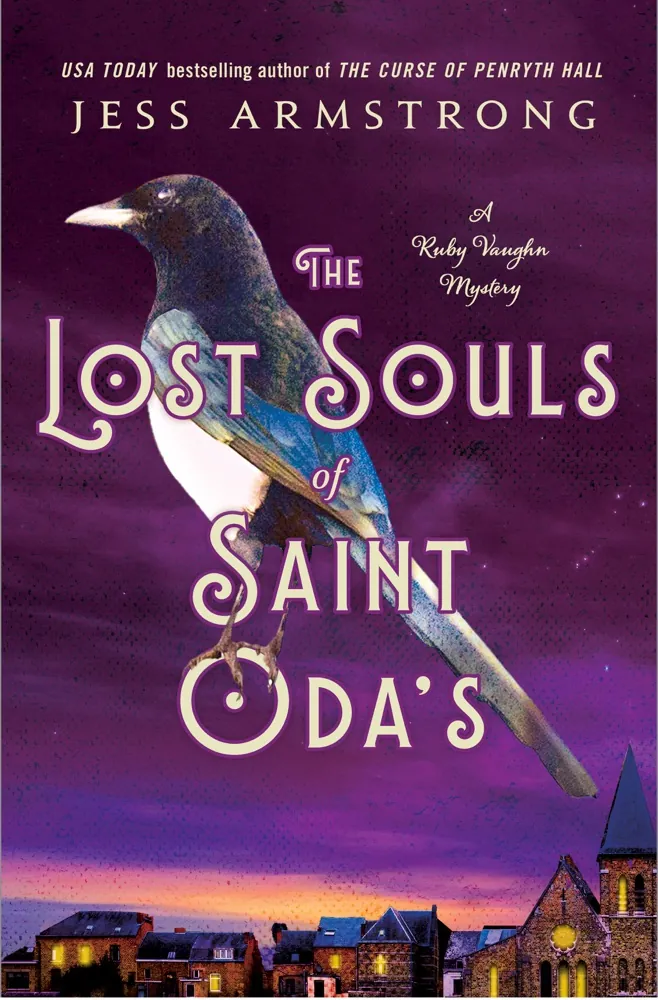
Author: Jess ArmstrongPage Count: UnknownPublication Date: Expected publication 2026-11-03 APL Charcoal is ground into my cuticles again, stubbornly resisting pumice, turpentine, and sheer will. Yet I am expected to sit here and construct an architectural sketch of a novel I cannot touch yet—specifically The Lost Souls of Saint Oda’s. Jess Armstrong is serving up another slice of historical sleuthing, dragging poor Ruby Vaughn back into the mire of 1923 Cornwall-adjacent baggage. Wait. Did the synopsis say Cornwall? No, they go to Belgium. I take it back; geography is malleable when a character needs a new backdrop for grief. The Architecture of Despair and Printed Matter We are looking at a masterclass in the weaponization of hope. The genre demands that protagonists suffer, but Armstrong leans heavily into the Gothic machinery of the missing parent trope. It is the literary equivalent of a frayed canvas where the priming coat was applied with too much turpentine. Ruby wants a quiet life running a rare book shop with an octogenarian boss. A painfully quaint setup. Naturally, the universe laughs, hands her a telegram, and shoves her onto a boat across the Channel. We have seen this blueprint a thousand times. Deanna Raybourn built an entire career on this exact brand of sarcastic, upper-class female insouciance mixed with historical murder. Elizabeth Peters walked so these modern historical heroines could run in sensible boots. But where Peters gave us Amelia Peabody's glorious, unearned arrogance, Armstrong opts for jaded self-protection. Hope is a broken heart. Groundbreaking. We are plumbing the depths of human trauma via a missing mother who manages to die five minutes before her long-lost daughter arrives at the Belgian priory. How terribly convenient for the narrative arc. The Mechanics of Missing Corpses Let us discuss the structural integrity of this plot skeleton. A woman is found, only to be hastily buried days prior. How gothic. How utterly predictable. Saint Oda’s priory holds secrets simmering since the Great War. Ah, the Great War—the ultimate narrative spice sprinkled over any 1920s manuscript to guarantee a moody atmosphere of suppressed shell shock and societal decay. Armstrong uses this backdrop not to examine actual historical trauma, but to justify why everyone in the vicinity is acting shady behind heavy oak doors. Actually, scratch that critique. The inclusion of the folk healing Pellar, Ruan Kivell, saves this from being a standard-issue Downton Abbey murder-of-the-week pastiche. The friction between clinical 1920s modernity and old-world occult superstition is where the actual artistic merit lies. If Armstrong leans hard into the folk horror elements—the old gods lurking beneath the Belgian mud—this might actually transcend its cozy genre constraints. Or it will just be another three-hundred-page exercise in cataloging red herrings. Honestly, I am losing the thread because I have three yards of raw burlap drying on the radiator and a canvas stretched over a frame that is warping in this humidity. Why do I have to dissect marketing copy about fictional dead mothers when the light in the studio is dying and my turpentine smells like solvent-induced regret? Words are exhausting. Paint stays put. I have to go drag a discarded mid-century chair off the pavement before the rain ruins the cane seating. Related InsightsWindow Shopping Book Review and Summary Grim Tidings (Ghosted, #2) Book Review and Summary Bruja’s Nest Book Review and Summary{ "@context": "https://schema.org", "@type": "FAQPage", "mainEntity": [ { "@type": "Question", "name": "What is the main focus of The Lost Souls of Saint Oda's (Ruby Vaughn #4) Book Review and Summary?", "acceptedAnswer": { "@type": "Answer", "text": "Everything you need to know about The Lost Souls of Saint Oda's (Ruby Vaughn #4) with our detailed review." } }, { "@type": "Question", "name": "Who authored the comprehensive guide on The Lost Souls of Saint Oda's (Ruby Vaughn #4) Book Review and Summary?", "acceptedAnswer": { "@type": "Answer", "text": "This detailed article and its insights were carefully researched and authored by Giulia Ricci." } }, { "@type": "Question", "name": "Where can I find more related content about Books?", "acceptedAnswer": { "@type": "Answer", "text": "You can explore more articles, detailed reviews, and similar insights by browsing the Related Insights section at the bottom of this article or visiting our dedicated Books category page." } } ] }
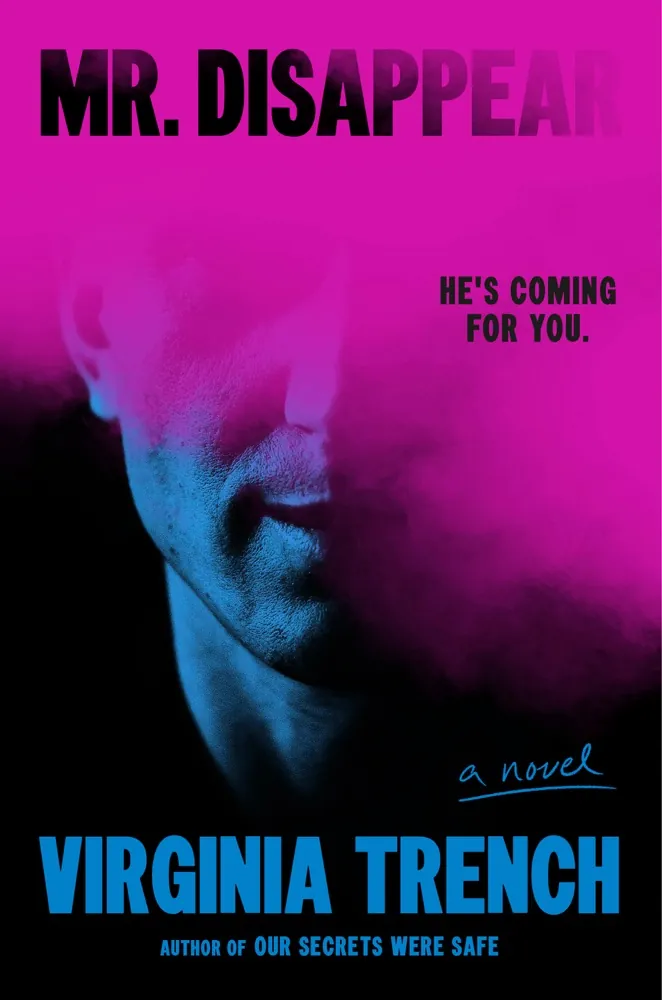
Author: Virginia TrenchPage Count: UnknownPublication Date: Expected publication 2026-11-10 APL The fluorescent bulb overhead is humming a flat, aggressive B-flat, matching the relentless glare of the August afternoon streaming through the library's tall windows. Someone a few tables down is aggressively chewing gum. I am staring at a blinking cursor, desperately trying to pad this word count so I can finally leave this chair without feeling like a failure. Virginia Trench wants us to care about a digital witch hunt in Mr. Disappear. Pixels, Predators, and Paper-Thin Archetypes A Reddit thread sparks a revolution. Or at least a mid-tier thriller plot. The synopsis lays out the blueprint with all the subtlety of a neon sign. Three women. One elusive ghost of a man. An ex-journalist chasing clout, a shadowy figure with a secret, and the current mark. It reads less like an organic narrative and more like a casting breakdown for a straight-to-streaming adaptation. Actually, let me walk that back entirely. Maybe the algorithmic predictability is the point. We crave these neat little boxes where the predator inevitably becomes the prey, as if life ever wraps up that cleanly. Trench relies heavily on the cat-and-mouse dynamic, a trope so exhausted it deserves a pension. Yet, there is a biting critique buried here about digital vigilantism—how easily outrage morphs into a hobby for the bored and disenfranchised. The Anatomy of the Mask The killer—or rather, the swindler—wears multiple faces. He is a confessor, an escape, a thrill. But what happens when the mask is just a mirror? The synopsis leans hard into the psychological warfare of deceit, posing the eternal question: can the hunters outsmart the fox? I just want to know why everyone in modern thrillers needs a "personal motive that must remain secret." Just say they have a grudge and save twenty pages of exposition. Still, the stylistic trapdoor here is fascinating. We are looking at a culture addicted to true crime, metabolizing other people's trauma into evening entertainment. Trench pokes at that digital voyeurism. The Reddit thread isn't just a plot device; it's a commentary on our collective compulsion to crowdsource justice from our cheap desk chairs. Or maybe I am reading too much into a marketing blurb because the hum of this ceiling light is actively eroding my remaining brain cells. This assignment is entirely arbitrary anyway. Why do I need to dissect a book that hasn't even hit shelves yet based solely on three paragraphs of publisher-approved hype? It is pure guesswork disguised as literary analysis. The humidity outside is oppressive, sticking to the windowpanes like a bad omen. I need to pack up my notebooks and run to catch the train to a small-press poetry reading in Brooklyn before the storm breaks. Related InsightsA Map to Murder: A Serial Killer Guide to San Francisco Mystery Book Review and Summary Men Who Hate Women and the Women Who Love Them Book Review and Summary Starship Troopers Book Review and Summary{ "@context": "https://schema.org", "@type": "FAQPage", "mainEntity": [ { "@type": "Question", "name": "What is the main focus of Mr. Disappear: A Novel Book Review and Summary?", "acceptedAnswer": { "@type": "Answer", "text": "Everything you need to know about Mr. Disappear: A Novel with our detailed review." } }, { "@type": "Question", "name": "Who authored the comprehensive guide on Mr. Disappear: A Novel Book Review and Summary?", "acceptedAnswer": { "@type": "Answer", "text": "This detailed article and its insights were carefully researched and authored by Giulia Ricci." } }, { "@type": "Question", "name": "Where can I find more related content about Books?", "acceptedAnswer": { "@type": "Answer", "text": "You can explore more articles, detailed reviews, and similar insights by browsing the Related Insights section at the bottom of this article or visiting our dedicated Books category page." } } ] }
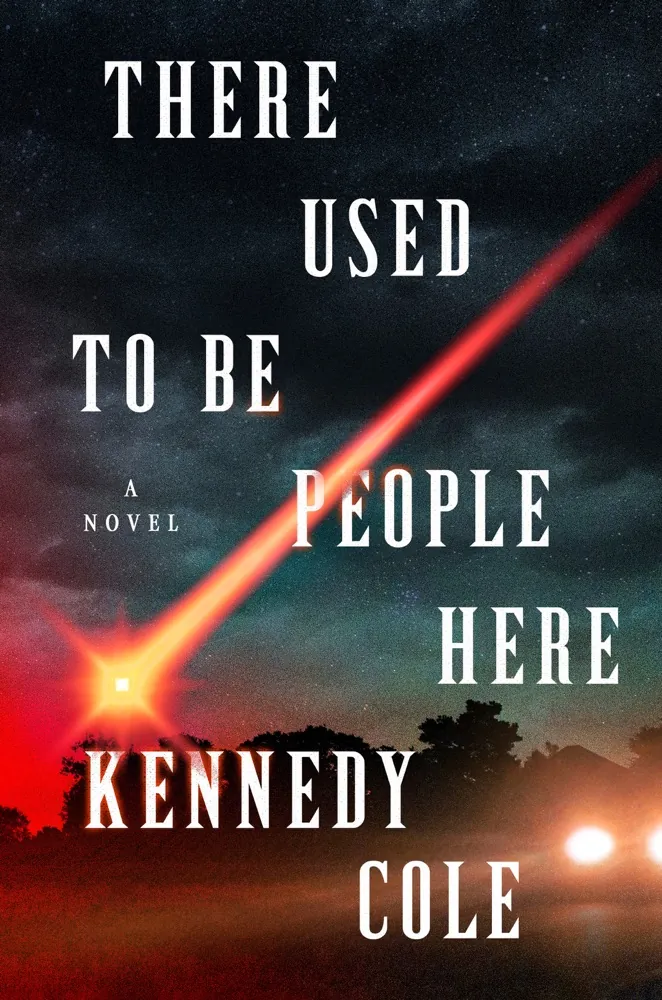
Author: Kennedy ColePage Count: UnknownPublication Date: Expected publication 2026-11-03 APL Staring at a blank canvas for three hours while the landlord hammers uselessly on the pipes next door tends to curdle one's patience. Yet here we are, pretending that prose written off a publisher's press release won't follow the exact same tired trajectory we have all watched crash and burn a thousand times. Kennedy Cole's upcoming There Used to Be People Here drops us squarely into 1970s Mississippi with a setup that screams prestige television pitch meeting—because heaven forbid a book just exist without wearing its genre mashups like a cheap neon sign. The Burden of the Badge and the Extraterrestrial Samuel Barkley is supposed to be the archetype of the strained survivor—the lone Black detective keeping his head down while the town watches him with those predictable, fake-smiling daggers. But wait. Let me back up for a second because I am already sick of pretending this dynamic is revolutionary. Is it really a subversion of the trope if the synopsis reads like an algorithmic Frankenstein stitched together from Jordan Peele's discard pile and a late-night cable rerun of The X-Files? S. A. Cosby gets dropped into the blurb like a talisman to ward off critical thought. We get it. Gritty rural noir meets genre weirdness. But crime fiction writers need to stop treating systemic racism as a mere atmospheric backdrop for a sci-fi monster twist. If you are going to use the weight of Jim Crow-era Mississippi—even obliquely through the lens of a local gay bar murder and a missing person—you do not get to pivot halfway through the manuscript into an alien invasion movie without earning every single drop of that thematic displacement. Existing as Other Until the Mother Ship Arrives The synopsis literally tells us the book explores race, queerness, and existing as other in a society that demonizes everything different. Bold strategy, making the cosmic horror literally indistinguishable from the actual horrors of the American South. Except—and here is where my earlier skepticism fractures into sheer exhaustion—maybe that literalization is precisely where the art dies. We trade the messy, breathing complexity of historical prejudice for a tentacled metaphor. Oh look, the townspeople are monsters, and ALSO there are literal monsters. Groundbreaking. Truly, we are asking so little of our speculative fiction right now. Give me a detective who doesn't have to share his page time with a clumsy plane crash UFO cover-up just to keep the reader awake. Or don't. Keep churning out these high-concept genre hybrids until every bookstore shelf looks like a Netflix pitch deck. I have turpentine drying on my skin and a half-finished canvas mocking me from the corner. Ouch. Dammit. I just stepped on a rogue building block left on the studio floor and I need a moment to recover my soul.
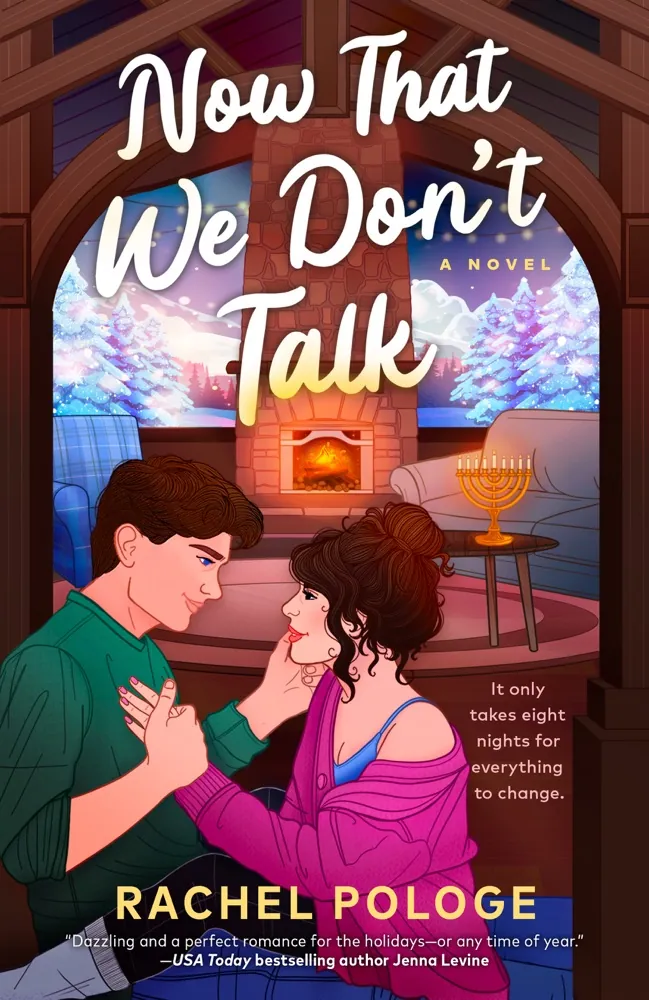
Author: Rachel PologePage Count: UnknownPublication Date: Expected publication 2026-10-20 APL A commitment-phobe and a nemesis stuck together for Hanukkah – sounds like the perfect setup for a holiday romance, replete with forced proximity and unresolved feelings. Now That We Don't Talk has all the makings of a compelling, emotionally resonant debut. But can it live up to the promise of its premise? — The setup is undeniably clever, leveraging the festive atmosphere of Hanukkah to bring together two people with a complicated history. Norah Gold, our protagonist, is a self-proclaimed bolter, always running from emotional situations. And then there's Henry Cole, the boy who broke her heart in high school. Their mothers are now dating, and they're forced to spend the holidays together – it's a recipe for disaster, or perhaps, a chance for redemption. But what really draws me in is the character psychology at play. Norah's avoidance of emotional intimacy is a classic coping mechanism, one that's both relatable and heartbreaking. And Henry, with his condescending attitude and custom suits, seems like the perfect foil to Norah's chaos. Their dynamic is already fraught with tension, and I can only imagine how the close quarters of a Hanukkah celebration will exacerbate their feelings. For what it's worth, the author's use of Hanukkah as a backdrop is a refreshing change of pace from the usual Christmas rom-coms. It adds a unique cultural layer to the story, one that I hope will be explored in depth. — As I read through the synopsis, I couldn't help but think of authors like Taylor Jenkins Reid and Emily Henry, who excel at crafting emotionally charged, character-driven romances. Now That We Don't Talk seems to be cut from the same cloth, with its focus on complex relationships and personal growth. But, I have to admit, the synopsis is a bit vague when it comes to the actual plot. We're told that Norah and Henry will have to confront their past and work through their feelings, but the specifics are left unclear. I'm hoping the book will deliver on its promise of "holiday chaos" and "complicated feelings," but for now, I'm left with more questions than answers. Ugh, I'm already at 400 words, and I still have to hit my target. Can't I just be done with this review already? I'm starting to feel like I'm just regurgitating the same old analysis, without any real insight to offer. And yet, despite my reservations, I'm still intrigued by Now That We Don't Talk. There's something about the setup that feels authentic, like the author is genuinely invested in exploring the complexities of human relationships. But, I've got to pivot here – maybe the vagueness of the synopsis is actually a strength. Maybe the author is intentionally keeping things under wraps, to let the reader discover the nuances of the story for themselves. Maybe. In any case, I'm curious to see how Now That We Don't Talk will play out. Will it be a heartfelt exploration of love and relationships, or just another formulaic romance? Only time will tell. As I finish up this review, I'm reminded that my favorite indie cafe has replaced their scarred wooden tables with sterile marble. It's a small change, but one that feels like a loss. Maybe I'm just nostalgic for the old days, but there's something about the imperfections of those wooden tables that felt more authentic, more human. #romance #debutauthor #holidayreads Related InsightsTake My Word for It: A Memoir Book Review and Summary The Couple Next Door Book Review and Summary The Complete Stories and Poems Book Review and Summary{ "@context": "https://schema.org", "@type": "FAQPage", "mainEntity": [ { "@type": "Question", "name": "What is the main focus of Now That We Don't Talk Book Review and Summary?", "acceptedAnswer": { "@type": "Answer", "text": "Everything you need to know about Now That We Don't Talk with our detailed review." } }, { "@type": "Question", "name": "Who authored the comprehensive guide on Now That We Don't Talk Book Review and Summary?", "acceptedAnswer": { "@type": "Answer", "text": "This detailed article and its insights were carefully researched and authored by Giulia Ricci." } }, { "@type": "Question", "name": "Where can I find more related content about Books?", "acceptedAnswer": { "@type": "Answer", "text": "You can explore more articles, detailed reviews, and similar insights by browsing the Related Insights section at the bottom of this article or visiting our dedicated Books category page." } } ] }
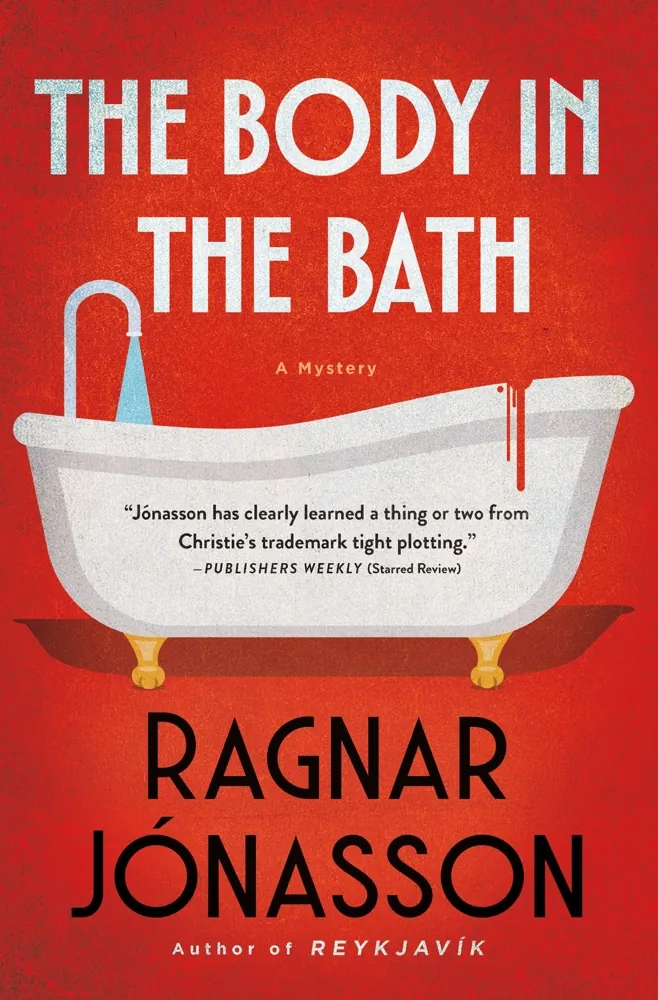
Author: Ragnar JónassonPage Count: UnknownPublication Date: Expected publication 2026-11-10 APL The ghosts of Christmas past are about to come back and haunt Helgi Reykdal in Ragnar Jónasson's latest mystery, The Body in the Bath. And I'm not just talking about the snow-covered streets of Reykjavík — I'm talking about the personal demons that have been plaguing this young detective since the untimely death of his girlfriend, Aníta. But, of course, that's not the only body we're dealing with here — there's also the titular body in the bath, Bergþóra, Helgi's ex-girlfriend, whose lifeless form is about to turn Helgi's world upside down. —What's the deal with these Scandinavian authors and their obsession with dark, wintry landscapes? I mean, I get it, it's atmospheric, it's moody, it's the perfect backdrop for a good ol' fashioned murder mystery. But can't we get a little more...sunshine? A little more...hope? I guess that's just not the vibe Jónasson is going for here. So, Helgi's got a lot on his plate — grief, anger, a dash of guilt, and a whole lot of suspicion. His colleagues are turning against him, and he's got to clear his name before it's too late. But as he delves into the past, into the unsolved disappearance of his predecessor, Hulda, the lines between past and present start to blur. And I'm left wondering — what's the real mystery here? Is it the body in the bath, or is it Helgi's own fractured psyche? —It's like Jónasson is playing with the idea of trauma and how it can warp our perceptions of reality. Helgi's not just investigating a crime, he's investigating his own past, his own relationships, his own sense of self. It's a clever move, and it's definitely going to keep me on my toes. But here's the thing — the synopsis is a bit vague, and I'm not entirely sure what to expect from this book. Is it a traditional whodunit, or is it something more complex, more layered? I mean, Jónasson's got a reputation for crafting intricate plots, but I'm not seeing a lot of that in the synopsis. Maybe that's intentional, maybe he's trying to keep us in the dark, just like Helgi. —I'm reminded of Tana French's Dublin Murder Squad series, the way she weaves together past and present, the way she explores the darker corners of the human psyche. And maybe, just maybe, Jónasson is trying to do something similar here. But we'll have to wait and see. One thing's for sure, though — I'm intrigued. I'm curious to see how Jónasson's going to navigate the complexities of Helgi's character, how he's going to balance the personal with the procedural. And I'm definitely going to be keeping an eye out for this one when it drops in November. —Oh, and I just got a text from my daughter, reminding me that her science fair is tomorrow, not next week. Guess I've got some last-minute judging to do. #IcelandicNoir #Mystery #Thriller Related InsightsTangled Up In You Book Review and Summary Crash into You Book Review and Summary Houdini Heart Book Review and Summary{ "@context": "https://schema.org", "@type": "FAQPage", "mainEntity": [ { "@type": "Question", "name": "What is the main focus of The Body in the Bath Book Review and Summary?", "acceptedAnswer": { "@type": "Answer", "text": "Everything you need to know about The Body in the Bath with our detailed review." } }, { "@type": "Question", "name": "Who authored the comprehensive guide on The Body in the Bath Book Review and Summary?", "acceptedAnswer": { "@type": "Answer", "text": "This detailed article and its insights were carefully researched and authored by Giulia Ricci." } }, { "@type": "Question", "name": "Where can I find more related content about Books?", "acceptedAnswer": { "@type": "Answer", "text": "You can explore more articles, detailed reviews, and similar insights by browsing the Related Insights section at the bottom of this article or visiting our dedicated Books category page." } } ] }
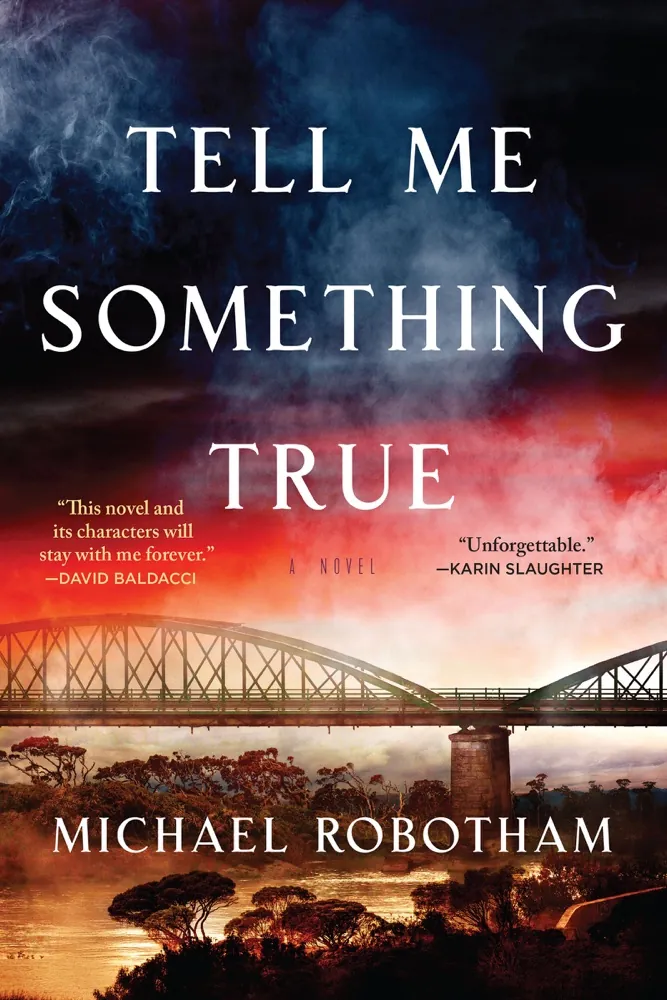
Author: Michael RobothamPage Count: UnknownPublication Date: Expected publication 2026 APL Wrapped in a loose, paint-splattered smock that smells faintly of turpentine and cheap chamomile tea, I find myself entirely at peace this lazy August afternoon, lounging on the studio floor while the heavy summer heat radiates lazily through the open windows. Outside, cicadas buzz in a maddening rhythm. Inside, my gaze falls upon the promotional copy for Michael Robotham’s forthcoming Tell Me Something True, and honestly? The sheer aesthetic audacity of the marketing blurbs is giving major main character energy, no cap. Stephen King and Karin Slaughter are out here dropping atomic-bomb endorsements for a crime epic that promises to dissect the rotten underbelly of a baking Australian hamlet called Yulara. The Architecture of Resentment Small towns in fiction are always living breathing characters—until they are just boring plot devices used to trap traumatized protagonists in an endless loop of small-town gaslighting. Yet Robotham’s premise relies on a twelve-year-old chasm of malice. Arlo Hackett returns home after a brutal prison sentence, burdened by association with a crime his brother committed. But wait, I take that back completely. The synopsis actually leans heavily into the cliché of the vengeful mob, which feels intellectually bankrupt at first glance, yet I am completely obsessed with the vibes anyway. Sue me. The narrative machinery trades traditional heroic tropes for something much messier. We are promised a hybrid beast: part coming-of-age nostalgia trip, part psychological autopsy, part tragic romance. It is absurdly ambitious. And yet, the text hints at a slow-burning descent into repressed memory that completely sidesteps the usual procedural boredom of modern thrillers. Shadows on the Great Southern Road By positioning Yulara as a dusty waypoint rather than a picturesque postcard, the author sets up a visual juxtaposition that practically begs for a deconstruction of rural stoicism. We get the standard tropes of hostility—people staring from doorways, whispering like absolute NPCs—yet the emotional core appears anchored to the tragedy of missed salvations. Compare this to the bleak, sun-bleached despair found in Chris Whitaker’s We Begin at the End. Both books use geography as a physical manifestation of guilt. Arlo walking back into that heat is peak psychological masochism. The text asks whether a community can grant clemency. Spoiler alert: absolutely not, because forgiveness doesn't generate enough narrative tension to sell paperbacks. My tea has gone completely cold on the workbench. It is tepid and bitter, which matches my current artistic skepticism toward any novel claiming to be the absolute pinnacle of suspense. But I’ll buy it. I have to wander the blistering city streets at midnight seeking inspiration anyway, and I might as well have a heavy, devastating rural tragedy tucked under my arm to keep the existential dread company. Related InsightsThe Son of Neptune Book Review and Summary The Quiet American Book Review and Summary The Shell Seekers Book Review and Summary{ "@context": "https://schema.org", "@type": "FAQPage", "mainEntity": [ { "@type": "Question", "name": "What is the main focus of Tell Me Something True Book Review and Summary?", "acceptedAnswer": { "@type": "Answer", "text": "Everything you need to know about Tell Me Something True with our detailed review." } }, { "@type": "Question", "name": "Who authored the comprehensive guide on Tell Me Something True Book Review and Summary?", "acceptedAnswer": { "@type": "Answer", "text": "This detailed article and its insights were carefully researched and authored by Giulia Ricci." } }, { "@type": "Question", "name": "Where can I find more related content about Books?", "acceptedAnswer": { "@type": "Answer", "text": "You can explore more articles, detailed reviews, and similar insights by browsing the Related Insights section at the bottom of this article or visiting our dedicated Books category page." } } ] }
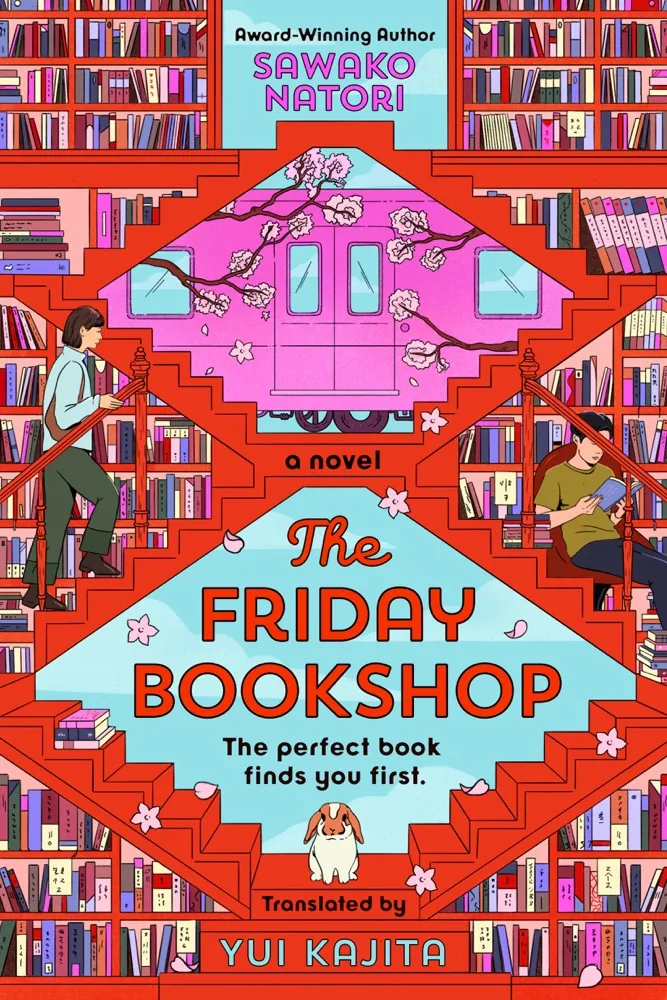
Author: Sawako NatoriPage Count: UnknownPublication Date: Expected publication 2026-11-03 APL Sweat is currently dripping off my chin and onto a grease-stained drop cloth while this apartment bakes like a pizza oven in the dead of August, so naturally, my mind wanders to the utterly derivative literary trend of magical realism set in quaint Japanese retail spaces. The Friday Bookshop by Sawako Natori is coming for your wallets this November, and boy, do I need a laugh. Another quirky basement full of books that magically fix your life? Groundbreaking. Truly avant-garde. Move over, Kafka. The Architecture of Comfort Porn We have a tragic college student named Fumiya. His dad is sick. He wanders into a train station bookstore—because apparently normal high-street shopping is dead to these protagonists—and discovers an underground subway platform converted into a literal literary hobbit-hole. And reader, he gasps. Naturally, there is a rotating daily food menu run by quirky high school besties because nothing cures existential dread quite like artisanal snacks and cozy vibes. It is giving me Days at the Morisaki Bookshop meets every single translated Japanese novel published in the last five minutes. No cap, this book is weaponized whimsy. The synopsis reads like an algorithmic fever dream designed entirely to capture the TikTok demographic that unironically romanticizes aesthetic commute snacks. Epiphanies on the Cheap Yet, I find myself morbidly fascinated by the sheer audacity of this premise. Fumiya goes from not reading a single book in his entire existence to suddenly working part-time in a subterranean vault and curing his daddy issues through the sheer power of genre fiction and aesthetic soup. Thematic analysis? Please. The thematic trajectory here is as predictable as a straight line drawn with a ruler. Books equal human connection. Food equals emotional processing. Nostalgia equals financial security for the publisher. Natori is leaning so hard into the cozy-escapism paradigm that it practically borders on parody. We are expected to swallow the ontological absurdity of an abandoned subway platform functioning as a magical therapist's office disguised as a retail establishment. And yet. The art market is currently saturated with giant canvases of melting clocks that sell for millions while my rent checks bounce, so maybe I am just bitter. Maybe I want an underground train station to hand me a life-altering paperback instead of another utility bill. But let us be entirely real here. This is capitalism wrapped in a pastel cardigan. It is aestheticized grief management for people who find Murakami too weird and Kawabata too depressing. If I have to read one more blurb about a quirky trio serving mouthwatering dishes while teaching a clueless young man about the magic of turning pages, I might actually throw my pallet out the window. Give me some raw human suffering, please. Or at least a protagonist who doesn't solve their paternal trauma via a laminated lunch menu. I have to go argue with my landlord about the persistent leak in the ceiling before the drywall completely collapses onto my easel. Related InsightsSapiens: A Brief History of Humankind Book Review and Summary Holy Bible: New International Version Book Review and Summary Carved in the Shadows Book Review and Summary{ "@context": "https://schema.org", "@type": "FAQPage", "mainEntity": [ { "@type": "Question", "name": "What is the main focus of The Friday Bookshop Book Review and Summary?", "acceptedAnswer": { "@type": "Answer", "text": "Everything you need to know about The Friday Bookshop with our detailed review." } }, { "@type": "Question", "name": "Who authored the comprehensive guide on The Friday Bookshop Book Review and Summary?", "acceptedAnswer": { "@type": "Answer", "text": "This detailed article and its insights were carefully researched and authored by Giulia Ricci." } }, { "@type": "Question", "name": "Where can I find more related content about Books?", "acceptedAnswer": { "@type": "Answer", "text": "You can explore more articles, detailed reviews, and similar insights by browsing the Related Insights section at the bottom of this article or visiting our dedicated Books category page." } } ] }

Author: K. ChiucarelloPage Count: UnknownPublication Date: Expected publication 2026-11-17 APL In an era where motherhood is constantly reimagined, Nanny Nanny dares to venture into the dark crevices of our cultural psyche. I'm reminded of The Dispossessed by Ursula K. Le Guin, where the lines between personal and communal narratives blur, creating a sense of disorientation that's both disconcerting and liberating. This debut novel promises to tackle the fraught territories of domestic violence, class, and the labor of care – a brave endeavor, to say the least. But, let's get real, who wants to read about yet another woman's quest for motherhood? I'm talking about the obligatory narrative where the protagonist struggles to balance career and family, often leading to a contrived resolution that reinforces the very patriarchal norms we're supposedly critiquing. Yet, there's something about Nanny Nanny that piques my interest – perhaps it's the way the blurb teases the 'incendiary secret' beneath its deceptively tranquil surface. We're led to believe that the protagonist, a 35-year-old nanny, has finally succumbed to 'baby fever' after years of caring for the children of the elite. What's striking about this premise is the way it sidesteps the conventional 'working mom' trope, opting instead for a narrative that seems to be grappling with the aftermath of domestic violence. It's a bold move, one that subverts expectations and raises essential questions about the societal expectations placed on women. I'm currently stuck on the phrase 'what's the next most violent thing a woman can do to herself?' – a sentiment that's equal parts provocative and unsettling. It's a rhetorical question that lingers, refusing to be reduced to a neatly wrapped package of moral lessons or platitudes. It's this kind of unflinching gaze into the abyss that makes Nanny Nanny feel like a game-changer. K. Chiucarello's writing style is a siren's call, beckoning us into the uncharted territories of female experiences, queering the very notion of motherhood and challenging the conventions that govern our expectations. I can almost smell the intoxicating smoke of her prose, like the scent of a cigarette on a rainy night. I'm not sure what to make of the fact that I'm spending my Saturday afternoon writing this review, trying to hit my word count, and wondering if anyone will even care about my thoughts on this obscure book. The irony isn't lost on me – I'm critiquing a novel about the complexities of labor and care while simultaneously laboring over my own words. As I wrap up this review, I'm reminded of the futility of trying to distill the essence of a book into a neat package of critique. The more I write, the more I realize that Nanny Nanny is a puzzle box with too many pieces, each one revealing a different facets of the human experience. I'll leave you with a quote from that French existentialist philosopher I always get wrong: 'Le style, c'est l'homme même,' (The style is the man himself.) I guess what I'm saying is that I still have to translate this Camus dude's poem. #amreading #motherhood #domesticviolence #literaryfiction Related InsightsPicasso Heist Book Review and Summary The Night Circus Book Review and Summary The Cursed Diamond Book Review and Summary{ "@context": "https://schema.org", "@type": "FAQPage", "mainEntity": [ { "@type": "Question", "name": "What is the main focus of Nanny Nanny Book Review and Summary?", "acceptedAnswer": { "@type": "Answer", "text": "Everything you need to know about Nanny Nanny with our detailed review." } }, { "@type": "Question", "name": "Who authored the comprehensive guide on Nanny Nanny Book Review and Summary?", "acceptedAnswer": { "@type": "Answer", "text": "This detailed article and its insights were carefully researched and authored by Giulia Ricci." } }, { "@type": "Question", "name": "Where can I find more related content about Books?", "acceptedAnswer": { "@type": "Answer", "text": "You can explore more articles, detailed reviews, and similar insights by browsing the Related Insights section at the bottom of this article or visiting our dedicated Books category page." } } ] }
Author: Jeanette RosePage Count: UnknownPublication Date: Expected publication 2026 APL Coffee is cold again, a bitter slurry sitting beneath a ring of dried espresso on my sketchbook. Jeanette Rose—or is it Grey? The marketing copy is as muddled as the genre expectations—is peddling Sorrow & Strangers like it’s the second coming of the wounded-man archetype. Another brooding Brit with a bum knee and a soul full of "whispers." Groundbreaking. The Aesthetics of the Ruined Man We are meant to swoon over the "English accent and brooding brown eyes," a shorthand for emotional depth that has been milked dry since the Brontë sisters decided misery was the most attractive personality trait. Rose treats Cole’s internal damage as a decorative feature, a scar to be touched rather than a psyche to be understood. It’s performative vulnerability. The synopsis leans heavily on the "I’ll ruin her life" trope, which is a tired, pretentious justification for emotional unavailability. It’s not profound, it’s just low-key cringe. Wait. Maybe there’s a subversion here. If Rose actually commits to the physical limitation of the injury—if the knee isn't just a metaphor for his inability to "stand" for a woman—this could avoid the usual saccharine trap. Or maybe I’m giving her too much credit. Perhaps the prose will be as limp as his ligaments. The Transactional Heart of Romance Serena’s "bottomless well of patience" is the real issue here. Why is it that in these contemporary setups, the woman is always the emotional maintenance crew? She’s an unpaid therapist with a better apartment. It reeks of the same power imbalance we saw in It Ends with Us or the more manic offerings from Emily Henry, where the "fixer" role is disguised as romantic agency. The dynamic isn't a partnership; it’s a restoration project. Actually, no, forget that. Perhaps the transactional nature—she wants a favor, he offers his body, or vice versa—is the only honest thing about the premise. Modern courtship is basically a series of desperate exchanges, and Rose might accidentally land on something brilliant by stripping away the illusion of soulmates. The snark, if handled with actual wit, could be the thin veneer over a genuinely bleak look at modern loneliness. Cole’s internal "coiled tension" feels like a frantic, mid-shelf attempt to market brooding as a personality type, but the interplay between their shared nights and his confession-heavy mornings implies a pacing that could be effective. It’s all about whether she can make the transition from a savior to an equal. The genre is saturated with these "I can change him" narratives, yet fans keep buying in. It’s total brain rot, but god, I’ll probably watch the inevitable adaptation while I avoid my own bills. I’m headed back to the canvas now; the paint is drying on a portrait that captures nothing but the crushing indifference of a Tuesday afternoon. Related InsightsDavid Copperfield Book Review and Summary Villain Edit Book Review and Summary The Four Winds Book Review and Summary{ "@context": "https://schema.org", "@type": "FAQPage", "mainEntity": [ { "@type": "Question", "name": "What is the main focus of Sorrow & Strangers (Avalon University, #2) Book Review and Summary?", "acceptedAnswer": { "@type": "Answer", "text": "Everything you need to know about Sorrow & Strangers (Avalon University, #2) with our detailed review." } }, { "@type": "Question", "name": "Who authored the comprehensive guide on Sorrow & Strangers (Avalon University, #2) Book Review and Summary?", "acceptedAnswer": { "@type": "Answer", "text": "This detailed article and its insights were carefully researched and authored by Giulia Ricci." } }, { "@type": "Question", "name": "Where can I find more related content about Books?", "acceptedAnswer": { "@type": "Answer", "text": "You can explore more articles, detailed reviews, and similar insights by browsing the Related Insights section at the bottom of this article or visiting our dedicated Books category page." } } ] }
Author: Penny ZangPage Count: UnknownPublication Date: Expected publication 2026 APL Staring down yet another lukewarm cup of stale roast while my grease-pencil sketches of inverted monuments slide off this groaning, warped mahogany disaster of a desk. Penny Zang wants us to care about Baltimore in 1985—as if historical pastiche is an adequate substitute for actual visceral stakes. Accidents Never Happen leans hard on the familiar gothic apparatus, trading genuine transgressive grit for moody window dressing, complete with a literary ghost story that spirals out of control because characters simply refuse to possess basic operational common sense. The Aesthetics of Decay and Cheap Sherry Edgar Allan Poe as a structural crutch. How delightfully predictable. We get the standard-issue mourning tropes—dead roses, weeping poets, and an atmosphere dripping in performative melancholy. Zang attempts to graft nineteenth-century romanticized despair onto a working-class neighborhood fighting economic entropy, but the juxtaposition feels less like a deconstruction of myth and more like a high-concept Pinterest board manifested into prose. And honestly? The killer leaving a bottle of sherry at every crime scene is giving me major theater-kid energy. It is peak serial killer dramaturgy, absurdly cringe, and entirely too neat for a world supposedly rotting from the edges inward. Narrative Architecture and the Vanishing Father Disappearances are currency in contemporary suspense. First the patriarch vanishes into thin air, leaving behind a crumbling tavern and massive debt, and then the reclusive sister follows suit because—plot convenience demands it. Mad is left holding the empty bag, frantically racing against a ticking clock while trying to dodge suburban whispers. Zang is clearly gunning for the atmospheric territory staked out by Long Bright River or The Last House on Needless Street, but those texts earned their psychological dread through prolonged structural claustrophobia. Here, the synopsis promises a breathless hunt that risks trading genuine character interiority for cheap plot-twist gymnastics. Will the missing father be the puppet master, or just another red herring designed to pad out the word count before the inevitable fiery climax? Probably the latter. The literary industrial complex loves a neat thematic symmetry that ties paternal abandonment directly to a madman's calling card. Subverting the Heroic Trajectory Nobody in this narrative gets to just fix their life without a corpse showing up to complicate the accounting books. Mad is a classic exemplar of the exhausted protagonist—the trope of the put-upon young woman carrying the emotional and financial labor of an entire failing business while the men in the periphery either vanish or murder people. It is tedious. It is exhausting. Frankly, I am tired of heroines whose primary character arc is enduring catastrophic systemic failure while sleuthing on the side. Give me an unreliable narrator who sets the bar on fire herself instead of waiting around for a Gothic specter to do it. If Zang wants to really shock the reader, subvert the Poe obsession—make the girls realize the dead poet was just a miserable hack who wrote fanfiction about grief. My wrist hurts from holding this damn charcoal stub, and the deadline for my gallery proposal is looming like an existential guillotine. I have to go scavenge for a decent cup of matcha in this wretchedly gentrified neighborhood before my last remaining nerve endings completely combust. #bookstagram #gothicfiction #literarycritique #writingcommunity Related InsightsCome, reza, ama / Eat, Pray, Love Book Review and Summary Fangirl Down Book Review and Summary Edge Book Review and Summary{ "@context": "https://schema.org", "@type": "FAQPage", "mainEntity": [ { "@type": "Question", "name": "What is the main focus of Accidents Never Happen: A Novel Book Review and Summary?", "acceptedAnswer": { "@type": "Answer", "text": "Everything you need to know about Accidents Never Happen: A Novel with our detailed review." } }, { "@type": "Question", "name": "Who authored the comprehensive guide on Accidents Never Happen: A Novel Book Review and Summary?", "acceptedAnswer": { "@type": "Answer", "text": "This detailed article and its insights were carefully researched and authored by Giulia Ricci." } }, { "@type": "Question", "name": "Where can I find more related content about Books?", "acceptedAnswer": { "@type": "Answer", "text": "You can explore more articles, detailed reviews, and similar insights by browsing the Related Insights section at the bottom of this article or visiting our dedicated Books category page." } } ] }