Showing Posts From
Artisan baking
-
 Marcus Vance
 - 10 Aug, 2026 19:34
Sourdough Bread: The Ancient Art of Fermentation That’s Revolutionizing Modern Baking
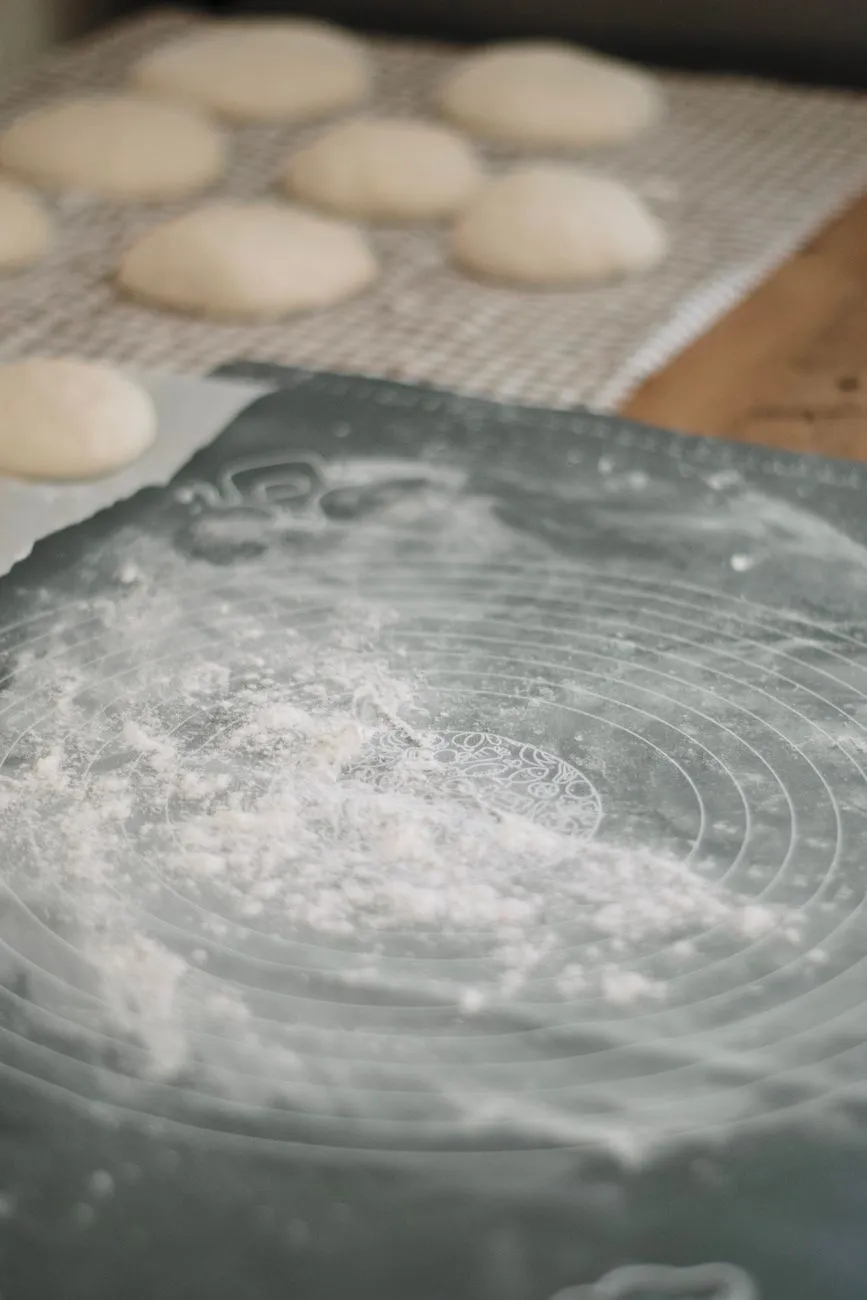
The Alchemy of Time: How a 5,000-Year-Old Tradition Still Shapes Our Bread Few foods carry the weight of history like sourdough bread. Its origins trace back to ancient Egypt, where archaeologists have uncovered evidence of fermented bread dating to 3000 BCE. Unlike modern bread, which relies on commercial yeast for a quick rise, sourdough harnesses wild yeast and lactic acid bacteria—naturally present in flour and the environment—to leaven and flavor the dough over days, not hours. This slow fermentation isn’t just a culinary technique; it’s a biological marvel that transforms humble ingredients into a loaf with depth, complexity, and a shelf life that defies convention. The magic begins with the starter—a living ecosystem of microbes that, when nurtured correctly, can produce bread with a tangy brightness, an airy crumb, and a crust so crisp it shatters like glass. But here’s the paradox: while sourdough is one of the oldest forms of bread, its modern revival is fueled by cutting-edge food science. Researchers at institutions like the University of Copenhagen and the Technical University of Munich have spent years dissecting the microbial communities in starters, uncovering how specific strains of Lactobacillus and Pediococcus can enhance texture, delay staling, and even inhibit mold growth. A 2023 study published in PubMed titled "The quest for the perfect loaf of sourdough bread continues: Novel developments for selection of sourdough starter cultures" highlights how selecting the right microbial allies can elevate sourdough from a weekend hobby to a bakery-grade masterpiece. Yet, for all its scientific intrigue, sourdough remains deeply personal. Every baker’s starter is a fingerprint—shaped by local flour, water, and the invisible microbes in their kitchen. Whether you’re a novice kneading your first dough or a seasoned artisan refining a decades-old culture, the journey from starter to loaf is a testament to patience, precision, and the quiet power of fermentation.The Science of Sourdough: Why Wild Yeast and Bacteria Are Your Secret Weapons At the heart of every sourdough loaf lies a delicate balance of microorganisms, each playing a distinct role in flavor, texture, and preservation. The primary players are wild yeast (Saccharomyces cerevisiae and related species) and lactic acid bacteria (LAB), which include genera like Lactobacillus, Leuconostoc, and Pediococcus. When combined in a starter—a mixture of flour and water left to ferment—they engage in a metabolic dance that’s as much chemistry as it is biology. Here’s how it works: The wild yeast consumes sugars in the flour, producing carbon dioxide (which leavens the dough) and ethanol (which evaporates during baking). Meanwhile, LAB ferment sugars into lactic acid and acetic acid, giving sourdough its signature tang. The ratio of these acids determines the flavor profile—more lactic acid yields a milder, yogurt-like tang, while acetic acid (found in vinegar) adds a sharper, almost fruity note. A 2022 review in OpenAlex titled "Sourdoughs as Natural Enhancers of Bread Quality and Shelf Life" found that starters dominated by Lactobacillus plantarum or Pediococcus pentosaceus not only improved crumb structure but also extended shelf life by up to 50% compared to commercial yeast breads. This is due to the antimicrobial properties of LAB, which produce compounds like bacteriocins that inhibit spoilage organisms. But not all starters are created equal. The microbial composition varies wildly based on factors like flour type, hydration, temperature, and feeding schedule. A study evaluating Pediococcus pentosaceus SP2 as a starter culture (OpenAlex, 2023) demonstrated that carefully selected LAB strains could reduce proofing time by 30% while enhancing loaf volume by 15%. This suggests that while traditional starters rely on chance microbial colonization, modern science offers tools to optimize fermentation for consistency and efficiency. For bakers, this means two things: First, your starter is alive, and its health dictates your bread’s success. Second, the environment you create—temperature, humidity, and feeding rhythm—is as crucial as the ingredients themselves. A starter kept at 75°F (24°C) will ferment faster than one at 60°F (15°C), but the latter may develop more complex flavors. Similarly, whole-grain flours (like rye or whole wheat) introduce more nutrients for microbes, fostering a more diverse and robust ecosystem.Crafting the Perfect Starter: A Step-by-Step Guide to Building Your Microbial Masterpiece Creating a sourdough starter is less about following a rigid recipe and more about cultivating a relationship with microorganisms. The process is simple in theory—mix flour and water, wait, feed it daily—but the devil is in the details. Here’s how to do it right, backed by both tradition and science. Day 1: The Birth of Your Starter Combine 50g whole wheat or rye flour (these flours contain more nutrients for microbes) with 50g lukewarm water (around 80°F/27°C) in a clean glass jar. Stir until smooth, cover loosely (to allow gas exchange), and let it sit at room temperature (ideally 70–75°F/21–24°C). Avoid metal utensils, as they can react with acids. By Day 2, you may see tiny bubbles—a sign that wild yeast and bacteria are waking up. If not, don’t panic; some starters take longer to activate. Days 2–5: The Feeding Ritual Discard half the starter (about 50g) to prevent overgrowth of harmful bacteria and refresh it with 50g flour + 50g water. Repeat every 24 hours. By Day 3, you should notice a noticeable rise and fall in the starter, along with a tangy aroma (think yogurt with a hint of fruit). If it smells putrid or develops a gray liquid (hooch), it’s hungry—feed it more frequently or increase the discard amount. Pro Tip: Use unbleached, organic flour for the best microbial diversity. A 2023 study in Food Microbiology found that starters made with organic flours had 30% more LAB diversity than those made with conventional flours, likely due to the absence of antifungal agents. Days 5–7: The Maturation Phase Your starter should now double in size within 4–8 hours of feeding—a sign it’s ready for baking. It should smell pleasantly sour, with notes of apple cider vinegar or yogurt. If it’s sluggish, try feeding it twice daily or moving it to a warmer spot (like an oven with the light on). If it develops a pink or orange hue, discard it immediately—this indicates harmful bacteria. Troubleshooting:No activity? Try a different flour (rye often kickstarts fermentation faster). Hooch layer? Stir it back in or pour it off—it’s a sign of hunger, not spoilage. Mold? Toss it and start over.Once mature, your starter can live indefinitely with proper care. Store it in the fridge (feed weekly) or keep it at room temperature (feed daily). The choice depends on your baking frequency—fridge starters develop deeper flavors over time but require reactivation.The Art of the Dough: Kneading, Proofing, and Baking for Maximum Crust and Crumb With a healthy starter in hand, the real challenge begins: transforming flour, water, and salt into a loaf that’s light yet chewy, with a crust that crackles under the knife. The key lies in mastering three stages: autolyse, bulk fermentation, and final proofing. Step 1: The Autolyse (Resting the Dough) Before adding starter or salt, mix 500g bread flour (or a mix of bread and whole wheat) with 350g water (70% hydration) and let it rest for 30–60 minutes. This hydrates the flour, develops gluten naturally, and reduces kneading time. Autolyse also improves extensibility, making the dough easier to shape. Step 2: Incorporating the Starter and Salt Add 100g active starter (fed 4–12 hours prior) and 10g salt to the autolysed dough. The salt strengthens gluten and controls fermentation. Mix gently by hand (or with a dough whisk) until fully incorporated. The dough should feel tacky but not sticky. Step 3: Bulk Fermentation (The Slow Rise) Cover the dough and let it ferment at 75–78°F (24–26°C) for 4–6 hours, performing stretch-and-folds every 30–60 minutes for the first 2 hours. Stretch-and-folds build strength without over-kneading. You’ll know fermentation is complete when the dough has increased in volume by 50–75% and jiggles like a water balloon when shaken. Signs of Over- or Under-Fermentation:Too fast? The dough may collapse or taste bland. Lower the temperature or reduce starter percentage. Too slow? The dough may taste overly sour. Increase temperature or use a more active starter.Step 4: Shaping and Final Proof Gently shape the dough into a boule (round) or batard (oval), then place it in a proofing basket (banneton) dusted with rice flour (prevents sticking). Proof at room temperature for 1–2 hours, then refrigerate overnight (12–16 hours). Cold proofing slows fermentation, enhancing flavor and improving oven spring (the dramatic rise during baking). Step 5: Baking to Perfection Preheat your oven to 475°F (245°C) with a Dutch oven inside for 30–45 minutes. Turn the dough onto parchment paper, score the top with a razor (helps control expansion), and transfer it to the hot Dutch oven. Bake covered for 20 minutes, then uncovered for 20–25 minutes until deep golden brown. The internal temperature should reach 205–210°F (96–99°C). Pro Tips for the Best Crust:Steam is key. The Dutch oven traps steam, which gelatinizes the starches for a crisp crust. Don’t skip the score. A shallow cut (½ inch deep) prevents cracks and gives the loaf its signature "ear." Cool completely. Slicing too soon traps moisture, making the crumb gummy. Wait at least 1 hour.Flour Power: How Grain Choices Shape Your Sourdough’s Soul Not all flours are created equal when it comes to sourdough. The type of flour you use influences fermentation speed, flavor, texture, and even nutritional profile. Here’s a breakdown of the most popular options, backed by food science:Flour Type Fermentation Speed Flavor Profile Best For Nutritional NotesBread Flour Moderate Mild, slightly sweet Classic sourdough loaves High protein (12–14%), strong glutenAll-Purpose Flour Fast Neutral Beginners, quick bakes Lower protein (10–12%), versatileWhole Wheat Slow Nutty, earthy, tangy Hearty loaves Rich in fiber, B vitamins, and mineralsRye Flour Very Slow Intense, sour, malty Traditional German-style High in fiber, low gluten, prebioticSpelt Flour Moderate Sweet, slightly fruity Artisan loaves Easier to digest, lower gluten** Einkorn** Slow Buttery, rich Gourmet baking Ancient grain, high in luteinWhy It Matters:Whole grain flours (rye, whole wheat) contain more nutrients, feeding microbes and slowing fermentation. This results in a more complex flavor but requires more patience. Low-protein flours (like all-purpose) produce a softer crumb but may lack structure for high-hydration doughs. Ancient grains (einkorn, spelt) offer unique flavors but can be finicky due to lower gluten content.Blending for Balance: Many bakers use a 70/30 mix of bread flour and whole wheat for the best of both worlds—strong gluten structure with depth of flavor. For a tangier loaf, try 50% bread flour + 50% rye, which ferments slowly and develops a pronounced sourness.The Sourdough Paradox: Why This Ancient Bread Is the Future of Sustainable Baking In an era of industrialized food, sourdough stands as a rebellion against mass production. It’s a craft that demands time, attention, and respect for natural processes—qualities that resonate with modern consumers seeking authenticity. But sourdough’s appeal isn’t just philosophical; it’s practical. Research shows that sourdough bread offers tangible benefits over commercial yeast breads, from improved digestibility to extended freshness. Digestibility and Gut Health The fermentation process breaks down gluten and phytic acid, making sourdough easier to digest for many people with mild gluten sensitivities. A 2021 study in Nutrients found that sourdough bread had a lower glycemic index than conventional bread, leading to more stable blood sugar levels. Additionally, the LAB in sourdough produce exopolysaccharides, which act as prebiotics, feeding beneficial gut bacteria. Shelf Life and Waste Reduction Sourdough’s natural acidity inhibits mold and staling, extending shelf life by 3–5 days compared to commercial breads. This is particularly valuable in an age where food waste is a global crisis. A 2023 review in Food Control highlighted that sourdough starters containing Pediococcus strains could reduce bread spoilage by up to 40% due to their antimicrobial properties. Sustainability Unlike commercial yeast, which requires energy-intensive fermentation vats, sourdough relies on ambient microbes and minimal inputs. Using locally milled flour and reducing packaging waste (by baking at home) further lowers its carbon footprint. For urban bakers, sourdough is a way to reconnect with food systems—turning a handful of flour and water into sustenance with almost zero waste. The Future of Sourdough As climate change threatens wheat yields, researchers are exploring alternative flours for sourdough, including sorghum, teff, and buckwheat. These grains require less water and can thrive in harsher conditions, making them a potential solution for sustainable baking. Meanwhile, bakeries are reviving heirloom starters passed down for generations, preserving microbial biodiversity that could be lost to industrialization. Sourdough isn’t just bread—it’s a movement. It’s a return to slow food in a fast world, a celebration of microbial alchemy, and a testament to the idea that the best things in life take time. Whether you’re baking your first loaf or perfecting a 10-year-old starter, remember: every rise, every fold, every hour of proofing is a step toward something extraordinary.The Last Crumb: Why Your Sourdough Journey Is Just Beginning If you’ve ever pulled a golden-brown loaf from the oven, listened to its crust crackle, and inhaled its intoxicating aroma, you know the magic of sourdough. It’s more than food; it’s a connection to the past, a collaboration with nature, and a daily reminder that patience and care yield the sweetest rewards. But here’s the secret no one tells you: Sourdough is a living relationship. Your starter will evolve with you, adapting to your kitchen, your flour, your habits. Some days it will rise like a dream; other days it will rebel. And that’s okay. Each loaf is a lesson, each discard a chance to start anew. So go ahead—feed your starter, knead the dough, and let time do its work. The perfect loaf isn’t a destination; it’s the journey itself.#SourdoughRevolution #ArtisanBaking #FermentationMagic #BreadWithPurpose #SlowFoodMovement Related InsightsPav Bhaji: A Symphony of Spices on the Tawa Summit Sips: Unveiling the Soul of Himalayan Butter Tea Ndambe: The Comforting Black-Eyed Pea Stew{ "@context": "https://schema.org", "@type": "FAQPage", "mainEntity": [ { "@type": "Question", "name": "What is the main focus of Sourdough Bread: The Ancient Art of Fermentation That’s Revolutionizing Modern Baking?", "acceptedAnswer": { "@type": "Answer", "text": "Unlock the secrets of sourdough bread—from crafting the perfect starter to baking a loaf with unmatched flavor and texture. Dive into the science and tradition behind this timeless craft." } }, { "@type": "Question", "name": "Who authored the comprehensive guide on Sourdough Bread: The Ancient Art of Fermentation That’s Revolutionizing Modern Baking?", "acceptedAnswer": { "@type": "Answer", "text": "This detailed article and its insights were carefully researched and authored by Marcus Vance." } }, { "@type": "Question", "name": "Where can I find more related content about Food?", "acceptedAnswer": { "@type": "Answer", "text": "You can explore more articles, detailed reviews, and similar insights by browsing the Related Insights section at the bottom of this article or visiting our dedicated Food category page." } } ] }
- Marcus Vance
- 21 Jul, 2026 17:54
Sourdough Beyond Bread: The Art of Crafting Pizzas, Pastries, and Innovative Baked Delights
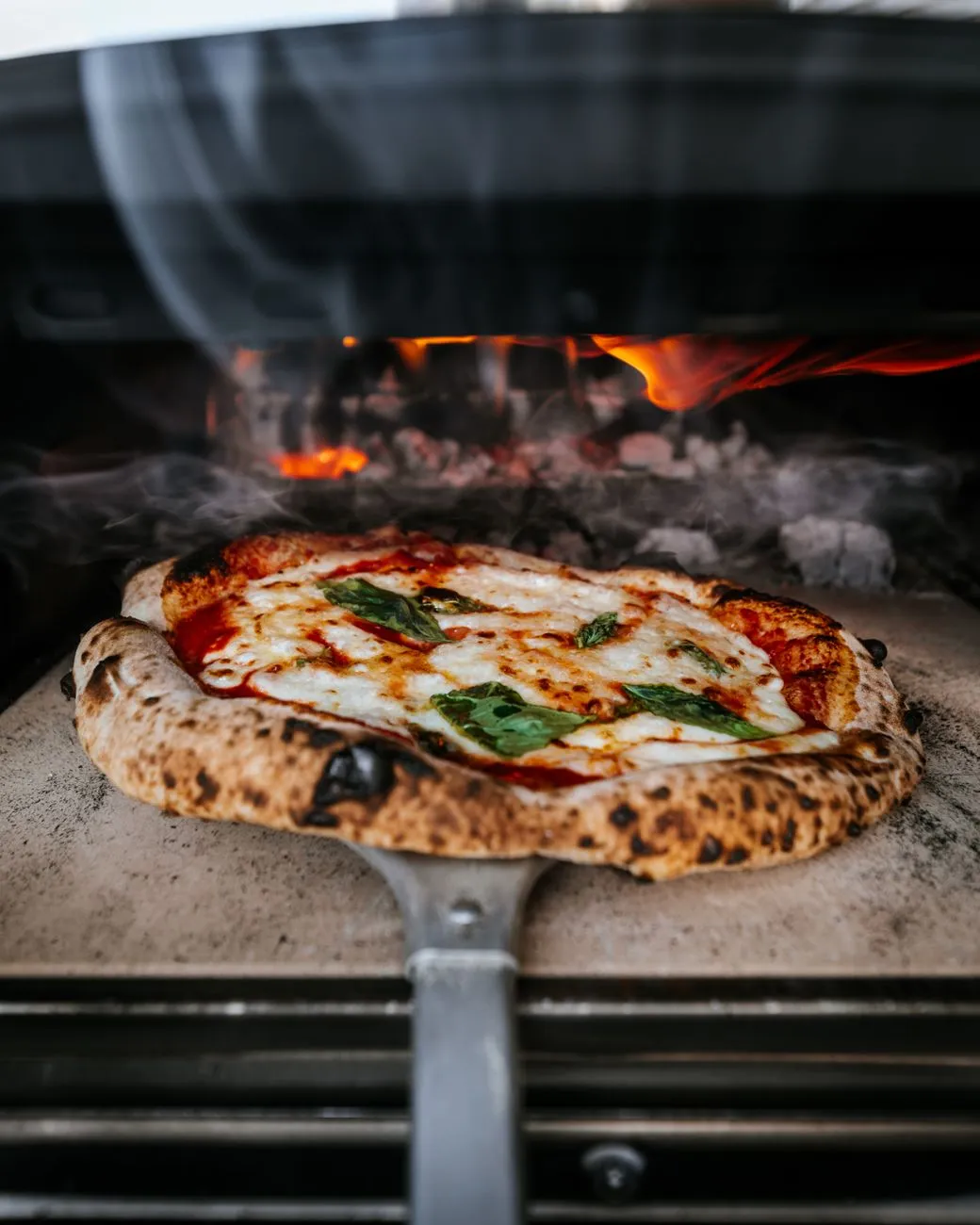
The golden crust cracks under the pressure of a fork, releasing a symphony of tangy aroma and cheesy bliss—this is no ordinary pizza. This is a sourdough pizza, where the slow-fermented magic of a wild yeast culture transforms humble ingredients into a transcendent culinary experience. Sourdough is no longer confined to the loaf; it has evolved into a versatile medium for creativity in the kitchen, from airy, leopard-spotted pizzas to flaky, buttery pastries that melt in the mouth. The resurgence of sourdough baking, fueled by a global pandemic and a renewed appreciation for fermentation, has unlocked a world of possibilities beyond the traditional boule or batard. What began as a preservation technique in ancient Egypt has evolved into a symbol of artisan craftsmanship and culinary innovation. Today, sourdough is celebrated not just for its distinctive flavor but for its digestibility, nutritional benefits, and adaptability. Whether you're a seasoned baker or a curious home cook, the journey into sourdough’s expansive repertoire promises to elevate your baking game. In this article, we’ll delve into the science, techniques, and creativity behind sourdough pizzas, pastries, and innovative baked goods, backed by research and expert insights.The versatility of sourdough lies in its microbial ecosystem—a delicate balance of lactic acid bacteria (LAB) and wild yeast that work in harmony to break down starches and proteins, enhancing flavor and texture. Unlike commercial yeast, which provides a rapid rise, sourdough’s slow fermentation develops complex flavors and improves gluten structure, making it ideal for a wide range of baked goods. From the crispy edges of a Neapolitan-style pizza to the delicate layers of a croissant, sourdough’s adaptability is unparalleled. Let’s explore how to harness this ancient technique for modern culinary adventures.The Science of Sourdough: Why It Elevates Pizzas to Masterpieces Sourdough pizza is more than a trend—it’s a scientific marvel. The key to its success lies in the fermentation process, which begins with a sourdough starter, a living culture of wild yeast and lactic acid bacteria. When combined with flour and water, these microorganisms consume sugars, producing carbon dioxide (for rise) and organic acids (for flavor). The result? A dough that’s easier to digest, richer in flavor, and more resilient during baking. Research from OpenAlex highlights the cultural diversity of traditional flatbreads, emphasizing how fermentation techniques vary across regions. In Italy, for example, sourdough pizzas like pizza napoletana rely on a long fermentation (24–48 hours) to develop a light, airy crust with a chewy interior. The slow fermentation allows enzymes to break down starches, reducing the glycemic index and improving digestibility. Meanwhile, the lactic acid bacteria produce compounds like acetic acid (vinegar-like tang) and propionic acid (nutty notes), which contribute to the pizza’s complex flavor profile.To achieve the perfect sourdough pizza, start with a high-hydration dough (65–75% water) to create a tender, extensible crust. Autolyse the dough (mix flour and water first, then add starter and salt later) to hydrate the gluten evenly. Ferment at room temperature (70–75°F) for 4–6 hours, then cold-proof in the fridge for 12–24 hours. This extended fermentation enhances flavor and makes the dough easier to shape. When baking, use a pizza stone or steel preheated to 500–550°F (260–290°C) for a crispy, leopard-spotted crust. The science behind sourdough pizza also extends to its nutritional benefits. Studies show that sourdough fermentation reduces phytic acid, an anti-nutrient found in grains that can inhibit mineral absorption. This makes sourdough pizza a more digestible option for those with mild gluten sensitivities. Additionally, the prebiotic fibers produced during fermentation support gut health, making it a win-win for both flavor and wellness.Sourdough Pastries: Flaky, Buttery, and Irresistible Sourdough isn’t just for bread and pizza—it’s a game-changer for pastries too. The same microbial magic that gives sourdough bread its tangy depth can be harnessed to create pastries with unparalleled texture and flavor. From croissants to Danish pastries, sourdough adds a subtle complexity that commercial yeast simply can’t match. The secret lies in the dough’s hydration and fermentation time. Sourdough pastries typically use a lower hydration dough (50–60%) to maintain structure, with a longer fermentation (12–24 hours) to develop flavor. The lactic acid bacteria soften the gluten, creating a tender crumb, while the wild yeast provides a slow, steady rise. For laminated pastries like croissants, sourdough can be incorporated into the dough or used as a levain (pre-ferment) to enhance flavor without compromising flakiness.One of the most popular sourdough pastries is the sourdough cinnamon roll, where the tangy dough pairs perfectly with sweet fillings. To make these, prepare a sourdough dough with 60% hydration, ferment for 12 hours, then roll out, fill with cinnamon sugar and butter, and bake until golden. The result is a pastry with a tender interior and a slightly crisp exterior, with a flavor profile that’s both familiar and excitingly new. Another innovative use of sourdough in pastries is the sourdough pie crust. Traditional pie crusts can be dense and tough, but sourdough fermentation tenderizes the dough, resulting in a flaky, melt-in-your-mouth crust. To make a sourdough pie crust, mix 50% sourdough starter with 50% flour and water, ferment for 12 hours, then incorporate into your pie dough. The lactic acid bacteria break down proteins, creating a more tender texture. For those looking to experiment, sourdough can also be used in scones, muffins, and even cookies. The key is to adjust hydration and fermentation time to suit the pastry’s structure. For example, sourdough scones benefit from a shorter fermentation (4–6 hours) to maintain their crumbly texture, while sourdough muffins can handle a longer fermentation (12–18 hours) for a tender crumb.Innovative Sourdough Baking: Beyond the Basics Sourdough baking is an art form, and innovation is at its heart. While traditional bread and pizza are staples, modern bakers are pushing the boundaries of what sourdough can do. From savory sourdough pancakes to sweet sourdough doughnuts, the possibilities are endless. One innovative trend is sourdough discard baking, where bakers use the unfed portion of their starter (discard) to create quick breads, muffins, and even waffles. Discard baking is not only waste-reducing but also adds depth of flavor to baked goods. For example, a sourdough discard banana bread combines the tangy notes of sourdough with the sweetness of ripe bananas, resulting in a moist, flavorful loaf.Another exciting innovation is sourdough flatbreads, inspired by traditional Italian flatbreads like focaccia and piadina. These flatbreads are quick to make, requiring minimal fermentation (2–4 hours) and no shaping. Simply mix sourdough starter with flour, water, and salt, let it rest, then cook in a hot skillet or on a griddle. The result is a soft, pillowy flatbread with a subtle tang, perfect for dipping in olive oil or topping with fresh herbs. Sourdough can also be used in gluten-free baking, where it helps improve texture and flavor. For gluten-free sourdough bread, a blend of rice flour, tapioca starch, and xanthan gum is often used, with a sourdough starter to provide structure and tang. The fermentation process helps break down the starches, making the bread easier to digest. For the adventurous baker, sourdough can even be incorporated into savory dishes like sourdough crackers, sourdough pretzels, and sourdough waffles. The key is to experiment with hydration, fermentation time, and ingredient ratios to achieve the desired texture and flavor.Sourdough Pizza: A Step-by-Step Guide to the Perfect Crust Making sourdough pizza at home is a rewarding experience, but it requires patience and precision. Here’s a step-by-step guide to crafting a pizza that rivals your favorite pizzeria. Ingredients:500g bread flour or Tipo 00 flour 350g water (70% hydration) 100g active sourdough starter (100% hydration) 10g salt 5g olive oil (optional, for extensibility)Method:Autolyse: Mix flour and water in a bowl, cover, and let rest for 30–60 minutes. This hydrates the flour and begins gluten development. Add Starter and Salt: After autolyse, add the sourdough starter and salt (and olive oil, if using). Mix until fully incorporated. Bulk Fermentation: Cover and ferment at room temperature (70–75°F) for 4–6 hours, performing 2–3 sets of stretch and folds every 30 minutes to strengthen the dough. Cold Proof: Transfer the dough to the fridge and cold-proof for 12–24 hours. This slow fermentation enhances flavor and makes the dough easier to shape. Shape and Proof: Divide the dough into 250g balls, shape into rounds, and proof at room temperature for 2–4 hours until doubled in size. Bake: Preheat your oven to its highest setting (500–550°F) with a pizza stone or steel inside. Stretch the dough, top with sauce and cheese, and bake for 5–7 minutes until the crust is golden and the cheese is bubbly.Tips for Success:Use high-quality flour (Tipo 00 for Neapolitan-style, bread flour for chewier crusts). Keep your starter active and at peak strength for best results. Don’t overload the pizza with toppings—less is more for a crispy crust. Experiment with different fermentation times to find your preferred flavor profile.Nutritional Comparison: Sourdough vs. Commercial Yeast PizzaNutrient Sourdough Pizza Commercial Yeast PizzaCalories (per slice) 250–300 kcal 280–320 kcalCarbohydrates 35–40g 40–45gProtein 10–12g 8–10gFiber 2–3g 1–2gGlycemic Index Low (50–55) High (70–80)Digestibility High (reduced phytic acid) ModerateFlavor Complexity High (tangy, complex) Low (yeasty, one-note)Data sourced from nutritional databases and sourdough fermentation studies.Conclusion & Sign-off Sourdough baking is a journey of patience, experimentation, and discovery. From the crispy perfection of a sourdough pizza to the buttery layers of a sourdough croissant, this ancient technique offers endless possibilities for the modern baker. By understanding the science behind fermentation and embracing creativity, you can transform sourdough into a versatile medium for culinary innovation. Whether you’re a seasoned baker or a curious beginner, the world of sourdough pastries and innovative baking awaits. Start with a simple sourdough starter, experiment with different flours and fermentation times, and let your creativity soar. Remember, the key to great sourdough is in the details—hydration, temperature, and time all play crucial roles in shaping the final product. As you embark on your sourdough adventure, don’t be afraid to push boundaries. Try a sourdough scone with lemon curd, or a sourdough focaccia topped with roasted vegetables. The beauty of sourdough lies in its adaptability, and the only limit is your imagination. So, fire up your oven, feed your starter, and let the magic of sourdough transform your baking. The results will speak for themselves—one tangy, flavorful bite at a time. Happy baking! Marcus Vance#SourdoughBaking #ArtisanBread #PizzaPerfection #SourdoughPastries #InnovativeBaking Related InsightsMumbai's Sizzling Soul: The Spice, Sweet, and Chaotic Heartbeat of Street Food Middle Eastern Mezze Beyond Turkish: Authentic Lebanese and Syrian Small Plates High‑Pressure Culinary Science: Exploring Hydrothermal Cooking Techniques{ "@context": "https://schema.org", "@type": "FAQPage", "mainEntity": [ { "@type": "Question", "name": "What is the main focus of Sourdough Beyond Bread: The Art of Crafting Pizzas, Pastries, and Innovative Baked Delights?", "acceptedAnswer": { "@type": "Answer", "text": "Unlock the secrets of sourdough beyond bread—explore sourdough pizzas, pastries, and innovative baking techniques with expert insights and step-by-step guides." } }, { "@type": "Question", "name": "Who authored the comprehensive guide on Sourdough Beyond Bread: The Art of Crafting Pizzas, Pastries, and Innovative Baked Delights?", "acceptedAnswer": { "@type": "Answer", "text": "This detailed article and its insights were carefully researched and authored by Marcus Vance." } }, { "@type": "Question", "name": "Where can I find more related content about Food?", "acceptedAnswer": { "@type": "Answer", "text": "You can explore more articles, detailed reviews, and similar insights by browsing the Related Insights section at the bottom of this article or visiting our dedicated Food category page." } } ] }