Showing Posts From
Atlas of the heart
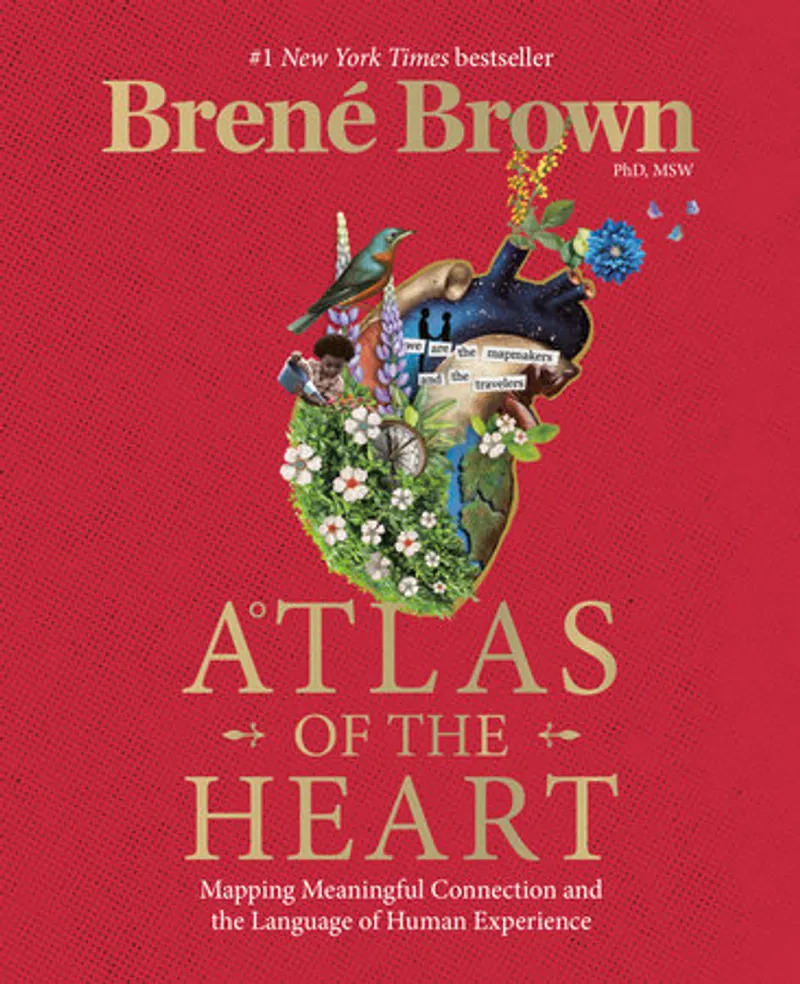

Atlas of the Heart Author: Brené BrownPage Count: UnknownPublication Date: 2021-PRH Brené Brown’s Atlas of the Heart is not just a book—it’s a cartography of human emotion, a guidebook for navigating the messy, beautiful terrain of our inner lives. With the precision of a seasoned researcher and the warmth of a trusted friend, Brown maps eighty-seven emotions and experiences that shape our humanity, offering readers a lifeline to deeper connection, both with themselves and others. In a world where loneliness and miscommunication often feel like the default, this book arrives as a beacon, reminding us that understanding our emotions isn’t just about naming them—it’s about reclaiming our power to choose how we live, love, and belong. At its core, Atlas of the Heart is a manifesto for emotional literacy. Brown, whose work on vulnerability and courage has reshaped modern conversations about shame and resilience, argues that the key to meaningful connection lies in language. Without the words to articulate what we feel, we’re left adrift in a sea of unspoken pain, unmet needs, and fractured relationships. But with the right vocabulary, we gain the ability to not only recognize our emotions but to steward them—to hold them with curiosity rather than fear, and to share them with others in ways that foster trust and intimacy. This isn’t just academic; it’s deeply practical. Brown’s research, distilled over two decades, provides a framework for turning emotional chaos into clarity, and isolation into belonging. What makes Atlas of the Heart so compelling is Brown’s signature blend of vulnerability and rigor. She doesn’t just present data; she weaves it into stories—her own and others’—that make the abstract tangible. Whether she’s dissecting the difference between jealousy and envy or exploring the nuances of grief, her tone is both authoritative and inviting. She writes like someone who has sat across from thousands of people in her research interviews, absorbing their stories with a compassionate ear, and then distilled those stories into something universally useful. The result is a book that feels like a conversation with a wise, empathetic mentor who refuses to let you off the hook with vague platitudes. Brown’s style is deceptively simple. She breaks down complex emotional concepts into digestible, actionable insights, but she never dumbs them down. Instead, she invites readers to engage deeply with their own experiences. For example, when she explores the spectrum of love—from belonging to heartbreak—she doesn’t just define the terms; she asks us to reflect on where we’ve felt each one, and how those moments have shaped us. This isn’t self-help in the traditional sense; it’s more like emotional cartography. Brown gives us the tools to chart our own inner landscapes, so we can navigate them with confidence rather than confusion. One of the book’s most powerful themes is the idea that naming an emotion doesn’t amplify its power—it diminishes the fear around it. This is a radical reframing for many of us who’ve been taught to suppress or ignore our feelings. Brown argues that when we accurately label what we’re experiencing, we strip away the mystery and shame that often surround it. Suddenly, a feeling like shame isn’t an amorphous, overwhelming force; it’s a specific emotion with a beginning, middle, and end. And that recognition gives us agency. It’s the difference between being at the mercy of our emotions and being their steward. Brown’s research is meticulous, but her delivery is anything but dry. She peppers the book with personal anecdotes, pop culture references, and even humor, making complex psychological concepts feel accessible. Her voice is that of a guide who’s been lost in the wilderness herself and has returned to show others the way. There’s a generosity in her writing that makes the reader feel seen, even when discussing painful emotions like grief or loneliness. She doesn’t just tell us what to do; she models it, sharing her own struggles with honesty and humility. The book’s structure mirrors its purpose. Organized into chapters that explore different emotional territories—from joy and gratitude to anger and fear—Atlas of the Heart functions as both a reference guide and a journey. Each section builds on the last, creating a cumulative effect that leaves the reader with a deeper understanding of themselves and others. By the end, you don’t just have a list of emotions; you have a new lens through which to view the world and your place in it. Ultimately, Atlas of the Heart is a love letter to human connection. In an era where digital communication often replaces depth with brevity, Brown reminds us that the most meaningful relationships are built on the willingness to be seen, to see others, and to navigate the messy, beautiful terrain of emotion together. This isn’t just a book to read—it’s a book to live by. It’s a call to arms for anyone who’s ever felt lost in their own feelings or struggled to connect with others. With Atlas of the Heart, Brené Brown gives us the map we’ve been waiting for. #AtlasOfTheHeart #BreneBrown #EmotionalIntelligence #Vulnerability #SelfDiscovery #MeaningfulConnection Related InsightsHead On Book Review and Summary Last Sacrifice Book Review and Summary Never Lie Book Review and Summary{ "@context": "https://schema.org", "@type": "FAQPage", "mainEntity": [ { "@type": "Question", "name": "What is the main focus of Atlas of the Heart Book Review and Summary?", "acceptedAnswer": { "@type": "Answer", "text": "Everything you need to know about Atlas of the Heart with our detailed review." } }, { "@type": "Question", "name": "Who authored the comprehensive guide on Atlas of the Heart Book Review and Summary?", "acceptedAnswer": { "@type": "Answer", "text": "This detailed article and its insights were carefully researched and authored by Isabella Moore." } }, { "@type": "Question", "name": "Where can I find more related content about Books?", "acceptedAnswer": { "@type": "Answer", "text": "You can explore more articles, detailed reviews, and similar insights by browsing the Related Insights section at the bottom of this article or visiting our dedicated Books category page." } } ] }