Showing Posts From
Australian outback
-
 Cemre Seyyah
 - 13 Aug, 2026 18:48
The Great Southern Odyssey: Unveiling the Spirit of Australian Tourism
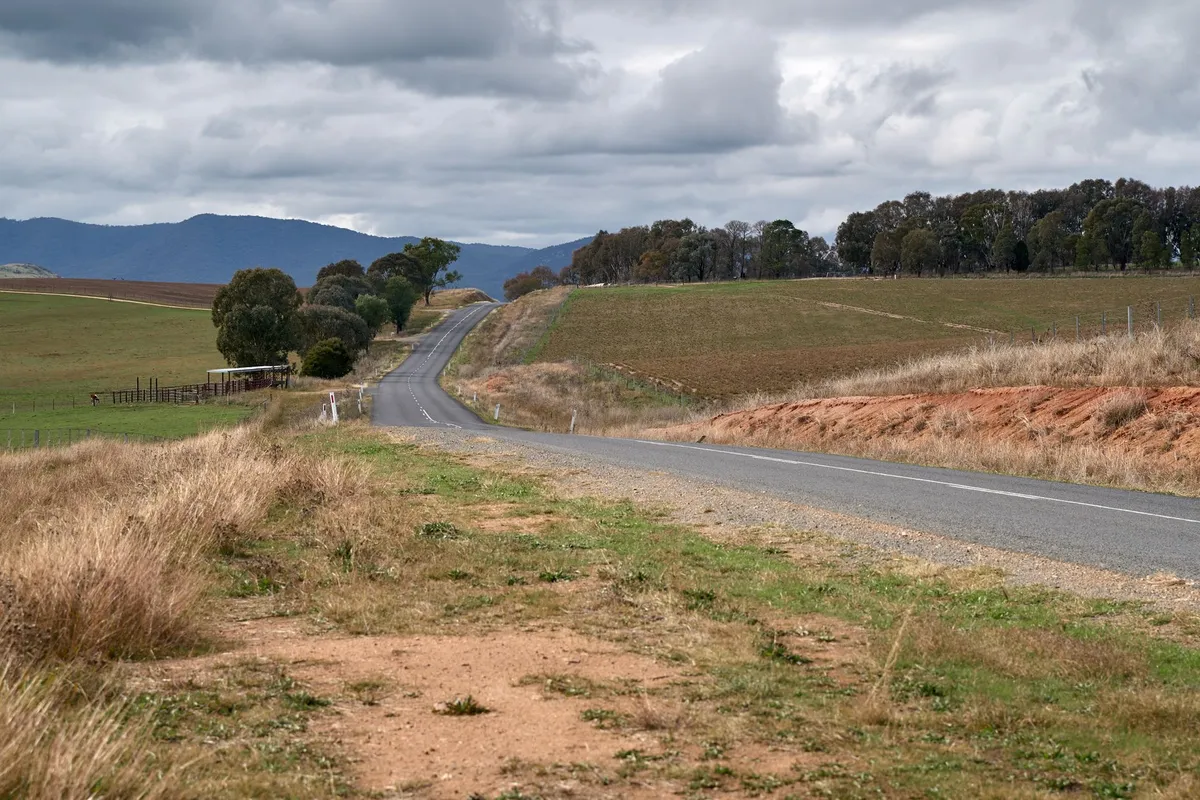
Between the shimmering sapphire of the Pacific and the ancient, rust-red silence of the interior lies a land defined by the courage of the wanderer. Australia is not merely a destination; it is a testament to the human drive for mobility, a vast expanse where the horizon never truly ends and the spirit of adventure is woven into the very fabric of the national identity. To travel here is to dance between the sophistication of coastal metropolises and the raw, untamed energy of a wilderness that defies imagination. An Economic Powerhouse Built on Exploration Tourism is far more than a leisure activity in Australia; it is a cornerstone of the national financial architecture. To understand the scale of this industry is to understand the heartbeat of the Australian economy. In the financial year 2018/19, tourism solidified its position as Australia's fourth-largest export, demonstrating a growth trajectory that outpaced the national GDP over the preceding decade. When we dive into the hard data, the impact is staggering. During that same period, tourism represented 3.1% of Australia's GDP, injecting a massive A$60.8 billion into the national economy. This isn't just a number on a ledger; it translates to tangible livelihoods. In 2018–19, the sector employed 666,000 people, meaning that approximately 1 in every 21 jobs across the entire Australian workforce was tied to the tourism industry. The demographic breakdown of this workforce reveals a compelling narrative of inclusivity and stability, with about 48% of these roles being full-time positions and 54% of the workforce being female. Furthermore, the industry's contribution to the nation's total export earnings stood at 8.2% in 2018–19. While Australia ranks as the fortieth most visited country globally according to the World Tourism Organization, its internal economic reliance and the sheer volume of international visitors—reaching 8.7 million by December 2019—highlight its status as a premier global beacon for travelers.From Colonial Hardship to the Golden Age of Rail The Australian inclination toward travel was born not from luxury, but from necessity and a restless search for security. In the earliest colonial days, the concept of movement was more natural to Australians than to those in older, more settled civilizations. Whether it was the pursuit of wealth, the search for safer lands, or the poignant desire to return to "old countries" to visit kin and revive fading memories, the Australian spirit was one of constant motion. The early landscape of travel was grueling. The dispersal of people across a massive continent created a culture of enterprise and resilience. Early pioneers braved the hardships of the wilderness via horse-drawn coaches, on horseback, or by ship. For a long time, the sheer scale of the distances between towns restricted travel to essential journeys—trade, occupation, or permanent settlement. This changed dramatically with the advent of rail travel. Suddenly, the "pleasure trip" became a possibility. The initial wave of tourism focused on resorts near major population centers. The Blue Mountains in New South Wales became a sanctuary for those escaping the city, while hill and coastal resorts near Melbourne and other Victorian cities flourished. The State Government railway tourist bureaux became the primary engines of travel sales, utilizing a network of railways and "feeder" motor coaches to connect the urban centers to the wilderness. The Era of Posters, Magazines, and the Jet Age Following the Second World War, travel transformed from a luxury for the few into a movement for the masses. The establishment of the Australian National Travel Association (ANTA), with its strategic bureaux in the UK and USA, breathed new life into the country's global image. Through vigorous poster campaigns and the influential Walkabout magazine (published from 1934 to 1974), Australia was marketed as a land of mystery and wonder. Walkabout eventually evolved, serving as the official journal of the Australian Geographical Society (AGS) starting in August 1946, before transitioning into "Australia's Way of Life Magazine" under the support of the Australian National Publicity Association and the Australian Tourist Commission. Today, this legacy of exploration continues through Australian Geographic magazine. The modes of transport shifted alongside the marketing. While rail remained dominant, the 1930s saw the rise of the family motor era for shorter intrastate trips. The seas were also alive with activity; the State Shipping Service of Western Australia and the Adelaide Steamship Company maintained popular services linking ports across the coastline. Winter cruises to Queensland ports were the precursors to today's Gold Coast getaways, and by the summer of 1934–35, the first organized cruises to New Zealand had begun. In the years just before World War II, a journey to Britain in tourist class could cost as little as $78. The most seismic shift, however, arrived in 1960 with the Jet Age. With aircraft capable of carrying over 100 passengers at speeds of 600 miles per hour, the world effectively shrank by half. This technological leap, combined with rising standards of living, turned international travel into a mass phenomenon and cemented tourism's importance to the Australian national economy.The Rise of Domestic Wanderlust and the Open Road While international visitors are vital, the heart of Australian tourism beats within its own borders. The post-war era saw a dramatic surge in domestic travel, fueled by increased private car ownership, higher incomes, and a societal shift toward leisure. A pivotal moment occurred in 1958 when New South Wales first introduced three weeks of paid annual holidays, followed later by the introduction of long-service leave. Thousands of Australians began venturing by road into every hidden corner of the continent. This surge in internal mobility triggered a massive wave of investment:Infrastructure: Significant improvements to highways to accommodate the flow of vehicles. Accommodation: The development of new resorts and lodging facilities in dispersed, remote locations. Conservation: The opening and preservation of national parks and foreshores for public enjoyment. Administration: The modernization of tourist promotion and development methods.This internal growth reached a peak where domestic tourism represented a staggering 73% of the total direct tourism GDP prior to the global disruptions of the early 2020s. Navigating the Modern Era and Global Challenges The trajectory of Australian tourism faced an unprecedented test with the arrival of the COVID-19 pandemic and the subsequent Deltacron hybrid variant. During 2021, the industry shifted focus entirely toward domestic movement, with Australians traveling intrastate and interstate wherever borders remained open. The reopening process was a gradual, strategic symphony. From November 2021, fully vaccinated Australians were once again permitted to fly overseas without exemptions. By December 1, 2021, the doors opened wider to allow entry from countries including Malaysia, Singapore, New Zealand, and Japan. To ensure long-term sustainability, the government moved from the "Tourism 2020" strategy (analyzed in a 2003 White Paper) toward the more comprehensive "Tourism 2030" strategy, ensuring that the industry remains resilient in a changing global climate. Iconic Landmarks: From Neon Cities to Ancient Monoliths Australia's appeal lies in its duality—the seamless blend of hyper-modern urbanity and primordial nature. For the modern traveler, the journey typically begins in the coastal capital cities. The Urban Magnets Sydney and Melbourne stand as the primary gateways, drawing millions with their cultural vibrancy and architectural brilliance. However, the allure extends to other coastal gems:Brisbane & The Gold Coast: Where golden sands meet a high-energy lifestyle. Perth & Adelaide: Offering a more relaxed, sophisticated coastal experience.The Natural Wonders Beyond the city limits, Australia transforms into a playground of biological and geological extremes.The Great Barrier Reef: As the world's largest reef system, it remains a pinnacle of global tourism, offering an underwater kaleidoscope of life. Uluru & The Outback: The spiritual heart of the country, where the red center tells stories of ancient time. The Tasmanian Wilderness: A rugged, cool-temperate paradise that offers a stark contrast to the tropical north.Finally, one cannot discuss Australian tourism without mentioning the wildlife. The unique flora and fauna—found nowhere else on Earth—serve as a primary point of interest, drawing nature lovers from every continent to witness the strange and beautiful creatures that call this island continent home. From the colonial coach trails to the jet-propelled adventures of today, Australia remains a land that invites the world to come and lose themselves in its vast, breathtaking openness.#AustraliaTravel #ExploreAustralia #OutbackAdventure #GreatBarrierReef #TravelHistory Related InsightsCorsica: The Island of Beauty in the Mediterranean L'Odyssée Australienne : Entre Terre Rouge et Récifs d'Azur Silent Steel: Photographing the Sunken Fleet of the Solomon Islands{ "@context": "https://schema.org", "@type": "FAQPage", "mainEntity": [ { "@type": "Question", "name": "What is the main focus of The Great Southern Odyssey: Unveiling the Spirit of Australian Tourism?", "acceptedAnswer": { "@type": "Answer", "text": "Explore the epic evolution of Australian tourism, from colonial mobility and the Jet Age to the breathtaking allure of the Great Barrier Reef and the Outback." } }, { "@type": "Question", "name": "Who authored the comprehensive guide on The Great Southern Odyssey: Unveiling the Spirit of Australian Tourism?", "acceptedAnswer": { "@type": "Answer", "text": "This detailed article and its insights were carefully researched and authored by Cemre Seyyah." } }, { "@type": "Question", "name": "Where can I find more related content about Travel?", "acceptedAnswer": { "@type": "Answer", "text": "You can explore more articles, detailed reviews, and similar insights by browsing the Related Insights section at the bottom of this article or visiting our dedicated Travel category page." } } ] }