Showing Posts From
Authentic spanish food
-
 Marcus Vance
 - 30 Aug, 2026 21:27
From Andalusia to Galicia: The Definitive Journey Through Spain’s Tapas Culture and Recipes
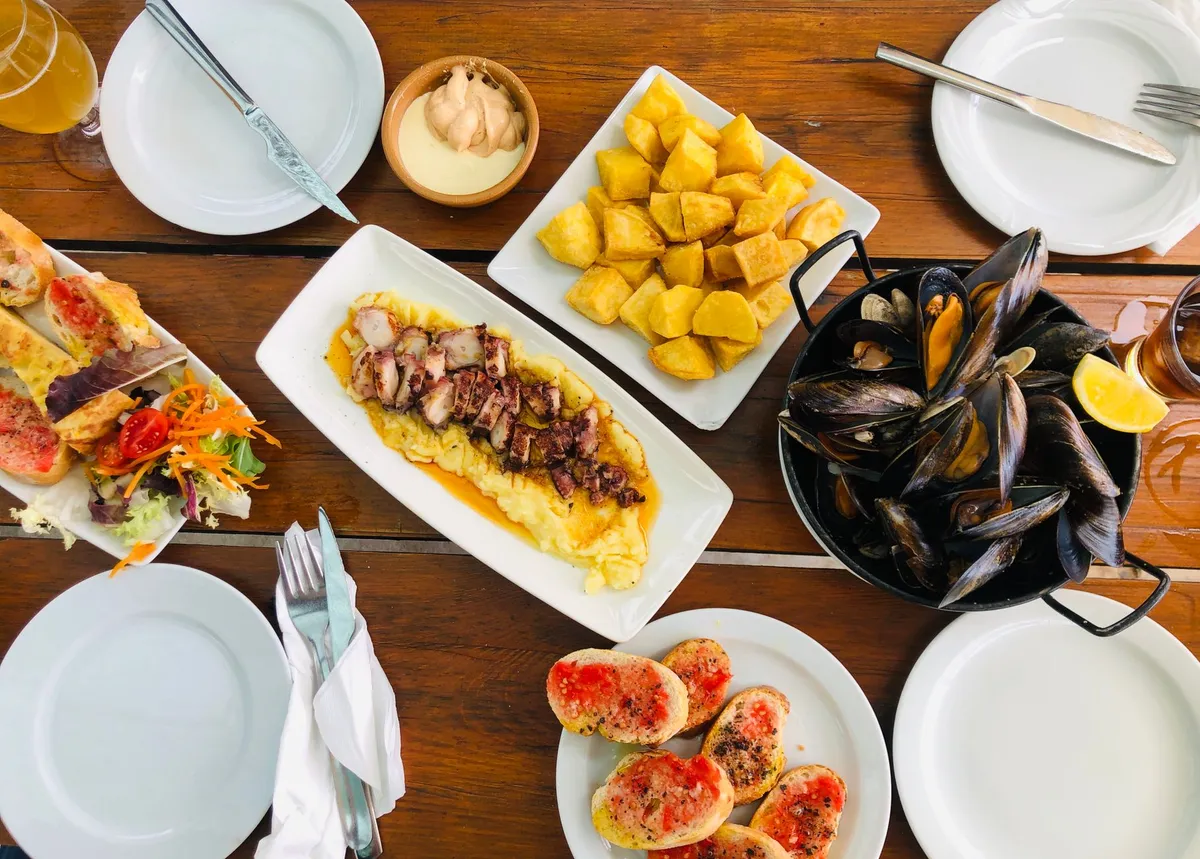
A Taste of Spain’s Soul: How Tapas Became a Global Obsession Few culinary traditions are as universally beloved—or as misunderstood—as Spanish tapas. Far more than just appetizers, tapas are a cultural phenomenon, a social ritual, and a canvas for regional pride. Whether you’re biting into a crispy slice of patatas bravas in Madrid, savoring a delicate pulpo a la gallega in Santiago de Compostela, or sharing a plate of gambas al ajillo in Barcelona, each bite tells a story of Spain’s diverse landscapes, histories, and flavors. Tapas trace their origins to medieval Spain, where King Alfonso X the Wise decreed that taverns must serve food with wine to prevent drunkenness—a law that inadvertently birthed an entire culinary tradition. The word tapa, derived from the verb tapar (to cover), originally referred to a slice of bread or ham placed over a glass of wine to keep out flies. Over centuries, this humble practice evolved into a sophisticated art form, with each region of Spain developing its own tapas culture, ingredients, and techniques. Today, tapas are enjoyed worldwide, but their true essence lies in their spontaneity and variety. A proper tapas meal is a journey—one that might begin with a tortilla española (Spanish omelette) in the Basque Country, pause for jamón ibérico in Extremadura, and end with churros con chocolate in Andalusia. The key to mastering tapas isn’t just in the recipes but in understanding the spirit behind them: sharing, savoring, and celebrating life’s simple pleasures.The Andalusian Fire: Patatas Bravas and the Art of Spicy Tapas Andalusia, Spain’s sun-drenched southern region, is the birthplace of some of the country’s most iconic tapas. Here, the flavors are bold, the spices are vibrant, and the dishes are designed to ignite the senses. Among these, patatas bravas—crispy fried potatoes smothered in a fiery red sauce—stands as a crown jewel of Andalusian tapas culture. The dish’s origins are humble, born in the taverns of Seville and Granada, where workers needed hearty, affordable food to sustain them through long days. The name bravas (meaning "fierce" or "angry") refers to the spicy tomato sauce that accompanies the potatoes, a sauce that typically includes smoked paprika, garlic, and a touch of cayenne pepper. The contrast between the crispy exterior of the potatoes and the rich, slightly smoky sauce is nothing short of magical. To make authentic patatas bravas, start with waxy potatoes like Yukon Gold or Monalisa, cut into 1-inch cubes. Parboil them for 5–7 minutes until just tender, then drain and let them dry thoroughly. Heat olive oil in a deep fryer or heavy pot to 350°F (175°C) and fry the potatoes in batches until golden and crispy, about 4–5 minutes per batch. Drain on paper towels and season with salt. For the salsa brava, heat 2 tablespoons of olive oil in a saucepan over medium heat. Add 2 minced garlic cloves and 1 teaspoon of smoked paprika (pimentón de la Vera), stirring for 30 seconds until fragrant. Add 1 can (14 oz) of crushed tomatoes, 1 teaspoon of sugar, 1 teaspoon of salt, and ½ teaspoon of cayenne pepper. Simmer for 15–20 minutes until thickened, then blend until smooth. Serve the sauce warm over the fried potatoes, garnished with a drizzle of alioli (garlic mayonnaise) and a sprinkle of chopped parsley. Andalusia’s tapas scene is also famous for pescaíto frito—a dish of small fried fish, typically anchovies, sardines, or squid, coated in a light batter and fried until crisp. The fish is served with lemon wedges and often accompanied by a salmorejo, a thick, cold tomato soup similar to gazpacho but with bread and egg as key ingredients. To make salmorejo, blend 2 lbs of ripe tomatoes, 100g of stale bread (soaked in water and squeezed dry), 1 garlic clove, 100ml of olive oil, and 1 teaspoon of salt until smooth. Chill for at least 2 hours before serving, topped with diced Serrano ham and hard-boiled egg.The Basque Country’s Pintxos: Where Art Meets Appetizer Move north to the Basque Country, and tapas take on a new identity: pintxos. Unlike the shared plates of Andalusia, pintxos are individual, elaborately constructed bites designed to be eaten in one or two mouthfuls. The word pintxo comes from the Basque pintxa, meaning "spike," referring to the toothpick or skewer used to hold the ingredients together. In cities like San Sebastián and Bilbao, pintxos bars are temples of culinary creativity, where chefs compete to create the most visually stunning and flavorful bites. The foundation of a great pintxo is the barra—the slice of bread or baguette that serves as the canvas. Toppings range from the classic Gilda—a skewer of anchovy, green olive, and guindilla pepper—to more avant-garde creations like foie gras with caramelized onions or cod brandade with piquillo peppers. One of the most iconic pintxos is txalupa, a small boat-shaped piece of bread topped with tuna salad, red peppers, and mayonnaise, garnished with a slice of hard-boiled egg. To make txalupa, start with a small piece of baguette or rustic bread, hollowed out slightly to create a "boat." For the tuna salad, mix 1 can of high-quality tuna in olive oil with 2 tablespoons of mayonnaise, 1 tablespoon of finely chopped red onion, 1 teaspoon of lemon juice, and a pinch of salt. Spoon the mixture into the bread boat and top with a slice of hard-boiled egg and a small piece of roasted red pepper. Secure with a toothpick and serve. Another Basque favorite is pintxo de tortilla, a deconstructed version of the classic Spanish omelette. Instead of a full slice, the tortilla is cut into small cubes and skewered with a toothpick, often topped with a dab of alioli or a sprinkle of smoked salt. The key to a perfect tortilla pintxo is a creamy, slightly undercooked center, achieved by cooking the eggs over low heat and folding them gently. Pintxos are not just food; they’re an experience. In San Sebastián, the Combined (a walking tour of pintxos bars) is a rite of passage for food lovers, where participants hop from bar to bar, sampling a new pintxo at each stop. The culture is deeply social, with locals and visitors alike standing at the bar, engaging in lively conversation while savoring each bite.Galicia’s Seafood Extravaganza: Pulpo a la Gallega and Beyond Galicia, Spain’s northwestern region, is a land of rugged coastlines, green hills, and some of the freshest seafood in the world. Here, tapas are a celebration of the sea, with dishes that highlight the bounty of the Atlantic Ocean. The most famous of these is pulpo a la gallega—Galician-style octopus—a dish so iconic it’s practically a national symbol. Pulpo a la gallega is simplicity at its finest. The octopus is boiled until tender, then sliced and arranged on a wooden platter. It’s sprinkled with coarse sea salt, drizzled with olive oil, and dusted with pimentón de la Vera—smoked paprika that gives the dish its signature deep red hue and smoky flavor. Traditionally, the octopus is served with patatas cocidas (boiled potatoes) and a side of pan de maíz (cornbread), though modern variations might include a sprinkle of fresh parsley or a drizzle of alioli. To prepare pulpo a la gallega, start with 2 lbs of fresh octopus. Freeze the octopus for 24 hours to tenderize it, then thaw and rinse thoroughly. Bring a large pot of water to a boil and add 1 bay leaf, 1 onion (halved), and 1 carrot (cut into chunks). Add the octopus and simmer for 45–60 minutes, depending on size, until tender. Drain and let it cool slightly before slicing into rounds. For the finishing touches, arrange the octopus on a wooden platter, sprinkle generously with coarse sea salt, and drizzle with high-quality Spanish olive oil. Finish with a generous dusting of pimentón de la Vera (smoked sweet paprika) and serve with boiled potatoes and crusty bread. Galicia’s tapas scene also includes empanada gallega, a savory pie filled with tuna, peppers, onions, and sometimes octopus or sardines. The dough is made with olive oil and flour, giving it a tender, slightly chewy texture. Another must-try is vieiras a la gallega—scallops gratinéed with garlic, breadcrumbs, and olive oil, served in their shells. Galicia’s coastal tapas culture is deeply tied to its fishing traditions. In towns like A Coruña and Vigo, it’s common to see fishermen’s wives preparing seafood tapas right on the docks, using the day’s catch. The result is a tapas experience that’s as fresh as it is flavorful, with each bite a testament to Galicia’s maritime heritage.Castile’s Comfort Food: From Tortilla Española to Morcilla While Andalusia dazzles with spice and the Basque Country wows with pintxos, the heart of Spain—Castile—offers a different kind of tapas magic: hearty, comforting, and deeply rooted in tradition. Here, tapas are less about sharing small bites and more about enjoying robust, rustic dishes that reflect the region’s agricultural roots. The undisputed king of Castilian tapas is tortilla española—the Spanish omelette. Unlike French omelettes, which are delicate and rolled, the Spanish version is thick, hearty, and served in wedges. The key to a perfect tortilla is the ratio of potatoes to eggs: for every 4 large eggs, use 2 medium potatoes, peeled and thinly sliced. Cook the potatoes in olive oil over low heat until tender but not browned, then drain and mix with the beaten eggs. Cook the mixture in a nonstick skillet over medium-low heat, flipping once to cook both sides. The center should be slightly underdone—creamy and custard-like. Another Castilian classic is migas—a dish of fried breadcrumbs, often served with chorizo, garlic, and sometimes grapes or sardines. The name comes from the Spanish migas, meaning "crumbs," and the dish originated as a way to use stale bread. To make migas, heat olive oil in a skillet and fry 4 cups of stale breadcrumbs until crispy. Add 4 minced garlic cloves and 1 teaspoon of smoked paprika, then stir in ½ cup of diced chorizo. Serve hot, garnished with fresh parsley. Castile is also famous for its morcilla—blood sausage flavored with onions, rice, and spices. In the town of Burgos, morcilla de Burgos is a staple, made with pork blood, rice, onions, and a touch of cinnamon. It’s often served grilled or fried and paired with apples or pears to balance its richness. To prepare morcilla, score the sausage lengthwise and grill over medium heat for 10–12 minutes, turning occasionally, until crispy on the outside and heated through. The tapas culture in Castile is deeply tied to mesones—traditional inns where travelers would stop for food and rest. Today, these mesones have evolved into lively tapas bars, where locals gather to enjoy a glass of Ribera del Duero wine with their tortilla or migas. The atmosphere is warm and convivial, with an emphasis on slow, unhurried dining.A Tapas Feast Across Spain: Prices, Pairings, and Where to Find the Best No guide to Spanish tapas would be complete without a practical breakdown of where to find the best, how much to expect to pay, and what drinks to pair with each dish. Below is a comparative table of tapas prices across Spain’s major regions, based on average costs in 2024. Prices are approximate and can vary depending on the establishment.Dish Andalusia (€) Basque Country (€) Galicia (€) Castile (€)Patatas bravas 3.50–5.00 4.00–6.00 4.50–6.50 3.00–4.50Gambas al ajillo 6.00–8.00 7.00–9.00 8.00–10.00 5.00–7.00Pulpo a la gallega 8.00–12.00 10.00–14.00 9.00–13.00 7.00–10.00Tortilla española 2.50–4.00 3.00–5.00 3.50–5.50 2.00–3.50Pintxos (per piece) 2.00–4.00 3.00–6.00 4.00–7.00 2.50–4.50Morcilla 3.00–5.00 4.00–6.00 5.00–7.00 2.50–4.00When it comes to drink pairings, Spanish tapas are all about balance. In Andalusia, a crisp fino or manzanilla sherry cuts through the richness of fried dishes like pescaíto frito. In the Basque Country, a dry Txakoli white wine complements the acidity of pintxos like Gilda or txalupa. In Galicia, a crisp Albariño wine enhances the briny flavors of seafood tapas, while in Castile, a bold Ribera del Duero red wine stands up to the hearty flavors of migas and morcilla. For the best tapas experiences, head to these iconic spots:Andalusia: Casa Morales in Seville for salmorejo and pescaíto frito. Basque Country: La Cuchara de San Telmo in San Sebastián for creative pintxos. Galicia: O Gato Negro in Vigo for pulpo a la gallega and vieiras. Castile: Mesón de Cándido in Segovia for cochinillo asado (suckling pig) tapas.The Tapas Table: Bringing Spain’s Flavors Home You don’t need a plane ticket to Spain to enjoy tapas—the magic of these dishes lies in their simplicity and adaptability. With a few key ingredients and techniques, you can recreate the tapas experience in your own kitchen. Start with the basics: high-quality olive oil, smoked paprika, fresh garlic, and a selection of cured meats like chorizo and jamón ibérico. Begin with a tabla de embutidos—a platter of cured meats, olives, and marinated vegetables. Arrange slices of jamón ibérico, chorizo, and salchichón on a wooden board, alongside bowls of aceitunas aliñadas (marinated olives) and pimientos de padrón (blistered green peppers). Serve with crusty bread and a glass of vermut (vermouth). For a vegetarian-friendly option, prepare berenjenas con miel—fried eggplant drizzled with honey and sprinkled with sea salt. Slice 2 eggplants into ½-inch rounds, salt them, and let them sit for 30 minutes to draw out moisture. Pat dry, dredge in flour, and fry in olive oil until golden. Drain on paper towels, then drizzle with honey and a sprinkle of flaky salt. No tapas feast is complete without pan con tomate—a Catalan classic of toasted bread rubbed with garlic, tomato, and olive oil. Toast slices of rustic bread until crisp, then rub with a garlic clove and a ripe tomato half. Drizzle with olive oil and sprinkle with salt. Serve alongside any tapas spread for a taste of Catalonia. To host a tapas party, set up a buffet-style spread with small plates, toothpicks, and glasses of wine or tinto de verano (red wine with soda). Encourage guests to graze, share, and savor each bite. The beauty of tapas is that it’s as much about the experience as it is about the food—so dim the lights, put on some flamenco or txalaparta music, and let the flavors of Spain transport you.A Last Bite: Why Tapas Are More Than Just Food In a world where meals are often rushed and eaten alone, tapas offer a refreshing alternative—a reminder that food is best enjoyed in good company. Whether you’re in a bustling bar in Seville, a pintxos den in San Sebastián, or your own kitchen, tapas are about more than just taste. They’re about storytelling, tradition, and the joy of sharing. So the next time you’re craving a taste of Spain, skip the heavy entrees and dive into a world of small plates. Let the smoky paprika of Andalusia dance on your tongue, the creamy custard of a Castilian tortilla melt in your mouth, and the briny sweetness of Galician scallops transport you to the Atlantic coast. Because in Spain, the best meals aren’t measured in calories—they’re measured in memories.#SpanishFoodie #TapasTime #MediterraneanEats #FoodTravel #FlavorOfSpain Related InsightsLa Symphonie des Saveurs : Une Odyssée Culinaire au Cœur de la France Éternelle Tabbouleh: The Fresh and Herbaceous National Salad Ratatouille with Herbs de Provence: A Symphony of Flavors and Antioxidants{ "@context": "https://schema.org", "@type": "FAQPage", "mainEntity": [ { "@type": "Question", "name": "What is the main focus of From Andalusia to Galicia: The Definitive Journey Through Spain’s Tapas Culture and Recipes?", "acceptedAnswer": { "@type": "Answer", "text": "Discover the rich history, authentic recipes, and regional secrets of Spanish tapas—from fiery Andalusian patatas bravas to delicate Galician scallops." } }, { "@type": "Question", "name": "Who authored the comprehensive guide on From Andalusia to Galicia: The Definitive Journey Through Spain’s Tapas Culture and Recipes?", "acceptedAnswer": { "@type": "Answer", "text": "This detailed article and its insights were carefully researched and authored by Marcus Vance." } }, { "@type": "Question", "name": "Where can I find more related content about Food?", "acceptedAnswer": { "@type": "Answer", "text": "You can explore more articles, detailed reviews, and similar insights by browsing the Related Insights section at the bottom of this article or visiting our dedicated Food category page." } } ] }