Showing Posts From
Barbagia

-
 Marco Rossi
 - 04 Jul, 2026 08:25
Sardegna Profonda: Sulle Tracce Misteriose dei Nuraghi nella Barbagia Nascosta
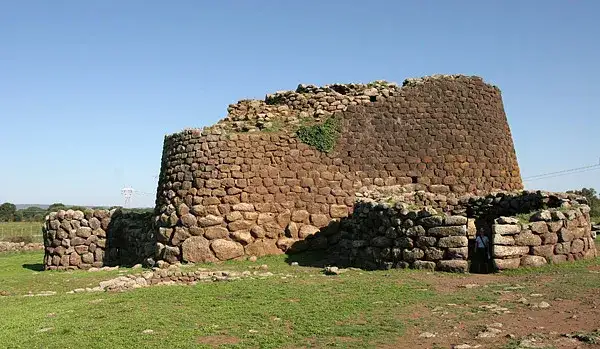
L'aria è intrisa di mirto e lentisco, il profumo salmastro del mare, pur distante decine di chilometri, si mescola a quello intenso della terra, calda e primordiale. Il vento porta con sé storie antiche, sussurri di un tempo in cui giganti di pietra dominavano l'orizzonte, custodi silenti di un'isola misteriosa. Non siete sulla Costa Smeralda, né tra le scintillanti calette del sud. Siete nel cuore selvaggio e pulsante della Sardegna, là dove il tempo si è fermato, e dove ogni roccia racconta un epopea millenaria. Siete nel santuario dei Nuraghi, nell'anima segreta della Barbagia. Dimenticate le cartoline patinate e le folle estive. Questo è un viaggio che richiede pazienza, rispetto e una profonda curiosità. È un pellegrinaggio non verso spiagge assolate, ma verso le radici stesse di una civiltà che, per quasi due millenni, ha plasmato il volto di questa terra senza lasciare traccia scritta, solo imponenti e inspiegabili monumenti di pietra. La Sardegna nuragica non è una semplice parentesi storica; è la chiave per comprendere l'identità profonda di un popolo, il suo legame indissolubile con la terra, la sua resilienza e il suo enigma. Il Muto Appello dei Giganti di Pietra: Un'Architettura Senza Tempo Immaginate strutture che sfidano la logica, torri coniche di pietra ciclopica, erette con una precisione ingegneristica che ancora oggi lascia gli esperti senza parole. I nuraghi, più di 7.000 disseminati su tutta l'isola, sono il simbolo per eccellenza della Sardegna. Ma cosa erano esattamente? Fortezze, abitazioni nobiliari, templi, osservatori astronomici, forni fusori, luoghi di riunione? La verità è probabilmente un mix di tutto ciò, a seconda del singolo nuraghe e del suo contesto. Il popolo nuragico emerse nell'Età del Bronzo (circa 1800 a.C.) e fiorì fino all'arrivo dei Romani, lasciando dietro di sé una rete complessa di queste costruzioni. Molti sono nuraghi "monotorre", imponenti fortezze solitarie che dominano valli e colline. Altri sono veri e propri complessi architettonici, con cinte murarie, bastioni e torri aggiuntive, quasi delle città fortificate in miniatura. La loro funzione primaria rimane un enigma irrisolto. Erano difensivi? Di certo la loro posizione strategica e la loro imponenza suggeriscono un ruolo protettivo. Erano centri di potere? La complessità di alcuni siti fa pensare a una gerarchia sociale ben definita. Erano luoghi di culto? Le "tombe dei giganti" e i "pozzi sacri", spesso associati ai nuraghi, indicano una spiritualità complessa e radicata. Il viaggio che vi propongo non si limita a osservare queste pietre, ma a cercare di ascoltare i loro muti racconti, a percepire l'energia di chi le ha erette con fatica e devozione. È un'esperienza quasi mistica, un confronto diretto con un passato che non è mai stato del tutto digerito, che vibra ancora sotto la superficie dell'isola. La Barbagia: Cuore Pulsante e Scrigno di Segreti Se i nuraghi sono i monumenti della Sardegna, la Barbagia è il suo tempio. Questa regione montuosa e aspra, che si estende nel cuore dell'isola, è un territorio di contrasti: vette rocciose e profonde gole, foreste secolari e pascoli fioriti. Qui la modernità ha bussato più tardi e con minor insistenza, permettendo la conservazione di tradizioni, dialetti e un senso di identità che altrove è andato perduto. La Barbagia è l'anima più autentica della Sardegna, ed è qui che i nuraghi rivelano la loro vera essenza, meno assediati dal turismo di massa e più integrati nel paesaggio e nella vita dei pastori. Qui, i villaggi sono incastonati nelle montagne, le case in pietra si aggrappano ai pendii, e il tempo sembra scorrere a un ritmo diverso, dettato dai cicli della natura e dai ritmi secolari della pastorizia. Ogni curva sulla strada rivela uno scorcio mozzafiato, ogni sentiero conduce a un tesoro nascosto. E tra questi tesori, imponenti e maestosi, si ergono i nuraghi. Ma quali nuraghi esplorare, una volta oltrepassata la "porta" di Barumini con il suo celebre Su Nuraxi, ormai meta consolidata? La vera avventura inizia quando si devia dai percorsi più battuti. Penso ad esempio al Nuraghe Mannu, vicino a Dorgali, che si erge su un promontorio a picco sul mare, offrendo una vista mozzafiato che abbraccia la costa di Cala Gonone. La sua posizione suggerisce un ruolo di controllo strategico del territorio e delle rotte marittime. O al complesso di Serra Orrios, anch'esso nel territorio di Dorgali, un vero e proprio villaggio nuragico con decine di capanne, due nuraghi e un pozzo sacro, che ci dà un'idea più chiara della vita quotidiana di questa civiltà.Un altro gioiello poco conosciuto è il Nuraghe Arvu a Orroli, o il Nuraghe Losa a Abbasanta, quest'ultimo famoso per la sua perfetta conservazione e la complessità della sua struttura interna, con corridoi e scale che si snodano attraverso le sue torri. Ma la Barbagia offre anche siti minori, meno imponenti ma non meno affascinanti, spesso scoperti per caso durante una passeggiata, seminascosti dalla macchia mediterranea, che regalano la sensazione di una scoperta personale, quasi intima. Archeologia del Quotidiano e Spiritualità Profonda I nuraghi non erano strutture isolate, ma il fulcro di una società complessa. Attorno a essi sorgevano villaggi di capanne, come dimostrano i ritrovamenti a Serra Orrios. La vita ruotava attorno all'agricoltura e alla pastorizia, ma anche a scambi commerciali intensi, come testimoniano i manufatti fenici e micenei rinvenuti. I bronzetti nuragici, piccole statuette votive che raffigurano guerrieri, sacerdoti, madri e animali, ci offrono uno sguardo prezioso sulla loro fede e sulla loro organizzazione sociale. Ma è nella sfera spirituale che il popolo nuragico rivela la sua profondità. Le "Tombe dei Giganti", sepolcri collettivi dall'architettura imponente che ricordano la prua di una nave o la testa di un toro, erano luoghi di culto degli antenati, punti di contatto tra il mondo dei vivi e quello dei morti. I "Pozzi Sacri" o "Fonti Sacre", come quello di Santa Cristina (vicino a Paulilatino, ma esempi minori si trovano in tutta l'isola), sono capolavori di ingegneria idraulica e astronomica, con scale che scendono in un ventre di pietra a captare l'acqua sorgiva, usati per riti legati al culto dell'acqua e probabilmente per osservazioni celesti. Visitare questi luoghi è un'esperienza che va oltre la semplice ammirazione archeologica; è sentire il respiro di una fede antica, la connessione profonda con gli elementi naturali: acqua, terra e cielo. L'Eco del Passato nel Presente Barbaricino Il viaggio nei nuraghi della Barbagia non è solo un tuffo nel passato remoto. È anche un'immersione nella cultura sarda contemporanea, che di quel passato è figlia legittima. L'isolamento e la conservazione del patrimonio nuragico hanno permesso alla Barbagia di mantenere vive tradizioni uniche. Qui si trova la vera ospitalità sarda, fatta di gesti sinceri, di sapori autentici. Le feste paesane, spesso legate a riti ancestrali e al ciclo agrario, sono momenti di aggregazione in cui si possono ammirare i Mamuthones e Issohadores di Mamoiada, figure carnevalesche misteriose che richiamano antichi riti apotropaici legati alla fertilità e alla cacciata degli spiriti maligni, con le loro maschere lignee e i pesanti campanacci. Non sono solo folklore, ma una celebrazione della resilienza e dell'identità sarda. La cucina barbaricinia è un'ode alla terra: il pane carasau, i formaggi di pecora, il porceddu allo spiedo, il pane frattau. Questi non sono semplici piatti, ma espressioni di una cultura contadina e pastorale che ha imparato a valorizzare ogni risorsa del territorio, un legame indissolubile con la natura circostante. Ogni pasto è un racconto, ogni assaggio un viaggio sensoriale che si fonde con la storia delle pietre circostanti. Consigli per l'Esploratore Intrepido Preparatevi a un'avventura che richiede una mentalità aperta e un po' di spirito d'adattamento.Mezzi di Trasporto: Un'auto a noleggio è indispensabile per esplorare la Barbagia. Le strade possono essere tortuose e strette, ma i panorami ripagano ogni fatica. Molti siti nuragici si trovano su sterrate o richiedono brevi camminate. Abbigliamento: Scarpe da trekking robuste e comode sono d'obbligo. Indossate strati, poiché il clima in montagna può cambiare rapidamente. Guida: Per i siti meno battuti, o per una comprensione più profonda, considerate l'idea di affidarvi a una guida locale esperta. Sono spesso persone che vivono in quei territori e che conoscono non solo la storia, ma anche le leggende e le tradizioni orali. Rispetto: La Barbagia è un luogo dove la natura e la storia sono sacre. Rispettate l'ambiente, non lasciate rifiuti, non alterate i siti archeologici. Chiedete il permesso prima di fotografare le persone e siate aperti alla conversazione con gli abitanti del luogo. Alloggio: Optate per agriturismi o piccoli hotel gestiti da famiglie. Non solo sosterrete l'economia locale, ma avrete l'opportunità di immergervi nella vera vita sarda. Mappe e Orientamento: La copertura telefonica non è sempre ottimale. Scaricate mappe offline e portate una mappa cartacea.Il richiamo di queste torri di pietra è più che un semplice fascino archeologico; è una chiamata a riconnettersi con qualcosa di primordiale, a comprendere l'ingegno e la spiritualità di chi ci ha preceduto. È un promemoria che, al di là delle mode e della frenesia del presente, esistono luoghi dove il passato non è una reliquia, ma una presenza viva e pulsante.Un viaggio nella Barbagia nuragica è un atto di scoperta, non solo del paesaggio o dell'archeologia, ma di se stessi. È un invito a rallentare, a osservare, a sentire, a farsi avvolgere dal mistero di un'isola che non finisce mai di stupire. Lasciatevi guidare dal vento tra le pietre, ascoltate i racconti silenziosi delle torri e scoprite una Sardegna che pochi hanno la fortuna di conoscere, un'isola di forza, resilienza e bellezza selvaggia. Non tornerete gli stessi.#SardegnaProfonda #NuraghiMisteriosi #BarbagiaSelvaggia #ArcheologiaSarda #ViaggiUnici Related InsightsSilent Steel: Photographing the Sunken Fleet of the Solomon Islands Australia Unveiled: Where Sun-Kissed Shores Meet Ancient Souls and Modern Marvels (Part 2) La Signora di Ferro che Sfidò il Cielo: Storie, Segreti e le Ombre Nascoste della Torre Eiffel{ "@context": "https://schema.org", "@type": "FAQPage", "mainEntity": [ { "@type": "Question", "name": "What is the main focus of Sardegna Profonda: Sulle Tracce Misteriose dei Nuraghi nella Barbagia Nascosta?", "acceptedAnswer": { "@type": "Answer", "text": "Dimenticate le spiagge dorate: la vera anima della Sardegna si cela tra le pietre millenarie dei Nuraghi, in un viaggio avvolgente nella Barbagia più autentica e selvaggia." } }, { "@type": "Question", "name": "Who authored the comprehensive guide on Sardegna Profonda: Sulle Tracce Misteriose dei Nuraghi nella Barbagia Nascosta?", "acceptedAnswer": { "@type": "Answer", "text": "This detailed article and its insights were carefully researched and authored by Marco Rossi." } }, { "@type": "Question", "name": "Where can I find more related content about Travel?", "acceptedAnswer": { "@type": "Answer", "text": "You can explore more articles, detailed reviews, and similar insights by browsing the Related Insights section at the bottom of this article or visiting our dedicated Travel category page." } } ] }
-
 John Explorer
 - 27 Jun, 2026 10:15
Echoes in Stone: Unearthing Sardinia's Lost Cyclopean Mysteries in the Wild Heart of Barbagia
The world teems with whispers of forgotten civilizations, of monumental achievements carved from stone, often attributed to mythical giants or unknown forces. We've all seen the awe-inspiring pyramids, the colosseums, the acropolises. But what if I told you that in the rugged, untamed heart of an island beloved for its turquoise waters and celebrity beaches, lies a different kind of #ancient wonder – a network of colossal, enigmatic stone fortifications so vast and mysterious they defy easy explanation? Forget the glittering coastlines and tourist traps; we are venturing into the Barbagia, Sardinia's ancient soul, to chase the shadow of its lost builders and the secrets held within its formidable Cyclopean Walls. This isn't a story of sun-drenched ruins easily accessed. This is a tale of resilience, isolation, and a civilization that built with a scale and precision that still baffles modern engineers. These are the Mura Ciclopiche, the Cyclopean Walls, named by the ancient Greeks who believed only the one-eyed giants, the Cyclopes, could have moved such immense stones. They are not merely walls, but a testament to an advanced Bronze Age #culture, the Nuragic people, whose ingenuity shaped a landscape for millennia before #Rome ever rose. And to truly understand them, we must embrace the wildness of Barbagia, a region where time often seems to have forgotten to move on. Barbagia: Sardinia's Unyielding Core Before we delve into the stones, let's establish our setting. Barbagia is not just a geographical region; it's a state of mind, a historical fortress against invaders and modern incursions alike. Nestled within the mountainous spine of Sardinia, particularly the Gennargentu massif, Barbagia remains stubbornly authentic. Its name, derived from "Barbaria" by the Romans, reflects its perceived wildness and the fierce independence of its inhabitants, who resisted Romanization more fiercely than any other Sardinian population. This isolation, while historically challenging, inadvertently preserved not only unique cultural traditions but also an astounding concentration of archaeological treasures. Driving through Barbagia is an experience in itself. Winding roads snake through oak forests, past granite outcrops, and into valleys where the only sounds are the rustle of leaves and the distant bleating of sheep. Villages here cling to hillsides, their stone houses seemingly extensions of the mountains themselves. This is a land of shepherds, of ancient traditions like the Canto a Tenore (polyphonic singing), and of a deeply rooted respect for #history and the land. It’s here, amidst this rugged beauty, that the true scale and mystery of the Cyclopean Walls begin to reveal themselves. The Nuragic Legacy: Master Builders of Stone The architects of these monumental structures were the Nuragic people, a civilization unique to Sardinia, flourishing from roughly 1800 BC to 250 BC. Their most iconic creations are the nuraghi themselves – conical stone towers, often reaching several stories high, built without mortar. Over 7,000 nuraghi dot the Sardinian landscape, from the coast to the highest peaks, some standing alone, others forming parts of vast, complex village structures. But the Cyclopean Walls represent an even grander ambition, an often overlooked aspect of their engineering prowess. These walls were not just defensive perimeters; they were expressions of power, territorial markers, and perhaps even astronomical observatories. The sheer size of the stones used—some weighing many tons—and their precise fitting without any binding material speaks volumes about the Nuragic people's understanding of physics, geometry, and communal effort. How they quarried, transported, and lifted these megaliths remains a subject of ongoing debate and fascination, adding layers to the mystery that surrounds them.Tracing the Megalithic Footprints: Sites Worth the Trek While nuraghi are ubiquitous, dedicated Cyclopean wall systems are more concentrated and often harder to reach, demanding a sense of adventure and respect for the terrain. They are frequently found surrounding extensive Nuragic complexes, serving as their primary defense and definition. One of the most impressive examples, though still relatively underexplored by mainstream tourism, is the archaeological complex of Serra Orrios, near Dorgali. This site features a well-preserved Nuragic village with over a hundred huts and two nuraghi, all enclosed by a formidable Cyclopean wall. The wall here isn't just a simple barrier; it's a testament to urban planning, defining space and offering a clear demarcation between the settlement and the wild. Further into the heart of Barbagia, near the village of Fonni, one can find remnants of even grander scale. The area around Monte Tiscali (though Tiscali itself is a cave village, the surrounding region holds immense archaeological interest) and the Gennargentu foothills often reveal isolated sections of these walls, sometimes merely a few courses high, but with blocks so colossal they evoke immediate awe. These are not always easily signposted, requiring local knowledge or detailed topographical maps and a willingness to hike. The Nuraghe Arvu complex, also near Dorgali, offers another compelling experience. While the nuraghe itself is impressive, the surrounding defensive walls, built from massive, roughly hewn stones, illustrate the protective measures taken by these ancient communities. What strikes visitors most is the seamless integration of these structures into the natural landscape, often using natural rock formations as foundations, amplifying their formidable presence. Exploring these sites is more than just a walk through ruins; it’s a #journey into a different time, a confrontation with engineering marvels that predate classical antiquity by millennia. Each colossal stone whispers tales of a vibrant, complex society that mastered its environment in ways we are only just beginning to comprehend. The Journey Inward: Practicalities and Preparation Venturing into Barbagia to seek out these ancient wonders is not for the faint of heart or the unprepared. This is authentic, rugged #travel.Vehicle: A sturdy car, preferably with good ground clearance, is highly recommended. Many of the most interesting sites are accessed via unpaved or poorly maintained roads. Navigation: While GPS is helpful, physical maps and a compass can be invaluable, especially in areas with patchy mobile signal. Local advice is golden; the people of Barbagia are famously hospitable once trust is established. Hiking Gear: Comfortable hiking boots, plenty of water, sun protection, and appropriate clothing for varying weather conditions are essential. Some treks can be strenuous, involving steep climbs and uneven terrain. Respect the Land: These sites are often unfenced and lie on private land or within natural parks. Always respect private property, leave no trace, and do not disturb any archaeological remains. Accommodation: Stay in charming agriturismos (farm stays) or family-run guesthouses in towns like Oliena, Orgosolo, or Fonni. This not only supports local communities but also provides an authentic cultural immersion. Patience: Discovering these hidden gems requires patience. Some sites might be harder to find than anticipated, but the reward of standing before a wall built 3,500 years ago is immeasurable.Beyond the Stones: Culture and Myth The enduring legacy of the Nuragic civilization extends beyond its formidable architecture. The spirit of independence and connection to the land that characterizes Barbagia today is arguably a direct inheritance from these ancient people. Local myths and legends often intertwine with the presence of these colossal structures. Tales of giants, fairies (Janas), and benevolent spirits are often associated with the nuraghi and megalithic sites, reflecting a deep cultural memory of powerful, mysterious builders. The traditional Sardinian diet, centered around lamb, wild boar, pecorino cheese, and the flatbread pane carasau, sustained by shepherds and farmers, echoes ancient ways of life. Even the renowned bandits of Orgosolo, a historical phenomenon, can be seen as a modern manifestation of Barbagia's long-standing resistance to external authority, a trait perhaps etched into the very stones of their ancestral fortifications. Visiting Barbagia is not just an archaeological expedition; it’s a journey into a living culture that remains fiercely proud of its past. Engage with the locals, try their food, listen to their stories. You’ll find that the "barbarians" are some of the kindest and most welcoming people you’ll ever meet, eager to share the secrets of their ancient land, if approached with genuine interest and respect. Conservation and the Future of Sardinia's Megaliths Despite their grandeur, many of Sardinia's Nuragic sites, particularly the less accessible Cyclopean walls, face threats from natural erosion, neglect, and occasional illicit digging. While some major complexes are protected and maintained, countless smaller, equally significant sites remain vulnerable. There is a growing movement within Sardinia to further protect and promote these incredible testaments to their ancient heritage, balancing preservation with sustainable tourism. For the intrepid traveler, this offers a unique opportunity to witness these wonders in a raw, uncommercialized state. But it also places a responsibility on us, as visitors, to tread lightly, to respect the fragility of these sites, and to advocate for their continued preservation. By visiting responsibly, we contribute to their recognition and ensure that the echoes in stone continue to whisper their tales for generations to come. Conclusion: A Call to the Untamed Sardinia's Cyclopean Walls in the heart of Barbagia represent one of Europe's most overlooked archaeological treasures. They are a powerful reminder that history is not just found in textbooks or on well-trodden paths, but often in the most rugged, forgotten corners of our world. To stand before these immense, dry-stone structures, built by a people whose secrets are still being unravelled, is to feel a profound connection to the ancient human spirit – a spirit of ingenuity, resilience, and an unyielding will to build and to defend. This journey is an invitation to step beyond the picturesque postcard and plunge into the wild, untamed beauty of Sardinia's interior. It’s an adventure for those who seek not just sights, but stories; not just ruins, but echoes. Come, listen to the stones whisper their ancient lore, and discover a Sardinia you never knew existed.#SardiniaTravel #NuragicCivilization #BarbagiaAdventures #MegalithicStructures #HiddenHistory Related InsightsLe Dôme de Milan (Il Duomo) : L'Élégance de Marbre Blanc From Cliffside Villages to Fjord Horizons: Europe’s Most Breathtaking Coastal Drives Svalbard: Arctic Adventures Beyond the Northern Lights – A Remote Paradise for Explorers and Digital Nomads{ "@context": "https://schema.org", "@type": "FAQPage", "mainEntity": [ { "@type": "Question", "name": "What is the main focus of Echoes in Stone: Unearthing Sardinia's Lost Cyclopean Mysteries in the Wild Heart of Barbagia?", "acceptedAnswer": { "@type": "Answer", "text": "Journey deep into Sardinia's untamed Barbagia region to uncover the colossal, enigmatic Cyclopean Walls—a testament to a forgotten Bronze Age civilization and a breathtaking adventure for the intrepid explorer." } }, { "@type": "Question", "name": "Who authored the comprehensive guide on Echoes in Stone: Unearthing Sardinia's Lost Cyclopean Mysteries in the Wild Heart of Barbagia?", "acceptedAnswer": { "@type": "Answer", "text": "This detailed article and its insights were carefully researched and authored by John Explorer." } }, { "@type": "Question", "name": "Where can I find more related content about Travel?", "acceptedAnswer": { "@type": "Answer", "text": "You can explore more articles, detailed reviews, and similar insights by browsing the Related Insights section at the bottom of this article or visiting our dedicated Travel category page." } } ] }