Showing Posts From
Being a witch and ot
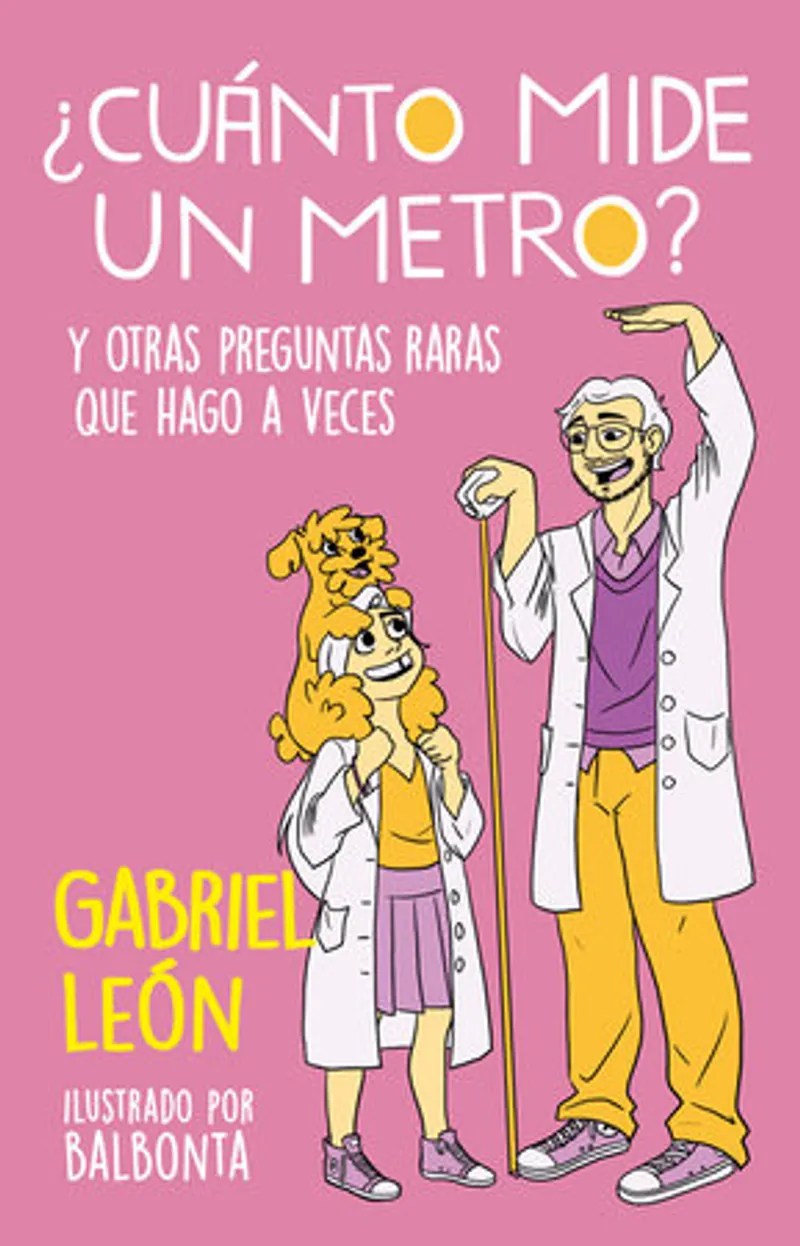
¿Cuánto mide un metro? Y otras preguntas raras que hago a veces / How Long Is O ne Meter? And Other Rare Questions I Sometimes Ask Author: Gabriel LeónPage Count: UnknownPublication Date: 2022-PRH How Long Is One Meter? And Other Rare Questions I Sometimes Ask: A Whimsical Journey Through Science and Wonder Gabriel León’s How Long Is One Meter? is a delightful exploration of curiosity, blending the innocence of childhood wonder with the rigor of scientific inquiry. Written in a conversational, almost novelistic style, the book invites readers—both young and old—to ponder the seemingly mundane yet profoundly fascinating questions that shape our understanding of the world. At its core, this is not just a children’s book about science; it’s a celebration of the joy of asking, the thrill of discovery, and the unbreakable bond between a child and their inquisitive mind. The book follows Pachi, a young boy with an insatiable appetite for knowledge (and snacks like ice cream and mandarines), as he bombards his scientist father with questions that range from the absurdly simple to the intriguingly complex. Why do we see ourselves upside down in a spoon? How does soap clean? Who invented paper? These aren’t the dry, textbook-style queries of a school assignment; they’re the raw, unfiltered musings of a mind unburdened by the constraints of "proper" knowledge. León, a biochemist by training, channels this same spirit of wonder in his writing, making science feel less like a chore and more like a treasure hunt. What sets this book apart is its tone. Unlike many children’s science books that dumb down concepts to the point of oversimplification, León strikes a perfect balance—accessible without being condescending, playful without sacrificing accuracy. His explanations are peppered with humor, personal anecdotes, and even a touch of whimsy. For instance, when discussing why water boils, he doesn’t just state the scientific fact; he imagines the water molecules as tiny, hyperactive dancers, shaking off their bonds in a frenzy. It’s a metaphor that sticks, making the abstract tangible. The father-son dynamic is the heart of the book. Their interactions feel authentic, with the father patiently guiding Pachi’s curiosity rather than shutting it down with a dismissive "because that’s how it is." This reflects a broader theme: science isn’t about memorizing facts; it’s about embracing the unknown and finding joy in the process of figuring things out. It’s a message that resonates in an era where rote learning often overshadows genuine exploration. León’s style is conversational, almost as if he’s sitting across from you at a café, explaining the world with a smile. There’s no pretension here—just a genuine love for the questions that make life interesting. The book’s structure, organized around Pachi’s queries, keeps the reading experience dynamic and engaging. Each chapter is a self-contained mini-lesson, perfect for dipping into during a lazy afternoon or bedtime reading. While the book is aimed at children, adults will find themselves just as enchanted. How many of us have wondered why mirrors flip images horizontally but not vertically, or why we can’t tickle ourselves? León’s ability to make these everyday mysteries feel fresh and exciting is a testament to his skill as a communicator. He doesn’t just answer questions; he makes the reader feel the thrill of the "aha!" moment. One of the book’s greatest strengths is its inclusivity. Science is often presented as a field reserved for geniuses in white lab coats, but León dismantles that stereotype effortlessly. His father character is a relatable, approachable figure who demystifies science without making it intimidating. Pachi, meanwhile, is the embodiment of every child who has ever stared at a spoon in confusion or asked why the sky is blue for the hundredth time. Their dynamic reminds us that science isn’t just for the "smart" kids—it’s for anyone with the courage to ask, "Why?" If there’s a minor critique, it’s that the book’s brevity (a common trait in children’s books) might leave some readers wanting more depth on certain topics. However, this is a minor quibble in a book that prioritizes wonder over exhaustive detail. The goal isn’t to turn Pachi into a mini-scientist overnight; it’s to plant the seed of curiosity and let it grow. How Long Is One Meter? is more than a book about science—it’s a manifesto for the power of asking questions. In a world that often prioritizes answers over inquiry, León’s work is a breath of fresh air. It reminds us that the most important questions aren’t the ones with easy answers, but the ones that make us pause, smile, and say, "Huh. I never thought of it that way." For anyone who has ever looked at the world and thought, "I wonder why…," this book is a celebration of that very feeling. It’s a reminder that science isn’t just a subject in school—it’s a way of seeing the world, one strange and wonderful question at a time. #ScienceForKids #CuriosityMatters #ParentingWithWonder #STEMBooks #ChildhoodInquiry #GabrielLeon Related InsightsCall Me By Your Name Book Review and Summary Veronika Decides to Die Book Review and Summary Archangel's Sun Book Review and Summary{ "@context": "https://schema.org", "@type": "FAQPage", "mainEntity": [ { "@type": "Question", "name": "What is the main focus of Being a Witch, and Other Things I Didn't Ask For Book Review and Summary?", "acceptedAnswer": { "@type": "Answer", "text": "Everything you need to know about Being a Witch, and Other Things I Didn't Ask For with our detailed review." } }, { "@type": "Question", "name": "Who authored the comprehensive guide on Being a Witch, and Other Things I Didn't Ask For Book Review and Summary?", "acceptedAnswer": { "@type": "Answer", "text": "This detailed article and its insights were carefully researched and authored by Sara Pascoe." } }, { "@type": "Question", "name": "Where can I find more related content about Books?", "acceptedAnswer": { "@type": "Answer", "text": "You can explore more articles, detailed reviews, and similar insights by browsing the Related Insights section at the bottom of this article or visiting our dedicated Books category page." } } ] }