Showing Posts From
Between you a river
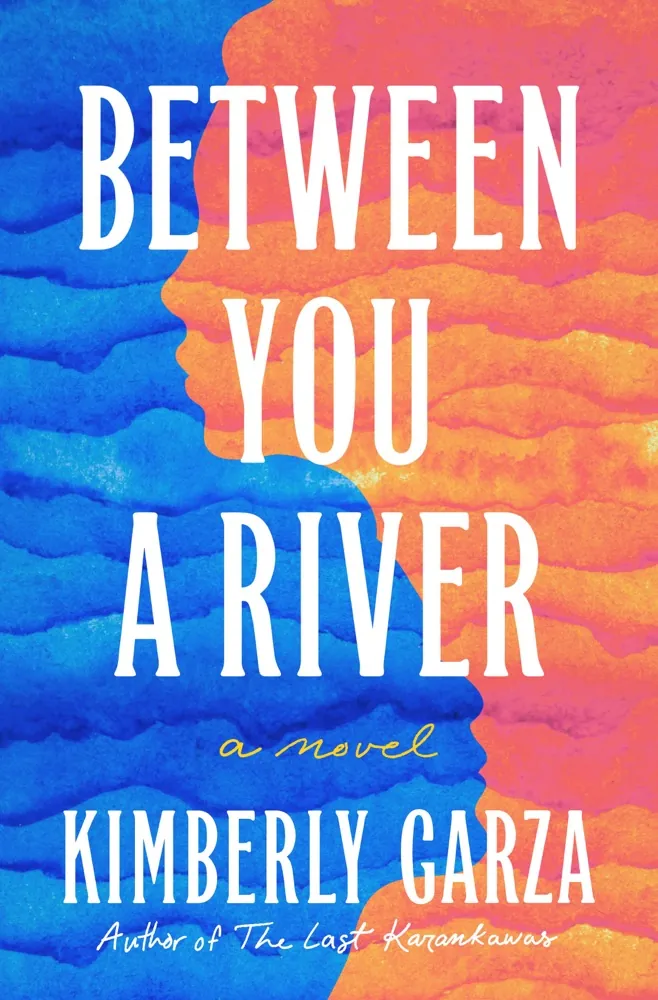
Author: Kimberly GarzaPage Count: UnknownPublication Date: Expected publication 2026-12-01 APL The synopsis for Between You a River reads like a family tree that’s been set on fire—charred edges, smoke still curling from the pages, and the promise of something visceral beneath the ashes. But here’s the problem: it’s too neat. Too saga-ready. The 1960s Philippines, the immigrant dream, the ancestral land slipping through fingers—it’s all there, but where’s the mess? Where’s the moment when the reader realizes this isn’t just a love letter to diaspora, but a wound? Because the best family sagas—think The House of the Spirits or The Namesake—don’t just tell you the family is broken; they make you feel the way the cracks bleed. And yet, the synopsis sells it like a postcard. "A lush family saga"—lush? Really? Lush implies something grown, something intentional, but what if the lushness is just the way the family’s secrets fester? What if the "push and pull of home" isn’t a theme but a physical force, like gravity pulling you toward something you can’t name? The synopsis hints at it—Corazon’s choices, the fire, the daughters returning—but it doesn’t show the weight of those choices. Is she a martyr? A coward? A woman who made the only decision she could, and now her daughters are left to clean up the mess? The synopsis doesn’t say. It just promises. But let’s talk about the real crime here: the way diaspora narratives often get reduced to origin stories. Like that time I tried to explain to a room full of people why Avatar: The Last Airbender isn’t just about "cultural exchange" but about erasure—how the show’s "diversity" was just a backdrop for white saviorism, and now I’m stuck comparing Between You a River to it, which is unfair because this isn’t a cartoon, but still, where’s the subversion? Where’s the moment when the family’s history isn’t just a pretty backdrop but a landmine? The synopsis mentions "long-buried secrets," but secrets are only interesting if they’re dangerous. If they don’t cut. If they don’t make you question whether the mother was a hero or a villain. And don’t even get me started on the way the synopsis frames the sisters’ return as some kind of redemptive arc. "Together for the first time in years"—oh, please. Family reunions in literature are either miraculous or disastrous. They’re not just "together." They’re clashing, betraying, gaslighting. The synopsis makes it sound like they’re uniting to save the land, but what if they’re uniting to fight over it? What if the land isn’t the issue—what if the issue is that they never really knew each other? That the mother’s sacrifices weren’t just about money or legacy, but about erasing parts of themselves to make room for their daughters? The synopsis doesn’t go there. It just assumes the reader will care about the land, as if that’s the only thing that matters. But here’s the thing—I do care about the land. I care about the way diaspora narratives often get reduced to property. Like that time I tried to explain to a landlord why "cultural heritage" isn’t just a pretty story but a legal and emotional battle, and now I’m stuck thinking about how Between You a River could’ve been so much sharper if it didn’t just tell us about the land but showed us the way it owns the family. The way it judges them. The way it’s not just a place but a character—one that’s been waiting for decades to be reckoned with. And yet, the synopsis is too clean. Too precious. It’s like reading a menu where every dish is described as "delicious" but you can’t tell if it’s spicy or sweet or just expensive. The fire that splits the family? Was it an accident? A crime? A metaphor? The synopsis doesn’t say. It just hints. And hints are for people who don’t want to be surprised. They’re for people who want to feel safe. But the best family sagas don’t make you feel safe. They make you uncomfortable. They make you angry. They make you question. And right now, Between You a River feels like it’s trying too hard to be accessible. Like it’s afraid of being too much. But the best stories aren’t about being understood—they’re about being haunted. And now I have to translate a particularly stubborn piece of French existential poetry because apparently, that’s what happens when you spend too long thinking about family sagas that don’t dare to be messy. #bookhangover #familysagas #diaspora #literarycriticism #whatifitsnotenough Related InsightsClockwork Angel Book Review and Summary Sophie, Standing There Book Review and Summary Big Little Truths Book Review and Summary{ "@context": "https://schema.org", "@type": "FAQPage", "mainEntity": [ { "@type": "Question", "name": "What is the main focus of Between You a River Book Review and Summary?", "acceptedAnswer": { "@type": "Answer", "text": "Everything you need to know about Between You a River with our detailed review." } }, { "@type": "Question", "name": "Who authored the comprehensive guide on Between You a River Book Review and Summary?", "acceptedAnswer": { "@type": "Answer", "text": "This detailed article and its insights were carefully researched and authored by Hannah Schmidt." } }, { "@type": "Question", "name": "Where can I find more related content about Books?", "acceptedAnswer": { "@type": "Answer", "text": "You can explore more articles, detailed reviews, and similar insights by browsing the Related Insights section at the bottom of this article or visiting our dedicated Books category page." } } ] }