Showing Posts From
Bleak house
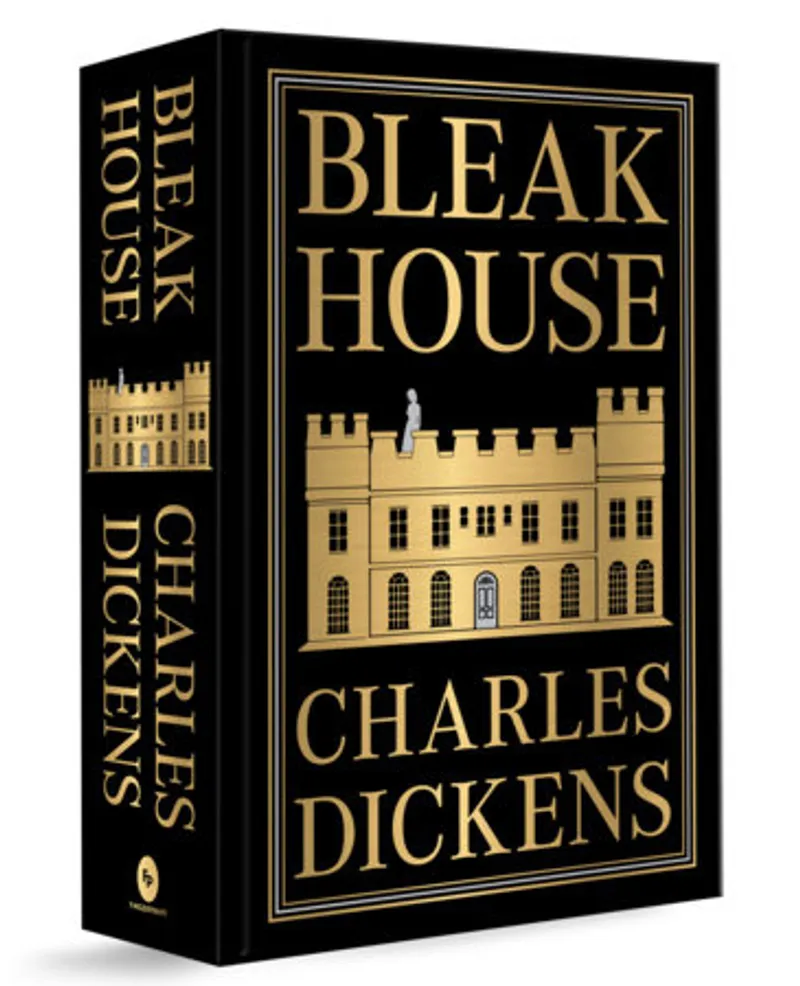
Bleak House (Deluxe Hardbound Edition) Author: Charles DickensPage Count: UnknownPublication Date: 2027-PRH Charles Dickens’ Bleak House (Deluxe Hardbound Edition, 2027) is not just a novel—it’s a thunderous indictment of a society rotting from within, wrapped in prose so vivid it feels like a living, breathing nightmare. Set against the suffocating fog of London’s legal system, this book is a masterclass in moral outrage, dark humor, and unflinching social critique, proving once again why Dickens remains the undisputed architect of Victorian literature’s most enduring nightmares. At its core, Bleak House is a scathing exposé of institutional decay, where the Chancery Court—a labyrinthine beast of red tape and corruption—symbolizes the moral bankruptcy of a system that prioritizes procedure over justice. The case of Jarndyce and Jarndyce, an interminable inheritance dispute, isn’t just a plot device; it’s a metaphor for how bureaucracy devours lives while the powerful feast on the scraps. Dickens doesn’t just describe this rot—he forces the reader to inhale it, his sentences thick with the stench of decay, his satire so sharp it cuts to the bone. The novel’s famous opening line—"London. Michaelmas Term lately over, and the Lord Chancellor sitting in Lincoln’s Inn Hall"—isn’t just a setting; it’s a verdict. The city isn’t just a backdrop; it’s a character, a sprawling, choking entity that swallows the weak and spits out the corrupt. Dickens’ genius lies in his ability to balance the grotesque with the deeply human. His characters are not mere caricatures but living contradictions—Lady Dedlock, the aristocratic woman hiding a scandalous past, is both victim and perpetrator, her elegance a mask for her torment. Esther Summerson, the novel’s moral compass, is a study in quiet resilience, her narrative voice a soothing counterpoint to the chaos around her. Yet even Esther isn’t immune to Dickens’ irony; her self-deprecating humility becomes a subtle critique of the era’s expectations of women. Then there’s Mr. Guppy, the sycophantic clerk whose ambition is as ridiculous as it is pathetic, or the ever-present Mr. Tulkinghorn, the cold, calculating lawyer whose very name drips with venality. Dickens doesn’t just write people; he dissects them, exposing their flaws with a surgeon’s precision and a comedian’s timing. The novel’s structure is a marvel of narrative engineering. The dual narration—Esther’s first-person account interwoven with the omniscient third-person perspective—creates a disorienting, almost cinematic effect. The reader is pulled between intimate confession and sweeping social commentary, never allowed to forget that personal tragedies are part of a larger, systemic tragedy. The fog that haunts the streets of London isn’t just atmospheric; it’s a character itself, a physical manifestation of the moral confusion and stagnation plaguing society. Dickens’ prose is dense with symbolism, yet never overwrought—every detail, from the tattered clothes of the poor to the opulent decay of the aristocracy, serves a purpose. What makes Bleak House timeless is its unrelenting relevance. In an age where legal systems are still bogged down by inefficiency, where the rich manipulate the rules while the poor are crushed beneath them, Dickens’ rage feels as fresh as it did in 1853. The novel’s themes—corruption, class warfare, the dehumanizing effects of bureaucracy—are not relics of the past but warnings for the present. And yet, for all its darkness, Bleak House is not without hope. Esther’s journey, though fraught with suffering, is a testament to the power of kindness and resilience. The novel’s true triumph is in showing that even in the bleakest of houses, light can find a way in. The Deluxe Hardbound Edition of Bleak House (2027) promises to do justice to this literary monument. With its sumptuous binding, gilt-edged pages, and likely stunning illustrations, it’s a book that demands to be held, savored, and returned to again and again. This isn’t just a book to read; it’s a book to experience—a reminder that great literature doesn’t just entertain; it haunts, it provokes, it changes the way we see the world. #BleakHouse #CharlesDickens #VictorianLiterature #SocialCritique #ClassicNovel #LiteraryMasterpiece Related InsightsWreck the Halls Book Review and Summary Der Schatten der Zukunft: Eine Tiefenanalyse der Dystopischen Literatur als Spiegel und Warnruf Kneel Before Me (Split or Swallow, #3) Book Review and Summary{ "@context": "https://schema.org", "@type": "FAQPage", "mainEntity": [ { "@type": "Question", "name": "What is the main focus of Bleak House Book Review and Summary?", "acceptedAnswer": { "@type": "Answer", "text": "Everything you need to know about Bleak House with our detailed review." } }, { "@type": "Question", "name": "Who authored the comprehensive guide on Bleak House Book Review and Summary?", "acceptedAnswer": { "@type": "Answer", "text": "This detailed article and its insights were carefully researched and authored by Charles Dickens." } }, { "@type": "Question", "name": "Where can I find more related content about Books?", "acceptedAnswer": { "@type": "Answer", "text": "You can explore more articles, detailed reviews, and similar insights by browsing the Related Insights section at the bottom of this article or visiting our dedicated Books category page." } } ] }