Showing Posts From
Bone black
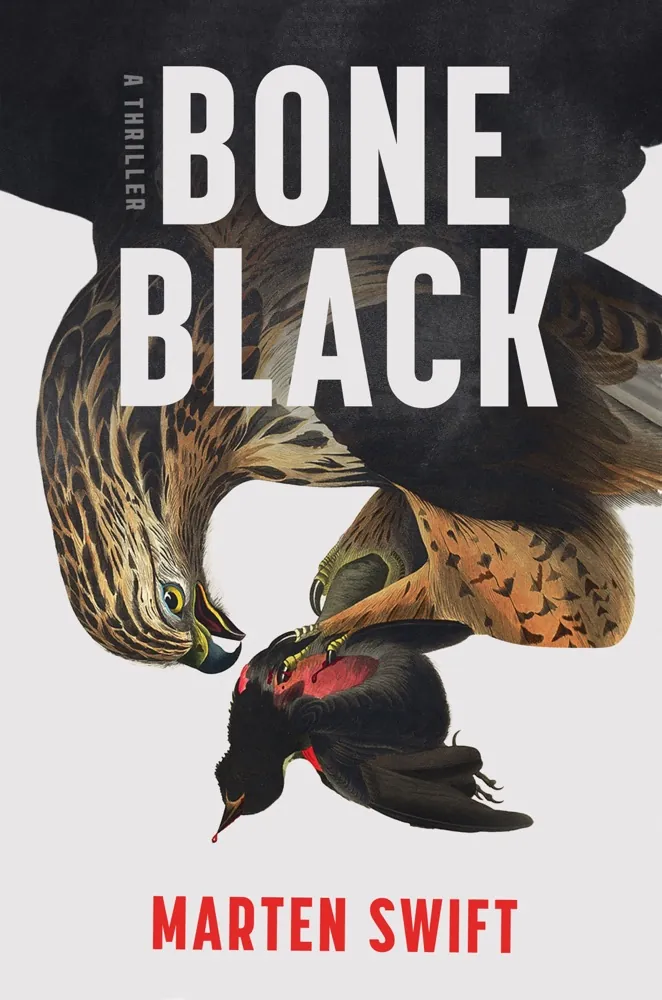
Author: Marten SwiftPage Count: UnknownPublication Date: Expected publication 2026 APL The synopsis for Bone Black is a glittering, half-buried corpse of a premise—just enough to make you lean in, but not enough to stop you from wondering if the author’s own forensic artist would’ve drawn a better sketch. The idea of a forensic artist investigating a murder is so obviously ripe for psychological unraveling that it feels like a gimmick before it’s even fully formed. But then again, gimmicks are what sell books these days, aren’t they? The real question is whether Swift can turn this into something sharper than a scalpel left in a morgue drawer. The ornithologist angle is the most intriguing—because birds, like all great metaphors, are either beautiful or terrifying, depending on who’s watching. The synopsis leans into the uncanny brilliance of the killer, which is a trope as old as The Silence of the Lambs, but the way it’s framed here feels like it’s trying to be something more. The birding club as a nest? That’s a lovely image, but nests are usually warm, safe places—unless you’re a mouse. The synopsis doesn’t say whether the killer’s obsession is romantic, scientific, or something far more primal. That’s the kind of ambiguity that could make or break this book. If Swift treats it like a puzzle, it’ll feel like a clever game. If she treats it like a metaphor, it might feel like a stretched-out metaphor. And then there’s the forensic artist herself—Cassie Stefanidis. The synopsis hints at her limitations: she draws doubles, not originals. That’s a fascinating constraint, one that could mirror the unreliable nature of memory itself. But the way it’s phrased—“at her best, she can draw only doubles”—sounds like a backhanded compliment. Is she good at her job, or is she just good at imitating? That’s the kind of tension that could make her compelling, but it also risks making her feel like a plot device rather than a fully realized character. The synopsis doesn’t tell us if she’s haunted by her own failures, or if she’s just another woman in a city that doesn’t care about her art. The ex-husband, Del Gutierrez, is introduced as a grudging ally, which is a classic thriller move—because nothing says “romantic tension” like a detective who’s also your ex. But the synopsis doesn’t say whether their relationship is still smoldering or just simmering. Is he the one who’s keeping secrets? Is she the one who’s still in love? Or is this just another way to keep the reader guessing? The way it’s written, it feels like a convenience rather than a character beat. But then again, convenience is what sells thrillers. The Jamaica Bay setting is a great choice—it’s eerie, isolated, and full of the kind of decay that makes a murder feel inevitable. But the synopsis doesn’t tell us if the killer’s connection to the location is personal or just opportunistic. Is this a crime of passion, or a crime of obsession? That’s the kind of detail that could make the book feel like more than just a series of clues. Right now, it feels like a checklist: murder, forensic artist, ornithologist, ex-husband. But the best thrillers don’t just check boxes—they make you feel like you’re in the room with the killer. The comparison to Thomas Harris and David Fincher is a bold one, and not just because it’s a name-drop. Harris’s Hannibal Lecter is a master of psychological manipulation, and Fincher’s Zodiac is a masterclass in atmospheric dread. But Bone Black isn’t Red Dragon—it’s not even The Girl with the Dragon Tattoo. It’s something else entirely, and the synopsis doesn’t tell us what. Is it a neo-noir? A gothic horror? A psychological thriller? Or is it just a really good murder mystery with a few pretty birds thrown in? The vagueness is frustrating, but it’s also intriguing. Because the best books leave you wanting more, not just more information, but more feeling. The synopsis doesn’t tell us if the killer’s obsession is with birds, or with Cassie, or with Ginny. It doesn’t tell us if the forensic artist’s drawings are just a front, or if they’re the key to solving the crime. It doesn’t tell us if the ornithologist is a villain, or a victim, or something in between. But then again, maybe that’s the point. Maybe the book is about the gaps, the things that aren’t said, the things that are left to the reader’s imagination. That’s the kind of ambiguity that could make this book stand out in a genre that’s often too eager to spell everything out. Yet—what if the ornithologist isn’t the killer? What if the killer is someone else entirely, and the ornithologist is just another pawn in a much larger game? The synopsis doesn’t say. And that’s the kind of question that could make this book feel like more than just a thriller—it could make it feel like a mystery. But I’m getting ahead of myself. The synopsis is just a synopsis, and it’s not enough. It’s not even close. It’s like looking at a painting and being told it’s a landscape, but not knowing if it’s a storm or a sunset. It’s not enough to make me care, but it’s enough to make me curious. Literally. I have to argue with my landlord about the leak in the ceiling. Again. Related InsightsClarity Book Review and Summary Listeners Book Review and Summary Disturbing the Dead Book Review and Summary{ "@context": "https://schema.org", "@type": "FAQPage", "mainEntity": [ { "@type": "Question", "name": "What is the main focus of Bone Black Book Review and Summary?", "acceptedAnswer": { "@type": "Answer", "text": "Everything you need to know about Bone Black with our detailed review." } }, { "@type": "Question", "name": "Who authored the comprehensive guide on Bone Black Book Review and Summary?", "acceptedAnswer": { "@type": "Answer", "text": "This detailed article and its insights were carefully researched and authored by Victoria Smith." } }, { "@type": "Question", "name": "Where can I find more related content about Books?", "acceptedAnswer": { "@type": "Answer", "text": "You can explore more articles, detailed reviews, and similar insights by browsing the Related Insights section at the bottom of this article or visiting our dedicated Books category page." } } ] }