Showing Posts From
Book history

-
 Aylin Okur
 - 07 Jul, 2026 08:22
Echoes in Ink and Image: Unearthing the Bespoke Artistry of Extra-Illustration
In the quiet reverence of a scholarly study, amidst the venerable scent of aged paper and leather, a book lies open. But this is no ordinary volume. Its pages whisper not only the author's original narrative but also a rich, visual counter-story—a symphony of carefully chosen prints, delicate watercolors, and other ephemera, meticulously interwoven with the printed text. This intricate dance between word and image, a profound act of personalization, is known as extra-illustration, or grangerisation, a practice that transcends mere reading to become an art form in itself. It is the exquisite process whereby published texts are transformed into singular, bespoke masterpieces, imbued with the vision and passion of their owner. The Genesis of a Grand Pursuit The late eighteenth and early nineteenth centuries marked a golden age for this unique bibliophilic endeavor, witnessing a vibrant and widespread fashion for extra-illustration across Britain and America. Far from being a niche eccentricity, it became a defining characteristic of refined taste and intellectual curiosity among a particular stratum of society. This was an era when the printed word held immense sway, yet the desire to engage with texts on a deeper, more personal level spurred enthusiasts to bridge the gap between imagination and tangible representation. While no rigid canon dictated which titles were chosen for this elaborate treatment, recurring themes and subjects illuminate the prevailing intellectual currents of the time. From the 1770s to the 1830s, the gravitational pull was towards works patriotic in tone and antiquarian or historical in subject. Biographies offered fertile ground for portraits and scenes from lives past, while county histories and topographical works cried out for landscape prints, architectural engravings, and maps, allowing readers to literally "see" the places described. Travelogues and natural history texts similarly invited visual embellishment, bringing exotic lands and creatures to vivid life within their pages. Even the towering literary achievements of Shakespeare were embraced, their dramatic narratives offering endless scope for theatrical illustrations and character studies. As the pastime gained an inexorable momentum and its allure widened, the genre of selected texts diversified. The scope, however, remained rooted in the celebration of the concrete: places and people. Chronicles of contemporary life, the celebrated lives of artistic and theatrical luminaries, and the burgeoning works of then-modern writers, most notably Byron and Dickens, became fresh canvases for extra-illustrators. By 1892, this dedication to enhancing books through illustration had attained such cultural recognition that Tredwell published a treatise celebrating it as a refined pursuit, a definitive signifier of high culture and intellectual discernment. Granger's Legacy: A Name Undeserved, Yet Enduring Intriguingly, the term most commonly associated with this practice in Britain is "grangerising" or "grangerisation." This nomenclature pays homage, or perhaps ironic tribute, to James Granger and his seminal work, Biographical History of England from Egbert the Great to the Revolution. Published in 1769, Granger's book, notably, was entirely unillustrated. Yet, its meticulously organized biographical entries inadvertently sparked a profound cultural phenomenon: a fervent fashion for collecting portrait prints and, crucially, for incorporating these and other visual materials into printed texts. The irony embedded in the term "grangerise" is palpable. While Granger's systematic approach to biography laid the groundwork for visual categorization and inclusion, the term itself only entered common parlance from the 1880s—more than a century after his death. The ultimate twist in this etymological tale is that James Granger, the very individual whose name has become synonymous with this intricate process of book customization, never actually grangerized a book himself. His legacy, therefore, is one of inspiration rather than direct participation, a testament to the unforeseen impact a scholarly work can have on popular culture and collecting habits. A Tapestry of Themes: What Books Were Chosen? The selection of texts for extra-illustration was a thoughtful process, reflecting not just personal interest but also the availability of suitable prints and the cultural zeitgeist. As the fashion evolved, so did the canvases for this visual artistry. Initially, the focus was firmly rooted in subjects that lent themselves naturally to historical and geographical visualization. Patriotic histories of Britain offered ample opportunity for portraits of monarchs, military leaders, and iconic events, fostering a sense of national pride and visual literacy. Antiquarian texts, delving into ancient customs, ruins, and genealogies, found their abstract descriptions brought to life through detailed etchings of artifacts and historical sites. County histories and topographical works were perhaps the most immediate beneficiaries. Imagine reading a description of an ancestral estate or a picturesque village, only to turn the page and discover a finely engraved vista of that very place, perhaps even a hand-colored watercolor depicting its precise features. This fusion of text and image allowed readers to possess a uniquely immersive and tangible experience of the places discussed.Later, as the scope broadened, the focus shifted to contemporary life and the celebrated figures of the day. Biographies of artists, actors, and writers offered a wealth of potential material: theatrical playbills, caricatures, formal portraits, and depictions of scenes from their works or lives. The burgeoning popularity of authors like Lord Byron and Charles Dickens provided new avenues for visual interpretation, allowing enthusiasts to collect and insert prints of their favorite characters, literary scenes, or even portraits of the authors themselves. This diversification underscored a growing desire not just to commemorate the past but to engage visually with the present, transforming cherished narratives into deeply personal, multi-sensory experiences. The act was both an intellectual pursuit and a creative outlet, reflecting a collector's individual interests, research, and aesthetic sensibilities. Titans of the Trade: Notable Extra-Illustrated Creations The enduring allure and scale of extra-illustration are best understood through the monumental examples that have survived. These works represent not just books, but lifelong projects, testaments to extraordinary dedication and passion. One of the earliest and arguably the most influential examples is the "Bull-Granger," the extra-illustrated copy of Granger's own Biographical History of England assembled by Richard Bull (MP). Bull maintained a regular correspondence with James Granger himself, discussing his print collection and how to organize it according to Granger's typologies. This direct link to the namesake of the practice makes Bull's multi-volume set a foundational artifact in the history of extra-illustration, now a prized possession within the Huntington Library in California. Its existence underscores the immediate and profound impact of Granger's work on print collecting. Another significant collection from the same era was amassed by Anthony Morris Storer, who, in a generous act of patronage and preservation, bequeathed his extra-illustrated books to Eton College in 1799. This gift highlights the perceived academic and cultural value of these personalized volumes, securing their place in a prestigious institutional collection for future generations. Perhaps one of the most impressively scaled and visually opulent early examples resides in the British Museum: John Charles Crowle's extra-illustrated copy of Thomas Pennant's Some Account of London. Crowle's dedication to this project was prodigious. He transformed Pennant's single volume into fourteen majestic folio volumes, each sumptuously bound in gold-tooled red leather. Within these luxurious bindings, Crowle meticulously inserted an astounding collection of over 3,347 prints and drawings, depicting every conceivable aspect of London's topography, its historical events, and its most prominent figures. Bequeathed to the British Museum in 1811, this extraordinary work, registered under number G,1.1, remains a breathtaking testament to the depth of individual scholarly passion and artistic ambition that extra-illustration could inspire. It is not merely a book but a visual encyclopedia, a tactile journey through the history and fabric of one of the world's great cities.However, when considering the sheer scale and sustained effort, Alexander Hendras Sutherland and his wife Charlotte, née Hussey, stand unparalleled. Their collaborative efforts between approximately 1795 and 1839 produced what is perhaps the largest project within the entire genre of extra-illustration. This decades-long endeavor by a husband and wife team speaks volumes about the immersive, often familial, nature of this pursuit. Their vast collection, a lifetime's work, is now divided between the esteemed Ashmolean Museum and the Bodleian Library, serving as a monumental record of their shared passion and an invaluable resource for studying the breadth of the extra-illustration movement. The practice was not confined to earlier periods or historical texts. Later examples demonstrate its enduring appeal and adaptability. An 1868 edition of Aloysius Bertrand's evocative prose-poem collection Gaspard de la Nuit, for instance, was brought to life with original watercolors by Louis Émile Benassit and Lucien Pillot. Commissioned for Henri Breuil, a chocolatier from Dijon, this unique volume now graces the collection of the Bibliothèque patrimoniale et d'étude de Dijon, showcasing the artistic and personal investment in literature. Similarly, a copy of Paul Meurice's 1886 French translation of A Midsummer Night's Dream received its own extraordinary treatment in 1908. Pinckney Marcius-Simons adorned this volume, both inside and out, with a cascade of watercolors. This visually stunning creation is preserved in the Folger Shakespeare Library in Washington, D.C., where all its images have been made available online, allowing contemporary audiences to appreciate the intricate artistry of this unique form of book embellishment. The Art of Personalization: Beyond Mere Collection Extra-illustration was far more than simply sticking pictures into books. It was a deeply personal, intellectual, and often artistic endeavor that elevated book ownership to an act of creation. It allowed the reader to become an active participant in the book's narrative, shaping its visual identity according to their own understanding, aesthetic preferences, and scholarly interests. This process involved extensive research—hunting for the perfect print, cross-referencing historical details, and ensuring thematic coherence. It demanded connoisseurship in print collecting, a discerning eye for quality and relevance, and often, considerable financial investment. The act of "grangerising" transformed a mass-produced item into a unique artifact, a bespoke object that reflected the owner's journey through the text. It blurred the lines between reader, collector, and artist, fostering a profound connection to the material culture of knowledge. As Tredwell noted, it was a "refined pursuit," implying not just leisure but also a cultivated intellect and an appreciation for the intricate details of history and art. In an age before widespread photographic reproduction, these extra-illustrated volumes served as portable visual archives, making abstract historical narratives concrete and bringing distant landscapes and long-dead figures to life on the page. They stand today as magnificent monuments to a bygone era's passion for books, an enduring legacy of creativity and dedication.#BookHistory #ExtraIllustration #Grangerisation #Bibliophilia #RareBooks Related InsightsThe Jungle Books Book Review and Summary Brideshead Revisited Book Review and Summary Catch-22 Book Review and Summary{ "@context": "https://schema.org", "@type": "FAQPage", "mainEntity": [ { "@type": "Question", "name": "What is the main focus of Echoes in Ink and Image: Unearthing the Bespoke Artistry of Extra-Illustration?", "acceptedAnswer": { "@type": "Answer", "text": "Delve into extra-illustration, the captivating 18th-century art of personalizing books with meticulously chosen prints and watercolors, transforming texts into unique visual narratives." } }, { "@type": "Question", "name": "Who authored the comprehensive guide on Echoes in Ink and Image: Unearthing the Bespoke Artistry of Extra-Illustration?", "acceptedAnswer": { "@type": "Answer", "text": "This detailed article and its insights were carefully researched and authored by Aylin Okur." } }, { "@type": "Question", "name": "Where can I find more related content about Books?", "acceptedAnswer": { "@type": "Answer", "text": "You can explore more articles, detailed reviews, and similar insights by browsing the Related Insights section at the bottom of this article or visiting our dedicated Books category page." } } ] }
- Aylin Okur
- 06 Jul, 2026 04:09
Beyond the Spine: Unearthing Stories in the Obscure World of Armorial Bookplates
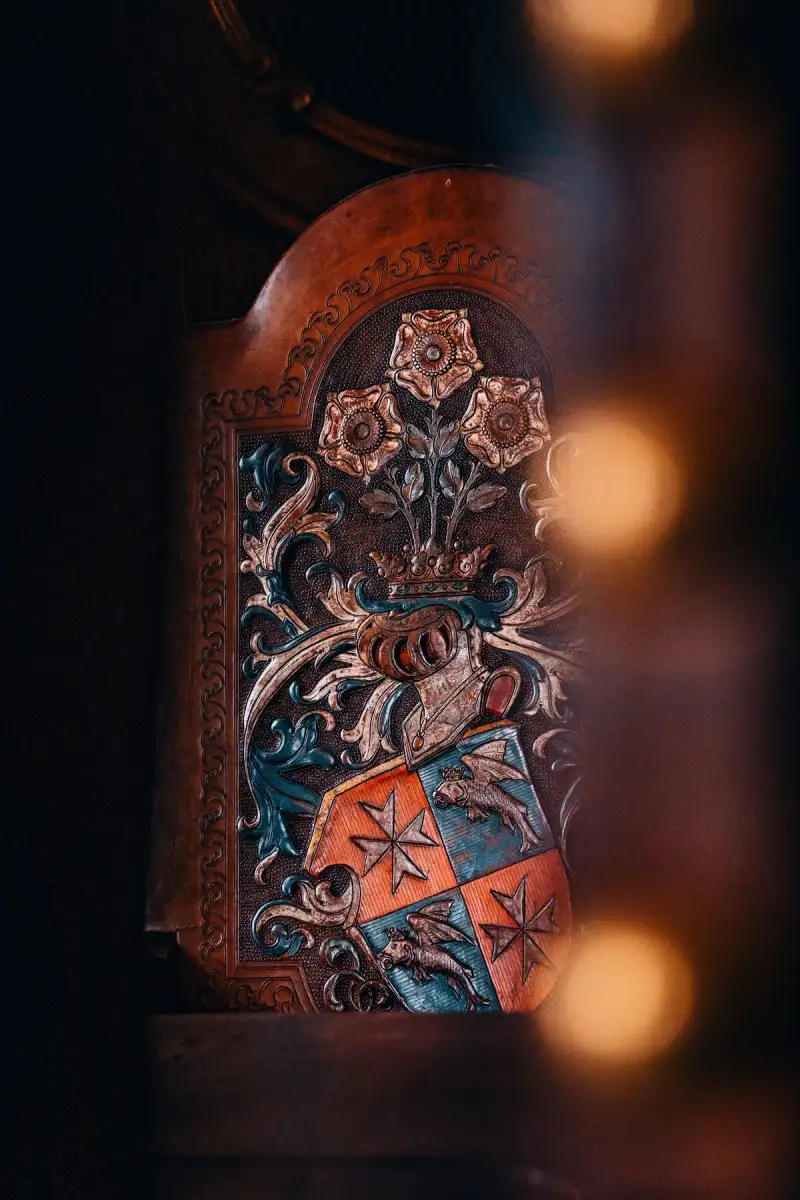
A book, at its core, is a vessel of knowledge, imagination, or indeed, the very soul of its creator. Yet, for centuries, it has also been an intensely personal object, a tangible extension of its owner’s identity, aspirations, and status. While a signed flyleaf offers a glimpse into this connection, there existed a far more elaborate, symbolic, and often breathtakingly beautiful method of ownership declaration: the armorial bookplate. These miniature masterpieces, frequently overlooked by the casual observer, are far more than mere labels; they are intricate tapestries woven from heraldry, art, and the forgotten narratives of their original custodians. Imagine holding a venerable tome, perhaps bound in aged leather, its pages whispering tales of centuries past. As you gently turn the front cover, you discover not a scrawled signature, but a finely engraved, often highly decorative printed label bearing a shield, a crest, perhaps a motto in Latin, and the words "Ex Libris" – "from the library of." This is an armorial bookplate, a silent sentinel connecting the book to a specific family, lineage, or individual, often of noble or distinguished descent. To dismiss it as mere ephemera is to overlook an entire world of historical insight, artistic endeavor, and socio-cultural significance. The Genesis of a Grand Tradition: From Practicality to Prestige The practice of affixing a personal mark of ownership to books emerged in Germany in the mid-15th century, shortly after the advent of movable type printing. Before books became widely accessible, manuscripts were precious commodities, often passed down through generations or housed in monastic libraries. As printed books began to proliferate, albeit still expensive, the need for clear ownership identification grew. Early bookplates were largely functional: simple woodcuts bearing a coat of arms, a symbol, or sometimes just a name. Their primary purpose was to prevent theft and ensure books returned to their rightful owner. However, as printing techniques advanced and literacy spread among the burgeoning gentry and aristocracy, the bookplate quickly transcended its utilitarian origins. By the 17th and 18th centuries, particularly in Britain and continental Europe, owning a significant library became a profound statement of wealth, intellect, and social standing. Consequently, the bookplate evolved into an exquisite art form, a miniature canvas upon which owners could display their lineage, achievements, and sometimes even their personal philosophy. These weren't just for dukes and barons. Scholars, wealthy merchants, and even burgeoning intellectuals adopted the practice, albeit often with simpler designs. The armorial bookplate, specifically, denoted a connection to heraldry – the system of hereditary symbols and devices that identified families, individuals, and institutions. This meant that the bookplate became a potent symbol of inherited status and family pride, transforming a personal possession into a public declaration of identity. Deciphering the Heraldic Language: A Microcosm of Identity To truly appreciate an armorial bookplate is to learn its language – the intricate, often arcane, symbolism of heraldry. Each element on the plate tells a part of the owner's story, their family history, and their aspirations. At the heart of every armorial bookplate lies the shield (or escutcheon), bearing the family’s coat of arms. The symbols, known as "charges," within the shield are incredibly diverse:Animals: A rampant lion might symbolize courage, a soaring eagle strength, or a leaping salmon perseverance. Mythical Beasts: Dragons, griffins, or unicorns could represent power, vigilance, or purity. Everyday Objects: Swords, anchors, stars, or crosses often signified military service, maritime connections, divine faith, or hope. Geometric Shapes: Divisions of the shield into various patterns, known as "ordinaries," also carried specific meanings or indicated alliances.The colors (tinctures) used – though often represented by specific hatchings in monochrome engravings – also had symbolic weight: gold (Or) for generosity, silver (Argent) for sincerity, blue (Azure) for truth, red (Gules) for valor, and so on. Above the shield, typically, rests a helmet, often topped by a crest. The style of the helmet could indicate the owner's rank (e.g., a peer's helmet facing forward, a knight's in profile). The crest, a unique identifying emblem, was originally worn atop the helmet in battle and often echoed or complemented the charges on the shield. Surrounding the helmet and crest is the mantling, stylized drapery that once protected the helmet from the sun, now a decorative flourish. Many armorial bookplates also feature a motto, usually a short phrase in Latin, French, or English, reflecting the family's values, a historical event, or a personal creed (e.g., Pro Deo et Rege – "For God and King"; Je Pense Plus – "I Think More"). Finally, supporters – figures or animals flanking the shield – were often reserved for nobility of higher rank, symbolizing guardianship or allegiance.Reading a bookplate, therefore, becomes an act of historical deduction. The absence of supporters might tell you the owner was gentry, not peerage. A specific symbol might indicate a military campaign they fought in, or an ancestral profession. Even the condition of the plate – whether crisp and new, or worn and slightly damaged from repeated handling – adds to its unique narrative, hinting at the book's journey and its owner's relationship with their library. Beyond the Pedigree: Glimpses into Personal Libraries and Public Lives Armorial bookplates do more than just record lineage; they provide invaluable insights into the intellectual currents, social structures, and personal tastes of their era. A commoner might have a simple name and maybe a symbolic device, while a nobleman would commission an elaborate design reflecting centuries of heritage. This distinction speaks volumes about the stratified societies of the past. Consider the libraries themselves. When we find an armorial bookplate in an old book, we are not just looking at a piece of art; we are connecting with the mind that once curated that collection. Whose books were these? What did they read? Were they interested in classics, theology, science, or politics? The presence of a bookplate within a specific genre can offer clues about the owner's intellectual pursuits and contributions to their society. For example, the bookplates of prominent figures like Samuel Pepys, the famed diarist, or Horace Walpole, the Gothic novelist and art historian, are not merely curiosities. They are direct links to their private worlds, affirming the authenticity of books once held in their celebrated collections. Tracing the provenance of a book through its bookplate can reveal surprising journeys, showing how volumes traveled across continents, passed through different hands, and contributed to the intellectual tapestry of successive generations. Moreover, bookplates played a role in genealogical research long before modern databases. The inclusion of marriage arms (where the arms of a husband and wife are impaled or quartered on the same shield) or quarterings (representing the arms of various ancestral families inherited through marriage) could provide clear visual records of family alliances and descents that might otherwise be lost to time. They acted as miniature family trees, condensed onto a few square inches of paper. The Artisans and Their Craft: A Niche in the Decorative Arts The creation of armorial bookplates involved skilled artisans – engravers, heraldic artists, and printers – whose craft was highly prized. Early bookplates, produced using woodcut techniques, had a robust, often somewhat rustic charm. As copperplate engraving became more sophisticated in the 17th century, bookplates grew increasingly intricate, allowing for finer details, elaborate flourishes, and greater artistic expression. Artists like Albrecht Dürer designed some of the earliest known armorial plates in Germany, showcasing the talent dedicated to this small but significant art form. Later, master engravers across Europe would meticulously render the complex details of heraldic devices, ensuring accuracy and aesthetic appeal. The quality of the engraving often mirrored the status of the patron, with the wealthiest commissioning the most renowned artists. The styles of bookplates also evolved with artistic movements. From the bold lines of early Renaissance designs to the baroque exuberance of the 17th century, the rococo whimsy of the 18th, and the more classical or gothic revival styles of the 19th, bookplates provide a microcosm of decorative art history. Each era left its distinctive mark, making collecting bookplates a journey through various artistic periods.The Twilight and Quiet Resurgence of Ex-Libris By the late 19th and early 20th centuries, the grand tradition of armorial bookplates began to wane. Several factors contributed to this decline:Industrialization of Printing: The mass production of books made them less unique and valuable as individual objects. Changing Social Structures: The rigid class system that emphasized hereditary titles and heraldry began to dissolve, or at least become less overtly displayed. Shifting Aesthetic Tastes: Simpler, more modern designs became popular, often focusing on graphic elements rather than complex heraldry. Cost and Effort: Commissioning and producing intricate engravings was expensive and time-consuming, unsuited to a rapidly modernizing world.While the armorial bookplate’s heyday passed, the broader practice of using personal bookplates, or ex-libris, continued in various forms. Modern bookplates are often simpler, featuring artistic motifs, personalized typography, or graphic designs that reflect the owner’s hobbies or personality rather than their lineage. However, the historical armorial bookplate found a new life among collectors. Today, the collecting of ex-libris is a specialized, passionate hobby. Collectors seek out plates for their artistic merit, historical significance, rarity, or association with famous individuals or families. They are valued as small works of art, historical documents, and fascinating windows into the personal identities of past generations. Each small piece of paper, often carefully removed from a discarded book or found in a specialized collection, represents a fragment of history preserved. The Enduring Whisper of a Forgotten Art In an age of digital libraries and ephemeral content, the physical book retains a powerful allure. And within the pages of these enduring objects, the armorial bookplate stands as a testament to a bygone era when ownership was proclaimed with artistry and heraldic pride. These small, meticulously crafted labels are more than just dusty historical footnotes; they are potent symbols of identity, family, and the profound connection between a reader and their treasured volumes. They remind us that every book has a story, not just within its pages, but often etched onto its very fabric, bearing the silent, ornate mark of a former guardian. The next time you encounter an antique book, take a moment to peer into its front cover. You might just discover a miniature world of history, heraldry, and personal narrative waiting to be unearthed, a subtle whisper from a distant past, inviting you to connect with the ghosts of readers past.#BookHistory #ArmorialBookplates #ExLibris #Heraldry #BookCollecting #BookHistory #Heraldry #BookCollecting #LostArts #IdentityinBooks Related InsightsThose Empty Eyes Book Review and Summary Demon in the Wood Book Review and Summary El planeta inhóspito: La vida después del calentamiento / The Uninhabitable Earth: Life After Warming Book Review and Summary{ "@context": "https://schema.org", "@type": "FAQPage", "mainEntity": [ { "@type": "Question", "name": "What is the main focus of Beyond the Spine: Unearthing Stories in the Obscure World of Armorial Bookplates?", "acceptedAnswer": { "@type": "Answer", "text": "Delve into the fascinating, forgotten art of armorial bookplates, where heraldry, history, and personal identity converged within the pages of cherished volumes." } }, { "@type": "Question", "name": "Who authored the comprehensive guide on Beyond the Spine: Unearthing Stories in the Obscure World of Armorial Bookplates?", "acceptedAnswer": { "@type": "Answer", "text": "This detailed article and its insights were carefully researched and authored by Aylin Okur." } }, { "@type": "Question", "name": "Where can I find more related content about Books?", "acceptedAnswer": { "@type": "Answer", "text": "You can explore more articles, detailed reviews, and similar insights by browsing the Related Insights section at the bottom of this article or visiting our dedicated Books category page." } } ] }

-
 Emily Page
 - 03 Jul, 2026 08:20
The Whispered Pages: Unearthing the Clandestine World of Samizdat Literature
Imagine a book. Not a book printed on glossy paper, bound professionally, available at your local bookstore. Not a digital file easily downloaded or streamed. Imagine a book that could cost you your freedom, your livelihood, or even your life, merely for possessing it. Now, imagine a vast, invisible library built from such books, meticulously typed, carbon-copied, and passed hand-to-hand under the cloak of night. This is not a dystopian fantasy; this was the tangible, perilous reality of samizdat. The very word, a Russian neologism meaning "self-publishing" (from sam "self" and izdatel'stvo "publishing house"), evokes a quiet rebellion. It signifies more than just a method of dissemination; it represents an entire philosophy, a desperate act of intellectual and moral survival against the suffocating grip of totalitarian censorship. Samizdat was the underground heartbeat of forbidden thought in the Soviet Union and its satellite states, a testament to humanity's unyielding need to create, to document, and to communicate truth, even in the face of overwhelming state power. The Genesis of a Clandestine Press The roots of samizdat are inextricably linked to the iron curtain of censorship that descended across Eastern Europe in the wake of the Bolshevik Revolution and solidified under Stalin. With the state controlling every printing press, every publishing house, and every public library, any deviation from the officially sanctioned narrative was deemed subversive. History was rewritten, inconvenient truths were expunged, and inconvenient voices were silenced—often permanently. Yet, the human spirit, particularly the literary and intellectual spirit, proved remarkably resilient. In the early decades of the Soviet Union, samizdat began modestly, with individuals transcribing banned poems or critical essays by hand, often in notebooks passed secretly among trusted friends. However, it truly blossomed into a formidable, though decentralized, phenomenon from the late 1950s onward, particularly following Khrushchev's "Thaw." While the Thaw offered a brief respite from the most brutal aspects of Stalinism, it also exposed the deep ideological cracks within the system, fueling a hunger for truth and uncensored perspectives. Writers, poets, historians, and thinkers who found their works rejected, suppressed, or outright banned by official channels had a stark choice: self-censorship and silence, or the perilous path of self-publication.The tools were primitive, but the resolve was ironclad. Typewriters, carbon paper, and thin, often low-quality paper became the implements of a silent revolution. A single typed copy could be replicated into four or five carbon copies, depending on the thickness of the paper and the strength of the typist's fingers. These "originals" would then be passed on, and new individuals would re-type the text, creating further generations of copies. It was a painstaking, labor-intensive, and inherently slow process, yet it was surprisingly effective in accumulating a substantial body of alternative literature. The Architecture of Distribution: From Hand to Hand The challenge wasn't just writing or typing; it was distribution. Official channels were, by definition, closed. The state controlled mail, telephone lines, and monitored social interactions. Any organized network for distribution would be swiftly identified and dismantled by the KGB. Consequently, samizdat's distribution was organic, decentralized, and deeply personal. It operated on a principle of trust, often within tight-knit circles of friends, family, and like-minded intellectuals. A common phrase associated with samizdat was "from hand to hand" (iz ruk v ruki). A person would receive a samizdat text, read it, and then pass it to someone they implicitly trusted. This individual, in turn, might make their own copies and disseminate them further. The network grew exponentially, though informally, like an intricate mycelial web beneath the forest floor. There were no central depots, no formal printing presses, just a continuous, whispered flow of forbidden words. This method had its advantages. Its decentralized nature made it difficult for authorities to trace the origin or map the full extent of the network. Catching one "distributor" didn't necessarily compromise the entire system. However, it also came with immense risks. Merely possessing samizdat, let alone distributing it, could lead to arrest, interrogation, imprisonment in a labor camp (Gulag), forced psychiatric treatment, or exile. The fear of surveillance was omnipresent, turning everyday interactions into potential traps. Voices from the Abyss: Who Wrote and What Was Read? The content of samizdat was as diverse as the intellectual life it sought to preserve. It encompassed:Literary Works: Novels, poems, and short stories by authors banned from official publication. Aleksandr Solzhenitsyn's The Gulag Archipelago is perhaps the most famous example, a searing exposé of the Soviet forced labor camp system. Other significant literary figures included Varlam Shalamov, Anna Akhmatova (whose Requiem was long circulated in samizdat), and Osip Mandelstam. Political Dissidence: Critiques of Soviet ideology, analyses of human rights abuses, and calls for political reform. Andrei Sakharov's essays on peace and intellectual freedom were widely circulated. Religious Texts: Bibles, prayer books, and theological treatises that were suppressed by the officially atheist state. Historical Works: Uncensored histories, documents revealing the true scale of purges, famines, and other crimes of the regime. Journalism and Reports: A Chronicle of Current Events (Khronika tekushchikh sobytiy), which began in 1968, was a particularly crucial samizdat publication. It documented human rights abuses, political arrests, and trials, acting as a vital counter-narrative to state propaganda. It was meticulously factual, almost clinically detached, to lend it credibility. Philosophical and Cultural Essays: Works exploring alternative philosophies, Western thought, and non-conformist cultural critiques.Many authors, like Solzhenitsyn, saw samizdat as not just an alternative, but the only authentic form of publication. To be published officially often meant compromising one's integrity, self-censoring, or actively participating in the regime's propaganda. Samizdat, despite its dangers, offered a profound sense of moral freedom and intellectual purity. Tamizdat: The Other Side of the Iron Curtain While samizdat operated within the Soviet bloc, another critical phenomenon known as tamizdat ("there-publishing," from tam "there" and izdatel'stvo "publishing house") worked in tandem. Tamizdat referred to works by Soviet authors that were smuggled out of the country and published abroad, primarily in Western Europe and the United States. Once published in the West, these books would often be translated back into Russian and then smuggled back into the Soviet Union, adding another layer to the clandestine literary ecosystem.Tamizdat provided a crucial external validation for dissident writers and helped to bring their plights to international attention. It also created a powerful feedback loop: Western condemnation of Soviet human rights abuses, often fueled by tamizdat works, put pressure on the Soviet government, even if the internal impact was limited. The works themselves, once returned in samizdat form, further strengthened the domestic dissident movement. The Legacy of the Whispered Pages The era of mass samizdat largely came to an end with glasnost and perestroika under Mikhail Gorbachev in the late 1980s. As censorship eased and eventually dissolved, the need for clandestine publications diminished. Works that had circulated in hushed tones for decades suddenly appeared openly in bookstores. Writers returned from exile or were released from prison. The hidden library emerged into the light. Yet, the legacy of samizdat extends far beyond its historical context. It stands as a powerful testament to:The Indomitable Spirit of Literature: It demonstrates that the human need to create, to express, and to know truth is irrepressible, even under the most extreme pressure. Literature, in its purest form, can be a weapon, a shield, and a sanctuary. The Fragility of Freedom: Samizdat reminds us that intellectual freedom and freedom of the press are not guarantees but hard-won rights that require constant vigilance and defense. When official channels fail, alternative avenues will emerge, driven by necessity. The Power of Decentralization: In an age increasingly concerned with information control and misinformation, samizdat offers a historical precedent for decentralized information dissemination as a counter-strategy against centralized propaganda. While the tools have evolved from typewriters to encrypted digital networks, the spirit of individuals bypassing state control to share vital information remains profoundly relevant. The Courage of the Individual: Behind every whispered page was an individual who took a risk—the writer, the typist, the reader, the passer-on. Their quiet acts of defiance, cumulatively, helped to chip away at the foundations of a repressive system.Today, as societies grapple with new forms of censorship, surveillance, and information manipulation, the story of samizdat offers a sobering lesson and an inspiring example. The physical books may have been crude, the distribution networks rudimentary, but the ideas they carried were potent enough to pierce through ideological walls and foster the seeds of change. The whispered pages of samizdat were not just books; they were acts of courage, threads of truth, and enduring monuments to the unbreakable human spirit.#Samizdat #ClandestineLiterature #SovietDissidence #BookHistory #CensorshipResistance Related InsightsElder Race Book Review and Summary A Feast for Crows Book Review and Summary Friends and Family Book Review and Summary{ "@context": "https://schema.org", "@type": "FAQPage", "mainEntity": [ { "@type": "Question", "name": "What is the main focus of The Whispered Pages: Unearthing the Clandestine World of Samizdat Literature?", "acceptedAnswer": { "@type": "Answer", "text": "Delve into the shadowy realm of samizdat, where forbidden books and dissident voices defied totalitarian regimes, shaping history with whispered pages." } }, { "@type": "Question", "name": "Who authored the comprehensive guide on The Whispered Pages: Unearthing the Clandestine World of Samizdat Literature?", "acceptedAnswer": { "@type": "Answer", "text": "This detailed article and its insights were carefully researched and authored by Emily Page." } }, { "@type": "Question", "name": "Where can I find more related content about Books?", "acceptedAnswer": { "@type": "Answer", "text": "You can explore more articles, detailed reviews, and similar insights by browsing the Related Insights section at the bottom of this article or visiting our dedicated Books category page." } } ] }

- Emily Page
- 30 Jun, 2026 09:27
The Lost Language of Scented Books: Unearthing a Bibliophile's Olfactory History
Close your eyes. Inhale deeply. What does a book truly smell like to you? Is it the musty embrace of aged paper, the crisp sharpness of fresh ink, or perhaps a faint hint of coffee from a forgotten morning read? While the inherent aroma of books is a familiar comfort to many, imagine a time when the very act of reading was a symphony not just for the eyes and mind, but for the nose as well. A time when books were not merely vessels of text, but intricately crafted sensory objects, intentionally imbued with perfumes, spices, and floral essences. This is the forgotten narrative of scented books, a luxurious, often esoteric, and surprisingly persistent tradition that offers a unique window into the cultural history of reading, craftsmanship, and the very human desire for multi-sensory engagement. For centuries, books were more than just information repositories; they were status symbols, works of art, and intimate companions. Their physical form held as much significance as their content. The journey into the world of perfumed literature is a fascinating dig through history, uncovering practices that range from practical preservation to extravagant display, from spiritual ritual to sensual indulgence. It’s a story whispered through the fading notes of rose, musk, and ambergris, a testament to an era when every element of a cherished volume was designed to captivate and delight. Whispers from Antiquity: The Genesis of Aromatic Texts The impulse to infuse texts with fragrance is far older than the printing press. Before the widespread use of paper and codices, ancient civilizations utilized scrolls made from papyrus or parchment. In ancient Egypt, where elaborate funeral rites and spiritual practices were paramount, scrolls containing religious texts or spells were often treated with aromatic resins and oils, not just for preservation against decay but also to imbue them with a sacred essence. Frankincense, myrrh, and cedarwood oil, revered for their preservative and spiritual properties, would have rendered these texts potent, fragrant artifacts. Reading them was likely an immersive experience, a multisensory communion with the divine. Similarly, in Rome, high-ranking citizens and scholars might commission scrolls that were not only exquisitely penned but also subtly perfumed. The Roman poet Ovid, in his "Ars Amatoria," even mentions the use of saffron as a perfume for scrolls, suggesting that scent was an element of luxury and sophistication associated with literary endeavors. These early instances highlight a fundamental connection: scent elevated the object, transforming it from a mere utility into an esteemed, almost living, entity. The Medieval Miasma and Monastic Perfumes As Europe entered the Middle Ages, books, particularly those produced in monastic scriptoria, continued to be precious commodities. While the primary focus was on their theological or scholarly content, and their physical preservation against the ravages of time, insects, and damp, scent played a subtle yet significant role. Medieval cities and homes were often far from fragrant, and strong, pleasant smells were highly valued. Herbs and spices, renowned for their medicinal and antiseptic qualities, were frequently used in the preparation of parchment and inks. Lavender, rosemary, and other aromatics were sometimes placed between pages, acting as both insect repellents and subtle air fresheners. Monks, meticulously copying manuscripts, might have worked in environments where incense burned during prayers, allowing its ethereal fragrance to subtly impregnate the pages. The very leathers used for binding, when properly cured and oiled, possessed a distinctive, often pleasant aroma. While not explicitly "perfumed" in the modern sense, these books carried an inherent olfactory signature, one tied to their sacred origins and the meticulous labor of their creation. The scent was an accidental byproduct of preservation and devotion, rather than intentional perfumery. The Renaissance and Beyond: The Golden Age of Perfumed Literature The true blossoming of intentionally scented books occurred during the Renaissance and continued through the Enlightenment. This era, marked by a flourishing of art, luxury, and scientific curiosity, saw books become central to intellectual and social life. For the burgeoning aristocracy and wealthy merchant classes, a well-stocked library was a testament to status and refinement. And what better way to enhance this symbol of cultivated taste than to imbue its contents with exquisite fragrances? This was a period when elaborate bookbinding reached its zenith. Skilled artisans would craft bindings from the finest leathers—morocco, calfskin, vellum—which were then often treated with aromatic substances. Musk, civet, ambergris, and rosewater were among the most coveted perfumes, mixed into the leather tanning process or applied directly to the finished binding. These animalic and floral notes were powerful and long-lasting, designed to leave an impression. Imagine a noblewoman retrieving a prayer book from her private chapel, its pages infused with the lingering scent of frankincense and roses, or a scholar perusing a philosophical treatise whose richly decorated leather binding exhaled a subtle aroma of sandalwood and patchouli. These books were not just read; they were experienced. The scent provided an additional layer of aesthetic pleasure, a tactile and olfactory delight that complemented the visual beauty of the illuminated manuscripts and intricate typefaces.The intentional perfuming of individual pages also became a popular practice. Pages could be steeped in fragrant solutions before printing, or scented powders and sachets (potpourri, dried herbs, spices) could be interleaved between the leaves. Some binders even developed methods to incorporate scented oils into the glues used for binding, ensuring a persistent aroma throughout the book's life. These "bouquets de livres" were particularly prevalent in France, where perfumery was an art form in itself, and in England among the gentry. One of the most famous examples of this era is the practice of fore-edge painting, where an image is painted on the fanned edges of a book's leaves, visible only when the book is opened in a specific way. These delicate paintings were sometimes sealed with a layer of scented varnish, adding another hidden sensory delight. The overall effect was one of hidden luxury, a private pleasure for the discerning owner. Beyond Opulence: The Practical and the Esoteric While many perfumed books were simply statements of wealth and refinement, their aromatic qualities sometimes served other purposes. In a pre-modern world lacking robust sanitation, strong pleasant scents could mask less desirable odors. A perfumed book might literally make the act of reading more agreeable in a stuffy salon or a draughty library. Furthermore, certain scents were believed to possess medicinal properties or even ward off disease. During outbreaks of plague or other contagions, books treated with strong aromatics like camphor or cloves might have been seen as offering a protective aura, however symbolic. On a more esoteric level, specific scents held symbolic meanings. In alchemy and mystical traditions, certain herbs and resins were associated with planetary influences, elements, or spiritual states. A text on hermetic philosophy or magical incantations, infused with the scent of myrrh (associated with sorrow and spiritual purification) or frankincense (divine presence), would have added another layer of meaning to its content, engaging the reader on a deeper, almost ritualistic plane. The book itself became a talisman, its fragrance an emanation of its secret knowledge. The Fading Fragrance: Industrialization and the Decline The 19th century brought about significant changes that led to the gradual decline of the scented book. The industrial revolution mechanized printing and papermaking, making books far more accessible and affordable to the masses. This shift towards mass production meant less emphasis on bespoke craftsmanship and luxurious embellishments. The focus moved from the book as a singular, artistic object to the book as a vehicle for information, produced efficiently and economically. While some efforts were made to introduce scented inks or paper in the late 19th and early 20th centuries – often as novelty items or advertising gimmicks – these rarely captured the sophisticated artistry of earlier periods. The aesthetics of reading also changed. A purer, cleaner aesthetic came into vogue, where the "natural" smell of paper and ink was preferred over artificial perfumes. The era of elaborate, multi-sensory book experiences began to wane, giving way to a more purely visual and intellectual engagement with texts. The Modern Echoes: Nostalgia, Art, and Ephemeral Delights Today, the intentionally scented book is a rarity, primarily found in specialist archives, antique collections, or as experimental art projects. Yet, the allure of scent in reading has never entirely vanished. Bibliophiles still cherish the unique "old book smell," a complex bouquet of lignin breakdown, volatile organic compounds from paper, and residual glues. It's a scent deeply tied to nostalgia, history, and the simple pleasure of turning a page. In recent decades, there have been sporadic attempts to revive the concept, albeit often with a modern twist. Some independent publishers and artists have experimented with scented paper or scratch-and-sniff elements in children's books or limited-edition art books. Marketing campaigns occasionally use scented advertisements or book launches. These modern iterations, while charming, often lack the deep integration and cultural significance of their historical predecessors. They are often fleeting, designed for immediate impact rather than lasting sensory immersion. Yet, the very existence of these modern experiments speaks to an enduring human desire: the wish to engage all our senses in the act of storytelling. The scent of a book, whether accidental or intentional, has the power to transport us, to evoke memories, to deepen our connection to the narrative and the object itself. It reminds us that reading is not just an intellectual pursuit but a profoundly embodied experience.The Olfactory Legacy: Reconnecting with a Lost Art To rediscover the history of scented books is to appreciate the sheer ingenuity and sensory richness of past cultures. It compels us to look beyond the printed word and consider the entire ecosystem of a book: its materials, its craftsmanship, and its place within society. It challenges our modern, often visually dominated, understanding of literature. For the modern bibliophile, the faint, lingering scent from an antique volume is a direct, if ephemeral, link to its past. It's a ghost of a forgotten luxury, a whisper of a time when books were not just read, but sniffed, savored, and treasured for their holistic sensory appeal. Perhaps, in an increasingly digital world, there is a quiet renaissance brewing for the multi-sensory book, a yearning to bring back the "lost language" of scent, to once again let our noses guide us through the enchanted landscapes of literature. It serves as a potent reminder that the deepest forms of engagement often transcend the purely visual, inviting us into a richer, more profound dialogue with the stories held within our hands.#ScentedBooks #BookHistory #OlfactoryCulture #RareBooks #Bibliophilia #SensoryHistory #LostArts Related InsightsAtonement Book Review and Summary Crooner / Nocturne Book Review and Summary Holes Book Review and Summary{ "@context": "https://schema.org", "@type": "FAQPage", "mainEntity": [ { "@type": "Question", "name": "What is the main focus of The Lost Language of Scented Books: Unearthing a Bibliophile's Olfactory History?", "acceptedAnswer": { "@type": "Answer", "text": "Delve into the forgotten world of perfumed pages and aromatic bindings, exploring the fascinating history and cultural significance of intentionally scented books." } }, { "@type": "Question", "name": "Who authored the comprehensive guide on The Lost Language of Scented Books: Unearthing a Bibliophile's Olfactory History?", "acceptedAnswer": { "@type": "Answer", "text": "This detailed article and its insights were carefully researched and authored by Emily Page." } }, { "@type": "Question", "name": "Where can I find more related content about Books?", "acceptedAnswer": { "@type": "Answer", "text": "You can explore more articles, detailed reviews, and similar insights by browsing the Related Insights section at the bottom of this article or visiting our dedicated Books category page." } } ] }