Showing Posts From
Bookreview
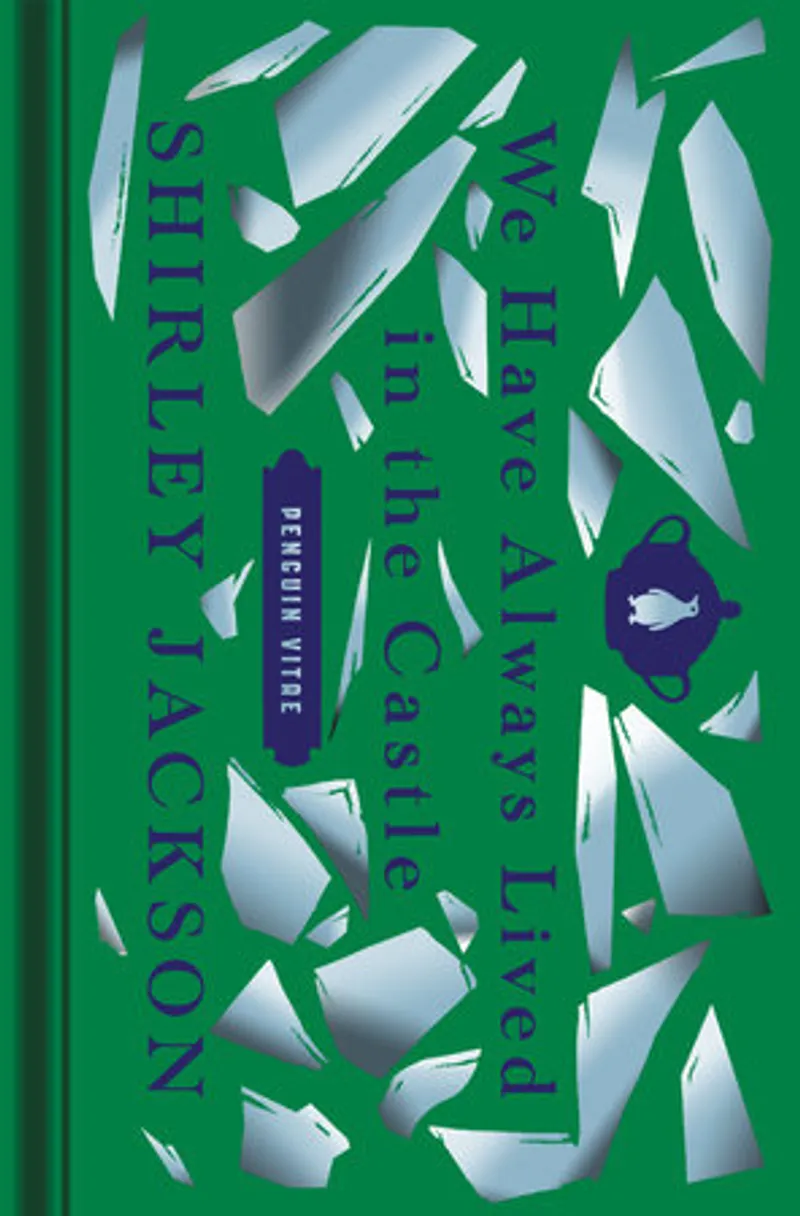
We Have Always Lived in the Castle Author: Shirley JacksonPage Count: UnknownPublication Date: 2021-PRH We Have Always Lived in the Castle, a haunting and atmospheric novel by Shirley Jackson, is a masterclass in gothic storytelling that explores the darker aspects of human nature and the blurred lines between reality and isolation. Originally published in 1962, this Penguin Vitae edition, featuring an afterword by Jonathan Lethem, invites readers to revisit the eerie and captivating world of the Blackwood family. At the heart of the novel is Merricat Blackwood, a peculiar and fiercely protective young woman who lives with her sister Constance and their uncle Julian in their family estate. The story is told through Merricat's unique narrative voice, which is both captivating and unsettling. Her perspective is limited, yet insightful, offering a glimpse into the inner workings of a mind that is both fragile and resilient. The Blackwood family's dark secret is slowly revealed, exposing a tragic event that has left them ostracized by the villagers. The tension builds as cousin Charles appears, threatening to disrupt the fragile balance of their isolated existence. Merricat's intuition and determination to protect her sister drive the plot, leading to a shocking climax that will leave readers on the edge of their seats. Jackson's writing style is a hallmark of the novel, weaving a web of suspense and intrigue that is both mesmerizing and unnerving. Her use of language is economical, yet evocative, conjuring a sense of foreboding and unease that permeates every aspect of the narrative. The characters are multidimensional and complex, with Merricat being a standout example of a protagonist who is both relatable and flawed. One of the most striking aspects of the novel is its exploration of the theme of isolation. The Blackwood family's self-imposed exile from the outside world serves as a metaphor for the fragility of human connections and the devastating consequences of being ostracized. Jackson masterfully exposes the darker aspects of human nature, revealing the cruelty and hostility that can arise when people are misunderstood or feared. The novel also explores the theme of family dynamics and the complex relationships that exist within. The bond between Merricat and Constance is particularly poignant, highlighting the sacrifices that are made in the name of love and protection. The character of Uncle Julian serves as a catalyst for the events that unfold, his presence a reminder of the family's dark past and the secrets that they keep. In conclusion, We Have Always Lived in the Castle is a gripping and unsettling novel that will appeal to fans of gothic fiction and psychological suspense. Jackson's writing is masterful, weaving a complex narrative that is both haunting and thought-provoking. The themes of isolation, family dynamics, and the blurred lines between reality and fantasy are expertly explored, making this a must-read for anyone who enjoys a good mystery. #GothicFiction #PsychologicalSuspense #ClassicLiterature #ShirleyJackson #WeHaveAlwaysLivedInTheCastle #PenguinVitaeEdition Related InsightsThe Last Song Book Review and Summary Black Gold Book Review and Summary Cherry: A Novel Book Review and Summary{ "@context": "https://schema.org", "@type": "FAQPage", "mainEntity": [ { "@type": "Question", "name": "What is the main focus of We Have Always Lived in the Castle Book Review and Summary?", "acceptedAnswer": { "@type": "Answer", "text": "Everything you need to know about We Have Always Lived in the Castle with our detailed review." } }, { "@type": "Question", "name": "Who authored the comprehensive guide on We Have Always Lived in the Castle Book Review and Summary?", "acceptedAnswer": { "@type": "Answer", "text": "This detailed article and its insights were carefully researched and authored by Shirley Jackson." } }, { "@type": "Question", "name": "Where can I find more related content about Books?", "acceptedAnswer": { "@type": "Answer", "text": "You can explore more articles, detailed reviews, and similar insights by browsing the Related Insights section at the bottom of this article or visiting our dedicated Books category page." } } ] }
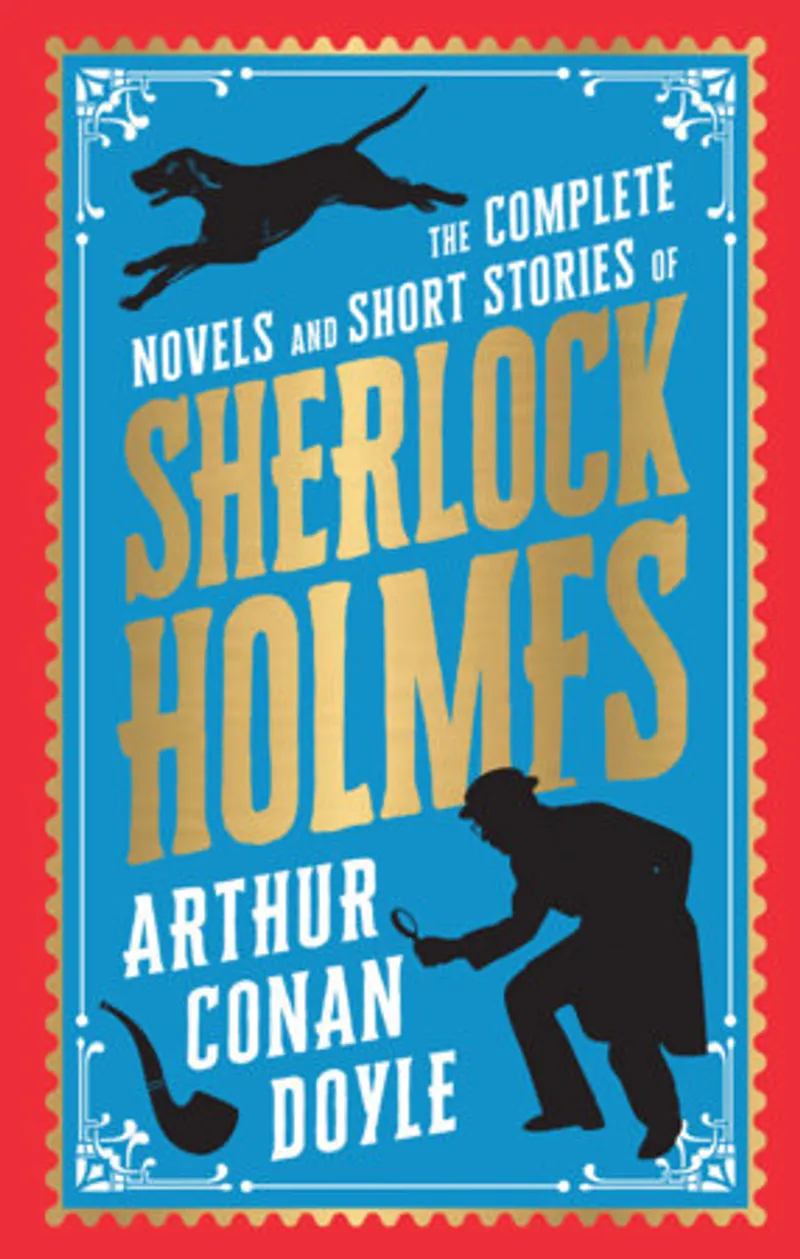
The Complete Novels and Short Stories of Sherlock Holmes Author: Sir Arthur Conan DoylePage Count: UnknownPublication Date: 2023-PRH In the realm of detective fiction, few names have become synonymous with brilliance and intrigue as Sherlock Holmes. The Complete Novels and Short Stories of Sherlock Holmes, a comprehensive collection of Sir Arthur Conan Doyle's iconic works, is a testament to the timeless allure of the iconic detective. This 2023 publication offers a chance to delve into the world of 221B Baker Street, where the extraordinary mind of Sherlock Holmes reigns supreme. One of the most striking aspects of Doyle's writing style is his ability to craft a sense of atmosphere that draws the reader in and refuses to let go. The fog-shrouded streets of Victorian London serve as the perfect backdrop for the intricate web of mysteries that Holmes and his trusty sidekick, Dr. Watson, navigate with ease. Doyle's prose is akin to a rich tapestry, weaving together threads of suspense, humor, and intellect to create a narrative that is at once engaging and thought-provoking. Throughout the collection, Doyle's masterful storytelling is on full display. From the classic whodunits like "The Hound of the Baskervilles" to the more cerebral puzzles presented in "The Adventures of Sherlock Holmes," each tale is a testament to the author's skill at crafting compelling mysteries that continue to captivate readers to this day. The characters, too, are expertly drawn, with Holmes's razor-sharp mind and Watson's more practical, humanizing influence providing a perfect counterbalance to the often-bizarre cases they encounter. One of the primary themes that emerges throughout the collection is the tension between reason and emotion. Holmes, the epitome of rational thinking, is often at odds with the more intuitive, emotional approach favored by Watson and other characters. This dichotomy serves as a fascinating commentary on the human condition, highlighting the complex interplay between logic and feeling that defines us all. Doyle's writing is also notable for its keen sense of social commentary. The stories are peppered with observations on the class system, the role of women in society, and the impact of industrialization on urban life. These details add a richness and depth to the narratives, making them more than just simple detective stories. If there is a criticism to be made, it is that some of the stories may feel slightly dated to modern readers. The pace of the narratives can be somewhat leisurely, and the characterizations of certain groups (notably, the portrayal of women and minorities) reflect the prejudices of the time. However, these are minor quibbles in what is otherwise a magnificent collection. In conclusion, The Complete Novels and Short Stories of Sherlock Holmes is a must-read for fans of detective fiction, literature, and anyone interested in exploring the inner workings of the human mind. Doyle's writing is a masterclass in storytelling, atmosphere, and character development, and his iconic detective remains an enduring symbol of intellectual curiosity and analytical brilliance. #SherlockHolmes #DetectiveFiction #ClassicLiterature #MysteryAndSuspense #SirArthurConanDoyle #SherlockianStudies Related InsightsStory of My Life Book Review and Summary Much Ado About Nothing Book Review and Summary Echoes: The Saga Anthology of Ghost Stories Book Review and Summary{ "@context": "https://schema.org", "@type": "FAQPage", "mainEntity": [ { "@type": "Question", "name": "What is the main focus of The Complete Novels Book Review and Summary?", "acceptedAnswer": { "@type": "Answer", "text": "Everything you need to know about The Complete Novels with our detailed review." } }, { "@type": "Question", "name": "Who authored the comprehensive guide on The Complete Novels Book Review and Summary?", "acceptedAnswer": { "@type": "Answer", "text": "This detailed article and its insights were carefully researched and authored by Jane Austen." } }, { "@type": "Question", "name": "Where can I find more related content about Books?", "acceptedAnswer": { "@type": "Answer", "text": "You can explore more articles, detailed reviews, and similar insights by browsing the Related Insights section at the bottom of this article or visiting our dedicated Books category page." } } ] }
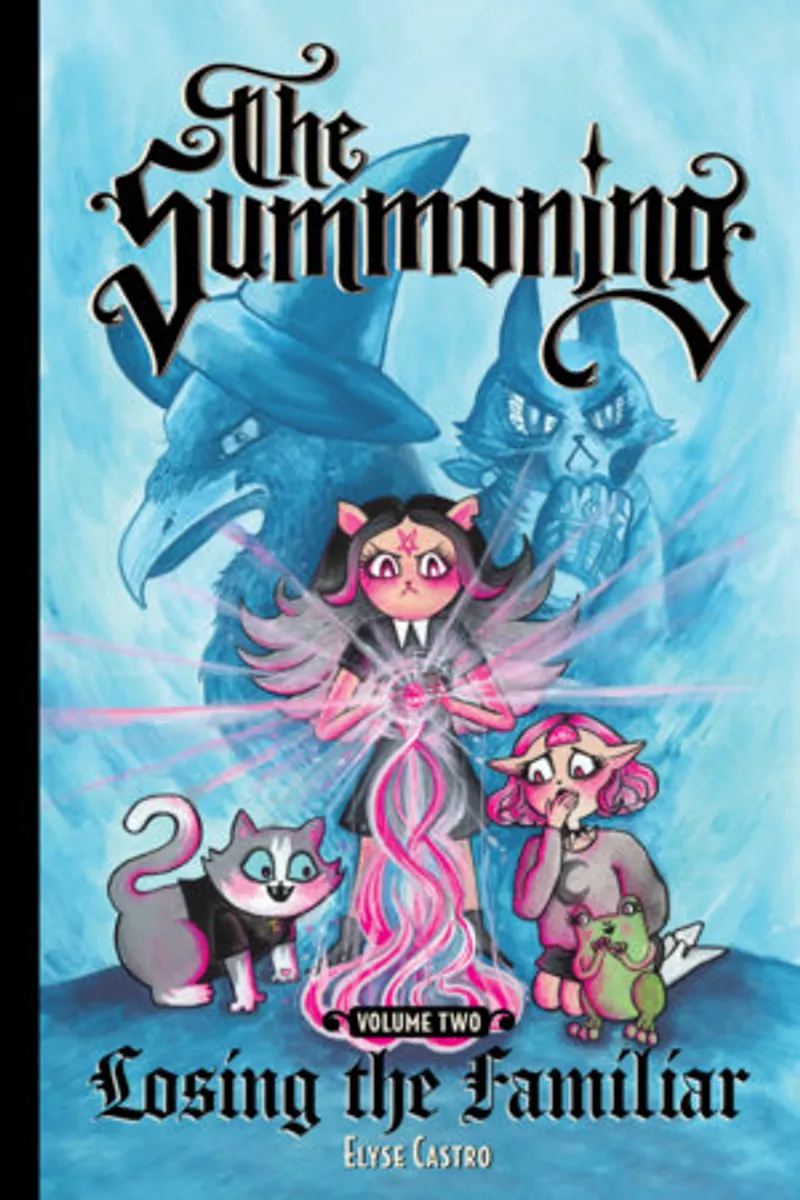
The Summoning Vol. 2: Losing the Familiar Author: Elyse CastroPage Count: UnknownPublication Date: 2026-PRH The Summoning Vol. 2: Losing the Familiar, the latest offering from Elyse Castro, is a masterclass in atmospheric storytelling that will leave readers spellbound and yearning for more. While the exact page count of this 2026 release remains unknown, one thing is certain - Castro's writing is a force to be reckoned with. At its core, The Summoning Vol. 2 is a poignant exploration of the human condition, delving deep into the complexities of identity, loss, and the blurred lines between reality and the unknown. Castro's prose is a character in its own right, weaving a rich tapestry of emotions that will resonate deeply with fans of literary fiction and the supernatural alike. One of the standout features of Castro's writing is her ability to craft relatable, multidimensional characters that leap off the page. Her protagonists are flawed, vulnerable, and achingly human, making it impossible not to become invested in their journeys. As they navigate the treacherous landscape of their own making, Castro skillfully ramps up the tension, plunging readers into a world of uncertainty and unease. The author's use of language is equally impressive, with a lyrical quality that adds depth and texture to the narrative. Her descriptions are vivid and evocative, conjuring images that will haunt readers long after they finish the book. Whether she's describing the eerie landscapes of the unknown or the mundane routines of everyday life, Castro's writing is infused with a sense of wonder and magic. The Summoning Vol. 2 is also notable for its thoughtful exploration of the human condition. Castro tackles themes of identity, trauma, and the search for meaning with sensitivity and nuance, raising important questions about the nature of reality and our place within it. Her characters' struggles to come to terms with their own identities and the world around them are deeply relatable, making this book a must-read for anyone who's ever felt like an outsider looking in. If you're a fan of authors like Neil Gaiman, Joe Hill, or Laura Purcell, you'll likely devour The Summoning Vol. 2 in one sitting. Castro's unique blend of literary fiction, supernatural horror, and psychological insight makes for a compelling read that will appeal to a wide range of audiences. While the exact page count may be unknown, one thing is certain - this book will leave you breathless and eager for more. In short, The Summoning Vol. 2: Losing the Familiar is a triumph of modern storytelling. With its vivid characters, atmospheric setting, and thought-provoking themes, this book is sure to resonate with readers long after they finish it. Don't miss out on the opportunity to experience Castro's unique brand of magic for yourself. #TheSummoningVol2 #LosingTheFamiliar #ElyseCastro #LiteraryFiction #SupernaturalHorror #PsychologicalInsight Related InsightsCrash Book Review and Summary Close to Midnight Book Review and Summary The Clan of the Cave Bear Book Review and Summary{ "@context": "https://schema.org", "@type": "FAQPage", "mainEntity": [ { "@type": "Question", "name": "What is the main focus of The Familiar Book Review and Summary?", "acceptedAnswer": { "@type": "Answer", "text": "Everything you need to know about The Familiar with our detailed review." } }, { "@type": "Question", "name": "Who authored the comprehensive guide on The Familiar Book Review and Summary?", "acceptedAnswer": { "@type": "Answer", "text": "This detailed article and its insights were carefully researched and authored by Leigh Bardugo." } }, { "@type": "Question", "name": "Where can I find more related content about Books?", "acceptedAnswer": { "@type": "Answer", "text": "You can explore more articles, detailed reviews, and similar insights by browsing the Related Insights section at the bottom of this article or visiting our dedicated Books category page." } } ] }
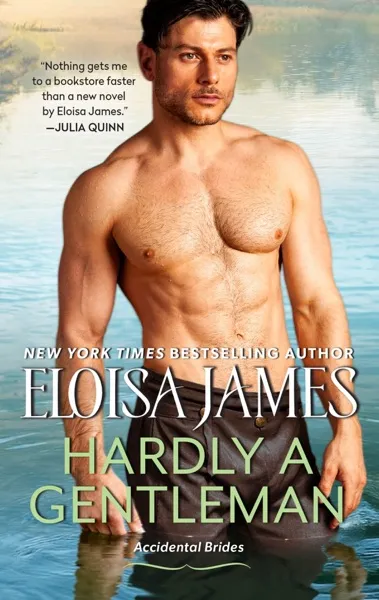
Hardly a Gentleman Author: Eloisa JamesPage Count: UnknownPublication Year: 2025-GB Eloisa James’s Hardly a Gentleman (2025) is a masterclass in historical romance that defies convention while delivering the emotional depth and wit readers have come to expect from one of the genre’s most celebrated voices. With her signature blend of sharp dialogue, rich character development, and a plot that sizzles with tension, James crafts a story that is as intellectually satisfying as it is deliciously escapist. This isn’t just another Regency-era romance—it’s a bold reimagining of masculinity, power, and desire, wrapped in the kind of lush prose and emotional nuance that makes James’s work unmistakable. At its heart, Hardly a Gentleman explores what happens when a man who has spent his life rejecting the expectations of nobility finds himself undone by a woman who refuses to play by the rules. The novel centers on the rakish, fiercely independent Lord Nicholas Strange, a man who has built his reputation on scandalous behavior—not out of recklessness, but as a deliberate rejection of the hollow virtues of the ton. His refusal to conform to the rigid codes of gentility makes him both a pariah and a magnet for those who crave authenticity. Into his world steps Miss Eleanor "Nora" Wexford, a woman whose sharp mind and uncompromising morals make her the perfect foil to his cynicism. Their initial clashes—tinged with mutual fascination—set the stage for a romance that is as much about intellectual sparring as it is about raw, unfiltered passion. James’s greatest strength lies in her ability to dissect the performative nature of aristocratic life, and Hardly a Gentleman is no exception. The novel brilliantly exposes the hypocrisy of high society, where men like Nicholas are celebrated for their vices while women like Nora are condemned for the same traits. Yet, rather than falling into the trap of a simplistic feminist allegory, James layers her narrative with complexity. Nicholas isn’t a hero because he’s a "nice guy"—he’s compelling because he’s deeply flawed, struggling with a past that haunts him as much as it defines him. His journey from a man who believes love is a weakness to one who realizes it’s the only thing worth fighting for is handled with a nuance that elevates the story beyond mere wish fulfillment. James’s prose is a study in elegance and economy. She has a knack for crafting sentences that feel both effortless and deliberate, whether she’s describing the opulence of a ballroom or the raw vulnerability of a quiet moment between two lovers. Her dialogue crackles with intelligence, filled with the kind of barbed repartee that makes historical romance feel modern and timeless all at once. There’s a scene early in the novel where Nora dismantles Nicholas’s carefully constructed facade with a single, cutting remark—James’s writing in this moment is so sharp it could cut glass, and it’s impossible not to admire the precision of her craft. What truly sets Hardly a Gentleman apart, however, is its emotional depth. James has a rare ability to make her characters’ internal struggles feel as vivid as their external conflicts. Nicholas’s battle with self-loathing, Nora’s quiet defiance of societal expectations, and the way their mutual attraction forces them to confront their own vulnerabilities—all of it is rendered with a tenderness that makes their eventual union feel earned rather than contrived. This isn’t a romance where love fixes everything; it’s one where love forces both characters to grow in ways that test them to their core. The pacing of the novel is another standout feature. James knows how to balance the slow burn of emotional intimacy with the urgency of external stakes. There are moments of breathtaking tension—both romantic and perilous—that keep the pages turning, but never at the expense of the quieter, more introspective scenes that give the story its soul. By the time the reader reaches the climax, they’re not just invested in the outcome; they’re desperate for resolution, because James has made them care deeply about these characters. If Hardly a Gentleman has a flaw, it’s in its reliance on certain tropes—the "rake redeemed" narrative, the "enemies to lovers" dynamic—that long-time romance readers will recognize. Yet, James handles these elements with such confidence and originality that they feel fresh rather than formulaic. Her world-building is meticulous, her side characters are vividly drawn, and her exploration of themes like identity, power, and redemption adds layers that elevate the story beyond the confines of its genre. In the end, Hardly a Gentleman is a triumph of historical romance because it refuses to be pigeonholed. It’s a love story, yes, but it’s also a sharp commentary on class, gender, and the masks we all wear. Eloisa James has written a book that will satisfy longtime fans while also appealing to readers who may not typically gravitate toward romance. It’s witty, it’s steamy, it’s thought-provoking—and most importantly, it’s unforgettable. #HistoricalRomance #RegencyEra #EnemiesToLovers #RakeRomance #EloisaJames #BookReview Related InsightsTwisted Games Book Review and Summary The Secret Garden Book Review and Summary The Last Letter Book Review and Summary{ "@context": "https://schema.org", "@type": "FAQPage", "mainEntity": [ { "@type": "Question", "name": "What is the main focus of Hardly a Gentleman Book Review and Summary?", "acceptedAnswer": { "@type": "Answer", "text": "Everything you need to know about Hardly a Gentleman with our detailed review." } }, { "@type": "Question", "name": "Who authored the comprehensive guide on Hardly a Gentleman Book Review and Summary?", "acceptedAnswer": { "@type": "Answer", "text": "This detailed article and its insights were carefully researched and authored by Tiago Silva." } }, { "@type": "Question", "name": "Where can I find more related content about Books?", "acceptedAnswer": { "@type": "Answer", "text": "You can explore more articles, detailed reviews, and similar insights by browsing the Related Insights section at the bottom of this article or visiting our dedicated Books category page." } } ] }
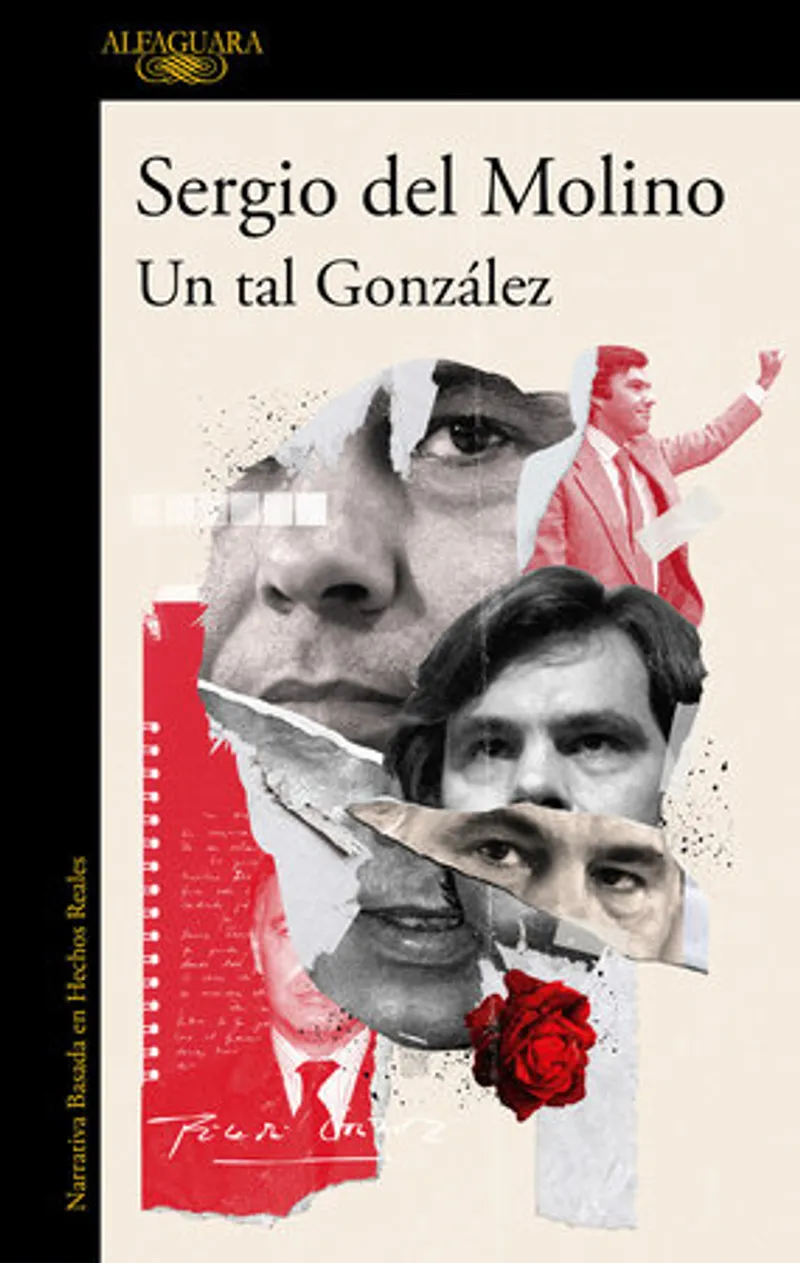
Un tal González / A Man Called González Author: Sergio Del MolinoPage Count: UnknownPublication Date: 2023-PRH A Man Called González, the latest offering from Sergio Del Molino, is a captivating and meticulously crafted biography that delves into the pivotal moment of Spain's Transition, with Felipe González at its epicenter. As the fortieth anniversary of the socialist party's first general election win approaches, Del Molino masterfully weaves a narrative that not only chronicles the life of its protagonist but also provides a profound insight into the transformation of a nation. Through his unique and versatile writing style, Del Molino seamlessly blends the genres of biography, history, and fiction, creating a rich tapestry that is both informative and engaging. As Javier Cercas aptly notes, Del Molino uses the novel form in a "liberally free manner," which allows him to explore the complexities of González's life and the tumultuous period in which he lived. One of the standout features of the book is Del Molino's ability to balance the biographical thread of González's life with the broader historical context of Spain's Transition. The author's meticulous research, which draws on first-hand testimonies, chronicles, and archives, provides a level of depth and nuance that is rare in biographical accounts. At the same time, Del Molino's writing is characterized by a lightness of touch, which makes the narrative feel effortlessly engaging and accessible. As Andrés van Loon observes, Del Molino's writing reflects his "rich political, literary, and cultural world" at all times. This is evident in the way the author navigates the complexities of González's life, from his early days as a young Sevillian lawyer to his rise as a prominent figure in Spanish politics. Del Molino's portrayal of González is multifaceted and nuanced, capturing both the public figure and the private individual. The book is also notable for its thoughtful exploration of the Transition period, a time of great upheaval and transformation in Spanish history. Del Molino's narrative provides a compelling account of how the country transitioned from a single-party system to a democracy, and how this process was shaped by key figures like González. The author's observation that "perhaps we can start appreciating being children of the Transition instead of grandchildren of the Civil War" is particularly insightful, highlighting the need to reevaluate our understanding of this period and its ongoing impact on Spanish society. In conclusion, A Man Called González is a masterful biography that offers a captivating and nuanced portrayal of Felipe González and the pivotal moment of Spain's Transition. Del Molino's unique writing style, meticulous research, and thoughtful exploration of the period make this book a must-read for anyone interested in Spanish history, politics, and culture. #SpanishHistory #FelipeGonzález #TheTransition #SpanishPolitics #Biography #EuropeanIntegration Related InsightsCarrying Book Review and Summary The Great Alone Book Review and Summary Kissing Cowboys Book Review and Summary{ "@context": "https://schema.org", "@type": "FAQPage", "mainEntity": [ { "@type": "Question", "name": "What is the main focus of A Man Called Ove Book Review and Summary?", "acceptedAnswer": { "@type": "Answer", "text": "Everything you need to know about A Man Called Ove with our detailed review." } }, { "@type": "Question", "name": "Who authored the comprehensive guide on A Man Called Ove Book Review and Summary?", "acceptedAnswer": { "@type": "Answer", "text": "This detailed article and its insights were carefully researched and authored by Fredrik Backman." } }, { "@type": "Question", "name": "Where can I find more related content about Books?", "acceptedAnswer": { "@type": "Answer", "text": "You can explore more articles, detailed reviews, and similar insights by browsing the Related Insights section at the bottom of this article or visiting our dedicated Books category page." } } ] }
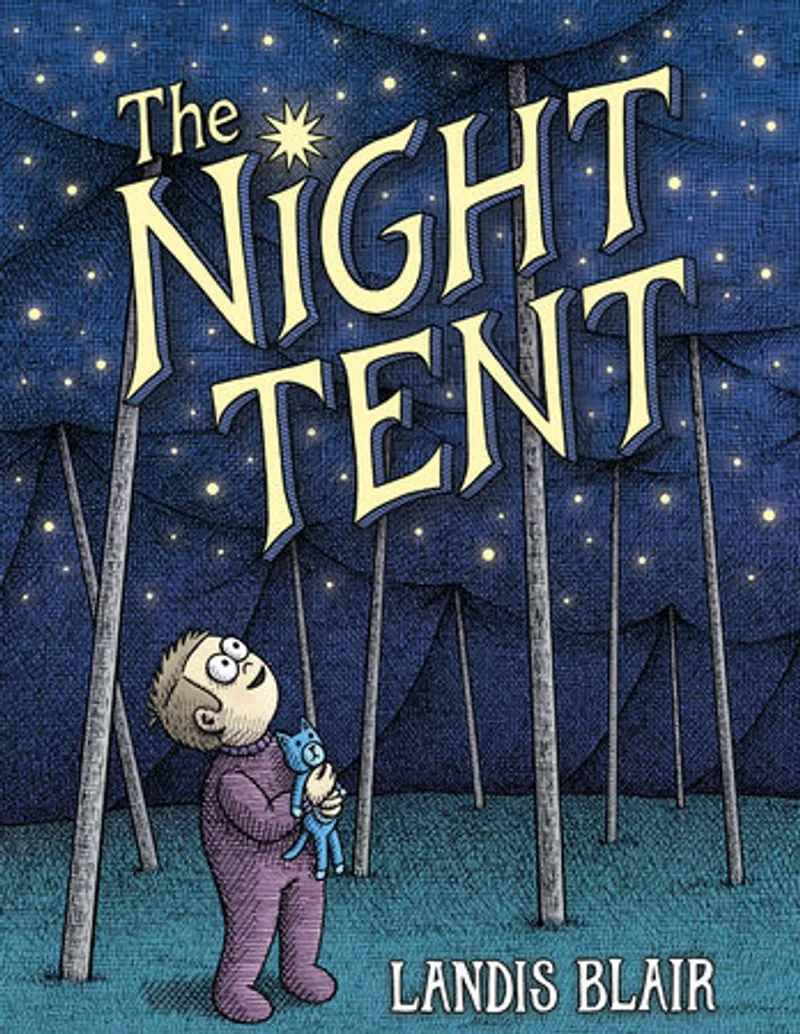
The Night Tent Author: Landis BlairPage Count: UnknownPublication Date: 2024-PRH In the enchanting pages of "The Night Tent," Landis Blair masterfully weaves a tale that delves into the uncharted territories of a child's imagination, where the boundaries of reality are gently stretched and the magic of the night comes alive. This captivating picture book is a testament to Blair's unique storytelling style, which seamlessly blends the whimsical with the relatable, crafting an unforgettable adventure that will resonate with readers of all ages. At the heart of "The Night Tent" lies the universal struggle of a child's inability to fall asleep, as embodied by the protagonist, Watson. His fears and anxieties are palpable, making him an instantly relatable character. However, it is in the face of these fears that Blair's narrative takes a remarkable turn, transforming Watson's bedroom into a portal to a fantastical world. The mysterious light emanating from under his covers serves as the catalyst for this transformation, drawing Watson into a realm where the starry night sky becomes a canvas for his imagination. Blair's illustration style, reminiscent of Edward Gorey's quirky and wonderful work, perfectly complements the narrative's offbeat charm. His use of a muted color palette, juxtaposed with the vibrant twinkling of the stars, creates a sense of depth and dimensionality, immersing the reader in Watson's nocturnal journey. The illustrations are not merely accompaniments to the text but rather an integral part of the storytelling process, elevating the narrative to new heights. As Watson navigates this dreamlike world, he encounters a cast of friendly creatures and embarks on a magical trolley ride to a tiny island, culminating in a towering spectacle that marks the pinnacle of his adventure. This journey is not merely a series of fantastical events but a poignant exploration of the human experience. Blair skillfully taps into the universal desire to transcend the mundane and tap into the infinite possibilities that lie just beyond the reach of our everyday perceptions. Through "The Night Tent," Blair celebrates the boundless potential of imagination, particularly in the late hours of the night when the world is hushed, and the mind is free to roam. This picture book is a powerful reminder that even in the darkest moments, there lies a world of wonder waiting to be uncovered. Blair's work is a testament to the transformative power of imagination, which can turn even the most mundane of experiences into a gateway to the extraordinary. In conclusion, "The Night Tent" is a captivating picture book that will resonate with readers of all ages. Landis Blair's unique storytelling style, coupled with his enchanting illustrations, makes this book a must-read for anyone who has ever found themselves lost in the vast expanse of their imagination. As a Junior Library Guild Gold Standard Selection, "The Night Tent" is poised to become a modern classic, inspiring countless readers to explore the infinite possibilities that lie just beyond the edge of their everyday reality. #TheNightTent #LandisBlair #ChildrensLiterature #PictureBook #ImaginationMatters #BedtimeStories Related InsightsThe Pale House Devil Book Review and Summary Alanna: The First Adventure Book Review and Summary Mothersucker Book Review and Summary{ "@context": "https://schema.org", "@type": "FAQPage", "mainEntity": [ { "@type": "Question", "name": "What is the main focus of The Red Tent Book Review and Summary?", "acceptedAnswer": { "@type": "Answer", "text": "Everything you need to know about The Red Tent with our detailed review." } }, { "@type": "Question", "name": "Who authored the comprehensive guide on The Red Tent Book Review and Summary?", "acceptedAnswer": { "@type": "Answer", "text": "This detailed article and its insights were carefully researched and authored by Anita Diamant." } }, { "@type": "Question", "name": "Where can I find more related content about Books?", "acceptedAnswer": { "@type": "Answer", "text": "You can explore more articles, detailed reviews, and similar insights by browsing the Related Insights section at the bottom of this article or visiting our dedicated Books category page." } } ] }
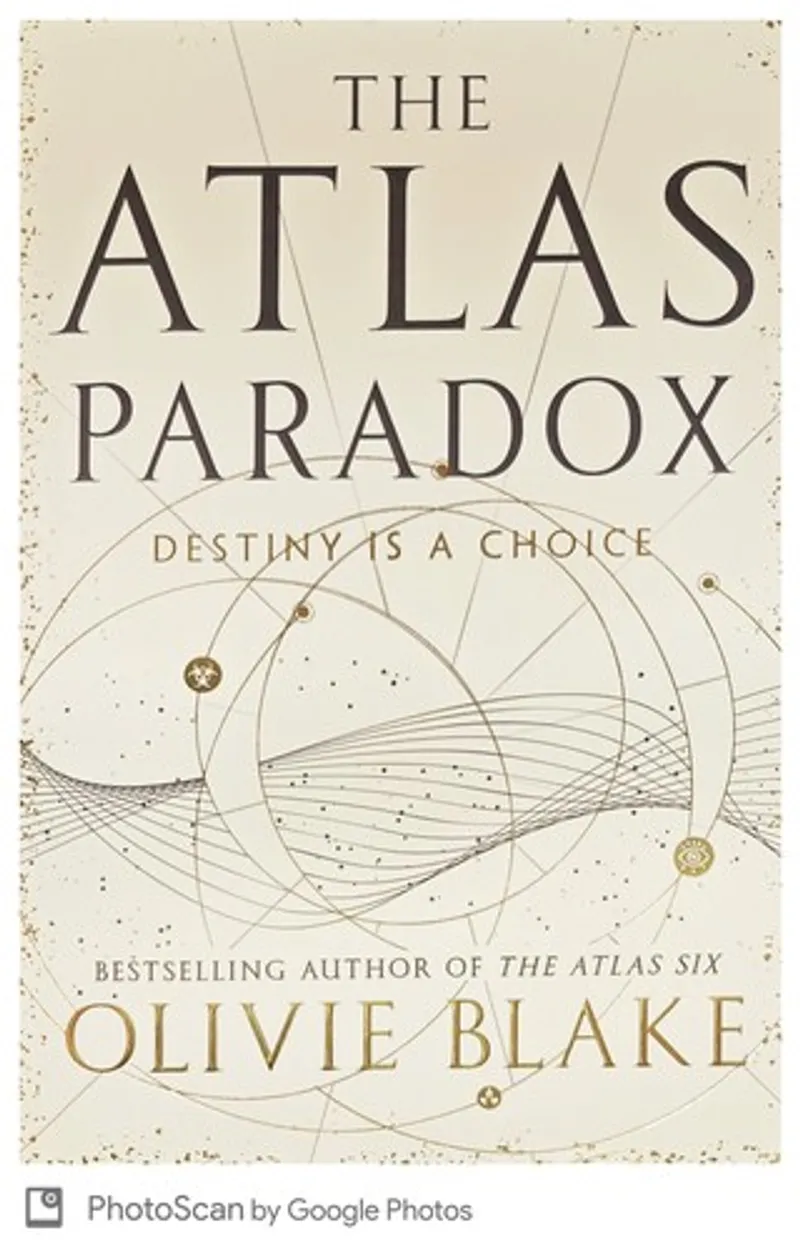

The Atlas Paradox Author: Olivie BlakePage Count: UnknownPublication Date: 2022-OL The Atlas Paradox, Olivie Blake's 2022 release, is a masterful continuation of a story that delves deep into the world of magic, power, and the intricate web of alliances and rivalries. This novel picks up where its predecessor left off, offering readers a chance to explore the mysterious Society of Alexandrians, an organization that promises its members unparalleled knowledge and power but at a steep and often morally ambiguous price. At the heart of The Atlas Paradox is the exploration of power and the choices one must make when confronted with the opportunity to wield it. The five new members of the Society, each with their own motivations and demons, are thrust into a world where the lines between right and wrong are constantly blurred. Blake's narrative expertly captures the tension and conflict that arise as these characters navigate the Society's secrets and objectives, all while being drawn into the charismatic and somewhat enigmatic figure of the Society's leader, who has plans to reshape the world according to his vision. Olivie Blake's writing style is one of the standout features of The Atlas Paradox. With a keen eye for detail and a knack for creating complex, multi-dimensional characters, Blake weaves a narrative that is both captivating and thought-provoking. The world of the Society is richly detailed, with its own history, rituals, and hierarchies, making it easy for readers to become fully immersed in the story. Blake's ability to balance action, suspense, and philosophical introspection keeps the reader engaged, making The Atlas Paradox a compelling read from start to finish. One of the strengths of The Atlas Paradox is its exploration of themes that are both timely and timeless. The struggle for power, the cost of ambition, and the moral gray areas that individuals must navigate when dealing with complex decisions are all central to the narrative. Blake does not shy away from the darker aspects of human nature and the consequences of playing with forces beyond one's control. This makes for a story that is not only entertaining but also intellectually stimulating, inviting readers to ponder the implications of the characters' actions long after they finish the book. The character development in The Atlas Paradox is also noteworthy. Each character is meticulously crafted, with their own backstory, motivations, and conflicts. The dynamics between characters are nuanced and multifaceted, reflecting the realistic complexities of human relationships. Blake explores themes of friendship, loyalty, and betrayal with sensitivity and depth, adding layers to the story that enrich the reading experience. In conclusion, The Atlas Paradox by Olivie Blake is a gripping and thought-provoking novel that will appeal to fans of fantasy, mystery, and suspense. With its richly detailed world, complex characters, and morally intricate plot, this book is sure to captivate readers and leave them eagerly awaiting the next installment. Blake's writing is masterful, making this a must-read for anyone interested in stories about power, ambition, and the human condition. #TheAtlasParadox #OlivieBlake #FantasyBooks #MagicAndPower #BookLovers #MustReadNovels Related InsightsThe Velvet Knife (Truly Devious, #6) Book Review and Summary If We Were Villains Book Review and Summary All Creatures Great and Small Book Review and Summary{ "@context": "https://schema.org", "@type": "FAQPage", "mainEntity": [ { "@type": "Question", "name": "What is the main focus of The Atlas Paradox Book Review and Summary?", "acceptedAnswer": { "@type": "Answer", "text": "Everything you need to know about The Atlas Paradox with our detailed review." } }, { "@type": "Question", "name": "Who authored the comprehensive guide on The Atlas Paradox Book Review and Summary?", "acceptedAnswer": { "@type": "Answer", "text": "This detailed article and its insights were carefully researched and authored by Hannah Schmidt." } }, { "@type": "Question", "name": "Where can I find more related content about Books?", "acceptedAnswer": { "@type": "Answer", "text": "You can explore more articles, detailed reviews, and similar insights by browsing the Related Insights section at the bottom of this article or visiting our dedicated Books category page." } } ] }
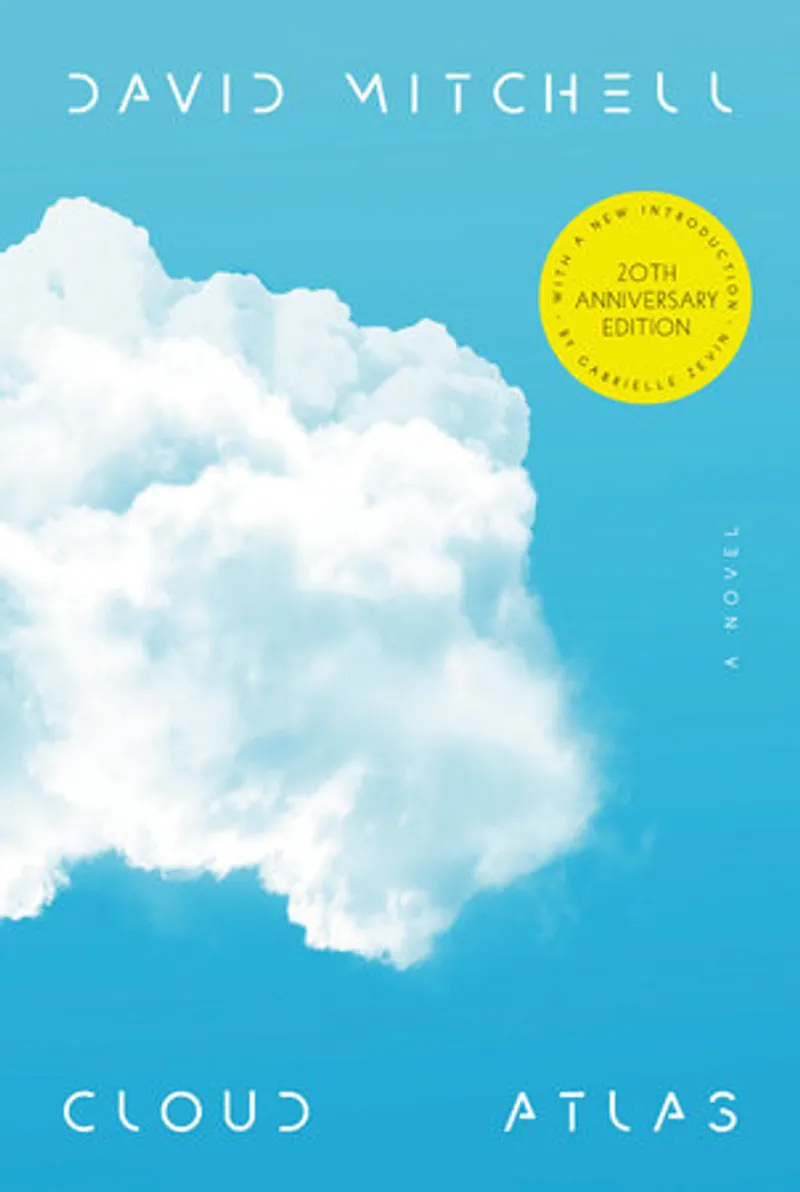
Cloud Atlas (20th Anniversary Edition) Author: David MitchellPage Count: UnknownPublication Date: 2012-PRH In the grand tapestry of literary fiction, few works have managed to captivate readers with the same level of depth, complexity, and sheer audacity as David Mitchell's Cloud Atlas. This 20th-anniversary edition is a testament to the novel's enduring appeal, with its lavish packaging and thought-provoking afterword and introduction. But it's the story itself that remains the true marvel – a sweeping narrative that defies genre boundaries and conventional storytelling. At its core, Cloud Atlas is a novel about the interconnectedness of human experience. Mitchell masterfully weaves together six seemingly disparate storylines, each set in a different time period and location, yet connected by a thread of causality and coincidence. From the 19th-century high seas to a dystopian future, the narrative careens through time and space with a dazzling display of virtuosity, mirroring the fluid, ever-changing nature of human existence. One of Mitchell's greatest strengths is his ability to adapt his writing style to suit each distinct narrative voice. Whether it's the formal, 19th-century prose of Adam Ewing's journal or the futuristic, high-tech jargon of the novel's latter sections, Mitchell's command of language is nothing short of breathtaking. His writing is at once evocative, precise, and inventive, conjuring entire worlds with a few, well-chosen words. But Cloud Atlas is more than just a technical tour de force – it's a deeply philosophical and humane work, concerned with the big questions of existence, identity, and the consequences of human action. Mitchell's characters are often flawed, sometimes unsympathetic, but always compellingly human, their struggles and triumphs illuminating the universal concerns that bind us across time and space. As the novel hurtles towards its conclusion, the connections between the disparate storylines become increasingly apparent, revealing a profound web of causality that underscores the interconnectedness of human experience. It's a testament to Mitchell's skill as a storyteller that the novel's climax, which could have easily felt contrived or manipulative, instead feels both surprising and inevitable – a perfect synthesis of form and content. In short, Cloud Atlas is a masterpiece of contemporary literature, a work of breathtaking ambition and scope that rewards close attention and multiple readings. This 20th-anniversary edition is a must-have for fans of the novel, with its beautiful packaging and thought-provoking supplementary material. But for newcomers, the real treasure remains the novel itself – a work of unforgettable power, beauty, and imagination that will continue to captivate readers for generations to come. #CloudAtlas #DavidMitchell #LiteraryFiction #Postmodernism #TimeTravel #DystopianFiction Related InsightsYellowface Book Review and Summary A Reunion to Die For: A Novel Book Review and Summary A Perfect Day to Put Your Head in the Oven Book Review and Summary{ "@context": "https://schema.org", "@type": "FAQPage", "mainEntity": [ { "@type": "Question", "name": "What is the main focus of Cloud Atlas Book Review and Summary?", "acceptedAnswer": { "@type": "Answer", "text": "Everything you need to know about Cloud Atlas with our detailed review." } }, { "@type": "Question", "name": "Who authored the comprehensive guide on Cloud Atlas Book Review and Summary?", "acceptedAnswer": { "@type": "Answer", "text": "This detailed article and its insights were carefully researched and authored by David Mitchell." } }, { "@type": "Question", "name": "Where can I find more related content about Books?", "acceptedAnswer": { "@type": "Answer", "text": "You can explore more articles, detailed reviews, and similar insights by browsing the Related Insights section at the bottom of this article or visiting our dedicated Books category page." } } ] }
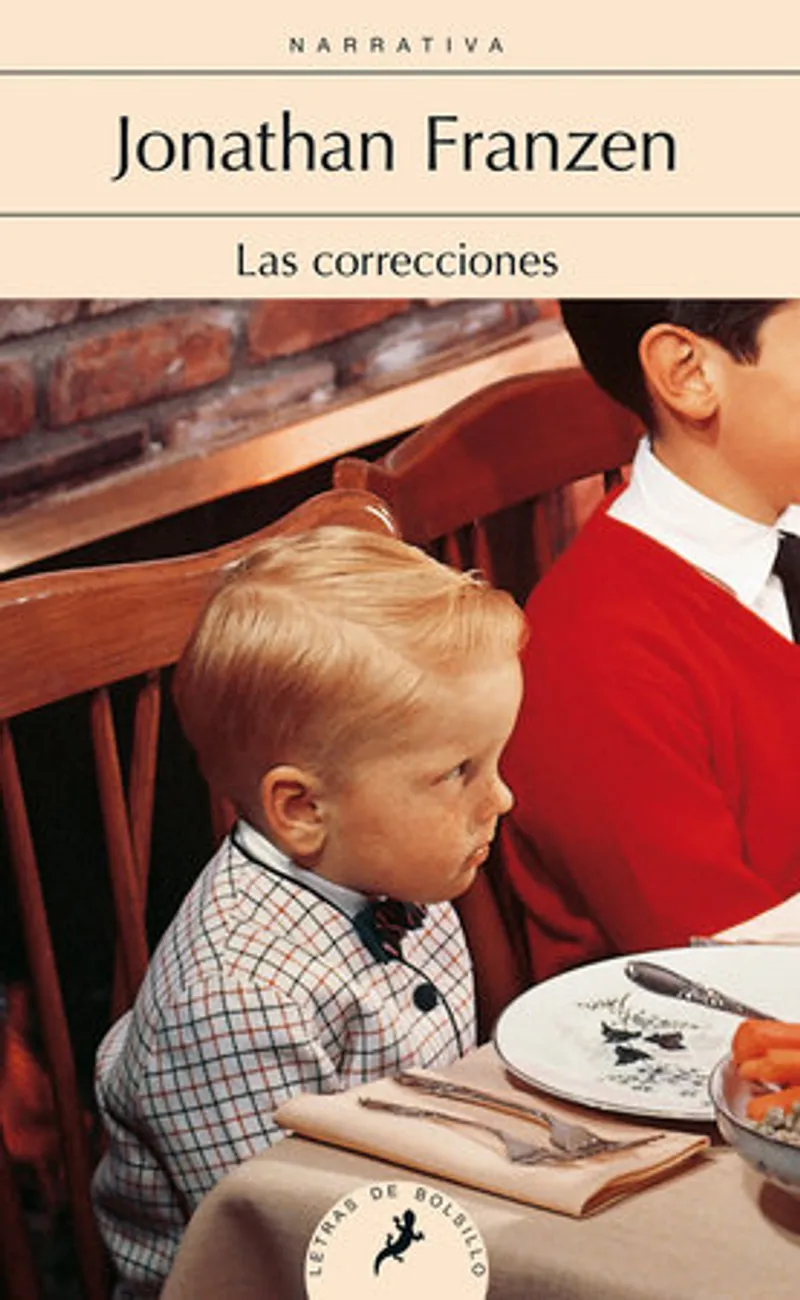
Las correcciones/ The Corrections Author: Jonathan FranzenPage Count: UnknownPublication Date: 2014-PRH The Corrections, Jonathan Franzen's magnum opus, is a scathing yet poignant portrayal of the American family in the late 20th century. This National Book Award-winning novel is a meticulous dissection of the Lambert family's struggles, laying bare the anguish and contradictions of a society in flux. At the heart of the novel is the Lambert family's patriarch, Alfred, a retired railroad engineer succumbing to the ravages of Parkinson's disease. His wife, Enid, is a force to be reckoned with, driven by a desperate need to maintain order in their sprawling Midwestern home. Their three children, Gary, Chip, and Denise, have long since fled the family nest, each navigating their own unique brand of chaos on the East Coast. Franzen's masterful prose weaves a complex tapestry of familial dynamics, exposing the fault lines that threaten to destroy the Lamberts' seemingly idyllic facade. Gary, the eldest, is a high-flying banker haunted by the specter of depression; Chip, the middle child, is a failed academic embroiled in a dubious get-rich-quick scheme; and Denise, the youngest, is a fiercely competitive chef whose turbulent love life is a constant source of angst. As the novel hurtles towards its climax, Franzen poses a series of uncomfortable questions about the nature of family, identity, and the American Dream. Can the Lamberts' children correct the mistakes of their parents, or are they doomed to repeat the same patterns of dysfunction? Will Enid succeed in her quest to reunite the family for one last Christmas, or will the gathering descend into chaos? Franzen's writing is both unsparing and compassionate, laced with a wicked sense of humor that belies the darkness at the novel's core. His characters are multidimensional and richly drawn, their flaws and contradictions making them all the more relatable. The Corrections is a novel that defies easy categorization, blending elements of satire, social commentary, and old-fashioned family drama into a work of profound depth and nuance. David Foster Wallace, Don DeLillo, and The New York Times Magazine have all praised Franzen's masterpiece, and it's easy to see why. The Corrections is a novel that will leave you breathless, bewildered, and ultimately, transformed. It's a searing indictment of the American condition, a poignant exploration of the human condition, and a testament to the power of fiction to capture the essence of our times. #TheCorrections #JonathanFranzen #NationalBookAward #AmericanLiterature #FamilyDrama #SocialCommentary Related InsightsCannery Row Book Review and Summary The Five People You Meet in Heaven Book Review and Summary Corrupt Book Review and Summary{ "@context": "https://schema.org", "@type": "FAQPage", "mainEntity": [ { "@type": "Question", "name": "What is the main focus of The Corrections Book Review and Summary?", "acceptedAnswer": { "@type": "Answer", "text": "Everything you need to know about The Corrections with our detailed review." } }, { "@type": "Question", "name": "Who authored the comprehensive guide on The Corrections Book Review and Summary?", "acceptedAnswer": { "@type": "Answer", "text": "This detailed article and its insights were carefully researched and authored by Jonathan Franzen." } }, { "@type": "Question", "name": "Where can I find more related content about Books?", "acceptedAnswer": { "@type": "Answer", "text": "You can explore more articles, detailed reviews, and similar insights by browsing the Related Insights section at the bottom of this article or visiting our dedicated Books category page." } } ] }
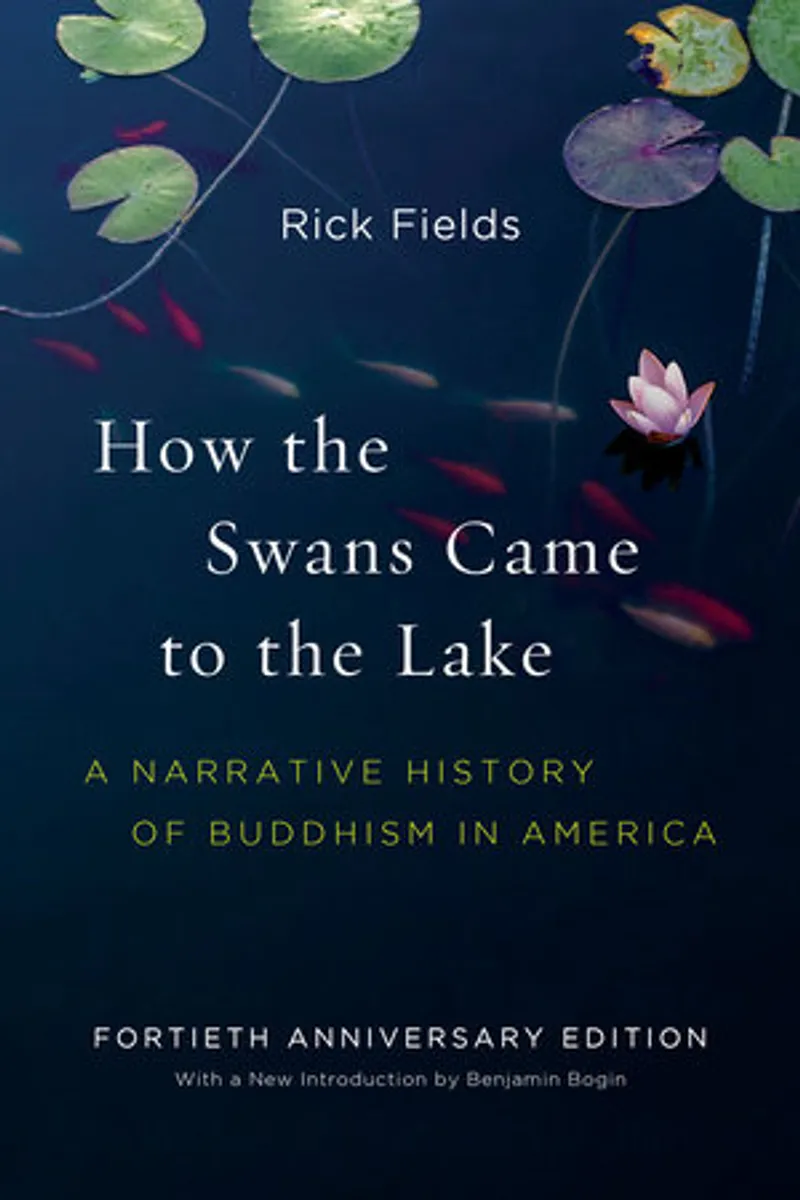
How the Swans Came to the Lake Author: Rick FieldsPage Count: UnknownPublication Date: 2022-PRH In the realm of Buddhist studies, few works have managed to capture the essence of the religion's migration to the West as comprehensively as Rick Fields' seminal book, "How the Swans Came to the Lake". This sweeping narrative masterfully chronicles the journey of Buddhism from its Asian roots to its widespread adoption in the Western world. Fields' magnum opus, first published in 1981 and now re-released in a fortieth-anniversary edition, is a testament to the author's meticulous research and engaging writing style. Fields' narrative begins with the life of the Buddha and the gradual dissemination of his teachings throughout Asia. He skillfully weaves a tapestry of historical events, cultural influences, and key figures, illustrating the complex dynamics that facilitated Buddhism's spread. The book's scope is staggering, spanning centuries and continents as it explores the diverse traditions and interpretations of Buddhism that emerged in various parts of Asia. The author's prose is lucid and engaging, making the book an enjoyable read for both scholars and laypeople. Fields' writing is characterized by a deep respect for the subject matter, and his passion for Buddhism is evident throughout the narrative. The inclusion of new and enhanced photographs in this anniversary edition adds a rich visual dimension to the text, further enhancing the reader's understanding of the subject. One of the book's greatest strengths lies in its ability to contextualize the transmission of Buddhism to the West. Fields masterfully explores the complex interplay between Western colonialism, Asian immigration, and the countercultural movements of the 1950s and 1960s, which collectively contributed to the growth of Buddhism in the United States and Europe. The author's discussion of influential figures such as D. T. Suzuki, Alan Watts, and the Beats provides valuable insights into the intellectual and cultural currents that shaped Western Buddhism. The new introduction by Benjamin Bogin, Fields' nephew and a Buddhist Studies scholar, offers a thought-provoking reflection on the book's impact and the significant changes that have occurred in Western Buddhist practice over the past four decades. Bogin's contribution adds a fresh perspective to the narrative, highlighting the ongoing relevance of Fields' work in the contemporary Buddhist landscape. In conclusion, "How the Swans Came to the Lake" is a masterpiece of Buddhist scholarship that continues to inspire and educate readers to this day. Rick Fields' magnum opus is a must-read for anyone interested in the history and development of Buddhism in the West. This fortieth-anniversary edition is a fitting tribute to the author's groundbreaking work, and its re-release is a timely reminder of the enduring significance of Buddhism in modern Western culture. #BuddhismInTheWest #RickFields #HowTheSwansCameToTheLake #BuddhistStudies #WesternBuddhism #BuddhistHistory Related InsightsThe Wrath Gods Reap (The Crucible, #3) Book Review and Summary David Baldacci Spring 2023 Book Review and Summary Heartstopper, Volume 4 Book Review and Summary{ "@context": "https://schema.org", "@type": "FAQPage", "mainEntity": [ { "@type": "Question", "name": "What is the main focus of The Swan Lake Murders Book Review and Summary?", "acceptedAnswer": { "@type": "Answer", "text": "Everything you need to know about The Swan Lake Murders with our detailed review." } }, { "@type": "Question", "name": "Who authored the comprehensive guide on The Swan Lake Murders Book Review and Summary?", "acceptedAnswer": { "@type": "Answer", "text": "This detailed article and its insights were carefully researched and authored by Susan Rowland." } }, { "@type": "Question", "name": "Where can I find more related content about Books?", "acceptedAnswer": { "@type": "Answer", "text": "You can explore more articles, detailed reviews, and similar insights by browsing the Related Insights section at the bottom of this article or visiting our dedicated Books category page." } } ] }
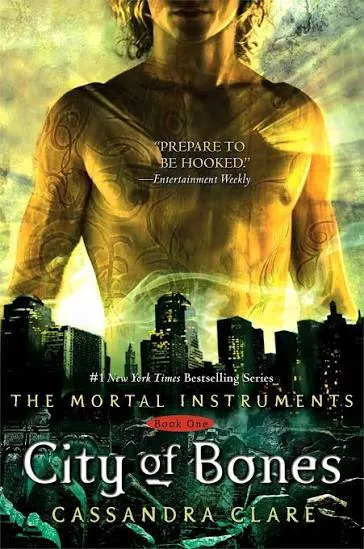
Jodi Picoult at The National Writers Series at the City Opera House Author: Jodi PicoultPage Count: UnknownPublication Date: Unknown-PRH In the realm of contemporary literature, few authors have managed to captivate audiences with the same level of depth and nuance as Jodi Picoult. Her unique ability to weave complex moral dilemmas into relatable narratives has earned her a devoted following, and her appearance at the National Writers Series at the City Opera House is a testament to her enduring influence. While the details of this particular book are scarce, fans of Picoult's work can rest assured that her signature style is on full display. With a career spanning over two decades, Picoult has honed her craft, developing a distinct voice that is both empathetic and unflinching. Her writing often explores the gray areas of human experience, delving into the intricacies of relationships, family dynamics, and the consequences of our choices. One of the defining characteristics of Picoult's writing is her ability to craft relatable, multidimensional characters. Her protagonists are often flawed, yet likable, and their struggles feel authentic and deeply personal. This talent for characterization allows readers to become fully invested in the story, making the inevitable plot twists and turns all the more impactful. Picoult's exploration of complex social issues is another hallmark of her writing. She tackles topics such as reproductive rights, capital punishment, and mental health with sensitivity and thought-provoking insight. Her approach is never didactic, instead, she presents multiple perspectives, encouraging readers to engage with the material on a deeper level. The National Writers Series at the City Opera House offers a unique opportunity for readers to experience Picoult's work in a new light. The book, which appears to be a transcript or recording of her appearance, provides a rare glimpse into the author's creative process and personal insights. This behind-the-scenes look is sure to delight fans and offer a fresh perspective on her writing. Throughout her career, Picoult has demonstrated a remarkable ability to balance the intellectual and emotional aspects of storytelling. Her writing is both thought-provoking and deeply moving, making her one of the most compelling authors of our time. In conclusion, Jodi Picoult at The National Writers Series at the City Opera House is a must-read for fans of the author and anyone interested in exploring the complexities of human experience. While the details of the book are limited, Picoult's signature style and thought-provoking insights are sure to shine through. #JodiPicoult #TheNationalWritersSeries #CityOperaHouse #ContemporaryLiterature #BookLovers #AuthorsToWatch Related InsightsBabel Book Review and Summary Do Androids Dream of Electric Sheep? Book Review and Summary ’Salem’s Lot Book Review and Summary{ "@context": "https://schema.org", "@type": "FAQPage", "mainEntity": [ { "@type": "Question", "name": "What is the main focus of City of Bones Book Review and Summary?", "acceptedAnswer": { "@type": "Answer", "text": "Everything you need to know about City of Bones with our detailed review." } }, { "@type": "Question", "name": "Who authored the comprehensive guide on City of Bones Book Review and Summary?", "acceptedAnswer": { "@type": "Answer", "text": "This detailed article and its insights were carefully researched and authored by Cassandra Clare." } }, { "@type": "Question", "name": "Where can I find more related content about Books?", "acceptedAnswer": { "@type": "Answer", "text": "You can explore more articles, detailed reviews, and similar insights by browsing the Related Insights section at the bottom of this article or visiting our dedicated Books category page." } } ] }
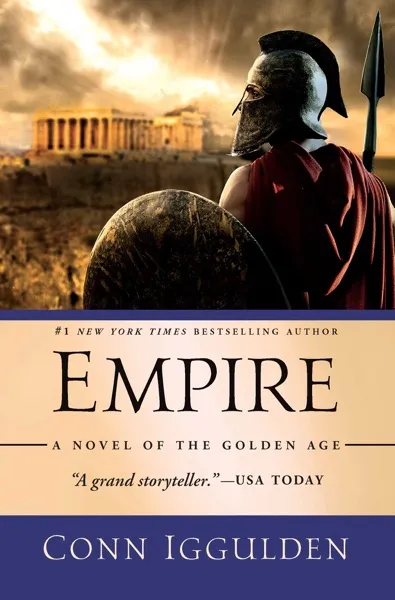

Empire Author: Conn IgguldenPage Count: UnknownPublication Year: 2024-GB Conn Iggulden’s Empire (2024) is a sweeping historical epic that cements his reputation as one of the modern masters of the genre. Following his blockbuster The Gates of Rome and the Emperor series, Iggulden returns to the ancient world, this time to the rise of Rome itself—a tale of ambition, power, and the relentless march of history. With his signature blend of meticulous research, cinematic prose, and unflinching character studies, Iggulden crafts a story that is as much about the birth of an empire as it is about the men and women who made it possible. At its core, Empire explores the transformative power of vision—how a single idea, nurtured by ruthless pragmatism and sheer will, can reshape the world. The novel centers on the legendary figure of Julius Caesar, though Iggulden resists the temptation to mythologize him. Instead, Caesar emerges as a complex, flawed genius, a man whose ambition is both his greatest strength and his undoing. The book doesn’t just retell the familiar story of conquest and political maneuvering; it delves into the psychological toll of empire-building, the sacrifices required, and the moral ambiguities that lurk beneath the glittering surface of power. Iggulden’s strength lies in his ability to humanize history. He doesn’t just present Caesar as a distant, larger-than-life figure but as a man besieged by doubt, haunted by his own mortality, and driven by an almost compulsive need to leave a mark on the world. The supporting cast is equally compelling—Brutus, the reluctant idealist; Cicero, the sharp-tongued orator; and Cleopatra, the shrewd strategist whose own empire-building ambitions collide with Rome’s rise. Each character is given depth, their motivations dissected with a novelist’s eye, making their triumphs and failures feel deeply personal. The novel’s pacing is relentless, mirroring the inexorable expansion of Rome itself. Iggulden balances grand set pieces—battles that shake the earth, political intrigues that shift alliances overnight—with intimate, introspective moments where characters grapple with their own demons. His prose is muscular yet fluid, carrying the reader through vast landscapes and crowded senate chambers with equal ease. There’s a tactile quality to his writing; you can almost feel the dust of Gaul on Caesar’s boots or the weight of a toga on a Roman senator’s shoulders. One of the most striking aspects of Empire is its refusal to shy away from the brutality of the ancient world. Iggulden doesn’t glorify war or violence, but he doesn’t soften it either. The cost of empire is laid bare—cities burned, families torn apart, and lives sacrificed on the altar of ambition. Yet, even in these moments of darkness, there’s a dark humor, a wry acknowledgment of human folly that keeps the narrative from becoming oppressive. The historical backdrop is richly detailed, but Iggulden never lets the research overshadow the story. The world of Empire feels alive, from the clatter of sandals on marble floors to the scent of incense in temples. His depiction of Rome isn’t just a backdrop; it’s a character in its own right, a city that grows and changes alongside its people. The political machinery of the Republic is rendered with particular care, showing how fragile and contingent power really is. One misstep, one miscalculated alliance, and empires crumble. Iggulden’s style is deceptively simple—he writes in a way that feels effortless, but every word is carefully chosen. He excels at dialogue, giving each character a distinct voice that reveals their personality and status. The conversations crackle with tension, whether it’s a backroom deal in the Forum or a desperate strategy session before battle. His battle scenes are visceral, not just in their description of violence but in their portrayal of the chaos and fear that accompany war. There’s no romanticizing the ancient world here; it’s a place of grit and grime, where survival often comes at a terrible price. At its heart, Empire is a meditation on the nature of power—how it corrupts, how it elevates, and how it inevitably slips through the fingers of those who grasp too tightly. Caesar’s story is one of rise and fall, but it’s also a story about the people who enable that rise and hasten that fall. Iggulden doesn’t take sides; he presents the contradictions, the competing visions of what Rome should be, and lets the reader decide where justice lies. For fans of historical fiction, Empire is a must-read—a masterclass in blending history with compelling storytelling. For newcomers, it’s an invitation into a world that is both familiar and strange, where the echoes of the past still resonate in the present. Conn Iggulden has once again proven why he’s a name synonymous with epic historical fiction. #ConnIggulden #HistoricalFiction #AncientRome #JuliusCaesar #EmpireBuilding #HistoricalEpic Related InsightsLongitude Book Review and Summary Untitled #1 Book Review and Summary El peor vecino del mundo Book Review and Summary{ "@context": "https://schema.org", "@type": "FAQPage", "mainEntity": [ { "@type": "Question", "name": "What is the main focus of Empire Book Review and Summary?", "acceptedAnswer": { "@type": "Answer", "text": "Everything you need to know about Empire with our detailed review." } }, { "@type": "Question", "name": "Who authored the comprehensive guide on Empire Book Review and Summary?", "acceptedAnswer": { "@type": "Answer", "text": "This detailed article and its insights were carefully researched and authored by Lucia Garcia." } }, { "@type": "Question", "name": "Where can I find more related content about Books?", "acceptedAnswer": { "@type": "Answer", "text": "You can explore more articles, detailed reviews, and similar insights by browsing the Related Insights section at the bottom of this article or visiting our dedicated Books category page." } } ] }
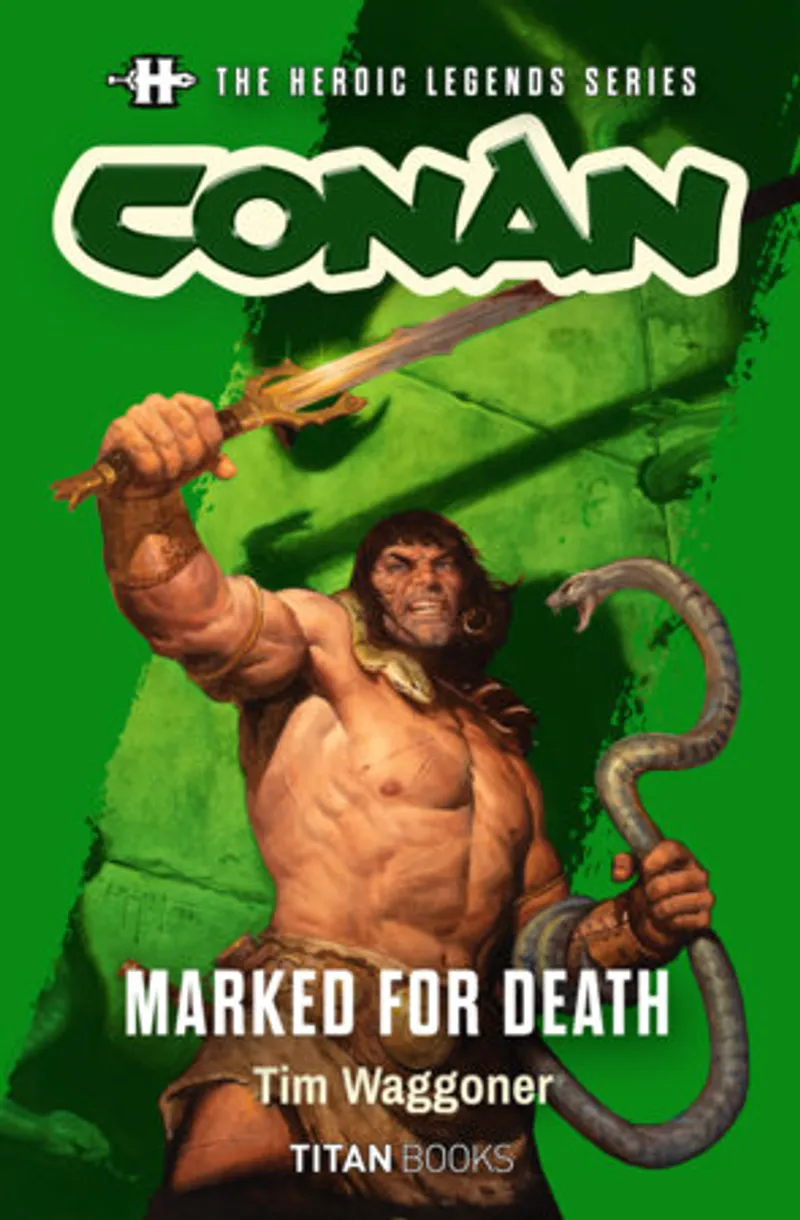
The Heroic Legends Series - Conan: Marked for Death Author: Tim WaggonerPage Count: UnknownPublication Date: 2026-PRH In the realm of fantasy literature, few names evoke the same sense of grandeur and adventure as Conan, the iconic Cimmerian warrior created by Robert E. Howard. Tim Waggoner's latest offering, "Conan: Marked for Death," is a thrilling addition to the Heroic Legends Series, delving into the darker corners of Conan's world and emerging with a gripping narrative that will leave fans of the genre breathless. From the outset, Waggoner's writing style is reminiscent of Howard's classic tales, with a focus on visceral action sequences and a deep understanding of the Hyborian Age. The author's prose is lean and mean, propelling the reader forward with a relentless pace that mirrors Conan's own unyielding ferocity. As the story unfolds, Waggoner masterfully weaves together elements of horror, mystery, and fantasy, crafting a rich tapestry that is both a loving homage to the original Conan stories and a bold new interpretation. At its core, "Conan: Marked for Death" is a tale of survival and redemption, as Conan finds himself hunted by a powerful and malevolent force that threatens to destroy everything he holds dear. Waggoner's portrayal of the iconic hero is both nuanced and faithful, capturing the complexity and depth that has made Conan an enduring figure in popular culture. The supporting cast is equally well-realized, with a diverse array of characters that add depth and richness to the narrative. One of the standout aspects of Waggoner's writing is his ability to balance action and atmosphere, creating a sense of tension and foreboding that permeates every aspect of the story. The world-building is meticulous and detailed, drawing heavily from the lore and mythology of the Hyborian Age. The result is a sense of immersion that is nothing short of remarkable, drawing the reader into a world of ancient magic, forgotten ruins, and primal savagery. If there is a criticism to be made, it is that the story occasionally feels a touch predictable, with certain plot twists and turns feeling somewhat telegraphed. However, this is a minor quibble in what is otherwise a superbly crafted narrative. Waggoner's writing is engaging and immersive, making even the most familiar tropes feel fresh and exciting. In conclusion, "Conan: Marked for Death" is a triumphant addition to the Heroic Legends Series, offering a thrilling and action-packed ride that is sure to delight fans of Conan and fantasy literature in general. Tim Waggoner's writing is a perfect blend of style and substance, capturing the essence of the iconic hero while introducing a new layer of depth and complexity. If you're looking for a compelling and immersive read, look no further than this exceptional tale of sword and sorcery. #ConanTheBarbarian #FantasyLiterature #SwordAndSorcery #HeroicLegendsSeries #TimWaggoner #RobertEHoward Related InsightsTrust Fall Book Review and Summary The Heights Book Review and Summary Faust, First Part Book Review and Summary{ "@context": "https://schema.org", "@type": "FAQPage", "mainEntity": [ { "@type": "Question", "name": "What is the main focus of Marked Book Review and Summary?", "acceptedAnswer": { "@type": "Answer", "text": "Everything you need to know about Marked with our detailed review." } }, { "@type": "Question", "name": "Who authored the comprehensive guide on Marked Book Review and Summary?", "acceptedAnswer": { "@type": "Answer", "text": "This detailed article and its insights were carefully researched and authored by P.C. Cast." } }, { "@type": "Question", "name": "Where can I find more related content about Books?", "acceptedAnswer": { "@type": "Answer", "text": "You can explore more articles, detailed reviews, and similar insights by browsing the Related Insights section at the bottom of this article or visiting our dedicated Books category page." } } ] }
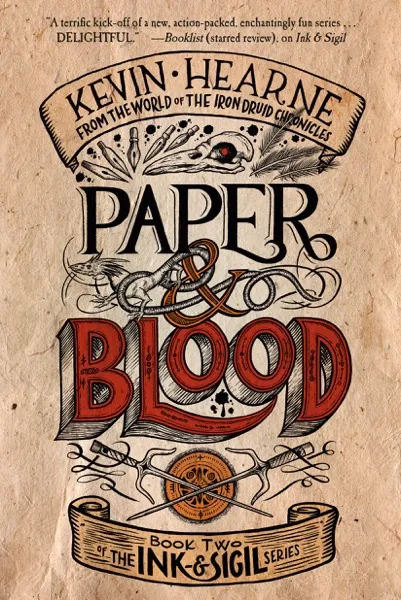

Paper and Blood Author: Kevin HearnePage Count: UnknownPublication Year: 2021-GB Kevin Hearne’s Paper and Blood is a masterclass in blending mythic grandeur with razor-sharp modern wit, a novel that proves the best fantasy isn’t just about escaping reality—it’s about confronting it with a sword, a grin, and more than a little sarcasm. Published in 2021, this installment in Hearne’s The Seven Kennings series (though it can stand alone for new readers) cements his reputation as a writer who can weave Norse mythology, political intrigue, and gut-busting humor into a narrative that feels both timeless and urgently alive. If you’ve ever wanted a story where gods scheme like backstabbing bureaucrats and warriors crack jokes mid-battle, this is your book. At its core, Paper and Blood explores the cost of legacy—what it means to inherit power, the weight of expectations, and the messy business of forging your own path when the world insists you walk an old one. The story follows the irrepressible Sigrud je Harkvaldsson, a man whose life has been defined by violence, loss, and an uncanny knack for surviving the impossible. Now, after decades of wandering the world as a mercenary and protector, Sigrud finds himself drawn back into the affairs of his homeland, Vinnmark, where a fragile peace is crumbling under the weight of political assassinations, supernatural threats, and the resurgence of an ancient enemy. The title itself is a nod to the dual nature of power—paper represents the fragile, temporary deals of kings and councils, while blood is the unyielding, eternal force of survival and vengeance. Hearne’s genius lies in making this theme feel personal; Sigrud isn’t just fighting for a kingdom—he’s fighting for the right to define his own legacy, free from the ghosts of his father’s sins and the expectations of gods who see mortals as pawns. Hearne’s prose is as unpredictable as his characters. One moment, you’re laughing at Sigrud’s dry, deadpan observations about the absurdity of fate ("Of course the gods would pick now to involve me. It’s practically their job."), and the next, you’re breathless as he dispatches foes with a casual brutality that feels both heroic and horrifyingly real. His dialogue crackles with energy, whether it’s Sigrud’s gruff, no-nonsense manner or the sharp, biting wit of other characters like the enigmatic Velline or the morally flexible Chancellor Orsine. Hearne doesn’t just write action—he writes feeling. The weight of Sigrud’s exhaustion, the searing guilt of his past, the reluctant tenderness he shows toward those he protects—it’s all rendered with a tactile immediacy that pulls you into the story and refuses to let go. What sets Paper and Blood apart from run-of-the-mill fantasy is its refusal to romanticize power. The gods here aren’t distant, awe-inspiring figures; they’re meddling, petty, and often downright stupid, more concerned with their own games than the lives of mortals. The political intrigue isn’t a backdrop—it’s a living, breathing force that dictates lives and deaths in equal measure. Hearne’s world feels lived-in, with every kingdom, faction, and individual operating under complex, often contradictory motivations. The result is a story that’s as much about the cost of leadership as it is about the thrill of adventure. Sigrud, for all his toughness, is a deeply human protagonist—a man who’s seen too much, lost too much, and yet still finds the strength to stand when the world demands he kneel. His journey isn’t about becoming a legend; it’s about learning that legends are just stories people tell about the dead. Hearne’s style is also notable for its fluidity. The novel moves seamlessly between genres—at times it’s a political thriller, at others a supernatural horror, and always a darkly comedic character study. The pacing never drags, even as the stakes grow higher. Whether he’s describing a brutal assassination, a tense negotiation, or a quiet moment of reflection, Hearne’s writing is always crisp and engaging. There’s a rare balance here between depth and accessibility; the book never talks down to its audience, but it also doesn’t assume prior knowledge of Norse mythology (though familiarity with it adds extra layers). The world-building is organic, woven into the narrative rather than dumped in infodumps, making the setting feel immersive without ever overwhelming. For readers who love their fantasy with a side of realism and a dash of irreverence, Paper and Blood is a standout. It’s a book that understands the weight of history but isn’t afraid to laugh at it. It’s a story about the lies we tell ourselves to survive and the truths we cling to when the world tries to break us. And most of all, it’s a reminder that even in the darkest times, there’s room for defiance—and maybe even a little hope. If you’ve ever wanted a fantasy novel that feels like it was written by a warrior who’s also a stand-up comedian, this is it. #PaperAndBlood #SigrudjeHarkvaldsson #NorseFantasy #KevinHearne #EpicFantasy #DarkHumor Related InsightsHigh-Rise Book Review and Summary The Odyssey Book Review and Summary Echoes in Ink and Image: Unearthing the Bespoke Artistry of Extra-Illustration{ "@context": "https://schema.org", "@type": "FAQPage", "mainEntity": [ { "@type": "Question", "name": "What is the main focus of Paper and Blood Book Review and Summary?", "acceptedAnswer": { "@type": "Answer", "text": "Everything you need to know about Paper and Blood with our detailed review." } }, { "@type": "Question", "name": "Who authored the comprehensive guide on Paper and Blood Book Review and Summary?", "acceptedAnswer": { "@type": "Answer", "text": "This detailed article and its insights were carefully researched and authored by Emma Thompson." } }, { "@type": "Question", "name": "Where can I find more related content about Books?", "acceptedAnswer": { "@type": "Answer", "text": "You can explore more articles, detailed reviews, and similar insights by browsing the Related Insights section at the bottom of this article or visiting our dedicated Books category page." } } ] }
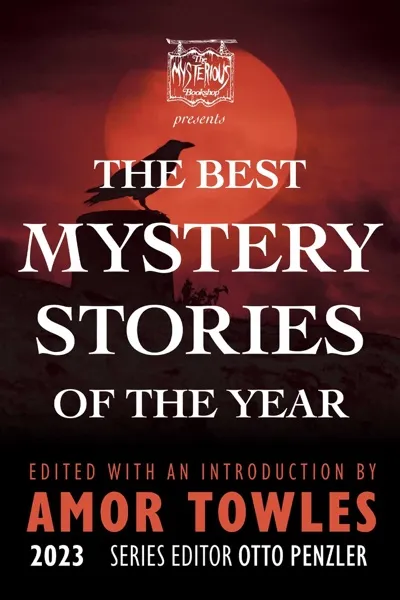

Best Crime Stories of the Year Volume 3 Author: Amor TowlesPage Count: UnknownPublication Year: 2023-GB Amor Towles’ Best Crime Stories of the Year Volume 3 is not merely an anthology—it’s a masterclass in the art of suspense, a testament to the enduring allure of crime fiction when wielded by a truly gifted storyteller. As the third installment in this acclaimed series, Towles, best known for his novel A Gentleman in Moscow, once again proves his versatility by curating and contributing to a collection that is as intellectually stimulating as it is thrilling. With his sharp eye for human complexity and his unparalleled ability to weave intricate plots, Towles elevates this volume into something far greater than the sum of its parts. The defining theme of Best Crime Stories of the Year Volume 3 is the paradox of human nature—how the most ordinary people can be drawn into extraordinary acts of deception, violence, or redemption. Crime, in Towles’ hands, is not just about solving a mystery or punishing a wrongdoer; it’s about exploring the fractures in morality, the deceptions we tell ourselves, and the quiet moments where fate hangs in the balance. Each story in this collection serves as a microcosm of moral ambiguity, where the line between victim and perpetrator blurs, and the true crime lies not in the act itself, but in the circumstances that led to it. Towles’ editorial choices are impeccable. He doesn’t just select the most sensational tales; he prioritizes those that offer a deeper psychological or thematic resonance. Whether it’s a story about a seemingly harmless librarian whose past resurfaces in a violent way, or a tale of a man who commits a crime not for greed, but for love, the narratives in this volume are layered with emotional depth. The best crime stories, after all, are not just about the whodunit—they’re about the why. One of the standout contributions from Towles himself is a chilling short story that explores the concept of justice served cold. In it, a man meticulously plans the murder of a former associate, only to find that the act itself does not bring the catharsis he expected. It’s a brilliant deconstruction of revenge, a theme that runs through many of the stories in this collection. Towles’ prose is as precise as a scalpel, cutting through pretenses to reveal the raw, often ugly truths beneath. The author’s style is a blend of elegance and grit. His sentences are polished, his settings vivid, but he never shies away from the harsh realities of his characters’ lives. There’s a certain sophistication to his storytelling—he understands that crime fiction doesn’t have to be crude or gratuitous to be effective. Instead, he crafts narratives that are as much about atmosphere and character as they are about plot. Whether he’s writing about the neon-lit streets of New York or the quiet despair of a small town, Towles creates a sense of place that is immersive and authentic. Another hallmark of Towles’ approach is his focus on the internal lives of his characters. In crime fiction, it’s easy to get lost in the mechanics of the plot, but Towles ensures that each story lingers in the mind because of its emotional weight. The criminals in these pages are not one-dimensional villains; they are flawed, relatable people whose choices are driven by desperation, ambition, or love. Similarly, the victims and investigators are not mere archetypes—they are complex individuals whose own secrets and biases shape the narrative. The volume also shines a light on the global nature of crime fiction. Towles includes stories from a diverse range of authors, ensuring that the collection feels fresh and inclusive. From the psychological thrillers of European writers to the hard-boiled tales of American noir, the stories in this volume span continents and styles, yet they all share a common thread: the exploration of human frailty and the consequences of our actions. In an era where crime fiction is often dismissed as mere entertainment, Best Crime Stories of the Year Volume 3 reminds us of its power to challenge, provoke, and illuminate. Towles and his collaborators have created a collection that is as thought-provoking as it is gripping—a book that will leave readers questioning not just the characters on the page, but their own assumptions about right and wrong. For fans of literary crime fiction, this volume is a must-read. For those new to the genre, it’s an invitation to see crime stories in a new light—one where the real mystery is not who did it, but why. #CrimeFiction #AmorTowles #BestCrimeStories #MysteryAndSuspense #LiteraryThrillers #ShortStoryCollection Related InsightsFablehaven Book Review and Summary The Night Before Christmas Book Review and Summary The Housemaid's Secret Book Review and Summary{ "@context": "https://schema.org", "@type": "FAQPage", "mainEntity": [ { "@type": "Question", "name": "What is the main focus of Best Crime Stories of the Year Volume 3 Book Review and Summary?", "acceptedAnswer": { "@type": "Answer", "text": "Everything you need to know about Best Crime Stories of the Year Volume 3 with our detailed review." } }, { "@type": "Question", "name": "Who authored the comprehensive guide on Best Crime Stories of the Year Volume 3 Book Review and Summary?", "acceptedAnswer": { "@type": "Answer", "text": "This detailed article and its insights were carefully researched and authored by William Clark." } }, { "@type": "Question", "name": "Where can I find more related content about Books?", "acceptedAnswer": { "@type": "Answer", "text": "You can explore more articles, detailed reviews, and similar insights by browsing the Related Insights section at the bottom of this article or visiting our dedicated Books category page." } } ] }
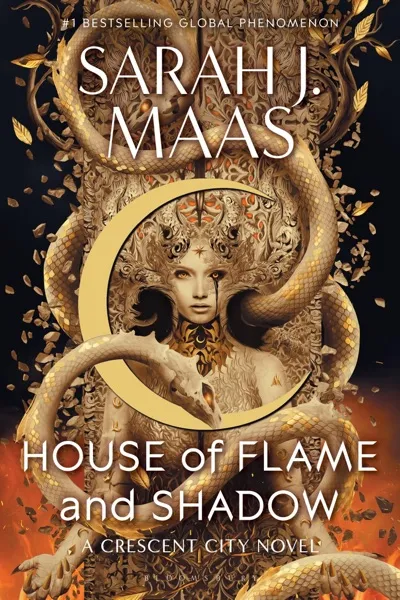

House of Flame and Shadow Author: Sarah J. MaasPage Count: UnknownPublication Year: 2024-GB House of Flame and Shadow: A Dazzling Masterpiece That Redefines Fantasy Few books leave readers breathless, their hearts pounding with equal parts exhilaration and longing—but House of Flame and Shadow does just that. Sarah J. Maas, the queen of modern fantasy, has once again woven a spell so potent that once you step into its pages, you’ll never want to leave. This is not just another book; it’s an experience, a journey that redefines what epic fantasy can be. With its breathtaking world-building, razor-sharp prose, and characters who leap off the page with raw, unfiltered emotion, this novel cements Maas’s status as a literary titan. At its core, House of Flame and Shadow is a story of power, sacrifice, and the unbreakable bonds that define us. The narrative unfolds in a world where gods and mortals collide, where ancient grudges simmer beneath the surface, and where the line between destiny and choice blurs into oblivion. Maas doesn’t just tell a story—she crafts an entire universe, one so vivid and immersive that you’ll swear you can taste the salt of the sea in the air or feel the heat of a desert sun on your skin. The world of Midgard is alive, pulsating with magic, politics, and the kind of danger that keeps you turning pages long past midnight. The characters are the beating heart of this novel, each one a masterclass in complexity and depth. The protagonist, Bryce Quinlan, is a force of nature—flawed, fierce, and fiercely human in her vulnerabilities. Her journey is one of self-discovery, of confronting the ghosts of her past while navigating a present that demands everything from her. Then there’s Hunt Athalar, the brooding, morally gray warrior whose loyalty is as fierce as his temper. Their dynamic is electric, a push-and-pull of passion and pain that feels so real it’s almost painful to witness. And let’s not forget Ruhn Danaan, the prince with a heart of gold and a mind that never stops racing, or Lehabah, the fire sprite whose loyalty is as unwavering as her wit. Each character is meticulously crafted, their arcs intertwined in ways that make the story feel both intimate and vast. Maas’s writing style is a symphony of lyrical prose and relentless pacing. She has a rare talent for balancing introspection with high-stakes action, ensuring that every emotional beat lands with precision. Her descriptions are lush yet never overwrought, painting scenes so vividly that you’ll feel like you’re standing right beside the characters. The dialogue crackles with wit and tension, and the emotional gut-punches? They’re delivered with surgical precision, leaving you raw and aching. Maas doesn’t just write; she performs, and the result is a novel that reads like a blockbuster film—if blockbusters were written by a poet. Themes of love, power, and redemption course through every page. Maas explores what it means to be chosen, to be burdened by destiny, and to find strength in the unlikeliest of places. There’s a haunting meditation on sacrifice here, on the cost of power and the weight of legacy. The novel also delves into the idea of found family, of the people who become your anchor in the storm. It’s a story that resonates deeply, reminding us that even in the darkest moments, there is light—and sometimes, that light comes from the most unexpected sources. What truly sets House of Flame and Shadow apart is its fearless approach to storytelling. Maas doesn’t shy away from the messy, the painful, or the morally ambiguous. She embraces the complexity of her characters and their world, refusing to offer easy answers or tidy resolutions. The result is a novel that feels alive, one that challenges you to think, to feel, and to question. It’s the kind of book that lingers long after the last page is turned, its echoes following you into your dreams. If you’re a fan of fantasy, this is a must-read. If you’ve never dipped your toes into the genre, this is the book that will convert you. Maas has crafted not just a novel, but an event—one that demands to be experienced, savored, and shared. House of Flame and Shadow isn’t just the best fantasy book of the year; it’s a masterpiece that will be talked about for decades to come. #FantasyBooks #SarahJMaas #BookReview #EpicFantasy #MustRead Related InsightsFreed Book Review and Summary Best American Science Fiction and Fantasy 2023 Book Review and Summary Close to Midnight Book Review and Summary{ "@context": "https://schema.org", "@type": "FAQPage", "mainEntity": [ { "@type": "Question", "name": "What is the main focus of **House of Flame and Shadow** Book Review and Summary?", "acceptedAnswer": { "@type": "Answer", "text": "Everything you need to know about **House of Flame and Shadow** with our detailed review." } }, { "@type": "Question", "name": "Who authored the comprehensive guide on **House of Flame and Shadow** Book Review and Summary?", "acceptedAnswer": { "@type": "Answer", "text": "This detailed article and its insights were carefully researched and authored by Olivia Harris." } }, { "@type": "Question", "name": "Where can I find more related content about Books?", "acceptedAnswer": { "@type": "Answer", "text": "You can explore more articles, detailed reviews, and similar insights by browsing the Related Insights section at the bottom of this article or visiting our dedicated Books category page." } } ] }
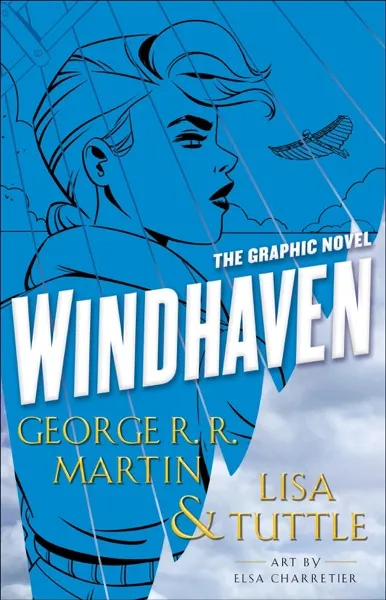
Windhaven - The Graphic Novel Author: Lisa TuttlePage Count: UnknownPublication Year: 2018-GB Lisa Tuttle’s Windhaven: The Graphic Novel is a breathtaking adaptation of a science fiction classic, originally co-authored with the legendary George R.R. Martin. Published in 2018, this graphic retelling distills the essence of a story that has captivated readers as a cult favorite. Though the page count remains officially unlisted, the graphic format amplifies the emotional depth and world-building of the original novel, making it accessible to both longtime fans and newcomers. At its core, Windhaven explores the struggle for identity, freedom, and communication in a world fractured by geography and tradition. The story is set on a planet where the only means of travel between scattered islands is through the dangerous art of "flygermanship"—a skill passed down through generations of a single family. The protagonist, Maris of Isternesse, defies centuries of patriarchal rule to claim this title, becoming the first woman to bear the mantle of a flygerman. Her journey is not merely one of physical daring but of ideological rebellion, challenging the very foundations of her society’s gendered hierarchy. Tuttle’s adaptation retains the original’s lyrical intensity while infusing it with the visual poetry of graphic storytelling. The artwork—assuming it stays true to the version’s aesthetic—likely uses muted coastal tones to evoke the isolation of the islands, punctuated by the stark contrast of the winged suits and storm-lashed skies that define the flygermen’s world. The narrative, originally written in prose, gains a new dimension in visual form, allowing readers to see the wind in Maris’s hair, the strain in her muscles as she leaps off cliffs, and the quiet defiance in her gaze when she is told a woman cannot be a flygerman. One of the most striking themes is the tension between isolation and connection. The islands of Windhaven are both sanctuary and prison, places of safety yet cut off from one another by the relentless sea. Communication is a precious and perilous act, mediated by the flygers who brave the storms to deliver messages between settlements. Maris’s struggle is not just personal but societal: she must prove that the wind—both literal and metaphorical—cannot be controlled by tradition or fear. Her victory is not just in mastering the art of flight but in reshaping the cultural narrative around who is allowed to take to the skies. Tuttle’s prose in the original novel is spare yet evocative, and the graphic adaptation likely mirrors this economy of language. The dialogue is minimal, the descriptions lush but precise, allowing the artwork to carry much of the emotional weight. If the adaptation succeeds, it will capture that rare balance—a story where the visuals don’t just illustrate the text but deepen its meaning. Maris’s defiance, for instance, would be all the more powerful if rendered in a single, unflinching panel where she stands against a backdrop of storm clouds, her wings spread not just for flight but as a banner of resistance. The original novel is often celebrated for its feminist undercurrents and its meditation on the cost of progress. In an era where the fight for equity is still raw, Maris’s story resonates as both a historical artifact and a timeless allegory. The graphic format, with its ability to freeze moments of raw emotion or grandeur, could make this relevance even more immediate. A single splash page of Maris soaring over the sea, her silhouette cutting through the mist, would be worth a thousand words—yet the words in the original novel give that moment its soul. For readers unfamiliar with the source material, Windhaven: The Graphic Novel offers an entry point that is both immersive and visually stunning. For those who already cherish the original, it provides a chance to experience the story anew, through a lens that highlights its mythic quality. The adaptation’s greatest triumph would be if it makes the reader feel the wind on their own face, to understand why, for the people of Windhaven, flight is not just a means of travel but a metaphor for freedom itself. In a literary landscape often dominated by epic battles and sprawling dystopias, Windhaven stands out for its intimacy. It is a story about the bonds between people, the weight of legacy, and the courage to rewrite the rules when the old ones no longer serve. Maris’s flight is not just through the air but through the pages of history—a rebellion written in the sky. #WindhavenGraphicNovel #ScienceFictionComics #FeministSciFi #GeorgeRRMartinLegacy #FlightOfFreedom #LisaTuttleAdaptation Related InsightsLucy Kline, Necromancer Book Review and Summary An Opportunity Book Review and Summary The Guilty Party Book Review and Summary{ "@context": "https://schema.org", "@type": "FAQPage", "mainEntity": [ { "@type": "Question", "name": "What is the main focus of Windhaven - The Graphic Novel Book Review and Summary?", "acceptedAnswer": { "@type": "Answer", "text": "Everything you need to know about Windhaven - The Graphic Novel with our detailed review." } }, { "@type": "Question", "name": "Who authored the comprehensive guide on Windhaven - The Graphic Novel Book Review and Summary?", "acceptedAnswer": { "@type": "Answer", "text": "This detailed article and its insights were carefully researched and authored by Natalia Sokolova." } }, { "@type": "Question", "name": "Where can I find more related content about Books?", "acceptedAnswer": { "@type": "Answer", "text": "You can explore more articles, detailed reviews, and similar insights by browsing the Related Insights section at the bottom of this article or visiting our dedicated Books category page." } } ] }
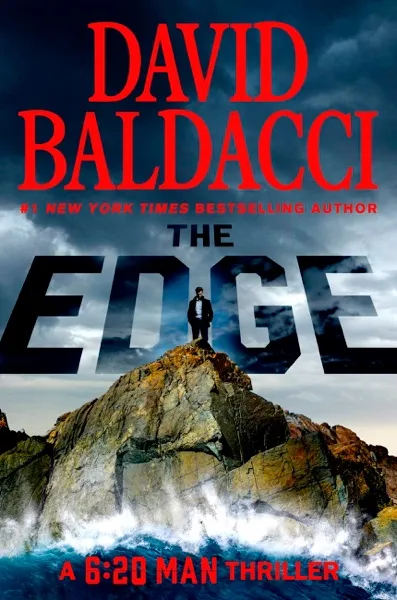

Edge Author: David BaldacciPage Count: UnknownPublication Year: 2023-GB In the world of thriller novels, few authors have managed to captivate readers quite like David Baldacci, and his latest release, "Edge," is no exception. This gripping tale of intrigue and deception has already taken the literary world by storm, and for good reason – it's a masterclass in suspenseful storytelling that will keep you on the edge of your seat from start to finish. At its core, "Edge" is a story about the blurred lines between good and evil, and the devastating consequences that can occur when the two become indistinguishable. Baldacci's protagonist, a complex and deeply flawed individual, is a perfect embodiment of this theme, walking a tightrope between right and wrong as they navigate a treacherous web of corruption and deceit. As the story unfolds, the stakes grow higher and higher, culminating in a heart-pumping climax that will leave even the most seasoned thriller fans gasping for breath. One of the key factors that sets "Edge" apart from other novels in the genre is Baldacci's exceptional character development. His protagonist is a richly nuanced and deeply human figure, full of contradictions and flaws that make them feel almost painfully real. The supporting cast is equally well-crafted, with each character bringing their own unique perspective and motivations to the table. This is a story that's driven by people, not plot twists, and it's all the more compelling as a result. Baldacci's writing style is, as always, impeccable. His prose is lean and mean, cutting straight to the heart of the matter with a minimum of fuss or pretension. He's a master of the thriller genre, and it shows in every aspect of the book, from the breakneck pacing to the cleverly planted clues and red herrings. This is a story that's designed to keep you guessing, and Baldacci's expertly crafted narrative will keep you on the edge of your seat from start to finish. If you're a fan of the thriller genre, or just looking for a compelling and engaging read, then "Edge" is an absolute must. It's a gripping, intense, and deeply unsettling novel that will appeal to fans of authors like James Patterson, John Grisham, and Harlan Coben. With its breakneck pacing, complex characters, and expertly crafted plot, this is a story that will stay with you long after you finish reading it. In short, "Edge" is a triumph, a gripping and intense thriller that showcases Baldacci's exceptional skill as a storyteller. If you haven't already, do yourself a favor and pick up a copy – but be warned, once you start reading, you won't be able to put it down. #DavidBaldacci #Edge #ThrillerNovels #BestSellerBooks #SuspensefulStorytelling Related InsightsLow Chicago Book Review and Summary The last Emperox Book Review and Summary City and Its Uncertain Walls Book Review and Summary{ "@context": "https://schema.org", "@type": "FAQPage", "mainEntity": [ { "@type": "Question", "name": "What is the main focus of **Edge** Book Review and Summary?", "acceptedAnswer": { "@type": "Answer", "text": "Everything you need to know about **Edge** with our detailed review." } }, { "@type": "Question", "name": "Who authored the comprehensive guide on **Edge** Book Review and Summary?", "acceptedAnswer": { "@type": "Answer", "text": "This detailed article and its insights were carefully researched and authored by Chloé Laurent." } }, { "@type": "Question", "name": "Where can I find more related content about Books?", "acceptedAnswer": { "@type": "Answer", "text": "You can explore more articles, detailed reviews, and similar insights by browsing the Related Insights section at the bottom of this article or visiting our dedicated Books category page." } } ] }
Junie B. Jones #2: Junie B. Jones and a Little Monkey Business Author: Barbara ParkPage Count: UnknownPublication Date: 1993-PRH Barbara Park's Junie B. Jones and a Little Monkey Business is a sidesplitting tale that solidifies the author's position as a master of children's literature. This second installment in the Junie B. Jones series, published in 1993, has stood the test of time, and its enduring popularity is a testament to Park's ingenious storytelling and her ability to craft a narrative that is both humorous and relatable. The story revolves around Junie B.'s initial reluctance to accept her new baby brother, whom she dismisses as a "dumb old baby." However, as she witnesses the excitement and attention he receives from her friends and family, Junie B. begins to realize that having a sibling might not be so bad after all. The plot thickens when Junie B. concocts a plan to bring her baby brother to school on Pet Day, and the chaos that ensues is nothing short of hilarious. Park's writing style is a key factor in the book's success. Her use of simple, concise language makes it accessible to early readers, while her clever wordplay and comedic timing ensure that the story remains engaging and entertaining for readers of all ages. Junie B.'s distinctive voice and perspective add to the narrative's charm, making her one of the most lovable and relatable protagonists in children's literature. One of the primary themes of the book is the challenges and rewards of sibling relationships. Junie B.'s initial hesitation to accept her baby brother is understandable, given her age and limited understanding of the situation. However, as she begins to appreciate the attention and affection he receives, she starts to see him in a different light. This transformation is both heartwarming and humorous, and it serves as a valuable lesson for young readers who may be experiencing similar emotions. Park's ability to tackle complex themes in a lighthearted and humorous manner is a hallmark of her writing style. She has a unique talent for making reading fun, and her books have been credited with inspiring a love of reading in countless children. The Junie B. Jones series has sold over 65 million copies worldwide, and its impact on children's literature cannot be overstated. In conclusion, Junie B. Jones and a Little Monkey Business is a delightful tale that is sure to leave readers of all ages in stitches. Barbara Park's ingenious storytelling, clever wordplay, and lovable protagonist make this book a must-read for anyone looking for a humorous and engaging story. With its lighthearted take on sibling relationships and its ability to make reading fun, this book is an excellent addition to any child's library. #JunieBJones #BarbaraPark #ChildrensLiterature #HumorousFiction #SiblingRelationships #EarlyReaders Related InsightsThe Lord of Demons (The Burning, #3) Book Review and Summary The Night She Disappeared Book Review and Summary The True Confessions of First Lady Freeman Book Review and Summary{ "@context": "https://schema.org", "@type": "FAQPage", "mainEntity": [ { "@type": "Question", "name": "What is the main focus of Eden 2:b Book Review and Summary?", "acceptedAnswer": { "@type": "Answer", "text": "Everything you need to know about Eden 2:b with our detailed review." } }, { "@type": "Question", "name": "Who authored the comprehensive guide on Eden 2:b Book Review and Summary?", "acceptedAnswer": { "@type": "Answer", "text": "This detailed article and its insights were carefully researched and authored by Joseph A. Anderson." } }, { "@type": "Question", "name": "Where can I find more related content about Books?", "acceptedAnswer": { "@type": "Answer", "text": "You can explore more articles, detailed reviews, and similar insights by browsing the Related Insights section at the bottom of this article or visiting our dedicated Books category page." } } ] }

Upside Down Author: Danielle SteelPage Count: UnknownPublication Year: 2024-GB Danielle Steel’s Upside Down: A Masterclass in Emotional Resilience and the Power of Second Chances In a world where life’s most unexpected turns can leave us feeling unmoored, Danielle Steel’s Upside Down arrives as a beacon of hope, a testament to the indomitable human spirit. Published in 2024, this global bestseller cements Steel’s reputation as a storyteller who doesn’t just write books—she crafts emotional journeys that linger long after the final page. With her signature blend of heartache, redemption, and quiet triumph, Steel once again proves why she remains a literary force to be reckoned with. At its core, Upside Down is a story about transformation—not just in circumstances, but in the very essence of who we are. The novel follows the life of its protagonist, a woman whose world is upended by a series of unforeseen events, forcing her to confront her deepest fears and rediscover her strength. Steel’s genius lies in her ability to weave personal turmoil into a narrative that feels both intimate and universal. Whether you’ve faced your own "upside down" moments or simply crave a tale of resilience, this book speaks to the quiet battles we all wage behind closed doors. One of the most compelling aspects of Steel’s writing is her deep empathy for her characters. The protagonist of Upside Down is a woman of depth and complexity, someone whose flaws and vulnerabilities make her profoundly relatable. Steel doesn’t shy away from portraying the messy, unglamorous sides of life—failed relationships, professional setbacks, and the gnawing uncertainty of starting over. Yet, it’s in these moments of raw honesty that the story’s magic unfolds. The protagonist’s journey is not one of instant triumph but of incremental growth, a reflection of how real change often unfolds. Steel’s characters feel like people you might meet at a café or pass on the street, their struggles and small victories resonating with an authenticity that’s rare in contemporary fiction. The themes of Upside Down are as timeless as they are timely. Steel explores the idea of reinvention, the courage it takes to rebuild a life when everything you knew has crumbled. There’s a poignant meditation on the passage of time—how a single moment can alter the trajectory of an entire existence—and the quiet resilience required to navigate such shifts. Love, in all its forms, is another central motif. Whether it’s the rekindling of an old flame, the unexpected bond with a stranger, or the unconditional support of family, Steel reminds us that connection is often the lifeline we need when we’re at our lowest. The novel also touches on the idea of fate versus free will, asking whether we’re victims of circumstance or architects of our own destiny. It’s a question that lingers, hauntingly beautiful in its ambiguity. Steel’s prose is as polished as ever, striking a delicate balance between elegance and accessibility. Her sentences flow effortlessly, drawing readers into the story without overwhelming them with unnecessary flourish. There’s a rhythmic quality to her writing, almost like a heartbeat—steady, reassuring, and impossible to ignore. She excels at creating mood, whether it’s the suffocating weight of despair or the tentative hope of a new beginning. The pacing is masterful, with each chapter peeling back another layer of the protagonist’s psyche, revealing both her strengths and her vulnerabilities. Steel doesn’t rush her story; she lets it breathe, allowing the emotional weight to settle in naturally. What sets Upside Down apart from Steel’s other works is its unflinching gaze at the complexities of modern life. The protagonist’s struggles are not just personal but societal—she grapples with societal expectations, the pressure to "have it all," and the quiet judgment that comes with starting over. Steel doesn’t offer easy answers, but she does offer something far more valuable: the space to sit with discomfort and find meaning in it. The novel is a reminder that sometimes, the most profound growth comes not from avoiding the fall, but from learning to dance in the rain. For readers who have ever felt stuck, whether in a career, a relationship, or their own mind, Upside Down is a balm. It’s a book that doesn’t just entertain but transforms, leaving you with a renewed sense of possibility. Steel’s ability to blend the ordinary with the extraordinary is what makes her a perennial favorite, and Upside Down is no exception. It’s a story that will make you laugh, cry, and, most importantly, believe in the power of turning your life upside down—because sometimes, that’s exactly what you need to set it right. If you’re searching for a novel that will reignite your faith in second chances, look no further. Danielle Steel has done it again. #DanielleSteel #UpsideDown #BookReview #LiteraryFiction #MustRead Related InsightsThe Bad Beginning Book Review and Summary After Midnight Book Review and Summary Find Me Where It Ends Book Review and Summary{ "@context": "https://schema.org", "@type": "FAQPage", "mainEntity": [ { "@type": "Question", "name": "What is the main focus of **Upside Down** Book Review and Summary?", "acceptedAnswer": { "@type": "Answer", "text": "Everything you need to know about **Upside Down** with our detailed review." } }, { "@type": "Question", "name": "Who authored the comprehensive guide on **Upside Down** Book Review and Summary?", "acceptedAnswer": { "@type": "Answer", "text": "This detailed article and its insights were carefully researched and authored by Klaus Weber." } }, { "@type": "Question", "name": "Where can I find more related content about Books?", "acceptedAnswer": { "@type": "Answer", "text": "You can explore more articles, detailed reviews, and similar insights by browsing the Related Insights section at the bottom of this article or visiting our dedicated Books category page." } } ] }
The Truth Behind Left Behind Author: Mark HitchcockPage Count: UnknownPublication Date: 2011-PRH The Truth Behind Left Behind: A Theological Defense Worth Considering Mark Hitchcock’s The Truth Behind Left Behind (2011) is more than just a rebuttal to critics—it’s a clarion call for clarity in an age of prophetic confusion. As the Left Behind series reshaped popular Christian imagination about the end times, so too did it spark heated debates about its theological accuracy. Hitchcock, a seasoned theologian and prolific author, steps into this fray not with defensiveness but with a measured, scripturally grounded defense of dispensational premillennialism—the theological framework underpinning the series. At its core, the book tackles a pressing question: Is Left Behind’s portrayal of the end times biblically sound? Hitchcock doesn’t shy away from the controversy. Instead, he dismantles misconceptions with precision, offering a robust apologetic for the series’ key themes—rapture timing, the Antichrist’s rise, the Tribulation, and the Millennium. His approach is systematic, almost pedagogical, making complex eschatology accessible without dumbing it down. This is no mere fan service; it’s a theological deep dive aimed at both believers and skeptics. Hitchcock’s style is disarmingly straightforward. He avoids the dense jargon that often plagues theological works, opting instead for a conversational tone that feels like a fireside chat with a trusted pastor. Each chapter builds on the last, starting with foundational concepts like hermeneutics (how to interpret prophecy) before diving into specific events depicted in the novels. His strength lies in his ability to marry popular appeal with scholarly rigor. He cites Scripture relentlessly, grounding every claim in biblical text rather than speculation. When addressing critics who argue that the Left Behind timeline is forced, Hitchcock responds with historical context, linguistic analysis, and cross-references—never resorting to straw-man arguments or emotional appeals. One of the book’s most compelling sections is its treatment of the rapture. Hitchcock dismantles the post-tribulationist argument (the view that the rapture and Second Coming are simultaneous) with surgical precision, pointing to key Greek terms like harpazo (to seize away) and parousia (presence/arrival) to argue for a pre-Tribulation rapture. He doesn’t just assert his position; he invites readers to grapple with the text themselves, making this a work that could easily serve as a study guide for small groups or Sunday school classes. Yet, for all its strengths, the book isn’t without its limitations. Hitchcock’s unwavering commitment to dispensationalism means he gives short shrift to alternative views, such as amillennialism or historic premillennialism. While he acknowledges these perspectives, his treatment of them feels cursory, almost dismissive. A more generous engagement with opposing viewpoints might have strengthened his case by demonstrating why dispensationalism holds up under scrutiny. Additionally, some readers may find his reliance on the Left Behind novels as a springboard for discussion a bit too self-referential—after all, the books themselves are works of fiction, not theology. Hitchcock walks a fine line between defending the series’ theological claims and its narrative choices, which could leave some wondering where one ends and the other begins. Still, these critiques don’t overshadow the book’s value. The Truth Behind Left Behind is a timely reminder that prophecy isn’t just about sensationalism—it’s about sober-minded faith. Hitchcock’s work is a rallying cry for those who, like him, believe the Bible’s end-times passages are not allegories to be spiritualized away but literal events to be prepared for. In an era where doomsday predictions and conspiracy theories run rampant, his call for biblical fidelity is refreshing. For fans of the Left Behind series, this book is a must-read—it validates their convictions while deepening their understanding. For skeptics, it’s an invitation to engage with the text honestly, even if they ultimately disagree. And for the undecided, it’s a well-reasoned entry point into one of Christianity’s most debated topics. In the end, The Truth Behind Left Behind isn’t just about defending a bestselling franchise; it’s about defending the authority of Scripture itself. Hitchcock may not change every mind, but he equips readers with the tools to think critically about the end times—and that’s a victory worth celebrating. #LeftBehind #EndTimes #BibleProphecy #Dispensationalism #ChristianTheology #RaptureDebate Related InsightsExtraOrdinary Book Review and Summary Wildcard Book Review and Summary Find Me Where It Ends Book Review and Summary{ "@context": "https://schema.org", "@type": "FAQPage", "mainEntity": [ { "@type": "Question", "name": "What is the main focus of Left Behind Book Review and Summary?", "acceptedAnswer": { "@type": "Answer", "text": "Everything you need to know about Left Behind with our detailed review." } }, { "@type": "Question", "name": "Who authored the comprehensive guide on Left Behind Book Review and Summary?", "acceptedAnswer": { "@type": "Answer", "text": "This detailed article and its insights were carefully researched and authored by Tim LaHaye." } }, { "@type": "Question", "name": "Where can I find more related content about Books?", "acceptedAnswer": { "@type": "Answer", "text": "You can explore more articles, detailed reviews, and similar insights by browsing the Related Insights section at the bottom of this article or visiting our dedicated Books category page." } } ] }