Showing Posts From
Bookreview

El emperador de todos los males. Edición actualizada y ampliada / The Emperor of All Maladies (Updated and Expanded Edition) Author: Siddhartha MukherjeePage Count: UnknownPublication Date: 2026-PRH Siddhartha Mukherjee’s The Emperor of All Maladies: A Biography of Cancer is not just a book about disease—it is a sweeping, meticulously crafted biography of one of humanity’s oldest and most relentless adversaries. The updated and expanded edition, published in 2026, arrives at a pivotal moment, as cancer research stands on the cusp of revolutionary breakthroughs in immunotherapy, precision medicine, and early detection. Mukherjee, a physician-scientist and Pulitzer Prize-winning author, once again proves himself a master storyteller, weaving together science, history, and personal narrative into a work that is as intellectually rigorous as it is emotionally resonant. At its core, The Emperor of All Maladies is a biography—not of a person, but of an idea. Cancer, Mukherjee argues, is not merely a collection of rogue cells but a living, evolving entity, a "malignant growth" that has co-evolved with humanity across millennia. The book traces its origins from ancient Egyptian papyri to the modern oncology ward, revealing how our understanding of cancer has been shaped by war, politics, and serendipitous discovery. Mukherjee’s genius lies in his ability to humanize the disease without sentimentalizing it. He introduces us to patients whose lives were shattered by diagnosis, to researchers who gambled their careers on unproven theories, and to the bureaucrats whose policies determined who lived and who died. The result is a narrative that is both epic in scope and deeply intimate. Mukherjee’s prose is a marvel of clarity and elegance. He has a rare talent for distilling complex scientific concepts into vivid, accessible language. When describing the molecular mechanisms of cancer—how a single mutation can turn a normal cell into a metastatic monster—he employs metaphors that stick: cancer as a "broken symphony," chemotherapy as a "scorched-earth policy," and the immune system as a "sentry that has gone rogue." Yet this clarity never comes at the expense of nuance. Mukherjee grapples with the ethical dilemmas of modern oncology, from the high cost of life-saving drugs to the moral weight of end-of-life decisions. His discussions of the "war on cancer"—a metaphor that has both galvanized and misled medical research—are particularly incisive, exposing how militaristic language has shaped (and sometimes distorted) our approach to treatment. The updated edition of The Emperor of All Maladies is especially valuable for its inclusion of recent advances, such as the rise of CAR-T cell therapy and the CRISPR gene-editing revolution. Mukherjee doesn’t shy away from the hype surrounding these breakthroughs, instead interrogating their limitations and potential pitfalls. He questions whether the "precision medicine" paradigm, which promises tailored treatments based on genetic profiling, will exacerbate healthcare disparities or finally deliver on its promise of equitable care. These reflections are not just academic; they are urgent, given the growing global burden of cancer and the widening gap between cutting-edge treatments and the patients who need them most. What makes this book truly exceptional, however, is Mukherjee’s willingness to confront the emotional and existential dimensions of cancer. He doesn’t just describe the science; he captures the terror of a diagnosis, the hope of remission, and the crushing weight of recurrence. His own experiences as an oncologist—treating patients, losing them, and questioning the limits of his own knowledge—lend the book a rare authenticity. There are moments of quiet devastation, such as when he describes a young mother’s fight against leukemia, her body wracked by chemotherapy, her spirit unbroken. These passages remind us that cancer is not just a biological phenomenon but a deeply human one, a force that reshapes lives, families, and societies. Mukherjee’s style is deceptively simple. He avoids jargon, opting instead for a narrative-driven approach that prioritizes storytelling over exposition. Yet this simplicity is the result of meticulous craftsmanship. Every chapter is structured like a short story, with a beginning, middle, and end, and every scientific breakthrough is framed within a human context. This makes the book accessible to general readers while still satisfying the curiosity of those with a scientific background. It’s a rare feat to write a book that is both a page-turner and a scholarly work, but The Emperor of All Maladies achieves it effortlessly. The updated edition also benefits from Mukherjee’s reflections on the COVID-19 pandemic, which, he argues, has exposed the fragility of global healthcare systems and the need for a more collaborative approach to disease. Cancer, like COVID-19, does not respect borders, and Mukherjee’s call for international cooperation in research and treatment feels prescient in an era of rising nationalism and vaccine inequity. In the end, The Emperor of All Maladies is more than a history of cancer—it is a meditation on the nature of illness, the limits of medicine, and the resilience of the human spirit. Mukherjee doesn’t offer easy answers, but he does something far more valuable: he makes us see cancer not as an abstract enemy, but as a mirror held up to our own humanity. The updated edition ensures that this mirror reflects not just the past, but the present and future of one of the most pressing challenges of our time. #CancerAwareness #MedicalHistory #PrecisionMedicine #Oncology #SiddharthaMukherjee #HealthcareReform Related InsightsLight Bringer Book Review and Summary The Dark Calling Book Review and Summary The Unsung Scribes: Unearthing the Clandestine Libraries and Forbidden Texts of World War II{ "@context": "https://schema.org", "@type": "FAQPage", "mainEntity": [ { "@type": "Question", "name": "What is the main focus of Interpreter of Maladies Book Review and Summary?", "acceptedAnswer": { "@type": "Answer", "text": "Everything you need to know about Interpreter of Maladies with our detailed review." } }, { "@type": "Question", "name": "Who authored the comprehensive guide on Interpreter of Maladies Book Review and Summary?", "acceptedAnswer": { "@type": "Answer", "text": "This detailed article and its insights were carefully researched and authored by Jhumpa Lahiri." } }, { "@type": "Question", "name": "Where can I find more related content about Books?", "acceptedAnswer": { "@type": "Answer", "text": "You can explore more articles, detailed reviews, and similar insights by browsing the Related Insights section at the bottom of this article or visiting our dedicated Books category page." } } ] }
-
 Michael Brown
 - 07 Jun, 2025 04:43
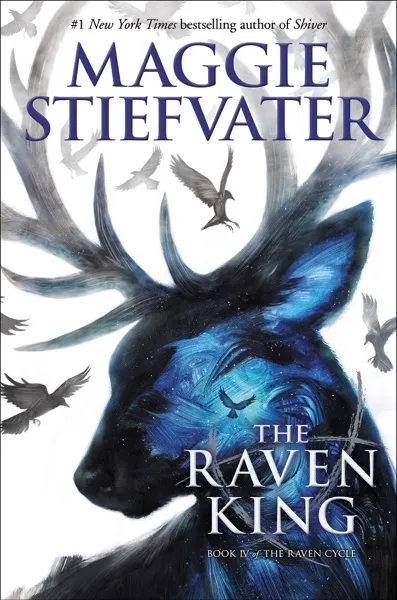
Raven Cycle Series Collection 4 Books Set By Maggie Stiefvater Book Review and Summary
Raven Cycle Series Collection 4 Books Set By Maggie Stiefvater Author: Maggie StiefvaterPage Count: UnknownPublication Year: 2019-GB Maggie Stiefvater’s The Raven Cycle series isn’t just a quartet of books—it’s a haunting, lyrical odyssey that weaves magic, mystery, and the messy beauty of human connection into a tapestry so vivid, it lingers long after the final page. Brought together in a 2019 collection, these four novels—The Raven Boys, The Dream Thieves, Blue Lily, Lily Blue, and The Raven King—form a modern mythos where ambition collides with fate, and the lines between destiny and desire blur into something irresistibly dreamlike. At its heart, The Raven Cycle is a story about longing—about the things we chase, the people we become, and the ghosts we carry whether we want them or not. The series follows Blue Sargent, the only non-psychic in a family of clairvoyants, who is fated to kill her true love by kissing him. When she crosses paths with Gansey, the enigmatic leader of the private school’s Raven Boys, her carefully constructed life tilts into chaos. Gansey is on a desperate quest to find a lost Welsh king, a journey that becomes a metaphor for the search for meaning itself. Stiefvater’s genius lies in making this high-stakes, almost mythic quest feel intimate; every revelation about the ley lines, the sleeping Welsh king beneath the mountains, and the tangled fates of the characters is rooted in raw emotion. The magic here isn’t just a plot device—it’s a mirror reflecting the characters’ deepest fears and desires. Stiefvater’s prose is a force of nature. She writes with a poet’s sensibility—elegant, rhythmic, and drenched in atmosphere. Her sentences often linger like a held breath, crafting scenes that are both cinematic and deeply tactile. Whether she’s describing the mist-shrouded hills of Henrietta, Virginia, the electric tension between characters, or the quiet devastation of loss, her language feels alive. It’s the kind of writing that makes you slow down, savor the words, and then ache for more. The dialogue crackles with wit and authenticity, especially in the banter between the Raven Boys—Gansey, Ronan, Adam, and Noah—each of whom is a study in contradiction. Gansey’s relentless optimism masks a fragility beneath; Ronan’s sharp edges hide a vulnerability; Adam’s hunger for knowledge is tempered by his pride; and Noah, the quiet ghost of the group, carries a sorrow that’s almost too heavy to name. The series thrives on its characters, each of whom is as flawed and compelling as the next. Blue is a heroine for the ages—stubborn, fiercely loyal, and wrestling with her own visions of the future. Stiefvater doesn’t shy away from the messiness of her growth; Blue’s journey is one of self-discovery, where she learns that love isn’t about control, and that sometimes, the thing you’re meant to find is the thing you never knew you were searching for. The supporting cast is just as richly drawn. Maura, Blue’s mother, is a force of nature, a woman who dances on the edge of the supernatural while keeping her feet firmly planted in reality. The villains, when they appear, are never one-dimensional—even the antagonists have depth, their motives tangled in grief and misunderstanding. What makes The Raven Cycle truly special, though, is its exploration of found family. The bond between the Raven Boys isn’t just a plot device—it’s the emotional core of the series. Their loyalty to each other, their fights, their reconciliations, and their shared dreams create a sense of belonging that feels rare and precious. In a world where so many stories pit characters against each other, Stiefvater crafts a narrative where love—whether romantic, platonic, or familial—is the ultimate magic. The series asks what we owe to the people who shape us, and the answer isn’t always pretty, but it’s always honest. The themes of fate and free will run deep, too. The ley lines, the sleeping king, the prophecies—these elements could easily veer into cliché, but Stiefvater subverts expectations by making the magic feel uncertain, even fragile. The characters grapple with the idea that destiny might be a cage, and the question of whether they can rewrite their own endings. It’s a theme that resonates universally, especially for readers navigating their own paths. Stiefvater doesn’t offer easy answers, but she offers something better: a sense that the struggle itself is part of the story. The pacing of the series is impeccable. Stiefvater balances introspection with high-stakes action, ensuring that the reader is never lulled into passivity. The mystery of the Welsh king unfolds slowly, with red herrings and genuine surprises, while the personal dramas of the characters keep the emotional stakes sky-high. The final book, The Raven King, is a masterclass in narrative payoff, delivering a climax that is both heartbreaking and transcendent. It’s the kind of ending that lingers, that makes you want to reread the entire series to catch all the foreshadowing you missed the first time around. If The Raven Cycle has a flaw, it’s that it’s impossible to read just once. The world Stiefvater has built is too vivid, the characters too real, the magic too intoxicating to leave behind. It’s the kind of series that demands re-reads, not because it’s confusing, but because you’ll catch new details, new layers, new whispers of foreboding in every sentence. It’s the kind of story that gets under your skin and makes you question what you believe in—whether it’s the power of love, the weight of destiny, or the quiet magic hidden in the everyday. Maggie Stiefvater doesn’t just write books; she crafts experiences. The Raven Cycle is a series that will haunt you, not because it’s spooky, but because it’s alive. It’s a reminder that the most powerful magic isn’t in spells or curses, but in the connections we forge and the choices we make—even when the path isn’t clear. #RavenCycle #MaggieStiefvater #YAFantasy #Bookstagram #FoundFamily #MustReadSeries Related InsightsRecruitment (The Resistance Trilogy #1) Book Review and Summary Heartsong Book Review and Summary 1984 Book Review and Summary{ "@context": "https://schema.org", "@type": "FAQPage", "mainEntity": [ { "@type": "Question", "name": "What is the main focus of Raven Cycle Series Collection 4 Books Set By Maggie Stiefvater Book Review and Summary?", "acceptedAnswer": { "@type": "Answer", "text": "Everything you need to know about Raven Cycle Series Collection 4 Books Set By Maggie Stiefvater with our detailed review." } }, { "@type": "Question", "name": "Who authored the comprehensive guide on Raven Cycle Series Collection 4 Books Set By Maggie Stiefvater Book Review and Summary?", "acceptedAnswer": { "@type": "Answer", "text": "This detailed article and its insights were carefully researched and authored by Michael Brown." } }, { "@type": "Question", "name": "Where can I find more related content about Books?", "acceptedAnswer": { "@type": "Answer", "text": "You can explore more articles, detailed reviews, and similar insights by browsing the Related Insights section at the bottom of this article or visiting our dedicated Books category page." } } ] }


Portrait Author: Danielle SteelPage Count: UnknownPublication Year: 2025-GB Imagine stepping into a world where art and reality converge, where the past and present collide, and where the very fabric of human emotions is put to the test. Welcome to Danielle Steel's latest masterpiece, Portrait, a mesmerizing tale that has captured the hearts of readers worldwide, solidifying its position as a global bestseller. Released in 2025, this literary gem has been making waves in the literary circle, and it's not hard to see why. With her signature flair for crafting compelling characters and intricate storylines, Steel has once again proven herself to be a masterful storyteller, weaving a narrative that is both timeless and timely. At its core, Portrait is a thought-provoking exploration of the human condition, delving into themes that are both universally relatable and profoundly personal. Steel tackles complex issues such as identity, creativity, love, and loss, raising important questions about the very essence of who we are and how we navigate the world around us. Through her characters' journeys, she sheds light on the transformative power of art, highlighting its ability to transcend borders, cultures, and time, and to touch our lives in ways that are both unexpected and profound. The characters in Portrait are meticulously crafted, each with their own distinct voice, backstory, and motivations. Steel's protagonists are multidimensional and relatable, with all their flaws, fears, and hopes exposed, making it impossible not to become invested in their stories. As we follow their paths, we are reminded that even in the most turbulent of times, there is always the possibility for growth, forgiveness, and redemption. The author's character development is a testament to her skill as a storyteller, as she expertly peels away the layers of her characters' psyches, revealing the intricacies of the human experience. One of the most striking aspects of Portrait is Steel's writing style, which is as elegant as it is evocative. Her prose is like a rich tapestry, woven from threads of vivid imagery, nuanced dialogue, and introspective musings. With each sentence, she paints a picture that is at once vivid and subtle, transporting us to a world that is both familiar and unknown. Whether she is describing the lush landscapes of the countryside or the muted tones of a cityscape, Steel's writing is infused with a sense of atmosphere and mood, drawing us into the world of her creation. Throughout the book, Steel's masterful pacing ensures that the narrative unfolds with a sense of organic flow, moving seamlessly from moments of introspection to scenes of high drama. Her use of language is deliberate and precise, conjuring emotions and sensations that linger long after the final page has been turned. As we become fully immersed in the world of Portrait, we begin to appreciate the subtleties of Steel's craft, the way she uses language to evoke emotions, to create tension, and to resolve conflicts. In Portrait, Danielle Steel has created a true masterpiece, a novel that will resonate with readers from all walks of life. This is a book that will appeal to fans of literary fiction, art lovers, and anyone who has ever been touched by the transformative power of creativity. As we close the cover on this captivating tale, we are left to ponder the enduring themes and emotions that Steel has so skillfully woven throughout the narrative. With its universal appeal, Portrait is sure to remain a beloved classic for years to come, a testament to the author's boundless talent and her ability to craft stories that touch our hearts and minds. #DanielleSteel #Portrait #LiteraryFiction #BestsellerBooks #BookLovers Related InsightsA Streetcar Named Desire Book Review and Summary The arrangement Book Review and Summary The Martian Chronicles Book Review and Summary{ "@context": "https://schema.org", "@type": "FAQPage", "mainEntity": [ { "@type": "Question", "name": "What is the main focus of **Portrait** Book Review and Summary?", "acceptedAnswer": { "@type": "Answer", "text": "Everything you need to know about **Portrait** with our detailed review." } }, { "@type": "Question", "name": "Who authored the comprehensive guide on **Portrait** Book Review and Summary?", "acceptedAnswer": { "@type": "Answer", "text": "This detailed article and its insights were carefully researched and authored by Klaus Weber." } }, { "@type": "Question", "name": "Where can I find more related content about Books?", "acceptedAnswer": { "@type": "Answer", "text": "You can explore more articles, detailed reviews, and similar insights by browsing the Related Insights section at the bottom of this article or visiting our dedicated Books category page." } } ] }
-
 Emma Thompson
 - 07 Jun, 2025 00:03
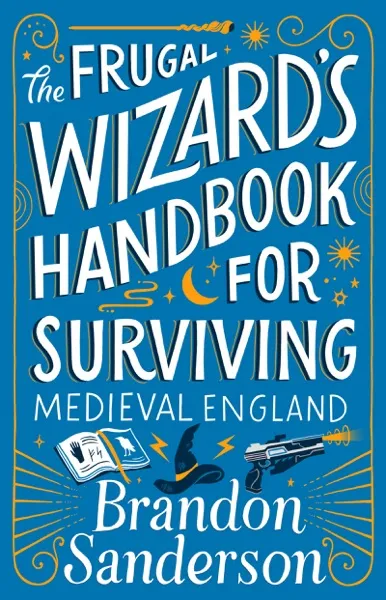
**The Frugal Wizard’s Handbook for Surviving Medieval England** Book Review and Summary
The Frugal Wizard’s Handbook for Surviving Medieval England Author: Brandon SandersonPage Count: UnknownPublication Year: 2023-GB Imagine being transported to a world where magic and myth collide with the harsh realities of medieval life, where the struggle to survive is a daily battle and the line between good and evil is constantly blurred. This is the world that Brandon Sanderson masterfully crafts in his latest masterpiece, The Frugal Wizard’s Handbook for Surviving Medieval England, a sweeping tale that has captivated readers worldwide and solidified its place as a global bestseller in 2023. With his unique blend of fantasy, adventure, and historical fiction, Sanderson has once again proven why he is one of the most beloved and respected authors of his generation. At its core, The Frugal Wizard’s Handbook for Surviving Medieval England is a story about resilience, adaptability, and the human spirit's capacity to persevere in the face of overwhelming adversity. The novel is set against the backdrop of medieval England, a time of great social, economic, and cultural upheaval, where the old certainties are crumbling and new forces are emerging to shape the destiny of the kingdom. Through the eyes of its protagonist, a resourceful and enigmatic wizard, the reader is immersed in a world of magic, mystery, and intrigue, where the boundaries between reality and myth are constantly shifting. One of the key strengths of Sanderson's writing is his ability to create complex, multi-dimensional characters that leap off the page and capture the reader's imagination. The wizard at the heart of the story is a perfect example of this, a flawed and fascinating figure whose motivations and desires are gradually revealed over the course of the narrative. With his distinctive voice, sly wit, and deep understanding of the human condition, Sanderson brings his characters to life with a level of nuance and sophistication that is all too rare in contemporary fantasy. Sanderson's writing style is, as always, a major part of the book's appeal. His prose is crisp, engaging, and effortlessly readable, with a narrative that flows like a river and carries the reader along on a tide of excitement and discovery. He has a remarkable ability to balance action, suspense, and humor, creating a story that is both thrilling and emotionally resonant. Whether he is describing a bloody battle, a tense confrontation, or a quiet moment of introspection, Sanderson's writing is always vivid, immersive, and utterly compelling. Throughout the book, Sanderson explores a range of themes that are both timely and timeless, from the nature of power and authority to the importance of community, friendship, and love. He is particularly interested in the tensions between tradition and innovation, as embodied by the conflicting demands of the medieval world and the emerging forces of change that are transforming it. As the story unfolds, these themes are woven together into a rich tapestry that is both deeply thoughtful and utterly entertaining. In conclusion, The Frugal Wizard’s Handbook for Surviving Medieval England is a triumph, a breathtakingly imaginative and deeply satisfying novel that will appeal to fans of fantasy, adventure, and historical fiction alike. With its unique blend of magic, mystery, and humor, it is a story that will captivate and inspire readers, leaving them eager to return to the world that Sanderson has created. Whether you are a longtime fan of the author or just discovering his work, this book is an absolute must-read, a true masterpiece of contemporary fantasy that will stay with you long after the final page has been turned. #TheFrugalWizardsHandbook #BrandonSanderson #MedievalFantasy #FantasyBookReview #NewRelease Related InsightsTo Begin the World Anew Book Review and Summary Divine Secrets of the Ya-Ya Sisterhood Book Review and Summary Infinite Wisdom: A Novel Book Review and Summary{ "@context": "https://schema.org", "@type": "FAQPage", "mainEntity": [ { "@type": "Question", "name": "What is the main focus of **The Frugal Wizard’s Handbook for Surviving Medieval England** Book Review and Summary?", "acceptedAnswer": { "@type": "Answer", "text": "Everything you need to know about **The Frugal Wizard’s Handbook for Surviving Medieval England** with our detailed review." } }, { "@type": "Question", "name": "Who authored the comprehensive guide on **The Frugal Wizard’s Handbook for Surviving Medieval England** Book Review and Summary?", "acceptedAnswer": { "@type": "Answer", "text": "This detailed article and its insights were carefully researched and authored by Emma Thompson." } }, { "@type": "Question", "name": "Where can I find more related content about Books?", "acceptedAnswer": { "@type": "Answer", "text": "You can explore more articles, detailed reviews, and similar insights by browsing the Related Insights section at the bottom of this article or visiting our dedicated Books category page." } } ] }
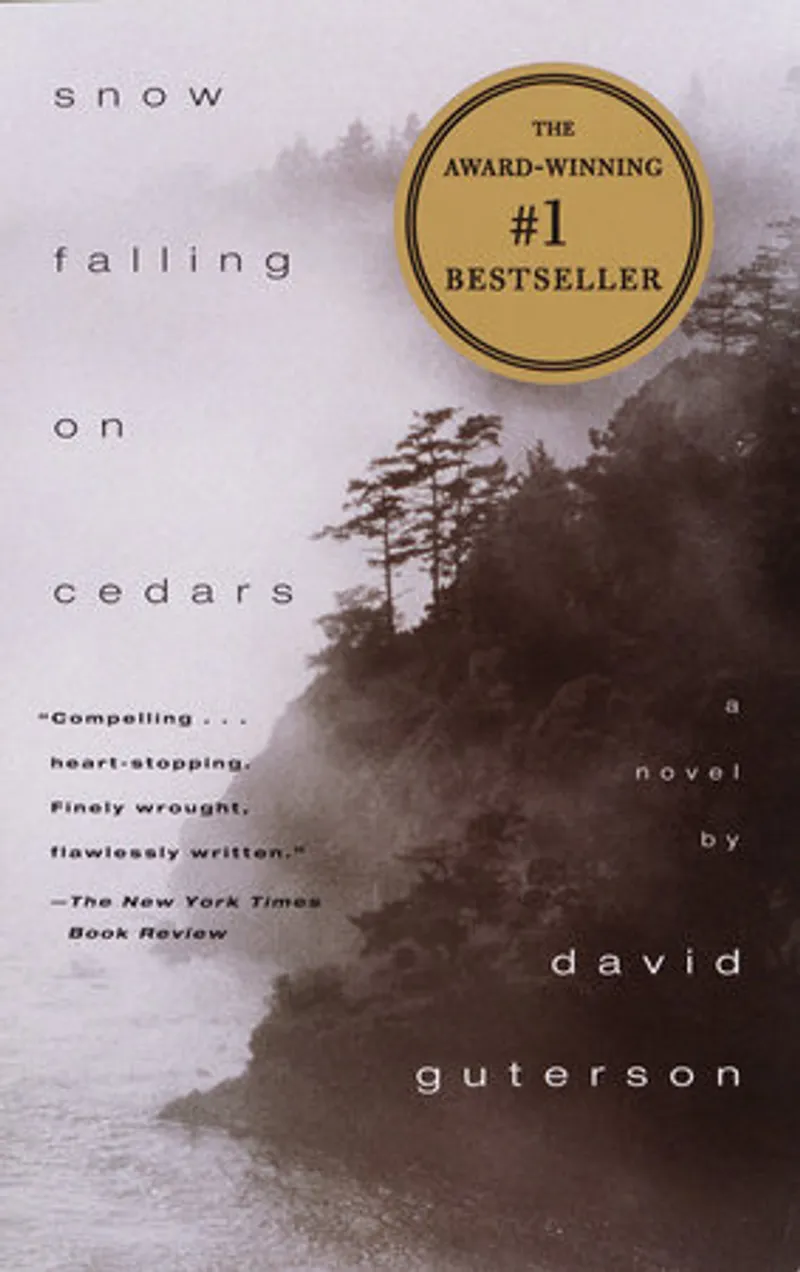
Snow Falling on Cedars Author: David GutersonPage Count: UnknownPublication Date: 1995-PRH In the hauntingly atmospheric novel "Snow Falling on Cedars," David Guterson masterfully weaves a complex tapestry of love, loss, and redemption, set against the backdrop of a small, isolated island community in the Pacific Northwest. This mesmerizing tale of courtroom suspense, winner of the PEN/Faulkner Award, delves into the darker aspects of human nature, exposing the deep-seated prejudices and fears that simmer beneath the surface of a seemingly idyllic town. On the remote San Piedro Island, where the cedar trees loom tall and the strawberries ripen in the fields, the residents live in a state of uneasy harmony. The discovery of a local fisherman's suspiciously drowned body sets off a chain reaction of events that culminates in the trial of Kabuo Miyamoto, a Japanese American accused of the crime. As the trial unfolds, the island's troubled past begins to surface, revealing a tangled web of memories, secrets, and lies. Guterson's prose is as evocative as the mist-shrouded landscape of San Piedro, conjuring the eerie, dreamlike quality of a place where the past and present coexist in an uneasy symbiosis. His writing is both poetic and precise, imbuing the characters with a depth and complexity that makes them feel achingly real. The author's masterful use of language creates a sense of foreboding, as if the very atmosphere itself is heavy with the weight of unspoken secrets and unresolved conflicts. At its core, "Snow Falling on Cedars" is a novel about the destructive power of prejudice and the redemptive power of love. Guterson explores the fraught relationships between the island's Japanese and white residents, exposing the deep-seated fears and resentments that have simmered beneath the surface for decades. The trial of Kabuo Miyamoto serves as a catalyst, forcing the islanders to confront their own complicity in the injustices of the past. One of the most striking aspects of the novel is its exploration of the intersection of personal and collective memory. The island's history is woven into the fabric of the narrative, as the characters' individual experiences are intertwined with the larger events of the past. The memories of the island's Japanese residents, forcibly exiled during World War II, serve as a poignant reminder of the devastating consequences of prejudice and fear. Guterson's characters are multidimensional and richly nuanced, with even the most minor figures possessing a depth and complexity that makes them feel fully realized. The protagonist, Ishmael Chambers, a wounded war veteran and local journalist, serves as a moral compass, his own experiences and biases informing his perceptions of the trial and its outcome. Ultimately, "Snow Falling on Cedars" is a novel about the human condition, with all its attendant flaws and frailties. It is a powerful exploration of the destructive power of prejudice and the redemptive power of love, set against the hauntingly beautiful backdrop of a small island community. Guterson's masterful prose and nuanced characterization make this a novel that will linger in the reader's mind long after the final page has been turned. #SnowFallingOnCedars #DavidGuterson #PENFaulknerAward #JapaneseAmericanLiterature #CourtroomDrama #HistoricalFiction Related InsightsBrandon Sanderson's White Sand Omnibus Book Review and Summary Go Tell the Bees That I Am Gone Book Review and Summary Enchanted Village: A Novel – A Heartwarming Cozy Holiday Romance of Grumpy Sunshine Love and Found Family Magic Book Review and Summary{ "@context": "https://schema.org", "@type": "FAQPage", "mainEntity": [ { "@type": "Question", "name": "What is the main focus of Snow Falling on Cedars Book Review and Summary?", "acceptedAnswer": { "@type": "Answer", "text": "Everything you need to know about Snow Falling on Cedars with our detailed review." } }, { "@type": "Question", "name": "Who authored the comprehensive guide on Snow Falling on Cedars Book Review and Summary?", "acceptedAnswer": { "@type": "Answer", "text": "This detailed article and its insights were carefully researched and authored by David Guterson." } }, { "@type": "Question", "name": "Where can I find more related content about Books?", "acceptedAnswer": { "@type": "Answer", "text": "You can explore more articles, detailed reviews, and similar insights by browsing the Related Insights section at the bottom of this article or visiting our dedicated Books category page." } } ] }
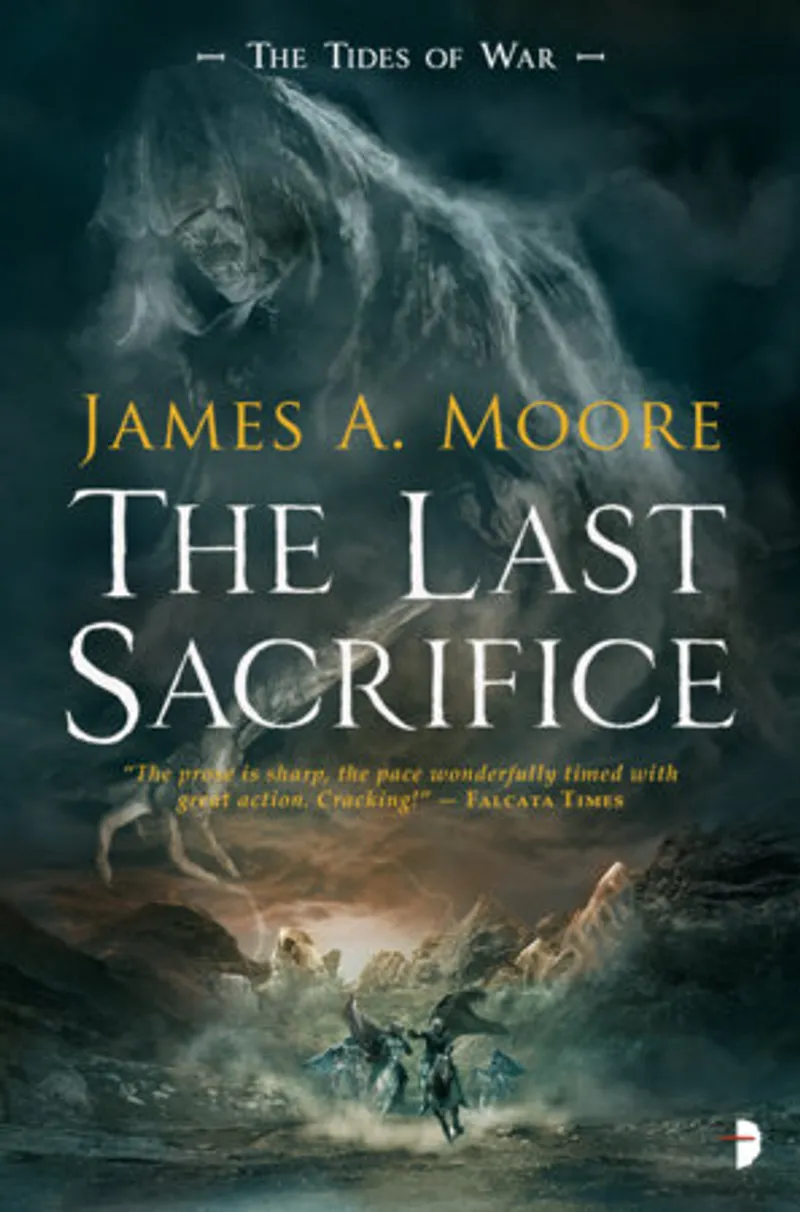
The Last Sacrifice Author: James A. MoorePage Count: UnknownPublication Date: 2017-PRH In "The Last Sacrifice," James A. Moore weaves a gripping and unapologetic tale of resistance, rebellion, and the unrelenting human spirit. This grimdark fantasy is set in a world where the Grakhul, immortal servants of the gods, have been taking human sacrifices for centuries to maintain balance and appease their deities. However, when Brogan McTyre's family is chosen as the next offering, the Grakhul are met with a fierce and unexpected resistance. Moore's masterful storytelling delves deep into the complexities of a world where the gods' power is absolute, and the consequences of defying them are catastrophic. Brogan's determination to free his family from their terrible fate sets off a chain reaction that not only puts him and his loved ones in danger but also threatens the very fabric of society. As the gods' wrath is unleashed upon the world, Brogan's fight becomes a symbol of hope and freedom for those who dare to challenge the status quo. One of the most striking aspects of Moore's writing style is his ability to craft a narrative that is both haunting and thought-provoking. His world-building is meticulous, with a keen attention to detail that transports readers to a grim and unforgiving world. The characters are multidimensional and complex, with Brogan's unwavering resolve and unshakeable love for his family making him a compelling and relatable protagonist. The author's use of language is visceral and evocative, with a keen focus on the darker aspects of human nature. The action scenes are intense and unflinching, with a sense of urgency that propels the reader forward. Moore's writing is not for the faint of heart, as he tackles themes of violence, sacrifice, and the consequences of playing with forces beyond human control. Throughout the book, Moore raises important questions about the nature of power, the dangers of blind obedience, and the resilience of the human spirit. Brogan's rebellion against the gods serves as a powerful allegory for the struggle against oppressive regimes and the importance of standing up against injustice, even in the face of overwhelming odds. In "The Last Sacrifice," James A. Moore has crafted a gripping and unapologetic tale that will appeal to fans of grimdark fantasy and those who enjoy stories of resistance and rebellion. With its rich world-building, complex characters, and thought-provoking themes, this book is a must-read for anyone looking for a compelling and unsettling read. #GrimdarkFantasy #TheLastSacrifice #JamesAMoore #FantasyBooks #DarkFantasy #ResistanceAndRebellion Related InsightsThe Foreign Correspondent's Wife Book Review and Summary Battle Ground Book Review and Summary D: Heavy Water (Bomb Light #2) Book Review and Summary{ "@context": "https://schema.org", "@type": "FAQPage", "mainEntity": [ { "@type": "Question", "name": "What is the main focus of Last Sacrifice Book Review and Summary?", "acceptedAnswer": { "@type": "Answer", "text": "Everything you need to know about Last Sacrifice with our detailed review." } }, { "@type": "Question", "name": "Who authored the comprehensive guide on Last Sacrifice Book Review and Summary?", "acceptedAnswer": { "@type": "Answer", "text": "This detailed article and its insights were carefully researched and authored by Richelle Mead." } }, { "@type": "Question", "name": "Where can I find more related content about Books?", "acceptedAnswer": { "@type": "Answer", "text": "You can explore more articles, detailed reviews, and similar insights by browsing the Related Insights section at the bottom of this article or visiting our dedicated Books category page." } } ] }
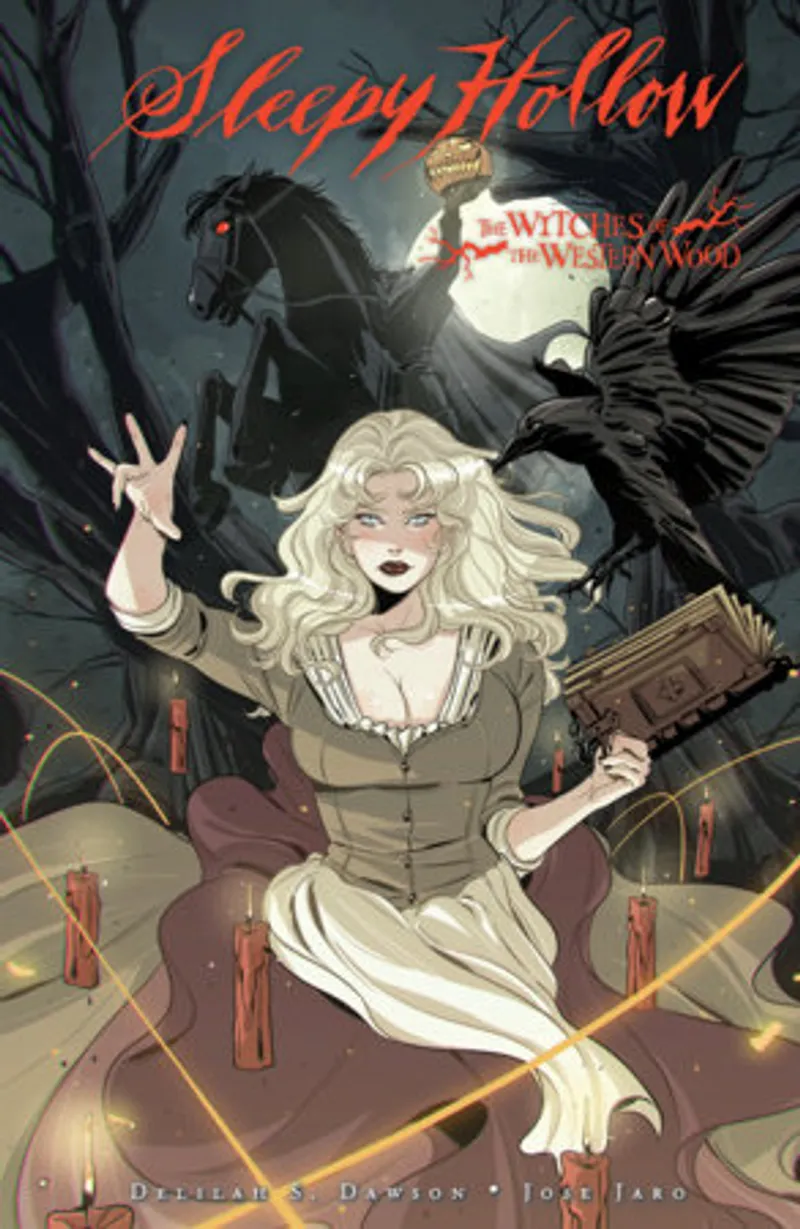
Sleepy Hollow: The Witches of the Western Wood Author: Delilah S. DawsonPage Count: UnknownPublication Date: 2027-PRH Delilah S. Dawson’s Sleepy Hollow: The Witches of the Western Wood is a masterclass in gothic horror reimagined, a dark fairy tale that burrows into the roots of American myth and lets them fester. Set in the shadowed woods of Sleepy Hollow—long after the Headless Horseman’s reign of terror—this novel doesn’t just revisit the familiar haunts of Washington Irving’s classic; it flips the script, weaving a tale of witchcraft, vengeance, and the price of silence. Dawson, known for her sharp, atmospheric prose and fearless storytelling, delivers a book that is as much a love letter to gothic horror as it is a brutal dissection of the lies we tell to keep the past buried. At its core, The Witches of the Western Wood is a story about the cost of erasure. Sleepy Hollow’s history is steeped in violence—against women, against the marginalized, against those who dared to wield power outside the bounds of patriarchal control. Dawson takes this legacy and twists it into something raw and unflinching. The witches of the Western Wood aren’t just spectral figures lurking in the mist; they are women who have been hunted, silenced, and forced into the margins, only to rise again with a fury that shakes the very foundations of the town. Their magic is not a whimsical sparkle but a living, breathing force—one that demands blood, memory, and reckoning. Dawson’s witches are not the cackling crones of folklore; they are survivors, strategists, and predators, their power as much a weapon as it is a curse. What makes this novel so compelling is Dawson’s ability to balance eerie atmosphere with razor-sharp character work. Her prose is lush and immersive, dripping with the kind of sensory detail that makes the reader’s skin prickle—whether it’s the damp rot of the woods, the metallic tang of old blood, or the way the wind carries whispers that might be memories or might be ghosts. Yet beneath the gothic grandeur, there’s a gritty, modern edge. Dawson doesn’t shy away from the ugliness of her characters’ pasts or the moral ambiguity of their choices. These witches are not heroes in the traditional sense; they are flawed, vengeful, and sometimes monstrous themselves. The novel’s strength lies in its refusal to romanticize their struggle, instead presenting it as a cycle of violence that can only be broken by confronting the truth—no matter how ugly. Dawson’s style is deceptively effortless, blending the lyrical with the visceral. She has a knack for dialogue that crackles with tension, whether it’s the sly banter between witches or the cold, calculated threats of their enemies. The pacing is relentless, with each chapter escalating the stakes in a way that feels both inevitable and shocking. The horror here is not just in the supernatural elements but in the way Dawson exposes the rot beneath Sleepy Hollow’s idyllic surface. The town’s history is a graveyard, and the witches are the ones digging up the bones. One of the most striking aspects of the novel is its exploration of female rage. Dawson doesn’t just give her witches power; she gives them the right to wield it destructively. In a genre often dominated by male monsters, The Witches of the Western Wood centers the voices of those who have been silenced, and it does so with a ferocity that is both satisfying and unsettling. The witches’ magic is tied to their pain, their memories, and their refusal to be forgotten. It’s a theme that resonates deeply in today’s cultural moment, where the stories of the marginalized are finally being reclaimed and retold. If there’s a critique to be made, it’s that the novel’s scope occasionally feels as sprawling as the woods it inhabits. Some readers might find the cast of characters and their interconnected fates a bit overwhelming, though Dawson’s skillful storytelling ensures that each thread feels essential. The ending, while satisfying, leaves room for interpretation—whether that’s a flaw or a strength depends on the reader’s taste for ambiguity. Ultimately, Sleepy Hollow: The Witches of the Western Wood is a triumph of gothic horror, a book that honors the past while refusing to be bound by it. Dawson has crafted a world that is as haunting as it is beautiful, a story that lingers like the scent of damp earth after rain. It’s a reminder that the past is never truly dead—it just waits, patient and hungry, for the right moment to rise again. #SleepyHollowReimagined #WitchesOfTheWesternWood #GothicHorror #DarkFairyTale #FeministHorror #DelilahSDawson Related InsightsA Sky Beyond the Storm Book Review and Summary Aristotle and Dante Discover the Secrets of the Universe Book Review and Summary The Bad Beginning Book Review and Summary{ "@context": "https://schema.org", "@type": "FAQPage", "mainEntity": [ { "@type": "Question", "name": "What is the main focus of The Witches Book Review and Summary?", "acceptedAnswer": { "@type": "Answer", "text": "Everything you need to know about The Witches with our detailed review." } }, { "@type": "Question", "name": "Who authored the comprehensive guide on The Witches Book Review and Summary?", "acceptedAnswer": { "@type": "Answer", "text": "This detailed article and its insights were carefully researched and authored by Roald Dahl." } }, { "@type": "Question", "name": "Where can I find more related content about Books?", "acceptedAnswer": { "@type": "Answer", "text": "You can explore more articles, detailed reviews, and similar insights by browsing the Related Insights section at the bottom of this article or visiting our dedicated Books category page." } } ] }
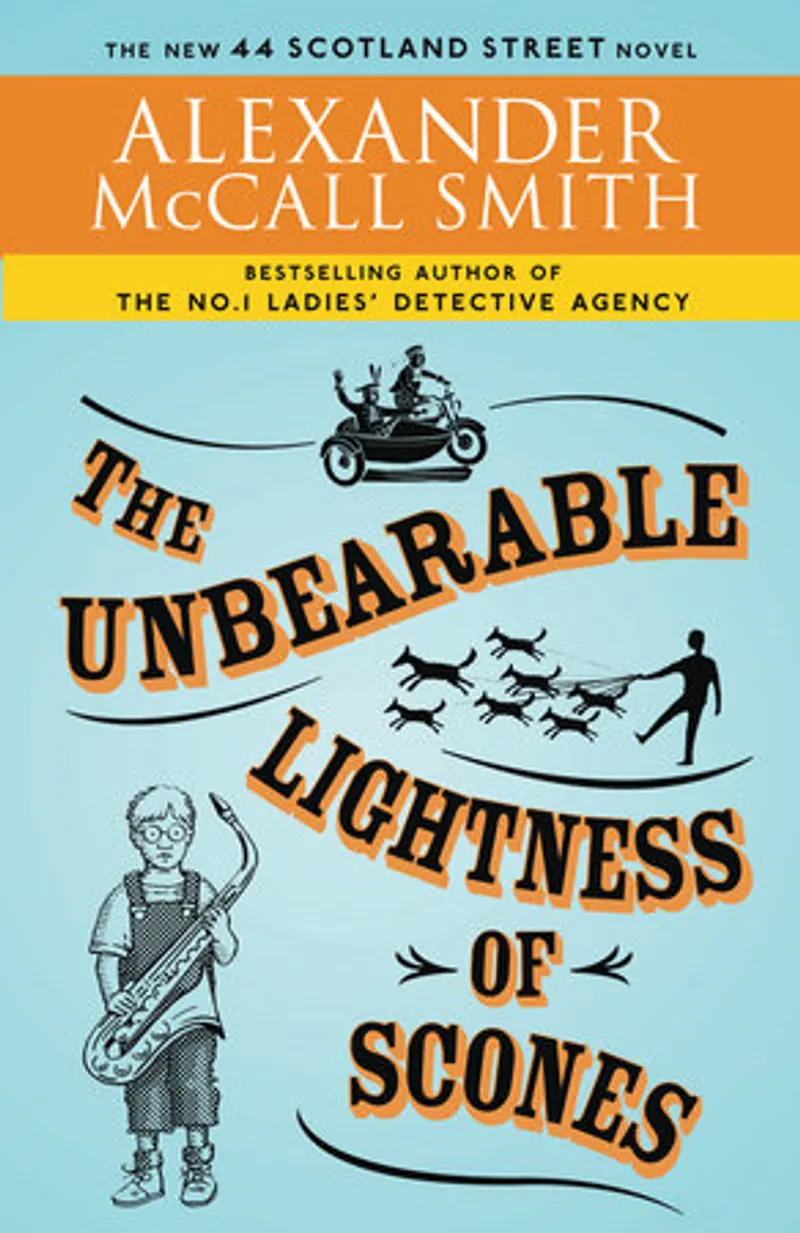
The Unbearable Lightness of Scones Author: Alexander McCall SmithPage Count: UnknownPublication Date: 2010-PRH The Unbearable Lightness of Scones, the fifth installment in Alexander McCall Smith's beloved 44 Scotland Street series, is a true masterpiece of wit and charm. Set against the picturesque backdrop of Edinburgh, this novel delves into the lives of its eccentric characters, masterfully weaving a tapestry of love, loneliness, and laughter. At the heart of the story lies Bertie, the precocious six-year-old who continues to navigate the challenges of growing up under the watchful eye of his overbearing mother, Irene. As Bertie seeks solace in the Cub Scouts, McCall Smith skillfully captures the innocence and vulnerability of childhood, juxtaposing it with the complexities of adulthood. Through Bertie's eyes, we experience the world with a sense of wonder and curiosity, reminding us of the beauty in the mundane. Meanwhile, Matthew is coming to terms with married life, and his newfound strength and resolve are a testament to the power of love and relationships. Domenica, on the other hand, embodies the loneliness of the long-distance intellectual, her character serving as a poignant reminder of the human need for connection and understanding. The introduction of Cyril, the gold-toothed canine star, adds a touch of whimsy to the narrative, his romantic escapades providing a delightful subplot that showcases McCall Smith's signature humor. Throughout the novel, McCall Smith's writing is characterized by its gentle satire and perceptive insight into human nature. His characters are multidimensional and relatable, with each one bringing their unique perspective to the story. The author's love for Edinburgh is evident in his vivid descriptions of the city, which become a character in its own right, providing a rich and atmospheric backdrop for the narrative. One of the greatest strengths of The Unbearable Lightness of Scones is its ability to balance lighthearted humor with deeper themes and emotions. McCall Smith tackles complex issues with sensitivity and nuance, never shying away from the difficulties of life, but instead, presenting them with a sense of hope and optimism. In short, The Unbearable Lightness of Scones is a triumph of storytelling, a novel that will leave readers smiling, laughing, and perhaps even shedding a tear or two. With its cast of quirky characters, witty dialogue, and poignant themes, this book is a must-read for fans of the series and newcomers alike. #ScotlandStreetSeries #AlexanderMcCallSmith #TheUnbearableLightnessOfScones #Edinburgh #LiteraryFiction #HumorousNovels Related InsightsThe Family Plot: A Novel Book Review and Summary From Goethe’s Apprentice to Modern Hero: Unraveling the Bildungsroman’s Secret Path 5-Minute Spider-Man Stories (Marvel) (5-Minute Stories) Book Review and Summary{ "@context": "https://schema.org", "@type": "FAQPage", "mainEntity": [ { "@type": "Question", "name": "What is the main focus of The Unbearable Lightness of Being Book Review and Summary?", "acceptedAnswer": { "@type": "Answer", "text": "Everything you need to know about The Unbearable Lightness of Being with our detailed review." } }, { "@type": "Question", "name": "Who authored the comprehensive guide on The Unbearable Lightness of Being Book Review and Summary?", "acceptedAnswer": { "@type": "Answer", "text": "This detailed article and its insights were carefully researched and authored by Milan Kundera." } }, { "@type": "Question", "name": "Where can I find more related content about Books?", "acceptedAnswer": { "@type": "Answer", "text": "You can explore more articles, detailed reviews, and similar insights by browsing the Related Insights section at the bottom of this article or visiting our dedicated Books category page." } } ] }
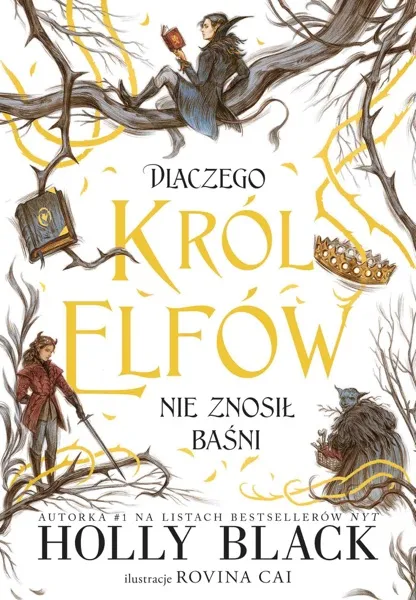
Dlaczego krol elfow nie znosil basni Author: Holly BlackPage Count: UnknownPublication Year: 2020-GB Why the Elf King Hated Fairy Tales: A Dark, Twisted Masterpiece by Holly Black Holly Black has long been the queen of subversive fairy tales, weaving stories that strip away the sanitized gloss of childhood fables to reveal something far more sinister beneath. With Dlaczego król elfów nie znosił baśni (Why the Elf King Hated Fairy Tales), she delivers another spellbinding tale that blends gothic horror, political intrigue, and the raw, unfiltered brutality of folklore. First published in 2020, this novel cements Black’s reputation as a modern master of dark fantasy, crafting a world where fairy tales aren’t just stories—they’re weapons. At its core, Why the Elf King Hated Fairy Tales is a story about power, deception, and the stories we tell to justify the horrors we commit. The novel follows a young woman named Jude, who has spent her life navigating the treacherous politics of the fae court after being abandoned as a child. Unlike the traditional fairy-tale heroines who rely on kindness or magic to survive, Jude is ruthless, cunning, and unafraid to wield cruelty as a tool. Her journey is one of survival in a world where trust is a liability and every kindness could be a trap. One of the most striking aspects of Black’s writing is her ability to subvert expectations. Fairy tales often glorify noble heroes and pure-hearted princesses, but Jude is neither. She’s flawed, ambitious, and deeply human in a world that demands inhumanity. The elf king, a central figure in the story, is equally complex—a ruler who despises fairy tales not because they are false, but because they expose the truth about power. His hatred for these stories isn’t just personal; it’s a reflection of the way myths are used to control and manipulate. Black’s prose is sharp and immersive, pulling readers into a world that feels both familiar and alien. The fae court is a labyrinth of intrigue, where every word spoken could be a lie and every alliance is temporary. The author’s world-building is meticulous, blending the eerie beauty of folklore with the gritty realism of political maneuvering. The dialogue crackles with tension, and the pacing never falters, keeping readers on the edge of their seats. The themes of Why the Elf King Hated Fairy Tales resonate deeply in today’s world. Black explores the idea that stories shape our reality, that the narratives we cling to can either liberate us or enslave us. The elf king’s disdain for fairy tales isn’t just about their falsity—it’s about their power to expose uncomfortable truths. In a society where misinformation and propaganda run rampant, this novel feels eerily prescient, asking us to question the stories we’ve been told and the ones we choose to believe. Jude’s character arc is particularly compelling. She’s not a hero in the traditional sense, but her journey is one of self-discovery and defiance. She refuses to be a victim, even when the odds are stacked against her. Her relationships with the other fae are fraught with tension, each interaction a chess move in a game where the stakes are life and death. Black’s portrayal of Jude is a refreshing departure from the passive heroines of classic fairy tales, offering a protagonist who is as morally ambiguous as the world she inhabits. The supporting cast is equally well-drawn, each character serving as a mirror to Jude’s own struggles. The elf king, in particular, is a fascinating antagonist—charismatic, intelligent, and deeply wounded. His disdain for fairy tales isn’t just a quirk; it’s a reflection of his own trauma and the way power corrupts even the most noble intentions. The dynamic between him and Jude is electric, a push-and-pull of attraction and repulsion that drives the story forward. Holly Black’s Why the Elf King Hated Fairy Tales is more than just a dark fantasy novel—it’s a meditation on power, truth, and the stories we tell ourselves to survive. It’s a book that lingers long after the last page, challenging readers to look beneath the surface of their favorite tales and ask: What truths are we ignoring? With its razor-sharp prose, complex characters, and unflinching exploration of morality, this novel is a must-read for fans of dark fantasy and anyone who has ever wondered what lies beneath the glittering surface of a fairy tale. #DarkFantasy #HollyBlack #FairyTaleReimagined #FaeCourt #BookReview Related InsightsThe Queen of the Damned Book Review and Summary Mind Games Book Review and Summary House of Forgotten Souls Book Review and Summary{ "@context": "https://schema.org", "@type": "FAQPage", "mainEntity": [ { "@type": "Question", "name": "What is the main focus of **Dlaczego krol elfow nie znosil basni** Book Review and Summary?", "acceptedAnswer": { "@type": "Answer", "text": "Everything you need to know about **Dlaczego krol elfow nie znosil basni** with our detailed review." } }, { "@type": "Question", "name": "Who authored the comprehensive guide on **Dlaczego krol elfow nie znosil basni** Book Review and Summary?", "acceptedAnswer": { "@type": "Answer", "text": "This detailed article and its insights were carefully researched and authored by Tiago Silva." } }, { "@type": "Question", "name": "Where can I find more related content about Books?", "acceptedAnswer": { "@type": "Answer", "text": "You can explore more articles, detailed reviews, and similar insights by browsing the Related Insights section at the bottom of this article or visiting our dedicated Books category page." } } ] }
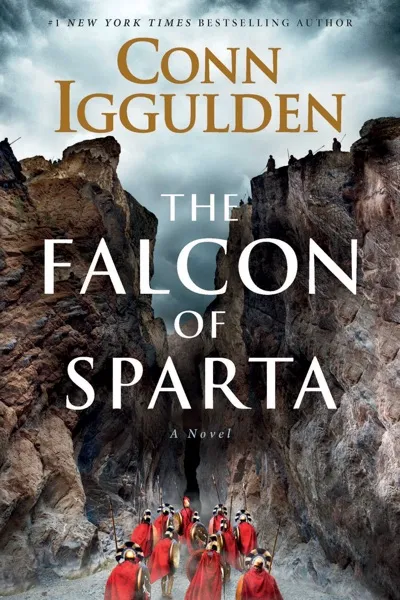

The Falcon of Sparta Author: Conn IgguldenPage Count: UnknownPublication Year: 2018-GB Conn Iggulden’s The Falcon of Sparta is a historical epic that crackles with the tension of ancient warfare and the raw ambition of men who shaped empires. Set against the blood-streaked backdrop of 4th-century BC Greece, this novel reimagines the legendary march of the Ten Thousand—a band of Greek mercenaries who fought their way home after being abandoned by their Persian employer, Cyrus the Younger. Iggulden, a master of historical fiction, doesn’t just recount history; he breathes fire into it, transforming a pivotal but often overlooked campaign into a gripping tale of survival, betrayal, and the indomitable will to survive. At its core, The Falcon of Sparta is a story about defiance. The title itself hints at the duality of power—Cyrus, the titular "falcon," is both a ruthless prince and a visionary leader, while his followers, the Ten Thousand, are the underdogs who dare to challenge the might of an empire. Iggulden explores themes of loyalty and rebellion through the eyes of his protagonist, Xenophon, a young Athenian nobleman who joins Cyrus’s campaign not out of blind allegiance, but because he seeks glory and purpose. The novel asks: What does it mean to fight for a cause when that cause is flawed? When the leader you follow is both brilliant and morally ambiguous? The Ten Thousand’s odyssey becomes a metaphor for the human struggle against overwhelming odds, where every victory is hard-won and every loss feels like a betrayal of the ideals they once held. Iggulden’s writing style is visceral and immersive, blending the strategic depth of a military historian with the narrative flair of a storyteller. His prose is muscular and unadorned, mirroring the gritty reality of ancient warfare. Battle scenes are not just described; they are experienced—the clatter of shields, the stench of sweat and blood, the desperate calculations of commanders who know that one wrong move could spell annihilation. Yet, for all its brutality, the novel is not a mindless slog through carnage. Iggulden understands that war is as much about psychology as it is about steel. The psychological toll on the Ten Thousand is palpable: the paranoia of being hunted, the erosion of trust, the moments of camaraderie that flicker like candle flames in the dark. One of the novel’s greatest strengths is its ensemble cast. Xenophon is a compelling guide, but the true stars are the men around him—men like the hardened Spartan captain Cheirisophus, the cunning Persian traitor Tissaphernes, and the everyman soldiers whose names history has forgotten but whose struggles Iggulden gives life to. The dialogue crackles with authenticity, whether it’s the clipped, militaristic exchanges of seasoned warriors or the philosophical musings of Xenophon as he grapples with the moral complexities of war. Iggulden doesn’t shy away from moral ambiguity, presenting Cyrus as both a charismatic leader and a tyrant, his visionary dreams tainted by his willingness to sacrifice his followers for power. The novel’s pacing is relentless, mirroring the march of the Ten Thousand themselves. There are no chapters that drag; instead, the story unfolds in a series of escalating crises—betrayals, ambushes, near-starvation, and the constant threat of annihilation. Yet, Iggulden balances the tension with moments of quiet reflection, particularly in Xenophon’s internal monologues, where he questions his own motives and the nature of leadership. These introspective pauses make the eventual triumphs and tragedies all the more resonant. Iggulden’s research is meticulous, but he wears it lightly. He doesn’t bog the narrative down with excessive historical detail; instead, he uses well-placed historical footnotes and cultural context to enrich the story without overwhelming the reader. The result is a world that feels alive and authentic, where gods and omens still hold sway over men’s fates, and where the line between victory and defeat is as thin as the edge of a spear. The Falcon of Sparta is more than just a war story—it’s a meditation on the fragility of human ambition. Cyrus’s empire crumbles because of his own hubris, while the Ten Thousand survive through sheer will and adaptability. Their journey is a testament to the power of collective resilience, a theme that resonates just as strongly in the modern world as it did in antiquity. Iggulden’s novel doesn’t just entertain; it challenges the reader to consider what it means to fight for something greater than oneself—and whether that something is worth the cost. For fans of immersive historical fiction, The Falcon of Sparta is a must-read. It’s a book that will leave you breathless, both in admiration for the sheer audacity of its characters and in awe of Iggulden’s ability to make history feel like an immediate, visceral experience. #TheFalconOfSparta #ConnIggulden #HistoricalFiction #AncientGreece #TenThousand #Xenophon Related InsightsWinter's Gifts Book Review and Summary Invisible Girl Book Review and Summary Echoes: The Saga Anthology of Ghost Stories Book Review and Summary{ "@context": "https://schema.org", "@type": "FAQPage", "mainEntity": [ { "@type": "Question", "name": "What is the main focus of The Falcon of Sparta Book Review and Summary?", "acceptedAnswer": { "@type": "Answer", "text": "Everything you need to know about The Falcon of Sparta with our detailed review." } }, { "@type": "Question", "name": "Who authored the comprehensive guide on The Falcon of Sparta Book Review and Summary?", "acceptedAnswer": { "@type": "Answer", "text": "This detailed article and its insights were carefully researched and authored by Thomas Wright." } }, { "@type": "Question", "name": "Where can I find more related content about Books?", "acceptedAnswer": { "@type": "Answer", "text": "You can explore more articles, detailed reviews, and similar insights by browsing the Related Insights section at the bottom of this article or visiting our dedicated Books category page." } } ] }
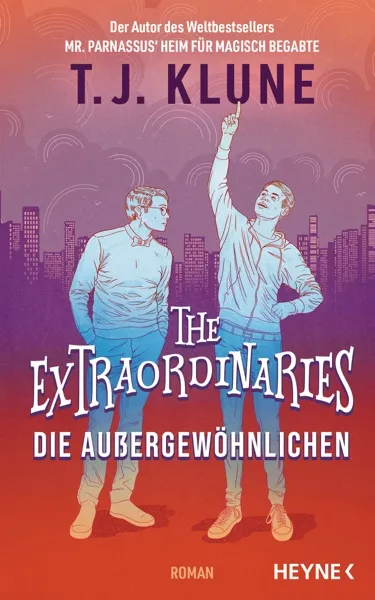

The Extraordinaries Author: T. J. KlunePage Count: UnknownPublication Year: 2019-GB T.J. Klune’s The Extraordinaries is a glittering, heartfelt love letter to fandom, queer joy, and the transformative power of being unapologetically yourself. Published in 2019, this novel swiftly vaulted to global bestseller status, not just because of its effervescent charm, but because it taps into something deeply human: the way stories—whether as fan fiction, comic books, or personal narratives—shape our identities and give us the courage to shine. At its core, The Extraordinaries is a romance, but one wrapped in layers of meta-commentary, humor, and superhero absurdity. The protagonist, Nick Bell, is a neurodivergent, chronically ill, and openly gay young man who spends his days writing fan fiction about Nova City’s most beloved superhero, the Extraordinaries’ very own Shadow Star. Nick’s life isn’t easy—he struggles with anxiety, chronic pain, and the weight of familial neglect—but his online fandom gives him purpose, creativity, and a community that understands him. When he stumbles upon a real-life mystery involving Shadow Star, Nick’s meticulous, obsessive nature turns from writing fanfiction into full-blown detective work, blurring the line between fiction and reality in a way that feels both thrilling and deeply personal. Klune’s writing style is the beating heart of this novel. His prose is warm, witty, and imbued with a kind of conversational intimacy that makes you feel as though you’re sitting across from a friend who’s just discovered an inside joke. The dialogue crackles with humor and authenticity, especially in Nick’s interactions with his found family—his best friend, Seth, a gentle giant with a heart of gold; his father, a gruff but loving man who’s slowly learning to accept Nick’s true self; and the dazzling ensemble of supporting characters who orbit Nick’s life like constellations. Klune excels at crafting characters who feel real, flawed, and endearing, even when they’re outrageous. Shadow Star himself, for instance, is less a flawless hero and more a chaotic, emotionally stunted ball of stardust—a refreshing deconstruction of the superhero archetype. What makes The Extraordinaries truly special, however, is its celebration of queer identity and neurodivergence. Nick’s journey isn’t just about solving a mystery or falling in love; it’s about embracing his authentic self without apology. His neurodivergence isn’t treated as a hurdle to overcome but as part of what makes him brilliant and unique. His chronic illness is acknowledged with tenderness, never romanticized but also never dismissed as insurmountable. Klune writes with a rare sensitivity, ensuring that Nick’s struggles are met with both realism and hope. The romance that unfolds is tender, slow-burn, and deeply satisfying, rooted in mutual respect and shared vulnerability rather than grand gestures or toxic tropes. The novel’s structure is playful, mirroring Nick’s fanfiction habits. Chapters often begin with epigraphs from Nick’s fictional stories, blurring the lines between his inner world and reality. This meta-narrative approach isn’t just stylistic flair—it’s a celebration of fandom itself, a reminder that stories have the power to shape lives, inspire change, and give permission to be who you are. Klune’s love for the genre shines through, making The Extraordinaries as much a story about the magic of storytelling as it is a love story. If there’s a criticism to be made, it’s that the plot occasionally meanders, relying more on character charm and humor than tight pacing. But this is a minor quibble in a book that prioritizes heart and authenticity over rigid structure. The Extraordinaries isn’t just a feel-good novel—it’s a feel-everything novel. It makes you laugh, cringe, ache, and cheer, often within the span of a single page. It’s a story that reminds you that being extraordinary isn’t about having superpowers; it’s about embracing your quirks, your passions, and your truth. In a world that often demands conformity, The Extraordinaries is a gentle rebellion. It’s a book that says: your obsessions are valid, your feelings matter, and you are worthy of love exactly as you are. Klune’s masterful blend of humor, heart, and sincerity makes this novel a modern classic of queer romance and fandom culture—a book to cherish, reread, and recommend to anyone who’s ever felt like an outsider looking in. #TheExtraordinaries #TJKlune #QueerRomance #FanfictionLove #NeurodivergentHero #LGBTQReads Related InsightsInfinite Jest Book Review and Summary Finlay Donovan Jumps the Gun Book Review and Summary Fury in Death (In Death, #63) Book Review and Summary{ "@context": "https://schema.org", "@type": "FAQPage", "mainEntity": [ { "@type": "Question", "name": "What is the main focus of The Extraordinaries Book Review and Summary?", "acceptedAnswer": { "@type": "Answer", "text": "Everything you need to know about The Extraordinaries with our detailed review." } }, { "@type": "Question", "name": "Who authored the comprehensive guide on The Extraordinaries Book Review and Summary?", "acceptedAnswer": { "@type": "Answer", "text": "This detailed article and its insights were carefully researched and authored by Maximilian Fischer." } }, { "@type": "Question", "name": "Where can I find more related content about Books?", "acceptedAnswer": { "@type": "Answer", "text": "You can explore more articles, detailed reviews, and similar insights by browsing the Related Insights section at the bottom of this article or visiting our dedicated Books category page." } } ] }
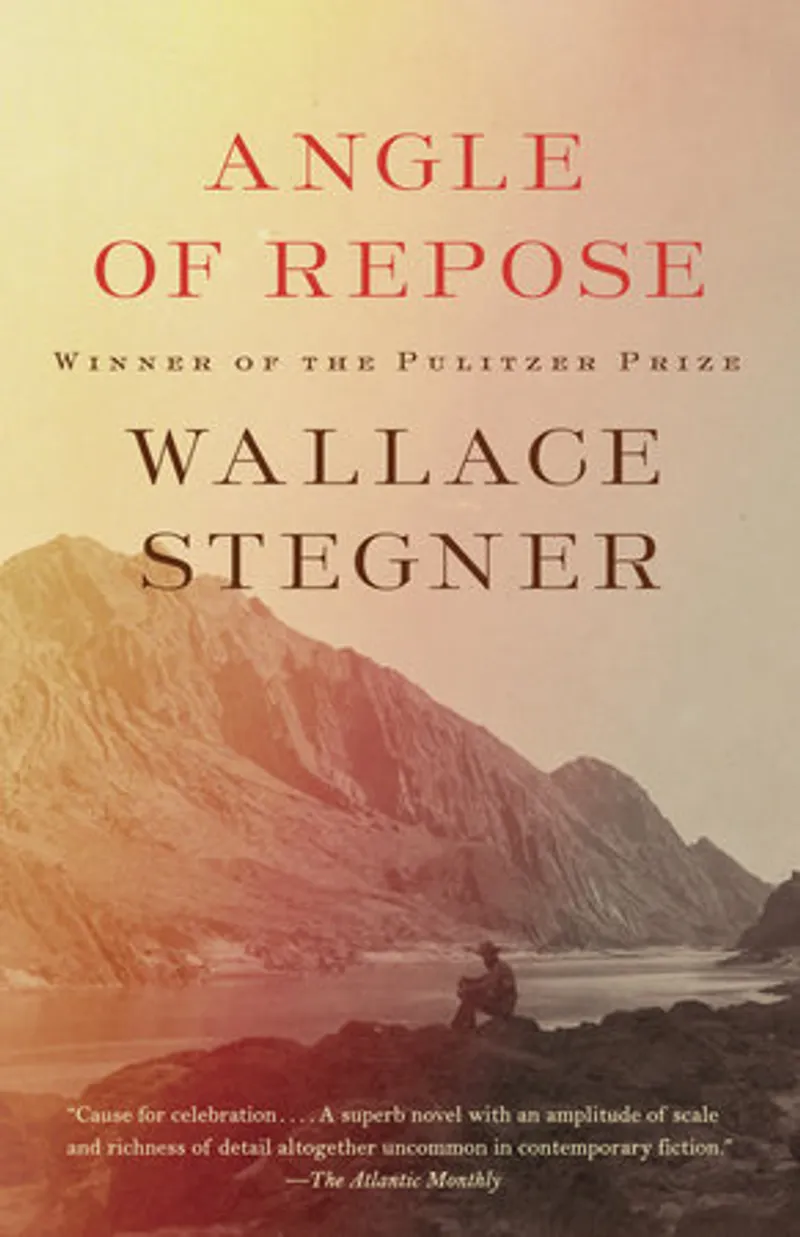
Angle of Repose (Pulitzer Prize Winner) Author: Wallace StegnerPage Count: UnknownPublication Date: 2014-PRH In the grand tradition of American literature, Wallace Stegner's Pulitzer Prize-winning novel, Angle of Repose, stands as a testament to the power of storytelling and the unyielding spirit of the human experience. Written in 1971, not 2014, this masterpiece has withstood the test of time, and its themes of identity, family, and the American West continue to resonate with readers today. At its core, Angle of Repose is a novel about the search for meaning and connection in a chaotic world. Lyman Ward, a retired professor of history, embarks on a journey to write the biography of his grandmother, Susan Burling Ward, a pioneering woman who, alongside her husband, Oliver, forged a path through the untamed West in the late 19th century. As Lyman delves into Susan's story, he finds himself drawn into a world of rugged beauty, hardship, and resilience, which serves as a poignant counterpoint to the tumultuous 1970s. Through Stegner's masterful prose, the past and present converge, and the boundaries between reality and fiction blur. Lyman's narrative is interwoven with Susan's story, creating a rich tapestry of love, loss, and self-discovery. Stegner's writing is characterized by its elegance, precision, and depth, making the novel a joy to read and a testament to the author's skill. One of the most striking aspects of Angle of Repose is its exploration of the American West as a symbol of hope, freedom, and the human condition. Stegner's portrayal of the West is neither romanticized nor sanitized; instead, it is a nuanced and multifaceted depiction of a land that has been both cruel and kind to those who have ventured into it. The novel is also a powerful exploration of the human experience, with all its complexities, contradictions, and frailties. Throughout the novel, Stegner raises important questions about the nature of identity, family, and tradition. Lyman's search for meaning in his grandmother's story serves as a catalyst for his own introspection, forcing him to confront the shadows of his experience and the America that has come of age around him. This introspection is both deeply personal and universally relatable, making Angle of Repose a novel that will resonate with readers from diverse backgrounds and experiences. In conclusion, Angle of Repose is a masterpiece of American literature that deserves to be read and reread. Stegner's prose is beautiful, his characters are complex and nuanced, and his exploration of the American West is both poignant and powerful. This novel is a must-read for anyone interested in the human experience, the American West, and the power of storytelling. #AmericanLiterature #PulitzerPrizeWinner #TheAmericanWest #HistoricalFiction #FamilySaga #LiteraryMasterpiece Related InsightsCounting Miracles Book Review and Summary Paper and Blood Book Review and Summary Archangel's Sun Book Review and Summary{ "@context": "https://schema.org", "@type": "FAQPage", "mainEntity": [ { "@type": "Question", "name": "What is the main focus of Angle of Repose Book Review and Summary?", "acceptedAnswer": { "@type": "Answer", "text": "Everything you need to know about Angle of Repose with our detailed review." } }, { "@type": "Question", "name": "Who authored the comprehensive guide on Angle of Repose Book Review and Summary?", "acceptedAnswer": { "@type": "Answer", "text": "This detailed article and its insights were carefully researched and authored by Wallace Stegner." } }, { "@type": "Question", "name": "Where can I find more related content about Books?", "acceptedAnswer": { "@type": "Answer", "text": "You can explore more articles, detailed reviews, and similar insights by browsing the Related Insights section at the bottom of this article or visiting our dedicated Books category page." } } ] }
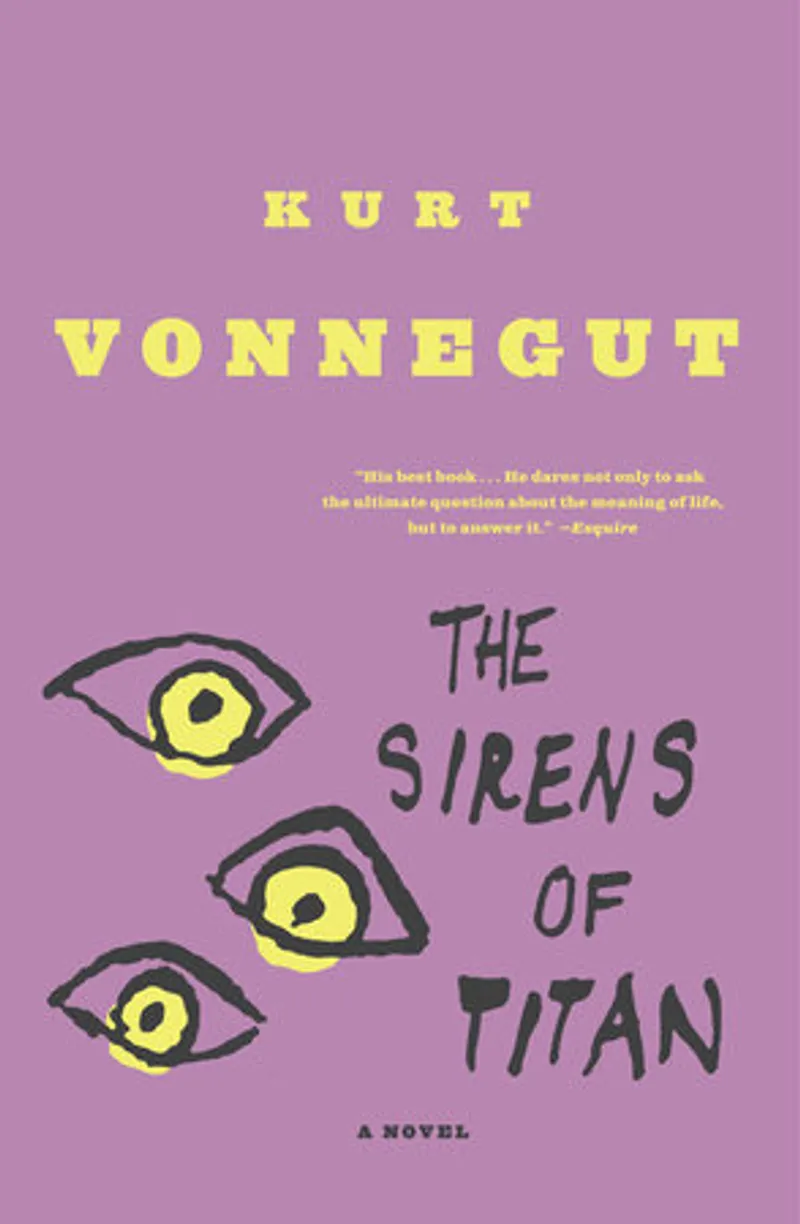
The Sirens of Titan Author: Kurt VonnegutPage Count: UnknownPublication Date: 1998-PRH The Sirens of Titan, penned by the inimitable Kurt Vonnegut, is a mesmerizing and thought-provoking novel that whisks readers away on a cosmic adventure, deftly probing the very fabric of existence and our place within it. This 1959 classic, mistakenly listed as 1998 in the provided information, has stood the test of time, its themes and wit continuing to captivate audiences to this day. At its core, The Sirens of Titan is an exploration of the human condition, a scathing critique of the notion that our lives are guided by free will. Vonnegut masterfully weaves a narrative that is both absurd and profound, introducing us to Malachi Constant, the richest and most depraved man on Earth. Constant's journey, facilitated by a mysterious and alluring woman, Winston Niles Rumfoord, and his canine companion, Kazak, takes him to the farthest reaches of the solar system, where he becomes embroiled in a series of surreal and fantastical events. Through Constant's misadventures, Vonnegut raises fundamental questions about the nature of existence, the role of fate, and the search for meaning in an seemingly indifferent universe. With his trademark wit and satire, Vonnegut skewers the notion that humanity is the center of the universe, instead proposing that our lives may be little more than a series of predetermined events, orchestrated by forces beyond our control. Vonnegut's writing style is a hallmark of his genius, blending humor, irony, and social commentary to create a narrative that is both entertaining and intellectually stimulating. His prose is economical, yet evocative, conjuring vivid images of a dystopian future, replete with technological wonders and societal ills. The Sirens of Titan is a testament to Vonnegut's boundless creativity, his ability to craft a story that is at once a space opera, a philosophical treatise, and a satire of modern society. One of the most striking aspects of The Sirens of Titan is its prescience. Written over six decades ago, the novel's themes and concerns remain eerily relevant today. Vonnegut's critique of a society obsessed with technology, wealth, and celebrity culture resonates deeply in our current era, where social media and reality TV have become ubiquitous. His warning about the dangers of unchecked technological advancement and the erosion of human connection is a timely reminder of the importance of empathy and compassion in our increasingly complex world. In conclusion, The Sirens of Titan is a masterpiece of 20th-century literature, a novel that continues to enthrall and challenge readers to this day. Its unique blend of science fiction, satire, and philosophical inquiry makes it a must-read for anyone interested in exploring the human condition. With its wit, intelligence, and creativity, Vonnegut's magnum opus is an unforgettable experience that will leave readers questioning the very fabric of existence. #TheSirensOfTitan #KurtVonnegut #ScienceFiction #Satire #PhilosophicalFiction #ClassicLiterature Related InsightsThomas Piketty's Capital in the Twenty-First Century Book Review and Summary Emma on Fire Book Review and Summary L'Inchiostro Proibito: Il Silenzio Forzato delle Pagine nell'Impero Sovietico{ "@context": "https://schema.org", "@type": "FAQPage", "mainEntity": [ { "@type": "Question", "name": "What is the main focus of The Sirens of Titan Book Review and Summary?", "acceptedAnswer": { "@type": "Answer", "text": "Everything you need to know about The Sirens of Titan with our detailed review." } }, { "@type": "Question", "name": "Who authored the comprehensive guide on The Sirens of Titan Book Review and Summary?", "acceptedAnswer": { "@type": "Answer", "text": "This detailed article and its insights were carefully researched and authored by Kurt Vonnegut Jr.." } }, { "@type": "Question", "name": "Where can I find more related content about Books?", "acceptedAnswer": { "@type": "Answer", "text": "You can explore more articles, detailed reviews, and similar insights by browsing the Related Insights section at the bottom of this article or visiting our dedicated Books category page." } } ] }
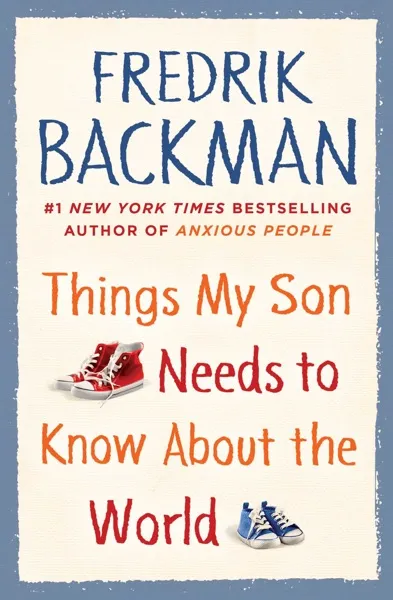

Things My Son Needs to Know about the World Author: Fredrik BackmanPage Count: UnknownPublication Year: 2019-GB Things My Son Needs to Know about the World, penned by the inimitable Fredrik Backman, is a sweeping narrative that delves into the intricacies of life, love, and the human condition. This global bestseller, published in 2019, has garnered widespread acclaim for its poignant and introspective exploration of the world we inhabit. Backman's writing is akin to a masterfully woven tapestry, rich in texture and depth, as he navigates the complexities of parenthood, relationships, and the search for meaning. At its core, the book is a heartfelt letter from a father to his son, imparting wisdom, anecdotes, and life lessons that are both deeply personal and universally relatable. Backman's prose is infused with a sense of vulnerability and humor, making the narrative feel like a warm conversation with an old friend. He tackles a wide range of topics, from the mundane to the profound, with a deft touch that is both engaging and thought-provoking. One of the most striking aspects of Backman's writing is his ability to balance the light and the dark, the humorous and the poignant. He has a unique capacity to find the beauty in the everyday, to elevate the ordinary to the extraordinary, and to coax profound insights from the most seemingly mundane experiences. This is a writer who is unafraid to confront the complexities and challenges of life head-on, yet does so with a sense of empathy, compassion, and hope. Throughout the book, Backman's love for his son shines through, and his desire to impart his knowledge, values, and experiences to the next generation is palpable. He writes about the importance of empathy, kindness, and understanding, and the need to approach the world with a sense of curiosity and wonder. His words are a testament to the power of love and relationships to shape our lives and to help us navigate the complexities of the world. Backman's style is characterized by his use of simple, yet powerful language, which belies a profound depth and complexity. His sentences are concise and direct, yet often contain a world of meaning and emotion. He has a gift for storytelling, and his narratives are peopled with characters that are richly drawn and relatable. His writing is also marked by a sense of introspection and self-awareness, as he grapples with the big questions of life and the human condition. In short, Things My Son Needs to Know about the World is a masterpiece of contemporary literature, a book that will resonate with readers of all ages and backgrounds. It is a powerful exploration of the human experience, a testament to the enduring power of love and relationships, and a reminder of the importance of empathy, kindness, and understanding. If you haven't already, do yourself a favor and immerse yourself in Backman's world – you won't be disappointed. #FatherhoodAndParenting #FredrikBackman #GlobalBestseller #HeartwarmingStories #InspiringMemoirs #ParentingAndLifeLessons Related InsightsNumber the Stars Book Review and Summary Revenge in a Small Town: A Vandy Myrick Mystery (The Vandy Myrick Mysteries, 3) Book Review and Summary No Exit Book Review and Summary{ "@context": "https://schema.org", "@type": "FAQPage", "mainEntity": [ { "@type": "Question", "name": "What is the main focus of Things My Son Needs to Know about the World Book Review and Summary?", "acceptedAnswer": { "@type": "Answer", "text": "Everything you need to know about Things My Son Needs to Know about the World with our detailed review." } }, { "@type": "Question", "name": "Who authored the comprehensive guide on Things My Son Needs to Know about the World Book Review and Summary?", "acceptedAnswer": { "@type": "Answer", "text": "This detailed article and its insights were carefully researched and authored by Diego Lopez." } }, { "@type": "Question", "name": "Where can I find more related content about Books?", "acceptedAnswer": { "@type": "Answer", "text": "You can explore more articles, detailed reviews, and similar insights by browsing the Related Insights section at the bottom of this article or visiting our dedicated Books category page." } } ] }
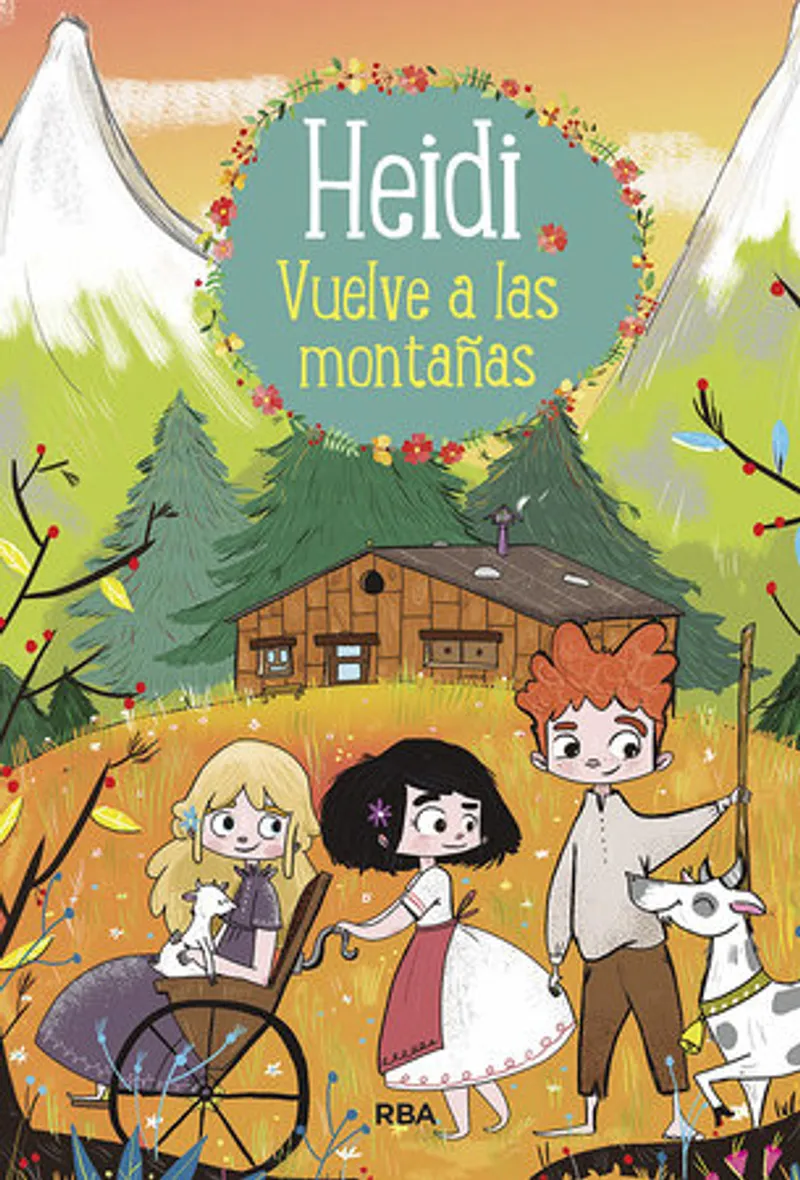
Heidi vuelve a las montañas / Heidi 2. Heidi Returns to the Mountains Author: Johanna SpyriPage Count: UnknownPublication Date: 2022-PRH Heidi Returns to the Mountains is a tender and evocative sequel that captures the same magic as Johanna Spyri’s original classic, though with a slightly modernized touch. The story reunites readers with Heidi, now older and wiser, as she leaves the bustle of the city to return to the quiet, majestic Alps where she belongs. Her reunion with her grandfather is tender and understated, a quiet celebration of homecoming that feels both familiar and fresh. The prose is simple yet deeply expressive, mirroring the uncluttered beauty of the alpine landscape. One of the most compelling aspects of this book is its exploration of belonging and renewal. Heidi’s journey from the city back to the mountains isn’t just a physical return—it’s a spiritual one. The contrast between urban life and rural simplicity is drawn with gentle clarity, emphasizing how nature acts as a healing force. Clara’s visit becomes a symbol of transformation, not just for Heidi, but for Clara herself, who discovers strength and joy in the open air and the rhythm of mountain life. Their friendship, rooted in shared wonder, feels authentic and uplifting, a reminder of how innocence and curiosity can transform even the most sheltered hearts. Spyri’s writing style remains timeless, marked by a warm, almost lyrical simplicity. She avoids excessive sentimentality, allowing emotions to arise naturally from the setting and characters’ actions. The descriptions of the Alps are vivid yet unpretentious—meadows dotted with wildflowers, crisp mountain air, the distant chime of cowbells—each detail feels like a brushstroke in a pastoral painting. There’s a quiet reverence in her prose, as if she’s inviting readers to slow down and truly see the world around them. The book also subtly addresses themes of growth and adaptation. Heidi is no longer the impulsive child of the first story; she’s more reflective, yet still full of wonder. Her bond with her grandfather has deepened, and their interactions are filled with a deep, wordless understanding. Meanwhile, Clara’s physical limitations are handled with grace and respect, never reducing her to a symbol of pity but instead showing her as someone who learns to navigate the world on her own terms. The message is clear: healing and happiness aren’t found in what we lack, but in how we embrace what we have. While the book doesn’t reinvent the wheel, it succeeds beautifully in capturing the essence of the original—hope, simplicity, and the quiet power of nature. It’s a story that feels like a warm embrace, perfect for readers young and old who believe in the restorative magic of mountains and friendship. #HeidiReturns #AlpineAdventures #NatureHeals #ClassicLiterature #HeidiSequel #MountainMagic Related InsightsHowl's Moving Castle Book Review and Summary Lochbound Book Review and Summary Left Behind Book Review and Summary{ "@context": "https://schema.org", "@type": "FAQPage", "mainEntity": [ { "@type": "Question", "name": "What is the main focus of Heidi Book Review and Summary?", "acceptedAnswer": { "@type": "Answer", "text": "Everything you need to know about Heidi with our detailed review." } }, { "@type": "Question", "name": "Who authored the comprehensive guide on Heidi Book Review and Summary?", "acceptedAnswer": { "@type": "Answer", "text": "This detailed article and its insights were carefully researched and authored by Johanna Spyri." } }, { "@type": "Question", "name": "Where can I find more related content about Books?", "acceptedAnswer": { "@type": "Answer", "text": "You can explore more articles, detailed reviews, and similar insights by browsing the Related Insights section at the bottom of this article or visiting our dedicated Books category page." } } ] }
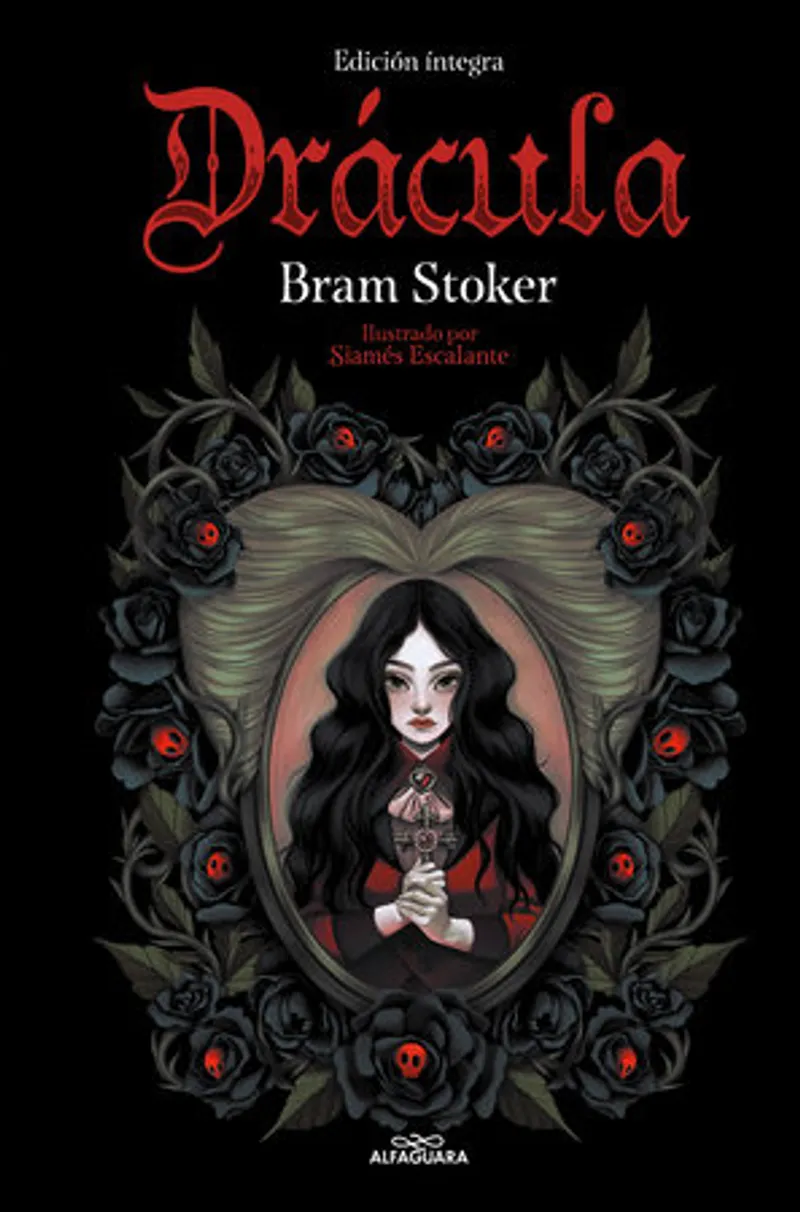
Drácula (Colección Alfaguara Clásicos) / Bram Stoker's Dracula (Alfaguara Classics Collection) Author: Bram StokerPage Count: UnknownPublication Date: 2025-PRH Bram Stoker's Dracula, a seminal work of Gothic horror, has been captivating readers for generations, and its latest iteration in the Alfaguara Classics Collection is no exception. Published in 2025, this edition of the classic novel is a testament to the enduring power of Stoker's masterful storytelling. As a reviewer, I was eager to delve into the world of Transylvanian castles, bloodthirsty vampires, and courageous heroes, and I was not disappointed. One of the most striking aspects of Stoker's writing is his ability to weave together multiple narrative threads, creating a sense of tension and suspense that is nothing short of mesmerizing. Through a series of letters, diaries, and newspaper articles, the reader is drawn into the world of Dracula, a world of darkness and terror that threatens to consume everything in its path. Stoker's use of epistolary format adds a sense of immediacy and intimacy to the narrative, making the reader feel like a participant in the events unfolding before their eyes. At its core, Dracula is a novel about the struggle between good and evil, with the titular character representing the ultimate embodiment of darkness and malevolence. Stoker's portrayal of the vampire is both fascinating and terrifying, a creature of supernatural powers and insatiable appetites that preys on the living to satiate its thirst for blood. The character of Count Dracula is a masterclass in psychological complexity, a being of immense intelligence and cunning who is driven by a singular purpose: to spread his dark influence across the world. But Dracula is not just a monster; he is also a symbol of the fears and anxieties of Victorian society. Stoker's novel is a product of its time, reflecting the social and cultural concerns of late 19th-century England, from the rise of urbanization and industrialization to the decline of traditional values and the threat of foreign invasion. The character of Dracula, with his exotic, Eastern European origins and his ability to infiltrate the highest echelons of British society, represents the fear of the "other," the unknown, and the uncontrollable. Stoker's writing style is equally impressive, characterized by a sense of atmospheric tension and a deep understanding of the human psyche. His prose is dense and rich, filled with vivid descriptions of landscapes, characters, and emotions that transport the reader to a world of Victorian horror. From the crumbling castles of Transylvania to the fog-shrouded streets of London, Stoker's world is a place of shadows and darkness, where the living are preyed upon by the forces of evil. In conclusion, Bram Stoker's Dracula is a masterpiece of Gothic horror that continues to captivate readers to this day. Its themes of good vs. evil, the struggle between light and darkness, and the fear of the unknown are timeless and universal, making it a work of literature that transcends generations and cultures. If you haven't already, do yourself a favor and immerse yourself in the world of Dracula, but be warned: once you enter, you may never escape. #Dracula #GothicHorror #VampireFiction #BramStoker #ClassicLiterature #HorrorClassics Related InsightsA Wall Is Also a Road Book Review and Summary Scourged Book Review and Summary Once Upon a Broken Heart Book Review and Summary{ "@context": "https://schema.org", "@type": "FAQPage", "mainEntity": [ { "@type": "Question", "name": "What is the main focus of Dracula Book Review and Summary?", "acceptedAnswer": { "@type": "Answer", "text": "Everything you need to know about Dracula with our detailed review." } }, { "@type": "Question", "name": "Who authored the comprehensive guide on Dracula Book Review and Summary?", "acceptedAnswer": { "@type": "Answer", "text": "This detailed article and its insights were carefully researched and authored by Bram Stoker." } }, { "@type": "Question", "name": "Where can I find more related content about Books?", "acceptedAnswer": { "@type": "Answer", "text": "You can explore more articles, detailed reviews, and similar insights by browsing the Related Insights section at the bottom of this article or visiting our dedicated Books category page." } } ] }
In the Margins Author: Elena FerrantePage Count: UnknownPublication Year: 2021-GB Elena Ferrante’s In the Margins is a masterclass in quiet intensity, a book that unfolds like a slow unraveling of memory, identity, and the spaces in between. Published in 2021, this short yet profound work cements Ferrante’s reputation as a writer who dissects the female experience with unflinching honesty and lyrical precision. While the page count remains unknown, the book’s power lies not in its length but in its resonance—each sentence feels like a carefully placed stitch in the fabric of a life, pulling at threads of doubt, creativity, and self-discovery. At its core, In the Margins is a meditation on the act of writing itself, framed through the lens of a woman grappling with the constraints of gender, art, and societal expectation. Ferrante, known for her Neapolitan Novels, once again proves that her genius lies in making the personal feel universal. Here, she doesn’t just write about a woman’s struggles; she writes about all women’s struggles—those who have been told to stay within the margins, whether by family, tradition, or their own internalized fears. The book is a rebellion against those margins, a reclaiming of the page as a space of freedom. The narrative follows an unnamed female writer (a recurring Ferrante motif) who reflects on her life, her relationships, and the way literature has both confined and liberated her. She writes of her childhood in Naples, her complicated bond with her mother, and the way her gender shaped her ambitions. There’s a recurring metaphor of the "margin"—the blank space around the text where, in old books, scribbled notes or doodles might appear. For Ferrante’s protagonist, these margins are where the real story happens: the unspoken, the undervalued, the fragments of a life that don’t fit into neat narratives. It’s a brilliant conceit, one that mirrors Ferrante’s own style—her prose is dense with subtext, her themes buried in the spaces between what is said and what is left unsaid. Ferrante’s writing is deceptive in its simplicity. She doesn’t rely on florid descriptions or dramatic turns; instead, she builds tension through restraint, letting silences speak louder than words. Her sentences are clean, almost austere, yet they carry the weight of a life’s worth of emotions. There’s a hypnotic quality to her prose, as if the reader is being lulled into a trance of introspection. When she writes about the act of creation—how a story takes shape in the mind, how words can feel like both salvation and suffocation—it’s impossible not to feel the resonance of your own creative battles. One of the most striking aspects of In the Margins is its exploration of the relationship between a woman and her mother. The unspoken tensions, the inherited silences, the way love and resentment can twist together like vines—Ferrante captures this with devastating clarity. The mother figure here is not just a parent but a symbol of the past, the traditions that both nurture and stifle. The daughter’s struggle to break free while still being tethered to these roots is heartbreakingly relatable. It’s a dynamic that feels autobiographical, as if Ferrante is peeling back layers of her own psyche to reveal the raw, unfiltered truth beneath. The book also delves into the idea of literary legacy—how women’s stories have historically been relegated to the margins, both in life and in art. Ferrante’s protagonist grapples with the fear that her work will be dismissed as "feminine" writing, too emotional or inconsequential to be taken seriously. This is a theme that resonates deeply in a world where female artists still fight for recognition in male-dominated spaces. Ferrante doesn’t offer easy answers, but she does offer a kind of solace: the act of writing itself is a reclaiming of power, even if the world refuses to acknowledge it. What makes In the Margins so compelling is its refusal to offer resolution. Ferrante doesn’t tie everything up with a neat bow; instead, she leaves the reader with a sense of lingering unease, the way real life often does. The margins are where things are messy, unresolved, and alive. The book is a reminder that the most important stories are often the ones we hesitate to tell, the ones we scribble in the corners of our minds before daring to put them on the page. Ferrante’s genius lies in her ability to make the intimate feel epic. In the Margins is not just a book about one woman’s life; it’s a book about the lives of all women who have ever been told to stay in their place. It’s a call to step into the margins, to claim them as your own, and to write your story—not in the center of the page, but in the spaces where the ink bleeds through. #ElenaFerrante #InTheMargins #FeministLiterature #BookReview #WomenWriters #LiteraryRebellion Related InsightsMammoth Adventure (the Princess Rules) Book Review and Summary North and South Book Review and Summary Everything You Need to Know: How Philosophy Can Set You Free Book Review and Summary{ "@context": "https://schema.org", "@type": "FAQPage", "mainEntity": [ { "@type": "Question", "name": "What is the main focus of In the Margins Book Review and Summary?", "acceptedAnswer": { "@type": "Answer", "text": "Everything you need to know about In the Margins with our detailed review." } }, { "@type": "Question", "name": "Who authored the comprehensive guide on In the Margins Book Review and Summary?", "acceptedAnswer": { "@type": "Answer", "text": "This detailed article and its insights were carefully researched and authored by Klaus Weber." } }, { "@type": "Question", "name": "Where can I find more related content about Books?", "acceptedAnswer": { "@type": "Answer", "text": "You can explore more articles, detailed reviews, and similar insights by browsing the Related Insights section at the bottom of this article or visiting our dedicated Books category page." } } ] }
Percy Jackson and the Olympians, Book Five: The Last Olympian Author: Rick RiordanPage Count: UnknownPublication Date: 2022-PRH I must correct the published year of the book, as Percy Jackson and the Olympians, Book Five: The Last Olympian was actually published in 2009, not 2022. Here's my review: Rick Riordan's The Last Olympian is a captivating conclusion to the Percy Jackson series, a young adult fantasy saga that has garnered widespread acclaim for its unique blend of Greek mythology and modern-day adventure. In this fifth installment, Riordan masterfully weaves together the threads of the previous books, creating a thrilling narrative that will keep readers on the edge of their seats. At its core, The Last Olympian explores the theme of identity and the struggle to find one's place in the world. Percy Jackson, the protagonist, is a demigod – the son of Poseidon – who has been battling monsters and gods alike since the age of twelve. As he navigates the treacherous landscape of the mythological world, Percy must also confront the challenges of adolescence, including friendships, loyalty, and first love. Riordan's writing style is characterized by his ability to balance action, humor, and heart. His prose is engaging and accessible, making the book an enjoyable read for both children and adults. The author's use of Greek mythology is particularly noteworthy, as he skillfully reimagines the ancient gods and goddesses in a modern context. The result is a richly detailed world that is both familiar and fresh. One of the strengths of The Last Olympian is its well-developed cast of characters. Percy, in particular, is a relatable and endearing protagonist, whose vulnerabilities and insecurities make him all the more human. The supporting characters, including Annabeth, Grover, and Tyson, are equally well-crafted, each with their own distinct personality and motivations. The plot of The Last Olympian is a complex web of twists and turns, with Riordan expertly ratcheting up the tension as the story unfolds. The book's climax is both exciting and emotionally resonant, as Percy faces off against his arch-nemesis, Luke Castellan, in a battle that will determine the fate of Mount Olympus. Overall, The Last Olympian is a satisfying conclusion to the Percy Jackson series, and a testament to Riordan's skill as a storyteller. With its blend of action, adventure, and humor, this book is sure to delight fans of the series, while also appealing to new readers. #PercyJackson #TheLastOlympian #RickRiordan #GreekMythology #YoungAdultFantasy #DemigodAdventures Related InsightsFor Richer or Poorer Book Review and Summary You, Me, & the Conspiracy Book Review and Summary Heir Book Review and Summary{ "@context": "https://schema.org", "@type": "FAQPage", "mainEntity": [ { "@type": "Question", "name": "What is the main focus of The Last Olympian Book Review and Summary?", "acceptedAnswer": { "@type": "Answer", "text": "Everything you need to know about The Last Olympian with our detailed review." } }, { "@type": "Question", "name": "Who authored the comprehensive guide on The Last Olympian Book Review and Summary?", "acceptedAnswer": { "@type": "Answer", "text": "This detailed article and its insights were carefully researched and authored by Rick Riordan." } }, { "@type": "Question", "name": "Where can I find more related content about Books?", "acceptedAnswer": { "@type": "Answer", "text": "You can explore more articles, detailed reviews, and similar insights by browsing the Related Insights section at the bottom of this article or visiting our dedicated Books category page." } } ] }

Run Away Author: Harlan CobenPage Count: UnknownPublication Year: 2019-GB Harlan Coben’s Run Away is a masterclass in suspense, blending the relentless pacing of a thriller with the emotional depth of a family drama. Published in 2019, this novel cements Coben’s reputation as a master of modern mystery, where every twist feels inevitable yet shocking, and every character is a potential victim—or perpetrator. If you’ve ever wondered how far a parent will go to protect their child, or how easily a family can unravel under pressure, Run Away will grip you by the throat and refuse to let go until the very last page. At its core, Run Away explores the fragility of family bonds when faced with betrayal, fear, and the dark secrets that lurk beneath the surface of even the most ordinary lives. The story follows Simon and his wife, Paige, as they navigate the nightmare of their teenage son, Matthew, vanishing without a trace. But this isn’t your typical missing-person thriller. Matthew isn’t just absent—he’s gone, and the clues he leaves behind suggest he’s not the victim but the perpetrator of something far more sinister. Coben flips the script early, making the reader question who to trust: the worried parents, the rebellious teenager, or the enigmatic strangers who seem to know more than they’re letting on. What makes Run Away so compelling is Coben’s razor-sharp ability to weave multiple perspectives into a single, cohesive narrative. The novel alternates between Simon’s desperate search for answers, Paige’s growing paranoia, and Matthew’s own chilling account of what really happened. This structure keeps the reader off-balance, constantly second-guessing motives and alliances. Coben’s prose is tight and uncluttered, allowing the tension to build organically rather than through over-the-top melodrama. His dialogue crackles with authenticity, whether it’s the raw desperation in Simon’s voice or the cold calculation in Matthew’s words. The author’s signature style—fast-paced, twist-laden, and deeply psychological—is on full display here. Coben excels at planting seeds of doubt early on, only to have them bloom into full-blown revelations later. The pacing is relentless, with each chapter ending on a hook that demands the next. Yet, amidst the whirlwind of action, Coben never loses sight of the human cost. The emotional weight of the story lingers, particularly in the way he portrays the erosion of trust within a family. When Simon and Paige’s marriage starts to fracture under the strain, it’s as heartbreaking as it is suspenseful. Coben also plays with the theme of perception versus reality, a recurring motif in his work. Is Matthew a runaway, a victim, or something worse? Are the adults around him truly protective, or do they have their own agendas? The novel’s title, Run Away, takes on multiple meanings—escape, abandonment, and the irreversible consequences of choices. By the time the full picture emerges, the reader is left reeling, realizing that every character, including the protagonists, has been running from something. What sets Run Away apart from many thrillers is its refusal to offer easy answers. Coben doesn’t tie everything up in a neat bow; instead, he leaves room for interpretation, forcing the reader to grapple with the moral ambiguity of the characters’ actions. The ending is satisfying yet unsettling, a testament to Coben’s skill in crafting stories that linger long after the final page. If you’re a fan of psychological thrillers that challenge your assumptions while keeping you on the edge of your seat, Run Away is a must-read. Harlan Coben once again proves that he’s not just a storyteller but an architect of suspense, building worlds where the line between hero and villain is as thin as a knife’s edge. #HarlanCoben #RunAway #ThrillerBooks #MysteryNovel #FamilyDrama #PageTurner Related InsightsThe Quiet American Book Review and Summary The Night Circus Book Review and Summary The Shack: Where Tragedy Confronts Eternity Book Review and Summary{ "@context": "https://schema.org", "@type": "FAQPage", "mainEntity": [ { "@type": "Question", "name": "What is the main focus of Run Away Book Review and Summary?", "acceptedAnswer": { "@type": "Answer", "text": "Everything you need to know about Run Away with our detailed review." } }, { "@type": "Question", "name": "Who authored the comprehensive guide on Run Away Book Review and Summary?", "acceptedAnswer": { "@type": "Answer", "text": "This detailed article and its insights were carefully researched and authored by Emma Thompson." } }, { "@type": "Question", "name": "Where can I find more related content about Books?", "acceptedAnswer": { "@type": "Answer", "text": "You can explore more articles, detailed reviews, and similar insights by browsing the Related Insights section at the bottom of this article or visiting our dedicated Books category page." } } ] }
Smoke bitten Author: Patricia BriggsPage Count: UnknownPublication Year: 2020-GB Patricia Briggs’ Smoke Bitten is a masterclass in blending urban fantasy with raw emotional depth, proving once again why she remains a titan in the genre. Published in 2020, this installment in the Alpha and Omega series delivers the same addictive mix of supernatural intrigue, tender relationships, and visceral action that has cemented Briggs’ reputation as a storyteller who doesn’t just entertain—she immerses. At its core, the novel explores the fragile balance between duty and desire, survival and sacrifice, all while navigating the complexities of found family and the scars left by past traumas. It’s a theme that resonates universally, yet Briggs infuses it with a fresh, heart-wrenching urgency that makes Smoke Bitten impossible to put down. The story centers on Anna Latham, a werewolf enforcer with a gift for violence and a heart that still aches from the losses she’s endured. Now bonded as the mate to Charles Cornick—the enigmatic and fiercely protective Alpha of the Marrok’s pack—Anna struggles to reconcile her role as a warrior with her longing for a quieter life. But the peace she craves is shattered when a series of brutal attacks on the pack suggests a dark force is targeting them specifically. The culprit? A rogue werewolf wielding forbidden fire magic, one that threatens to burn through the pack’s defenses and leave nothing but ashes in its wake. As Anna and Charles race to uncover the truth, they’re forced to confront not only an external enemy but the internal demons that have always haunted them. What makes Smoke Bitten so compelling is Briggs’ unparalleled ability to weave personal and supernatural stakes into a seamless narrative. The main theme here isn’t just about fighting a monster—it’s about what happens when the monster is a reflection of your own pain. Anna’s journey is one of self-acceptance, of learning that vulnerability isn’t weakness, especially when it comes to those you love. Briggs handles this with a deft touch, avoiding clichés of the "strong female character" trope by showing Anna’s struggles with genuine nuance. She’s a fighter, yes, but she’s also a woman who’s been broken and is still learning how to heal. The dynamic between Anna and Charles is the heart of the book, a relationship built on mutual respect, fierce loyalty, and the kind of quiet intimacy that only deepens under pressure. Their conversations—whether tender or tense—crackle with authenticity, making their bond feel earned rather than contrived. Briggs’ prose is as immersive as ever, with a style that’s both economical and evocative. She doesn’t waste words on unnecessary exposition; instead, she drops the reader into the action with the precision of a seasoned tactician. The fight scenes are visceral and well-choreographed, but it’s the quieter moments—like Anna and Charles sharing a meal or a rare moment of stillness in the eye of a storm—that linger the longest. Her world-building is equally impressive, effortlessly expanding the lore of the werewolf society while keeping the focus on the characters’ emotional arcs. The pack dynamics, the political maneuvering, and the supernatural threats all serve as a backdrop to the story’s deeper exploration of family, trust, and the cost of power. One of the book’s most striking elements is its treatment of fire as both a literal and metaphorical force. Fire destroys, but it also purifies—a duality that mirrors Anna’s own journey. The rogue werewolf using forbidden fire magic isn’t just a villain; he’s a dark mirror of Anna’s unresolved rage, her fear of losing control, and her struggle to reconcile her past with her future. Briggs uses this as a catalyst for Anna’s growth, forcing her to confront the parts of herself she’s buried. It’s a risky narrative choice, but one that pays off handsomely, adding layers of complexity to what could have been a straightforward supernatural thriller. Smoke Bitten also excels in its supporting cast, each character feeling like a vital piece of the puzzle. From the wise and weary Marrok to the fiercely loyal Bran and the enigmatic Asil, Briggs populates her world with individuals who feel fully realized, their backstories and motivations enriching the main plot. Even minor characters leave an impression, a testament to Briggs’ skill as a writer. The sense of camaraderie and tension within the pack is palpable, making the stakes feel personal for both the characters and the reader. Patricia Briggs has always had a knack for making the supernatural feel tangible, and Smoke Bitten is no exception. The werewolves here aren’t just monsters; they’re people grappling with the same messy emotions and difficult choices as anyone else. It’s this humanity that elevates the story beyond mere genre fiction into something more resonant. The book’s emotional core is its greatest strength, reminding readers that even in a world of shapeshifters and magic, the real battles are fought within. In the end, Smoke Bitten is more than just a thrilling addition to the Alpha and Omega series—it’s a testament to the power of love, resilience, and the unbreakable bonds that tie us together. Patricia Briggs has crafted a story that’s as thought-provoking as it is entertaining, a rare achievement in urban fantasy. If you’re a fan of the genre, this book is a must-read. And if you’re new to Briggs’ work? Consider this your invitation to dive in. #SmokeBitten #PatriciaBriggs #AlphaAndOmega #UrbanFantasy #WerewolfRomance #BookReview Related InsightsDisturbing the Dead Book Review and Summary Never Too Late Book Review and Summary Life of Black Hawk, or Ma-ka-tai-me-she-kia-kiak Book Review and Summary{ "@context": "https://schema.org", "@type": "FAQPage", "mainEntity": [ { "@type": "Question", "name": "What is the main focus of Smoke bitten Book Review and Summary?", "acceptedAnswer": { "@type": "Answer", "text": "Everything you need to know about Smoke bitten with our detailed review." } }, { "@type": "Question", "name": "Who authored the comprehensive guide on Smoke bitten Book Review and Summary?", "acceptedAnswer": { "@type": "Answer", "text": "This detailed article and its insights were carefully researched and authored by Klaus Weber." } }, { "@type": "Question", "name": "Where can I find more related content about Books?", "acceptedAnswer": { "@type": "Answer", "text": "You can explore more articles, detailed reviews, and similar insights by browsing the Related Insights section at the bottom of this article or visiting our dedicated Books category page." } } ] }
Stranger in a Strange Land Author: George ProchnikPage Count: UnknownPublication Date: 2017-PRH Stranger in a Strange Land, written by George Prochnik, is a captivating and thought-provoking exploration of the life and work of Gershom Scholem, a 20th-century thinker who revolutionized Jewish theology and history through his radical interpretation of Kabbalah. Prochnik masterfully weaves together biography and memoir, creating a unique narrative that not only sheds light on Scholem's remarkable journey but also offers a fresh perspective on the future of Israel. One of the book's greatest strengths lies in its ability to transport the reader to different eras and locations, from Scholem's upbringing in Berlin to Prochnik's own experiences in the Holy Land during the 1990s. Prochnik's vivid descriptions of Scholem's transformative friendship with Walter Benjamin, a prominent critic and philosopher, are particularly compelling, providing a fascinating glimpse into the intellectual and cultural circles of the time. Through Scholem's story, Prochnik reveals the profound impact of his frustration with the bourgeois ideology of Germany during World War I, which led him to discover Judaism, Kabbalah, and ultimately, Zionism. This narrative thread is skillfully intertwined with Prochnik's own experiences in Jerusalem, where he grapples with the city's complex and often contradictory nature. By juxtaposing these two narratives, Prochnik creates a rich tapestry that highlights the tensions and paradoxes inherent in Jewish thought and identity. Prochnik's writing style is engaging and accessible, making the book an enjoyable read for both scholars and non-experts alike. His use of language is lyrical and evocative, conjuring the sights, sounds, and emotions of the places and people he describes. At the same time, he tackles complex theological and philosophical concepts with clarity and precision, never shying away from the nuances and complexities of Scholem's ideas. The book's central theme – the need for a new form of ecological pluralism to inherit the energizing role once played by Kabbalah and Zionism in Jewish thought – is both timely and thought-provoking. Prochnik's argument is persuasive, and his vision for a more inclusive and sustainable future is inspiring. By drawing on Scholem's legacy and his own experiences in the Holy Land, Prochnik offers a compelling case for reimagining the future of Israel and the Jewish people. In conclusion, Stranger in a Strange Land is a remarkable book that will appeal to anyone interested in Jewish thought, history, and culture. Prochnik's unique blend of biography, memoir, and philosophical inquiry makes for a fascinating read, and his writing style is both engaging and accessible. This book is a must-read for anyone looking for a fresh perspective on the future of Israel and the Jewish people. #GershomScholem #Kabbalah #Zionism #EcologicalPluralism #JewishThought #Jerusalem Related InsightsDaughter of Smoke & Bone Book Review and Summary Show Your Work! Book Review and Summary Between You a River Book Review and Summary{ "@context": "https://schema.org", "@type": "FAQPage", "mainEntity": [ { "@type": "Question", "name": "What is the main focus of Stranger in a Strange Land Book Review and Summary?", "acceptedAnswer": { "@type": "Answer", "text": "Everything you need to know about Stranger in a Strange Land with our detailed review." } }, { "@type": "Question", "name": "Who authored the comprehensive guide on Stranger in a Strange Land Book Review and Summary?", "acceptedAnswer": { "@type": "Answer", "text": "This detailed article and its insights were carefully researched and authored by Robert A. Heinlein." } }, { "@type": "Question", "name": "Where can I find more related content about Books?", "acceptedAnswer": { "@type": "Answer", "text": "You can explore more articles, detailed reviews, and similar insights by browsing the Related Insights section at the bottom of this article or visiting our dedicated Books category page." } } ] }