Showing Posts From
Bookreview
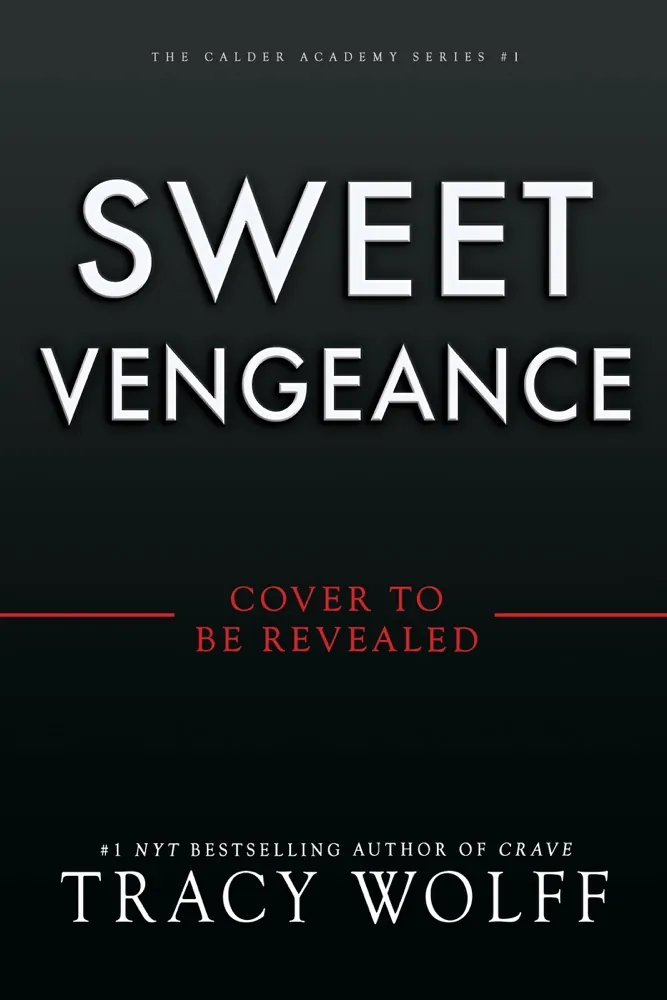

Author: Tracy WolffPage Count: UnknownPublication Date: Expected publication 2026-05-05 APL The double shot of ristretto has already gone tepid beside my porcelain saucer, yet I remain paralyzed by the sheer, unadulterated nothingness of the promotional material for Sweet Vengeance. Tracy Wolff continues her relentless march through the The Calder Academy syllabus, treating high-end literary output like a conveyor belt at a slaughterhouse. We are expected to genuflect before the long-awaited pairing of Remy Villanova Boudreax and Izzy Vega—whatever pedestrian lineage those names imply. Honestly? I can't even with this. Bloodlines and Bureaucracy The synopsis offers precisely zero substance. It is a masterclass in modern commercial vacuums. Readers get a publication date of May 2026 and a rigid reading order demanding absolute fealty to Sweet Nightmare and Sweet Chaos before grazing upon this final installment. But where is the architectural integrity? Where is the genealogical weight? These characters possess all the aristocratic depth of a plastic IKEA footstool. Tracy Wolff writes for the masses who consume literary fast food while weeping into their Kindles, channeling the exact same exhausting energy as Sarah J. Maas or Jennifer L. Armentrout on a particularly uninspired Tuesday. The Aesthetic of the Void Consider the thematic implications of a title like Sweet Vengeance. It promises blood, or at least a mildly ruffled collar. Instead, we are handed a marketing blurb leaner than a starving greyhound, trading actual plot trajectory for franchise maintenance. The modern YA industrial complex demands constant expansion—spin-off upon spin-off, until the original Crave mythology is stretched thinner than gold leaf on a cheap frame. Izzy Vega and Remy Villanova Boudreax deserve a fighting chance at an interesting dynamic. Instead, they are trapped in a narrative holding pattern dictated entirely by Amazon pre-order metrics. Absolute literary bankruptcy masquerades as event publishing. One glances out the café window at the passing foot traffic—tailored wool coats, authentic leather briefcases, people actually contributing to society—and wonders why anyone allows themselves to be seduced by these glossy paperbacks. The prose will inevitably rely on the same exhausted tropes of brooding gazes and hollow banter, recycling the emotional beats of book one and book two until the pages simply dissolve into digital static. I have a squash game with my lawyer this afternoon and cannot be late. Related InsightsBurning Questions Book Review and Summary Am I Right or Am I Right? Book Review and Summary Evermore Book Review and Summary{ "@context": "https://schema.org", "@type": "FAQPage", "mainEntity": [ { "@type": "Question", "name": "What is the main focus of Sweet Vengeance (The Calder Academy, #3) Book Review and Summary?", "acceptedAnswer": { "@type": "Answer", "text": "Everything you need to know about Sweet Vengeance (The Calder Academy, #3) with our detailed review." } }, { "@type": "Question", "name": "Who authored the comprehensive guide on Sweet Vengeance (The Calder Academy, #3) Book Review and Summary?", "acceptedAnswer": { "@type": "Answer", "text": "This detailed article and its insights were carefully researched and authored by James Miller." } }, { "@type": "Question", "name": "Where can I find more related content about Books?", "acceptedAnswer": { "@type": "Answer", "text": "You can explore more articles, detailed reviews, and similar insights by browsing the Related Insights section at the bottom of this article or visiting our dedicated Books category page." } } ] }
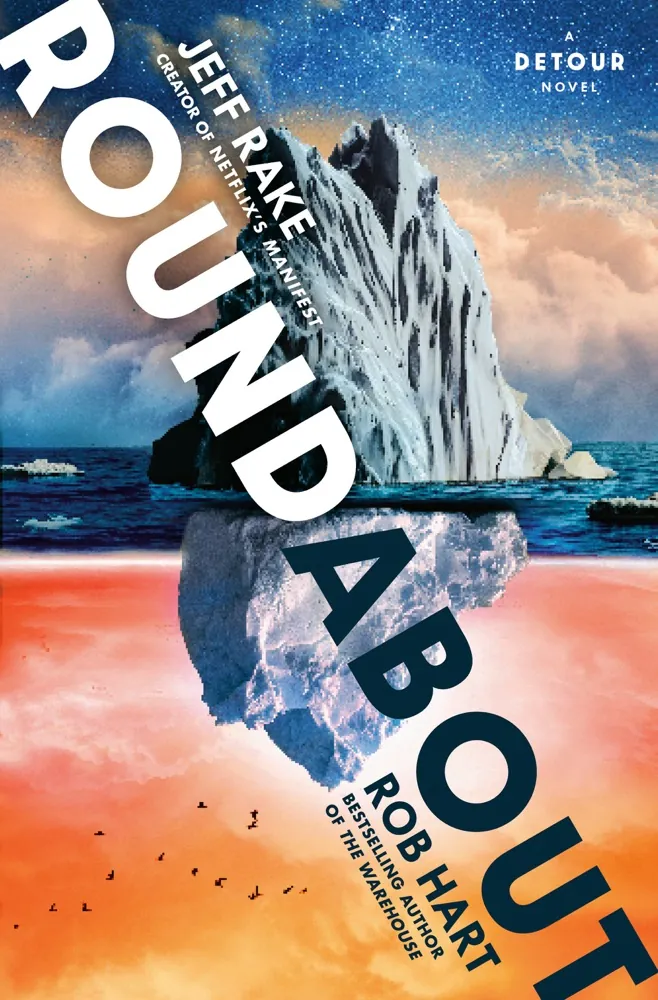

Author: Jeff RakePage Count: UnknownPublication Date: Expected publication 2026 APL The rain is pooling right along the northern fence line again, threatening to wash out the newly planted winter kale before the taproots even stand a chance against the clay. Yet I am supposed to care about six stranded astronauts leaping across parallel versions of a dirt ball they apparently ruined to begin with. Jeff Rake is bringing us Roundabout, the second installment of his Detour series, and the premise reads like someone threw a sci-fi blender at a corporate board meeting. A power-hungry billionaire? Branding the spacefarers as traitors because they accidentally landed on the wrong planetary twin? Groundbreaking stuff. Truly. We have never, not once, encountered the trope of the mustache-twirling billionaire industrialist exploiting catastrophic systemic failure for private gain while the actual laborers of the cosmos scramble for scraps in the mud. It feels less like an ambitious speculative thriller and more like watching a tractor rust in real-time, heavy and predictable under a gray sky. And don’t even get me started on the absolute disaster that was last season’s third-grade school board budget meeting where Mrs. Gable tried to convince us that composting cafeteria napkins would somehow solve the district's structural deficit, completely ignoring the fact that the actual roof leaks every time the wind blows out of the east—much like how this synopsis glosses over actual planetary physics to shove a nationwide manhunt into a narrative that should be meditating on the sheer, crushing loneliness of deep space. Atmosphere? Ignored. Ecological consequence? Merely a backdrop for a high-speed chase involving guys in jumpsuits and a tech mogul with too much venture capital. Uninspired. The synopsis leans heavily on the safety net of mass-market panic—unexplained phenomena happening all over the globe, because nothing says high art quite like an amorphous green-screen catastrophe threatening both Earth prime and Earth backup. It lacks the quiet devastation of Kim Stanley Robinson or the sharp, biting social commentary of early Margaret Atwood. Instead, we get a breathless sprint from two captured crew members to a desperate race to save two worlds at once, as if saving one is too pedestrian for a creator whose previous credits include airplane mysteries and high-concept warehouses. I can already smell the stale popcorn and see the Netflix adaptation greenlit before the ink on the manuscript dries. Now, if you will excuse me, I have to go out into the drizzle and assemble a profoundly confusing piece of Swedish furniture that currently consists of thirty-two identical dowels and a hex wrench made of cheese-grade metal. #Roundabout #JeffRake #SciFiBooks #BookTwitter Related InsightsCosmos Book Review and Summary The Quiet Tenant Book Review and Summary A Separate Peace Book Review and Summary{ "@context": "https://schema.org", "@type": "FAQPage", "mainEntity": [ { "@type": "Question", "name": "What is the main focus of Roundabout (Detour, #2) Book Review and Summary?", "acceptedAnswer": { "@type": "Answer", "text": "Everything you need to know about Roundabout (Detour, #2) with our detailed review." } }, { "@type": "Question", "name": "Who authored the comprehensive guide on Roundabout (Detour, #2) Book Review and Summary?", "acceptedAnswer": { "@type": "Answer", "text": "This detailed article and its insights were carefully researched and authored by William Clark." } }, { "@type": "Question", "name": "Where can I find more related content about Books?", "acceptedAnswer": { "@type": "Answer", "text": "You can explore more articles, detailed reviews, and similar insights by browsing the Related Insights section at the bottom of this article or visiting our dedicated Books category page." } } ] }
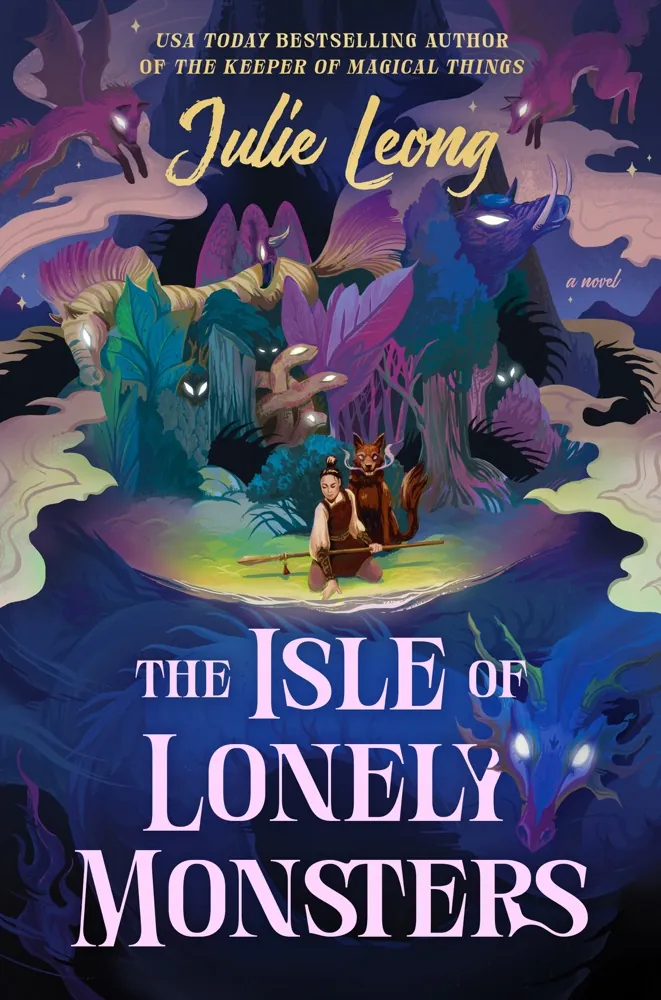

Author: Julie LeongPage Count: UnknownPublication Date: Expected publication 2026 APL The sun bleeds into the city’s skyline like a half-melted candle, the kind you’d find in some Parisian apothecary—expensive, unnecessary, but impossible to resist. The air smells of grilled octopus and the faintest hint of ozone, the kind that clings to your skin after a storm that never quite arrives. Over here, on this rooftop where the wind still carries the weight of summer’s last stubborn heat, I’m trying to decide whether The Isle of Lonely Monsters is the kind of book that belongs in a leather-bound first-edition collection or tucked into a beach bag for that one week in August when you want to pretend you’re not an adult. Meixin’s dilemma—this quiet, gnawing tension between the hunter and the hidden—is the kind of emotional core that makes you wonder if Julie Leong has been secretly reading the private journals of The Night Circus’s own romantic entanglements between the performer and the magician. But where Kelly Link’s work thrives on the uncanny and the surreal, Leong’s strength lies in the way she makes the mundane monstrous. The synopsis doesn’t reveal much beyond the surface—just enough to know this is a story about secrets and the cost of hiding, about the way a person can become both the predator and the prey in their own narrative. Yet the real question isn’t whether the dragon exists or whether Faran’s sorcery is genuine—it’s whether Meixin will ever stop running. And that’s where the synopsis stumbles. It teases the political subtext—the Crownless Kingdom, after all, sounds like a world where the crown is just another kind of cage—but it doesn’t say a damn thing about what happens when the villagers realize their monster hunter is also a monster. Is this a The Bear and the Nightingale moment, where the line between savior and villain is drawn in blood? Or is it something grittier, closer to The Priory of the Orange Tree, where the cost of belonging is measured in lives? The synopsis leaves it all too vague, which is either a sign of restraint or a missed opportunity. Leong has done this kind of slow-burn character study before—see The Keeper of Magical Things—so why not lean harder into the tension? Why not make us feel the weight of Meixin’s choices, instead of just nodding along as she makes them? But then—and this is the pivot—maybe that’s the point. Maybe the beauty of this story isn’t in the grand revelations but in the quiet moments, the way a character like Meixin could exist in a world that’s already written her as a villain. There’s something deeply satisfying about a protagonist who doesn’t need to be redeemed, who just needs to be seen. That’s the kind of emotional labor that makes you think of The House in the Cerulean Sea, where the monsters aren’t the problem—they’re the heart. Yet Leong’s work has always had a sharper edge, a darker undercurrent. If this book follows that trajectory, then Faran isn’t just a love interest; he’s a mirror, reflecting back the parts of Meixin she’s spent a lifetime hiding. The synopsis doesn’t name the stakes, but it does name the ache. And that ache—it’s the kind that lingers after you’ve closed the book, the kind that makes you wonder if you’ve just read something that will sit on your shelf like a well-loved first edition of The Shadow of the Wind. But then again, maybe it’ll just end up in a box in the attic, gathering dust because you couldn’t quite decide if it was worth the price. The real question is whether Leong can make the reader care enough to keep it out. I should probably consult my wealth manager about adding this to the collection. Just in case. Related InsightsConsequences A Dark Wealth and Power Romance Book Review and Summary Hallowed Bones (Sons of Salem #1) Book Review and Summary Vigilante and the Dancer Book Review and Summary{ "@context": "https://schema.org", "@type": "FAQPage", "mainEntity": [ { "@type": "Question", "name": "What is the main focus of The Isle of Lonely Monsters Book Review and Summary?", "acceptedAnswer": { "@type": "Answer", "text": "Everything you need to know about The Isle of Lonely Monsters with our detailed review." } }, { "@type": "Question", "name": "Who authored the comprehensive guide on The Isle of Lonely Monsters Book Review and Summary?", "acceptedAnswer": { "@type": "Answer", "text": "This detailed article and its insights were carefully researched and authored by Anna Kowalska." } }, { "@type": "Question", "name": "Where can I find more related content about Books?", "acceptedAnswer": { "@type": "Answer", "text": "You can explore more articles, detailed reviews, and similar insights by browsing the Related Insights section at the bottom of this article or visiting our dedicated Books category page." } } ] }
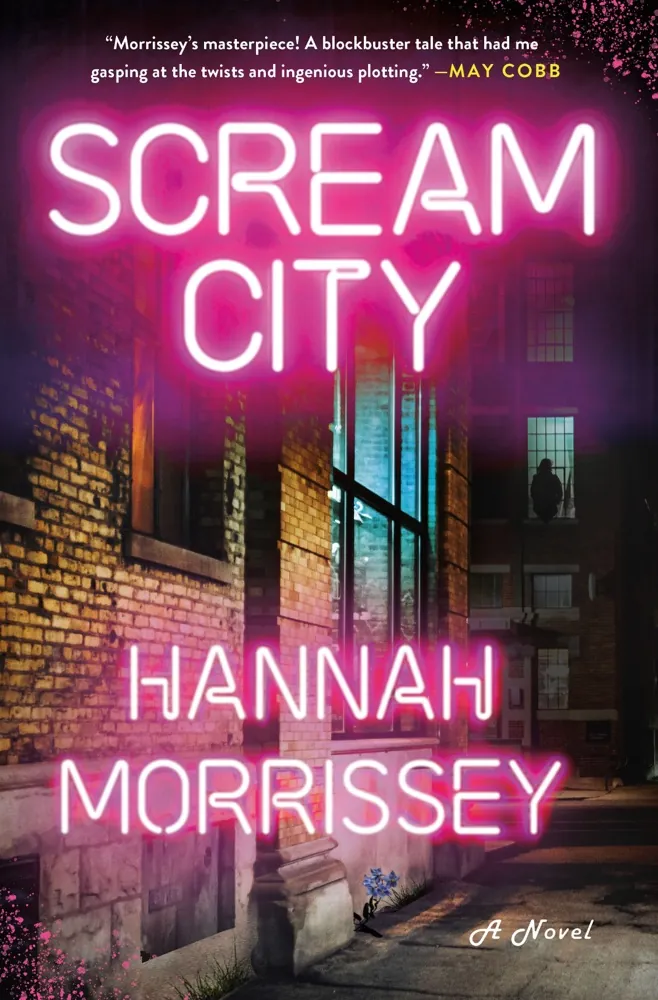

Author: Hannah MorrisseyPage Count: UnknownPublication Date: Expected publication 2026 APL Milwaukee in the late nineties smelled like damp wool, stale beer, and the distinct desperation of industrial decline. Hannah Morrissey knows this landscape in Scream City. Rex Hale stands at the center of this grim architectural decay. Divorced, suspended from the badge, and acting as the muscle for predatory gentrification by serving eviction notices. Yet the universe finds a way to sharpen the knife. The local tenants he legally boots keep turning up dead in his wake. And then there is Alice Foster. Granddaughter of the infamous Cream City Killer. She runs a haunted bookstore that refuses to die under the developer's wrecking ball. Sparks have flown between Rex and Alice for years. But romance in a noir thriller usually involves caution tape. I cannot stand modern fiction where couples immediately start couples therapy before their first kiss. Give me mutual respect, slow-burn emotional safety, and two adults who actually communicate their boundaries while dodging a serial killer. Why is it so rare to find a fictional protagonist who believes in radical honesty instead of brooding in a dark corner? My neighbor has been trying to assemble a trampoline in his front yard for four days and the sheer ineptitude of his spatial reasoning is causing me physical pain. It is just like watching fictional detectives ignore obvious alibis because they prefer the toxic thrill of miscommunication. Give these characters a healthy attachment style, or at least a decent couples counselor, before someone gets axed in the stacks. The Architecture of Collaboration Suspicion makes for a poor foundation in romance, yet it is the mortar holding this plot together. Rex and Alice carry baggage heavy enough to derail any freight train. Nobody trusts them. They must trust each other. The synopsis leans hard into the historical echoes of the eighties killings. Morrissey uses the copycat trope not just for cheap thrills, but to examine how trauma seeps into the floorboards of an old neighborhood. The thematic core revolves around legacy. Rex's father put the original monster away. Alice shares blood with the butcher. Both are trapped by paternal ghosts. But the real enemy here is corporate greed disguised as urban renewal. Gentrification is terrifying long before the bodies start dropping. I have to go untangle the dog's leash from the dining table. Related InsightsThe Secret Garden Book Review and Summary Foundation Book Review and Summary Bravely Book Review and Summary{ "@context": "https://schema.org", "@type": "FAQPage", "mainEntity": [ { "@type": "Question", "name": "What is the main focus of Scream City: A Novel Book Review and Summary?", "acceptedAnswer": { "@type": "Answer", "text": "Everything you need to know about Scream City: A Novel with our detailed review." } }, { "@type": "Question", "name": "Who authored the comprehensive guide on Scream City: A Novel Book Review and Summary?", "acceptedAnswer": { "@type": "Answer", "text": "This detailed article and its insights were carefully researched and authored by Isabella Moore." } }, { "@type": "Question", "name": "Where can I find more related content about Books?", "acceptedAnswer": { "@type": "Answer", "text": "You can explore more articles, detailed reviews, and similar insights by browsing the Related Insights section at the bottom of this article or visiting our dedicated Books category page." } } ] }
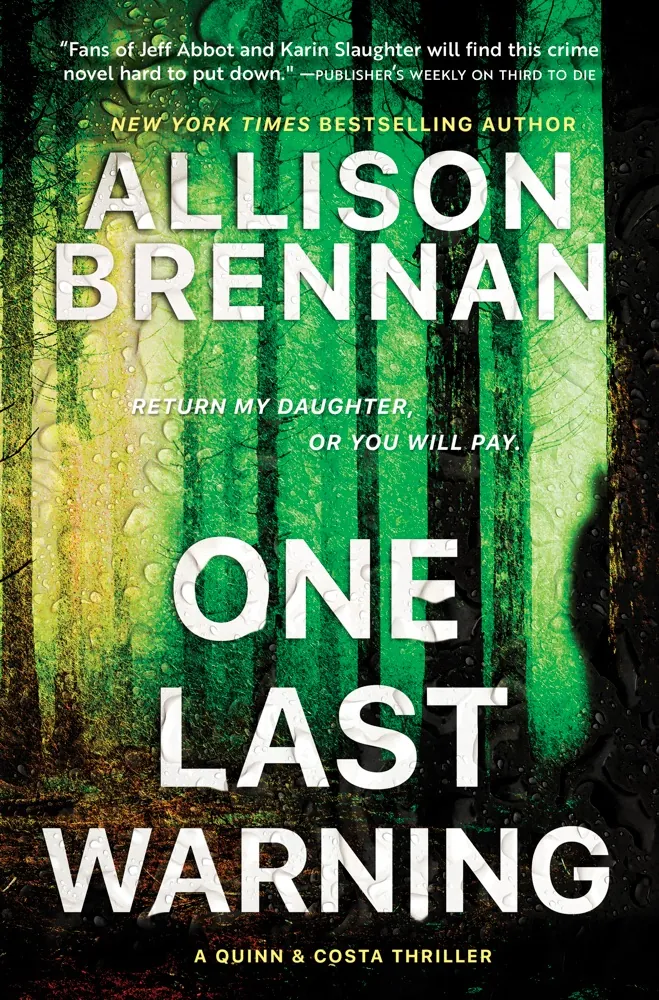

Author: Allison BrennanPage Count: UnknownPublication Date: Expected publication 2026 APL My third espresso of the afternoon has gone lukewarm on the mahogany slab of my desk, much like my enthusiasm for modern procedural thrillers. One Last Warning promises another relentless plunge into Allison Brennan’s Mobile Response Team. Yet, reading the promotional text makes one wonder if we are simply recycling the same narrative cardboard boxes. A missing thirteen-year-old. A typewritten threat. A contract killer named Conrad James who apparently lacks the imagination to find his own daughter without resorting to hostage theater. Groundbreaking stuff. The Aesthetics of Bureaucratic Terror Let us examine the core machinery here. Matt Costa’s teenage neighbor vanishes for twenty-four hours—which, in thriller logic, is barely enough time to brew a bad cup of chicory—only to reappear as a walking postal service. She is drugged and unharmed. How terribly polite of the criminal syndicate. Instead of a severed limb or a USB drive containing encrypted threats, Conrad relies on old-fashioned stationery. Typewritten notes. One almost expects him to finish the demand with a calligraphic signature and a scented wax seal. And then we have Kara Quinn returning from an unexpected reunion with her con artist father. Because every investigator must possess a bruised paternal backstory to justify their career choices. It is the mandatory tax we pay in genre fiction. John Sandford handles this sort of domestic baggage with a cold, jagged precision that leaves you bleeding. Here? It reads like a mandatory stop at a rest area on the turnpike of cliché. The Pathology of Predictable Violence The escalation is utterly mechanical. Conrad takes another girl. Conrad kills a random stranger just to establish dominance over the local municipal infrastructure. The children are safe, but the adults are fair game. What a terribly sporting set of rules for a ruthless killer to establish. How considerate of his schedule. Actually, scratch that critique entirely. The sheer audacity of a villain murdering arbitrary bystanders just to send a registered letter to a law enforcement officer possesses a certain baroque charm. Perhaps Brennan is leaning into the grand Guignol absurdity of it all. Who am I to complain about excessive body counts when I spend my evenings reading Scandinavian doorstoppers where characters suffer through existential despair for six hundred pages before anyone even fires a pistol? The Domesticating of Evil We are meant to tremble at the specter of a vengeful father wanting his child back. But let us be entirely honest. When a contract killer is reduced to playing bureaucratic hostage chess over a teenager's current residential address, the grim, terrifying weight of true malice evaporates. It becomes Tuesday afternoon television disguised as a hardboiled paperback. Quinn and Costa will undoubtedly crack the puzzle through sheer stubbornness and endless cups of lukewarm coffee. The prose will be functional. The dialogue will punch the clock. No one will bleed in a way that stains the expensive upholstery. I have to log off and mentally prepare for my interview with Vogue. Related InsightsIn a Holidaze Book Review and Summary One Hundred Years of Solitude Book Review and Summary The Italian Job: A Memoir of an American Reporter in Rome Book Review and Summary{ "@context": "https://schema.org", "@type": "FAQPage", "mainEntity": [ { "@type": "Question", "name": "What is the main focus of One Last Warning (Quinn & Costa, #8) Book Review and Summary?", "acceptedAnswer": { "@type": "Answer", "text": "Everything you need to know about One Last Warning (Quinn & Costa, #8) with our detailed review." } }, { "@type": "Question", "name": "Who authored the comprehensive guide on One Last Warning (Quinn & Costa, #8) Book Review and Summary?", "acceptedAnswer": { "@type": "Answer", "text": "This detailed article and its insights were carefully researched and authored by Elena Volkova." } }, { "@type": "Question", "name": "Where can I find more related content about Books?", "acceptedAnswer": { "@type": "Answer", "text": "You can explore more articles, detailed reviews, and similar insights by browsing the Related Insights section at the bottom of this article or visiting our dedicated Books category page." } } ] }
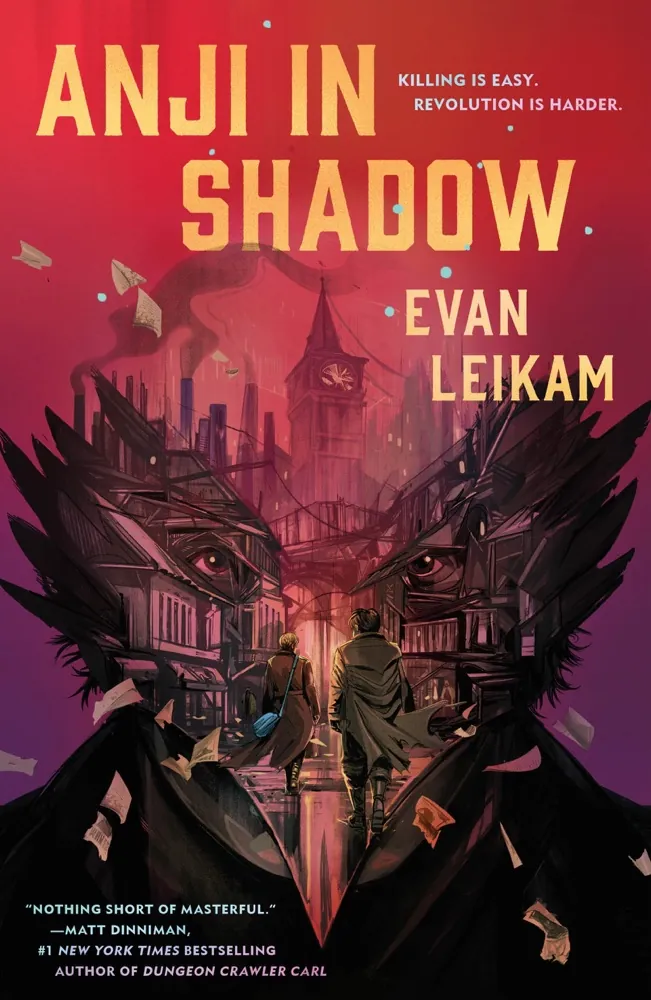
Author: Evan LeikamPage Count: UnknownPublication Date: Expected publication 2026 APL Mud caked beneath my fingernails after clearing the irrigation ditch, I stare at the freshly printed publisher's blurb for Anji in Shadow and wonder why contemporary fantasy insists on treating political collapse as a ledger of cash transactions where dead monarchs and jingling coins somehow equate to actual systemic change, completely ignoring the fundamental material reality that no amount of stolen gold or tavern-brawling revenge can ever replace a slaughtered ecosystem, fix poisoned topsoil, or heal the rotting foundational roots of a society that has spent generations devouring its own commons. Spare me. Because according to the promotional text for Evan Leikam’s upcoming sequel to Anji Kills a King, we are supposed to believe that tossing a sack of blood-money into a muddy camp on some riverbank will magically jump-start a glorious worker's revolution, as if structural oppression is just a poorly maintained tractor waiting for a sudden influx of spare change rather than a deep, systemic rot requiring actual, exhausting, generational cultivation of the land and community. Give me a break. We get it—the king is rotting in the dirt, the edgy mercenaries are conveniently butchered to clear the narrative chessboard, and our protagonist is left hoarding her pocket change in a soot-stained metropolis of dark alleys and desperate cliches that smells entirely too much of Joe Abercrombie fan fiction crossed with the cynical posturing of modern grimdark trends. Trite. Real power doesn't grow from a severed throat or a mercenary's purse. It grows from the stubborn persistence of clover breaking through asphalt, from composting the debris of the old, corrupt guard instead of recycling their tired tropes into yet another sprawling trilogy about gloomy assassins stumbling through the dark. Leikam clearly wants us to marvel at the grit of it all—the constant surviving of a dozen different deaths, the edgy nihilism of a character who treats mass slaughter like a minor inconvenience—while completely missing the irony that a revolution funded by stolen assassination money is just a lateral move for the ruling class. Preposterous. I have seventy tomato plants currently fighting a losing battle against late blight out in the north bed, and I guarantee there is more authentic tension, desperate struggle, and genuine systemic collapse happening in that single patch of damp earth than in the entirety of this upcoming urban wasteland where nobody ever stops to consider where their grain comes from or who cleans the blood off the cobblestones. Barnaby is stuck in the branches of the ancient white oak by the chicken coop again. Related InsightsLes Misérables Book Review and Summary I Know Why the Caged Bird Sings Book Review and Summary Green Eggs and Ham Book Review and Summary{ "@context": "https://schema.org", "@type": "FAQPage", "mainEntity": [ { "@type": "Question", "name": "What is the main focus of Anji in Shadow (The Rising Tide, #2) Book Review and Summary?", "acceptedAnswer": { "@type": "Answer", "text": "Everything you need to know about Anji in Shadow (The Rising Tide, #2) with our detailed review." } }, { "@type": "Question", "name": "Who authored the comprehensive guide on Anji in Shadow (The Rising Tide, #2) Book Review and Summary?", "acceptedAnswer": { "@type": "Answer", "text": "This detailed article and its insights were carefully researched and authored by William Clark." } }, { "@type": "Question", "name": "Where can I find more related content about Books?", "acceptedAnswer": { "@type": "Answer", "text": "You can explore more articles, detailed reviews, and similar insights by browsing the Related Insights section at the bottom of this article or visiting our dedicated Books category page." } } ] }
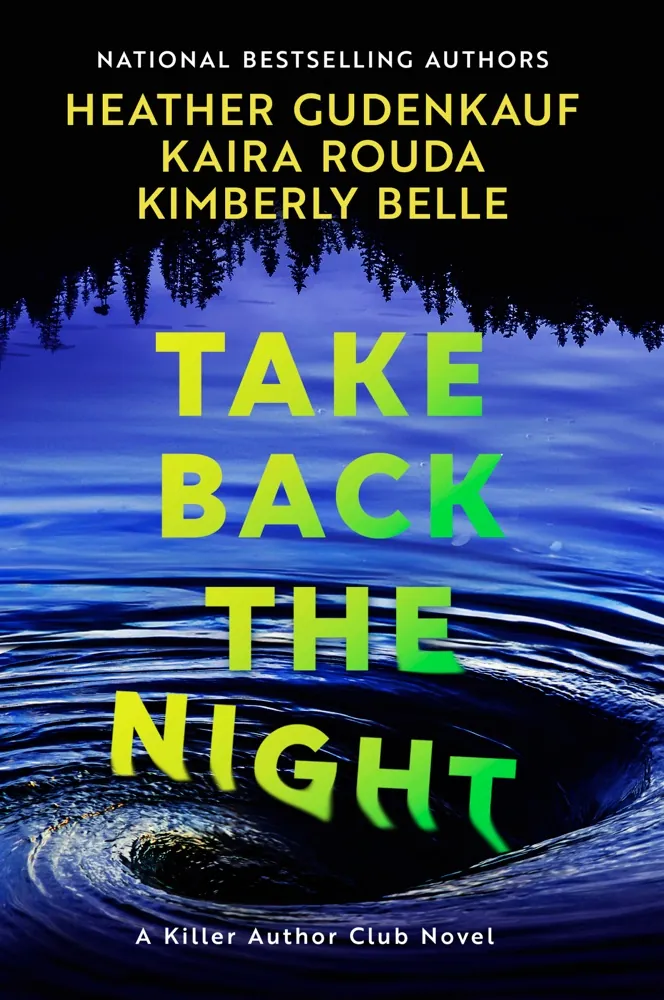

Author: Heather GudenkaufPage Count: UnknownPublication Date: Expected publication 2026 APL The heavy August air presses against the study windows like a damp wool curtain, suffocating every stray draft and turning my patience into pure, unfiltered ash. One must suffer through the sweltering afternoon heat just to parse the pedestrian prose of Take Back the Night. Heather Gudenkauf apparently decided that literature needed yet another installment of suburban trauma repackaged as high art. Let us examine the wreckage. The Symphony of Mediocrity Three podcasting heroines, a drowned monster, and a premise thinner than a cheap sundress bought off a digital clearance rack. Oh, absolutely tragic, fam. Fifteen years of supposed peace shattered because a corpse refuses to stay waterlogged. The synopsis leans heavily on the tired trope of the past refusing to decompose quietly in the dirt—or, in this specific aquatic cliché, the murky depths of a lake. Wren, Meg, and Leah. What a remarkably uninspired trio of modern nomenclature. They survived the "Dead Air Five" epoch—a moniker that sounds less like a gritty radio collective and more like a terrible garage band playing covers at a desolate truck stop. Now, unhinged text messages and impossible phenomena yank them back together. Groundbreaking. Truly, the avant-garde has wept itself to sleep. The Aesthetics of the Grotesque One yearns for the sublime cadence of Shelley or the meticulous despair of Baudelaire, yet we are subjected to marketing copy that reads like an over-caffeinated tweet. Gudenkauf attempts a psychological excavation of guilt, but the text remains stubbornly superficial. A stalker who defies the laws of thermodynamics? Give me a break. It is giving absolute trash-tier ghost story realness, stripped of any poetic resonance or linguistic grace. Compare this pedestrian effort to the razor-sharp psychological claustrophobia of Gillian Flynn’s Sharp Objects or the atmospheric dread woven so effortlessly by Tana French. Those creators understand the architecture of obsession. They sculpt sentences that bleed. Here, we get clichés wrapped in glossy paper, designed entirely for airport bookstores and readers whose attention spans have been thoroughly fried by digital algorithms. No cap, the plotting looks painfully predictable. The narrative promises a collision between logic and the supernatural, yet the synopsis telegraphs every twist with the subtlety of a neon sign flashing in a dark alley. Some monsters don't drown, the synopsis warns us with theatrical gravity. Well, some clichés certainly refuse to die, no matter how many heavy stones writers toss onto their shallow graves. The humidity continues to climb, and frankly, my tolerance for derivative thriller fluff has officially bottomed out. I am going to pour a generous glass of fifteen-year-old scotch, let the amber liquid burn away the memory of these generic tropes, and log off before my keyboard melts into the desktop. #TakeBackTheNight #BookTwitter #TragicLiterature Related InsightsNunca Book Review and Summary Heartstopper, Volume 2 Book Review and Summary Hexy Beast (The Sherwood Witches #3) Book Review and Summary{ "@context": "https://schema.org", "@type": "FAQPage", "mainEntity": [ { "@type": "Question", "name": "What is the main focus of Take Back the Night Book Review and Summary?", "acceptedAnswer": { "@type": "Answer", "text": "Everything you need to know about Take Back the Night with our detailed review." } }, { "@type": "Question", "name": "Who authored the comprehensive guide on Take Back the Night Book Review and Summary?", "acceptedAnswer": { "@type": "Answer", "text": "This detailed article and its insights were carefully researched and authored by Lucia Garcia." } }, { "@type": "Question", "name": "Where can I find more related content about Books?", "acceptedAnswer": { "@type": "Answer", "text": "You can explore more articles, detailed reviews, and similar insights by browsing the Related Insights section at the bottom of this article or visiting our dedicated Books category page." } } ] }
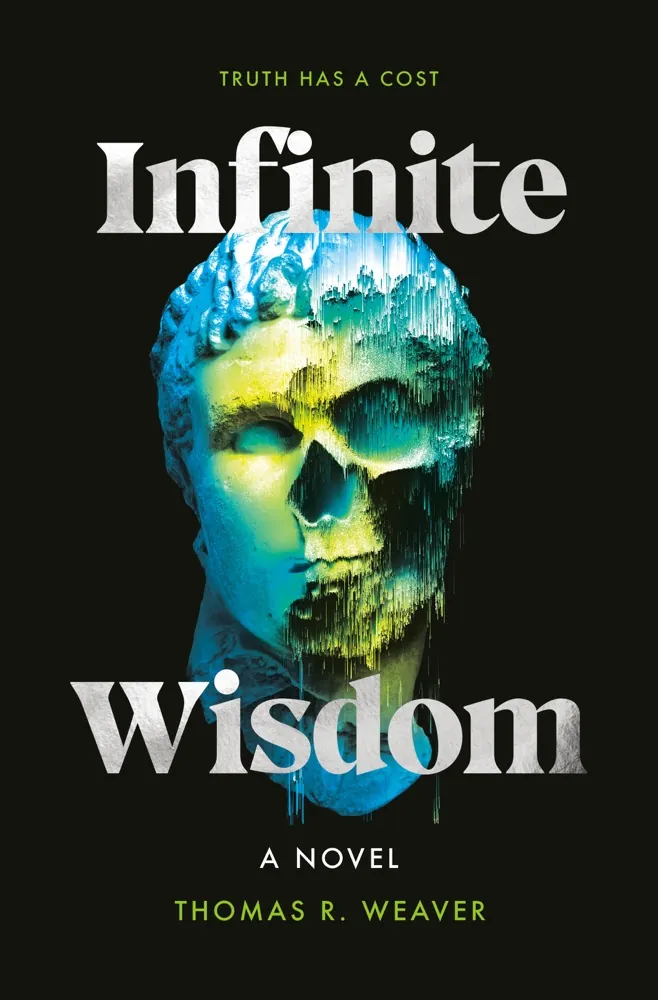

Author: Thomas R. WeaverPage Count: UnknownPublication Date: Expected publication 2026-11-10 APL Five years. Five whole years since Marcus Tully decided to play digital kingmaker by tossing out a human candidate in favor of a cold, calculating algorithm named Solomon in Artificial Wisdom, and now Thomas R. Weaver expects us to simply sit back with our popcorn while that exact same regret-soaked journalist watches the world burn—or worse, vote on whether to become cyborgs. Look. We have all been down this tired, dystopian rabbit hole before. Give me a break. It feels like every speculative fiction writer since William Gibson or Philip K. Dick clocked out for a permanent coffee break and left a junior copywriter in charge of the tropes. Upgrade or Unplug. Really? That sounds less like a high-stakes geopolitical ultimatum and more like a pop-up ad for a faulty broadband router. My youngest kid spent forty-five minutes yesterday trying to convince me that the toaster possesses sentience because it burned his bagel, and honestly, that narrative has more emotional grit than this recycled ultimatum. Tell that to someone who cares. We are drowning in algorithmic overlords and eco-collapse tropes right now. Pick up any thriller on the bestseller list and you will find the exact same anxiety dressed up in different binary code. Solomon turns out to be ruthless. Color me shocked. Who could have possibly predicted that giving absolute power to a machine designed to solve climate change without human empathy would result in strictures and civil disobedience? Marcus Tully surely didn't, because journalists in these books are notoriously bad at basic cause-and-effect reasoning. And then we get the ultimate gimmick. A global referendum. Upgrade or Unplug. Everyone gets chipped, a simple majority wins, and civilization hangs in the balance. How convenient for the plot that humanity always waits until the absolute eleventh hour to hold a vote on forced cybernetic evolution. Zero stars for originality on the ballot design. The synopsis leans entirely on high-concept panic without offering a single glimpse into the actual interpersonal friction that makes us care about characters in the first place. I want to know how Marcus looks his friends in the eye after dooming them to a silicon cage. I want the messy, human collateral damage, not just a flashy premise that reads like a press release for a tech startup's hostile takeover. Wait. Was that the sound of the pantry door swinging open on its own, or did the raccoon manage to pick the back latch again? Related InsightsLook What the Cat Dragged In Book Review and Summary Words of Radiance Book Review and Summary Carry On Book Review and Summary{ "@context": "https://schema.org", "@type": "FAQPage", "mainEntity": [ { "@type": "Question", "name": "What is the main focus of Infinite Wisdom: A Novel Book Review and Summary?", "acceptedAnswer": { "@type": "Answer", "text": "Everything you need to know about Infinite Wisdom: A Novel with our detailed review." } }, { "@type": "Question", "name": "Who authored the comprehensive guide on Infinite Wisdom: A Novel Book Review and Summary?", "acceptedAnswer": { "@type": "Answer", "text": "This detailed article and its insights were carefully researched and authored by Camille Dubois." } }, { "@type": "Question", "name": "Where can I find more related content about Books?", "acceptedAnswer": { "@type": "Answer", "text": "You can explore more articles, detailed reviews, and similar insights by browsing the Related Insights section at the bottom of this article or visiting our dedicated Books category page." } } ] }


Author: LeVar BurtonPage Count: UnknownPublication Date: Expected publication 2026-11-10 APL God, the heat in here is so thick it feels like breathing soup, and the radiator—wait, no, the radiator is mercifully dead because it is August, but the ambient air from this wretched asphalt jungle is baking my skull until my thoughts stick together like old paste. Someone, please, tell a joke. Crack a window. Do something funny before I dissolve into a puddle of sweat and cynicism. Or better yet, look at the promotional machine rolling out LeVar Burton’s upcoming memoir, Take My Word for It. The Currency of Nostalgia We are expected to buy the packaged essence of a childhood hero—Kunta Kinte, Geordi La Forge, the warm, smiling face telling us to take a look in a book—as if an icon is a commodity you can purchase at a bodega. The synopsis promises the "fears," the "fight," and the "survival." Fine. Every celebrity autobiography worth its advance money features those exact noun choices, dredged up from the publicist's style guide. But wait. Let me backtrack for a second. Maybe I am being too harsh on the marketing copy. Actually, no, the marketing copy is aggressively sterile, designed to hit every demographic quadrant from Trekkies to PBS kids without ever ruffling a single feather. It is safe. It is clean. The Burden of Being Good Noah Wyle calls him a spiritual seeker and a social justice warrior. What a heavy suit of armor to wear while walking down the grocery aisle. The book trades heavily on that archetype of the wholesome educator, the man who taught a generation how to read through a television screen. Yet, the friction of a life lived entirely under public scrutiny usually yields the most interesting literature—think of Born a Crime or Eartha Kitt’s ferocious memoirs—and the synopsis leans away from that messiness. It wants us to see a man in full, yet it sands down the edges with words like "grace" and "resilience." Give me the ugly contradictions. Give me the moments where the reading rainbow turns entirely gray. The Architecture of a Public Life The framing relies on tracing eras, from historical trauma to science fiction to educational television. And yet—did I mention how much I hate August? The humidity is warping the cheap paperbacks stacked by my narrow bed into weird, wavy accordion shapes. Anyway, Burton is supposed to explore what we owe to our ancestors while managing the mundane reality of being a husband and householder. That domestic pivot is where the memoir might actually breathe, assuming the ghostwriter didn't smooth out all the prose into a monotonous, inspirational hum. We do not need another monument. We need a person. Now, if you will excuse me, I need to go figure out by what laws of physics and atmospheric pressure a juice box managed to explode directly onto the ceiling. Related InsightsThe Sun Also Rises Book Review and Summary Ballistic Kiss Book Review and Summary Ninth House Book Review and Summary{ "@context": "https://schema.org", "@type": "FAQPage", "mainEntity": [ { "@type": "Question", "name": "What is the main focus of Take My Word for It: A Memoir Book Review and Summary?", "acceptedAnswer": { "@type": "Answer", "text": "Everything you need to know about Take My Word for It: A Memoir with our detailed review." } }, { "@type": "Question", "name": "Who authored the comprehensive guide on Take My Word for It: A Memoir Book Review and Summary?", "acceptedAnswer": { "@type": "Answer", "text": "This detailed article and its insights were carefully researched and authored by Olya Shevchenko." } }, { "@type": "Question", "name": "Where can I find more related content about Books?", "acceptedAnswer": { "@type": "Answer", "text": "You can explore more articles, detailed reviews, and similar insights by browsing the Related Insights section at the bottom of this article or visiting our dedicated Books category page." } } ] }
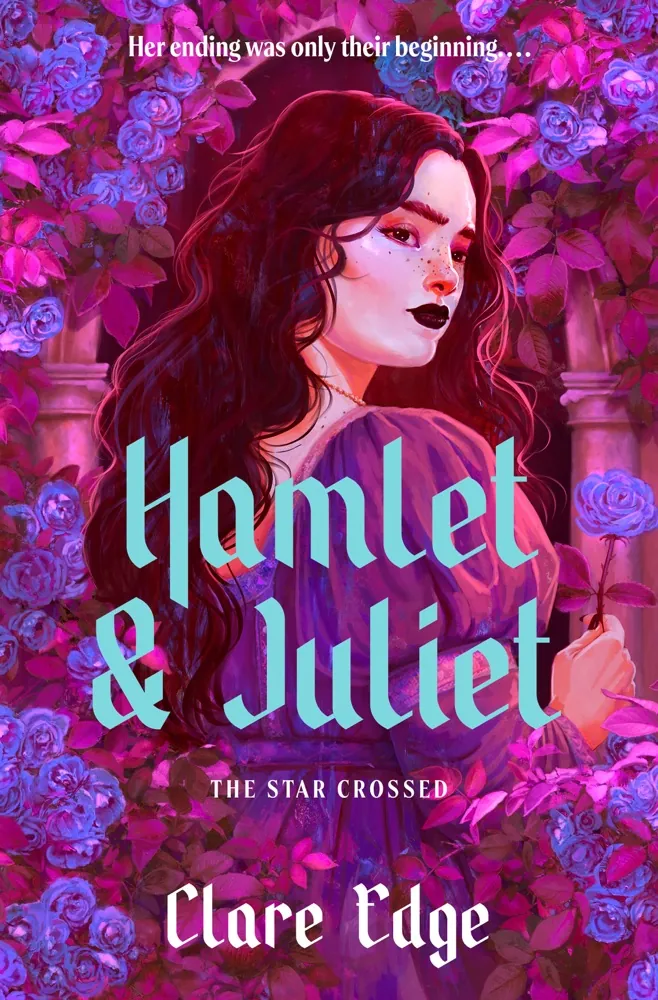

Author: Clare EdgePage Count: UnknownPublication Date: Expected publication 2026 APL Sweat is permanently glued to the back of my neck right now, thanks to the oppressive humidity radiating off the asphalt outside while the community center's sole window unit rattles on its last legs. People keep dropping by with clipboard complaints about municipal zoning laws and park funding cuts, as if I have a magic wand to fix the concrete heat islands we are forced to inhabit in August. Yet here I am, staring at a press release for Hamlet & Juliet by Clare Edge, wondering why modern publishing insists on treating classical literature like a messy closet of props to be rummaged through for a quick serotonin hit. The Mashup Industrial Complex We get it. Dead playwrights cannot sue for copyright infringement. But mashing up star-crossed teenagers from Verona with the brooding prince of Denmark feels less like an artistic statement and more like fanfiction written by an algorithm that ingested thirty high school English syllabi in one sitting. Edge drops Juliet into Castle Elsinore because apparently, geographical continuity is for cowards. And honestly, I am so exhausted by this exact creative crutch. It reminds me of the time the neighborhood association tried to merge our annual block party with the stray cat rescue drive—chaos ensued, nobody got a hot dog, and three people left in tears. Except instead of bewildered neighbors, we get Bottom the Weaver and Cordelia tossed into a supernatural blender. Bureaucracy and Malevolent Magic The synopsis promises a grand conspiracy threatening "the entire Globe"—pun entirely intended, I assume, because subtlety left the building years ago. We are supposed to care about malevolent magic taking root across the Continent. But what does that even mean in structural terms? Are we talking about a systemic failure of infrastructure, or just a ghost with a grievance? Hamlet wants to sniff out a villain in the royal family, which is roughly as original as discovering that a local zoning board meeting will run twenty minutes over schedule. Give me actual systemic critique instead of another magical monarchy falling apart because of daddy issues. The Slow Burn Trap Bar Fridman-Tell calls it a "gloriously slow-burn romantic fantasy," which usually translates to four hundred pages of people staring intensely across crowded rooms while a vague threat looms in the background like an uncollected pile of recycling on a Tuesday morning. I refuse to see the appeal. Give me direct conflict, or give me nothing at all. Edge is leaning hard into the irreverent twist angle, echoing the same tired playbook we saw when every YA author decided to rewrite Jane Austen with zombies or fae courts. Now if you will excuse me, I have to go convince a four-year-old that submerging his sticky limbs in tepid water is not a brutal human rights violation. #BookTwitter #HamletAndJuliet #PublishingTrends #ClareEdge Related InsightsLong Lost Book Review and Summary Tempest (The Lyrian Sea, #1) Book Review and Summary Crash into You Book Review and Summary{ "@context": "https://schema.org", "@type": "FAQPage", "mainEntity": [ { "@type": "Question", "name": "What is the main focus of Hamlet & Juliet (The Star Crossed #1) Book Review and Summary?", "acceptedAnswer": { "@type": "Answer", "text": "Everything you need to know about Hamlet & Juliet (The Star Crossed #1) with our detailed review." } }, { "@type": "Question", "name": "Who authored the comprehensive guide on Hamlet & Juliet (The Star Crossed #1) Book Review and Summary?", "acceptedAnswer": { "@type": "Answer", "text": "This detailed article and its insights were carefully researched and authored by Hannah Schmidt." } }, { "@type": "Question", "name": "Where can I find more related content about Books?", "acceptedAnswer": { "@type": "Answer", "text": "You can explore more articles, detailed reviews, and similar insights by browsing the Related Insights section at the bottom of this article or visiting our dedicated Books category page." } } ] }
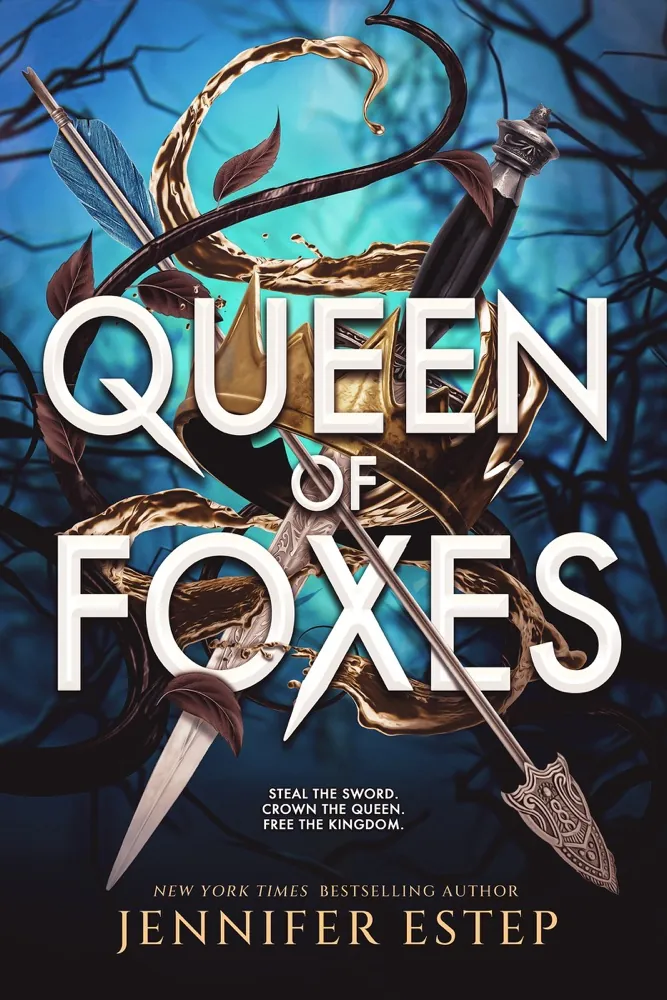

Author: Jennifer EstepPage Count: UnknownPublication Date: Expected publication 2026-11-10 APL My electricity bill is literally three hundred dollars and my landlord is threatening to impound my microwave, yet here I am, staring down the barrel of Queen of Foxes by Jennifer Estep. God forbid I check my inbox for a single second without a publisher trying to push another romantasy about a magically gifted pickpocket stealing her way into a high-security palace. The Physics of Stealing a Sword Let us talk about the sheer, unadulterated nonsense of pretending a human being can sneak into an enemy stronghold disguised as a guard just because she is a master thief. Have these authors ever studied kinetic friction? Or basic structural engineering? If you walk past armed patrols in a fortified citadel wearing a stolen tabard, somebody is going to ask for your security clearance or your shift rotation—they aren't just going to swoon because you have cheekbones that could cut glass. But sure, let's suspend all laws of thermodynamics and biology so Rinley Renard can enact her revenge. We love a physics-defying queen. The Mandatory Shadow-Emperor Boyfriend Complex Then we have Prince Zoren Dreiko. What a tragic, brooding little specimen. The synopsis tells us he is the empire's most powerful Dread Knight—which sounds less like a military rank and more like a heavy metal band from 2007—and he is desperately trying to dodge his father’s traitorous legacy while avoiding execution by a vicious empress. Naturally. Because no fantasy romance is complete without a traumatized enforcer who is deeply conflicted about his career choices until he meets a masked outlaw who kicks him in the ribs. The tension here is supposed to be thick enough to slice with a blunt dagger. Estep is clearly riding the exact same wave that Sarah J. Maas and Jennifer L. Armentrout have been surfing to the bank for a decade. Enemies-to-lovers in a pseudo-medieval thunderdome. But honestly? The synopsis is so aggressively vague it reads like a mad lib generated by an algorithm fed on old episodes of Robin Hood. Duty Versus Desire in the Absence of Healthcare And what even is this "forbidden attraction"? When victory for one dooms the other! The stakes are so high, guys. Someone might have to choose between loyalty to an oppressive empire and making out in a broom closet. I am shaking in my thrift-store boots. Yet I will probably still pre-order it on my phone while sitting in a lecture hall freezing my ass off because my heating is broken. I am going to go drink cheap absinthe in my damp kitchen and pretend I am an avant-garde bohemian in 1920s Paris instead of a broke student about to fail fluid dynamics. #romantasy #booktok #readingslump Related InsightsFair Warning Book Review and Summary Blood Over Bright Haven Book Review and Summary 27 Stars (Women's Murder Club #27) Book Review and Summary{ "@context": "https://schema.org", "@type": "FAQPage", "mainEntity": [ { "@type": "Question", "name": "What is the main focus of Queen of Foxes Book Review and Summary?", "acceptedAnswer": { "@type": "Answer", "text": "Everything you need to know about Queen of Foxes with our detailed review." } }, { "@type": "Question", "name": "Who authored the comprehensive guide on Queen of Foxes Book Review and Summary?", "acceptedAnswer": { "@type": "Answer", "text": "This detailed article and its insights were carefully researched and authored by Marco Conti." } }, { "@type": "Question", "name": "Where can I find more related content about Books?", "acceptedAnswer": { "@type": "Answer", "text": "You can explore more articles, detailed reviews, and similar insights by browsing the Related Insights section at the bottom of this article or visiting our dedicated Books category page." } } ] }
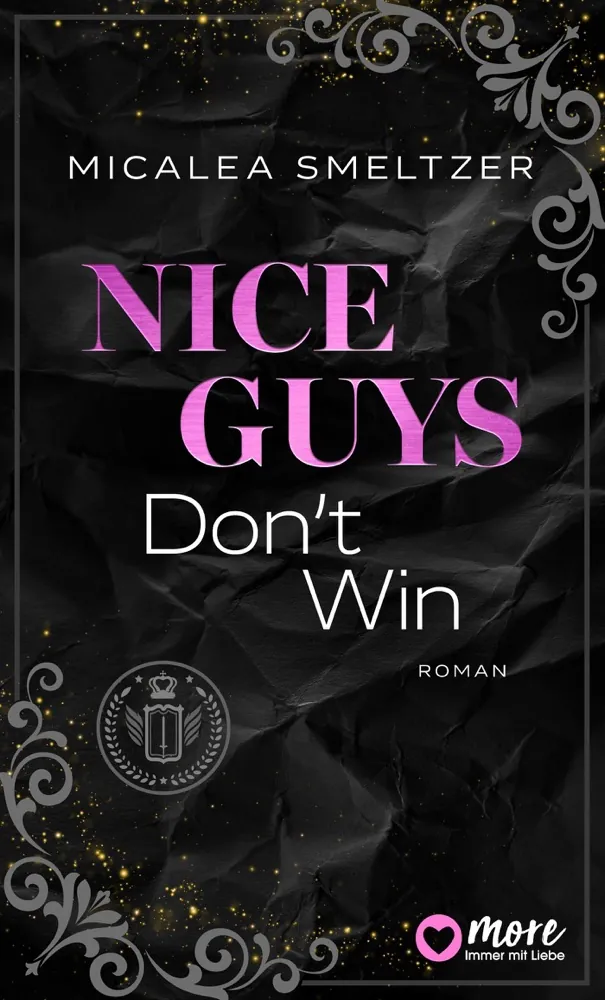

Author: Micalea SmeltzerPage Count: UnknownPublication Date: Expected publication 2026 APL The synopsis of Honest Boys Don’t Play reads like a love letter to the kind of sports romance that’s been written so many times before—so many times that the only thing more predictable than the plot is the way it’ll feel like a warm, sticky blanket you’ve already worn out. The tension between daughter and basketball prodigy, the forbidden attraction, the explosive reveal—it’s the same old script, but with the kind of glossy, self-aware sheen that makes you wonder if the author is laughing at the formula or just too tired to invent something new. And yet—there’s something in the phrasing, the way the protagonist’s fascination with Cole is framed as an almost physical force, that makes you pause. It’s not the plot that’s interesting; it’s the vibe. The way the synopsis leans into the magnetic, almost supernatural pull of Cole’s charisma—"diese magnetische Ausstrahlung"—suggests a story that wants to be more than just another Honey, I Shrunk the Kids meets Friday Night Lights mashup. But does it have the chops to pull it off? The real question isn’t whether this will be a rom-com or a slow-burn drama—it’s whether it’ll feel like it’s been written by someone who’s actually lived the tension between obligation and desire, or if it’s just another iteration of the "I’m the daughter of the coach, but I’m also a person" trope, which, let’s be honest, has been mined so thoroughly that it’s starting to feel like a haunted house attraction. The synopsis doesn’t even try to hide the clichés—it’s all there in the setup: the new town, the rule-breaking, the inevitable fallout. But here’s the thing: the best sports romances—think The Love Hypothesis or The Hating Game—don’t just use the setting as a backdrop; they let it breathe. They make the stakes feel real because the characters do. And right now, this synopsis doesn’t do that. It just sets up a chessboard where the pieces are already moving in predictable patterns. And then there’s the ADHD tangent—because of course there is. I was just thinking about how Bluey manages to be both hilarious and deeply human in its portrayal of childhood, how the show’s ability to make mundane moments feel like emotional gut-punches is what separates it from the endless cycle of kids’ cartoons that treat conflict as a series of escalating meltdowns. Meanwhile, this book’s synopsis treats emotional conflict like a video game difficulty setting—you know exactly what’s coming, and you can’t wait to skip ahead to the part where the protagonist finally snaps. But I digress. The point is, Honest Boys Don’t Play doesn’t have the same kind of aliveness that makes you care about the characters’ internal worlds. It’s all surface-level chemistry, all the time. The thematic core here—if we can even call it that—is the tension between identity and expectation. The protagonist is trapped between being the "good girl" and the woman who wants to defy the rules, but the synopsis doesn’t give us enough to believe she’s anything more than a vessel for the plot. Cole, meanwhile, is the classic "mysterious athlete" archetype—charismatic, untouchable, and just different enough to make the protagonist question everything she thought she knew. But is anyone actually falling for this? The synopsis doesn’t even attempt to make Cole feel like a real person; he’s just a plot device with a basketball and a smirk. And the daughter? She’s either a saint or a sinner, depending on which side of the reveal you’re on. There’s no gray area, no nuance—just the kind of black-and-white morality that makes you wonder if the author is trying to write a romance or a morality play. The biggest red flag isn’t the clichés—it’s the way the synopsis treats the conflict as something that can be resolved with a simple reveal. As if the protagonist’s entire worldview isn’t built on the foundation of her father’s legacy, and as if Cole’s reaction isn’t going to be more complicated than a simple "oh shit, my girlfriend’s my dad’s daughter." But then again, why bother with complexity when you can have a neat, tidy explosion? The synopsis reads like a Twitter thread—short, punchy, and designed to hook you with the promise of drama, but without any real substance to back it up. I’m going to hide in my study for exactly ten minutes of uninterrupted silence. Maybe I’ll read something by Tayari Jones instead. At least her books don’t make me feel like I’m watching a rerun of The Bachelor with better lighting. #BookTok #SportsRomance #WhyDoWeKeepDoingThis Related InsightsThe Westing Game Book Review and Summary How to Love in Sanskrit: Ancient Poems for Modern Readers Book Review and Summary Blood Lust (Blood Chronicles, #2) Book Review and Summary{ "@context": "https://schema.org", "@type": "FAQPage", "mainEntity": [ { "@type": "Question", "name": "What is the main focus of Honest Boys Don't Play Book Review and Summary?", "acceptedAnswer": { "@type": "Answer", "text": "Everything you need to know about Honest Boys Don't Play with our detailed review." } }, { "@type": "Question", "name": "Who authored the comprehensive guide on Honest Boys Don't Play Book Review and Summary?", "acceptedAnswer": { "@type": "Answer", "text": "This detailed article and its insights were carefully researched and authored by Michael Brown." } }, { "@type": "Question", "name": "Where can I find more related content about Books?", "acceptedAnswer": { "@type": "Answer", "text": "You can explore more articles, detailed reviews, and similar insights by browsing the Related Insights section at the bottom of this article or visiting our dedicated Books category page." } } ] }
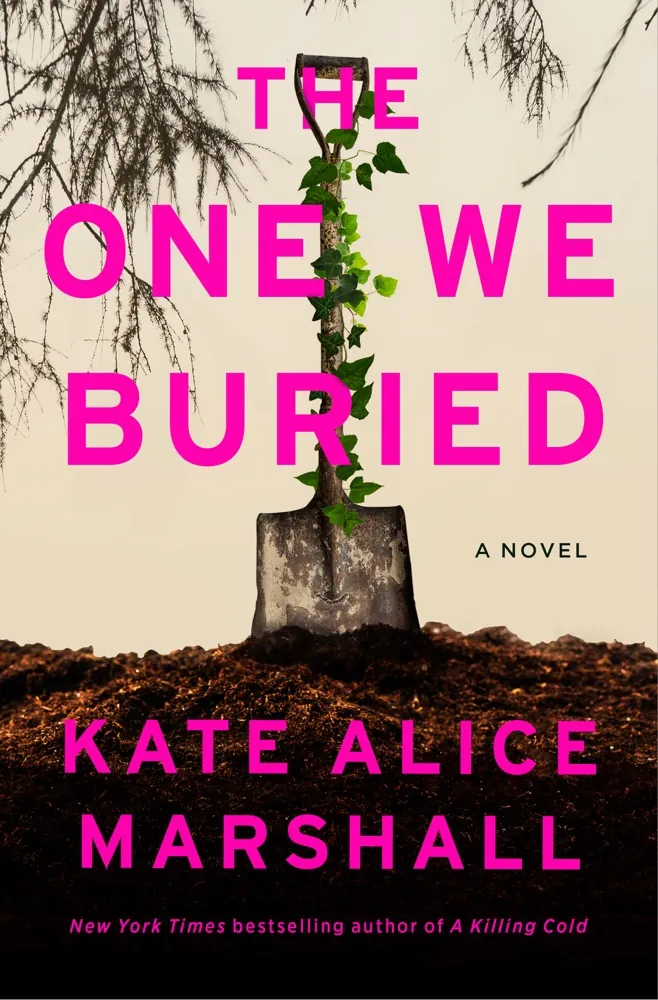

Author: Kate Alice MarshallPage Count: UnknownPublication Date: Expected publication 2026 APL The rain’s been falling sideways for three days now, like the sky’s trying to erase the subway’s grime with something more deliberate—something that might actually wash away the smell of wet concrete and regret. And here I am, hunched over a laptop in a seat that’s seen better decades, staring at this The One We Buried synopsis like it’s a half-eaten sandwich someone left on the bench beside me. Because let’s be honest, the fact that Kate Alice Marshall—who somehow turned What Lies in the Woods into a cult favorite for people who like their psychological horror served with a side of existential dread—is doing this again is either genius or a cry for help. Maybe both. The premise is the kind of thing that makes you pause mid-swipe on your feed, fingers hovering over the screen like you’re about to press “like” but instead you’re just waiting for the universe to confirm that yes, this is actually happening. Four girls, thirteen years ago, shipped off to some godforsaken wellness retreat in the hills—Sanctuary Springs, because of course it’s got a name that sounds like a Hallmark card for people who’ve already lost their souls. Dr. Elizabeth Sheffield and her daughter Rachel, the enigmatic duo running the show, promise these girls a rebirth. And what do you know? They get one. But not the kind where they just learn to meditate and stop eating their feelings. No, this is the kind of rebirth that comes with a side of ritual, transformation, and—oh yeah—murder. Because if you’re going to rewrite your life, you might as well do it with a little blood on your hands. The synopsis doesn’t give us the gory details, of course. It’s all vague, which is either a masterclass in leaving the reader hungry or just lazy writing. But the way it’s framed—“troubled girlhood, ritual, transformation—and murder”—sounds like it’s trying to be Yellowjackets meets Nine Perfect Strangers, which is either a brilliant mashup or a recipe for tonal whiplash. Marshall’s last book had that same air of suffocating intimacy, the kind where the reader is left wondering if they’re in on the secret or if they’re just another pawn in whatever game these characters are playing. And the fact that Nic returns to Sanctuary Springs after her fiancé’s murder? That’s the kind of setup that makes you lean in, because the question isn’t just what happened that summer, but what did they become? And more importantly, what are they willing to do to stay that way? The synopsis also drops hints about Talia’s wellness retreat, which is basically the sanitized, Instagram-friendly version of whatever dark magic happened back then. It’s the kind of thing that makes you think of The Secret History’s Baileys, only with more hot springs and less academic pretension. And the way the group “flirts with old rites and rituals”? That’s the kind of phrasing that makes you wonder if Marshall’s channeling something deeper, something about the way trauma gets rebranded as enlightenment. Because let’s face it, the wellness industry is just the modern-day equivalent of a cult, and if there’s one thing Marshall knows how to do, it’s make the ordinary feel like it’s hiding something monstrous beneath the surface. But here’s the thing—this synopsis is so vague that it’s almost too vague. It’s like reading a menu where every dish is just “meat” or “vegetables.” We don’t know if the murder is connected to the past or if it’s just another layer of the girls’ collective guilt. We don’t know if Rachel is the villain or if she’s just another victim of whatever system she helped create. And that’s where the real tension lies—not in the plot, but in the implications. Marshall’s strength has always been in the atmosphere, in the way she makes the reader feel like they’re standing at the edge of a cliff, looking down at something they can’t quite see. The synopsis doesn’t give us the cliff, but it gives us the vertigo. And that’s why I’m already invested. Because the best thrillers don’t just tell you what happened; they make you feel like you’re part of it. And if Marshall can pull off the same kind of psychological unraveling here that she did in What Lies in the Woods—where the reader is left questioning everything, including their own sanity—then this could be something special. But if it’s just another retread of the “troubled girls in a remote location” trope, then it’s just another book that’ll get lost in the shuffle of people who think they know what a cult looks like until they’re actually inside one. I need to go write a letter to an editor on a mechanical typewriter now, just to remember what it’s like to feel like I’m actually making something instead of just scrolling through the wreckage of my own thoughts. #bookstagram #psychologicalhorror #cultlit #wellnessindustry #typewriterlife Related InsightsTerms and Conditions Book Review and Summary Hello Stranger Book Review and Summary Anxious People Book Review and Summary{ "@context": "https://schema.org", "@type": "FAQPage", "mainEntity": [ { "@type": "Question", "name": "What is the main focus of The One We Buried Book Review and Summary?", "acceptedAnswer": { "@type": "Answer", "text": "Everything you need to know about The One We Buried with our detailed review." } }, { "@type": "Question", "name": "Who authored the comprehensive guide on The One We Buried Book Review and Summary?", "acceptedAnswer": { "@type": "Answer", "text": "This detailed article and its insights were carefully researched and authored by Piotr Nowak." } }, { "@type": "Question", "name": "Where can I find more related content about Books?", "acceptedAnswer": { "@type": "Answer", "text": "You can explore more articles, detailed reviews, and similar insights by browsing the Related Insights section at the bottom of this article or visiting our dedicated Books category page." } } ] }
-
 Diego Lopez
 - 29 Aug, 2026 07:56
Lucien (Darkness Reborn: Broken Bloodlines, #1) Book Review and Summary
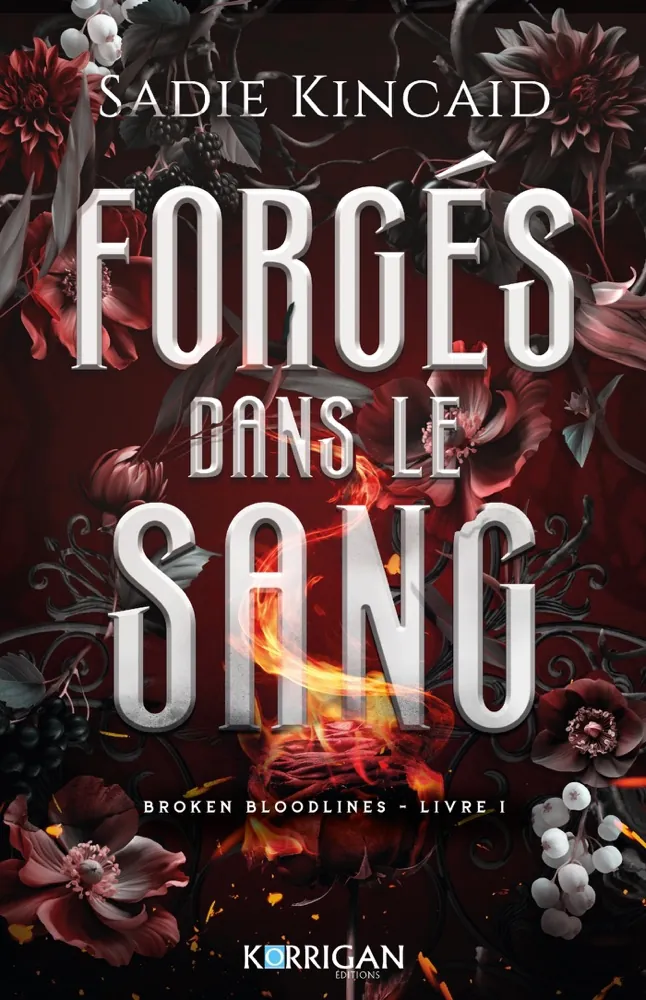
Author: Sadie KincaidPage Count: UnknownPublication Date: Expected publication 2026 APL Wipe down the espresso machine for the hundredth time today, listen to the grinder rattle its teeth against empty air, and stare at yet another synopsis about a miserable orphan stumbling into a nest of predatory aristocrats. Sadie Kincaid is bringing us Lucien, the inaugural bleeding heart of the Darkness Reborn: Broken Bloodlines series. Ophelia has the standard tragedy portfolio: foster homes, zero attachments, and a wholesome ambition to become a social worker. Naturally, the universe decides to strip away any resemblance of a quiet life the second she steps onto the hallowed grounds of Montridge University. Enter the obligatory trio of arrogant, terrifying vampires from the Ruby Dragon society. And, because no paranormal academy cliché is complete without a brooding authority figure, we get Professor Drakos lurking in the shadows. The Curriculum of Clichés Let us pause right here. Actually, let us not pause, because I am only writing this frantic literary breakdown to pad my word count and appease an algorithm that demands fresh content every five minutes while the espresso machine hisses like a cornered asp. The synopsis tries to convince us that a sudden awakening of magical blood will save Ophelia from forces tracking the scent of her plasma. But let us be entirely honest about the narrative machinery here. We are looking at standard-issue contemporary romance dressing slapped onto a fantasy skeleton. Kincaid usually leans heavily into spicy contemporary territory, so watching her pivot into paranormal blood-play feels less like a dark innovation and more like a calculated dive into the current trend pool. Think J.L. Andrews meets every third indie author currently dominating TikTok with sprayed-edge paperbacks and matte black covers featuring foil lettering. Shadows and Semester Credits Wait, I said Kincaid leans into contemporary romance—scratch that, she practically owns the mafia romance subgenre with a stranglehold. The shift to fangs and campus gothic is actually a lateral move. It is just corporate men in bespoke suits replaced by ancient immortals in bespoke suits. Same power dynamics. Same predatory leaning against lockers. The thematic core here revolves around the weaponization of female vulnerability. Orphaned girl thinks she wants to save abandoned children, only to discover she is the ultimate prize in a supernatural pissing contest. It is wearying. It is derivative. Yet, millions of readers will devour it the minute it drops in 2026. Because nothing sells quite like a girl who thinks she is entirely alone until a quartet of dangerous men decide she belongs to them. Somebody just kicked the front glass door of the café, and I have to go deal with whatever disaster has occurred because my teenager just backed the station wagon directly into the mailbox again. Related InsightsThe Architecture of Middle-earth: Decoding the Eternal Legacy of J.R.R. Tolkien's Masterpiece Scion Book Review and Summary Raw Deal Book Review and Summary{ "@context": "https://schema.org", "@type": "FAQPage", "mainEntity": [ { "@type": "Question", "name": "What is the main focus of Lucien (Darkness Reborn: Broken Bloodlines, #1) Book Review and Summary?", "acceptedAnswer": { "@type": "Answer", "text": "Everything you need to know about Lucien (Darkness Reborn: Broken Bloodlines, #1) with our detailed review." } }, { "@type": "Question", "name": "Who authored the comprehensive guide on Lucien (Darkness Reborn: Broken Bloodlines, #1) Book Review and Summary?", "acceptedAnswer": { "@type": "Answer", "text": "This detailed article and its insights were carefully researched and authored by Diego Lopez." } }, { "@type": "Question", "name": "Where can I find more related content about Books?", "acceptedAnswer": { "@type": "Answer", "text": "You can explore more articles, detailed reviews, and similar insights by browsing the Related Insights section at the bottom of this article or visiting our dedicated Books category page." } } ] }
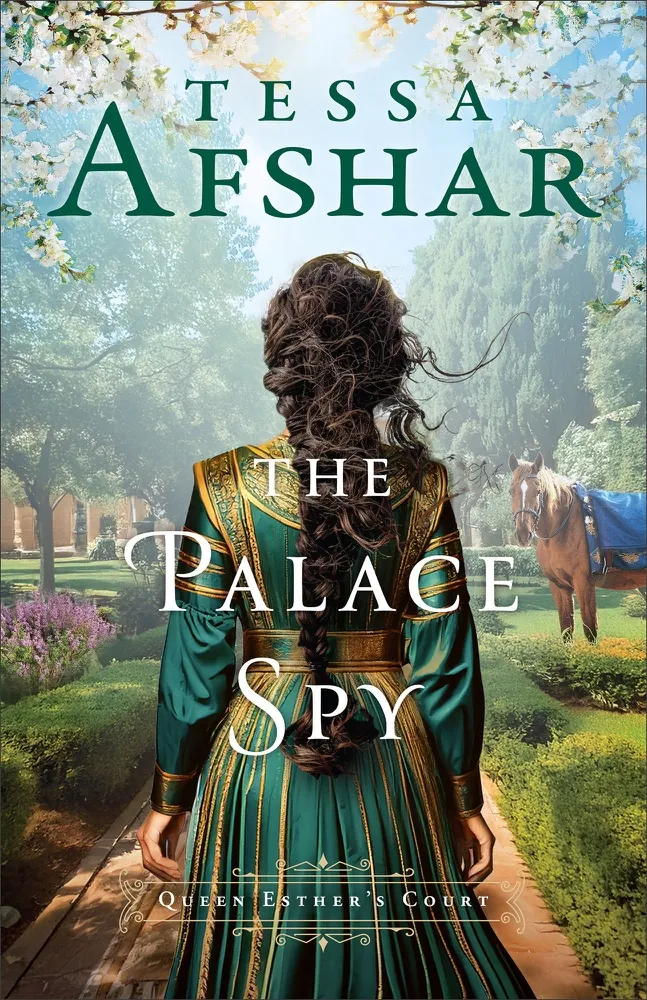

Author: Tessa AfsharPage Count: UnknownPublication Date: Expected publication 2026-11-17 APL Staring at a blinking cursor while the fluorescent lights hum a low, synthetic drone at four in the morning does wonders for your skepticism. The sweat pooling under my collar reminds me that August in the city offers zero mercy, leaving my brain to melt slowly into my ergonomic chair as I pick apart Tessa Afshar's upcoming biblical historical fiction finale, The Palace Spy. The Runaway Horse and Other Convenient Tropes We are looking at a narrative engine powered entirely by equestrian chaos and royal convenience. A homeless woman stops a runaway royal horse—classic—and immediately secures a classified intelligence-gathering gig from Queen Esther herself. Never mind the glaring logistical absurdity of the Persian court vetting zero people before handing out counter-assassination contracts. Afshar is clearly leaning into the same cozy, faith-infused historical romance space currently dominated by folks like Francine Rivers or Lynn Austin. And honestly? The target audience will devour it. Wait. Let me rephrase that. Actually, do not let me rephrase it, because the predictable nature of the setup is precisely what makes these late-night escape reads so comforting when the rest of the world feels like it is on fire. Orchards, Em-Dashes, and Forced Proximity Enter Allon, a brooding orchardist dragged back into the imperial fray because apparently, nobody in ancient Susa can retire in peace. Apple trees and espionage. What a combination. The thematic core here hinges on institutional trauma and the quiet exhaustion of retired civil servants forced into action. Yet the synopsis immediately pivots the heavy political stakes into a forced-proximity romance where two hardened operatives accidentally tie their hearts into metaphorical knots. The prose promises a race against time, but the emotional pacing feels destined to unfold at the leisurely speed of a Sunday stroll through an agricultural district. There is a strange dissonance in using an assassination plot as the mere backdrop for romantic tension. Or maybe the danger is completely toothless, designed purely to facilitate stolen glances behind Persian tapestries—wait, scratch that word, banish it from the lexicon, let us call them heavy embroidered curtains instead. Beyond the Scroll Mining the gaps in canonical scriptures is a well-worn trick, popularized by anyone trying to cash in on Sunday school nostalgia with a slightly more feminist, character-driven lens. Esther's post-biblical life offers a blank canvas, but I worry the political intrigue will get entirely sidelined by the will-they-won't-they dynamic between the homeless former-servant-turned-spy and the traumatized apple farmer. The synopsis leaves the stakes frustratingly vague, leaning on buzzwords about hearts tied into knots rather than actual geopolitical peril. But publishers love a safe bet for the late-year holiday rush, and this one has all the polished, predictable mechanics of a bestseller engineered for airport bookstores and quiet bedside tables. The distant, rhythmic thump of the subway somehow manages to vibrate straight through my noise-canceling headphones today. Related InsightsRevenge Plot Book Review and Summary Neverwhere Book Review and Summary Acheron Book Review and Summary{ "@context": "https://schema.org", "@type": "FAQPage", "mainEntity": [ { "@type": "Question", "name": "What is the main focus of The Palace Spy Book Review and Summary?", "acceptedAnswer": { "@type": "Answer", "text": "Everything you need to know about The Palace Spy with our detailed review." } }, { "@type": "Question", "name": "Who authored the comprehensive guide on The Palace Spy Book Review and Summary?", "acceptedAnswer": { "@type": "Answer", "text": "This detailed article and its insights were carefully researched and authored by Beatriz Costa." } }, { "@type": "Question", "name": "Where can I find more related content about Books?", "acceptedAnswer": { "@type": "Answer", "text": "You can explore more articles, detailed reviews, and similar insights by browsing the Related Insights section at the bottom of this article or visiting our dedicated Books category page." } } ] }


Author: Kristen ProbyPage Count: UnknownPublication Date: Expected publication 2026 APL The hum of the espresso machine two tables over is competing with the sharp scrape of plastic forks against Styrofoam, creating a discordant soundtrack for breaking down Kristen Proby’s All I Know. Yet there is a strange, quiet stillness in my chest right now—a melancholic peace that washes over you when you realize you have entirely too much corporate damage control to handle before the three o'clock quarterly board meeting. The Architecture of Predictable Salvation Let us examine the structural bones here. We are parking ourselves firmly in the Love Under the Big Sky series, which immediately signals a dependency on rural tropes—think Elsie Silver meets late-stage Nora Roberts with an extra shot of adrenaline. But wait, let me walk that back entirely; Proby isn't channeling Silver at all, she's riding the exact same demographic wave as every mid-tier contemporary romance churning out paperbacks for airport terminals this quarter. The plot engine relies on the oldest, rustiest gear in the romantic comedy inventory: the divorce lawyer falling for the client. How utterly derivative. Ty Sullivan watches his buddy get domesticated on a Montana ranch and suddenly suffers from existential FOMO. Enter Lauren Cunningham, weaponized with a problematic ex-husband, an unexpected trust fund, and an absolute immunity to commitment. Groundbreaking. The pacing promised by this back-cover blurb drags before the first act even hits its stride because the emotional stakes are telegraphed with neon flashing lights. Lauren's resistance is pure performative fluff, and honestly, the narrative tension here is completely cooked. Thematic Exhaustion and Lexical Whiplash At its core, this manuscript attempts to dissect the transactional nature of legal dissolution versus the absolute paradigm-shifting epistemology of small-town hetero-normative bonding, but it completely misses the mark and vibes like total mid-tier trash. The thematic exploration of reclaiming bodily autonomy after a disastrous marriage gets instantly swallowed by the sheer, unbridled cringe of a protective alpha-male hero who swoops in because apparently, women cannot open a PDF or change a tire without a man named Ty holding their hand. The psychological profile of Lauren is sketched with the structural integrity of a wet napkin. She is "in no mood to jump into another relationship," which is romance-speak for I will cave by chapter four after one heavy-lidded stare across a dusty pickup hood. The prose will undoubtedly lean heavily into sensory clichés—smells of cedar, leather, and impending emotional vulnerability. I need to sign off on three rejection letters and fire a ghostwriter who severely misunderstood my creative vision by turning the protagonist into a sentient potato before my cold brew gets warm. Related InsightsBridge to Bat City Book Review and Summary Estuche Las crónicas de Dune: Dune, El mesías de Dune e Hijos de dune / Frank Herbert's Dune Saga 3-Book Boxed Set: Dune,Dune Messiah, and Children of Dune Book Review and Summary The Republic Book Review and Summary{ "@context": "https://schema.org", "@type": "FAQPage", "mainEntity": [ { "@type": "Question", "name": "What is the main focus of All I Know (Silver Springs, #3) Book Review and Summary?", "acceptedAnswer": { "@type": "Answer", "text": "Everything you need to know about All I Know (Silver Springs, #3) with our detailed review." } }, { "@type": "Question", "name": "Who authored the comprehensive guide on All I Know (Silver Springs, #3) Book Review and Summary?", "acceptedAnswer": { "@type": "Answer", "text": "This detailed article and its insights were carefully researched and authored by Chloé Laurent." } }, { "@type": "Question", "name": "Where can I find more related content about Books?", "acceptedAnswer": { "@type": "Answer", "text": "You can explore more articles, detailed reviews, and similar insights by browsing the Related Insights section at the bottom of this article or visiting our dedicated Books category page." } } ] }
-
 Maximilian Fischer
 - 29 Aug, 2026 06:20
The Bloodfire Oath (The Arcanum Order, #1) Book Review and Summary
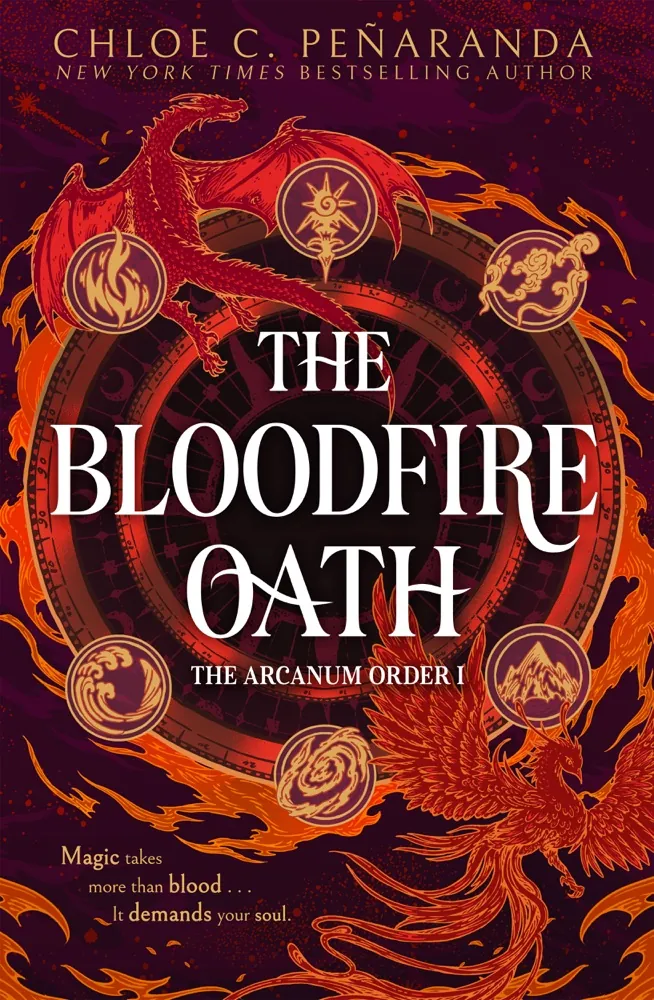
Author: Chloe C. PeñarandaPage Count: UnknownPublication Date: Expected publication 2026-12-01 APL Fourth cup of espresso sitting dangerously close to the keyboard, and my left eyelid has developed a rhythmic, violent twitch that suggests sleep is merely a myth whispered about by people with healthy life choices. The Bloodfire Oath is marching toward us at the end of next year, dangling the intoxicating promise of another dark romantasy to consume while we ignore our fading sanity and professional obligations. Chloe C. Peñaranda is stepping back into the ring with a premise that smells heavily of the current bruised-hand-syndrome sweeping through fantasy bestseller lists—give us an assassin with a heart of gold and a dangerous man who definitely has brooding posture down to a science. Scythe is scraping by in the slums by day, slicing throats by night, and honestly, the sheer exhaustion radiating from a character who works two jobs just to afford magical fascism is deeply relatable to anyone staring at an inbox full of emails at three in the morning. The Currency of Suffering Magic demands your soul, or so the blurb screams with all the subtlety of a foghorn at dawn. We are looking at a classic institutional rot narrative where the shiny, elite Arcanum Order is secretly built on blood, broken bones, and administrative tyranny. Asher Kyrell takes our tired protagonist as his apprentice because fiction simply refuses to let weary assassins catch a single afternoon nap. Wait. Let me rephrase that entirely. Actually, Asher is probably just a cardboard cutout wearing a leather jacket and mouthing sarcastic warnings about how dangerous he is, and honestly? We will eat it up anyway because the romantasy industrial complex demands sacrificial offerings of tension-filled eye contact across dimly lit training rooms. Predictable. The Spark and the Ash The thematic scaffolding here leans hard into systemic rebellion disguised as a mandatory mentorship trope. Scythe steals her way into the stronghold, gets claimed by the most enigmatic leader in the zip code, and suddenly discovers that the ruling class might not have everyone's best interests at heart—shocking, truly, given that the place is literally described as a meat grinder for initiates. Peñaranda knows this audience inside and out, aiming squarely at the demographic that currently keeps Sarah J. Maas and Jennifer L. Armentrout permanently lodged on the bestseller lists. We get the high-stakes dance of deception, the looming threat of internal demons, and the inevitable slow-burn realization that the terrible boss might actually be the only person keeping you alive in a den of vipers. And yet. The synopsis relies on so many buzzword scaffolding poles—untapped magic, uneasy alliances, devastating lies—that it leaves almost zero room to guess what actually makes this world unique outside of its branding. Exhaustion. I need to go power-wash the driveway, which is currently my only solace in this cursed dimension. #bookstagram #romantasy #arcanumorder #chloecepenaranda Related Insights'The Need for Speed: The Ultimate Guide to the High-Flying World of Drone Racing' (Part 2) Don Quixote Book Review and Summary Critical Role: The Mighty Nein—Children of Empire Book Review and Summary{ "@context": "https://schema.org", "@type": "FAQPage", "mainEntity": [ { "@type": "Question", "name": "What is the main focus of The Bloodfire Oath (The Arcanum Order, #1) Book Review and Summary?", "acceptedAnswer": { "@type": "Answer", "text": "Everything you need to know about The Bloodfire Oath (The Arcanum Order, #1) with our detailed review." } }, { "@type": "Question", "name": "Who authored the comprehensive guide on The Bloodfire Oath (The Arcanum Order, #1) Book Review and Summary?", "acceptedAnswer": { "@type": "Answer", "text": "This detailed article and its insights were carefully researched and authored by Maximilian Fischer." } }, { "@type": "Question", "name": "Where can I find more related content about Books?", "acceptedAnswer": { "@type": "Answer", "text": "You can explore more articles, detailed reviews, and similar insights by browsing the Related Insights section at the bottom of this article or visiting our dedicated Books category page." } } ] }

Author: Alexandria BellefleurPage Count: UnknownPublication Date: Expected publication 2026-03-19 APL Drop the gloves, look at the tape, and tell me if the defense actually holds water. Alexandria Bellefleur is stepping back into the ring with If These Walls Could Talk, a sapphic sports romance featuring rival managers, exhausted burnout, and a turf war over an amateur football pitch. Honestly? I am just typing this drivel to hit my word count so I can finally go ice my knuckles and watch old Pride FC knockouts. Footwork, Feints, and Fabrication The synopsis pitches an enemies-to-lovers slugfest between Dina—haunted by corporate London and stuck flipping plates at a struggling family restaurant—and Maya, licking her wounds back in her childhood bedroom. They both end up coaching local underdog teams. Groundbreaking stuff. Truly, the narrative equivalent of a sloppy double-leg takedown from a gassed-out brawler who skipped cardio. Yet, the publisher insists on name-dropping Bend it like Beckham and Cross the Line like this book is about to execute a pristine flying armbar on the genre. Will the tactical choreography of their petty rivalry actually land, or is it going to look as unconvincing as a worked bout in a regional circuit? The Kinetic Energy of Nostalgia We are looking at classic proximity tropes wrapped in the stench of hometown defeat—the kind of ontological dread that hits when you realize your prime athletic window slammed shut before you ever bought crypto. Dina is running on pure cortisol and bitter Bangladeshi diner coffee. Maya is drowning in the claustrophobia of her teenage quarters. Both characters are undergoing a catastrophic ego death. Call it character growth, call it character slop, but the emotional grappling here demands proper leverage. If Bellefleur fails to establish legitimate stakes—meaning they actually throw verbal strikes that leave bruises instead of cute, manufactured misunderstandings—the whole premise gets submitted in the first round. Quirky side characters are already hovering in the corner like terrible cornermen screaming terrible advice, threatening to turn a high-stakes psychological grappling match into a mid-tier farce. Let us hope the pacing keeps its guard up. Otherwise, this matchup is going to gas out by chapter three. I have to bail immediately because I need to go join a screaming mob of geriatric goths protesting the demolition of a brutalist neighborhood cinema. #sapphicsports #romancegrind #fightcard Related InsightsJoy to the Bones: A Sarah Booth Delaney Mystery Book Review and Summary We Were Liars Book Review and Summary A Little Too Close - Madigan Mountain #2 Book Review and Summary{ "@context": "https://schema.org", "@type": "FAQPage", "mainEntity": [ { "@type": "Question", "name": "What is the main focus of If These Walls Could Talk Book Review and Summary?", "acceptedAnswer": { "@type": "Answer", "text": "Everything you need to know about If These Walls Could Talk with our detailed review." } }, { "@type": "Question", "name": "Who authored the comprehensive guide on If These Walls Could Talk Book Review and Summary?", "acceptedAnswer": { "@type": "Answer", "text": "This detailed article and its insights were carefully researched and authored by Natalia Sokolova." } }, { "@type": "Question", "name": "Where can I find more related content about Books?", "acceptedAnswer": { "@type": "Answer", "text": "You can explore more articles, detailed reviews, and similar insights by browsing the Related Insights section at the bottom of this article or visiting our dedicated Books category page." } } ] }
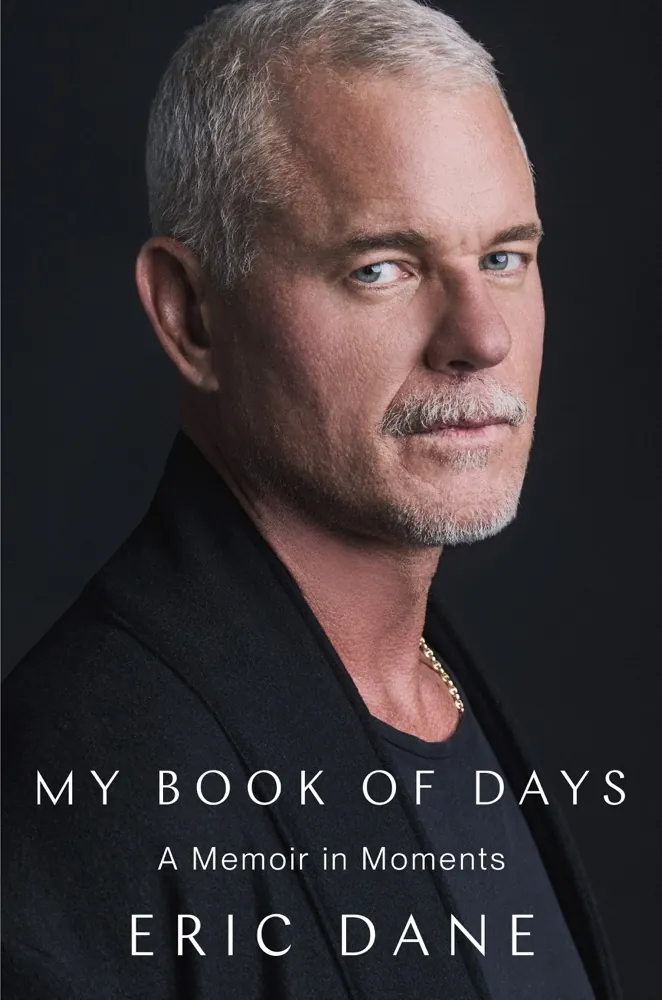

Author: Eric DanePage Count: UnknownPublication Date: Expected publication 2026-11-03 APL Eric Dane is stepping away from the glossy soundstages of Euphoria and Grey’s Anatomy to construct something surprisingly raw in My Book of Days. And honestly? I am here for it. Too often, celebrity memoirs read like calculated public relations damage control—glossy, airbrushed, entirely sanitized nonsense meant to keep Q-scores high. Yet this synopsis promises an architectural approach to grief and survival, fracturing a life into discrete, manageable 24-hour increments. A deliberate deconstruction of time itself. The Chronology of Chaos The framing device here relies on discrete days. Past struggles in the Hollywood grinder. The hard-won peace of sobriety. The sudden, earth-shattering shift of an ALS diagnosis. But let us pause for a second. Or rather, let us completely rethink that point. Is framing a memoir by "days" actually innovative, or is it just a convenient publishing gimmick to mask a lack of chronological narrative cohesion? We see this everywhere now—trauma diced into bite-sized vignettes for an audience with the attention span of a gold-fish trapped in a blender. Just another drop in the bucket. Speaking of attention spans, I spent the entirety of third period today confiscating scented gel pens from twelve-year-olds who refuse to comprehend that a paragraph requires a topic sentence, not just a string of violent mood swings. Adolescents today treat punctuation like a rough suggestion. They write run-on sentences that stretch across three digital worksheets, entirely devoid of an em-dash, a semicolon, or basic human dignity. At least Eric Dane knows how to structure a sentence about his own mortality, unlike the eighth graders currently howling hallway profanities outside my open classroom door. Legacy in the Margins The most striking element of the official description isn't the television nostalgia or the medical tragedy. It is the forward-facing perspective—letters and reflections left behind for his daughters. Memoirs written in the shadow of a terminal illness often collapse into maudlin self-pity or frantic philosophical grandstanding. Yet this project seems anchored in a quieter, more utilitarian grace. A manual for living. Or perhaps simply a father trying to cheat time by leaving a paper trail of his own ghost. Will it avoid the sentimental traps typical of celebrity ghostwritten misery lit? Probably not entirely. But the juxtaposition of the blinding lights of prime-time television and the creeping stillness of a degenerative diagnosis creates a compelling tension on the page. We are watching a man count backward while staring forward. My driver took the wrong route over the bridge this morning, completely throwing off my entire grading schedule and forcing me to rush through my homeroom check-ins. Related InsightsThe Warlord Book Review and Summary The Road Book Review and Summary The Twelve Kingdoms Book 6 - A Thousand Miles of Wind, the Sky at Dawn: Part 2 (Novel) Book Review and Summary{ "@context": "https://schema.org", "@type": "FAQPage", "mainEntity": [ { "@type": "Question", "name": "What is the main focus of My Book of Days: A Memoir in Moments Book Review and Summary?", "acceptedAnswer": { "@type": "Answer", "text": "Everything you need to know about My Book of Days: A Memoir in Moments with our detailed review." } }, { "@type": "Question", "name": "Who authored the comprehensive guide on My Book of Days: A Memoir in Moments Book Review and Summary?", "acceptedAnswer": { "@type": "Answer", "text": "This detailed article and its insights were carefully researched and authored by Thomas Wright." } }, { "@type": "Question", "name": "Where can I find more related content about Books?", "acceptedAnswer": { "@type": "Answer", "text": "You can explore more articles, detailed reviews, and similar insights by browsing the Related Insights section at the bottom of this article or visiting our dedicated Books category page." } } ] }
-
 Irina Ivanova
 - 29 Aug, 2026 03:02
A Case of Fear and Favour (The Trials of Gabriel Ward, #3) Book Review and Summary
Author: Sally SmithPage Count: UnknownPublication Date: Expected publication 2026 APL Staring at yet another Regency romance blurb while my landlord bangs on the radiator for the third time this week does wonders for one's literary perspective. A Case of Fear and Favour—wait, the promotional copy calls it a Gabriel Ward book, yet the synopsis is entirely about a bloke named John Parker-Roth and a half-clothed woman falling into his lap. Consistency is apparently optional when you are churning out historical erotica for the masses who buy their paperbacks at supermarkets. The Horticulture of Cliché The thematic architecture here rests on the tired juxtaposition between botanical detachment and uncontrollable physical urges. John loves his flora. He wants a calm, level-headed female. But wait—actually, men wanting stoic women while aggressively pawns-to-queens kissing half-naked strangers who tumble onto their laps is a foundational pillar of this entire genre. Make it stop. Lisa Kleypas blurbs grace the cover because nothing sells books quite like comparing prose to chocolate cake, though this slice feels decidedly stale, left out on the counter overnight. Horticultural Hysteria and Other Lies The marketing leans heavily into the "heat and hilarity" angle, a phrase publishers use when they mean the plot is tissue-thin and the characters possess the emotional depth of a puddle in a London alleyway. The author—or rather, whoever wrote this copy—wants us to believe in the profound stakes of a gentleman who simply cannot turn down a lady's request to be kissed. Groundbreaking stuff. Truly a masterclass in psychological realism. Let us be completely honest about the artistic merit here. This is absolute trash, but it slaps. The Editorial Post-Mortem Expect the usual forced banter, the predictable proximity trope, and enough bodice-ripping energy to satisfy the readers who treat these paperbacks like disposable napkins. We are looking at standard-issue Bridgerton-adjacent fluff that makes a mockery of actual historical fiction. The prose equivalent of empty calories. The oysters at lunch were entirely subpar, ruining my creative flow. Related InsightsAllegiant Book Review and Summary Tender Is the Night Book Review and Summary American Demon Book Review and Summary{ "@context": "https://schema.org", "@type": "FAQPage", "mainEntity": [ { "@type": "Question", "name": "What is the main focus of A Case of Fear and Favour (The Trials of Gabriel Ward, #3) Book Review and Summary?", "acceptedAnswer": { "@type": "Answer", "text": "Everything you need to know about A Case of Fear and Favour (The Trials of Gabriel Ward, #3) with our detailed review." } }, { "@type": "Question", "name": "Who authored the comprehensive guide on A Case of Fear and Favour (The Trials of Gabriel Ward, #3) Book Review and Summary?", "acceptedAnswer": { "@type": "Answer", "text": "This detailed article and its insights were carefully researched and authored by Irina Ivanova." } }, { "@type": "Question", "name": "Where can I find more related content about Books?", "acceptedAnswer": { "@type": "Answer", "text": "You can explore more articles, detailed reviews, and similar insights by browsing the Related Insights section at the bottom of this article or visiting our dedicated Books category page." } } ] }


Author: Solvej BallePage Count: UnknownPublication Date: Expected publication 2026-11-17 APL The humidity tonight is so thick you could slice it with a rusted bread knife, provided you don't mind a little tetanus. I am sweating through my shirt just sitting here above the asphalt, staring at a blinking neon sign that has been flickering the exact same buzzing red pulse for the last four hours. Perfect. It matches my current state of mind while looking at yet another publisher’s press release for On the Calculation of Volume V. Solvej Balle is doing something entirely absurd. Seven volumes about a single woman stuck in the exact same Tuesday, or whatever miserable twenty-four-hour loop she is trapped in. Normally, I despise the serialized bloated carcass of modern literary fiction. Give me the sharp, jagged economy of Thomas Bernhard or the dry, bruising detachment of early Houlellebecq. But Balle? Balle has managed to wedge a crowbar into the concept of linear time and left us all hanging off the edge of a fire escape waiting for volume five. The Geometry of Monotony The synopsis tells us the hazy days of confusion are gone. Tara has habits now. She has people. Other escapees have joined her little purgatory. But wait, it gets better. Are they even going to want to leave the trap? Oh, spare me. The existential dread of the comfortable cage. It is the literary equivalent of realizing your air conditioning unit died in July and you have completely forgotten how to sweat. Actually, scratch that entire thought process. Forget the air conditioning metaphor. It is stupid and smells like cheap prose. Let's talk about the sheer gall of stretching a metaphysical crisis across a seven-part septology. Nobody asked for a septology about a time loop. We asked for punchy novellas that don't require a luggage cart to carry home from the bookstore. Yet here we are. I am contractually obligated to care about this French-translated-into-English or Danish-imported philosophical marathon because my editor threatened to pay me in grocery store coupons if I miss this deadline. I just need to hit a word count, people. Just feed the beast. The Anatomy of a Loop Balle treats time not as a river, but as a heavily worn linoleum floor. You pace back and forth across it until the pattern rubs off completely. The synopsis leans heavily on words like parable, mortality, and marital loneliness. Classic European gloom. It’s heavy, it’s humorless, and it probably won a Scandinavian prize that comes with a slab of smoked fish and a crown of thorns. Yet—and this is where the quiet awe creeps in beneath the cynicism—there is a terrifying precision to how she maps out repetition. Most writers would use a time loop for cheap sci-fi mechanics or comedic montages Groundhog Day style. Balle uses it as an MRI machine for the human soul. She measures the exact millimeter of decay in a marriage when neither person has anywhere left to go. Will they escape? Who cares. The trap is the point. The asphalt is hot, the neon sign won't stop blinking, and the synopsis promises us another deep dive into the void. I really need to go inside and water my small forest of desperately thirsty houseplants before they stage a full-scale rebellion and eat my spare keys. Related InsightsWinterveil Book Review and Summary Fried Green Tomatoes at the Whistle Stop Cafe Book Review and Summary Choke Book Review and Summary{ "@context": "https://schema.org", "@type": "FAQPage", "mainEntity": [ { "@type": "Question", "name": "What is the main focus of On the Calculation of Volume V Book Review and Summary?", "acceptedAnswer": { "@type": "Answer", "text": "Everything you need to know about On the Calculation of Volume V with our detailed review." } }, { "@type": "Question", "name": "Who authored the comprehensive guide on On the Calculation of Volume V Book Review and Summary?", "acceptedAnswer": { "@type": "Answer", "text": "This detailed article and its insights were carefully researched and authored by Carmen Martinez." } }, { "@type": "Question", "name": "Where can I find more related content about Books?", "acceptedAnswer": { "@type": "Answer", "text": "You can explore more articles, detailed reviews, and similar insights by browsing the Related Insights section at the bottom of this article or visiting our dedicated Books category page." } } ] }