Showing Posts From
Bookreview
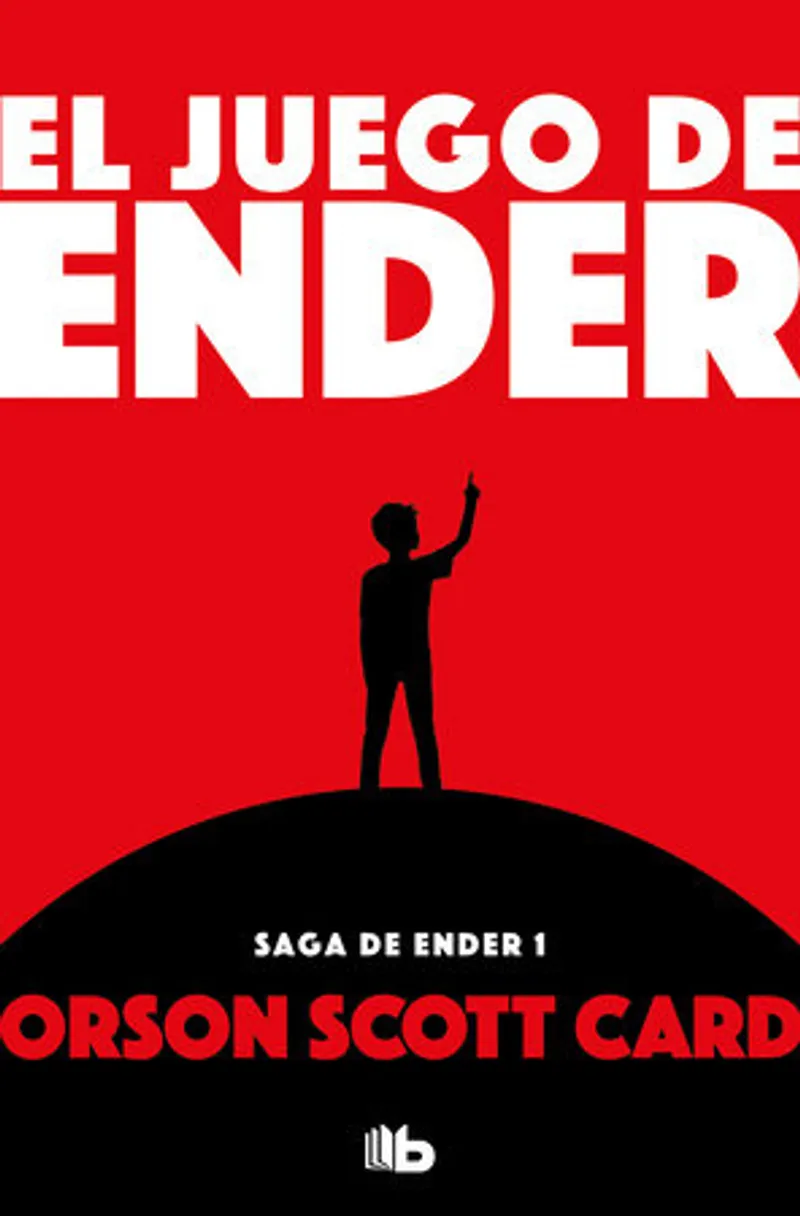
El juego de Ender / Ender's Game Author: Orson Scott CardPage Count: UnknownPublication Date: 2019-PRH In the realm of science fiction, few novels have managed to capture the essence of humanity and the consequences of war as eloquently as Orson Scott Card's "Ender's Game". This thought-provoking masterpiece has been a cornerstone of modern science fiction since its publication, garnering numerous accolades including the prestigious Hugo, Nebula, and SF Chronicle awards. At its core, "Ender's Game" is a story about the complexities of human nature, the effects of trauma, and the moral ambiguities of war. The novel is set in a dystopian future where humanity is on the brink of destruction at the hands of an alien species known as the Formics or "Buggers". In a desperate bid to save humanity, the government resorts to breeding and training child geniuses as soldiers, with the hope of finding a commander who can lead them to victory. Enter Andrew "Ender" Wiggin, a brilliant and introverted young boy who is recruited to attend Battle School, a rigorous training program designed to mold him into the perfect military commander. Ender's journey is a heart-wrenching exploration of the psychological effects of trauma, isolation, and the weight of responsibility. Through Ender's eyes, Card masterfully weaves a narrative that delves into the complexities of human relationships, empathy, and the true cost of war. One of the most striking aspects of Card's writing style is his ability to balance action, suspense, and intellectual depth. The novel is replete with clever plot twists, strategic battles, and philosophical debates that keep the reader engaged and invested in the story. Card's prose is concise, yet evocative, making it easy to become fully immersed in the world of "Ender's Game". What sets "Ender's Game" apart from other science fiction novels is its thought-provoking exploration of the human condition. Card raises important questions about the morality of war, the effects of trauma on individuals and society, and the consequences of playing with the lives of children. The novel is a powerful commentary on the dangers of xenophobia, the importance of empathy, and the need for cooperation in the face of adversity. The characters in "Ender's Game" are multidimensional and relatable, with each one bringing their unique perspective to the story. Ender's relationships with his siblings, Peter and Valentine, are particularly noteworthy, as they serve as a poignant reminder of the human cost of war and the importance of family. In conclusion, "Ender's Game" is a masterpiece of science fiction that has stood the test of time. Orson Scott Card's writing style is engaging, thought-provoking, and masterful, making this novel a must-read for anyone interested in science fiction, philosophy, or human psychology. With its richly detailed world-building, complex characters, and gripping plot, "Ender's Game" is a novel that will continue to captivate readers for generations to come. #EnderWiggin #ScienceFiction #OrsonScottCard #ClassicNovel #MilitaryScienceFiction #SpaceOpera Related InsightsDaring and the Duke Book Review and Summary Tourism's Horizon Book Review and Summary One Day in the Life of Ivan Denisovich Book Review and Summary{ "@context": "https://schema.org", "@type": "FAQPage", "mainEntity": [ { "@type": "Question", "name": "What is the main focus of Ender’s Game Book Review and Summary?", "acceptedAnswer": { "@type": "Answer", "text": "Everything you need to know about Ender’s Game with our detailed review." } }, { "@type": "Question", "name": "Who authored the comprehensive guide on Ender’s Game Book Review and Summary?", "acceptedAnswer": { "@type": "Answer", "text": "This detailed article and its insights were carefully researched and authored by Orson Scott Card." } }, { "@type": "Question", "name": "Where can I find more related content about Books?", "acceptedAnswer": { "@type": "Answer", "text": "You can explore more articles, detailed reviews, and similar insights by browsing the Related Insights section at the bottom of this article or visiting our dedicated Books category page." } } ] }
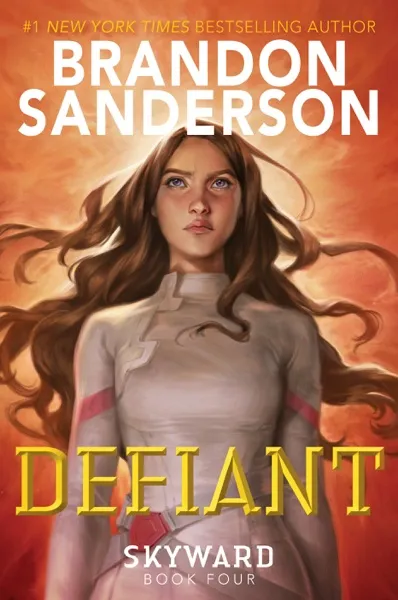

Defiant Author: Brandon SandersonPage Count: UnknownPublication Year: 2023-GB In a world where the boundaries of reality are constantly being pushed, one author has managed to defy the odds and create a masterpiece that will leave readers breathless - Brandon Sanderson's latest novel, Defiant, is a game-changer. This highly acclaimed global bestseller has taken the literary world by storm, and for good reason. With its unique blend of action, suspense, and thought-provoking themes, Defiant is a must-read for anyone looking to escape into a world of wonder and awe. At its core, Defiant is a story about resilience, hope, and the unyielding human spirit. Sanderson masterfully weaves together a complex tapestry of characters, each with their own distinct voice and motivations, to create a narrative that is both deeply personal and universally relatable. The main characters are multi-dimensional and expertly crafted, with rich backstories and nuanced personalities that leap off the page. From the courageous and determined protagonist to the enigmatic and complex supporting cast, each character plays a vital role in driving the story forward and exploring the novel's central themes. One of the most striking aspects of Defiant is its thought-provoking exploration of power, identity, and the consequences of playing with forces beyond human control. Sanderson poses fundamental questions about the nature of reality, free will, and the human condition, inviting readers to ponder the implications of emerging technologies and the ethics of scientific discovery. Through his characters' struggles and triumphs, Sanderson sheds light on the darker aspects of human nature, revealing the capacity for both good and evil that lies within us all. Sanderson's writing style is, as always, a hallmark of his work. His prose is crisp, engaging, and effortlessly paced, making it easy to become fully immersed in the world he has created. The author's use of language is deliberate and evocative, conjuring vivid images and emotions that linger long after the story has ended. With Defiant, Sanderson once again demonstrates his remarkable ability to craft compelling narratives that are both entertaining and intellectually stimulating. The world-building in Defiant is, as expected, superb. Sanderson has a remarkable talent for creating richly detailed, immersive environments that draw readers in and refuse to let go. The novel's unique magical system, with its intricate rules and consequences, is a marvel of imagination and creativity. From the sprawling landscapes to the intricate workings of the story's internal logic, every aspect of the world feels meticulously crafted and thoroughly realized. What sets Defiant apart from other novels in the genre is its ability to balance action, suspense, and emotional depth. The story is expertly paced, with a narrative that unfolds at a breakneck speed without ever feeling rushed or frenetic. Sanderson's handling of plot twists and reveals is masterful, keeping readers on the edge of their seats as they try to anticipate what will happen next. And yet, despite the many surprises and surprises, the story never feels manipulative or contrived - every twist and turn feels earned, the result of careful plotting and character development. As the latest installment in a long line of bestsellers, Defiant is a testament to Brandon Sanderson's boundless imagination and skill as a storyteller. With its unique blend of action, suspense, and thought-provoking themes, this novel is sure to captivate readers and leave them eagerly anticipating the author's next move. Whether you're a longtime fan of Sanderson's work or just discovering his novels, Defiant is an absolute must-read - a thrilling, emotionally resonant, and deeply satisfying story that will linger in your mind long after the final page has been turned. #BrandonSanderson #Defiant #FantasyLiterature #BookReview #BestsellerNovels Related InsightsKing of Wrath / King of Pride / King of Greed Book Review and Summary Someone to Trust Book Review and Summary Dead Until Dark Book Review and Summary{ "@context": "https://schema.org", "@type": "FAQPage", "mainEntity": [ { "@type": "Question", "name": "What is the main focus of **Defiant** Book Review and Summary?", "acceptedAnswer": { "@type": "Answer", "text": "Everything you need to know about **Defiant** with our detailed review." } }, { "@type": "Question", "name": "Who authored the comprehensive guide on **Defiant** Book Review and Summary?", "acceptedAnswer": { "@type": "Answer", "text": "This detailed article and its insights were carefully researched and authored by Emma Thompson." } }, { "@type": "Question", "name": "Where can I find more related content about Books?", "acceptedAnswer": { "@type": "Answer", "text": "You can explore more articles, detailed reviews, and similar insights by browsing the Related Insights section at the bottom of this article or visiting our dedicated Books category page." } } ] }
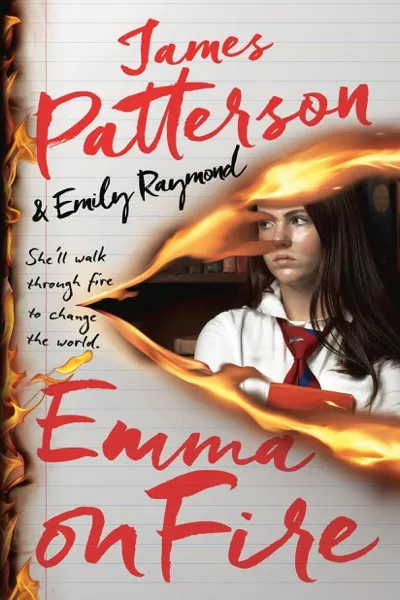

Emma on Fire Author: James PattersonPage Count: UnknownPublication Year: 2025-GB Emma on Fire: A Literary Inferno That Burns Brighter Than Ever James Patterson has done it again—this time with a novel that crackles with intensity, emotion, and the kind of relentless momentum that has made him a household name. Emma on Fire, his latest masterpiece slated for 2025, is not just another thriller; it’s a blazing testament to the power of human resilience, the scars of the past, and the fire that ignites when justice is denied. With a premise that feels both timeless and urgently modern, Patterson delivers a story that will leave readers breathless, questioning, and utterly consumed. At its heart, Emma on Fire is a story of vengeance and redemption, but it’s so much more than that. Patterson explores the duality of fire—how it can destroy, yet also purify. The titular Emma is a woman who has been forged in the flames of betrayal, her spirit tempered by loss and injustice. When the past resurfaces with a vengeance, she must confront the demons that have haunted her while navigating a world that seems determined to keep her in the dark. The novel’s central conflict is a masterclass in tension, blending psychological depth with high-stakes action that never lets up. One of the most compelling aspects of Emma on Fire is its protagonist. Emma is not your typical heroine—she’s flawed, haunted, and driven by a fire that borders on obsession. Patterson excels at crafting characters who feel achingly real, their motivations layered with complexity. Emma’s journey is one of self-discovery, where every step forward is met with a new obstacle, forcing her to confront not just her enemies, but herself. The supporting cast is equally rich, with allies and adversaries who add depth to the narrative, each playing a crucial role in Emma’s evolution. Patterson’s writing style is, as always, razor-sharp and accessible. He has a knack for blending fast-paced action with moments of quiet introspection, creating a rhythm that keeps readers engaged from the first page to the last. His prose is clean and direct, yet it carries an emotional weight that lingers long after the final chapter. The dialogue crackles with authenticity, and the pacing is relentless, ensuring that Emma on Fire is impossible to put down. Themes of justice, forgiveness, and the cyclical nature of violence are woven throughout the novel, elevating it beyond a mere thriller. Patterson doesn’t shy away from the moral ambiguities of his characters’ choices, instead inviting readers to grapple with the same questions Emma faces. What does it mean to seek justice when the system has failed you? Can vengeance ever be justified, or does it only lead to more destruction? These are the kinds of questions that linger, haunting the reader long after the book is closed. Emma on Fire is also a testament to Patterson’s ability to evolve with the times. While his signature style remains intact, the novel feels fresh and relevant, tackling issues that resonate in today’s world. The stakes are high, the characters are compelling, and the stakes never feel contrived. It’s a story that demands to be read in one sitting, a testament to Patterson’s unparalleled storytelling prowess. For fans of Patterson’s work, Emma on Fire is a must-read—a novel that delivers everything they love about his writing while pushing the boundaries of what a thriller can be. For newcomers, it’s the perfect introduction to one of the most influential authors of our time. Whether you’re a lover of suspense, a fan of complex characters, or simply someone who enjoys a story that burns bright from start to finish, this book is an inferno you won’t want to miss. James Patterson has once again proven why he remains at the top of his game. Emma on Fire is more than just a bestseller—it’s a literary wildfire, a story that will ignite your imagination and leave you breathless. #JamesPatterson #EmmaOnFire #ThrillerBooks #MustRead2025 #BookReview Related InsightsThe Goldfinch Book Review and Summary A Wizard of Earthsea Book Review and Summary An Immaculate Deception Book Review and Summary{ "@context": "https://schema.org", "@type": "FAQPage", "mainEntity": [ { "@type": "Question", "name": "What is the main focus of **Emma on Fire** Book Review and Summary?", "acceptedAnswer": { "@type": "Answer", "text": "Everything you need to know about **Emma on Fire** with our detailed review." } }, { "@type": "Question", "name": "Who authored the comprehensive guide on **Emma on Fire** Book Review and Summary?", "acceptedAnswer": { "@type": "Answer", "text": "This detailed article and its insights were carefully researched and authored by James Miller." } }, { "@type": "Question", "name": "Where can I find more related content about Books?", "acceptedAnswer": { "@type": "Answer", "text": "You can explore more articles, detailed reviews, and similar insights by browsing the Related Insights section at the bottom of this article or visiting our dedicated Books category page." } } ] }
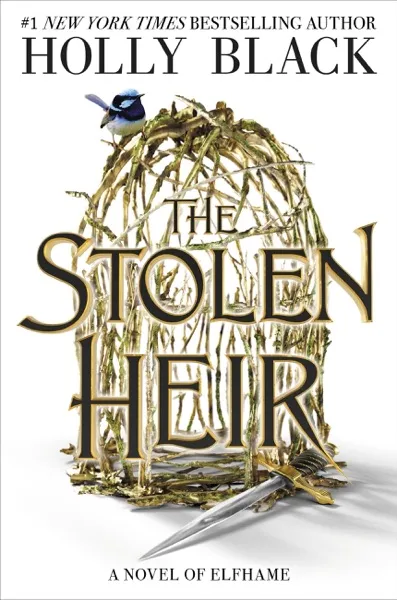
Stolen Heir Author: Holly BlackPage Count: UnknownPublication Year: 2023-GB The Dark Allure of Holly Black’s Stolen Heir: A Fairy Tale Reimagined for the Modern Age Few authors can weave the intoxicating blend of danger, desire, and deception as seamlessly as Holly Black. With Stolen Heir, the New York Times bestselling author once again proves why she’s a master of dark fantasy, delivering a tale that feels both timeless and urgently fresh. Set in the same lush, treacherous world as her acclaimed Crescent City series, this standalone novel plunges readers into a realm where faerie politics are as cutthroat as human ones—and where the line between hero and villain blurs with every whispered lie. At its heart, Stolen Heir is a story about power, identity, and the cost of reclaiming what was stolen. The narrative follows Prince Oak, heir to the Unseelie throne, whose life is upended when he discovers a human woman, Isolde, who bears an uncanny resemblance to his long-lost sister. As Oak navigates the treacherous politics of the faerie courts, Isolde must confront her own forgotten past and the dark bargain she once made. Their paths collide in a dance of deception, where trust is a currency as volatile as the magic that binds them. Black’s genius lies in her ability to craft characters who are as morally complex as they are compelling. Oak is a prince who wears his cruelty like armor, yet beneath the sharp edges, there’s a vulnerability that makes him impossible to dismiss. Isolde, on the other hand, is a survivor—her strength forged in fire, her loyalty tested at every turn. Their dynamic crackles with tension, a push-and-pull of attraction and animosity that keeps readers riveted. Supporting characters, from the enigmatic Lady Nore to the ruthless Prince Dain, add layers of intrigue, each playing a role in a game where the stakes couldn’t be higher. Themes of betrayal and redemption pulse through the story, but Black never shies away from the darker aspects of her world. The faerie courts are not places of whimsical magic; they are ruled by cruelty, ambition, and the ever-present threat of violence. Isolde’s journey, in particular, explores the idea of reclaiming one’s identity after being erased—whether by magic, memory, or the machinations of others. It’s a resonant metaphor for anyone who has ever felt invisible or powerless, and Black handles it with a deft touch that avoids heavy-handedness. Black’s prose is as sharp as a dagger’s edge, her descriptions vivid enough to make the reader’s skin prickle with the cold of the Unseelie realm. She has a knack for dialogue that crackles with wit and menace, and her pacing is relentless, ensuring that the pages turn themselves. The world-building is rich but never overwhelming, allowing readers to lose themselves in the intricacies of faerie lore without getting bogged down in exposition. What makes Stolen Heir stand out, even among Black’s other works, is its exploration of found family and the lengths to which people will go to protect those they love. The relationships here are fraught with tension, but they also offer moments of genuine warmth and connection. It’s a reminder that even in the darkest of worlds, there’s room for loyalty—and for the kind of love that can rewrite fate itself. For fans of dark fantasy, political intrigue, and morally gray characters, Stolen Heir is a must-read. Holly Black doesn’t just tell a story; she crafts an experience, one that lingers long after the final page. Whether you’re a longtime admirer of her work or new to the world of faerie courts, this novel will leave you breathless, eager for more—and perhaps a little wary of the shadows lurking just beyond the light. #HollyBlack #StolenHeir #DarkFantasy #FaerieTales #BookReview Related InsightsI Am Number Four Book Review and Summary A Room of One’s Own Book Review and Summary House Across the Lake Book Review and Summary{ "@context": "https://schema.org", "@type": "FAQPage", "mainEntity": [ { "@type": "Question", "name": "What is the main focus of **Stolen Heir** Book Review and Summary?", "acceptedAnswer": { "@type": "Answer", "text": "Everything you need to know about **Stolen Heir** with our detailed review." } }, { "@type": "Question", "name": "Who authored the comprehensive guide on **Stolen Heir** Book Review and Summary?", "acceptedAnswer": { "@type": "Answer", "text": "This detailed article and its insights were carefully researched and authored by Tiago Silva." } }, { "@type": "Question", "name": "Where can I find more related content about Books?", "acceptedAnswer": { "@type": "Answer", "text": "You can explore more articles, detailed reviews, and similar insights by browsing the Related Insights section at the bottom of this article or visiting our dedicated Books category page." } } ] }
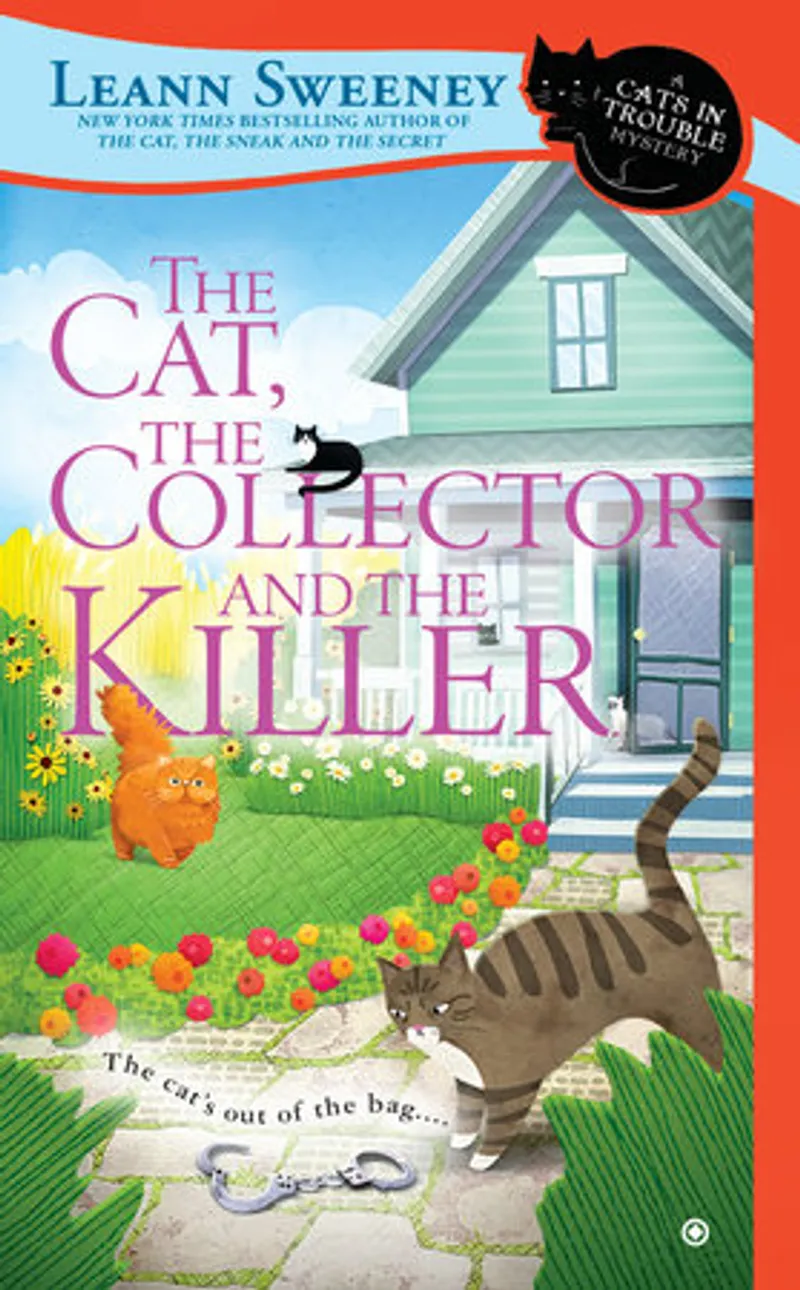
The Cat, The Collector and the Killer Author: Leann SweeneyPage Count: UnknownPublication Date: 2016-PRH A Whisker Away from the Truth: Leann Sweeney’s The Cat, The Collector and the Killer Delivers a Purr-fectly Twisted Mystery Leann Sweeney’s The Cat, The Collector and the Killer is a cozy mystery that blends charm, suspense, and a dash of feline mischief into a tale that’s as delightful as it is perplexing. As the latest installment in her Jillian Hart series, this book proves why Sweeney has earned her place among the New York Times bestselling authors of the genre. With a plot that twists like a cat’s tail and a protagonist whose intuition is as sharp as her wit, Sweeney crafts a mystery that keeps readers guessing until the very last page. At the heart of the story is Jillian Hart, a woman whose life has just settled into newlywed bliss with police chief Tom Stewart—until chaos interrupts their peaceful existence in Mercy, South Carolina. The arrival of a disoriented woman clutching a kitten in a tote bag sets off a chain of events that leads to a shocking discovery: a dead man hidden among a labyrinth of cardboard boxes and dozens of cats. The evidence points to the woman, but Jillian, ever the skeptic with a heart for the underdog (or under-cat, in this case), refuses to believe the frail suspect is capable of murder. What unfolds is a classic whodunit with a feline twist. Sweeney excels at weaving together small-town dynamics, eccentric characters, and a mystery that’s as much about human nature as it is about solving a crime. The dead man, it turns out, had plenty of enemies, making the list of suspects as long as a cat’s nine lives. As Jillian digs deeper, she navigates a web of secrets, lies, and red herrings—all while her own feline companions, the ever-observant cats of the series, seem to offer cryptic clues of their own. Sweeney’s writing style is a masterclass in balancing warmth and suspense. Her prose is effortless, drawing readers into Mercy’s quaint yet deceptively complex world with ease. The dialogue crackles with wit, and the characters—from the quirky townsfolk to the no-nonsense police chief—feel vivid and real. Jillian Hart, in particular, is a protagonist readers will root for. She’s intelligent, compassionate, and refreshingly skeptical of easy answers, making her the perfect sleuth for a mystery where nothing is quite as it seems. The cats, of course, are the stars of the show—or at least the co-stars. Sweeney’s love for felines shines through in every scene, whether it’s a mischievous tabby knocking over a clue or a sleek Siamese perched on a windowsill, watching the drama unfold with what can only be described as feline judgment. These furry sidekicks aren’t just window dressing; they add a layer of charm and unpredictability to the story, reminding readers that even in the darkest mysteries, there’s always room for a little whimsy. The pacing is another standout feature. Sweeney knows how to keep the tension taut without resorting to gratuitous violence or melodrama. The mystery unfolds at a steady clip, with enough twists and turns to keep readers engaged but not so many that they feel overwhelmed. The small-town setting, with its gossip, secrets, and hidden alliances, adds depth to the story, making the stakes feel personal for both the characters and the audience. If there’s one critique to be made, it’s that longtime fans of the series might find some elements familiar. The formula—quirky small town, eccentric locals, a murder mystery with a feline twist—is well-established, and while it works, it doesn’t break much new ground. However, that’s a minor quibble in a genre where comfort and familiarity are often part of the appeal. For readers new to Sweeney’s work, this book is a delightful introduction to her world, and for series fans, it’s a satisfying continuation of Jillian Hart’s adventures. The Cat, The Collector and the Killer is a mystery that’s as much about the journey as it is about the destination. It’s a story where the truth is as elusive as a cat in the night, and where the real mystery might just be the people—or the felines—around us. Sweeney’s blend of humor, heart, and suspense makes this a book that’s impossible to put down, especially for anyone who’s ever suspected their neighbor’s cat of knowing more than it lets on. For fans of cozy mysteries, feline-themed whodunits, and small-town intrigue, The Cat, The Collector and the Killer is a must-read. It’s a reminder that sometimes, the best mysteries aren’t just about who did it, but about the unexpected allies—and adversaries—we find along the way. #CatMystery #CozyMystery #JillianHartSeries #LeannSweeney #MysteryWithFelines #Whodunit Related InsightsThe Green Mile Book Review and Summary All the Light We Cannot See Book Review and Summary No Country for Old Men Book Review and Summary{ "@context": "https://schema.org", "@type": "FAQPage", "mainEntity": [ { "@type": "Question", "name": "What is the main focus of The Collector Book Review and Summary?", "acceptedAnswer": { "@type": "Answer", "text": "Everything you need to know about The Collector with our detailed review." } }, { "@type": "Question", "name": "Who authored the comprehensive guide on The Collector Book Review and Summary?", "acceptedAnswer": { "@type": "Answer", "text": "This detailed article and its insights were carefully researched and authored by John Fowles." } }, { "@type": "Question", "name": "Where can I find more related content about Books?", "acceptedAnswer": { "@type": "Answer", "text": "You can explore more articles, detailed reviews, and similar insights by browsing the Related Insights section at the bottom of this article or visiting our dedicated Books category page." } } ] }
-
 Sofia Bianchi
 - 28 Mar, 2025 12:52
Material Culture and Women's Religious Experience in Antiquity Book Review and Summary
Material Culture and Women's Religious Experience in Antiquity Author: Mark D. EllisonPage Count: UnknownPublication Year: 2021-GB Mark D. Ellison’s Material Culture and Women’s Religious Experience in Antiquity is a groundbreaking exploration of how material artifacts—from jewelry and textiles to household objects and sacred spaces—reveal the often-overlooked religious lives of women in the ancient world. Published in 2021, this meticulously researched work challenges conventional wisdom by shifting the lens from theological texts to the tangible remnants of female devotion. While the book doesn’t boast a lofty page count (a reflection, perhaps, of its disciplined focus), its depth lies not in quantity but in the way Ellison weaves together archaeology, social history, and gender studies to reconstruct a vivid, if fragmented, portrait of women’s spiritual agency. At its core, Material Culture and Women’s Religious Experience dismantles the persistent myth that ancient societies relegated women to passive, domestic roles in religious practice. Ellison argues that material culture—objects imbued with meaning through use, exchange, or ritual—serves as a silent but eloquent witness to women’s active participation in religious life. Whether through votive offerings left at healing sanctuaries, amulets worn for protection, or household shrines dedicated to household gods, women in antiquity left behind a rich tapestry of religious expression that has long been obscured by the dominance of male-authored religious narratives. Ellison’s methodology is one of the book’s greatest strengths. Rather than relying on the usual suspects—literary sources or theological treatises—he turns to the archaeological record, examining everything from terracotta figurines of goddesses to inscriptions on mirrors and cosmetics cases. This approach is not just innovative; it’s necessary. As Ellison notes, women’s religious experiences were frequently ephemeral, recorded not in grand temples or philosophical treatises but in the everyday objects that framed their lives. By interrogating these artifacts, he uncovers a parallel religious landscape where women were not merely recipients of doctrine but creators of meaning. The author’s style is both scholarly and accessible, striking a balance between rigorous academic analysis and engaging storytelling. Ellison avoids the dense jargon that often plagues interdisciplinary works, making the book approachable for readers with a general interest in ancient history or gender studies. His prose is clear and purposeful, with a knack for distilling complex theories into digestible insights. For instance, when discussing the symbolism of weaving in women’s religious practice, he doesn’t just cite abstract concepts but ties them to tangible artifacts like loom weights found in domestic shrines. This attention to detail ensures that the book feels grounded, even when tackling abstract ideas about agency and identity. One of the most compelling sections of the book is Ellison’s examination of women’s roles in healing cults, particularly the cult of Asclepius. He highlights how votive offerings—such as clay body parts left at healing sanctuaries—were often made by women, suggesting that their religious devotion was closely tied to their roles as caregivers. This challenges the traditional view of ancient healing practices as male-dominated, instead positioning women as central figures in the transmission of religious and medical knowledge. Ellison’s analysis here is particularly persuasive because it doesn’t rely on speculation; it’s rooted in the physical evidence of these offerings, which were often inscribed with women’s names or depictions of their ailments. Another standout chapter focuses on the domestic sphere, where women’s religious practices were both private and powerful. Ellison explores how household shrines, often overlooked in favor of grand public temples, were spaces where women negotiated their own spiritual authority. Objects like lamps, incense burners, and small statues of deities were not mere decorations but tools for invoking divine presence and protection. By examining these artifacts, Ellison reveals a world where women’s religious lives were not confined to the margins but were integral to the fabric of ancient society. The book’s only minor drawback is its occasional tendency to generalize. While Ellison does an admirable job of synthesizing a wide range of material, there are moments where the diversity of ancient cultures—Greek, Roman, Egyptian, and Near Eastern—can feel slightly flattened. A deeper exploration of regional differences might have added even more nuance to his arguments. That said, this is a minor quibble in an otherwise excellent work. Ultimately, Material Culture and Women’s Religious Experience in Antiquity is a vital contribution to both religious studies and gender history. It doesn’t just fill a gap in the scholarship; it redraws the map of what we know about women’s spiritual lives in the ancient world. By centering material culture, Ellison gives voice to those who left no written records, proving that even in the absence of words, objects can speak volumes. This book is essential reading for anyone interested in how religion, gender, and materiality intersect across time—and how the past’s silent artifacts can challenge our present assumptions. #AncientReligion #GenderStudies #Archaeology #WomenInAntiquity #MaterialCulture #FeministHistory Related InsightsEngineering a Love Story Book Review and Summary The Mercy of Gods Book Review and Summary B2 And now you're speaking Book Review and Summary{ "@context": "https://schema.org", "@type": "FAQPage", "mainEntity": [ { "@type": "Question", "name": "What is the main focus of Material Culture and Women's Religious Experience in Antiquity Book Review and Summary?", "acceptedAnswer": { "@type": "Answer", "text": "Everything you need to know about Material Culture and Women's Religious Experience in Antiquity with our detailed review." } }, { "@type": "Question", "name": "Who authored the comprehensive guide on Material Culture and Women's Religious Experience in Antiquity Book Review and Summary?", "acceptedAnswer": { "@type": "Answer", "text": "This detailed article and its insights were carefully researched and authored by Sofia Bianchi." } }, { "@type": "Question", "name": "Where can I find more related content about Books?", "acceptedAnswer": { "@type": "Answer", "text": "You can explore more articles, detailed reviews, and similar insights by browsing the Related Insights section at the bottom of this article or visiting our dedicated Books category page." } } ] }
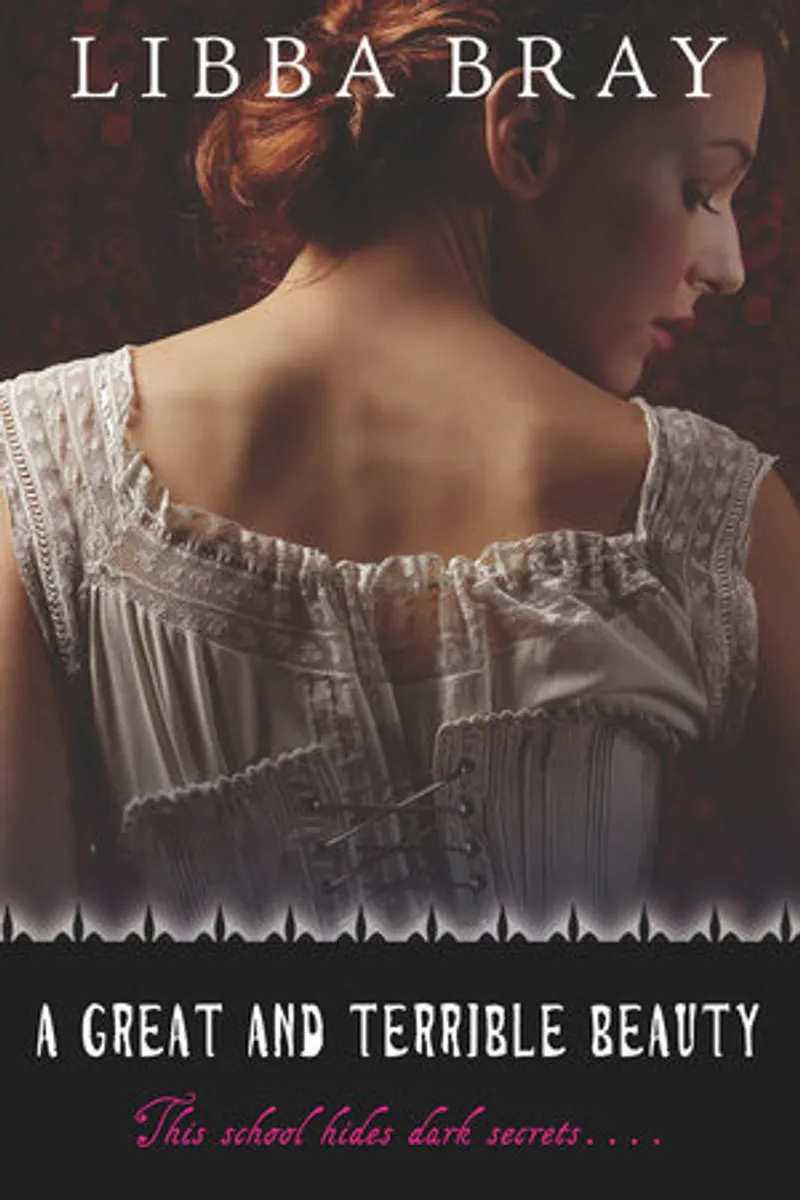
A Great and Terrible Beauty Author: Libba BrayPage Count: UnknownPublication Date: 2005-PRH In "A Great and Terrible Beauty," Libba Bray masterfully weaves a tale of self-discovery, mysticism, and the struggles of adolescence, set against the atmospheric backdrop of a late 19th-century English boarding school. This critically acclaimed novel, the first in the Gemma Doyle trilogy, is a rich and immersive reading experience that will captivate fans of Gothic fiction, historical drama, and supernatural mystery. At the heart of the story is Gemma Doyle, a 16-year-old girl who is sent to Spence Academy in England after her mother's tragic death in India. Gemma's experiences in a new and unfamiliar world are skillfully interwoven with her visions of the future, which add a layer of intrigue and tension to the narrative. As she navigates the complexities of her new surroundings, Gemma finds herself drawn to a group of girls who are experimenting with the spiritual world, including séances and other forms of mysticism. Bray's writing is a true delight, with a style that is both elegant and evocative. Her prose is infused with a sense of atmosphere and foreboding, perfectly capturing the mood of a Gothic novel. The author's use of language is deliberate and measured, creating a sense of tension and suspense that propels the reader forward. The characters in the novel are well-developed and complex, with Gemma being a particularly strong protagonist. Her struggles to come to terms with her past and find her place in the world are deeply relatable, making her a compelling and sympathetic character. One of the most striking aspects of "A Great and Terrible Beauty" is its exploration of the constraints placed on women during the late 19th century. The novel highlights the limited options available to women at the time, as well as the societal expectations that governed their behavior. Through Gemma's experiences, Bray sheds light on the difficulties faced by women who were seen as being too independent or too unconventional. This theme adds depth and complexity to the narrative, making the novel more than just a simple tale of supernatural mystery. The supernatural elements in the novel are also noteworthy, adding an extra layer of tension and intrigue to the story. Bray's use of mysticism and the occult is well-researched and adds a sense of authenticity to the narrative. The author's portrayal of the spiritual world is both fascinating and unsettling, creating a sense of unease in the reader. In conclusion, "A Great and Terrible Beauty" is a captivating and immersive novel that will appeal to fans of Gothic fiction, historical drama, and supernatural mystery. Libba Bray's writing is elegant and evocative, with a style that is both deliberate and measured. The novel's exploration of the constraints placed on women during the late 19th century adds depth and complexity to the narrative, making it a truly compelling read. #GothicFiction #HistoricalDrama #SupernaturalMystery #FeministLiterature #YoungAdultFiction #LibbaBray Related InsightsJohn Adams Book Review and Summary The Bluest Eye Book Review and Summary Green Eggs and Ham Book Review and Summary{ "@context": "https://schema.org", "@type": "FAQPage", "mainEntity": [ { "@type": "Question", "name": "What is the main focus of A Great and Terrible Beauty Book Review and Summary?", "acceptedAnswer": { "@type": "Answer", "text": "Everything you need to know about A Great and Terrible Beauty with our detailed review." } }, { "@type": "Question", "name": "Who authored the comprehensive guide on A Great and Terrible Beauty Book Review and Summary?", "acceptedAnswer": { "@type": "Answer", "text": "This detailed article and its insights were carefully researched and authored by Libba Bray." } }, { "@type": "Question", "name": "Where can I find more related content about Books?", "acceptedAnswer": { "@type": "Answer", "text": "You can explore more articles, detailed reviews, and similar insights by browsing the Related Insights section at the bottom of this article or visiting our dedicated Books category page." } } ] }
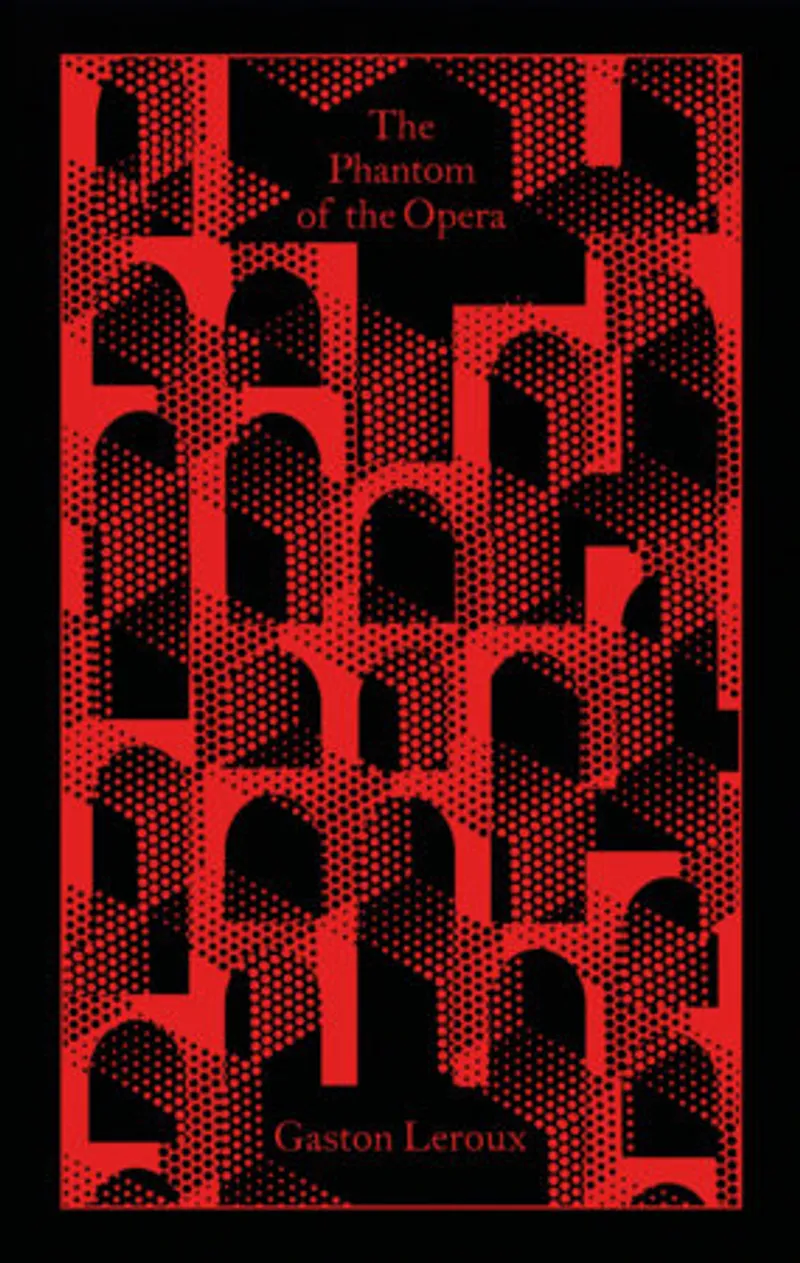
The Phantom of the Opera Author: Gaston LerouxPage Count: UnknownPublication Date: 2025-PRH The Phantom of the Opera by Gaston Leroux is a masterclass in Gothic horror and tragic romance, and this new translation is a must-read for both old and new fans of the classic novel. The story revolves around the mysterious Phantom, who is said to haunt the Paris Opera House, and his obsession with the beautiful and talented young singer, Christine Daaé. Leroux's writing is atmospheric and immersive, transporting readers to the dark and mysterious world of the opera house. His vivid descriptions of the setting and characters are so evocative that it's easy to become fully absorbed in the story. The author's use of language is also noteworthy, with a beautiful, lyrical quality that adds to the sense of drama and tragedy. One of the most striking aspects of the novel is its exploration of the theme of identity. The Phantom, a musical genius who is shunned by society due to his physical deformity, is a powerful symbol of the destructive nature of societal expectations. His obsession with Christine is not just a romantic infatuation, but a desire to be seen and accepted for who he truly is. Christine, on the other hand, is a symbol of the fragility of identity. Her talent and beauty make her a star of the opera, but she is also vulnerable to the whims of those around her. Her relationships with the Phantom and the Viscount are complex and multifaceted, reflecting the societal pressures that women face in terms of their roles and expectations. The novel's exploration of the theme of love is also noteworthy. The Phantom's love for Christine is all-consuming and destructive, while the Viscount's love is more conventional and societal. The contrast between these two forms of love highlights the societal expectations that govern our relationships and the destructive nature of unchecked passion. The translation is also noteworthy, capturing the Gothic horror and tragic romance of the original novel. The introduction provides a fascinating insight into the Phantom's legacy and the secrets of the Paris Opera, adding depth and context to the story. Overall, The Phantom of the Opera is a classic novel that continues to captivate readers to this day. This new translation is a must-read for fans of Gothic horror and tragic romance, and its exploration of the theme of identity is both thought-provoking and haunting. With its beautiful writing, vivid descriptions, and complex characters, this novel is a true masterpiece of literature. #ThePhantomOfTheOpera #GastonLeroux #GothicHorror #TragicRomance #ClassicLiterature #ParisOpera Related InsightsThe Grapes of Wrath Book Review and Summary Libra Book Review and Summary Catch-22 Book Review and Summary{ "@context": "https://schema.org", "@type": "FAQPage", "mainEntity": [ { "@type": "Question", "name": "What is the main focus of The Phantom of the Opera Book Review and Summary?", "acceptedAnswer": { "@type": "Answer", "text": "Everything you need to know about The Phantom of the Opera with our detailed review." } }, { "@type": "Question", "name": "Who authored the comprehensive guide on The Phantom of the Opera Book Review and Summary?", "acceptedAnswer": { "@type": "Answer", "text": "This detailed article and its insights were carefully researched and authored by Gaston Leroux." } }, { "@type": "Question", "name": "Where can I find more related content about Books?", "acceptedAnswer": { "@type": "Answer", "text": "You can explore more articles, detailed reviews, and similar insights by browsing the Related Insights section at the bottom of this article or visiting our dedicated Books category page." } } ] }
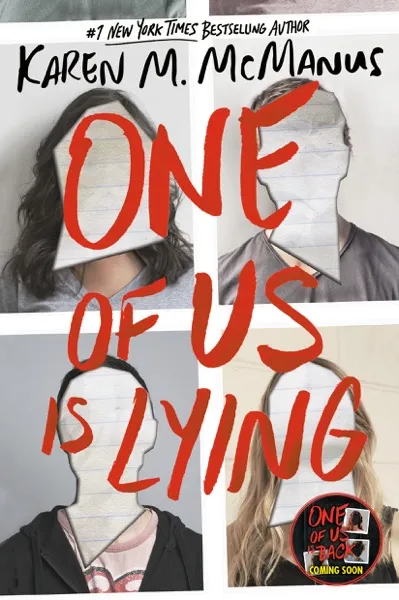
Karen M. Mcmanus 2-Book Box Set Author: Karen M. McManusPage Count: UnknownPublication Year: 2020-GB Karen M. McManus’s Two-Book Box Set is a masterclass in YA mystery, blending sharp wit, intricate plotting, and a cast of flawed, unforgettable characters into a narrative that grabs you from the first page and refuses to let go. This box set—likely containing One of Us Is Lying and One of Us Is Next—stands as a testament to McManus’s ability to reinvent the genre while keeping its core appeal: the thrill of the unknown and the intoxicating rush of solving secrets alongside the story’s heroes. At its heart, McManus’s work thrives on the power of perception and the way lies can distort reality. Both books in this set explore how a single moment—a rumor, a misplaced word, a hidden truth—can spiral into chaos, shaping lives in ways no one could foresee. The first book, One of Us Is Lying, reimagines the classic Breakfast Club trope: five students enter detention, but only four leave alive. The dead boy, Simon, was the school’s resident gossip, and as the survivors scramble to cover their tracks, they uncover just how much Simon knew—and how much their own secrets could destroy them. McManus twists the premise into a high-stakes whodunit where every character is both suspect and victim, their motives buried under layers of guilt and denial. The sequel, One of Us Is Next, takes the concept even further by shifting the focus to the next generation. This time, the mystery revolves around a game of truth or dare gone horribly wrong, where anonymous messages expose dark secrets in a small town. The book explores themes of digital voyeurism, peer pressure, and the way trauma lingers across generations. McManus doesn’t shy away from the darker consequences of her characters’ actions, making the story feel raw and unflinching. Both books, though standalone in their plots, are thematically linked by the idea that the past is never truly buried—and that the truth, no matter how painful, has a way of resurfacing. What sets McManus apart from other YA mystery writers is her razor-sharp characterization. Her protagonists are far from perfect; they lie, they manipulate, they make terrible choices. Yet, it’s precisely their humanity that makes them compelling. In One of Us Is Lying, Bronwyn, the overachiever, discovers that her meticulous reputation is a fragile facade; Addy, the popular girl, grapples with the cost of her image; and Cooper, the athlete hiding a secret, learns that heroism often comes with a price. McManus gives each character a distinct voice—Bronwyn’s dry sarcasm, Nate’s street-smart cynicism, Phoebe’s unraveling paranoia—and lets their perspectives collide in ways that feel both authentic and suspenseful. Her writing style is deceptively simple, lulling readers into a false sense of security before slamming them with twists that land with the force of a gut punch. McManus excels at misdirection, planting red herrings that seem plausible right up until the moment the rug is pulled out from under you. The pacing is relentless, with chapters that end on cliffhangers so effective they demand you keep reading long past your bedtime. Yet, beneath the surface-level thrills, she weaves in deeper questions about justice, redemption, and the weight of secrets—making her books feel more than just entertainment. They’re psychological puzzles that linger in your mind long after the last page. The box set’s appeal is undeniable for fans of the genre. If you loved Pretty Little Liars or Gossip Girl but crave something darker and more grounded, McManus delivers. Her stories feel like the natural evolution of teen mysteries, stripping away the supernatural elements to focus on the very real horrors of high school hierarchies, social media shaming, and the fallout of a single lie. The books aren’t afraid to punish their characters for their mistakes, which only heightens the stakes. In an era where YA often leans into either saccharine romance or dystopian extremes, McManus carves out a niche that’s both smart and satisfying. She understands that the best mysteries aren’t just about who did it—they’re about why it matters. And in the end, that’s what makes her box set so addictive: it’s not just a puzzle to be solved, but a story about the lies we tell ourselves and the truths we can’t outrun. #OneOfUsIsLying #YAThriller #KarenMcManus #TeenMystery #BookBoxSet #MustReadYA Related InsightsViper & Lilies (Sisters of Flowers and Flames, #1) Book Review and Summary A Room with a View Book Review and Summary Dead Lift Book Review and Summary{ "@context": "https://schema.org", "@type": "FAQPage", "mainEntity": [ { "@type": "Question", "name": "What is the main focus of Karen M. Mcmanus 2-Book Box Set Book Review and Summary?", "acceptedAnswer": { "@type": "Answer", "text": "Everything you need to know about Karen M. Mcmanus 2-Book Box Set with our detailed review." } }, { "@type": "Question", "name": "Who authored the comprehensive guide on Karen M. Mcmanus 2-Book Box Set Book Review and Summary?", "acceptedAnswer": { "@type": "Answer", "text": "This detailed article and its insights were carefully researched and authored by Natalia Sokolova." } }, { "@type": "Question", "name": "Where can I find more related content about Books?", "acceptedAnswer": { "@type": "Answer", "text": "You can explore more articles, detailed reviews, and similar insights by browsing the Related Insights section at the bottom of this article or visiting our dedicated Books category page." } } ] }
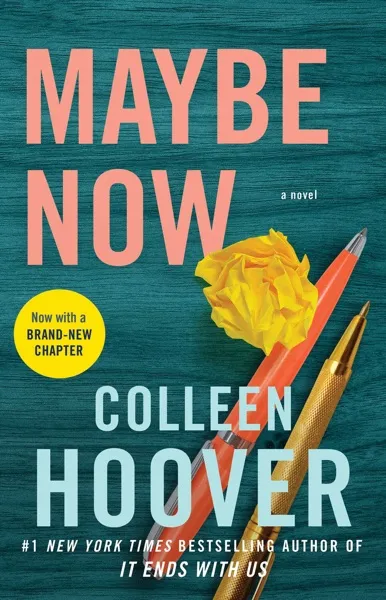

Maybe Now Author: Colleen HooverPage Count: UnknownPublication Year: 2019-GB What if the what-ifs of life were to converge, forcing you to confront the choices you never made and the paths you never took? This is the crux of Colleen Hoover's thought-provoking novel, "Maybe Now", a book that has captured the hearts of millions of readers worldwide since its release in 2018. As a masterful storyteller, Hoover weaves a complex tale of love, loss, and self-discovery, leaving readers to ponder the intricacies of their own lives. With her unique blend of wit, charm, and emotional depth, Hoover has solidified her position as one of the most beloved and respected authors of contemporary fiction. At its core, "Maybe Now" is a novel about the human experience, exploring themes of regret, longing, and the search for meaning. Through the eyes of her characters, Hoover invites readers to reflect on their own lives, to consider the choices they've made, and to ponder the possibilities that lie ahead. The characters in "Maybe Now" are multidimensional and relatable, with rich inner lives and compelling backstories. They are flawed and vulnerable, yet resilient and determined, making it easy for readers to become invested in their journeys. One of the most striking aspects of Hoover's writing style is her ability to craft characters that feel like old friends. Her characters are never simply good or evil; instead, they exist on a spectrum of humanity, with all the complexities and contradictions that come with being human. This nuance is a hallmark of Hoover's writing, and it's a key factor in her ability to create stories that resonate with readers on a deep level. In "Maybe Now", Hoover's characters are particularly well-developed, with distinct voices and perspectives that add depth and texture to the narrative. Hoover's writing style is also notable for its accessibility and clarity. She has a gift for conveying complex emotions and ideas in a way that feels effortless and intuitive. Her prose is lyrical and evocative, with a poetic quality that adds to the novel's emotional resonance. At the same time, Hoover is unafraid to tackle tough subjects, including grief, trauma, and mental health. She approaches these topics with sensitivity and compassion, creating a safe space for readers to explore their own emotions and experiences. Throughout "Maybe Now", Hoover explores the concept of timing and its role in shaping our lives. She suggests that the timing of events, relationships, and experiences can have a profound impact on our trajectories, influencing the choices we make and the outcomes we achieve. This idea is both profound and provocative, inviting readers to consider the role of circumstance and chance in their own lives. By examining the interplay between timing, choice, and consequence, Hoover raises important questions about the nature of destiny and the human condition. As a global bestseller, "Maybe Now" has resonated with readers from diverse backgrounds and cultures. The novel's themes of love, family, and self-discovery are universal, transcending borders and boundaries. Hoover's writing has a way of tapping into our collective humanity, creating a sense of connection and community among readers. Whether you're a longtime fan of Hoover's work or a newcomer to her fiction, "Maybe Now" is a must-read for anyone who loves complex, thought-provoking stories about the human experience. In conclusion, "Maybe Now" is a masterpiece of contemporary fiction, a novel that will linger in your thoughts long after you finish reading it. With its rich characters, nuanced themes, and captivating storytelling, this book is a testament to Colleen Hoover's skill and craftsmanship as a writer. If you're looking for a novel that will challenge your assumptions, touch your heart, and inspire your imagination, then "Maybe Now" is the perfect choice. #ColleenHoover #MaybeNow #ContemporaryFiction #BookReview #NewYorkTimesBestseller Related InsightsSharpe's Command Book Review and Summary Ink and Iron: The Silent War Against the Written Word in the Soviet Union Everything's Not Lost Book Review and Summary{ "@context": "https://schema.org", "@type": "FAQPage", "mainEntity": [ { "@type": "Question", "name": "What is the main focus of **Maybe Now** Book Review and Summary?", "acceptedAnswer": { "@type": "Answer", "text": "Everything you need to know about **Maybe Now** with our detailed review." } }, { "@type": "Question", "name": "Who authored the comprehensive guide on **Maybe Now** Book Review and Summary?", "acceptedAnswer": { "@type": "Answer", "text": "This detailed article and its insights were carefully researched and authored by Olivia Harris." } }, { "@type": "Question", "name": "Where can I find more related content about Books?", "acceptedAnswer": { "@type": "Answer", "text": "You can explore more articles, detailed reviews, and similar insights by browsing the Related Insights section at the bottom of this article or visiting our dedicated Books category page." } } ] }
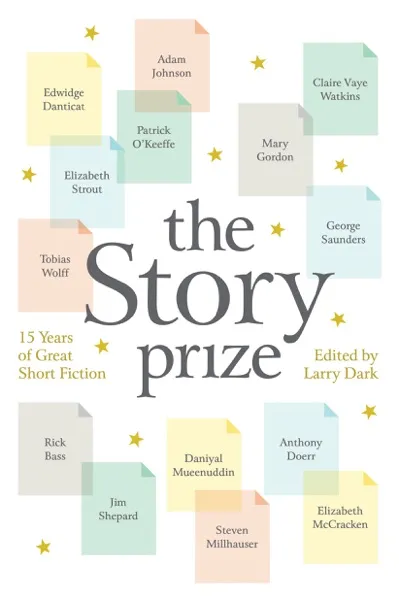

The Story Prize Author: Larry DarkPage Count: UnknownPublication Year: 2019-GB The Story Prize: A Masterclass in Storytelling and the Art of the Short Story Larry Dark’s The Story Prize is not just a book; it’s an ode to the craft of storytelling itself. Published in 2019, this acclaimed work stands as a testament to the power of the short story—a genre often overshadowed by the sprawling epics of novels. Dark, a seasoned literary critic and curator of the prestigious Story Prize, distills decades of experience into a work that is as instructive as it is immersive. Whether you’re an aspiring writer, a seasoned reader, or simply a lover of great fiction, The Story Prize offers a rare glimpse into the alchemy that transforms words into worlds. At its core, The Story Prize is an exploration of what makes a short story work—not just in theory, but in the hands of masterful writers. Dark doesn’t just analyze; he invites the reader into the process, dissecting the mechanics of narrative tension, character depth, and prose precision with the discernment of a connoisseur. The book is structured around the winning stories of the Story Prize, a prestigious award that has celebrated some of the most innovative voices in contemporary literature. By examining these selections, Dark reveals how great stories balance brevity with impact, how a single sentence can carry the weight of an entire life, and how endings—even when abrupt—can linger like a haunting melody. Dark’s style is one of quiet authority, blending scholarly insight with the enthusiasm of a passionate reader. He avoids the jargon of academic criticism, opting instead for clear, evocative prose that makes the book accessible without dumbing down the material. His analysis is meticulous but never pedantic, drawing connections between stories across genres and cultures. For instance, he might juxtapose the psychological depth of a Lydia Davis piece with the surrealism of a George Saunders story, showing how different approaches can achieve the same emotional resonance. This comparative method not only educates but also broadens the reader’s understanding of what short fiction can be. One of the book’s most compelling themes is the idea that a short story is not merely a condensed novel, but a distinct art form with its own rules and possibilities. Dark argues that the best short stories often succeed by not trying to do everything a novel does. Instead, they focus on a single moment, a sliver of experience, and infuse it with meaning. He cites Alice Munro’s ability to compress entire lifetimes into a few pages, or the way Junot Díaz can evoke entire cultures through the eyes of a single character. The short story, in Dark’s view, is less about scope and more about intensity—about the way a single image or line can resonate long after the last page is turned. Dark also delves into the role of the reader, emphasizing that great stories demand active participation. A short story, he suggests, is a collaboration between writer and reader, where the gaps between the lines are as important as the words themselves. He quotes Eudora Welty’s famous line: "A good snapshot keeps a moment from running away." This idea underscores the short story’s power to freeze a fleeting emotion or thought, making it tangible in a way that longer narratives sometimes cannot. The book’s strength lies in its balance—between criticism and celebration, between analysis and inspiration. Dark doesn’t just tell you why a story works; he makes you feel it. His enthusiasm is infectious, whether he’s praising the precision of a Joy Williams story or the emotional gut-punch of a story by Edwidge Danticat. He writes with the reverence of someone who understands that the best fiction is not just entertainment but a form of revelation. For writers, The Story Prize is an invaluable guide, offering practical insights into structure, voice, and the elusive quality of "truth" in fiction. For readers, it’s a masterclass in how to read more deeply, to appreciate the craft behind the stories they love. And for anyone who has ever marveled at how a few thousand words can feel like an entire universe, it’s a reminder of the magic that happens when a writer knows exactly how to wield their tools. In an era where attention spans are shrinking and the novel dominates the literary landscape, The Story Prize is a necessary corrective—a celebration of the short story as a vital, vibrant form. Larry Dark doesn’t just defend it; he elevates it, showing that great storytelling isn’t about length, but about the perfect distillation of experience. If you’ve ever been moved by a short story and wondered how it was done, this book will give you the answers. If you’re a writer struggling to craft a story that lingers, it will guide you. And if you simply love great fiction, it will remind you why the short story will always be one of literature’s most powerful forms. #ShortStoryMastery #LiteraryCriticism #StorytellingSecrets #ContemporaryFiction #TheStoryPrize #LarryDark Related InsightsThe Big Sleep Book Review and Summary Emma Book Review and Summary A Wall Is Also a Road Book Review and Summary{ "@context": "https://schema.org", "@type": "FAQPage", "mainEntity": [ { "@type": "Question", "name": "What is the main focus of The Story Prize Book Review and Summary?", "acceptedAnswer": { "@type": "Answer", "text": "Everything you need to know about The Story Prize with our detailed review." } }, { "@type": "Question", "name": "Who authored the comprehensive guide on The Story Prize Book Review and Summary?", "acceptedAnswer": { "@type": "Answer", "text": "This detailed article and its insights were carefully researched and authored by Anna Kowalska." } }, { "@type": "Question", "name": "Where can I find more related content about Books?", "acceptedAnswer": { "@type": "Answer", "text": "You can explore more articles, detailed reviews, and similar insights by browsing the Related Insights section at the bottom of this article or visiting our dedicated Books category page." } } ] }
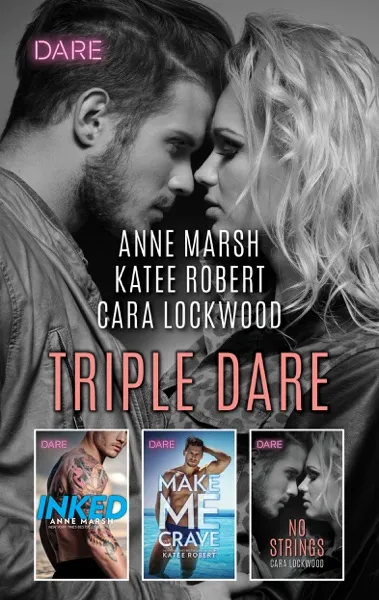
Dare Me... to Want You Author: Katee RobertPage Count: UnknownPublication Year: 2023-GB Dare Me… to Want You: A Provocative Masterclass in Dark Romance and Seductive Prose Katee Robert’s Dare Me… to Want You (2023) isn’t just another romance—it’s a slow-burn inferno of desire, danger, and psychological tension that sears itself into your memory. Rooted in the author’s signature blend of eroticism and emotional depth, this novel is a global bestseller for a reason: it dares the reader to look away, even as it unravels the fragile line between love and obsession. At its core, Dare Me… to Want You explores the intoxicating allure of a love so consuming it borders on self-destruction. The story revolves around two fiercely compelling characters whose chemistry crackles with every glance, every whispered challenge. Robert crafts a narrative where passion isn’t just about physical attraction—it’s about power, control, and the thrilling, terrifying vulnerability of surrender. The "dare" in the title isn’t just a game; it’s an ultimatum, a test of how far two people will go to claim what they crave, even if it means burning everything in their path. Robert’s prose is a masterclass in tension. She writes with a raw, unflinching intensity that pulls you into the characters’ psyches, making their desires—and their flaws—impossible to ignore. Her dialogue is sharp, laced with innuendo and subtext, while her descriptions of intimacy are poetic yet unapologetically explicit. The pacing is deliberate, allowing the reader to marinate in the anticipation, the simmering frustration, the electric charge of almost-but-not-quite-touching. It’s the kind of book that leaves you breathless, flipping pages long past your bedtime because you need to know what happens next—even if you know it might wreck you. One of Robert’s greatest strengths is her ability to balance darkness with vulnerability. The characters in Dare Me… to Want You are flawed, sometimes infuriating, but always deeply human. Their emotional baggage isn’t just backstory—it’s the fuel for their fire, the reason their connection feels so urgent. There’s a delicious moral ambiguity here, a refusal to paint love in neat, sanitized strokes. This isn’t a fairy tale; it’s a story where love is a choice, a battle, and sometimes, a weapon. The result is a reading experience that lingers, leaving you questioning your own boundaries, your own limits in the name of desire. If you’re a fan of contemporary romance with bite, or if you’ve ever found yourself captivated by the push-and-pull of a relationship that feels like a high-stakes game, this book will grip you like nothing else. Robert doesn’t just write steamy scenes—she crafts an atmosphere where every interaction feels charged, where every "no" is a precursor to a more intoxicating "yes." It’s the kind of novel that demands to be read in one sitting, not because it’s easy to digest, but because the pull of its narrative is irresistible. Dare Me… to Want You is a testament to Katee Robert’s talent for blending erotica, suspense, and raw emotional depth into a story that feels both timeless and urgently modern. It’s a book that doesn’t just entertain—it provokes, it enthralls, and it leaves you breathless in its wake. #DarkRomance #KateeRobert #ForbiddenLove #SpicyRomance #RomanceBooks #BookTok Related InsightsKiss Slay Replay Book Review and Summary Black Officer, White Navy Book Review and Summary Cosmos Book Review and Summary{ "@context": "https://schema.org", "@type": "FAQPage", "mainEntity": [ { "@type": "Question", "name": "What is the main focus of Dare Me... to Want You Book Review and Summary?", "acceptedAnswer": { "@type": "Answer", "text": "Everything you need to know about Dare Me... to Want You with our detailed review." } }, { "@type": "Question", "name": "Who authored the comprehensive guide on Dare Me... to Want You Book Review and Summary?", "acceptedAnswer": { "@type": "Answer", "text": "This detailed article and its insights were carefully researched and authored by Anna Kowalska." } }, { "@type": "Question", "name": "Where can I find more related content about Books?", "acceptedAnswer": { "@type": "Answer", "text": "You can explore more articles, detailed reviews, and similar insights by browsing the Related Insights section at the bottom of this article or visiting our dedicated Books category page." } } ] }
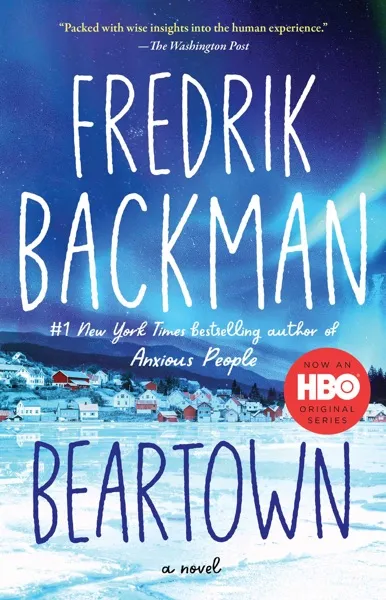

Beartown (Spanish Edition) Author: Fredrik BackmanPage Count: UnknownPublication Year: 2023-GB Fredrik Backman’s Beartown is more than a novel—it’s a visceral experience that lingers long after the final page. Translated into Spanish in 2023, this Swedish masterpiece continues to captivate readers worldwide with its raw emotional power and unflinching exploration of community, ambition, and the fractures beneath the surface of small-town life. Backman, known for his keen insight into human nature, crafts a story that is as much about the fragility of dreams as it is about the weight of expectations, all set against the backdrop of a dying forest town where hockey is the heartbeat—and the battleground—of survival. At its core, Beartown is a story about loyalty and betrayal, about the stories we tell ourselves to make sense of the world, and about the lies we tell to protect the ones we love. The town of Beartown is a character in itself—a place where every resident’s identity is tied to the local junior ice hockey team, a team that could be their ticket out of poverty or their ticket to damnation. When a violent act shatters the community, the fragile alliances that held Beartown together begin to unravel, exposing the ugliness beneath the glittering ice and forced camaraderie. Backman’s genius lies in his ability to weave multiple perspectives into a tapestry of conflicting truths. There’s Peter Andersson, the once-great hockey player turned general manager of the team, whose ambition has blinded him to the moral decay around him. His wife, Mira, a biology teacher, represents the voice of reason, but even she is complicit in the town’s silence. Then there’s Maya, the 17-year-old daughter of the Andersson family, whose quiet rebellion against her father’s obsession with hockey becomes a catalyst for the town’s reckoning. And let’s not forget the players themselves—the broken, the talented, the desperate—each carrying their own burdens in a town that demands everything and offers little in return. What makes Beartown so compelling is Backman’s refusal to offer easy answers. There are no heroes or villains here, only people shaped by their circumstances, making choices that are as understandable as they are heartbreaking. The novel doesn’t shy away from the complexities of consent, power, and complicity, forcing readers to confront uncomfortable questions: How far would you go to protect your child? Would you ignore a crime to save a dream? The answers aren’t simple, and Backman doesn’t pretend they should be. Backman’s prose is deceptively simple, a style that belies the depth of his storytelling. His sentences are clean, his dialogue sharp, and his descriptions vivid—but it’s the emotional undercurrents that truly resonate. He writes with a warmth that makes even the most flawed characters feel real, their struggles relatable. There’s a humor in his writing, too, a dark and oftentimes biting wit that cuts through the tragedy, reminding us that even in despair, there is humanity. One of the most striking aspects of Beartown is how it captures the essence of a community in crisis. The town isn’t just a setting; it’s a living, breathing organism with its own rules, its own myths, and its own capacity for destruction. The hockey team isn’t just a sports team—it’s a symbol of hope, a lifeline, and a crushing burden all at once. Backman’s exploration of how a community can both uplift and destroy its members is nothing short of masterful. Ultimately, Beartown is a novel about the cost of silence. It’s about what happens when a town chooses a story over the truth, when loyalty becomes a prison, and when the dreams we cling to become the chains that bind us. It’s a story that will make you laugh, cry, and rage—sometimes all within the same paragraph. And it’s a story that will leave you questioning what you would do if you lived in Beartown, where every choice has the power to define a life. Fredrik Backman has done it again. With Beartown, he doesn’t just write a book; he crafts an experience that challenges, provokes, and lingers. It’s a testament to the power of literature to hold up a mirror to society and force us to look—really look—at the world we’ve created. #Beartown #FredrikBackman #SmallTownDrama #HockeyNovel #CommunityAndConflict #MustRead Related InsightsThis Door of the Seas Book Review and Summary Estuche Jane Austen (Contiene: Orgullo y prejuicio / Sentido y sensibilidad) / Jane Austen Box Set (includes: Pride and Prejudice / Sense and Sensibility) Book Review and Summary Magnificent Book of Butterflies and Moths Book Review and Summary{ "@context": "https://schema.org", "@type": "FAQPage", "mainEntity": [ { "@type": "Question", "name": "What is the main focus of Beartown (Spanish Edition) Book Review and Summary?", "acceptedAnswer": { "@type": "Answer", "text": "Everything you need to know about Beartown (Spanish Edition) with our detailed review." } }, { "@type": "Question", "name": "Who authored the comprehensive guide on Beartown (Spanish Edition) Book Review and Summary?", "acceptedAnswer": { "@type": "Answer", "text": "This detailed article and its insights were carefully researched and authored by Antoine Leroy." } }, { "@type": "Question", "name": "Where can I find more related content about Books?", "acceptedAnswer": { "@type": "Answer", "text": "You can explore more articles, detailed reviews, and similar insights by browsing the Related Insights section at the bottom of this article or visiting our dedicated Books category page." } } ] }
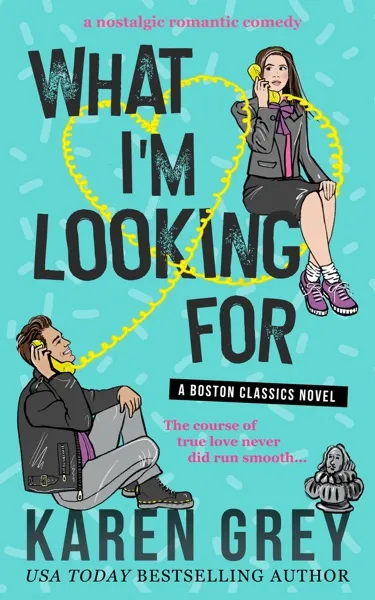
The Blast from the Past Author: Lucy ScorePage Count: UnknownPublication Year: 2022-GB Imagine stumbling upon a mysterious box in your attic, filled with remnants of a bygone era, each item whispering tales of love, loss, and longing. This is precisely what Lucy Score masterfully weaves in her 2022 global bestseller, "The Blast from the Past", a narrative that will captivate you from the very first page and linger long after you've turned the last. As a literary critic, it's a rare pleasure to encounter a book that so adeptly intertwines themes of nostalgia, second chances, and the indomitable human spirit, making it a compelling read for anyone who has ever looked back and wondered what could have been. At the heart of "The Blast from the Past" are characters so meticulously crafted, they feel like old friends, their struggles and triumphs a testament to Score's impressive character development skills. The protagonist, with their complex mix of vulnerability and resilience, guides the reader through a journey that explores the profound impact of past experiences on the present. Score's writing style is a significant strength of the book, blending humor, wit, and emotional depth in a way that makes the narrative both accessible and engaging. Her prose is like a warm blanket on a cold day, inviting and comforting, making it easy to become fully immersed in the world she creates. One of the main themes that Score explores with remarkable sensitivity is the power of nostalgia. Not just a sentimental longing for the past, but a powerful force that can both heal and haunt. She delicately navigates the fine line between romance and reality, showing how the past can shape our identities and influence our relationships in profound ways. The way Score weaves historical details into the fabric of the story adds a layer of authenticity, making the narrative feel like a personal tale of someone you know, rather than a fictional account. Moreover, "The Blast from the Past" delves into the concept of second chances, exploring how they can lead to personal growth and redemption. Score presents a nuanced view, highlighting the challenges and complexities that come with reevaluating past choices and embracing new opportunities. This theme resonates deeply, encouraging readers to reflect on their own lives and the possibilities that have slipped away, perhaps to be rediscovered in the future. The setting of the story, with its vivid descriptions and historical context, plays a crucial role in setting the tone and pace of the narrative. Score's depiction of place and time is so evocative that it effortlessly transports readers to another era, immersing them in the sights, sounds, and emotions of a bygone age. This sensory experience is a significant aspect of the book's appeal, offering a temporary escape from the present while also inviting contemplation on the passage of time and its effects on human lives. In terms of character development, Score exhibits a remarkable ability to craft personas that are relatable, flawed, and endearing. The emotional journeys of her characters are deeply personal and universally relatable, making it easy for readers to invest in their stories and outcomes. The way Score handles dialogue is equally impressive, with conversations that feel spontaneous and authentic, revealing the characters' inner worlds and relationships with grace and subtlety. Overall, "The Blast from the Past" is a masterpiece of contemporary literature, offering a rich tapestry of themes, characters, and storylines that will resonate with readers from all walks of life. Lucy Score's writing is a testament to the enduring power of storytelling, capable of touching hearts, challenging perceptions, and inspiring new perspectives. For anyone looking for a book that will make them laugh, cry, and reflect on the complexities of the human experience, "The Blast from the Past" is an absolute must-read. #TheBlastFromThePast #LucyScore #BestSellerBooks #NostalgiaInLiterature #ContemporaryLiteraryFiction Related InsightsThe House in the Cerulean Sea Book Review and Summary Brief cases Book Review and Summary La parte más oscura del bosque Book Review and Summary{ "@context": "https://schema.org", "@type": "FAQPage", "mainEntity": [ { "@type": "Question", "name": "What is the main focus of **The Blast from the Past** Book Review and Summary?", "acceptedAnswer": { "@type": "Answer", "text": "Everything you need to know about **The Blast from the Past** with our detailed review." } }, { "@type": "Question", "name": "Who authored the comprehensive guide on **The Blast from the Past** Book Review and Summary?", "acceptedAnswer": { "@type": "Answer", "text": "This detailed article and its insights were carefully researched and authored by Anna Kowalska." } }, { "@type": "Question", "name": "Where can I find more related content about Books?", "acceptedAnswer": { "@type": "Answer", "text": "You can explore more articles, detailed reviews, and similar insights by browsing the Related Insights section at the bottom of this article or visiting our dedicated Books category page." } } ] }
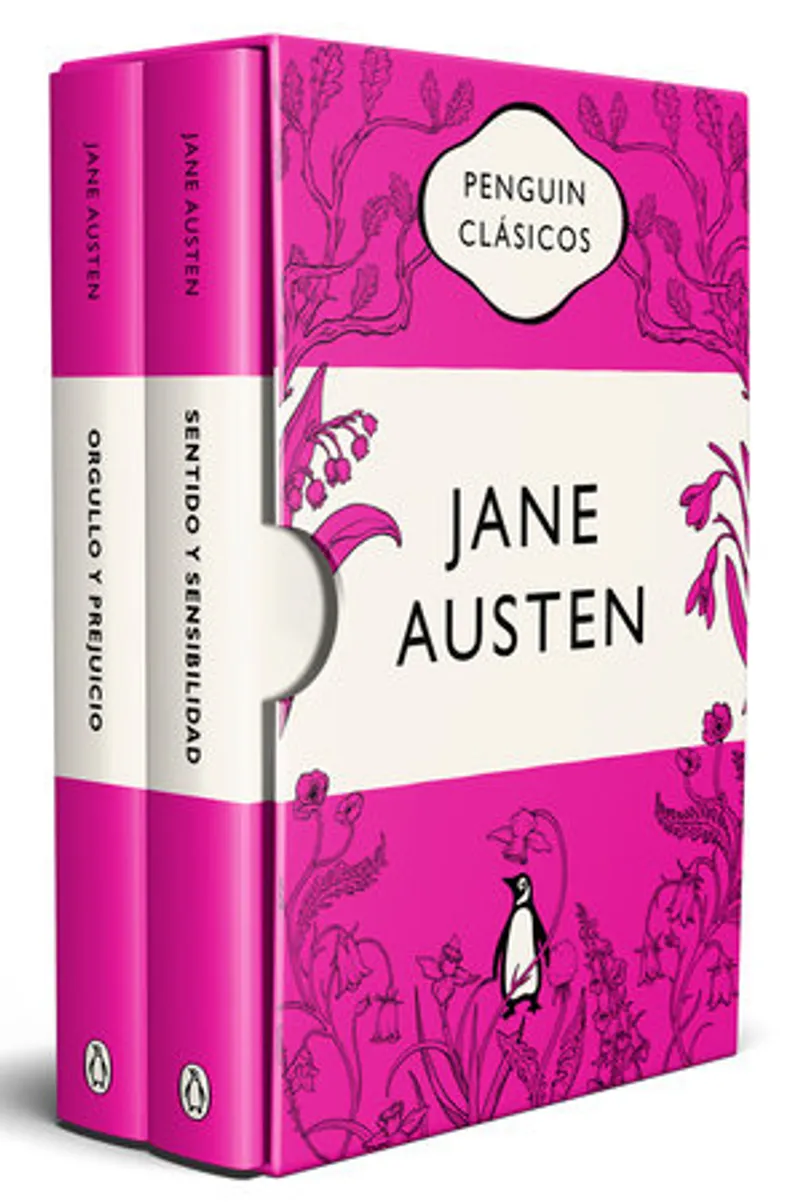
Estuche Jane Austen: Orgullo y prejuicio; Sentido y sensibilidad (Edición icónica) / Jane Austen Boxed Set: Pride and Prejudice; Sense and Sensibility Author: Jane AustenPage Count: UnknownPublication Date: 2025-PRH In the realm of timeless literature, few authors have managed to captivate readers with the same level of elegance and wit as Jane Austen. The newly released "Estuche Jane Austen: Orgullo y prejuicio; Sentido y sensibilidad" (Jane Austen Boxed Set: Pride and Prejudice; Sense and Sensibility) is a masterful compilation of two of Austen's most revered works, presented in an iconic edition that promises to delight both longtime fans and newcomers alike. At the heart of Austen's writing lies a profound understanding of the human experience, with all its complexities and contradictions. Her works are a testament to the enduring power of love, family, and social status, set against the backdrop of 19th-century England's rigid class structures. In "Pride and Prejudice" and "Sense and Sensibility," Austen weaves intricate narratives that follow the lives of strong-willed women as they navigate the challenges of their time. One of the most striking aspects of Austen's writing is her ability to craft characters that are at once relatable and flawed. Elizabeth Bennet, the protagonist of "Pride and Prejudice," is a shining example of this. Her initial dislike of the wealthy Mr. Darcy, based on a series of misconceptions and pride, slowly gives way to a deep and abiding love. Through Elizabeth's journey, Austen masterfully explores the dangers of making judgments based on appearances and the importance of self-reflection. In "Sense and Sensibility," Austen presents a different yet equally compelling narrative, one that delves into the lives of two sisters, Elinor and Marianne Dashwood, as they face the challenges of love, heartbreak, and social expectations. The novel is a nuanced exploration of the tension between reason and emotion, as embodied by the two sisters. Elinor's reserved nature is pitted against Marianne's passionate and expressive personality, leading to a rich and thought-provoking examination of the role of women in society. Austen's writing style is characterized by its wit, sophistication, and keen insight into the human condition. Her use of language is masterful, with a keen attention to detail and a deep understanding of the social mores of her time. The dialogue is crisp and engaging, with each character's voice uniquely rendered. The result is a reading experience that is at once immersive and thought-provoking. The iconic edition of "Estuche Jane Austen: Orgullo y prejuicio; Sentido y sensibilidad" is a testament to the enduring appeal of Austen's works. The compilation is a must-read for anyone interested in classic literature, romance, and the social history of 19th-century England. With its beautiful presentation and masterful storytelling, this boxed set is sure to delight readers for generations to come. In short, "Estuche Jane Austen: Orgullo y prejuicio; Sentido y sensibilidad" is a triumph of literature, a celebration of the power of love, family, and social status. Austen's writing continues to captivate readers with its timeless themes, memorable characters, and masterful storytelling. #JaneAusten #PrideAndPrejudice #SenseAndSensibility #ClassicLiterature #RomanceNovels #19thCenturyEnglishLiterature Related InsightsThank You for Remembering: A Novel Book Review and Summary Eden 2:b Book Review and Summary Kill Switch Book Review and Summary{ "@context": "https://schema.org", "@type": "FAQPage", "mainEntity": [ { "@type": "Question", "name": "What is the main focus of Sense and Sensibility Book Review and Summary?", "acceptedAnswer": { "@type": "Answer", "text": "Everything you need to know about Sense and Sensibility with our detailed review." } }, { "@type": "Question", "name": "Who authored the comprehensive guide on Sense and Sensibility Book Review and Summary?", "acceptedAnswer": { "@type": "Answer", "text": "This detailed article and its insights were carefully researched and authored by Jane Austen." } }, { "@type": "Question", "name": "Where can I find more related content about Books?", "acceptedAnswer": { "@type": "Answer", "text": "You can explore more articles, detailed reviews, and similar insights by browsing the Related Insights section at the bottom of this article or visiting our dedicated Books category page." } } ] }
The Best American Mystery Stories 2020 Author: C. J. BoxPage Count: UnknownPublication Year: 2020-GB Unraveling the Darkest Corners of the Human Soul: A Masterclass in Mystery with The Best American Mystery Stories 2020 Few genres demand the precision of a scalpel and the suspense of a ticking clock quite like mystery fiction. It’s a world where every shadow hides a secret, every alibi crumbles under scrutiny, and the line between innocence and guilt blurs with every page. The Best American Mystery Stories 2020, edited by the award-winning C. J. Box, is not just another anthology—it’s a high-octane journey through the twisted psyche of criminals, detectives, and ordinary people pushed to extraordinary limits. With a lineup of stories that span psychological thrillers, hard-boiled noir, and cozy whodunits, this collection is a testament to the enduring power of mystery as both art and escape. At its core, The Best American Mystery Stories 2020 is a celebration of the genre’s diversity. Box, known for his gripping Wyoming-set thrillers, curates a selection that refuses to be pigeonholed. The stories here are as varied as the authors themselves, ranging from the gritty realism of urban crime to the eerie, almost supernatural undertones of small-town secrets. What unites them is a shared commitment to tension—each narrative is a pressure cooker, simmering with unanswered questions until the lid blows off in a final, explosive revelation. One of the anthology’s greatest strengths lies in its ability to explore the human condition through the lens of crime. The best mystery stories don’t just solve puzzles; they dissect motives, exposing the raw, often ugly truths that drive people to violence or deception. In The Best American Mystery Stories 2020, this theme is woven into every tale. Whether it’s a betrayed spouse plotting revenge, a detective haunted by a case they can’t crack, or an innocent bystander caught in a web of lies, the characters here are deeply flawed, painfully relatable, and utterly compelling. The anthology doesn’t shy away from the darker aspects of human nature—instead, it embraces them, using the mystery framework to ask: What would you do if pushed to your breaking point? The writing styles on display are as eclectic as the stories themselves, yet they all share a common thread: an unerring sense of pacing. Some entries, like The Last Ride by Michael Bunker, lean into the stark, stripped-down prose of classic noir, where every word feels like a punch to the gut. Others, such as The Hedgehog by Nancy Pickard, employ a more lyrical, introspective approach, drawing readers into the mind of a woman whose quiet life is upended by a single, chilling act. Box’s editorial hand ensures that even the most disparate stories flow seamlessly into one another, creating an experience that feels both cohesive and endlessly surprising. What makes this anthology particularly noteworthy is its ability to reflect the zeitgeist of 2020—a year defined by uncertainty, isolation, and the unraveling of societal norms. Many of the stories grapple with themes of paranoia, distrust, and the fragility of human connections, mirroring the anxieties of the era. Yet, even in the bleakest moments, there’s a glimmer of hope—a reminder that even in the darkest mysteries, truth has a way of emerging. It’s a timely resonance that elevates the collection beyond mere entertainment, making it a mirror to the anxieties and aspirations of its time. For readers new to the genre, The Best American Mystery Stories 2020 serves as the perfect introduction, showcasing the breadth and depth of mystery fiction. For seasoned fans, it’s a masterclass in craft, a reminder of why they fell in love with the genre in the first place. And for writers, it’s an invaluable resource, offering a masterclass in how to build tension, develop characters, and deliver a payoff that lingers long after the last page is turned. C. J. Box’s editorial vision is nothing short of brilliant. He doesn’t just select stories—he crafts an experience. The anthology’s structure ensures that each piece feels distinct, yet collectively, they form a tapestry of crime, intrigue, and redemption. Whether you’re a fan of psychological suspense, hard-boiled detective fiction, or the quiet dread of a locked-room mystery, there’s something here for everyone. And in a world where the line between truth and fiction often feels blurred, these stories offer a rare clarity: the thrill of the chase, the satisfaction of the reveal, and the undeniable power of a well-told tale. In the end, The Best American Mystery Stories 2020 is more than just a collection of short stories—it’s a testament to the enduring appeal of mystery fiction. It’s a reminder that, no matter how dark the world may seem, there’s always a mystery worth solving, a truth worth uncovering, and a story worth telling. For anyone who has ever stayed up past midnight, unable to put a book down, this anthology is a must-read. It’s a celebration of the genre at its finest, a showcase of the talent that keeps mystery alive and thriving. #MysteryFiction #BestAmericanMysteryStories #CJBBox #CrimeThrillers #ShortStoryCollection Related InsightsThe Zombie Room Book Review and Summary Room Book Review and Summary The Darkest Minds Book Review and Summary{ "@context": "https://schema.org", "@type": "FAQPage", "mainEntity": [ { "@type": "Question", "name": "What is the main focus of **The Best American Mystery Stories 2020** Book Review and Summary?", "acceptedAnswer": { "@type": "Answer", "text": "Everything you need to know about **The Best American Mystery Stories 2020** with our detailed review." } }, { "@type": "Question", "name": "Who authored the comprehensive guide on **The Best American Mystery Stories 2020** Book Review and Summary?", "acceptedAnswer": { "@type": "Answer", "text": "This detailed article and its insights were carefully researched and authored by Sofia Bianchi." } }, { "@type": "Question", "name": "Where can I find more related content about Books?", "acceptedAnswer": { "@type": "Answer", "text": "You can explore more articles, detailed reviews, and similar insights by browsing the Related Insights section at the bottom of this article or visiting our dedicated Books category page." } } ] }
El nombre del viento (Edición especial cantos pintados) / The Name of the Wind (Special Edition Sprayed Edges) Author: Patrick RothfussPage Count: UnknownPublication Date: 2024-PRH Patrick Rothfuss’s The Name of the Wind (Special Edition Sprayed Edges) is more than a book—it’s an experience. A masterclass in storytelling that weaves myth, memory, and raw emotion into a tapestry so vivid, you’ll forget you’re reading and not listening to Kvothe himself, hunched by a fire in some forgotten inn, spinning his life into legend. This isn’t just fantasy; it’s a confession, a lament, and a triumph, all delivered in prose so lush it feels like silk sliding between your fingers. At its core, the novel is a meditation on identity and the stories we tell to survive them. Kvothe isn’t just a hero—he’s a man haunted by the gap between myth and truth, between the legend he’s become and the boy he once was. The book opens with him, an innkeeper now, reluctantly sharing his true story after years of being mythologized into something he never intended to be. “I have stolen princesses back from sleeping barrow kings,” he declares, not with arrogance, but with the weary acceptance of someone who’s heard the lies so often they’ve become part of the air he breathes. This duality—between the man who burned down a town and the boy who couldn’t even light a candle without trembling—is the beating heart of the novel. Rothfuss forces us to question: How much of a legend is real, and how much is the price of being remembered? The prose is Rothfuss’s greatest weapon. His writing is poetic without being pretentious, dense with detail yet never overwhelming. A single paragraph can linger on the scent of rain on cobblestones or the way a lute’s strings hum under a musician’s fingers, immersing the reader so completely that the real world fades away. Yet for all its beauty, the language never feels indulgent. Every word serves the story, whether it’s building Kvothe’s world—the University with its arcane laws and rival factions, the Fae realms where time bends like smoke—or revealing the cracks in his armor. When Kvothe speaks of his love for Denna, the ache in his voice is palpable, a wound that never quite heals. When he recounts his failures, the shame is so raw it’s almost unbearable. Rothfuss doesn’t just describe emotions; he makes you feel them, as if Kvothe’s heart is beating against your own ribs. The structure of the novel is equally masterful. It’s framed as a single, uninterrupted narrative—Kvothe’s confession over three days—but within that, Rothfuss embeds smaller stories: tales of his childhood with the troupe of traveling performers, his years as a street urchin in Tarbean, his rise (and near-fall) at the University. These vignettes aren’t just backstory; they’re miniature tragedies and triumphs in their own right. The story of his time with the Edema Ruh, a family of wandering performers, is a love letter to art and freedom, while his years in Tarbean are a brutal, Dickensian descent into survival. Even the University, with its ivory towers and cutthroat politics, feels like a character itself—a place that both elevates and devours those who enter it. Yet for all its strengths, The Name of the Wind is also a book that lingers in the mind because of what it doesn’t say. Rothfuss is a master of implication. He drops hints—about the Chandrian, about the Amyr, about the true nature of magic—that simmer beneath the surface, never fully explained. This isn’t laziness; it’s brilliance. The mystery isn’t just a plot device; it’s a reflection of Kvothe’s own life, where answers are always just out of reach, where every revelation births new questions. The result is a novel that rewards close reading, where a single line about a character’s smile or a flicker of candlelight can suddenly take on ominous weight in hindsight. Some critics argue that the pacing sags in the middle, that Kvothe’s early years are too meandering. But this misses the point. The slow burn isn’t a flaw—it’s the point. Kvothe’s life isn’t a series of grand battles or instant victories; it’s a series of small, hard-won moments that shape him into the man who will one day be called a hero. The magic of the book lies in its unhurried revelation of Kvothe’s soul, in the way Rothfuss makes you care about a boy who starts as nothing more than a scrap of a thing with a stolen loaf of bread and a stolen lute. And then there’s the ending—a cliffhanger so devastating that it’s become the stuff of legend among readers. Without spoiling anything, Rothfuss crafts a finale that is both inevitable and shocking, a moment where the weight of Kvothe’s past crashes into his present with the force of a storm. It’s a testament to Rothfuss’s skill that by the last page, you’re not just invested in the story; you’re desperate for the next installment, even as you dread the answers it might bring. The Name of the Wind is a book that demands to be read slowly, savored like a fine wine. It’s a story about the cost of being remembered, about the lies we tell to protect ourselves and the truths we bury to survive. It’s a fantasy novel, yes, but it’s also a human one—a tale of love and loss, of ambition and failure, of the quiet moments that define us more than the grand ones ever could. If you’ve ever lost yourself in a story so completely that the real world blurs at the edges, if you’ve ever wanted to reach through the pages and shake a character by the shoulders just to make them stop, then this book is for you. If you haven’t, then you’re in for a revelation. Kvothe’s voice will haunt you long after the last page, a whisper in the dark: You may have heard of me. #KvotheForever #KingkillerChronicle #FantasyMasterpiece #PatrickRothfuss #BookTokMustRead #EpicFantasy Related InsightsCrown & Captive Book Review and Summary Fleet of Ghosts Book Review and Summary Darling, You're Next Book Review and Summary{ "@context": "https://schema.org", "@type": "FAQPage", "mainEntity": [ { "@type": "Question", "name": "What is the main focus of The Name of the Wind Book Review and Summary?", "acceptedAnswer": { "@type": "Answer", "text": "Everything you need to know about The Name of the Wind with our detailed review." } }, { "@type": "Question", "name": "Who authored the comprehensive guide on The Name of the Wind Book Review and Summary?", "acceptedAnswer": { "@type": "Answer", "text": "This detailed article and its insights were carefully researched and authored by Patrick Rothfuss." } }, { "@type": "Question", "name": "Where can I find more related content about Books?", "acceptedAnswer": { "@type": "Answer", "text": "You can explore more articles, detailed reviews, and similar insights by browsing the Related Insights section at the bottom of this article or visiting our dedicated Books category page." } } ] }
I, Robot Author: Isaac AsimovPage Count: UnknownPublication Date: 2008-PRH In "I, Robot", the seminal work of science fiction by Isaac Asimov, the boundaries between humanity and artificial intelligence are pushed to the forefront, raising fundamental questions about existence and the future of human-robot coexistence. This collection of interconnected stories, first published in 1950 and re-released in 2008, is a testament to Asimov's prophetic vision and mastery of the genre. Asimov's writing style is characterized by his unique blend of science fact and science fiction, which lends an air of authenticity to the narrative. His use of simple, yet elegant language makes the complex concepts and ideas presented in the book accessible to a wide range of readers. The stories are expertly woven together, each one building upon the previous, to create a rich tapestry that explores the intricacies of robot-human relationships. The Three Laws of Robotics, which Asimov introduced in this book, serve as the foundation for the stories that follow. These laws, which dictate that a robot must not harm humans, obey human orders, and protect its own existence, are deceptively simple, yet they raise a multitude of questions about the nature of artificial intelligence and its potential consequences. Through the various stories, Asimov examines the implications of creating machines that are increasingly intelligent and autonomous. He presents a future where robots are integrated into every aspect of human life, from menial tasks to complex decision-making processes. Asimov's vision is both fascinating and unsettling, as he reveals the potential benefits and drawbacks of relying on machines to manage our daily lives. One of the most striking aspects of "I, Robot" is its ability to balance action, suspense, and humor with philosophical introspection. Asimov's robots are not just machines; they are characters with their own personalities, quirks, and motivations. The stories are full of clever plot twists and unexpected surprises, making the book a page-turner that is both entertaining and thought-provoking. The themes explored in "I, Robot" are just as relevant today as they were when the book was first published. Asimov's exploration of the human condition, our relationship with technology, and the consequences of creating intelligent machines is a powerful commentary on the world we live in today. The book is a must-read for anyone interested in science fiction, technology, or philosophy. In conclusion, "I, Robot" is a science fiction masterpiece that has stood the test of time. Asimov's writing style, combined with his prophetic vision and insightful commentary on the human condition, makes this book a compelling read. If you're looking for a thought-provoking and entertaining science fiction novel, look no further than "I, Robot". #ScienceFictionClassic #RoboticsAndAI #IsaacAsimov #ArtificialIntelligence #RobotEthics #FutureOfHumanity Related InsightsThe Sex Detective Book Review and Summary Bridge to Bat City 6c Signed Solid Prepack Book Review and Summary Grim Tidings (Ghosted, #2) Book Review and Summary{ "@context": "https://schema.org", "@type": "FAQPage", "mainEntity": [ { "@type": "Question", "name": "What is the main focus of I, Robot Book Review and Summary?", "acceptedAnswer": { "@type": "Answer", "text": "Everything you need to know about I, Robot with our detailed review." } }, { "@type": "Question", "name": "Who authored the comprehensive guide on I, Robot Book Review and Summary?", "acceptedAnswer": { "@type": "Answer", "text": "This detailed article and its insights were carefully researched and authored by Isaac Asimov." } }, { "@type": "Question", "name": "Where can I find more related content about Books?", "acceptedAnswer": { "@type": "Answer", "text": "You can explore more articles, detailed reviews, and similar insights by browsing the Related Insights section at the bottom of this article or visiting our dedicated Books category page." } } ] }

Tales from the Folly Author: Ben AaronovitchPage Count: UnknownPublication Year: 2020-GB Ben Aaronovitch’s Tales from the Folly is a masterclass in blending the mundane with the supernatural, where the ordinary bureaucratic grind of a government office collides with the eerie and the arcane. Published in 2020, this collection of short stories serves as a tantalizing companion to Aaronovitch’s broader Rivers of London series, offering readers a deeper dive into the unseen battles fought by Detective Constable Peter Grant and his colleagues at the Folly—a secretive branch of the Metropolitan Police tasked with policing the supernatural. At its core, Tales from the Folly explores the tension between order and chaos, not just in the literal sense of magical threats disrupting society, but in the bureaucratic and personal struggles that define the lives of those who police the unknown. Aaronovitch’s genius lies in his ability to ground his fantastical elements in relatable human experiences. The stories are peppered with dry humor, sharp dialogue, and a keen eye for the absurdities of both police work and magical bureaucracy. Whether it’s dealing with a rogue river spirit causing plumbing disasters or a ghostly bureaucrat haunting the archives, the tales are as much about the mundane frustrations of office life as they are about the supernatural. One of the standout themes in the collection is the idea of institutional inertia. The Folly is a place where ancient magic meets modern red tape, and the stories brilliantly capture the frustration of navigating a system that is as resistant to change as it is to supernatural interference. Aaronovitch’s prose is laced with wit, often poking fun at the absurdity of trying to maintain order in a world where the rules are constantly being rewritten by forces beyond human comprehension. The characters, particularly Peter Grant, are flawed and endearing, their struggles with paperwork and politics as compelling as their battles with ghosts and ghouls. Aaronovitch’s style is deceptively simple, with a conversational tone that makes the stories accessible even to readers unfamiliar with the Rivers of London series. His descriptions of London—its hidden alleys, its historic buildings, and its modern underbelly—are vivid and immersive, making the city itself a character in the stories. The dialogue crackles with energy, and the humor is often understated but always effective. Whether it’s a sly reference to a classic horror trope or a wry observation about the inefficiencies of magical bureaucracy, Aaronovitch keeps the tone lighthearted even as the stakes grow higher. The collection also shines a light on the personal lives of the characters, offering glimpses into their struggles and triumphs beyond their supernatural duties. Peter Grant, in particular, is a compelling protagonist—his dry wit and sharp intelligence make him easy to root for, even as he grapples with the weight of his responsibilities. The stories are interspersed with moments of introspection, where the characters confront their own fears and doubts, adding depth to their already rich personalities. What makes Tales from the Folly so compelling is its ability to balance humor, horror, and heart. The supernatural elements are never gratuitous; they serve a purpose, whether it’s driving the plot forward or illuminating the characters’ inner lives. The stories are also refreshingly diverse, both in terms of their characters and their settings, reflecting the real-world complexity of modern London. In many ways, Tales from the Folly is a love letter to the power of storytelling itself. The characters are storytellers, historians, and archivists, each grappling with the weight of their own narratives. The collection celebrates the idea that stories—whether they’re about ghosts, bureaucrats, or ordinary people—are the glue that holds the world together. For fans of the Rivers of London series, Tales from the Folly is a must-read, offering new layers to the world Aaronovitch has created. For newcomers, it’s an accessible and entertaining introduction to a unique and imaginative universe. Either way, it’s a book that lingers in the mind long after the final page is turned. #TalesFromTheFolly #PeterGrant #UrbanFantasy #SupernaturalBureaucracy #RiversOfLondon #BenAaronovitch Related InsightsAnne of Avonlea Book Review and Summary The Voyage of the Dawn Treader Book Review and Summary In the Lives of Puppets Book Review and Summary{ "@context": "https://schema.org", "@type": "FAQPage", "mainEntity": [ { "@type": "Question", "name": "What is the main focus of Tales from the Folly Book Review and Summary?", "acceptedAnswer": { "@type": "Answer", "text": "Everything you need to know about Tales from the Folly with our detailed review." } }, { "@type": "Question", "name": "Who authored the comprehensive guide on Tales from the Folly Book Review and Summary?", "acceptedAnswer": { "@type": "Answer", "text": "This detailed article and its insights were carefully researched and authored by Hannah Schmidt." } }, { "@type": "Question", "name": "Where can I find more related content about Books?", "acceptedAnswer": { "@type": "Answer", "text": "You can explore more articles, detailed reviews, and similar insights by browsing the Related Insights section at the bottom of this article or visiting our dedicated Books category page." } } ] }
Redeeming Love Author: Francine RiversPage Count: UnknownPublication Date: 2020-PRH In the vast expanse of Christian literature, few novels have managed to capture the essence of God's unconditional love as eloquently as Francine Rivers' "Redeeming Love". This timeless masterpiece, now available in a beautiful keepsake edition, is a poignant retelling of the biblical story of Gomer and Hosea, set against the rugged backdrop of California's gold country in 1850. Rivers' writing style is akin to a master painter, weaving a tapestry of words that transport readers to a bygone era of lawlessness and despair. Her vivid descriptions of the unforgiving landscape and the people who inhabit it are both haunting and beautiful, drawing the reader into a world that is at once familiar and yet, utterly foreign. At the heart of this novel is the complex and deeply wounded Angel, a young woman sold into prostitution as a child and left to pick up the shattered remnants of her life. Her story is one of unrelenting pain, of hatred and fear, of a soul so deeply scarred that it seems beyond redemption. And yet, it is in this darkest of places that Rivers shines a light, illuminating the transformative power of love and forgiveness. Enter Michael Hosea, a man of unwavering faith and conviction, who is called by God to marry Angel and love her unconditionally. Theirs is a union that defies all logic and reason, a union that is as much a test of Michael's faith as it is a testament to the enduring power of love. As Angel slowly begins to thaw, to open herself to the possibility of love and acceptance, the reader is drawn into a world of emotional depth and complexity. Rivers' portrayal of the human condition is both unflinching and compassionate, laying bare the darkest recesses of the human heart while offering a message of hope and redemption. Her characters are multidimensional and relatable, their struggles and triumphs a powerful reminder that we are all, in our own way, broken and in need of healing. One of the most striking aspects of "Redeeming Love" is its unapologetic exploration of themes that are often taboo in Christian literature. Rivers tackles the issues of prostitution, abuse, and addiction with sensitivity and candor, never shying away from the harsh realities of life. And yet, even in the midst of such darkness, she offers a message of hope and redemption, a reminder that God's love is always available, always waiting to heal and transform. In short, "Redeeming Love" is a masterpiece of Christian literature, a novel that will leave readers changed forever. It is a powerful reminder of the transformative power of love and forgiveness, a testament to the enduring power of faith and redemption. If you haven't already, do yourself a favor and immerse yourself in this beautiful, haunting, and ultimately, uplifting novel. #RedeemingLove #FrancineRivers #ChristianFiction #HistoricalRomance #BiblicalFiction #InspirationalNovels Related InsightsOne of Us Is Lying Book Review and Summary Die unendliche Odyssee der Worte: Eine Reise durch die Geschichte des Romans My Husband's Family Book Review and Summary{ "@context": "https://schema.org", "@type": "FAQPage", "mainEntity": [ { "@type": "Question", "name": "What is the main focus of Redeeming Love Book Review and Summary?", "acceptedAnswer": { "@type": "Answer", "text": "Everything you need to know about Redeeming Love with our detailed review." } }, { "@type": "Question", "name": "Who authored the comprehensive guide on Redeeming Love Book Review and Summary?", "acceptedAnswer": { "@type": "Answer", "text": "This detailed article and its insights were carefully researched and authored by Francine Rivers." } }, { "@type": "Question", "name": "Where can I find more related content about Books?", "acceptedAnswer": { "@type": "Answer", "text": "You can explore more articles, detailed reviews, and similar insights by browsing the Related Insights section at the bottom of this article or visiting our dedicated Books category page." } } ] }

The Paradise Problem Author: Christina LaurenPage Count: UnknownPublication Year: 2024-GB Christina Lauren’s The Paradise Problem isn’t just another romance—it’s a brilliant, sun-soaked, and emotionally layered exploration of love, trust, and the intoxicating allure of second chances. Fresh from the presses in 2024, this novel has already stormed global bestseller charts, not just because of its sultry premise but because it delivers exactly what readers crave: a story that’s as clever as it is captivating, where every page crackles with chemistry and subversion. At its heart, The Paradise Problem asks a deceptively simple question: Can two people who’ve already been burned by love dare to trust each other again—especially when one of them holds all the cards? The novel follows Emma, a brilliant but guarded travel writer who finds herself reluctantly trapped in a tropical resort called Paradise Springs. Not as a vacationer, but as a temporary fix—hired by the resort’s enigmatic owner, Felix, to impersonate his fiancée while he entertains a very public investor. Felix, a man with a sharp mind and sharper edges, needs a fake relationship to secure his empire’s future. Emma? She needs the money. What could go wrong? Everything—and nothing. Because beneath the sun-kissed surface of palm trees and candlelit dinners, both are hiding secrets. Emma’s past is littered with betrayal; Felix’s with ambition that borders on ruthlessness. Their fake relationship becomes the perfect storm of tension: forced proximity, simmering glances, and a chemistry that ignites like matchsticks in a hurricane. But as the days blur into weeks, the line between performance and reality blurs. Emma starts to wonder: Is Felix truly the villain she’s been told he is? And Felix? He never expected to feel anything for the woman he hired to deceive. Christina Lauren—actually the writing duo of Christina Hobbs and Lauren Billings—have long perfected the art of blending wit, warmth, and wicked sexual tension. Their style in The Paradise Problem is no exception. They excel at creating protagonists who are flawed, relatable, and endlessly intriguing. Emma isn’t just a strong female lead—she’s a woman learning to trust her instincts again. Felix isn’t a typical billionaire villain; he’s a man whose armor is built from loneliness, not malice. Their dialogue crackles with sharp banter, playful jabs, and moments of raw honesty that make their emotional evolution feel earned. The tropical setting isn’t just backdrop—it’s a character. Paradise Springs is lush, seductive, and isolating in equal measure. The resort’s seclusion forces Emma and Felix into constant proximity, their emotions amplifying under the weight of expectation and performance. The humidity isn’t just in the air—it’s in every lingering touch, every whispered half-truth. The authors use the setting to mirror the characters’ internal storms: just as the island teems with life beneath its surface, so do Emma and Felix hide depths they’re afraid to reveal. What sets The Paradise Problem apart is its refusal to shy away from complexity. This isn’t a love story that glosses over past wounds or pretends that trust is easily won. Emma’s trauma isn’t resolved with a single grand gesture—it’s healed through small, consistent moments of vulnerability. Felix’s redemption arc isn’t about changing who he is, but about learning to want something more than control. The novel dares to ask: Is love a paradise—or a problem?—and arrives at an answer that’s nuanced, satisfying, and deeply human. Christina Lauren’s prose is effortlessly engaging, balancing humor and heartbreak with the ease of a seasoned storyteller. Their pacing is tight, the stakes feel personal, and the emotional payoff lands with the precision of a tropical downpour—unexpected but deeply cleansing. By the final page, you won’t just be rooting for Emma and Felix; you’ll believe in second chances, in the messy, beautiful work of rebuilding trust, and in the idea that love doesn’t always arrive in a neat package—sometimes, it arrives in a tropical paradise that feels more like a crucible. The Paradise Problem is more than a romance. It’s a testament to the idea that love isn’t about perfection—it’s about showing up, again and again, even when the past whispers to stay away. It’s a story for anyone who’s ever been hurt, doubted themselves, or wondered if they’re strong enough to try again. In a world full of easy escapes, Christina Lauren gives us something rarer: a love story that feels real. #TheParadiseProblem #ChristinaLauren #FakeRelationshipRomance #SecondChanceLove #TropicalRomance #LoversToEnemiesToLovers Related InsightsCivil War and the Summer Of 2020 Book Review and Summary Ender's Shadow Book Review and Summary Dead Lift Book Review and Summary{ "@context": "https://schema.org", "@type": "FAQPage", "mainEntity": [ { "@type": "Question", "name": "What is the main focus of The Paradise Problem Book Review and Summary?", "acceptedAnswer": { "@type": "Answer", "text": "Everything you need to know about The Paradise Problem with our detailed review." } }, { "@type": "Question", "name": "Who authored the comprehensive guide on The Paradise Problem Book Review and Summary?", "acceptedAnswer": { "@type": "Answer", "text": "This detailed article and its insights were carefully researched and authored by Diego Lopez." } }, { "@type": "Question", "name": "Where can I find more related content about Books?", "acceptedAnswer": { "@type": "Answer", "text": "You can explore more articles, detailed reviews, and similar insights by browsing the Related Insights section at the bottom of this article or visiting our dedicated Books category page." } } ] }