Showing Posts From
Bookreview
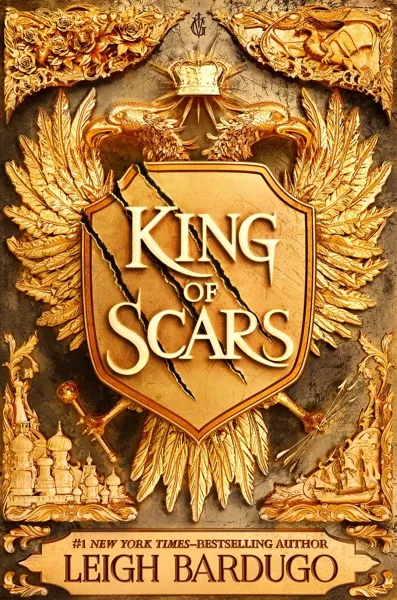

King of Scars Author: Leigh BardugoPage Count: UnknownPublication Year: 2019-GB Unraveling the Dark Magic of Leigh Bardugo’s King of Scars: A Masterclass in Fantasy Storytelling Few authors have redefined modern fantasy the way Leigh Bardugo has, and King of Scars—the 2019 global bestseller that bridges her Grishaverse novels—stands as a testament to her unparalleled ability to weave intricate lore, morally complex characters, and heart-pounding stakes into a single, mesmerizing narrative. If you’ve ever craved a fantasy novel where the line between salvation and damnation blurs with every turn of the page, where a king’s crown weighs heavier than his soul, and where the cost of power is measured in blood and sacrifice, then King of Scars is the book that will haunt your dreams—and linger in your imagination long after the last word is read. At its core, King of Scars is a story about legacy, redemption, and the inescapable shadows of the past. The novel follows Nikolai Lantsov, the young king of Ravka, as he grapples with the weight of his throne, the scars of his trauma, and the looming threat of a world that refuses to forget his family’s dark history. But Bardugo doesn’t stop there. She weaves in the perspectives of other key players—Nina Zenik, a Grisha with a heart of steel and a secret that could unravel her; Zoya Nazyalensky, whose ruthless ambition masks a vulnerability she’d rather die than admit; and the enigmatic, morally ambiguous spy known only as the Darkling—each character’s arc contributing to a tapestry of intrigue that feels both intimate and epic in scope. One of the most compelling aspects of King of Scars is its exploration of power and its corrosive effects. Nikolai, despite his youth, is a ruler burdened by the expectations of his people and the ghosts of his father’s tyranny. His struggle isn’t just against external enemies but against the very nature of leadership itself—how to rule with justice when the world sees you as a monster, how to trust when betrayal has been your constant companion. Bardugo crafts his internal conflict with such nuance that he feels less like a fictional monarch and more like a man carved from the same flawed, desperate flesh as the rest of us. His journey is a reminder that power doesn’t corrupt so much as it reveals, stripping away the illusions of innocence to expose the raw, often ugly truth beneath. Then there’s Nina Zenik, whose character arc in King of Scars is nothing short of revolutionary. A fierce, compassionate Heartrender with a sharp tongue and a sharper mind, Nina’s story delves into themes of identity, agency, and the cost of survival. Bardugo doesn’t shy away from the darker realities of Nina’s world—her past traumas, her struggles with faith, and her complicated relationship with the Grisha who raised her. Yet, even in the bleakest moments, Nina’s resilience shines through, making her one of the most compelling heroines in modern fantasy. Her dynamic with other characters, particularly Zoya, adds layers of tension and camaraderie that elevate the entire narrative. Speaking of Zoya, Bardugo’s portrayal of her is a masterclass in subverting expectations. The fiery, ruthless Grisha who once embodied the Grishaverse’s most cutthroat tendencies is forced to confront the fragility of her own defenses. Zoya’s journey is one of self-discovery, where her legendary strength becomes both her shield and her prison. Bardugo’s writing makes her evolution feel earned, her moments of vulnerability landing with the same impact as her explosive confrontations. It’s a testament to the author’s skill that even characters we thought we knew inside and out can surprise us with their depth. Bardugo’s prose is as lush as it is precise, painting Ravka and its surrounding lands with vivid, almost cinematic detail. Her worldbuilding is meticulous, seamlessly integrating the magic system, political intrigue, and cultural nuances that have made the Grishaverse a beloved staple in fantasy. Yet, what truly sets her apart is her ability to balance high-stakes action with deeply emotional character moments. A battle scene can be as thrilling as a whispered confession, and a political maneuver can feel as tense as a life-or-death gamble. This duality keeps readers on the edge of their seats, never quite sure whether to brace for the next explosion of magic or the next shattering revelation about a character’s past. The novel’s pacing is another standout feature. King of Scars doesn’t waste a single sentence. Every chapter serves a purpose, whether it’s advancing the plot, deepening character relationships, or escalating the stakes. The tension builds relentlessly, culminating in a climax that is as satisfying as it is heart-wrenching. Bardugo’s ability to juggle multiple POVs without losing momentum is nothing short of impressive, ensuring that each character’s perspective feels essential rather than superfluous. For readers new to the Grishaverse, King of Scars serves as an excellent entry point, offering enough context to stand alone while rewarding longtime fans with callbacks and Easter eggs that deepen the lore. For those already invested in the series, it delivers the emotional gut-punches and narrative payoffs they’ve been craving. Either way, the novel leaves you desperate for more—whether that’s the next book in the series or simply the chance to revisit these characters again and again. In a genre often criticized for its lack of diversity, Bardugo’s Grishaverse stands out for its richly drawn, multicultural cast. Ravka’s society is a melting pot of cultures, religions, and traditions, and the characters reflect that diversity in ways that feel organic and integral to the story. Nina’s Romani heritage, Zoya’s Kazbeki roots, and the various cultural influences on Ravka’s magic system all contribute to a world that feels alive and authentic. King of Scars is more than just a fantasy novel—it’s a meditation on what it means to be human in a world that demands you be more. It’s a story about the masks we wear, the lies we tell ourselves, and the scars that define us. Leigh Bardugo has crafted a narrative that is as intellectually stimulating as it is emotionally resonant, a book that lingers in the mind long after the final page is turned. If you’re a fan of fantasy that challenges you, that makes you laugh, cry, and rage against the injustices of its world, then King of Scars is a must-read. It’s a novel that proves why Bardugo is one of the most vital voices in modern fantasy—a storyteller who doesn’t just entertain but also leaves you changed. #KingOfScars #LeighBardugo #Grishaverse #FantasyBooks #BookReview Related InsightsThe Book of Magical Living: 8 Secrets to Good Fortune Book Review and Summary The Portrait of a Lady Book Review and Summary Rabbit Rabbit Book Review and Summary{ "@context": "https://schema.org", "@type": "FAQPage", "mainEntity": [ { "@type": "Question", "name": "What is the main focus of **King of Scars** Book Review and Summary?", "acceptedAnswer": { "@type": "Answer", "text": "Everything you need to know about **King of Scars** with our detailed review." } }, { "@type": "Question", "name": "Who authored the comprehensive guide on **King of Scars** Book Review and Summary?", "acceptedAnswer": { "@type": "Answer", "text": "This detailed article and its insights were carefully researched and authored by Tiago Silva." } }, { "@type": "Question", "name": "Where can I find more related content about Books?", "acceptedAnswer": { "@type": "Answer", "text": "You can explore more articles, detailed reviews, and similar insights by browsing the Related Insights section at the bottom of this article or visiting our dedicated Books category page." } } ] }
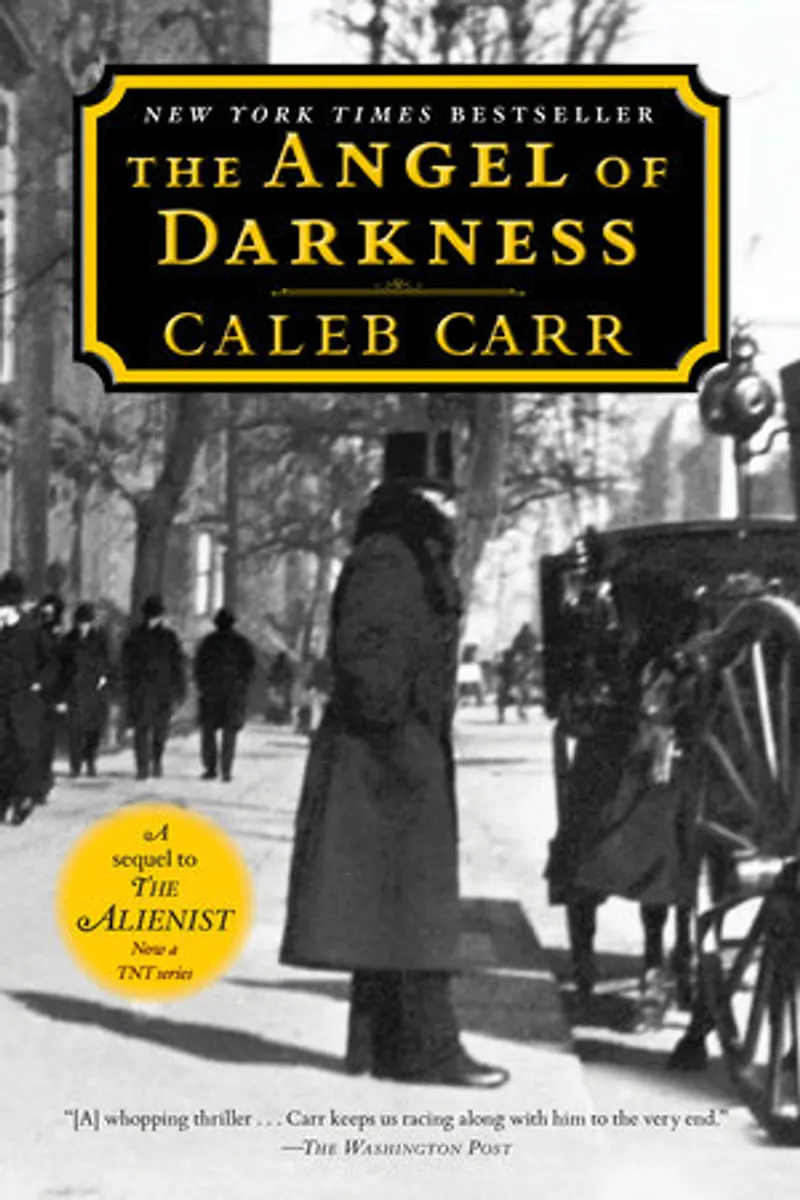
The Angel of Darkness: Book 2 of the Alienist Author: Caleb CarrPage Count: UnknownPublication Date: 2018-PRH Caleb Carr’s The Angel of Darkness is a masterclass in historical suspense, a novel that plunges the reader into the gaslit underbelly of 1897 New York with the same relentless precision that made its predecessor, The Alienist, a modern classic. Set a year after the harrowing capture of serial killer John Beecham, this sequel reunites Dr. Laszlo Kreizler and his eclectic team of investigators—crime reporter John Schuyler Moore, detective Sara Howard, the Isaacson brothers, and the ever-loyal Stevie Taggert—to confront a new horror: the abduction of a Spanish diplomat’s infant daughter. What begins as a high-stakes kidnapping case spirals into a chilling exploration of maternal monstrosity, political intrigue, and the fragility of justice in a city teetering on the edge of war. At its core, The Angel of Darkness is a meditation on the duality of human nature—the way goodness and evil can wear the same face, the way society’s most revered roles (mother, nurse, caregiver) can conceal unspeakable cruelty. Carr’s villain, Libby Hatch, is a masterstroke of psychological horror, a woman who presents herself as a paragon of compassion while committing atrocities that shock even Kreizler’s seasoned mind. Her duality mirrors the broader themes of the novel: the tension between appearance and reality, the thin veneer of civilization, and the ease with which darkness can flourish beneath the surface of progress. In an era of rapid industrialization and social upheaval, Carr forces us to confront the idea that evil is not always a grotesque stranger in an alley but can be a neighbor, a colleague, even a mother cradling a child. Carr’s prose is a triumph of historical immersion, painting a New York that is at once vibrant and decaying. The city’s opulence—its grand ballrooms, its bustling newspapers, its glittering high society—serves as a stark contrast to the squalor of the slums, the corruption of the police, and the desperation of the case at hand. His attention to detail is meticulous, from the fashion of the era to the political tensions between Spain and the U.S., which add a layer of urgency to the narrative. Yet Carr never lets the historical backdrop overshadow the human drama. The relationships between Kreizler, Moore, Sara Howard, and the others are richly drawn, their camaraderie and conflicts as compelling as the mystery itself. Sara Howard, in particular, shines as a feminist icon ahead of her time, wielding her derringer with as much authority as any man in the room. The novel’s pacing is relentless, a whirlwind of clues, red herrings, and shocking revelations that keep the reader guessing until the final page. Carr’s plotting is military in its precision, with each twist and turn serving a purpose, each character’s arc intertwined with the central mystery. The courtroom climax, featuring a young Clarence Darrow, is a masterstroke, elevating the story from a gripping thriller to a meditation on justice and morality. Darrow’s presence is a brilliant historical nod, grounding the narrative in the real-world struggles of the era while adding a layer of gravitas to the proceedings. What sets The Angel of Darkness apart, however, is Carr’s unflinching exploration of the psychological underpinnings of evil. Kreizler, a pioneer in forensic psychiatry, approaches the case with a scientist’s rigor, dissecting the mind of the killer with the same precision he would a cadaver. Yet Carr resists easy answers. Libby Hatch is not a caricature of madness but a complex figure whose actions are rooted in trauma, betrayal, and a warped sense of justice. The novel forces us to ask: How well do we truly know those around us? Can we trust the faces we see in the mirror? Carr’s style is both immersive and unsettling, blending the elegance of a 19th-century novel with the grit of a modern thriller. His prose is lush yet precise, his descriptions vivid enough to make the reader smell the horse manure in the streets and hear the clatter of carriage wheels. Yet he never loses sight of the human heart at the center of the story. The emotional stakes are high, the bonds between the characters palpable, and the resolution—both satisfying and haunting—lingers long after the last page is turned. The Angel of Darkness is more than a sequel; it’s a standalone masterpiece that deepens the world of The Alienist while standing on its own. It’s a novel for readers who crave historical depth, psychological complexity, and a mystery that refuses to let go. Carr has crafted not just a thriller, but a chilling portrait of a city—and a society—on the brink of change, where darkness lurks in the most unexpected places. #TheAngelOfDarkness #CalebCarr #HistoricalThriller #PsychologicalHorror #GildedAgeMystery #CrimeFiction Related InsightsWorld War Z: An Oral History of the Zombie War Book Review and Summary Carved in the Shadows Book Review and Summary A Simple Plan Book Review and Summary{ "@context": "https://schema.org", "@type": "FAQPage", "mainEntity": [ { "@type": "Question", "name": "What is the main focus of The Alienist Book Review and Summary?", "acceptedAnswer": { "@type": "Answer", "text": "Everything you need to know about The Alienist with our detailed review." } }, { "@type": "Question", "name": "Who authored the comprehensive guide on The Alienist Book Review and Summary?", "acceptedAnswer": { "@type": "Answer", "text": "This detailed article and its insights were carefully researched and authored by Caleb Carr." } }, { "@type": "Question", "name": "Where can I find more related content about Books?", "acceptedAnswer": { "@type": "Answer", "text": "You can explore more articles, detailed reviews, and similar insights by browsing the Related Insights section at the bottom of this article or visiting our dedicated Books category page." } } ] }

Mr. Fixer Upper Author: Lucy ScorePage Count: UnknownPublication Year: 2022-GB In the world of romance novels, it's rare to come across a story that masterfully weaves together humor, heart, and a healthy dose of sass, but Lucy Score's "Mr. Fixer Upper" does just that, making it a global bestseller that has captured the hearts of readers everywhere. This charming tale of love, family, and self-discovery is a must-read for anyone looking for a lighthearted yet meaningful romance that will leave you smiling long after you finish reading. At its core, "Mr. Fixer Upper" is a story about finding one's true purpose and embracing the beauty of imperfection. The novel follows the journey of Morgan, a determined and fiercely independent young woman who has just inherited a dilapidated mansion from a great aunt she's never met. As she navigates the challenges of restoring the old house to its former glory, she butts heads with her handsome yet infuriating contractor, Max. Their banter is witty and engaging, and their romance is a slow-burning fire that simmers just below the surface, waiting to ignite. One of the standout aspects of Score's writing style is her ability to craft relatable, well-rounded characters that leap off the page. Morgan is a lovable and flawed protagonist who embodies the spirit of female empowerment, while Max is a swoon-worthy hero with a heart of gold. The supporting cast is equally well-developed, with a quirky and lovable ensemble of characters that add depth and humor to the story. Score's writing is effortlessly engaging, with a conversational tone that makes you feel like you're reading a letter from an old friend. Her prose is witty and insightful, with a keen eye for detail that brings the world of "Mr. Fixer Upper" to vivid life. Whether she's describing the crumbling grandeur of the old mansion or the lush beauty of the surrounding countryside, Score's writing is evocative and immersive, making it easy to become fully invested in the story. Throughout the novel, Score explores a range of themes that are both timely and timeless. She tackles issues of identity, community, and the importance of embracing one's true passions, all while maintaining a lighthearted and humorous tone. The result is a story that is both entertaining and thought-provoking, with a narrative that flows smoothly from start to finish. In short, "Mr. Fixer Upper" is a delightful romance that will appeal to fans of authors like Sophie Kinsella, Jennifer Weiner, and Emily Giffin. With its engaging characters, witty dialogue, and heartfelt themes, this novel is a must-read for anyone looking for a fun and uplifting story that will leave them feeling hopeful and inspired. So why not grab a copy and settle in for a delightful read that will make you laugh, cry, and cheer for the characters until the very end? #RomanceNovel #LucyScore #MrFixerUpper #BookReview #RomanceBooks Related InsightsShroud Book Review and Summary Casa de flama y sombra / House of Flame and Shadow Book Review and Summary More Days at the Torunka Café: The Scent of Happiness (Days at the Torunka Café, #2) Book Review and Summary{ "@context": "https://schema.org", "@type": "FAQPage", "mainEntity": [ { "@type": "Question", "name": "What is the main focus of **Mr. Fixer Upper** Book Review and Summary?", "acceptedAnswer": { "@type": "Answer", "text": "Everything you need to know about **Mr. Fixer Upper** with our detailed review." } }, { "@type": "Question", "name": "Who authored the comprehensive guide on **Mr. Fixer Upper** Book Review and Summary?", "acceptedAnswer": { "@type": "Answer", "text": "This detailed article and its insights were carefully researched and authored by Anna Kowalska." } }, { "@type": "Question", "name": "Where can I find more related content about Books?", "acceptedAnswer": { "@type": "Answer", "text": "You can explore more articles, detailed reviews, and similar insights by browsing the Related Insights section at the bottom of this article or visiting our dedicated Books category page." } } ] }
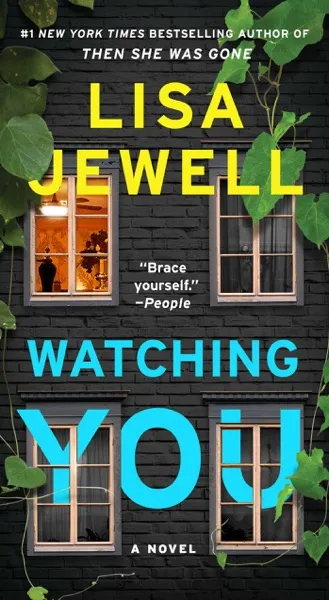

Watching you Author: Lisa JewellPage Count: UnknownPublication Year: 2018-GB Watching You: A Masterclass in Psychological Suspense That Will Keep You Glued to the Page Lisa Jewell’s Watching You is the kind of book that slithers into your mind and refuses to let go. Published in 2018, this global bestseller has cemented its place as a modern thriller must-read, blending razor-sharp suspense with the kind of psychological depth that lingers long after the final page. If you’re a fan of Gone Girl or The Girl on the Train, prepare to add another title to your must-read list—one that will have you questioning every glance, every smile, and every shadowy figure lurking in the corners of your own neighborhood. At its core, Watching You is a story about perception, obsession, and the thin line between curiosity and danger. Set in a quiet, affluent English suburb, the novel unfolds through multiple perspectives, each offering a fragmented but increasingly unsettling glimpse into the lives of its residents. The central mystery revolves around a seemingly ordinary high school teacher, Tom Fitzwilliam, whose charisma and charm mask a darker, more sinister side. When a student’s fascination with him spirals into something far more dangerous, the community is forced to confront uncomfortable truths about trust, power, and the secrets we all keep. Jewell excels at crafting characters who feel achingly real, their flaws and vulnerabilities making them impossible to look away from. The protagonist, Joey, is a sharp-witted teenager whose voyeuristic tendencies—spying on her neighbors through her bedroom window—set the stage for the novel’s exploration of surveillance and moral ambiguity. Her narration is witty and observant, but as the story progresses, her reliability as a narrator comes into question, adding another layer of tension. Meanwhile, the adults in the story—Tom’s wife, his colleagues, and the parents of his students—are all painted with nuance, their own secrets and insecurities making them as much a part of the mystery as the crimes themselves. One of the most compelling aspects of Watching You is Jewell’s exploration of the theme of perception versus reality. The novel constantly challenges the reader to question who is watching whom and why. Is Joey’s obsession with Tom justified, or is she projecting her own insecurities onto him? Are the adults around her truly as innocent as they seem, or do they harbor their own dark desires? Jewell masterfully plays with these questions, keeping readers guessing until the very end. The result is a story that feels both intimate and expansive, a small-town setting magnified into a psychological battleground where no one is entirely safe. Jewell’s writing style is another standout feature of the novel. Her prose is clean and accessible, yet it packs a punch with its sharp dialogue and vivid descriptions. She has a knack for creating atmosphere, whether it’s the eerie quiet of a suburban street at night or the suffocating tension of a crowded classroom. The pacing is relentless, with each chapter ending on a note that demands to be read just one more time. Jewell also excels at misdirection, planting red herrings and false leads that keep readers second-guessing their own theories. What makes Watching You particularly resonant is its exploration of the darker side of human nature. Jewell doesn’t shy away from delving into the complexities of obsession, jealousy, and the ways in which power dynamics can distort reality. The novel’s title takes on multiple meanings as the story unfolds, referring not just to the act of watching but to the ways in which we are all, in some way, being watched—whether by others or by our own consciences. It’s a chilling reminder that in a world where privacy is increasingly scarce, the most dangerous watchers might be the ones we trust the most. For fans of psychological thrillers, Watching You is a must-read. It’s a book that will keep you up at night, your mind racing with possibilities and your heart pounding with every twist. Jewell’s ability to weave a tale that is both suspenseful and thought-provoking is a testament to her skill as a storyteller. Whether you’re reading it for the thrill of the mystery or the depth of its characters, Watching You delivers in spades. If you’re looking for a book that will challenge your perceptions, test your loyalties, and leave you breathless, look no further. Lisa Jewell has crafted a psychological thriller that is as haunting as it is unputdownable. #WatchingYou #LisaJewell #PsychologicalThriller #BookReview #MustRead Related InsightsAmarilla Book Review and Summary Divine Secrets of the Ya-Ya Sisterhood Book Review and Summary Game of Gravestones Book Review and Summary{ "@context": "https://schema.org", "@type": "FAQPage", "mainEntity": [ { "@type": "Question", "name": "What is the main focus of **Watching you** Book Review and Summary?", "acceptedAnswer": { "@type": "Answer", "text": "Everything you need to know about **Watching you** with our detailed review." } }, { "@type": "Question", "name": "Who authored the comprehensive guide on **Watching you** Book Review and Summary?", "acceptedAnswer": { "@type": "Answer", "text": "This detailed article and its insights were carefully researched and authored by Elena Volkova." } }, { "@type": "Question", "name": "Where can I find more related content about Books?", "acceptedAnswer": { "@type": "Answer", "text": "You can explore more articles, detailed reviews, and similar insights by browsing the Related Insights section at the bottom of this article or visiting our dedicated Books category page." } } ] }
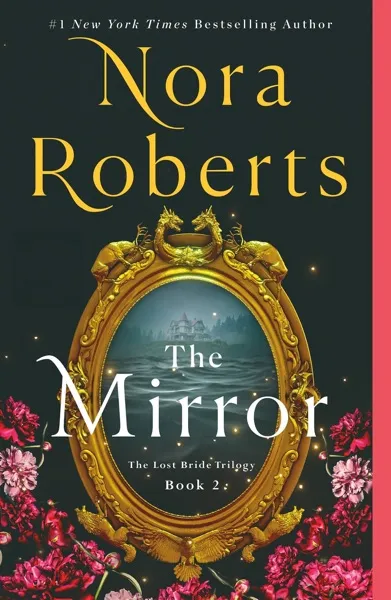

Mirror Author: Nora RobertsPage Count: UnknownPublication Year: 2024-GB Mirror: A Masterclass in Suspense, Romance, and the Haunting Power of the Past From the first page of Mirror, Nora Roberts doesn’t just tell a story—she pulls you into a world where every shadow holds a secret, every reflection could be a lie, and every heartbeat echoes with the weight of unresolved history. This 2024 global bestseller isn’t just another entry in Roberts’ illustrious catalog; it’s a genre-defining thriller that blends psychological depth, razor-sharp suspense, and the kind of emotional resonance that lingers long after the final chapter. If you’ve ever looked into a mirror and wondered what it might reveal about the person staring back—or the person you once were—this book will haunt you in the best possible way. At its core, Mirror explores the duality of human nature: the masks we wear, the truths we bury, and the moments when the past refuses to stay buried. Roberts crafts a narrative that oscillates between the mundane and the macabre, using the mirror as a metaphor for self-discovery, deception, and the fractured identities we all carry. The story follows a protagonist whose life unravels when she begins to see reflections that shouldn’t exist—echoes of a past she can’t remember, a life she didn’t live. It’s a premise that feels both timeless and urgently modern, tapping into our collective fascination with identity, memory, and the fragility of perception. What makes Mirror stand out is Roberts’ ability to balance high-stakes suspense with deeply human relationships. Her characters are flawed, compelling, and achingly real, each carrying their own burdens while navigating a world that feels increasingly unstable. The protagonist, in particular, is a study in resilience—her journey from confusion to clarity is as much about confronting external threats as it is about confronting herself. Roberts’ dialogue crackles with authenticity, and her pacing is masterful, ensuring that every revelation feels earned rather than forced. The tension builds like a coiled spring, releasing in moments that will leave you breathless. Roberts’ writing style is a seamless blend of lyrical prose and taut, unputdownable storytelling. She has a gift for making the ordinary feel extraordinary, whether she’s describing the quiet hum of a suburban neighborhood or the creeping dread of a mystery that won’t stay buried. Her descriptions are vivid without being overwrought, and her ability to weave multiple plot threads into a cohesive whole is nothing short of breathtaking. Fans of psychological thrillers will appreciate the way she plays with perception, making the reader question what’s real and what’s imagined. It’s a technique that’s both disorienting and deeply satisfying, rewarding close readers who pay attention to the smallest details. One of the most compelling aspects of Mirror is its exploration of trauma and recovery. Roberts doesn’t shy away from the messy, painful realities of healing, and her portrayal of the protagonist’s journey is both raw and hopeful. The book’s emotional core lies in its acknowledgment that some wounds don’t heal cleanly—they scar, they change us, but they don’t have to define us. It’s a message that resonates deeply in a world where so many of us are grappling with our own reflections, both literal and metaphorical. For readers who love a story that keeps them guessing until the very end, Mirror delivers in spades. Roberts plants clues with surgical precision, rewarding those who piece together the puzzle alongside her characters. The twists are organic, the stakes are high, and the payoff is emotionally resonant. It’s the kind of book that lingers in your mind, not just because of its plot, but because of the questions it leaves you with. What would you do if you saw a reflection that wasn’t yours? How far would you go to uncover the truth about yourself? Nora Roberts has long been a titan of contemporary fiction, but Mirror cements her status as a master of suspense. This isn’t just a book to read—it’s an experience to savor, a story to dissect, and a mirror to hold up to your own life. Whether you’re a longtime fan or new to her work, Mirror is a must-read that will leave you questioning everything you thought you knew about identity, memory, and the stories we tell ourselves. #NoraRoberts #MirrorBook #PsychologicalThriller #BookReview #MustRead2024 Related InsightsA Tree Grows in Brooklyn Book Review and Summary Confesiones, Spanish-Language Edition of Confess Book Review and Summary Bride Book Review and Summary{ "@context": "https://schema.org", "@type": "FAQPage", "mainEntity": [ { "@type": "Question", "name": "What is the main focus of **Mirror** Book Review and Summary?", "acceptedAnswer": { "@type": "Answer", "text": "Everything you need to know about **Mirror** with our detailed review." } }, { "@type": "Question", "name": "Who authored the comprehensive guide on **Mirror** Book Review and Summary?", "acceptedAnswer": { "@type": "Answer", "text": "This detailed article and its insights were carefully researched and authored by Klaus Weber." } }, { "@type": "Question", "name": "Where can I find more related content about Books?", "acceptedAnswer": { "@type": "Answer", "text": "You can explore more articles, detailed reviews, and similar insights by browsing the Related Insights section at the bottom of this article or visiting our dedicated Books category page." } } ] }
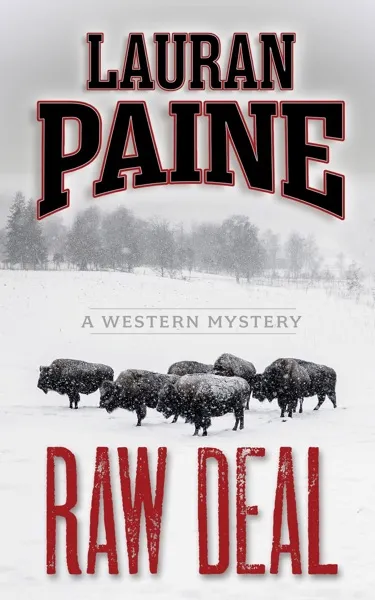
Raw Deal Author: Lauran PainePage Count: UnknownPublication Year: 2025-GB Raw Deal by Lauran Paine is a gripping and thought-provoking novel that has taken the literary world by storm, and for good reason. This global bestseller is a masterclass in storytelling, with Paine's unique voice and perspective drawing readers in from the very first page. At its core, Raw Deal is a book about the human condition, delving deep into the complexities and nuances of our existence. Paine tackles tough themes with unflinching honesty, never shying away from the harsh realities of life. The result is a narrative that is both deeply unsettling and profoundly moving, leaving readers to grapple with the consequences of the characters' actions long after the final page has been turned. One of the standout features of Raw Deal is Paine's writing style, which is both economical and evocative. With a keen eye for detail and a talent for crafting sentences that are at once simple and powerful, Paine brings the world of the novel to vivid life. The prose is lean and mean, with not a word wasted, making for a reading experience that is both propulsive and intense. Paine's characters are equally well-crafted, with each one boasting a rich inner life and a compelling narrative arc. The protagonist, in particular, is a masterful creation, with a complex and deeply flawed personality that is both relatable and infuriating. As the story unfolds, Paine skillfully peels back the layers of their psyche, revealing a deep well of emotions and motivations that are both surprising and heartbreaking. Throughout the book, Paine's themes of trauma, power dynamics, and the search for justice are woven together with a masterful touch, creating a narrative that is both timely and timeless. This is a book that will resonate with readers long after the final page has been turned, leaving a lasting impression that is impossible to shake. If you're looking for a book that will challenge your assumptions, push you out of your comfort zone, and leave you breathless, then Raw Deal is the perfect choice. With its unique blend of style, substance, and sheer narrative drive, this is a novel that will appeal to fans of literary fiction, thriller enthusiasts, and anyone looking for a story that will stay with them long after the final page has been turned. In short, Raw Deal is a triumph, a novel that cements Paine's status as a major literary talent. With its unflinching examination of the human condition, its masterful prose, and its unforgettable characters, this is a book that will be remembered for years to come. #RawDeal #LauranPaine #GlobalBestseller #LiteraryFiction #Thriller #BookLovers Related InsightsThe Cat in the Hat Book Review and Summary Out of Body: Stories Book Review and Summary The Whispering Canvas: Unveiling the Hidden Worlds of Fore-Edge Painting{ "@context": "https://schema.org", "@type": "FAQPage", "mainEntity": [ { "@type": "Question", "name": "What is the main focus of Raw Deal Book Review and Summary?", "acceptedAnswer": { "@type": "Answer", "text": "Everything you need to know about Raw Deal with our detailed review." } }, { "@type": "Question", "name": "Who authored the comprehensive guide on Raw Deal Book Review and Summary?", "acceptedAnswer": { "@type": "Answer", "text": "This detailed article and its insights were carefully researched and authored by Klaus Weber." } }, { "@type": "Question", "name": "Where can I find more related content about Books?", "acceptedAnswer": { "@type": "Answer", "text": "You can explore more articles, detailed reviews, and similar insights by browsing the Related Insights section at the bottom of this article or visiting our dedicated Books category page." } } ] }


Hello Girls Author: Brittany CavallaroPage Count: UnknownPublication Year: 2019-GB Hello Girls: A Dazzling Debut That Redefines YA with Sharp Wit and Unforgettable Heart Imagine a friendship so fierce it could weather the storm of adolescence, the weight of secrets, and the relentless pressure of expectations—only to be tested by forces far beyond their control. Brittany Cavallaro’s Hello Girls, a 2019 global bestseller, is that rare YA novel that crackles with energy, emotional depth, and a voice so distinct it lingers long after the last page. With razor-sharp dialogue, a dual-perspective narrative that keeps readers breathless, and a story that oscillates between the glittering highs of teenage dreams and the crushing lows of reality, Cavallaro crafts a coming-of-age tale that feels both timeless and urgently modern. At its core, Hello Girls is a story about two best friends, Win and Lucille, whose bond is the kind that makes you believe in the power of sisterhood. Win, the rebellious artist with a sharp tongue and a heart full of dreams, and Lucille, the rule-follower with a hidden wild streak, are the kind of duo that could easily slip into cliché—if not for Cavallaro’s masterful character development. Their friendship isn’t just a backdrop; it’s the beating heart of the novel, a dynamic so authentic it feels like eavesdropping on a conversation between real teenagers. Win’s sarcasm and Lucille’s quiet intensity create a balance that’s both hilarious and heartbreaking, especially as their paths diverge in ways neither could have predicted. The novel’s themes are as layered as its characters. Friendship, identity, and the illusion of control weave through the narrative, but Cavallaro doesn’t shy away from the grittier realities of growing up. The story explores the pressure to conform, the fear of losing oneself in the pursuit of approval, and the painful realization that some doors slam shut before you even realize they were closing. Yet, amid the angst, there’s a thread of hope—a reminder that even when life feels like a series of missteps, the people who truly see you can be your anchor. Cavallaro’s writing style is a standout feature, blending lyrical prose with the raw, unfiltered voice of adolescence. Her sentences crackle with wit, her descriptions are vivid without being overwrought, and her ability to capture the emotional whiplash of teenage life is nothing short of brilliant. The dual-perspective structure adds depth, allowing readers to see both Win and Lucille’s internal struggles while also highlighting how differently they process the same events. It’s a technique that could easily feel gimmicky in lesser hands, but here it serves to deepen the emotional stakes and keep readers invested in both characters’ journeys. What makes Hello Girls particularly compelling is its refusal to sugarcoat the messy, unpredictable nature of growing up. Cavallaro doesn’t offer easy answers or tidy resolutions; instead, she presents a story that feels achingly real, where mistakes are made, friendships are tested, and the path forward isn’t always clear. It’s a refreshing departure from the neatly packaged YA narratives that often dominate the genre, opting instead for a story that embraces ambiguity and the beauty of imperfection. For fans of contemporary YA who crave depth, humor, and characters who feel like real people, Hello Girls is a must-read. It’s the kind of book that makes you laugh out loud one moment and clutch your chest the next, a testament to Cavallaro’s skill in balancing levity with emotional weight. Whether you’re a teenager navigating the chaos of adolescence or an adult looking for a story that captures the intensity of that time, this novel will resonate. Brittany Cavallaro has crafted something special with Hello Girls—a story that’s as much about the bonds that shape us as it is about the choices that define us. It’s a debut that announces her as a voice to watch in YA literature, and a novel that deserves a spot on every bookshelf. #HelloGirls #YALit #BrittanyCavallaro #ComingOfAge #BookReview Related InsightsEast of Envy (The Great and Terrible Land, #2) Book Review and Summary Ready Player One (Movie Tie-In) Book Review and Summary Like Water for Chocolate Book Review and Summary{ "@context": "https://schema.org", "@type": "FAQPage", "mainEntity": [ { "@type": "Question", "name": "What is the main focus of **Hello Girls** Book Review and Summary?", "acceptedAnswer": { "@type": "Answer", "text": "Everything you need to know about **Hello Girls** with our detailed review." } }, { "@type": "Question", "name": "Who authored the comprehensive guide on **Hello Girls** Book Review and Summary?", "acceptedAnswer": { "@type": "Answer", "text": "This detailed article and its insights were carefully researched and authored by Chloé Laurent." } }, { "@type": "Question", "name": "Where can I find more related content about Books?", "acceptedAnswer": { "@type": "Answer", "text": "You can explore more articles, detailed reviews, and similar insights by browsing the Related Insights section at the bottom of this article or visiting our dedicated Books category page." } } ] }
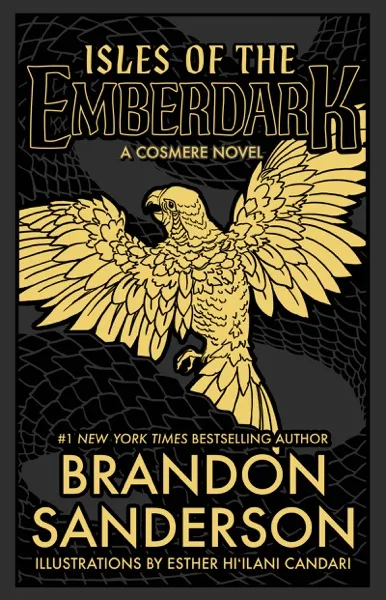

Isles of the Emberdark Author: Brandon SandersonPage Count: UnknownPublication Year: 2025-GB Isles of the Emberdark: A Masterclass in Worldbuilding and Epic Fantasy Brandon Sanderson has done it again. With Isles of the Emberdark, the legendary fantasy author delivers a sweeping, immersive saga that cements his reputation as the modern architect of epic storytelling. Set to release in 2025, this highly anticipated novel has already generated a tidal wave of buzz, and for good reason—it’s a book that doesn’t just entertain; it transports readers to a world so vivid and alive that it lingers long after the last page. At its core, Isles of the Emberdark is a tale of survival, power, and the indomitable human spirit in the face of overwhelming darkness. The story unfolds in a fragmented archipelago where the remnants of a once-great civilization struggle against an encroaching, otherworldly threat. Sanderson’s signature worldbuilding shines here, as he constructs a setting that feels both ancient and immediate, with cultures, religions, and histories that feel as real as our own. The world of the Emberdark is one where magic is woven into the fabric of society, yet its rules are never arbitrary—they are governed by a meticulously crafted system that rewards deep thinking and rewards readers who pay attention. The novel’s protagonist, a resourceful and morally complex figure named Kael Arren, is a standout. Unlike many fantasy heroes who are either flawless or irredeemably broken, Kael is a man of contradictions—driven by duty yet haunted by doubt, fiercely loyal but capable of ruthless pragmatism. His journey is one of discovery, not just of the world around him but of the darkness within himself. Sanderson excels at crafting characters who feel human, their struggles relatable even when their circumstances are fantastical. Supporting characters are equally compelling, from the enigmatic scholar who guards forbidden knowledge to the hardened warriors who challenge Kael’s ideals at every turn. One of the most striking aspects of Isles of the Emberdark is its exploration of power and its consequences. Sanderson doesn’t shy away from the moral ambiguities of leadership, showing how those who wield influence—whether through magic, politics, or sheer force—are often corrupted by it. The novel’s antagonist, though shrouded in mystery, is a chilling embodiment of this theme, a figure whose motives are as terrifying as they are understandable. This isn’t a story where good and evil are neatly defined; it’s a narrative where every choice carries weight, and every victory comes at a cost. Sanderson’s writing style is, as always, clear, precise, and relentlessly engaging. His prose is never flowery, yet it never feels sparse—every sentence serves a purpose, whether it’s advancing the plot, deepening character, or enriching the world. His ability to balance action with introspection is masterful, ensuring that readers are never overwhelmed by exposition but never left wanting for depth. The magic system, a hallmark of Sanderson’s work, is particularly noteworthy here. It’s not just a tool for spectacle; it’s an integral part of the world’s history and culture, shaping societies in ways that feel organic and inevitable. What truly sets Isles of the Emberdark apart, however, is its sense of scale. This is not a story confined to a single kingdom or a handful of characters—it’s an epic that spans islands, cultures, and generations. Sanderson has a knack for making the vast feel intimate, grounding large-scale conflicts in the personal struggles of his protagonists. The world feels alive, not just because of its magic or its monsters, but because of its people—their fears, their hopes, and their unyielding will to endure. For fans of Sanderson’s previous works, Isles of the Emberdark will feel like a homecoming, blending the intricate magic systems of Mistborn with the sprawling, multi-perspective storytelling of The Stormlight Archive. Yet, it also stands firmly on its own, a testament to Sanderson’s growth as a storyteller. This is a book that demands attention, rewarding readers who are willing to dive deep into its layers. In an era where fantasy often leans toward either grimdark cynicism or saccharine heroism, Isles of the Emberdark strikes a perfect balance. It’s a story that believes in the power of hope without ignoring the cost of survival. It’s a tale of magic and mayhem, but also of love, loss, and the unbreakable bonds that tie us together. If you’re a fan of epic fantasy, this is a book you won’t want to miss. If you’re new to Sanderson, this is the perfect entry point into a world where the impossible feels inevitable. Isles of the Emberdark isn’t just a story—it’s an experience, one that will leave you breathless and hungry for more. #BrandonSanderson #EpicFantasy #IslesOfTheEmberdark #FantasyBooks #BookReview Related InsightsTwo by Two Book Review and Summary Lucy Kline, Necromancer Book Review and Summary Heidi Book Review and Summary{ "@context": "https://schema.org", "@type": "FAQPage", "mainEntity": [ { "@type": "Question", "name": "What is the main focus of **Isles of the Emberdark** Book Review and Summary?", "acceptedAnswer": { "@type": "Answer", "text": "Everything you need to know about **Isles of the Emberdark** with our detailed review." } }, { "@type": "Question", "name": "Who authored the comprehensive guide on **Isles of the Emberdark** Book Review and Summary?", "acceptedAnswer": { "@type": "Answer", "text": "This detailed article and its insights were carefully researched and authored by Emma Thompson." } }, { "@type": "Question", "name": "Where can I find more related content about Books?", "acceptedAnswer": { "@type": "Answer", "text": "You can explore more articles, detailed reviews, and similar insights by browsing the Related Insights section at the bottom of this article or visiting our dedicated Books category page." } } ] }
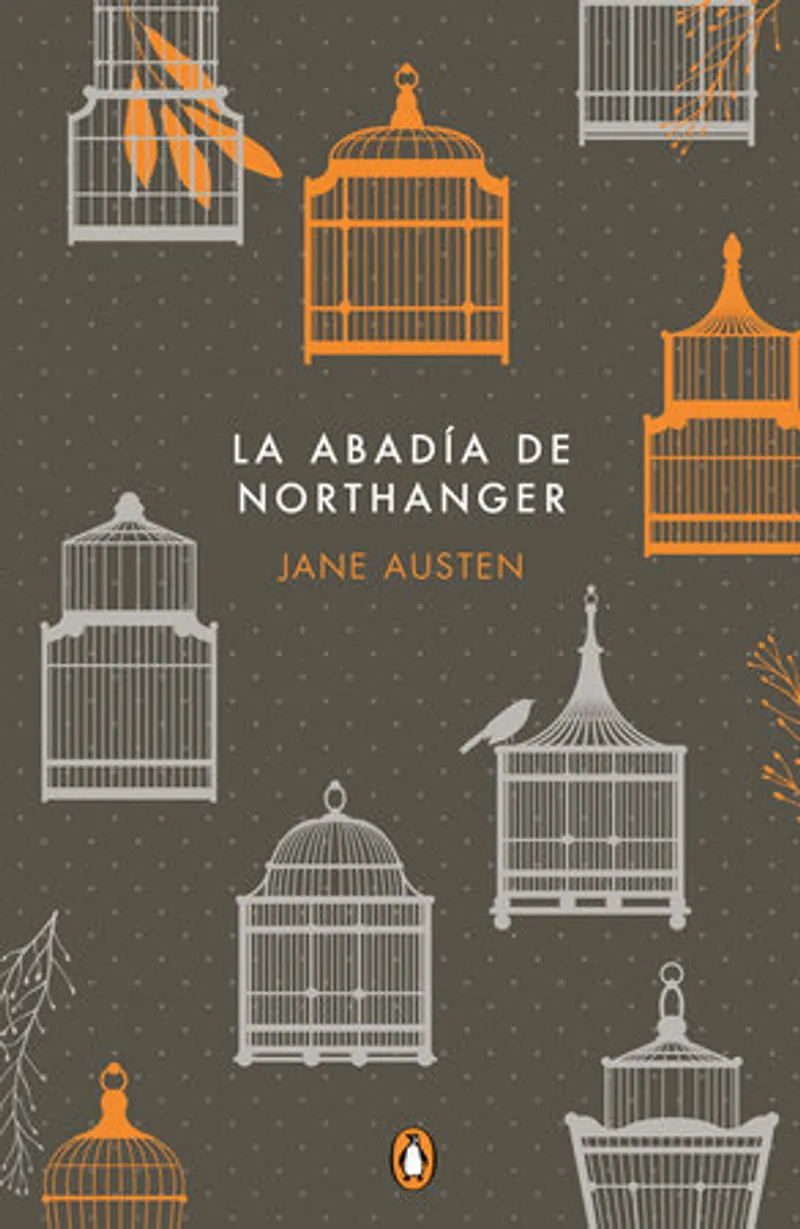
La abadía de Northanger / Northanger Abbey (Commemorative Edition) Author: Jane AustenPage Count: UnknownPublication Date: 2024-PRH In the commemorative edition of Jane Austen's Northanger Abbey, readers are treated to a masterful blend of wit, satire, and social commentary that has captivated audiences for centuries. This timeless novel, first published posthumously in 1818, follows the journey of Catherine Morland, a young and impressionable heroine, as she navigates the complexities of high society and confronts the harsh realities of life. Through Austen's sharp and ironic gaze, we witness Catherine's transformation from a naive and Gothic-obsessed teenager to a mature and discerning young woman. The author's clever use of free indirect discourse allows readers to experience the world through Catherine's eyes, sharing in her misadventures, embarrassments, and ultimate growth. Austen's style is a hallmark of her writing, and Northanger Abbey is no exception. Her use of language is characterized by precision, clarity, and a wicked sense of humor. The novel is peppered with clever observations on the social conventions of the time, as well as a healthy dose of sarcasm aimed at the excesses of Gothic fiction. The result is a narrative that is both entertaining and thought-provoking. One of the most striking aspects of Northanger Abbey is its exploration of the tension between reality and fiction. Catherine's obsession with Gothic novels has skewed her perception of the world, leading her to expect drama and intrigue at every turn. As she navigates the complexities of real-life relationships and social interactions, she must confront the disappointment of discovering that reality is far more mundane than fiction. Austen's commentary on the dangers of romanticizing reality is both timely and timeless. In an era where social media has created a culture of curated perfection, Catherine's struggles to distinguish between fact and fiction serve as a powerful reminder of the importance of living in the real world. The commemorative edition of Northanger Abbey is enhanced by a detailed chronology of Austen's life, as well as an insightful introduction by Marilyn Butler. The inclusion of a biographical note written by Austen's brother, Henry, adds a touching and personal dimension to the novel, offering a glimpse into the life of one of literature's most beloved authors. In conclusion, Northanger Abbey is a masterpiece of English literature that continues to captivate readers with its wit, charm, and timeless themes. Austen's writing is a joy to behold, and this commemorative edition is a must-read for fans of the author and anyone looking to experience the magic of her writing. #NorthangerAbbey #JaneAusten #GothicFiction #ComedyOfManners #ClassicsRevisited #LiteraryMasterpieces Related InsightsDark Tides Book Review and Summary The Swan Lake Murders Book Review and Summary No Longer Allowed In Another World Vol. 6 Book Review and Summary{ "@context": "https://schema.org", "@type": "FAQPage", "mainEntity": [ { "@type": "Question", "name": "What is the main focus of Northanger Abbey Book Review and Summary?", "acceptedAnswer": { "@type": "Answer", "text": "Everything you need to know about Northanger Abbey with our detailed review." } }, { "@type": "Question", "name": "Who authored the comprehensive guide on Northanger Abbey Book Review and Summary?", "acceptedAnswer": { "@type": "Answer", "text": "This detailed article and its insights were carefully researched and authored by Jane Austen." } }, { "@type": "Question", "name": "Where can I find more related content about Books?", "acceptedAnswer": { "@type": "Answer", "text": "You can explore more articles, detailed reviews, and similar insights by browsing the Related Insights section at the bottom of this article or visiting our dedicated Books category page." } } ] }
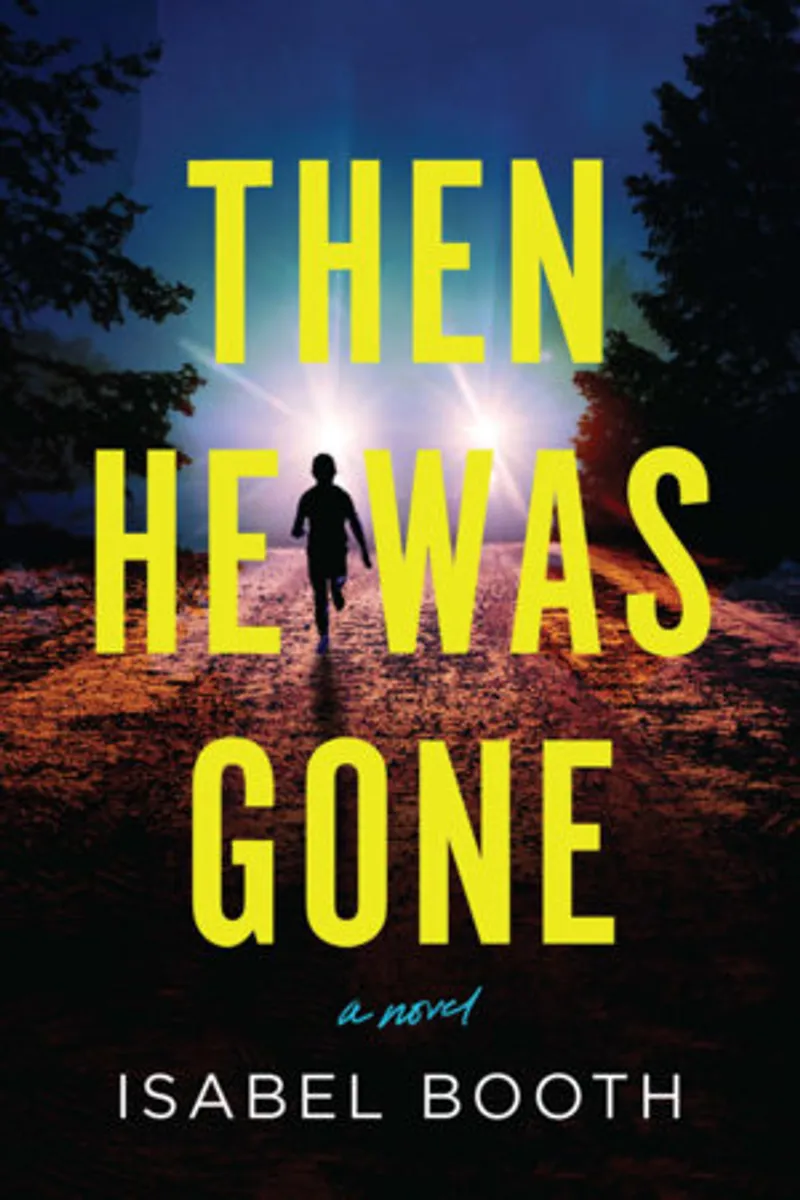
Then He Was Gone Author: Isabel BoothPage Count: UnknownPublication Date: 2026-PRH Isabel Booth’s Then He Was Gone (2026) arrives like a whisper that grows into a scream—a psychological thriller that lingers long after the last page, haunting the reader with its unrelenting tension and the chilling question: How well do we ever truly know the people we love? Booth, known for her razor-sharp prose and ability to dissect the darker corners of human relationships, delivers a novel that is as much a character study as it is a mystery, blurring the lines between obsession and devotion, memory and deception. At its core, Then He Was Gone explores the fragility of trust and the devastating aftermath of a disappearance that leaves more questions than answers. The story unfolds through the eyes of Lena, a woman whose husband, Daniel, vanishes without a trace during a routine family trip. The police find no signs of foul play, no ransom notes, no witnesses—just an empty hotel room and a life that suddenly feels like a carefully constructed lie. As Lena digs deeper, she uncovers fragments of Daniel’s past that don’t align with the man she thought she knew: secret emails, unexplained absences, a second phone hidden in the attic. The more she searches, the more the ground beneath her shifts, revealing a man who may have been living a double life—or perhaps a man who was never who he claimed to be at all. Booth’s genius lies in her refusal to offer easy answers. The novel unfolds in a fragmented, almost cinematic style, with chapters alternating between Lena’s present-day unraveling and flashbacks to her marriage. This structure mirrors Lena’s own fractured state of mind, where every memory feels tainted by doubt. Booth’s prose is sparse yet evocative, each sentence carrying the weight of unspoken dread. There’s a clinical precision to her writing that makes the emotional devastation hit harder—like watching a surgeon perform an operation with a scalpel that’s also a scalpel to the heart. What elevates Then He Was Gone beyond a typical domestic thriller is Booth’s exploration of the psychological toll of uncertainty. Lena isn’t just searching for Daniel; she’s grappling with the erosion of her own identity. Who is she without the man she built her life around? How much of their relationship was real, and how much was performance? The novel forces the reader to confront uncomfortable truths about love and loyalty—how easily devotion can curdle into obsession, how a person can become a stranger in their own home. Booth’s characters are painfully human, flawed in ways that make them both relatable and deeply unsettling. Lena is a woman of contradictions—strong yet vulnerable, determined yet paralyzed by fear. Daniel, in the glimpses we get of him, is a masterclass in ambiguity; is he a victim, a villain, or something in between? The supporting cast, from Lena’s skeptical sister to the detective who grows increasingly frustrated with her, add layers of complexity, each serving as a mirror to Lena’s own unraveling. The novel’s title, Then He Was Gone, is a masterstroke of understatement. It suggests not just a disappearance but a transformation—of trust, of reality, of the self. By the final pages, the reader is left with the same gnawing question Lena asks herself: Did he leave, or was he never really there to begin with? Isabel Booth has crafted a thriller that is as much about the mind as it is about the mystery. It’s a book that will keep you up at night, not just because of what might have happened, but because of what could happen—how easily the people we love can slip through the cracks of our perception. Then He Was Gone is a chilling reminder that the most terrifying secrets aren’t always hidden in the dark; sometimes, they’re hiding in plain sight, in the way someone smiles or the way they avoid your eyes. This is Booth at her finest—unflinching, intelligent, and utterly unforgettable. #ThenHeWasGone #PsychologicalThriller #DomesticSuspense #IsabelBooth #MissingPersonMystery #TrustNoOne Related InsightsNightwalker Book Review and Summary Boy Who Cried Bear Book Review and Summary Fangirl Down Book Review and Summary{ "@context": "https://schema.org", "@type": "FAQPage", "mainEntity": [ { "@type": "Question", "name": "What is the main focus of Then She Was Gone Book Review and Summary?", "acceptedAnswer": { "@type": "Answer", "text": "Everything you need to know about Then She Was Gone with our detailed review." } }, { "@type": "Question", "name": "Who authored the comprehensive guide on Then She Was Gone Book Review and Summary?", "acceptedAnswer": { "@type": "Answer", "text": "This detailed article and its insights were carefully researched and authored by Lisa Jewell." } }, { "@type": "Question", "name": "Where can I find more related content about Books?", "acceptedAnswer": { "@type": "Answer", "text": "You can explore more articles, detailed reviews, and similar insights by browsing the Related Insights section at the bottom of this article or visiting our dedicated Books category page." } } ] }
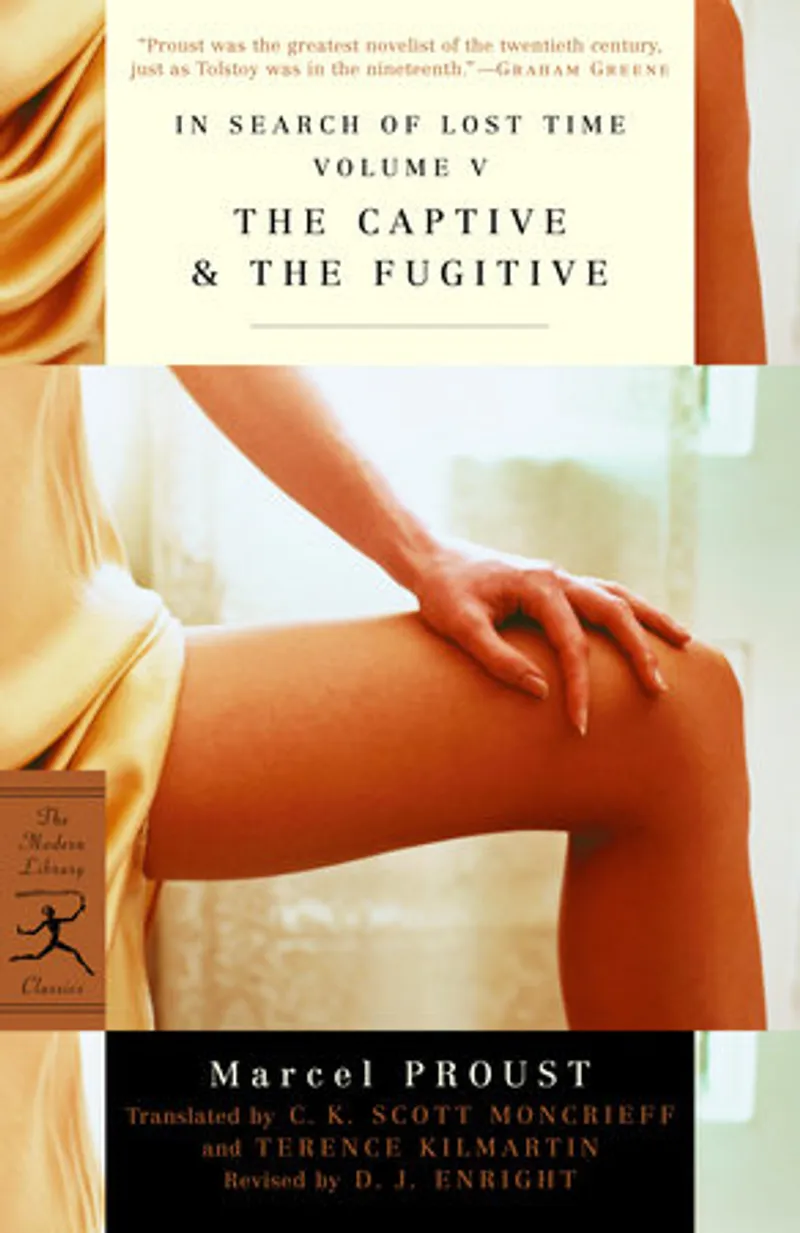
In Search of Lost Time Volume V The Captive & The Fugitive Author: Marcel ProustPage Count: UnknownPublication Date: 1999-PRH In Search of Lost Time Volume V: The Captive & The Fugitive, penned by the inimitable Marcel Proust, is a masterful exploration of the human experience, delving into the complexities of desire, love, and the passage of time. This fifth installment of Proust's magnum opus is a poignant and introspective work, comprised of two novels, The Captive and The Fugitive, that together form a scintillating examination of the narrator's all-consuming relationship with his lover, Albertine. Proust's writing style is, as ever, a hallmark of elegance and refinement, his prose a rich tapestry woven from the intricate threads of observation, introspection, and philosophical musings. His narrative voice is at once deeply personal and universally relatable, imbuing the reader with a sense of intimacy and immediacy. The author's use of language is nothing short of enchanting, his descriptions of the mundane and the sublime alike infused with a lyricism that is both captivating and affecting. At the heart of The Captive and The Fugitive lies the enigmatic figure of Albertine, a woman whose presence in the narrator's life is at once captivating and suffocating. Proust's portrayal of their relationship is a nuanced and multifaceted exploration of the complexities of love and desire, laying bare the tensions and contradictions that underpin even the most seemingly idyllic of partnerships. As the narrator becomes increasingly entangled in his obsession with Albertine, the boundaries between love and captivity begin to blur, raising fundamental questions about the nature of freedom and the human condition. The Captive, in particular, is a masterclass in the art of psychological observation, Proust's narrator dissecting the intricacies of his own emotions with a precision that is both fascinating and unsettling. His fixation on Albertine is a case study in the all-consuming power of desire, a force that is at once creative and destructive, capable of inspiring great beauty and great suffering in equal measure. The Fugitive, on the other hand, is a novel of loss and longing, its narrative a poignant exploration of the narrator's attempts to come to terms with the irretrievable loss of his beloved Albertine. Proust's prose here is marked by a sense of melancholy and regret, the narrator's introspections a poignant reminder of the transience of human experience and the inexorable passage of time. Throughout both novels, Proust's meditations on the human condition are marked by a profound sense of irony and a deep understanding of the complexities of the human heart. His writing is a testament to the transformative power of art, a reminder that even in the darkest of times, the human spirit remains capable of creating beauty, finding meaning, and transcending the limitations of our mortal coil. In conclusion, In Search of Lost Time Volume V: The Captive & The Fugitive is a triumph of modern literature, a work of profound beauty and insight that will continue to captivate readers for generations to come. Proust's masterpiece is a must-read for anyone seeking to understand the human experience in all its complexity and nuance. #Proust #InSearchOfLostTime #TheCaptive #TheFugitive #ModernLiterature #FrenchLiterature Related InsightsIn Search of Safety: Voices of Refugees Book Review and Summary Brothersong Book Review and Summary Ninth House Book Review and Summary{ "@context": "https://schema.org", "@type": "FAQPage", "mainEntity": [ { "@type": "Question", "name": "What is the main focus of Captive in the Dark Book Review and Summary?", "acceptedAnswer": { "@type": "Answer", "text": "Everything you need to know about Captive in the Dark with our detailed review." } }, { "@type": "Question", "name": "Who authored the comprehensive guide on Captive in the Dark Book Review and Summary?", "acceptedAnswer": { "@type": "Answer", "text": "This detailed article and its insights were carefully researched and authored by C.J. Roberts." } }, { "@type": "Question", "name": "Where can I find more related content about Books?", "acceptedAnswer": { "@type": "Answer", "text": "You can explore more articles, detailed reviews, and similar insights by browsing the Related Insights section at the bottom of this article or visiting our dedicated Books category page." } } ] }
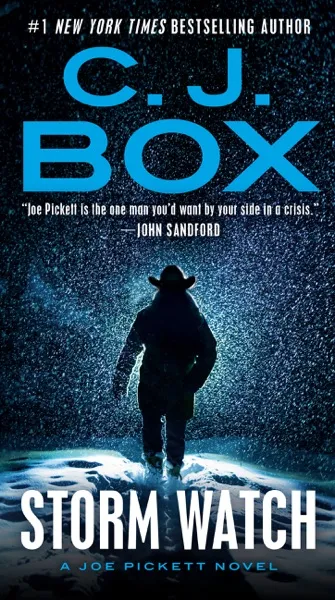

Storm Watch Author: C. J. BoxPage Count: UnknownPublication Year: 2023-GB Storm Watch: A Gripping Thriller That Keeps You on the Edge of Your Seat Few authors can weave the raw beauty of the American West into a suspenseful narrative as masterfully as C.J. Box. In Storm Watch, the latest addition to his acclaimed Joe Pickett series, Box delivers another high-stakes thriller that blends rugged wilderness with relentless action. With its vivid setting, complex characters, and a plot that crackles with tension, this book is a must-read for fans of crime fiction and anyone who loves a story where nature itself feels like a character. At its core, Storm Watch explores the fragile balance between human ambition and the untamed forces of the natural world. Box, known for his deep connection to Wyoming’s landscapes, once again immerses readers in the stark, breathtaking terrain that serves as both a sanctuary and a battleground. The story unfolds against the backdrop of a looming storm, both literal and metaphorical, as Joe Pickett—a game warden with a quiet moral compass—finds himself entangled in a dangerous conspiracy that threatens to upend the fragile peace of his community. One of the novel’s greatest strengths lies in its characters. Joe Pickett, a man of quiet integrity, is as compelling as ever, but it’s the supporting cast that truly shines. Box introduces a cast of morally ambiguous figures, each with their own agendas, making it difficult to predict who can be trusted. The antagonist, in particular, is a chillingly calculated villain whose motivations are as layered as they are disturbing. The dynamic between Joe and his family adds emotional depth, grounding the high-stakes action in relatable human struggles. Box’s writing style is a masterclass in tension-building. His prose is crisp and immersive, with a knack for describing the Wyoming wilderness in vivid detail without slowing the pace. The dialogue crackles with authenticity, and the pacing is relentless—each chapter ends with a hook that compels the reader to keep turning the pages. Whether it’s a tense standoff in a snowstorm or a quiet moment of reflection by a campfire, Box makes every scene feel vivid and alive. Themes of justice, survival, and the cost of progress run deep throughout Storm Watch. Box doesn’t shy away from exploring the darker side of human nature, but he also infuses the story with a sense of hope. Joe Pickett, despite the odds stacked against him, remains a beacon of steadfastness, reminding readers that even in the face of overwhelming odds, integrity and perseverance matter. For readers new to the Joe Pickett series, Storm Watch serves as an excellent introduction, though longtime fans will appreciate the deeper character development and fresh challenges Joe faces. Box’s ability to evolve his protagonist while maintaining the series’ signature grit and authenticity is a testament to his skill as a storyteller. If you’re looking for a thriller that combines the thrill of a mystery with the stark beauty of the American West, Storm Watch is a must-read. C.J. Box once again proves why he’s one of the most compelling voices in crime fiction today. #StormWatch #CJBox #JoePickettSeries #CrimeFiction #ThrillerBooks Related InsightsA Light in the Attic Book Review and Summary Every Story Is a Love Story Book Review and Summary Midnight Sun [2008 Draft] Book Review and Summary{ "@context": "https://schema.org", "@type": "FAQPage", "mainEntity": [ { "@type": "Question", "name": "What is the main focus of **Storm Watch** Book Review and Summary?", "acceptedAnswer": { "@type": "Answer", "text": "Everything you need to know about **Storm Watch** with our detailed review." } }, { "@type": "Question", "name": "Who authored the comprehensive guide on **Storm Watch** Book Review and Summary?", "acceptedAnswer": { "@type": "Answer", "text": "This detailed article and its insights were carefully researched and authored by Sofia Bianchi." } }, { "@type": "Question", "name": "Where can I find more related content about Books?", "acceptedAnswer": { "@type": "Answer", "text": "You can explore more articles, detailed reviews, and similar insights by browsing the Related Insights section at the bottom of this article or visiting our dedicated Books category page." } } ] }


In the Likely Event Author: Rebecca YarrosPage Count: UnknownPublication Year: 2023-GB In the Likely Event, Rebecca Yarros' latest masterpiece, is a thought-provoking and emotionally charged novel that delves into the complexities of human relationships, love, and the unpredictability of life. As a global bestseller, this book has garnered widespread acclaim for its poignant and relatable storytelling, and it's easy to see why. From the onset, Yarros' writing style is evident - lyrical, evocative, and unflinchingly honest. Her prose is like a gentle breeze on a summer's day, soothing and calming, yet simultaneously capable of stirring up powerful emotions. She weaves a narrative that is both deeply personal and universally relatable, making it impossible not to become invested in the lives of her characters. At its core, In the Likely Event is a book about the human condition - our hopes, fears, dreams, and disappointments. Yarros explores the intricacies of relationships, the fragility of love, and the resilience of the human spirit. Her characters are multidimensional and flawed, making them all the more believable and endearing. As they navigate the complexities of life, they must confront their own vulnerabilities and learn to adapt to the unexpected twists and turns that fate has in store for them. One of the most striking aspects of Yarros' writing is her ability to balance light and darkness. She tackles heavy themes with sensitivity and nuance, never shying away from the harsh realities of life. Yet, she also infuses her narrative with a sense of hope and optimism, reminding us that even in the darkest moments, there is always a glimmer of light on the horizon. Throughout the book, Yarros' use of language is deliberate and evocative. Her descriptions are vivid and immersive, transporting the reader to a world that is both familiar and unknown. Her dialogue is natural and authentic, revealing the complexities of human communication and the ways in which we often struggle to express ourselves. In the Likely Event is a book that will resonate with readers long after they finish reading it. It's a story that will make you laugh, cry, and reflect on your own life and relationships. Yarros' writing is a gift, a reminder of the power of storytelling to touch our hearts and minds. If you're looking for a book that will challenge you, inspire you, and stay with you long after you finish reading it, then In the Likely Event is a must-read. With its universal themes, relatable characters, and beautiful prose, this book is sure to leave a lasting impression on anyone who reads it. #IntheLikelyEvent #RebeccaYarros #GlobalBestseller #EmotionalReads #RelationshipGoals #BookLoversUnite Related InsightsThreshing Day (The Empyrean, #3.5) Book Review and Summary Last Tudor Book Review and Summary Dr. Jekyll and Mr. Hyde Book Review and Summary{ "@context": "https://schema.org", "@type": "FAQPage", "mainEntity": [ { "@type": "Question", "name": "What is the main focus of In the Likely Event Book Review and Summary?", "acceptedAnswer": { "@type": "Answer", "text": "Everything you need to know about In the Likely Event with our detailed review." } }, { "@type": "Question", "name": "Who authored the comprehensive guide on In the Likely Event Book Review and Summary?", "acceptedAnswer": { "@type": "Answer", "text": "This detailed article and its insights were carefully researched and authored by Hannah Schmidt." } }, { "@type": "Question", "name": "Where can I find more related content about Books?", "acceptedAnswer": { "@type": "Answer", "text": "You can explore more articles, detailed reviews, and similar insights by browsing the Related Insights section at the bottom of this article or visiting our dedicated Books category page." } } ] }
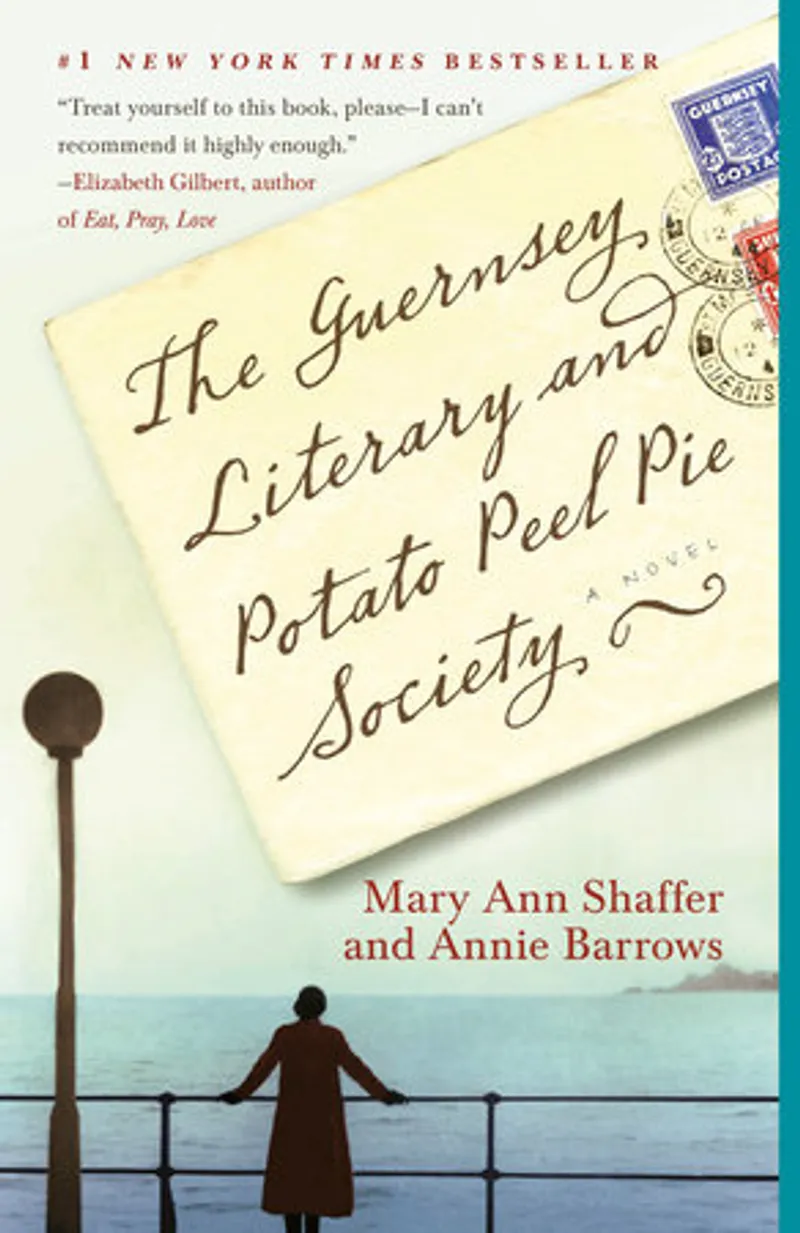
The Guernsey Literary and Potato Peel Pie Society Author: Mary Ann ShafferPage Count: UnknownPublication Date: 2009-PRH The Guernsey Literary and Potato Peel Pie Society by Mary Ann Shaffer is a mesmerizing tale that weaves together the threads of literature, love, and the unbreakable human spirit. Set against the backdrop of post-World War II, the novel is a poignant exploration of the island of Guernsey's experiences during the German occupation. Through a series of letters exchanged between the protagonist, Juliet Ashton, and the islanders, Shaffer masterfully crafts a narrative that is both heartwarming and heart-wrenching. The author's use of the epistolary format is a stroke of genius, allowing the reader to experience the story through the intimate and personal letters of the characters. This format not only adds to the charm of the novel but also enables Shaffer to showcase her exceptional writing skills. Each letter is a masterclass in storytelling, filled with humor, wit, and a deep understanding of the human condition. At its core, The Guernsey Literary and Potato Peel Pie Society is a celebration of the power of literature to bring people together. The novel highlights the importance of books as a source of comfort, solace, and inspiration during times of war and hardship. The characters' love for literature is infectious, and their discussions about books are some of the most delightful moments in the novel. Shaffer's writing is effortlessly elegant, with a keen eye for detail and a deep understanding of the historical context. Her characters are multidimensional and relatable, with each one bringing their unique perspective to the narrative. The island of Guernsey itself becomes a character in the novel, with its rich history and culture woven seamlessly into the story. One of the most striking aspects of the novel is its ability to balance humor and pathos. Shaffer tackles the difficult subjects of war, loss, and trauma with sensitivity and nuance, yet still manages to infuse the narrative with a sense of hope and resilience. The result is a novel that is both uplifting and thought-provoking. In short, The Guernsey Literary and Potato Peel Pie Society is a must-read for anyone who loves literature, history, or just a good story. Shaffer's writing is a joy to behold, and her characters will capture your heart. This novel is a testament to the power of storytelling and the human spirit, and it will leave you feeling uplifted and inspired. #GuernseyLiteraryAndPotatoPeelPieSociety #HistoricalFiction #BookLovers #WWII #LiteraryFiction #EpistolaryNovel Related InsightsTears of Tess Book Review and Summary Espíritu (Cemetery Boys, #2) Book Review and Summary Hazlo por un día: Cómo crear o romper cualquier hábito en 30 días / Do It For A Day: How to Make or Break Any Habit in 30 Days Book Review and Summary{ "@context": "https://schema.org", "@type": "FAQPage", "mainEntity": [ { "@type": "Question", "name": "What is the main focus of The Guernsey Literary and Potato Peel Pie Society Book Review and Summary?", "acceptedAnswer": { "@type": "Answer", "text": "Everything you need to know about The Guernsey Literary and Potato Peel Pie Society with our detailed review." } }, { "@type": "Question", "name": "Who authored the comprehensive guide on The Guernsey Literary and Potato Peel Pie Society Book Review and Summary?", "acceptedAnswer": { "@type": "Answer", "text": "This detailed article and its insights were carefully researched and authored by Mary Ann Shaffer." } }, { "@type": "Question", "name": "Where can I find more related content about Books?", "acceptedAnswer": { "@type": "Answer", "text": "You can explore more articles, detailed reviews, and similar insights by browsing the Related Insights section at the bottom of this article or visiting our dedicated Books category page." } } ] }
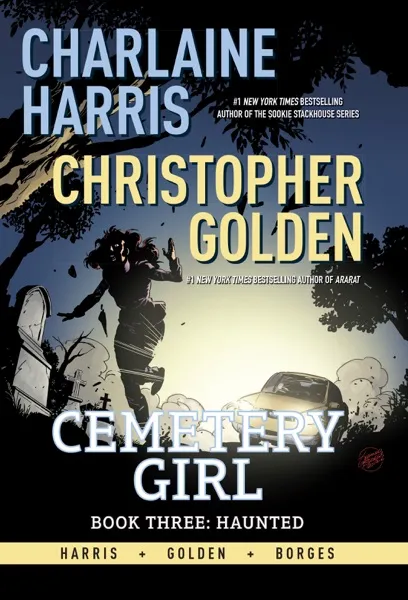

Charlaine Harris Cemetery Girl Book Three Author: Charlaine HarrisPage Count: UnknownPublication Year: 2018-GB Charlaine Harris’s Cemetery Girl: Book Three is a masterclass in blending the supernatural with the deeply human—where every shadow hides a secret, and every secret could unravel lives. As the third installment in Harris’s gripping graphic novel series, it delivers the same atmospheric tension, sharp character dynamics, and eerie charm that have made her work a global bestseller. But this time, the stakes are higher, the mysteries deeper, and the emotional undercurrents more potent than ever. At its core, Cemetery Girl: Book Three is about identity—both the masks we wear and the ones forced upon us. The story follows Calexa Rose Dunhill, a young woman with no memory of her past, living in the eerie Blackthorn Cemetery under the care of the enigmatic Vincent. As she navigates the dangers of her new life, Calexa is haunted by fragmented visions of a childhood she doesn’t remember and a world that seems both familiar and alien. Harris excels at weaving this sense of displacement into the narrative, making Calexa’s struggle feel visceral. The cemetery, with its sprawling mausoleums and hidden pathways, becomes a character in itself—a place of both sanctuary and peril, much like the mind of someone piecing together a fractured past. Harris’s prose in this series is deceptively simple, but it’s the kind of simplicity that comes from careful precision. She doesn’t over-explain the supernatural elements; instead, she lets them simmer in the background, allowing the reader to feel the weight of Calexa’s uncertainty. The world Harris builds is one where the occult and the mundane coexist seamlessly. Vampires lurk in the shadows of modern life, witches move through society unnoticed, and ancient curses linger in forgotten corners. Yet, the real power of Cemetery Girl lies in its grounding in human emotion. Calexa’s relationships—with Vincent, with her only friend, and with the few people who seem to care for her—are the heart of the story. Harris ensures that even in a world of monsters, the most terrifying thing is often the loneliness of not knowing who you are. The art in this series, handled by Christopher Moeller, deserves special mention. The illustrations are rich and moody, with a cinematic quality that draws the reader into Calexa’s world. Moeller’s use of shadow and light mirrors the themes of the story—what is hidden, what is revealed, and what we choose to see. The cemetery itself is a character, its gothic architecture and overgrown paths evoking a sense of timelessness that contrasts with the urgency of Calexa’s search for answers. One of the most compelling aspects of Book Three is how Harris balances action with introspection. There are moments of high-stakes confrontation—shadowy figures, cryptic threats, and a looming sense of danger—but they’re interspersed with quiet, introspective scenes where Calexa grapples with her own mind. This rhythm keeps the story from feeling like a simple supernatural thriller. Instead, it becomes a psychological exploration of memory, trauma, and the resilience of the human spirit. Harris doesn’t shy away from the darker aspects of Calexa’s journey. The book tackles themes of abuse, gaslighting, and the fragility of trust, all while maintaining a sense of hope. It’s a testament to Harris’s skill that she can weave such heavy topics into a narrative that’s also a page-turning mystery. The dialogue in Cemetery Girl is another standout feature. Harris has a knack for sharp, naturalistic exchanges that reveal character in just a few lines. Calexa’s dry wit and Vincent’s gruff protectiveness feel authentic, and the interactions between them crackle with an undercurrent of unspoken tension. Whether it’s a tense standoff or a quiet moment of vulnerability, the conversations in this book feel real, which makes the supernatural elements all the more believable by contrast. As the series progresses, Harris doesn’t just expand the lore—she deepens it. Book Three introduces new factions, new threats, and new layers to Calexa’s past, all while keeping the focus squarely on her emotional journey. It’s a delicate balance, and Harris pulls it off with aplomb. The book doesn’t just answer questions; it raises new ones, leaving readers hungry for the next installment. In many ways, Cemetery Girl: Book Three is a story about reclaiming agency. Calexa is a character who has been shaped by forces beyond her control, but by the end of the book, she begins to take the reins of her own fate. It’s a powerful message, wrapped in a story that’s as thrilling as it is thought-provoking. Harris doesn’t just give her readers a mystery to solve—she gives them a heroine to root for, flaws and all. For fans of urban fantasy, psychological drama, or simply a well-crafted mystery, Cemetery Girl: Book Three is a must-read. Charlaine Harris once again proves why she’s a master of the genre, crafting a story that’s as emotionally resonant as it is entertaining. It’s a book that lingers in the mind long after the last page is turned, leaving you with the same haunting question that plagues Calexa: Who am I, really? #CemeteryGirl #CharlaineHarris #SupernaturalThriller #UrbanFantasy #CalexaRoseDunhill #GothicMystery Related InsightsThe Sentinel (Special Edition) Book Review and Summary A Wrinkle in Time Book Review and Summary Death Wish Book Review and Summary{ "@context": "https://schema.org", "@type": "FAQPage", "mainEntity": [ { "@type": "Question", "name": "What is the main focus of Charlaine Harris Cemetery Girl Book Three Book Review and Summary?", "acceptedAnswer": { "@type": "Answer", "text": "Everything you need to know about Charlaine Harris Cemetery Girl Book Three with our detailed review." } }, { "@type": "Question", "name": "Who authored the comprehensive guide on Charlaine Harris Cemetery Girl Book Three Book Review and Summary?", "acceptedAnswer": { "@type": "Answer", "text": "This detailed article and its insights were carefully researched and authored by William Clark." } }, { "@type": "Question", "name": "Where can I find more related content about Books?", "acceptedAnswer": { "@type": "Answer", "text": "You can explore more articles, detailed reviews, and similar insights by browsing the Related Insights section at the bottom of this article or visiting our dedicated Books category page." } } ] }
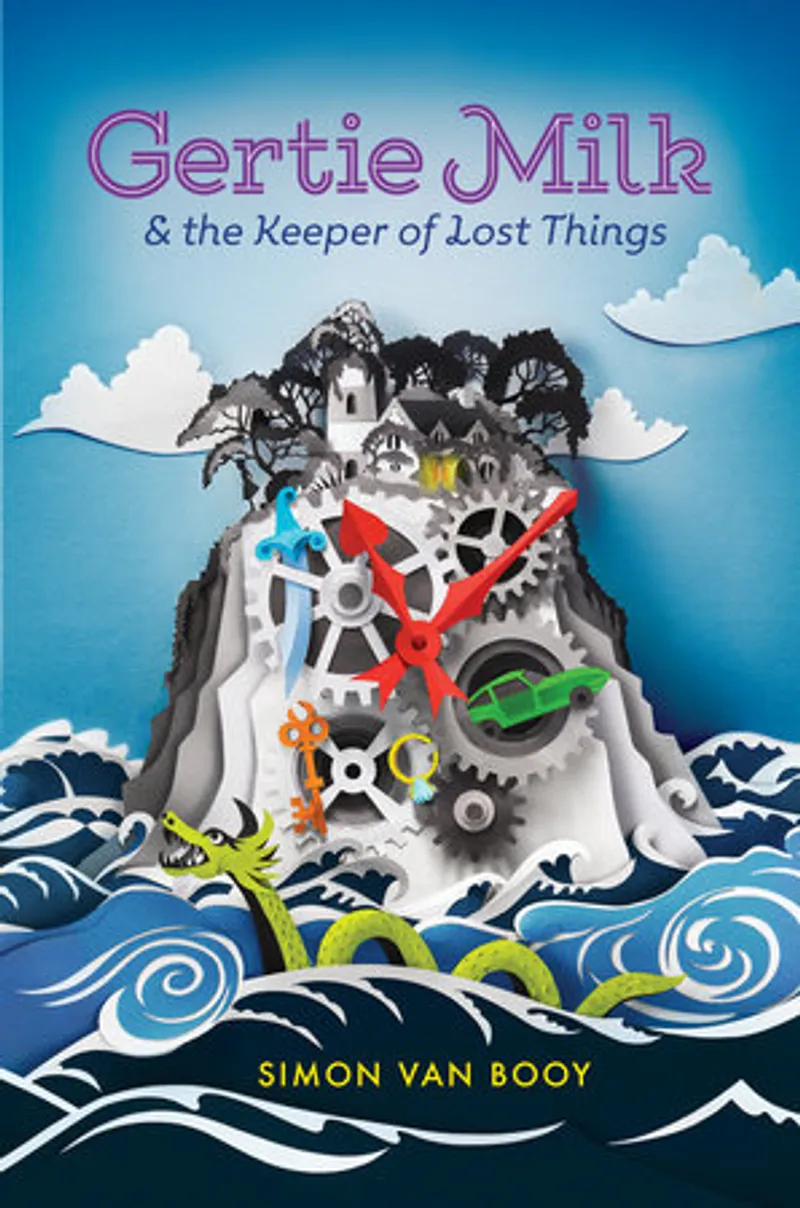
Gertie Milk and the Keeper of Lost Things Author: Simon Van BooyPage Count: UnknownPublication Date: 2017-PRH In "Gertie Milk and the Keeper of Lost Things," Simon Van Booy masterfully weaves a captivating narrative that whisks readers away to a mystical world of wonder and magic. This enchanting tale follows the journey of twelve-year-old Gertie Milk, who finds herself washed up on the mysterious island of Skuldark with no recollection of her past. As she navigates this strange new world, Gertie discovers that she has been chosen as the next Keeper of Lost Things, tasked with the noble mission of returning lost artifacts to their rightful owners throughout history. Van Booy's writing style is a perfect blend of whimsy and sophistication, making this book an absolute delight to read. His vivid descriptions of the island's peculiar inhabitants, such as the helpful Slug Lamps and the ferocious Guard Worm, are both imaginative and engaging. The author's use of language is rich and evocative, painting a picture of a world that is both fantastical and familiar. One of the most striking aspects of this book is its exploration of the theme of identity. Gertie's journey is not just about uncovering the truth of her past, but also about discovering her own sense of self. As she travels through time, returning lost objects to their rightful owners, Gertie begins to piece together fragments of her own identity. This theme is expertly woven throughout the narrative, adding depth and complexity to the story. The author's use of historical settings is also noteworthy. From ancient Alexandria to 1920s flapper parties, Van Booy's vivid descriptions transport readers to different eras, immersing them in the sights, sounds, and sensations of each time period. The inclusion of historical figures and events adds an extra layer of authenticity to the narrative, making the fantastical elements all the more believable. The character of Gertie Milk is well-developed and relatable, making her a compelling protagonist. Her determination and resourcefulness in the face of adversity are admirable, and her relationships with the other characters, particularly Kolt, are warm and engaging. The villainous Losers, who seek to destroy order and chaos, provide a formidable counterpoint to Gertie's mission, adding an element of tension and suspense to the narrative. Overall, "Gertie Milk and the Keeper of Lost Things" is a captivating and imaginative tale that will appeal to readers of all ages. Van Booy's writing style is engaging, and his use of themes and historical settings adds depth and complexity to the narrative. This book is a must-read for fans of magical realism and historical fiction, and is sure to leave readers eagerly anticipating the next installment in the series. #GertieMilkAndTheKeeperOfLostThings #SimonVanBooy #MiddleGradeFiction #MagicalRealism #HistoricalFiction #TimeTravelAdventures Related InsightsThe Heavenly Table Book Review and Summary Katabasis Book Review and Summary Boy Who Cried Bear Book Review and Summary{ "@context": "https://schema.org", "@type": "FAQPage", "mainEntity": [ { "@type": "Question", "name": "What is the main focus of Keeper of the Lost Cities Book Review and Summary?", "acceptedAnswer": { "@type": "Answer", "text": "Everything you need to know about Keeper of the Lost Cities with our detailed review." } }, { "@type": "Question", "name": "Who authored the comprehensive guide on Keeper of the Lost Cities Book Review and Summary?", "acceptedAnswer": { "@type": "Answer", "text": "This detailed article and its insights were carefully researched and authored by Shannon Messenger." } }, { "@type": "Question", "name": "Where can I find more related content about Books?", "acceptedAnswer": { "@type": "Answer", "text": "You can explore more articles, detailed reviews, and similar insights by browsing the Related Insights section at the bottom of this article or visiting our dedicated Books category page." } } ] }
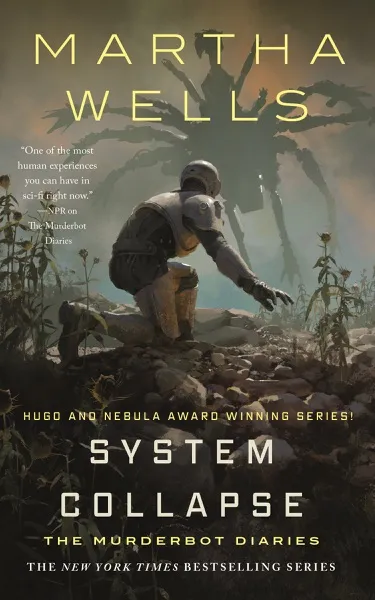

System Collapse Author: Martha WellsPage Count: UnknownPublication Year: 2023-GB Martha Wells’ System Collapse isn’t just another entry in her beloved Murderbot series—it’s a masterclass in subversion, a scathing satire of corporate power, and a deeply human story disguised as sci-fi action. Published in 2023, this installment cements Wells’ reputation as one of the most incisive voices in modern speculative fiction, blending razor-sharp social commentary with the wit and heart that have made Murderbot a fan-favorite protagonist. If you’ve ever rolled your eyes at the absurdity of late-stage capitalism or wondered what happens when a society’s systems collapse under their own weight, this book is your darkly hilarious, action-packed answer. At its core, System Collapse is about the fragility of trust in a world where institutions have failed—and where the people left behind must decide whether to rebuild or burn it all down. Wells takes the familiar framework of her Murderbot series—a self-aware, traumatized but deeply empathetic security android—and places it in a setting where human society is on the brink. The planet of Klamath’s leadership has been hollowed out by corporate greed, leaving its citizens to navigate a landscape of collapsing infrastructure, predatory debt, and a government that’s more interested in profit than people. Sound familiar? That’s the point. Wells doesn’t just predict dystopia; she holds up a mirror to our own world, forcing readers to confront the ways power exploits vulnerability. What makes this book stand out is Wells’ ability to balance biting satire with genuine emotional depth. Murderbot, as ever, is the perfect lens through which to view this chaos—its dry, sarcastic narration serves as a counterpoint to the sheer absurdity of the system it’s trapped in. But here, Wells deepens its character, revealing more of its past and its struggles with autonomy and connection. The result is a protagonist who is both hilarious and heartbreaking, a machine that feels more human than the humans around it. When Murderbot reflects on its own existence—wondering if it’s truly free or just another cog in a broken machine—it forces readers to question their own place in society. Wells’ prose is clean and efficient, but never sterile. Her dialogue crackles with tension, whether it’s Murderbot’s deadpan one-liners or the desperate, fragmented speech of those caught in the system’s collapse. The action sequences are taut and immersive, but it’s the quieter moments—where Murderbot grapples with its own identity or where secondary characters reveal their hidden resilience—that linger. This isn’t just a book about fighting the system; it’s about what comes after the fight, when the dust settles and the real work begins. Thematically, System Collapse is a love letter to collective action and the quiet heroism of ordinary people. Wells doesn’t offer easy answers, but she does celebrate the small, stubborn acts of defiance that keep humanity alive. Whether it’s a group of workers refusing to be erased by corporate algorithms or a lone security bot choosing to protect the vulnerable despite its programming, the book champions the idea that resistance isn’t just possible—it’s necessary. If there’s a criticism to be leveled, it’s that the book’s urgency might leave some readers breathless. Wells doesn’t linger on descriptions or internal monologues; she drives the story forward with relentless momentum, and those who prefer slower, more contemplative narratives might find it a bit brisk. But for fans of sharp, high-stakes sci-fi, this is a feature, not a bug. The pacing mirrors the chaos of the world it depicts, making the rare moments of calm feel earned. Ultimately, System Collapse is more than a sequel—it’s a manifesto disguised as entertainment. Martha Wells has always been a master of blending humor and horror, but here, she sharpens both into a weapon against complacency. This is a book for anyone who’s ever felt like the world is rigged against them, or who’s wondered what it takes to break free. It’s a reminder that even in the darkest systems, there’s room for rebellion—and that sometimes, the most revolutionary act is simply refusing to give up. In a year where dystopian fiction feels eerily prescient, System Collapse stands out as both a warning and a rallying cry. It’s the kind of book that stays with you long after the last page, not because it offers comfort, but because it refuses to let you look away. #SystemCollapse #MarthaWells #MurderbotSeries #SciFiSatire #DystopianFiction #ReadScienceFiction Related InsightsA Good Girl's Guide to Murder Book Review and Summary Old Babes in the Wood Book Review and Summary Love the Revolution: An Unfinished Novel Book Review and Summary{ "@context": "https://schema.org", "@type": "FAQPage", "mainEntity": [ { "@type": "Question", "name": "What is the main focus of System Collapse Book Review and Summary?", "acceptedAnswer": { "@type": "Answer", "text": "Everything you need to know about System Collapse with our detailed review." } }, { "@type": "Question", "name": "Who authored the comprehensive guide on System Collapse Book Review and Summary?", "acceptedAnswer": { "@type": "Answer", "text": "This detailed article and its insights were carefully researched and authored by Diego Lopez." } }, { "@type": "Question", "name": "Where can I find more related content about Books?", "acceptedAnswer": { "@type": "Answer", "text": "You can explore more articles, detailed reviews, and similar insights by browsing the Related Insights section at the bottom of this article or visiting our dedicated Books category page." } } ] }
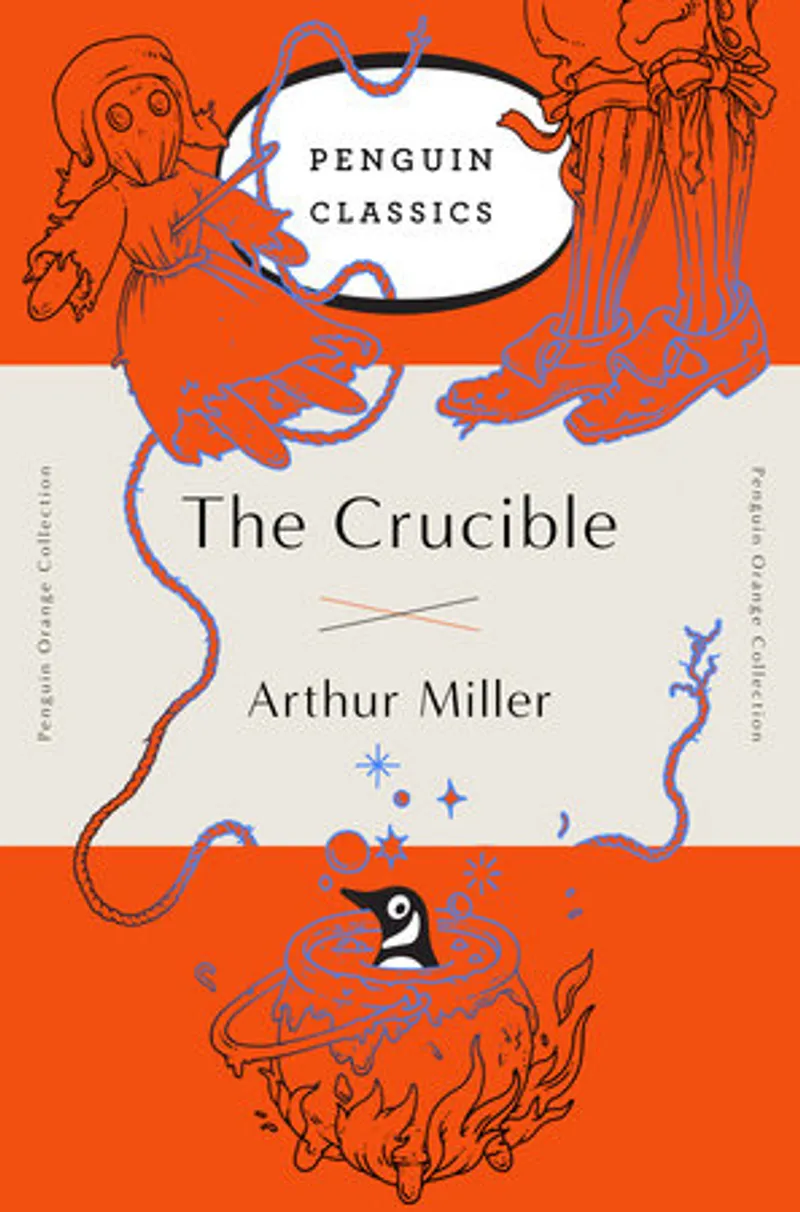
The Crucible Author: Arthur MillerPage Count: UnknownPublication Date: 2016-PRH The Crucible, penned by the inimitable Arthur Miller, is a masterpiece of twentieth-century American theater that has stood the test of time. This play, now part of the esteemed Penguin Orange Collection, is a searing exploration of the destructive nature of hysteria, greed, and the dangers of unchecked power. As we delve into the world of 17th-century Salem, Massachusetts, Miller's writing masterfully exposes the darker aspects of human nature, leaving the reader to ponder the blurred lines between guilt, innocence, and collective madness. Miller's writing is akin to a slow-burning fire, gradually building in intensity as the play unfolds. His characters are multidimensional and richly drawn, with the protagonist, John Proctor, embodying the complexities of the human condition. Proctor's struggles with his own guilt and redemption serve as a powerful counterpoint to the rising hysteria that threatens to consume the community. Through Proctor's character, Miller raises essential questions about the nature of morality, the importance of personal integrity, and the devastating consequences of unchecked ambition. The Crucible is a play that is both a product of its time and eerily prescient. Written in the 1950s, it was a clear response to the McCarthyism that was sweeping the United States, but its themes and warnings remain just as relevant today. Miller's exploration of the dangers of mass hysteria, the destructive power of false accusations, and the erosion of civil liberties is a timely reminder of the importance of critical thinking, empathy, and the need to protect individual rights. One of the most striking aspects of Miller's writing is his ability to craft a sense of tension and suspense that is almost palpable. As the play builds towards its tragic conclusion, the reader is drawn into a world of fear, paranoia, and ultimately, devastation. Miller's use of language is economical, yet powerful, with a keen eye for detail that brings the characters and their world to vivid life. The Penguin Orange Collection's edition of The Crucible is a beautifully designed volume that does justice to Miller's masterpiece. The iconic orange and white tri-band cover design is a bold and striking tribute to the play's enduring legacy, while the high-quality paper and striking cover illustrations add to the overall sense of luxury and sophistication. In conclusion, The Crucible is a masterpiece of American theater that continues to enthrall and disturb audiences to this day. Miller's writing is a powerful exploration of the human condition, raising essential questions about morality, guilt, and the dangers of unchecked power. This beautifully designed edition from the Penguin Orange Collection is a must-read for anyone interested in classic American literature, theater, or simply great storytelling. #TheCrucible #ArthurMiller #PenguinOrangeCollection #AmericanClassics #Theatre #ClassicLiterature Related InsightsLife of Black Hawk, or Ma-ka-tai-me-she-kia-kiak Book Review and Summary The Forgotten Garden Book Review and Summary The Hunger Games Magnetic Bookmark Set of 3 - Magnetic Bookmarks Book Review and Summary{ "@context": "https://schema.org", "@type": "FAQPage", "mainEntity": [ { "@type": "Question", "name": "What is the main focus of The Crucible Book Review and Summary?", "acceptedAnswer": { "@type": "Answer", "text": "Everything you need to know about The Crucible with our detailed review." } }, { "@type": "Question", "name": "Who authored the comprehensive guide on The Crucible Book Review and Summary?", "acceptedAnswer": { "@type": "Answer", "text": "This detailed article and its insights were carefully researched and authored by Arthur Miller." } }, { "@type": "Question", "name": "Where can I find more related content about Books?", "acceptedAnswer": { "@type": "Answer", "text": "You can explore more articles, detailed reviews, and similar insights by browsing the Related Insights section at the bottom of this article or visiting our dedicated Books category page." } } ] }
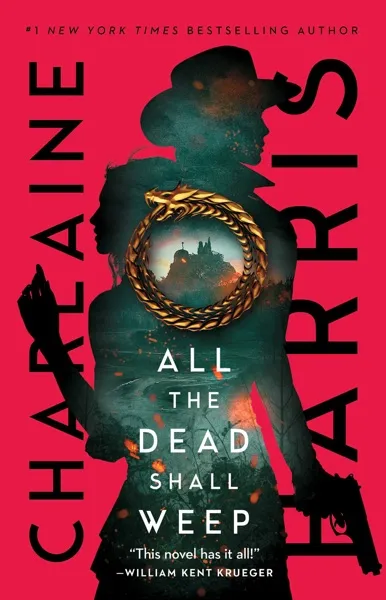

All the Dead Shall Weep Author: Charlaine HarrisPage Count: UnknownPublication Year: 2023-GB Charlaine Harris has long been a master of blending the supernatural with the deeply human, crafting stories that linger in the mind long after the last page. With All the Dead Shall Weep, she once again proves why she remains a titan of modern dark fantasy and mystery. Published in 2023, this novel arrives as both a standalone intrigue and a potential entry into a new series—though its richness suggests it could stand proudly on its own. Harris’s signature style—sharp dialogue, morally complex characters, and a knack for atmospheric tension—shines brightly here, but it is the book’s thematic depth that truly elevates it from mere entertainment to something far more resonant. At its heart, All the Dead Shall Weep is a meditation on memory, legacy, and the ghosts we carry—not just the spectral kind, but the emotional and historical ones. Harris explores how the past refuses to stay buried, how old wounds reopen, and how the dead, whether physically or metaphorically, shape the living in ways both destructive and redemptive. The title itself is a chilling invocation, suggesting a reckoning that spans generations, a theme that permeates the narrative with a quiet, creeping dread. The story unfolds through the eyes of a protagonist whose name and background are deftly withheld in the opening chapters—a narrative choice that mirrors the theme of identity and the weight of inherited secrets. Harris plants clues slowly, allowing the reader to piece together the puzzle alongside the protagonist, who is both detective and participant in a mystery that stretches back decades. The prose is economical yet evocative, avoiding the overwrought gothic flourishes that can weigh down similar tales. Instead, Harris trusts the reader to feel the chill of a Louisiana swamp at night, the unease of a small town with too many unspoken rules, and the suffocating pressure of a past that won’t let go. One of the novel’s most compelling aspects is its refusal to simplify morality. The antagonists are not cartoonish villains; they are flawed, pitiable, or tragically misguided figures whose actions stem from pain or privilege. Similarly, the protagonist is neither infallible nor particularly heroic—just a person caught in a web of circumstances they didn’t choose but must navigate. Harris excels at this kind of character work, making the supernatural elements feel like extensions of very real human struggles rather than fantastical escapes. The supernatural elements in All the Dead Shall Weep are subtle but haunting. Harris doesn’t rely on jump scares or over-the-top magic; instead, the uncanny creeps in through suggestion and atmosphere. There are whispering voices in the dark, objects that move on their own, and a pervasive sense that the living are not alone in their world. This restraint makes the moments of outright horror all the more effective, as they feel like cracks in the veneer of the ordinary. The dead, Harris reminds us, do not always stay buried—and neither do their sins. Harris’s dialogue remains a standout feature. Her characters speak in a way that feels authentic to their backgrounds, whether they’re Louisiana natives, outsiders, or something in between. The banter is sharp, the confessions are raw, and the silences are often more telling than words. This is a book where what isn’t said can be just as powerful as what is. If there is a weakness, it lies in the pacing. Harris takes her time unraveling the mystery, which may frustrate readers expecting a faster burn. But this is also part of the book’s appeal—it rewards patience. The payoff, when it comes, feels earned, not rushed. The final act is a masterclass in building tension, where every revelation peels back another layer of the onion, leaving the reader breathless and aching for resolution. All the Dead Shall Weep is not just a ghost story or a mystery; it’s a meditation on how the past defines us, how we are all haunted by the choices of those who came before us, and how sometimes, the only way to move forward is to face what we’ve spent a lifetime avoiding. Harris has crafted a novel that is as emotionally resonant as it is suspenseful, a story that lingers like the scent of magnolias after a summer rain. Charlaine Harris has done it again—she’s given us a book that is both a thrilling escape and a mirror held up to our own fears and regrets. All the Dead Shall Weep is a work of art, a ghost story for grown-ups who know that the scariest monsters are the ones we make ourselves. #CharlaineHarris #AllTheDeadShallWeep #GothicHorror #SouthernGothic #SupernaturalMystery #CharlaineHarrisFans Related InsightsSwann’s Way Book Review and Summary On the Calculation of Volume V Book Review and Summary Ghosts of the West Yorkshire Moors: The Savage Soul of Wuthering Heights{ "@context": "https://schema.org", "@type": "FAQPage", "mainEntity": [ { "@type": "Question", "name": "What is the main focus of All the Dead Shall Weep Book Review and Summary?", "acceptedAnswer": { "@type": "Answer", "text": "Everything you need to know about All the Dead Shall Weep with our detailed review." } }, { "@type": "Question", "name": "Who authored the comprehensive guide on All the Dead Shall Weep Book Review and Summary?", "acceptedAnswer": { "@type": "Answer", "text": "This detailed article and its insights were carefully researched and authored by Michael Brown." } }, { "@type": "Question", "name": "Where can I find more related content about Books?", "acceptedAnswer": { "@type": "Answer", "text": "You can explore more articles, detailed reviews, and similar insights by browsing the Related Insights section at the bottom of this article or visiting our dedicated Books category page." } } ] }
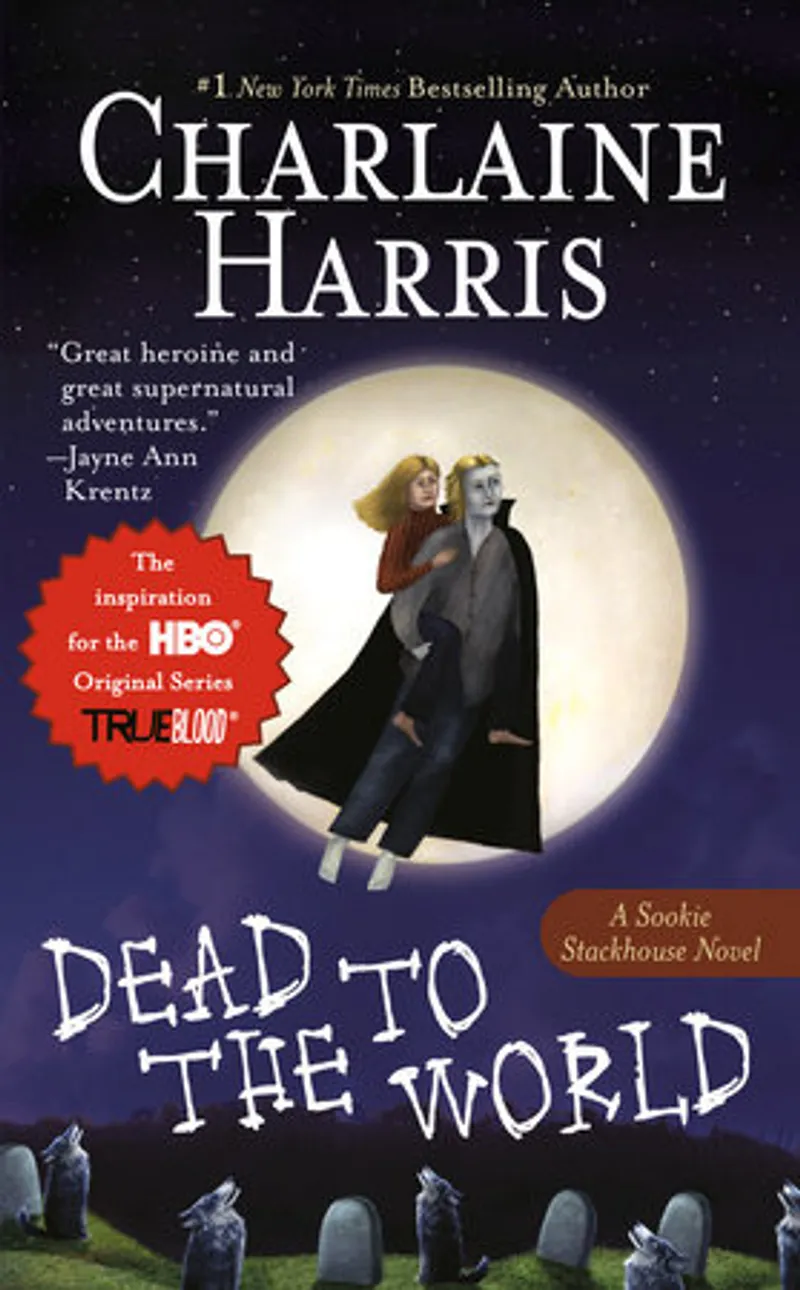
Dead to the World Author: Charlaine HarrisPage Count: UnknownPublication Date: 2005-PRH Dead to the World, the fourth installment in Charlaine Harris's Sookie Stackhouse series, is a mesmerizing tale of mystery, magic, and romance that will leave readers spellbound. This 2005 novel, which inspired the hit HBO series True Blood, delves into the complexities of the supernatural world, weaving a rich narrative that explores the intricacies of power, identity, and the human heart. At the center of the story is Sookie Stackhouse, a telepathic cocktail waitress with a penchant for getting entangled in the paranormal dramas of her small Louisiana town. When Sookie encounters a naked, amnesiac vampire on the side of the road, she is drawn into a web of intrigue that threatens to upend her life. The vampire, none other than the enigmatic Eric Northman, is a far cry from the confident, calculating creature Sookie has come to know. This new, vulnerable Eric is a kinder, gentler soul, and Sookie finds herself inexplicably drawn to him. As Sookie navigates the treacherous landscape of supernatural politics, she must confront the dark forces that seek to destroy Eric and claim dominion over the vampire world. Harris masterfully orchestrates a complex dance of witches, vampires, and werewolves, each with their own agendas and motivations. The result is a gripping narrative that propels the reader forward, hurtling toward a climactic showdown that will leave even the most seasoned fans breathless. One of the standout aspects of Dead to the World is Harris's skillful exploration of the human condition. Through Sookie's journey, Harris probes the complexities of identity, love, and power, raising fundamental questions about the nature of self and the human experience. Sookie's relationships with Eric, her vampire lover Bill, and her friends and family serve as a catalyst for introspection, forcing her to confront the depths of her own heart and the true meaning of loyalty, duty, and desire. Harris's writing style is, as always, engaging and accessible, with a keen sense of humor that adds a welcome layer of levity to the narrative. Her world-building is meticulous, with a deep understanding of the mythology and folklore that underpin the supernatural universe she has created. The characters, too, are richly drawn, with Sookie's first-person narrative voice offering a unique window into the inner workings of her mind and heart. In conclusion, Dead to the World is a captivating addition to the Sookie Stackhouse series, offering a rich tapestry of mystery, romance, and supernatural intrigue. Harris's masterful storytelling, coupled with her insightful exploration of the human condition, makes for a compelling read that will appeal to fans of urban fantasy, romance, and mystery alike. #SookieStackhouseSeries #TrueBlood #VampireFiction #UrbanFantasy #ParanormalRomance #CharlaineHarris Related InsightsLove Unwritten Book Review and Summary Una corte de rosas y espinas Book Review and Summary Lucy Kline, Necromancer Book Review and Summary{ "@context": "https://schema.org", "@type": "FAQPage", "mainEntity": [ { "@type": "Question", "name": "What is the main focus of Dead to the World Book Review and Summary?", "acceptedAnswer": { "@type": "Answer", "text": "Everything you need to know about Dead to the World with our detailed review." } }, { "@type": "Question", "name": "Who authored the comprehensive guide on Dead to the World Book Review and Summary?", "acceptedAnswer": { "@type": "Answer", "text": "This detailed article and its insights were carefully researched and authored by Charlaine Harris." } }, { "@type": "Question", "name": "Where can I find more related content about Books?", "acceptedAnswer": { "@type": "Answer", "text": "You can explore more articles, detailed reviews, and similar insights by browsing the Related Insights section at the bottom of this article or visiting our dedicated Books category page." } } ] }

-
 Beatriz Costa
- 23 Dec, 2024 15:34
Our Not-So-Lonely Planet Travel Guide, Volume 7 Book Review and Summary
Our Not-So-Lonely Planet Travel Guide, Volume 7 Author: Mone SoraiPage Count: UnknownPublication Date: 2026-PRH In the realm of travel guides, it's rare to come across a publication that not only informs but also inspires and challenges our perceptions. Mone Sorai's "Our Not-So-Lonely Planet Travel Guide, Volume 7" is a breath of fresh air, a game-changing addition to the genre that will leave readers questioning the very fabric of our global community. As I delved into the pages of this remarkable book, I was struck by Sorai's unique approach to storytelling. Gone are the dry, factual descriptions of destinations and attractions, replaced by a rich tapestry of narratives that weave together history, culture, and personal anecdotes. The author's writing style is at once engaging and introspective, inviting readers to embark on a journey of self-discovery alongside the physical exploration of our planet. One of the primary themes that emerges from this volume is the interconnectedness of our world. Sorai masterfully highlights the threads that bind us together, from the shared human experiences that transcend borders to the intricate web of environmental and economic systems that shape our daily lives. This is not a travel guide that simply lists the top tourist attractions or provides tips on where to find the best local cuisine; rather, it is an exploration of the complex relationships between people, places, and the planet. Throughout the book, Sorai's passion for social and environmental justice shines through, as she sheds light on the often-overlooked stories of marginalized communities and the impact of human activity on the natural world. Her writing is both poignant and thought-provoking, encouraging readers to consider their own role in the global narrative and the consequences of their actions. What sets "Our Not-So-Lonely Planet Travel Guide, Volume 7" apart from other travel guides is its refusal to shy away from difficult topics. Sorai tackles issues such as climate change, inequality, and cultural appropriation with sensitivity and nuance, using her platform to spark meaningful conversations and inspire positive change. In short, this book is a must-read for anyone who has ever felt a sense of wanderlust, a desire to explore the unknown, and a passion for creating a better world. Mone Sorai's writing is a testament to the power of storytelling to inspire, educate, and transform us, and her travel guide is an indispensable companion for anyone embarking on a journey of self-discovery and global exploration. #OurNotSoLonelyPlanet #TravelWithAPurpose #SustainableTourism #ResponsibleTravel #TravelGuideForTheConsciousTraveler #ExploringOurGlobalCommunity Related InsightsBorn to be Wilde Book Review and Summary The House of the Spirits Book Review and Summary Black Officer, White Navy Book Review and Summary{ "@context": "https://schema.org", "@type": "FAQPage", "mainEntity": [ { "@type": "Question", "name": "What is the main focus of Our Not-So-Lonely Planet Travel Guide, Volume 7 Book Review and Summary?", "acceptedAnswer": { "@type": "Answer", "text": "Everything you need to know about Our Not-So-Lonely Planet Travel Guide, Volume 7 with our detailed review." } }, { "@type": "Question", "name": "Who authored the comprehensive guide on Our Not-So-Lonely Planet Travel Guide, Volume 7 Book Review and Summary?", "acceptedAnswer": { "@type": "Answer", "text": "This detailed article and its insights were carefully researched and authored by Beatriz Costa." } }, { "@type": "Question", "name": "Where can I find more related content about Books?", "acceptedAnswer": { "@type": "Answer", "text": "You can explore more articles, detailed reviews, and similar insights by browsing the Related Insights section at the bottom of this article or visiting our dedicated Books category page." } } ] }