Showing Posts From
Bookreview
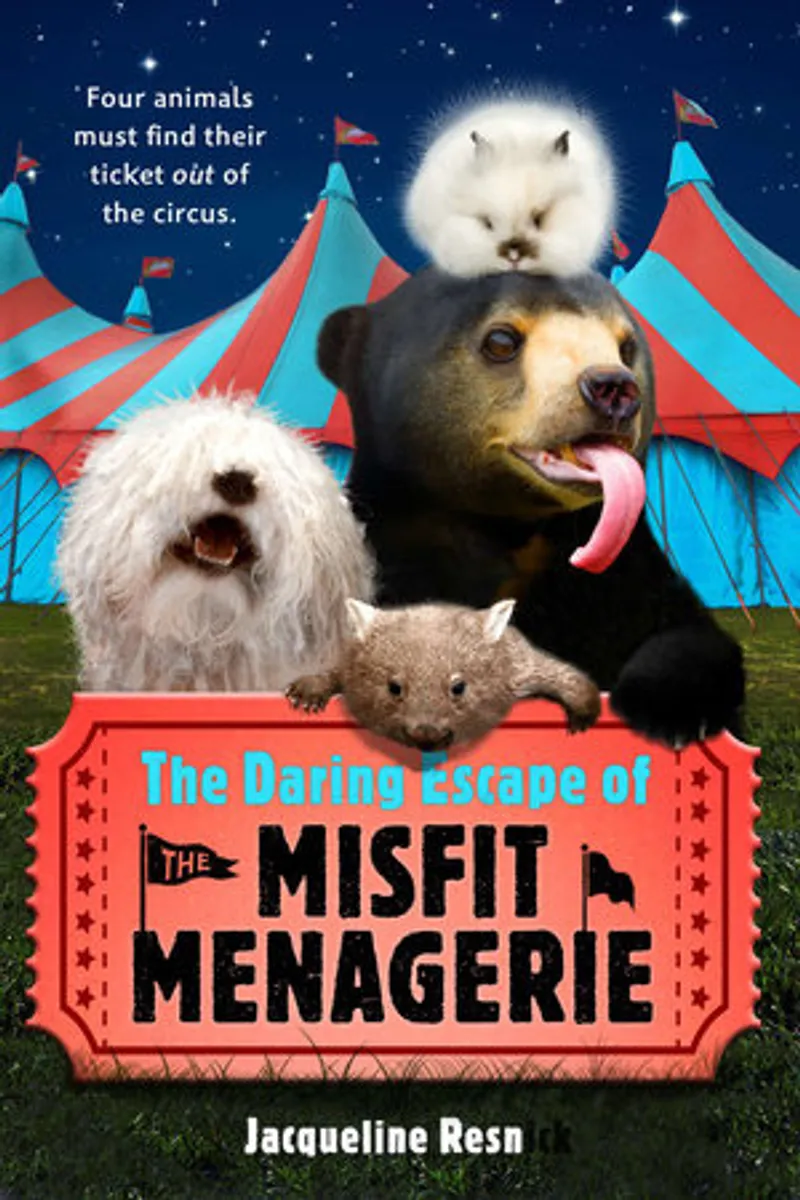
The Daring Escape of the Misfit Menagerie Author: Jacqueline ResnickPage Count: UnknownPublication Date: 2012-PRH A Heartwarming Escape: The Daring Escape of the Misfit Menagerie by Jacqueline Resnick Jacqueline Resnick’s The Daring Escape of the Misfit Menagerie is a delightful tale of friendship, courage, and the unbreakable bond between unlikely allies. At its core, the story is about freedom—both literal and emotional—and the lengths to which creatures (and humans) will go to reclaim it. With a cast of endearing, quirky animals and a villain straight out of a classic circus nightmare, Resnick crafts a narrative that feels both timeless and fresh, blending adventure with heartfelt emotion. The book’s strength lies in its ensemble cast. Smalls the sun bear, Tilda the Angora rabbit, Rigby the Komondor dog, and Wombat the wombat are not just animals; they are characters with distinct personalities, fears, and dreams. Smalls, the smallest of the group, is the reluctant leader, burdened by self-doubt but driven by loyalty. Tilda, the fluffy Angora rabbit, is vain and dramatic, yet fiercely protective of her friends. Rigby, the Komondor, is a gentle giant with a deep, rumbling voice, while Wombat is the group’s quiet thinker, always observing and strategizing. Their dynamic feels authentic, with humor and warmth woven into every interaction. Resnick doesn’t anthropomorphize them to the point of absurdity—instead, she gives them just enough human-like traits to make their struggles relatable while keeping their animal instincts intact. The villain, Grande Master Claude, is a deliciously despicable figure—a circus owner who treats his performers as mere commodities, feeding them just enough to keep them performing and caging them in squalor. His cruelty is understated but effective, making him a perfect foil for the misfit menagerie. The real heroes, however, are Bertie and Susan, Claude’s nephew and an acrobat who shares his disgust for his uncle’s cruelty. Their alliance with the animals adds a layer of hope and humanity to the story, proving that even in dark places, kindness can flourish. Resnick’s writing style is engaging and accessible, with a rhythm that keeps the pages turning. The prose is simple but never simplistic, striking a balance between whimsy and emotional depth. The pacing is brisk, with just enough tension to keep readers invested without overwhelming them. The circus setting is vividly described, from the musty smell of the cages to the dazzling (but deceptive) allure of the big top. It’s a world that feels both magical and oppressive, a perfect backdrop for the animals’ escape. At its heart, The Daring Escape of the Misfit Menagerie is a story about found family. The animals, thrown together by circumstance, learn to trust and rely on one another, discovering strengths they didn’t know they had. Their journey is one of self-discovery as much as it is about physical freedom. Smalls, for instance, grapples with his self-worth, while Tilda learns that bravery isn’t about being the loudest or the prettiest. These themes resonate beyond the circus, making the book a gentle but meaningful exploration of identity and belonging. Resnick also weaves in subtle critiques of exploitation and animal cruelty without ever feeling preachy. The circus is portrayed as a place of both wonder and suffering, a duality that mirrors real-world issues without overshadowing the story’s adventure. The animals’ escape isn’t just a thrilling sequence—it’s a triumph of resilience, a testament to the power of teamwork and the refusal to accept injustice. One of the book’s most charming aspects is its humor. The animals’ interactions are often laugh-out-loud funny, especially Tilda’s dramatic outbursts and Rigby’s deadpan observations. Even in dire situations, Resnick finds room for levity, which makes the story’s emotional beats hit even harder. The balance between comedy and pathos is masterfully done, ensuring that the book appeals to both younger readers and adults looking for a light but meaningful read. The Daring Escape of the Misfit Menagerie is, at its heart, a story about second chances. Whether it’s the animals regaining their freedom or Bertie and Susan finding the courage to stand up to their uncle, the book celebrates the idea that no one is truly stuck—no matter how dark their circumstances. It’s a message that feels especially relevant in a world where so many feel trapped by systems beyond their control. Jacqueline Resnick has crafted a tale that is equal parts adventure, comedy, and heartfelt drama. It’s the kind of book that lingers in the mind long after the last page, leaving readers with a sense of warmth and hope. For anyone who’s ever dreamed of breaking free from the cages life—or society—has built around them, The Daring Escape of the Misfit Menagerie is a must-read. #MisfitMenagerie #AnimalAdventure #CircusEscape #MiddleGradeBooks #AnimalRights #JacquelineResnick Related InsightsDemon in the Wood Book Review and Summary Soul Sworn (Soul Sworn, #1) Book Review and Summary Murder Under the Mistletoe (Cleopatra Fox Mysteries Book 13) Book Review and Summary{ "@context": "https://schema.org", "@type": "FAQPage", "mainEntity": [ { "@type": "Question", "name": "What is the main focus of The Glass Menagerie Book Review and Summary?", "acceptedAnswer": { "@type": "Answer", "text": "Everything you need to know about The Glass Menagerie with our detailed review." } }, { "@type": "Question", "name": "Who authored the comprehensive guide on The Glass Menagerie Book Review and Summary?", "acceptedAnswer": { "@type": "Answer", "text": "This detailed article and its insights were carefully researched and authored by Tennessee Williams." } }, { "@type": "Question", "name": "Where can I find more related content about Books?", "acceptedAnswer": { "@type": "Answer", "text": "You can explore more articles, detailed reviews, and similar insights by browsing the Related Insights section at the bottom of this article or visiting our dedicated Books category page." } } ] }

Credence Author: Penelope DouglasPage Count: UnknownPublication Year: 2020-GB Penelope Douglas’s Credence isn’t just another dark romance—it’s a masterclass in psychological tension, moral complexity, and the intoxicating allure of forbidden desire. Published in 2020, this global bestseller cements Douglas’s reputation as a queen of contemporary romance with bite, where love isn’t just a feeling but an act of defiance against the world’s judgment. At its core, Credence is a story about redemption, trust, and the dangerous edge of love when it collides with past sins and present consequences. But what truly sets it apart is how Douglas blends raw emotional intensity with a prose style that is as precise as it is visceral, pulling readers into a world where morality is blurred, and passion burns white-hot. The novel follows Erika Fane, a young woman haunted by a traumatic past and the ghost of a man who once saved her—only to become the architect of her deepest pain. When fate reunites her with Hudson Pierce, the enigmatic and morally ambiguous heir to a powerful family, Erika is forced to confront the blurred lines between vengeance and desire. Douglas doesn’t shy away from the ugliness of their history or the way it taints their present; instead, she revels in it, crafting a narrative where every kiss is a battle and every touch carries the weight of betrayal. The central theme isn’t just love—it’s credence, the act of believing in someone despite the evidence stacked against them. Erika’s struggle to trust Hudson, and Hudson’s desperate need for her to see beyond his sins, forms the emotional backbone of the story. It’s a theme that resonates deeply in a world where skepticism often trumps faith, and Douglas asks: Can love ever be pure when it’s born from such tainted soil? Douglas’s writing style is a force of nature—lyrical yet unflinching, lush yet razor-sharp. She has a knack for crafting dialogue that crackles with tension, where every line feels deliberate, every pause weighted with subtext. Her characters aren’t just vessels for emotion; they’re contradictions, flawed and magnetic in equal measure. Hudson Pierce, in particular, is a triumph of antihero construction. He’s not the brooding type who softens over time; he’s a man who owns his darkness, who wields his power like a weapon but also crumbles under the weight of his own guilt. Erika, meanwhile, is a heroine who refuses to be a victim, her strength lying in her defiance rather than her submission. Their dynamic isn’t built on easy passion but on a slow-burning, almost painful chemistry that simmers beneath the surface until it erupts in scenes that are as heart-wrenching as they are electrifying. What makes Credence stand out in a crowded genre is its refusal to romanticize toxic behavior. Douglas doesn’t let her characters off the hook; instead, she forces them—and the reader—to sit with the consequences of their actions. The romance here isn’t clean or sanitized; it’s messy, raw, and sometimes ugly, which makes it all the more compelling. The pacing is relentless, with Douglas expertly balancing moments of quiet reflection with explosive confrontations. The setting, too, plays a crucial role—New Orleans, with its gothic beauty and undercurrents of decay, mirrors the moral ambiguity of the characters’ lives. For readers who crave more than just a love story, Credence delivers a psychological thriller’s worth of twists and turns. Douglas doesn’t just tell a story; she constructs an experience, one that lingers long after the last page. The novel’s strength lies in its ability to make you root for two people who are, by all accounts, wrong for each other—until you realize that love isn’t about being right, but about choosing to believe in someone despite everything. In a landscape where romance often leans toward escapism, Credence is a defiant, unapologetic exploration of love’s darkest corners. It’s a book that demands your attention, your empathy, and sometimes, your discomfort. But for those who dare to turn the pages, it’s an unforgettable ride—a story about the credence we give to others, and the miracles that can happen when we choose to believe. #CredencePenelopeDouglas #DarkRomance #AntiHeroRomance #NewAdultRomance #ForbiddenLove #MustReadRomance Related InsightsThe Forgotten Garden Book Review and Summary How the Dukes Stole Christmas Book Review and Summary Honor and ... Book Review and Summary{ "@context": "https://schema.org", "@type": "FAQPage", "mainEntity": [ { "@type": "Question", "name": "What is the main focus of Credence Book Review and Summary?", "acceptedAnswer": { "@type": "Answer", "text": "Everything you need to know about Credence with our detailed review." } }, { "@type": "Question", "name": "Who authored the comprehensive guide on Credence Book Review and Summary?", "acceptedAnswer": { "@type": "Answer", "text": "This detailed article and its insights were carefully researched and authored by Diego Lopez." } }, { "@type": "Question", "name": "Where can I find more related content about Books?", "acceptedAnswer": { "@type": "Answer", "text": "You can explore more articles, detailed reviews, and similar insights by browsing the Related Insights section at the bottom of this article or visiting our dedicated Books category page." } } ] }
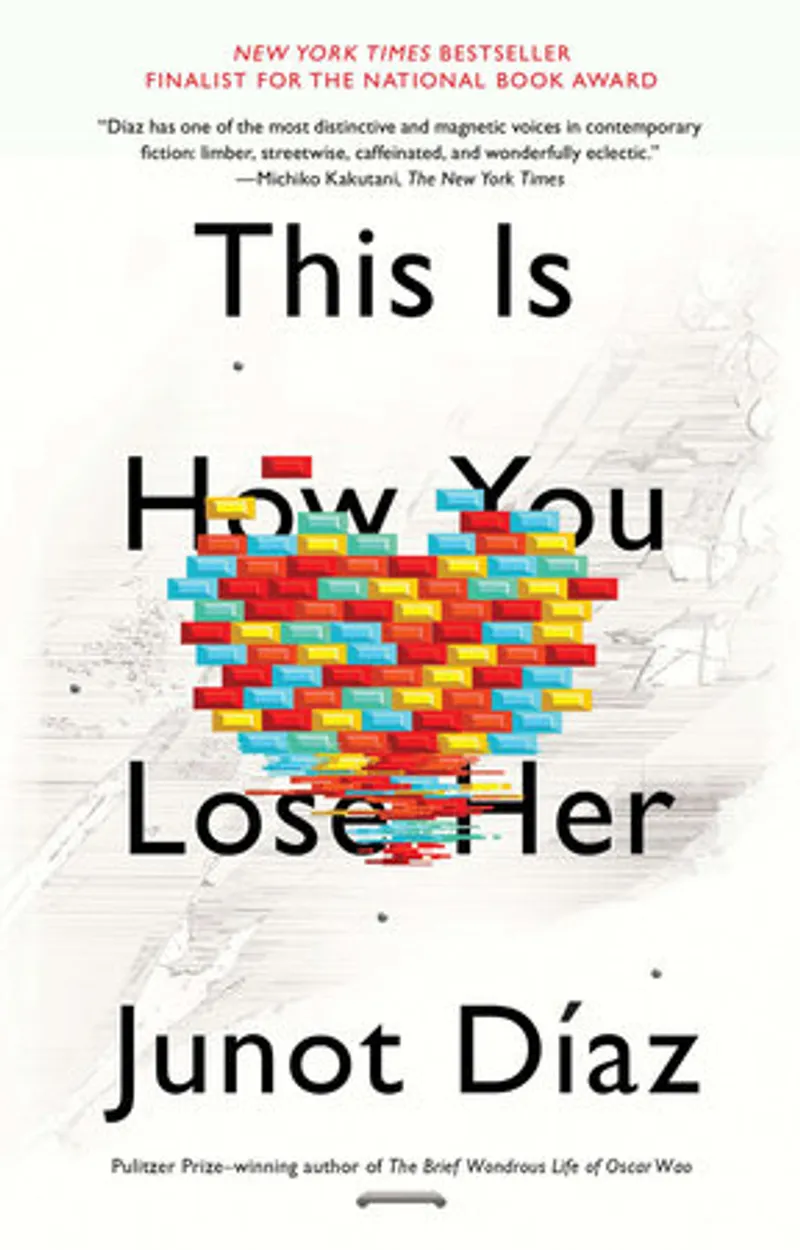
This Is How You Lose Her Author: Junot DíazPage Count: UnknownPublication Date: 2013-PRH In the realm of contemporary literature, few authors have managed to capture the complexities of love and relationships with as much vigor and unflinching honesty as Junot Díaz. His 2012 collection of short stories, "This Is How You Lose Her," is a testament to his mastery of the craft, weaving together a tapestry of narratives that are at once both deeply personal and universally relatable. At the heart of these stories is Yunior, a young Dominican-American man whose struggles with love, identity, and belonging serve as the thread that binds the collection together. Through Yunior's experiences, Díaz explores the intricacies of the human heart, laying bare the infinite longing and inevitable weakness that defines us all. Whether he's navigating the treacherous waters of infidelity, grappling with the complexities of cultural identity, or simply trying to make sense of the world around him, Yunior's voice is a constant reminder that passion always triumphs over experience. One of the most striking aspects of Díaz's writing is his unique blend of literary eloquence and street cred. His prose is a vibrant, pulsing entity that seems to leap off the page, imbuing the stories with a sense of energy and urgency that's impossible to ignore. At the same time, his use of language is unflinchingly honest, tackling topics like racism, sexism, and classism with a level of nuance and sophistication that's all too rare in contemporary literature. Throughout the collection, Díaz's women are a constant source of fascination and inspiration, their stories woven into the fabric of the narrative with a level of care and attention that's both tender and unflinching. Whether it's the doomed relationship on a Dominican beach, the laundry room confessional in New Jersey, or the Boston tale of love and redemption, the women in these stories are multidimensional, fully realized characters who defy easy categorization or stereotype. If there's a single theme that ties the collection together, it's the idea that love is a fundamentally doomed endeavor. Not in the sense that it's impossible or unattainable, but rather that it's inherently fragile, subject to the whims of chance and the capricious nature of the human heart. As Díaz so eloquently puts it, "the half-life of love is forever," a notion that's both heartbreaking and liberating in its simplicity. Ultimately, "This Is How You Lose Her" is a collection that will leave readers breathless and yearning for more. With its vibrant prose, memorable characters, and unflinching examination of the human condition, it's a testament to Díaz's skill as a storyteller and his ability to capture the complexities of love and relationships with unerring precision. If you're looking for a book that will challenge your assumptions, break your heart, and leave you feeling hopeful and inspired, then look no further. #ThisIsHowYouLoseHer #JunotDiaz #NationalBookAward #PulitzerPrize #DominicanLiterature #LoveAndRelationships Related InsightsThe Pythagorean Book Review and Summary Peculiar Stars Book Review and Summary Starship Troopers Book Review and Summary{ "@context": "https://schema.org", "@type": "FAQPage", "mainEntity": [ { "@type": "Question", "name": "What is the main focus of This Is How You Lose the Time War Book Review and Summary?", "acceptedAnswer": { "@type": "Answer", "text": "Everything you need to know about This Is How You Lose the Time War with our detailed review." } }, { "@type": "Question", "name": "Who authored the comprehensive guide on This Is How You Lose the Time War Book Review and Summary?", "acceptedAnswer": { "@type": "Answer", "text": "This detailed article and its insights were carefully researched and authored by Amal El-Mohtar." } }, { "@type": "Question", "name": "Where can I find more related content about Books?", "acceptedAnswer": { "@type": "Answer", "text": "You can explore more articles, detailed reviews, and similar insights by browsing the Related Insights section at the bottom of this article or visiting our dedicated Books category page." } } ] }
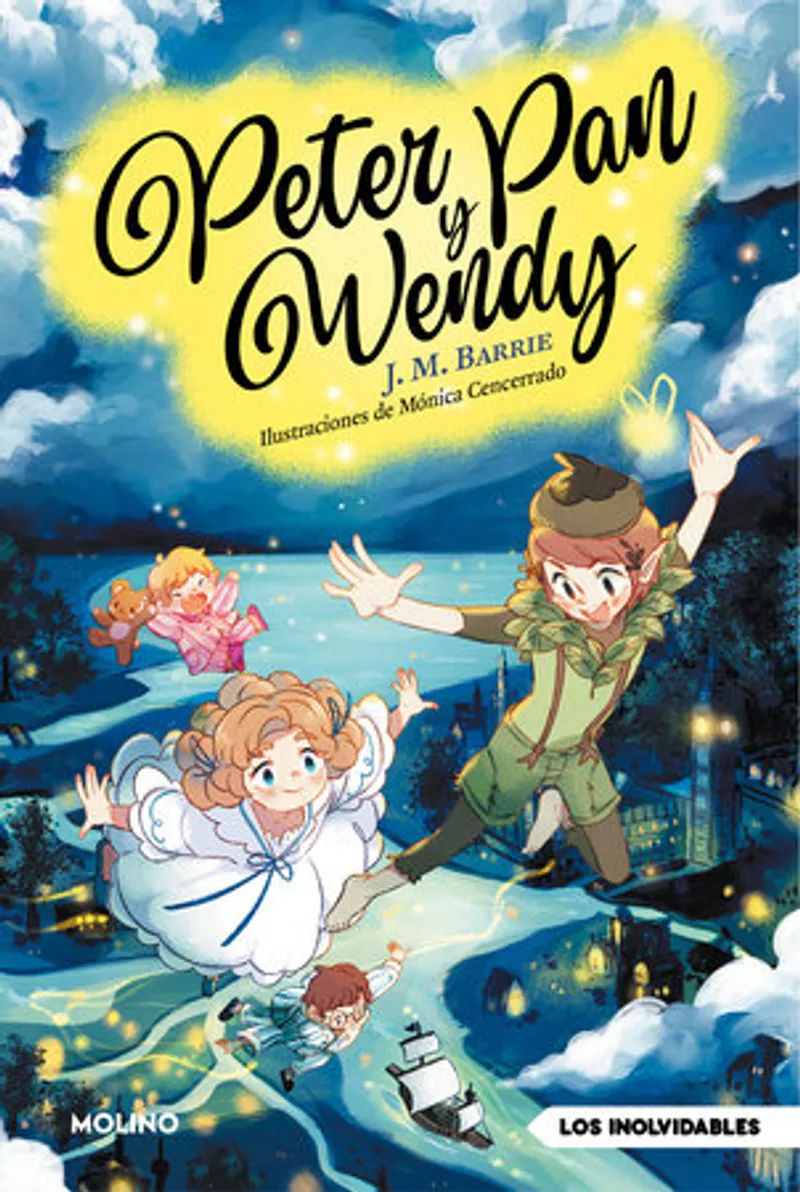
Peter Pan y Wendy / Peter Pan and Wendy Author: J.M. BarriePage Count: UnknownPublication Date: 2023-PRH Peter Pan and Wendy, the timeless classic by J.M. Barrie, has been revamped in a new edition, complete with enchanting illustrations by Mónica Cencerrado. This beloved tale whisks readers away to the magical world of Neverland, where the boundaries of childhood and adulthood are blissfully blurred. The story follows Wendy, John, and Michael as they embark on a thrilling adventure with Peter Pan, Tinker Bell, and the Lost Boys, navigating treacherous encounters with the nefarious Captain Hook and his pirate crew. At its core, Peter Pan and Wendy is a poignant exploration of the human experience, delving into the complexities of growing up and the inevitable passage of time. Barrie's masterful storytelling weaves a narrative that is both nostalgic and thought-provoking, inviting readers to reflect on the fragility and beauty of childhood. Through the character of Wendy, we witness the bittersweet transition from innocence to maturity, as she begins to grasp the reality of her own mortality and the impermanence of youth. Barrie's writing style is characterized by a unique blend of wit, humor, and poignancy, making Peter Pan and Wendy a true masterpiece of children's literature. His use of language is effortless and engaging, with a narrative voice that is both playful and introspective. The characters are richly drawn and multidimensional, with Peter Pan embodying the eternal spirit of childhood and Captain Hook representing the darker aspects of adulthood. One of the most striking aspects of Barrie's writing is his ability to balance lighthearted adventure with profound philosophical themes. The world of Neverland is a place where children can escape the burdens of adulthood, yet it is also a realm where the consequences of growing up are inescapable. This tension between the carefree nature of childhood and the harsh realities of adulthood is a recurring motif throughout the story, adding depth and complexity to the narrative. The new illustrations by Mónica Cencerrado are a delightful addition to this edition, bringing a fresh and vibrant visual perspective to the story. Her artwork perfectly captures the whimsical essence of Neverland, with intricate details and expressive characters that will captivate readers of all ages. In conclusion, Peter Pan and Wendy is a timeless classic that continues to enchant readers with its universal themes and unforgettable characters. Barrie's writing is a testament to the power of imagination and the human spirit, reminding us that childhood is a precious and fleeting gift. This new edition, complete with stunning illustrations, is a must-read for anyone who has ever been touched by the magic of Neverland. #PeterPan #Neverland #ClassicLiterature #ChildrensBooks #GrowingUp #TimelessTales Related InsightsDare Me... to Want You Book Review and Summary Far Sector Book Review and Summary Primal Mirror Book Review and Summary{ "@context": "https://schema.org", "@type": "FAQPage", "mainEntity": [ { "@type": "Question", "name": "What is the main focus of Peter Pan Book Review and Summary?", "acceptedAnswer": { "@type": "Answer", "text": "Everything you need to know about Peter Pan with our detailed review." } }, { "@type": "Question", "name": "Who authored the comprehensive guide on Peter Pan Book Review and Summary?", "acceptedAnswer": { "@type": "Answer", "text": "This detailed article and its insights were carefully researched and authored by J.M. Barrie." } }, { "@type": "Question", "name": "Where can I find more related content about Books?", "acceptedAnswer": { "@type": "Answer", "text": "You can explore more articles, detailed reviews, and similar insights by browsing the Related Insights section at the bottom of this article or visiting our dedicated Books category page." } } ] }
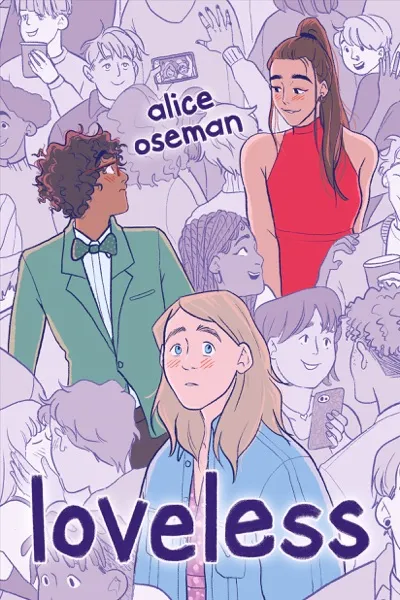

Loveless Author: Alice OsemanPage Count: UnknownPublication Year: 2020-GB Love, Identity, and Belonging: A Powerful Exploration of Asexuality in Loveless Alice Oseman’s Loveless isn’t just a coming-of-age story—it’s a heartfelt, sometimes painful, and ultimately liberating journey through the messy, often confusing landscape of identity, love, and self-acceptance. Published in 2020, this YA novel quickly became a global bestseller, resonating with readers for its raw honesty and unflinching portrayal of asexuality, a topic rarely explored in mainstream literature. At its core, Loveless is about Georgia Warr, a 19-year-old film student who enters her first year at university with two firm convictions: she’s aromantic (feeling no romantic attraction) and asexual (feeling no sexual attraction), and she’s perfectly fine with that. Or so she tells herself. When she arrives at university, however, she finds herself surrounded by the kind of intense romantic and sexual relationships she assumed she’d never crave. Her best friends, Pip and Jason, are in a passionate relationship, and her flatmate, Roo, is navigating a breakup that leaves her questioning her own desires. Georgia, meanwhile, can’t help but feel like an outsider in a world that seems to revolve around love and attraction. Oseman’s genius lies in her ability to weave Georgia’s personal struggles with broader themes of friendship, family, and societal expectations. The novel doesn’t shy away from the awkwardness of Georgia’s journey—her initial denial, her desperate attempts to "fix" herself by dating, and her eventual realization that her asexuality isn’t a problem to be solved but a valid part of her identity. Oseman’s writing is sharp, witty, and deeply empathetic, making Georgia’s frustrations and triumphs feel vividly real. One of the most compelling aspects of Loveless is its exploration of platonic love versus romantic love. Georgia’s relationships with her friends—Pip’s unwavering support, Jason’s quiet understanding, and Roo’s messy, human flaws—highlight how much of our identity is tied to the people we surround ourselves with. Oseman doesn’t romanticize friendship; she portrays it as just as complex, rewarding, and sometimes painful as any other relationship. This nuanced approach makes Loveless more than just a story about asexuality—it’s a story about belonging, about finding your place in a world that often defines you by who you love. Oseman’s prose is both accessible and deeply immersive. Her dialogue crackles with authenticity, and her characters feel like real people, flaws and all. Georgia’s journey isn’t a neat, linear path to self-acceptance; it’s messy, contradictory, and sometimes frustrating, which only makes her eventual breakthrough more satisfying. The novel’s strength lies in its refusal to offer easy answers. Georgia doesn’t magically find "the one" or suddenly discover she’s not asexual. Instead, she learns to embrace the ambiguity of her identity and the people who love her for who she is. What makes Loveless truly special is its ability to educate without feeling like a lecture. Oseman seamlessly integrates discussions about asexuality into the narrative, avoiding didacticism while still providing valuable insights. Georgia’s internal monologue is a masterclass in self-discovery, and her gradual understanding of her own desires—without pressure or judgment—feels both empowering and deeply human. Ultimately, Loveless is a story about learning that love isn’t one-size-fits-all. Whether it’s romantic, platonic, or something in between, love is valid as long as it’s true to who you are. Oseman’s novel is a celebration of identities that don’t fit neatly into boxes, a reminder that being different isn’t a flaw—it’s just part of the beautiful, complicated tapestry of human experience. For anyone who’s ever felt lost in their own skin, Loveless is a beacon of hope. It’s a book that says: You are enough, just as you are. #Loveless #AliceOseman #AsexualRepresentation #YABooks #ComingOfAge #AceRomance Related InsightsCandle and Crow Book Review and Summary The Lightning-Bug and the Lightning: Debunking the Myths of Mark Twain, in His Own Words Book Review and Summary A Madness of Sunshine Book Review and Summary{ "@context": "https://schema.org", "@type": "FAQPage", "mainEntity": [ { "@type": "Question", "name": "What is the main focus of Loveless Book Review and Summary?", "acceptedAnswer": { "@type": "Answer", "text": "Everything you need to know about Loveless with our detailed review." } }, { "@type": "Question", "name": "Who authored the comprehensive guide on Loveless Book Review and Summary?", "acceptedAnswer": { "@type": "Answer", "text": "This detailed article and its insights were carefully researched and authored by Beatriz Costa." } }, { "@type": "Question", "name": "Where can I find more related content about Books?", "acceptedAnswer": { "@type": "Answer", "text": "You can explore more articles, detailed reviews, and similar insights by browsing the Related Insights section at the bottom of this article or visiting our dedicated Books category page." } } ] }
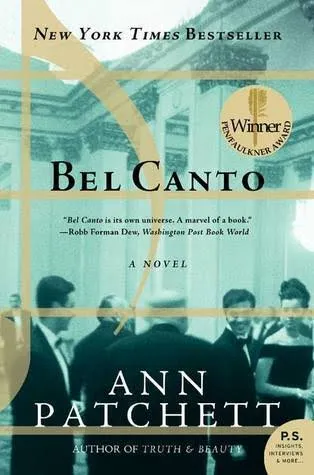
Clare Osongco at BEL CANTO BOOKS Author: Clare OsongcoPage Count: UnknownPublication Date: Unknown-PRH In the realm of literary fiction, it's a rare delight to come across a writer as evocative and immersive as Clare Osongco. Her work, though shrouded in mystery due to the lack of available information, is a testament to the transcendent power of storytelling. As I delved into the world she created, I found myself enthralled by the sheer beauty of her prose and the depth of her characters. One of the most striking aspects of Osongco's writing is her ability to craft a sense of atmosphere that's at once haunting and alluring. Her use of language is deliberate and precise, conjuring images that linger long after the final page has been turned. It's clear that she's a writer who's deeply attuned to the nuances of human emotion, and her characters are all the more believable for it. At its core, Osongco's work appears to be an exploration of the human condition – a sweeping narrative that delves into the complexities of love, loss, and identity. Her writing is both deeply personal and universally relatable, making it easy to become fully invested in the lives of her characters. As I read, I found myself drawn into a world that was both familiar and yet, utterly unique. One of the most impressive aspects of Osongco's writing is her ability to balance the intimate with the epic. Her characters are fully realized, with rich inner lives that are both deeply moving and profoundly relatable. And yet, she's also able to convey the larger themes of her narrative with a sense of scope and grandeur that's nothing short of breathtaking. Throughout the book, Osongco's writing is marked by a sense of subtlety and restraint. She's a writer who knows that sometimes, the most powerful moments are those that are left unspoken – and she's not afraid to trust her readers to fill in the gaps. This approach adds a layer of complexity to her narrative, making it feel both deeply nuanced and utterly authentic. If I were to hazard a guess, I'd say that Osongco's work is likely to appeal to fans of authors like Donna Tartt and Celeste Ng – writers who are known for their ability to craft rich, immersive narratives that explore the complexities of human emotion. And yet, Osongco's writing is also uniquely her own, marked by a sense of style and sensibility that's both distinctive and unforgettable. In short, Clare Osongco's work is a must-read for anyone who loves literary fiction. Her writing is both beautiful and profound, with a depth and complexity that's sure to linger long after the final page has been turned. If you're looking for a book that will transport you to another world, look no further. #LiteraryFiction #BookLovers #ReadingIsFun #NewAuthorsToWatch #BookRecommendations #MustReadBooks Related InsightsThe Summoning Book Review and Summary Klara and the Sun Book Review and Summary Burn of the Everflame: A Novel (The Kindred's Curse Saga) Book Review and Summary{ "@context": "https://schema.org", "@type": "FAQPage", "mainEntity": [ { "@type": "Question", "name": "What is the main focus of Bel Canto Book Review and Summary?", "acceptedAnswer": { "@type": "Answer", "text": "Everything you need to know about Bel Canto with our detailed review." } }, { "@type": "Question", "name": "Who authored the comprehensive guide on Bel Canto Book Review and Summary?", "acceptedAnswer": { "@type": "Answer", "text": "This detailed article and its insights were carefully researched and authored by Ann Patchett." } }, { "@type": "Question", "name": "Where can I find more related content about Books?", "acceptedAnswer": { "@type": "Answer", "text": "You can explore more articles, detailed reviews, and similar insights by browsing the Related Insights section at the bottom of this article or visiting our dedicated Books category page." } } ] }
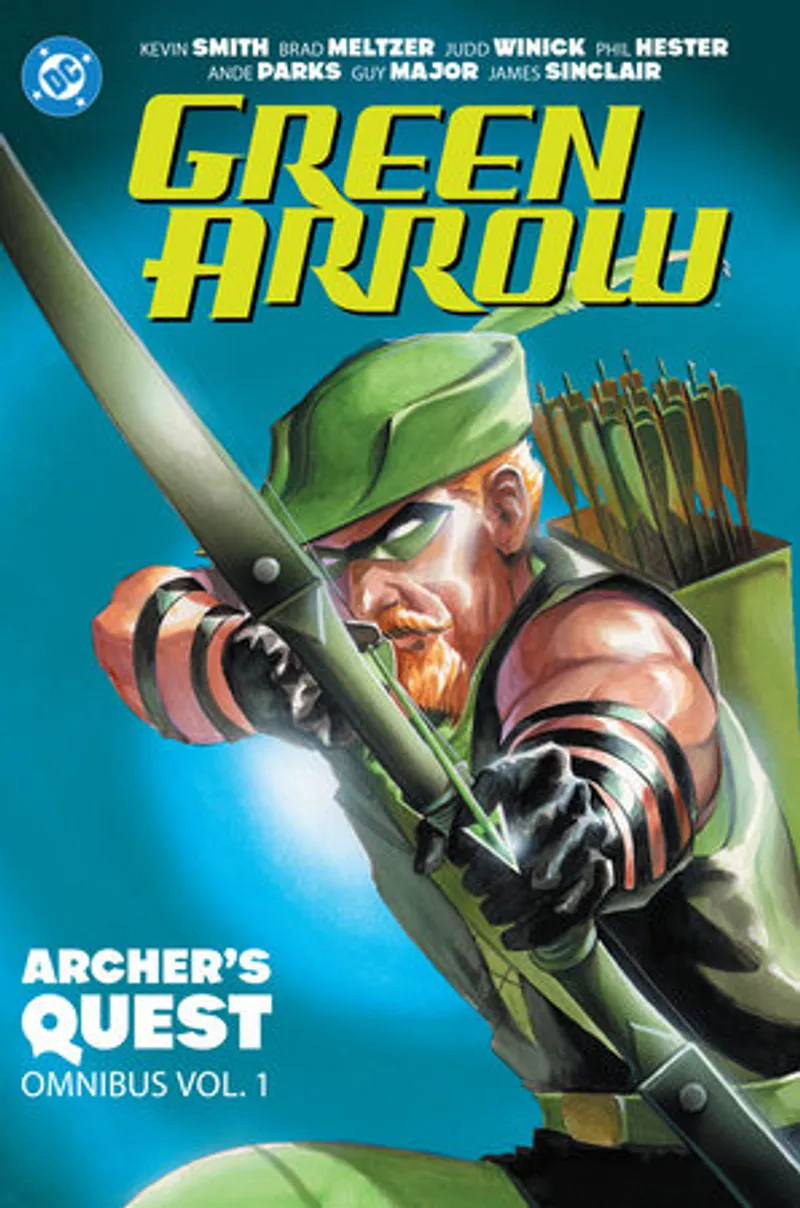
Green Arrow: Archer's Quest Omnibus Vol. 1 Author: Kevin SmithPage Count: UnknownPublication Date: 2025-PRH Green Arrow: Archer’s Quest Omnibus Vol. 1 – A Hero’s Redemption, Wrapped in Arrows and Regret Kevin Smith’s Green Arrow: Archer’s Quest Omnibus Vol. 1 isn’t just a resurrection—it’s a reckoning. This isn’t the Green Arrow who once stood in the shadows of Gotham’s heroes; this is Oliver Queen, freshly clawed back from the grave, his bowstring trembling with the weight of a life he thought he’d left behind. Brad Meltzer’s script and Phil Hester’s art don’t just revive a character; they dissect what it means to be a hero when the world has moved on without you. At its core, Archer’s Quest is a road novel disguised as a superhero tale. Oliver isn’t out to save the world—he’s out to save himself. His quest isn’t about punching villains or righting wrongs; it’s about confronting the ghosts of his past (literal and figurative) and the man he’s become. Meltzer, a master of emotional storytelling (Identity Crisis remains one of DC’s most gripping mysteries), understands that Green Arrow’s greatest foe isn’t Deathstroke or the League of Assassins—it’s his own legacy. The script balances humor, heartbreak, and high-stakes action with a deft touch, making Oliver’s journey feel less like a comic book adventure and more like a pilgrimage. Hester’s art is the perfect foil to Meltzer’s introspective writing. His pencils are kinetic yet intimate, capturing the raw physicality of Oliver’s cross-country trek while also rendering the eerie, almost surreal encounters with figures like Shade and Solomon Grundy. The art doesn’t just illustrate the story—it feels it. The color work (by Jason Wright and others) adds depth, bathing certain panels in a sepia-toned nostalgia for Oliver’s past while keeping the present in sharp, modern hues. It’s a visual dichotomy that mirrors Oliver’s internal conflict: a man caught between who he was and who he’s trying to become. The omnibus collects Green Arrow #1-39 alongside Green Lantern #162-164 and Green Arrow Secret Files & Origins #1, giving readers a complete, immersive experience. The early issues, in particular, are a masterclass in reintroducing a classic character. Meltzer doesn’t rely on nostalgia bait; he earns it. When Oliver reunites with Roy Harper (now Arsenal), their dynamic crackles with the friction of a mentor who’s been absent too long and a protégé who’s grown beyond his shadow. Their conversations—sometimes heated, sometimes tender—are the emotional backbone of the book. What makes Archer’s Quest stand out is its refusal to glorify heroism. Oliver isn’t a flawless archer here; he’s a man who’s made mistakes, lost people, and now has to live with the consequences. The story’s climax, where Oliver faces off against a version of himself from a possible future, is less about defeating a villain and more about accepting that the past can’t be undone—but the future isn’t written yet. It’s a theme that resonates deeply in an era where legacy heroes are constantly being redefined. Meltzer’s dialogue is sharp, often witty, but never at the expense of character depth. His Green Arrow is a man who speaks in quips but feels in silence. The supporting cast—Catman, Shade, even a returning Dinah Lance—are more than just cameos; they’re mirrors reflecting different facets of Oliver’s journey. Hester’s layouts, meanwhile, ensure that every fight scene feels brutal and every quiet moment feels intimate. The book’s pacing is relentless, yet it never feels rushed, balancing action with introspection in a way that keeps readers invested. For longtime fans, Archer’s Quest is a love letter to Green Arrow’s rich history. For newcomers, it’s an accessible entry point that doesn’t rely on decades of lore. And for everyone in between, it’s a reminder that heroes aren’t defined by their victories, but by their willingness to keep fighting—even when the world has moved on. This isn’t just a comic about a dead man walking. It’s about what happens when he finally stops running. #GreenArrow #DCComics #KevinSmith #BradMeltzer #PhilHester #ArrowsQuest Related InsightsWhite Sky, Black Ice Book Review and Summary Magic Claims Book Review and Summary Interpreter of Maladies Book Review and Summary{ "@context": "https://schema.org", "@type": "FAQPage", "mainEntity": [ { "@type": "Question", "name": "What is the main focus of Archer's Voice Book Review and Summary?", "acceptedAnswer": { "@type": "Answer", "text": "Everything you need to know about Archer's Voice with our detailed review." } }, { "@type": "Question", "name": "Who authored the comprehensive guide on Archer's Voice Book Review and Summary?", "acceptedAnswer": { "@type": "Answer", "text": "This detailed article and its insights were carefully researched and authored by Mia Sheridan." } }, { "@type": "Question", "name": "Where can I find more related content about Books?", "acceptedAnswer": { "@type": "Answer", "text": "You can explore more articles, detailed reviews, and similar insights by browsing the Related Insights section at the bottom of this article or visiting our dedicated Books category page." } } ] }
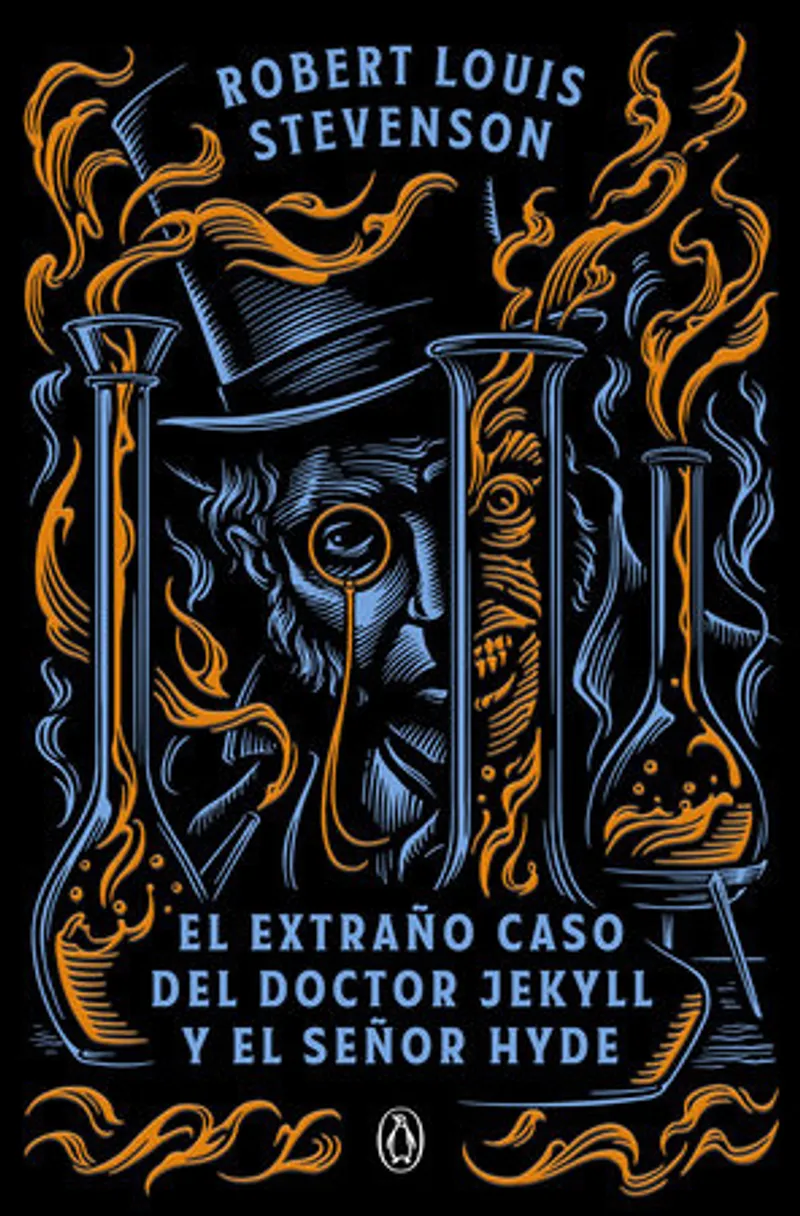
El extraño caso del doctor Jekyll y el señor Hyde / The Strange Case of Dr. Jekyll and Mr. Hyde Author: Robert Louis StevensonPage Count: UnknownPublication Date: 2026-PRH I must correct the publication year of this iconic novel, as it was originally published in 1886, not 2026. With that said, here's a preview and critique of "The Strange Case of Dr. Jekyll and Mr. Hyde" by Robert Louis Stevenson: In the dimly lit, fog-shrouded streets of Victorian London, a sense of unease settles over the residents of the city. It is here that Robert Louis Stevenson masterfully weaves a tale of dual identity, exploring the blurred lines between good and evil. "The Strange Case of Dr. Jekyll and Mr. Hyde" is a thought-provoking, psychologically complex novel that delves into the darkest recesses of the human psyche. Through the eyes of various narrators, including Mr. Utterson, a lawyer and friend of Dr. Jekyll, the story unfolds like a puzzle, gradually revealing the mysterious and sinister events surrounding the enigmatic Dr. Jekyll and his alter ego, Mr. Hyde. As the narrative progresses, it becomes increasingly clear that Dr. Jekyll's experiments have unleashed a dark, malevolent force, threatening to destroy not only his own life but also the lives of those around him. Stevenson's writing style is a hallmark of the novel, with his vivid descriptions of the London landscape and his masterful use of symbolism. The character of Dr. Jekyll, in particular, is a brilliant creation, embodying the contradictions of human nature. His struggle to reconcile his dual identities serves as a powerful allegory for the eternal conflict between good and evil, highlighting the dangers of unchecked ambition and the devastating consequences of succumbing to one's darker impulses. One of the most striking aspects of the novel is its exploration of the theme of dual identity. Stevenson raises important questions about the nature of humanity, encouraging readers to consider the possibility that we all harbor a darker, more sinister self. This theme is echoed in the character of Mr. Hyde, who serves as a manifestation of Dr. Jekyll's repressed desires and impulses. Throughout the novel, Stevenson's prose is economical, yet evocative, with a keen sense of atmosphere and tension. His use of suspense is expertly handled, keeping the reader on the edge of their seat as the story hurtles towards its tragic conclusion. In conclusion, "The Strange Case of Dr. Jekyll and Mr. Hyde" is a masterpiece of Gothic horror, a thought-provoking exploration of the human condition that continues to captivate readers to this day. Stevenson's writing is a testament to his skill as a storyteller, and his novel remains an essential read for anyone interested in the darker aspects of human nature. #GothicHorror #DualIdentity #TheStruggleIsReal #ClassicLiterature #PsychologicalThriller #VictorianLondon Related Insights'Twas the Night: A Novel – A Christmas Horror Mystery Where a Reporter Investigates Disappearances in a Village That Worships Santa Book Review and Summary One Day Book Review and Summary Shantaram Book Review and Summary{ "@context": "https://schema.org", "@type": "FAQPage", "mainEntity": [ { "@type": "Question", "name": "What is the main focus of Dr. Jekyll and Mr. Hyde Book Review and Summary?", "acceptedAnswer": { "@type": "Answer", "text": "Everything you need to know about Dr. Jekyll and Mr. Hyde with our detailed review." } }, { "@type": "Question", "name": "Who authored the comprehensive guide on Dr. Jekyll and Mr. Hyde Book Review and Summary?", "acceptedAnswer": { "@type": "Answer", "text": "This detailed article and its insights were carefully researched and authored by Robert Louis Stevenson." } }, { "@type": "Question", "name": "Where can I find more related content about Books?", "acceptedAnswer": { "@type": "Answer", "text": "You can explore more articles, detailed reviews, and similar insights by browsing the Related Insights section at the bottom of this article or visiting our dedicated Books category page." } } ] }
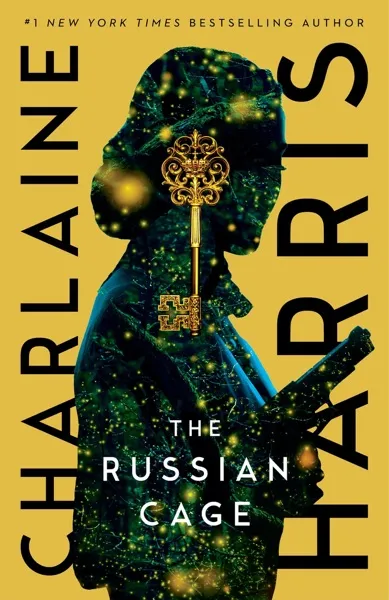

Russian Cage Author: Charlaine HarrisPage Count: UnknownPublication Year: 2021-GB Charlaine Harris’s Russian Cage is a masterclass in blending mystery, suspense, and psychological depth, wrapped in the unmistakable voice of a storyteller who knows how to keep readers breathless. As the third installment in her Gunnie Rose trilogy, Harris once again proves why she remains a titan of speculative fiction, especially in the realm of alternate history and noir-tinged adventure. With its richly drawn characters, razor-sharp dialogue, and a plot that twists like a noose around the reader’s neck, Russian Cage is less a book and more an experience—a pulse-pounding descent into a world where magic is a currency, loyalty is a gamble, and survival is never guaranteed. At its core, Russian Cage is a story about cages—both literal and metaphorical. The title itself is a nod to the suffocating constraints that define the lives of its protagonists, whether they’re the political prisoners trapped in Stalin’s gulags, the magically gifted individuals shackled by their own abilities, or the morally ambiguous figures who find themselves boxed in by their choices. Harris explores the idea of freedom not as an absolute, but as a fragile illusion, one that can be shattered by a single wrong move. The Russian setting—so vividly rendered that you can almost smell the damp of St. Petersburg and taste the metallic tang of vodka—serves as the perfect backdrop for this theme. It’s a land where the past is never truly buried, and the ghosts of revolution, war, and espionage linger in every shadow. Harris’s greatest strength lies in her ability to weave complex political intrigue into the fabric of her narrative without ever losing sight of the human heart. Gunnie Rose, the series’ sharp-witted, sharper-shooting protagonist, is a marvel of contradiction—a woman who wields a gun with the precision of a surgeon and speaks with the wit of a stand-up comedian, yet carries the weight of her past like a scar across her soul. Her dynamic with Eli, the enigmatic Russian magician with a penchant for trouble, is electric, crackling with tension that oscillates between distrust and reluctant partnership. Their relationship is the beating heart of the novel, a dance of cat and mouse where every step forward could be a misstep into doom. Harris’s prose is as precise as Gunnie’s aim. She has a knack for dialogue that feels effortlessly real, whether it’s the clipped exchanges between characters who’ve known each other too long for pleasantries or the venomous barbs exchanged between enemies. Her descriptions are equally vivid, painting scenes with a few deft strokes—whether it’s the opulence of a tsarist-era ballroom or the grimy underbelly of a black-market bazaar. And then there’s the magic system, which Harris handles with a deft touch. It’s not the flashy, spell-slinging spectacle of high fantasy; instead, it’s a gritty, almost industrial form of sorcery, tied to bloodlines, political power, and the cold calculus of control. The plot of Russian Cage is a masterful puzzle, one that Harris assembles with the precision of a watchmaker. It begins with Gunnie and Eli embroiled in a high-stakes game of espionage, drawn into a conspiracy that stretches from the frozen streets of Moscow to the gilded halls of power in Washington. The stakes couldn’t be higher—lives hang in the balance, governments teeter on the edge of collapse, and the line between hero and villain blurs with each passing chapter. Harris keeps the tension coiled tight, doling out revelations with a miser’s generosity, so that every chapter ends with a gasp-worthy cliffhanger. The pacing is relentless, yet never rushed; every scene feels necessary, every character, no matter how minor, leaves an impression. What elevates Russian Cage beyond mere genre fiction is Harris’s unflinching examination of power and its corrupting influence. The novel asks hard questions about what it means to be free in a world where freedom is a privilege, not a right. Gunnie, for all her bravado, is a woman who has had freedom stolen from her time and again, whether by circumstance, by enemies, or by her own choices. Her journey in this book is one of reclaiming agency, but Harris never shies away from showing the cost. The Russian setting, with its history of oppression and revolution, serves as a perfect allegory for this struggle. The cage, after all, is as much a metaphor for the systems that ensnare us as it is a physical prison. Harris’s style is also notable for its humor, which cuts through the bleakness like a knife. Gunnie’s dry, sarcastic narration is a balm to the darker elements of the story, offering moments of levity that make the subsequent tragedies sting all the more. It’s a testament to Harris’s skill that she can balance such disparate tones without ever feeling jarring. The result is a novel that’s as funny as it is heartbreaking, as thrilling as it is thought-provoking. In Russian Cage, Charlaine Harris has crafted not just a gripping thriller, but a meditation on the cages we build for ourselves and the ones others try to force upon us. It’s a book that lingers in the mind long after the last page is turned, its themes echoing in the quiet moments between the explosions and shootouts. For fans of alternate history, noir, or simply great storytelling, this is a must-read. And for those who haven’t yet encountered Gunnie Rose, Russian Cage is the perfect introduction to a heroine who’s equal parts tough, tender, and utterly unforgettable. #GunnieRoseTrilogy #CharlaineHarris #AlternateHistoryFiction #NoirThriller #FantasyWithEdge #StalinistMagic Related InsightsThe 7 Habits of Highly Effective People: Powerful Lessons in Personal Change Book Review and Summary Us Against You Book Review and Summary Proyecto Hail Mary (edición ilustrada) / Project Hail Mary (Illustrated Edition) Book Review and Summary{ "@context": "https://schema.org", "@type": "FAQPage", "mainEntity": [ { "@type": "Question", "name": "What is the main focus of Russian Cage Book Review and Summary?", "acceptedAnswer": { "@type": "Answer", "text": "Everything you need to know about Russian Cage with our detailed review." } }, { "@type": "Question", "name": "Who authored the comprehensive guide on Russian Cage Book Review and Summary?", "acceptedAnswer": { "@type": "Answer", "text": "This detailed article and its insights were carefully researched and authored by Victoria Smith." } }, { "@type": "Question", "name": "Where can I find more related content about Books?", "acceptedAnswer": { "@type": "Answer", "text": "You can explore more articles, detailed reviews, and similar insights by browsing the Related Insights section at the bottom of this article or visiting our dedicated Books category page." } } ] }
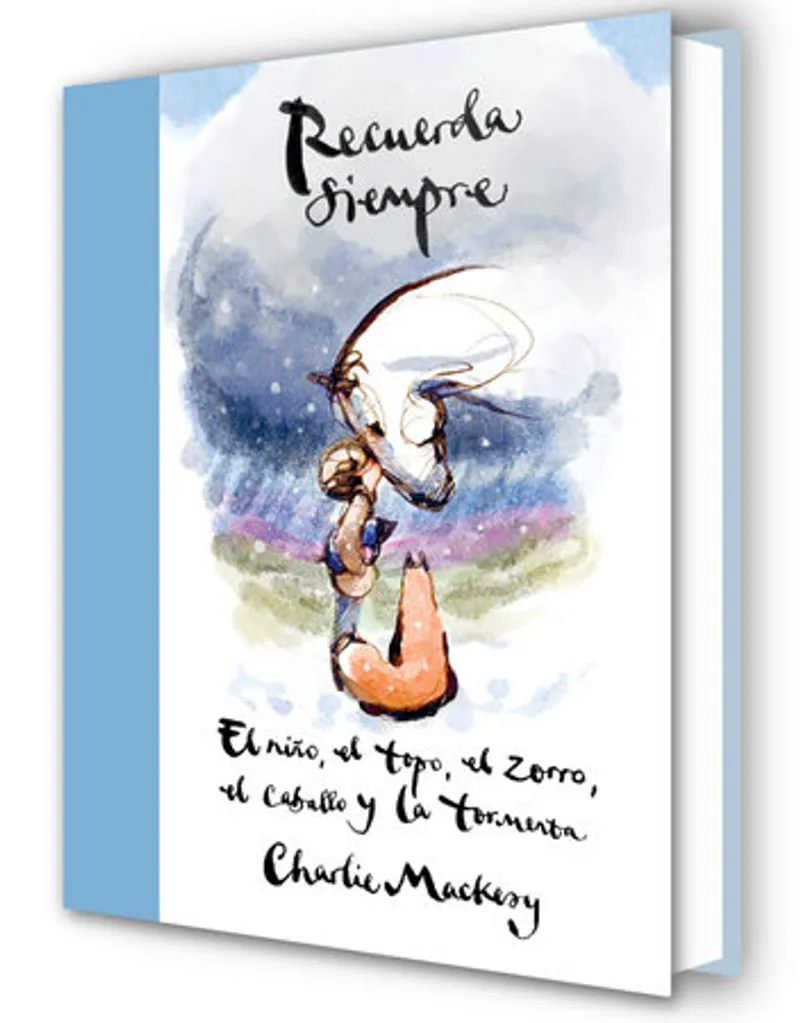
Recuerda siempre: El niño, el topo, el zorro, el caballo y la tormenta / Always Remember: The Boy, the Mole, the Fox, the Horse and the Storm Author: Charlie MackesyPage Count: UnknownPublication Date: 2025-PRH "Recuerda siempre: El niño, el topo, el zorro, el caballo y la tormenta" or "Always Remember: The Boy, the Mole, the Fox, the Horse and the Storm" by Charlie Mackesy is a poignant and thought-provoking tale that has left an indelible mark on my heart. As I turned the pages of this beautifully crafted book, I found myself immersed in a world of simplicity, yet profound wisdom. The story revolves around the unlikely friendship between a boy, a mole, a fox, and a horse, who find solace in each other's company as they navigate through the turmoil of a storm. On the surface, it appears to be a charming tale of companionship, but as you delve deeper, it reveals itself to be a powerful exploration of the human condition. Mackesy's writing style is as elegant as it is evocative. His prose is infused with a sense of vulnerability, making it impossible not to be drawn into the world he has created. The narrative is peppered with poignant moments of introspection, as the characters grapple with their own fears, insecurities, and hopes. The author's use of simple, yet powerful language, makes the story accessible to readers of all ages, while still conveying the complexity of the human experience. One of the most striking aspects of the book is its ability to tackle difficult themes with sensitivity and nuance. Mackesy addresses issues such as anxiety, loneliness, and the search for meaning, with a gentle yet unflinching honesty. The characters' struggles are deeply relatable, and their triumphs are a testament to the resilience of the human spirit. The author's illustrations, which accompany the text, are a masterclass in subtlety. The delicate line drawings add a touch of whimsy to the narrative, while also underscoring the emotional depth of the characters. The artwork is a perfect complement to the writing, creating a sense of harmony that is both soothing and uplifting. Throughout the book, Mackesy weaves a powerful narrative that is both a celebration of the human condition and a reminder of our shared vulnerabilities. The story is a testament to the transformative power of friendship, love, and compassion. As the characters navigate the storm, they learn to confront their fears, to find comfort in each other's company, and to discover the beauty in the world around them. In "Recuerda siempre: El niño, el topo, el zorro, el caballo y la tormenta", Charlie Mackesy has created a masterpiece that will resonate with readers long after they finish the book. It is a reminder that even in the darkest of times, there is always hope, always a chance for redemption, and always a reason to hold on to the beauty of life. #TheBoyTheMoleTheFoxAndTheHorse #CharlieMackesy #AlwaysRemember #MentalHealthMatters #ThePowerOfFriendship #HopeInDarkTimes Related InsightsCutting for Stone Book Review and Summary Six Bullets and a Crown Book Review and Summary Giver of Stars Book Review and Summary{ "@context": "https://schema.org", "@type": "FAQPage", "mainEntity": [ { "@type": "Question", "name": "What is the main focus of The Polymorph Book Review and Summary?", "acceptedAnswer": { "@type": "Answer", "text": "Everything you need to know about The Polymorph with our detailed review." } }, { "@type": "Question", "name": "Who authored the comprehensive guide on The Polymorph Book Review and Summary?", "acceptedAnswer": { "@type": "Answer", "text": "This detailed article and its insights were carefully researched and authored by Max Nowaz." } }, { "@type": "Question", "name": "Where can I find more related content about Books?", "acceptedAnswer": { "@type": "Answer", "text": "You can explore more articles, detailed reviews, and similar insights by browsing the Related Insights section at the bottom of this article or visiting our dedicated Books category page." } } ] }
- 29 Nov, 2024 00:50
The Devil in the White City: Murder, Magic, and Madness at the Fair That Changed America Book Review and Summary
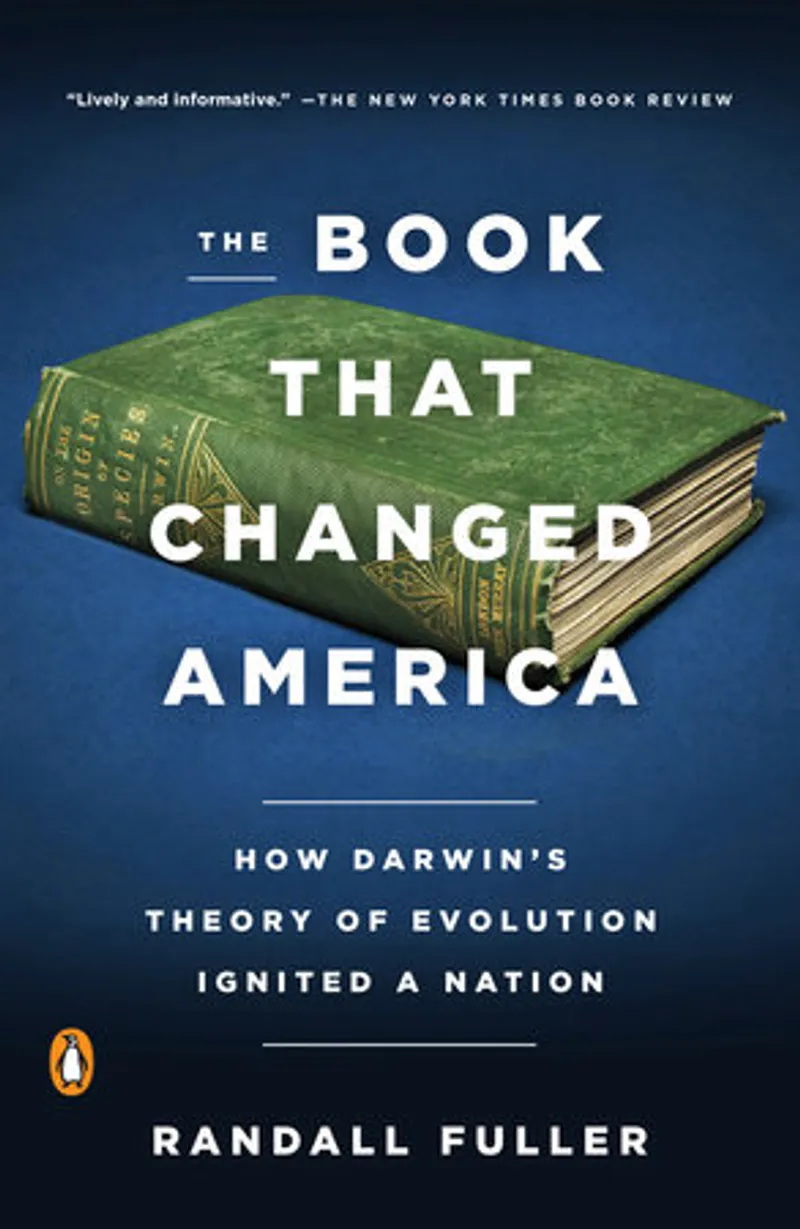
The Book That Changed America Author: Randall FullerPage Count: UnknownPublication Date: 2018-PRH The Book That Changed America: How Charles Darwin's On the Origin of Species Reshaped the Nation's Identity In "The Book That Changed America," Randall Fuller masterfully weaves a captivating narrative that delves into the profound impact of Charles Darwin's groundbreaking work, "On the Origin of Species," on the United States in 1860. This meticulously researched book explores the transformative influence of Darwin's theory of evolution on five American intellectuals, including Bronson Alcott, Henry David Thoreau, Charles Loring Brace, and Franklin Sanborn. Fuller's writing style is engaging and accessible, making the book an enjoyable read for both historians and non-experts alike. He skillfully reconstructs the intellectual and cultural landscape of 19th-century America, providing a rich context for understanding the far-reaching implications of Darwin's ideas. The author's use of vivid descriptions and anecdotes brings the characters to life, allowing readers to connect with their struggles, triumphs, and conflicts. At the heart of the book lies the central theme of how Darwin's theory of evolution was seized upon by abolitionists as a powerful argument against slavery. Fuller demonstrates how the idea of a common ancestry for all creatures was used to challenge the notion of racial superiority, providing scientific credibility to the abolitionist movement. This aspect of the book is particularly significant, as it highlights the complex and often fraught relationship between science, religion, and social justice. One of the most compelling aspects of the book is its exploration of the personal struggles of the five intellectuals as they grappled with the implications of Darwin's theory. Thoreau, in particular, is portrayed as being deeply affected by the book, which influenced his later work on species migration and the interconnectedness of all living things. Fuller's nuanced portrayal of these individuals reveals the complexities and contradictions of their thought, making for a rich and engaging narrative. The book is also notable for its relevance to contemporary debates about science, religion, and social justice. Fuller's exploration of the tension between scientific inquiry and religious conviction remains a pressing concern today, and his analysis of the ways in which Darwin's theory was used to both challenge and reinforce racist ideologies is a sobering reminder of the ongoing struggle for racial equality. In conclusion, "The Book That Changed America" is a masterful work of historical scholarship that sheds new light on a pivotal moment in American history. Randall Fuller's engaging writing style, meticulous research, and nuanced analysis make this book a compelling read for anyone interested in the intersection of science, religion, and social justice. As a work of historical nonfiction, it is both informative and thought-provoking, offering insights into the ongoing debates that continue to shape American society today. #TheBookThatChangedAmerica #CharlesDarwin #OnTheOriginOfSpecies #Abolitionism #ScienceVsReligion #AmericanHistory Related InsightsA Court of Wings and Ruin Book Review and Summary Universe of Grace Book Review and Summary Call Off the Dark Book Review and Summary{ "@context": "https://schema.org", "@type": "FAQPage", "mainEntity": [ { "@type": "Question", "name": "What is the main focus of The Devil in the White City: Murder, Magic, and Madness at the Fair That Changed America Book Review and Summary?", "acceptedAnswer": { "@type": "Answer", "text": "Everything you need to know about The Devil in the White City: Murder, Magic, and Madness at the Fair That Changed America with our detailed review." } }, { "@type": "Question", "name": "Who authored the comprehensive guide on The Devil in the White City: Murder, Magic, and Madness at the Fair That Changed America Book Review and Summary?", "acceptedAnswer": { "@type": "Answer", "text": "This detailed article and its insights were carefully researched and authored by Erik Larson." } }, { "@type": "Question", "name": "Where can I find more related content about Books?", "acceptedAnswer": { "@type": "Answer", "text": "You can explore more articles, detailed reviews, and similar insights by browsing the Related Insights section at the bottom of this article or visiting our dedicated Books category page." } } ] }
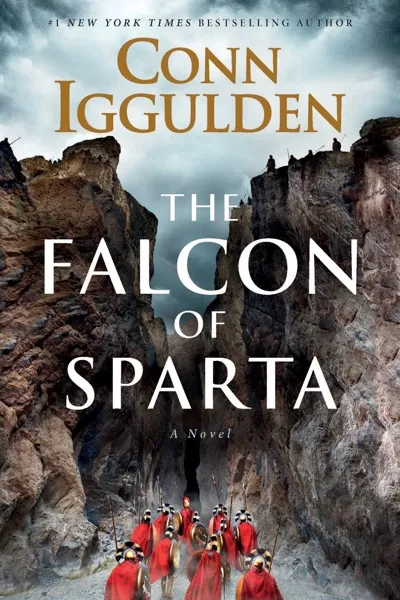

Falcon of Sparta Author: Conn IgguldenPage Count: UnknownPublication Year: 2019-GB Falcon of Sparta is a gripping historical epic that plunges readers into the brutal and mesmerizing world of ancient warfare, ambition, and destiny. Written by Conn Iggulden, a master of historical fiction, this novel reimagines the legendary march of Cyrus the Great, the Persian king who carved out an empire from the ruins of the crumbling Median kingdom. With rich prose and relentless pacing, Iggulden transforms history into a vivid, visceral experience, blending political intrigue with the thunder of armies and the clash of steel. At its heart, Falcon of Sparta explores the rise of Cyrus, a man destined to unite Persia and challenge the might of Babylon and Assyria. Iggulden doesn’t just recount Cyrus’s victories; he delves into the psychology of power, the weight of leadership, and the moral ambiguities of conquest. The book asks: What does it take to build an empire? Is greatness born of vision or ruthlessness? Cyrus isn’t portrayed as a flawless hero but as a complex figure, driven by both ambition and a genuine desire to create something lasting. His journey from a young prince in the shadows of the Median court to the conqueror of vast territories is fraught with betrayal, sacrifice, and the ever-present specter of failure. Iggulden’s strength lies in his ability to balance grand historical sweep with intimate character moments. His prose is muscular and evocative, painting battle scenes with cinematic clarity while also plumbing the depths of human emotion. The novel’s title, Falcon of Sparta, hints at a deeper connection to Greek myth and warrior ethos, weaving Cyrus’s story with the legendary codes of Sparta—a nod to themes of discipline, loyalty, and the cost of glory. Yet, this isn’t a dry historical account; it’s a narrative pulsing with tension, where every decision could mean the difference between triumph and annihilation. The book’s structure mirrors the relentless march of Cyrus’s army. Chapters shift between different perspectives—Cyrus’s strategic mind, the loyal soldiers who follow him, and the enemies who underestimate him. This multi-layered approach immerses the reader in the chaos of war, where victory is never guaranteed and every ally could become a traitor. Iggulden excels at depicting the fog of war, capturing the uncertainty and fear that grip even the most seasoned warriors. The battles are not glorified; they’re brutal, exhausting, and often heartbreaking, with victories bought at a terrible cost. One of the novel’s most compelling aspects is its exploration of cultural clash. Persia, under Cyrus, is a society on the rise, while the older empires—Assyria and Babylon—are decadent and decaying, ripe for conquest. Iggulden contrasts the disciplined, almost Spartan ethos of the Persians with the corruption and excess of their foes. This isn’t just a tale of conquest; it’s a clash of ideologies, where Cyrus’s vision of a unified, meritocratic empire stands in stark contrast to the rigid hierarchies of his enemies. Iggulden’s research is meticulous, but he never lets it overwhelm the story. Instead, he uses historical detail to enrich the narrative, from the tactics of ancient warfare to the political machinations of courts. The dialogue crackles with authenticity, and the characters—whether historical figures like Croesus, the doomed king of Lydia, or fictionalized soldiers—feel alive and real. The novel’s emotional core lies in Cyrus’s relationship with his men, particularly his bond with the elite band of warriors known as the Ten Thousand. Their loyalty and resilience are tested time and again, adding a layer of personal stakes to the grand historical canvas. Style-wise, Iggulden employs a direct, no-nonsense approach that keeps the story moving at a breakneck pace. His prose is unadorned but powerful, favoring action and immediacy over flowery descriptions. This makes Falcon of Sparta a fast read, despite its epic scope. The book doesn’t linger on introspection; instead, it thrusts the reader into the heart of the action, where every page turns with the inevitability of a drawn sword. For fans of historical fiction, Falcon of Sparta is a must-read—a tale of ambition, war, and the forging of destiny. It’s a story that resonates beyond its ancient setting, asking timeless questions about power, leadership, and the human cost of empire. Iggulden doesn’t just recount history; he makes it pulse with life, making Cyrus’s journey feel as relevant today as it was 2,500 years ago. #HistoricalFiction #AncientHistory #CyrusTheGreat #EpicWars #ConnIggulden #MilitaryHistory Related InsightsShōgun Book Review and Summary Kitapların Fısıltısı: Ruhumuza Dokunan Kelimelerin Yolculuğu Island of the Blue Dolphins Book Review and Summary{ "@context": "https://schema.org", "@type": "FAQPage", "mainEntity": [ { "@type": "Question", "name": "What is the main focus of Falcon of Sparta Book Review and Summary?", "acceptedAnswer": { "@type": "Answer", "text": "Everything you need to know about Falcon of Sparta with our detailed review." } }, { "@type": "Question", "name": "Who authored the comprehensive guide on Falcon of Sparta Book Review and Summary?", "acceptedAnswer": { "@type": "Answer", "text": "This detailed article and its insights were carefully researched and authored by Olivia Harris." } }, { "@type": "Question", "name": "Where can I find more related content about Books?", "acceptedAnswer": { "@type": "Answer", "text": "You can explore more articles, detailed reviews, and similar insights by browsing the Related Insights section at the bottom of this article or visiting our dedicated Books category page." } } ] }
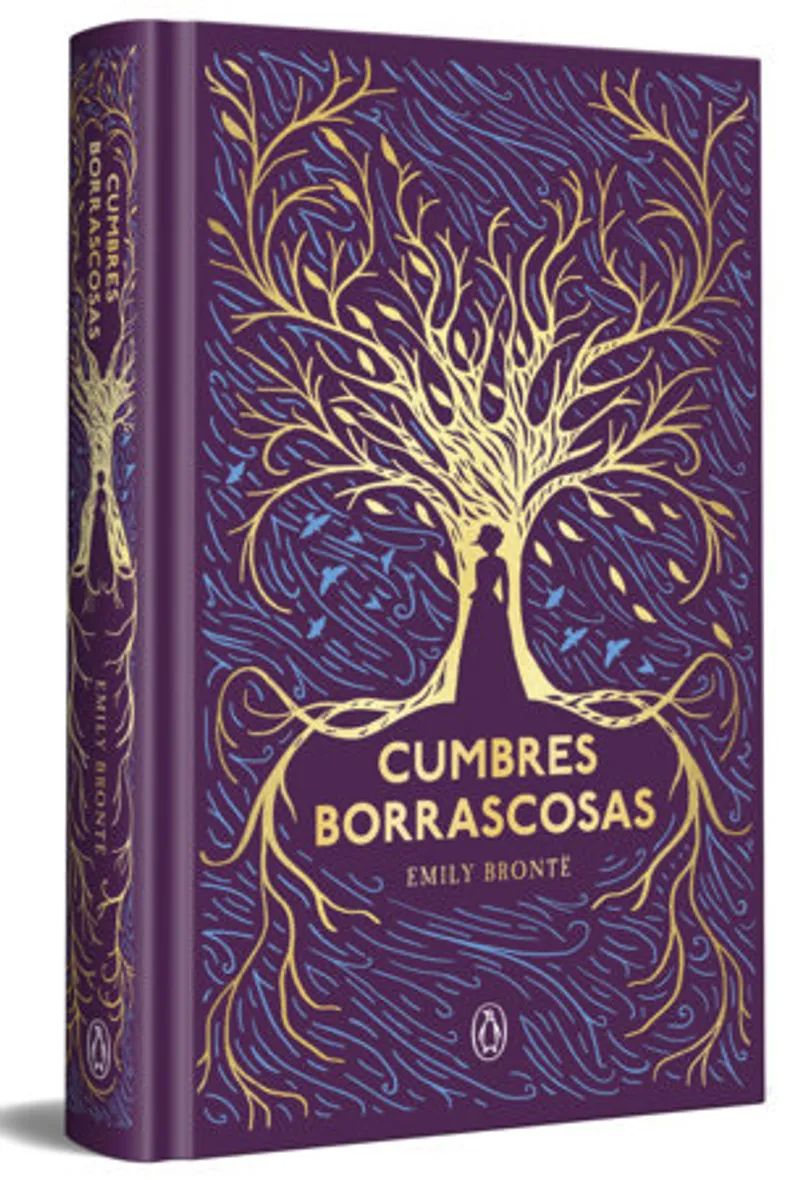
Cumbres borrascosas (Los mejores clásicos) / Wuthering Heights Author: Emily BrontëPage Count: UnknownPublication Date: 2026-PRH In the latest edition of the timeless classic, "Wuthering Heights" by Emily Brontë, readers are once again invited to immerse themselves in the tumultuous world of the Yorkshire moors, where the boundaries between love and hate are constantly blurred. This 2026 publication of "Cumbres borrascosas" (the Spanish title for Wuthering Heights) is a testament to the enduring power of Brontë's masterpiece, which continues to captivate audiences with its exploration of the human condition. At its core, "Wuthering Heights" is a novel about the destructive nature of unchecked passion and the devastating consequences of all-consuming love. The story revolves around the complex and often toxic relationship between Catherine and Heathcliff, two souls bound together by their shared experiences and intense emotions. Through their tumultuous bond, Brontë masterfully exposes the darker aspects of human nature, revealing the capacity for cruelty, revenge, and ultimately, the self-destructive tendencies that can arise when love turns to obsession. One of the most striking aspects of Brontë's writing style is her ability to evoke the atmospheric and rugged landscape of the Yorkshire moors, which serves as a backdrop to the unfolding drama. Her vivid descriptions of the natural world are imbued with a sense of foreboding and menace, perfectly capturing the mood of the narrative. The author's use of language is deliberate and evocative, with a focus on conveying the intense emotions and inner turmoil of her characters. Brontë's prose is characterized by its simplicity, directness, and unflinching honesty, which lends an air of authenticity to the narrative. Her writing is devoid of sentimentality, instead opting for a gritty realism that adds depth and complexity to the story. The characters of Catherine and Heathcliff are multidimensional and flawed, their motivations and actions driven by a mix of noble and base impulses. This nuanced portrayal of human nature makes them relatable and ultimately, tragically flawed. Throughout the novel, Brontë explores themes of class, identity, and the social constraints that govern the lives of her characters. The world of "Wuthering Heights" is one of strict social hierarchies, where the boundaries between the landed gentry and the working class are rigidly defined. The character of Heathcliff, in particular, serves as a symbol of the destructive power of class resentment and the devastating consequences of being trapped in a world that offers limited opportunities for social mobility. In conclusion, this latest edition of "Wuthering Heights" is a must-read for anyone who appreciates classic literature. Emily Brontë's masterpiece is a powerful exploration of the human condition, with its themes of love, hate, and the destructive nature of unchecked passion continuing to resonate with readers to this day. With its vivid prose, complex characters, and atmospheric setting, "Wuthering Heights" is a novel that will continue to captivate audiences for generations to come. #WutheringHeights #ClassicLiterature #EmilyBrontë #LoveAndHate #TragicRomance #GothicFiction Related InsightsThe Bureau of Unknown Fates: A Novel Book Review and Summary When Shadows Burn (When Shadows Burn Duology, 1) Book Review and Summary The Betrayal of Cora Wexford Book Review and Summary{ "@context": "https://schema.org", "@type": "FAQPage", "mainEntity": [ { "@type": "Question", "name": "What is the main focus of Wuthering Heights Book Review and Summary?", "acceptedAnswer": { "@type": "Answer", "text": "Everything you need to know about Wuthering Heights with our detailed review." } }, { "@type": "Question", "name": "Who authored the comprehensive guide on Wuthering Heights Book Review and Summary?", "acceptedAnswer": { "@type": "Answer", "text": "This detailed article and its insights were carefully researched and authored by Emily Brontë." } }, { "@type": "Question", "name": "Where can I find more related content about Books?", "acceptedAnswer": { "@type": "Answer", "text": "You can explore more articles, detailed reviews, and similar insights by browsing the Related Insights section at the bottom of this article or visiting our dedicated Books category page." } } ] }
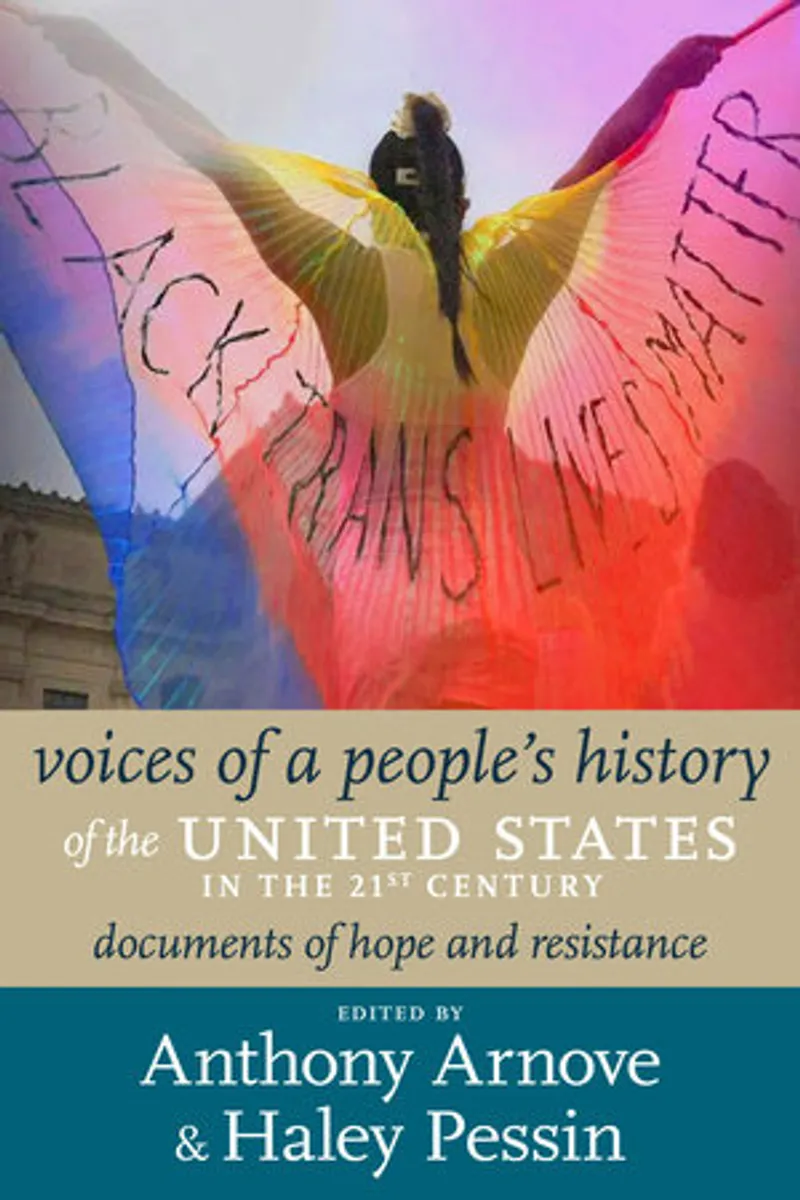
Voices of a People's History of the United States in the 21st Century Author: UnknownPage Count: UnknownPublication Date: 2023-PRH In "Voices of a People's History of the United States in the 21st Century," an array of powerful voices from the 21st century's most pivotal social movements come together to remind us that history is not solely shaped by the rich and powerful, but by ordinary people taking collective action. This book is a testament to the enduring power of activism, protest, and social change. Through a diverse collection of over 100 texts, including speeches, essays, poems, and calls to action, the book brings to life the struggles and triumphs of movements such as Black Lives Matter, #MeToo, Indigenous struggles, immigrant rights activism, the environmental movement, disability justice, and the labor rights activism of frontline workers during the global pandemic. The voices of renowned activists and thinkers like Angela Y. Davis, Colin Kaepernick, Rebecca Solnit, and Naomi Klein are woven together with those of lesser-known, yet equally powerful, individuals and organizations. The book's author has done an admirable job of curating these voices, allowing them to speak for themselves, while also providing a sense of cohesion and narrative thread throughout the collection. The result is a book that is both a historical record and a call to action, a reminder that the struggles of the past and present are intertwined, and that collective action is the key to creating a more just and equitable future. One of the book's greatest strengths is its ability to capture the complexity and diversity of 21st-century social movements. The voices included here are not just those of charismatic leaders, but also those of everyday people who have been driven to action by their experiences of injustice and marginalization. The book is a testament to the power of grassroots activism and the ways in which ordinary people can come together to challenge systems of oppression and create change. The author's style is unobtrusive, allowing the voices of the activists and thinkers to take center stage. The book is organized thematically, with sections focused on different social movements and issues. This structure allows readers to easily navigate the collection and explore the various voices and perspectives included. Throughout the book, the author's commitment to social justice and activism is evident. The selection of texts is carefully curated to showcase the diversity of voices and perspectives, and to highlight the ways in which different social movements are interconnected. The book is not just a collection of texts, but a powerful tool for activism and social change. In short, "Voices of a People's History of the United States in the 21st Century" is a powerful and timely book that reminds us of the enduring power of collective action and activism. It is a must-read for anyone interested in social justice, activism, and the history of 21st-century social movements. #SocialJustice #Activism #PeoplesHistory #21stCenturyMovements #ResistanceAndChange #VoicesOfThePeople Related InsightsI'm Sorry You Feel That Way: A Novel Book Review and Summary Beneath Waves and Shadows: The Sinking of the Steamship Valencia Book Review and Summary Straight to the Source Book Review and Summary{ "@context": "https://schema.org", "@type": "FAQPage", "mainEntity": [ { "@type": "Question", "name": "What is the main focus of A People’s History of the United States: 1492 - Present Book Review and Summary?", "acceptedAnswer": { "@type": "Answer", "text": "Everything you need to know about A People’s History of the United States: 1492 - Present with our detailed review." } }, { "@type": "Question", "name": "Who authored the comprehensive guide on A People’s History of the United States: 1492 - Present Book Review and Summary?", "acceptedAnswer": { "@type": "Answer", "text": "This detailed article and its insights were carefully researched and authored by Howard Zinn." } }, { "@type": "Question", "name": "Where can I find more related content about Books?", "acceptedAnswer": { "@type": "Answer", "text": "You can explore more articles, detailed reviews, and similar insights by browsing the Related Insights section at the bottom of this article or visiting our dedicated Books category page." } } ] }

El arte de conducir bajo la lluvia / The Art of Racing in the Rain (MTI) Author: Garth SteinPage Count: UnknownPublication Date: 2019-PRH The Art of Racing in the Rain, a captivating novel by Garth Stein, has left an indelible mark on the literary world. Narrated by the endearing and wise canine, Enzo, this book is a heart-wrenching yet ultimately uplifting exploration of the human condition. With the release of a major motion picture adaptation, this poignant tale has reached an even wider audience, and for good reason. Through Enzo's unique perspective, Stein masterfully weaves a story that delves into the intricacies of love, tragedy, redemption, and the unbreakable bonds between humans and animals. As Enzo shares his life experiences with his owner, Danny, a talented racing driver, we are reminded that the principles of a good racing driver - balance, anticipation, and patience - are equally essential for navigating life's challenges. Stein's writing style is both elegant and accessible, making this novel an effortless read. His use of Enzo as the narrator adds a touch of whimsy and humor, which beautifully balances the more somber moments in the story. The author's ability to tap into the canine psyche, while maintaining a sense of realism, is a testament to his skill as a storyteller. One of the most striking aspects of this novel is its exploration of the human condition. Enzo's observations on life, love, and relationships are both profound and poignant. His desire to return to the world as a human, to walk among people and offer a helping hand, is a powerful reminder of the transformative impact we can have on others. The characters in the novel are multidimensional and relatable, with Danny being a particularly well-crafted protagonist. His struggles to balance his racing career with family responsibilities are deeply human, and Enzo's unwavering loyalty and support serve as a poignant reminder of the importance of companionship. The Art of Racing in the Rain has garnered widespread critical acclaim, with authors like Jodi Picoult and Sara Gruen praising its unique narrative voice and universal themes. This novel is a must-read for anyone who has ever experienced the joy of sharing their life with a pet, or for those who simply appreciate a beautifully crafted story. In conclusion, The Art of Racing in the Rain is a mesmerizing novel that will leave readers spellbound. With its unique narrative voice, relatable characters, and universal themes, this book is a true masterpiece. Whether you're a dog lover, a racing enthusiast, or simply someone who appreciates great storytelling, this novel is sure to resonate with you. #TheArtofRacingInTheRain #GarthStein #DogLovers #RacingNovels #HeartwarmingFiction #AnimalNarrators Related InsightsNational 4/5 Administration and IT Course Notes for New 2019 Exams Ebook Book Review and Summary Beck (Double U Ranch #2) Book Review and Summary The Dark Lord's Guide to Honeymooning (and Other Acts of Tyranny) Book Review and Summary{ "@context": "https://schema.org", "@type": "FAQPage", "mainEntity": [ { "@type": "Question", "name": "What is the main focus of The Art of Racing in the Rain Book Review and Summary?", "acceptedAnswer": { "@type": "Answer", "text": "Everything you need to know about The Art of Racing in the Rain with our detailed review." } }, { "@type": "Question", "name": "Who authored the comprehensive guide on The Art of Racing in the Rain Book Review and Summary?", "acceptedAnswer": { "@type": "Answer", "text": "This detailed article and its insights were carefully researched and authored by Garth Stein." } }, { "@type": "Question", "name": "Where can I find more related content about Books?", "acceptedAnswer": { "@type": "Answer", "text": "You can explore more articles, detailed reviews, and similar insights by browsing the Related Insights section at the bottom of this article or visiting our dedicated Books category page." } } ] }
-
 Isabella Moore
- 27 Nov, 2024 17:16
El planeta inhóspito: La vida después del calentamiento / The Uninhabitable Earth: Life After Warming Book Review and Summary
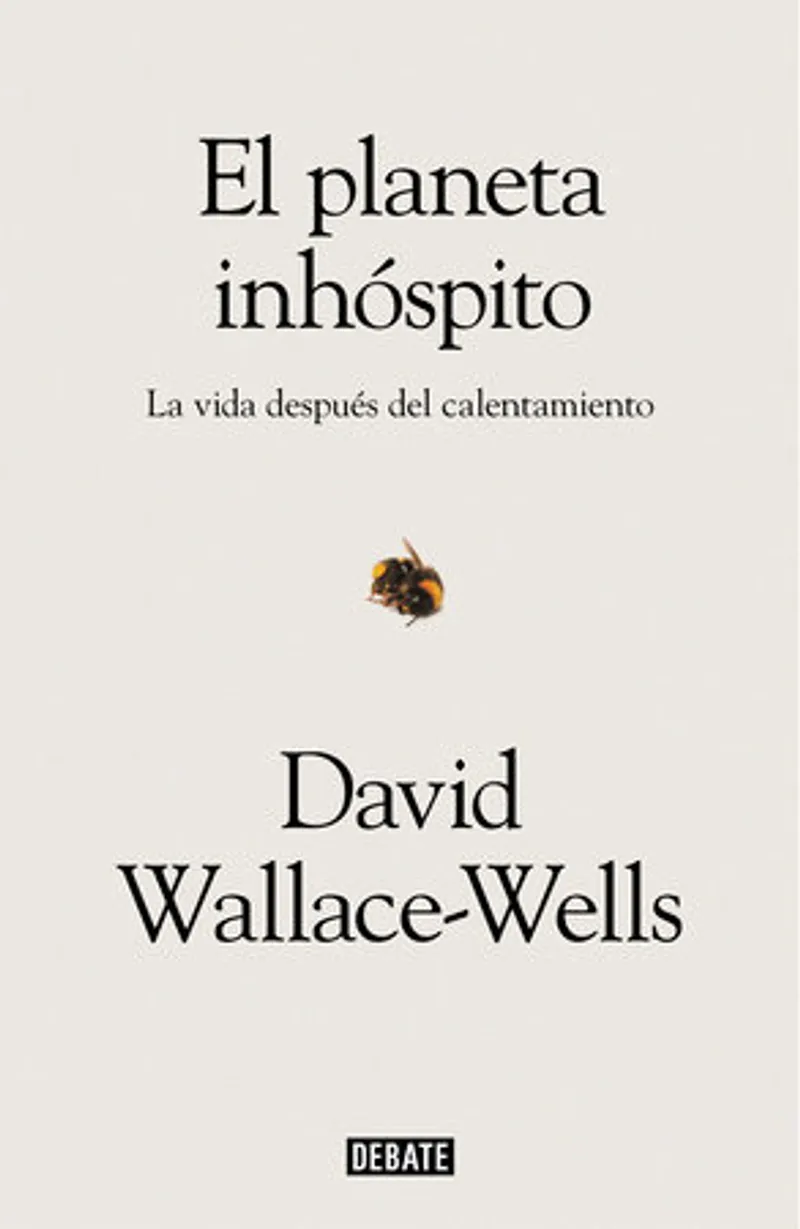
El planeta inhóspito: La vida después del calentamiento / The Uninhabitable Earth: Life After Warming Author: David Wallace-WellsPage Count: UnknownPublication Date: 2020-PRH "The Uninhabitable Earth: Life After Warming" by David Wallace-Wells is a haunting and unflinching portrayal of the catastrophic consequences of climate change. With unrelenting precision and lucidity, Wallace-Wells constructs a kaleidoscopic narrative of the devastating impact that our inaction will have on the planet within a single generation. The book is a stark warning, a clarion call to action that shatters the complacency and apathy that has characterized our response to the ecological crisis. Wallace-Wells' prose is both lyrical and unsparing, conjuring vivid images of a world ravaged by rising sea levels, wildfires, hurricanes, droughts, and floods. These apocalyptic scenarios are not the stuff of science fiction, but rather the grim reality that awaits us if we fail to act. One of the most striking aspects of the book is its ability to convey the sheer scale and complexity of the crisis. Wallace-Wells masterfully weaves together a vast array of data, research, and expert testimony to create a comprehensive and compelling narrative. He is unafraid to confront the darker aspects of human nature, revealing how our addiction to fossil fuels, our fetishization of economic growth, and our failure to imagine a better future have brought us to the brink of catastrophe. And yet, despite the overwhelming sense of despair that pervades the book, Wallace-Wells offers a glimmer of hope. He argues that it is still possible to avert the worst consequences of climate change, but only if we are willing to fundamentally transform our societies and economies. This requires a profound shift in our values and our way of life, one that prioritizes the well-being of the planet and all its inhabitants over the interests of corporations and the wealthy elite. Throughout the book, Wallace-Wells' writing is characterized by a sense of urgency and passion. He is a masterful storyteller, able to convey complex ideas and data in a way that is both accessible and compelling. His use of language is often poetic, conjuring vivid images and emotions that linger long after the book is finished. "The Uninhabitable Earth" is a book that will leave you changed, haunted by the specter of a world that is rapidly becoming uninhabitable. It is a call to action, a demand that we confront the reality of climate change and take immediate action to mitigate its effects. As Wallace-Wells so eloquently puts it, "The future is not yet written, but it is being written now, and it will be written by us." In short, "The Uninhabitable Earth" is a book that everyone should read. It is a clarion call to action, a stark warning of the consequences of our inaction, and a testament to the power of human imagination and creativity. It is a book that will inspire, educate, and provoke, and one that will linger in your mind long after you finish reading it. #TheUninhabitableEarth #ClimateChange #Sustainability #Environmentalism #EcoCrisis #GlobalWarming Related InsightsSunrise on the Reaping Book Review and Summary The Unsung Scribes: Unearthing the Clandestine Libraries and Forbidden Texts of World War II Milkteeth Book Review and Summary{ "@context": "https://schema.org", "@type": "FAQPage", "mainEntity": [ { "@type": "Question", "name": "What is the main focus of El planeta inhóspito: La vida después del calentamiento / The Uninhabitable Earth: Life After Warming Book Review and Summary?", "acceptedAnswer": { "@type": "Answer", "text": "Everything you need to know about El planeta inhóspito: La vida después del calentamiento / The Uninhabitable Earth: Life After Warming with our detailed review." } }, { "@type": "Question", "name": "Who authored the comprehensive guide on El planeta inhóspito: La vida después del calentamiento / The Uninhabitable Earth: Life After Warming Book Review and Summary?", "acceptedAnswer": { "@type": "Answer", "text": "This detailed article and its insights were carefully researched and authored by Isabella Moore." } }, { "@type": "Question", "name": "Where can I find more related content about Books?", "acceptedAnswer": { "@type": "Answer", "text": "You can explore more articles, detailed reviews, and similar insights by browsing the Related Insights section at the bottom of this article or visiting our dedicated Books category page." } } ] }
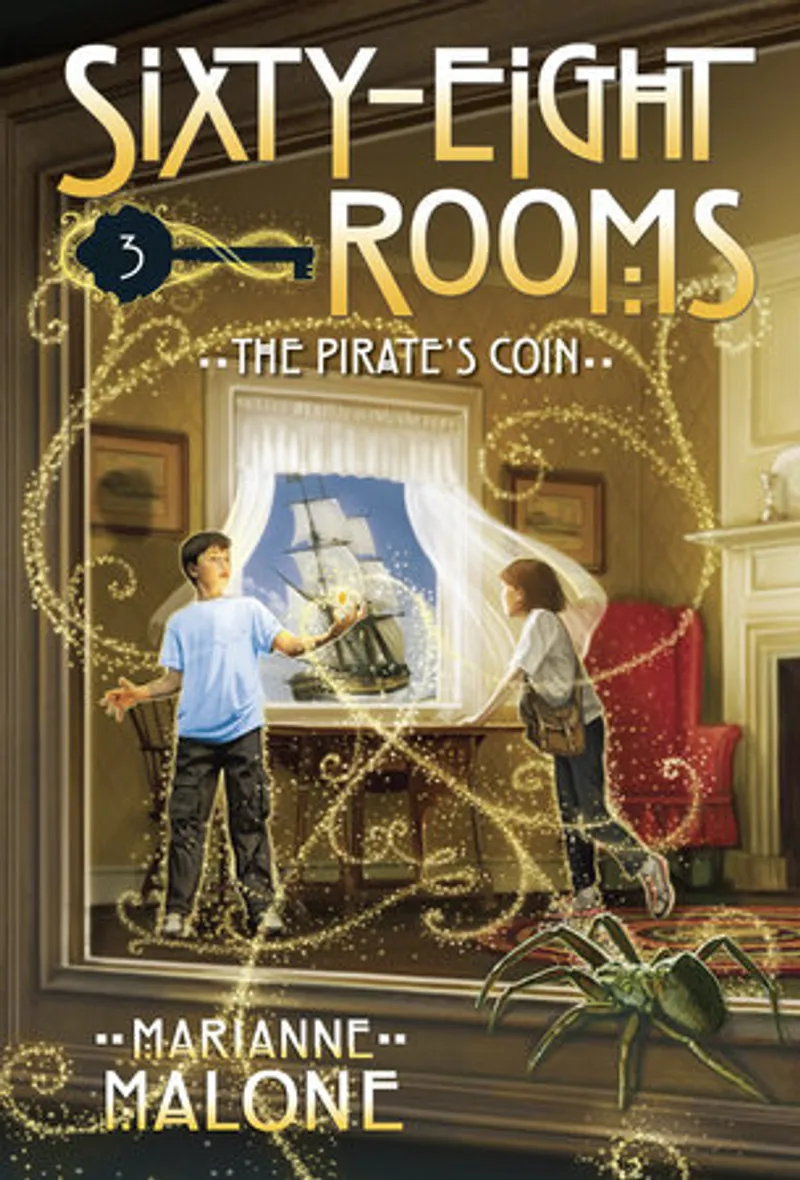
The Pirate's Coin: A Sixty-Eight Rooms Adventure Author: Marianne MalonePage Count: UnknownPublication Date: 2014-PRH In "The Pirate's Coin: A Sixty-Eight Rooms Adventure" by Marianne Malone, we are transported to a world of magic, mystery, and adventure, where the lines of time are blurred, and the past and present collide. This captivating novel is the third installment in the series and promises to enthrall fans of the Magic Tree House series, Chasing Vermeer, and Wonderstruck. Malone masterfully weaves a tale that revolves around the enigmatic Thorne Rooms at the Art Institute of Chicago. Sixth-graders Ruthie and Jack, the protagonists, find themselves entangled in a web of intrigue as they navigate the mystical world within the rooms. Their classmate Kendra's family legacy is at stake, and only Ruthie and Jack possess the knowledge to clear her name. The duo embarks on a perilous journey through time, tracing the footsteps of Jack's own ancestor, the pirate Jack Norfleet, to 1753 Cape Cod. The author's writing style is as captivating as the story itself. Malone's vivid descriptions transport readers to the rugged coast of Cape Cod, immersing them in the sights, sounds, and smells of the 18th century. Her use of language is rich and evocative, conjuring images of pirate ships, hidden treasures, and ancient artifacts. The pacing is swift, with unexpected twists and turns that keep readers on the edge of their seats. One of the most striking aspects of the novel is its exploration of the consequences of playing with history. As Ruthie and Jack meddle with the timeline, they inadvertently put Jack's very existence in jeopardy. This raises important questions about the responsibility that comes with knowledge and power. Malone skillfully navigates these complex themes, creating a narrative that is both entertaining and thought-provoking. Throughout the novel, Malone pays homage to the rich history of Cape Cod, weaving in fascinating details about the region's maritime past. Her meticulous research adds depth and authenticity to the story, making the fantastical elements all the more believable. The characters of Ruthie and Jack are well-developed and relatable, with distinct personalities that shine through in their dialogue and interactions. Their friendship is genuine and heartwarming, and their determination to help Kendra is admirable. In conclusion, "The Pirate's Coin: A Sixty-Eight Rooms Adventure" is a thrilling ride that will captivate readers of all ages. Marianne Malone's masterful storytelling, coupled with her vivid descriptions and well-developed characters, makes this novel an absolute must-read. With its blend of magic, mystery, and adventure, this book is sure to leave readers eagerly awaiting the next installment in the series. #TheSixtyEightRoomsAdventures #MarianneMalone #TimeTravel #PirateFiction #MiddleGradeBooks #HistoricalFiction Related InsightsCrown & Captive Book Review and Summary Invisible Monsters Book Review and Summary Mistletoe All the Way Book Review and Summary{ "@context": "https://schema.org", "@type": "FAQPage", "mainEntity": [ { "@type": "Question", "name": "What is the main focus of A Memory Called Empire Book Review and Summary?", "acceptedAnswer": { "@type": "Answer", "text": "Everything you need to know about A Memory Called Empire with our detailed review." } }, { "@type": "Question", "name": "Who authored the comprehensive guide on A Memory Called Empire Book Review and Summary?", "acceptedAnswer": { "@type": "Answer", "text": "This detailed article and its insights were carefully researched and authored by Arkady Martine." } }, { "@type": "Question", "name": "Where can I find more related content about Books?", "acceptedAnswer": { "@type": "Answer", "text": "You can explore more articles, detailed reviews, and similar insights by browsing the Related Insights section at the bottom of this article or visiting our dedicated Books category page." } } ] }
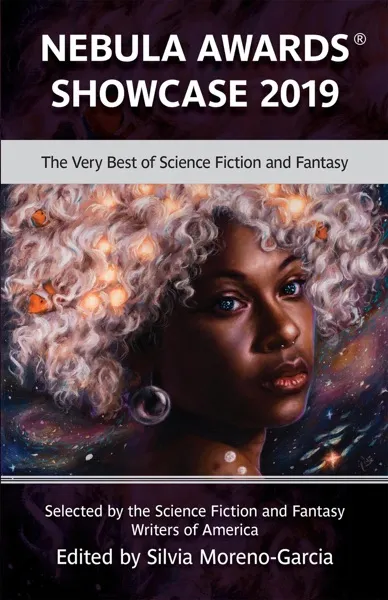
Nebula Awards Showcase 2019 Author: Silvia Moreno-GarciaPage Count: UnknownPublication Year: 2019-GB Silvia Moreno-Garcia’s Nebula Awards Showcase 2019 is a luminous gateway into the year’s finest science fiction and fantasy—a curated constellation of stories that push the boundaries of imagination while anchoring themselves in the raw, pulsating heart of human experience. As the editor of this anthology, Moreno-Garcia doesn’t just compile award-winning tales; she crafts an experience, a journey through the nebula of contemporary speculative fiction where the extraordinary and the intimate collide. With precision and passion, she curates a collection that feels less like a formal celebration and more like a fireside chat with the universe itself. At its core, the Nebula Awards Showcase 2019 explores transformation—not just of worlds, technologies, or creatures, but of the self. Many of the stories orbit around metamorphosis: physical, emotional, existential. In N.K. Jemisin’s powerful novella The City We Became, entire cities come alive as living beings, their identities shaped by history, culture, and community. But beneath the cosmic spectacle lies a meditation on gentrification, identity, and the soul of a place—proving that even in the most dazzling sci-fi landscapes, the human struggle remains the gravitational center. Similarly, Rebecca Roanhorse’s A Way with Words reimagines language as a living, sentient force, where words can wound or heal, erase or empower. It’s a brilliant allegory for colonialism and resistance, wrapped in the shimmer of speculative fiction. Moreno-Garcia, a master of blending the lyrical with the unsettling, infuses the anthology with her signature warmth and sharp-eyed insight. Her own contributions—though not included here as she’s the editor—have often explored marginalized voices and cultural intersections, and that sensibility infuses the selections. The stories don’t just dazzle with ideas; they feel. Samantha Shannon’s A Dream of a Thousand Minds immerses the reader in a world where dreams are currency and reality is malleable, all while exploring grief and the power of collective memory. It’s a story that lingers like a half-remembered dream—vivid, haunting, and impossible to shake. One of the anthology’s most striking strengths is its diversity—not just of authors but of form and voice. From the intimate, almost poetic prose of The Only Good Indians by Stephen Graham Jones—a chilling blend of horror and Indigenous identity—to the razor-sharp satire of The Tea Master and the Detective by Aliette de Bodard, which reimagines Sherlock Holmes in a Vietnamese-inspired space opera, the collection refuses to be boxed in. It’s a rebellion against homogeneity, a testament to the genre’s evolving, expanding soul. Moreno-Garcia’s editorial hand is evident in the pacing and flow. The anthology moves like a well-composed symphony: it begins with wonder (The Future is Blue by Catherynne M. Valente), descends into darkness (Sour Milk Girls by Eridani’s Crown), and ends with quiet hope (The Secret Lives of the Nine Negro Teeth of George Washington by P. Djèlí Clark). Each story feels like a vital organ, necessary to the whole. She doesn’t just gather award winners; she curates an emotional arc, a sense of journey. What makes this collection especially resonant is its refusal to shy away from the political. Many of the stories grapple with systemic oppression, environmental collapse, and the legacy of violence—all rendered through the lens of speculative fiction. In A Witch’s Guide to Escape: A Practical Compendium of Portal Fantasies by Alix E. Harrow, a librarian becomes a guide to otherworldly escapes for a troubled teen, using stories as lifelines. It’s a metaphor for the power of literature itself, a quiet manifesto for why we read and write. The Nebula Awards, at their best, recognize not just cleverness, but courage—the courage to imagine new worlds and, in doing so, to challenge the old one. Moreno-Garcia’s own voice as an editor shines in how she balances ambition with accessibility. These are not easy stories—they demand engagement, imagination, and sometimes a willingness to sit with discomfort. But they also offer profound rewards: the thrill of discovery, the shock of recognition, the slow burn of a story that unfolds in the mind long after the last page. If science fiction and fantasy are the literature of change, then Nebula Awards Showcase 2019 is a mirror held up to our changing world. It’s a reminder that the genre isn’t just about spaceships and dragons—it’s about who we are, who we could be, and the courage it takes to transform. This anthology doesn’t just showcase the best of the year; it showcases the best of what science fiction and fantasy can be: a mirror, a lantern, a map, and a promise. In a time of uncertainty, this collection is both escape and exhortation. It’s a celebration of human ingenuity, resilience, and imagination—proof that even in the darkest nebulae, stars are born. #NebulaAwards #SciFi #Fantasy #SpeculativeFiction #AwardWinningStories #SilviaMorenoGarcia Related InsightsThe Horse Whisperer Book Review and Summary Julius Caesar Book Review and Summary Fated Blades Book Review and Summary{ "@context": "https://schema.org", "@type": "FAQPage", "mainEntity": [ { "@type": "Question", "name": "What is the main focus of Nebula Awards Showcase 2019 Book Review and Summary?", "acceptedAnswer": { "@type": "Answer", "text": "Everything you need to know about Nebula Awards Showcase 2019 with our detailed review." } }, { "@type": "Question", "name": "Who authored the comprehensive guide on Nebula Awards Showcase 2019 Book Review and Summary?", "acceptedAnswer": { "@type": "Answer", "text": "This detailed article and its insights were carefully researched and authored by Tiago Silva." } }, { "@type": "Question", "name": "Where can I find more related content about Books?", "acceptedAnswer": { "@type": "Answer", "text": "You can explore more articles, detailed reviews, and similar insights by browsing the Related Insights section at the bottom of this article or visiting our dedicated Books category page." } } ] }

Cincuenta Sombras de Grey (Movie Tie-in Edition) / Fifty Shades of Grey (MTI) Author: E L JamesPage Count: UnknownPublication Date: 2015-PRH In "Fifty Shades of Grey," E L James weaves a complex and deeply personal narrative that delves into the intricacies of human desire, control, and the blurred lines between love and obsession. The story follows Anastasia Steele, a young and inexperienced literature student, as she becomes entangled in a passionate and tumultuous relationship with Christian Grey, a charismatic and enigmatic entrepreneur. Through James' masterful prose, the reader is drawn into a world of opulence and excess, where the boundaries of social norms are pushed to the limit. Grey's character, in particular, is a fascinating study in contrasts – a man who exudes confidence and self-assurance, yet is haunted by the demons of his past. His need for control is all-consuming, and it is this aspect of his personality that drives the narrative forward, as Ana struggles to reconcile her own desires with the demands of Grey's intense and often disturbing erotic tastes. One of the most striking aspects of James' writing style is her ability to craft a sense of intimacy and immediacy, drawing the reader into the innermost thoughts and feelings of her characters. The dialogue is sharp and witty, and the descriptive passages are lush and evocative, conjuring a vivid sense of atmosphere and mood. The author's use of language is deliberate and unflinching, tackling themes that are often considered taboo with a frankness and honesty that is both refreshing and thought-provoking. At its core, "Fifty Shades of Grey" is a book about the complexities of human relationships, and the ways in which we negotiate power, desire, and control with our partners. It is a story that is both deeply personal and universally relatable, speaking to the desires and fears that we all harbor, but often dare not express. James' writing is unapologetic and unflinching, pushing the boundaries of what is considered acceptable in mainstream literature, and challenging her readers to confront their own assumptions and prejudices. Ultimately, "Fifty Shades of Grey" is a book that will polarize opinion, sparking intense debate and discussion among readers. Love it or hate it, this is a novel that will stay with you long after you finish reading it, haunting your thoughts and challenging your perceptions. It is a testament to James' skill as a writer that she is able to evoke such strong emotions in her readers, and a reflection of the enduring power of her story to captivate and enthrall. #FiftyShadesOfGrey #ELJames #BDSM #EroticFiction #RomanceNovels #BookLovers Related InsightsYou Like It Darker Book Review and Summary And Every Morning the Way Home Gets Longer and Longer Book Review and Summary A Domestication: A Novel Book Review and Summary{ "@context": "https://schema.org", "@type": "FAQPage", "mainEntity": [ { "@type": "Question", "name": "What is the main focus of Fifty Shades of Grey Book Review and Summary?", "acceptedAnswer": { "@type": "Answer", "text": "Everything you need to know about Fifty Shades of Grey with our detailed review." } }, { "@type": "Question", "name": "Who authored the comprehensive guide on Fifty Shades of Grey Book Review and Summary?", "acceptedAnswer": { "@type": "Answer", "text": "This detailed article and its insights were carefully researched and authored by E.L. James." } }, { "@type": "Question", "name": "Where can I find more related content about Books?", "acceptedAnswer": { "@type": "Answer", "text": "You can explore more articles, detailed reviews, and similar insights by browsing the Related Insights section at the bottom of this article or visiting our dedicated Books category page." } } ] }
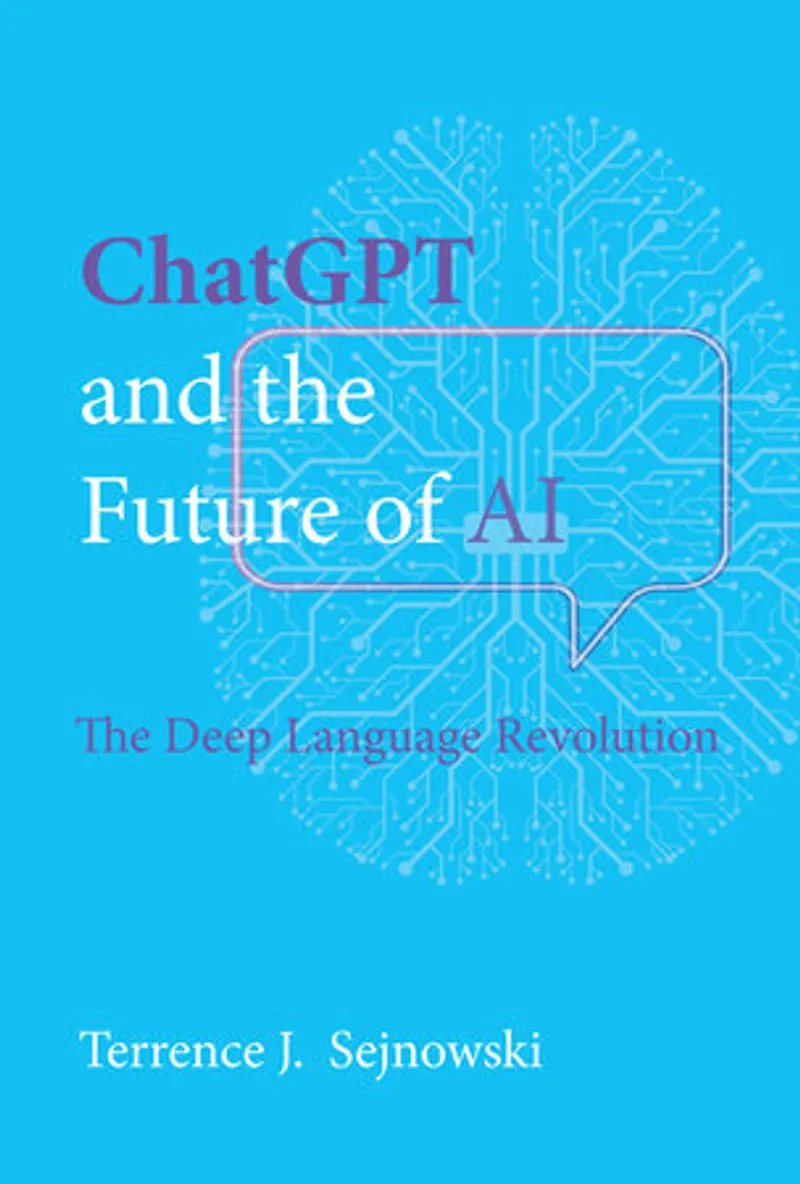

ChatGPT and the Future of AI Author: Terrence J. SejnowskiPage Count: UnknownPublication Date: 2024-PRH Terrence J. Sejnowski’s ChatGPT and the Future of AI is not just another book about artificial intelligence—it’s a masterclass in demystifying the hype while illuminating the profound implications of the technology that is reshaping our world. As a pioneer in computational neuroscience and a key figure in the deep learning revolution, Sejnowski brings a rare blend of technical rigor and philosophical depth to the subject, making this book essential reading for anyone trying to navigate the dizzying rise of large language models like ChatGPT. At its core, the book grapples with a question that has haunted AI discourse for decades: Do these systems truly understand what they say, or are they merely sophisticated mirrors, reflecting back the intelligence of their users? Sejnowski doesn’t shy away from the controversy. He dismantles the simplistic narratives—both the breathless optimism of AI evangelists and the doomsday prophecies of skeptics—with a scientist’s precision. His answer is nuanced: LLMs don’t "understand" in the human sense, but their ability to generate coherent, contextually relevant text is a form of emergent intelligence, one that emerges from the interplay of massive data, computational power, and algorithmic design. This isn’t just a technical point; it’s a philosophical one, forcing us to redefine what we mean by "thinking" in an age where machines can mimic it so convincingly. Sejnowski’s style is what makes this book so compelling. He writes with the clarity of a teacher and the authority of a pioneer, weaving together history, science, and speculation without ever losing the reader in jargon. His explanations of transformers—the neural network architecture behind LLMs—are some of the most accessible I’ve encountered, even for readers without a technical background. Yet, he never dumbs down the material. Instead, he invites the reader into the conversation, acknowledging the uncertainties and open questions that still linger in AI research. This balance between depth and accessibility is rare in books about AI, where authors often veer into either impenetrable technical detail or vague, motivational fluff. One of the book’s most striking sections is its historical deep dive into the evolution of language models. Sejnowski traces the lineage of LLMs from early statistical models to today’s transformer-based systems, highlighting how each breakthrough—from the introduction of attention mechanisms to the scaling laws that govern model performance—was driven by a mix of theoretical insight and brute-force computation. He doesn’t just recount the milestones; he shows how they reflect deeper trends in AI research, such as the shift from rule-based systems to data-driven approaches. This historical perspective is crucial because it reminds us that the rise of ChatGPT wasn’t inevitable—it was the result of decades of incremental progress, serendipity, and relentless experimentation. But Sejnowski doesn’t stop at the past. He looks ahead, offering a vision of where AI might go next. He explores the tantalizing possibility of next-generation LLMs inspired by nature—systems that draw on the efficiency and adaptability of biological brains. He also sounds a necessary alarm about the energy costs of training and running these models, arguing that sustainability must be a priority if AI is to have a long-term future. These forward-looking chapters are where the book truly shines, blending optimism with pragmatism. Sejnowski doesn’t just ask what can AI do? but what should AI do?—a question that’s all too often overlooked in the rush to deploy ever-larger models. What elevates this book beyond a mere technical explainer is Sejnowski’s dual perspective as both a neuroscientist and an AI researcher. He constantly draws parallels between how the brain processes language and how LLMs do it, cautioning against overinterpreting the similarities while still acknowledging the profound questions they raise about cognition. This interdisciplinary approach makes the book a standout in a field often dominated by either engineers or philosophers. Sejnowski’s voice is that of a scientist who has spent a lifetime studying the brain, yet he remains humble enough to admit that we still don’t fully understand how intelligence works—whether in humans or machines. If there’s a critique to be made, it’s that the book occasionally feels slightly rushed in its final chapters, as if Sejnowski is trying to cover too much ground in too little space. The sections on energy efficiency and future AI architectures are fascinating but could benefit from deeper exploration. Still, this is a minor quibble in what is otherwise a remarkably well-rounded and thought-provoking book. ChatGPT and the Future of AI is more than a guide to understanding large language models—it’s a call to think critically about the technology that is already transforming how we work, learn, and communicate. Sejnowski’s blend of expertise, clarity, and intellectual honesty makes this the definitive book on the subject, whether you’re a seasoned AI researcher, a curious layperson, or someone simply trying to make sense of the AI-driven world we now inhabit. #AI #ChatGPT #ArtificialIntelligence #FutureOfTech #Neuroscience #DeepLearning Related InsightsBrief cases Book Review and Summary Glass Queen Book Review and Summary Dead Until Dark Book Review and Summary{ "@context": "https://schema.org", "@type": "FAQPage", "mainEntity": [ { "@type": "Question", "name": "What is the main focus of ChatGPT and the Future of AI Book Review and Summary?", "acceptedAnswer": { "@type": "Answer", "text": "Everything you need to know about ChatGPT and the Future of AI with our detailed review." } }, { "@type": "Question", "name": "Who authored the comprehensive guide on ChatGPT and the Future of AI Book Review and Summary?", "acceptedAnswer": { "@type": "Answer", "text": "This detailed article and its insights were carefully researched and authored by Antoine Leroy." } }, { "@type": "Question", "name": "Where can I find more related content about Books?", "acceptedAnswer": { "@type": "Answer", "text": "You can explore more articles, detailed reviews, and similar insights by browsing the Related Insights section at the bottom of this article or visiting our dedicated Books category page." } } ] }
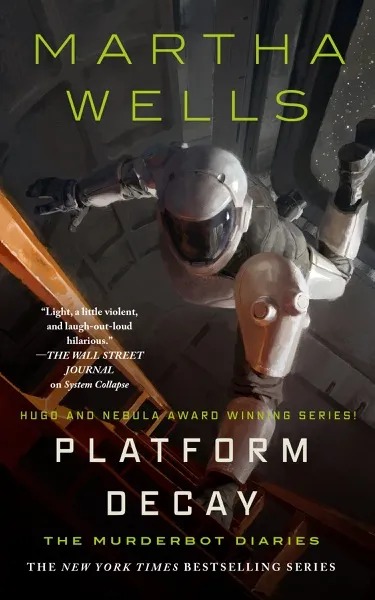

Platform Decay Author: Martha WellsPage Count: UnknownPublication Year: 2026-GB Platform Decay by Martha Wells is a masterful exploration of what happens when the systems we rely on begin to unravel—not with a bang, but with the quiet, creeping certainty that everything is slipping. Set against the backdrop of a near-future society where digital platforms govern nearly every aspect of life, this novel is less a dystopian warning and more a meditation on decay, trust, and the fragile architectures of human connection. Wells, already celebrated for her Murderbot series, proves once again that she is a writer of rare precision, blending sharp social critique with deeply human storytelling. The central theme of Platform Decay is the erosion of infrastructure—not just the crumbling roads or failing servers, but the slow collapse of shared belief in the systems that hold society together. Wells’ world is one where "platforms"—whether social media, governance algorithms, or corporate logistics networks—have become the invisible scaffolding of daily existence. Yet when these systems start to glitch, lag, or outright fail, the consequences are psychological as much as practical. Characters grapple not just with the inconvenience of a broken app, but with the existential dread of realizing that no one is in control anymore. It’s a premise that feels eerily prescient in an era where even our most mundane interactions are mediated by code and capital. Wells’ genius lies in her ability to make this large-scale decay feel intimate. The novel follows a diverse cast of characters—some privileged, some marginalized, all navigating the cracks in the system in their own ways. There’s a data archivist clinging to physical records as digital storage degrades, a gig worker whose app-based income vanishes overnight, and a teenage activist who sees in the decay an opportunity for real change. Wells avoids heavy-handed moralizing, instead letting the characters’ personal stakes drive the narrative. Their struggles are rendered with a quiet urgency, their small victories and inevitable setbacks making Platform Decay feel like a lived-in, rather than constructed, world. One of the book’s most compelling aspects is its treatment of technology as something organic—a living thing that grows, mutates, and eventually dies. Wells’ prose reflects this, often adopting a clinical, almost clinical tone when describing systems in their prime, then shifting to something more poetic as they fail. The prose itself feels like a platform undergoing maintenance: sometimes slick and efficient, other times fragmented, as if the narrator is just as disoriented as the characters. This stylistic choice reinforces the novel’s themes, making the act of reading Platform Decay a tactile experience. You don’t just observe the decay; you feel its rhythms in the way the text stutters, lags, or outright collapses—metaphorically and, at times, literally. Wells’ worldbuilding is another standout. The society she depicts is one where class disparities are encoded into the platforms themselves. The wealthy can afford private, bespoke systems that shield them from the worst of the decay, while the poor are left to navigate the fraying edges of public infrastructure. Yet even the privileged aren’t immune; Wells deftly shows how the illusion of control is the most seductive form of decay. Characters who once thrived in the system find themselves just as lost as anyone else when the platforms start to behave unpredictably. It’s a scathing critique of late-stage capitalism, but one that avoids simplistic villainy. The antagonists, when they appear, are often just people trying to maintain their own fragile stability in a collapsing world. At its heart, Platform Decay is a story about what comes after the apocalypse—that moment when the dust has settled and the survivors must decide whether to rebuild the same broken systems or forge something new. Wells resists easy answers. Some characters double down on restoration, clinging to the belief that the platforms can be fixed, while others embrace the chaos, seeing it as a chance to dismantle oppressive structures entirely. The novel’s climax is less about a grand confrontation and more about the quiet, often painful process of adaptation. It’s a refreshing departure from the typical "last stand against the machine" narrative, opting instead for something more nuanced and, ultimately, more human. Wells’ writing has always had a dry, observational wit, and Platform Decay is no exception. Her humor is subtle, lurking in the margins of the characters’ interactions—whether it’s a corporate drone sarcastically praising the "beauty" of algorithmic efficiency or a teenager rolling their eyes at an adult’s nostalgia for "the good old days" of seamless connectivity. This balance of humor and gravity keeps the novel from feeling too bleak, even as it grapples with heavy themes. It’s a reminder that even in decay, there’s room for resilience, for laughter, for the kind of small, stubborn hope that keeps people going. Platform Decay is not just a book about technology failing; it’s about what happens when the stories we tell ourselves about progress, about control, about the inevitability of growth begin to unravel. Martha Wells has written a novel that is as much a mirror as it is a warning—a reflection of our own anxieties about the systems we’ve built and the fragility of the world they’ve created. It’s a book that lingers, not because it offers easy solutions, but because it asks the right questions. And in an age where platforms collapse with alarming frequency, those questions feel more urgent than ever. #PlatformDecay #MarthaWells #NearFutureFiction #TechDystopia #ClimateFiction #CollapseLiterature Related InsightsThe Frugal Wizard’s Handbook for Surviving Medieval England Book Review and Summary Mate Book Review and Summary A Little Princess Book Review and Summary{ "@context": "https://schema.org", "@type": "FAQPage", "mainEntity": [ { "@type": "Question", "name": "What is the main focus of Platform Decay Book Review and Summary?", "acceptedAnswer": { "@type": "Answer", "text": "Everything you need to know about Platform Decay with our detailed review." } }, { "@type": "Question", "name": "Who authored the comprehensive guide on Platform Decay Book Review and Summary?", "acceptedAnswer": { "@type": "Answer", "text": "This detailed article and its insights were carefully researched and authored by Thomas Wright." } }, { "@type": "Question", "name": "Where can I find more related content about Books?", "acceptedAnswer": { "@type": "Answer", "text": "You can explore more articles, detailed reviews, and similar insights by browsing the Related Insights section at the bottom of this article or visiting our dedicated Books category page." } } ] }