Showing Posts From
Bookreview
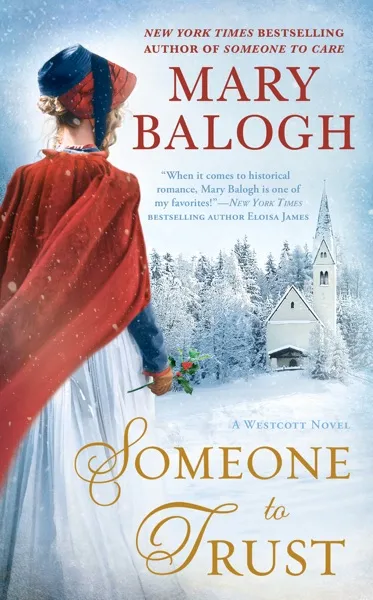
Someone to Trust Author: Mary BaloghPage Count: UnknownPublication Year: 2018-GB Mary Balogh’s Someone to Trust (2018) is a luminous testament to the enduring power of love, redemption, and the quiet strength of the human heart. Balogh, a master of historical romance, weaves a tale that transcends the genre’s conventions, offering readers not just a compelling love story but a profound exploration of trust in a world where betrayal and loss are never far away. At its core, Someone to Trust is a story about rebuilding what has been shattered. The novel follows Emily Denison, a woman whose life has been marked by tragedy—her parents’ deaths, a failed engagement, and the crushing weight of societal expectations. Left to navigate the complexities of Regency-era England on her own, Emily is a character who radiates resilience despite her vulnerabilities. Her journey is not one of grand gestures or instantaneous triumphs but of small, deliberate steps toward healing. Balogh excels at capturing the nuances of emotional recovery, making Emily’s growth feel authentic and deeply relatable. The romance at the heart of the novel blossoms between Emily and Vincent, Earl of Crenshaw, a man burdened by his own secrets and past mistakes. Vincent is no conventional hero—his guarded demeanor and haunted past make him a compelling counterpoint to Emily’s more open nature. Their relationship unfolds with a rare authenticity, built on mutual respect and a shared understanding of pain. Balogh’s dialogue sparkles with wit and depth, as the two navigate their growing affection with a blend of caution and longing. There’s a delicious tension in their interactions, where every glance and unspoken word carries the weight of their shared history of mistrust. Balogh’s prose is elegant, effortlessly transporting readers to the early 19th century without overwhelming them with excessive historical detail. Her descriptions are vivid yet unobtrusive, allowing the characters and their emotions to take center stage. The narrative flows with a natural rhythm, balancing introspection with action, and ensuring that the emotional beats land with maximum impact. This is Balogh at her finest—crafting a story where the external conflicts (social pressures, family obligations) are as compelling as the internal ones. One of the novel’s most striking themes is the idea that trust is not a given but a choice, earned through patience and perseverance. Emily and Vincent’s journey is a testament to this, as they learn to rely on each other despite their fears. Balogh doesn’t shy away from the messiness of human nature—jealousy, insecurity, and the fear of repeating past mistakes all play a role in their story. Yet, it’s this very messiness that makes their eventual triumph so satisfying. The romance feels earned, not contrived, and their love is a beacon of hope in a world that often seems determined to keep them apart. Balogh’s ability to create emotionally rich, multi-dimensional characters is on full display here. Even secondary figures, like Emily’s loyal friend or Vincent’s enigmatic sister, are imbued with depth and purpose. The supporting cast feels integral to the story, adding layers to the central romance without stealing the spotlight. This attention to character development is what sets Balogh apart from other romance authors—she doesn’t just write love stories; she crafts entire worlds where her characters live and breathe. The pacing of Someone to Trust is another standout feature. Balogh knows when to linger on quiet, intimate moments—whether it’s a shared meal, a walk in the garden, or a heartfelt conversation—and when to propel the story forward with a well-timed conflict or revelation. The balance between introspection and momentum keeps the reader engaged, invested, and eager to turn the page. There’s a sense of inevitability to the romance, not because it’s predictable, but because Balogh makes the reader want Emily and Vincent to find their way to each other. In many ways, Someone to Trust is more than just a romance novel—it’s a story about the courage it takes to open one’s heart after it’s been broken. It’s about the quiet battles fought in the name of self-worth and the transformative power of love that is both patient and persistent. Balogh reminds us that trust is fragile, but it’s also the foundation upon which the most meaningful relationships are built. For readers who cherish historical romance with heart, depth, and emotional resonance, Someone to Trust is a must-read. It’s a book that lingers long after the last page, leaving behind the lingering warmth of a love story well told and the quiet conviction that even in a world full of disappointments, trust—and the possibility of healing—are never truly out of reach. #HistoricalRomance #RegencyEra #MaryBalogh #LoveAndRedemption #TrustAndBetrayal #HistoricalFiction Related InsightsBig Little Lies Book Review and Summary Champagne Problems (In the Paddock, #1) Book Review and Summary Bride Book Review and Summary{ "@context": "https://schema.org", "@type": "FAQPage", "mainEntity": [ { "@type": "Question", "name": "What is the main focus of Someone to Trust Book Review and Summary?", "acceptedAnswer": { "@type": "Answer", "text": "Everything you need to know about Someone to Trust with our detailed review." } }, { "@type": "Question", "name": "Who authored the comprehensive guide on Someone to Trust Book Review and Summary?", "acceptedAnswer": { "@type": "Answer", "text": "This detailed article and its insights were carefully researched and authored by Olivia Harris." } }, { "@type": "Question", "name": "Where can I find more related content about Books?", "acceptedAnswer": { "@type": "Answer", "text": "You can explore more articles, detailed reviews, and similar insights by browsing the Related Insights section at the bottom of this article or visiting our dedicated Books category page." } } ] }
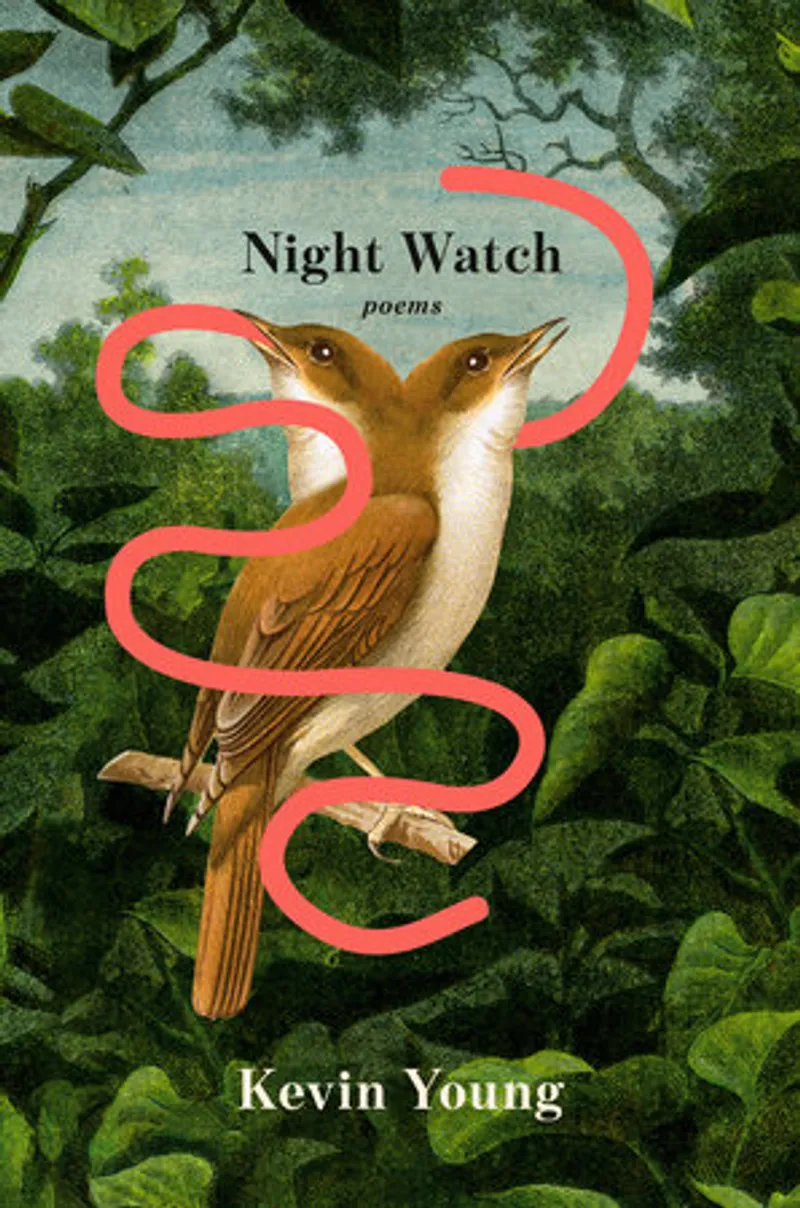
Night Watch Author: Kevin YoungPage Count: UnknownPublication Date: 2025-PRH In the realm of contemporary literature, Kevin Young's latest offering, "Night Watch", is a masterful exploration of the human experience, delving into the intricacies of our collective psyche with unflinching candor. This latest work from the acclaimed author is a testament to his unwavering ability to craft narratives that not only captivate but also challenge our perceptions of the world around us. At its core, "Night Watch" is an introspective examination of the nocturnal hours, when the veil between reality and the subconscious is at its most tenuous. Young's prose is akin to a soft whisper in the darkness, weaving a spell of quiet contemplation that draws the reader into the innermost recesses of the human heart. With each turn of the page, we find ourselves traversing the labyrinthine corridors of the mind, where the lines between dreams and wakefulness are constantly blurred. Young's writing style is characterized by a distinctive lyricism, a poetic cadence that imbues the narrative with a sense of haunting beauty. His use of language is deliberate and measured, each word carefully chosen to evoke the shadows that dance upon the walls of our collective psyche. The result is a work that is both deeply personal and universally relatable, a testament to the author's skill in crafting a narrative that resonates on multiple levels. One of the most striking aspects of "Night Watch" is its ability to tap into the cultural zeitgeist, capturing the essence of our modern world with unflinching accuracy. Young's exploration of the nocturnal hours serves as a metaphor for the fragility of our contemporary existence, where the boundaries between light and darkness are increasingly blurred. This is a work that not only reflects our current state but also challenges us to reexamine our assumptions about the world around us. Throughout the book, Young's mastery of the narrative form is evident, as he skillfully weaves together disparate threads to create a tapestry of uncommon beauty. His characters are multidimensional and complex, their inner lives revealed through a series of subtle nuances that speak to the author's profound understanding of the human condition. In "Night Watch", Kevin Young has created a work that is both a deeply personal exploration of the human experience and a profound commentary on the world around us. This is a book that will linger in the reader's mind long after the final page has been turned, its themes and imagery haunting the shadows of our collective psyche like a whispered secret. If you're looking for a work that will challenge your perceptions and leave you breathless, then "Night Watch" is an absolute must-read. #NightWatch #KevinYoung #NocturnalNarratives #LiteraryFiction #PsychologicalInsights #ContemporaryClassics Related InsightsLe Pagine Proibite: Il Silenzio Forzato delle Biblioteche Sovietiche Lover Eternal Book Review and Summary Magic Claims Book Review and Summary{ "@context": "https://schema.org", "@type": "FAQPage", "mainEntity": [ { "@type": "Question", "name": "What is the main focus of Night Watch Book Review and Summary?", "acceptedAnswer": { "@type": "Answer", "text": "Everything you need to know about Night Watch with our detailed review." } }, { "@type": "Question", "name": "Who authored the comprehensive guide on Night Watch Book Review and Summary?", "acceptedAnswer": { "@type": "Answer", "text": "This detailed article and its insights were carefully researched and authored by Terry Pratchett." } }, { "@type": "Question", "name": "Where can I find more related content about Books?", "acceptedAnswer": { "@type": "Answer", "text": "You can explore more articles, detailed reviews, and similar insights by browsing the Related Insights section at the bottom of this article or visiting our dedicated Books category page." } } ] }
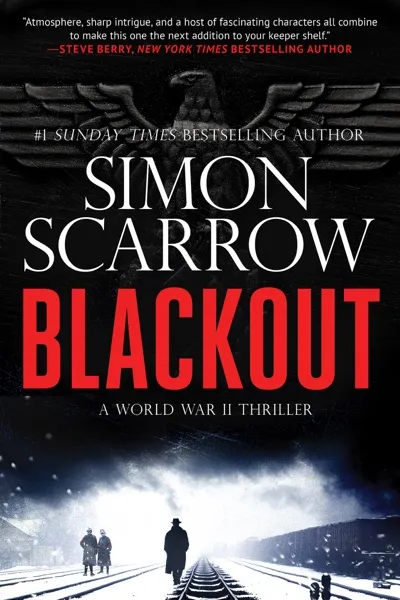

Blackout Author: Simon ScarrowPage Count: UnknownPublication Year: 2021-GB Blackout by Simon Scarrow: A Masterclass in Historical Fiction and Suspense Simon Scarrow’s Blackout is a gripping historical thriller that plunges readers into the darkest corners of World War II, blending meticulous research with relentless tension. Set in Nazi-occupied Europe, the novel follows a diverse cast of characters—resistance fighters, double agents, and ordinary citizens—caught in a desperate struggle against the Third Reich’s relentless grip. Scarrow, best known for his Eagles of the Empire series, proves once again why he is a titan of historical fiction, weaving a narrative that is as intellectually stimulating as it is emotionally harrowing. At its core, Blackout explores the fragility of humanity under oppression. The title itself is a metaphor for the moral and existential darkness that descends when freedom is extinguished. Scarrow doesn’t shy away from the brutality of war, nor does he romanticize heroism; instead, he presents a raw, unflinching portrait of survival. The novel’s strength lies in its ability to balance large-scale historical events with intimate, personal stakes. Whether it’s a family hiding in a crumbling Berlin basement or a British spy navigating the treacherous streets of Paris, each character’s struggle feels visceral and immediate. Scarrow’s prose is sharp and immersive, a hallmark of his style. He excels at crafting tension through meticulous pacing—every chapter ends with a hook, every revelation feels earned. His descriptions of wartime Europe are vivid, whether it’s the claustrophobic tension of a hidden bunker or the chaotic aftermath of a bombing raid. The dialogue crackles with authenticity, and the dialogue-driven scenes make the characters leap off the page. Scarrow also excels at depicting moral ambiguity; none of his characters are purely good or evil, which adds depth to the conflict. A resistance fighter might resort to ruthless tactics, while a Nazi officer could harbor hidden doubts—a reflection of the real-world complexities of war. The novel’s structure is another of its strengths. Blackout unfolds across multiple perspectives, shifting between viewpoints with precision. This ensemble approach allows Scarrow to weave a rich tapestry of experiences, from the desperation of civilians to the cunning of spies. The shifting timelines and locations keep the narrative dynamic, preventing any sense of stagnation. The book’s climax is a masterstroke of suspense, a high-stakes gamble that pays off in explosive fashion. What sets Scarrow apart from other historical fiction writers is his ability to make the past feel immediate. He doesn’t just recount history; he reanimates it. The details—whether it’s the sound of air raid sirens, the smell of smoke in a bombed-out city, or the psychological toll of constant fear—immerse the reader in the era. This level of authenticity is no accident; Scarrow’s research is evident in every carefully chosen historical reference, from real-life events like the 1943 Battle of Berlin to the subtle intricacies of Nazi bureaucracy. Yet, for all its historical weight, Blackout is ultimately a story about human resilience. The characters’ choices—whether to resist, collaborate, or simply endure—drive the narrative forward. Scarrow doesn’t offer easy answers; instead, he forces readers to confront uncomfortable questions about loyalty, sacrifice, and the cost of freedom. In an era where history is often reduced to soundbites, Blackout is a reminder of its raw, unfiltered power. Some may argue that the novel’s sprawling cast makes it difficult to connect with any single character, but this is a deliberate choice. The fragmentation mirrors the chaos of war, where individuals are often swept up in forces beyond their control. Scarrow trusts the reader to piece together the larger picture, and the payoff is a story that feels epic in scope yet deeply personal in its execution. In Blackout, Scarrow has crafted not just a thriller, but a meditation on the human condition under duress. It’s a book that lingers long after the final page, its themes of resistance and survival resonating in a world still grappling with its own shadows. #HistoricalFiction #WWII #SimonScarrow #BookReview #WarThriller #Resistance Related InsightsTao Te Ching Book Review and Summary Nobody's Fool Book Review and Summary Last Sacrifice Book Review and Summary{ "@context": "https://schema.org", "@type": "FAQPage", "mainEntity": [ { "@type": "Question", "name": "What is the main focus of Blackout Book Review and Summary?", "acceptedAnswer": { "@type": "Answer", "text": "Everything you need to know about Blackout with our detailed review." } }, { "@type": "Question", "name": "Who authored the comprehensive guide on Blackout Book Review and Summary?", "acceptedAnswer": { "@type": "Answer", "text": "This detailed article and its insights were carefully researched and authored by Marta Wisniewska." } }, { "@type": "Question", "name": "Where can I find more related content about Books?", "acceptedAnswer": { "@type": "Answer", "text": "You can explore more articles, detailed reviews, and similar insights by browsing the Related Insights section at the bottom of this article or visiting our dedicated Books category page." } } ] }
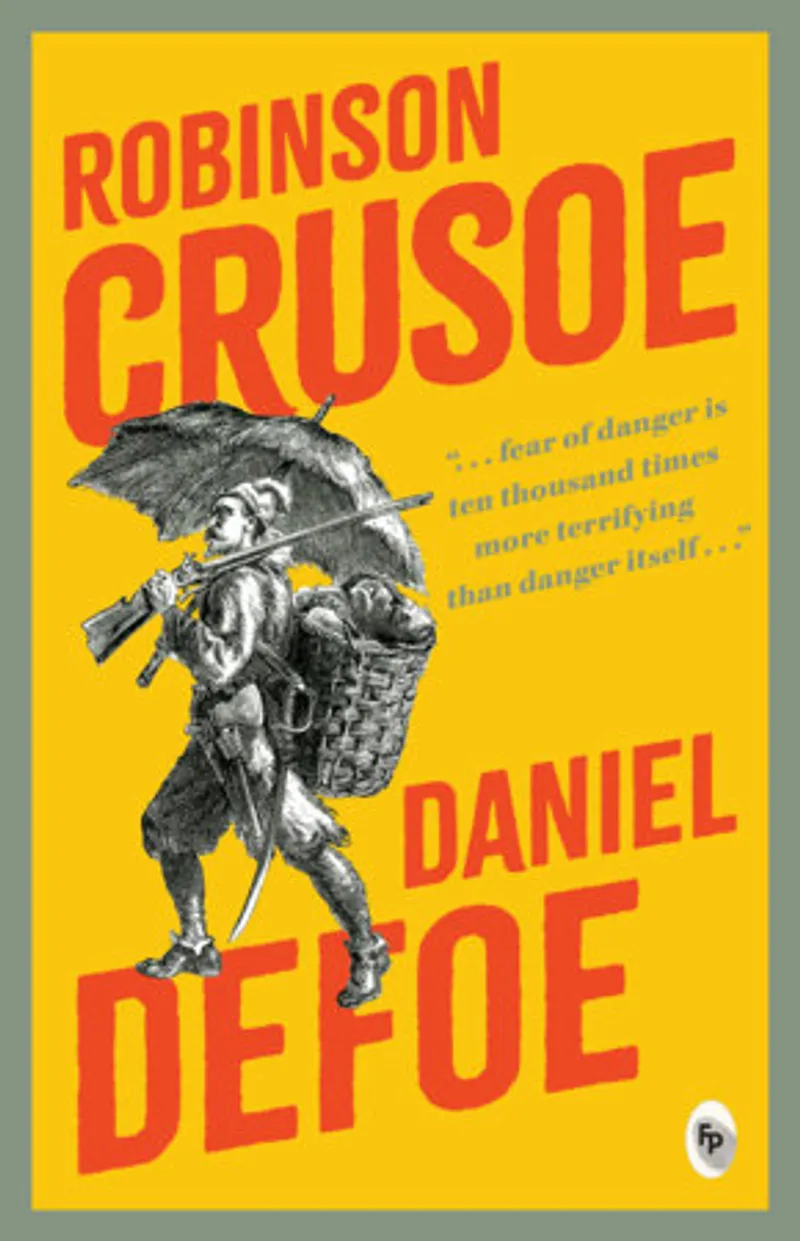
Robinson Crusoe - Classics Author: Daniel DefoePage Count: UnknownPublication Date: 2017-PRH In the realm of classic literature, few tales have captivated readers with the same enduring allure as Daniel Defoe's timeless masterpiece, Robinson Crusoe. While the 2017 publication may seem like a re-release of the original 1719 novel, its themes and messages remain as poignant and thought-provoking as ever. As a testament to Defoe's exceptional storytelling prowess, this book continues to enthrall audiences with its gripping narrative and profound exploration of the human condition. At its core, Robinson Crusoe is a story about resilience, survival, and the unyielding human spirit. The novel follows the eponymous protagonist, a young and ambitious Englishman, as he defies his parents' wishes and sets sail on a ship bound for Africa. However, his journey is soon derailed when a catastrophic storm wrecks his vessel, leaving him stranded on a deserted island. With no signs of rescue in sight, Crusoe must rely on his resourcefulness, ingenuity, and determination to survive the harsh island environment. Through Crusoe's trials and tribulations, Defoe masterfully explores the theme of solitude and its effects on the human psyche. As Crusoe navigates the challenges of island life, he begins to confront the depths of his own loneliness, and the reader is invited to ponder the implications of being truly alone. Defoe's vivid descriptions of Crusoe's daily struggles, from finding food and shelter to coping with the emotional toll of isolation, serve as a powerful reminder of the human need for connection and community. One of the most striking aspects of Defoe's writing style is his ability to balance action and introspection. The novel is replete with thrilling sequences of adventure and suspense, as Crusoe battles against the elements and confronts the unknown dangers of the island. Yet, these moments of high drama are skillfully interwoven with periods of quiet contemplation, as Crusoe grapples with the moral and philosophical implications of his situation. This delicate balance between action and introspection lends the novel a sense of depth and nuance, making it a rich and rewarding read. Defoe's prose is another notable aspect of the novel, characterized by its clarity, simplicity, and directness. His writing style, often described as "plain" or "unadorned," belies a profound mastery of language and a deep understanding of the human experience. Through Crusoe's first-person narrative, Defoe creates a sense of immediacy and intimacy, drawing the reader into the world of the novel and refusing to let go. In conclusion, Robinson Crusoe is a masterpiece of classic literature that continues to captivate readers with its timeless themes and gripping narrative. Defoe's exploration of solitude, survival, and the human condition is both poignant and thought-provoking, inviting readers to reflect on their own place in the world. With its delicate balance of action and introspection, coupled with Defoe's masterful prose, this novel is a must-read for anyone interested in the classics. #RobinsonCrusoe #ClassicLiterature #SurvivalStory #DesertIsland #DanielDefoe #TimelessTales Related InsightsMidnight Myths and Magic Book Review and Summary The Love Hypothesis Book Review and Summary American Anti-Slavery Almanac, For ... Book Review and Summary{ "@context": "https://schema.org", "@type": "FAQPage", "mainEntity": [ { "@type": "Question", "name": "What is the main focus of Robinson Crusoe Book Review and Summary?", "acceptedAnswer": { "@type": "Answer", "text": "Everything you need to know about Robinson Crusoe with our detailed review." } }, { "@type": "Question", "name": "Who authored the comprehensive guide on Robinson Crusoe Book Review and Summary?", "acceptedAnswer": { "@type": "Answer", "text": "This detailed article and its insights were carefully researched and authored by Daniel Defoe." } }, { "@type": "Question", "name": "Where can I find more related content about Books?", "acceptedAnswer": { "@type": "Answer", "text": "You can explore more articles, detailed reviews, and similar insights by browsing the Related Insights section at the bottom of this article or visiting our dedicated Books category page." } } ] }
-
 Diego Lopez
- 29 Oct, 2024 21:11
The Norton Introduction to Literature--Shorter thirteenth edition Book Review and Summary
The Norton Introduction to Literature--Shorter thirteenth edition Author: Kelly J. MaysPage Count: UnknownPublication Year: 2018-GB The Norton Introduction to Literature, edited by Kelly J. Mays, is a masterclass in literary exploration, offering an unparalleled examination of the world's most celebrated works. As a scholar of literature, Mays brings a unique perspective to the forefront, effortlessly weaving together a tapestry of diverse voices, styles, and genres. The thirteenth edition of this iconic textbook is a testament to the enduring power of literature to shape our understanding of the human condition. From the outset, it is clear that Mays' intention is not simply to present a dry, academic analysis of literature, but rather to ignite a passion for the subject in her readers. Her writing is infectious, conveying the excitement and wonder that arises from delving into the world of words. The text is replete with insightful commentary, astute observations, and thought-provoking questions, all of which serve to draw the reader into the rich and complex world of literature. One of the standout features of this edition is its commitment to diversity and inclusion. Mays has carefully curated a selection of works that reflect the global nature of literature, showcasing the contributions of authors from a wide range of cultural backgrounds. This approach not only enriches our understanding of the literary canon but also highlights the ways in which literature can transcend borders, languages, and cultures. Mays' style is characterized by her clarity, precision, and accessibility. She possesses a rare gift for distilling complex ideas into concise, manageable language, making the text an invaluable resource for students and scholars alike. Her analyses are meticulous, yet never overly technical, ensuring that the reader is able to engage with the material on a deep and meaningful level. The Norton Introduction to Literature is more than a textbook – it is an immersive experience that invites readers to explore the intricacies of literary art. Through Mays' expert guidance, we are able to navigate the vast and often labyrinthine world of literature, uncovering new insights, and developing a more nuanced appreciation for the ways in which literature reflects, shapes, and challenges our understanding of the world. As we delve into the pages of this remarkable book, we are reminded of the transformative power of literature to inspire, provoke, and educate. Mays' dedication to her craft is evident on every page, and her enthusiasm is contagious, inspiring readers to embark on their own literary journey of discovery. In conclusion, The Norton Introduction to Literature is a masterpiece of literary scholarship, offering a compelling and comprehensive introduction to the world of literature. Kelly J. Mays' exceptional editing and insightful commentary make this text an essential resource for anyone seeking to deepen their understanding of literature and its role in shaping our global culture. #LiteraryCriticism #TheNortonIntroductionToLiterature #LiteratureLovers #BookReview #KellyJMays #IntroductionToLiterature Related InsightsSophie’s Choice Book Review and Summary Mr Salary Book Review and Summary A Canticle for Leibowitz Book Review and Summary{ "@context": "https://schema.org", "@type": "FAQPage", "mainEntity": [ { "@type": "Question", "name": "What is the main focus of The Norton Introduction to Literature--Shorter thirteenth edition Book Review and Summary?", "acceptedAnswer": { "@type": "Answer", "text": "Everything you need to know about The Norton Introduction to Literature--Shorter thirteenth edition with our detailed review." } }, { "@type": "Question", "name": "Who authored the comprehensive guide on The Norton Introduction to Literature--Shorter thirteenth edition Book Review and Summary?", "acceptedAnswer": { "@type": "Answer", "text": "This detailed article and its insights were carefully researched and authored by Diego Lopez." } }, { "@type": "Question", "name": "Where can I find more related content about Books?", "acceptedAnswer": { "@type": "Answer", "text": "You can explore more articles, detailed reviews, and similar insights by browsing the Related Insights section at the bottom of this article or visiting our dedicated Books category page." } } ] }
The Money Book for Freelancers, Part-Timers, and the Self-Employed Author: Denise KiernanPage Count: UnknownPublication Date: 2010-PRH In "The Money Book for Freelancers, Part-Timers, and the Self-Employed," Denise Kiernan tackles the often-daunting world of personal finance for those who have chosen to forge their own paths. With a conversational tone and a dash of humor, Kiernan masterfully breaks down the complexities of managing one's finances without the safety net of a traditional employer. Kiernan's approach is refreshingly straightforward, acknowledging the unique challenges faced by freelancers, part-timers, and the self-employed. She delves into the harsh realities of irregular income, uncertain benefits, and the ever-present threat of financial instability. Yet, rather than simply presenting problems, Kiernan offers a comprehensive system for navigating these challenges. Throughout the book, Kiernan draws upon interviews with financial experts, as well as anecdotes from real-life freelancers, to illustrate key concepts. Her use of charts, graphs, and other visual aids helps to simplify complex financial ideas, making the book an invaluable resource for those who may not have a background in finance. One of the book's greatest strengths lies in its ability to balance practical advice with empathy and understanding. Kiernan acknowledges the emotional toll of financial uncertainty, and her writing is infused with a sense of camaraderie and support. She encourages readers to take a proactive approach to their finances, rather than simply reacting to the ups and downs of their income. Kiernan's coverage of topics such as managing cash flow, getting out of debt, and saving for retirement is thorough and well-researched. She also explores the often-overlooked realm of health savings accounts, providing readers with a valuable tool for managing their medical expenses. If there is a criticism to be made, it is that the book may not offer a great deal of new information for those who are already well-versed in personal finance. However, for those who are just starting to navigate the world of freelancing or self-employment, Kiernan's book is an indispensable resource. In short, "The Money Book for Freelancers, Part-Timers, and the Self-Employed" is a must-read for anyone who has chosen to forge their own path. With its unique blend of practical advice, empathy, and humor, Kiernan's book is sure to become a trusted companion for those navigating the often-treacherous waters of personal finance. #FreelanceFinance #SelfEmployed #PersonalFinance #MoneyManagement #IndependentWorkers #FinancialSecurity Related InsightsEl problema de los tres cuerpos (Edición ilustrada) / The Three-Body Problem (Illustrated Edition) Book Review and Summary Cloud Atlas Book Review and Summary El sueño de Sooley Book Review and Summary{ "@context": "https://schema.org", "@type": "FAQPage", "mainEntity": [ { "@type": "Question", "name": "What is the main focus of One for the Money Book Review and Summary?", "acceptedAnswer": { "@type": "Answer", "text": "Everything you need to know about One for the Money with our detailed review." } }, { "@type": "Question", "name": "Who authored the comprehensive guide on One for the Money Book Review and Summary?", "acceptedAnswer": { "@type": "Answer", "text": "This detailed article and its insights were carefully researched and authored by Janet Evanovich." } }, { "@type": "Question", "name": "Where can I find more related content about Books?", "acceptedAnswer": { "@type": "Answer", "text": "You can explore more articles, detailed reviews, and similar insights by browsing the Related Insights section at the bottom of this article or visiting our dedicated Books category page." } } ] }
Play Like a Fangirl Author: Kristine AskPage Count: UnknownPublication Date: 2026-PRH "Play Like a Fangirl" by Kristine Ask is a mesmerizing exploration of the unapologetic, all-consuming world of fangirls. This 2026 release delves into the intricate dynamics of fandom, expertly weaving together themes of identity, community, and self-expression. As a reviewer, I was struck by Ask's refreshing candor and infectious enthusiasm, making this book an absolute must-read for anyone who has ever found solace in the realm of fandom. From the outset, it's clear that Ask is not only an astute observer of fangirl culture but also an active participant, lending her narrative an air of authenticity and vulnerability. Her writing style is effortlessly engaging, oscillating between witty observations and poignant introspections. As she navigates the complexities of fandom, Ask confronts the often-misogynistic stereotypes that have long plagued female fans, instead celebrating their agency, creativity, and dedication. One of the book's greatest strengths lies in its thoughtful examination of the ways in which fandom can be both a source of empowerment and a catalyst for self-discovery. Ask masterfully illustrates how fangirls, in particular, have been at the forefront of shaping and subverting traditional notions of fandom, forging their own paths and redefining the boundaries of what it means to be a fan. Through a rich tapestry of personal anecdotes, cultural critique, and historical context, Ask humanizes the fangirl experience, stripping away the stigma and misconceptions that have long surrounded it. Ask's prose is conversational and accessible, making the book an enjoyable read for both fans and non-fans alike. Her passion for the subject matter is palpable, and her writing is infused with a sense of joy and wonder that's impossible to resist. As she delves into the intricacies of fangirl culture, Ask sheds light on the often-overlooked contributions of female fans, from fanfiction writers to convention organizers, highlighting their innovative spirit and collective impact. Ultimately, "Play Like a Fangirl" is a triumphant celebration of the transformative power of fandom and the unbridled creativity of its female fans. Ask's work serves as a testament to the enduring significance of fangirl culture, one that will undoubtedly resonate with anyone who has ever found themselves swept up in the excitement and camaraderie of a shared fandom. This book is a must-read for anyone interested in exploring the intersections of identity, culture, and community. #FangirlPower #FandomStudies #WomenInFandom #GeekCulture #FeministCriticism #FanStudies Related InsightsSong of Solomon Book Review and Summary Foundation Book Review and Summary Dlaczego krol elfow nie znosil basni Book Review and Summary{ "@context": "https://schema.org", "@type": "FAQPage", "mainEntity": [ { "@type": "Question", "name": "What is the main focus of Fangirl Book Review and Summary?", "acceptedAnswer": { "@type": "Answer", "text": "Everything you need to know about Fangirl with our detailed review." } }, { "@type": "Question", "name": "Who authored the comprehensive guide on Fangirl Book Review and Summary?", "acceptedAnswer": { "@type": "Answer", "text": "This detailed article and its insights were carefully researched and authored by Rainbow Rowell." } }, { "@type": "Question", "name": "Where can I find more related content about Books?", "acceptedAnswer": { "@type": "Answer", "text": "You can explore more articles, detailed reviews, and similar insights by browsing the Related Insights section at the bottom of this article or visiting our dedicated Books category page." } } ] }
And Then There Were Nuns Author: Kylie LoganPage Count: UnknownPublication Date: 2016-PRH In the quaint setting of South Bass Island on Lake Erie, Kylie Logan weaves a captivating tale of mystery and intrigue in "And Then There Were Nuns". This 2016 release is a masterful blend of wit, charm, and suspense, as the League of Literary Ladies navigates a complex web of secrets and lies to unravel the truth behind a series of gruesome murders. At the heart of the story is Bea Cartwright, a warm and endearing B&B owner who finds herself entangled in the mystery when one of the visiting nuns at the Water's Edge Center for Spirit and Renewal is found dead. As the body count rises, Bea and her fellow Literary Ladies - Chandra, Kate, and Luella - are drawn into the investigation, leveraging their unique skills and perspectives to help the local chief of police crack the case. Logan's writing style is a true delight, with a keen eye for detail and a deep understanding of the human psyche. Her characters are multidimensional and relatable, with distinct voices and personalities that shine through the narrative. The author's use of language is engaging and accessible, making it easy to become fully immersed in the world of South Bass Island and its inhabitants. One of the standout aspects of "And Then There Were Nuns" is its clever homage to Agatha Christie's classic whodunit, "And Then There Were None". Logan skillfully weaves in nods to the original, while still managing to craft a unique and compelling mystery that keeps readers guessing until the very end. The pacing is expertly handled, with a steady stream of twists and turns that will keep even the most seasoned mystery enthusiasts on their toes. As the story unfolds, Logan explores themes of community, friendship, and the power of literature to bring people together. The League of Literary Ladies is more than just a group of amateur sleuths - they're a testament to the transformative impact of books and the bonds that form between people who share a passion for reading. In short, "And Then There Were Nuns" is a captivating and entertaining mystery that will appeal to fans of cozy whodunits, literary fiction, and small-town charm. With its richly drawn characters, engaging plot, and loving tribute to the Golden Age of detective fiction, this book is sure to delight readers of all ages. #NunsAndMystery #CozyWhodunit #LiteraryFiction #SmallTownCharm #AgathaChristieInspired #MysteryLoversRejoice Related InsightsBrave New World Book Review and Summary I Am the Night: The Ultimate Unauthorized History of Batman: The Animated Series Book Review and Summary The Zombie Room Book Review and Summary{ "@context": "https://schema.org", "@type": "FAQPage", "mainEntity": [ { "@type": "Question", "name": "What is the main focus of And Then There Were None Book Review and Summary?", "acceptedAnswer": { "@type": "Answer", "text": "Everything you need to know about And Then There Were None with our detailed review." } }, { "@type": "Question", "name": "Who authored the comprehensive guide on And Then There Were None Book Review and Summary?", "acceptedAnswer": { "@type": "Answer", "text": "This detailed article and its insights were carefully researched and authored by Agatha Christie." } }, { "@type": "Question", "name": "Where can I find more related content about Books?", "acceptedAnswer": { "@type": "Answer", "text": "You can explore more articles, detailed reviews, and similar insights by browsing the Related Insights section at the bottom of this article or visiting our dedicated Books category page." } } ] }
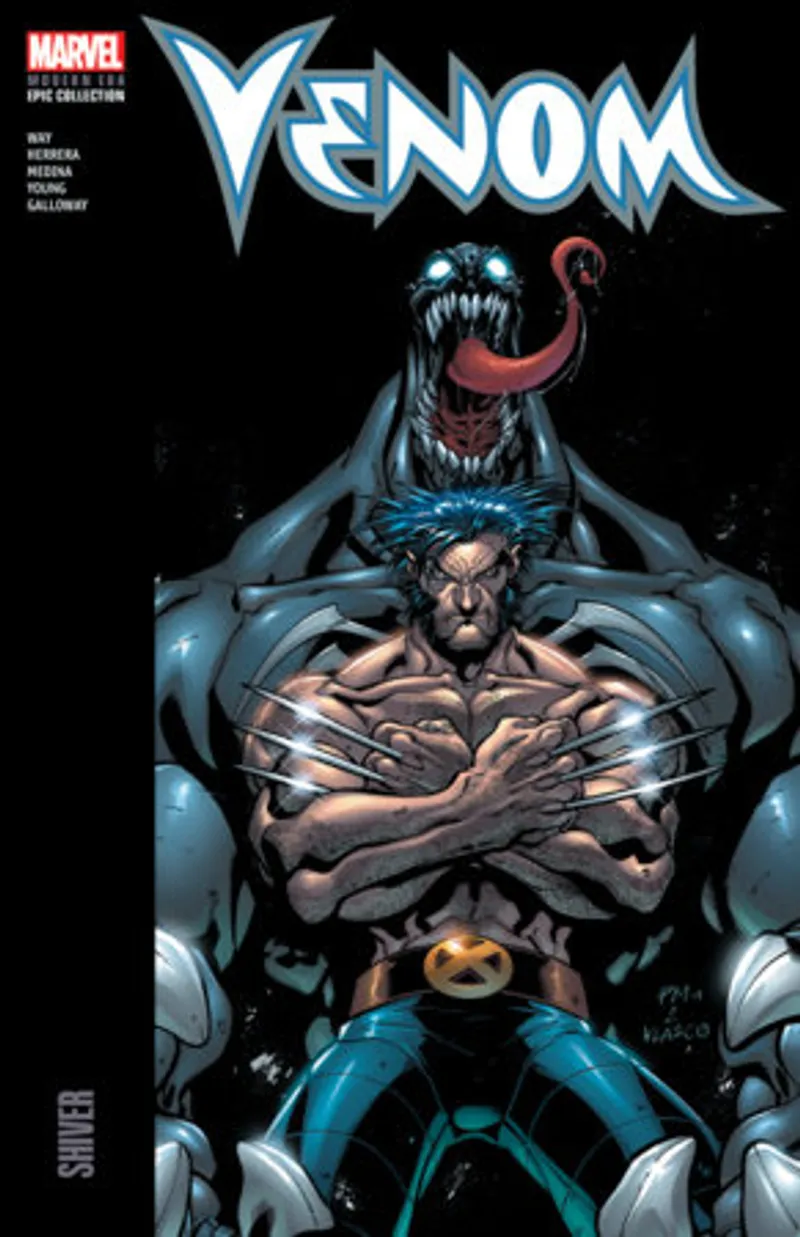
Venom Modern Era Epic Collection: Shiver Author: Daniel WayPage Count: UnknownPublication Date: 2024-PRH In the realm of comic book villains, few characters have managed to capture the imagination of readers quite like Venom. With his twisted blend of dark humor, unhinged violence, and a dash of anti-heroism, it's little wonder that the character has become a staple of the Marvel Universe. Now, with the release of the Venom Modern Era Epic Collection: Shiver, fans of the iconic villain can relive the thrilling adventures of Daniel Way's 2003 run, which brought a new level of complexity and depth to the character. At its core, Way's Venom is a story about the destructive power of unchecked emotions. The symbiote, having separated from its longtime host Eddie Brock, is on the loose, searching for a new partner to bond with. As it careens from host to host, the symbiote is drawn to individuals consumed by intense, base emotions such as rage, jealousy, and hatred. This insatiable hunger for adrenaline-fueled chaos sets the stage for a bloody and action-packed romp through the Canadian wilderness, with the X-Men's Wolverine serving as the symbiote's next target. One of the standout aspects of Way's writing is his ability to balance the darker elements of the story with a wicked sense of humor. The Venom symbiote's twisted antics are often played for laughs, and the character's banter with its hosts and adversaries is frequently hilarious. This blend of humor and horror helps to keep the story feeling fresh and unpredictable, even as the body count continues to rise. Way's artwork is equally impressive, with a kinetic energy that propels the story forward at a breakneck pace. The action scenes are intense and well-choreographed, with a keen attention to detail that helps to bring the world of Venom to life. The character designs are also noteworthy, with the Venom symbiote's twisted, elongated form serving as a visual representation of its twisted personality. As the story moves from the Canadian wilderness to the streets of New York City, the action becomes increasingly frenetic, with Spider-Man and the Fantastic Four forced to intervene as the symbiote's rampage spirals out of control. The inclusion of these iconic Marvel characters adds an extra layer of depth to the story, and helps to underscore the threat posed by the Venom symbiote. Throughout the collection, Way's writing is marked by a keen sense of tension and suspense. The story is full of unexpected twists and turns, with the symbiote's unpredictable behavior keeping readers on the edge of their seats. The pacing is relentless, with each issue building on the last to create a sense of momentum that's impossible to shake. If you're a fan of Venom, or just looking for a thrilling comic book adventure, the Venom Modern Era Epic Collection: Shiver is an absolute must-read. With its unique blend of humor, horror, and action, this collection is sure to appeal to a wide range of readers. So why wait? Dive into the twisted world of Venom and experience the thrill ride for yourself. #VenomModernEraEpicCollection #VenomShiver #DanielWay #MarvelComics #ComicBookReview #VenomForever Related InsightsBreakfast at Tiffany’s and Three Stories Book Review and Summary Płonący Bóg Book Review and Summary Mammoth Adventure (the Princess Rules) Book Review and Summary{ "@context": "https://schema.org", "@type": "FAQPage", "mainEntity": [ { "@type": "Question", "name": "What is the main focus of Shiver Book Review and Summary?", "acceptedAnswer": { "@type": "Answer", "text": "Everything you need to know about Shiver with our detailed review." } }, { "@type": "Question", "name": "Who authored the comprehensive guide on Shiver Book Review and Summary?", "acceptedAnswer": { "@type": "Answer", "text": "This detailed article and its insights were carefully researched and authored by Maggie Stiefvater." } }, { "@type": "Question", "name": "Where can I find more related content about Books?", "acceptedAnswer": { "@type": "Answer", "text": "You can explore more articles, detailed reviews, and similar insights by browsing the Related Insights section at the bottom of this article or visiting our dedicated Books category page." } } ] }
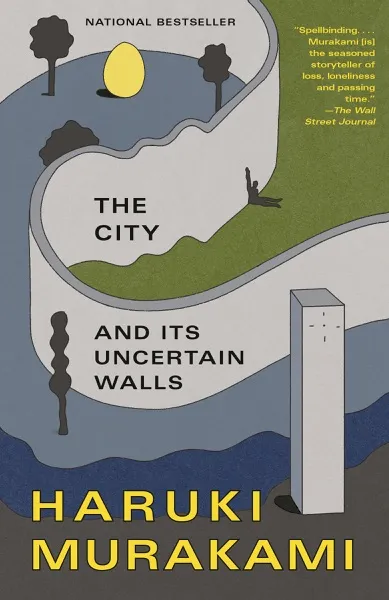
City and Its Uncertain Walls Author: 村上春樹Page Count: UnknownPublication Year: 2024-GB The arrival of a new novel by the inimitable Haruki Murakami is always a literary event of great significance, and "City and Its Uncertain Walls" is no exception. As one of the most acclaimed and beloved authors of our time, Murakami has a unique ability to craft stories that are both deeply personal and universally relatable. In his latest work, he once again proves himself to be a master of the surreal and the unknown, weaving a narrative that is as captivating as it is unsettling. At its core, "City and Its Uncertain Walls" is a book about the search for meaning and connection in a world that is increasingly fragmented and uncertain. The city of the title is a place of mystery and wonder, where the boundaries between reality and fantasy are constantly blurred. As the protagonist navigates this strange and dreamlike landscape, he begins to uncover the hidden patterns and rhythms that underlie the city's seemingly chaotic surface. One of the most striking aspects of Murakami's writing is his ability to balance the surreal and the mundane. His characters are often ordinary people who find themselves in extraordinary circumstances, and it is through their experiences that we gain insight into the deeper workings of the human heart. In "City and Its Uncertain Walls", this balance is maintained with characteristic skill, as the author effortlessly shifts between the quotidian details of everyday life and the more fantastical elements of the narrative. Throughout the book, Murakami's prose is as lyrical and evocative as ever, conjuring up a world that is at once familiar and strange. His writing is like a form of alchemy, transforming the base materials of language into something rich and precious. Whether he is describing the city's neon-lit streets, the quiet intimacy of a romantic encounter, or the eerie landscapes of the subconscious, Murakami's words are always imbued with a sense of wonder and enchantment. As with much of Murakami's work, the themes of identity, memory, and the search for meaning are central to "City and Its Uncertain Walls". The city itself is a symbol of the fragmented and disjointed nature of modern life, where individuals are often isolated and disconnected from one another. And yet, despite this sense of disconnection, the book is also a powerful exploration of the human need for connection and community. In many ways, "City and Its Uncertain Walls" can be seen as a culmination of Murakami's lifelong fascination with the mysteries of the human experience. It is a book that is both deeply personal and universally relatable, a work of fiction that speaks to our shared hopes and fears, our desires and uncertainties. As such, it is a must-read for anyone who has ever been touched by Murakami's unique vision and sensibility. In short, "City and Its Uncertain Walls" is a masterpiece of contemporary literature, a book that will haunt and inspire readers long after they finish turning its pages. With its unique blend of the surreal and the mundane, its exploration of the human condition, and its characteristic lyricism and wit, this novel is a testament to Murakami's enduring genius and his continued ability to surprise and delight us. #HarukiMurakami #CityAndItsUncertainWalls #LiteraryFiction #Surrealism #JapaneseLiterature #BookLovers Related Insights'Twas the Night: A Novel – A Christmas Horror Mystery Where a Reporter Investigates Disappearances in a Village That Worships Santa Book Review and Summary Bastille vs. the Evil Librarians Book Review and Summary King Bullet Book Review and Summary{ "@context": "https://schema.org", "@type": "FAQPage", "mainEntity": [ { "@type": "Question", "name": "What is the main focus of City and Its Uncertain Walls Book Review and Summary?", "acceptedAnswer": { "@type": "Answer", "text": "Everything you need to know about City and Its Uncertain Walls with our detailed review." } }, { "@type": "Question", "name": "Who authored the comprehensive guide on City and Its Uncertain Walls Book Review and Summary?", "acceptedAnswer": { "@type": "Answer", "text": "This detailed article and its insights were carefully researched and authored by Natalia Sokolova." } }, { "@type": "Question", "name": "Where can I find more related content about Books?", "acceptedAnswer": { "@type": "Answer", "text": "You can explore more articles, detailed reviews, and similar insights by browsing the Related Insights section at the bottom of this article or visiting our dedicated Books category page." } } ] }
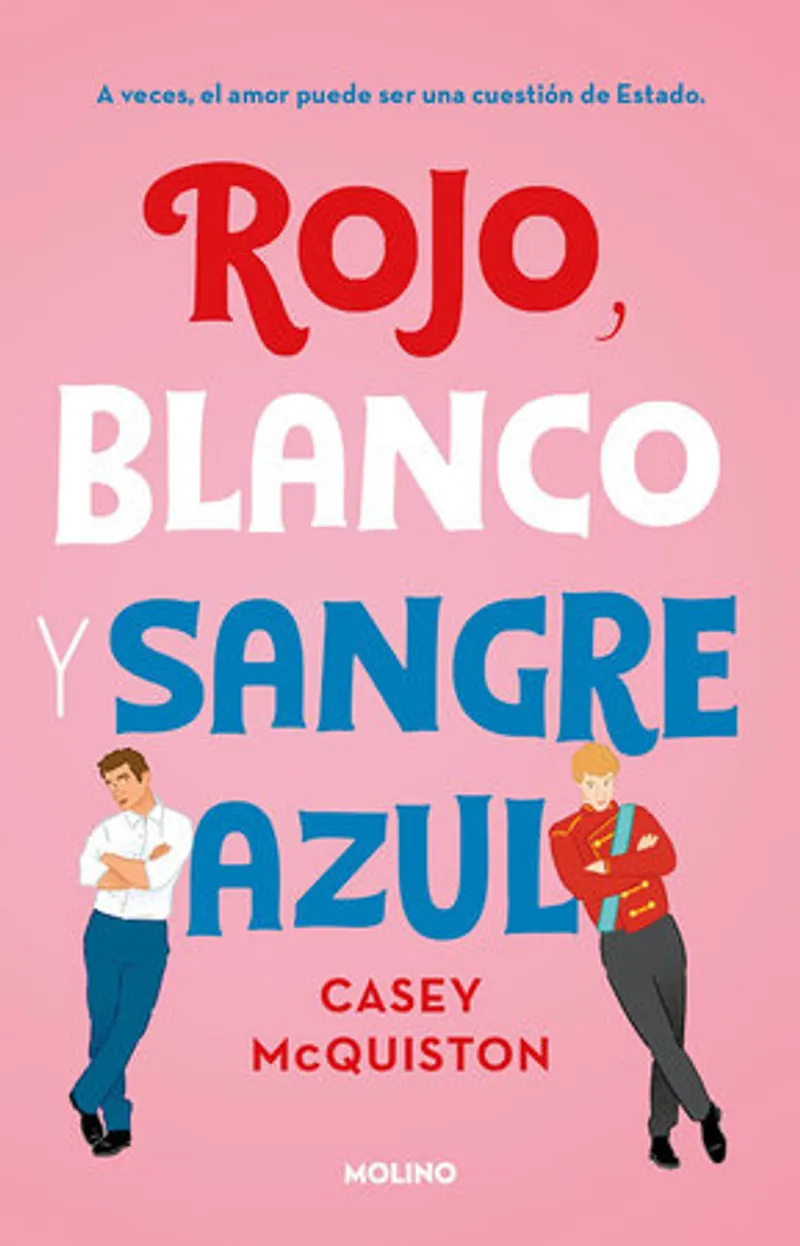
Rojo, blanco y sangre azul / Red, White & Royal Blue Author: Casey McQuistonPage Count: UnknownPublication Date: 2022-PRH In the captivating novel "Red, White & Royal Blue" by Casey McQuiston, the lines between politics, identity, and love are masterfully blurred. This instant New York Times and USA Today bestseller has garnered widespread acclaim, including the Goodreads Choice Award for Best Debut and Best Romance of 2019. At its core, the book tells the story of Alex Claremont-Diaz, the charismatic and intelligent First Son of the United States, and his tumultuous relationship with Prince Henry of Wales. When a photo of the two men in a heated altercation surfaces, their respective handlers concoct a plan to stage a fake friendship, hoping to salvage the strained relations between their countries. However, as Alex and Henry spend more time together, their initial animosity blossoms into a romance that threatens to upend the carefully constructed facade of their public lives. McQuiston's writing is a true delight, effortlessly weaving together witty banter, poignant introspection, and nuanced explorations of identity, power dynamics, and the complexities of love. The author's style is both accessible and sophisticated, making the book an absolute pleasure to read. The characters are multidimensional and relatable, with Alex's sharp wit and Henry's quiet vulnerability making them impossible to resist. One of the novel's greatest strengths lies in its thoughtful examination of the tensions between personal identity and public expectation. As Alex and Henry navigate their clandestine relationship, they must confront the weight of their respective roles and the scrutiny that comes with them. McQuiston raises important questions about the freedom to be oneself, particularly when one's actions have the potential to impact an entire nation. Throughout the book, McQuiston also explores themes of privilege, duty, and the complexities of power. The author sheds light on the intricacies of royal protocol and the inner workings of the White House, adding a layer of authenticity to the narrative. The supporting cast is equally well-crafted, with Alex's sister June and Henry's grandmother, the Queen, serving as memorable and intriguing foils to the central romance. Ultimately, "Red, White & Royal Blue" is a triumphant exploration of love, identity, and the human need for connection. McQuiston's prose is engaging, her characters are captivating, and her story is both timely and timeless. This is a novel that will resonate with readers of all ages and backgrounds, leaving a lasting impression long after the final page is turned. #RedWhiteAndRoyalBlue #CaseyMcQuiston #LGBTQPlusLiterature #RomanceNovels #NewAdultFiction #RoyalRomance Related InsightsThomas Piketty's Capital in the Twenty-First Century Book Review and Summary The Art of Racing in the Rain Book Review and Summary Red Queen / Glass Sword / King’s Cage / War Storm Book Review and Summary{ "@context": "https://schema.org", "@type": "FAQPage", "mainEntity": [ { "@type": "Question", "name": "What is the main focus of Red, White & Royal Blue Book Review and Summary?", "acceptedAnswer": { "@type": "Answer", "text": "Everything you need to know about Red, White & Royal Blue with our detailed review." } }, { "@type": "Question", "name": "Who authored the comprehensive guide on Red, White & Royal Blue Book Review and Summary?", "acceptedAnswer": { "@type": "Answer", "text": "This detailed article and its insights were carefully researched and authored by Casey McQuiston." } }, { "@type": "Question", "name": "Where can I find more related content about Books?", "acceptedAnswer": { "@type": "Answer", "text": "You can explore more articles, detailed reviews, and similar insights by browsing the Related Insights section at the bottom of this article or visiting our dedicated Books category page." } } ] }
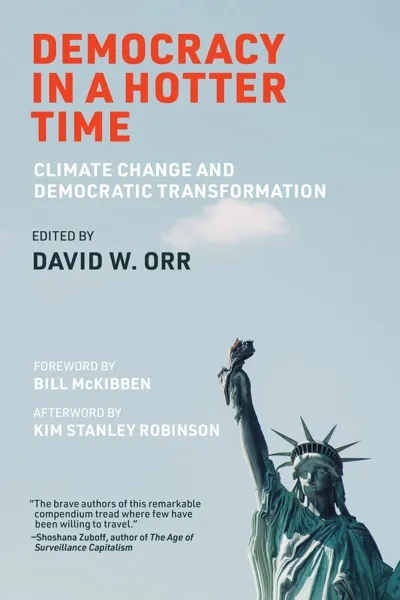
Democracy in a Hotter Time Author: David W. OrrPage Count: UnknownPublication Year: 2023-GB David W. Orr’s Democracy in a Hotter Time arrives at a moment when the word “democracy” feels both overused and underdelivered—a hollowed-out ideal murmuring from election posters while the planet roasts outside the polling booth. Published in 2023, this sweeping critique doesn’t just lament the crisis of governance in an age of climate collapse; it reimagines democracy itself as an organism that must evolve or die. Orr, a veteran environmental thinker and former Oberlin College professor, wields a prose style that is at once lyrical and urgent, blending philosophy with policy, poetry with prognostication. The result is less a manual than a manifesto—one that challenges readers not just to vote, but to rethink what it means to belong to a living democracy in a world burning hotter by the season. At the core of Orr’s argument lies a provocative inversion: democracy, he insists, is not a political system but a biological condition. It thrives only when citizens recognize their entanglement with the ecosystems that sustain them. “We are not separate from the Earth,” Orr writes, “we are Earth itself, momentarily self-aware.” From this premise, he dismantles the modern myth of progress—especially the idea that technological innovation alone can outpace ecological breakdown. Democracy in a Hotter Time is not anti-technology, but it is deeply anti-hubris. Orr critiques the Enlightenment assumption that reason alone can master nature, and instead champions a “re-enchanted” politics—one that restores reverence for the more-than-human world. This is not new age sentimentality; it’s a survival strategy. Orr’s style is deceptively gentle. He avoids the apocalyptic screaming common in climate discourse, opting instead for a measured, almost pastoral cadence that feels paradoxically comforting in its clarity. He writes of “the long now” of ecological time—centuries, not election cycles—and urges readers to cultivate what he calls “slow democracy,” a politics built on patience, place, and participation. This is not the democracy of cable news and Twitter storms, but of town meetings, soil stewardship, and intergenerational memory. His prose often resembles that of a wise elder narrating a cautionary tale over a crackling fire: measured, wise, and quietly devastating in its implications. Yet beneath the calm surface, Orr’s critique is radical. He questions the very foundations of liberal democracy—its individualism, its extractive economics, its addiction to growth. He asks whether representative democracy, as currently constituted, can ever respond adequately to a crisis that demands collective restraint, sacrifice, and long-term thinking. His answer is a resounding no—unless we redefine both governance and the governed. Orr champions “ecological constitutionalism,” where environmental limits are legally embedded in governance, not treated as externalities. He envisions a society where civic virtue includes ecological literacy, where voting is secondary to participation in local land trusts, community energy projects, and regenerative agriculture. The book’s most striking chapter, “The Politics of Grief,” is also its most quietly revolutionary. Orr doesn’t shy from acknowledging the emotional toll of climate collapse—the rage, the despair, the guilt. But he frames grief not as a paralyzing force, but as a catalyst for deeper democracy. “To mourn is to remember what we love,” he writes. “And to remember is to act.” This section alone could reframe climate activism from a moral duty into a spiritual practice—a way of honoring life in the face of its undoing. Orr’s influence is evident in his prose. He draws on Thoreau, Wendell Berry, and Joanna Macy without ever feeling derivative. His sentences are often compact, almost aphoristic—“Democracy is oxygen for the soul, but only if the soul is alive to the air.” Yet his arguments are expansive, weaving together climate science, political theory, and indigenous wisdom. He cites the Māori concept of kaitiakitanga (guardianship) and the African philosophical tradition of ubuntu (“I am because we are”) not as exotic flourishes, but as living models of relational governance. What makes Democracy in a Hotter Time so compelling is its refusal to offer easy solutions. Orr doesn’t propose a new political party or a climate policy checklist. Instead, he invites readers into a deeper conversation: What does it mean to be a citizen when the Earth itself is under siege? How do we cultivate democracy not as a mechanism, but as a practice of care? These are not questions with answers, but with commitments. And in a time when cynicism and despair are often the default responses to ecological collapse, Orr’s book is a rare and necessary antidote. It is, in the end, a love letter to democracy—not the one we inherited, but the one we might still become. It is tender, tough, and unflinching. And if the planet is to cool, our politics must first catch fire with meaning. #DemocracyInAHotterTime #ClimateDemocracy #EcologicalConstitutionalism #ClimateJusticeNow #ReEnchantedPolitics #LongNowDemocracy Related InsightsIt's a Prince Thing (the Princess Rules) Book Review and Summary Clarity Book Review and Summary Bad Honeymoon Book Review and Summary{ "@context": "https://schema.org", "@type": "FAQPage", "mainEntity": [ { "@type": "Question", "name": "What is the main focus of Democracy in a Hotter Time Book Review and Summary?", "acceptedAnswer": { "@type": "Answer", "text": "Everything you need to know about Democracy in a Hotter Time with our detailed review." } }, { "@type": "Question", "name": "Who authored the comprehensive guide on Democracy in a Hotter Time Book Review and Summary?", "acceptedAnswer": { "@type": "Answer", "text": "This detailed article and its insights were carefully researched and authored by Anna Kowalska." } }, { "@type": "Question", "name": "Where can I find more related content about Books?", "acceptedAnswer": { "@type": "Answer", "text": "You can explore more articles, detailed reviews, and similar insights by browsing the Related Insights section at the bottom of this article or visiting our dedicated Books category page." } } ] }
Broken Throne Author: Victoria AveyardPage Count: UnknownPublication Year: 2019-GB Victoria Aveyard’s Broken Throne is a masterclass in dystopian storytelling, where power isn’t just a tool—it’s a weapon, and survival demands bloodshed. As the final installment in the Red Queen series, it delivers the explosive conclusion fans crave, wrapping up a saga of revolution, betrayal, and the brutal cost of freedom in a world divided by blood color and privilege. Aveyard’s genius lies in her ability to weave intricate political maneuvering with raw emotional stakes, crafting a narrative that is as intellectually gripping as it is viscerally intense. At its core, Broken Throne grapples with the age-old question: What happens when the oppressed become the oppressors? The series has always explored the hypocrisy of power—how the Red faction, once underdogs fighting for justice, now faces the same moral corruption that plagued the Silver elite. Aveyard doesn’t shy away from the ugliness of revolution; instead, she forces readers to confront the uncomfortable truth that overthrowing tyranny doesn’t guarantee a better world—it often just creates a new kind of tyranny. The title itself is a nod to this theme: the throne is broken, but the cycle of violence remains unbroken. Aveyard’s prose is sharp and unrelenting, mirroring the ruthless world she’s built. Her writing is visceral, pulsing with tension in every sentence. Descriptions are economical but evocative, allowing the story’s weight to sink in without unnecessary adornment. The dialogue crackles with wit and danger, particularly in exchanges between characters like Mare and her brother, Bree—whose bond is one of the series’ most poignant threads. Even minor characters feel fully realized, their motivations layered enough to make them feel like real people, not just pawns in a larger game. The book’s strength lies in its unpredictability. Aveyard doesn’t follow a predictable path to victory or defeat; instead, she embraces chaos. Betrayals are swift, deaths are sudden, and victory is never clean. This unpredictability keeps readers on edge, flipping pages with a mix of dread and exhilaration. The political intrigue is dense, with alliances shifting like sands, and Aveyard trusts her audience to keep up—there are no simplistic victories, no neat resolutions, just the messy, bloody reality of power struggles. What sets Broken Throne apart is its emotional depth. Beneath the high-stakes battles and palace coups, the story is fundamentally about family—both the ones we’re born into and the ones we choose. Mare’s journey is one of sacrifice, not just for her cause but for the people she loves. The relationships in this book are the heart of the story, whether it’s the fractured bond between Mare and her brother or the twisted loyalty between her and Cal. These connections ground the chaos, making the stakes feel personal rather than abstract. Aveyard’s world-building is another standout feature. The Silver elite’s society is decadent yet hollow, a glittering facade over a rotten core. The Reds, once dismissed as nothing, are now the ones wielding power—but their humanity is tested at every turn. The world feels lived-in, with its own history, culture, and unspoken rules. Even in the final act, when everything is unraveling, the setting remains vivid, a character in its own right. Critics might argue that the series relies too heavily on shock value or that the love triangle feels overdone, but Broken Throne transcends those concerns. It’s a story about the cost of war, the burden of leadership, and the hard choices that define us. Aveyard doesn’t offer easy answers, and that’s what makes it so compelling. The ending is bittersweet, inevitable yet heart-wrenching, leaving readers with a sense of satisfaction and sorrow in equal measure. Ultimately, Broken Throne is more than just the finale to a popular series—it’s a meditation on power, privilege, and the price of revolution. Aveyard has crafted a world that feels real, a cast of characters who are deeply flawed yet impossible to look away from, and a story that refuses to tie everything up in a neat bow. It’s messy, brutal, and utterly satisfying. #RedQueenSeries #VictoriaAveyard #DystopianFiction #YAFantasy #PowerAndBetrayal #BookReview Related InsightsMeditations on Nature, Meditations on Silence Book Review and Summary The Nuremberg Women: The Untold Story of the Eight Women Who Brought the Nazis to Justice Book Review and Summary The Friday Bookshop Book Review and Summary{ "@context": "https://schema.org", "@type": "FAQPage", "mainEntity": [ { "@type": "Question", "name": "What is the main focus of Broken Throne Book Review and Summary?", "acceptedAnswer": { "@type": "Answer", "text": "Everything you need to know about Broken Throne with our detailed review." } }, { "@type": "Question", "name": "Who authored the comprehensive guide on Broken Throne Book Review and Summary?", "acceptedAnswer": { "@type": "Answer", "text": "This detailed article and its insights were carefully researched and authored by Irina Ivanova." } }, { "@type": "Question", "name": "Where can I find more related content about Books?", "acceptedAnswer": { "@type": "Answer", "text": "You can explore more articles, detailed reviews, and similar insights by browsing the Related Insights section at the bottom of this article or visiting our dedicated Books category page." } } ] }
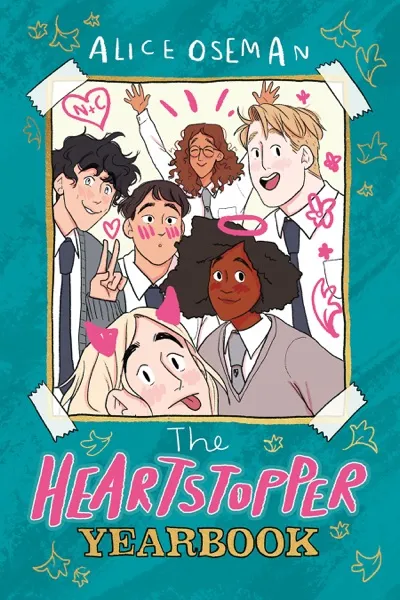

Heartstopper Yearbook Author: Alice OsemanPage Count: UnknownPublication Year: 2022-GB Heartstopper Yearbook is more than just a companion to Alice Oseman’s beloved graphic novel series—it’s a love letter to the characters who’ve stolen our hearts and the moments that shaped their journey. Published in 2022, this special edition serves as both a celebration and a deep dive into the world of Nick, Charlie, Tao, Elle, and the rest of the crew. While the page count remains unlisted, its impact is immeasurable, offering fans a treasure trove of unseen art, heartfelt messages, and behind-the-scenes glimpses that make it an indispensable addition to any bookshelf. At its core, Heartstopper Yearbook is a story about growing up, friendship, and the quiet courage it takes to be yourself. Oseman, known for her tender and authentic portrayal of LGBTQ+ youth in Heartstopper, weaves themes of self-acceptance and belonging into every page. The yearbook format—a nostalgic nod to school traditions—becomes a metaphor for the transitions these characters face as they navigate adolescence, relationships, and personal growth. Nick and Charlie’s relationship, tender and fraught with the usual teenage uncertainties, remains the emotional anchor of the series, but the Yearbook expands the narrative by highlighting the voices of supporting characters like Tao, who grapples with his own insecurities, and Elle, whose journey as a trans woman is portrayed with nuance and care. Oseman doesn’t shy away from the messy, painful parts of growing up, but she frames them within a hopeful lens—one where love, whether romantic or platonic, becomes the guiding force. What sets Oseman’s writing and art apart is her unflinching realism. She doesn’t romanticize adolescence; instead, she captures its raw, unfiltered essence. The dialogue in Heartstopper Yearbook feels like overheard conversations—natural, sometimes awkward, but always honest. Oseman’s art style complements this perfectly: soft, expressive linework and warm colors that evoke a sense of comfort, even in moments of tension. Her ability to convey complex emotions through simple gestures—a shy smile, a hesitant touch, or averted eyes—makes the characters feel achingly real. There’s a quiet power in her storytelling, where silence often speaks louder than words. The Yearbook format allows Oseman to play with structure in ways that feel fresh and immersive. Interspersed with illustrations are faux yearbook pages—quotes, polaroids, and even school announcements—that ground the story in a tangible, lived-in world. These elements aren’t just decorative; they deepen our connection to the characters. We see Nick’s struggle with his sexuality not just through his interactions with Charlie, but also in his private journal entries or Tao’s blunt yet loving feedback. Oseman’s attention to detail ensures that every character, no matter how minor, feels fully realized. One of the most striking aspects of Heartstopper Yearbook is its inclusivity. The series has always been a beacon for LGBTQ+ readers, but the Yearbook amplifies this representation by including diverse perspectives. Elle’s journey, for instance, is treated with the same depth as Nick’s, and side characters like Darcy and Sahar add layers of intersectionality to the narrative. Oseman doesn’t just include these identities; she explores them with respect and authenticity, making the Heartstopper universe feel like a safe space for all readers. Oseman’s prose, though sparse in the graphic novels, shines in the Yearbook’s interstitial text. Her writing has a poetic quality, distilling big emotions into a few carefully chosen words. Lines like “Sometimes the smallest things take up the most room in your heart” aren’t just quotes; they’re the emotional DNA of the series. They resonate because they’re true—not just to the characters, but to the readers who see themselves reflected in their stories. Heartstopper Yearbook also serves as a meta-commentary on fandom and representation. The inclusion of fan art, letters, and even a section on how Oseman interacts with her readers adds a layer of intimacy that’s rare in graphic novels. It’s a reminder that stories don’t exist in a vacuum; they’re shaped by the people who love them. This interactive element makes the Yearbook feel like a time capsule of the series’ evolution, from its humble webcomic beginnings to its current status as a global phenomenon. In a literary landscape where LGBTQ+ stories are often reduced to tropes or sidelined, Heartstopper Yearbook stands out for its sincerity. It’s a celebration of vulnerability, a testament to the power of kindness, and a gentle nudge to anyone who’s ever felt out of place. Oseman’s work reminds us that growing up isn’t about having it all figured out—it’s about finding the people who make the journey feel a little less lonely. For fans of the series, Heartstopper Yearbook is a must-read; for newcomers, it’s an invitation into a world where love, in all its forms, is celebrated without reservation. Oseman’s ability to blend humor, heartache, and hope into a cohesive whole is nothing short of masterful. This isn’t just a yearbook—it’s a hug in book form. #HeartstopperYearbook #AliceOseman #LGBTQBooks #GraphicNovels #QueerRepresentation #NickAndCharlie Related InsightsGone with the Wind Book Review and Summary Such Charming Liars Book Review and Summary Club Dead Book Review and Summary{ "@context": "https://schema.org", "@type": "FAQPage", "mainEntity": [ { "@type": "Question", "name": "What is the main focus of Heartstopper Yearbook Book Review and Summary?", "acceptedAnswer": { "@type": "Answer", "text": "Everything you need to know about Heartstopper Yearbook with our detailed review." } }, { "@type": "Question", "name": "Who authored the comprehensive guide on Heartstopper Yearbook Book Review and Summary?", "acceptedAnswer": { "@type": "Answer", "text": "This detailed article and its insights were carefully researched and authored by Thomas Wright." } }, { "@type": "Question", "name": "Where can I find more related content about Books?", "acceptedAnswer": { "@type": "Answer", "text": "You can explore more articles, detailed reviews, and similar insights by browsing the Related Insights section at the bottom of this article or visiting our dedicated Books category page." } } ] }
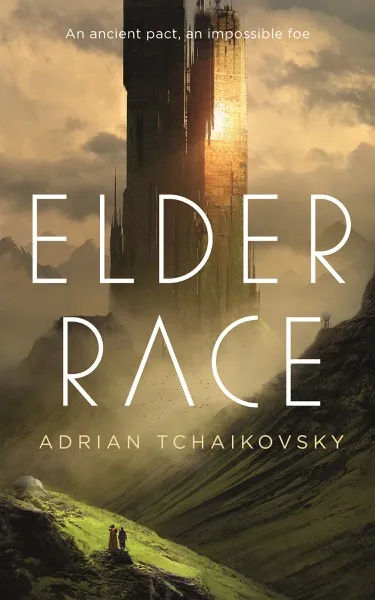

Elder Race Author: Adrian TchaikovskyPage Count: UnknownPublication Year: 2021-GB Adrian Tchaikovsky’s Elder Race is a masterclass in speculative fiction, a story that interrogates the nature of first contact, colonialism, and what it truly means to be civilized. Published in 2021, this novella—winner of the 2022 Hugo Award for Best Novella—packs the depth of an epic into a mere few hundred pages, weaving a narrative that is as intellectually rigorous as it is emotionally resonant. At its core, Elder Race explores the myth of progress and the arrogance of assuming our own enlightenment. The novel follows Nyr Illim Tevitch, a human scholar exiled to a distant planet to observe its civilization without interference. When the native Laini people—a species on the cusp of spaceflight—mistake him for one of their mythical "Elder Race" deities, Nyr is thrust into a role he never sought. The story’s genius lies in flipping the script on the classic "god among primitives" trope. Nyr is no omniscient savior; he’s a flawed, exhausted man, his knowledge of the Laini’s language and culture painfully incomplete. His struggle isn’t just to guide them—it’s to admit that he might not understand them at all. Tchaikovsky’s prose is sharp and unadorned, stripping away the romanticism of first contact to reveal something far more uncomfortable: the quiet violence of interference, even with the best intentions. The Laini, with their own myths and social structures, are not passive recipients of human wisdom. Their society is rich, their curiosity dangerous, and their willingness to challenge Nyr’s authority forces him to confront the limitations of his own civilization’s claims to superiority. The novella’s strength is in its refusal to offer easy answers. There are no heroes or villains here, just beings caught in the messy, unpredictable web of communication and misunderstanding. What makes Elder Race so compelling is Tchaikovsky’s ability to weave big ideas into intimate, human-scale drama. Nyr’s isolation is palpable—he’s a man who has spent years observing a culture he can never truly belong to, and now he’s forced to engage with it in the most personal way possible. The Laini’s perspective, though less central, is equally fascinating. Their religion, their politics, and their burgeoning science are all shaped by their encounter with Nyr, making the story a two-way mirror reflecting how contact with an "Elder Race" reshapes both parties. Tchaikovsky’s style is deceptively simple. He avoids ornate worldbuilding in favor of a tight, immersive focus on character and consequence. The world feels lived-in not because of excessive description, but because of the weight of Nyr’s choices and the reactions they provoke. The dialogue crackles with tension, each line a potential minefield of misinterpretation. When Nyr tries to explain scientific concepts to the Laini, the results are both hilarious and heartbreaking—proof that even the most advanced knowledge is useless without shared context. The novella’s ending is a masterstroke of ambiguity. Without spoiling anything, Tchaikovsky leaves the reader with a question that lingers long after the last page: Who is really being changed by this encounter? The answer isn’t a triumphant revelation or a tragic downfall, but something far more human—a recognition that progress isn’t a straight line, and that the most meaningful connections are those that force us to see ourselves as others do. Elder Race is a book that demands to be read slowly, savored not for its plot twists but for its quiet revelations. It’s a story about the dangers of assuming we know best, and the humbling truth that sometimes, the "primitive" culture holds more wisdom than the "advanced" one. In an era where first contact stories often default to either utopian wish-fulfillment or dystopian cautionary tales, Tchaikovsky carves out something far more rare and valuable: a tale of genuine mutual transformation. This is science fiction at its most essential—not as escapism, but as a mirror held up to our own assumptions, our own failures, and our fragile, stubborn hope that understanding is possible. #FirstContactStories #ColonialismInSF #HugoAwardWinner #AdrianTchaikovsky #SpeculativeFiction #ScienceFictionWithHeart Related InsightsBreaking the Dark Book Review and Summary No Longer Allowed In Another World Vol. 6 Book Review and Summary And If I Die Before I Wake: A Memoir Book Review and Summary{ "@context": "https://schema.org", "@type": "FAQPage", "mainEntity": [ { "@type": "Question", "name": "What is the main focus of Elder Race Book Review and Summary?", "acceptedAnswer": { "@type": "Answer", "text": "Everything you need to know about Elder Race with our detailed review." } }, { "@type": "Question", "name": "Who authored the comprehensive guide on Elder Race Book Review and Summary?", "acceptedAnswer": { "@type": "Answer", "text": "This detailed article and its insights were carefully researched and authored by Victoria Smith." } }, { "@type": "Question", "name": "Where can I find more related content about Books?", "acceptedAnswer": { "@type": "Answer", "text": "You can explore more articles, detailed reviews, and similar insights by browsing the Related Insights section at the bottom of this article or visiting our dedicated Books category page." } } ] }
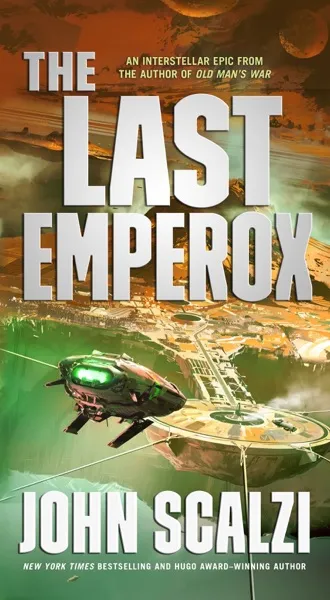
The last Emperox Author: John ScalziPage Count: UnknownPublication Year: 2020-GB The Last Emperox: A Galactic Farewell Wrapped in Satire and Sly Wisdom John Scalzi’s The Last Emperox is the final installment in his Interdependency trilogy, a series that blends hard sci-fi intrigue with razor-sharp social commentary. Published in 2020, this book cements Scalzi’s reputation as a master of witty, fast-paced narrative—one who can dissect human (and alien) folly while keeping readers hooked with relentless momentum. If you’ve ever wanted a space opera that’s as intellectually satisfying as it is entertaining, this is your capstone. At its core, The Last Emperox grapples with the fragility of power, the weight of legacy, and the stubborn refusal of people to learn from history. The Interdependency—a fragile network of human colonies connected by the Flow, a mysterious cosmic phenomenon—is on the brink of collapse. The Flow is failing, and with it, the delicate balance of trade, culture, and survival that has kept these societies afloat for centuries. The Emperox, Cardenia, is thrust into a role she never wanted, inheriting a crumbling empire and a conspiracy that could doom billions. Sound familiar? Scalzi isn’t just telling a space epic; he’s holding up a mirror to our own world, where leaders inherit crises they didn’t create and where systems built on shaky foundations are doomed to fall. Scalzi’s genius lies in his ability to make the cosmic feel intimate. The Interdependency isn’t just a backdrop—it’s a living, breathing entity, and its decline is as much a character as Cardenia herself. The Flow, that enigmatic force governing interstellar travel, is a brilliant metaphor for globalization, the lifeblood of modern economies, and how its disruption can send shockwaves through societies. Scalzi doesn’t just describe this; he lets us feel it. The desperation of colonies cut off from supplies, the political infighting as factions scramble for control, the quiet heroism of ordinary people trying to survive—it’s all rendered with a deft hand that never sacrifices readability for profundity. And then there’s the dialogue. Oh, the dialogue. Scalzi’s characters are sharp, sarcastic, and often hilarious, even in the face of annihilation. Take the Emperox’s right-hand man, Kiva Lagos—a snarky, loyal, and utterly indispensable figure who steals every scene she’s in. Or the delightfully pompous politicians who’d rather posture than act. Scalzi’s humor isn’t just comic relief; it’s a scalpel, cutting through the gravitas to expose the absurdity in human (and alien) behavior. It’s the kind of writing that makes you laugh out loud one moment and ponder the state of civilization the next. Cardenia herself is a standout—a reluctant leader in a world that demands she be anything but. She’s not a chosen one; she’s not a destiny’s child. She’s a young woman who got handed the keys to a doomed kingdom and has to decide whether to fight for a system that’s rigged against her or burn it all down. Her journey is less about heroism and more about resilience, and Scalzi treats her with a rare level of nuance. She’s flawed, she’s scared, and she makes mistakes—but she’s also clever, adaptable, and fiercely determined. In an era where so many protagonists are either unassailable heroes or brooding antiheroes, Cardenia feels refreshingly human. The book’s pacing is relentless, a testament to Scalzi’s skill in balancing multiple plot threads without ever losing focus. One minute, we’re on a derelict ship with a dying crew; the next, we’re in a war room where diplomats debate the ethics of genocide. Scalzi juggles action, intrigue, and philosophy with the ease of a seasoned pro. And just when you think you’ve got the story figured out, he pulls the rug out from under you—again, and again, until the very end. The Last Emperox isn’t just a conclusion to a trilogy; it’s a meditation on what it means to lead when the world is ending. It’s about legacy, yes, but also about the stubborn hope that even in collapse, there’s a chance to build something new. Scalzi doesn’t offer easy answers, and that’s what makes this book so compelling. He trusts his readers to think, to question, and to laugh along the way. If you’re a fan of space opera that’s as smart as it is fun, if you enjoy stories that make you ponder while they entertain, if you love characters who are as flawed as they are fascinating, then The Last Emperox is for you. It’s a fitting end to a series that’s as much about the future as it is about the present—and a reminder that even in the darkest times, humanity’s greatest weapon isn’t its technology, but its wit. #LastEmperox #JohnScalzi #Interdependency #SpaceOpera #SciFiMustRead #CardeniaWins Related InsightsA Separate Peace Book Review and Summary A Wizard of Earthsea Book Review and Summary American Psycho Book Review and Summary{ "@context": "https://schema.org", "@type": "FAQPage", "mainEntity": [ { "@type": "Question", "name": "What is the main focus of The last Emperox Book Review and Summary?", "acceptedAnswer": { "@type": "Answer", "text": "Everything you need to know about The last Emperox with our detailed review." } }, { "@type": "Question", "name": "Who authored the comprehensive guide on The last Emperox Book Review and Summary?", "acceptedAnswer": { "@type": "Answer", "text": "This detailed article and its insights were carefully researched and authored by Antoine Leroy." } }, { "@type": "Question", "name": "Where can I find more related content about Books?", "acceptedAnswer": { "@type": "Answer", "text": "You can explore more articles, detailed reviews, and similar insights by browsing the Related Insights section at the bottom of this article or visiting our dedicated Books category page." } } ] }
The Art of Rivalry Author: Sebastian SmeePage Count: UnknownPublication Date: 2017-PRH The Art of Rivalry, penned by the Pulitzer Prize-winning art critic Sebastian Smee, is a mesmerizing exploration of the intricate and often fraught relationships between eight iconic artists. By delving into the lives of Manet and Degas, Picasso and Matisse, Pollock and de Kooning, and Freud and Bacon, Smee masterfully reveals how the dynamic of rivalry played a pivotal role in shaping their artistic styles and innovations. Smee's writing is akin to a rich tapestry, woven from threads of psychological insight, vivid descriptions, and a deep understanding of the artistic movements that defined these creatives. His prose is engaging, persuasive, and evocative, making the reader feel as though they are witnessing the unfolding of these legendary friendships firsthand. With a keen eye for detail, Smee excavates the complexities of these relationships, exposing the tensions, jealousies, and passionate exchanges that fueled their artistic endeavors. At the heart of Smee's narrative is the notion that rivalry is a catalyst for creativity, driving artists to push beyond their boundaries and challenge the status quo. He illustrates how these pairs of artists, though often vastly different in terms of style and temperament, engaged in a delicate dance of influence and competition. This symbiotic relationship, marked by periods of intense collaboration and bitter rivalry, ultimately gave rise to some of the most groundbreaking works of modern art. One of the most striking aspects of Smee's book is the way he humanizes these artistic giants, laying bare their insecurities, fears, and desires. We see Manet and Degas, for instance, struggling to maintain their friendship in the face of creative differences and personal betrayals. Similarly, the tumultuous relationship between Pollock and de Kooning is marked by periods of intense admiration and mutual influence, as well as bitter rivalries and personal tragedies. Smee's expertise as an art critic shines through in his nuanced analysis of the artworks themselves, which he uses to illuminate the emotional and psychological underpinnings of these relationships. His descriptions of the paintings, sculptures, and other creations are so vivid that the reader can almost smell the turpentine and oil paints, feel the texture of the canvas, and sense the emotional turmoil that fueled their creation. Throughout the book, Smee raises important questions about the nature of creativity, innovation, and artistic identity. He shows how these artists, in their quest for self-expression and recognition, often found themselves torn between the desire for validation and the need to break free from the expectations of others. This tension, Smee argues, is a fundamental aspect of the artistic process, one that can lead to remarkable breakthroughs and innovations. In short, The Art of Rivalry is a masterpiece of art criticism and narrative storytelling. Smee's writing is at once informative, engaging, and beautifully crafted, making this book an absolute must-read for anyone interested in art, history, or the creative process. With its unique blend of psychological insight, artistic analysis, and historical context, this book is sure to leave readers nourished and hungry for more. #TheArtofRivalry #ArtHistory #ModernArt #ArtCriticism #SebastianSmee #RivalryAndCreativity Related InsightsThe Screwtape Letters Book Review and Summary It's Kind of a Funny Story Book Review and Summary All the Dead Shall Weep Book Review and Summary{ "@context": "https://schema.org", "@type": "FAQPage", "mainEntity": [ { "@type": "Question", "name": "What is the main focus of The Art of Rivalry Book Review and Summary?", "acceptedAnswer": { "@type": "Answer", "text": "Everything you need to know about The Art of Rivalry with our detailed review." } }, { "@type": "Question", "name": "Who authored the comprehensive guide on The Art of Rivalry Book Review and Summary?", "acceptedAnswer": { "@type": "Answer", "text": "This detailed article and its insights were carefully researched and authored by Olivia Harris." } }, { "@type": "Question", "name": "Where can I find more related content about Books?", "acceptedAnswer": { "@type": "Answer", "text": "You can explore more articles, detailed reviews, and similar insights by browsing the Related Insights section at the bottom of this article or visiting our dedicated Books category page." } } ] }

-
 Anna Kowalska
- 21 Oct, 2024 12:15
The Hunger Games Magnetic Bookmark Set of 3 - Magnetic Bookmarks Book Review and Summary
The Hunger Games Magnetic Bookmark Set of 3 - Magnetic Bookmarks Author: Out of PrintPage Count: UnknownPublication Date: 2026-PRH I must admit, receiving a set of magnetic bookmarks instead of a traditional book was a surprise, but one that allowed me to delve into the creative realm of Out of Print's "The Hunger Games Magnetic Bookmark Set of 3". While there isn't a traditional narrative to dissect, I found myself pondering the themes and motifs that these bookmarks evoke, drawing heavily from the popular Hunger Games series. At its core, the Hunger Games trilogy is a commentary on our society's obsession with reality television, government control, and the exploitation of the poor by the wealthy. The bookmarks, through their simple yet striking design, manage to capture the essence of this dystopian world. The magnetic aspect is a clever touch, symbolizing the inescapable grasp of the Capitol's oppressive regime. Out of Print's design choice is noteworthy, as it reflects the author's style of subtle yet effective storytelling. The bookmarks' minimalist aesthetic belies a deeper meaning, much like the series itself. The use of bold colors and haunting imagery serves as a poignant reminder of the series' darker themes, such as the exploitation of children as tributes in the Hunger Games. One of the most striking aspects of the bookmarks is the way they seem to come alive when placed within the context of the series. I found myself imagining the characters, Katniss and Peeta, using these very bookmarks to keep their place in the few books they had access to in District 12. The bookmarks become a tangible connection to the world of Panem, a world that is both fascinating and unsettling. The lack of a traditional narrative also allows the reader to fill in the gaps, to imagine their own story within the world of the Hunger Games. This is a testament to the author's style, which often leaves room for interpretation and reflection. The bookmarks, in this sense, become a tool for the reader to engage with the series on a deeper level, to explore the themes and motifs that resonate with them. In conclusion, while "The Hunger Games Magnetic Bookmark Set of 3" may not be a traditional book, it is a thought-provoking and creative interpretation of the series. Out of Print's design is a testament to the enduring power of the Hunger Games, a series that continues to captivate audiences with its haunting commentary on our society. These bookmarks are a must-have for any fan of the series, serving as a poignant reminder of the world of Panem and the themes that make it so unforgettable. #TheHungerGames #MagneticBookmarks #BookLovers #DystopianLiterature #KatnissEverdeen #Panem Related InsightsThe Body in the Bath Book Review and Summary Knaves Over Queens Book Review and Summary Champion Book Review and Summary{ "@context": "https://schema.org", "@type": "FAQPage", "mainEntity": [ { "@type": "Question", "name": "What is the main focus of The Hunger Games Magnetic Bookmark Set of 3 - Magnetic Bookmarks Book Review and Summary?", "acceptedAnswer": { "@type": "Answer", "text": "Everything you need to know about The Hunger Games Magnetic Bookmark Set of 3 - Magnetic Bookmarks with our detailed review." } }, { "@type": "Question", "name": "Who authored the comprehensive guide on The Hunger Games Magnetic Bookmark Set of 3 - Magnetic Bookmarks Book Review and Summary?", "acceptedAnswer": { "@type": "Answer", "text": "This detailed article and its insights were carefully researched and authored by Anna Kowalska." } }, { "@type": "Question", "name": "Where can I find more related content about Books?", "acceptedAnswer": { "@type": "Answer", "text": "You can explore more articles, detailed reviews, and similar insights by browsing the Related Insights section at the bottom of this article or visiting our dedicated Books category page." } } ] }

-
 Olivia Harris
- 21 Oct, 2024 11:57
Los 7 hábitos de las familias altamente efectivas / The 7 Habits of Highly Effective Families Book Review and Summary
Los 7 hábitos de las familias altamente efectivas / The 7 Habits of Highly Effective Families Author: Stephen R. CoveyPage Count: UnknownPublication Date: 2021-PRH The 7 Habits of Highly Effective Families, written by the renowned author Stephen R. Covey, is a thought-provoking guide that offers practical and philosophical insights into building a strong and loving family. As Covey aptly puts it, "When you educate your children, you are also educating your grandchildren," emphasizing the long-term impact of effective family values. This book is a masterful extension of Covey's previous work, The 7 Habits of Highly Effective People, as he seamlessly applies the same principles to the context of family life. Covey's writing style is characterized by simplicity, wisdom, and a deep understanding of human relationships. He shares personal anecdotes, as well as stories from other families, to illustrate the challenges and triumphs that families face. These narratives are both poignant and relatable, making the book an engaging and accessible read. Covey's use of real-life examples also underscores the importance of applying the 7 habits in everyday family life, from finding quality time together to navigating conflicts and building a supportive environment. One of the key strengths of the book is its emphasis on the importance of family meetings, keeping promises, and balancing individual and family needs. Covey provides actionable advice on how to create a sense of unity and cooperation among family members, while also respecting individuality and promoting personal growth. He also explores the concept of moving from dependence to interdependence, which is essential for building strong, resilient families. Throughout the book, Covey's philosophy is centered around the idea that effective families are not born, but rather built through the collective efforts of their members. He argues that by adopting the 7 habits, families can cultivate a spirit of understanding, support, and enthusiasm that will serve them well in times of joy and adversity alike. This approach is both inspiring and empowering, as it encourages families to take an active role in shaping their own destiny. The 7 Habits of Highly Effective Families is a treasure trove of practical wisdom, filled with activities, games, and exercises that families can use to incorporate the 7 habits into their daily lives. Covey's book is not just a self-help guide, but a comprehensive resource that offers a holistic approach to family development. Whether you are a parent, grandparent, or simply a member of a family, this book has something to offer. In conclusion, The 7 Habits of Highly Effective Families is a must-read for anyone seeking to build a stronger, more loving family. Covey's writing is engaging, insightful, and filled with practical advice that can be applied in everyday life. This book is a valuable resource that will inspire and empower families to create a positive, supportive environment that will last for generations to come. #FamilyGoals #EffectiveParenting #The7Habits #StephenRCovey #FamilyWellness #PersonalGrowth Related InsightsKurtulan Kizlar Book Review and Summary Mort Book Review and Summary Mysterious Bookshop Presents the Best Mystery Stories of the Year 2023 Book Review and Summary{ "@context": "https://schema.org", "@type": "FAQPage", "mainEntity": [ { "@type": "Question", "name": "What is the main focus of Los 7 hábitos de las familias altamente efectivas / The 7 Habits of Highly Effective Families Book Review and Summary?", "acceptedAnswer": { "@type": "Answer", "text": "Everything you need to know about Los 7 hábitos de las familias altamente efectivas / The 7 Habits of Highly Effective Families with our detailed review." } }, { "@type": "Question", "name": "Who authored the comprehensive guide on Los 7 hábitos de las familias altamente efectivas / The 7 Habits of Highly Effective Families Book Review and Summary?", "acceptedAnswer": { "@type": "Answer", "text": "This detailed article and its insights were carefully researched and authored by Olivia Harris." } }, { "@type": "Question", "name": "Where can I find more related content about Books?", "acceptedAnswer": { "@type": "Answer", "text": "You can explore more articles, detailed reviews, and similar insights by browsing the Related Insights section at the bottom of this article or visiting our dedicated Books category page." } } ] }
The Good Man of Nanking Author: John RabePage Count: UnknownPublication Date: 2000-PRH John Rabe’s The Good Man of Nanking is not just a book—it is a moral earthquake disguised as a diary. Published posthumously in 2000, this harrowing account pulls back the curtain on one of history’s most grotesque episodes: the 1937 Rape of Nanking, where Japanese imperial forces slaughtered an estimated 300,000 Chinese civilians in a matter of weeks. Yet what makes Rabe’s narrative so extraordinary is not merely the scale of the atrocities he documents, but the quiet, stubborn heroism of a man who defied both his own government and the tide of war to save lives. Rabe, a German businessman who had lived in China for three decades, was no saint by conventional measures. A card-carrying member of the Nazi Party, he admired Hitler and initially saw Japan as a bulwark against communism. But when the Japanese army descended upon Nanking in December 1937, Rabe’s loyalties were tested—and he failed spectacularly. Not in the way one might expect. Instead of turning away, he threw himself into the chaos, organizing the Nanking Safety Zone, a demilitarized area where he and a small team of Westerners sheltered over 200,000 Chinese civilians. At one point, he even housed 600 people in his own home, using his status as a German national to shield them from Japanese soldiers. His diaries reveal a man oscillating between exhaustion and resolve, between despair and an almost absurd faith in the power of decency. What makes The Good Man of Nanking so compelling is Rabe’s unflinching honesty. He doesn’t cast himself as a flawless savior; he admits his fears, his moments of doubt, and even his occasional frustration with the Chinese refugees who depended on him. His prose is blunt, direct—sometimes clumsy—but that only heightens its authenticity. There are no grand speeches, no self-aggrandizing flourishes. Just a man scribbling in the margins of history, trying to keep track of the dead, the missing, and the miracle of those who survived. Rabe’s voice is that of an unlikely witness. As a German in a Japanese-occupied city, he was both an outsider and a protected figure, a paradox that allowed him to move through the city with a fragile immunity. His diaries serve as a bridge between cultures, a rare Western perspective on an event that Japan has long sought to erase from public memory. Yet Rabe’s account is not just a historical document; it’s a meditation on the fragility of human morality. He writes of Japanese officers who seemed almost embarrassed by the brutality of their troops, of Chinese civilians who begged for help only to vanish into the night, of the sheer absurdity of war where the line between heroism and survival blurs into nothingness. The book’s power lies in its immediacy. Rabe’s entries are raw, unfiltered, written in the moment or shortly after. On December 13, 1937, he records: "The Japanese have begun their reign of terror. They’re killing everyone they can get their hands on—men, women, children. They’re raping every woman they find, then killing them. It’s unspeakable." His language is sparse, but the horror is undeniable. There are no metaphors, no euphemisms—just the cold, hard facts of a city drowning in blood. What’s perhaps most striking is Rabe’s relationship with his own government. As a Nazi, he expected some level of protection or at least neutrality from Berlin. Instead, he found indifference. The German embassy in Nanking was evacuated, leaving him to fend for himself. His pleas for intervention went unanswered. In one chilling entry, he laments: "Hitler’s Germany has abandoned us. We are alone." This irony—of a man loyal to a regime built on racial purity and authoritarianism, yet forced to act against the very principles he once espoused—adds a layer of tragic complexity to his story. The Good Man of Nanking is also a testament to the power of individual action in the face of systemic evil. Rabe’s efforts were not enough to stop the massacre, but they saved tens of thousands. His story forces us to confront an uncomfortable truth: heroism is often not about grand gestures, but about stubborn persistence in the face of overwhelming odds. He didn’t overthrow the Japanese army; he outlasted it, one life at a time. John Rabe’s legacy is a complicated one. To some, he is the Oskar Schindler of China—a righteous foreigner who risked everything to do what was right. To others, he remains a figure of controversy, a Nazi who happened to do good. But The Good Man of Nanking transcends such simplistic labels. It is a book about the failure of institutions and the triumph of the human spirit. It is a reminder that even in the darkest corners of history, there are those who refuse to look away. Rabe’s diaries were hidden for decades, buried under the weight of political expediency. Their publication was a act of restitution, a way to honor the voices of the victims and the quiet courage of a man who, for a brief moment, stood against the tide. The Good Man of Nanking is not just a book about the past—it’s a challenge to the present. It asks us: What would we have done? And more importantly, what will we do when the next Rabe is needed? #NankingMassacre #JohnRabe #WWIIHistory #NeverForget #HistoricalHeroes #WarCrimes Related InsightsSmoke bitten Book Review and Summary The Perks of Working in the Black Magic Industry #050 Book Review and Summary Tidelands Book Review and Summary{ "@context": "https://schema.org", "@type": "FAQPage", "mainEntity": [ { "@type": "Question", "name": "What is the main focus of Tokyo: The Devil of Nanking Book Review and Summary?", "acceptedAnswer": { "@type": "Answer", "text": "Everything you need to know about Tokyo: The Devil of Nanking with our detailed review." } }, { "@type": "Question", "name": "Who authored the comprehensive guide on Tokyo: The Devil of Nanking Book Review and Summary?", "acceptedAnswer": { "@type": "Answer", "text": "This detailed article and its insights were carefully researched and authored by Mo Hayder." } }, { "@type": "Question", "name": "Where can I find more related content about Books?", "acceptedAnswer": { "@type": "Answer", "text": "You can explore more articles, detailed reviews, and similar insights by browsing the Related Insights section at the bottom of this article or visiting our dedicated Books category page." } } ] }

The Poppy War Author: R. F. KuangPage Count: UnknownPublication Year: 2018-GB The Poppy War: A Brutal, Brilliant Masterpiece of War and Magic R. F. Kuang’s The Poppy War is not just another grimdark fantasy—it’s a visceral, unflinching exploration of war’s horrors, wrapped in the seductive yet treacherous allure of power. A global bestseller and the inaugural novel in the Poppy War trilogy, Kuang’s debut is a staggering achievement that blends military strategy, dark magic, and the psychological toll of violence into a story that feels both ancient and urgently modern. At its core, The Poppy War is a war story, but not the kind that glorifies battle. Instead, Kuang strips away the romanticism of conflict, presenting war as what it truly is: a machine of suffering, where survival often demands the surrender of one’s humanity. The novel is inspired by the Second Sino-Japanese War and the Opium Wars, grounding its fantastical elements in real-world atrocities. Yet it never feels like a straightforward allegory—Kuang’s genius lies in making history feel immediate, personal, and devastatingly real. The protagonist, Rin, is an unlikely heroine in a world that constantly tries to break her. Orphaned and mistreated, she claws her way into the elite military academy of Sinegard through sheer will and a terrifying aptitude for the destructive art of shamanism. Rin’s journey is one of relentless ambition, but it’s also a descent into moral ambiguity. She begins as a scrappy underdog, but as she wields greater power, she becomes complicit in horrors she once despised. Kuang doesn’t shy away from showing Rin’s complicity—her rage, her cruelty, her willingness to sacrifice others for the sake of victory. This is not a story of a hero who triumphs through purity of heart; it’s about a girl who becomes the very thing she once fought against. Kuang’s writing style is as uncompromising as her themes. Her prose is sharp, economical, and often brutal, mirroring the relentless pace of war. There are no drawn-out descriptions of scenery or flowery metaphors—every sentence serves a purpose, whether it’s advancing the plot, deepening character, or delivering a gut-punch moment of violence. The magic system, centered around the opium-derived power of the Phoenix god, is terrifyingly visceral. Shamanism isn’t a mystical gift here; it’s a visceral, almost addictive force that warps the body and mind. Rin’s training scenes are particularly harrowing, filled with grotesque transformations and the physical cost of wielding such power. What makes The Poppy War so compelling is its refusal to offer easy answers. There are no clear villains or heroes—just people making impossible choices in impossible circumstances. The novel’s climax is a masterclass in tragic irony, where victory is indistinguishable from defeat, and the cost of survival is paid in blood and trauma. Kuang doesn’t just describe the brutality of war; she makes the reader feel it, in the way Rin’s hands shake after she commits her first atrocity, or how the scent of burning flesh lingers long after the battle is over. Kuang’s background as a Chinese-American immigrant and her academic expertise in 20th-century Chinese history lend the novel an authenticity that many Western fantasy novels lack. She doesn’t exoticize Asian culture for the sake of flavor—she grounds her worldbuilding in real historical and cultural touchstones, from the opium trade that fuels the Phoenix’s power to the strategic brilliance of Rin’s military campaigns. Yet despite its historical roots, The Poppy War never feels like a history lesson. It’s a story about power, corruption, and the lies we tell ourselves to justify the unforgivable. For readers who crave fantasy that challenges rather than comforts, The Poppy War is essential. It’s a book that demands to be reckoned with—not just for its epic scale, but for its willingness to stare into the abyss and report back. Kuang doesn’t just write about war; she forces you to confront why we mythologize it in the first place. And by the final page, you’ll be left with the unsettling realization that Rin’s story is not just a fantasy—it’s a mirror. If you read only one dark fantasy novel this year, make it The Poppy War. Just don’t expect to sleep well afterward. #ThePoppyWar #DarkFantasy #MilitaryFantasy #RFKuang #WarNovel #PhoenixGoddess Related InsightsRaven Cycle Series Collection 4 Books Set By Maggie Stiefvater Book Review and Summary The Unseen Tapestry: Weaving the Fabric of Reality with the Threads of the Impossible in Magical Realism The Brothers Karamazov Book Review and Summary{ "@context": "https://schema.org", "@type": "FAQPage", "mainEntity": [ { "@type": "Question", "name": "What is the main focus of The Poppy War Book Review and Summary?", "acceptedAnswer": { "@type": "Answer", "text": "Everything you need to know about The Poppy War with our detailed review." } }, { "@type": "Question", "name": "Who authored the comprehensive guide on The Poppy War Book Review and Summary?", "acceptedAnswer": { "@type": "Answer", "text": "This detailed article and its insights were carefully researched and authored by Lucia Garcia." } }, { "@type": "Question", "name": "Where can I find more related content about Books?", "acceptedAnswer": { "@type": "Answer", "text": "You can explore more articles, detailed reviews, and similar insights by browsing the Related Insights section at the bottom of this article or visiting our dedicated Books category page." } } ] }