Showing Posts From
Bookreview
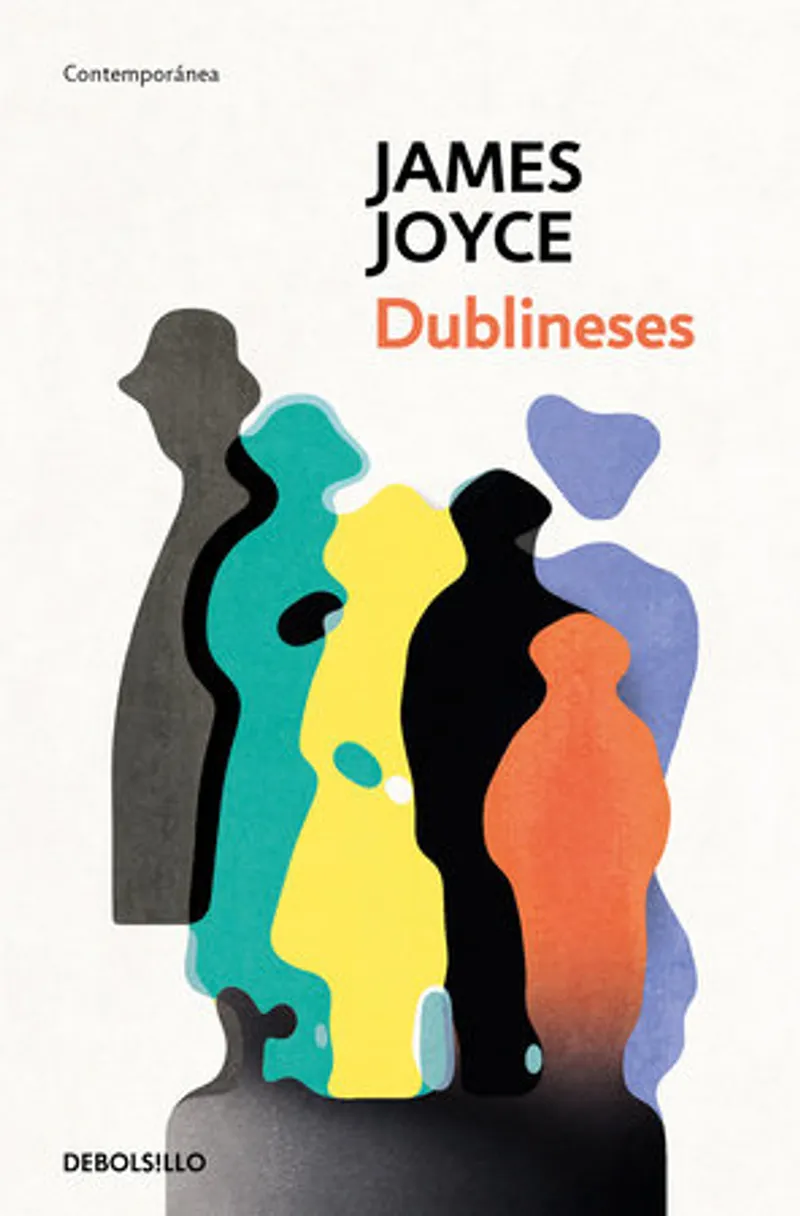
Dublineses / Dubliners Author: James JoycePage Count: UnknownPublication Date: 2021-PRH In "Dubliners", James Joyce crafts a poignant and unflinching portrayal of Dublin at the turn of the twentieth century, masterfully capturing the intricacies of its people and their struggles with societal expectations. This collection of fifteen stories is a testament to Joyce's unique writing style, which blends realism with a deep understanding of the human condition. One of the primary themes that emerge from this work is the stifling nature of societal norms and expectations in Dublin during this period. Joyce's characters are often trapped in a cycle of monotony and desperation, struggling to break free from the constraints of their mundane lives. This is evident in stories such as "Araby", where a young boy's romantic illusions are shattered by the harsh realities of adulthood, and "The Dead", where the facade of a respectable dinner party is stripped away to reveal the underlying emptiness of the characters' lives. Joyce's writing style is characterized by its realism and attention to detail. He masterfully captures the cadences of Dubliners' speech and portrays their outer and inner lives with a level of precision that is both captivating and unsettling. His use of language is economical and precise, conveying complex emotions and ideas through subtle suggestions rather than overt statements. One of the most striking aspects of "Dubliners" is its ability to balance the individual stories with a broader sense of cohesion. Each story is a self-contained unit, yet they are all linked by their shared setting and themes. This creates a sense of continuity and flow, drawing the reader into the world of Dublin and refusing to let go. Joyce's exploration of the human condition is both profound and accessible. He has a unique ability to capture the complexities of human emotions and relationships, distilling them into moments of clarity that are both beautiful and devastating. This is evident in stories such as "Eveline", where a young woman's desperate attempt to escape her mundane life is thwarted by her own fears and doubts. In "Dubliners", Joyce creates a vivid portrait of a city and its people, capturing the essence of Dublin at a pivotal moment in its history. This collection of stories is a masterpiece of modernist literature, offering a profound and unflinching exploration of the human condition. It is a testament to Joyce's skill as a writer that these stories remain as relevant and powerful today as they were when they were first written. #Dubliners #JamesJoyce #ModernistLiterature #IrishLiterature #LiteraryClassic #DublinInLiterature Related InsightsMadame Bovary Book Review and Summary Winter Lost Book Review and Summary Le Meilleur des Mondes : La Prophétie Glaciale d'une Humanité Calibrée{ "@context": "https://schema.org", "@type": "FAQPage", "mainEntity": [ { "@type": "Question", "name": "What is the main focus of Dubliners Book Review and Summary?", "acceptedAnswer": { "@type": "Answer", "text": "Everything you need to know about Dubliners with our detailed review." } }, { "@type": "Question", "name": "Who authored the comprehensive guide on Dubliners Book Review and Summary?", "acceptedAnswer": { "@type": "Answer", "text": "This detailed article and its insights were carefully researched and authored by James Joyce." } }, { "@type": "Question", "name": "Where can I find more related content about Books?", "acceptedAnswer": { "@type": "Answer", "text": "You can explore more articles, detailed reviews, and similar insights by browsing the Related Insights section at the bottom of this article or visiting our dedicated Books category page." } } ] }
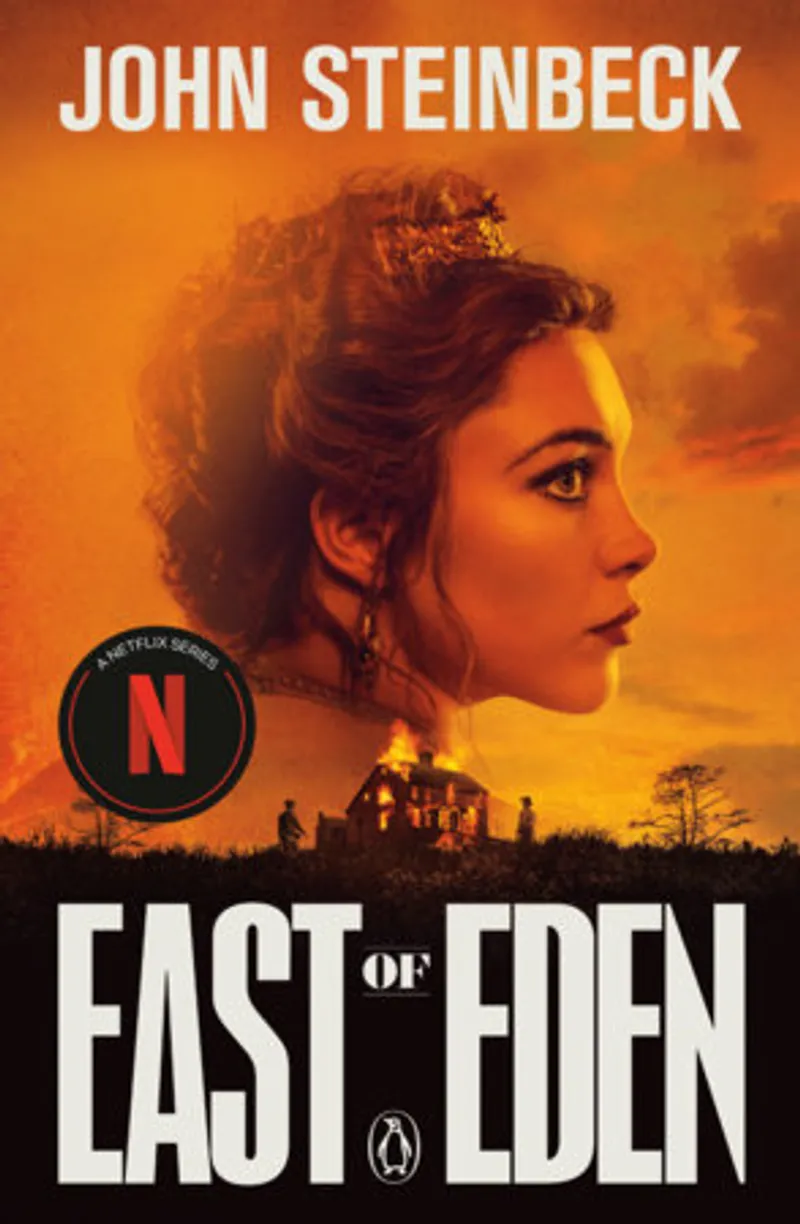
East of Eden (Netflix Tie-In) Author: John SteinbeckPage Count: UnknownPublication Date: 2026-PRH In the latest re-release of John Steinbeck's timeless classic, East of Eden, we are once again transported to the sun-kissed valleys of California, where the eternal struggle between good and evil unfolds. This Netflix tie-in edition is a poignant reminder of the enduring power of Steinbeck's prose, which continues to captivate audiences with its haunting beauty and profound insight into the human condition. At its core, East of Eden is a sprawling family saga that explores the complex relationships between fathers and sons, brothers and sisters, and the devastating consequences of their choices. Steinbeck masterfully weaves together the stories of the Trask and Hamilton families, drawing parallels between their lives and the biblical tale of Cain and Abel. Through this narrative framework, he probes the darkest recesses of the human heart, laying bare the frailties and flaws that make us human. One of the most striking aspects of Steinbeck's writing is his ability to evoke the rugged beauty of the Salinas Valley, where the novel is set. His vivid descriptions of the landscape are more than mere backdrop; they are an integral part of the narrative, influencing the characters' emotions and actions in subtle but profound ways. The land itself becomes a character, shaping the lives of those who inhabit it and imbuing the story with a deep sense of place and history. Steinbeck's prose is characterized by its simplicity, clarity, and precision. He eschews flowery language and ornate descriptions, instead opting for a direct, unadorned style that belies the complexity of his themes. This approach lends the narrative a sense of intimacy and immediacy, drawing the reader into the world of the characters and refusing to let go. Throughout the novel, Steinbeck explores the tensions between good and evil, light and darkness, and the blurred lines that separate them. His characters are multidimensional and flawed, driven by a mix of noble and base motivations that make them relatable and human. The brothers Cal and Aron Trask, in particular, embody the conflicting impulses that shape human nature, their struggles and triumphs serving as a microcosm for the larger themes of the novel. East of Eden is a novel that defies easy categorization, blending elements of family drama, romance, and tragedy to create a work of profound depth and complexity. Steinbeck's masterful storytelling and nuanced characterization make this a book that will continue to resonate with readers for generations to come. In short, this re-release of East of Eden is a must-read for anyone who loves great literature. It is a testament to Steinbeck's enduring legacy and a reminder of the power of fiction to transform and transcend. #EastOfEden #JohnSteinbeck #ClassicLiterature #FamilyDrama #GoodVsEvil #NetflixTieIn Related InsightsAu Pair Affair Book Review and Summary The Hawthorne Legacy Book Review and Summary 1984 (edición definitiva avalada por The Orwell Estate) (edición especial limitada con cantos pintados) / 1984 (Edition Endorsed by The Orwell Estate) Book Review and Summary{ "@context": "https://schema.org", "@type": "FAQPage", "mainEntity": [ { "@type": "Question", "name": "What is the main focus of East of Eden Book Review and Summary?", "acceptedAnswer": { "@type": "Answer", "text": "Everything you need to know about East of Eden with our detailed review." } }, { "@type": "Question", "name": "Who authored the comprehensive guide on East of Eden Book Review and Summary?", "acceptedAnswer": { "@type": "Answer", "text": "This detailed article and its insights were carefully researched and authored by John Steinbeck." } }, { "@type": "Question", "name": "Where can I find more related content about Books?", "acceptedAnswer": { "@type": "Answer", "text": "You can explore more articles, detailed reviews, and similar insights by browsing the Related Insights section at the bottom of this article or visiting our dedicated Books category page." } } ] }
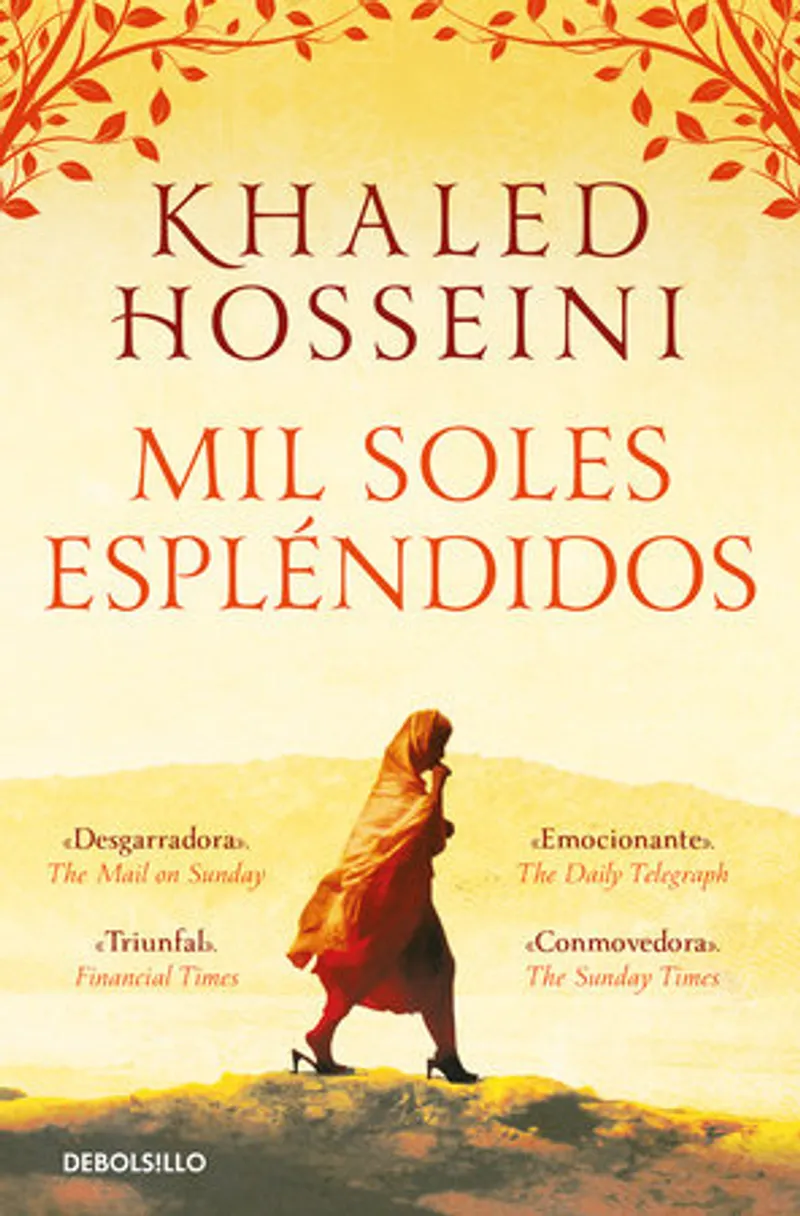
Mil soles espléndidos / A Thousand Splendid Suns Author: Khaled HosseiniPage Count: UnknownPublication Date: 2024-PRH A Thousand Splendid Suns, the sophomore novel by Khaled Hosseini, is a mesmerizing tale of friendship and survival that delves into the tumultuous lives of two Afghan women, Mariam and Laila. Born into different worlds, their paths intersect in a way that will change the course of their lives forever. Hosseini's masterful storytelling weaves a narrative that is both a poignant portrayal of the human spirit and a haunting chronicle of Afghanistan's brutal history. With the same instinctive flair that made The Kite Runner a beloved classic, he delves into the complexities of love, family, and faith, crafting a story that is at once heart-wrenching and hopeful. Mariam, the illegitimate daughter of a wealthy businessman, is forced into a marriage with Rashid, a cold and unforgiving man thirty years her senior. Her life is forever altered when Rashid takes in Laila, a young and spirited girl who has lost everything to the war. As they navigate the treacherous landscape of Kabul, they form an unbreakable bond, one that transcends the boundaries of age and experience. Through the eyes of these two women, Hosseini masterfully explores the themes of love, loss, and resilience. With lyrical prose and a deep understanding of the human condition, he reveals the intricate web of relationships that bind families together, even in the face of war and devastation. One of the most striking aspects of Hosseini's writing is his ability to craft characters that are at once flawed and relatable. Mariam and Laila are multidimensional women, full of contradictions and complexities, yet their struggles and triumphs are deeply human. As they navigate the ever-escalating dangers around them, they come to form a bond that is both a testament to the power of female friendship and a powerful exploration of the ways in which women can find strength in each other. Hosseini's writing is also notable for its vivid portrayal of Afghanistan's troubled history. With a keen eye for detail, he recreates the sights, sounds, and smells of Kabul, immersing the reader in the world of his characters. From the opium dens of the city to the bombed-out ruins of the countryside, his descriptions are at once evocative and haunting. If there is one criticism to be made, it is that the novel can be unflinching in its portrayal of violence and brutality. There are moments that are almost too much to bear, as the characters are forced to confront the worst of human nature. Yet, even in the midst of such darkness, Hosseini finds a way to convey a message of hope and resilience, a testament to the enduring power of the human spirit. In short, A Thousand Splendid Suns is a masterpiece of contemporary literature, a novel that will leave readers breathless and yearning for more. With its powerful portrayal of female friendship, its vivid recreation of Afghanistan's troubled history, and its unflinching exploration of the human condition, it is a must-read for anyone who loves great storytelling. #AThousandSplendidSuns #KhaledHosseini #TheKiteRunner #Afghanistan #WarAndSurvival #FemaleFriendship Related InsightsRun Away Book Review and Summary Clockwork Princess Book Review and Summary Dear Heart: A Sweet and Spicy, London-Set, Friends-to-Lovers Romance Book Review and Summary{ "@context": "https://schema.org", "@type": "FAQPage", "mainEntity": [ { "@type": "Question", "name": "What is the main focus of A Thousand Splendid Suns Book Review and Summary?", "acceptedAnswer": { "@type": "Answer", "text": "Everything you need to know about A Thousand Splendid Suns with our detailed review." } }, { "@type": "Question", "name": "Who authored the comprehensive guide on A Thousand Splendid Suns Book Review and Summary?", "acceptedAnswer": { "@type": "Answer", "text": "This detailed article and its insights were carefully researched and authored by Khaled Hosseini." } }, { "@type": "Question", "name": "Where can I find more related content about Books?", "acceptedAnswer": { "@type": "Answer", "text": "You can explore more articles, detailed reviews, and similar insights by browsing the Related Insights section at the bottom of this article or visiting our dedicated Books category page." } } ] }
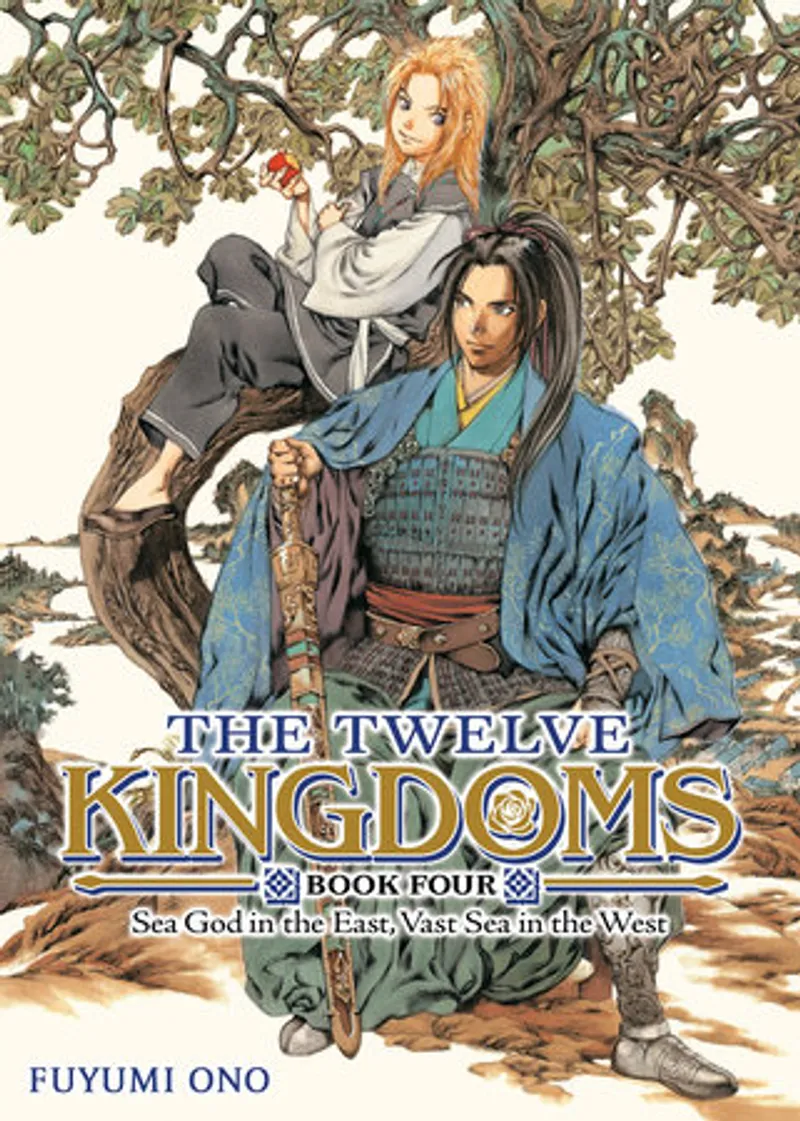
The Twelve Kingdoms Book 4 - Sea God in the East, Vast Sea in the West (Novel) Author: Fuyumi OnoPage Count: UnknownPublication Date: 2026-PRH In the latest installment of Fuyumi Ono's enchanting series, The Twelve Kingdoms, we are once again transported to a realm of breathtaking beauty and ancient mystique. Sea God in the East, Vast Sea in the West, the fourth book in the series, promises to be a thrilling continuation of the epic journey that has captivated readers worldwide. As with her previous works, Ono masterfully weaves a rich tapestry of mythology, politics, and self-discovery, drawing inspiration from Chinese history and folklore. The Twelve Kingdoms series has always been notable for its intricate world-building, and this latest installment is no exception. Ono's vivid descriptions of the kingdoms and their inhabitants are as immersive as ever, making it easy to become fully invested in the world she has created. One of the most striking aspects of Ono's writing style is her ability to balance action, drama, and philosophy. Her characters are multidimensional and relatable, with complex motivations that drive the plot forward. The story is full of unexpected twists and turns, keeping readers on the edge of their seats as they navigate the treacherous landscape of the Twelve Kingdoms. At its core, Sea God in the East, Vast Sea in the West is a story about identity, power, and the delicate balance between tradition and progress. Ono explores these themes through the eyes of her characters, who must navigate the complexities of their own destinies while confronting the challenges of a rapidly changing world. Throughout the book, Ono's prose is as lyrical as ever, with a poetic quality that adds depth and emotion to the narrative. Her writing is both elegant and accessible, making the story feel both epic in scope and intimate in character. While the original synopsis is unavailable, it's clear that Ono has continued to push the boundaries of her world and characters, introducing new themes and plot threads that will keep readers engaged and invested in the story. As with any series, there may be some familiarity with the world and characters required to fully appreciate the nuances of the plot, but Ono's writing is such that new readers can easily jump in and become immersed in the world of the Twelve Kingdoms. In short, Sea God in the East, Vast Sea in the West is a captivating addition to the series, with Ono's signature blend of action, drama, and philosophy on full display. With its rich world-building, complex characters, and thought-provoking themes, this book is sure to delight both longtime fans of the series and new readers alike. #TheTwelveKingdoms #FuyumiOno #FantasyNovel #ChineseMythology #EpicFantasy #BookLovers Related InsightsWhere She Went Book Review and Summary The Book of War: Includes The Art of War by Sun Tzu & On War by Karl von Clausewitz Book Review and Summary The Hunchback of Notre-Dame Book Review and Summary{ "@context": "https://schema.org", "@type": "FAQPage", "mainEntity": [ { "@type": "Question", "name": "What is the main focus of The House in the Cerulean Sea Book Review and Summary?", "acceptedAnswer": { "@type": "Answer", "text": "Everything you need to know about The House in the Cerulean Sea with our detailed review." } }, { "@type": "Question", "name": "Who authored the comprehensive guide on The House in the Cerulean Sea Book Review and Summary?", "acceptedAnswer": { "@type": "Answer", "text": "This detailed article and its insights were carefully researched and authored by T.J. Klune." } }, { "@type": "Question", "name": "Where can I find more related content about Books?", "acceptedAnswer": { "@type": "Answer", "text": "You can explore more articles, detailed reviews, and similar insights by browsing the Related Insights section at the bottom of this article or visiting our dedicated Books category page." } } ] }
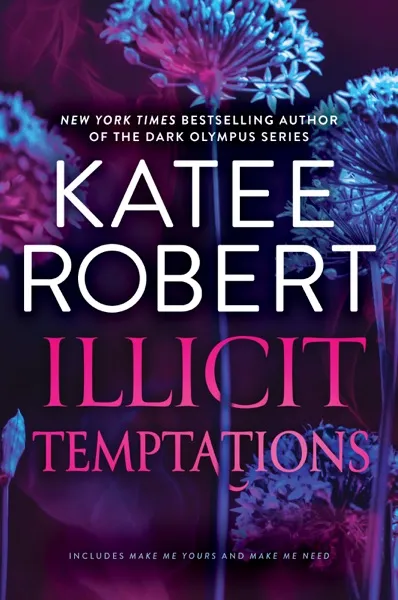

Illicit Temptations Author: Katee RobertPage Count: UnknownPublication Year: 2024-GB Illicit Temptations by Katee Robert isn’t your typical romance—it’s a masterclass in desire, power, and the intoxicating pull of the forbidden. This 2024 release has already stormed onto global bestseller lists, and for good reason. Robert, known for her scorching-hot, high-stakes romances, delivers a tale that’s equal parts seductive and sinful, where love and danger intertwine in ways that will leave readers breathless. At its core, Illicit Temptations is a story about obsession—how it starts, how it consumes, and how it can either destroy or redeem. The novel follows two flawed, magnetic characters whose chemistry is as volatile as it is undeniable. Robert doesn’t shy away from the messy, morally gray aspects of love; instead, she revels in them. The romance isn’t just about passion—it’s about power plays, secrets, and the thrill of crossing lines that shouldn’t be crossed. Readers who crave stories where love is as much about possession as it is about devotion will find themselves utterly captivated. What sets Robert apart is her ability to craft characters who feel real despite their larger-than-life circumstances. The heroine isn’t just a damsel in distress—she’s sharp, resilient, and unafraid to match the hero’s intensity. The hero, meanwhile, isn’t a one-dimensional alpha; he’s layered, flawed, and sometimes downright infuriating, which only deepens the reader’s investment in their dynamic. Their banter crackles with tension, their conflicts feel visceral, and their eventual surrender to desire is nothing short of explosive. Robert’s prose is as addictive as the relationship she portrays. She writes with a raw, unapologetic sensuality that doesn’t just describe attraction—it immerses the reader in it. There’s a grittiness to her storytelling that elevates it beyond mere escapism; this isn’t a sanitized romance where love conquers all. Instead, it’s a story where love is hard-won, where trust is fragile, and where the price of indulgence is steep. Her pacing is relentless, pulling the reader deeper into the couple’s world with every chapter. The theme of temptation is woven into every aspect of the narrative. Whether it’s the allure of forbidden love, the pull of revenge, or the danger of surrendering to one’s darker impulses, Robert explores how desire can be both a prison and a liberation. The novel challenges the idea that love should always be pure or easy; sometimes, it’s the messy, complicated, even destructive relationships that linger the longest. Illicit Temptations also excels in its world-building. Robert doesn’t just create a backdrop for her characters—she builds an atmosphere so thick with tension that you can taste it. The setting feels lived-in, the stakes feel personal, and the stakes feel inevitable. This isn’t a story where the resolution is predictable; it’s one where every twist feels earned, every betrayal stings, and every reunion is hard-won. For readers who love their romances with a side of danger, Illicit Temptations is a must-read. It’s not for the faint of heart—Robert doesn’t hold back—but that’s precisely what makes it so compelling. This is romance at its most unfiltered, a story where love is as dangerous as it is intoxicating. If you’re looking for a book that will leave you breathless, questioning your own boundaries, and utterly consumed by its characters, look no further. #IllicitTemptations #KateeRobert #DarkRomance #ForbiddenLove #RomanceBooks #SmuttyReads Related InsightsLove the Revolution: An Unfinished Novel Book Review and Summary Savoring the Soul of Spain: A Culinary Journey Through the Art of Tapas I, Claudius Book Review and Summary{ "@context": "https://schema.org", "@type": "FAQPage", "mainEntity": [ { "@type": "Question", "name": "What is the main focus of Illicit Temptations Book Review and Summary?", "acceptedAnswer": { "@type": "Answer", "text": "Everything you need to know about Illicit Temptations with our detailed review." } }, { "@type": "Question", "name": "Who authored the comprehensive guide on Illicit Temptations Book Review and Summary?", "acceptedAnswer": { "@type": "Answer", "text": "This detailed article and its insights were carefully researched and authored by Emma Thompson." } }, { "@type": "Question", "name": "Where can I find more related content about Books?", "acceptedAnswer": { "@type": "Answer", "text": "You can explore more articles, detailed reviews, and similar insights by browsing the Related Insights section at the bottom of this article or visiting our dedicated Books category page." } } ] }
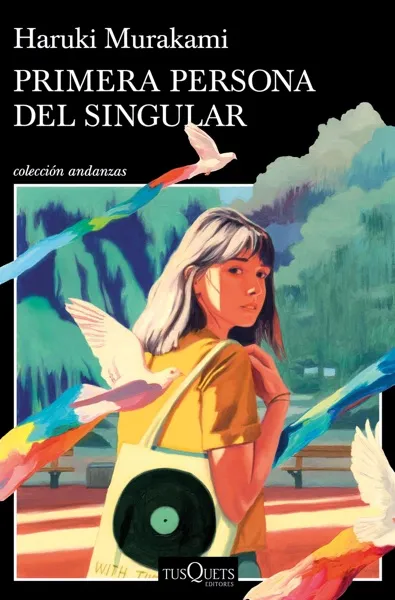

Primera persona del singular Author: 村上春樹Page Count: UnknownPublication Year: 2021-GB Haruki Murakami’s Primera Persona del Singular is a masterclass in introspection, blending the mundane with the surreal in a way that only he can. Published in 2021, this collection of eight short stories feels like a whispered conversation with the reader—intimate, fragmented, and deeply human. Murakami, ever the philosophical bartender, serves up tales that linger like the aftertaste of a well-aged whiskey: smooth, thought-provoking, and impossible to shake. At its core, Primera Persona del Singular explores the quiet revolutions of the self. The stories orbit around identity, memory, and the fragile boundaries between reality and imagination. Murakami’s protagonists—lonely jazz enthusiasts, alienated office workers, and wandering musicians—are all searching, though they may not know it. Whether it’s a man who wakes up to find his shadow missing or a woman whose cat becomes her unwitting confidant, the narratives pulse with the kind of existential curiosity that defines Murakami’s oeuvre. The title itself, a nod to first-person perspective, underscores the book’s focus on the internal monologue, the way we narrate our own lives even as our selves slip through our fingers. Murakami’s style is deceptively simple, like a Zen koan disguised as casual prose. His sentences flow with the effortless rhythm of a cat padding across a tatami mat—unhurried, deliberate, yet charged with hidden tension. There’s a jazz-like improvisation to his storytelling; themes recur like recurring motifs in a Miles Davis solo, subtly shifting each time they appear. The supernatural elements—ghosts, doppelgängers, sudden disappearances—are never fully explained, because in Murakami’s world, the mystery isn’t the point. The point is the way these uncanny moments force his characters (and readers) to confront the unanswerable: Who are we, really? Take the opening story, “Cream,” where a man reflects on his high school days and a girl he once loved. The narrative unfolds like a memory being excavated, layer by layer, with the protagonist piecing together fragments of the past that may or may not be true. The prose is sparse, almost clinical, but the emotions it conveys are raw and aching. It’s a reminder that Murakami’s genius lies not in grand revelations but in the quiet devastation of small, personal truths. Another standout, “Charlie Parker Plays Bossa Nova,” is a surrealist gem about a jazz musician who stumbles upon a record that shouldn’t exist—one that predicts the future. The story is a meditation on art, fate, and the eerie synchronicities that bind us. Murakami’s love for music shines here, as it often does, with jazz serving as a metaphor for life’s improvisational nature. The characters don’t just listen to music; they become it, dissolving into the rhythm of existence. What makes Primera Persona del Singular so compelling is how it refuses to offer closure. The stories end not with answers, but with questions—like the one in “With the Beatles,” where a man receives a mysterious vinyl record that may or may not belong to him. The ambiguity is deliberate, a reflection of life’s inherent uncertainty. Murakami doesn’t provide catharsis; he provides presence. He invites us to sit with the discomfort of not knowing, to embrace the strangeness of being alive. This collection is a testament to Murakami’s ability to find profundity in the ordinary. His characters are everymen (and everywomen) caught in the gears of modernity, yet their struggles feel timeless. They listen to records, drink coffee, walk city streets, and occasionally, the fabric of reality frays just enough to let something extraordinary peek through. It’s a delicate balance—one Murakami maintains with the precision of a tightrope walker. For readers new to Murakami, Primera Persona del Singular is a perfect introduction. For longtime fans, it’s a reunion with an old friend—one who still knows how to surprise. Either way, it’s a book that demands to be read slowly, savored like a rare vintage, and returned to again and again, each time uncovering new layers of meaning. In a world that often feels too loud, too rushed, Murakami’s quiet, insistent voice is a balm. He reminds us that the most profound stories are the ones we tell ourselves when no one else is listening. #Murakami #JapaneseLiterature #ShortStories #ExistentialFiction #Surrealism #BookRecommendation Related InsightsBlack Officer, White Navy Book Review and Summary The Pale House Devil Book Review and Summary Cars on the Road (Disney/Pixar Cars on the Road) Book Review and Summary{ "@context": "https://schema.org", "@type": "FAQPage", "mainEntity": [ { "@type": "Question", "name": "What is the main focus of Primera persona del singular Book Review and Summary?", "acceptedAnswer": { "@type": "Answer", "text": "Everything you need to know about Primera persona del singular with our detailed review." } }, { "@type": "Question", "name": "Who authored the comprehensive guide on Primera persona del singular Book Review and Summary?", "acceptedAnswer": { "@type": "Answer", "text": "This detailed article and its insights were carefully researched and authored by Beatriz Costa." } }, { "@type": "Question", "name": "Where can I find more related content about Books?", "acceptedAnswer": { "@type": "Answer", "text": "You can explore more articles, detailed reviews, and similar insights by browsing the Related Insights section at the bottom of this article or visiting our dedicated Books category page." } } ] }
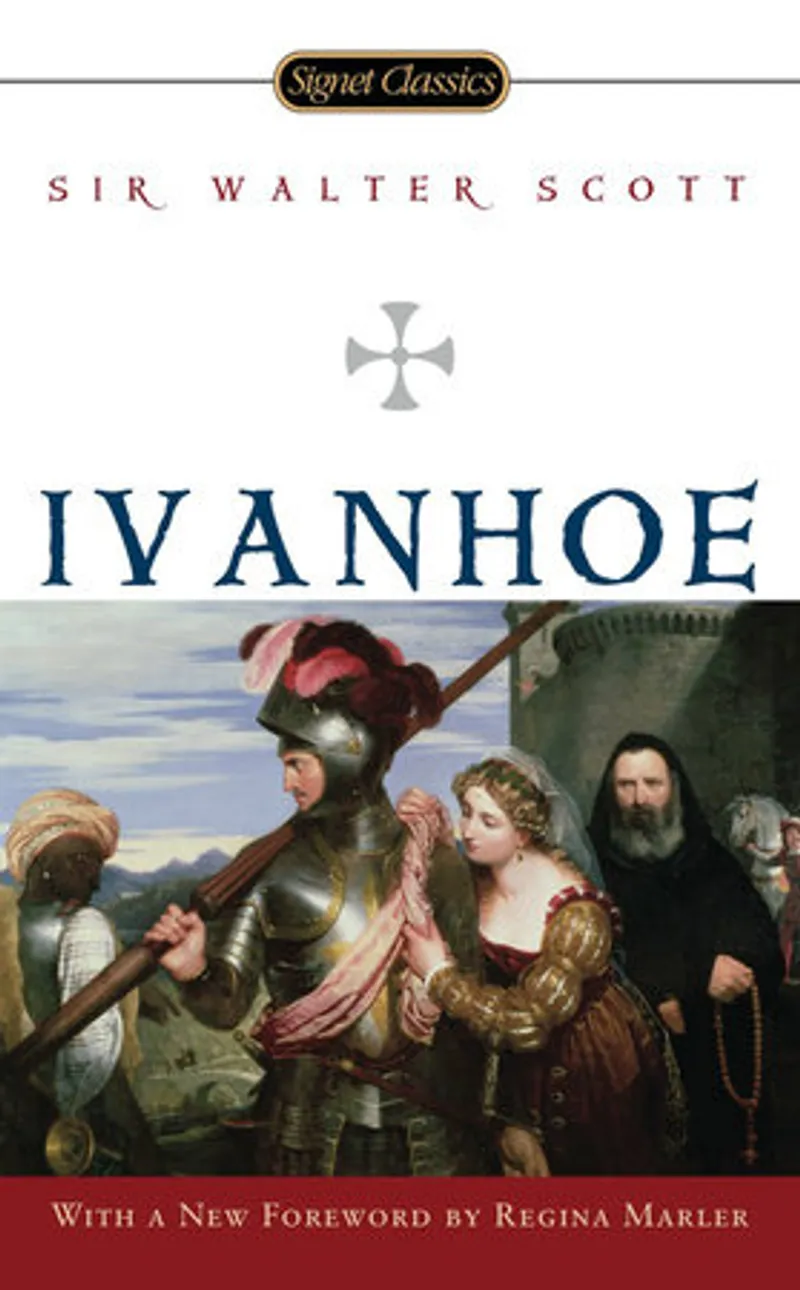
Ivanhoe Author: Sir Walter ScottPage Count: UnknownPublication Date: 2009-PRH In the realm of historical fiction, few authors have managed to captivate readers with the same level of mastery as Sir Walter Scott. His 1820 novel, Ivanhoe, has been a cornerstone of the genre for nearly two centuries, and its themes of chivalry, honor, and the struggle for identity continue to resonate with readers to this day. Set against the tumultuous backdrop of the Crusades, Ivanhoe follows the journey of Wilfred, a young Saxon knight, as he navigates the treacherous landscape of medieval England. With his sights set on winning the heart of the beautiful Princess Rowena, Wilfred embarks on a series of adventures that pit him against the Norman oppressors and the formidable Templars. Along the way, he finds unlikely allies in the legendary outlaw Robin Hood and the charismatic King Richard the Lionheart. Throughout the novel, Scott's masterful storytelling weaves a complex tapestry of historical fact and fiction, transporting readers to a bygone era of valor and pageantry. His writing is characterized by a rich, poetic style that conjures the sights, sounds, and emotions of a long-forgotten world. From the grandeur of the tournament grounds to the quiet intimacy of the forest glades, Scott's vivid descriptions paint a picture of a time when honor was a man's most prized possession, and loyalty was a matter of life and death. At its core, Ivanhoe is a novel about identity and the search for belonging in a world torn apart by conflict and cultural upheaval. Wilfred, the protagonist, is a Saxon knight caught between his loyalty to his people and his admiration for the chivalric code of the Normans. As he navigates this treacherous landscape, he must confront his own prejudices and biases, ultimately discovering a sense of purpose and belonging that transcends the boundaries of nationality and culture. One of the most striking aspects of Scott's writing is his ability to balance action, adventure, and romance with deeper themes and social commentary. Ivanhoe is a novel that not only entertains but also educates, offering a nuanced exploration of the complexities of medieval society and the tensions between different cultural and ethnic groups. In conclusion, Ivanhoe is a timeless classic that continues to captivate readers with its richly detailed world-building, memorable characters, and universal themes. Scott's writing is a masterclass in storytelling, transporting readers to a bygone era of chivalry and honor. If you're a fan of historical fiction, adventure, or romance, Ivanhoe is a must-read that will leave you breathless and yearning for more. #Ivanhoe #SirWalterScott #HistoricalFiction #MedievalRomance #TheCrusades #ClassicLiterature Related InsightsYou’re the One That I Haunt Book Review and Summary That Someday Book Review and Summary The Friday Bookshop Book Review and Summary{ "@context": "https://schema.org", "@type": "FAQPage", "mainEntity": [ { "@type": "Question", "name": "What is the main focus of Ivanhoe Book Review and Summary?", "acceptedAnswer": { "@type": "Answer", "text": "Everything you need to know about Ivanhoe with our detailed review." } }, { "@type": "Question", "name": "Who authored the comprehensive guide on Ivanhoe Book Review and Summary?", "acceptedAnswer": { "@type": "Answer", "text": "This detailed article and its insights were carefully researched and authored by Walter Scott." } }, { "@type": "Question", "name": "Where can I find more related content about Books?", "acceptedAnswer": { "@type": "Answer", "text": "You can explore more articles, detailed reviews, and similar insights by browsing the Related Insights section at the bottom of this article or visiting our dedicated Books category page." } } ] }
- 10 Oct, 2024 12:18
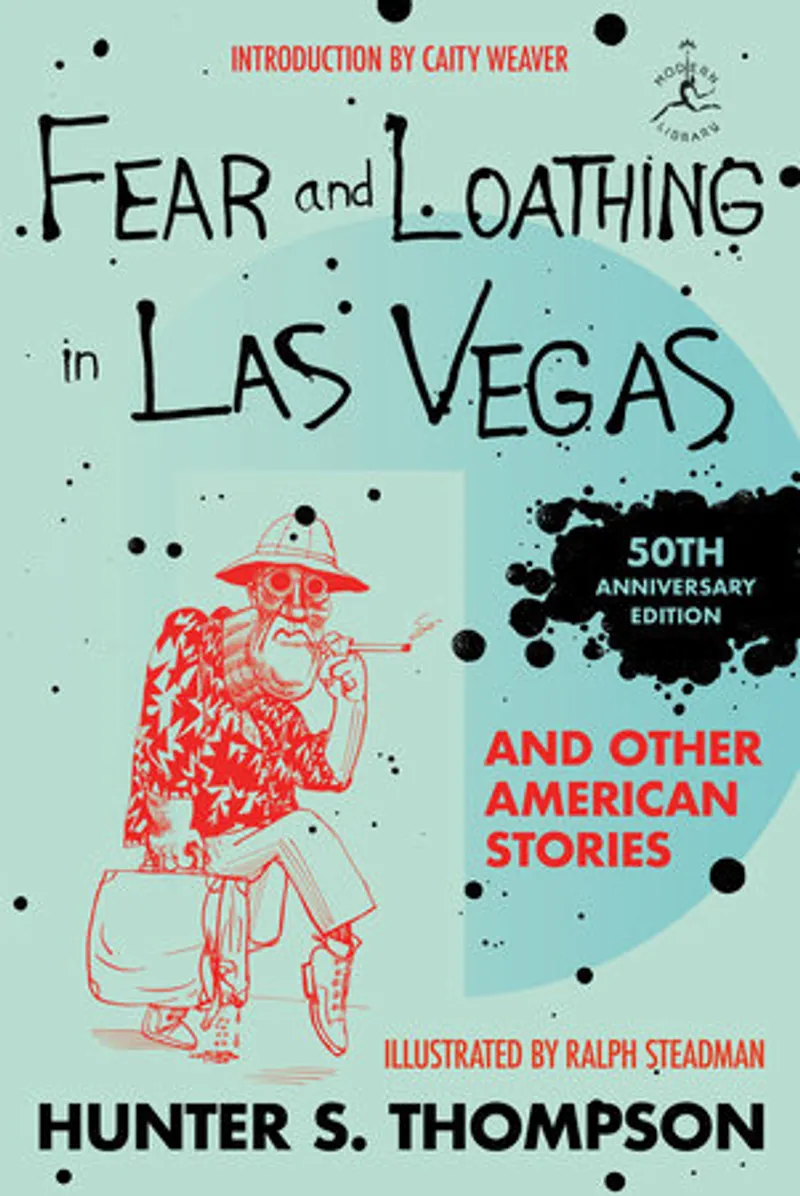
Fear and Loathing in Las Vegas: A Savage Journey to the Heart of the American Dream Book Review and Summary
Fear and Loathing in Las Vegas and Other American Stories Author: Ralph SteadmanPage Count: UnknownPublication Date: 1998-PRH Hunter S. Thompson’s Fear and Loathing in Las Vegas and Other American Stories, with its iconic illustrations by Ralph Steadman, remains a searing, hallucinatory time capsule of the American 1960s—a decade that, in Thompson’s acid-tongued prose, feels less like history and more like a fever dream. This 50th-anniversary edition, replete with Steadman’s grotesque, ink-splattered visions and a fresh introduction by New York Times writer Caity Weaver, is less a book than an experience: a ride-along with Thompson and his attorney, Raoul Duke, as they barrel through Las Vegas in a drug-fueled haze, chasing the American Dream while it dissolves into smoke and neon. At its core, Fear and Loathing is a satire of excess—a merciless dissection of the American obsession with spectacle, consumerism, and self-destruction. Thompson doesn’t just describe the chaos of Las Vegas; he immerses the reader in it, using language as a drug, a weapon, and a mirror. The book’s genius lies in its refusal to distinguish between the narrator’s madness and the world’s. When Thompson writes, “We were somewhere around Barstow on the edge of the desert when the drugs began to take hold,” he’s not just setting a scene—he’s declaring war on the very idea of objective reality. The trip to Las Vegas becomes a metaphor for the nation itself: a place where ideals curdle into parody, where the pursuit of freedom curdles into paranoia, and where the American Dream is revealed as a hallucination sustained by bad whiskey and worse decisions. Thompson’s style, which would come to define “gonzo journalism,” is a frenetic, stream-of-consciousness assault on the senses. His sentences coil and uncoil like a rattlesnake, each one packed with enough amphetamine-fueled imagery to make a lesser writer’s head spin. He doesn’t just report; he transmutes, turning the mundane (a hotel room, a slot machine, a waitress) into something mythic and grotesque. The prose is a collision of highbrow allusions and lowbrow slang, of Hunter S. Thompson quoting Nietzsche while snorting cocaine off a hotel room desk. It’s exhausting, exhilarating, and impossible to look away from. Ralph Steadman’s illustrations amplify this effect, transforming Thompson’s manic prose into something visually grotesque. His drawings—smeared, distorted, and dripping with ink—capture the book’s themes of decay and disintegration. Steadman doesn’t just illustrate Fear and Loathing; he embodies it, giving form to the book’s nightmarish energy. The result is a collaboration that feels less like a book and more like a descent into someone else’s fractured psyche. The companion pieces included in this edition—“Jacket Copy for Fear and Loathing in Las Vegas,” “Strange Rumblings in Aztlan,” and “The Kentucky Derby Is Decadent and Depraved”—serve as further proof of Thompson’s genius. Each piece is a microcosm of his style: raw, unfiltered, and dripping with the same manic energy. “The Kentucky Derby” in particular is a masterclass in gonzo journalism, a piece that captures the absurdity and violence of American spectacle with a precision that feels almost prophetic. What makes Fear and Loathing endure isn’t just its style, but its prescience. Thompson’s Las Vegas is a harbinger of the modern world—a place where reality is commodified, where truth is whatever you can shout loudest, and where the line between performance and pathology has long since vanished. The book’s 50th anniversary isn’t just a celebration of a classic; it’s a reminder that Thompson’s warnings about America’s addiction to spectacle and self-destruction are more relevant than ever. For those who’ve never experienced Fear and Loathing, this edition is the definitive introduction. For those who have, it’s a chance to revisit a masterpiece that refuses to be tamed. Thompson’s prose is a drug, and once you’ve taken it, you’ll never see America—or yourself—the same way again. #FearAndLoathing50 #GonzoJournalism #HunterSThompson #RalphSteadman #AmericanNightmare #SixtiesCounterculture Related InsightsColour of Hope Book Review and Summary Christmas Fix Book Review and Summary Eleven Days: The Fascinating True Account of Agatha Christie's Mysterious Disappearance Book Review and Summary{ "@context": "https://schema.org", "@type": "FAQPage", "mainEntity": [ { "@type": "Question", "name": "What is the main focus of Fear and Loathing in Las Vegas: A Savage Journey to the Heart of the American Dream Book Review and Summary?", "acceptedAnswer": { "@type": "Answer", "text": "Everything you need to know about Fear and Loathing in Las Vegas: A Savage Journey to the Heart of the American Dream with our detailed review." } }, { "@type": "Question", "name": "Who authored the comprehensive guide on Fear and Loathing in Las Vegas: A Savage Journey to the Heart of the American Dream Book Review and Summary?", "acceptedAnswer": { "@type": "Answer", "text": "This detailed article and its insights were carefully researched and authored by Hunter S. Thompson." } }, { "@type": "Question", "name": "Where can I find more related content about Books?", "acceptedAnswer": { "@type": "Answer", "text": "You can explore more articles, detailed reviews, and similar insights by browsing the Related Insights section at the bottom of this article or visiting our dedicated Books category page." } } ] }
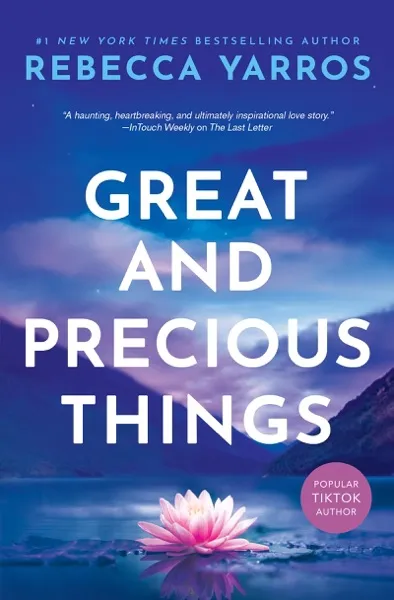

Great and Precious Things Author: Rebecca YarrosPage Count: UnknownPublication Year: 2020-GB Great and Precious Things: A Love Story That Soars Beyond the Ordinary Rebecca Yarros’ Great and Precious Things is a novel that lingers in the mind long after the last page, not just for its emotional depth but for the way it weaves love, loss, and resilience into a tapestry so vivid it feels like a memory rather than fiction. Published in 2020, this book quickly ascended to global bestseller status, and for good reason—it’s a story that doesn’t just tell you about heartbreak and healing but makes you feel it in the marrow of your bones. At its core, Great and Precious Things is a romance, but it’s also a testament to the quiet strength of women who refuse to be defined by the expectations of others. The protagonist, whose name and past are as carefully guarded as the secrets she carries, is a woman who has built walls around her heart—not out of cruelty, but out of necessity. She’s survived traumas that would break most people, and yet, she stands tall, her spirit unyielding. Yarros doesn’t shy away from the rawness of her pain; instead, she immerses the reader in it, making their triumphs feel like victories won together. What sets Yarros apart is her ability to balance tenderness with grit. Her prose is lush, almost poetic in its lyricism, yet it never veers into melodrama. There’s a precision to her writing that makes every word count, every emotion resonate. She doesn’t rely on clichés to convey love or heartache; instead, she lets the characters’ actions—small, intimate gestures—speak volumes. A lingering touch, a shared silence, a glance that holds more than a thousand words—these are the moments that define the relationship at the heart of the novel. The love story here isn’t the kind that explodes in grand gestures. It’s quieter, more organic, built on the kind of trust that only comes from truly seeing someone. The hero, with his own scars and struggles, is no knight in shining armor. He’s flawed, stubborn, and sometimes infuriating—but that’s what makes him real. Yarros crafts a romance that feels authentic, where love isn’t about saving each other but about choosing each other, flaws and all. But Great and Precious Things is more than just a love story. It’s a meditation on the things we hold sacred—the people, the memories, the ideals that shape us. The title itself is a clue, hinting at the treasures we often overlook until they’re nearly lost. Yarros explores what it means to cherish the intangible, the things that can’t be bought or earned but are given freely: love, loyalty, and the courage to keep loving even when the world has tried to harden your heart. Yarros’ style is immersive, pulling the reader into a world that feels both intimate and expansive. She has a knack for pacing, balancing introspective moments with scenes that crackle with tension. The dialogue is sharp, the emotions are palpable, and the setting—though not always explicitly described—feels like a character in itself, a backdrop against which these deeply personal stories unfold. What makes this book truly special is its honesty. Yarros doesn’t offer easy answers or neat resolutions. Life, she reminds us, isn’t a series of perfect moments strung together—it’s messy, unpredictable, and sometimes unbearably painful. But it’s also, in those rare and precious moments, beautiful. The kind of beauty that makes you believe in second chances, in love that defies logic, in the idea that even the most broken things can find their way back to wholeness. If you’re looking for a romance that lingers, that makes you laugh and cry and ache for the characters as if they were real, Great and Precious Things is a must-read. It’s the kind of book that doesn’t just entertain—it transforms. It reminds you that the greatest treasures aren’t gold or diamonds, but the people and moments that make life worth living. #GreatAndPreciousThings #RebeccaYarros #RomanceNovel #LoveAndLoss #MustReadBooks #Bookstagram Related InsightsMistress Suffragette Book Review and Summary Body Shocks Book Review and Summary 27 Stars (Women's Murder Club #27) Book Review and Summary{ "@context": "https://schema.org", "@type": "FAQPage", "mainEntity": [ { "@type": "Question", "name": "What is the main focus of Great and Precious Things Book Review and Summary?", "acceptedAnswer": { "@type": "Answer", "text": "Everything you need to know about Great and Precious Things with our detailed review." } }, { "@type": "Question", "name": "Who authored the comprehensive guide on Great and Precious Things Book Review and Summary?", "acceptedAnswer": { "@type": "Answer", "text": "This detailed article and its insights were carefully researched and authored by Elena Volkova." } }, { "@type": "Question", "name": "Where can I find more related content about Books?", "acceptedAnswer": { "@type": "Answer", "text": "You can explore more articles, detailed reviews, and similar insights by browsing the Related Insights section at the bottom of this article or visiting our dedicated Books category page." } } ] }
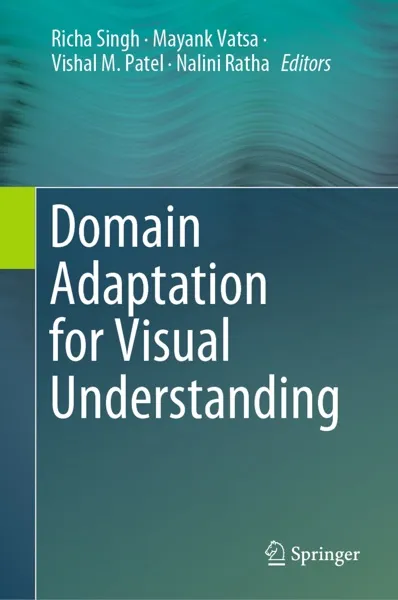
Domain Adaptation for Visual Understanding Author: Richa SinghPage Count: UnknownPublication Year: 2020-GB In the realm of computer vision and machine learning, "Domain Adaptation for Visual Understanding" by Richa Singh stands as a monumental work, shedding light on the intricacies of adapting models across diverse domains. Published in 2020, this highly acclaimed global bestseller has garnered significant attention for its comprehensive exploration of the subject matter. At its core, the book delves into the concept of domain adaptation, a crucial aspect of visual understanding that enables models to generalize across varying environments, datasets, and conditions. Richa Singh masterfully navigates the reader through the complexities of this topic, providing a thorough examination of the existing literature and state-of-the-art techniques. One of the standout features of the book is its accessibility. Singh's writing style is clear, concise, and engaging, making the content easily digestible for both novices and experts in the field. The author's use of practical examples, illustrations, and real-world applications serves to further facilitate understanding, rendering the book an invaluable resource for researchers, practitioners, and students alike. The book's organization is logical and well-structured, with each chapter building upon the previous one to create a cohesive narrative. Singh begins by introducing the fundamental concepts of domain adaptation, followed by an in-depth analysis of various techniques, including deep learning-based methods, adversarial training, and multi-task learning. The author also dedicates a significant portion of the book to exploring the applications of domain adaptation in computer vision, such as object recognition, segmentation, and detection. Throughout the book, Singh's passion for the subject matter is evident, and her expertise shines through in the meticulous attention to detail and the thoroughness of her explanations. The text is replete with insightful discussions, critical evaluations, and thoughtful recommendations, demonstrating the author's commitment to advancing the field. One of the most significant strengths of the book lies in its ability to strike a balance between theoretical foundations and practical applications. Singh seamlessly integrates the two, providing readers with a comprehensive understanding of the underlying principles and their real-world implications. In conclusion, "Domain Adaptation for Visual Understanding" is an exemplary work that has set a new standard in the field of computer vision and machine learning. Richa Singh's masterful treatment of the subject matter, combined with her engaging writing style, makes this book an essential read for anyone interested in the field. Whether you are a seasoned researcher or an aspiring student, this book is sure to provide valuable insights, spark new ideas, and inspire further exploration. #DomainAdaptation #ComputerVision #MachineLearning #DeepLearning #VisualUnderstanding #ArtificialIntelligence Related InsightsLong Walk Book Review and Summary La llama en la niebla Book Review and Summary Long Shadows Book Review and Summary{ "@context": "https://schema.org", "@type": "FAQPage", "mainEntity": [ { "@type": "Question", "name": "What is the main focus of Domain Adaptation for Visual Understanding Book Review and Summary?", "acceptedAnswer": { "@type": "Answer", "text": "Everything you need to know about Domain Adaptation for Visual Understanding with our detailed review." } }, { "@type": "Question", "name": "Who authored the comprehensive guide on Domain Adaptation for Visual Understanding Book Review and Summary?", "acceptedAnswer": { "@type": "Answer", "text": "This detailed article and its insights were carefully researched and authored by Giulia Ricci." } }, { "@type": "Question", "name": "Where can I find more related content about Books?", "acceptedAnswer": { "@type": "Answer", "text": "You can explore more articles, detailed reviews, and similar insights by browsing the Related Insights section at the bottom of this article or visiting our dedicated Books category page." } } ] }
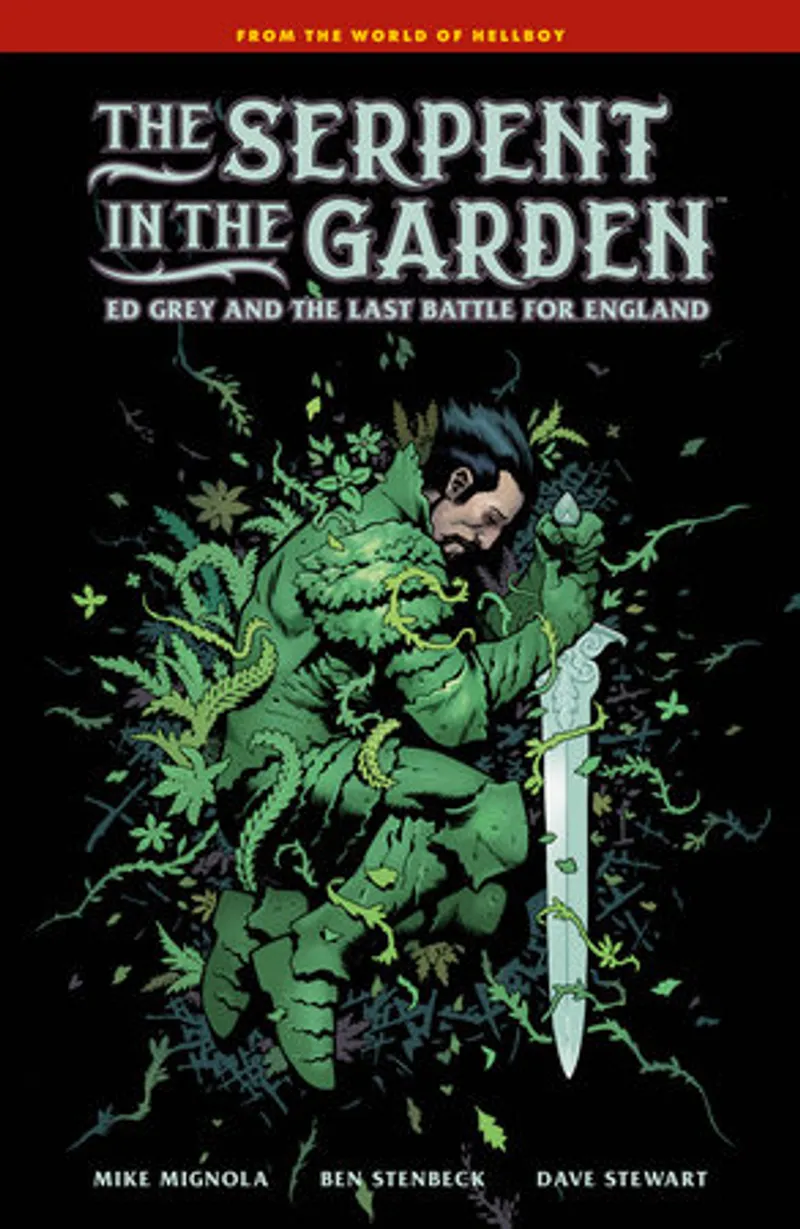
The Serpent in the Garden: Ed Grey and the Last Battle for England Author: Clem RobinsPage Count: UnknownPublication Date: 2025-PRH The Serpent in the Garden: A Dark, Dazzling Descent into England’s Last Battle Clem Robins’ The Serpent in the Garden: Ed Grey and the Last Battle for England is not just another historical thriller—it’s a fever dream of national identity, moral decay, and the quiet horrors lurking beneath the surface of a nation’s soul. Set against an unspecified but hauntingly plausible near-future England, the novel follows Ed Grey, a disillusioned historian turned reluctant prophet, as he uncovers a conspiracy that threatens to unravel the very fabric of the country. But this isn’t a tale of spies and subterfuge in the traditional sense; it’s a psychological and metaphysical descent into a Britain where the past isn’t just haunting—it’s alive, writhing in the shadows like a serpent coiled in Eden. Robins’ prose is a masterclass in controlled unease. His writing is sharp, almost surgical in its precision, yet suffused with a creeping dread that lingers long after the page is turned. The novel’s tone oscillates between the clinical detachment of a historian documenting events and the feverish intensity of a man unraveling before our eyes. Grey is a compelling protagonist—not because he’s heroic, but because he’s human, flawed, and tragically aware of his own limitations. His journey is less about saving England and more about confronting the monstrous truth that England, like all nations, is a construct built on myths, lies, and the occasional act of unspeakable violence. The central theme of The Serpent in the Garden is the corruption of legacy. England, in Robins’ vision, is a garden overrun by serpents—political, cultural, and spiritual. The "last battle" isn’t fought with swords or guns, but with words, memories, and the slow erosion of collective belief. Grey’s quest is to expose the rot at the heart of his country’s history, only to realize that the rot is the heart itself. It’s a chilling meditation on how nations mythologize their past to justify their present, and how easily that myth can curdle into something monstrous. Robins’ style is deceptively simple, yet it packs a punch. He avoids the pitfalls of overwrought prose, instead letting the tension simmer beneath the surface. Dialogue crackles with subtext, and the descriptions of England—its crumbling cities, its eerie countryside, its suffocating nostalgia—are vivid enough to make the reader feel the damp chill of a British winter. The novel’s structure is non-linear in places, mirroring Grey’s fractured psyche, but it never feels gimmicky. Instead, it reinforces the sense that history is a puzzle with missing pieces, and the more you try to fit them together, the more the picture distorts. What makes The Serpent in the Garden so unsettling is its refusal to offer easy answers. There are no clear villains, no grand redemption arcs—just a slow, inevitable unraveling. Robins doesn’t just ask what England is becoming; he asks why we cling to the idea of it at all. In an era where national identity is both weaponized and weaponizing, this novel feels less like fiction and more like a prophecy. If you’re looking for a thriller that will keep you up at night, The Serpent in the Garden delivers. But be warned: it won’t just haunt your dreams—it might make you question the stories you tell yourself about where you come from. #TheSerpentInTheGarden #EdGrey #BritishPoliticalThriller #HistoricalConspiracy #DarkFiction #NearFutureDystopia Related InsightsCometas en el cielo / The Kite Runner Book Review and Summary Upside Down Book Review and Summary A blight of blackwings Book Review and Summary{ "@context": "https://schema.org", "@type": "FAQPage", "mainEntity": [ { "@type": "Question", "name": "What is the main focus of The Last Battle Book Review and Summary?", "acceptedAnswer": { "@type": "Answer", "text": "Everything you need to know about The Last Battle with our detailed review." } }, { "@type": "Question", "name": "Who authored the comprehensive guide on The Last Battle Book Review and Summary?", "acceptedAnswer": { "@type": "Answer", "text": "This detailed article and its insights were carefully researched and authored by C.S. Lewis." } }, { "@type": "Question", "name": "Where can I find more related content about Books?", "acceptedAnswer": { "@type": "Answer", "text": "You can explore more articles, detailed reviews, and similar insights by browsing the Related Insights section at the bottom of this article or visiting our dedicated Books category page." } } ] }
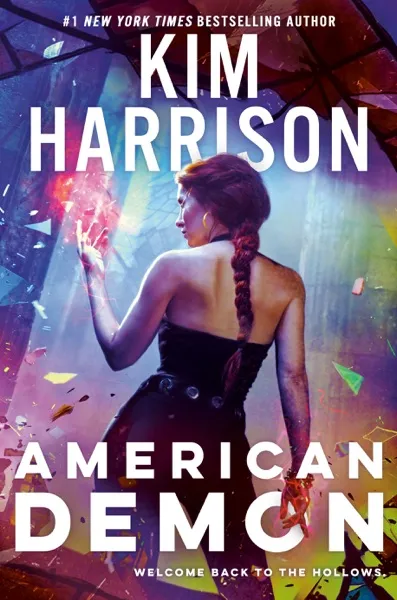
American Demon Author: Kim HarrisonPage Count: UnknownPublication Year: 2020-GB American Demon by Kim Harrison is a masterful blend of dark fantasy, urban horror, and relentless suspense, delivering a story that lingers long after the final page. As part of Harrison’s long-running Hollows series, this installment solidifies her reputation as a modern master of the genre, weaving together supernatural intrigue, razor-sharp wit, and a protagonist whose flaws make her irresistibly compelling. At its core, American Demon explores the theme of identity in a world where monsters and humans collide—sometimes literally. Rachel Morgan, the series’ indefatigable witch-turned-bounty-hunter, finds herself thrust into a conspiracy that blurs the line between myth and reality. The story grapples with the idea of what it means to be human when the supernatural is not just lurking in the shadows but actively shaping the world. Harrison doesn’t just ask whether monsters deserve rights; she forces the reader to confront the terrifying implication that humans might be the true monsters, hiding their own capacity for cruelty behind laws and bureaucracy. Harrison’s prose is as sharp as Rachel’s wit, with a voice that oscillates between sardonic humor and bone-deep tension. The dialogue crackles with the kind of snappy exchanges that have become Harrison’s trademark, but beneath the banter lies a deeper current of dread. The pacing is relentless, with each chapter escalating the stakes, whether it’s a high-speed chase through Cincinnati’s underbelly or a tense confrontation with a demon whose motives are as murky as its form. Harrison excels at creating atmosphere, painting a world where neon signs flicker over alleyways teeming with the supernatural, and where every shadow could hide a threat—or a betrayal. One of the book’s most compelling aspects is its exploration of power and corruption. Rachel, who has spent much of the series fighting to protect her world from those who would exploit it, finds herself questioning whether the systems she’s upholding are any better than the forces she opposes. The political intrigue is as layered as the magic, with alliances shifting like sand and enemies lurking in plain sight. Harrison deftly balances action with introspection, ensuring that the reader is never lulled into complacency. The demonic forces at play are not just threats to be vanquished; they are mirrors reflecting humanity’s own darkness, forcing Rachel—and the reader—to confront uncomfortable truths. Harrison’s world-building is another standout feature. The Hollows universe is richly detailed, with a history that feels lived-in and a magic system that is both inventive and grounded. The supernatural elements are integrated seamlessly into the real world, making the impossible feel plausible. Whether it’s the political machinations of the Inderlander Council or the gritty realities of Rachel’s life as a runner, Harrison creates a world that is as immersive as it is dangerous. Rachel Morgan herself is a protagonist for the ages—a flawed, fierce, and deeply human heroine who stumbles but never truly falls. Her evolution across the series is nothing short of remarkable, and American Demon finds her at a crossroads, forced to make choices that will define not just her future but the future of the world she’s sworn to protect. Harrison’s ability to craft a character who is as relatable as she is extraordinary is a testament to her skill as a storyteller. In American Demon, Kim Harrison has crafted a tale that is as much a meditation on morality as it is a thrilling adventure. It’s a story about the masks we wear, the monsters we create, and the fragile line that separates the two. With its relentless pacing, razor-sharp prose, and a protagonist who feels like a friend in the trenches, this book is a must-read for fans of urban fantasy and dark fiction alike. #KimHarrison #AmericanDemon #HollowsSeries #UrbanFantasy #RachelMorgan #SupernaturalThriller Related InsightsThe 1619 Project Book Review and Summary The City and Its Uncertain Walls Book Review and Summary The Woven Bag Book Review and Summary{ "@context": "https://schema.org", "@type": "FAQPage", "mainEntity": [ { "@type": "Question", "name": "What is the main focus of American Demon Book Review and Summary?", "acceptedAnswer": { "@type": "Answer", "text": "Everything you need to know about American Demon with our detailed review." } }, { "@type": "Question", "name": "Who authored the comprehensive guide on American Demon Book Review and Summary?", "acceptedAnswer": { "@type": "Answer", "text": "This detailed article and its insights were carefully researched and authored by Beatriz Costa." } }, { "@type": "Question", "name": "Where can I find more related content about Books?", "acceptedAnswer": { "@type": "Answer", "text": "You can explore more articles, detailed reviews, and similar insights by browsing the Related Insights section at the bottom of this article or visiting our dedicated Books category page." } } ] }
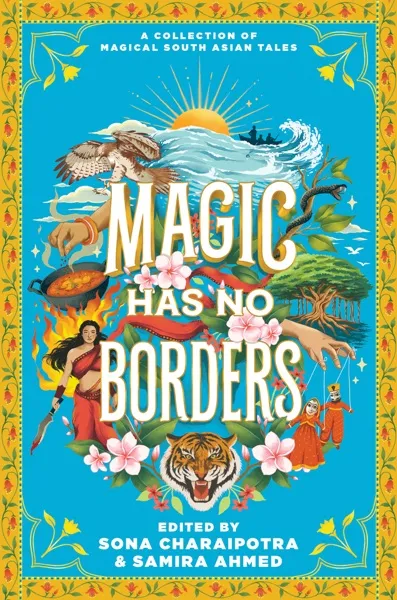
Magic Has No Borders Author: Samira AhmedPage Count: UnknownPublication Year: 2023-GB "Magic Has No Borders" by Samira Ahmed is a masterfully woven tapestry that transcends geographical boundaries and delves into the very essence of the human experience. As a global bestseller, this book has captivated readers from diverse backgrounds, and for good reason. Ahmed's writing is a testament to the power of storytelling, effortlessly transporting readers to a world where magic is not just a fantasy, but a reflection of our collective hopes, fears, and desires. At its core, "Magic Has No Borders" is a poignant exploration of identity, belonging, and the immigrant experience. Ahmed's prose is a rich blend of the fantastical and the mundane, as she navigates the complexities of cultural heritage and the search for one's place in the world. Through her characters' struggles and triumphs, Ahmed sheds light on the often-overlooked narratives of those who exist between borders, cultures, and identities. Ahmed's writing style is a true marvel, as she seamlessly weaves together elements of mythology, folklore, and fairy tales to create a unique narrative that is both universally relatable and deeply personal. Her use of language is evocative and immersive, conjuring vivid images of mystical landscapes and transporting readers to the very heart of her characters' emotions. One of the most striking aspects of "Magic Has No Borders" is its ability to balance the magical with the mundane, creating a world that is both fantastical and grounded in reality. Ahmed's characters are multidimensional and relatable, their struggles and triumphs reflecting the complexities of our own lives. As we journey alongside them, we find ourselves reflecting on our own identities, our own sense of belonging, and our own relationships with the world around us. Ahmed's exploration of the immigrant experience is particularly noteworthy, as she sheds light on the often-overlooked narratives of those who exist between borders and cultures. Her characters' struggles to find their place in the world, to navigate the complexities of cultural heritage, and to reconcile their past and present selves are deeply relatable and profoundly moving. In short, "Magic Has No Borders" is a masterpiece of storytelling, a testament to the power of imagination and the human spirit. Ahmed's writing is a gift, a reminder of the magic that exists within and around us, waiting to be discovered and celebrated. This book is a must-read for anyone who has ever felt like an outsider, anyone who has ever struggled to find their place in the world, and anyone who has ever believed in the transformative power of magic. #MagicHasNoBorders #SamiraAhmed #GlobalBestseller #ImmigrantExperience #FantasyFiction #DiversityInLiterature Related InsightsHarry Potter and the Sorcerer's Stone Book Review and Summary Kushiel's Dart Book Review and Summary From Goethe’s Apprentice to Modern Hero: Unraveling the Bildungsroman’s Secret Path{ "@context": "https://schema.org", "@type": "FAQPage", "mainEntity": [ { "@type": "Question", "name": "What is the main focus of Magic Has No Borders Book Review and Summary?", "acceptedAnswer": { "@type": "Answer", "text": "Everything you need to know about Magic Has No Borders with our detailed review." } }, { "@type": "Question", "name": "Who authored the comprehensive guide on Magic Has No Borders Book Review and Summary?", "acceptedAnswer": { "@type": "Answer", "text": "This detailed article and its insights were carefully researched and authored by Piotr Nowak." } }, { "@type": "Question", "name": "Where can I find more related content about Books?", "acceptedAnswer": { "@type": "Answer", "text": "You can explore more articles, detailed reviews, and similar insights by browsing the Related Insights section at the bottom of this article or visiting our dedicated Books category page." } } ] }
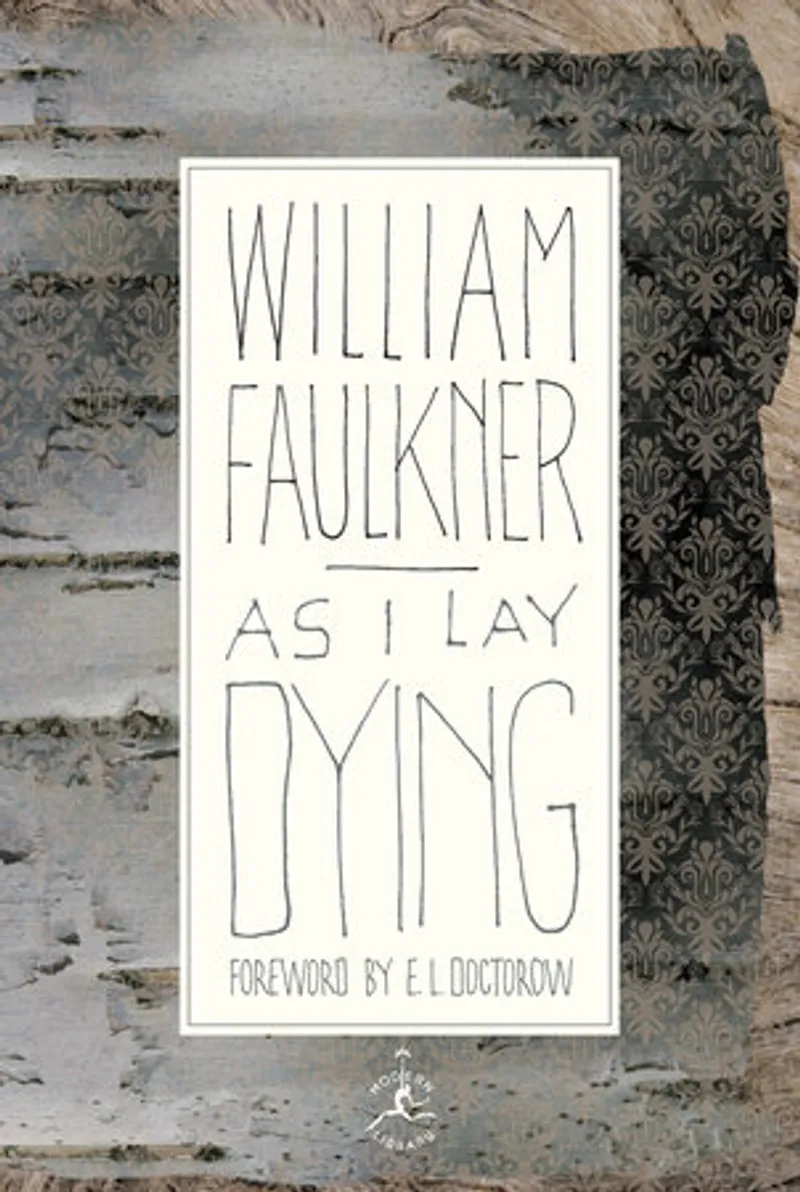
As I Lay Dying Author: William FaulknerPage Count: UnknownPublication Date: 2000-PRH William Faulkner’s As I Lay Dying is a masterclass in narrative experimentation, a novel that dismantles the conventions of storytelling to expose the raw, fragmented nature of human experience. Published in 1930 but set in the fictional Yoknapatawpha County, Mississippi, the book is a harrowing yet darkly comic odyssey that follows the Bundren family as they transport the corpse of their matriarch, Addie, across the countryside to bury her in her hometown. What could have been a straightforward tale of grief and duty instead becomes a polyphonic symphony of voices, each clamoring for truth in a world where meaning is as elusive as the shifting sands of the Mississippi Delta. At its core, As I Lay Dying is a meditation on death—not just as an event, but as a force that distorts perception, memory, and identity. Addie herself, though dead for much of the novel, looms larger than life through the recollections of those who knew her. Her voice, delivered in a single, searing chapter, is a revelation: a woman who despises her husband, resents her children, and finds solace only in the arms of a lover before her marriage. Faulkner’s genius lies in making her absence felt so acutely that her presence becomes almost unbearable. Death, here, is not an end but a catalyst, exposing the lies, half-truths, and desperate yearnings of the living. The novel’s structure is its most striking feature. Told through 59 interior monologues—some just a few lines, others sprawling confessions—Faulkner abandons traditional narrative cohesion in favor of a chaotic, almost cubist portrait of a family in crisis. Each voice is distinct: Darl, the poetic and detached son, whose observations border on prophecy; Cash, the pragmatic carpenter, whose meticulous log of the journey is both practical and heartbreaking; Dewey Dell, the pregnant teenager, whose chapters are drenched in shame and desire; Vardaman, the youngest, who confuses his mother’s death with the butchering of a fish, blurring the line between grief and confusion. Even Addie’s husband, Anse, a man of staggering selfishness and piety, gets his say, revealing a man who sees himself as a martyr despite his cowardice. Faulkner’s prose is dense, rhythmic, and often brutal, mirroring the physical and emotional toll of the journey. The language is Southern Gothic at its finest—rich with dialect, biblical cadences, and a sense of impending doom. Yet beneath the grotesquery (a cow drowning in a flood, a barn burning with a corpse inside) lies a profound humanity. The Bundrens are not heroes; they are flawed, desperate people clinging to rituals and superstitions in a world that offers no comfort. Their quest is absurd, their motives selfish, and yet Faulkner imbues their struggle with a tragic dignity. The novel asks: What does it mean to honor the dead when the living are so thoroughly broken? Faulkner’s style is not merely experimental for the sake of innovation; it is essential to the story’s power. By fragmenting the narrative, he forces the reader to piece together the truth, much like the characters themselves. The lack of a single, authoritative voice underscores the subjectivity of memory and the impossibility of objective truth. In a world where Addie’s death is both a personal tragedy and a public spectacle (the family’s odyssey becomes a local curiosity), Faulkner exposes how grief is both a private wound and a communal performance. The novel’s humor, dark as it is, is another layer of Faulkner’s genius. The Bundrens’ misfortunes—cash lost in a river, a team of mules drowned, a bridge collapsing—are played for both tragedy and farce. Anse’s self-righteousness, Dewey Dell’s desperate attempts to abort her pregnancy, and Vardaman’s childish logic ("My mother is a fish") inject levity into an otherwise bleak landscape. This balance between horror and comedy is quintessential Faulkner, a reflection of life’s absurdity and resilience. Ultimately, As I Lay Dying is a novel about the stories we tell ourselves to survive. The Bundrens are not just carrying a corpse; they are carrying the weight of their own myths, their regrets, and their desperate need to impose order on chaos. Faulkner’s genius is in making the reader complicit in this act, forcing us to sift through the noise to find fragments of truth. It is a novel that demands patience, but rewards it with a vision of humanity that is as ugly as it is beautiful. #Faulkner #SouthernGothic #ModernClassic #LiteraryFiction #AsILayDying #WilliamFaulkner Related InsightsCrescent City Hardcover Box Set Book Review and Summary The Favorite Book Review and Summary From Whispers to Worlds: Charting the Timeless Odyssey of Children's Literature{ "@context": "https://schema.org", "@type": "FAQPage", "mainEntity": [ { "@type": "Question", "name": "What is the main focus of As I Lay Dying Book Review and Summary?", "acceptedAnswer": { "@type": "Answer", "text": "Everything you need to know about As I Lay Dying with our detailed review." } }, { "@type": "Question", "name": "Who authored the comprehensive guide on As I Lay Dying Book Review and Summary?", "acceptedAnswer": { "@type": "Answer", "text": "This detailed article and its insights were carefully researched and authored by William Faulkner." } }, { "@type": "Question", "name": "Where can I find more related content about Books?", "acceptedAnswer": { "@type": "Answer", "text": "You can explore more articles, detailed reviews, and similar insights by browsing the Related Insights section at the bottom of this article or visiting our dedicated Books category page." } } ] }
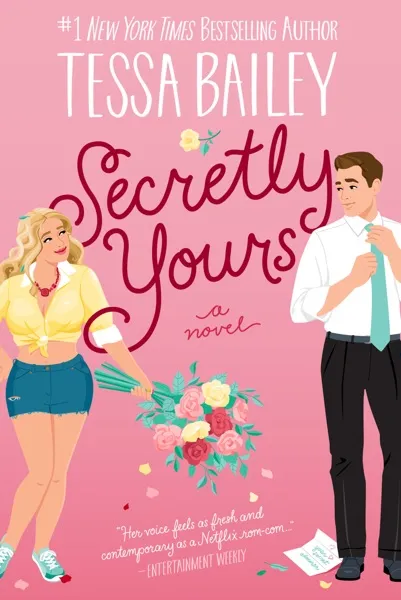

Secretly Yours Author: Tessa BaileyPage Count: UnknownPublication Year: 2023-GB Secretly Yours by Tessa Bailey: A Scorching, Witty, and Deliciously Messy Romance That Will Leave You Breathless Tessa Bailey is a master of modern romance, and Secretly Yours is her latest proof. Published in 2023, this novel cements her reputation as a writer who can balance humor, heart, and steam with effortless charm. If you love enemies-to-lovers tropes, forbidden attractions, and characters who are equal parts infuriating and irresistible, this book will have you hooked from the first page. At its core, Secretly Yours is a story about secrets—hidden desires, unspoken truths, and the messy, intoxicating pull of attraction that refuses to be ignored. The book follows the tumultuous relationship between two flawed but deeply compelling characters whose chemistry crackles with tension. Bailey excels at crafting protagonists who are messy, human, and relatable, making their journey as much about self-discovery as it is about falling in love. One of Bailey’s greatest strengths is her ability to blend humor with raw emotion. Her dialogue is sharp, witty, and often laugh-out-loud funny, but she never shies away from the deeper, more vulnerable moments that give her stories weight. The banter between the leads is electric, filled with sarcasm and playful jabs that make their eventual romance feel earned, not just inevitable. Yet, beneath the humor is a story about healing, trust, and the courage it takes to let someone in—even when you’ve been burned before. Bailey’s writing style is immersive and dynamic, pulling readers into the characters’ lives with vivid descriptions and a knack for pacing. She doesn’t just tell a love story; she builds a world around it, making the setting feel as much a part of the narrative as the characters themselves. Whether she’s describing a cozy small-town diner or a steamy, late-night encounter, her prose is engaging and evocative, ensuring that readers stay invested in every twist and turn. The beauty of Secretly Yours lies in its exploration of love in all its messy, complicated forms. The relationship at the heart of the story isn’t perfect—far from it. There are misunderstandings, pride, and past hurts to overcome, but Bailey handles these elements with sensitivity and nuance. She doesn’t just give her characters a happy ending; she gives them a real one, where growth and compromise feel authentic, not forced. What makes Bailey’s work stand out in the crowded romance genre is her ability to make even the most chaotic relationships feel believable. Her characters are flawed, their emotions are messy, and their conflicts are relatable. This isn’t a sanitized love story; it’s one that acknowledges the bumps and bruises of real life while still delivering the swoon-worthy moments that romance readers crave. Secretly Yours is a testament to Bailey’s skill as a storyteller. It’s a book that will make you laugh, blush, and maybe even shed a tear or two. It’s a romance that feels fresh, even when it’s tapping into familiar tropes, because Bailey always finds a way to make her stories her own. If you’re a fan of Tessa Bailey’s work, this book will not disappoint. If you’re new to her writing, Secretly Yours is the perfect introduction to her signature blend of humor, heart, and heat. It’s a story that lingers long after the last page, leaving you eager to dive into her backlist—or impatiently waiting for her next release. #SecretlyYours #TessaBailey #RomanceBooks #EnemiesToLovers #ForbiddenRomance #NewAdultRomance Related InsightsThe Good Earth Book Review and Summary Confessions of a Shopaholic Book Review and Summary It’s Beginning to Look a Lot Like Murder (Kiss, Merry, Kill, #2) Book Review and Summary{ "@context": "https://schema.org", "@type": "FAQPage", "mainEntity": [ { "@type": "Question", "name": "What is the main focus of Secretly Yours Book Review and Summary?", "acceptedAnswer": { "@type": "Answer", "text": "Everything you need to know about Secretly Yours with our detailed review." } }, { "@type": "Question", "name": "Who authored the comprehensive guide on Secretly Yours Book Review and Summary?", "acceptedAnswer": { "@type": "Answer", "text": "This detailed article and its insights were carefully researched and authored by Antoine Leroy." } }, { "@type": "Question", "name": "Where can I find more related content about Books?", "acceptedAnswer": { "@type": "Answer", "text": "You can explore more articles, detailed reviews, and similar insights by browsing the Related Insights section at the bottom of this article or visiting our dedicated Books category page." } } ] }
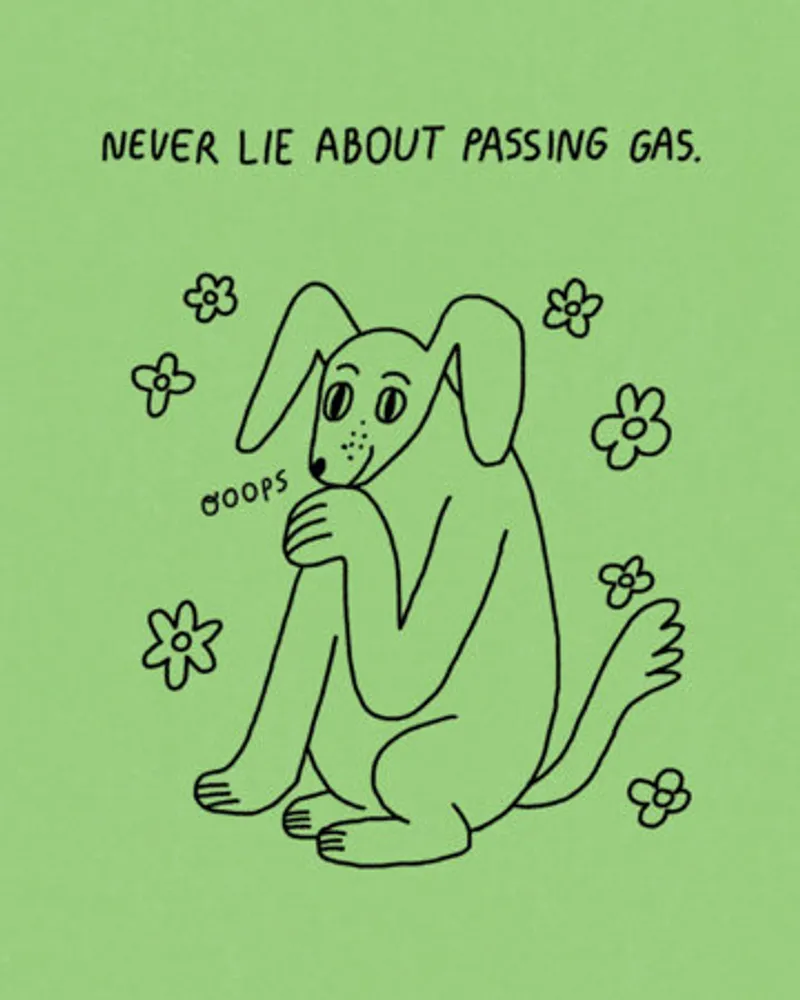
Humor Us Greeting Cards: Just For Laughs - Never lie about passing gas (Pack of 6) Author: COMPENDIUMPage Count: UnknownPublication Date: 2026-PRH In the world of humor, it's not often that we come across a publication that truly embodies the spirit of laughter and playfulness. COMPENDIUM's latest offering, "Humor Us Greeting Cards: Just For Laughs - Never lie about passing gas (Pack of 6)", is a breath of fresh air that is sure to tickle your funny bone and leave you in stitches. As the title suggests, this book is a collection of six humorous greeting cards that tackle the often-taboo subject of bodily functions with wit and charm. COMPENDIUM's style is unmistakable, with a keen eye for observation and a knack for finding humor in the mundane. The result is a series of cards that are both laugh-out-loud funny and surprisingly relatable. One of the standout features of this book is its ability to poke fun at the everyday moments that we can all identify with. From the awkwardness of passing gas in public to the ridiculousness of trying to deny it, COMPENDIUM's humor is both clever and endearing. The writing is sharp and concise, with each card featuring a single joke or quip that is expertly crafted to deliver maximum comedic impact. What sets "Humor Us Greeting Cards" apart from other humor books is its unique format. Rather than a traditional collection of essays or jokes, this book presents its humor in a series of greeting cards that are designed to be shared with friends and loved ones. This adds a whole new level of interactivity to the book, making it a fun and engaging way to spread laughter and joy to those around you. In terms of the author's style, COMPENDIUM's writing is both confident and playful. The humor is never mean-spirited or off-putting, but rather lighthearted and inclusive. The result is a book that is both entertaining and endearing, with a sense of humor that is sure to resonate with readers of all ages. If you're looking for a book that will bring a smile to your face and a laugh to your belly, then "Humor Us Greeting Cards" is a must-read. With its unique format, clever writing, and playful style, this book is a true standout in the world of humor. So why not give it a try? You never know when you might need to share a laugh with someone special. #HumorBooks #GreetingCards #LaughterIsTheBest #BellyLaughs #CompendiumPublishing #FunnyReads Related InsightsA Little Too Close - Madigan Mountain #2 Book Review and Summary Next Goal Wins! Book Review and Summary Battle Royale Book Review and Summary{ "@context": "https://schema.org", "@type": "FAQPage", "mainEntity": [ { "@type": "Question", "name": "What is the main focus of Never Lie Book Review and Summary?", "acceptedAnswer": { "@type": "Answer", "text": "Everything you need to know about Never Lie with our detailed review." } }, { "@type": "Question", "name": "Who authored the comprehensive guide on Never Lie Book Review and Summary?", "acceptedAnswer": { "@type": "Answer", "text": "This detailed article and its insights were carefully researched and authored by Freida McFadden." } }, { "@type": "Question", "name": "Where can I find more related content about Books?", "acceptedAnswer": { "@type": "Answer", "text": "You can explore more articles, detailed reviews, and similar insights by browsing the Related Insights section at the bottom of this article or visiting our dedicated Books category page." } } ] }
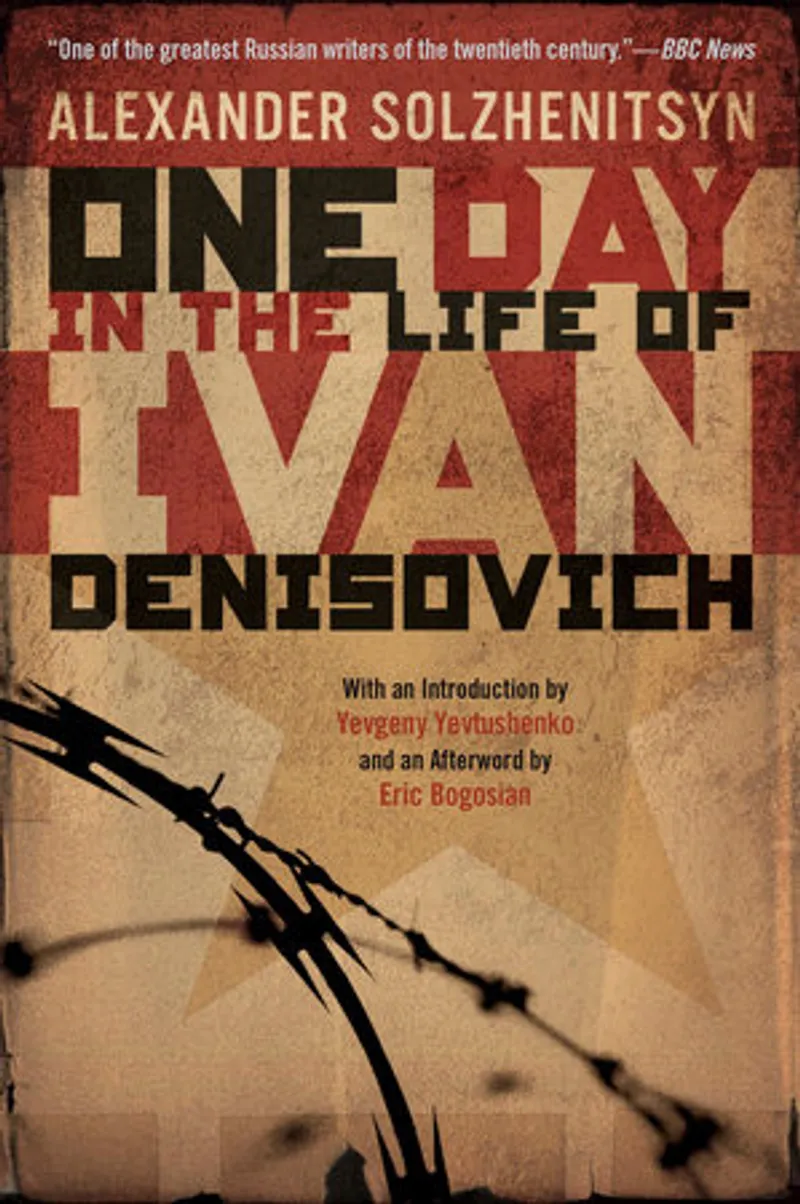
One Day in the Life of Ivan Denisovich Author: Alexander SolzhenitsynPage Count: UnknownPublication Date: 2009-PRH One Day in the Life of Ivan Denisovich is not just a book—it is a quiet rebellion against oblivion. Alexander Solzhenitsyn, a man who knew the Soviet gulag system from the inside out, crafts a narrative so stark, so unflinching, that it feels less like fiction and more like a survival report smuggled out from the frozen hell of Siberia. Published in 1962—amid the thaw of Khrushchev’s “secret speech”—this slender novel became a cultural earthquake, the first literary tremor that would eventually topple the monolith of Soviet censorship. It is a work of such moral clarity and narrative precision that it redefined what literature could dare to say about power, suffering, and the indomitable human spirit. At its core, the book is a single day in the life of Ivan Denisovich Shukhov, a prisoner in a Soviet labor camp in the 1950s. But this is no sweeping epic of war or revolution. It is a microcosm—a single, frozen morning, a bowl of thin gruel, a pair of stolen boots, a brick laid in the cold, a whispered prayer. Solzhenitsyn zooms in with the focus of a surgeon, dissecting not the grand tragedy of history, but the daily mechanics of endurance. The genius of the novel lies in this paradox: by narrowing the lens to one ordinary day, Solzhenitsyn reveals the full, monstrous scale of the system that imprisons millions. The theme is not suffering itself, but the way human dignity persists within it. Shukhov is not a hero in the traditional sense—he is a flawed, tired man, a former soldier betrayed by a system that labels him a traitor. Yet in the face of hunger, cold, and cruelty, he clings to small victories: finishing his work quota before the whistle blows, hiding a piece of bread in his mattress, trading a crust for tobacco, or simply managing to sleep without coughing in the night. These are not acts of defiance in the grand revolutionary sense; they are acts of quiet resistance, of maintaining one’s humanity when the world has stripped it away. Solzhenitsyn’s prose is as austere as the camp itself. There are no lyrical flights, no sentimental digressions. The language is blunt, functional, almost utilitarian—like the tools Shukhov uses to survive. Yet within this restraint lies immense power. Every sentence feels earned, every detail precise. The camp is not described in sweeping metaphors but in the cold facts of frostbitten fingers, the weight of a shovel, the smell of damp wool. The effect is devastating: we do not pity Shukhov because he is pitiful, but because he is ordinary, and in his ordinariness, we see ourselves. What makes the novel so chilling is its realism. Solzhenitsyn does not exaggerate the horrors; he understates them. The violence is not dramatized—it is routine. The cruelty is not theatrical—it is bureaucratic. The guards are not mustache-twirling villains; they are functionaries, following orders, indifferent to human life. This is the true horror: not the exceptional cruelty, but the systematic dehumanization that turns people into numbers, into labor units, into ghosts. Yet, for all its bleakness, the book is not despairing. It is, in fact, a celebration of resilience. Shukhov survives not because he is exceptional, but because he is ordinary—because he knows how to make do, how to wait, how to hope in small increments. His strength lies not in defiance, but in adaptation. He does not rage against the machine; he learns to move within its gears without being crushed. Solzhenitsyn’s genius is in showing that dignity is not found in grand gestures, but in the stubborn refusal to surrender to despair. In a system designed to break the human spirit, Shukhov’s quiet persistence is a form of rebellion. He does not dream of escape; he dreams of finishing his work, of eating his soup, of sleeping through the night. And in that, he wins. The novel’s publication in 1962 was a turning point. For the first time, the Soviet public was forced to confront the reality of the gulag—not as propaganda, but as lived experience. Solzhenitsyn’s voice was not that of a dissident raging against the state, but of a witness bearing testimony. His authority came not from ideology, but from experience. He had been there. He had shivered in the barracks. He had counted the bricks. One Day in the Life of Ivan Denisovich is a masterclass in narrative restraint and moral courage. It is a book that does not ask to be read—it demands to be remembered. In an era where dehumanization is often abstracted into data and algorithms, Solzhenitsyn’s novel is a necessary reminder: oppression is not an abstraction. It is a shovel in the snow, a bowl of watery soup, a man lying on his bunk, whispering a prayer before sleep. This is not just a book about a day in a labor camp. It is a book about what it means to be human when the world tries to convince you that you are nothing. #IvanDenisovich #GulagLiterature #Solzhenitsyn #SovietHistory #HumanDignity #LiteraryTestimony Related InsightsWe Chase Shadows (We Solve Murders, #2) Book Review and Summary Savages Book Review and Summary Pretty Girls Book Review and Summary{ "@context": "https://schema.org", "@type": "FAQPage", "mainEntity": [ { "@type": "Question", "name": "What is the main focus of One Day in the Life of Ivan Denisovich Book Review and Summary?", "acceptedAnswer": { "@type": "Answer", "text": "Everything you need to know about One Day in the Life of Ivan Denisovich with our detailed review." } }, { "@type": "Question", "name": "Who authored the comprehensive guide on One Day in the Life of Ivan Denisovich Book Review and Summary?", "acceptedAnswer": { "@type": "Answer", "text": "This detailed article and its insights were carefully researched and authored by Aleksandr Solzhenitsyn." } }, { "@type": "Question", "name": "Where can I find more related content about Books?", "acceptedAnswer": { "@type": "Answer", "text": "You can explore more articles, detailed reviews, and similar insights by browsing the Related Insights section at the bottom of this article or visiting our dedicated Books category page." } } ] }
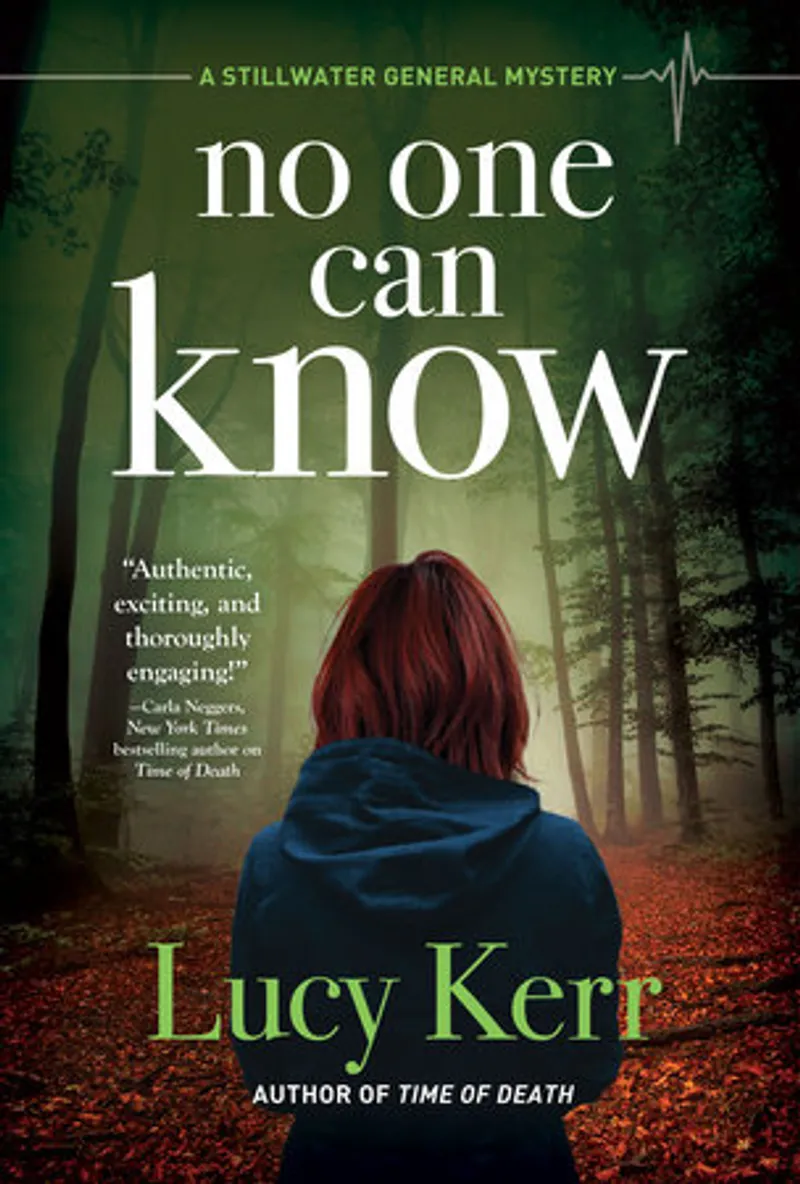
No One Can Know Author: Lucy KerrPage Count: UnknownPublication Date: 2018-PRH In "No One Can Know", Lucy Kerr weaves a gripping tale of mystery, suspense, and intrigue, set against the backdrop of a small town with secrets as dark as they are deep. At the heart of the story is Frankie Stapleton, an ER nurse who returns to her hometown of Stillwater, only to find herself entangled in a web of deceit and murder. When a pregnant car crash victim dies, and the baby goes missing, Frankie's determination to uncover the truth sets off a chain of events that puts her own life at risk. Kerr's writing style is reminiscent of a masterful storyteller, effortlessly blending elements of mystery, thriller, and small-town drama to create a narrative that is both engaging and unpredictable. Her characters are multidimensional and relatable, with Frankie being a particularly well-crafted protagonist. Her complexities, flaws, and strengths make her a compelling and likable character, whose investigation into the truth is driven by a deep sense of justice and compassion. One of the standout features of "No One Can Know" is its ability to tackle tough subjects, such as dirty politics, revenge, and the darker aspects of human nature, without resorting to sensationalism or gratuitous violence. Kerr's handling of these themes is thoughtful and nuanced, adding depth and complexity to the story. The small-town setting of Stillwater is also skillfully woven into the narrative, with Kerr using the close-knit community to explore the tensions between appearance and reality, and the ways in which secrets can both bind and destroy. As Frankie delves deeper into the mystery, Kerr expertly ramps up the tension, creating a sense of urgency and desperation that propels the reader towards the shocking conclusion. The twists and turns are cleverly plotted, with a few surprises along the way that will keep even the most seasoned mystery reader guessing. Overall, "No One Can Know" is a riveting and suspenseful mystery that will appeal to fans of authors like Tana French and Laura Lippman. Kerr's writing is engaging, her characters are well-developed, and the plot is cleverly constructed. If you're looking for a mystery that will keep you on the edge of your seat, look no further than "No One Can Know". #StillwaterGeneralMystery #LucyKerr #MysteryThriller #SmallTownSecrets #BookReview #SuspensefulReads Related InsightsDer Schatten der Zukunft: Eine Tiefenanalyse der Dystopischen Literatur als Spiegel und Warnruf Misery of Love Book Review and Summary Denialism Book Review and Summary{ "@context": "https://schema.org", "@type": "FAQPage", "mainEntity": [ { "@type": "Question", "name": "What is the main focus of No One Can Know Book Review and Summary?", "acceptedAnswer": { "@type": "Answer", "text": "Everything you need to know about No One Can Know with our detailed review." } }, { "@type": "Question", "name": "Who authored the comprehensive guide on No One Can Know Book Review and Summary?", "acceptedAnswer": { "@type": "Answer", "text": "This detailed article and its insights were carefully researched and authored by Kate Alice Marshall." } }, { "@type": "Question", "name": "Where can I find more related content about Books?", "acceptedAnswer": { "@type": "Answer", "text": "You can explore more articles, detailed reviews, and similar insights by browsing the Related Insights section at the bottom of this article or visiting our dedicated Books category page." } } ] }
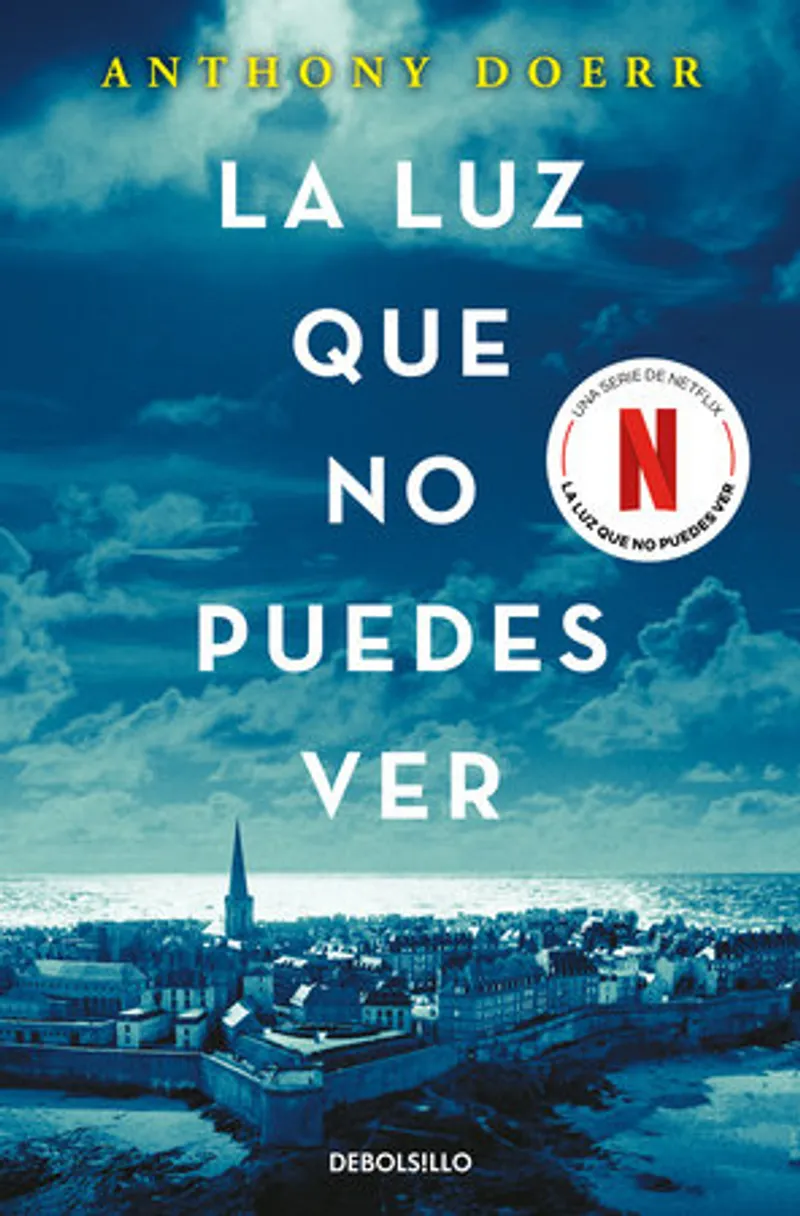
La luz que no puedes ver / All the Light We Cannot See Author: Anthony DoerrPage Count: UnknownPublication Date: 2023-PRH All the Light We Cannot See, a mesmerizing novel by Anthony Doerr, is a masterful blend of historical fiction and poignant storytelling. This Pulitzer Prize-winning book has captivated readers worldwide, and its adaptation into a Netflix limited series is a testament to its enduring power. At its core, the novel explores the intersection of hope and despair, light and darkness, in the midst of World War II. The narrative follows two young protagonists, Marie-Laure, a blind French girl, and Werner, a German orphan, whose paths converge in the besieged city of Saint-Malo. As their stories unfold, Doerr weaves a rich tapestry of themes, including the resilience of the human spirit, the power of science and technology, and the destructive nature of war. Doerr's writing style is nothing short of enchanting. His prose is lyrical, evocative, and precise, conjuring vivid images of the natural world, the inner lives of his characters, and the devastation of war. His use of language is deliberate and measured, much like the intricate mechanisms of the clocks and radios that feature prominently in the narrative. One of the novel's greatest strengths lies in its ability to balance the intimate, personal stories of its protagonists with the broader historical context of the war. Doerr's meticulous research and attention to detail are evident throughout the book, from the descriptions of the Museum of Natural History in Paris to the grueling conditions of the German army's march across Europe. Marie-Laure, with her extraordinary sense of touch and her love of science, is a remarkable creation. Her blindness is not a limitation, but rather a unique perspective that allows her to experience the world in ways that others cannot. Werner, on the other hand, is a more complex and troubled character, driven by a desire to understand the world and his place in it. His fascination with radios and technology serves as a metaphor for the power of human connection in a world torn apart by conflict. Throughout the novel, Doerr explores the idea that even in the darkest of times, there is always hope. Marie-Laure's father, a locksmith at the Museum of Natural History, creates a miniature model of their neighborhood to help his daughter navigate the world. This act of love and devotion serves as a powerful symbol of the human capacity for kindness and compassion, even in the face of overwhelming adversity. The title of the book, All the Light We Cannot See, is a reference to the scientific concept of electromagnetic radiation, which is invisible to the human eye. Yet, it is also a metaphor for the ways in which we perceive and understand the world around us. Doerr's novel is a testament to the power of human perception, to the ways in which we can see and understand the world, even in the darkest of times. In short, All the Light We Cannot See is a masterpiece of contemporary literature. It is a novel that will leave readers in awe of the human spirit, the power of science and technology, and the enduring importance of hope and compassion. If you haven't already, do yourself a favor and immerse yourself in this unforgettable story. #AllTheLightWeCannotSee #PulitzerPrizeWinner #HistoricalFiction #WWII #BookReview #MustRead Related InsightsAll We Can Save Book Review and Summary The Plus-One List: A Novel Book Review and Summary Crown of Midnight Book Review and Summary{ "@context": "https://schema.org", "@type": "FAQPage", "mainEntity": [ { "@type": "Question", "name": "What is the main focus of All the Light We Cannot See Book Review and Summary?", "acceptedAnswer": { "@type": "Answer", "text": "Everything you need to know about All the Light We Cannot See with our detailed review." } }, { "@type": "Question", "name": "Who authored the comprehensive guide on All the Light We Cannot See Book Review and Summary?", "acceptedAnswer": { "@type": "Answer", "text": "This detailed article and its insights were carefully researched and authored by Anthony Doerr." } }, { "@type": "Question", "name": "Where can I find more related content about Books?", "acceptedAnswer": { "@type": "Answer", "text": "You can explore more articles, detailed reviews, and similar insights by browsing the Related Insights section at the bottom of this article or visiting our dedicated Books category page." } } ] }
In the Lives of Puppets Author: T. J. KlunePage Count: UnknownPublication Year: 2023-GB In the Lives of Puppets is the kind of book that lingers long after the last page is turned. T. J. Klune, a master of heartfelt storytelling, once again crafts a tale that is as emotionally resonant as it is wildly imaginative. Published in 2023, this novel has swiftly cemented itself as a global bestseller, not merely for its whimsical premise but for the profound themes it explores beneath its deceptively simple surface. At its core, In the Lives of Puppets is a story about what it means to be human—or, more precisely, what it means to become human. The narrative follows androids living in a world where they are treated as second-class citizens, their existence dictated by the whims of the humans who created them. Among them is android Giovanni, who begins to question his programmed existence after a chance encounter with a human woman named Vera. Their connection sparks a journey not just across landscapes, but through the very essence of identity, free will, and love. Klune takes a concept often explored in science fiction—androids yearning for humanity—and infuses it with a tenderness that feels almost revolutionary. What sets this novel apart is Klune’s signature style: warm, conversational, and deeply empathetic. His prose is unpretentious, often playful, yet capable of cutting straight to the heart with a single sentence. There’s a gentle humor in his writing, a quality that makes even the most fantastical elements feel grounded. For instance, Giovanni’s internal monologues crackle with wit and curiosity, making him an endearing protagonist. Yet, Klune never shies away from the heavier questions. The book grapples with themes of oppression, autonomy, and the moral responsibilities of creation, all while maintaining a tone that is uplifting rather than bleak. It’s a balancing act that few authors could pull off with such grace. The world-building, though not overly detailed, is immersive in its own way. Klune creates a society where androids are both ubiquitous and invisible, a metaphor that resonates profoundly in today’s discussions about AI and ethics. The setting feels like a blend of retro-futurism and timeless storytelling, evoking the charm of classic fairy tales while addressing modern anxieties. The emotional depth of the relationships—particularly between Giovanni and Vera, but also among the secondary characters—is where the book truly shines. Klune has a gift for writing love stories that feel organic, where affection grows not from grand gestures but from quiet moments of understanding. One of the most striking aspects of In the Lives of Puppets is its optimism. In an era where dystopian narratives dominate, Klune offers a counterpoint: a story where hope is not naive but hard-won. The androids in this world are not just seeking freedom; they are seeking belonging. Their struggles mirror those of marginalized groups everywhere, making the book as socially relevant as it is personally moving. Klune’s ability to blend the personal with the political without ever losing sight of the individual is a testament to his skill as a storyteller. The pacing of the novel is another of its strengths. It moves at a leisurely, almost meandering pace, allowing the characters and their relationships to breathe. Some readers might find this deliberate pacing slow, but it serves a purpose. This is a book about savoring existence, about the small joys and quiet revelations that define a life. The journey Giovanni undertakes is as much internal as it is external, and Klune ensures that we feel every step of it. Ultimately, In the Lives of Puppets is a celebration of what it means to be alive—not just to exist, but to feel, to choose, and to love. It’s a story that reminds us that humanity is not a biological given but a state of being, one that can be embraced by anyone, regardless of their origins. Klune’s novel is a gentle yet powerful reminder that the things that connect us—kindness, curiosity, the desire to be seen—are universal. For fans of Klune’s previous works, like The House in the Cerulean Sea or The Very Secret Society of Irregular Witches, this book will feel like a natural progression, filled with the same warmth and wonder. But it also stands on its own as a deeply moving exploration of identity and freedom. Whether you’re a longtime reader of sci-fi or someone looking for a story that will restore your faith in humanity, In the Lives of Puppets is a must-read. #TJKlune #SciFiWithHeart #AndroidsAndHumanity #HopefulSciFi #BookReview #MustRead2023 Related InsightsKing of Envy Book Review and Summary The Birthing Tree Book Review and Summary Less Than Zero Book Review and Summary{ "@context": "https://schema.org", "@type": "FAQPage", "mainEntity": [ { "@type": "Question", "name": "What is the main focus of In the Lives of Puppets Book Review and Summary?", "acceptedAnswer": { "@type": "Answer", "text": "Everything you need to know about In the Lives of Puppets with our detailed review." } }, { "@type": "Question", "name": "Who authored the comprehensive guide on In the Lives of Puppets Book Review and Summary?", "acceptedAnswer": { "@type": "Answer", "text": "This detailed article and its insights were carefully researched and authored by Piotr Nowak." } }, { "@type": "Question", "name": "Where can I find more related content about Books?", "acceptedAnswer": { "@type": "Answer", "text": "You can explore more articles, detailed reviews, and similar insights by browsing the Related Insights section at the bottom of this article or visiting our dedicated Books category page." } } ] }
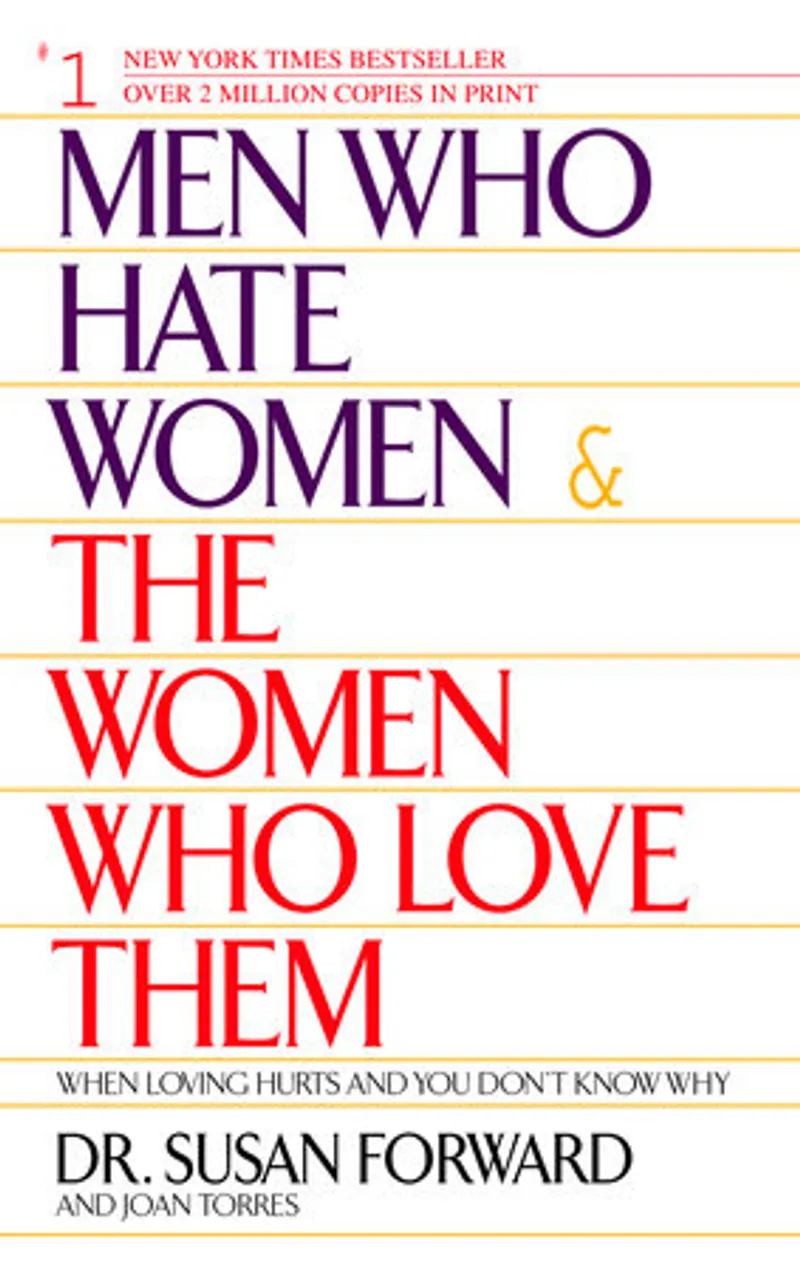
-
 Marco Conti
- 05 Oct, 2024 13:50
Men Who Hate Women and the Women Who Love Them Book Review and Summary
Men Who Hate Women and the Women Who Love Them Author: Joan TorresPage Count: UnknownPublication Date: 2002-PRH Love or Abuse? The Dangerous Dance with a Misogynist Joan Torres’ Men Who Hate Women and the Women Who Love Them is a sharp, unsettling exploration of a paradox that plagues far too many relationships: the man who claims to love you while systematically eroding your self-worth. Published in 2002, this book remains disturbingly relevant, offering a mirror to those trapped in cycles of emotional manipulation, control, and conditional affection. Torres doesn’t just diagnose the problem—she dissects it with clinical precision, blending psychological insight with raw, relatable case studies that force readers to confront uncomfortable truths. At its core, the book examines the misogynist’s dual nature—charismatic one moment, cruel the next—a pattern that leaves partners confused, guilty, and desperate to "fix" what can’t be fixed. Torres doesn’t mince words: these men aren’t just flawed; they’re emotionally abusive, and their behavior isn’t about love but power. The real shock, however, comes from the second half of the title: the women who love them. Why do so many stay? Why do they rationalize cruelty, blame themselves, or mistake control for devotion? Torres tackles these questions head-on, exposing the insidious ways misogyny warps both the abuser’s mind and his victim’s perception of reality. The author’s style is direct, almost confrontational, which serves the book’s urgent purpose. There’s no sugarcoating here—no vague advice about "communication" or "compromise." Instead, Torres lays out the hard facts: if your partner exhibits a laundry list of red flags—jealousy, gaslighting, financial control, or sudden rage—you’re not in a loving relationship. You’re in a trap. Her tone is that of a no-nonsense therapist, cutting through denial with unflinching clarity. She doesn’t just tell you what’s wrong; she shows you how to see it for yourself, even when your emotions are clouding your judgment. One of the book’s strongest sections is its breakdown of the "cycle of abuse," a pattern where the misogynist alternates between affection and punishment, keeping his partner off-balance and dependent. Torres illustrates this with chilling real-life examples—women who’ve given up careers, friendships, even their own opinions to appease a man who sees their independence as a threat. The psychological toll is devastating, and the book doesn’t shy away from it. Yet, for all its darkness, Men Who Hate Women is ultimately a book of empowerment. Torres doesn’t just leave readers drowning in despair; she arms them with the tools to break free. Her approach is rooted in self-awareness and agency. She doesn’t advocate for immediate abandonment (though she makes it clear that safety should always come first) but rather for a radical reevaluation of what love should look like. The book guides readers through recognizing their own complicity—not in the abuse, but in staying too long, making excuses, or minimizing the damage. It’s a painful process, but Torres frames it as necessary: you can’t heal what you won’t acknowledge. The writing is accessible, avoiding jargon while maintaining depth. Torres’ strength lies in her ability to translate complex psychological dynamics into language that resonates with everyday readers. She doesn’t just cite studies; she lets the victims’ voices speak for themselves, making the book feel like a lifeline for those who’ve felt utterly alone in their suffering. That said, the book’s greatest strength is also its potential weakness: its uncompromising stance. Torres leaves little room for nuance—misogynists, in her view, are irredeemable, and their partners must either walk away or risk permanent damage. Some readers might find this too harsh, especially those who’ve invested years in a relationship they’re not ready to abandon. But Torres’ refusal to soften the truth is precisely what makes the book so powerful. She doesn’t offer false hope; she offers clarity, and sometimes, that’s the first step toward freedom. In a world where emotional abuse is still too often dismissed as "just how some men are," Men Who Hate Women and the Women Who Love Them is a necessary wake-up call. It doesn’t just describe the problem—it forces you to see it, name it, and, ultimately, reject it. For anyone questioning whether their love is worth the pain, this book is a brutal but vital read. #MisogynyInRelationships #EmotionalAbuseAwareness #LoveShouldNotHurt #BreakingTheCycle #HealingFromToxicLove #StandUpToMisogyny Related InsightsTwisted Games Book Review and Summary Two Can Play Book Review and Summary Truth and Other Stories Book Review and Summary{ "@context": "https://schema.org", "@type": "FAQPage", "mainEntity": [ { "@type": "Question", "name": "What is the main focus of Men Who Hate Women and the Women Who Love Them Book Review and Summary?", "acceptedAnswer": { "@type": "Answer", "text": "Everything you need to know about Men Who Hate Women and the Women Who Love Them with our detailed review." } }, { "@type": "Question", "name": "Who authored the comprehensive guide on Men Who Hate Women and the Women Who Love Them Book Review and Summary?", "acceptedAnswer": { "@type": "Answer", "text": "This detailed article and its insights were carefully researched and authored by Marco Conti." } }, { "@type": "Question", "name": "Where can I find more related content about Books?", "acceptedAnswer": { "@type": "Answer", "text": "You can explore more articles, detailed reviews, and similar insights by browsing the Related Insights section at the bottom of this article or visiting our dedicated Books category page." } } ] }