Showing Posts From
Bookreview
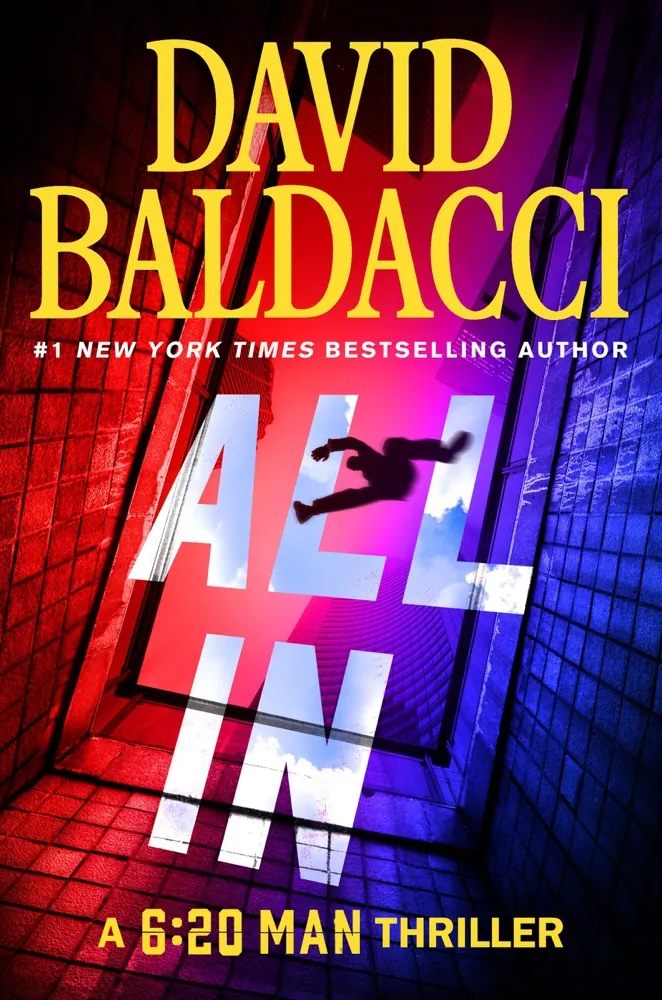

Author: David BaldacciPage Count: UnknownPublication Date: Expected publication 2026-11-10 APL The kitchen counters are still sticky from the flour explosion we called an after-school baking session, and the humidity outside is clinging to the windowpanes like a bad habit. Yet here I am, thinking about All In. David Baldacci is dragging Travis Devine out of the country, straight into the glittering harbors of Australia and a storm of billion-dollar secrets. Shadows in the Harbour Power plays that could shatter the world order? Groundbreaking. We have traded the cramped federal investigations for an Australian dynasty so obscenely wealthy they make nation-states look like mom-and-pop corner stores. But let us talk about the romance angle for a second, because the synopsis hints that a love story might actually be a complete lie. And honestly? Good. Give me heartbreak wrapped in weaponized data over a predictable happily-ever-after any day of the week, especially on a sticky August evening when the AC is humming like a dying jet engine. Speaking of domestic catastrophes, why did the third book in that cozy baking series by the pseudonym-happy author down the street involve a gluten-free murder weapon? It makes zero sense. You cannot strangle a man with a sourdough boule unless it has been left on the counter for three weeks and hardened into a literal brick—which, come to think of it, is precisely how my eldest approaches middle school geometry homework. Wait. Let me rephrase that entirely. Actually, scratch the notion that a bogus romance elevates a spy thriller. Fake dating tropes belong in fluffy rom-coms with pastel covers, not in the gritty, bullet-riddled domain of the Five Eyes alliance and rogue Russian mobsters. Baldacci is throwing too many genre ingredients into the bowl here: international journalism, billionaire dynasties, compromised prisons, and a missing analyst. It risks tasting like a badly mixed batch of snickerdoodles where someone accidentally dumped salt instead of sugar. The Currency of Information Information as currency is hardly a novel concept in twenty-first-year espionage fiction—we have read this exact maneuver in half the titles cluttering the airport bookstores right next to the thriller shelves bearing Daniel Silva's name. Yet Devine remains a compellingly bruised protagonist. A former Army Ranger wading through manufactured truths and glass-and-steel canyons. Will the execution match the grandiosity of the global stakes? Probably not entirely. But we will all preorder it anyway, hoping for a sharp punch to the gut before page three hundred. My daughter's papier-mâché volcano science project is currently on fire in the backyard because someone decided three ounces of lighter fluid was a valid substitute for baking soda and vinegar. Related InsightsThe One We Buried Book Review and Summary Ficciones Book Review and Summary Fire Book Review and Summary{ "@context": "https://schema.org", "@type": "FAQPage", "mainEntity": [ { "@type": "Question", "name": "What is the main focus of All In (6:20 Man, #4) Book Review and Summary?", "acceptedAnswer": { "@type": "Answer", "text": "Everything you need to know about All In (6:20 Man, #4) with our detailed review." } }, { "@type": "Question", "name": "Who authored the comprehensive guide on All In (6:20 Man, #4) Book Review and Summary?", "acceptedAnswer": { "@type": "Answer", "text": "This detailed article and its insights were carefully researched and authored by Sarah Davis." } }, { "@type": "Question", "name": "Where can I find more related content about Books?", "acceptedAnswer": { "@type": "Answer", "text": "You can explore more articles, detailed reviews, and similar insights by browsing the Related Insights section at the bottom of this article or visiting our dedicated Books category page." } } ] }
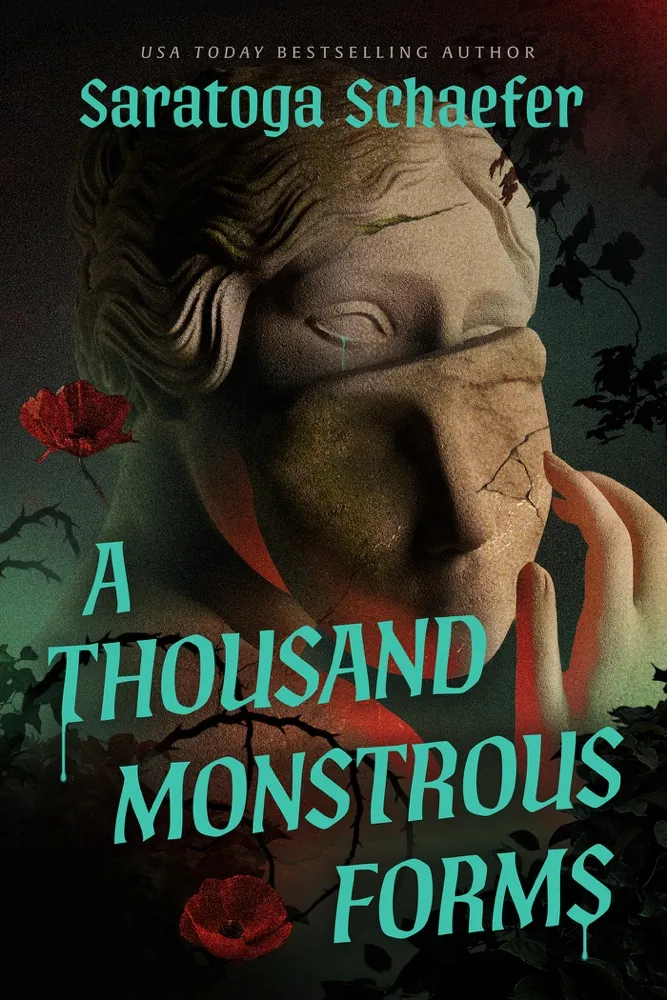
Author: Saratoga SchaeferPage Count: UnknownPublication Date: Expected publication 2026-09-15 APL Saratoga Schaefer is about to drag us through another architectural gaslighting exercise, and honestly, my blood pressure spikes just looking at the promo material for A Thousand Monstrous Forms. Six months of courtship before moving into a remote, art-filled manor called Busirane? Poppy Reed is asking to be shoved down a dumbwaiter. Or worse, turned into a modernist sculpture. Architectural Gaslighting and Sapphic Real Estate Mistakes Let's not kid ourselves. The Bluebeard blueprint is tired. Yet Schaefer managed to make Serial Killer Support Group feel mildly palatable—though I still maintain the pacing in the second act dragged harder than a Victorian mourning gown in mud. Now we are getting the gothic treatment with a sapphic twist. But wait, did I say the Bluebeard trope is tired? Scratch that, it is endlessly malleable if the psychological claustrophobia hits right. The premise relies entirely on whether Schaefer can sustain the dread of a snowed-in estate without leaning too heavily on creaking floorboards and obvious foreshadowing from faceless statues. The Semiotics of Locked Basements Art dealers with infamous romantic reputations should come with warning labels stamped across their foreheads in neon pink. The thematic weight here hinges on the subversion of trust within domestic spaces—the terrifying realization that the person who shares your pillow also hides industrial-grade secrets behind iron-reinforced deadbolts. Schaefer’s prose needs to bridge the gap between high-art pretensions and visceral, messy terror. If the dialogue dips into melodrama when the snow starts falling, I am throwing this ARC straight into the recycling bin. Give me psychological ruin or give me nothing. Actually, I take back my praise about her previous work; Trad Wife was a structural mess that completely lost its narrative momentum halfway through, so why am I expecting this to be any different? It will probably feature thirty pages of lingering descriptions over abstract paintings before anyone actually tries to survive anything. Peak lit-fic nonsense wrapped in a spooky aesthetic for booktok girlies who eat up basic gothic tropes like candy. Good grief, Hector is out by the terrace again and he is actively murdering my hydrangeas with that godforsaken weed whacker. Related InsightsNever Lose an Employee Again Book Review and Summary Charlie and the Chocolate Factory Book Review and Summary Erotic Seasons: Tuning into the Rhythms of Women's Sexuality and Spirituality Book Review and Summary{ "@context": "https://schema.org", "@type": "FAQPage", "mainEntity": [ { "@type": "Question", "name": "What is the main focus of A Thousand Monstrous Forms Book Review and Summary?", "acceptedAnswer": { "@type": "Answer", "text": "Everything you need to know about A Thousand Monstrous Forms with our detailed review." } }, { "@type": "Question", "name": "Who authored the comprehensive guide on A Thousand Monstrous Forms Book Review and Summary?", "acceptedAnswer": { "@type": "Answer", "text": "This detailed article and its insights were carefully researched and authored by Chloé Laurent." } }, { "@type": "Question", "name": "Where can I find more related content about Books?", "acceptedAnswer": { "@type": "Answer", "text": "You can explore more articles, detailed reviews, and similar insights by browsing the Related Insights section at the bottom of this article or visiting our dedicated Books category page." } } ] }
-
 Victoria Smith
 - 14 Aug, 2026 02:24
An Edge Sharp Enough (An Edge Sharp Enough, #1) Book Review and Summary
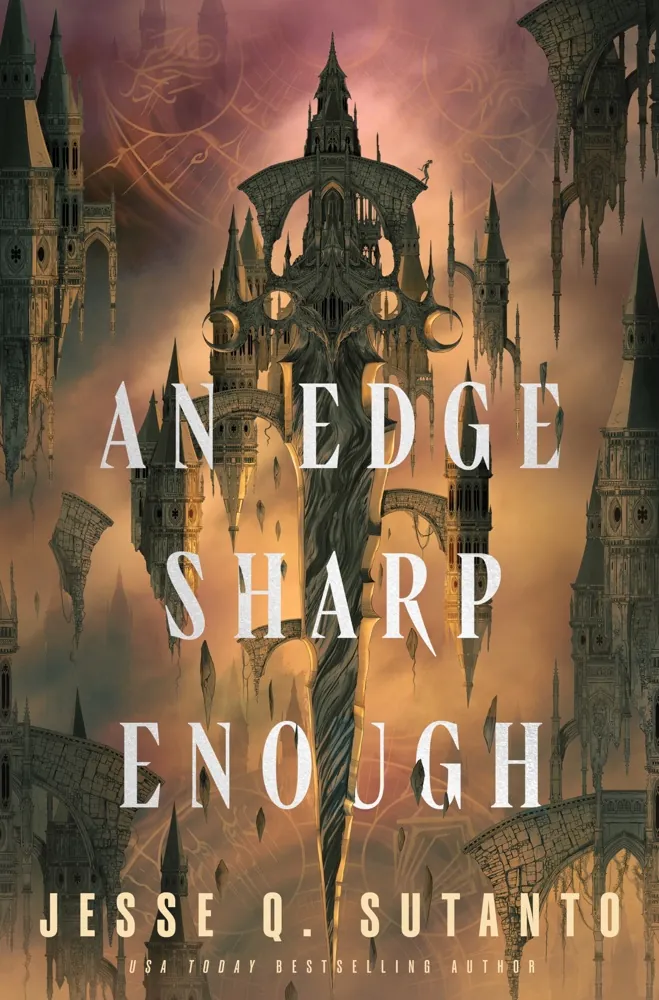
Author: Jesse Q. SutantoPage Count: UnknownPublication Date: Expected publication 2026-11-17 APL Grief is a peculiar thing, a shadow that follows us everywhere, like a lingering stench on our skin. I've lost count of the number of novels that attempt to capture its essence – a symphony of tears and regret, each one more cacophonous than the last. But this An Edge Sharp Enough promises to be different, to cut through the noise with an edge so sharp it'll leave us bleeding. The synopsis reads like a patchwork quilt, with disparate threads stitched together in a haphazard manner. Mara, an assassin, is the linchpin – her sole purpose is to resist the Divine Empress's plans, but what, exactly, does that mean? Is it a rebellion, a revolution, or just a desperate attempt to cling to a fading dream? The vagueness is palpable, a nagging itch I just can't scratch. But what I do know is that authors like Jesse Q. Sutanto have a knack for crafting worlds that feel lived-in, like dusty old armchairs creaking with the weight of history. Dial A for Aunties, their earlier novel, was a masterclass in subverting expectations – who knew that Taiwanese culture would be the key to unlocking a truly unique narrative? I'm not holding my breath for An Edge Sharp Enough to be a game-changer, but I do have a feeling it'll be a wild ride. Livya, the privileged daughter of a scientist, seems like the perfect foil to Mara's stoic assassin. There's something undeniably compelling about the intersection of duty and desire, of the suffocating weight of obligation versus the primal urge to break free. But what I find truly intriguing is the concept of the "indestructible" metal – is it a metaphor for something greater, or just a clever plot device? I suppose we'll have to wait and see. Fractured Identities & False Paradigms Grief, to me, is not just about loss – it's about the fragmented selves we leave behind, the personas we put on like a mask to hide the void within. These characters – Mara, Livya, the enigmatic Kaian, and Captain Fonde – are all walking contradictions, their identities frayed at the seams, begging to be rewoven. The question, of course, is whether author Sutanto will be able to do justice to this complex tapestry. Will the world-building be as immersive as, say, N.K. Jemisin's Broken Earth trilogy? Or will it falter, like a house of cards built on quicksand? Only time (and the book itself) will tell. But for now, I remain agnostic – a blank slate waiting to be etched by the author's words. Inconsistencies, Assumptions & The Pivot Mara's backstory seems like a jumbled mess of contradictions – five years old, behind fortress-like walls, dedicated to resisting the Divine Empress? It's a recipe for disaster, or a carefully crafted plot device. I'm inclined to believe the latter, but what if I'm wrong? And what's this about "a great revolution"? A revolution implies a sea change, a paradigm shift. But the mention of an "indestructible metal" suggests something far more... complicated. Wait, what was I saying? Ah yes, the metal. I think. The Unpredictable Nature of Trauma Grief, again, is a cruel mistress – it refuses to be tamed, to be wrapped neatly in a bow and presented as a gift. These characters will no doubt face their own share of trauma, their psyches frayed by the harsh realities of their world. And yet, somehow, they'll find a way to persevere. I suppose that's the true power of storytelling – to capture the human condition in all its messy, glorious complexity. Can An Edge Sharp Enough deliver on this promise? I'm not sure, but I'm willing to bet it'll be an intriguing ride. Just as I was about to finish this review, I stepped on a rogue building block. Related InsightsThe Perks of Being a Wallflower Book Review and Summary Dark Tides Book Review and Summary Far Sector Book Review and Summary{ "@context": "https://schema.org", "@type": "FAQPage", "mainEntity": [ { "@type": "Question", "name": "What is the main focus of An Edge Sharp Enough (An Edge Sharp Enough, #1) Book Review and Summary?", "acceptedAnswer": { "@type": "Answer", "text": "Everything you need to know about An Edge Sharp Enough (An Edge Sharp Enough, #1) with our detailed review." } }, { "@type": "Question", "name": "Who authored the comprehensive guide on An Edge Sharp Enough (An Edge Sharp Enough, #1) Book Review and Summary?", "acceptedAnswer": { "@type": "Answer", "text": "This detailed article and its insights were carefully researched and authored by Victoria Smith." } }, { "@type": "Question", "name": "Where can I find more related content about Books?", "acceptedAnswer": { "@type": "Answer", "text": "You can explore more articles, detailed reviews, and similar insights by browsing the Related Insights section at the bottom of this article or visiting our dedicated Books category page." } } ] }
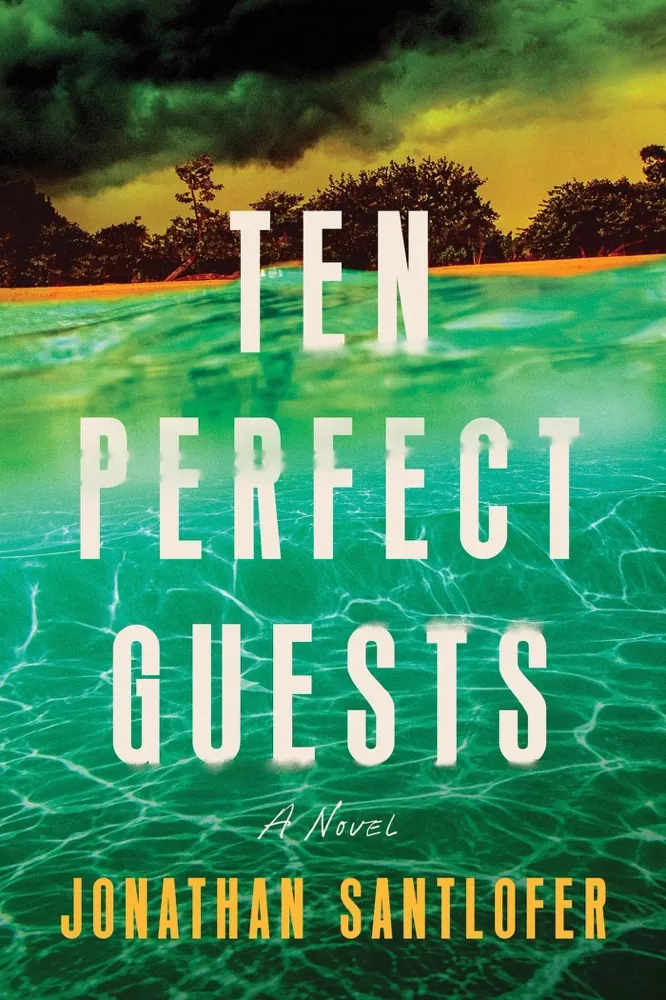

Author: Jonathan SantloferPage Count: UnknownPublication Date: Expected publication 2026-09-08 APL The air here is thick with the kind of quiet that only comes from knowing something terrible is about to happen—like the moment before a storm rolls in, when the sky isn’t just darkening but breathing. Ten Perfect Guests isn’t just a murder mystery; it’s a slow-motion car crash of ambition, betrayal, and the kind of art-world ego that could curdle a glass of champagne mid-sip. The synopsis reads like a dinner invitation from a man who knows exactly how many forks to set—ten, because he’s counting on every single one of them to dig into their own graves. And yet, the real genius—or folly—is that we’re not even sure if the victim is the villain here. Victor D’Arcangelo’s death is framed as a summons, not a tragedy, which is either a masterstroke of psychological manipulation or the kind of lazy writing that makes you wonder if the author’s only research was a Wikipedia deep dive into "artists who died mysteriously." The island isn’t just a setting; it’s a character in its own right, a tropical pressure cooker where the humidity clings to secrets like sweat to silk. The "no way out" isn’t just a plot device—it’s a metaphor for the kind of entrapment that comes with legacy. Think The Guest List meets Big Little Lies, but with the kind of razor-sharp dialogue that makes you suspect the author once eavesdropped on a gallery opening where the wine was free but the insults were not. The "ten perfect guests" line is dripping with irony, because nothing about this scenario is perfect. Not the inheritance, not the island, not the fact that someone—someone—is already circling like a vulture in a tuxedo. The question isn’t who will die; it’s who will get away with it, and that’s the kind of tension that makes you want to bookmark the page and never look back. But here’s where the synopsis stumbles—it’s too neat. The "someone knows their secrets" line is the kind of vague threat that could apply to any locked-room thriller, and the "revenge" angle feels like it’s been lifted from a screenplay where the villain monologues about childhood slights. Where’s the nuance? Where’s the suggestion that the guests aren’t just pawns but players in their own right? The synopsis reads like a press release for a Netflix original, not the kind of literary tension that lingers like a half-smoked cigarette in an ashtray. And yet—and yet—there’s something undeniably compelling about the idea of a memorial that’s less a farewell and more a gauntlet. It’s the kind of premise that makes you wonder if Santlofer is channeling the dark humor of Sharp Objects or the slow-burn dread of The Turn of the Screw, but with the kind of art-world specificity that could either elevate it or make it feel like a gilded cage. I was wrong earlier. The synopsis isn’t lazy—it’s deliberate. The vagueness isn’t a flaw; it’s a tease. The "ten perfect guests" line isn’t just a setup; it’s a promise that the real story will unfold in the cracks between the lines, where the guests’ flaws and fixations will be as much the killer as the knife. This isn’t just a murder mystery; it’s a dissection of the people who gather to mourn, who are really there to prove they’re the ones who deserve the inheritance. The island isn’t just a prison—it’s a mirror, reflecting back the worst in each of them. And the fact that the synopsis doesn’t spell out the mechanics of the crime? That’s the point. The masterpiece here isn’t the art; it’s the murder, and the real question is whether the guests will see it coming—or if they’ll be too busy admiring their own reflections to notice the blood on their hands. My home office has just been invaded by action figures. Related InsightsFind Me Where It Ends Book Review and Summary Boiling Point: How America Brought War to Ukraine Book Review and Summary Desert Star Book Review and Summary{ "@context": "https://schema.org", "@type": "FAQPage", "mainEntity": [ { "@type": "Question", "name": "What is the main focus of Ten Perfect Guests Book Review and Summary?", "acceptedAnswer": { "@type": "Answer", "text": "Everything you need to know about Ten Perfect Guests with our detailed review." } }, { "@type": "Question", "name": "Who authored the comprehensive guide on Ten Perfect Guests Book Review and Summary?", "acceptedAnswer": { "@type": "Answer", "text": "This detailed article and its insights were carefully researched and authored by Isabella Moore." } }, { "@type": "Question", "name": "Where can I find more related content about Books?", "acceptedAnswer": { "@type": "Answer", "text": "You can explore more articles, detailed reviews, and similar insights by browsing the Related Insights section at the bottom of this article or visiting our dedicated Books category page." } } ] }
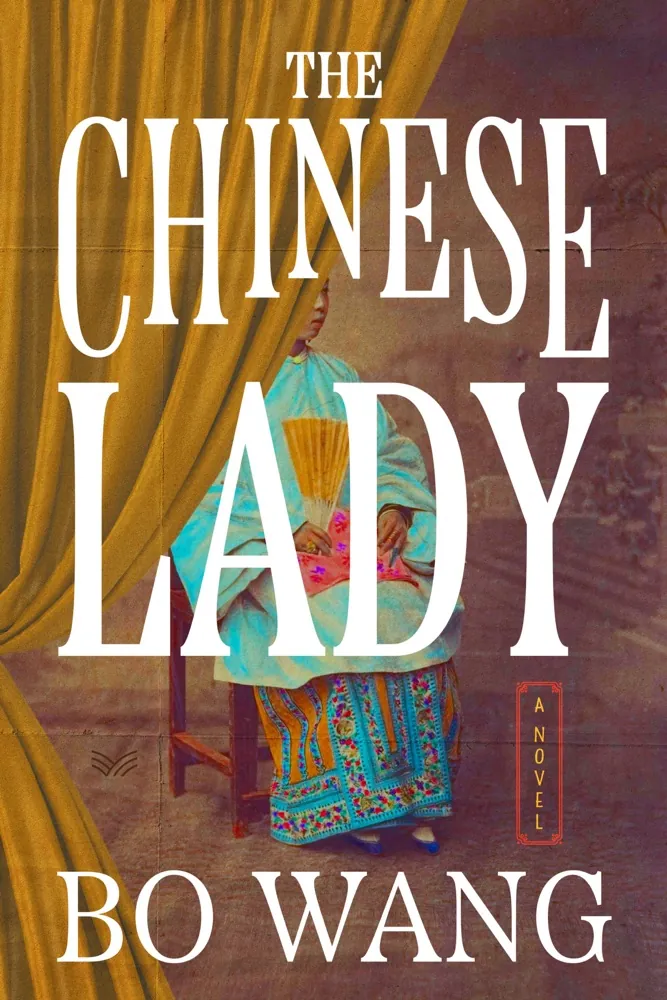

Author: Bo WangPage Count: UnknownPublication Date: Expected publication 2026-09-08 APL Velvet velvet everywhere, and not a single genuine syllable left in the parlor. They compare Bo Wang’s The Chinese Lady to Amy Tan’s The Joy Luck Club as if every piece of Asian-diaspora fiction must be packaged in the same bruised silk. How dreadfully unimaginative. Yet, I find myself tracing the edge of my Sèvres teacup, utterly seduced by the structural ambition promised here. A life fractured into titles. Little Sparrow. Julia. Afong Moy. Madame Moy. China. The nomenclature alone suggests a linguistic violence that excites the poet in me far more than any tidy chronological plot ever could. The Currency of Human Curiosities Look at the mechanics of this premise. In 1834, reduced to an oddity because of bound feet—those lotus feet molded into architectural tragedies for the male gaze. And P.T. Barnum enters the frame, because of course he does. America loves a sideshow. But the structural conceit is what demands our attention. We do not start with her voice. No. We hear her through the echoes of those who owned, named, and commodified her. A mother’s sale in Canton. A captain’s patronizing renaming in New York. The museum's dehumanizing moniker. Wait. Let me retract my praise for that structure. It is a tired trick. Why must we endure the chorus of oppressors before we are granted the privilege of the victim's interiority? It is an artistic indulgence that flirts too closely with the very exploitation it purports to condemn. Let her speak from page one. We do not need the white captain's wife to translate the agony for us. The Weight of the Name And yet, the promise of San Francisco’s Chinatown at the terminus offers a sharp, bitter fruit. The reclamation of a stolen identity. Wang is attempting a monumental feat—filling the silent chasms of archival history with the breath of imaginative prose. Will it soar? Or will it buckle under the heavy-handed marketing of historical trauma porn designed to win literary prizes on the backs of broken bones? My daughter just burst into the study to inform me that her science fair is tomorrow, not next week. Related InsightsFight Club Book Review and Summary The Christmas Yes List Book Review and Summary Charlaine Harris Gunnie Rose 4 Book Review and Summary{ "@context": "https://schema.org", "@type": "FAQPage", "mainEntity": [ { "@type": "Question", "name": "What is the main focus of The Chinese Lady Book Review and Summary?", "acceptedAnswer": { "@type": "Answer", "text": "Everything you need to know about The Chinese Lady with our detailed review." } }, { "@type": "Question", "name": "Who authored the comprehensive guide on The Chinese Lady Book Review and Summary?", "acceptedAnswer": { "@type": "Answer", "text": "This detailed article and its insights were carefully researched and authored by Lucia Garcia." } }, { "@type": "Question", "name": "Where can I find more related content about Books?", "acceptedAnswer": { "@type": "Answer", "text": "You can explore more articles, detailed reviews, and similar insights by browsing the Related Insights section at the bottom of this article or visiting our dedicated Books category page." } } ] }
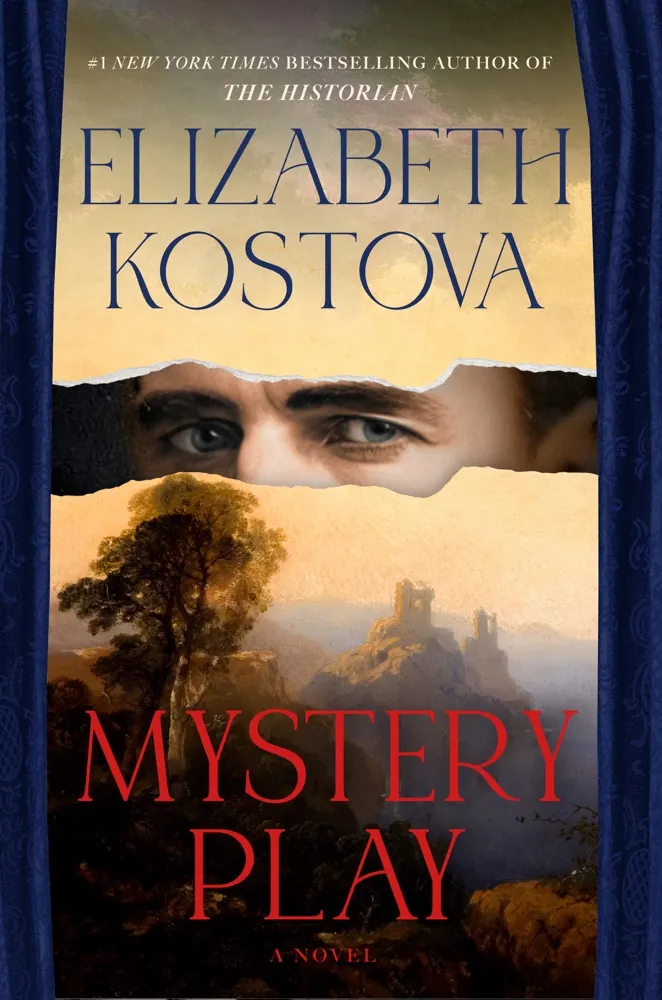

Author: Elizabeth KostovaPage Count: UnknownPublication Date: Expected publication 2026-10-13 APL Kostova's back, and it's time to see if she can recapture the lightning in a bottle that made her a household name with her debut, The Historian. I'm thinking 2006-esque epic, Gilded Age glamour, with dashes of horror and, most definitely, Dracula. And yeah, because we all need more of that in our lives. But let's get to the nitty-gritty, shall we? —The fact that Elizabeth Kostova is revisiting the Dracula lore is fascinating, but the real draw here is the new protagonist, Jay Turner. This guy's got a solid reason to be paranoid: a partially burned newspaper with a name on it, "Gael Brogan," and a package containing a creepy leather-bound book at his doorstep. And we all love a protagonist with secrets, don't we? It's a little too convenient that Gael Brogan is some 19th-century actor who played the part of Dracula, don't you reckon? Still, you gotta hand it to Kostova: she knows how to spin a narrative that has you hooked from the get-go. But what if she—The Mystery Play turns out to be just another exercise in nostalgia, another attempt to cash in on Dracula's timeless appeal? That would be a real shame, seeing how this book does feel like it's tapping into the zeitgeist. I mean, the whole "ancient evil and its dramatic followers" thing is, at the very least, a tantalizing setup. Think The League of Extraordinary Gentlemen meets a dash of Penny Dreadful, and you've got a solid premise on your hands. Kostova's got a lot of work ahead of her if she wants to make this book stand out, though. Let's be real, folks: the real test will come when she tries to make Gael Brogan more than just a curiosity. The Play's Dark Shadows But here's the thing: The Mystery Play feels like it's trying too hard to be something greater than it is. This book is a thriller, yes, and a good one at that. And yeah, sure, I'd totally read a Stephen King novel about an actor who goes to far in his portrayal of Dracula. But what if this isn't just some clever rehash of the classic, what if it's something more... something more... well, that's the million-dollar question, isn't it? The Theater of the Absurd Still, as a fan of The Historian, I won't lie: I'm a little skeptical. Kostova's got a real knack for crafting atmosphere, for making you feel like you're right there within the world she's so meticulously created. And, man, does she love her period settings. It's a lot like The Alienist meets The Night Circus with a dash of Dracula thrown in for good measure. Okay, so it may be a bit on the nose at times, but that's all part of the fun, isn't it? But, let's get real, The Mystery Play better bring the heat. I've read it all before, from The Historian to Dracula's castle to—okay, you get the idea. This has got to be something more, more original, more wow. Otherwise, it's just another tired Dracula adaptation, and we've been there, done that, and gotten the t-shirt to prove it. The Final Curtain I think what I'm really worried about is how much The Mystery Play relies on nostalgia and familiarity with the original Dracula lore. Don't get me wrong, the idea of it is solid. The problem lies in execution. Kostova's got this, I genuinely believe that. But until I see some real, tangible tension in these pages, I'll be keeping my expectations on the low side. I mean, let's face it: this is a high-risk, high-reward situation. Either this book blows me away, or I'll be the one getting a bad rap about being too cynical. I've got to get packing, by the way. I'm off to Tokyo tomorrow for business. Related InsightsAfter Midnight Book Review and Summary L'Eco del Destino: Il Viaggio Metafisico tra le Sabbie di L'Alchimista Jonathan Strange & Mr Norrell Book Review and Summary{ "@context": "https://schema.org", "@type": "FAQPage", "mainEntity": [ { "@type": "Question", "name": "What is the main focus of Mystery Play Book Review and Summary?", "acceptedAnswer": { "@type": "Answer", "text": "Everything you need to know about Mystery Play with our detailed review." } }, { "@type": "Question", "name": "Who authored the comprehensive guide on Mystery Play Book Review and Summary?", "acceptedAnswer": { "@type": "Answer", "text": "This detailed article and its insights were carefully researched and authored by Piotr Nowak." } }, { "@type": "Question", "name": "Where can I find more related content about Books?", "acceptedAnswer": { "@type": "Answer", "text": "You can explore more articles, detailed reviews, and similar insights by browsing the Related Insights section at the bottom of this article or visiting our dedicated Books category page." } } ] }
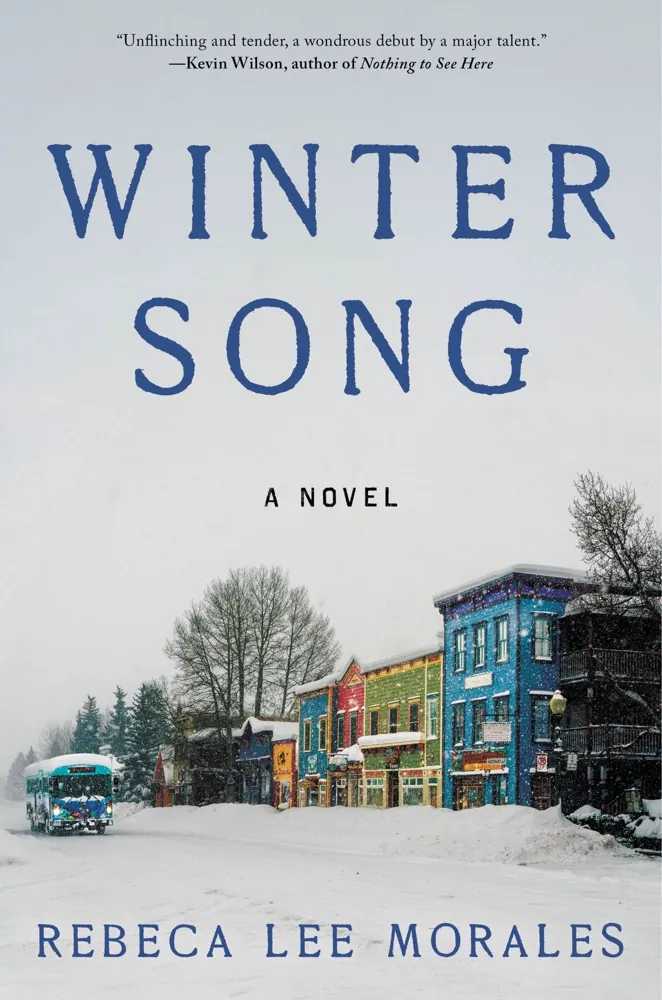
Author: Rebeca Lee MoralesPage Count: UnknownPublication Date: Expected publication 2026-12-01 APL The snow’s been falling in Minnesota for weeks—just like the way this synopsis buries its hooks deep, slow and inevitable, like a man shoveling his way through a yard that’s already been buried. You can almost hear the crunch of ice underfoot as Gordon Trent, a cop who’s spent his life measuring guilt by the inch, gets cornered by Byron Lugo, a man who’s spent his life insisting he’s been wronged by the very system Trent helped uphold. And yet—here’s the thing—this isn’t some grand, cinematic reckoning. It’s a story about the quiet, the real quiet, the kind that settles in the bones of a town where the biggest scandal is whether Old Man Hargrove’s tractor will start this winter. The synopsis sells this as a character study wrapped in a procedural—Winter Song as the literary equivalent of a slow-burn true crime podcast, where the real crime isn’t the vehicular homicide Byron’s been convicted of, but the way the town, the law, and even Gordon himself have already decided the verdict before the trial’s over. But—and this is where the vagueness starts to feel like a deliberate choice—where’s the song? The title’s a tease, a promise of something lyrical lurking beneath the frost, but all we’ve got so far is the structural beats: the retired cop, the wrongfully accused, the motley crew of allies who’ll stand by Byron no matter what. It’s the kind of setup that could go either way—The Secret History meets The Outsider, or A Prayer for Owen Meany if Owen had been framed for a hit-and-run instead of some cosmic misfortune. For what it’s worth, the comparison to Elizabeth Strout and Kent Haruf isn’t just marketing fluff. These are authors who understand how small towns are both prisons and sanctuaries, where everyone knows your business but no one’s willing to admit they’ve ever done anything wrong themselves. The tension here isn’t just between Byron and Gordon—it’s the tension of a man who’s spent his career believing in the system now being forced to confront the cracks in it. And yet, the synopsis doesn’t tell us how that confrontation plays out. Is Gordon a reformer? A cynic? A man who’s just tired of the job? The way it’s written, he could be any of those, or none of them—because the real work, the song, is in the telling. The other thing that jumps out? The year. 1986. Not just any year, but a year when the world outside Minnesota’s hinterland was still feeling the aftershocks of Reaganomics, when the Cold War was a constant hum in the background, when the idea of "justice" was still being debated in courtrooms and living rooms alike. That’s not just a setting—it’s a character. The town’s isolation isn’t just geographic; it’s ideological. And that’s where the real stakes lie. Because in a place like this, the biggest crime isn’t the one Byron’s accused of—it’s the one the town commits every day by looking the other way. But here’s where the synopsis starts to feel like it’s holding back. We’re told Byron’s friends will stand by him, but we’re not told who they are or why. Are they idealists? Criminals themselves? People who’ve seen the system work against them before? The way the synopsis frames it, it could be any of those, but the lack of specificity makes it feel like the author’s playing it safe. And in a genre where the tension comes from the unknown—from the way a character’s past might resurface, from the way a town’s secrets might unravel—holding back like that feels like a missed opportunity. Yet—and this is the thing—maybe that’s the point. Maybe Winter Song isn’t about the grand reveal, but about the slow, creeping realization that some wounds never close, that some songs are just meant to be sung in the dark. The comparison to Haruf’s Plainsong isn’t just about the small-town setting; it’s about the way both books treat redemption as something that’s never guaranteed, never clean. And if that’s the case, then the synopsis is doing its job by leaving us with more questions than answers. The only thing that feels off? The title. Winter Song sounds like it’s promising something poetic, something almost magical, when what we’ve got so far is a story about a man trying to clear his name in a town that’s already written him off. But then again, maybe that’s the beauty of it. Maybe the song isn’t in the resolution, but in the way the characters keep singing anyway, even when no one’s listening. And then there’s the question of style. The synopsis reads like it’s been written by someone who’s read too many other synopses—too many promises of "moving" and "pitch-perfect" and "brilliant new voices." It’s the kind of language that makes you want to roll your eyes, but also makes you wonder if the book itself will be the antithesis of that kind of hype. Will it be the quiet, unassuming masterpiece that doesn’t need to sell itself, or will it be the one that gets lost in the noise? For now, all we’ve got is the promise of a story about a man who’s been wronged, a cop who’s been wrong, and a town that’s been wrong for a long time. And if that’s the case, then Winter Song might just be the kind of book that gets better the longer you wait for it. But then again—what’s the point of waiting when you can just order it now and find out? The only thing worse than a book that doesn’t deliver is a book that makes you wait too long to find out if it does. #bookstagram #midwestlit #literaryfiction #winteriscoming #slowburn

Author: Tatiana Schlote-BonnePage Count: UnknownPublication Date: Expected publication 2026 APL The flickering fluorescent overhead tube is buzzing at a precise, brain-melting frequency of sixty hertz, and my coffee went lukewarm forty minutes ago while I stared at yet another pitch about a teenager who accidentally summons a literal demon through an indie horror game. Tatiana Schlote-Bonne's What Feeds Below drops in 2026, and I am already exhausted. Pixels and Penance The premise leans hard into contemporary millennial-and-young-adult anxiety, marrying the parasocial loneliness of Twitch streaming with old-school folklore doppelgangers. We get Viv, a chronic liar drowning in survivor's guilt over her sister's fatal accident, trying to monetize her trauma for parental approval. It is standard modern YA fare dressed up in ring lights and chat box overlays. Or maybe it isn't. Wait, let me rephrase that. Actually, looking closer at the marketing copy, the streaming angle might just be a shallow aesthetic wrapper for a standard psychological guilt-trip thriller. Who knows. The synopsis plays it safe, hitting every expected beat of the "reformed bully finds redemption through supernatural terror" checklist. The Boy Who Cried Demonic Mimic The central conflict relies on the oldest, most irritating trope in speculative fiction: nobody believes the protagonist because she lied in the past. It is the boy who cried wolf, translated into a high-saturation digital landscape. But let us be honest about the mechanics here. The synopsis tells us absolutely nothing about how this demonic mimic actually operates mechanically, leaving us stranded in a sea of vague threat implications. Yet, I read it so you don't have to. Well, technically I do have to, because my rent is due and this miserable night shift demands another thousand words of artificial enthusiasm for unreleased manuscripts. If Schlote-Bonne leans away from the moralizing cheese and embraces the genuinely nasty implications of a supernatural entity wearing a liar's face, this could punch above its weight class. Think Depraved meets a slightly more cynical iteration of Mara Rutherford's work, stripped of the usual genre gloss. Or it could drown in its own heavy-handed messaging about the power of truth. I have to leave now for a terribly pretentious avant-garde film screening where three people stare at a blank wall for two hours, which somehow still sounds more stimulating than proofreading another manuscript about a gamer fighting a digital ghost. #WhatFeedsBelow #BookTwitter #YAHorror #PublishingLife Related InsightsBlood Lust (Blood Chronicles, #2) Book Review and Summary Carrie Book Review and Summary This Season of Life: Stories and Gentle Practices for the Busy, Slow, and In-Between Book Review and Summary{ "@context": "https://schema.org", "@type": "FAQPage", "mainEntity": [ { "@type": "Question", "name": "What is the main focus of What Feeds Below Book Review and Summary?", "acceptedAnswer": { "@type": "Answer", "text": "Everything you need to know about What Feeds Below with our detailed review." } }, { "@type": "Question", "name": "Who authored the comprehensive guide on What Feeds Below Book Review and Summary?", "acceptedAnswer": { "@type": "Answer", "text": "This detailed article and its insights were carefully researched and authored by Irina Ivanova." } }, { "@type": "Question", "name": "Where can I find more related content about Books?", "acceptedAnswer": { "@type": "Answer", "text": "You can explore more articles, detailed reviews, and similar insights by browsing the Related Insights section at the bottom of this article or visiting our dedicated Books category page." } } ] }
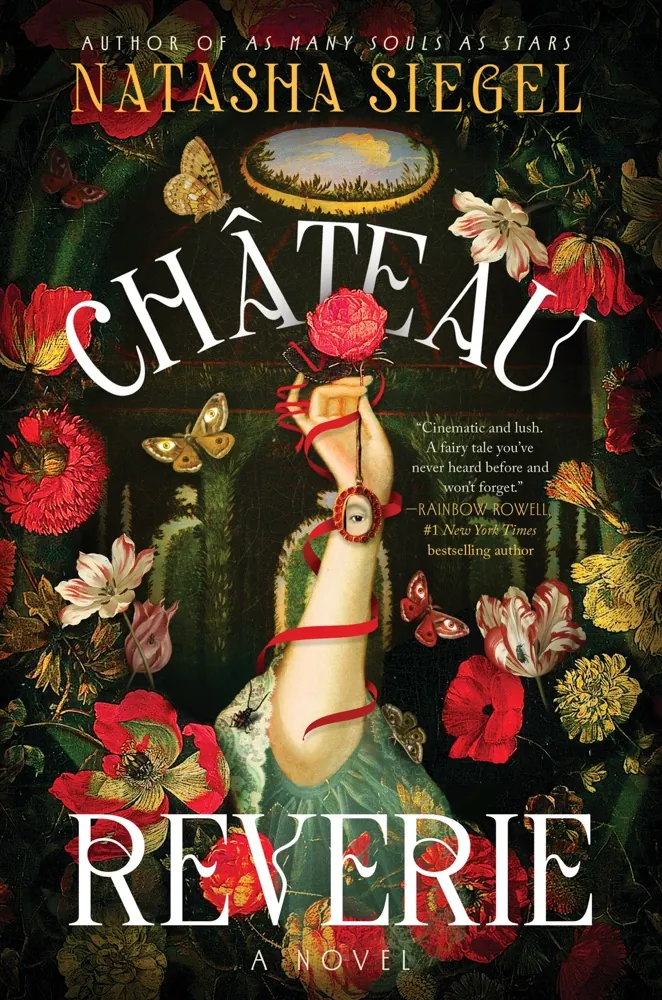

Author: Natasha SiegelPage Count: UnknownPublication Date: Expected publication 2026-10-27 APL The humidity clinging to the silk of my collar today is nothing short of an absolute tragedy, a suffocating August blanket that mirrors the precise agony of staring at yet another derivative historical fantasy being shoveled onto the market by desperate publishers. Chateau Reverie arrives late next year courtesy of Natasha Siegel, demanding we care about a rococo parlor game masquerading as high art. And yet, Samantha Shannon is blubbering about being enchanted. How precious. We are promised a haunted house, a fable, and a romance during the twilight hours of the French Revolution—because apparently, the guillotine simply wasn't bloody enough without a touch of magical realism thrown in for the TikTok demographic. The Currency of Suppressed Trauma Genevieve de Vienne and Leander Sterne walk into a cursed architectural wet dream with empty pockets and heavy baggage. Or rather, Genevieve wants to obliterate the memory of a former lover while Leander merely desires basic autonomy. They must survive three days of transactional amnesia. Bidding secrets for desires sounds awfully like a graduate seminar in comparative literature, minus the stale coffee and career despair. Siegel previously gave us As Many Souls as Stars, which apparently prepared her to write about ethereal auctions where people trade their deepest shames like baseball cards. It is deeply unserious, low-key giving me brain rot just reading the logline, yet executed with enough rococo window dressing to hook the Erin Morgenstern sycophants. Actually, scratch that completely. The prose is allegedly "lush and transportive," and if Siegel leans hard enough into the decadent horror of the late eighteenth-century aristocracy, I might actually forgive the sheer absurdity of a magical house playing landlord to amnesiacs. The Aristocratic Audit of the Damned We are expected to marvel at the peril of seven attendees trapped in a sentient estate where winning means losing your humanity. How dreadfully original. One shudders at the structural integrity of a plot that relies entirely on people trading secrets they supposedly cannot remember. How does one bid a secret when memory is the price of admission? A glaring logical paradox, yet the V.E. Schwab crowd will eat it up without chewing. They adore aestheticized suffering wrapped in velvet ribbons and candle wax. We shall see if Siegel delivers an actual deconstruction of French aristocratic rot or merely another pastel-tinted YA-crossover dressed up in lace. My Rolex is losing five seconds an hour and the jeweler cannot look at it until Tuesday, which is a profound inconvenience. Related InsightsEmily Henry 3-Book Boxed Set Book Review and Summary The Drowning Woman Book Review and Summary Hard-Boiled Wonderland and the End of the World Book Review and Summary{ "@context": "https://schema.org", "@type": "FAQPage", "mainEntity": [ { "@type": "Question", "name": "What is the main focus of Chateau Reverie Book Review and Summary?", "acceptedAnswer": { "@type": "Answer", "text": "Everything you need to know about Chateau Reverie with our detailed review." } }, { "@type": "Question", "name": "Who authored the comprehensive guide on Chateau Reverie Book Review and Summary?", "acceptedAnswer": { "@type": "Answer", "text": "This detailed article and its insights were carefully researched and authored by James Miller." } }, { "@type": "Question", "name": "Where can I find more related content about Books?", "acceptedAnswer": { "@type": "Answer", "text": "You can explore more articles, detailed reviews, and similar insights by browsing the Related Insights section at the bottom of this article or visiting our dedicated Books category page." } } ] }
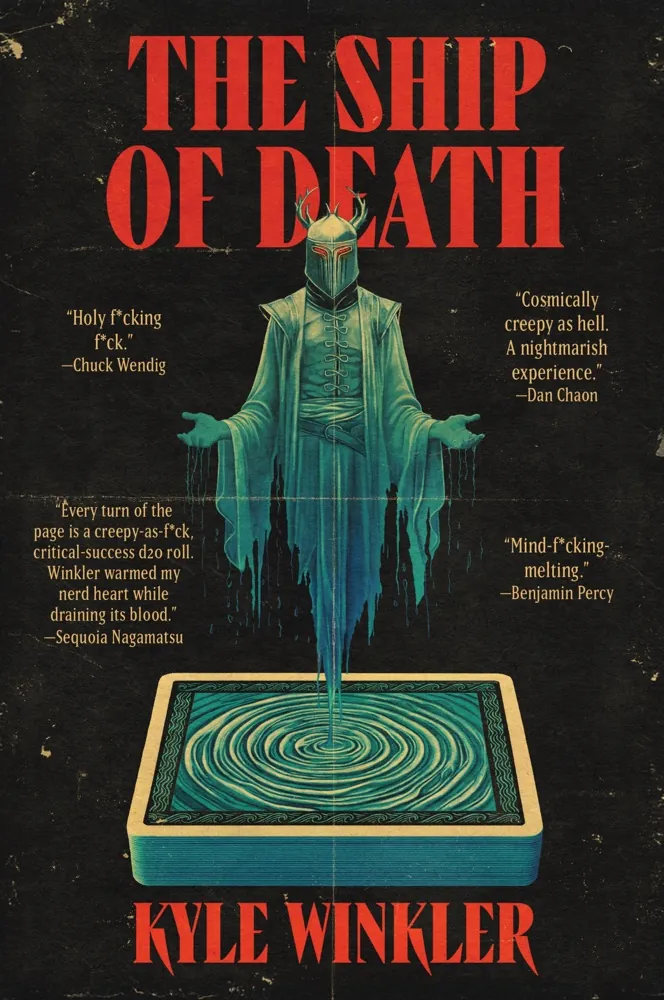

Author: Kyle WinklerPage Count: UnknownPublication Date: Expected publication 2026-09-29 APL Another autumn arrives with the predictable stench of desperate publicists attempting to resurrect the corpse of epistolary fiction. This time, the victim is Kyle Winkler’s The Ship of Death, a forthcoming manuscript marketed with the usual breathless blurbs that read like desperate emergency room triage. We are told to expect a collision between Mark Z. Danielewski’s spatial labyrinth and a board game. Naturally. Because what contemporary culture truly requires is another commercial product trading exclusively in the stale currency of structural gimmickry. The Architecture of Boredom Found documents. Ah, the absolute zenith of modern literary laziness. Give me emails, transcripts, and police reports instead of actual prose. Force the reader to sift through administrative detritus just to manufacture an artificial sense of dread. It feels precisely like reading the internal memos of the failing Conde Nast archives circa 2008. But we are expected to swoon because a couple saving up for domestic bliss gets trapped by an indie tabletop game. How dreadfully quaint. The bourgeoisie getting terrorized by cardboard and dice while actual geopolitical systems crumble outside my study window. Suburban Paranoia and Cheap Dice The premise hinges on a cursed indie game bleeding into real estate and cognition. A tabletop role-playing exercise demanding players possess a stranger's soul. Brilliant. Let us reduce metaphysical dread to the mechanical roll of a twenty-sided die. One expects the prose to vibrate with genuine psychological violence, yet the synopsis leans heavily on the tired trope of domestic precarity—saving for a house, signing NDAs, playing corporate-adjacent board games for pocket change. It reads less like cosmic horror and more like the average Wednesday afternoon at a failing tech startup in Zurich. Winkler clearly aims for the jugular, invoking comparisons to Dan Chaon and Benjamin Percy. Yet, the reliance on game reports and forum posts feels suspiciously like an evasion of actual stylistic craftsmanship. Anyone can scatter emails across a page and call it a nightmare. True terror requires language that cuts, sentences that bleed without needing a gimmick to hold the pages together. Instead, we get a glorified rulebook wrapped in horror-adjacent marketing, destined for the nightstands of people who still unironically quote the Hitchhiker's Guide at dinner parties. Save the cosmic dread for entities that actually wield structural power. A cursed game on a porch pales in comparison to the quiet devastation of central bank interest rate hikes. I need to call my broker immediately regarding a sudden market shift. Related InsightsThe Goose Girl Book Review and Summary Fifty Shades from Christian's Point of View Book Review and Summary Fifty Shades of Grey Book Review and Summary{ "@context": "https://schema.org", "@type": "FAQPage", "mainEntity": [ { "@type": "Question", "name": "What is the main focus of The Ship of Death Book Review and Summary?", "acceptedAnswer": { "@type": "Answer", "text": "Everything you need to know about The Ship of Death with our detailed review." } }, { "@type": "Question", "name": "Who authored the comprehensive guide on The Ship of Death Book Review and Summary?", "acceptedAnswer": { "@type": "Answer", "text": "This detailed article and its insights were carefully researched and authored by Klaus Weber." } }, { "@type": "Question", "name": "Where can I find more related content about Books?", "acceptedAnswer": { "@type": "Answer", "text": "You can explore more articles, detailed reviews, and similar insights by browsing the Related Insights section at the bottom of this article or visiting our dedicated Books category page." } } ] }
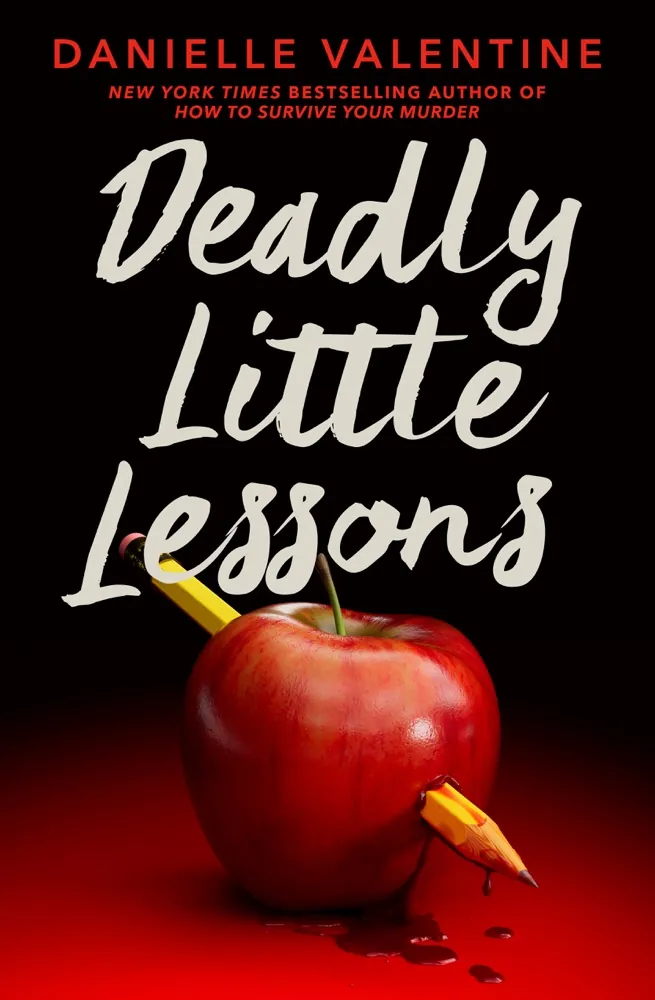

Author: Danielle ValentinePage Count: UnknownPublication Date: Expected publication 2026-09-15 APL The landlord has already knocked twice this week about the radiator knocking like a trapped ghost, and yet here I am, scraping dried rings of instant dark roast off my favorite chipped ceramic mug while staring down another publisher's glossy pitch for Danielle Valentine's Deadly Little Lessons. It is scheduled for late next September, meaning we are all supposed to pretend we care about high-concept YA thriller slop a full year before it hits the Barnes & Noble table next to the checkout queue. God, the literary industrial complex is exhausting. Let us talk about Luminary Prep — because apparently, every single boarding school in modern fiction needs to be a lethal deathtrap masquerading as an elite academy, a trope that was already starting to rot by the time we finished binge-watching Hiroshi's neon-soaked nightmares on Netflix. The Architecture of Elite Cannibalism The conceit here is transparently derivative—Squid Game meets prep school, a descriptor that publishers throw around like confetti at a dead man's wake. Lia Michaels, who apparently possesses the hacker-girl street cred of an early-2000s Angelina Jolie movie, gets plucked from juvie and tossed into an experimental campus with fancy cafeteria food and state-of-the-art tech. Naturally. Because nothing says pedagogical reform quite like a death-trap obstacle course in Physics and actual literal guillotines in Political Science. What an absolute vibe check for the college admissions process. Valentine is leaning hard into the hyper-capitalist dystopia genre she previously dabbled in with Two Sides to Every Murder and How to Survive Your Murder, and frankly, the cynicism is delicious. Yet one has to wonder if teenagers dying for a diploma has officially jumped the shark. Are we really supposed to buy that the board of trustees signs off on decapitation hazards for AP credits? Meritocracy as a Blood Sport The thematic undercurrent here is painfully obvious—the hyper-competitive hellscape of modern academic achievement taken to its logical, satirical extreme. Kids already kill themselves metaphorically for Ivy League acceptance letters; making it literal is just the next logical step in late-stage capitalism's educational roadmap. Only five survivors—pardon me, graduates—will make it out. It is Battle Royale for the AP Lit crowd. But let us be real for a second; if you are going to pitch a boarding school bloodbath, the prose better have more teeth than the average TikTok book review, or the whole thing collapses under the weight of its own absurd premise. I need literary structural integrity, not just cheap jump scares disguised as chemistry exams. Still, there is a manic, feral energy to the setup that appeals to my current sleep-deprived brain rot. Now I need to stop procrastinating and somehow dig my laptop out from under this terrifying, teetering avalanche of unpaid utility bills and out-of-print literary theory paperbacks before the entire desk finally caves in. Related InsightsHunt on Dark Waters Book Review and Summary The Familiar Book Review and Summary The Drowning Woman Book Review and Summary{ "@context": "https://schema.org", "@type": "FAQPage", "mainEntity": [ { "@type": "Question", "name": "What is the main focus of Deadly Little Lessons Book Review and Summary?", "acceptedAnswer": { "@type": "Answer", "text": "Everything you need to know about Deadly Little Lessons with our detailed review." } }, { "@type": "Question", "name": "Who authored the comprehensive guide on Deadly Little Lessons Book Review and Summary?", "acceptedAnswer": { "@type": "Answer", "text": "This detailed article and its insights were carefully researched and authored by Olya Shevchenko." } }, { "@type": "Question", "name": "Where can I find more related content about Books?", "acceptedAnswer": { "@type": "Answer", "text": "You can explore more articles, detailed reviews, and similar insights by browsing the Related Insights section at the bottom of this article or visiting our dedicated Books category page." } } ] }
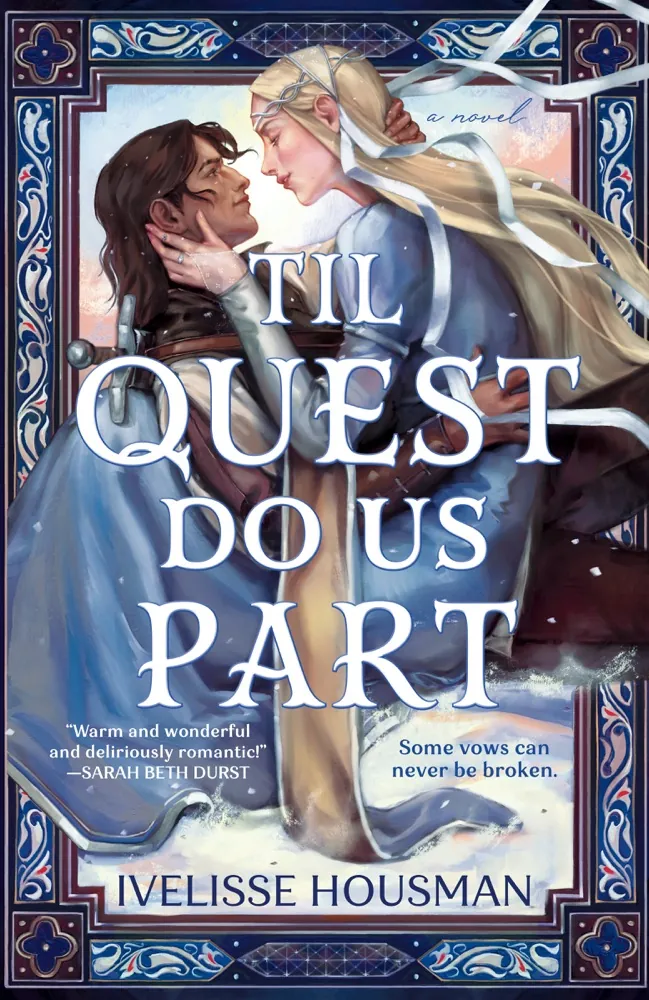

Author: Ivelisse HousmanPage Count: UnknownPublication Date: Expected publication 2026-12-01 APL Faron and Ely's little secret from Til Quest Do Us Part reeks of the overused "forbidden love" trope, a relic from the days of Bella and Edward. The Voice of the Thousand-Eyed Goddess, Princess Elysande Sybilla Aurelion of Estrachia, made a hasty vow to her knight under the watchful eye of a patron deity, rather like a teenager hastily exchanging nuptials via a Vegas chapel. It's as if Ivelisse Housman raided the annals of historical romances, sprinkling in some half-hearted nods to fantasy while relying on stale genre conventions. What's most egregious, however, is the way the synopsis lazily implies that the goddess won't let Ely out of her oath easily. Easy out, much? Can't the deity, in all its divine wisdom, perhaps provide a decent narrative justification for breaking the vow? Instead, we're left with a contrived plot device, an obvious attempt to shoehorn Ely and Faron into a "star-crossed lovers" narrative. It's a tired, overplayed beat. I'll say it without hesitation: I've seen better-executed plot twists in a reductive, campy Star Trek episode. —And what's with the unnecessary focus on the queen's responsibility? Is Ely's duty to her kingdom a narrative crutch or what? A chance to indulge in some shallow, saccharine exploration of "royal duty" rather than, say, genuinely delving into the complexities of Ely's relationship with the goddess, or Faron's motivations for accepting the vow? The Empty Gesture In a narrative where the characters' actions are defined by their vows, one would expect some genuine exploration of the consequences of making such pacts. Yet, it looks like we're being forced down the same old familiar path of angsty teenage love, minus the teenage angst. It's as if Ivelisse Housman is attempting to cash in on the trendiness of fantasy romances while disregarding all the thoughtful, layered storytelling that has come before (and, I dare say, in A Court of Thorns and Roses and The All Souls Trilogy, authors have managed to do it with far greater finesse). —Like it or not, we're about to be treated to some saccharine romantic hand-holding and whatnot. The entire premise reeks of *Twilight_ and *The Vampire Bride of Dracula with, at best, a few anachronistic nods to fantasy. Don't get me wrong; I adore fantasy romance, but this feels like a tired imitation. Can we at least give the characters some depth? Some complexity? Some... I don't know... *humanity_? As I write this, I'm reminded of the 1987 Pan American Flight 747 crash in the Canary Islands, which I've always found eerily similar to the author's grasp on coherent storytelling. The parallels are uncanny, actually—*incoherence_ and desperation. Sighing, I gaze out my window, where my driver is currently navigating the nightmarish traffic of our summer's end en route to the Hamptons. #FantasyRomance Fail Related InsightsTess of the D’Urbervilles Book Review and Summary Peace Like a River Book Review and Summary Too Cold for Comfort Book Review and Summary{ "@context": "https://schema.org", "@type": "FAQPage", "mainEntity": [ { "@type": "Question", "name": "What is the main focus of Til Quest Do Us Part Book Review and Summary?", "acceptedAnswer": { "@type": "Answer", "text": "Everything you need to know about Til Quest Do Us Part with our detailed review." } }, { "@type": "Question", "name": "Who authored the comprehensive guide on Til Quest Do Us Part Book Review and Summary?", "acceptedAnswer": { "@type": "Answer", "text": "This detailed article and its insights were carefully researched and authored by Olivia Harris." } }, { "@type": "Question", "name": "Where can I find more related content about Books?", "acceptedAnswer": { "@type": "Answer", "text": "You can explore more articles, detailed reviews, and similar insights by browsing the Related Insights section at the bottom of this article or visiting our dedicated Books category page." } } ] }
-
 Chloé Laurent
 - 13 Aug, 2026 06:58
The Thief and the Traitor Bride (The Hand and the Heart, #2) Book Review and Summary
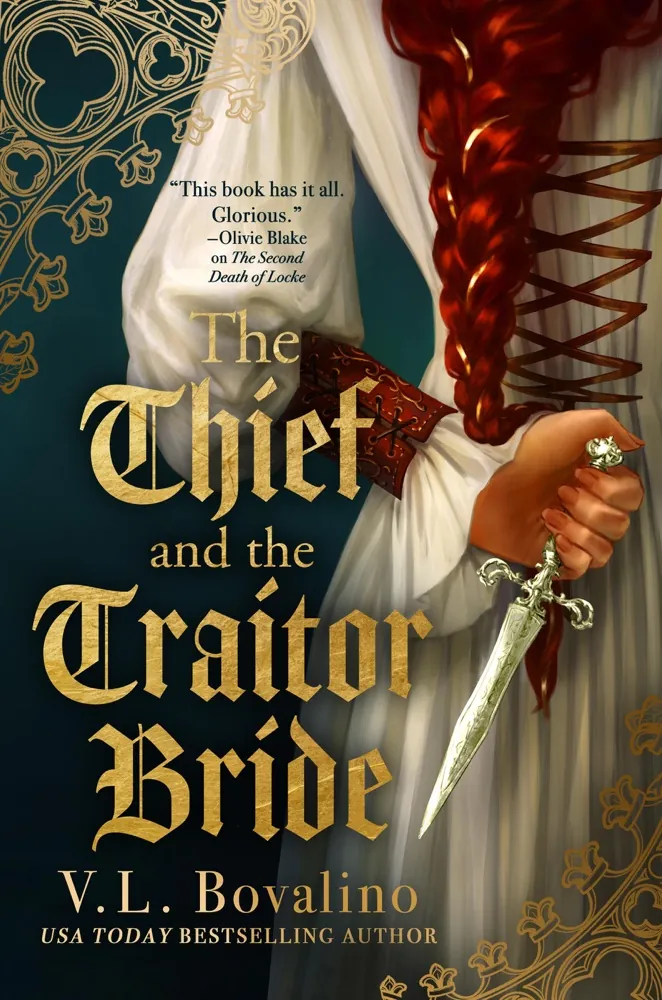
Author: V.L. BovalinoPage Count: UnknownPublication Date: Expected publication 2026-09-29 APL V.L. Bovalino is attempting something genuinely perilous with The Thief and the Traitor Bride. Let us be entirely clear: the forced-proximity, married-to-enemies dynamic is a narrative tightrope act that usually collapses under the weight of its own contrivances. Yet—and I find myself uncharacteristically generous on this damp Tuesday morning—the structural bones here actually hold. Look at the pacing implied by the premise. Infiltrating enemy lines requires narrative momentum to be taut, relentless, and mercilessly compressed. The Architecture of Deception Nore Gordon and her estranged husband Caspian are walking into an anvil-and-hammer situation. But wait—do we actually believe Bovalino can sustain a slow-burn psychological chess match without relying on sluggish middle-act filler? I completely take back my previous optimism about the pacing; historical fantasy romance sophomore efforts notoriously bloat by at least seventy pages of useless market-testing horse-riding scenes. The psychological architecture depends entirely on whether Bovalino avoids the standard YA trap of modern dialogue leaking into high-stakes espionage. If Nore uses twenty-first-century therapy-speak while dodging poisoned wine in a medieval courtyard, I am going to throw this manuscript directly into the East River. The Economics of Betrayal The synopsis leans heavily on the exhaustion of trust. Betrayal is currency here. Caspian is positioned as the epicenter of a sprawling web of deceit—a masterclass in emotional gaslighting that somehow needs to read as romantic tension for the TikTok girlies to eat it up. It is giving massive The Cruel Prince energy meets Victoria Aveyard, but with significantly better wardrobe descriptions implied by Nore's cover as a wine merchant. And yet, the emotional stakes are deliciously grim. You cannot fake marital intimacy when the knife is already sliding between your ribs. Bovalino understands the intrinsic kinetic energy of a slow-burn vendetta. When you force two people who once shared breakfast to share a false identity behind enemy lines, the dramatic irony must crackle like dry parchment. Market Viability and Structural Verdicts Let us address the comp titles. Comparing anything to The Six Deaths of the Saint is a massive flex—arguably delusional, given Alix E. Harrow’s prose-level pyrotechnics, but I respect the sheer unmitigated gall of the marketing department. If the execution matches the pitch, this book will absolutely slap on BookTok by mid-autumn 2026. The structural integrity hinges on whether Caspian stays genuinely morally grey or goes soft because the author lost her nerve halfway through Chapter Twenty. We need teeth. We need absolute feral devastation. No half-measures. Now, if you will excuse me, I need to scream at a florist because the pastel hydrangeas for the autumn catalog launch look like something fished out of a drainage ditch. Related InsightsIn a Holidaze Book Review and Summary Bridgerton Boxed Set 5-8 Book Review and Summary Prey for Me (Feral Love, #2) Book Review and Summary{ "@context": "https://schema.org", "@type": "FAQPage", "mainEntity": [ { "@type": "Question", "name": "What is the main focus of The Thief and the Traitor Bride (The Hand and the Heart, #2) Book Review and Summary?", "acceptedAnswer": { "@type": "Answer", "text": "Everything you need to know about The Thief and the Traitor Bride (The Hand and the Heart, #2) with our detailed review." } }, { "@type": "Question", "name": "Who authored the comprehensive guide on The Thief and the Traitor Bride (The Hand and the Heart, #2) Book Review and Summary?", "acceptedAnswer": { "@type": "Answer", "text": "This detailed article and its insights were carefully researched and authored by Chloé Laurent." } }, { "@type": "Question", "name": "Where can I find more related content about Books?", "acceptedAnswer": { "@type": "Answer", "text": "You can explore more articles, detailed reviews, and similar insights by browsing the Related Insights section at the bottom of this article or visiting our dedicated Books category page." } } ] }
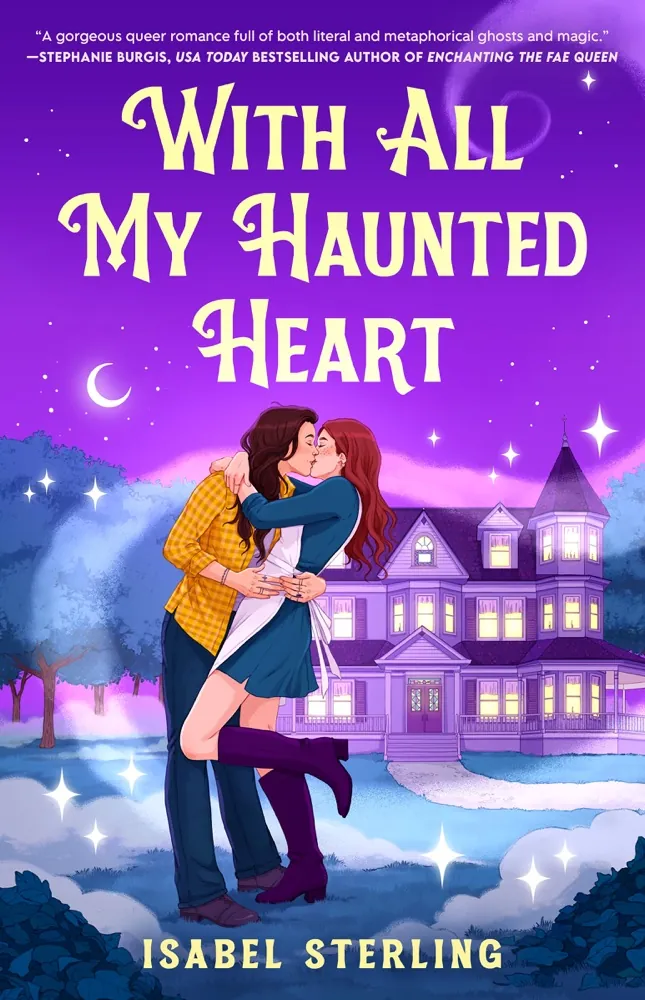

Author: Isabel SterlingPage Count: UnknownPublication Date: Expected publication 2026-09-08 APL The air inside the gallery hangs thick and heavy this August afternoon, smelling faintly of old varnish and sun-warmed limestone. Yet, my attention drifts entirely away from the seventeenth-century canvases currently lining the mahogany walls. Instead, my eyes linger on the horizon of upcoming releases, specifically Isabel Sterling’s With All My Haunted Heart. A charmingly absurd premise, really. The Economics of Spectral Curiosities We are meant to believe that a professional witch is suffering financially because the local plebeians discovered bargain-bin crystals. The tragedy of late-stage capitalism meets the occult. A modern-day Enron, just with sage and quartz. Pippa Ainsley faces ruin simply because amateur hour has arrived in the form of DIY magic shops. How deliciously dreadful. Sterling leans heavily into the cozy romance aesthetic that currently clogs the bestseller lists like cholesterol in a Michelin-starred chef. Think Legends & Lattes, but stripped of any real culinary ambition and traded for the damp wallpaper of a struggling bed-and-breakfast. The tension hinges entirely on a ridiculous corporate pivot: hiring the local witch to purposefully infest an inn with spirits. Architectural Integrity and Emotional Baggage Let us examine the scaffolding of this dynamic. A pragmatic co-owner with a painful secret. Naturally. Because no sapphic romance in the year of our Lord two thousand twenty-six can exist without someone clutching a trauma dossier to their chest like a priceless Vermeer at auction. Elle Thompson wants an edge. Pippa needs cash. They clash over experimental magic. And yet, I find myself deeply, inexplicably forgiving of this transparent literary machinery. Perhaps it is the stagnant summer heat baking my brain. Or perhaps I simply appreciate a premise that refuses to take itself seriously. Sterling writes with the fluffy, confectionary detachment of a Marie-Antoinette-themed pastry shop in Tribeca. The Palette of Contemporary Whimsy The thematic resonance here is transparently clear. Magic as a dying craft in the face of mass-market commercialization. A brilliant metaphor for the art market itself, flooded with algorithmic prints while authentic masterpieces gather dust in climate-controlled vaults. Pippa fights a losing battle against the Temu-ification of witchcraft. Can we pause for a moment to appreciate the sheer audacity of ethical haunting? What does an ethical ghost even look like? Does it pay taxes? Does it respect quiet hours after ten p.m.? One shudders to think. It reads like the plot of a rejected pilot from the defunct Quibi lineup. Still. I will buy a copy. It will sit on the mahogany side table in my study, a bright, pastel-spined little object to look pretty while I sip iced gin. I just pray the narrative holds together better than the disastrous acquisition strategy of the late British Home Stores. Before I can contemplate this literary confection any further, a sharp, mechanical burning smell drifts up from beneath the center console. The heated seats in my SUV are malfunctioning again on maximum intensity, which is a tragic, sweltering disaster in the middle of a brutal August heatwave.
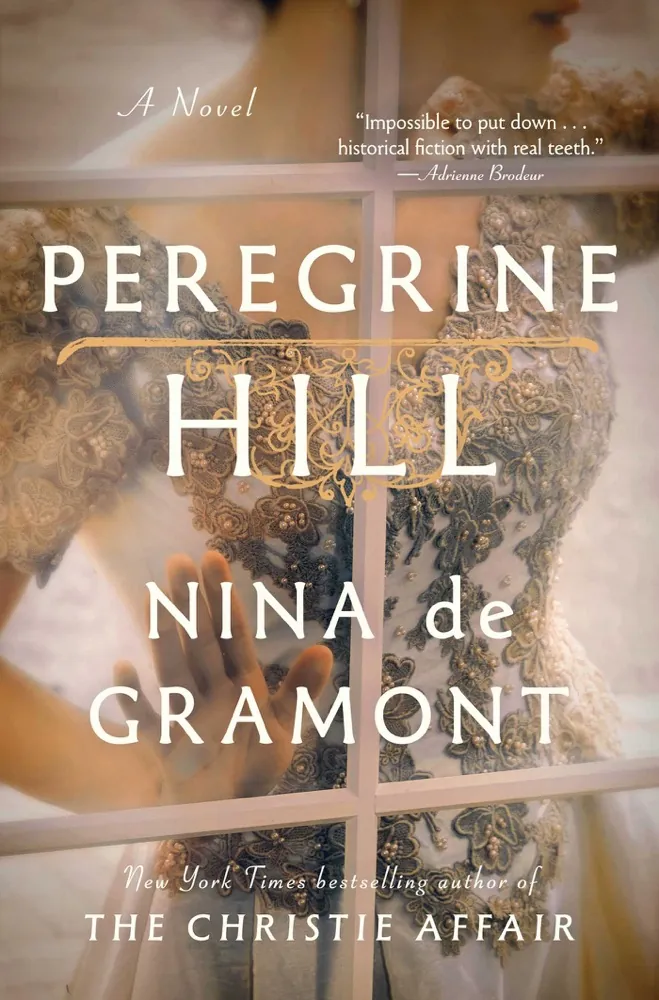

Author: Nina de GramontPage Count: UnknownPublication Date: Expected publication 2026-11-10 APL Gilded Age New York: a time and place where the divide between wealth and poverty could be bridged by a single, well-placed marriage. Nina de Gramont's Peregrine Hill is billed as a sweeping novel, one that will transport readers to an era of opulence and excess—but will it truly deliver on its promise? The New York Times bestselling author is no stranger to crafting tales of intrigue and romance, as evidenced by her previous work, The Christie Affair. With Peregrine Hill, de Gramont tackles themes of love, family, and power in a world where men's appetites reign supreme. A mother, Isabelle Bishop, and her daughter, Mariah, are the central figures in this story, one that promises to be a wild ride through the highs and lows of Gilded Age society. The blurb on the back cover promises "a luminous, entrancing novel" that will bring the Gilded Age to life, but I remain skeptical. Hasn't every historical fiction novel promised something similar? Can we truly expect de Gramont's take on this era to be any different from the countless others that have come before? The forced marriage, of course, is the central plot device here—a staple of the romance genre if there ever was one. The devil's bargain Isabelle makes with John Whitten, a wealthy man with designs on Mariah, is a classic trope that has been done to death. And yet, de Gramont seems determined to breathe new life into this tired narrative. But how? Mariah, the headstrong daughter at the center of the story, is the most promising character, if only because her circumstances are so dire. Forced into a marriage she does not want, she must navigate the treacherous waters of her new husband's household, all while keeping her own desires and passions at bay. It's a familiar setup, but one that has captivated readers for centuries. And then, there's Hetty—the ambitious maid who becomes Mariah's ally and confidante. Hetty's presence in the story is a welcome addition, and one that adds a much-needed layer of complexity to the narrative. Will she be the catalyst for change in Mariah's life, or merely a plot device to facilitate the author's exploration of themes? One can't help but wonder if de Gramont's take on the Gilded Age will be overly reliant on stereotypes and caricatures. Will we see the same tired portrayals of wealthy men and their mistress(es), or will de Gramont attempt to subvert these expectations? I predict she'll opt for the former, and that's a shame. In contrast, Edith Wharton's The Custom of the Country is a novel that truly mastered the art of skewering the excesses of the Gilded Age. De Gramont would do well to learn from this example. Instead, Peregrine Hill may well become just another forgettable entry in the crowded field of historical fiction. I'm willing to be proven wrong, however. THE SHADOW OF PRECEDENT Will de Gramont's Peregrine Hill suffer the same fate as so many other Gilded Age novels that have come before it? One can't help but wonder if the author will be able to break free from the conventions of the genre, or if she'll simply be another author who cashes in on the popularity of this lucrative market. For now, the prognosis is grim. Before dusk, I need to forage for edible mushrooms in the local park. #mushrooms #foraging #historicalfiction Related InsightsThe Return of the King Book Review and Summary Belle Haven Finishing School Book Review and Summary Fahrenheit 451 Book Review and Summary{ "@context": "https://schema.org", "@type": "FAQPage", "mainEntity": [ { "@type": "Question", "name": "What is the main focus of Peregrine Hill Book Review and Summary?", "acceptedAnswer": { "@type": "Answer", "text": "Everything you need to know about Peregrine Hill with our detailed review." } }, { "@type": "Question", "name": "Who authored the comprehensive guide on Peregrine Hill Book Review and Summary?", "acceptedAnswer": { "@type": "Answer", "text": "This detailed article and its insights were carefully researched and authored by Carmen Martinez." } }, { "@type": "Question", "name": "Where can I find more related content about Books?", "acceptedAnswer": { "@type": "Answer", "text": "You can explore more articles, detailed reviews, and similar insights by browsing the Related Insights section at the bottom of this article or visiting our dedicated Books category page." } } ] }
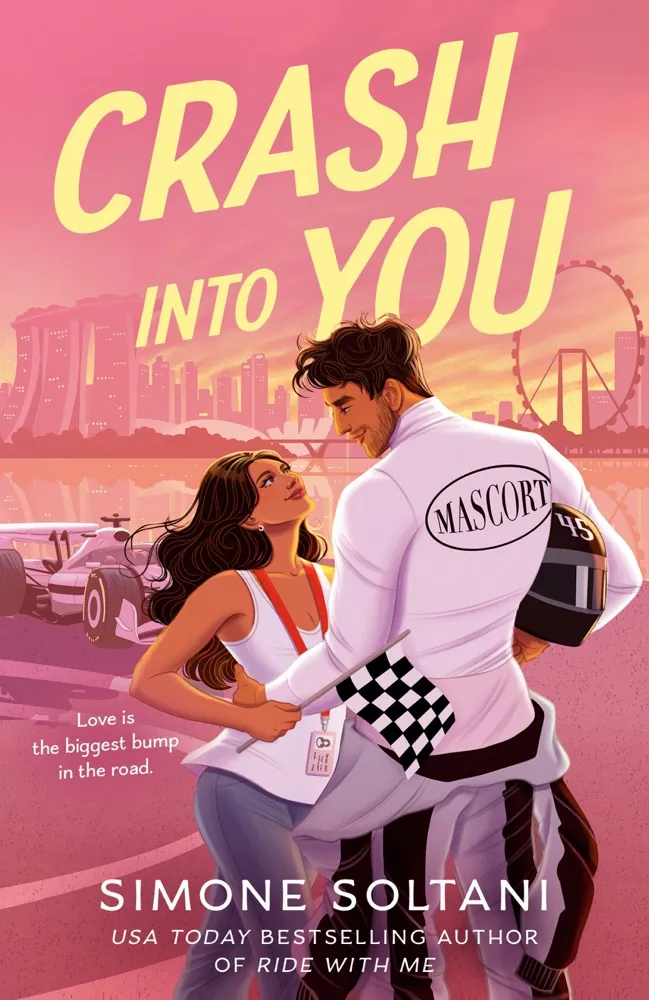
Author: Simone SoltaniPage Count: UnknownPublication Date: Expected publication 2026-11-10 APL The siren song of forbidden love, a tantalizing proposition for any romance reader. And, indeed, Simone Soltani, the USA Today bestselling author of Cross the Line, seems to have tapped into this allure with her latest offering, Crash into You—but what exactly does this new F1 romance promise? Yet, the synopsis reeks of vagueness, a trend that's becoming all too familiar in modern romance. We're given a fleeting glimpse into the protagonist, Zaid, a Formula 1 driver, his career uncertain following a season-ending crash, and his impending fatherhood. His love interest, Ava, a former marketing professional, now a team principal's daughter, is equally shrouded in mystery. It's all very... intriguing. Ava's life has been upended by the press and her connection to the F1 world, which raises a few questions. How does she manage to resist the allure of the sport, only to return to it years later? What's the dynamic between Ava and Zaid's teams, given their complicated familial relationships? But no need to dwell on plot holes; after all, it's a romance novel, not a literary masterpiece. And speaking of literary masterpieces, have you read Lauren Weisberger's The Devil Wears Prada? Now that's a truly scathing critique of the high-stakes, cutthroat world of fame and fortune. Soltani's attempt at capturing the glamour of Formula 1, however, feels forced, like a shallow parody of the genre. A far cry from Weisberger's masterful dissection of the fashion industry, Crash into You relies on tired tropes rather than nuanced character development. But enough about that; after all, this is just my opinion, and opinions are like farts—everyone's got one. Racing Through the Gaps Soltani's writing style, while passable, lacks the depth and complexity that would make Crash into You truly memorable. Compare it to the effortlessly charming, whip-smart dialogue of Jennifer Weiner's Good in Bed. Weiner's characters spring to life, their flaws and strengths expertly woven together. Soltani's characters, on the other hand, feel more like caricatures, their motivations and desires muddled in a sea of generic romance novel clichés. But the question remains: will Soltani's readers care? Will they be swayed by the F1 romance setup and the familiar trope of forbidden love? Possibly. A Sudden Change of Course The plot summary feels like a hastily scribbled shopping list, devoid of any real substance. What about the supporting cast? The villainous team principal, perhaps? Or the sullen, brooding love interest's backstory? The more I think about it, the more I realize that Soltani's story is built on a foundation of sand, a hastily constructed edifice prone to collapse under the slightest scrutiny. Literally. Conclusion: Hiding in the Pantry If you're a die-hard F1 fan or a sucker for a good romance, you might find Crash into You to be a tolerable read. But for the rest of us, well, let's just say I'll be hiding in the pantry for five minutes of peace. RomanceNovels #BookReviews #Formula1 #ForbiddenLove Related InsightsAngelfall Book Review and Summary President's Shadow Book Review and Summary Escuadrón Cielo Book Review and Summary{ "@context": "https://schema.org", "@type": "FAQPage", "mainEntity": [ { "@type": "Question", "name": "What is the main focus of Crash into You Book Review and Summary?", "acceptedAnswer": { "@type": "Answer", "text": "Everything you need to know about Crash into You with our detailed review." } }, { "@type": "Question", "name": "Who authored the comprehensive guide on Crash into You Book Review and Summary?", "acceptedAnswer": { "@type": "Answer", "text": "This detailed article and its insights were carefully researched and authored by Sarah Davis." } }, { "@type": "Question", "name": "Where can I find more related content about Books?", "acceptedAnswer": { "@type": "Answer", "text": "You can explore more articles, detailed reviews, and similar insights by browsing the Related Insights section at the bottom of this article or visiting our dedicated Books category page." } } ] }
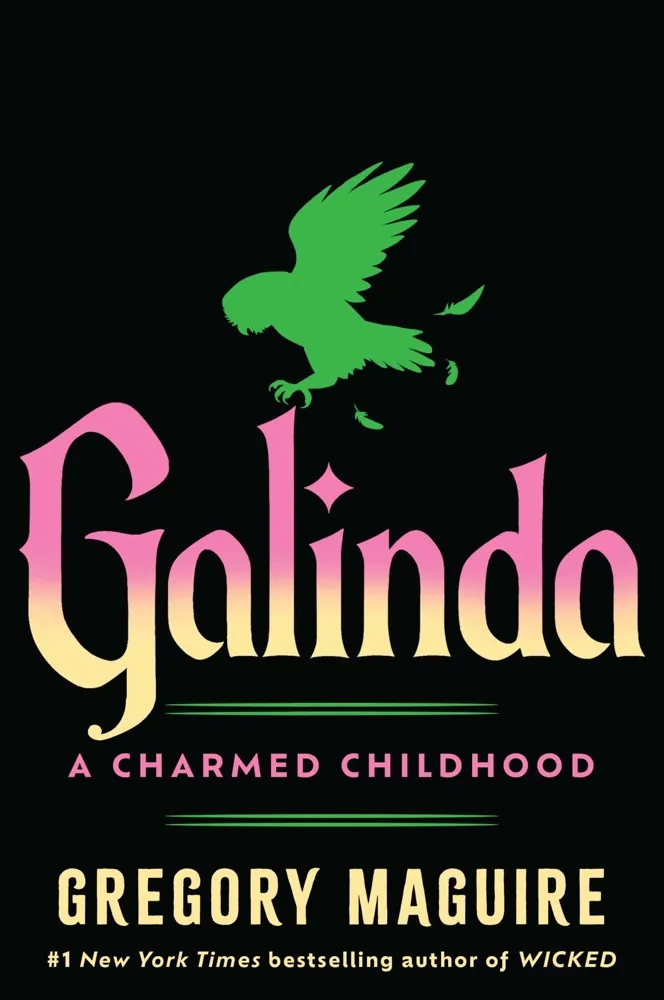
Author: Gregory MaguirePage Count: UnknownPublication Date: Expected publication 2026-09-29 APL Morning light barely squeezes through the grime of the double-hung window, illuminating floating dust motes that look suspiciously like theatrical glitter—or maybe just the landlord's neglect. Gregory Maguire is coming back for our souls with Galinda: A Charmed Childhood. Because one perspective on Oz was simply never enough to satisfy the machinery of modern publishing. Look, I remember sitting on the radiator in nineteen-ninety-five, reading Wicked while the radiator hissed its usual death rattle and wondering how anyone could turn a fascist police state into a bestseller. Now we are getting the pink-clad origin story. With a "ga." The synopsis tells us she is the youngest of four in a high-born family down on their luck. Pampered. Ignored. Dancing toward a life that might lift her above the hardscrabble reality. Wait. Did I say hardscrabble? Let me retract that entirely. How hardscrabble can an aristocratic family really be when district dance competitions are the primary socioeconomic vehicle for upward mobility? It is absurd. We are looking at a bourgeois tragedy dressed up in pastel tulle—a literary exercise that risks confusing minor domestic inconvenience with genuine systemic peril. The Aesthetics of Privilege and Paste And yet—there is something dangerously seductive about watching a future tyrant of etiquette learn her first steps. Or perhaps she is just a kid who likes ribbons. Maguire specializes in taking the porcelain dolls of our collective childhood and smashing them against the cobblestones until we see the jagged edges inside. Or maybe he just writes very long books about green girls and pink girls because nobody knows how to stop buying them. The prose promises a deconstruction of the bubbly, shallow cliché. But is shallow actually shallow sometimes? Must every bubble be pierced with the heavy needle of geopolitical allegory? Give us a character who is just annoying and ambitious without making her a sociological study on the pressures of provincial merchant politics. Ursula K. Le Guin would never. Jane Austen certainly managed to make high-born poverty feel urgent without needing flying monkeys or pink parasols. Still, the marketing apparatus is staggering. We are drowning in sister volumes and parallel narratives—everyone wants the B-side of the vinyl record now. We had Elphie on the horizon, and now we get the phonetic spelling lesson. It reminds me of those endless winter nights when the shared kitchen gas won't light and you just stare at the peeling wallpaper, waiting for some grand revelation that never arrives. The synopsis leaves so much unsaid. Entire gaps where a plot ought to be—relying entirely on our muscle memory of the Broadway musical and the original novel to do the heavy lifting. But let us be honest. We will all buy it anyway. We will read it by the faint amber glow of a single thirty-watt bulb while the radiator clanks its rhythm against the wall. Excuse me for a second. The three stray tabbies on the fire escape are staging a minor rebellion against their empty saucers again, and if I do not surrender a tin of sardines right now, they are going to claw through the screen and eat my remaining dry toast. Related InsightsBeneath, It Sleeps Book Review and Summary Archer's Voice Book Review and Summary Better Than the Movies Book Review and Summary{ "@context": "https://schema.org", "@type": "FAQPage", "mainEntity": [ { "@type": "Question", "name": "What is the main focus of Galinda: A Charmed Childhood Book Review and Summary?", "acceptedAnswer": { "@type": "Answer", "text": "Everything you need to know about Galinda: A Charmed Childhood with our detailed review." } }, { "@type": "Question", "name": "Who authored the comprehensive guide on Galinda: A Charmed Childhood Book Review and Summary?", "acceptedAnswer": { "@type": "Answer", "text": "This detailed article and its insights were carefully researched and authored by Olya Shevchenko." } }, { "@type": "Question", "name": "Where can I find more related content about Books?", "acceptedAnswer": { "@type": "Answer", "text": "You can explore more articles, detailed reviews, and similar insights by browsing the Related Insights section at the bottom of this article or visiting our dedicated Books category page." } } ] }
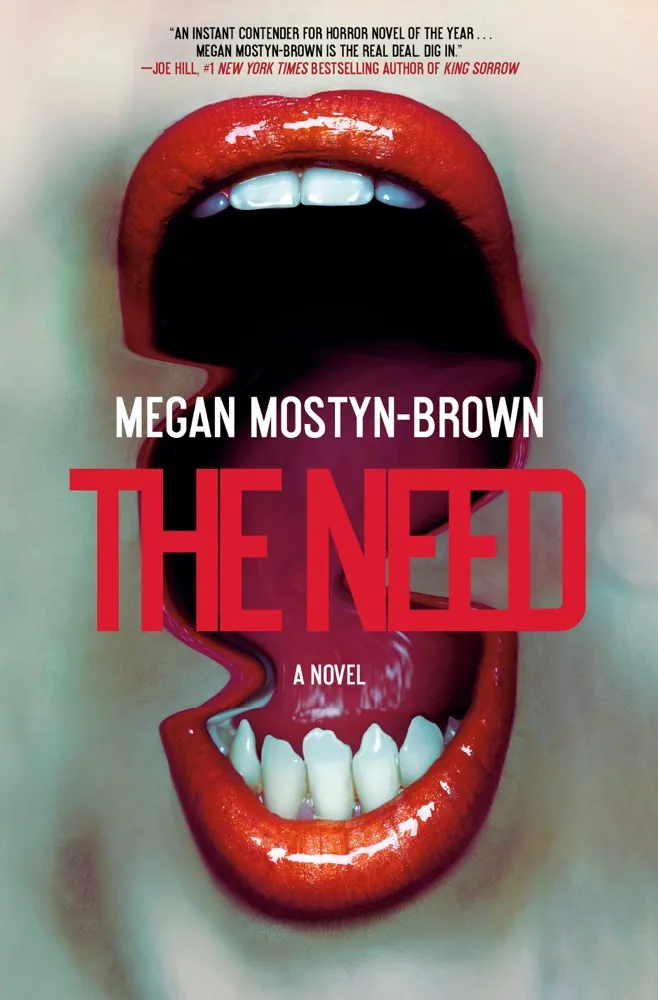
Author: Megan Mostyn-BrownPage Count: UnknownPublication Date: Expected publication 2026-09-22 APL The quiet weight of a completed spreadsheet and the steady hum of an empty office lingering in the back of my mind leave me uniquely unbothered by the prospect of reading a horror novel about hereditary cannibalism. Yet the premise of Megan Mostyn-Brown’s upcoming The Need manages to spark something far more interesting than mere dread: a profound exhaustion regarding how contemporary fiction insists on dressing up domestic dysfunction in monstrous literalism. We are told this electric debut features a rare genetic disorder where individuals must consume human flesh to survive, splitting families into those who view it as a curse and those—like the haute couture Armstrong dynasty of New York City—who treat their apex-predator status with fashionable pride, all while a protective mother flees across the map with a son who cannot resist his bloody impulses and a daughter who simply wants a normal high school existence, complete with TikTok and homecoming dances, which honestly sounds like standard teenage rebellion even without the dietary restrictions. Teens wanting a normal life while their mother harbours dark secrets feels aggressively well-trodden. Inheritance as an Entree One can already trace the lineage of this narrative back through Paul Tremblay’s quiet family terrors and the slick, high-society savagery found in Bret Easton Ellis or modern prestige television, leaning heavily on the metaphor of generational trauma as something literally passed down in the blood like a cursed heirloom. But the synopsis trades in a certain kind of high-concept gloss that leaves the actual texture of the prose entirely hidden behind blurb quotes from Joe Hill and S.A. Cosby, forcing us to wonder if the book will rely on genuine psychological friction or just lean entirely on the shock value of its central conceit. Boring. My daughter just informed me her science fair is tomorrow, not next week. Related InsightsFrom Whispers to Worlds: Charting the Timeless Odyssey of Children's Literature Return to the Shack: A Journey into Redemption Book Review and Summary Clara Poole and the Long Way Round Book Review and Summary{ "@context": "https://schema.org", "@type": "FAQPage", "mainEntity": [ { "@type": "Question", "name": "What is the main focus of The Need Book Review and Summary?", "acceptedAnswer": { "@type": "Answer", "text": "Everything you need to know about The Need with our detailed review." } }, { "@type": "Question", "name": "Who authored the comprehensive guide on The Need Book Review and Summary?", "acceptedAnswer": { "@type": "Answer", "text": "This detailed article and its insights were carefully researched and authored by Victoria Smith." } }, { "@type": "Question", "name": "Where can I find more related content about Books?", "acceptedAnswer": { "@type": "Answer", "text": "You can explore more articles, detailed reviews, and similar insights by browsing the Related Insights section at the bottom of this article or visiting our dedicated Books category page." } } ] }
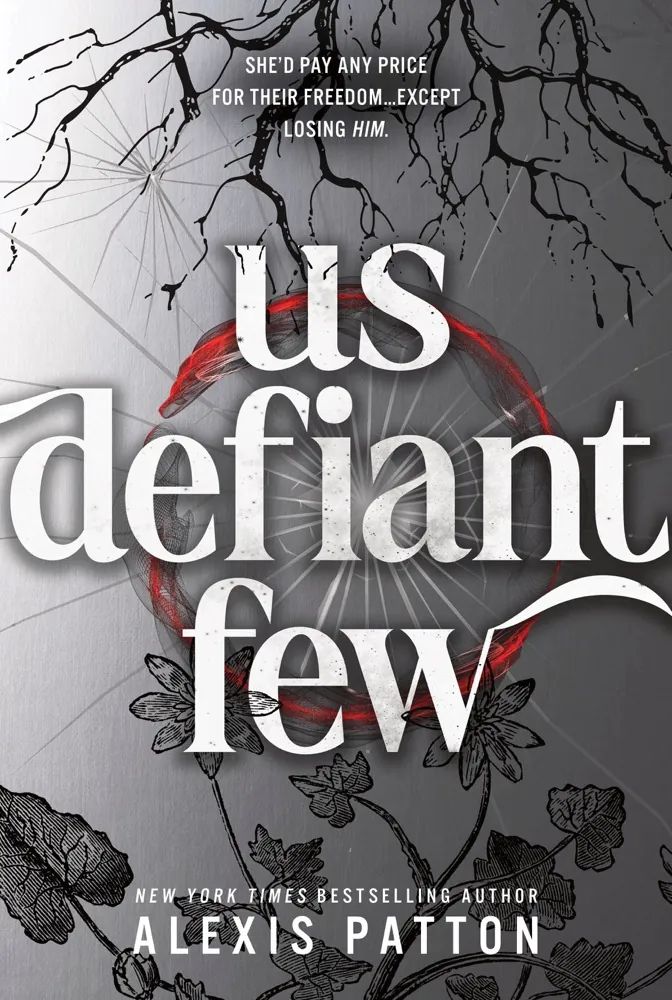

Author: Alexis PattonPage Count: UnknownPublication Date: Expected publication 2026-09-01 APL The afternoon heat through these floor-to-ceiling glass windows is currently doing absolute violence to my vintage Bordeaux, and quite frankly, I am in no condition to be parsing promotional copy. Yet here we are. Staring down the barrel of Us Defiant Few, the final installment of a trilogy that has thoroughly drained my adrenal glands since late August began sweating down the neck of the city. The Amnesia Industrial Complex Every single dystopian manuscript hitting desks this season reads like the opera Tosca staged inside a CrossFit box. The synopsis for Alexis Patton's upcoming finale leans entirely on the most exhausting trope known to modern publishing: the selective memory wipe. Oh, the man she loves doesn't remember her? How original. One expects nothing less than a full structural collapse of logic when an author relies on the Fëdorov case method of romantic amnesia. Khalani Kanes is apparently running for her life through subterranean corridors—because apparently, nobody is allowed to see grass anymore in contemporary fiction—while dodging a lover holding a blade. Give me strength. Or at least give me a functioning vintage corkscrew that doesn't require manual torque in this humidity. Architectural Pathology of Apollo The promise of returning to "Apollo" feels less like a narrative homecoming and more like a structural threat. We are promised brutal alliances and ruthless training, which is industry shorthand for three hundred pages of characters doing push-ups in the dark while exchanging stilted dialogue about trauma. The synopsis hints at impossible truths and a crisis of perception regarding Khalani's own mind. How terribly chic. We are diving headfirst into the unreliable narrator pool wearing lead boots. Rebecca F Kuang walked so these grimdark heroines could sprint blindly into concrete walls. The prose insists that "only those ablaze will remain," which sounds suspiciously like a marketing team frantically throwing matches at a damp pile of genre tropes. The Price of Admission Deluxe editions with printed edges are arriving in mailboxes like glossy designer invitations to events nobody actually wants to attend. They look gorgeous on the mahogany shelving, matching the spine of every other blood-soaked paperback currently flooding the market. But I am fundamentally exhausted by the aestheticization of suffering. Patton is undoubtedly delivering the exact brand of high-octane misery that readers devour between sips of iced espresso, but my nerves simply cannot sustain another protagonist questioning her own sanity beneath the earth. Let the sun burn the whole underground city down for all I care. Just keep the air conditioning running and spare me another chapter of existential dread before the autumn vintage arrives. The new taxes on luxury imports are seriously impacting my wine collection. #BookHangover #DystopianFiction #ReadingCommunity #AlexisPatton Related InsightsNineteen Days in Autumn: A New History of 1066 Book Review and Summary The Widow Book Review and Summary The Truth About Forever Book Review and Summary{ "@context": "https://schema.org", "@type": "FAQPage", "mainEntity": [ { "@type": "Question", "name": "What is the main focus of Us Defiant Few (Us Dark Few, #3) Book Review and Summary?", "acceptedAnswer": { "@type": "Answer", "text": "Everything you need to know about Us Defiant Few (Us Dark Few, #3) with our detailed review." } }, { "@type": "Question", "name": "Who authored the comprehensive guide on Us Defiant Few (Us Dark Few, #3) Book Review and Summary?", "acceptedAnswer": { "@type": "Answer", "text": "This detailed article and its insights were carefully researched and authored by Tiago Silva." } }, { "@type": "Question", "name": "Where can I find more related content about Books?", "acceptedAnswer": { "@type": "Answer", "text": "You can explore more articles, detailed reviews, and similar insights by browsing the Related Insights section at the bottom of this article or visiting our dedicated Books category page." } } ] }
Author: Eriq La SallePage Count: UnknownPublication Date: Expected publication 2026-09-08 APL The synopsis for Laws of Solomon is so slick it could’ve been polished by a ghostwriter who’s also a CIA operative—because it’s that efficient. No wasted words, just the kind of controlled chaos that makes you suspect the author’s been reading too many noir screenplays while sipping whiskey at 3 AM. The problem? It’s too clean. Like a crime scene where the bloodstains have been airbrushed out but the body’s still there, twitching under the surface. Solomon’s redemption arc is framed as a choice—but redemption isn’t a choice, it’s a fallacy. The synopsis sells it as something earned, something fought for, when in reality, redemption’s just another kind of violence. It’s the difference between a man who stops killing and a man who stops being a monster. And that’s the tension here: does Solomon’s peace require him to become something he’s never been, or does it just mean he’s found a new kind of war? The synopsis doesn’t say. It doesn’t have to, because the real work is in the implication—the way it leaves you wondering if Gaby’s survival is the point, or if Solomon’s the real prey in this little game of cat and mouse. The stand-alone framing is bold—almost reckless—like handing a scalpel to a surgeon and saying, “Here, cut me open.” It’s a risk, especially for a series reader. But then again, La Salle’s never been one to play it safe. Think of it like if The Wire’s moral decay met No Country for Old Men’s existential dread, but with the raw, unfiltered energy of a man who’s been punched in the gut by life and still has the nerve to laugh. The comparisons to Mosley and Lehane aren’t just fluff—they’re earned. Mosley’s street-level grit, Lehane’s brutal precision, but with La Salle’s signature lyrical brutality. The synopsis hints at a prose style that’s equal parts poem and punchline—lush, but not in a way that softens the edges. It’s the kind of writing that makes you feel like you’re reading a love letter written in blood. And then there’s the vagueness—oh, the vagueness. “Violence erupts on the grounds he tends.” “Hunted by men who will stop at nothing.” It’s the literary equivalent of a teaser trailer where you can’t tell if the explosion’s a car crash or a nuclear meltdown. But that’s the beauty of it—it forces you to fill in the blanks. The real art isn’t in the execution; it’s in the promise. And La Salle’s promises big. Bigger than most. He’s not just selling a story; he’s selling a vibe, a feeling. The kind of thing that makes you want to grab a whiskey, light a cigarette, and pretend you’re Solomon for a night—just to see if you can handle the weight of his past. The only thing missing is a real antagonist. Not some faceless “men who will stop at nothing,” but a character. Someone with depth, someone who makes you care. Because right now, the synopsis reads like a checklist—violence, redemption, found family, sacrifice. It’s the kind of thing that could’ve been written by a committee of marketing executives who’ve never read a word of La Salle’s work. But then again, maybe that’s the point. Maybe the lack of specificity is the point. Maybe the real story isn’t in the details, but in the space between them. And that’s where the book’s power lies—or at least, where its potential does. Because if La Salle delivers on the implied tension, if he turns this into something visceral and unpredictable, then it could be the kind of novel that leaves you breathless. But if he falls into the trap of explaining instead of showing, if he turns Solomon’s journey into a moral fable instead of a psychological unraveling, then it’ll just be another well-crafted but ultimately safe read. The synopsis doesn’t tell you if this is going to be a character study or a thriller, but it does tell you it’s going to be hard. And that’s the only thing that matters. Because in a world where most crime fiction is either cute or cynical, La Salle’s offering something dangerous—a story that’s equal parts beautiful and heartbreaking, but with the teeth to back it up. Now if you’ll excuse me, I have to go untangle the dog’s leash from the dining table—again. #NoirCore #LiteraryChaos #WhyIsMyDogALegallyBlindAnimal Related InsightsDark Hours Book Review and Summary The Magical Cheese Emporium (Spellshop, #4) Book Review and Summary The Inmate Book Review and Summary{ "@context": "https://schema.org", "@type": "FAQPage", "mainEntity": [ { "@type": "Question", "name": "What is the main focus of Laws of Solomon (Martyr Maker, #4) Book Review and Summary?", "acceptedAnswer": { "@type": "Answer", "text": "Everything you need to know about Laws of Solomon (Martyr Maker, #4) with our detailed review." } }, { "@type": "Question", "name": "Who authored the comprehensive guide on Laws of Solomon (Martyr Maker, #4) Book Review and Summary?", "acceptedAnswer": { "@type": "Answer", "text": "This detailed article and its insights were carefully researched and authored by Carmen Martinez." } }, { "@type": "Question", "name": "Where can I find more related content about Books?", "acceptedAnswer": { "@type": "Answer", "text": "You can explore more articles, detailed reviews, and similar insights by browsing the Related Insights section at the bottom of this article or visiting our dedicated Books category page." } } ] }
Author: Erin A. CraigPage Count: UnknownPublication Date: Expected publication 2026-09-01 APL Our Strange Duet, the latest endeavour from Erin A. Craig, promises to reimagine Andrew Lloyd Webber's Phantom of the Opera from the perspective of Christine Daaé. But— and I'm thinking here, what does it mean to reimagine a classic like this without, I don't know, actually changing anything?— it seems to me that Craig is merely rearranging the furniture in a room we've all been to before. Still, I'm intrigued. This is going to be an opera-singer's coming-of-age story, with Christine torn between two men: Raoul, her devoted admirer, and the Phantom, the mysterious masked figure who shapes her voice. And what does it mean to be shaped by someone else's passion, someone else's obsession?— that's a question only the book can answer. Yet, already I'm sensing the tropes at work here: the love triangle, the artistic passion driving the plot... it's all a bit too familiar. But Craig is a New York Times bestselling author, after all. One wouldn't be surprised if she has a few tricks up her sleeve. Now, Christine Daaé sounds like an interesting protagonist. Her voice is a gift she's only just learning to appreciate; she's caught between a safe, warm love and a darker, more complicated obsession. And we all know which way this is going to go, don't we?— I mean, the way it goes with every Phantom retelling. But that's not to say I won't be interested in seeing how Craig handles it. She has to bring something new to the table if she wants to keep this story feeling fresh. But still, the more I think about it— and this is just a hunch— I'm convinced that Our Strange Duet will be a bit of a train-wreck, a mess of clichéd characters and overwrought drama. I mean, have you read any other authors dealing with similar themes and characters?— I'm thinking of books like The Night Circus or The Thirteenth Tale. These are authors who understand how to make the familiar feel new and exciting again. Craig, on the other hand— I just have a feeling she's going to phone it in. Which raises the question: can you really call this a reimagining if you're only scratching the surface of the original story?— Or is it just a rebranding, some shallow attempt to cash in on a classic? And yet, and yet... I still want to read it. I'll give her the benefit of the doubt. This could be something special. Now that I'm thinking about it— but honestly, I'm getting a bit tired of this analysis— I'm starting to wonder if this book is more than just a retelling of Phantom of the Opera. Maybe it's something deeper, a exploration of the complicated relationship between creation and creator. After all, the Phantom himself is a musician, a composer who shapes the voice of Christine Daaé. That's some meta stuff right there. But still, that doesn't change the fact that I'm not exactly blown away by the synopsis— yet. And that's the problem. This book feels like a setup, a stage upon which all the usual characters will strut their stuff. Where's the innovation? The real risk-taking? Craig needs to take a few more chances if she wants to make this book truly memorable. Anyway, I have a feeling about this book, and it's not exactly positive. I'm thinking of all the times I've read books like this, all the disappointment that comes with them. But hey, maybe I'm just being cruel. Maybe Craig will surprise me, and Our Strange Duet will be something amazing. — I should probably get some coffee if I'm going to finish writing this review. #salvageThisFurniture Related InsightsClarity Book Review and Summary The Year's Best Science Fiction Vol. 1 Book Review and Summary A Psalm for Lost Girls Book Review and Summary{ "@context": "https://schema.org", "@type": "FAQPage", "mainEntity": [ { "@type": "Question", "name": "What is the main focus of Our Strange Duet Book Review and Summary?", "acceptedAnswer": { "@type": "Answer", "text": "Everything you need to know about Our Strange Duet with our detailed review." } }, { "@type": "Question", "name": "Who authored the comprehensive guide on Our Strange Duet Book Review and Summary?", "acceptedAnswer": { "@type": "Answer", "text": "This detailed article and its insights were carefully researched and authored by Natalia Sokolova." } }, { "@type": "Question", "name": "Where can I find more related content about Books?", "acceptedAnswer": { "@type": "Answer", "text": "You can explore more articles, detailed reviews, and similar insights by browsing the Related Insights section at the bottom of this article or visiting our dedicated Books category page." } } ] }