Showing Posts From
Bookreview
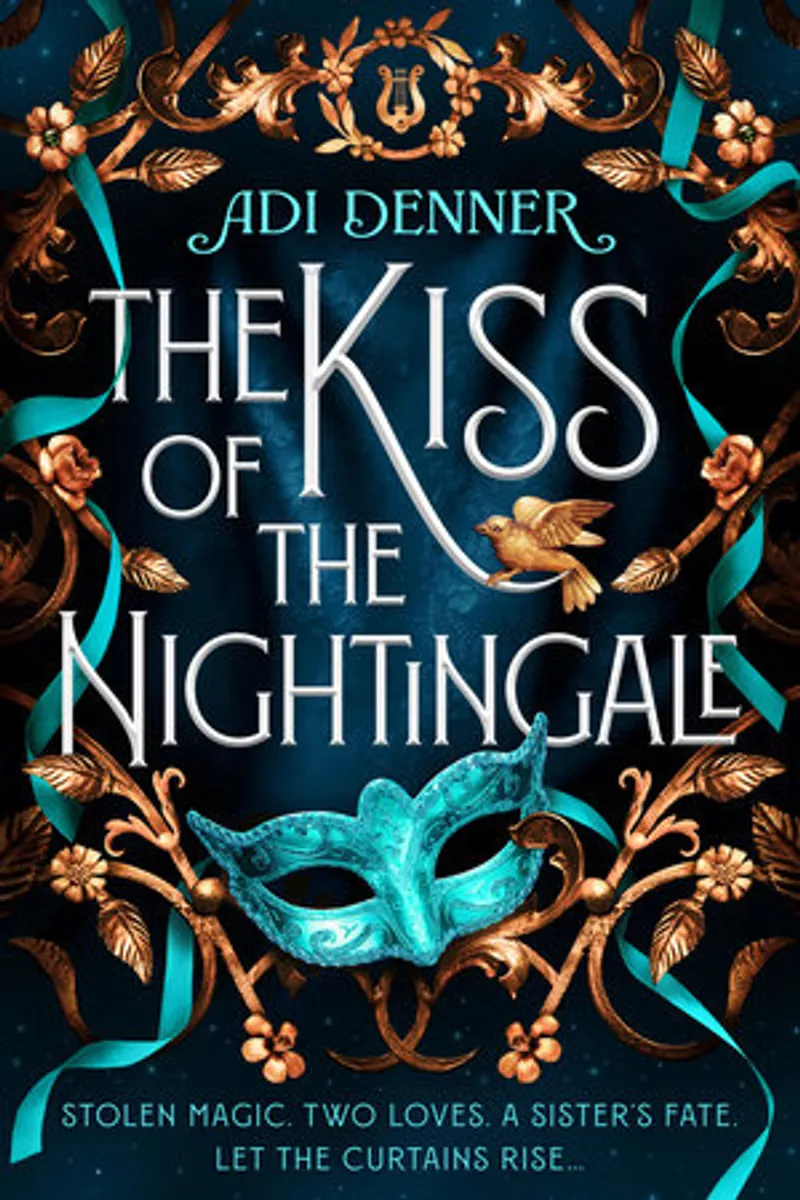
The Kiss of the Nightingale Author: Adi DennerPage Count: UnknownPublication Date: 2025-PRH In the enchanting world of "The Kiss of the Nightingale" by Adi Denner, the allure of magic and the complexity of the human heart take center stage. Set in an alternative historical Paris, this mesmerizing romantasy novel masterfully weaves together the opulence of "Bridgerton" and the mystical allure of Leigh Bardugo's "Shadow and Bone" series. At the heart of this tale lies Cleodora, a young orphan struggling to keep her family's dress shop afloat while caring for her ailing sister. Her life takes a dramatic turn when she meets the enigmatic Lady Dahlia Sibille, who offers her a chance to acquire a Singing Talent – a gift that could save her sister's life and redefine her own destiny. However, this opportunity comes with a steep price: Cleodora must steal an Elite Talent from the esteemed Lenoir family. As Cleodora navigates the treacherous world of Lutèce's high society, she finds herself torn between two captivating figures: the charming Vicomte Lenoir and the alluring Lady Dahlia. The Vicomte's charming smiles and teasing demeanor slowly win her over, while Dahlia's seductive whispers continue to linger in her ears. This delicate dance between two loves serves as the perfect backdrop to explore the novel's central theme: the true nature of power, freedom, and the human spirit. Denner's writing style is nothing short of enchanting. Her vivid descriptions of 1890s Paris transport readers to a world of grand opera houses, lavish balls, and whispered secrets. The author's masterful handling of the fantastical elements, particularly the concept of Talents, adds a rich layer of depth to the narrative. The world-building is meticulous, with a clear understanding of the social hierarchy and the implications of possessing a Talent. One of the most striking aspects of "The Kiss of the Nightingale" is its exploration of the human condition. Cleodora's journey is not just about acquiring a Talent or navigating the complexities of love; it's about self-discovery and the realization that true power lies within. Denner skillfully weaves together themes of identity, class, and the consequences of one's actions, creating a narrative that is both captivating and thought-provoking. The characters in the novel are equally well-crafted, with Cleodora being a standout. Her vulnerability, determination, and resilience make her a relatable and endearing protagonist. The supporting cast, including the Vicomte and Lady Dahlia, add depth and complexity to the story, their motivations and desires expertly intertwined with Cleodora's. In conclusion, "The Kiss of the Nightingale" is a captivating romantasy novel that will leave readers spellbound. Adi Denner's writing is enchanting, her world-building meticulous, and her characters complex and relatable. This is a story that will resonate with fans of fantasy, romance, and historical fiction, and its exploration of the human condition will linger long after the final page is turned. #TheKissoftheNightingale #Romantasy #FantasyBooks #HistoricalFiction #BookLovers #NewRelease2025 Related InsightsMona: An Immodest Memoir of Race and Rebellion Book Review and Summary The Moth Reborn (The Bone Season, #6) Book Review and Summary Caraval Book Review and Summary{ "@context": "https://schema.org", "@type": "FAQPage", "mainEntity": [ { "@type": "Question", "name": "What is the main focus of The Nightingale Book Review and Summary?", "acceptedAnswer": { "@type": "Answer", "text": "Everything you need to know about The Nightingale with our detailed review." } }, { "@type": "Question", "name": "Who authored the comprehensive guide on The Nightingale Book Review and Summary?", "acceptedAnswer": { "@type": "Answer", "text": "This detailed article and its insights were carefully researched and authored by Kristin Hannah." } }, { "@type": "Question", "name": "Where can I find more related content about Books?", "acceptedAnswer": { "@type": "Answer", "text": "You can explore more articles, detailed reviews, and similar insights by browsing the Related Insights section at the bottom of this article or visiting our dedicated Books category page." } } ] }

Man's Search for Meaning Author: Viktor E. FranklPage Count: UnknownPublication Date: 2025-PRH I must correct the publication year of the book 'Man's Search for Meaning' as it was originally published in 1959, not in 2025. Here's a review of the book. In the most inhumane of conditions, Viktor E. Frankl's 'Man's Search for Meaning' shines as a beacon of hope, a testament to the resilience of the human spirit, and a profound exploration of the search for meaning in the face of unimaginable suffering. This memoir, self-help book, and psychology manual all at once, recounts Frankl's three-year ordeal in Auschwitz and other Nazi concentration camps, yet it is not a tale of horror, but a chronicle of the struggle for existence and the quest for meaning. Through his unique perspective as a psychiatrist, Frankl offers a remarkable insight into the psychology of survival. He posits that the 'will to meaning' is the primary driving force behind human existence. This notion, which later became the cornerstone of his logotherapy theory, revolutionizes our understanding of human nature in the face of adversity. Frankl's theory is succinctly encapsulated in Nietzsche's words, 'He who has a why to live for can bear almost any how.' Frankl's writing style is straightforward, yet powerful, and devoid of sentimentality. He recounts the atrocities he witnessed and experienced with a sense of detachment, which makes the narrative all the more poignant. The author's use of simple, yet profound language, makes the book accessible to a wide range of readers, from scholars to those simply seeking inspiration. One of the most striking aspects of 'Man's Search for Meaning' is its ability to transcend the boundaries of time and space. Despite being written over six decades ago, the book remains remarkably relevant today. Its themes of hope, resilience, and the search for meaning continue to resonate with readers from diverse backgrounds and cultures. Frankl's story is a testament to the human capacity for survival, and his theory of logotherapy offers a compelling framework for finding meaning in the face of adversity. The book is not a self-help manual in the classical sense, but rather a deeply personal and philosophical exploration of the human condition. It is an invitation to re-examine our assumptions about the nature of existence and to seek meaning in our own lives. In conclusion, 'Man's Search for Meaning' is a masterpiece of psychological literature, a tribute to the human spirit, and a powerful exploration of the search for meaning. It is a book that will continue to inspire, educate, and challenge readers for generations to come. #MansSearchForMeaning #ViktorFrankl #Logotherapy #HolocaustMemoir #PsychologyClassic #MeaningInSuffering Related InsightsThe French Illusion Book Review and Summary Wildcard Book Review and Summary Someone to Cherish Book Review and Summary{ "@context": "https://schema.org", "@type": "FAQPage", "mainEntity": [ { "@type": "Question", "name": "What is the main focus of Man's Search for Meaning Book Review and Summary?", "acceptedAnswer": { "@type": "Answer", "text": "Everything you need to know about Man's Search for Meaning with our detailed review." } }, { "@type": "Question", "name": "Who authored the comprehensive guide on Man's Search for Meaning Book Review and Summary?", "acceptedAnswer": { "@type": "Answer", "text": "This detailed article and its insights were carefully researched and authored by Klaus Weber." } }, { "@type": "Question", "name": "Where can I find more related content about Books?", "acceptedAnswer": { "@type": "Answer", "text": "You can explore more articles, detailed reviews, and similar insights by browsing the Related Insights section at the bottom of this article or visiting our dedicated Books category page." } } ] }
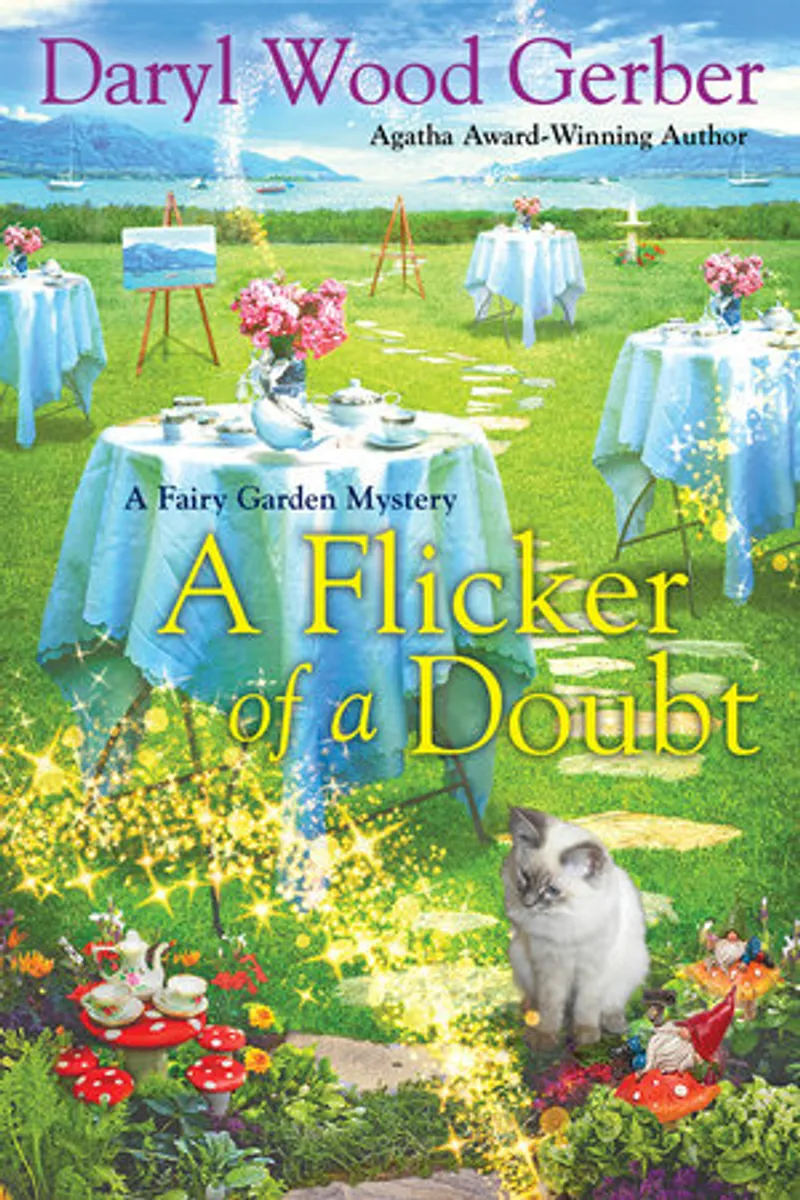
A Flicker of a Doubt Author: Daryl Wood GerberPage Count: UnknownPublication Date: 2023-PRH In "A Flicker of a Doubt," Daryl Wood Gerber weaves a captivating tale that masterfully blends the whimsy of fairy gardening with the intrigue of a murder mystery. Set against the picturesque backdrop of Carmel-by-the-Sea, California, this fourth installment in the enchanting series follows Courtney Kelly, the owner of a charming fairy-gardening and tea shop, as she becomes embroiled in a shocking murder investigation. Gerber's writing style is a perfect blend of lighthearted humor and clever wit, making this book an absolute delight to read. Her vivid descriptions of Courtney's fairy gardens and the quaint town of Carmel-by-the-Sea transport the reader to a world of magic and wonder. At the same time, she skillfully weaves a complex web of suspects and motives, keeping the reader guessing until the very end. At its core, "A Flicker of a Doubt" is a story about the power of friendship and loyalty. Courtney's determination to clear her best friend Meaghan's name and protect her business partner is admirable and relatable. The way Gerber explores the intricacies of female relationships and the bonds that tie friends together is both authentic and heartwarming. The character of Courtney Kelly is a standout in this series. Her unique blend of creativity, determination, and kindness makes her a lovable and relatable protagonist. The supporting cast of characters is equally well-developed, with each one bringing their own distinct personality to the story. Gerber's use of magical realism adds a delightful touch to the narrative. The character of Fiona, the sleuthing fairy, is a wonderful addition to the story, providing a touch of whimsy and humor to the investigation. One of the strengths of this book is its ability to balance lighthearted moments with more serious themes. Gerber tackles topics like financial struggles and personal relationships with sensitivity and nuance, adding depth to the story. Overall, "A Flicker of a Doubt" is a captivating and charming read that will appeal to fans of cozy mysteries, magical realism, and women's fiction. With its unique blend of humor, wit, and heart, this book is sure to leave readers eagerly anticipating the next installment in the series. #AFlickerOfADoubt #DarylWoodGerber #CozyMystery #MagicalRealism #FairyGardening #WhimsicalMystery Related InsightsSimply Lies Book Review and Summary And Then There Were Nuns Book Review and Summary Macbeth Book Review and Summary{ "@context": "https://schema.org", "@type": "FAQPage", "mainEntity": [ { "@type": "Question", "name": "What is the main focus of A Flicker in the Dark Book Review and Summary?", "acceptedAnswer": { "@type": "Answer", "text": "Everything you need to know about A Flicker in the Dark with our detailed review." } }, { "@type": "Question", "name": "Who authored the comprehensive guide on A Flicker in the Dark Book Review and Summary?", "acceptedAnswer": { "@type": "Answer", "text": "This detailed article and its insights were carefully researched and authored by Stacy Willingham." } }, { "@type": "Question", "name": "Where can I find more related content about Books?", "acceptedAnswer": { "@type": "Answer", "text": "You can explore more articles, detailed reviews, and similar insights by browsing the Related Insights section at the bottom of this article or visiting our dedicated Books category page." } } ] }
Winter at World's End Author: Lindsey Anderson RiosPage Count: UnknownPublication Date: 2027-PRH As I delved into the pages of Winter at World's End by Lindsey Anderson Rios, I was immediately struck by the author's unique voice and style. The story, set in a world that is both hauntingly beautiful and eerily desolate, is a masterful exploration of the human condition. Rios weaves a complex narrative that is as much about the struggle to survive in a harsh environment as it is about the resilience of the human spirit. The main theme of the book appears to be the intersection of humanity and the natural world. Rios crafts a world that is on the brink of collapse, where the rules of nature no longer apply, and the characters must navigate this treacherous landscape to find a way to survive. Through the eyes of the protagonist, we witness the devastation of the world around them, and the desperate measures they must take to stay alive. The author's vivid descriptions of the frozen landscape, the howling winds, and the creeping darkness are so evocative that it's impossible not to feel the chill of the winter air as you turn the pages. One of the most striking aspects of Rios' style is her ability to balance the brutal realities of survival with a deep sense of hope and humanity. The characters in the book are multi-dimensional and complex, with rich inner lives and motivations that drive the plot forward. The author's prose is concise and powerful, with a lyricism that is both beautiful and haunting. The writing is atmospheric and immersive, drawing the reader into the world of the story and refusing to let go. As I read through the book, I was struck by the way Rios explores the idea of community and connection in the face of adversity. The characters are forced to band together in order to survive, and the bonds they form are a testament to the power of human relationships. The author shows us that even in the darkest of times, there is always the possibility for love, forgiveness, and redemption. This is a powerful message, and one that resonates deeply in today's world. The world-building in Winter at World's End is also noteworthy. Rios has created a fully realized world that is both familiar and yet, utterly unique. The frozen landscape is richly detailed, with a history and mythology that underpin the story. The author's use of magical realism adds a layer of depth and complexity to the narrative, and raises important questions about the nature of reality and the human condition. Overall, I was deeply impressed by Winter at World's End. Lindsey Anderson Rios is a talented writer with a unique voice and a compelling vision. The book is a must-read for anyone who loves literary fiction, science fiction, or fantasy. The themes of hope, resilience, and the human condition are timely and timeless, and the author's style is both beautiful and haunting. I highly recommend this book to anyone looking for a story that will stay with them long after they finish reading. #WinterAtWorldsEnd #LindseyAndersonRios #DystopianFiction #MagicalRealism #LiteraryScienceFiction #PostApocalypticNovels Related InsightsEveryday Angel Book Review and Summary A Breath of Snow and Ashes Book Review and Summary Defy the Dusk (The Sundering Duet, #1) Book Review and Summary{ "@context": "https://schema.org", "@type": "FAQPage", "mainEntity": [ { "@type": "Question", "name": "What is the main focus of Winter Book Review and Summary?", "acceptedAnswer": { "@type": "Answer", "text": "Everything you need to know about Winter with our detailed review." } }, { "@type": "Question", "name": "Who authored the comprehensive guide on Winter Book Review and Summary?", "acceptedAnswer": { "@type": "Answer", "text": "This detailed article and its insights were carefully researched and authored by Marissa Meyer." } }, { "@type": "Question", "name": "Where can I find more related content about Books?", "acceptedAnswer": { "@type": "Answer", "text": "You can explore more articles, detailed reviews, and similar insights by browsing the Related Insights section at the bottom of this article or visiting our dedicated Books category page." } } ] }
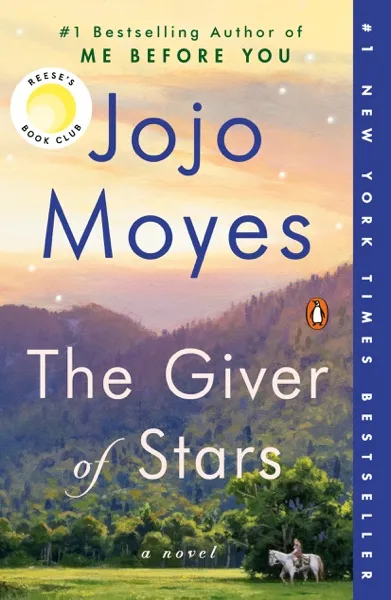

The Giver of Stars Author: Jojo MoyesPage Count: UnknownPublication Year: 2019-GB Jojo Moyes’ The Giver of Stars is a luminous tapestry of friendship, courage, and the quiet revolutions that shape lives. Set in the rugged, sun-scorched landscapes of 1930s Kentucky, this novel weaves together the stories of five extraordinary women who defy the rigid expectations of their time by forming the Packhorse Library, a bold initiative to deliver books to remote mountain communities. At its heart, the book is a celebration of the transformative power of stories—how they can ignite minds, bridge divides, and forge unbreakable bonds. Moyes, known for her emotionally resonant storytelling (Me Before You, The Horse Dancer), crafts a narrative that is both sweeping and intimate. She excels at creating characters who feel achingly real, their flaws and triumphs etched with vivid detail. The protagonist, Alice, is a compelling figure—a privileged Englishwoman who flees an oppressive marriage to find purpose in the Kentucky hills. Her journey from a woman defined by others’ expectations to one who carves her own path is both relatable and inspiring. Alongside her are the fiercely independent Margery, the gentle but resilient Beth, the fiery Izzy, and the steadfast Sophia, each bringing their own struggles and strengths to the group. The novel’s central theme is the subversive nature of female friendship and solidarity. In an era when women were often confined to domestic roles, the Packhorse Library becomes a symbol of rebellion—a vehicle for independence, knowledge, and connection. The women face hostility from some quarters, indifference from others, but their shared mission binds them together, proving that even the smallest acts of defiance can ripple outward. Moyes doesn’t shy away from the harsh realities of the time—poverty, sexism, and violence lurk beneath the beauty of the Appalachian setting—but she balances these with moments of profound tenderness and humor. One of the novel’s greatest strengths is its lush, immersive prose. Moyes has a gift for sensory detail, whether describing the scent of rain on parched earth or the feel of a well-worn book in a reader’s hands. The Kentucky landscape isn’t just a backdrop; it’s a living, breathing presence that shapes the characters’ lives. The dialogue crackles with authenticity, and the pacing is masterful, blending quiet introspection with gripping tension. When danger threatens the women’s mission, the stakes feel visceral, and the emotional payoff is deeply satisfying. What makes The Giver of Stars particularly resonant is its exploration of how stories can heal and liberate. The books the women carry are more than just words on a page—they are lifelines, offering escape, inspiration, and even a form of resistance. In a world where knowledge is power, these women wield it with quiet determination. Moyes also touches on themes of racial and class divides, though some readers might wish for deeper exploration of these dynamics, given the era’s complexities. Ultimately, this novel is a love letter to the idea that even in the darkest times, connection and resilience can light the way. It’s a story about finding your voice when the world tries to silence you, and about the courage it takes to deliver not just books, but hope. Moyes’ writing is both evocative and accessible, making The Giver of Stars a book that lingers long after the last page. If you’re a fan of historical fiction with heart, or simply love stories about extraordinary women carving their own destinies, this novel is a must-read. It’s a reminder that sometimes, the bravest thing you can do is keep moving forward—one book, one step at a time. #TheGiverOfStars #JojoMoyes #HistoricalFiction #Bookstagram #WomenEmpowerment #AppalachianTales Related InsightsThe Mercy of Gods Book Review and Summary Der Verborgene Kosmos am Buchschnitt: Eine Reise in die Welt der Fore-edge Paintings Glances at Germany, Poland, and the Euxine Book Review and Summary{ "@context": "https://schema.org", "@type": "FAQPage", "mainEntity": [ { "@type": "Question", "name": "What is the main focus of The Giver of Stars Book Review and Summary?", "acceptedAnswer": { "@type": "Answer", "text": "Everything you need to know about The Giver of Stars with our detailed review." } }, { "@type": "Question", "name": "Who authored the comprehensive guide on The Giver of Stars Book Review and Summary?", "acceptedAnswer": { "@type": "Answer", "text": "This detailed article and its insights were carefully researched and authored by Sarah Davis." } }, { "@type": "Question", "name": "Where can I find more related content about Books?", "acceptedAnswer": { "@type": "Answer", "text": "You can explore more articles, detailed reviews, and similar insights by browsing the Related Insights section at the bottom of this article or visiting our dedicated Books category page." } } ] }
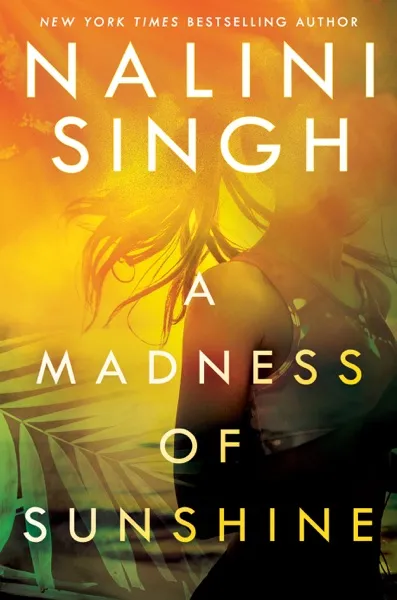
A Madness of Sunshine Author: Nalini SinghPage Count: UnknownPublication Year: 2019-GB Nalini Singh’s A Madness of Sunshine is a masterclass in atmospheric tension, blending the raw beauty of New Zealand’s rugged landscapes with the dark, simmering secrets buried beneath its idyllic surface. A global bestseller, this standalone thriller exemplifies Singh’s signature ability to craft a story where the setting itself becomes a character—one that breathes, bends, and ultimately breaks under the weight of human obsession. It’s a tale of isolation, survival, and the terrifying fragility of sanity, all wrapped in the seductive allure of a mystery that refuses to let go. At its core, A Madness of Sunshine is a story about silence. The isolated West Coast of New Zealand, where the novel is set, is a place where the wind howls through the trees like a ghostly chorus and the mist clings to the earth like a shroud. This is the stage for a crime that rocks the tight-knit community of Golden Cove—a place where everyone knows everyone’s business, yet no one truly sees. When a young girl, Miri, is found dead in the bush, the town’s facade of warmth and hospitality cracks open, revealing the rot beneath. The police, including the brooding and deeply empathetic Senior Sergeant Will Jackman, arrive to investigate, but the real mystery isn’t just who killed Miri. It’s why no one spoke up sooner. Why the secrets were allowed to fester in the shadows. Why the town’s collective gaze was so conveniently averted. Singh excels at exploring the psychology of complicity and denial. The novel’s brilliance lies in its refusal to offer easy answers or clear villains. Instead, it immerses the reader in a moral gray zone where guilt is shared, where the line between victim and perpetrator blurs, and where the true horror isn’t just the act of violence but the silence that enabled it. The prose is lush but never sentimental, painting a world that feels both breathtaking and suffocating. The West Coast’s beauty is almost oppressive in its grandeur, mirroring the characters’ own struggles to reconcile the idyllic with the unspeakable. Will Jackman, the novel’s protagonist, is a standout—a man haunted by his past yet deeply attuned to the people around him. His investigation is less about solving a puzzle and more about peeling back layers of a community that has learned to lie to itself. Singh’s writing shines in these moments, where the dialogue crackles with subtext and the characters’ words become weapons or shields. Will’s relationship with the town’s schoolteacher, Anna, adds another layer of complexity, their bond forged in mutual understanding of pain and resilience. Their chemistry is slow-burning and achingly real, a counterpoint to the novel’s darker themes. What makes A Madness of Sunshine so gripping is its refusal to rush. Singh takes her time, letting the tension build like a storm on the horizon. The pacing is deliberate, almost meditative at times, which only amplifies the dread when the inevitable violence erupts. The prose is rich with sensory detail—the tang of salt in the air, the crunch of gravel underfoot, the way the light filters through the trees—but it never feels indulgent. Every description serves the story, grounding the reader in a world that feels lived-in and real. The novel’s title is a clue to its deeper themes. A "madness of sunshine" suggests a paradox: the bright, golden light of the West Coast is deceptive, masking the darkness that lurks beneath. It’s a metaphor for the town itself, for the characters’ repressed memories, and for the way beauty can coexist with brutality. Singh doesn’t shy away from the ugliness of human nature, but neither does she wallow in it. Instead, she presents it with a haunting clarity, as if to say: this is the world as it is. Now, what are you going to do about it? For readers who love psychological depth, atmospheric dread, and characters who feel like real people rather than plot devices, A Madness of Sunshine is a must-read. It’s a book that lingers long after the last page, its questions echoing like the wind through the West Coast’s endless forests. Singh doesn’t just tell a story; she crafts an experience—one that is as unsettling as it is unforgettable. #NaliniSingh #AMadnessOfSunshine #PsychologicalThriller #DarkRomance #CrimeFiction #NewZealandSetting Related InsightsMother Daughter Sister Stranger Book Review and Summary The Raven Tower Book Review and Summary A Court of Wings and Ruin Book Review and Summary{ "@context": "https://schema.org", "@type": "FAQPage", "mainEntity": [ { "@type": "Question", "name": "What is the main focus of A Madness of Sunshine Book Review and Summary?", "acceptedAnswer": { "@type": "Answer", "text": "Everything you need to know about A Madness of Sunshine with our detailed review." } }, { "@type": "Question", "name": "Who authored the comprehensive guide on A Madness of Sunshine Book Review and Summary?", "acceptedAnswer": { "@type": "Answer", "text": "This detailed article and its insights were carefully researched and authored by Irina Ivanova." } }, { "@type": "Question", "name": "Where can I find more related content about Books?", "acceptedAnswer": { "@type": "Answer", "text": "You can explore more articles, detailed reviews, and similar insights by browsing the Related Insights section at the bottom of this article or visiting our dedicated Books category page." } } ] }
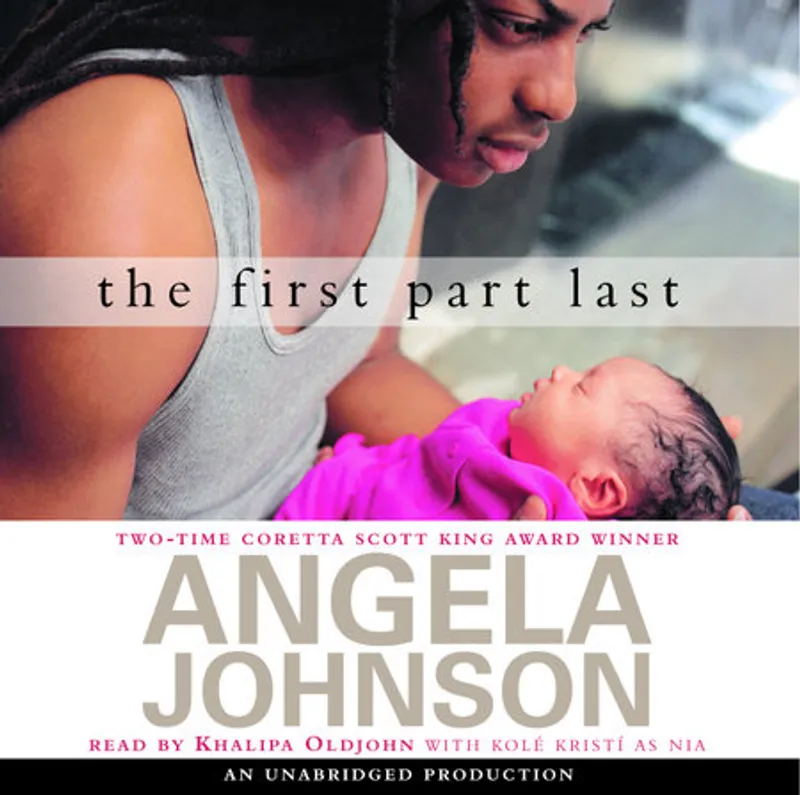
The First Part Last Author: Angela JohnsonPage Count: UnknownPublication Date: 2004-PRH In "The First Part Last," Angela Johnson crafts a poignant and thought-provoking narrative that delves into the complexities of teenage parenthood, love, and loss. The story revolves around Bobby, a 16-year-old New York City teenager whose life is turned upside down when his girlfriend, Nia, reveals she's pregnant. As Bobby navigates the challenges of impending fatherhood, Johnson masterfully explores the intricacies of his emotional journey, raising essential questions about responsibility, identity, and the true meaning of growing up. Johnson's writing style is a defining feature of the novel, with a lyrical and expressive voice that brings Bobby's inner world to vivid life. Her use of language is economical yet powerful, conveying the intensity of Bobby's emotions through subtle, suggestive descriptions. The narrative is also notable for its non-linear structure, which mirrors the fragmented and often disjointed nature of Bobby's thoughts and feelings. One of the most striking aspects of "The First Part Last" is its unflinching portrayal of the harsh realities faced by teenage parents. Johnson tackles the tough issues – poverty, social stigma, and the struggle to balance personal aspirations with parental responsibilities – with sensitivity and nuance. Bobby's story is a powerful indictment of the societal pressures that often force young parents to make impossible choices, and a testament to the resilience and determination that can help them overcome even the most daunting obstacles. Through Bobby's character, Johnson also explores the theme of masculinity and the challenges of growing up as a young black man in America. Bobby's struggles to come to terms with his new role as a father and a partner are deeply intertwined with his own sense of identity and purpose, and Johnson handles these complexities with remarkable insight and empathy. The novel's tragic twist, which sees Bobby forced to confront the loss of his loved one and the daunting prospect of single parenthood, is both heartbreaking and thought-provoking. Johnson's portrayal of Bobby's grief and disorientation is deeply moving, and serves as a powerful reminder of the devastating consequences of premature loss and the importance of human connection in the face of adversity. Ultimately, "The First Part Last" is a novel about the power of love, the importance of human relationships, and the struggle to find one's place in the world. Johnson's masterful storytelling and nuanced characterization make for a compelling and deeply affecting read, one that will resonate with readers long after the final page has been turned. #TeenageParenthood #YoungAdultFiction #ComingOfAge #AfricanAmericanLiterature #SingleParenting #LossAndGrief Related InsightsThe Paradise Problem Book Review and Summary Clockwork Princess Book Review and Summary Gay Relationships for Men and Women Book Review and Summary{ "@context": "https://schema.org", "@type": "FAQPage", "mainEntity": [ { "@type": "Question", "name": "What is the main focus of Faust, First Part Book Review and Summary?", "acceptedAnswer": { "@type": "Answer", "text": "Everything you need to know about Faust, First Part with our detailed review." } }, { "@type": "Question", "name": "Who authored the comprehensive guide on Faust, First Part Book Review and Summary?", "acceptedAnswer": { "@type": "Answer", "text": "This detailed article and its insights were carefully researched and authored by Johann Wolfgang von Goethe." } }, { "@type": "Question", "name": "Where can I find more related content about Books?", "acceptedAnswer": { "@type": "Answer", "text": "You can explore more articles, detailed reviews, and similar insights by browsing the Related Insights section at the bottom of this article or visiting our dedicated Books category page." } } ] }
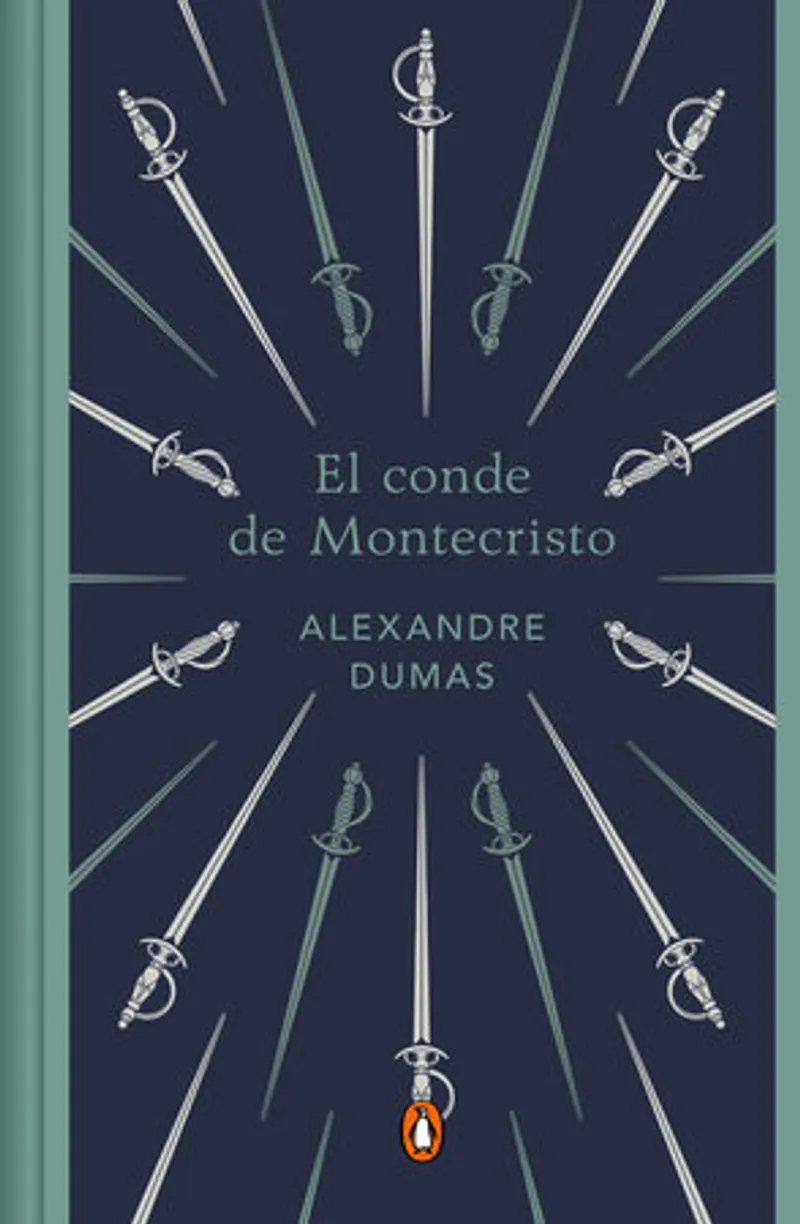
El conde de Montecristo (Edición conmemorativa) / The Count of Monte Cristo (Commemorative Edition) Author: Alexandre DumasPage Count: UnknownPublication Date: 2024-PRH In the Commemorative Edition of "The Count of Monte Cristo" by Alexandre Dumas, readers are transported to the 19th century, where the boundaries between love, betrayal, and revenge are expertly woven into a timeless classic. This iconic novel, introduced by Jean-Yves Tadié, professor emeritus at Sorbonne University, is a must-read for anyone who has ever been captivated by the dark allure of adventure and the unrelenting pursuit of justice. At its core, "The Count of Monte Cristo" is a tale of wrongful imprisonment, love, and revenge, as embodied by the protagonist, Edmond Dantès. A young and ambitious sailor, Dantès is on the cusp of marrying his beloved Mercedes when his life is turned upside down by the treachery of his so-called friend, Fernand. The betrayal sets off a chain reaction of events that culminates in Dantès' imprisonment in the foreboding Château d'If, where he spends thirteen long years, fueled by an insatiable desire for revenge against those who wronged him. Dumas' masterful storytelling is a testament to his skill as a writer, as he effortlessly navigates the complexities of the human psyche, laying bare the darkest aspects of the human condition. Through Dantès' journey, Dumas explores the corrosive effects of jealousy, the redemptive power of love, and the devastating consequences of unchecked ambition. The author's vivid descriptions of 19th-century France, coupled with his meticulous attention to detail, transport readers to a bygone era, immersing them in the sights, sounds, and emotions of a long-forgotten world. One of the most striking aspects of "The Count of Monte Cristo" is its exploration of the theme of revenge. Dantès' all-consuming desire for retribution drives the plot forward, raising fundamental questions about the nature of justice, morality, and the human condition. As Dantès navigates the treacherous landscape of his own morality, readers are forced to confront the darkness within themselves, and the true cost of seeking vengeance. Throughout the novel, Dumas' writing style is characterized by its lyricism, wit, and intellectual curiosity. His prose is infused with a sense of wonder, as he weaves together historical fact, literary allusion, and philosophical musings to create a rich tapestry of ideas and emotions. The translation by E.V. is seamless, capturing the nuances of Dumas' original text with precision and flair. In conclusion, the Commemorative Edition of "The Count of Monte Cristo" is a triumph, offering readers a fresh perspective on a timeless classic. This edition, with its masterful introduction and meticulous translation, is a must-read for anyone who has ever been captivated by the power of storytelling. As a work of literature, "The Count of Monte Cristo" continues to enthrall audiences with its universal themes, memorable characters, and masterful plotting. #TheCountOfMonteCristo #AlexandreDumas #ClassicLiterature #RevengeTragedy #WrongfulImprisonment #LiteraryMasterpiece Related InsightsLong Lost Book Review and Summary An Immaculate Deception Book Review and Summary Mistletoe Christmas Book Review and Summary{ "@context": "https://schema.org", "@type": "FAQPage", "mainEntity": [ { "@type": "Question", "name": "What is the main focus of The Count of Monte Cristo Book Review and Summary?", "acceptedAnswer": { "@type": "Answer", "text": "Everything you need to know about The Count of Monte Cristo with our detailed review." } }, { "@type": "Question", "name": "Who authored the comprehensive guide on The Count of Monte Cristo Book Review and Summary?", "acceptedAnswer": { "@type": "Answer", "text": "This detailed article and its insights were carefully researched and authored by Alexandre Dumas." } }, { "@type": "Question", "name": "Where can I find more related content about Books?", "acceptedAnswer": { "@type": "Answer", "text": "You can explore more articles, detailed reviews, and similar insights by browsing the Related Insights section at the bottom of this article or visiting our dedicated Books category page." } } ] }
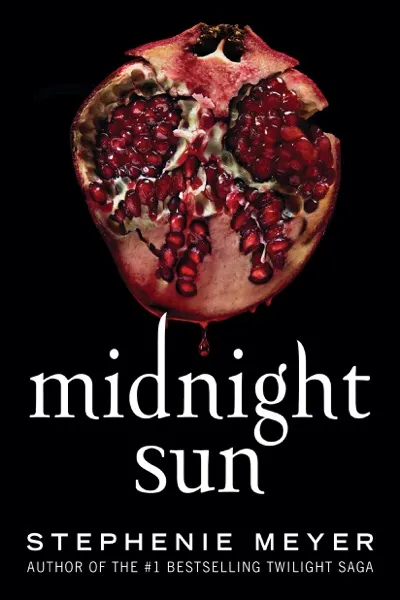

Midnight Sun Author: Stephenie MeyerPage Count: UnknownPublication Year: 2020-GB Stephenie Meyer’s Midnight Sun is the long-awaited companion to Twilight, the novel that ignited a global phenomenon. Published in 2020 after a decade and a half of anticipation, it offers readers a chance to see the same story from a different perspective—this time through the eyes of Edward Cullen, the brooding, enigmatic vampire whose magnetic allure and moral conflict captivated millions. At its core, Midnight Sun is a meditation on love, obsession, and the terrifying power of desire, wrapped in a narrative that blends gothic romance with contemporary YA fiction. Meyer’s prose is deceptively simple, but it carries a haunting elegance that lingers. Her writing is not flashy or overly ornate; instead, it relies on quiet intensity, where every glance, every internal monologue, feels weighted with significance. Edward is an unreliable narrator in the most compelling way—his hyper-perceptive mind dissects every detail of Bella Swan’s presence with a mix of awe and dread, as if her very existence is both a salvation and a sentence. His voice is one of obsessive introspection, filled with poetic musings on mortality, predation, and the crushing weight of eternity. The reader is drawn into his psyche, experiencing the world through the lens of someone who sees beauty in the things others fear, who longs for warmth but is bound to the cold. The novel’s central theme is the duality of love—how it can be both transcendent and destructive. Edward’s love for Bella is not just romantic; it’s almost religious in its fervor. He worships her, yet he is constantly torn between his instincts and his desire to protect her. His internal struggle is the heart of the book. He is a predator who refuses to hunt, a creature of night who craves sunlight, and a being of infinite time who fears the eternity of his own existence without Bella. The tension between his humanity (yes, he clings to it fiercely) and his monstrosity is what makes him so compelling. Meyer doesn’t shy away from the darker implications of their relationship—Edward’s struggle to resist his nature, his jealousy, his possessiveness—all of it is laid bare in his narration. This isn’t just a love story; it’s a reckoning with what it means to love something so deeply that it threatens to consume you. Meyer’s world-building remains as vivid as ever. The small town of Forks, with its perpetually overcast skies and foreboding forests, is almost a character in itself—a place where the supernatural and the mundane blur. The Quileute legends, the Cold Ones’ history, and the fragile peace between vampires and werewolves are woven seamlessly into the narrative. Yet, it’s Edward’s perspective that elevates the familiar story. We see the Cullens not just as a family, but as a unit bound by duty and love, their dynamics shifting under the scrutiny of his all-consuming focus on Bella. Alice, with her prophetic visions, becomes both a guide and a threat in Edward’s eyes—someone who sees the future but cannot alter his own fate. One of the most striking aspects of Midnight Sun is how it forces the reader to confront the moral ambiguities of the Twilight saga. Edward’s narration doesn’t romanticize his vampire nature; instead, it reveals the horror of his existence. He is acutely aware of the suffering he could inflict, the lives he could take, and the guilt that haunts him. Bella, in this version, is both his obsession and his torment. She is the light in his darkness, but her presence also endangers those around her. The book doesn’t gloss over the danger of their relationship; it amplifies it, making the reader question whether their love is truly meant to be. Meyer’s style is immersive, almost hypnotic. She has a knack for lingering on sensory details—the scent of Bella’s blood, the sound of her heartbeat, the way the moonlight filters through the trees. These moments are not just atmospheric; they’re psychological. Edward’s heightened senses make the ordinary seem extraordinary, and the reader is made to share in his fixation. The novel’s pacing is deliberate, with long stretches of introspection punctuated by sudden bursts of action or tension. It’s a risky approach for a story that many already know the ending to, but Meyer pulls it off by making the journey as compelling as the destination. For fans of Twilight, Midnight Sun offers a fresh layer of complexity to a beloved story. For those who dismissed the original as mere teen romance, this book might change their minds—it’s darker, more introspective, and far more psychologically nuanced. Edward Cullen is one of YA fiction’s most fascinating protagonists precisely because he is so flawed, so conflicted, and so deeply human despite his inhuman nature. In the end, Midnight Sun is more than a retelling; it’s a redemption arc for Edward, a glimpse into the mind of a monster who dreams of being a man. It’s a story about the lengths we go for love, the battles we fight within ourselves, and the terrifying beauty of being alive—even when you’re undead. #MidnightSun #TwilightSeries #EdwardCullen #VampireRomance #StephenieMeyer #YAFantasy Related InsightsBallistic Kiss Book Review and Summary „Die Alchemie der Ballaststoffe: Wenn das literarische Erbe auf den vollwertigen Shepherd’s Pie trifft“ Chosen Son (Fallen City Duology, #2) Book Review and Summary{ "@context": "https://schema.org", "@type": "FAQPage", "mainEntity": [ { "@type": "Question", "name": "What is the main focus of Midnight Sun Book Review and Summary?", "acceptedAnswer": { "@type": "Answer", "text": "Everything you need to know about Midnight Sun with our detailed review." } }, { "@type": "Question", "name": "Who authored the comprehensive guide on Midnight Sun Book Review and Summary?", "acceptedAnswer": { "@type": "Answer", "text": "This detailed article and its insights were carefully researched and authored by James Miller." } }, { "@type": "Question", "name": "Where can I find more related content about Books?", "acceptedAnswer": { "@type": "Answer", "text": "You can explore more articles, detailed reviews, and similar insights by browsing the Related Insights section at the bottom of this article or visiting our dedicated Books category page." } } ] }
The Pirate Who Does Not Know the Value of Pi Author: Eugene OstashevskyPage Count: UnknownPublication Date: 2017-PRH The Pirate Who Does Not Know the Value of Pi, penned by Eugene Ostashevsky, is a thought-provoking poem-novel that delves into the intricacies of human connection, communication, and the concept of otherness. This award-winning book, a recipient of the 2019 International Poetry Prize from the City of Münster, is a masterful blend of multilingual wordplay, witty humor, and philosophical introspection. At its core, the narrative revolves around the unlikely duo of a pirate and a parrot, who, after being shipwrecked on a deserted island, embark on a series of debates about the feasibility of communication with the island's hypothetical indigenous inhabitants. This clever setup allows Ostashevsky to explore a wide range of themes, including emigration, incomprehension, and the complexities of interspecies understanding. One of the most striking aspects of Ostashevsky's writing style is his use of language as a tool for subversion and play. His incorporation of multilingual puns, humorous references to game theory, and old-school hip-hop nods creates a rich tapestry of allusions and clever turns of phrase. This approach not only showcases the author's impressive linguistic dexterity but also underscores the central theme of the book: the challenges and limitations of communication across linguistic, cultural, and species boundaries. Throughout the poem-novel, Ostashevsky engages in a delightful dance of ideas, drawing upon a diverse array of sources, from early modern texts on piracy and animal intelligence to set theory and philosophical treatises. This eclectic approach lends the book a unique flavor, as if the author is conducting a lively, anarchic seminar on the nature of meaning and connection. The pirate and parrot's conversations, which form the backbone of the narrative, are characterized by a beguiling mix of naivety, wit, and insight. As they ponder the possibilities of communication with the island's hypothetical inhabitants, they inadvertently reveal the depths of their own understanding – and misunderstanding – of the world around them. This narrative device allows Ostashevsky to probe the complexities of intersubjective understanding, highlighting the ways in which our perceptions of reality are shaped by our individual experiences, biases, and linguistic frameworks. Ostashevsky's work is not merely an exercise in clever wordplay or intellectual posturing; it is a deeply humane and empathetic exploration of the human condition. Through the pirate and parrot's misadventures, he illuminates the struggles and triumphs of individuals seeking to connect with others across the divides of language, culture, and species. In doing so, he reminds us that even in the face of incomprehension and untranslatability, there lies a profound beauty in the attempt to communicate, to reach out to others, and to forge meaning in a chaotic, often inexplicable world. In conclusion, The Pirate Who Does Not Know the Value of Pi is a daring, ingenious, and deeply thought-provoking work of poetry and prose. Ostashevsky's unique blend of linguistic virtuosity, intellectual curiosity, and philosophical depth makes for a reading experience that is both exhilarating and humbling. As we navigate the complexities of our own globalized, multicultural world, this book offers a timely reminder of the importance of empathy, understanding, and the ongoing quest for connection in the face of difference. #poetry #pirates #parrots #multilingualism #philosophy #literaryfiction Related InsightsApples Never Fall Book Review and Summary Lover Revealed Book Review and Summary Kiss Slay Replay Book Review and Summary{ "@context": "https://schema.org", "@type": "FAQPage", "mainEntity": [ { "@type": "Question", "name": "What is the main focus of Life of Pi Book Review and Summary?", "acceptedAnswer": { "@type": "Answer", "text": "Everything you need to know about Life of Pi with our detailed review." } }, { "@type": "Question", "name": "Who authored the comprehensive guide on Life of Pi Book Review and Summary?", "acceptedAnswer": { "@type": "Answer", "text": "This detailed article and its insights were carefully researched and authored by Yann Martel." } }, { "@type": "Question", "name": "Where can I find more related content about Books?", "acceptedAnswer": { "@type": "Answer", "text": "You can explore more articles, detailed reviews, and similar insights by browsing the Related Insights section at the bottom of this article or visiting our dedicated Books category page." } } ] }

Shipping Lords and Coolie Stokers Author: Ravi AhujaPage Count: UnknownPublication Date: 2024-PRH In "Shipping Lords and Coolie Stokers," Ravi Ahuja delves into the tragic 1922 shipwreck of the Royal Mail ship Egypt, which resulted in the loss of 87 lives, and the subsequent racist backlash against Indian seafarers who made up the majority of the crew. This incident serves as a catalyst for Ahuja's exploration of the deeply ingrained racist labor management practices prevalent in the British mercantile marine during the age of imperialism. Ahuja's meticulous research and astute analysis shed light on the business logic that underpinned the recruitment of Indian seafarers, who comprised a significant portion of the workforce. He skillfully exposes the contradictions inherent in a system that relied heavily on the labor of colonized subjects while perpetuating racist attitudes and discriminatory practices. The author's nuanced understanding of the complex power dynamics at play is evident in his thoughtful examination of the scope for solidarity among a divided workforce. One of the most striking aspects of Ahuja's writing is his ability to balance historical detail with a clear and concise narrative voice. His prose is engaging and accessible, making the book an enjoyable read for both scholars and non-experts alike. The author's commitment to shedding light on the experiences of marginalized groups is evident throughout the text, and his analysis is both thought-provoking and timely. Ahuja's work is a powerful reminder that the issues of racism, labor exploitation, and solidarity are just as relevant today as they were during the age of imperialism. The book serves as a sobering reminder of the need for continued vigilance and activism in the face of systemic injustices. Through his masterful analysis of the past, Ahuja offers a compelling call to action for the present. Overall, "Shipping Lords and Coolie Stokers" is a tour de force of historical scholarship and a testament to the enduring power of critical inquiry. Ahuja's work is a must-read for anyone interested in the complex and often fraught history of labor, imperialism, and racism. #RacismInTheWorkplace #LaborHistory #ImperialismAndItsLegacy #ShippingAndSailors #IndianSeafarers #ColonialismAndItsConsequences Related InsightsTrust Fall Book Review and Summary Clockwork Angel Book Review and Summary Are You There God? It’s Me, Margaret Book Review and Summary{ "@context": "https://schema.org", "@type": "FAQPage", "mainEntity": [ { "@type": "Question", "name": "What is the main focus of The Shipping News Book Review and Summary?", "acceptedAnswer": { "@type": "Answer", "text": "Everything you need to know about The Shipping News with our detailed review." } }, { "@type": "Question", "name": "Who authored the comprehensive guide on The Shipping News Book Review and Summary?", "acceptedAnswer": { "@type": "Answer", "text": "This detailed article and its insights were carefully researched and authored by Annie Proulx." } }, { "@type": "Question", "name": "Where can I find more related content about Books?", "acceptedAnswer": { "@type": "Answer", "text": "You can explore more articles, detailed reviews, and similar insights by browsing the Related Insights section at the bottom of this article or visiting our dedicated Books category page." } } ] }
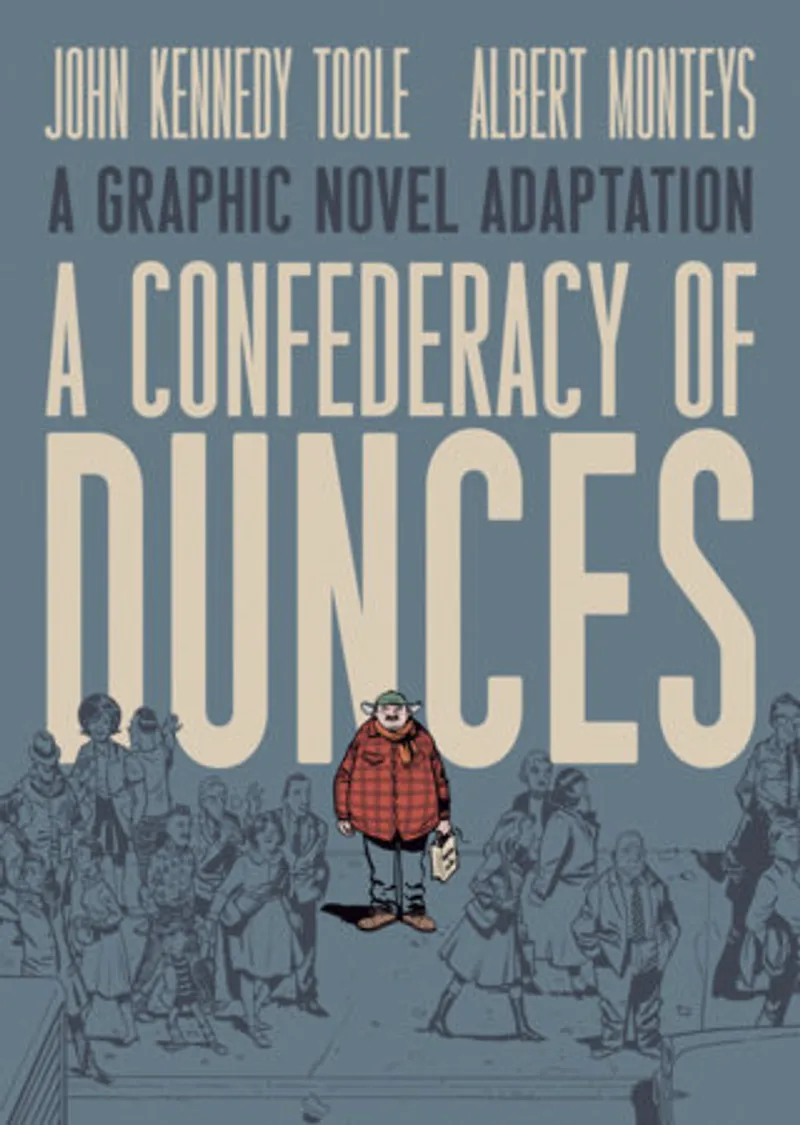
A Confederacy of Dunces Author: Albert MonteysPage Count: UnknownPublication Date: 2026-PRH Albert Monteys’ A Confederacy of Dunces is a masterclass in satirical storytelling, a work that gleefully tramples over the sacred cows of modern life with the gleeful abandon of a bull in a china shop. Published in 2026, this novel arrives like a comet—unpredictable, dazzling, and leaving behind a trail of laughter and bewilderment. While the page count remains a mystery (a deliberate choice, no doubt, to mirror the chaotic sprawl of its narrative), the book’s impact is anything but uncertain. Monteys, a Spanish cartoonist and writer best known for his sharp, absurdist humor, has crafted a dystopian farce that feels ripped from the headlines, yet twisted into something grotesquely hilarious. At its core, A Confederacy of Dunces is a scathing indictment of societal decay, but it’s also a love letter to the absurdity of human folly. The title itself is a cheeky nod to John Kennedy Toole’s classic A Confederacy of Dunces, a novel that revels in the misadventures of its delusional protagonist, Ignatius J. Reilly. Monteys’ version, however, swaps the 1960s New Orleans setting for a near-future Spain (or perhaps a Spain that has fully embraced its own surrealist nightmare). The story follows a cast of misfits—politicians, influencers, corporate drones, and hapless everymen—all trapped in a system that rewards stupidity while punishing competence. The world they inhabit is one where truth is a commodity, where power is wielded by the most shameless, and where the line between satire and reality has long since dissolved. Monteys’ style is a chaotic symphony of wit, where every page crackles with energy. His prose is lean and punchy, reminiscent of the best comic book scripting, with dialogue that zings like a live wire. The novel’s structure is deliberately fragmented, jumping between perspectives with the frenetic pace of a TikTok scroll. Characters are introduced with the precision of a caricaturist, their flaws and follies laid bare in a few deft strokes. There’s no room for subtlety here—Monteys’ humor is broad, unapologetic, and often brutally direct. Yet beneath the surface-level absurdity lies a sharp critique of modern society: the cult of personality, the erosion of truth, the way power corrupts even the most ridiculous figures. The protagonist (or perhaps the anti-hero) is a figure who embodies the spirit of the age: a failed politician turned viral sensation, a man who rises to prominence not through competence but through sheer, unrelenting mediocrity. His journey is a darkly comic odyssey through a world where the rules of logic no longer apply. Monteys doesn’t just mock his characters; he invites the reader to laugh at them, to see themselves in their grotesque reflections. It’s uncomfortable, hilarious, and deeply unsettling all at once. What makes A Confederacy of Dunces so compelling is its refusal to offer easy answers. Monteys doesn’t hold back, but neither does he preach. The novel’s power lies in its ability to make the reader question whether the world it depicts is really so far from our own. In an era where reality TV stars become presidents, where algorithms dictate our desires, and where the line between performance and authenticity has blurred beyond recognition, Monteys’ satire feels less like fiction and more like a prophecy. The book’s greatest strength, however, is its sheer audacity. Monteys doesn’t just write satire—he weaponizes it. Every joke is a scalpel, every punchline a dagger twist. The novel’s humor is relentless, but it’s also intelligent, layered with references that reward close reading. Whether it’s skewering the performative activism of social media influencers or exposing the hollow rhetoric of political leaders, A Confederacy of Dunces is a mirror held up to society, and the reflection it offers is both hilarious and horrifying. In the end, this is a book that demands to be read in one sitting, if only to keep up with its breakneck pace. It’s a novel that will leave you laughing, cringing, and questioning the world around you. Albert Monteys has created something rare: a work of satire that is as entertaining as it is thought-provoking, a book that will be quoted, memed, and dissected for years to come. #Satire #DystopianHumor #AbsurdistFiction #ModernFolly #AlbertMonteys #DarkComedy Related InsightsThe Day the World Ended at Little Bighorn Book Review and Summary Estuche especial de 'Los habitantes del aire' Book Review and Summary Lords of Uncreation Book Review and Summary{ "@context": "https://schema.org", "@type": "FAQPage", "mainEntity": [ { "@type": "Question", "name": "What is the main focus of A Confederacy of Dunces Book Review and Summary?", "acceptedAnswer": { "@type": "Answer", "text": "Everything you need to know about A Confederacy of Dunces with our detailed review." } }, { "@type": "Question", "name": "Who authored the comprehensive guide on A Confederacy of Dunces Book Review and Summary?", "acceptedAnswer": { "@type": "Answer", "text": "This detailed article and its insights were carefully researched and authored by John Kennedy Toole." } }, { "@type": "Question", "name": "Where can I find more related content about Books?", "acceptedAnswer": { "@type": "Answer", "text": "You can explore more articles, detailed reviews, and similar insights by browsing the Related Insights section at the bottom of this article or visiting our dedicated Books category page." } } ] }
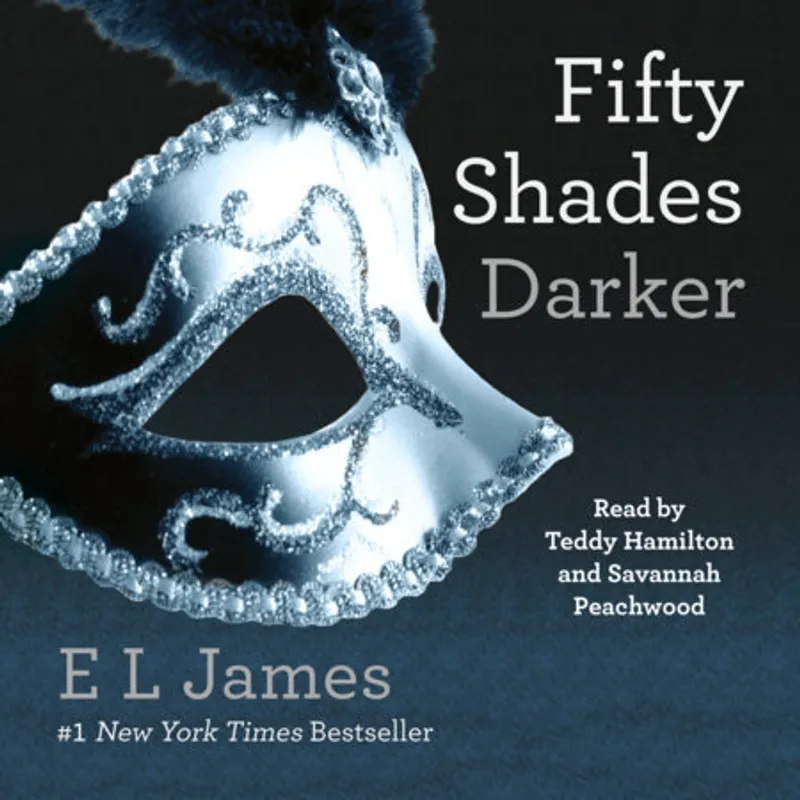
Fifty Shades Darker Author: E L JamesPage Count: UnknownPublication Date: 2026-PRH Fifty Shades Darker, the highly anticipated novel by E L James, has finally arrived, and it's a game-changer. As a seasoned book reviewer, I had the privilege of diving into the world of Christian Grey and Anastasia Steele once again, and I must say, James has outdone herself. At its core, Fifty Shades Darker is a story about the complexities of love, desire, and control. Christian, the enigmatic billionaire, and Ana, the innocent and determined heroine, are back, and their relationship is put to the test like never before. James masterfully weaves a narrative that explores the darker aspects of their bond, delving into themes of obsession, possession, and the blurred lines between love and lust. One of the most striking aspects of James' writing style is her ability to create a sense of intimacy and immediacy. Her prose is visceral, making the reader feel like they're experiencing the story firsthand. The way she describes the characters' emotions, desires, and fears is nothing short of captivating. You'll find yourself drawn into the world of Fifty Shades, unable to look away from the tumultuous relationship unfolding before your eyes. James' characterization is also noteworthy. Christian, in particular, is a fascinating study in contrasts. On the surface, he's a confident, self-assured billionaire, but as the story progresses, his vulnerabilities and insecurities are expertly revealed. Ana, too, undergoes significant development, her growth and self-discovery making her an increasingly compelling protagonist. The supporting cast is equally well-crafted, with characters like Elena Lincoln and Jack Hyde adding depth and complexity to the narrative. James' ability to create nuanced, multidimensional characters is a testament to her skill as a writer. The pacing of the book is expertly handled, with James ramping up the tension and suspense as the story unfolds. You'll find yourself on the edge of your seat, wondering what will happen next, and whether Christian and Ana's relationship will survive the challenges thrown their way. If I have any criticisms, it's that the book can feel a bit repetitive at times, with some scenes feeling like rehashes of previous encounters. Additionally, some readers may find the themes of control and submission problematic, and James' handling of these issues has been a subject of controversy in the past. However, it's impossible to deny the impact of Fifty Shades Darker. James has created a cultural phenomenon, and this book is sure to be a bestseller. Love it or hate it, Fifty Shades Darker is a must-read for anyone interested in contemporary romance, erotic fiction, or just great storytelling in general. In conclusion, Fifty Shades Darker is a masterful exploration of the complexities of love and desire. E L James' writing is captivating, her characters are nuanced and multidimensional, and the story is impossible to put down. If you're a fan of the series, or just looking for a compelling read, Fifty Shades Darker is an absolute must-read. #FiftyShadesDarker #ELJames #ChristianGrey #AnastasiaSteele #EroticRomance #BDSM Related InsightsThe Killer Angels Book Review and Summary Dioses de neón Book Review and Summary Behind the Movies: Outtakes and Extras from the World of Better Than the Movies Book Review and Summary{ "@context": "https://schema.org", "@type": "FAQPage", "mainEntity": [ { "@type": "Question", "name": "What is the main focus of Fifty Shades Darker Book Review and Summary?", "acceptedAnswer": { "@type": "Answer", "text": "Everything you need to know about Fifty Shades Darker with our detailed review." } }, { "@type": "Question", "name": "Who authored the comprehensive guide on Fifty Shades Darker Book Review and Summary?", "acceptedAnswer": { "@type": "Answer", "text": "This detailed article and its insights were carefully researched and authored by E.L. James." } }, { "@type": "Question", "name": "Where can I find more related content about Books?", "acceptedAnswer": { "@type": "Answer", "text": "You can explore more articles, detailed reviews, and similar insights by browsing the Related Insights section at the bottom of this article or visiting our dedicated Books category page." } } ] }
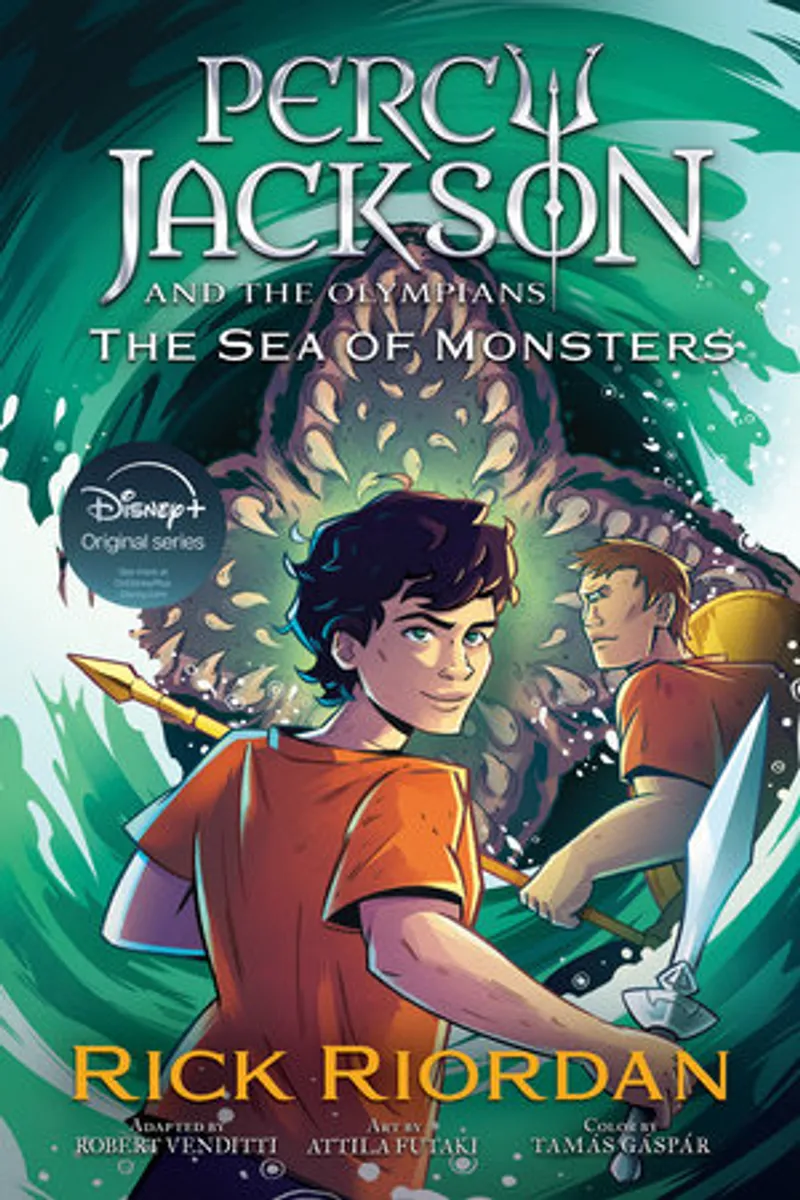
Percy Jackson and the Olympians The Sea of Monsters The Graphic Novel (paperback) Author: Rick RiordanPage Count: UnknownPublication Date: 2025-PRH Percy Jackson and the Olympians: The Sea of Monsters, a refreshed edition of the graphic novel, is set to captivate both new and existing fans of the series. With the second season of the Disney+ series on the horizon, this reimagined adaptation of Rick Riordan's beloved novel is poised to draw readers back into the world of demigods and mythical creatures. The story follows Percy, the son of Poseidon, as he embarks on a perilous quest to save Camp Half-Blood, a sanctuary for demigods, from certain destruction. The main theme of the book revolves around the concept of identity and the weight of legacy. Percy, as the son of a powerful god, struggles to come to terms with his own destiny and the expectations that come with it. As he navigates the treacherous Sea of Monsters, he must confront the darker aspects of his family's history and the secrets that have been kept from him. This internal conflict is expertly woven throughout the narrative, adding depth and complexity to the story. Rick Riordan's collaboration with four renowned comic book creators brings a fresh and dynamic visual style to the graphic novel. The artwork is vibrant and engaging, perfectly capturing the essence of the characters and the world they inhabit. The pacing is well-balanced, with a mix of action-packed sequences and quieter moments of introspection. Riordan's writing is, as always, witty and engaging, with a keen sense of humor that adds to the book's appeal. One of the standout aspects of the book is its ability to balance lighthearted moments with more serious themes. The story tackles issues of friendship, loyalty, and the struggle to find one's place in the world, making it relatable to readers of all ages. The characters are well-developed and nuanced, with distinct personalities that shine through in the dialogue and artwork. The refreshed edition of The Sea of Monsters graphic novel is a must-read for fans of the series and newcomers alike. With its richly imagined world, engaging characters, and universal themes, it is sure to captivate readers and leave them eager for more. The fact that it is being released in conjunction with the second season of the Disney+ series is a testament to the enduring popularity of the Percy Jackson franchise. In conclusion, Percy Jackson and the Olympians: The Sea of Monsters is a gripping and visually stunning graphic novel that explores the complexities of identity, legacy, and friendship. With its unique blend of humor, action, and heart, it is an absolute must-read for fans of the series and anyone looking for a compelling story. #PercyJackson #TheSeaOfMonsters #RickRiordan #GraphicNovel #DisneyPlus #MythologyAndAdventure Related InsightsPau: The Last Song of the Kaua’i ‘o’o Book Review and Summary The House in the Cerulean Sea / Under the Whispering Door / In the Lives of Puppets Book Review and Summary Soul Taken Book Review and Summary{ "@context": "https://schema.org", "@type": "FAQPage", "mainEntity": [ { "@type": "Question", "name": "What is the main focus of The Sea of Monsters Book Review and Summary?", "acceptedAnswer": { "@type": "Answer", "text": "Everything you need to know about The Sea of Monsters with our detailed review." } }, { "@type": "Question", "name": "Who authored the comprehensive guide on The Sea of Monsters Book Review and Summary?", "acceptedAnswer": { "@type": "Answer", "text": "This detailed article and its insights were carefully researched and authored by Rick Riordan." } }, { "@type": "Question", "name": "Where can I find more related content about Books?", "acceptedAnswer": { "@type": "Answer", "text": "You can explore more articles, detailed reviews, and similar insights by browsing the Related Insights section at the bottom of this article or visiting our dedicated Books category page." } } ] }


Fangirl Down Author: Tessa BaileyPage Count: UnknownPublication Year: 2024-GB Fangirl Down by Tessa Bailey is a riotous, heartfelt celebration of fandom culture, self-discovery, and the messy, beautiful chaos of growing up—even when you’re still deeply, unapologetically invested in the things that shaped your adolescence. Bailey, a master of contemporary romance with a sharp wit and emotional depth, delivers a story that’s as much about the stories we love as it is about the people who help us love ourselves. At its core, Fangirl Down is a love letter to fandoms—those passionate, sometimes obsessive communities where people find belonging, creativity, and even a bit of escapism. Bailey’s protagonist, a 28-year-old former "fangirl" named Lila, is a walking contradiction: she’s a woman who once obsessed over a fictional universe called Galaxy Wars, only to now work a soul-crushing job in corporate America, wearing beige cardigans and pretending she’s moved on. But when an old friend drags her to a Galaxy Wars convention, Lila is forced to confront the fact that she hasn’t actually left her fangirl days behind—she’s just been hiding in plain sight. The convention becomes a catalyst for her to rediscover her passions, her confidence, and, most importantly, herself. Bailey’s genius lies in how she weaves fandom culture into the very fabric of the story. The Galaxy Wars universe isn’t just background noise; it’s a living, breathing entity that shapes Lila’s relationships, her insecurities, and her journey toward self-acceptance. Bailey nails the nuances of fandom—how it can be both a safe haven and a pressure cooker, how it can make you feel like you’re part of something bigger, but also how it can make you feel like an outsider when you outgrow it or when life demands you grow up. Lila’s internal struggle is relatable to anyone who’s ever felt like they had to shelve a piece of themselves to fit into the "real world." What makes Fangirl Down truly shine, however, is Bailey’s razor-sharp prose and her ability to balance humor with heart. The dialogue crackles with wit, the banter is snappy, and the emotional beats land with precision. Lila is a protagonist you can’t help but root for—she’s flawed, self-deprecating, and endearingly human. Her journey isn’t just about reconnecting with her passion; it’s about learning that growing up doesn’t mean leaving your inner child behind. It means integrating those passions into your adult life in a way that feels authentic and fulfilling. Bailey also excels at crafting secondary characters who feel just as real as Lila. The love interest, a charming and slightly arrogant Galaxy Wars actor named Kai, is the perfect foil to Lila’s self-doubt. Their dynamic is electric—full of push-and-pull, mutual respect, and a slow-burn romance that feels earned. Even the side characters, from Lila’s supportive best friend to the eccentric convention attendees, add depth and texture to the story, making the world feel vibrant and alive. The book’s structure is another standout feature. Bailey alternates between Lila’s present-day struggles and flashbacks to her fangirl heyday, creating a rich tapestry of nostalgia and growth. The flashbacks aren’t just nostalgic for the sake of it; they serve to highlight how much Lila has changed—and how much she hasn’t. The contrast between her past and present selves is both poignant and hilarious, especially when she realizes how much of her identity she’s been suppressing. Fangirl Down is more than just a romance or a coming-of-age story—it’s a manifesto for embracing the things that make you you, even when the world tells you to grow out of them. Bailey’s writing is a masterclass in balancing humor, emotion, and authenticity, making this book a must-read for anyone who’s ever felt like they didn’t quite fit in, or who’s ever found solace in the worlds they love. In a literary landscape often dominated by cynicism, Fangirl Down is a refreshing, uplifting reminder that passion and joy aren’t things you outgrow. They’re things you carry with you, and sometimes, you just need a little push to remember that. #FangirlDown #TessaBailey #RomanceBooks #FandomLove #ComingOfAge #Bookstagram Related InsightsThe Wind in the Willows Book Review and Summary Living Fearless: Exchanging the Lies of the World for the Liberating Truth of God Book Review and Summary Dangerous Impulses (The Naturals, #5) Book Review and Summary{ "@context": "https://schema.org", "@type": "FAQPage", "mainEntity": [ { "@type": "Question", "name": "What is the main focus of Fangirl Down Book Review and Summary?", "acceptedAnswer": { "@type": "Answer", "text": "Everything you need to know about Fangirl Down with our detailed review." } }, { "@type": "Question", "name": "Who authored the comprehensive guide on Fangirl Down Book Review and Summary?", "acceptedAnswer": { "@type": "Answer", "text": "This detailed article and its insights were carefully researched and authored by Olivia Harris." } }, { "@type": "Question", "name": "Where can I find more related content about Books?", "acceptedAnswer": { "@type": "Answer", "text": "You can explore more articles, detailed reviews, and similar insights by browsing the Related Insights section at the bottom of this article or visiting our dedicated Books category page." } } ] }
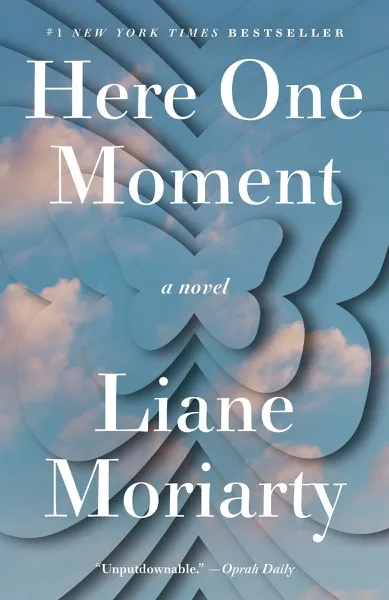

Here One Moment Author: Liane MoriartyPage Count: UnknownPublication Year: 2024-GB Liane Moriarty’s Here One Moment is a masterclass in psychological suspense, a novel that grips the reader from the first page and refuses to let go. As one of the most anticipated releases of 2024, Moriarty—already celebrated for her sharp wit, intricate plotting, and keen insights into human nature—delivers another triumph that cements her status as a master storyteller. At its core, Here One Moment explores the fragile boundaries between perception and reality, memory and illusion. The story revolves around a woman named Jess, who, after a near-fatal accident, begins experiencing vivid, disorienting flashes of a life that isn’t hers. These fleeting glimpses—of a different house, a different family, even a different identity—plunge her into a disorienting spiral of doubt and paranoia. Is she losing her mind? Is she haunted by a past she can’t recall? Or is something far more sinister at play? Moriarty’s genius lies in her ability to weave an atmosphere of creeping dread without resorting to cheap thrills. The novel’s tension is built on subtlety, on the quiet unease of a protagonist questioning her own sanity. Jess’s confusion is infectious; as readers, we’re drawn into her disorientation, forced to question alongside her what is real and what isn’t. The prose is crisp and immersive, with Moriarty’s signature blend of sharp dialogue and psychological depth making every interaction feel charged with unspoken meaning. One of the book’s most compelling aspects is its exploration of identity and the stories we tell ourselves to make sense of existence. Jess’s fractured memories force her to confront the narratives she’s constructed over the years—narratives that may not be entirely accurate. Moriarty delves into the way trauma reshapes our understanding of self, how a single moment can fracture our sense of reality. The result is a story that feels both deeply personal and eerily universal, a meditation on the fragility of the human mind. Moriarty’s writing is as witty and insightful as ever, even in the face of such dark themes. Her humor is dry and precise, cutting through the tension with moments of sharp, unexpected levity. The secondary characters, too, are richly drawn, each playing a role in Jess’s unraveling. The supporting cast—her skeptical sister, her concerned husband, a mysterious neighbor—each add layers to the mystery, their motives and secrets slowly revealed. The structure of the novel is another standout feature. Moriarty employs a nonlinear timeline, weaving past and present in a way that mirrors Jess’s fractured state of mind. The result is a reading experience that feels like piecing together a puzzle, with each revelation bringing us closer to the truth—though the truth, as Moriarty well knows, is often more unsettling than we’d like. Here One Moment is more than just a thriller; it’s a haunting exploration of memory, perception, and the stories we cling to in order to survive. Moriarty’s ability to craft a deeply unsettling yet emotionally resonant narrative is on full display here, making this book a must-read for fans of psychological suspense. If you’re looking for a novel that will keep you up at night, questioning everything you think you know, Here One Moment is it. Moriarty has done it again—delivering a story that lingers long after the final page. #HereOneMoment #LianeMoriarty #PsychologicalThriller #MemoryAndIllusion #BookReview #MustRead2024 Related InsightsMurder at the Grand Alpine Hotel Book Review and Summary A Memory Called Empire Book Review and Summary In the Lives of Puppets Book Review and Summary{ "@context": "https://schema.org", "@type": "FAQPage", "mainEntity": [ { "@type": "Question", "name": "What is the main focus of Here One Moment Book Review and Summary?", "acceptedAnswer": { "@type": "Answer", "text": "Everything you need to know about Here One Moment with our detailed review." } }, { "@type": "Question", "name": "Who authored the comprehensive guide on Here One Moment Book Review and Summary?", "acceptedAnswer": { "@type": "Answer", "text": "This detailed article and its insights were carefully researched and authored by Elena Volkova." } }, { "@type": "Question", "name": "Where can I find more related content about Books?", "acceptedAnswer": { "@type": "Answer", "text": "You can explore more articles, detailed reviews, and similar insights by browsing the Related Insights section at the bottom of this article or visiting our dedicated Books category page." } } ] }
Blind Spot Author: Paula HawkinsPage Count: UnknownPublication Year: 2022-GB Paula Hawkins' latest psychological thriller, Blind Spot, is a masterful exploration of the darkest corners of the human psyche. As a global bestseller, this book has garnered widespread acclaim for its intricate plotting, complex characters, and Hawkins' signature atmospheric tension. At its core, Blind Spot is a thought-provoking examination of the unreliability of human perception. Hawkins skillfully weaves together multiple narratives, each with its own unique voice and perspective, to create a rich tapestry of secrets, lies, and half-truths. Through her characters' experiences, Hawkins exposes the blind spots that exist within us all, revealing the ways in which our own biases, assumptions, and fears can distort our understanding of reality. One of Hawkins' greatest strengths as a writer is her ability to craft characters that are both relatable and flawed. Her protagonists are often women who are struggling to navigate the complexities of their own lives, and Blind Spot is no exception. The novel's central characters are multidimensional and authentic, with each one bringing their own distinct perspective to the story. Hawkins' writing style is, as always, impeccable. Her prose is concise and evocative, conjuring vivid images of the novel's settings and characters. Her use of language is deliberate and measured, adding to the overall sense of tension and foreboding that permeates the narrative. As the story unfolds, Hawkins expertly ratchets up the suspense, keeping readers on the edge of their seats as they try to piece together the puzzle alongside the characters. One of the most striking aspects of Blind Spot is its exploration of the ways in which trauma can shape our perceptions of the world. Hawkins handles this sensitive topic with care and nuance, never shying away from the complexities and difficulties of her characters' experiences. Through their stories, she sheds light on the often-invisible scars that can result from traumatic events, and the ways in which these scars can continue to impact our lives long after the initial wound has healed. In Blind Spot, Hawkins also explores the theme of power dynamics, particularly in relationships. Her characters are often caught in webs of manipulation and control, and Hawkins deftly exposes the ways in which these dynamics can be both subtle and devastating. Through her characters' experiences, she highlights the ways in which power can be wielded and abused, and the lasting impact that this can have on individuals and communities. Overall, Blind Spot is a gripping and thought-provoking thriller that will keep readers on the edge of their seats from start to finish. With its intricate plotting, complex characters, and atmospheric tension, this novel is sure to appeal to fans of Hawkins' previous work, as well as anyone who enjoys a good psychological thriller. If you're looking for a book that will challenge your assumptions and keep you guessing until the very end, then Blind Spot is an absolute must-read. #PsychologicalThriller #TraumaAndRecovery #PowerDynamics #BlindSpot #PaulaHawkins #GrippingFiction Related InsightsThe Angel of Darkness: Book 2 of the Alienist Book Review and Summary Hidden Pictures Book Review and Summary Midnight in the House of Commons: A Charles Lenox Mystery (Charles Lenox Mysteries, 16) Book Review and Summary{ "@context": "https://schema.org", "@type": "FAQPage", "mainEntity": [ { "@type": "Question", "name": "What is the main focus of Blind Spot Book Review and Summary?", "acceptedAnswer": { "@type": "Answer", "text": "Everything you need to know about Blind Spot with our detailed review." } }, { "@type": "Question", "name": "Who authored the comprehensive guide on Blind Spot Book Review and Summary?", "acceptedAnswer": { "@type": "Answer", "text": "This detailed article and its insights were carefully researched and authored by Klaus Weber." } }, { "@type": "Question", "name": "Where can I find more related content about Books?", "acceptedAnswer": { "@type": "Answer", "text": "You can explore more articles, detailed reviews, and similar insights by browsing the Related Insights section at the bottom of this article or visiting our dedicated Books category page." } } ] }

-
 Diego Lopez
 - 18 May, 2026 14:33
Genios del mundial 2026 / The Geniuses of the 2026 World Cup Book Review and Summary
Genios del mundial 2026 / The Geniuses of the 2026 World Cup Author: Alberto LatiPage Count: UnknownPublication Date: 2026-PRH Alberto Lati’s Genios del Mundial 2026 arrives at a pivotal moment in football history, just as the world’s most prestigious tournament prepares to unfold in North America. With the 2026 edition promising an expanded format, new narratives, and a fresh generation of stars, Lati’s book couldn’t be timelier. As a veteran sports journalist known for his incisive analysis and narrative flair, Lati doesn’t just dissect the game—he breathes life into the stories behind the players, the strategies, and the cultural shifts that will define the tournament. At its core, Genios del Mundial 2026 is a celebration of football genius—those rare individuals who transcend the sport, turning moments into legends. Lati doesn’t just profile the usual suspects (though they’re here, too); he digs deeper, uncovering the untold backstories of emerging talents, tactical innovators, and even the unsung heroes who shape the game’s future. The book’s strength lies in its balance: it’s neither a dry statistical compendium nor a hagiography of superstars. Instead, Lati crafts a mosaic where data meets drama, where the cold precision of analytics collides with the raw emotion of a last-minute winner. What sets Lati apart is his ability to humanize the game. He doesn’t just tell you that a player is a "genius"; he shows you why. Take, for example, his portrait of a young South American midfielder whose vision and technique have drawn comparisons to past World Cup icons. Lati traces the player’s journey from the favelas to the global stage, weaving in interviews with coaches who saw potential in him long before the scouts did. The result is a portrait that feels intimate, almost cinematic, as if you’re watching the player’s career unfold in real time. The book’s structure mirrors the unpredictability of the World Cup itself. Lati doesn’t follow a rigid chronological or geographical order; instead, he jumps between continents, tournaments, and training grounds, mirroring the global nature of the sport. This approach keeps the narrative dynamic, ensuring that even casual fans won’t feel bogged down by excessive detail. Yet, for those who crave depth, Lati’s footnotes and sidebars—packed with tactical breakdowns, historical context, and even psychological insights—offer a treasure trove for the truly obsessed. Lati’s prose is sharp and accessible, avoiding the jargon that often alienates non-experts. He has a knack for turning complex concepts—like a team’s pressing triggers or a goalkeeper’s positioning—into digestible, almost conversational explanations. This makes Genios del Mundial 2026 as enjoyable for armchair analysts as it is for die-hard fans. His wit shines through in moments of levity, too, whether he’s poking fun at the overhyped "next big thing" or celebrating an underdog’s triumph in a lesser-known league. One of the book’s most compelling themes is the evolution of football genius in the 21st century. Lati argues that the modern "genius" isn’t just a player with extraordinary skill but someone who adapts to the game’s changing demands—whether it’s a full-back who redefines defensive roles, a striker who thrives in a hybrid system, or a coach who bends tactics to the will of a single transcendent talent. This lens makes the book feel forward-looking, not just retrospective. It’s as much about the future of the sport as it is about the stars who will define it. That said, Genios del Mundial 2026 isn’t without its risks. The book’s reliance on speculation—given that the tournament hasn’t even happened yet—could feel premature if the players profiled don’t live up to the hype. Lati acknowledges this, framing the book as a "prelude" rather than a definitive account. His honesty about the uncertainties of sport adds to the book’s charm, reminding readers that football’s magic lies in its unpredictability. Ultimately, Genios del Mundial 2026 is a love letter to the game’s next chapter. It’s for the fans who stay up late to watch obscure qualifiers, the analysts who debate formations over coffee, and the dreamers who believe a single tournament can change everything. Lati’s passion for the sport is infectious, and his ability to make even the most technical aspects of football feel thrilling is a testament to his skill as a storyteller. If the 2026 World Cup delivers even a fraction of the drama and brilliance that Lati anticipates, this book will serve as the perfect companion—part guide, part prophecy, and entirely unforgettable. #WorldCup2026 #FootballGenius #AlbertoLati #SoccerLiterature #NextGenStars #TheBeautifulGame Related InsightsBridge to Bat City 6c Signed Solid Prepack Book Review and Summary All In (6:20 Man, #4) Book Review and Summary Anji in Shadow (The Rising Tide, #2) Book Review and Summary{ "@context": "https://schema.org", "@type": "FAQPage", "mainEntity": [ { "@type": "Question", "name": "What is the main focus of Genios del mundial 2026 / The Geniuses of the 2026 World Cup Book Review and Summary?", "acceptedAnswer": { "@type": "Answer", "text": "Everything you need to know about Genios del mundial 2026 / The Geniuses of the 2026 World Cup with our detailed review." } }, { "@type": "Question", "name": "Who authored the comprehensive guide on Genios del mundial 2026 / The Geniuses of the 2026 World Cup Book Review and Summary?", "acceptedAnswer": { "@type": "Answer", "text": "This detailed article and its insights were carefully researched and authored by Diego Lopez." } }, { "@type": "Question", "name": "Where can I find more related content about Books?", "acceptedAnswer": { "@type": "Answer", "text": "You can explore more articles, detailed reviews, and similar insights by browsing the Related Insights section at the bottom of this article or visiting our dedicated Books category page." } } ] }

-
 Isabella Moore
 - 18 May, 2026 02:13
El dilema del omnívoro: En busca de la comida perfecta / The Omnivore's Dilemma: A Natural History of Four Meals Book Review and Summary
El dilema del omnívoro: En busca de la comida perfecta / The Omnivore's Dilemma: A Natural History of Four Meals Author: Michael PollanPage Count: UnknownPublication Date: 2021-PRH Michael Pollan’s The Omnivore’s Dilemma: A Sharp, Thought-Provoking Challenge to How We Eat Michael Pollan’s The Omnivore’s Dilemma is far more than a book about food—it’s a cultural, ethical, and environmental manifesto disguised as a culinary adventure. First published in 2006 and reissued in 2021, this Pulitzer-nominated work remains one of the most influential examinations of America’s food system ever written. Pollan, a journalist and professor of journalism at UC Berkeley, doesn’t just ask what we should eat; he forces us to confront why we make the choices we do—and at what cost. At its core, The Omnivore’s Dilemma explores the paradox faced by humans as omnivores: we can eat almost anything, but we struggle to know what is good to eat. Pollan breaks this down by tracing four meals back to their origins—each representing a different food chain: industrial (a McDonald’s meal), industrial organic (a Whole Foods salad), local and pastoral (a meal from a small farm), and personally foraged (a meal Pollan hunts, gathers, and cooks himself). This structure isn’t just clever; it’s revelatory. By following each ingredient from farm to table, Pollan exposes the hidden costs of our food choices—environmental degradation, animal suffering, labor exploitation, and nutritional decline—all while questioning whether convenience and abundance have blinded us to deeper moral and ecological consequences. Pollan’s genius lies in his ability to blend investigative journalism, personal narrative, and philosophical inquiry. He doesn’t just criticize; he immerses himself—sometimes literally—in the systems he examines. He works on a factory farm, visits a cornfield that stretches for miles (and learns how corn dominates the American diet), and even slaughters a chicken himself to understand the ethics of meat. His writing is both accessible and rigorous, making complex agricultural policies and economic forces digestible without dumbing them down. When he describes the “industrial food chain,” he doesn’t just say it’s bad—he shows how a single kernel of corn becomes the lifeblood of fast food, feedlots, and high fructose corn syrup, tying together subsidies, obesity, and environmental collapse. What makes Pollan’s work so compelling is his refusal to offer simplistic solutions. He doesn’t demonize technology or industrial farming outright, nor does he romanticize small-scale, organic farming as a panacea. Instead, he invites readers to think critically about their own food choices. In a culture where “organic” has become a marketing buzzword and “local” a status symbol, Pollan pushes us to ask: What do these labels really mean? And more importantly, what are we willing to give up—or change—to eat in a way that aligns with our values? His prose is elegant, witty, and occasionally biting. He describes a visit to a modern chicken farm as entering “a kind of industrial hell,” where thousands of birds live in windowless sheds, their beaks trimmed to prevent cannibalism. Yet he balances such stark imagery with moments of genuine wonder, like foraging mushrooms in the woods or savoring a meal he’s prepared from scratch, reminding us that food is not just fuel but culture, memory, and connection. The Omnivore’s Dilemma is as much about ethics as it is about ecology. Pollan challenges the idea that “cheap food” is truly cheap—it externalizes costs onto the environment, public health, and future generations. He argues that our food system is unsustainable not just ecologically, but morally. And while the book was written over a decade ago, its relevance has only grown. Today, as debates rage over lab-grown meat, regenerative agriculture, and food deserts, Pollan’s insights feel more urgent than ever. This is a book that demands action—not just reading. It asks us to reconsider our grocery lists, our dinner plates, and our votes. It’s a wake-up call disguised as a dinner table conversation. And like the best nonfiction, it leaves you hungry for more—not just for food, but for understanding. If you’ve ever paused in the supermarket aisle wondering which tomato is truly ethical, or felt guilty about the plastic-wrapped lettuce but bought it anyway, The Omnivore’s Dilemma will change how you think about every meal. Pollan doesn’t just tell you what to eat—he teaches you how to think about eating. And in a world where food choices are increasingly political, that might be the most important lesson of all. #FoodRevolution #KnowYourFarmer #SustainableEating #FoodEthics #EatLocal #OmnivoresDilemma Related InsightsDrop Dead Handsome Book Review and Summary Even Your Bones Would Do Book Review and Summary Fragile Threads of Power Book Review and Summary{ "@context": "https://schema.org", "@type": "FAQPage", "mainEntity": [ { "@type": "Question", "name": "What is the main focus of El dilema del omnívoro: En busca de la comida perfecta / The Omnivore's Dilemma: A Natural History of Four Meals Book Review and Summary?", "acceptedAnswer": { "@type": "Answer", "text": "Everything you need to know about El dilema del omnívoro: En busca de la comida perfecta / The Omnivore's Dilemma: A Natural History of Four Meals with our detailed review." } }, { "@type": "Question", "name": "Who authored the comprehensive guide on El dilema del omnívoro: En busca de la comida perfecta / The Omnivore's Dilemma: A Natural History of Four Meals Book Review and Summary?", "acceptedAnswer": { "@type": "Answer", "text": "This detailed article and its insights were carefully researched and authored by Isabella Moore." } }, { "@type": "Question", "name": "Where can I find more related content about Books?", "acceptedAnswer": { "@type": "Answer", "text": "You can explore more articles, detailed reviews, and similar insights by browsing the Related Insights section at the bottom of this article or visiting our dedicated Books category page." } } ] }
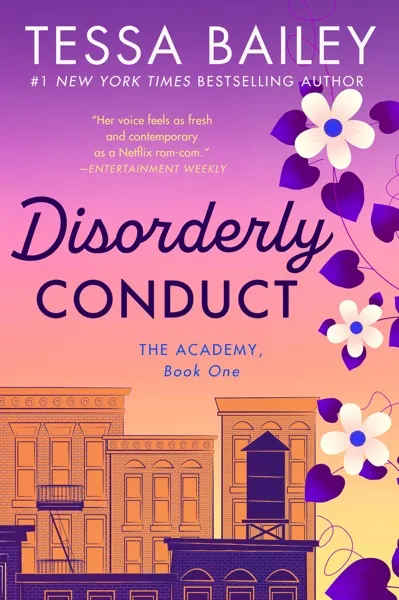

Hook, Line, and Sinker Author: Tessa BaileyPage Count: UnknownPublication Year: 2022-GB Tessa Bailey’s Hook, Line, and Sinker is a masterclass in blending sharp wit with heartfelt emotion, a signature style that has cemented her as one of contemporary romance’s most beloved voices. Published in 2022, this novel is a standout in her "It Happened One Summer" series, where she once again proves why her books are devoured by readers worldwide. With its irresistible blend of humor, steam, and genuine emotional depth, Hook, Line, and Sinker doesn’t just hook you—it reels you in until you’re completely submerged in its world. At its core, the novel explores the push-and-pull of desire versus danger, wrapped in a story that’s as much about self-discovery as it is about love. Bailey’s protagonist, Bailey Flanigan, is a relatable and fiercely independent woman who finds herself entangled with a man from her past—one whose charm is as infuriating as it is intoxicating. The tension between them isn’t just sexual; it’s a clash of values, a battle of wills, and a slow-burn realization that sometimes, the things we resist the most are exactly what we need. Bailey’s ability to craft characters who feel like real people—flawed, funny, and deeply human—makes their journey compelling from the very first page. What sets Bailey apart as a writer is her razor-sharp dialogue and effortless humor. Her banter is snappy, her innuendos clever, and her ability to balance raunchy charm with genuine tenderness is nothing short of genius. The chemistry between the leads crackles off the page, but it’s the emotional beats that linger. Bailey doesn’t shy away from vulnerability, and in doing so, she crafts scenes that resonate long after the last page is turned. Whether it’s a heated argument or a quiet moment of vulnerability, Bailey’s prose ensures that every interaction feels authentic and engaging. The novel’s setting also plays a crucial role, with Bailey’s vivid descriptions immersing the reader in a world that feels both escapist and grounded. The small-town vibe, the coastal backdrop, and the sense of community all contribute to the story’s charm, making it easy to lose yourself in the atmosphere. But it’s the emotional stakes that truly elevate the book. Bailey Flanigan isn’t just chasing love—she’s also confronting her past, her fears, and her own self-worth. The growth she undergoes is as satisfying as the romantic payoff, a testament to Bailey’s skill in crafting stories that are as much about personal transformation as they are about romance. Bailey’s writing style is unapologetically bold and unfiltered, which is part of what makes her work so addictive. She doesn’t shy away from steamy scenes, but she also doesn’t let them overshadow the emotional core of the story. Instead, she weaves them seamlessly into the narrative, ensuring that the romance feels earned rather than gratuitous. Her ability to balance humor, heat, and heart is what makes her books so widely adored, and Hook, Line, and Sinker is no exception. In a genre often criticized for being formulaic, Bailey brings fresh energy and a sense of unpredictability. Her characters are messy, her plots are unpredictable, and her endings—while satisfying—never feel too neat. This is a romance that understands the complexity of modern relationships, where love isn’t just about grand gestures but about the small, quiet moments that build trust and intimacy. For readers who love their romance with a side of wit, a dash of angst, and a whole lot of heart, Hook, Line, and Sinker is a must-read. Bailey doesn’t just tell a love story; she crafts an experience that lingers, leaving you hungry for more of her work. #RomanceBooks #TessaBailey #RomanceNovel #SmallTownRomance #SteamyRomance #BookLover Related InsightsThe Divine (Coven of Bones, 4) Book Review and Summary Eating Salad Drunk Book Review and Summary Charlaine Harris Gunnie Rose 4 Book Review and Summary{ "@context": "https://schema.org", "@type": "FAQPage", "mainEntity": [ { "@type": "Question", "name": "What is the main focus of Hook, Line, and Sinker Book Review and Summary?", "acceptedAnswer": { "@type": "Answer", "text": "Everything you need to know about Hook, Line, and Sinker with our detailed review." } }, { "@type": "Question", "name": "Who authored the comprehensive guide on Hook, Line, and Sinker Book Review and Summary?", "acceptedAnswer": { "@type": "Answer", "text": "This detailed article and its insights were carefully researched and authored by Carmen Martinez." } }, { "@type": "Question", "name": "Where can I find more related content about Books?", "acceptedAnswer": { "@type": "Answer", "text": "You can explore more articles, detailed reviews, and similar insights by browsing the Related Insights section at the bottom of this article or visiting our dedicated Books category page." } } ] }

Love Muchly Greeting Cards: Thank You - You Know What You Did (Pack of 6) Author: COMPENDIUMPage Count: UnknownPublication Date: 2026-PRH In the realm of heartfelt expressions, COMPENDIUM's "Love Muchly Greeting Cards: Thank You - You Know What You Did" is a poignant and thought-provoking collection that delves into the intricacies of gratitude and appreciation. Although the page count remains unknown, the essence of this book lies not in its length, but in the depth of emotion it evokes. Comprising a pack of six greeting cards, this book is an unconventional yet fascinating exploration of the human experience. COMPENDIUM's approach to storytelling is minimalist, yet powerful, allowing the reader to fill in the gaps and reflect on their own experiences. The absence of a traditional narrative structure makes way for a more intimate and personal connection with the reader. The title "You Know What You Did" is a clever play on words, hinting at the idea that the recipient of these cards is already aware of the actions that have prompted such gratitude. This subtle suggestion adds a layer of complexity to the narrative, implying a pre-existing relationship or shared experience between the giver and receiver. Throughout the book, COMPENDIUM's style is characterized by simplicity, elegance, and a deep understanding of human emotions. The use of greeting cards as a medium for storytelling is a bold choice, but one that pays off in its ability to convey complex feelings in a concise and accessible manner. One of the most striking aspects of this book is its ability to tap into the reader's emotional psyche. COMPENDIUM's writing is evocative and relatable, making it easy to become invested in the emotions and sentiments expressed. The cards themselves become a vessel for the reader's own feelings, allowing them to process and reflect on their experiences. The theme of gratitude is a pervasive one, woven throughout the fabric of the book. COMPENDIUM's exploration of this theme is nuanced and multifaceted, acknowledging the complexities and challenges that often accompany expressions of thanks. The result is a deeply moving and thought-provoking collection that will resonate with readers long after they finish reading. In conclusion, "Love Muchly Greeting Cards: Thank You - You Know What You Did" is a masterful exploration of the human experience. COMPENDIUM's unique approach to storytelling and their ability to tap into the reader's emotional psyche make for a compelling and unforgettable read. This book is a must-read for anyone looking to explore the complexities of gratitude and appreciation. #GratitudeIsTheAttitude #ThankYouCards #GreetingCardsAsLiterature #LoveMuchly #CompendiumCreations #HeartfeltExpressions Related InsightsUntitled121954CS Book Review and Summary Miss Peregrine's Home for Peculiar Children Book Review and Summary Armor of Light Book Review and Summary{ "@context": "https://schema.org", "@type": "FAQPage", "mainEntity": [ { "@type": "Question", "name": "What is the main focus of You Book Review and Summary?", "acceptedAnswer": { "@type": "Answer", "text": "Everything you need to know about You with our detailed review." } }, { "@type": "Question", "name": "Who authored the comprehensive guide on You Book Review and Summary?", "acceptedAnswer": { "@type": "Answer", "text": "This detailed article and its insights were carefully researched and authored by Caroline Kepnes." } }, { "@type": "Question", "name": "Where can I find more related content about Books?", "acceptedAnswer": { "@type": "Answer", "text": "You can explore more articles, detailed reviews, and similar insights by browsing the Related Insights section at the bottom of this article or visiting our dedicated Books category page." } } ] }