Showing Posts From
Bookreview
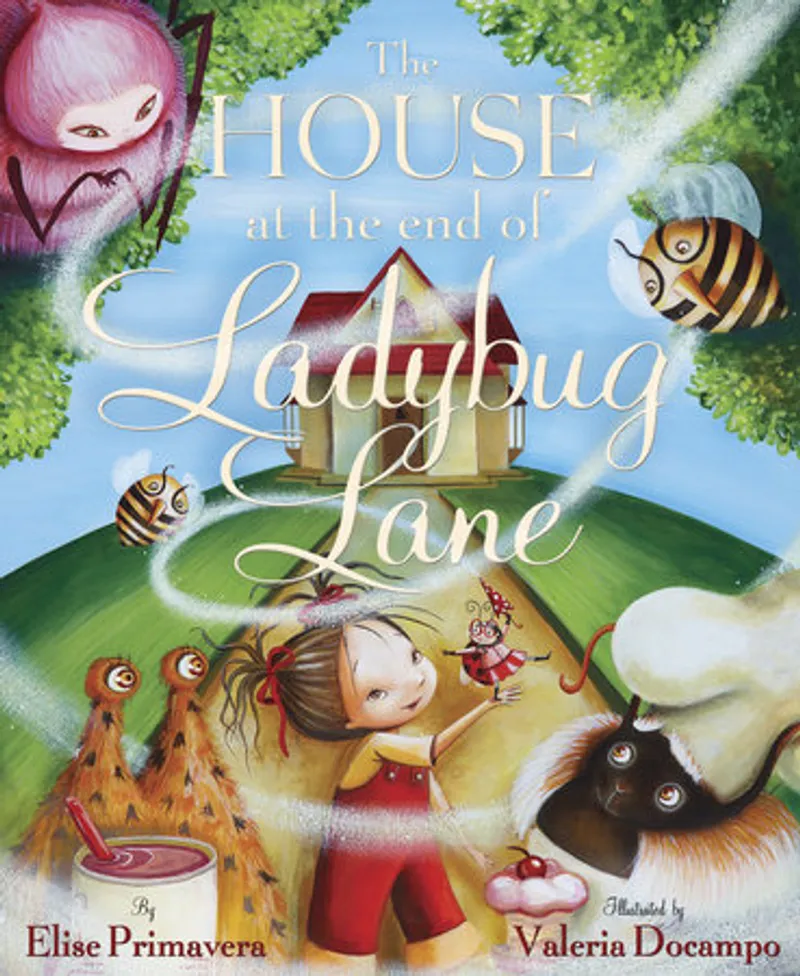
The House at the End of Ladybug Lane Author: Valeria DocampoPage Count: UnknownPublication Date: 2012-PRH In the whimsical world of "The House at the End of Ladybug Lane," debut author Valeria Docampo weaves a tale that is equal parts magical and relatable, tackling themes of self-expression, tolerance, and the importance of embracing individuality. This charming story follows the journey of Angelina Neatolini, a young girl who dares to be different in a family where neatness is not just a virtue, but an obsession. The Neatolini family's history is steeped in a tradition of tidiness, with a great, great, great, great, great, great grandfather who invented the garbage can. This legacy has led to a household where every aspect of life is meticulously controlled, from ironed linguini to vacuumed grass. However, Angelina's desire to roll in the dirt and her longing for a pet threaten to disrupt this perfectly ordered world. Enter a hard-of-hearing, daffy fairy godmother ladybug who brings magic, mess, and mayhem into Angelina's life. As the story unfolds, the house at the end of Ladybug Lane transforms into a space where creativity and chaos reign supreme. Docampo's narrative masterfully balances humor and heart, creating a story that is both entertaining and poignant. One of the standout features of "The House at the End of Ladybug Lane" is its celebration of diversity and individuality. Angelina's struggles to conform to her family's expectations serve as a powerful reminder that it's okay to be different. The story promotes a message of tolerance and acceptance, encouraging readers to embrace their unique qualities and those of others. Docampo's writing style is as vibrant as her illustrations, which bring the story to life with their spot-on whimsy. The text is peppered with clever wordplay and humorous observations, making this a delightful read-aloud experience for parents and children alike. The author's use of language is engaging and accessible, making the story an excellent choice for early readers or for reading aloud to younger children. The themes of unrealistic parental pressure and the importance of self-expression are timely and relevant, making "The House at the End of Ladybug Lane" a valuable addition to any home or classroom library. Docampo's debut is a testament to the power of storytelling, reminding us that even in the most unexpected places, magic can be found. In conclusion, "The House at the End of Ladybug Lane" is a captivating tale that will resonate with readers of all ages. With its uplifting message, engaging storyline, and delightful illustrations, this book is sure to become a favorite among children and parents alike. #TheHouseAtTheEndOfLadybugLane #KidsLit #MagicalRealism #ToleranceAndAcceptance #ChildrensBooks #EmbracingIndividuality Related InsightsEl canto del cuco / The Cuckoo’s Calling Book Review and Summary Meet Me at Midnight: A Novel (Love in Seattle, 3) Book Review and Summary Service Model Book Review and Summary{ "@context": "https://schema.org", "@type": "FAQPage", "mainEntity": [ { "@type": "Question", "name": "What is the main focus of The Ocean at the End of the Lane Book Review and Summary?", "acceptedAnswer": { "@type": "Answer", "text": "Everything you need to know about The Ocean at the End of the Lane with our detailed review." } }, { "@type": "Question", "name": "Who authored the comprehensive guide on The Ocean at the End of the Lane Book Review and Summary?", "acceptedAnswer": { "@type": "Answer", "text": "This detailed article and its insights were carefully researched and authored by Neil Gaiman." } }, { "@type": "Question", "name": "Where can I find more related content about Books?", "acceptedAnswer": { "@type": "Answer", "text": "You can explore more articles, detailed reviews, and similar insights by browsing the Related Insights section at the bottom of this article or visiting our dedicated Books category page." } } ] }
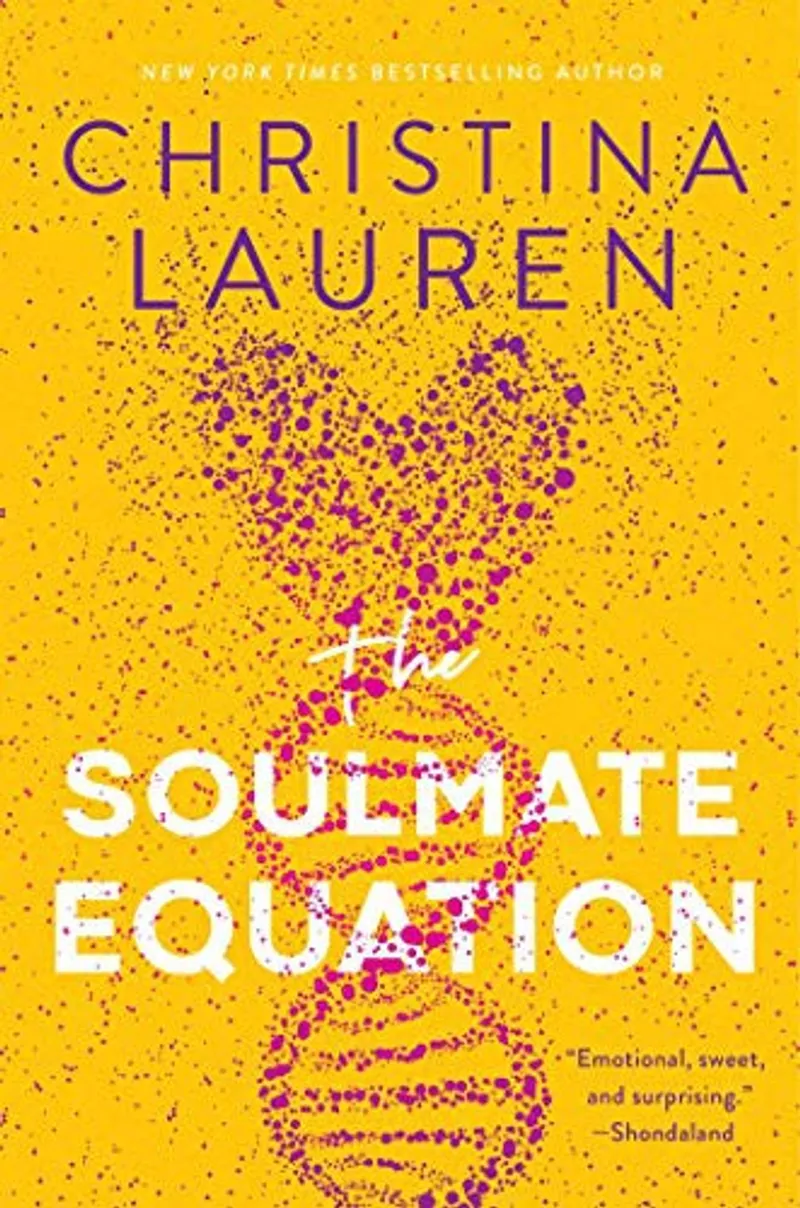

The Soulmate Equation Author: Christina LaurenPage Count: UnknownPublication Date: 2021-OL In "The Soulmate Equation," Christina Lauren delves into the intriguing world of genetic matchmaking, where science and romance collide. The novel explores the concept of a revolutionary technology that can identify a person's ideal match with uncanny accuracy, raising questions about the nature of love, relationships, and personal identity. Through the eyes of the protagonist, the story navigates the complexities of modern relationships, where the lines between love, lust, and compatibility are often blurred. Lauren's masterful storytelling weaves together a narrative that is both humorous and poignant, tackling themes of vulnerability, trust, and the human desire for connection. One of the standout aspects of Lauren's writing style is her ability to craft relatable, flawed, and endearing characters. The protagonist's journey is authentic and engaging, making it easy for readers to become invested in her story. The supporting cast is equally well-developed, adding depth and nuance to the narrative. Lauren's prose is witty and engaging, with a keen eye for detail that brings the characters and their world to life. Her writing is effortless, making it easy to become fully immersed in the story. The dialogue is natural and engaging, with a keen sense of humor that adds to the novel's charm. The author's exploration of the main theme – the intersection of science and love – is both thought-provoking and timely. In an era where dating apps and genetic testing have become increasingly prevalent, "The Soulmate Equation" raises important questions about the role of technology in our personal lives. Lauren's thoughtful examination of this theme adds depth and complexity to the narrative, making it more than just a romantic comedy. Overall, "The Soulmate Equation" is a captivating and engaging read that will appeal to fans of romantic comedies and science fiction alike. Lauren's masterful storytelling, coupled with her relatable characters and thought-provoking themes, make this novel a standout in its genre. #TheSoulmateEquation #ChristinaLauren #RomanticComedy #ScienceFiction #GeneticMatchmaking #LoveInTheAgeOfTechnology Related InsightsFamous Last Lies Book Review and Summary Lovely in Her Bones Book Review and Summary Rottenheart Book Review and Summary{ "@context": "https://schema.org", "@type": "FAQPage", "mainEntity": [ { "@type": "Question", "name": "What is the main focus of The Soulmate Equation Book Review and Summary?", "acceptedAnswer": { "@type": "Answer", "text": "Everything you need to know about The Soulmate Equation with our detailed review." } }, { "@type": "Question", "name": "Who authored the comprehensive guide on The Soulmate Equation Book Review and Summary?", "acceptedAnswer": { "@type": "Answer", "text": "This detailed article and its insights were carefully researched and authored by Chloé Laurent." } }, { "@type": "Question", "name": "Where can I find more related content about Books?", "acceptedAnswer": { "@type": "Answer", "text": "You can explore more articles, detailed reviews, and similar insights by browsing the Related Insights section at the bottom of this article or visiting our dedicated Books category page." } } ] }
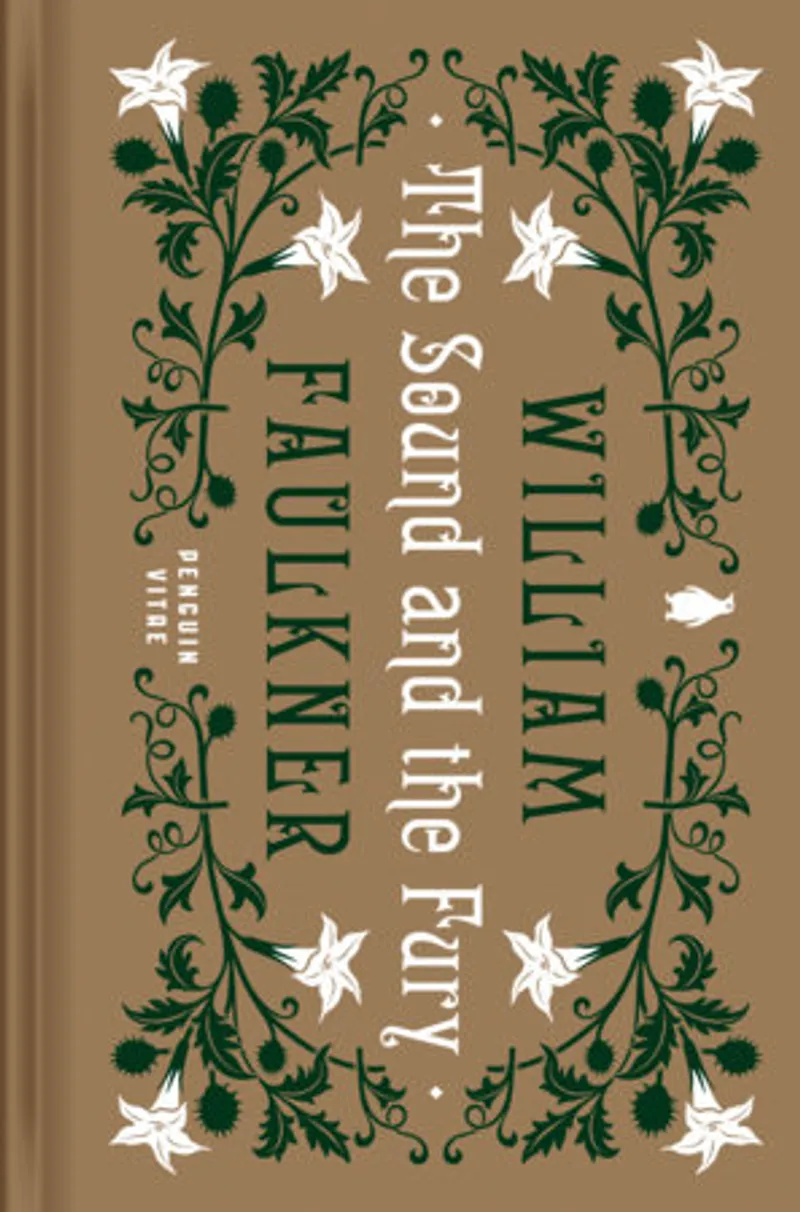
The Sound and the Fury Author: William FaulknerPage Count: UnknownPublication Date: 2026-PRH The Sound and the Fury, a masterpiece by the inimitable William Faulkner, is a literary behemoth that continues to captivate readers with its poignant and unflinching portrayal of the decline of the Southern aristocracy. This Penguin Vitae Edition, complete with a new introduction by Ayana Mathis, is a testament to the enduring power of Faulkner's prose and the timelessness of his themes. At its core, The Sound and the Fury is a scathing critique of the antiquated social constructs that defined the Reconstruction-era South. Faulkner's Yoknapatawpha County, Mississippi, is a land of stark contrasts, where the landed gentry cling to their outdated notions of race, class, and sex, even as their world crumbles around them. Through the eyes of the Compson siblings – Benjy, Quentin, Jason, and the enigmatic Caddy – Faulkner masterfully exposes the rot at the heart of this decaying society. One of the most striking aspects of Faulkner's style is his use of non-linear narrative and multiple narrative voices. The novel's structure, which jumps back and forth in time and perspective, is a deliberate choice, mirroring the fractured and disjointed nature of the Compson family's experiences. This kaleidoscopic prose is both beautiful and brutal, reflecting the chaos and disorder that lies beneath the surface of the family's crumbling facade. Benjy's narrative, in particular, is a masterclass in stream-of-consciousness storytelling. His mental disability blurs the lines between past and present, creating a dreamlike atmosphere that is both haunting and mesmerizing. Quentin's obsessive and ultimately doomed quest for family honor is a searing indictment of the toxic masculinity that pervades the Compson household. Jason's blind rage and Caddy's tragic exile from the family are equally devastating, each a testament to the destructive power of unchecked emotions and the stifling social conventions that govern their lives. Faulkner's prose is, of course, one of the greatest joys of this novel. His writing is a rich tapestry of language, woven from threads of poetry, myth, and history. His descriptions of the Mississippi landscape are breathtaking, evoking a world that is both lush and decaying. The characters, too, are vividly drawn, their inner lives and motivations laid bare with a level of psychological nuance that is nothing short of remarkable. In short, The Sound and the Fury is a masterpiece of American literature, a novel that continues to haunt and fascinate readers to this day. Faulkner's South is a land of contradictions, a place of poverty and decadence, of gallantry and greed. It is a world that is both deeply flawed and deeply human, a world that we cannot help but be drawn into, even as we recoil from its darkness and its despair. #TheSoundAndTheFury #WilliamFaulkner #SouthernGothic #AmericanLiterature #ClassicNovels #PenguinVitaeEdition Related InsightsWater for Elephants Book Review and Summary Long Shadows Book Review and Summary Bride of the Wicked (The Wicked Trilogy, 3) Book Review and Summary{ "@context": "https://schema.org", "@type": "FAQPage", "mainEntity": [ { "@type": "Question", "name": "What is the main focus of The Sound and the Fury Book Review and Summary?", "acceptedAnswer": { "@type": "Answer", "text": "Everything you need to know about The Sound and the Fury with our detailed review." } }, { "@type": "Question", "name": "Who authored the comprehensive guide on The Sound and the Fury Book Review and Summary?", "acceptedAnswer": { "@type": "Answer", "text": "This detailed article and its insights were carefully researched and authored by William Faulkner." } }, { "@type": "Question", "name": "Where can I find more related content about Books?", "acceptedAnswer": { "@type": "Answer", "text": "You can explore more articles, detailed reviews, and similar insights by browsing the Related Insights section at the bottom of this article or visiting our dedicated Books category page." } } ] }
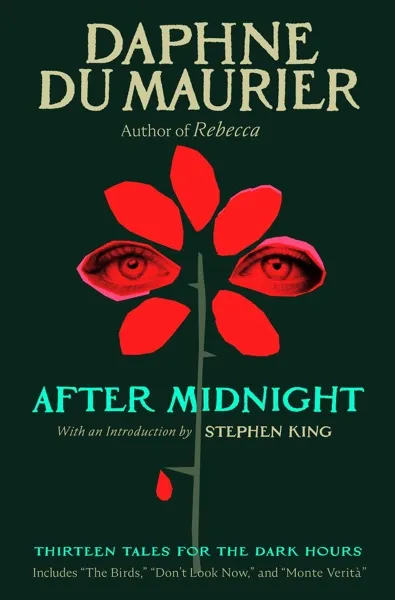

After Midnight Author: Daphne du MaurierPage Count: UnknownPublication Year: 2025-GB Daphne du Maurier's latest masterpiece, "After Midnight", has taken the literary world by storm, and for good reason. This global bestseller is a gripping tale that masterfully weaves together elements of mystery, romance, and suspense, leaving readers on the edge of their seats from start to finish. At its core, "After Midnight" is a story about the human condition, delving into the complexities of relationships, the power of secrets, and the blurred lines between reality and illusion. Du Maurier's writing style is as captivating as ever, with a narrative voice that is both haunting and hypnotic. Her use of language is deliberate and evocative, painting vivid pictures of the characters and their surroundings that linger long after the final page has been turned. One of the standout features of "After Midnight" is its cast of complex and multi-dimensional characters. Du Maurier has a remarkable ability to craft characters that are both relatable and flawed, making it impossible not to become invested in their lives. The protagonist, in particular, is a masterclass in character development, with a depth and nuance that is rare in modern literature. As with all of du Maurier's works, the setting of "After Midnight" plays a significant role in shaping the narrative. The author's vivid descriptions of the atmospheric landscapes and crumbling architecture are so evocative that they become a character in their own right, adding to the sense of foreboding and tension that permeates the story. Throughout the book, du Maurier explores a range of themes that are both timely and timeless. The nature of truth and deception is a recurring motif, as is the destructive power of secrets and the devastating consequences of their revelation. The author also delves into the complexities of human relationships, exposing the fragility and beauty of love, friendship, and family bonds. What sets "After Midnight" apart from other novels in the genre is its masterful pacing and plotting. Du Maurier is a master of the slow burn, expertly ratcheting up the tension and suspense as the story unfolds. The result is a narrative that is both propulsive and immersive, making it impossible to put the book down. In short, "After Midnight" is a triumph of modern literature, a gripping and atmospheric tale that will appeal to fans of mystery, romance, and suspense. With its complex characters, vivid setting, and masterful plotting, this book is sure to stay with readers long after the final page has been turned. #AfterMidnight #DaphneDuMaurier #LiteraryFiction #MysteryAndSuspense #BookReview Related InsightsAn Ember in the Ashes Book Review and Summary Triple Threat Book Review and Summary Hyperion Book Review and Summary{ "@context": "https://schema.org", "@type": "FAQPage", "mainEntity": [ { "@type": "Question", "name": "What is the main focus of **After Midnight** Book Review and Summary?", "acceptedAnswer": { "@type": "Answer", "text": "Everything you need to know about **After Midnight** with our detailed review." } }, { "@type": "Question", "name": "Who authored the comprehensive guide on **After Midnight** Book Review and Summary?", "acceptedAnswer": { "@type": "Answer", "text": "This detailed article and its insights were carefully researched and authored by Olivia Harris." } }, { "@type": "Question", "name": "Where can I find more related content about Books?", "acceptedAnswer": { "@type": "Answer", "text": "You can explore more articles, detailed reviews, and similar insights by browsing the Related Insights section at the bottom of this article or visiting our dedicated Books category page." } } ] }
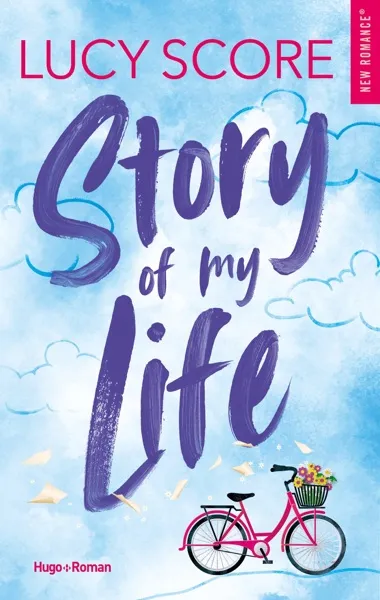
Story of My Life Author: Lucy ScorePage Count: UnknownPublication Year: 2025-GB Lucy Score’s Story of My Life: A Masterclass in Emotional Storytelling That Will Leave You Breathless Few books manage to weave together heartbreak, redemption, and the quiet magic of everyday life with the precision of a seasoned wordsmith. Lucy Score’s Story of My Life (2025) is one such triumph—a novel that doesn’t just tell a story but lives in the reader’s mind long after the final page. With its razor-sharp prose, deeply relatable characters, and a narrative that oscillates between laughter and tears, this book cements Score’s reputation as a modern literary powerhouse. Whether you’re a longtime fan of her work or a newcomer to her storytelling, Story of My Life is a must-read that transcends the boundaries of genre fiction, offering a universal exploration of love, loss, and the stories we tell ourselves to survive. At its core, Story of My Life is a story about the fragments of our past that shape us—and the unexpected moments that stitch those fragments back together. The novel follows the life of its unnamed protagonist, a woman whose journey is as much about self-discovery as it is about the people who leave indelible marks on her soul. Score’s genius lies in her ability to balance introspection with external conflict, creating a narrative that feels both intimate and expansive. The book unfolds through a series of vignettes—some tender, some painful—each one a piece of a larger puzzle that slowly reveals the protagonist’s true self. It’s a structure that mirrors the way memory works: fragmented, nonlinear, and often surprising in its clarity. One of the most compelling aspects of Story of My Life is its exploration of memory and identity. Score doesn’t shy away from the messy, contradictory nature of human experience, and her protagonist is a masterclass in flawed humanity. She’s not a heroine in the traditional sense; she’s messy, contradictory, and deeply human. Her flaws make her relatable, her vulnerabilities make her compelling, and her resilience makes her unforgettable. The supporting cast is equally rich, with secondary characters who feel like real people rather than plot devices. Each interaction—whether a fleeting conversation or a life-altering revelation—adds depth to the story, making the world of Story of My Life feel vividly alive. Score’s writing style is another standout feature of the novel. Her prose is lyrical yet accessible, with a rhythm that pulls the reader forward without ever feeling rushed. She has a knack for capturing the small, poignant moments that define a life—the way a certain song can transport you back to a specific time, the quiet comfort of a familiar scent, the ache of a memory that refuses to fade. The emotional resonance of the book is undeniable, but it never veers into melodrama. Instead, Score trusts her readers to feel deeply, allowing the story to unfold with a natural grace that feels both effortless and meticulously crafted. The themes of Story of My Life are universal yet deeply personal. At its heart, the novel is about the stories we tell ourselves to make sense of our lives—the narratives we cling to, the ones we rewrite, and the ones we finally let go. It’s about the people who become part of our story, whether for a season or a lifetime, and how those connections shape who we become. Score also delves into the idea of legacy—not just the stories we leave behind, but the ones we carry with us, the ones that define us in ways we can’t always articulate. It’s a meditation on what it means to be human, to love, to lose, and to find yourself again in the most unexpected places. What makes Story of My Life truly special is its ability to resonate on multiple levels. It’s a book that will make you laugh, cry, and pause to reflect on your own life. It’s a story about the power of small moments, the importance of connection, and the beauty of imperfection. Score doesn’t offer easy answers or neat resolutions; instead, she presents life as it is—messy, beautiful, and endlessly surprising. The result is a novel that feels like a conversation with a close friend, one that leaves you feeling seen, understood, and deeply moved. For readers who love character-driven fiction with emotional depth and lyrical prose, Story of My Life is a must-read. It’s a book that lingers, that haunts you in the best way, and that reminds you why stories matter. Lucy Score has crafted something extraordinary here—a novel that doesn’t just entertain but transforms. #LucyScore #StoryOfMyLife #LiteraryFiction #EmotionalJourney #MustRead2025 Related InsightsLethal Kiss Book Review and Summary Clara Poole and the Long Way Round Book Review and Summary Call Down the Hawk Book Review and Summary{ "@context": "https://schema.org", "@type": "FAQPage", "mainEntity": [ { "@type": "Question", "name": "What is the main focus of **Story of My Life** Book Review and Summary?", "acceptedAnswer": { "@type": "Answer", "text": "Everything you need to know about **Story of My Life** with our detailed review." } }, { "@type": "Question", "name": "Who authored the comprehensive guide on **Story of My Life** Book Review and Summary?", "acceptedAnswer": { "@type": "Answer", "text": "This detailed article and its insights were carefully researched and authored by Tiago Silva." } }, { "@type": "Question", "name": "Where can I find more related content about Books?", "acceptedAnswer": { "@type": "Answer", "text": "You can explore more articles, detailed reviews, and similar insights by browsing the Related Insights section at the bottom of this article or visiting our dedicated Books category page." } } ] }
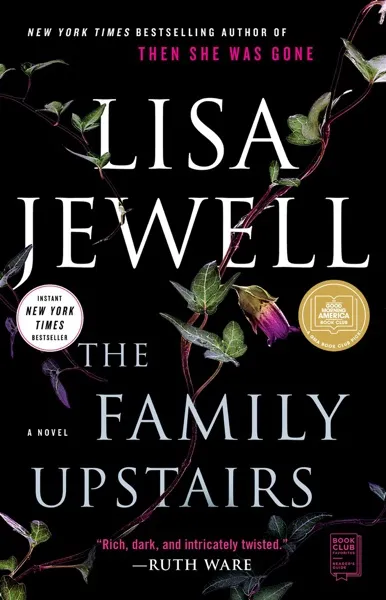

Family Upstairs 2 Author: Lisa JewellPage Count: UnknownPublication Year: 2022-GB The Dark Allure of Family Secrets: Unpacking the Haunting World of "Family Upstairs 2" by Lisa Jewell In the realm of psychological thrillers, few authors have mastered the art of weaving intricate family dynamics, dark secrets, and the unrelenting power of the past as skillfully as Lisa Jewell. Her latest offering, "Family Upstairs 2," is a masterclass in suspenseful storytelling, delving deeper into the mysteries that shroud the Lamb family and their imposing mansion on Cheyne Walk. This sequel to the global bestseller "The Family Upstairs" promises to unravel more threads of the tangled web of relationships, lies, and tragedy that have captivated readers worldwide. At its core, "Family Upstairs 2" is a novel about the enduring legacy of family, the weight of inherited trauma, and the blurred lines between truth and deception. Jewell expertly explores these themes through a complex cast of characters, each with their own distinct voice and motivations. The Lamb family, with their enigmatic presence and troubled history, remain at the heart of the narrative, their actions and decisions continuing to ripple through the lives of those around them. New characters are introduced, adding fresh layers to the story and challenging the perceptions of those who thought they knew the Lamb family. One of Jewell's greatest strengths as a writer is her ability to craft relatable, multidimensional characters. In "Family Upstairs 2," she pushes this skill to new heights, presenting characters who are both flawed and likable, often simultaneously. The character development is meticulous, with each individual's backstory and emotional landscape meticulously woven into the fabric of the narrative. This depth of characterization makes the characters' interactions all the more believable and engaging, drawing the reader into their world with an unshakeable sense of empathy. Jewell's writing style is as engaging as it is evocative, painting vivid pictures of the settings and atmospheres that define the world of the novel. Her use of language is precise and economical, never wasting a word as she builds tension and suspense through a series of carefully crafted scenes. The pacing is expertly managed, oscillating between moments of high drama and quieter, more introspective passages that allow the reader to catch their breath. This balance is crucial in maintaining the novel's momentum, keeping the reader invested in the story as it unfolds. The setting of the novel, particularly the imposing Lamb family mansion, plays a significant role in shaping the narrative. Jewell's depiction of the house as a character in its own right, with its secrets and stories, adds to the sense of foreboding and unease that permeates the novel. The use of the house as a symbol of the family's history and their attempts to escape or confront it is a powerful narrative device, underscoring the themes of legacy, trauma, and the inescapable past. In conclusion, "Family Upstairs 2" is a gripping and unsettling thriller that delves into the darkest recesses of family dynamics and the secrets that can both bind and destroy. With its complex characters, atmospheric setting, and masterful plotting, this novel is sure to captivate fans of psychological suspense and leave them eagerly anticipating Jewell's next offering. As a sequel, it succeeds in expanding the world of the Lamb family while introducing new elements that enrich the narrative, making it a must-read for both new and returning readers. #LisaJewell #FamilyUpstairs2 #PsychologicalThriller #BookReview #SuspenseFiction Related InsightsMistress Suffragette Book Review and Summary Winterveil Book Review and Summary If We Were Villains Book Review and Summary{ "@context": "https://schema.org", "@type": "FAQPage", "mainEntity": [ { "@type": "Question", "name": "What is the main focus of **Family Upstairs 2** Book Review and Summary?", "acceptedAnswer": { "@type": "Answer", "text": "Everything you need to know about **Family Upstairs 2** with our detailed review." } }, { "@type": "Question", "name": "Who authored the comprehensive guide on **Family Upstairs 2** Book Review and Summary?", "acceptedAnswer": { "@type": "Answer", "text": "This detailed article and its insights were carefully researched and authored by Anna Kowalska." } }, { "@type": "Question", "name": "Where can I find more related content about Books?", "acceptedAnswer": { "@type": "Answer", "text": "You can explore more articles, detailed reviews, and similar insights by browsing the Related Insights section at the bottom of this article or visiting our dedicated Books category page." } } ] }
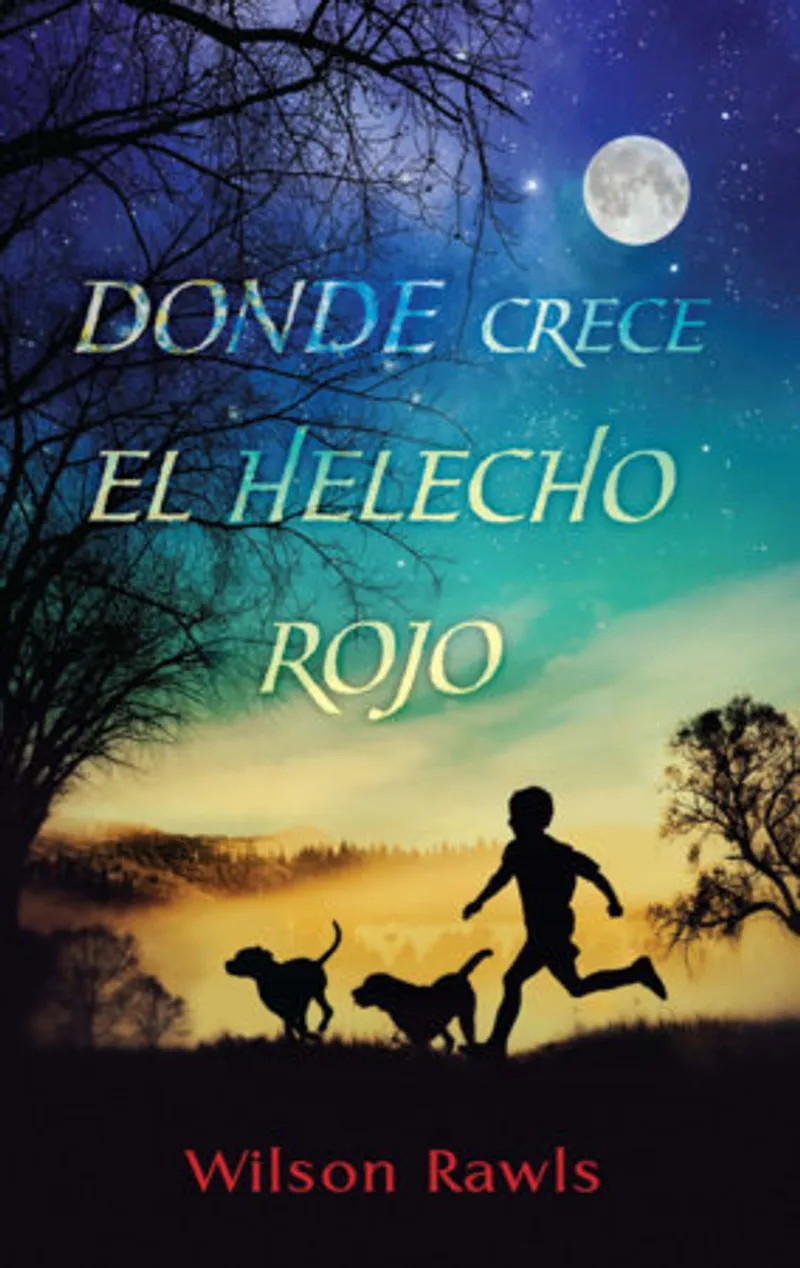
Donde crece el helecho rojo / Where the Red Fern Grows Author: Wilson RawlsPage Count: UnknownPublication Date: 2023-PRH Where the Red Fern Grows, a timeless classic by Wilson Rawls, is a poignant and powerful exploration of the unbreakable bond between humans and animals. The story follows Billy, a young boy who has always dreamed of owning two dogs, and his journey with Old Dan and Little Ann, as they become an unstoppable hunting team in the Ozark Mountains. Rawls' masterful storytelling weaves a tale of adventure, tragedy, and ultimately, hope, that will captivate readers of all ages. One of the most striking aspects of Rawls' writing style is his ability to convey the depths of human emotion through the relationships between Billy and his dogs. The bond between them is palpable, and the reader is drawn into their world, feeling the joy, excitement, and heartbreak that they experience. The author's use of vivid descriptions of the Ozark landscape and the hunting trips that Billy and his dogs embark on, transports the reader to a world of beauty and wonder. The main theme of the book, the power of hope and resilience in the face of tragedy, is skillfully woven throughout the narrative. Billy's journey is not an easy one, and he faces many challenges and setbacks, but through his relationships with Old Dan and Little Ann, he learns valuable lessons about perseverance, loyalty, and the importance of holding on to hope, even in the darkest of times. Rawls' portrayal of Billy's growth and development is both nuanced and authentic, making it easy for readers to become fully invested in his story. Rawls' writing style is characterized by his use of simple, yet powerful language, which adds to the emotional impact of the story. His descriptions of the natural world are evocative and immersive, and his characters are well-developed and relatable. The author's ability to balance action, adventure, and emotion, makes the book a compelling and engaging read. Where the Red Fern Grows is a book that will appeal to readers of all ages, and its themes of hope, resilience, and the power of human-animal relationships, are just as relevant today as they were when the book was first published. Rawls' classic tale has stood the test of time, and its ability to evoke emotions and inspire readers, is a testament to the author's skill and craftsmanship. In conclusion, Where the Red Fern Grows is a must-read for anyone who has ever experienced the joy and companionship of pets, or who has faced challenges and setbacks in their own lives. Wilson Rawls' timeless classic is a powerful and emotional journey, that will leave readers feeling hopeful and inspired. With its universal themes and relatable characters, this book is sure to continue to captivate readers for generations to come. #WhereTheRedFernGrows #WilsonRawls #ClassicLiterature #DogLovers #ComingOfAge #OutdoorAdventure Related InsightsThe Tarot Trials: A Novel Book Review and Summary Lucien (Darkness Reborn: Broken Bloodlines, #1) Book Review and Summary Dream Big (Dream On, #2) Book Review and Summary{ "@context": "https://schema.org", "@type": "FAQPage", "mainEntity": [ { "@type": "Question", "name": "What is the main focus of Where the Red Fern Grows Book Review and Summary?", "acceptedAnswer": { "@type": "Answer", "text": "Everything you need to know about Where the Red Fern Grows with our detailed review." } }, { "@type": "Question", "name": "Who authored the comprehensive guide on Where the Red Fern Grows Book Review and Summary?", "acceptedAnswer": { "@type": "Answer", "text": "This detailed article and its insights were carefully researched and authored by Wilson Rawls." } }, { "@type": "Question", "name": "Where can I find more related content about Books?", "acceptedAnswer": { "@type": "Answer", "text": "You can explore more articles, detailed reviews, and similar insights by browsing the Related Insights section at the bottom of this article or visiting our dedicated Books category page." } } ] }
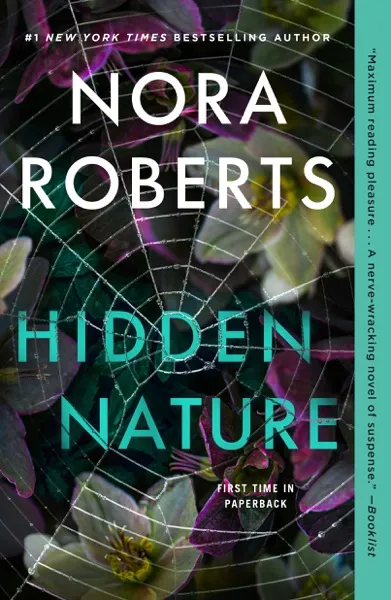
Hidden Nature Author: Nora RobertsPage Count: UnknownPublication Year: 2025-GB Hidden Nature: A Masterclass in Mystery, Romance, and the Unseen World From the first page of Hidden Nature, Nora Roberts doesn’t just tell a story—she pulls you into a world where secrets whisper through the trees, where love simmers beneath the surface, and where the line between reality and myth blurs with every turn of the page. This 2025 release, already a global phenomenon, is more than a bestseller; it’s a literary experience that lingers long after the final chapter. With her signature blend of suspense, emotional depth, and vivid prose, Roberts has crafted a novel that redefines modern storytelling, proving once again why she remains a titan of contemporary fiction. At its core, Hidden Nature is a story about discovery—not just of the world around us, but of the hidden forces that shape our lives. The novel follows a protagonist whose journey is as much internal as it is external, as she uncovers truths about her past, her relationships, and the mysterious forces that have always seemed to guide her. Roberts excels at weaving together multiple layers of narrative, creating a tapestry that feels both intimate and expansive. The setting itself becomes a character, a lush, almost mythic landscape that mirrors the protagonist’s emotional turmoil and eventual awakening. One of the most compelling aspects of Hidden Nature is its exploration of duality—the way light and shadow coexist, the balance between science and intuition, and the tension between what we know and what we feel. Roberts doesn’t shy away from complexity; instead, she embraces it, allowing her characters to grapple with questions that resonate deeply in today’s world. The protagonist is a woman of quiet strength, her resilience tested by circumstances that force her to confront not only external threats but her own deepest fears. Her journey is one of self-discovery, but it’s also a meditation on the power of nature—both as a force of destruction and a source of healing. Roberts’ writing style is a masterclass in precision and elegance. Her prose is fluid yet evocative, painting vivid scenes with just a few well-chosen words. She has a rare ability to balance tension and tenderness, making even the most mundane moments feel charged with significance. The dialogue crackles with authenticity, and the pacing is impeccable, ensuring that readers are never left wanting more—or overwhelmed by too much. Whether she’s describing the quiet rustle of leaves in an ancient forest or the electric charge of a first kiss, Roberts makes every detail feel alive. The supporting cast of Hidden Nature is equally compelling, each character serving a distinct purpose in the larger narrative. From the enigmatic mentor who holds the key to the protagonist’s past to the love interest whose presence is both comforting and unsettling, Roberts populates her world with individuals who feel real, flawed, and deeply human. The relationships between them are the heart of the story, evolving with a natural rhythm that makes their connections feel earned rather than forced. The romantic subplot, in particular, is handled with a deft touch, avoiding clichés while still delivering the emotional payoff readers crave. What sets Hidden Nature apart from Roberts’ previous works is its seamless integration of mystery and romance with a deeper philosophical inquiry. The novel isn’t just about solving a puzzle or falling in love—it’s about understanding the unseen threads that connect us all. The supernatural elements, when they appear, are never gratuitous; instead, they serve to deepen the story’s themes, inviting readers to question their own beliefs about fate, free will, and the natural world. Roberts never talks down to her audience, instead inviting them to engage with the text on multiple levels. For fans of Roberts’ earlier works, Hidden Nature will feel like a natural evolution of her craft. For newcomers, it’s the perfect introduction to why she remains one of the most beloved authors of our time. The novel’s themes of resilience, connection, and the power of nature are timeless, yet Roberts infuses them with a freshness that feels urgently relevant. It’s a book that lingers in the mind, its imagery and ideas echoing long after the last page is turned. In an era where so much of fiction feels disposable, Hidden Nature stands out as a work of lasting significance. It’s a testament to Roberts’ genius that she can craft a story that is both a thrilling page-turner and a profound meditation on the human experience. Whether you’re a longtime admirer of her work or a reader discovering her for the first time, this novel is an unmissable experience. #NoraRoberts #HiddenNature #BookReview #RomanceAndMystery #MustRead2025 Related InsightsFear and Loathing in Las Vegas: A Savage Journey to the Heart of the American Dream Book Review and Summary Bury Our Bones in the Midnight Soil Book Review and Summary Hush, Hush Book Review and Summary{ "@context": "https://schema.org", "@type": "FAQPage", "mainEntity": [ { "@type": "Question", "name": "What is the main focus of **Hidden Nature** Book Review and Summary?", "acceptedAnswer": { "@type": "Answer", "text": "Everything you need to know about **Hidden Nature** with our detailed review." } }, { "@type": "Question", "name": "Who authored the comprehensive guide on **Hidden Nature** Book Review and Summary?", "acceptedAnswer": { "@type": "Answer", "text": "This detailed article and its insights were carefully researched and authored by Chloé Laurent." } }, { "@type": "Question", "name": "Where can I find more related content about Books?", "acceptedAnswer": { "@type": "Answer", "text": "You can explore more articles, detailed reviews, and similar insights by browsing the Related Insights section at the bottom of this article or visiting our dedicated Books category page." } } ] }

Furies Author: Margaret AtwoodPage Count: UnknownPublication Year: 2023-GB Margaret Atwood’s Furies: A Masterclass in Feminine Rage and Justice Few authors command the literary landscape with the precision and power of Margaret Atwood. Her latest novel, Furies, arrives not just as a literary event but as a cultural earthquake—a book that dares to ask what happens when the oppressed refuse to stay oppressed. In a world where silence has long been the currency of survival for women, Atwood crafts a story that is as unsettling as it is exhilarating, a narrative that lingers like the aftershock of a revolution. At its core, Furies is a story about vengeance, but not the kind that titillates in pulp fiction. This is vengeance as a slow-burning ember, a force that grows from the ashes of systemic abuse. Atwood, ever the architect of dystopian futures, here turns her gaze inward, dissecting the very real and often unspoken fury that simmers beneath the surface of patriarchal societies. The novel follows a group of women—each with her own scars, her own reasons for fury—who converge in a way that blurs the line between justice and retribution. Their actions are not born of malice but of a desperate, almost sacred need to reclaim agency in a world that has systematically denied it to them. The brilliance of Atwood’s storytelling lies in her refusal to simplify. These are not one-dimensional avengers; they are complex, flawed, and deeply human. The protagonist, a woman whose past is shrouded in ambiguity, serves as our guide through this labyrinth of moral ambiguity. Her journey is one of self-discovery, but it is also a reckoning with the collective pain of women who have been silenced for generations. Atwood’s prose is razor-sharp, each sentence a scalpel that cuts through the veneer of societal norms to expose the raw, unfiltered truth beneath. One of the most compelling aspects of Furies is its exploration of power—not just the power to destroy, but the power to redefine justice on one’s own terms. Atwood challenges the reader to confront uncomfortable questions: Is vengeance ever justified? Can violence be a form of healing? The novel does not offer easy answers, instead immersing us in a world where the lines between right and wrong are deliberately blurred. This ambiguity is where Atwood thrives, forcing us to sit with discomfort rather than seek resolution. Atwood’s writing style remains as distinctive as ever—economical yet lush, precise yet evocative. She has a rare ability to convey entire lifetimes in a single paragraph, to make the mundane feel monumental. Her dialogue crackles with tension, each exchange a minefield of unspoken emotions. The pacing is relentless, pulling the reader forward with a sense of dread and anticipation. You will find yourself holding your breath, not because the prose demands it, but because the story itself feels like a ticking time bomb. What makes Furies particularly resonant in today’s climate is its timeliness. In an era where movements like #MeToo have given voice to millions of women who have suffered in silence, Atwood’s novel feels less like fiction and more like a prophecy fulfilled. It is a book that dares to imagine a world where the oppressed do not wait for permission to rise up, where the fury of the marginalized is not just acknowledged but feared. And yet, Atwood does not glorify this fury. Instead, she presents it as a necessary, if harrowing, response to centuries of oppression. The characters in Furies are unforgettable, each a vessel for different facets of feminine experience. There is the woman who has spent her life playing by the rules, only to realize too late that the rules were never in her favor. There is the one who has embraced her rage as armor, who sees violence not as a last resort but as the only language her oppressors understand. And then there are the others—the quiet ones, the broken ones, the ones who have learned to survive by disappearing—until they can no longer. Atwood gives them all a voice, and in doing so, she gives voice to every woman who has ever felt invisible. Furies is not just a book; it is an experience. It is the kind of novel that demands to be read in one sitting, not because it is easy, but because the pull of its narrative is irresistible. It is a testament to Atwood’s unparalleled skill as a storyteller that she can craft a tale so gripping, so emotionally charged, that it feels like a physical force. This is a book that will haunt you, not just because of its subject matter, but because of the way it forces you to confront your own complicity in the systems that perpetuate injustice. For readers who have followed Atwood’s career, Furies will feel like a culmination of themes she has explored throughout her work—power, survival, the resilience of women. For those new to her oeuvre, it is a masterclass in how to wield prose as a weapon. Either way, it is a novel that will leave an indelible mark. Margaret Atwood has done it again. She has given us a story that is as necessary as it is brilliant, a story that will be dissected, debated, and revered for years to come. #MargaretAtwood #Furies #FeministLiterature #BookReview #WomenInLiterature Related InsightsThe Chain House: A Novel Book Review and Summary Jitterbug Perfume Book Review and Summary A Beautiful Couple Book Review and Summary{ "@context": "https://schema.org", "@type": "FAQPage", "mainEntity": [ { "@type": "Question", "name": "What is the main focus of **Furies** Book Review and Summary?", "acceptedAnswer": { "@type": "Answer", "text": "Everything you need to know about **Furies** with our detailed review." } }, { "@type": "Question", "name": "Who authored the comprehensive guide on **Furies** Book Review and Summary?", "acceptedAnswer": { "@type": "Answer", "text": "This detailed article and its insights were carefully researched and authored by Elena Volkova." } }, { "@type": "Question", "name": "Where can I find more related content about Books?", "acceptedAnswer": { "@type": "Answer", "text": "You can explore more articles, detailed reviews, and similar insights by browsing the Related Insights section at the bottom of this article or visiting our dedicated Books category page." } } ] }
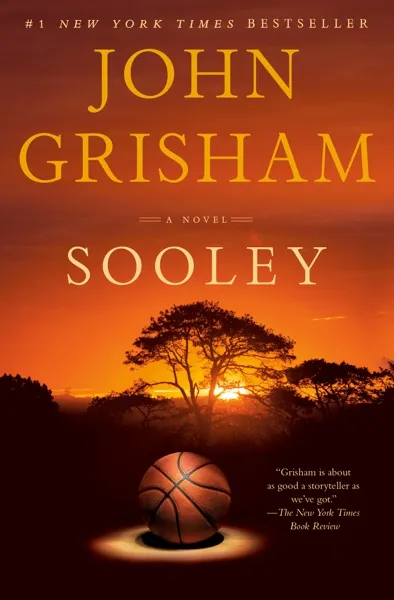

Sooley Author: John GrishamPage Count: UnknownPublication Year: 2022-GB Sooley by John Grisham: A Heart-Stirring Tale of Dreams, Resilience, and the Power of the Human Spirit John Grisham, the master of legal thrillers, surprises readers with Sooley, a novel that defies expectations while delivering the same gripping storytelling his fans adore. Published in 2022, this book is a departure from his courtroom dramas, weaving a poignant narrative about basketball, ambition, and the unyielding pursuit of greatness. With its richly drawn characters and emotionally charged prose, Sooley cements Grisham’s versatility as a storyteller, proving that his talent extends far beyond the confines of legal drama. At the heart of Sooley is Samuel Sooleyman, a young South Sudanese refugee whose life changes when a college basketball scout discovers his extraordinary talent. The novel follows Sooley’s journey from the war-torn streets of Juba to the hardwood floors of an American university, where he faces both the thrill of opportunity and the crushing weight of expectation. Grisham crafts a story that is as much about the love of the game as it is about the universal human desire to rise above adversity. The title character is a beacon of hope, a young man whose resilience and determination make him impossible to forget. One of the most compelling aspects of Sooley is its exploration of displacement and belonging. Sooley’s journey is not just a physical one but an emotional odyssey, as he grapples with the ghosts of his past while trying to carve out a future in a foreign land. Grisham handles this theme with sensitivity, avoiding clichés and instead focusing on the raw, unfiltered emotions of his protagonist. The contrast between Sooley’s humble beginnings and the high-stakes world of college basketball adds depth to the narrative, making it a story that resonates on multiple levels. Grisham’s writing style in Sooley is both accessible and immersive. He balances descriptive passages with fast-paced action, ensuring that the reader is never bogged down by excessive detail. The basketball sequences are particularly vivid, capturing the energy and intensity of the sport without resorting to overly technical jargon. This makes the book appealing not just to sports fans but to anyone who appreciates a well-told story about perseverance and triumph. The supporting characters in Sooley are equally well-developed, each serving a purpose in Sooley’s journey. From his supportive coach to his skeptical teammates, Grisham creates a cast that feels authentic and relatable. The relationships Sooley forms—whether fleeting or long-lasting—add layers to the story, highlighting the importance of human connection in overcoming life’s challenges. What sets Sooley apart from Grisham’s other works is its emotional depth. While he is known for his legal dramas, this novel delves into the personal struggles of its protagonist with a tenderness that is both refreshing and moving. The themes of hope, sacrifice, and the pursuit of dreams are universal, making the story resonate with a wide audience. Grisham’s ability to blend sports, drama, and social commentary is masterful, resulting in a book that is as thought-provoking as it is entertaining. Sooley is more than just a sports story; it is a testament to the power of the human spirit. It reminds readers that greatness is not measured solely by victories on the court but by the strength of character and the courage to keep moving forward, no matter the odds. Grisham’s storytelling prowess shines brightly in this novel, offering a fresh perspective while staying true to the themes that have made him a literary icon. For fans of John Grisham, Sooley is a must-read, offering a new side of the author’s talent. For those unfamiliar with his work, it serves as an excellent introduction to his range as a writer. Whether you’re drawn to the thrill of basketball, the drama of personal growth, or the beauty of a well-crafted story, Sooley delivers on all fronts. #JohnGrisham #Sooley #BookReview #SportsFiction #LiteraryFiction Related InsightsOne of Our Kind Book Review and Summary The Grand Dark Book Review and Summary The Other Boleyn Girl Book Review and Summary{ "@context": "https://schema.org", "@type": "FAQPage", "mainEntity": [ { "@type": "Question", "name": "What is the main focus of **Sooley** Book Review and Summary?", "acceptedAnswer": { "@type": "Answer", "text": "Everything you need to know about **Sooley** with our detailed review." } }, { "@type": "Question", "name": "Who authored the comprehensive guide on **Sooley** Book Review and Summary?", "acceptedAnswer": { "@type": "Answer", "text": "This detailed article and its insights were carefully researched and authored by James Miller." } }, { "@type": "Question", "name": "Where can I find more related content about Books?", "acceptedAnswer": { "@type": "Answer", "text": "You can explore more articles, detailed reviews, and similar insights by browsing the Related Insights section at the bottom of this article or visiting our dedicated Books category page." } } ] }
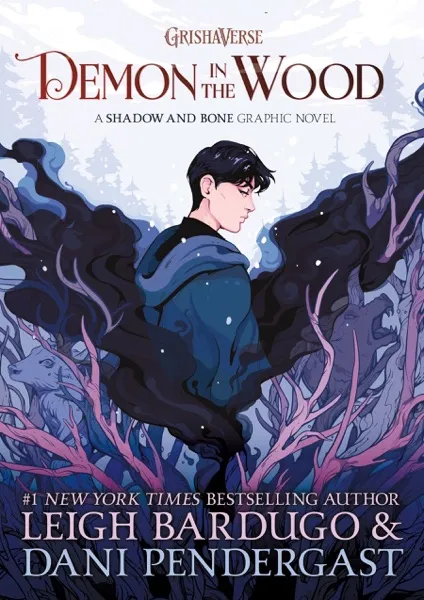

Demon in the Wood Author: Leigh BardugoPage Count: UnknownPublication Year: 2022-GB Demon in the Wood: Leigh Bardugo’s Dark, Dazzling Return to the Grishaverse Few authors can weave magic into words as effortlessly as Leigh Bardugo. With Demon in the Wood, she once again proves why she’s a titan of modern fantasy, delivering a tale that’s as haunting as it is hypnotic. Set in the same lush, treacherous world of the Grishaverse, this standalone novel plunges readers into the origins of one of its most enigmatic figures—Erik, the Darkling—before he became the villain of Shadow and Bone. But this isn’t just a prequel; it’s a masterclass in storytelling, blending gothic atmosphere, moral ambiguity, and razor-sharp prose into a narrative that lingers long after the last page. At its core, Demon in the Wood explores the seductive power of darkness and the choices that shape us. The story follows a young Erik as he navigates a world where power is currency, and survival often demands moral compromise. Bardugo doesn’t shy away from the complexities of her protagonist, crafting a character who is neither wholly villainous nor purely heroic. His journey is one of ambition, desperation, and the slow unraveling of innocence—a theme that resonates deeply in a genre often defined by clear-cut heroes and villains. The novel also delves into the cost of power, the illusion of control, and the ways in which trauma shapes identity. These themes are woven seamlessly into the narrative, making Demon in the Wood as thought-provoking as it is thrilling. Bardugo’s writing style is a force to be reckoned with. Her prose is rich with sensory detail, painting a world that feels both familiar and fresh. The Grishaverse has always been a character in its own right, and here, Bardugo deepens its lore with even more nuance. The dialogue crackles with tension, the descriptions are vivid without being overwrought, and the pacing is relentless, pulling readers forward with an almost hypnotic pull. She also excels at character development, giving even minor players depth and dimension. Erik’s internal monologues are particularly gripping, offering glimpses into the mind of a boy who could become a monster—or a savior. The supporting cast is equally compelling. From the morally ambiguous figures who shape Erik’s destiny to the fleeting yet impactful appearances of familiar faces, Bardugo ensures that every character feels real and consequential. The relationships in the novel are especially well-drawn, whether they’re built on trust, betrayal, or something in between. The emotional beats land with precision, making the stakes feel personal and urgent. One of the most striking aspects of Demon in the Wood is its exploration of fate versus free will. Erik’s path is marked by choices, some seemingly small, others life-altering, and Bardugo forces readers to question whether his eventual darkness was inevitable or a product of circumstance. This theme adds a layer of depth that elevates the story beyond a simple origin tale, making it a meditation on power, corruption, and the human condition. For fans of the Grishaverse, Demon in the Wood is a must-read, offering a deeper understanding of the world they’ve come to love. But even those new to Bardugo’s universe will find plenty to savor in this dark, immersive tale. The novel stands on its own as a gripping fantasy, but for those who’ve followed Erik’s journey from the beginning, it’s a revelation—a chance to see the villain in a new light and to grapple with the questions that define his legacy. Leigh Bardugo has once again proven why she’s one of the most compelling voices in contemporary fantasy. Demon in the Wood is a book that lingers, a story that haunts, and a testament to the power of great storytelling. Whether you’re a longtime fan or a newcomer to the Grishaverse, this novel is an experience not to be missed. #LeighBardugo #DemonInTheWood #Grishaverse #FantasyBooks #BookReview Related InsightsBioluminescent Book Review and Summary An easy death Book Review and Summary Upside Down Book Review and Summary{ "@context": "https://schema.org", "@type": "FAQPage", "mainEntity": [ { "@type": "Question", "name": "What is the main focus of **Demon in the Wood** Book Review and Summary?", "acceptedAnswer": { "@type": "Answer", "text": "Everything you need to know about **Demon in the Wood** with our detailed review." } }, { "@type": "Question", "name": "Who authored the comprehensive guide on **Demon in the Wood** Book Review and Summary?", "acceptedAnswer": { "@type": "Answer", "text": "This detailed article and its insights were carefully researched and authored by Lucia Garcia." } }, { "@type": "Question", "name": "Where can I find more related content about Books?", "acceptedAnswer": { "@type": "Answer", "text": "You can explore more articles, detailed reviews, and similar insights by browsing the Related Insights section at the bottom of this article or visiting our dedicated Books category page." } } ] }
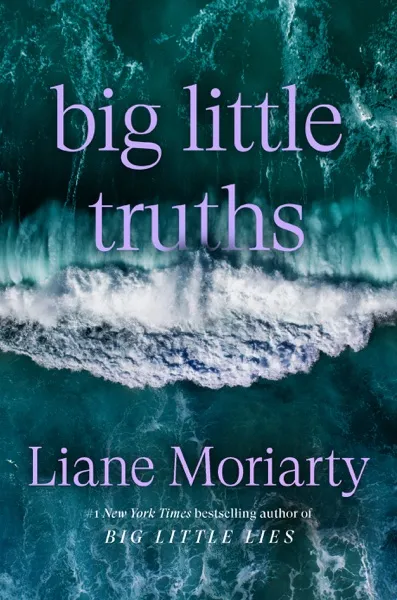

Big Little Truths Author: Liane MoriartyPage Count: UnknownPublication Year: 2026-GB Big Little Truths, the latest novel by the inimitable Liane Moriarty, is a masterful exploration of the human condition, delving into the intricacies of relationships, family dynamics, and the complexities of truth. Moriarty's signature style, a unique blend of wit, empathy, and unflinching honesty, makes this book an unputdownable read. At its core, Big Little Truths is a story about the power of secrets and the devastating consequences of their revelation. Moriarty expertly weaves together multiple narratives, each one a nuanced and thought-provoking examination of the ways in which truth can both unite and divide us. With her characteristic insight, she exposes the fault lines that exist within families, friendships, and communities, revealing the often-shocking consequences of our attempts to conceal, manipulate, or distort the truth. One of Moriarty's greatest strengths as a writer is her ability to craft relatable, multidimensional characters. In Big Little Truths, she presents a diverse cast of individuals, each one grappling with their own secrets, lies, and half-truths. From the outwardly confident but inwardly fragile matriarch to the rebellious teenager struggling to assert her independence, Moriarty's characters are richly drawn and utterly believable. Throughout the book, Moriarty's prose is, as always, engaging, witty, and effortlessly readable. Her writing is infused with a deep understanding of human psychology, and she tackles even the most sensitive topics with sensitivity and compassion. Her use of language is economical yet evocative, conjuring vivid images and emotions with remarkable ease. What sets Big Little Truths apart from other novels, however, is its thought-provoking exploration of the nature of truth itself. Moriarty raises important questions about the consequences of our actions, the impact of our words, and the devastating effects of our silence. In doing so, she challenges her readers to confront their own complicity in the web of secrets and lies that often binds us. Ultimately, Big Little Truths is a novel about the transformative power of honesty and the redemptive potential of forgiveness. Moriarty's conclusion is both satisfying and thought-provoking, leaving readers with much to ponder long after the final page has been turned. In short, Big Little Truths is a triumph, a testament to Liane Moriarty's skill as a storyteller and her profound understanding of the human heart. If you're a fan of character-driven fiction, nuanced family dramas, or simply great storytelling, then this book is an absolute must-read. #LianeMoriarty #BigLittleTruths #FamilyDrama #RelationshipGoals #ThePowerOfTruth #BookLoversUnite Related InsightsThis is Why We Don't Date Serial Killers (A Killer Romcom, #1) Book Review and Summary Close to Midnight Book Review and Summary A Room with a View Book Review and Summary{ "@context": "https://schema.org", "@type": "FAQPage", "mainEntity": [ { "@type": "Question", "name": "What is the main focus of Big Little Truths Book Review and Summary?", "acceptedAnswer": { "@type": "Answer", "text": "Everything you need to know about Big Little Truths with our detailed review." } }, { "@type": "Question", "name": "Who authored the comprehensive guide on Big Little Truths Book Review and Summary?", "acceptedAnswer": { "@type": "Answer", "text": "This detailed article and its insights were carefully researched and authored by Michael Brown." } }, { "@type": "Question", "name": "Where can I find more related content about Books?", "acceptedAnswer": { "@type": "Answer", "text": "You can explore more articles, detailed reviews, and similar insights by browsing the Related Insights section at the bottom of this article or visiting our dedicated Books category page." } } ] }
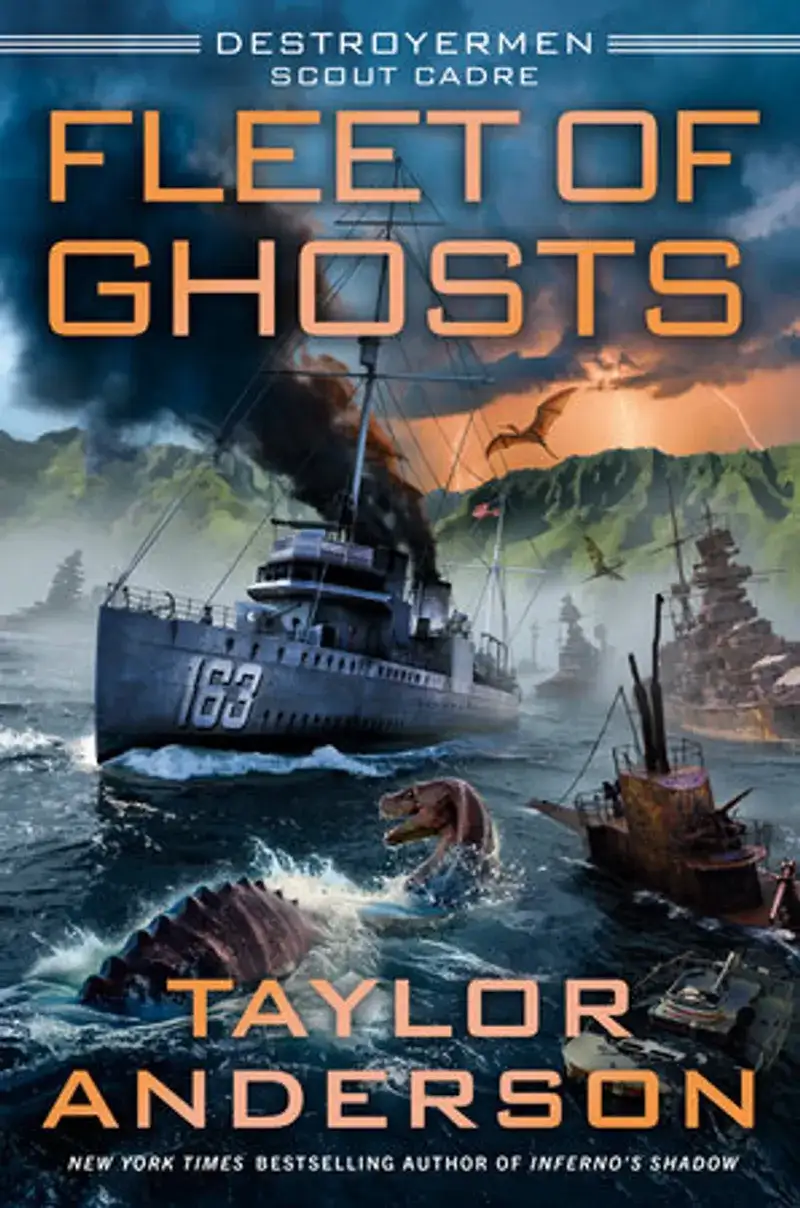
Fleet of Ghosts Author: Taylor AndersonPage Count: UnknownPublication Date: 2026-PRH Taylor Anderson’s Fleet of Ghosts is a masterclass in speculative fiction, weaving together the haunting beauty of lost civilizations with the relentless pulse of space opera. Set in a future where humanity’s remnants drift through the cosmos aboard the colossal Fleet of Ghosts—a armada of derelict ships repurposed into a nomadic civilization—Anderson crafts a narrative that feels both intimate and vast, a story where the weight of history presses against the fragile edges of survival. At its core, Fleet of Ghosts is a meditation on memory and erasure. Anderson doesn’t just tell a story about a dying fleet; she immerses the reader in the psychological toll of a people clinging to a past they can no longer fully grasp. The ships, once vessels of exploration and conquest, are now tombs haunted by the ghosts of their former crews. Their inhabitants, descendants of the original voyagers, live in a state of suspended animation, their knowledge fragmented, their identities tied to artifacts and half-remembered lore. The novel’s genius lies in how Anderson uses this setting to explore what it means to preserve—or surrender—one’s history. The fleet’s librarians, engineers, and scavengers are not just characters; they are archeologists of a lost world, piecing together fragments of a civilization that may have doomed itself long ago. Anderson’s prose is a marvel of precision and atmosphere. She has a rare talent for describing the grotesque and the sublime in equal measure, painting the fleet’s decaying interiors with the same care one might use to depict a cathedral’s stained glass. The ships are characters in their own right—rusted husks that groan under the strain of their own inertia, their corridors lined with the skeletal remains of those who stayed behind too long. The prose isn’t lush for its own sake; it serves the novel’s themes, making the reader feel the oppressive weight of the fleet’s decline. When characters venture into the deeper, uncharted reaches of the ships, the descriptions take on a feverish, almost hallucinatory quality, as if the reader is experiencing the same disorientation as the protagonists. The novel’s structure is non-linear, jumping between the past and present with a deft hand. Anderson never lingers too long in any one era, instead using the shifts to underscore the fragility of memory. Flashbacks reveal the fleet’s origins—its initial mission, the schisms that tore it apart, the slow decay of its purpose—while the present-day sections show the consequences of those fractures. It’s a risky approach, but Anderson pulls it off with grace, ensuring that each revelation feels earned rather than contrived. The result is a story that feels as much like a mystery as it does an epic, with the reader constantly piecing together clues about what truly happened to the fleet. One of the most striking aspects of Fleet of Ghosts is its refusal to offer easy answers. Anderson doesn’t provide a neat resolution, nor does she succumb to the temptation of a heroic triumph. Instead, the novel grapples with the idea that some losses are irreversible, that some ghosts cannot be laid to rest. The fleet is doomed, not by an external force, but by the weight of its own choices. This isn’t a story about overcoming adversity; it’s about the quiet dignity of enduring, of finding meaning in the creeping shadow of oblivion. Anderson’s style also shines in her handling of the fleet’s many factions. From the zealots who believe the fleet’s original mission is sacred to the pragmatists who see survival as the only priority, each group is given depth and nuance. There are no outright villains here, only people trying to make sense of a world that no longer makes sense. The moral ambiguity is refreshing, and it elevates the novel beyond a simple tale of survival into something far more compelling. If Fleet of Ghosts has a weakness, it’s in its occasional density. The world-building is meticulous, but the sheer scale of the fleet can be overwhelming at times. Anderson occasionally assumes a level of familiarity with her setting that might leave some readers adrift. However, this is a minor quibble in a novel that otherwise commands attention with its ambition and depth. In the end, Fleet of Ghosts is more than just a book about a fleet of ghost ships—it’s a meditation on what we choose to remember and what we allow to fade. It’s a story for anyone who has ever stood in the ruins of a forgotten place and felt the weight of time pressing down on them. Taylor Anderson has crafted something rare here: a novel that is both a thrilling adventure and a profound meditation on loss, memory, and the quiet courage of those who refuse to let either die. #SpaceOperaElegies #LostCivilization #GhostShipsAndLegacies #CosmicMelancholy #EnduranceInTheVoid #TaylorAndersonMasterpiece Related InsightsHoney-Don't List Book Review and Summary Law for the American Farmer Book Review and Summary Freedom Book Review and Summary{ "@context": "https://schema.org", "@type": "FAQPage", "mainEntity": [ { "@type": "Question", "name": "What is the main focus of Fleet of Ghosts Book Review and Summary?", "acceptedAnswer": { "@type": "Answer", "text": "Everything you need to know about Fleet of Ghosts with our detailed review." } }, { "@type": "Question", "name": "Who authored the comprehensive guide on Fleet of Ghosts Book Review and Summary?", "acceptedAnswer": { "@type": "Answer", "text": "This detailed article and its insights were carefully researched and authored by Piotr Nowak." } }, { "@type": "Question", "name": "Where can I find more related content about Books?", "acceptedAnswer": { "@type": "Answer", "text": "You can explore more articles, detailed reviews, and similar insights by browsing the Related Insights section at the bottom of this article or visiting our dedicated Books category page." } } ] }
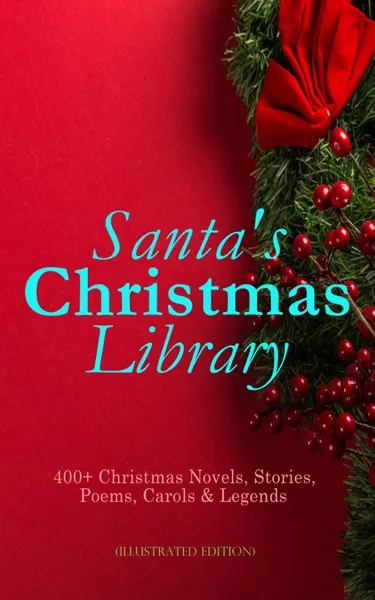

Classic Christmas Stories Author: George MacDonaldPage Count: UnknownPublication Year: 2022-GB Unwrapping the Timeless Magic of Christmas: A Review of George MacDonald's "Classic Christmas Stories" As the winter winds howl and the snowflakes gently fall, the world is bathed in a soft, ethereal glow, reminiscent of a bygone era. It is in this serene and peaceful atmosphere that George MacDonald's "Classic Christmas Stories" comes alive, transporting readers to a realm of wonder, enchantment, and profound reflection. This exquisite collection of tales, carefully curated and masterfully crafted, is a testament to the enduring power of Christmas to inspire, to uplift, and to transform. At its core, "Classic Christmas Stories" is a poignant exploration of the human condition, delving into the complexities of love, loss, and redemption. Through a diverse array of characters, each with their own unique struggles and triumphs, MacDonald masterfully weaves a rich tapestry of emotions, thoughts, and experiences that resonate deeply with readers of all ages. From the quiet introspection of a solitary soul to the joyful exuberance of a family reunited, these characters embody the full spectrum of human emotion, inviting readers to reflect on their own values, relationships, and priorities. MacDonald's writing style is a true marvel, blending the simplicity and elegance of a bygone era with the depth and nuance of a masterful storyteller. His prose is akin to a warm, golden light, illuminating the darkest recesses of the human heart and revealing the beauty, the kindness, and the generosity that lies within. With each carefully crafted sentence, he conjures a world of vivid imagery, transporting readers to a realm of snow-covered landscapes, cozy firesides, and the soft, golden glow of candlelight. Throughout these stories, MacDonald explores a range of themes that are both timeless and timely, speaking to the universal human experiences that transcend generations, cultures, and borders. He writes of love and loss, of hope and despair, of the struggle to find meaning and purpose in a chaotic world. And yet, even in the darkest moments, his stories are infused with a profound sense of hope and redemption, reminding readers of the transformative power of Christmas to bring people together, to heal old wounds, and to inspire new beginnings. One of the most striking aspects of "Classic Christmas Stories" is its ability to balance the sacred and the secular, the spiritual and the material. MacDonald's tales are deeply rooted in the Christian tradition, yet they also speak to the universal human experiences that lie at the heart of the Christmas season. Whether you are a person of faith or simply someone who cherishes the values of kindness, compassion, and generosity that Christmas embodies, these stories will resonate deeply with you, inspiring you to reflect on the true meaning of the season and the values that bring us together as a human family. In short, "Classic Christmas Stories" is a masterpiece, a collection of tales that will captivate, inspire, and transform readers of all ages. It is a testament to the enduring power of Christmas to bring people together, to heal old wounds, and to inspire new beginnings. So why not settle in by the fire, wrap yourself in a warm blanket, and let the timeless magic of these stories transport you to a realm of wonder, enchantment, and profound reflection? #ClassicChristmasStories #GeorgeMacDonald #ChristmasLiterature #HolidayReading #TimelessTales Related InsightsWitch King Book Review and Summary Alice’s Adventures in Wonderland / Through the Looking-Glass Book Review and Summary Firstdawn Book Review and Summary{ "@context": "https://schema.org", "@type": "FAQPage", "mainEntity": [ { "@type": "Question", "name": "What is the main focus of **Classic Christmas Stories** Book Review and Summary?", "acceptedAnswer": { "@type": "Answer", "text": "Everything you need to know about **Classic Christmas Stories** with our detailed review." } }, { "@type": "Question", "name": "Who authored the comprehensive guide on **Classic Christmas Stories** Book Review and Summary?", "acceptedAnswer": { "@type": "Answer", "text": "This detailed article and its insights were carefully researched and authored by Emma Thompson." } }, { "@type": "Question", "name": "Where can I find more related content about Books?", "acceptedAnswer": { "@type": "Answer", "text": "You can explore more articles, detailed reviews, and similar insights by browsing the Related Insights section at the bottom of this article or visiting our dedicated Books category page." } } ] }
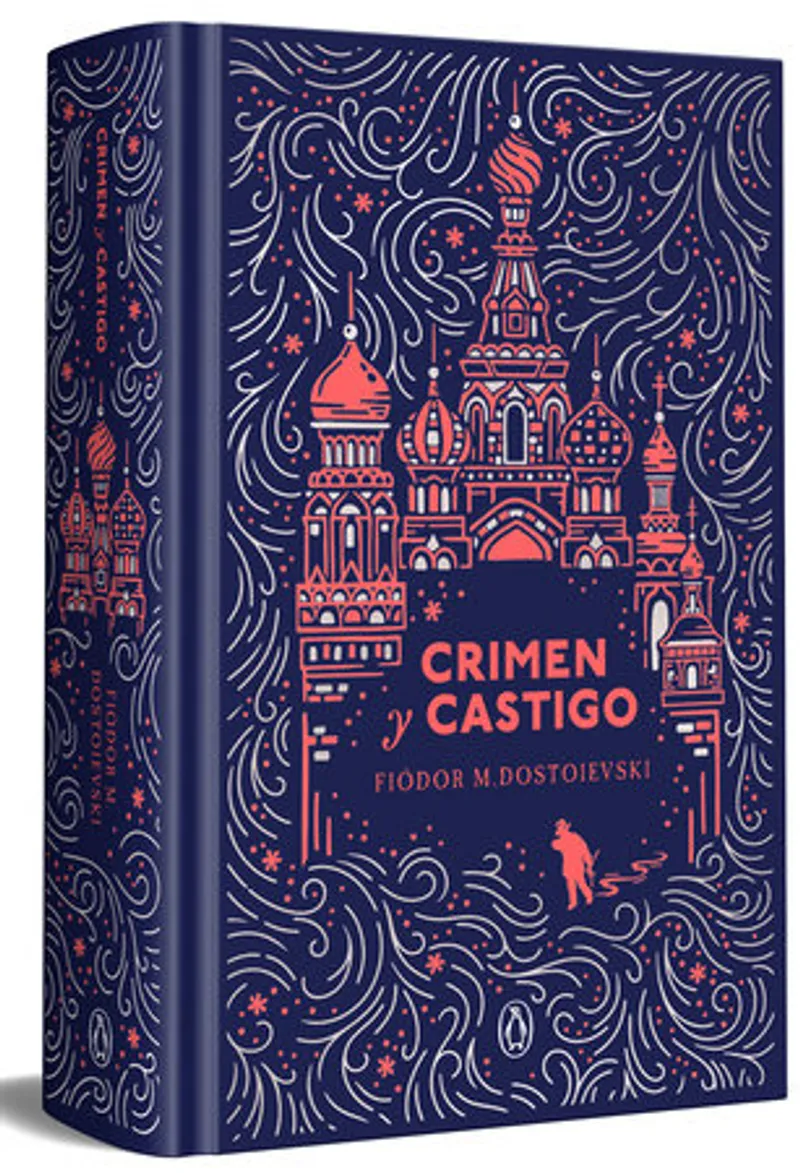
Crimen y castigo (edición especial en tapa dura) / Crime and Punishment (Special Hardcover Edition) Author: Fiódor M. DostoievskiPage Count: UnknownPublication Date: 2026-PRH In the realm of literary masterpieces, few novels have managed to captivate readers with the same level of philosophical and psychological depth as Fyodor Dostoevsky's "Crime and Punishment". This special hardcover edition, published in 2026, presents a unique opportunity to revisit the timeless classic that has been a cornerstone of world literature for centuries. At its core, "Crime and Punishment" is a thought-provoking exploration of the human condition, delving into the darkest recesses of the human psyche. The novel's protagonist, Rodion Raskolnikov, is a brilliant and impoverished young intellectual who murders an old pawnbroker and grapples with the consequences of his actions. As Raskolnikov navigates the treacherous landscape of his own guilt and redemption, Dostoevsky masterfully weaves a complex tapestry of themes that continue to resonate with readers today. One of the most striking aspects of Dostoevsky's writing style is his ability to craft characters that are at once flawed and relatable. Raskolnikov, in particular, is a fascinating study in contradictions – a rational and intelligent individual driven by a twisted sense of morality and a deep-seated desire for intellectual and philosophical superiority. Through Raskolnikov's inner turmoil, Dostoevsky raises fundamental questions about the nature of morality, free will, and the human condition, forcing readers to confront their own values and biases. Dostoevsky's prose is characterized by its lyrical and expressive quality, which adds to the novel's emotional intensity. His writing is akin to a rich, velvety darkness that envelops the reader, drawing them into the world of 19th-century St. Petersburg with its vivid descriptions of poverty, crime, and social inequality. The author's use of language is deliberate and calculated, with each word and phrase carefully chosen to convey the complexity of his characters' emotions and thoughts. The special hardcover edition of "Crime and Punishment" is a testament to the enduring power of Dostoevsky's masterpiece. With its elegant design and high-quality production, this edition is a must-have for book collectors and literature enthusiasts alike. The tactile experience of holding this beautifully crafted volume in one's hands only adds to the immersive quality of the reading experience, inviting readers to become fully invested in the world of Raskolnikov and his companions. In conclusion, "Crime and Punishment" is a masterpiece of world literature that continues to captivate readers with its profound insights into the human condition. This special hardcover edition is a worthy tribute to Dostoevsky's genius, offering a unique opportunity to experience the novel in a new and beautiful way. Whether you are a seasoned reader or a newcomer to the world of classic literature, "Crime and Punishment" is a must-read that will leave you changed forever. #CrimeAndPunishment #Dostoevsky #ClassicLiterature #PhilosophicalFiction #PsychologicalThriller #RussianLiterature Related InsightsDaughter of the Deep Book Review and Summary Holy Bible: New International Version Book Review and Summary Lanetli Kral [HC] Book Review and Summary{ "@context": "https://schema.org", "@type": "FAQPage", "mainEntity": [ { "@type": "Question", "name": "What is the main focus of Crime and Punishment Book Review and Summary?", "acceptedAnswer": { "@type": "Answer", "text": "Everything you need to know about Crime and Punishment with our detailed review." } }, { "@type": "Question", "name": "Who authored the comprehensive guide on Crime and Punishment Book Review and Summary?", "acceptedAnswer": { "@type": "Answer", "text": "This detailed article and its insights were carefully researched and authored by Fyodor Dostoevsky." } }, { "@type": "Question", "name": "Where can I find more related content about Books?", "acceptedAnswer": { "@type": "Answer", "text": "You can explore more articles, detailed reviews, and similar insights by browsing the Related Insights section at the bottom of this article or visiting our dedicated Books category page." } } ] }
Our Skin Colour Author: Marie Claire NjangPage Count: UnknownPublication Year: 2022-GB Marie Claire Njang’s Our Skin Colour is more than a book; it’s a searing, luminous confrontation with the weight of identity, the scars of history, and the quiet revolutions that happen in the space between a single glance and a lifetime of meaning. Published in 2022, this global bestseller has already cemented its place as a vital voice in contemporary literature, not just for its emotional resonance but for the unflinching clarity with which it dissects the politics of skin—how it marks us, how it is read by others, and how it becomes both a cage and a compass. At its heart, Our Skin Colour is a meditation on visibility and erasure. Njang, drawing from her own experiences as a Black woman navigating spaces across continents, crafts a narrative that is at once deeply personal and universally resonant. She doesn’t just describe the color of skin; she dissects the ideology that clings to it—how it predetermines access, how it dictates who is seen as beautiful, who is feared, who is made invisible. The book doesn’t offer easy answers, but it does something far more powerful: it forces the reader to feel the question, the doubt, the unspoken tension that lives in every glance, every assumption, every well-meaning compliment that carries the weight of centuries. Njang’s prose is deceptively simple—clean, lyrical, devoid of pretension—but every sentence carries the precision of a scalpel. She writes with a poet’s sensitivity and a journalist’s rigor, weaving memoir, social critique, and historical reflection into a seamless tapestry. There are no grand declarations here, no simplistic calls to action. Instead, there is the quiet accumulation of truth: the way a child first notices their skin in a mirror, the way a stranger’s gaze can feel like a verdict, the way language itself—even the words used to describe melanin—can be a site of violence or liberation. One of the most striking aspects of Our Skin Colour is its refusal to romanticize struggle. Njang doesn’t offer catharsis through victimhood, nor does she prescribe a path to resolution. Instead, she holds up a mirror to the reader—black, white, or otherwise—and asks: What do you see when you look at skin? What do you project onto it? The book doesn’t just critique racism; it interrogates the complicity of silence, the way even well-intentioned people participate in systems that reduce human beings to the color of their flesh. Njang’s style is intimate yet expansive. She moves effortlessly between childhood memories and global histories, between personal anecdotes and cultural analysis. There’s a moment early in the book where she recounts being a young girl in school, being told by a teacher that her skin was "like chocolate," a compliment that carried the subtle sting of exoticism. That scene is emblematic of the book’s genius: it takes what feels like a minor moment and reveals its hidden architecture of power. The chocolate comparison isn’t just innocent; it’s a form of soft violence, a way of containing her within a frame of Otherness. The book also excels in its exploration of intersectionality. Njang doesn’t treat race in isolation; she weaves in class, gender, and geography, showing how skin color interacts with other identities to shape experience. There’s a particularly poignant passage where she reflects on being a Black woman in predominantly white academic spaces, where her intelligence was often met with surprise or skepticism—not because of her merit, but because of the color of her skin. It’s a moment that echoes across countless cultures, a reminder that the gaze of the dominant society is never neutral. What makes Our Skin Colour so compelling is its honesty about the contradictions within identity. Njang doesn’t shy away from the ambivalence many Black people feel about their own skin—pride and pain, love and loathing, all tangled together. She writes about the desire to be seen without being reduced, to be celebrated without being exoticized, to be ordinary without being rendered invisible. It’s a tension that doesn’t resolve neatly, and Njang doesn’t pretend it does. Instead, she invites the reader into that unresolved space, encouraging a kind of reckoning that is both personal and political. The book’s global perspective is another of its strengths. Njang draws from her experiences in Africa, Europe, and beyond, showing how the meaning of skin color shifts across cultures and borders. She writes about the particular ways colorism manifests in different societies—how lighter skin is often privileged in some African contexts, how anti-Blackness is a global phenomenon, how whiteness operates as a silent standard. This breadth prevents the book from feeling parochial or limited to one experience, making it a vital read for anyone trying to understand the complexity of race in the modern world. Ultimately, Our Skin Colour is a book about the gaze—the way we are looked at, the way we look back, and the power dynamics embedded in every glance. It’s not just about Blackness; it’s about the human condition, about how we assign meaning to surfaces, how we use them to justify systems, and how we might begin to dismantle those systems by first dismantling the stories we tell ourselves about color. Njang’s work is a quiet revolution, one that happens in the space between words and silences, between personal revelation and collective reckoning. It’s a book that demands to be read slowly, to be savored, to be wrestled with. And in a world where skin color is still too often a shorthand for judgment, prejudice, or fetishization, Our Skin Colour is a necessary act of defiance—a reminder that identity is never just skin deep. #OurSkinColour #BlackExcellence #RaceAndIdentity #ColorismMatters #GlobalBlackVoices #ReclaimingNarrative Related InsightsEvery Pretty Thing: A Novel Book Review and Summary Literature and the Writing Process--eleventh edition Book Review and Summary The Complete Works Book Review and Summary{ "@context": "https://schema.org", "@type": "FAQPage", "mainEntity": [ { "@type": "Question", "name": "What is the main focus of Our Skin Colour Book Review and Summary?", "acceptedAnswer": { "@type": "Answer", "text": "Everything you need to know about Our Skin Colour with our detailed review." } }, { "@type": "Question", "name": "Who authored the comprehensive guide on Our Skin Colour Book Review and Summary?", "acceptedAnswer": { "@type": "Answer", "text": "This detailed article and its insights were carefully researched and authored by Anna Kowalska." } }, { "@type": "Question", "name": "Where can I find more related content about Books?", "acceptedAnswer": { "@type": "Answer", "text": "You can explore more articles, detailed reviews, and similar insights by browsing the Related Insights section at the bottom of this article or visiting our dedicated Books category page." } } ] }
- 10 May, 2026 08:49
Lamb: The Gospel According to Biff, Christ’s Childhood Pal Book Review and Summary
El evangelio según Jesucristo / The Gospel According to Jesus Christ Author: Jose SaramagoPage Count: UnknownPublication Date: 2016-PRH In "The Gospel According to Jesus Christ", Jose Saramago presents a bold and unorthodox retelling of the life of Jesus of Nazareth, one that strips away the divine aura and instead, presents a deeply human and relatable figure. This is not the Jesus of traditional Christian lore, but rather a complex and multifaceted individual, driven by the same doubts, fears, and desires that plague us all. At the heart of the novel is the character of Joseph, recreated by Saramago as a man torn apart by guilt and remorse. His decision to save his child from the clutches of Herod, rather than alerting the population to the impending danger, sets in motion a chain of events that will haunt him for the rest of his life. This is a powerful exploration of the human condition, one that raises fundamental questions about morality, sacrifice, and the nature of good and evil. Saramago's prose is, as ever, masterful, weaving a narrative that is both deeply personal and universally relatable. His writing is characterized by a wry humor, a deep empathy for his characters, and a willingness to challenge the established order. This is a writer who is unafraid to ask the big questions, to probe the darkest recesses of the human heart, and to emerge with a profound and unsettling truth. One of the most striking aspects of the novel is its mundane vision of the events surrounding Jesus' life. Gone is the grandeur and majesty of traditional Christian iconography, replaced instead by a gritty, earthy realism. The birth of Jesus is not a miraculous event, but rather a messy and painful one, marked by the same fears and uncertainties that accompany all human births. The discovery of love, too, is presented as a complex and multifaceted experience, one that is fraught with danger, uncertainty, and ultimately, redemption. At the center of the novel is Jesus himself, a figure who is both deeply human and profoundly enigmatic. Saramago presents him as a man on a mission, driven by a sense of purpose that he does not fully understand. His existential crisis, as he grapples with the meaning and role of his life, is a powerful exploration of the human condition, one that will resonate deeply with readers. Ultimately, "The Gospel According to Jesus Christ" is a novel that will challenge, provoke, and inspire readers in equal measure. It is a work of profound literary merit, one that will leave readers questioning their assumptions about the nature of faith, morality, and the human condition. As The Nation so aptly put it, "The Gospel According to Jesus Christ" is a book that "basta para dar a Saramago un lugar en la biblioteca universal y en la memoria de los hombres" - it is a work that secures Saramago's place in the universal library and in the memory of humanity. #TheGospelAccordingToJesusChrist #JoseSaramago #LiteraryFiction #Christianity #ExistentialCrisis #BookReview Related InsightsLook What the Cat Dragged In Book Review and Summary Long range Book Review and Summary The War of the Worlds Book Review and Summary{ "@context": "https://schema.org", "@type": "FAQPage", "mainEntity": [ { "@type": "Question", "name": "What is the main focus of Lamb: The Gospel According to Biff, Christ’s Childhood Pal Book Review and Summary?", "acceptedAnswer": { "@type": "Answer", "text": "Everything you need to know about Lamb: The Gospel According to Biff, Christ’s Childhood Pal with our detailed review." } }, { "@type": "Question", "name": "Who authored the comprehensive guide on Lamb: The Gospel According to Biff, Christ’s Childhood Pal Book Review and Summary?", "acceptedAnswer": { "@type": "Answer", "text": "This detailed article and its insights were carefully researched and authored by Christopher Moore." } }, { "@type": "Question", "name": "Where can I find more related content about Books?", "acceptedAnswer": { "@type": "Answer", "text": "You can explore more articles, detailed reviews, and similar insights by browsing the Related Insights section at the bottom of this article or visiting our dedicated Books category page." } } ] }

Munro Author: Kresley ColePage Count: UnknownPublication Year: 2022-GB Kresley Cole’s Munro is a masterclass in blending raw emotion with relentless action, a signature of her paranormal romance oeuvre but elevated to new heights in this 2022 release. At its core, the novel is a love story—one that dares to ask what happens when the boundaries between duty and desire, instinct and choice, are shattered by forces beyond mortal comprehension. Cole, a titan in the genre, crafts a narrative that is as much about the unraveling of a warrior’s discipline as it is about the awakening of a soul long thought lost to war. Munro isn’t just another steamy, supernatural romance; it’s a visceral exploration of identity, legacy, and the unspoken wars raged within the heart. The story follows Lachlain Munro, a Highland vampire lord bound by ancient oaths to protect the mortal realm from the encroaching darkness of the Arcadian demons. But Cole flips the script on the classic warrior-with-a-secret trope by making Lachlain’s greatest enemy not the demons at his doorstep, but the very nature of his own bloodline. His lineage, a cursed blend of vampire and something older, darker, threatens to consume him from within, turning his legendary strength into a liability. The tension isn’t merely external—it’s a slow, simmering dread that permeates every page, a reminder that the most dangerous battles are often the ones we fight in the mirror. Cole’s prose is a weapon in itself. She wields language with the precision of a seasoned warrior, each sentence a strike meant to resonate. Her dialogue crackles with wit and tension, particularly in the exchanges between Lachlain and his mate, Isobel. Their banter is electric, a dance of insults and intimacies that feels organic rather than forced. Isobel, a mortal woman with a sharp tongue and a stubborn streak, is Cole’s most compelling heroine yet. She’s not just a damsel in distress waiting for rescue; she’s a storm that Lachlain must either weather or be destroyed by. Their dynamic is the beating heart of the novel, a push-and-pull of power that challenges both characters to grow beyond their limitations. What sets Munro apart is Cole’s fearless approach to genre conventions. She doesn’t just subvert expectations—she obliterates them. The romance isn’t sanitized or safe; it’s primal, almost feral in its intensity. The physical and emotional stakes are sky-high, and Cole doesn’t shy away from the consequences. Lachlain’s struggle with his demonic heritage is visceral, his body and mind at war with each other. The sex scenes, while undeniably scorching, are secondary to the emotional weight of what’s at stake. This isn’t erotica disguised as romance; it’s a full-bodied story where desire and danger are two sides of the same coin. The world-building is another standout. Cole’s Highland-inspired setting is rich with detail, from the mist-shrouded glens to the ancient castles that serve as both refuge and prison. The lore is expansive, but never overwhelming, seamlessly woven into the narrative so that the supernatural elements feel like a natural extension of the world rather than a gimmick. The Arcadian demons are more than just villains; they’re a looming threat that embodies Lachlain’s internal conflict, a manifestation of the darkness he fights both inside and out. At its heart, Munro is a story about redemption. Lachlain is a hero who has spent centuries believing he was saving the world, only to realize he might have been its greatest destroyer. Isobel, in turn, is a woman who has spent her life fearing her own power, only to discover that it’s the very thing that can save him. Their journey isn’t just about falling in love; it’s about reclaiming what they’ve lost, not just to each other, but to themselves. Cole doesn’t offer easy answers. The road to redemption is paved with blood, sacrifice, and hard choices, but it’s all the more satisfying for it. For fans of paranormal romance, Munro is a must-read. It’s Cole at her most daring, blending action, emotion, and unapologetic heat into a story that lingers long after the last page. For those new to her work, it’s the perfect introduction to her signature style—a masterful mix of the epic and the intimate, the sensual and the savage. #KresleyCole #ParanormalRomance #VampireRomance #HighlandVampire #MunroBook #LachlainAndIsobel Related InsightsThe Match Book Review and Summary Illicit Temptations Book Review and Summary Last Sacrifice Book Review and Summary{ "@context": "https://schema.org", "@type": "FAQPage", "mainEntity": [ { "@type": "Question", "name": "What is the main focus of Munro Book Review and Summary?", "acceptedAnswer": { "@type": "Answer", "text": "Everything you need to know about Munro with our detailed review." } }, { "@type": "Question", "name": "Who authored the comprehensive guide on Munro Book Review and Summary?", "acceptedAnswer": { "@type": "Answer", "text": "This detailed article and its insights were carefully researched and authored by William Clark." } }, { "@type": "Question", "name": "Where can I find more related content about Books?", "acceptedAnswer": { "@type": "Answer", "text": "You can explore more articles, detailed reviews, and similar insights by browsing the Related Insights section at the bottom of this article or visiting our dedicated Books category page." } } ] }
- 09 May, 2026 16:31
Bury My Heart at Wounded Knee: An Indian History of the American West Book Review and Summary
Bury My Heart at Conference Room B Author: Stan SlapPage Count: UnknownPublication Date: 2024-PRH Stan Slap’s Bury My Heart at Conference Room B isn’t just another management book—it’s a manifesto for the disillusioned, the overworked, and the secretly ambitious. Published in 2024, this book dares to ask: What if the key to professional success isn’t climbing the corporate ladder but burning it down and rebuilding it on your own terms? Slap, a veteran in organizational psychology, doesn’t just challenge conventional wisdom; he obliterates it with a mix of raw honesty, dark humor, and a relentless focus on what truly drives human performance. At its core, Bury My Heart at Conference Room B is about emotional commitment—the kind of passion that turns managers into missionaries for their companies. But here’s the twist: Slap argues that this commitment isn’t something you owe your employer. It’s something you demand from them. The book’s central thesis is that most managers operate at a fraction of their potential because they’ve accepted the lie that success means sacrificing their values for the sake of the company. Slap flips this script, insisting that the most sustainable and powerful motivation comes from aligning your work with your deepest personal beliefs. When you do that, he claims, the results aren’t just better—they’re unignorable. Slap’s style is as unapologetic as his message. He’s the kind of writer who doesn’t just tell you what to think but how to think—loudly, messily, and without filters. His prose crackles with the energy of a stand-up comedian who’s also a corporate insider, skewering the sacred cows of management culture with surgical precision. He calls out the hypocrisy of companies that preach work-life balance while expecting 80-hour weeks, the absurdity of performance reviews that measure loyalty over results, and the quiet despair of managers who’ve traded their souls for a paycheck. It’s brutal, it’s funny, and it’s necessary. What makes Slap’s approach stand out is his refusal to sugarcoat the realities of modern management. He doesn’t peddle easy fixes or hollow motivational platitudes. Instead, he forces readers to confront uncomfortable truths: that most corporate cultures are designed to extract maximum effort while offering minimal meaning, and that the only way to break free is to stop playing by their rules. His method—drawn from decades of research and tested in over 70 countries—isn’t about tweaking your behavior to fit the system. It’s about reshaping the system to fit you. The book’s title, Bury My Heart at Conference Room B, is a darkly humorous nod to the emotional casualties of corporate life. It’s a rallying cry for managers who’ve been ground down by endless meetings, hollow praise, and the gnawing sense that their best years are being spent in service of someone else’s dream. Slap’s message is clear: if you’re going to bury your heart anywhere, let it be somewhere that matters—your own terms, your own values, your own legacy. Slap’s voice is a refreshing antidote to the sterile, corporate-speak drivel that clogs most business bookshelves. He writes like someone who’s been in the trenches and survived to tell the tale, with a voice that’s equal parts street-smart and profound. His humor isn’t just for laughs; it’s a tool to disarm resistance and make the hard truths go down easier. And his stories—drawn from real managers in real companies—are the kind that stick with you long after you’ve turned the last page. But make no mistake: this isn’t a feel-good fable. Slap’s process is rigorous, his expectations high, and his standards uncompromising. He doesn’t just want you to feel more committed; he wants you to be more committed—in a way that transforms your career, your company, and possibly even your life. The book is packed with actionable insights, but it’s also a wake-up call. It’s for the manager who’s tired of being a cog in someone else’s machine and is ready to demand more—not just for themselves, but for the people they lead. In a world where burnout is epidemic and engagement is a buzzword, Bury My Heart at Conference Room B is a defiant, necessary read. It doesn’t just promise to change how you work—it promises to change how you live. And if you’re willing to take the ride, it might just change everything. #ManagementRevolution #CorporateTruthBombs #LeadWithYourHeart #BreakTheSystem #ManagerMindset #NoMoreBS Related InsightsIron Gold Book Review and Summary DARLING in the FRANXX Vol. 7-8 Book Review and Summary An Opportunity Book Review and Summary{ "@context": "https://schema.org", "@type": "FAQPage", "mainEntity": [ { "@type": "Question", "name": "What is the main focus of Bury My Heart at Wounded Knee: An Indian History of the American West Book Review and Summary?", "acceptedAnswer": { "@type": "Answer", "text": "Everything you need to know about Bury My Heart at Wounded Knee: An Indian History of the American West with our detailed review." } }, { "@type": "Question", "name": "Who authored the comprehensive guide on Bury My Heart at Wounded Knee: An Indian History of the American West Book Review and Summary?", "acceptedAnswer": { "@type": "Answer", "text": "This detailed article and its insights were carefully researched and authored by Dee Brown." } }, { "@type": "Question", "name": "Where can I find more related content about Books?", "acceptedAnswer": { "@type": "Answer", "text": "You can explore more articles, detailed reviews, and similar insights by browsing the Related Insights section at the bottom of this article or visiting our dedicated Books category page." } } ] }
Event Horizon: Inferno Author: Christian WardPage Count: UnknownPublication Date: 2027-PRH As I emerged from the depths of Christian Ward's latest novel, Event Horizon: Inferno, I couldn't help but feel like I was crawling out of a dark, twisted abyss. This book is a masterclass in atmospheric tension, a slow-burning descent into the very heart of madness. Ward's writing is akin to a siren's call, luring you deeper into the inferno with each turn of the page. From the outset, it's clear that Ward is a master of his craft. His prose is economical, yet evocative, conjuring vivid images that sear themselves into your mind's eye. The world he creates is a twisted, nightmarish realm, where the laws of reality are mere suggestions. It's a place where the fabric of space-time is torn asunder, revealing glimpses of an abyssal horror that lurks beyond the veil of sanity. At its core, Event Horizon: Inferno is a exploration of the human condition, a probing examination of what happens when we're pushed to the very limits of our endurance. Ward's characters are fragile, flawed, and all-too-human, their psyches slowly unraveling as they confront the eldritch horrors that lurk in the depths of the inferno. Ward's style is reminiscent of the great cosmic horror writers – Lovecraft, Ligotti, and VanderMeer – yet he brings a unique voice to the table. His writing is both poetic and visceral, capable of conjuring a sense of creeping dread that's all too rare in modern horror fiction. He's a writer who understands the power of suggestion, who knows that the most terrifying monsters are those that lurk just beyond the edge of perception. One of the standout features of Event Horizon: Inferno is its use of non-linear storytelling. Ward employs a fractured narrative, jumping back and forth in time as the story unfolds. It's a bold move, one that pays off in spades as the various threads begin to converge. The result is a sense of disorienting chaos, a feeling that the very fabric of reality is unraveling before your eyes. If I have any criticisms, it's that the book can be a slow burn at times. Ward's pacing is deliberate, measured, and while it's clear that he's building towards a crescendo, there are moments where the tension flags. However, these moments are few and far between, and the payoff is well worth the investment. In short, Event Horizon: Inferno is a triumph, a novel that will appeal to fans of cosmic horror, atmospheric tension, and slow-burning dread. Ward is a writer to watch, and this book is a testament to his growing talent. If you're looking for a novel that will push you to the limits of your sanity, then look no further. #CosmicHorror #EventHorizon #Inferno #ChristianWard #HorrorFiction #WeirdFiction Related InsightsWinter Book Review and Summary All the Light We Cannot See Book Review and Summary Haunting of Paynes Hollow Book Review and Summary{ "@context": "https://schema.org", "@type": "FAQPage", "mainEntity": [ { "@type": "Question", "name": "What is the main focus of Inferno Book Review and Summary?", "acceptedAnswer": { "@type": "Answer", "text": "Everything you need to know about Inferno with our detailed review." } }, { "@type": "Question", "name": "Who authored the comprehensive guide on Inferno Book Review and Summary?", "acceptedAnswer": { "@type": "Answer", "text": "This detailed article and its insights were carefully researched and authored by Dan Brown." } }, { "@type": "Question", "name": "Where can I find more related content about Books?", "acceptedAnswer": { "@type": "Answer", "text": "You can explore more articles, detailed reviews, and similar insights by browsing the Related Insights section at the bottom of this article or visiting our dedicated Books category page." } } ] }
-
 Olya Shevchenko
 - 09 May, 2026 00:32
The 100 Hats of the Cat in the Hat: A Celebration of the 100th Day of School Book Review and Summary
The 100 Hats of the Cat in the Hat: A Celebration of the 100th Day of School Author: Joe MathieuPage Count: UnknownPublication Date: 2019-PRH A Whimsical Celebration of Numbers: The 100 Hats of the Cat in the Hat Turns Learning into Play There’s something magical about the 100th day of school—it’s a milestone where children celebrate not just time passed, but the joy of learning itself. In The 100 Hats of the Cat in the Hat: A Celebration of the 100th Day of School, author Joe Mathieu (illustrator of the beloved Cat in the Hat Learning Library series) delivers a delightful blend of education and entertainment, wrapping math concepts in the same playful rhymes and vibrant illustrations that make Dr. Seuss’s work timeless. This isn’t just a book; it’s a party where numbers come to life, and the Cat in the Hat is the host with the most. At its core, this book is a celebration of numeracy, turning what could be a dry lesson in counting and arithmetic into a joyous, rhythmic adventure. The premise is simple yet ingenious: the Cat in the Hat arrives on the 100th day of school, donning a different hat for each concept he introduces—whether it’s skip-counting by twos, dividing groups of animals, or exploring the magic of the number 100 itself. Each hat isn’t just a fashion statement; it’s a visual cue, a tiny lesson wrapped in whimsy. Mathieu’s illustrations, in the signature Seussian style, burst with color and movement, ensuring that even the most reluctant young mathematician can’t help but be drawn in. What makes this book stand out is its seamless fusion of entertainment and education. The rhymes are snappy and engaging, mirroring the cadence of Seuss’s original Cat in the Hat while adapting to the demands of non-fiction learning. Lines like “Get ready to count, multiply, and divide. We don’t want to be late, so jump in and let’s ride!” turn what might feel like drudgery into a call to adventure. The book doesn’t just teach—it invites participation, making children feel like they’re part of the fun rather than passive recipients of information. The math concepts themselves are introduced in a way that feels organic and fun. Whether it’s grouping 100 hats into sets of 5 or using the Cat’s antics to illustrate addition and subtraction, the lessons are embedded in the narrative, so children learn without even realizing it. The inclusion of a glossary and suggestions for further learning also ensures that this isn’t just a one-off read but a springboard for deeper exploration. Parents and teachers will appreciate the educational scaffolding, while kids will just be thrilled by the Cat’s chaotic, hat-filled antics. Mathieu’s respect for the Seuss legacy shines through in every page. The illustrations are a love letter to Theodor Geisel’s original style—bold lines, exaggerated characters, and a riot of colors that pop off the page. The Cat in the Hat remains as mischievous and charismatic as ever, his grin as wide as his hat collection. Yet, unlike the original Cat in the Hat, which leaned into pure fantasy, this book strikes a balance, grounding its magic in real-world learning. It’s a testament to how well Seuss’s formula can adapt when paired with thoughtful, educational content. One of the book’s greatest strengths is its inclusivity. The rhymes are accessible, the concepts are introduced gradually, and the humor is universal. Whether a child is just beginning to count or is already comfortable with basic division, there’s something here to engage and challenge them. The 100th day of school is a time for pride and progress, and this book captures that spirit perfectly—turning a classroom milestone into a celebration of curiosity and discovery. For educators and parents, The 100 Hats of the Cat in the Hat is a godsend. It’s a book that can be read aloud in a classroom, tucked into a child’s backpack for independent exploration, or even used as a jumping-off point for hands-on math activities (imagine a craft project where kids design their own 100-hat collection!). The Cat in the Hat’s Learning Library series has long been a trusted resource for blending fun with fact, and this installment is no exception. It’s proof that even the most fundamental skills—like counting and arithmetic—can be taught with joy, wonder, and a healthy dose of Seussian silliness. In a world where screen time often competes for children’s attention, books like this remind us of the magic of a well-told story. The 100 Hats of the Cat in the Hat doesn’t just teach math; it fosters a love of learning, wrapped in the same infectious energy that has made the Cat in the Hat a household name for generations. It’s a book that will have children laughing, learning, and—best of all—asking for more. So, on the 100th day of school (or any day you want to spark some numerical joy), give this book a read. Let the Cat in the Hat lead the way, one hat—and one lesson—at a time. #CatInTheHat #LearningWithSeuss #100thDayOfSchool #MathForKids #DrSeussStyle #EarlyLearningFun Related InsightsWhat Feeds Below Book Review and Summary The Merchant of Venice Book Review and Summary The Pleasure Trap: A Novel Book Review and Summary{ "@context": "https://schema.org", "@type": "FAQPage", "mainEntity": [ { "@type": "Question", "name": "What is the main focus of The 100 Hats of the Cat in the Hat: A Celebration of the 100th Day of School Book Review and Summary?", "acceptedAnswer": { "@type": "Answer", "text": "Everything you need to know about The 100 Hats of the Cat in the Hat: A Celebration of the 100th Day of School with our detailed review." } }, { "@type": "Question", "name": "Who authored the comprehensive guide on The 100 Hats of the Cat in the Hat: A Celebration of the 100th Day of School Book Review and Summary?", "acceptedAnswer": { "@type": "Answer", "text": "This detailed article and its insights were carefully researched and authored by Olya Shevchenko." } }, { "@type": "Question", "name": "Where can I find more related content about Books?", "acceptedAnswer": { "@type": "Answer", "text": "You can explore more articles, detailed reviews, and similar insights by browsing the Related Insights section at the bottom of this article or visiting our dedicated Books category page." } } ] }