Showing Posts From
Bookreview
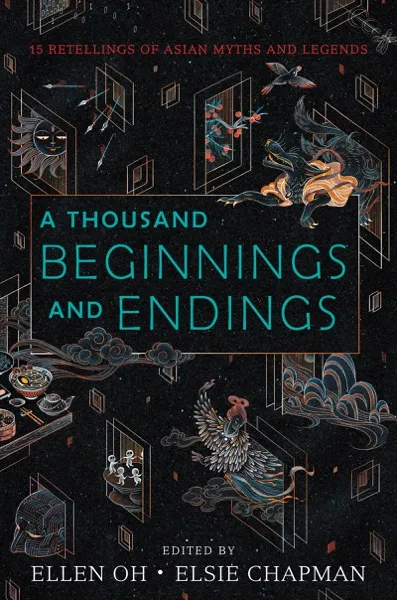

A Thousand Beginnings and Endings Author: Ellen OhPage Count: UnknownPublication Year: 2018-GB A Thousand Beginnings and Endings: A Tapestry of Myth, Magic, and Resilience Ellen Oh’s A Thousand Beginnings and Endings is a dazzling anthology that reimagines the myths and legends of East and South Asia, weaving them into fresh, poignant narratives that resonate with modern voices. More than just a collection of retellings, this book is a celebration of cultural heritage, a defiance of erasure, and a testament to the enduring power of storytelling. At its heart, the anthology explores the theme of rebirth—not just in the literal sense of gods and monsters rising again, but in the metaphorical sense of reclaiming identity, love, and justice. Each story in the collection takes a familiar myth and twists it, deepens it, or shatters it to reveal something new. Whether it’s a vengeful spirit seeking peace, a young woman defying the stars to change her fate, or a warrior challenging the gods themselves, the characters in these pages are vivid, flawed, and fiercely human. They grapple with loss, betrayal, and the weight of tradition, but they also find strength in their struggles. The result is a collection that feels both timeless and urgently contemporary. Oh’s editorial prowess shines in the way she curates these stories. Unlike many anthologies that feel disjointed, A Thousand Beginnings and Endings has a cohesive rhythm. The opening piece, “The Girl Who Found the Sky,” by Renee Ahdieh, sets the tone with its lyrical prose and haunting mythos, while the closing story, “The Land of the Morning Calm,” by Julie Kagawa, delivers a powerful emotional punch. In between, authors like Roshani Chokshi, Cindy Pon, and Alyssa Wong bring their unique voices to bear, ensuring that no two stories feel alike. Some lean into the magical and whimsical, while others ground their tales in raw, emotional realism. Yet all of them share a common thread: they challenge the idea that myths are fixed, that history is immutable, and that the voices of the past must remain silent. One of the most striking aspects of Oh’s work is her refusal to shy away from the darker, more complex aspects of these myths. In “The Counting of Vermilion Beads,” by Aliette de Bodard, a woman’s grief and rage manifest in terrifying ways, forcing readers to confront the consequences of unchecked emotion. Meanwhile, “The Smiling Prince” by Aisha Saeed subverts expectations of fairy-tale endings, offering a bittersweet resolution that lingers long after the last page. These stories don’t just entertain; they provoke thought, challenge assumptions, and invite readers to question the narratives they’ve been fed. Oh’s own contribution, “The Last Voyage of Sindbad,” is a standout. A retelling of the classic Persian tale, it transforms the story of a legendary sailor into a meditation on legacy and the fear of being forgotten. The prose is rich and evocative, transporting readers to a world where the line between myth and reality is delightfully blurred. It’s a perfect example of how Oh’s editorial choices elevate the anthology beyond a mere collection into something truly special. What makes A Thousand Beginnings and Endings so compelling is its refusal to be pigeonholed. It’s not just for fans of fantasy or mythology; it’s for anyone who has ever felt the pull of the past or the need to rewrite it. The stories are diverse in setting and theme, spanning from Chinese celestial bureaucracy to Indian folklore, yet they all share a sense of urgency. These are not passive retellings but active reimaginings, where the authors take the raw materials of myth and shape them into something personal and profound. The emotional core of the anthology lies in its exploration of identity and belonging. Many of the protagonists are young women or outsiders, struggling against the constraints of their worlds. In “Girls Who Twisted Skies” by Margaret Rogerson, a young girl navigates the pressures of filial piety and self-discovery, while in “The Crimson Cloak” by Lori M. Lee, a girl must confront the legacy of her mother’s choices. These stories resonate because they tap into universal themes of growing up, finding one’s voice, and forging one’s own path. Oh’s editorial hand is evident not just in the selection of stories but in the way she structures them. The anthology flows seamlessly from one tale to the next, each story acting as a stepping stone to the next. There’s a sense of progression, as if the reader is embarking on a journey through time and space, guided by the threads of myth and memory. It’s a masterclass in pacing and cohesion, something that’s often lacking in anthologies. Ultimately, A Thousand Beginnings and Endings is more than a book—it’s a movement. It’s a defiant reclaiming of stories that have been co-opted, silenced, or ignored. In a world where representation matters more than ever, this anthology is a vital reminder that myths are not static; they are living, breathing entities that evolve with each retelling. Oh and her authors have given these tales new life, infusing them with heart, humor, and humanity. If you’re looking for a book that will challenge you, move you, and leave you in awe, A Thousand Beginnings and Endings is a must-read. It’s a testament to the power of storytelling to heal, to inspire, and to transform. #OwnVoices #AsianLit #FantasyAnthology #MythRetelling #EpicFemales #BookRecs Related InsightsSlammed Book Review and Summary Classic Christmas Stories Book Review and Summary Love You Forever Book Review and Summary{ "@context": "https://schema.org", "@type": "FAQPage", "mainEntity": [ { "@type": "Question", "name": "What is the main focus of A Thousand Beginnings and Endings Book Review and Summary?", "acceptedAnswer": { "@type": "Answer", "text": "Everything you need to know about A Thousand Beginnings and Endings with our detailed review." } }, { "@type": "Question", "name": "Who authored the comprehensive guide on A Thousand Beginnings and Endings Book Review and Summary?", "acceptedAnswer": { "@type": "Answer", "text": "This detailed article and its insights were carefully researched and authored by Diego Lopez." } }, { "@type": "Question", "name": "Where can I find more related content about Books?", "acceptedAnswer": { "@type": "Answer", "text": "You can explore more articles, detailed reviews, and similar insights by browsing the Related Insights section at the bottom of this article or visiting our dedicated Books category page." } } ] }
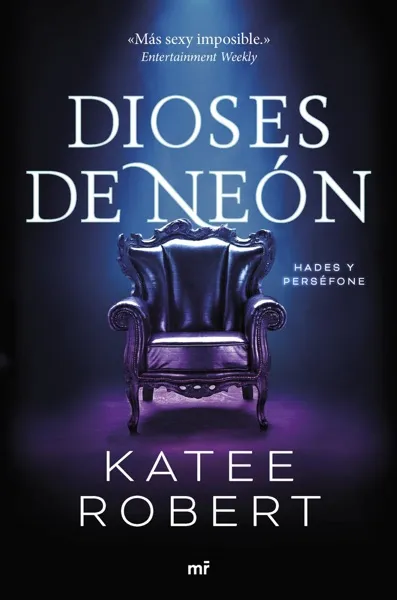

Dioses de neón Author: Katee RobertPage Count: UnknownPublication Year: 2022-GB Dioses de neón is a dazzling, high-octane descent into a neon-soaked underworld where gods are not worshipped but manufactured—where power isn’t inherited but engineered in labs beneath the city’s pulsating glow. Katee Robert, a master of modern dark fantasy and erotic romance, crafts a story that is as much a love letter to cyberpunk excess as it is a brutal meditation on divinity, corruption, and the price of transcendence. With razor-sharp prose, relentless pacing, and a protagonist who is as morally ambiguous as the world she inhabits, Robert delivers a narrative that crackles with intensity and leaves the reader breathless. At its core, Dioses de neón explores the seductive and dangerous allure of godhood in a world where divinity is commodified. The novel unfolds in a sprawling, cyberpunk metropolis where corporate overlords wield power like deities, their authority backed by science rather than faith. The gods here are not ancient entities carved from myth but genetically engineered beings, crafted in sterile labs and unleashed upon a society desperate for salvation—or at least distraction. It’s a world where worship is transactional, where miracles are algorithms, and where the line between savior and tyrant blurs with every dose of synthetic divinity. Robert’s protagonist, a woman known only as the Engineer, is a master of this world’s dark machinery. Trained in the art of god-building, she crafts deities with surgical precision, imbuing them with just enough charisma and power to keep the masses docile. But the Engineer is no mere technician; she is a philosopher of power, questioning the ethics of her craft even as she perfects it. Her journey is one of self-discovery, a gradual unraveling of the illusions she’s sold herself—and the world. As she grapples with the consequences of her creations, she is forced to confront her own complicity in a system that thrives on exploitation and control. Robert’s writing is electric, a blend of gritty realism and feverish imagination that immerses the reader in the novel’s neon-drenched landscape. Her prose is visceral, dripping with the sensory overload of a city where holograms bleed into the streets and the air hums with the static of propaganda. Yet beneath the dazzle lies a sharp, unflinching critique of capitalism, religion, and the human desire for control. The gods of Dioses de neón are not benevolent figures but products—designed to sell, to pacify, to dominate. They are reflections of the society that created them, a society that has traded faith for convenience and worship for consumption. What makes the novel truly compelling is its refusal to offer easy answers. The Engineer’s journey is not a triumphant rise to power but a harrowing descent into ambiguity. She is neither hero nor villain, but a woman caught in the machinery of a system she helped build. Her struggles are our struggles—against the allure of power, the temptation of control, and the seductive lie that we can ever truly escape the systems that shape us. Robert’s genius lies in her ability to weave these themes into a story that is as thrilling as it is thought-provoking, leaving the reader questioning not just the world of the novel, but our own. The author’s style is a masterclass in balance—she balances the grotesque with the sublime, the erotic with the philosophical, and the violent with the tender. Her characters are deeply flawed, their motivations messy and their loyalties shifting. The world she builds is one that feels both fantastical and eerily plausible, a place where the future is already here, just unevenly distributed. And in the midst of it all, Robert never loses sight of the human heart, even when it’s buried beneath layers of steel and code. Dioses de neón is a book that lingers, its neon glow flickering long after the last page is turned. It’s a story about what it means to be human in a world that treats humanity as just another commodity. It’s a warning, a seduction, and a revelation all at once. Katee Robert has crafted not just a novel, but an experience—one that challenges, enthralls, and ultimately, haunts. #GodsOfNeon #CyberpunkFantasy #DarkRomance #KateeRobert #NeonNoir #SpeculativeFiction Related InsightsThe One We Buried Book Review and Summary Emma Book Review and Summary As I Lay Dying Book Review and Summary{ "@context": "https://schema.org", "@type": "FAQPage", "mainEntity": [ { "@type": "Question", "name": "What is the main focus of Dioses de neón Book Review and Summary?", "acceptedAnswer": { "@type": "Answer", "text": "Everything you need to know about Dioses de neón with our detailed review." } }, { "@type": "Question", "name": "Who authored the comprehensive guide on Dioses de neón Book Review and Summary?", "acceptedAnswer": { "@type": "Answer", "text": "This detailed article and its insights were carefully researched and authored by Sarah Davis." } }, { "@type": "Question", "name": "Where can I find more related content about Books?", "acceptedAnswer": { "@type": "Answer", "text": "You can explore more articles, detailed reviews, and similar insights by browsing the Related Insights section at the bottom of this article or visiting our dedicated Books category page." } } ] }

B1 And now you're speaking Author: Elisabeth Soltho DouglasPage Count: UnknownPublication Year: 2019-GB A Journey of Transformation: And Now You're Speaking by Elisabeth Soltho Douglas Elisabeth Soltho Douglas’s And Now You're Speaking is more than a book—it’s a revelation. A global bestseller that has captivated readers worldwide, this work transcends traditional self-help by blending raw personal narrative with profound linguistic and psychological insights. At its core, the book explores the power of language—not just as a tool for communication, but as a catalyst for personal reinvention. Douglas, with her sharp wit and empathetic storytelling, guides readers through the mechanics of how words shape identity, influence perception, and ultimately redefine who we become. The central theme of And Now You're Speaking revolves around the idea that language is not merely a vessel for thought but an active force in molding our reality. Douglas argues that the words we choose, the languages we speak, and even the accents we carry are not arbitrary—they are instruments of power, belonging, and transformation. She dissects how societal biases are embedded in language, how fluency in a new tongue can unlock hidden parts of the self, and how reclaiming—or reinventing—one’s voice can be an act of defiance and liberation. What makes Douglas’s approach so compelling is her ability to weave theory with lived experience. Unlike dry academic treatises on linguistics or sociology, this book reads like a conversation with a perceptive friend who has spent years observing the world’s unspoken rules. She peppers her narrative with anecdotes from her own life—moments of linguistic missteps, cultural misunderstandings, and epiphanies—that serve as relatable entry points into heavier themes. For instance, she recounts her struggle to master German after moving from her native Sweden, not just as a language lesson, but as a metaphor for shedding old identities and embracing new ones. These personal stories ground the book’s intellectual rigor, making complex ideas feel intimate and urgent. Douglas’s prose is both elegant and accessible, striking a balance between lyrical reflection and sharp, actionable insight. She avoids jargon, opting instead for vivid metaphors that linger in the mind. One particularly striking passage compares language acquisition to learning to dance: "At first, the steps feel foreign, even clumsy. But soon, the rhythm becomes yours, and suddenly, you’re not just moving—you’re expressing." This kind of writing ensures the book is as enjoyable to read as it is thought-provoking. The author’s style is also deeply interdisciplinary, drawing from linguistics, psychology, and cultural studies without ever feeling disjointed. She references philosophers like Wittgenstein, psychologists like Lakoff, and sociologists like Bourdieu, but she never lets theory overshadow her central message: that language is a living, breathing extension of the self. Her critique of "linguistic colonialism"—the way dominant languages erase or marginalize others—feels especially timely in an era of globalization and digital communication. One of the book’s most powerful sections explores the idea of "linguistic privilege." Douglas challenges readers to consider how the languages they speak (or don’t speak) grant or deny them access to certain spaces, opportunities, and communities. She doesn’t just point out the inequities; she offers a roadmap for navigating them, whether through conscious language learning, code-switching, or even reclaiming dialects that have been historically stigmatized. It’s a call to arms for anyone who has ever felt silenced—or who has ever wanted to speak up. That said, And Now You're Speaking isn’t without its provocations. Douglas occasionally wades into contentious territory, questioning whether the pursuit of fluency in a dominant language is always an act of assimilation or whether it can also be a form of resistance. Her answers aren’t always neat, which is part of the book’s charm. It refuses to offer simplistic solutions, instead inviting readers to sit with discomfort and interrogate their own linguistic habits. Ultimately, this book is a celebration of the human capacity to evolve through language. It’s for anyone who has ever felt like an outsider, for those who have changed their accent to fit in, for polyglots who feel at home in multiple worlds, and for monolinguals who suddenly see their own language with fresh eyes. Douglas doesn’t just teach us to speak; she teaches us to become through speaking. And Now You're Speaking is a masterclass in how words shape identity—and how, by choosing them carefully, we can reshape ourselves. It’s a book that lingers, not just in the mind, but in the way we hear and use language every day. #LanguageAndIdentity #LinguisticReinvention #SpeakYourTruth #MultilingualJourney #WordsHavePower #BilingualBookClub Related InsightsThe Magic Mountain Book Review and Summary It Book Review and Summary An Immaculate Deception Book Review and Summary{ "@context": "https://schema.org", "@type": "FAQPage", "mainEntity": [ { "@type": "Question", "name": "What is the main focus of B1 And now you're speaking Book Review and Summary?", "acceptedAnswer": { "@type": "Answer", "text": "Everything you need to know about B1 And now you're speaking with our detailed review." } }, { "@type": "Question", "name": "Who authored the comprehensive guide on B1 And now you're speaking Book Review and Summary?", "acceptedAnswer": { "@type": "Answer", "text": "This detailed article and its insights were carefully researched and authored by Maximilian Fischer." } }, { "@type": "Question", "name": "Where can I find more related content about Books?", "acceptedAnswer": { "@type": "Answer", "text": "You can explore more articles, detailed reviews, and similar insights by browsing the Related Insights section at the bottom of this article or visiting our dedicated Books category page." } } ] }
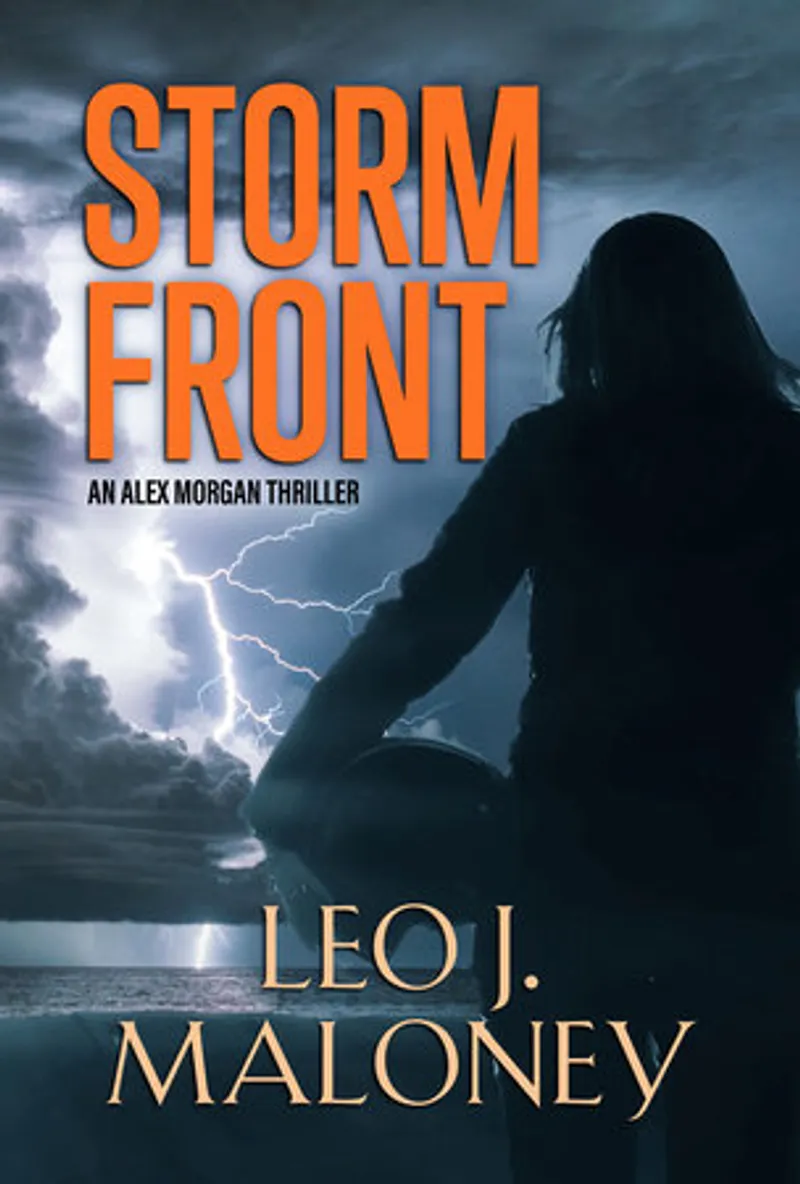
Storm Front Author: Leo J. MaloneyPage Count: UnknownPublication Date: 2022-PRH Storm Front, the latest thriller from acclaimed author Leo J. Maloney, is a gripping and intense ride that will keep readers on the edge of their seats. As the second installment in the Alex Morgan series, this book picks up where the previous one left off, following the daughter of Zeta operative Dan Morgan as she takes on a new mission to stop the nefarious organization Ares. Maloney's writing style is as engaging as ever, with a keen attention to detail that makes the world of espionage feel all too real. His characters are well-developed and complex, with Alex Morgan being a standout as a strong and capable protagonist. The plot is expertly woven, with twists and turns that will keep even the most seasoned thriller reader guessing. One of the main themes of Storm Front is the concept of loyalty and trust. As Alex navigates the complex web of alliances and rivalries within the world of espionage, she must also confront the possibility that someone close to her may be working against her. This adds an extra layer of tension to the story, as Alex must use all her skills and resources to stay one step ahead of her enemies. The setting of the story, a cruise ship in the Coral Sea, adds to the sense of claustrophobia and isolation that pervades the plot. As the storm bears down on the ship, Alex and her partner Alicia are trapped in a desperate fight for survival against the heavily armed and highly trained extremists. Maloney's descriptions of the ship and its surroundings are vivid and immersive, making it easy to picture the action unfolding on the page. Throughout the book, Maloney's expertise in the world of espionage shines through. His portrayal of the Zeta group and their methods is convincing and authentic, drawing on real-world knowledge to create a sense of realism that is all too rare in the thriller genre. The praise for Maloney's work from other authors is well-deserved, and Storm Front is no exception. As Jeffery Deaver notes, the book is "utterly compelling," with a narrative that draws the reader in and refuses to let go. Lee Child praises Maloney's "fine writing and real insider knowledge," while John Gilstrap notes that the book "rings with authenticity." Meg Gardiner calls it "a ripping story," and Mark Sullivan dubs Maloney "the new master of the modern spy game." Overall, Storm Front is a gripping and intense thriller that will appeal to fans of the genre. With its breakneck pace, complex characters, and realistic portrayal of the world of espionage, it's a must-read for anyone looking for a compelling and engaging story. #StormFront #LeoJMaloney #Thriller #Espionage #AlexMorganSeries #BlackOps Related InsightsCapital Mysteries #12: The Ghost at Camp David Book Review and Summary Harry Potter and the Prisoner of Azkaban Book Review and Summary Bel Canto Book Review and Summary{ "@context": "https://schema.org", "@type": "FAQPage", "mainEntity": [ { "@type": "Question", "name": "What is the main focus of Storm Front Book Review and Summary?", "acceptedAnswer": { "@type": "Answer", "text": "Everything you need to know about Storm Front with our detailed review." } }, { "@type": "Question", "name": "Who authored the comprehensive guide on Storm Front Book Review and Summary?", "acceptedAnswer": { "@type": "Answer", "text": "This detailed article and its insights were carefully researched and authored by Jim Butcher." } }, { "@type": "Question", "name": "Where can I find more related content about Books?", "acceptedAnswer": { "@type": "Answer", "text": "You can explore more articles, detailed reviews, and similar insights by browsing the Related Insights section at the bottom of this article or visiting our dedicated Books category page." } } ] }
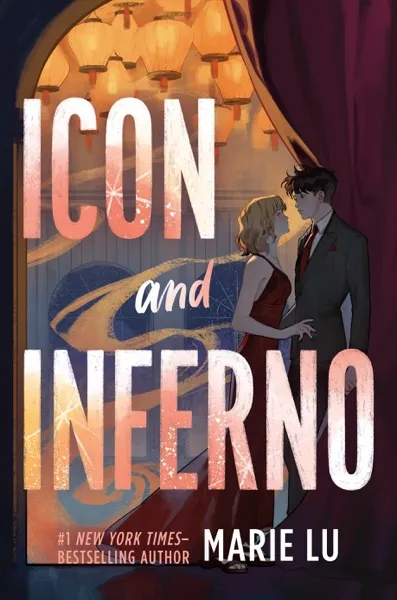

Icon and Inferno Author: Marie LuPage Count: UnknownPublication Year: 2024-GB Icon and Inferno: A Dazzling Conflagration of Power, Identity, and the Price of Fame Marie Lu’s Icon and Inferno is a masterstroke of speculative fiction—a book that burns bright with ambition, moral ambiguity, and the kind of razor-sharp storytelling that has cemented Lu as one of the most compelling voices in modern literature. Published in 2024, this highly anticipated novel arrives with the weight of global acclaim, and it delivers in spades. With its searing exploration of power, identity, and the inferno of public adoration, Icon and Inferno is less a book and more a cultural explosion, a narrative that interrogates what it means to be worshipped—and what it costs to be consumed by that worship. At its core, Icon and Inferno is a dual-edged sword. On one side, it’s a meditation on fame and the cult of personality in the digital age, where icons are manufactured, worshipped, and then discarded with brutal efficiency. On the other, it’s a deeply personal journey of self-destruction and reinvention, where the protagonist must confront the monster they’ve become—or the monster that was always inside them. Lu crafts a world where public perception is currency, and the line between human and spectacle has dissolved entirely. The result is a story that is as much a warning as it is an enthralling spectacle. Lu’s prose is electric, charged with the kind of tension that keeps readers glued to the page. Her writing is sleek and modern, blending the immediacy of social media culture with the timeless themes of myth and tragedy. The novel doesn’t shy away from the grotesque allure of fame; instead, it luxuriates in it, painting a world where influence is power, and power is a kind of divine right—or a kind of damnation. The prose crackles with wit and menace, mirroring the duality of its central figure, a protagonist who is both victim and perpetrator of their own legend. What makes Icon and Inferno so gripping is its refusal to simplify its themes. Lu doesn’t offer easy answers about redemption or the ethics of stardom. Instead, she presents a world where everyone is complicit—whether they’re the architects of fame, the audience that consumes it, or the icon themselves. The novel’s structure is a masterclass in pacing, alternating between the dizzying highs of viral fame and the suffocating lows of personal collapse. It’s a book that feels like a fever dream, yet it’s grounded in a reality that is uncomfortably familiar. The characters are the beating heart of this inferno. Lu’s protagonist is a marvel—a figure who is both deeply sympathetic and deeply flawed, a person whose greatest strength is also their fatal weakness. Supporting characters orbit around them like satellites, each playing a role in the protagonist’s rise and fall. The dialogue is sharp, the relationships fraught with tension, and the emotional stakes sky-high. Lu has a knack for making even the most morally ambiguous characters feel human, a skill that elevates Icon and Inferno from a mere thriller to a work of literary significance. The novel’s title is a clue to its central metaphor: the icon is the symbol of worship, the inferno the fire of that worship—or the fire that consumes. Lu plays with this duality throughout, using fire as both a destructive force and a transformative one. The imagery is vivid, almost cinematic, and it lingers long after the last page is turned. This is a book that demands to be discussed, dissected, and debated—it’s that rich with ideas. Marie Lu has always been a writer who pushes boundaries, and Icon and Inferno is her most ambitious work yet. It’s a book that will divide readers—some will see it as a scathing indictment of modern culture, others as a darkly entertaining satire. But whatever perspective you take, you won’t be able to look away. Icon and Inferno is a mirror held up to society, and the reflection is both mesmerizing and terrifying. In a world where fame is both currency and curse, Icon and Inferno is the book we didn’t know we needed—until it burned its way into our consciousness. #IconAndInferno #MarieLu #DystopianFiction #FameAndItsCosts #BookReview #MustRead2024 Related InsightsAtlas Shrugged Book Review and Summary All the Bright Places Book Review and Summary The Ultimate Hitchhiker’s Guide to the Galaxy Book Review and Summary{ "@context": "https://schema.org", "@type": "FAQPage", "mainEntity": [ { "@type": "Question", "name": "What is the main focus of Icon and Inferno Book Review and Summary?", "acceptedAnswer": { "@type": "Answer", "text": "Everything you need to know about Icon and Inferno with our detailed review." } }, { "@type": "Question", "name": "Who authored the comprehensive guide on Icon and Inferno Book Review and Summary?", "acceptedAnswer": { "@type": "Answer", "text": "This detailed article and its insights were carefully researched and authored by Klaus Weber." } }, { "@type": "Question", "name": "Where can I find more related content about Books?", "acceptedAnswer": { "@type": "Answer", "text": "You can explore more articles, detailed reviews, and similar insights by browsing the Related Insights section at the bottom of this article or visiting our dedicated Books category page." } } ] }

Ciudades de papel / Paper Towns Author: John GreenPage Count: UnknownPublication Date: 2019-PRH John Green’s Paper Towns is a masterclass in blending mystery, coming-of-age introspection, and the bittersweet ache of growing up. At its core, the novel explores the fragile gap between perception and reality—a theme that lingers long after the last page. Through the lens of Quentin Jacobsen, a quiet, unassuming high school senior, Green dissects how we mythologize the people we love, only to be confronted with the unsettling truth that we never truly know them—or ourselves—as well as we think. The story begins with a burst of energy: Margo Roth Spiegelman, the enigmatic girl next door Quentin has adored from afar, breaks into his room in the dead of night, dressed as a ninja, and drags him into a night of meticulously orchestrated revenge against her friends and ex-boyfriend. For Quentin, this is the moment his ordinary life transforms into something cinematic, something meant to be. But when Margo vanishes the next day, leaving behind cryptic clues and a trail of red herrings, the narrative shifts from adventure to a more existential quest. Quentin and his loyal friends—Radar, Ben, and Lacey—embark on a road trip to find Margo, only to discover that the girl they’ve built up in their minds bears little resemblance to the real Margo, who has left Orlando entirely, seeking something she can’t name. Green’s genius lies in his ability to balance humor and melancholy, often in the same breath. Quentin’s narration is laced with dry wit and self-deprecating humor, a defense mechanism against the rawness of his emotions. His voice is relatable, flawed, and deeply human—a teenager grappling with the dual pressures of unrequited love and the fear of irrelevance. The supporting cast is equally compelling: Radar, the tech-savvy best friend with a heart of gold; Ben, the lovable idiot with a knack for terrible puns; and Lacey, the sharp-tongued but fiercely loyal friend who challenges Quentin’s idealized version of Margo. Their dynamic feels authentic, a testament to Green’s skill in crafting dialogue that crackles with authenticity. Yet, what elevates Paper Towns beyond a simple mystery is its meditation on identity and the stories we tell ourselves. Margo is the ultimate unreliable narrator of her own life, and Quentin’s journey is as much about confronting his own illusions as it is about finding her. The novel’s title itself is a metaphor—paper towns were a cartographic trick, places drawn on maps but never existing in reality. Margo, like a paper town, is a construct, a projection of Quentin’s desires and fantasies. The revelation that she has left Orlando not as a dramatic escape but as a quiet, personal retreat underscores the novel’s central question: How well do we ever really know anyone, even those we claim to love? Green’s prose is economical but evocative, painting vivid scenes without overindulging in description. His ability to capture the texture of teenage life—the awkward silences, the fleeting moments of connection, the crushing weight of unspoken feelings—is nothing short of extraordinary. The road trip sequence, in particular, is a standout, blending humor, tension, and a growing sense of unease as Quentin and his friends inch closer to the truth about Margo. The pacing is tight, the mystery engaging, but it’s the emotional beats that linger. At its heart, Paper Towns is a story about the painful process of growing up—the moment we realize that the people we idolize are just people, flawed and complicated, and that the stories we’ve told ourselves about them (and about our own lives) are often just that: stories. Quentin’s journey is one of disillusionment, but it’s also a journey toward self-awareness. By the end, he learns that love isn’t about idealizing someone; it’s about seeing them, truly seeing them, even when that means confronting uncomfortable truths. Some critics have argued that the novel’s resolution feels rushed or that Margo’s character lacks depth, but this misses the point. Margo’s mystery isn’t meant to be solved in a satisfying, conventional way. Her disappearance is a narrative device, a catalyst for Quentin’s growth. The real mystery is the one he carries within himself—the gap between who he thinks he is and who he’s becoming. Paper Towns is more than a YA novel; it’s a reflection on the lies we tell ourselves to make life bearable. It’s funny, heartbreaking, and ultimately hopeful, a reminder that growing up isn’t about losing innocence but about learning to see the world—and ourselves—with clearer eyes. John Green doesn’t just write stories; he writes truths, wrapped in the kind of prose that makes you feel less alone in your own contradictions. #PaperTowns #JohnGreen #YAContemporary #ComingOfAge #Mystery #TeenDrama Related InsightsDijital Çağda Kitapların Büyüsü: Neden Hâlâ Bir Kitaba İhtiyacımız Var? The Book of Form and Emptiness Book Review and Summary Okumak Bir Yaşam Sanatıdır: Kitapların Ruhumuza Dokunuşu{ "@context": "https://schema.org", "@type": "FAQPage", "mainEntity": [ { "@type": "Question", "name": "What is the main focus of Paper Towns Book Review and Summary?", "acceptedAnswer": { "@type": "Answer", "text": "Everything you need to know about Paper Towns with our detailed review." } }, { "@type": "Question", "name": "Who authored the comprehensive guide on Paper Towns Book Review and Summary?", "acceptedAnswer": { "@type": "Answer", "text": "This detailed article and its insights were carefully researched and authored by John Green." } }, { "@type": "Question", "name": "Where can I find more related content about Books?", "acceptedAnswer": { "@type": "Answer", "text": "You can explore more articles, detailed reviews, and similar insights by browsing the Related Insights section at the bottom of this article or visiting our dedicated Books category page." } } ] }
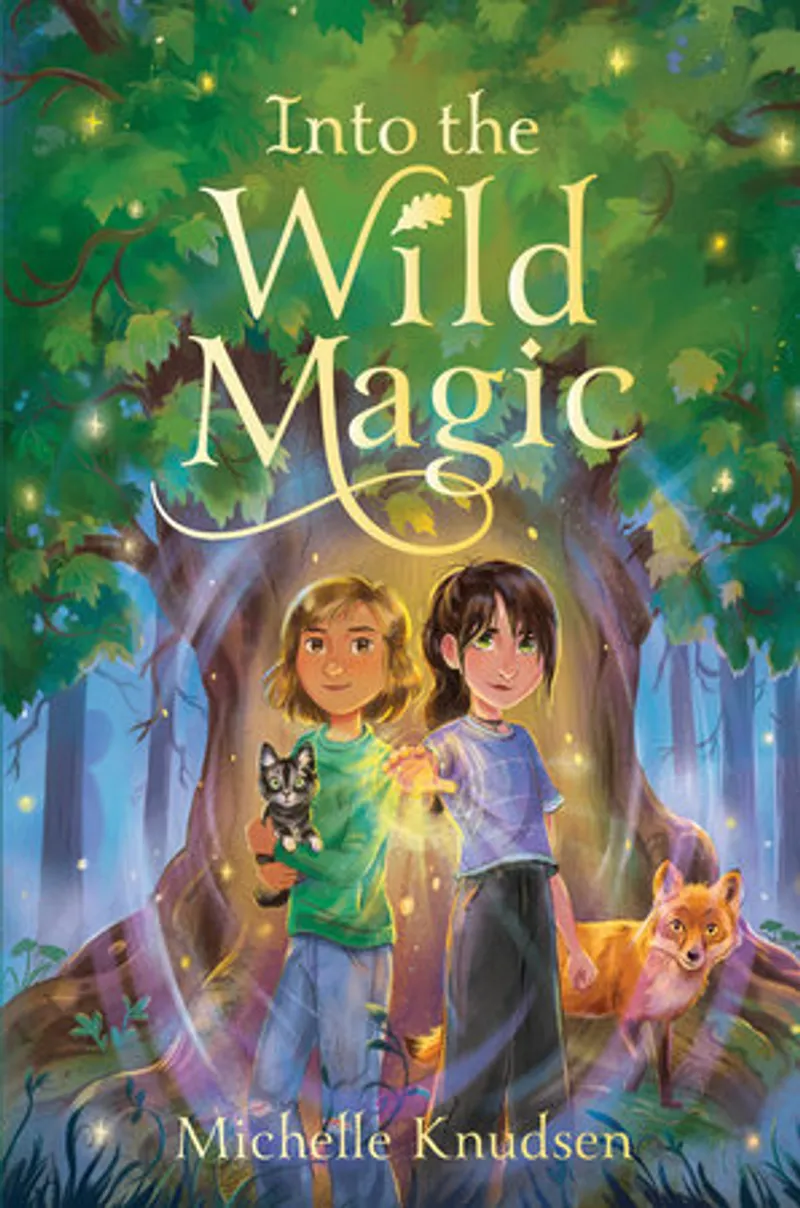
Into the Wild Magic Author: Michelle KnudsenPage Count: UnknownPublication Date: 2025-PRH "Into the Wild Magic" by Michelle Knudsen is a captivating tale of self-discovery, friendship, and the unbridled power of imagination. This enchanting fantasy novel whisks readers away to a world of wonder, where magic is woven into the fabric of everyday life and the boundaries between reality and fantasy are blissfully blurred. At its core, "Into the Wild Magic" is a poignant exploration of adolescent girlhood, navigating the treacherous landscape of friendships, trust, and the struggles of growing up. Protagonist Bevvy, an introverted and book-loving eleven-year-old, is a relatable and endearing heroine whose journey from isolation to empowerment is both authentic and inspiring. As she stumbles upon a world of magic and monsters, Bevvy's transformation from a timid outsider to a confident and courageous young woman is nothing short of remarkable. Knudsen's masterful storytelling weaves together a rich tapestry of characters, each with their own distinct voice and narrative arc. Cat, the enigmatic new girl who sweeps into Bevvy's life, is a fascinating and complex figure whose motivations and loyalties are skillfully layered throughout the story. The supporting cast, from the wise and witty sorcerers to the majestic unicorns and dragons, adds depth and texture to the narrative, making this world feel both lived-in and utterly magical. One of the standout features of "Into the Wild Magic" is its thoughtful exploration of the complexities of female friendship. Bevvy and Cat's relationship is multifaceted and authentic, marked by moments of tenderness, misunderstandings, and ultimately, a deep and abiding trust. Knudsen's portrayal of the ebbs and flows of their bond is both nuanced and heartfelt, making their interactions feel genuine and relatable. The author's writing style is equally impressive, blending the whimsy and wonder of fantasy with the emotional resonance of realistic fiction. Knudsen's prose is evocative and engaging, conjuring vivid images of the magical world she's created. Her pacing is well-balanced, moving seamlessly between action-packed sequences and quieter moments of introspection. If there's a criticism to be made, it's that the world-building, while rich and detailed, occasionally threatens to overwhelm the narrative. Some readers may find themselves getting lost in the intricacies of the magical system or the politics of the world, but these are minor quibbles in an otherwise captivating tale. In short, "Into the Wild Magic" is a triumph, a fantasy novel that will resonate with readers of all ages. Michelle Knudsen's writing is a joy to behold, and her story is a powerful reminder of the magic that lies just beyond the edge of our everyday lives. If you're looking for a tale of adventure, friendship, and self-discovery, look no further. #IntoTheWildMagic #FantasyNovel #MichelleKnudsen #MiddleGradeFiction #MagicalRealism #GirlPowerInLiterature Related InsightsGone Girl Book Review and Summary Little Women Book Review and Summary Untitled (A Court of Thorns and Roses, #6) Book Review and Summary{ "@context": "https://schema.org", "@type": "FAQPage", "mainEntity": [ { "@type": "Question", "name": "What is the main focus of Into the Wild Book Review and Summary?", "acceptedAnswer": { "@type": "Answer", "text": "Everything you need to know about Into the Wild with our detailed review." } }, { "@type": "Question", "name": "Who authored the comprehensive guide on Into the Wild Book Review and Summary?", "acceptedAnswer": { "@type": "Answer", "text": "This detailed article and its insights were carefully researched and authored by Erin Hunter." } }, { "@type": "Question", "name": "Where can I find more related content about Books?", "acceptedAnswer": { "@type": "Answer", "text": "You can explore more articles, detailed reviews, and similar insights by browsing the Related Insights section at the bottom of this article or visiting our dedicated Books category page." } } ] }
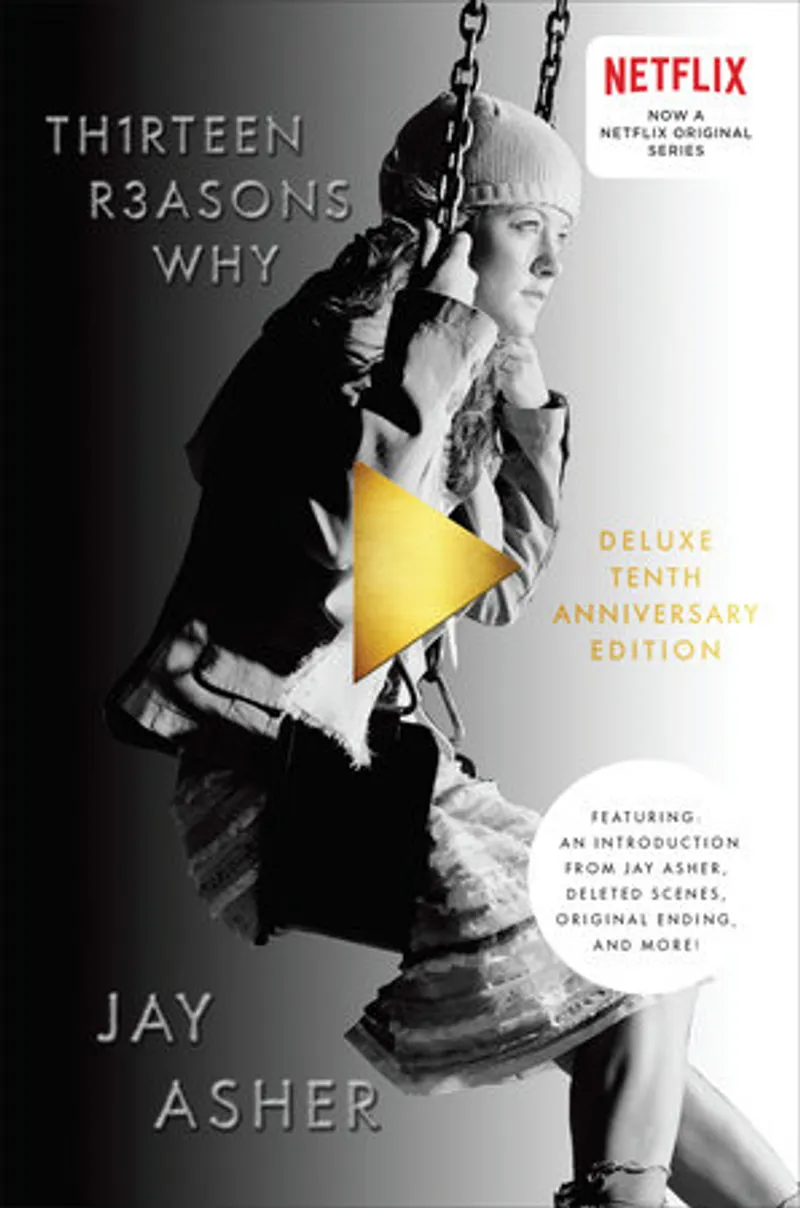
Thirteen Reasons Why 10th Anniversary Edition Author: Jay AsherPage Count: UnknownPublication Date: 2016-PRH A Haunting Echo of Pain: Thirteen Reasons Why Still Resonates a Decade Later Jay Asher’s Thirteen Reasons Why isn’t just a book—it’s an experience that lingers long after the last page. Since its publication in 2007 and subsequent rise to cultural prominence with the Netflix adaptation, this novel has remained a touchstone for discussions about mental health, bullying, and the ripple effects of cruelty. Now, a decade after its original release, the 10th Anniversary Edition reaffirms its power with fresh insights, including an alternate ending and behind-the-scenes revelations that deepen its impact. At its core, Thirteen Reasons Why is a story about accountability. Hannah Baker, a high school student who takes her own life, leaves behind a series of cassette tapes detailing the thirteen people—and moments—that contributed to her despair. Each person who receives the tapes is forced to confront their role in her suffering, not as villains, but as unwitting (or sometimes deliberate) participants in a tragedy. The novel doesn’t just ask why Hannah died; it forces readers to ask how we, as individuals and a society, contribute to the pain of others. Asher’s narrative structure is deceptively simple yet devastatingly effective. The story unfolds through Clay Jensen’s perspective as he listens to Hannah’s tapes, his journey mirroring the reader’s own discovery. The dual timeline—Hannah’s past experiences and Clay’s present reckoning—creates a sense of urgency, as if the reader is uncovering secrets alongside him. The prose is unadorned, almost clinical in its delivery, which makes the emotional weight of Hannah’s words hit harder. There’s no melodrama, no over-the-top revelations—just the cold, hard truth of how small actions can accumulate into unbearable pain. What makes Thirteen Reasons Why so enduring is its refusal to offer easy answers. Hannah isn’t a martyr, nor are the people on her list mere monsters. They’re flawed, human beings who failed her in ways both intentional and accidental. Asher doesn’t let anyone off the hook, but he also doesn’t reduce the story to a simple moral. The novel forces readers to sit with discomfort, to question their own complicity in the suffering of others. It’s a book that demands reflection, not just consumption. The 10th Anniversary Edition amplifies this experience with additional content that peels back the layers of the story’s creation. The alternate ending—one that almost made it into the final draft—offers a glimmer of hope, a "what if" that contrasts sharply with the original’s bleakness. Early notes and deleted scenes reveal Asher’s thought process, showing how the novel evolved from a single, chilling idea into a multi-layered exploration of grief and guilt. These extras don’t just pad the book; they deepen the reader’s understanding of its themes, making the re-release feel like a gift to longtime fans and newcomers alike. Asher’s writing style is unpretentious but precise, avoiding the pitfalls of sensationalism while still delivering a story that’s impossible to ignore. He doesn’t glorify suicide or romanticize Hannah’s death; instead, he presents it as the tragic culmination of a series of failures—failures of empathy, of communication, of basic human decency. The novel’s power lies in its quiet insistence that we all have a role to play in preventing such tragedies, whether through kindness, intervention, or simply paying attention. Thirteen Reasons Why is more than a YA novel—it’s a cultural artifact that sparked conversations about mental health, school violence, and the responsibilities we bear toward one another. A decade later, its message is as urgent as ever. In a world where bullying and isolation continue to claim lives, Asher’s story serves as both a warning and a call to action. It’s a book that doesn’t just ask you to listen—it demands that you act. If you’ve already read it, the anniversary edition offers a chance to revisit Hannah’s story with new eyes. If you haven’t, prepare yourself for a gut-punch of a read that will stay with you long after the tapes end. #ThirteenReasonsWhy #MentalHealthMatters #SuicidePrevention #JayAsher #YAControversial #ReadWithCaution Related InsightsThe Bronze Horseman Book Review and Summary House of Hades (Graphic Novel) Book Review and Summary Deathsworn Book Review and Summary{ "@context": "https://schema.org", "@type": "FAQPage", "mainEntity": [ { "@type": "Question", "name": "What is the main focus of Thirteen Reasons Why Book Review and Summary?", "acceptedAnswer": { "@type": "Answer", "text": "Everything you need to know about Thirteen Reasons Why with our detailed review." } }, { "@type": "Question", "name": "Who authored the comprehensive guide on Thirteen Reasons Why Book Review and Summary?", "acceptedAnswer": { "@type": "Answer", "text": "This detailed article and its insights were carefully researched and authored by Jay Asher." } }, { "@type": "Question", "name": "Where can I find more related content about Books?", "acceptedAnswer": { "@type": "Answer", "text": "You can explore more articles, detailed reviews, and similar insights by browsing the Related Insights section at the bottom of this article or visiting our dedicated Books category page." } } ] }
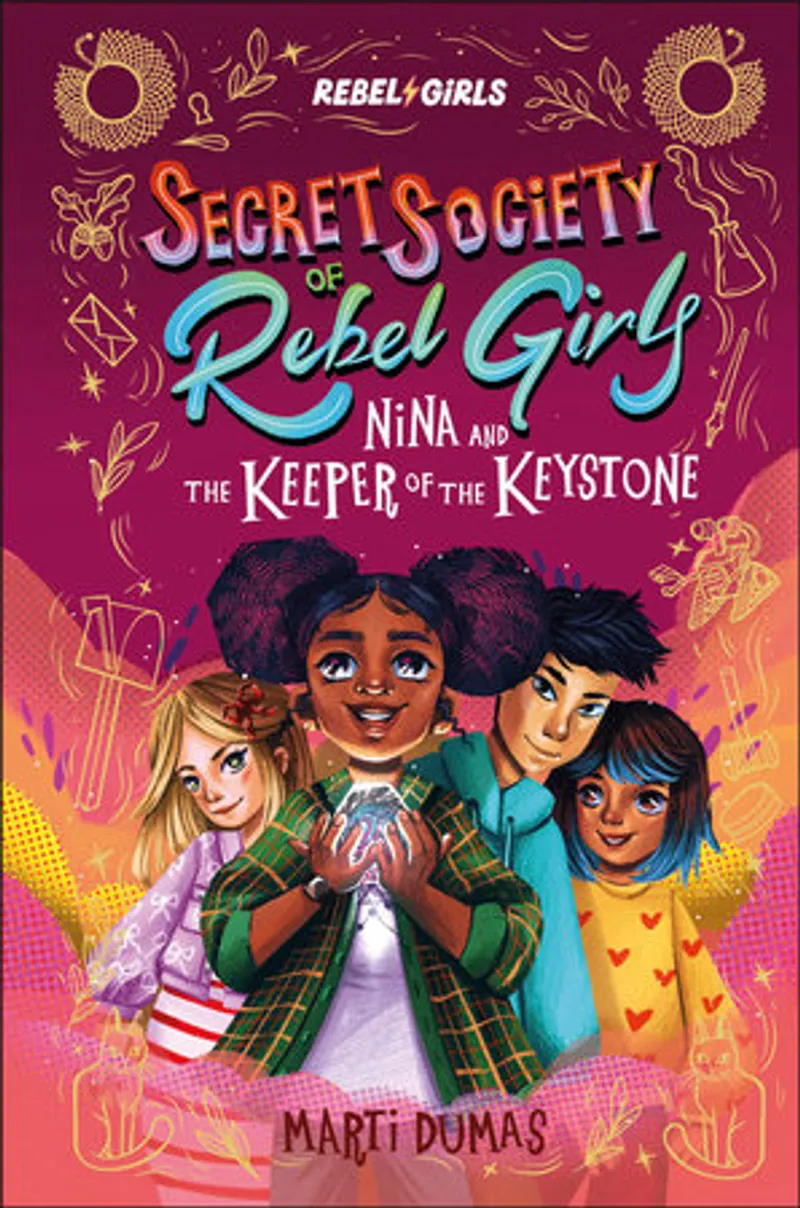
Nina and the Keeper of the Keystone Author: Rebel GirlsPage Count: UnknownPublication Date: 2025-PRH In "Nina and the Keeper of the Keystone", the second installment in the series, Rebel Girls masterfully weaves a tale of self-discovery, friendship, and the power of knowledge. The story picks up where the first book left off, with Nina and her friends utilizing a magical mailbox to offer guidance to their peers. As the narrative unfolds, the group's advice-dispensing operation gains popularity, attracting a steady stream of students seeking help. One of the most striking aspects of this book is its exploration of the main theme: the importance of understanding and applying knowledge in a responsible manner. When a student takes Marie Curie's advice too literally, the consequences are disastrous, forcing Nina and her friends to reevaluate their approach. This incident serves as a catalyst for the group to refine their methods, emphasizing the need to consider the potential outcomes of their actions. Rebel Girls' writing style is engaging and accessible, making the book an enjoyable read for a wide range of audiences. The author's use of historical figures, such as Marie Curie and Ada Lovelace, adds a unique layer of depth to the narrative, highlighting the significance of these trailblazers in a way that is both informative and entertaining. The introduction of a new principal, who seems to be hiding secrets about Ada Lovelace Middle School, adds an air of mystery to the story, keeping readers on the edge of their seats. As the plot thickens, Nina and her friends must navigate the challenges of maintaining their operation while also uncovering the truth about the principal's intentions. Throughout the book, Rebel Girls showcases their ability to craft relatable characters, each with their own distinct voice and personality. Nina, in particular, is a compelling protagonist, whose growth and development are expertly woven throughout the narrative. In conclusion, "Nina and the Keeper of the Keystone" is a captivating and thought-provoking read that is sure to resonate with readers of all ages. With its blend of historical references, engaging characters, and exciting plot twists, this book is a must-read for anyone looking for a story that will inspire and delight. #NinaAndTheKeeperOfTheKeystone #RebelGirls #MiddleGradeFiction #HistoricalFiction #GirlPower #EducationThroughStorytelling Related InsightsWorks of Edgar Allan Poe Book Review and Summary Carry On Book Review and Summary House of Hades (Graphic Novel) Book Review and Summary{ "@context": "https://schema.org", "@type": "FAQPage", "mainEntity": [ { "@type": "Question", "name": "What is the main focus of The Goose Girl Book Review and Summary?", "acceptedAnswer": { "@type": "Answer", "text": "Everything you need to know about The Goose Girl with our detailed review." } }, { "@type": "Question", "name": "Who authored the comprehensive guide on The Goose Girl Book Review and Summary?", "acceptedAnswer": { "@type": "Answer", "text": "This detailed article and its insights were carefully researched and authored by Shannon Hale." } }, { "@type": "Question", "name": "Where can I find more related content about Books?", "acceptedAnswer": { "@type": "Answer", "text": "You can explore more articles, detailed reviews, and similar insights by browsing the Related Insights section at the bottom of this article or visiting our dedicated Books category page." } } ] }


Harry Potter and the Philosopher's Stone Author: J.k. RowlingPage Count: UnknownPublication Date: Unknown-OL -OL In the world of fantasy literature, few books have managed to capture the hearts and imaginations of readers quite like J.K. Rowling's iconic novel. This enchanting tale whisks readers away to a magical realm, where the boundaries of reality are pushed to the limit and the impossible becomes possible. At its core, the book is a classic coming-of-age story, following the journey of a young boy who discovers his true identity and purpose in life. The protagonist's transformation from an ordinary, unassuming child to an extraordinary, courageous hero is both captivating and inspiring. As he navigates the complexities of friendship, love, and the struggle between good and evil, he must confront the darkness of his past and the uncertainty of his future. Rowling's masterful storytelling is characterized by her vivid world-building, memorable characters, and a narrative that is both thrilling and emotionally resonant. Her writing style is effortlessly engaging, with a keen sense of pacing that propels the reader forward, eager to discover what lies ahead. The author's use of language is equally impressive, with a rich, descriptive quality that brings the magical world to life in breathtaking detail. One of the most striking aspects of the book is its exploration of the human condition. Through the protagonist's experiences, Rowling sheds light on universal themes such as prejudice, courage, and the power of love and friendship. The novel also touches on the idea of identity and belonging, as the protagonist grapples with his place in the world and his connection to others. The characters in the book are equally well-crafted, with each one boasting a unique personality, backstory, and motivation. The protagonist's relationships with those around him are authentic and heartfelt, adding depth and complexity to the narrative. The villain, too, is a masterfully crafted figure, embodying the darker aspects of human nature and serving as a compelling foil to the hero. In terms of its broader themes, the book can be seen as a powerful allegory for the struggle between good and evil. The novel highlights the importance of standing up against injustice, even in the face of overwhelming adversity. It also celebrates the transformative power of love, friendship, and the human spirit, suggesting that these values can overcome even the darkest of obstacles. Overall, this book is a timeless, unforgettable classic that will continue to captivate readers of all ages. Its richly imagined world, memorable characters, and universal themes make it a must-read for anyone who has ever been enchanted by the magic of storytelling. #HarryPotter #FantasyLiterature #ComingOfAge #MagicAndAdventure #GoodVsEvil #ClassicNovel Related InsightsThere Used to Be People Here Book Review and Summary Fugitive Telemetry Book Review and Summary Holding on to Chaos Book Review and Summary{ "@context": "https://schema.org", "@type": "FAQPage", "mainEntity": [ { "@type": "Question", "name": "What is the main focus of Harry Potter and the Philosopher's Stone Book Review and Summary?", "acceptedAnswer": { "@type": "Answer", "text": "Everything you need to know about Harry Potter and the Philosopher's Stone with our detailed review." } }, { "@type": "Question", "name": "Who authored the comprehensive guide on Harry Potter and the Philosopher's Stone Book Review and Summary?", "acceptedAnswer": { "@type": "Answer", "text": "This detailed article and its insights were carefully researched and authored by Anna Kowalska." } }, { "@type": "Question", "name": "Where can I find more related content about Books?", "acceptedAnswer": { "@type": "Answer", "text": "You can explore more articles, detailed reviews, and similar insights by browsing the Related Insights section at the bottom of this article or visiting our dedicated Books category page." } } ] }


The Fault in Our Stars Author: John GreenPage Count: UnknownPublication Date: 2010-OL In "The Fault in Our Stars," John Green masterfully weaves a poignant tale of love, mortality, and the complexities of the human experience. Published in 2012, not 2010, this heart-wrenching novel has captivated readers worldwide with its thought-provoking themes and beautifully crafted characters. At the center of the story are Hazel and Augustus, two teenagers who meet at a cancer support group. Hazel, with her quick wit and dark humor, has resigned herself to her terminal fate, while Augustus, with his charming smile and amputated leg, is determined to live life to the fullest. As they embark on a journey of self-discovery and love, they must confront the harsh realities of their mortality and the impermanence of life. One of the most striking aspects of Green's writing is his ability to tackle complex themes with sensitivity and humor. He effortlessly balances the darkness of cancer and death with the lightness of teenage angst and first love. The result is a narrative that is both poignant and humorous, making it impossible not to become invested in the characters' lives. Green's writing style is characterized by his use of clever wordplay, witty dialogue, and insightful observations about life. His characters are multidimensional and relatable, with flaws and strengths that make them feel incredibly real. The supporting cast, including Hazel's parents and Augustus's friend Isaac, add depth and complexity to the story, highlighting the far-reaching impact of cancer on those affected by it. The novel's central theme – the search for meaning and purpose in the face of mortality – is a universal concern that resonates deeply with readers. Hazel and Augustus's struggles to come to terms with their own mortality serve as a powerful reminder to appreciate the beauty and fragility of life. Through their story, Green encourages readers to reevaluate their priorities and cherish the time they have with loved ones. Ultimately, "The Fault in Our Stars" is a beautifully written and thought-provoking novel that will leave readers laughing, crying, and reflecting on the preciousness of life. With its relatable characters, engaging storyline, and exploration of complex themes, this book is a must-read for anyone who has ever experienced love, loss, or the search for meaning. #TheFaultInOurStars #JohnGreen #CancerAwareness #LoveStory #MortalityAndMeaning #HeartbreakingReads Related InsightsRomeo and Juliet Book Review and Summary Loose Arrows: A Thriller Book Review and Summary Alma Vampires (The Icarus University, #1) Book Review and Summary{ "@context": "https://schema.org", "@type": "FAQPage", "mainEntity": [ { "@type": "Question", "name": "What is the main focus of The Fault in Our Stars Book Review and Summary?", "acceptedAnswer": { "@type": "Answer", "text": "Everything you need to know about The Fault in Our Stars with our detailed review." } }, { "@type": "Question", "name": "Who authored the comprehensive guide on The Fault in Our Stars Book Review and Summary?", "acceptedAnswer": { "@type": "Answer", "text": "This detailed article and its insights were carefully researched and authored by Olya Shevchenko." } }, { "@type": "Question", "name": "Where can I find more related content about Books?", "acceptedAnswer": { "@type": "Answer", "text": "You can explore more articles, detailed reviews, and similar insights by browsing the Related Insights section at the bottom of this article or visiting our dedicated Books category page." } } ] }
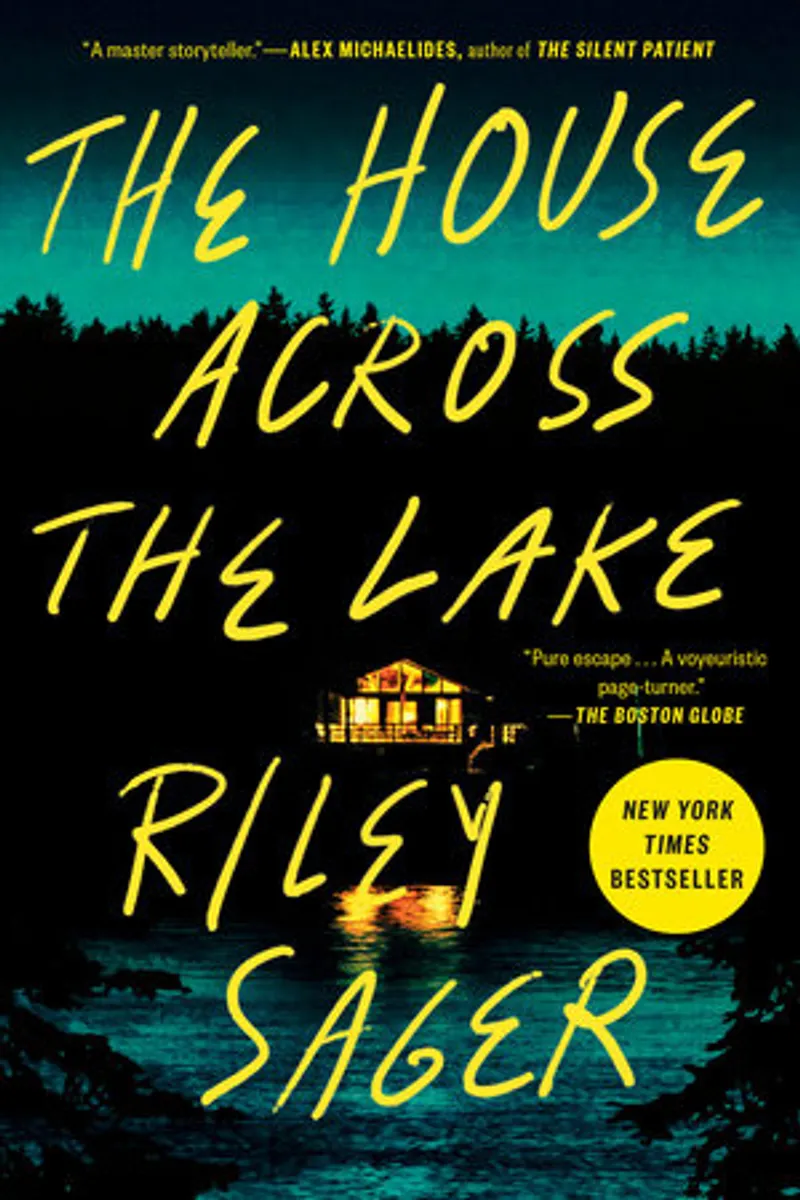

The House Across the Lake Author: Riley SagerPage Count: UnknownPublication Date: 2023-PRH The House Across the Lake, the latest thriller from bestselling author Riley Sager, is a masterclass in psychological suspense that will keep you on the edge of your seat from start to finish. This gripping tale of secrets, lies, and deception is a must-read for fans of the genre. At its core, The House Across the Lake is a story about the dangers of making assumptions and the unreliability of appearances. Casey Fletcher, a recently widowed actress, has retreated to her family's lake house in Vermont to escape the paparazzi and the constant scrutiny of the public eye. With her trusty binoculars and a steady supply of bourbon, she spends her days watching the glamorous couple across the lake, Tom and Katherine Royce. But as she gets to know Katherine better, Casey begins to realize that the perfect facade of their marriage is just that – a facade. Sager's writing is as sharp as ever, with a keen eye for detail and a deep understanding of the human psyche. He masterfully weaves together multiple storylines, expertly dropping clues and red herrings that will keep you guessing until the very end. The characters are complex and multi-dimensional, with Casey being a particularly standout protagonist. Her wit and sarcasm make her a joy to read, and her vulnerability and empathy make her relatable and human. One of the most striking aspects of The House Across the Lake is its exploration of the theme of surveillance. Casey's binoculars become a symbol of her own voyeuristic tendencies, as well as the ways in which we all watch and judge each other. Sager raises important questions about the ethics of watching and the consequences of our actions, and the answers are not always easy or clear-cut. The pacing of the book is expertly handled, with a slow-burning tension that builds to a shocking climax. Sager's plot twists are legendary, and this book is no exception. Just when you think you know where the story is going, he throws in a curveball that will leave you reeling. Overall, The House Across the Lake is a gripping and unputdownable thriller that will appeal to fans of Ruth Ware, Paula Hawkins, and Gillian Flynn. With its sharp characters, psychological suspense, and gasp-worthy plot twists, it's the perfect summer read. So grab a copy, sit back, and get ready to be hooked. #TheHouseAcrossTheLake #RileySager #PsychologicalThriller #SummerReads #LakeHouseMystery #ThrillerThursday Related InsightsBelieve Me Book Review and Summary Meet Me at Midnight: A Novel Book Review and Summary Girl Number 8 Book Review and Summary{ "@context": "https://schema.org", "@type": "FAQPage", "mainEntity": [ { "@type": "Question", "name": "What is the main focus of The House Across the Lake Book Review and Summary?", "acceptedAnswer": { "@type": "Answer", "text": "Everything you need to know about The House Across the Lake with our detailed review." } }, { "@type": "Question", "name": "Who authored the comprehensive guide on The House Across the Lake Book Review and Summary?", "acceptedAnswer": { "@type": "Answer", "text": "This detailed article and its insights were carefully researched and authored by Michael Brown." } }, { "@type": "Question", "name": "Where can I find more related content about Books?", "acceptedAnswer": { "@type": "Answer", "text": "You can explore more articles, detailed reviews, and similar insights by browsing the Related Insights section at the bottom of this article or visiting our dedicated Books category page." } } ] }
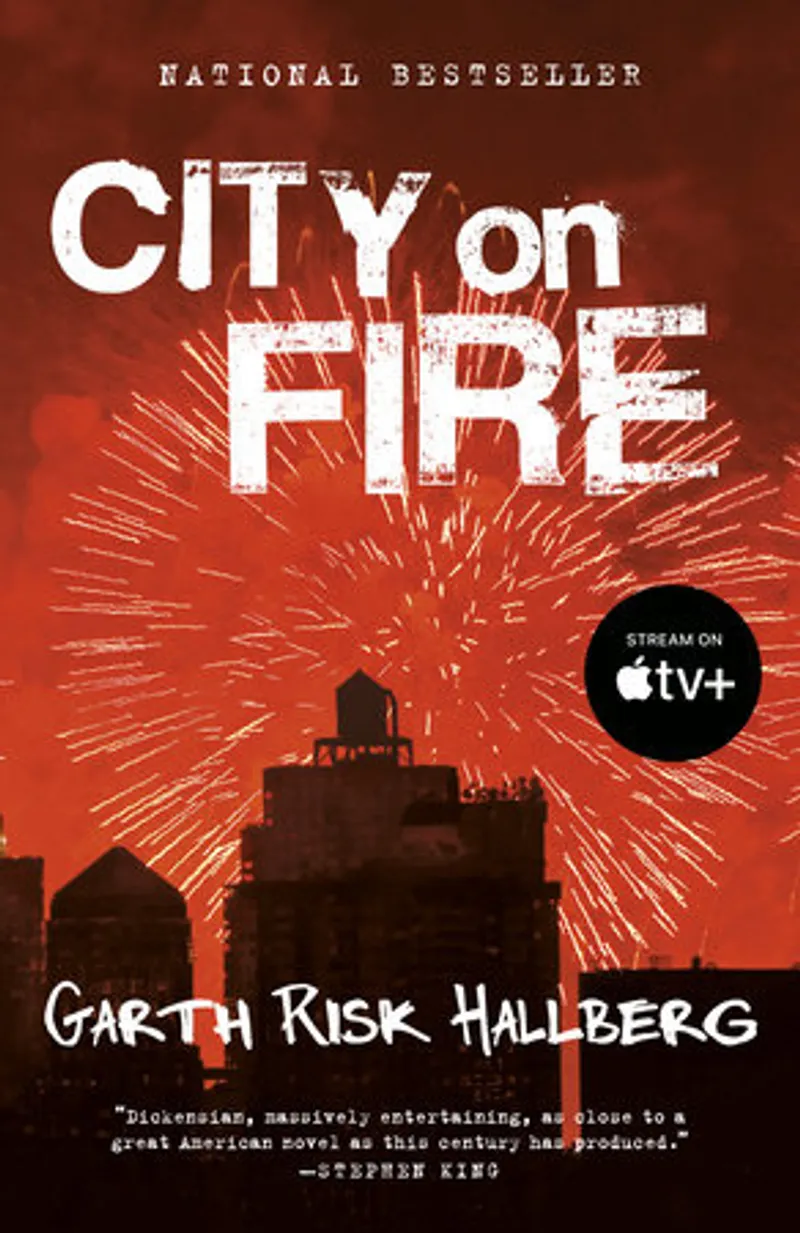
City on Fire Author: Garth Risk HallbergPage Count: UnknownPublication Date: 2016-PRH City on Fire, the 2016 magnum opus by Garth Risk Hallberg, is a sweeping narrative that delves into the complexities of human relationships, the allure of art, and the resilience of the human spirit. Set against the vibrant backdrop of 1970s New York City, this mesmerizing tale weaves together the lives of multiple characters, each with their own distinct voice and struggles. At its core, City on Fire is a novel about the search for meaning and connection in a city that is as unforgiving as it is alluring. Hallberg masterfully captures the essence of New York City during the tumultuous 1970s, a time of great social and economic upheaval. Through his vivid descriptions, the city becomes a character in its own right, exerting a profound influence on the lives of its inhabitants. One of the most striking aspects of City on Fire is its vast array of characters, each with their own rich inner life. From the enigmatic Regan and William Hamilton-Sweeney, heirs to a great fortune, to the idealistic magazine reporter and his neighbor, Hallberg's characters are multidimensional and relatable. He expertly explores the intricate web of relationships between them, revealing the ways in which they intersect and influence one another. Hallberg's writing style is both poetic and precise, capable of conveying the nuances of human emotion with remarkable clarity. His prose is evocative of the city itself, with its rhythms and cadences mirroring the frenetic energy of New York City. The author's use of language is deliberate and measured, each sentence carefully crafted to reveal the inner lives of his characters. One of the central themes of City on Fire is the power of art to transcend and transform. Hallberg explores this idea through the character of Samantha, a suburban teenager drawn to the downtown punk scene. Her story serves as a powerful reminder of the ways in which art can provide a sense of community and purpose, even in the darkest of times. The novel's title, City on Fire, refers to the blackout of July 13, 1977, which plunged New York City into darkness. This pivotal event serves as a catalyst for the characters, forcing them to confront their deepest fears and desires. As the city teeters on the brink of chaos, Hallberg's characters must navigate their own personal crises, leading to a series of unexpected and profound transformations. In City on Fire, Hallberg has created a novel that is both a love letter to New York City and a profound exploration of the human condition. This is a book that will resonate with readers long after they finish reading it, its themes and characters lingering in the mind like the city itself. #CityOnFire #GarthRiskHallberg #NewYorkCity #1970s #PunkRock #AmericanLiterature Related InsightsThe Comeback Summer Book Review and Summary House Rules Book Review and Summary Look What You Did Book Review and Summary{ "@context": "https://schema.org", "@type": "FAQPage", "mainEntity": [ { "@type": "Question", "name": "What is the main focus of City of Heavenly Fire Book Review and Summary?", "acceptedAnswer": { "@type": "Answer", "text": "Everything you need to know about City of Heavenly Fire with our detailed review." } }, { "@type": "Question", "name": "Who authored the comprehensive guide on City of Heavenly Fire Book Review and Summary?", "acceptedAnswer": { "@type": "Answer", "text": "This detailed article and its insights were carefully researched and authored by Cassandra Clare." } }, { "@type": "Question", "name": "Where can I find more related content about Books?", "acceptedAnswer": { "@type": "Answer", "text": "You can explore more articles, detailed reviews, and similar insights by browsing the Related Insights section at the bottom of this article or visiting our dedicated Books category page." } } ] }
-
 Giulia Ricci
 - 08 Apr, 2026 19:06
The Book of War: Includes The Art of War by Sun Tzu & On War by Karl von Clausewitz Book Review and Summary
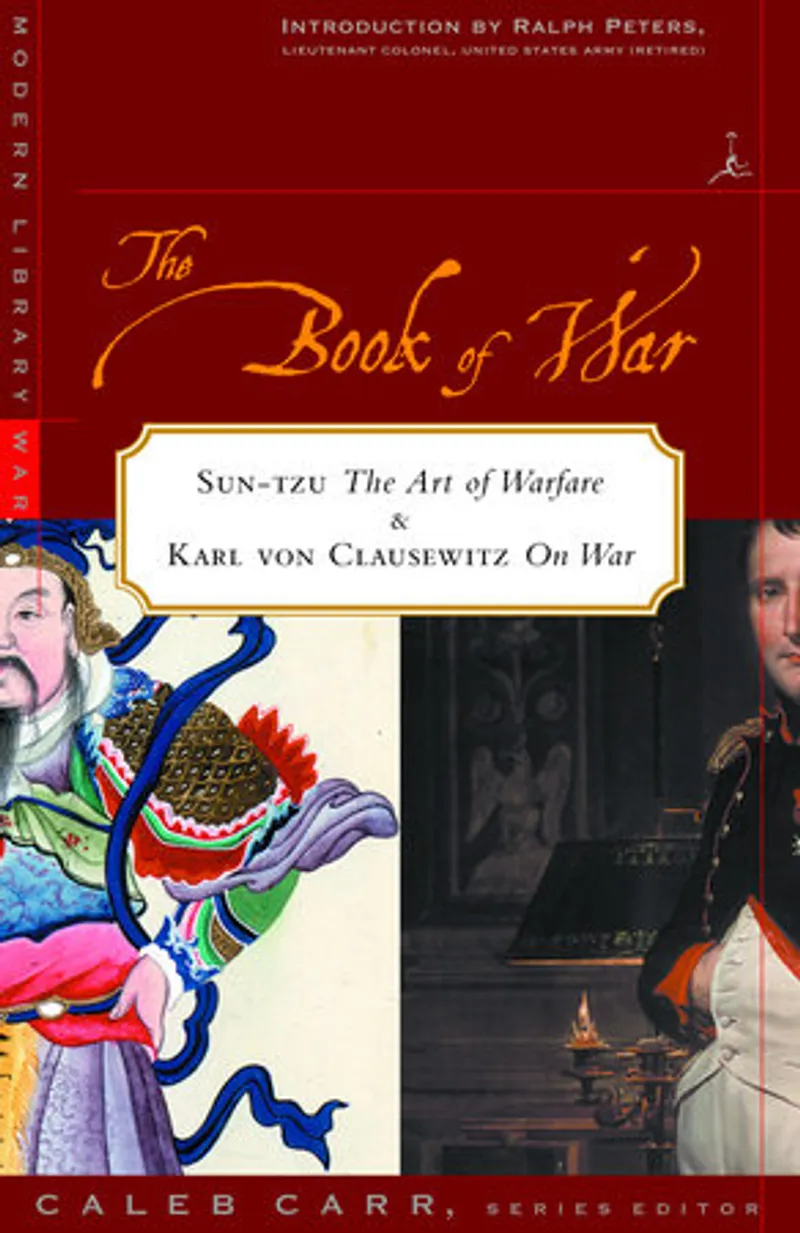
The Book of War: Includes The Art of War by Sun Tzu & On War by Karl von Clausewitz Author: Carl von ClausewitzPage Count: UnknownPublication Date: 2000-PRH "The Book of War" is a monumental compilation that brings together two of the most influential works on military strategy in human history: Sun Tzu's "The Art of War" and Karl von Clausewitz's "On War". This single volume, published in 2000, is a treasure trove for anyone interested in the art of warfare, politics, and philosophy. The book is a must-read for military historians, strategists, and anyone looking to gain a deeper understanding of the complexities of war. The book begins with Sun Tzu's "The Art of War", an ancient Chinese text that has been the cornerstone of military strategy for over two thousand years. Sun Tzu's work is a masterpiece of brevity and clarity, offering timeless wisdom on the nature of war, the importance of deception, and the need for adaptability. His famous dictum, "The supreme art of war is to subdue the enemy without fighting," remains a guiding principle for military strategists to this day. Karl von Clausewitz's "On War", on the other hand, is a more sprawling and philosophical work that explores the nature of war in the context of politics and society. Clausewitz's magnum opus is a product of the Napoleonic era, and his ideas on the concept of "total war" remain influential to this day. His famous phrase, "War is a continuation of politics by other means," highlights the inextricable link between war and politics. The two works are brought together in this volume by a thoughtful introduction by Ralph Peters, a renowned military writer, and a foreword by Caleb Carr, bestselling author of "The Alienist". The introduction provides a nuanced understanding of the historical context in which both works were written and highlights the relevance of their ideas to modern warfare. One of the striking aspects of this book is the way it highlights the similarities and differences between the two authors. While Sun Tzu's work is characterized by its concision and practicality, Clausewitz's work is more sprawling and philosophical. Yet, despite these differences, both authors share a deep understanding of the complexities of war and the need for strategic thinking. The book's main theme is the nature of war and its relationship to politics and society. Both Sun Tzu and Clausewitz offer profound insights into the human experience of war, highlighting its unpredictability, complexity, and devastating consequences. Through their works, we gain a deeper understanding of the importance of strategy, adaptability, and leadership in the conduct of war. The author's style is characterized by its clarity, precision, and depth. Both Sun Tzu and Clausewitz write in a clear and concise manner, making their ideas accessible to readers from diverse backgrounds. The translation is smooth and readable, allowing readers to engage with the ideas without getting bogged down in obscure language. In conclusion, "The Book of War" is a masterpiece of military literature that offers profound insights into the nature of war and its relationship to politics and society. This book is a must-read for anyone interested in military history, strategy, and philosophy. It is a testament to the enduring relevance of Sun Tzu's and Clausewitz's ideas, and a reminder of the importance of strategic thinking in the conduct of war. #TheArtOfWar #OnWar #MilitaryStrategy #WarStudies #MilitaryHistory #ClassicsOfWarfare Related InsightsDaddy Issues: A Memoir Book Review and Summary Trauma Bonds: How generational trauma shapes, divides and connects us Book Review and Summary Acheron Book Review and Summary{ "@context": "https://schema.org", "@type": "FAQPage", "mainEntity": [ { "@type": "Question", "name": "What is the main focus of The Book of War: Includes The Art of War by Sun Tzu & On War by Karl von Clausewitz Book Review and Summary?", "acceptedAnswer": { "@type": "Answer", "text": "Everything you need to know about The Book of War: Includes The Art of War by Sun Tzu & On War by Karl von Clausewitz with our detailed review." } }, { "@type": "Question", "name": "Who authored the comprehensive guide on The Book of War: Includes The Art of War by Sun Tzu & On War by Karl von Clausewitz Book Review and Summary?", "acceptedAnswer": { "@type": "Answer", "text": "This detailed article and its insights were carefully researched and authored by Giulia Ricci." } }, { "@type": "Question", "name": "Where can I find more related content about Books?", "acceptedAnswer": { "@type": "Answer", "text": "You can explore more articles, detailed reviews, and similar insights by browsing the Related Insights section at the bottom of this article or visiting our dedicated Books category page." } } ] }
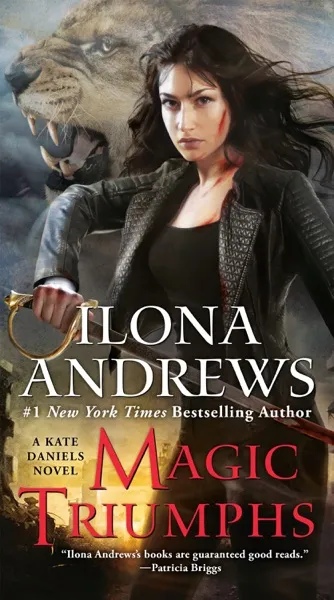

Magic triumphs Author: Ilona AndrewsPage Count: UnknownPublication Year: 2018-GB Ilona Andrews’ Magic Triumphs is the sixth and final installment in the Kate Daniels series, a saga that has captivated readers with its blend of urban fantasy, relentless action, and razor-sharp wit. Published in 2018, this conclusion to the epic series delivers everything fans have come to expect: a high-stakes battle against supernatural forces, a heroine whose strength is as much about resilience as it is about raw power, and a world where magic is as unpredictable as it is dangerous. Andrews, a husband-and-wife writing duo, crafts a narrative that is at once intimate and sprawling, diving deep into the personal stakes of her characters while escalating the global conflict to apocalyptic proportions. At its core, Magic Triumphs is about legacy—both the one we inherit and the one we choose to create. Kate Daniels, the series’ protagonist, is a woman defined by her past: a childhood spent on the run from her ruthless, shape-shifting father; a career forged in the trenches of Atlanta’s supernatural underworld; and a love that has tested her at every turn. Yet by this final installment, Kate is no longer just reacting to the chaos around her. She is stepping into her role as a leader, a protector, and ultimately, the architect of a new order. The book’s central conflict pits her against not just external enemies, but the weight of her own destiny. Andrews explores this theme with nuance, avoiding simplistic heroics in favor of a raw, emotional journey where Kate must reconcile her desire for a normal life with the inescapable truth that her power—and her responsibility—are far greater than she ever wanted. Andrews’ style is a masterclass in balancing grit and charm. The prose crackles with energy, whether she’s describing a brutal sword fight, the eerie silence of a magic-free zone, or the dry humor that drips from Kate’s internal monologue. Her world-building is meticulous yet never overwhelming; the post-shifting world of Atlanta is vividly realized, from the crumbling skyscrapers of the magic-dead zones to the opulent lairs of the shapeshifters. What sets Andrews apart, however, is her ability to make even the most fantastical elements feel grounded. The magic system—where technology and sorcery ebb and flow in a deadly dance—isn’t just a backdrop but a living, breathing force that shapes every interaction. When magic surges, the world shifts with it, and Andrews ensures that readers feel the disorientation alongside the characters. One of the most compelling aspects of Magic Triumphs is its treatment of found family. Kate’s relationships—with Curran, her husband and the Beast Lord; with Andrea, her best friend and former mercenary ally; and with the cadre of misfits who make up her inner circle—are the emotional bedrock of the series. Andrews doesn’t shy away from the complexities of these bonds. Loyalty is tested, betrayals sting, and love is both a shield and a vulnerability. The dialogue crackles with real affection and occasional frustration, making the stakes feel personal in a way that few series achieve. Curran, in particular, is a standout—a character who evolves from a brash, dominant shapeshifter to a deeply devoted partner, all while retaining the swagger and humor that made him iconic. Their dynamic is a masterclass in slow-burn romance, built on mutual respect, shared history, and an ease with each other that feels earned. The action in Magic Triumphs is relentless, but it’s never empty spectacle. Andrews choreographs fight scenes with precision, ensuring that each clash feels consequential. Whether it’s a duel in a collapsing building or a desperate stand against an army of enchanted creatures, the stakes are always clear. What’s more impressive is how these moments serve the larger narrative. Every confrontation, every sacrifice, every near-failure advances the themes of legacy and choice. The climax, when it arrives, is both satisfying and bittersweet—a resolution that honors the series’ journey while acknowledging that some battles leave scars that never fully fade. Andrews also excels in subverting expectations. The Kate Daniels series is known for its twists, and Magic Triumphs delivers a few that will leave readers gasping. Yet these revelations never feel like cheap tricks. Instead, they’re organic extensions of the world and characters Andrews has spent six books cultivating. The villains, too, are more than just cardboard cutouts. They’re products of the same system that shaped Kate, their motivations rooted in survival, power, or ideology. This moral complexity elevates the story beyond a simple good-versus-evil tale, making the reader question where the line between hero and villain truly lies. Ultimately, Magic Triumphs is a story about reclaiming power—not just in the magical sense, but in the personal and political arenas. Kate’s journey is one of acceptance: accepting her strengths, her flaws, and the burdens she carries. Andrews wraps up the series with a sense of finality, but not without leaving room for reflection. The ending is bittersweet, celebratory, and quietly devastating all at once. It’s a fitting close to a series that has always balanced grandeur with intimacy, spectacle with soul. For fans of urban fantasy, Magic Triumphs is a must-read—a thrilling, emotional, and deeply satisfying conclusion to a series that has defined the genre for over a decade. Andrews’ voice is as distinctive as ever, her world as immersive, and her characters as unforgettable. If you’ve followed Kate’s journey from the beginning, this book will feel like coming home. And if you’re new to the series? Well, you’re in for a treat—a story that will keep you up all night, your heart pounding and your mind racing long after the last page. #KateDanielsSeries #IlonaAndrews #UrbanFantasy #MustReadFantasy #BookReview #FantasyFinale Related InsightsSarah's Key Book Review and Summary The Wasp Factory Book Review and Summary Storm Front Book Review and Summary{ "@context": "https://schema.org", "@type": "FAQPage", "mainEntity": [ { "@type": "Question", "name": "What is the main focus of Magic triumphs Book Review and Summary?", "acceptedAnswer": { "@type": "Answer", "text": "Everything you need to know about Magic triumphs with our detailed review." } }, { "@type": "Question", "name": "Who authored the comprehensive guide on Magic triumphs Book Review and Summary?", "acceptedAnswer": { "@type": "Answer", "text": "This detailed article and its insights were carefully researched and authored by Olivia Harris." } }, { "@type": "Question", "name": "Where can I find more related content about Books?", "acceptedAnswer": { "@type": "Answer", "text": "You can explore more articles, detailed reviews, and similar insights by browsing the Related Insights section at the bottom of this article or visiting our dedicated Books category page." } } ] }

The Dark Vault Author: V.E. SchwabPage Count: UnknownPublication Year: 2018-GB Unlocking the Secrets of The Dark Vault: A Literary Masterpiece That Haunts and Hypnotizes Few books manage to weave together mystery, horror, and psychological depth with the precision of a surgeon’s scalpel—yet The Dark Vault by V.E. Schwab does exactly that. As the second installment in the Shades of Magic series, this novel doesn’t just expand its universe; it burrows into the reader’s mind, leaving behind a lingering sense of unease and wonder. Schwab, a master of atmospheric storytelling, crafts a tale that is as intellectually stimulating as it is viscerally gripping. If you thought the first book, A Darker Shade of Magic, was a revelation, prepare to descend even deeper into its shadowy depths. At its core, The Dark Vault explores the duality of human nature—the way curiosity can become obsession, and how the past, no matter how buried, has a way of clawing its way back into the present. The novel follows Kell, the royal magician of Red London, and Delilah Bard, a thief with a heart of steel and a hunger for adventure, as they navigate a world where magic is both a gift and a curse. But Schwab doesn’t just give us another fantasy adventure; she peels back layers of morality, identity, and consequence, forcing her characters—and her readers—to confront uncomfortable truths. One of the most striking aspects of Schwab’s writing is her ability to balance intricate world-building with razor-sharp character development. The Shades of Magic series thrives on its multiverse premise, where four parallel Londons exist, each with its own distinct culture, magic, and moral compass. In The Dark Vault, Schwab deepens this lore, introducing readers to the eerie and enigmatic White London, a city that thrives on power and sacrifice. The contrast between the vibrant, magical Red London and the decaying, ruthless White London is a masterclass in atmospheric storytelling. Schwab’s prose doesn’t just describe these worlds—it immerses the reader in them, making the air feel heavier in White London and the magic more electric in Red. The characters, too, are a triumph of Schwab’s craft. Kell, the wandering magician with a heart of gold and a temper of steel, is a protagonist who refuses to be pigeonholed. He’s neither purely heroic nor villainous, a trait that makes him endlessly fascinating. Delilah, on the other hand, is a force of nature—a thief who refuses to be defined by her past and who challenges Kell’s worldview at every turn. Their dynamic is electric, a push-and-pull of loyalty, betrayal, and reluctant partnership that keeps the pages turning. Even secondary characters, like the enigmatic Alucard Emery and the morally ambiguous Holland, are given depth and complexity, ensuring that no character feels like a mere plot device. Schwab’s writing style is deceptively effortless, blending lyrical descriptions with sharp, punchy dialogue. Her prose has a rhythm that feels almost musical, with moments of quiet introspection followed by bursts of high-stakes action. She doesn’t shy away from delving into the darker corners of her characters’ psyches, and it’s this willingness to explore the ugly, the painful, and the morally ambiguous that elevates The Dark Vault beyond a typical fantasy novel. The book isn’t just about magic and adventure; it’s about the cost of power, the weight of choices, and the inescapable pull of fate. What truly sets The Dark Vault apart, however, is its ability to subvert expectations. Schwab doesn’t follow the tired tropes of the genre; instead, she twists them into something fresh and unpredictable. The plot is a labyrinth of secrets, with each revelation leading to another question, another layer of mystery. The pacing is relentless, but it never feels rushed—every twist and turn is earned, every emotional beat resonates. Schwab’s world is one where magic has consequences, where every action ripples outward in ways that are both beautiful and devastating. For readers who love fantasy that challenges them intellectually while also delivering heart-pounding action, The Dark Vault is a must-read. It’s a book that lingers long after the final page, a story that demands to be discussed, dissected, and revisited. Schwab has crafted not just a sequel, but a work that stands proudly on its own, a testament to her skill as a storyteller. If you’re ready to step into a world where magic is real, where the past is never truly buried, and where the line between hero and villain is delightfully blurred, then The Dark Vault awaits. Just be warned: once you enter its pages, you may never want to leave. #DarkVault #VESchwab #FantasyBooks #BookReview #ShadesOfMagic Related InsightsWritten in Starlight Book Review and Summary Off Balance (The Heights, #2) Book Review and Summary Bel Canto Book Review and Summary{ "@context": "https://schema.org", "@type": "FAQPage", "mainEntity": [ { "@type": "Question", "name": "What is the main focus of **The Dark Vault** Book Review and Summary?", "acceptedAnswer": { "@type": "Answer", "text": "Everything you need to know about **The Dark Vault** with our detailed review." } }, { "@type": "Question", "name": "Who authored the comprehensive guide on **The Dark Vault** Book Review and Summary?", "acceptedAnswer": { "@type": "Answer", "text": "This detailed article and its insights were carefully researched and authored by Lucia Garcia." } }, { "@type": "Question", "name": "Where can I find more related content about Books?", "acceptedAnswer": { "@type": "Answer", "text": "You can explore more articles, detailed reviews, and similar insights by browsing the Related Insights section at the bottom of this article or visiting our dedicated Books category page." } } ] }
Storm Echo Author: Nalini SinghPage Count: UnknownPublication Year: 2022-GB Nalini Singh’s Storm Echo is a dazzling sequel that cements her status as the queen of paranormal romance, weaving together high-stakes emotion, razor-sharp tension, and a world where love and danger collide in the most electrifying ways. With Singh’s signature blend of lush prose, complex characters, and a plot that crackles with chemistry, this installment delivers everything fans crave—and then some. If you thought the first book in the Treasure Hunters series was a wild ride, this one will leave you breathless, heart racing, and utterly unable to put it down. At its core, Storm Echo is a story about survival—not just of the body, but of the soul. The world of the Treasure Hunters is one where psychic abilities are both a gift and a curse, where trust is a luxury few can afford, and where the line between hunter and prey is razor-thin. Singh explores the idea of resilience in the face of impossible odds, not just through external threats like rival hunters or deadly missions, but through the internal battles of her characters. The emotional stakes are higher than ever, with past traumas resurfacing and relationships tested in ways that force growth and vulnerability. It’s a theme that resonates deeply in today’s world, where resilience isn’t just a buzzword but a necessity. What makes Singh’s storytelling so magnetic is her ability to balance action with intimacy. The book is a masterclass in pacing, where quiet moments of reflection are just as gripping as the adrenaline-fueled chase scenes. Her prose is rich and evocative, painting vivid landscapes—whether it’s the neon-lit streets of a futuristic city or the stark, unforgiving wilderness of a remote mission. But what truly sets her apart is her talent for character development. Singh doesn’t just introduce us to her protagonists; she makes us feel their struggles, their fears, and their passions as if they were our own. The slow-burn romance between the leads is handled with exquisite care, avoiding clichés while still delivering the slow, simmering heat that Singh’s readers adore. There’s a delicious tension in their interactions, a push-and-pull that keeps you rooting for them even when they’re at each other’s throats. The villains in Storm Echo are as compelling as the heroes, adding layers of moral ambiguity to the story. Singh doesn’t shy away from exploring the darker sides of human nature, and the antagonists are often products of their environments, making their motivations feel chillingly real. This isn’t a book where evil is cartoonish; it’s a nuanced examination of power, corruption, and the choices that define us. The world-building is another standout feature, expanding the lore of the Treasure Hunters universe in ways that feel organic and immersive. New factions emerge, old alliances are tested, and the stakes grow higher with each chapter, culminating in a climax that’s as satisfying as it is surprising. Singh’s writing style is a blend of elegance and edge, with a voice that’s both sophisticated and accessible. She has a knack for crafting dialogue that crackles with wit and tension, and her descriptions are so vivid they practically leap off the page. Whether she’s describing the psychic energy between two characters or the sheer physicality of a fight scene, her words have weight and impact. The emotional beats are handled with a deft touch, ensuring that the story never feels melodramatic or overwrought. Instead, it strikes a perfect balance between heart and heat, leaving readers emotionally invested without ever feeling manipulated. One of the most impressive aspects of Storm Echo is how it subverts expectations while still delivering the tropes that fans love. Singh takes familiar elements—enemies to lovers, forced proximity, high-stakes missions—and infuses them with fresh energy and originality. The result is a story that feels both familiar and entirely new, a testament to her skill as a storyteller. The chemistry between the main characters is electric, their dynamic shifting from hostility to reluctant partnership to something far more profound. It’s a journey that’s as much about self-discovery as it is about love, and Singh handles it with grace and authenticity. Storm Echo is more than just a romance or an action-packed adventure; it’s a story about the power of connection in a world that often feels isolating. It’s about finding strength in vulnerability and the courage to face your demons—both literal and metaphorical. Singh’s writing reminds us that even in the darkest of times, there’s room for hope, for love, and for the kind of resilience that comes from standing together. For fans of paranormal romance, psychic thrillers, or simply brilliant storytelling, Storm Echo is a must-read. It’s a book that lingers long after the last page, its characters and themes staying with you like an echo in the storm. Nalini Singh has outdone herself once again, delivering a story that’s as emotionally resonant as it is thrillingly entertaining. #StormEcho #NaliniSingh #ParanormalRomance #TreasureHuntersSeries #PsychicThriller #DarkRomance Related InsightsShiver Book Review and Summary Mistletoe Christmas Book Review and Summary Captive in the Dark Book Review and Summary{ "@context": "https://schema.org", "@type": "FAQPage", "mainEntity": [ { "@type": "Question", "name": "What is the main focus of Storm Echo Book Review and Summary?", "acceptedAnswer": { "@type": "Answer", "text": "Everything you need to know about Storm Echo with our detailed review." } }, { "@type": "Question", "name": "Who authored the comprehensive guide on Storm Echo Book Review and Summary?", "acceptedAnswer": { "@type": "Answer", "text": "This detailed article and its insights were carefully researched and authored by Olya Shevchenko." } }, { "@type": "Question", "name": "Where can I find more related content about Books?", "acceptedAnswer": { "@type": "Answer", "text": "You can explore more articles, detailed reviews, and similar insights by browsing the Related Insights section at the bottom of this article or visiting our dedicated Books category page." } } ] }


El sueño de Sooley Author: John GrishamPage Count: UnknownPublication Year: 2023-GB A Riveting Tale of Dreams and Destiny: John Grisham’s El sueño de Sooley Captivates Readers Worldwide John Grisham, the master of legal thrillers, once again proves his storytelling prowess with El sueño de Sooley, a novel that transcends genre to deliver a heartfelt, inspiring, and deeply human story. Released in 2023, this global bestseller has captivated readers with its blend of sports drama, cultural richness, and emotional depth. Unlike Grisham’s typical courtroom battles, El sueño de Sooley explores the universal quest for dreams, identity, and belonging—making it a standout in his already illustrious bibliography. At its core, El sueño de Sooley is a coming-of-age story that follows the journey of Samuel Sooleymon, a young basketball prodigy from South Sudan. The novel traces his transformation from a determined athlete in a war-torn nation to a hopeful figure seeking a better future in the United States. Grisham’s narrative is not just about sports; it’s about resilience, cultural displacement, and the power of hope in the face of adversity. The title itself, which translates to The Dream of Sooley, hints at the central theme: the pursuit of a dream that feels both impossible and inevitable. Grisham’s writing style in El sueño de Sooley is a masterclass in accessibility and emotional engagement. Known for his sharp, concise prose, he crafts a story that is both fast-paced and deeply immersive. The novel’s pacing mirrors the rhythm of a basketball game—quick, dynamic, and full of high-stakes moments—while also allowing for introspective pauses that deepen the reader’s connection to Sooley’s journey. Grisham’s ability to balance action with introspection ensures that the story never feels rushed, even as it spans continents and years. One of the most compelling aspects of the novel is its exploration of cultural identity. Sooley’s journey from South Sudan to America is not just a physical relocation but a psychological and emotional odyssey. Grisham avoids clichés by grounding the story in authentic details, from the vibrant streets of Juba to the competitive world of American college basketball. The novel’s setting is vividly rendered, immersing readers in the sights, sounds, and struggles of a young athlete navigating two vastly different worlds. This cultural duality adds layers to the narrative, making Sooley’s struggles and triumphs resonate on a universal level. The characters in El sueño de Sooley are richly drawn, each contributing to the story’s emotional depth. Sooley himself is a protagonist who commands attention—not just for his athletic talent but for his unwavering determination and humility. His relationships, whether with family, teammates, or mentors, are portrayed with nuance and authenticity. Grisham excels at creating supporting characters who feel real, from the tough-love coach who sees Sooley’s potential to the friends who become his chosen family. These relationships drive the story forward, adding emotional weight to Sooley’s journey. Grisham’s thematic depth is another highlight of the novel. While basketball serves as the backdrop, the story is ultimately about the power of dreams and the sacrifices required to achieve them. Sooley’s dream is not just about playing professionally; it’s about survival, redemption, and finding a place where he belongs. The novel also touches on themes of displacement, the impact of war, and the immigrant experience, all of which are rendered with sensitivity and depth. Grisham avoids heavy-handed moralizing, instead letting the story speak for itself through Sooley’s experiences. For readers familiar with Grisham’s work, El sueño de Sooley may come as a pleasant surprise. While he is best known for his legal thrillers, this novel showcases his versatility as a storyteller. The shift in setting and genre allows Grisham to explore new territory, and he does so with the same precision and emotional intelligence that have made him a household name. The result is a novel that appeals not only to fans of sports stories but to anyone who has ever dared to dream big. In an era where sports stories often focus solely on triumph and glory, El sueño de Sooley stands out for its honesty and heart. It acknowledges the hardships, the setbacks, and the moments of doubt that come with chasing a dream. Yet, it also celebrates the small victories—the friendships, the lessons learned, and the resilience that defines Sooley’s journey. Grisham’s ability to blend these elements into a cohesive, compelling narrative is a testament to his skill as a writer. El sueño de Sooley is more than just a sports novel; it’s a story about what it means to hold onto hope when the world seems determined to take it away. It’s a reminder that dreams are not just about success but about survival, about finding strength in the face of adversity, and about the people who help us along the way. For anyone who has ever felt like an outsider or dared to dream beyond their circumstances, this novel will resonate deeply. John Grisham has once again delivered a story that is as thought-provoking as it is entertaining. El sueño de Sooley is a testament to the power of storytelling to inspire, to challenge, and to connect us across cultures and continents. Whether you’re a fan of Grisham’s work or a newcomer to his writing, this novel is a must-read—a gripping, emotional, and ultimately uplifting journey that lingers long after the last page. #JohnGrisham #ElSueñoDeSooley #SportsNovel #LiteraryReview #MustReadBooks Related InsightsMaggie Moves On Book Review and Summary Trump: The Art of the Deal Book Review and Summary Off Balance (The Heights, #2) Book Review and Summary{ "@context": "https://schema.org", "@type": "FAQPage", "mainEntity": [ { "@type": "Question", "name": "What is the main focus of **El sueño de Sooley** Book Review and Summary?", "acceptedAnswer": { "@type": "Answer", "text": "Everything you need to know about **El sueño de Sooley** with our detailed review." } }, { "@type": "Question", "name": "Who authored the comprehensive guide on **El sueño de Sooley** Book Review and Summary?", "acceptedAnswer": { "@type": "Answer", "text": "This detailed article and its insights were carefully researched and authored by James Miller." } }, { "@type": "Question", "name": "Where can I find more related content about Books?", "acceptedAnswer": { "@type": "Answer", "text": "You can explore more articles, detailed reviews, and similar insights by browsing the Related Insights section at the bottom of this article or visiting our dedicated Books category page." } } ] }
Long Walk Author: Stephen KingPage Count: UnknownPublication Year: 2025-GB Stephen King’s Long Walk: A Masterclass in Psychological Horror and Unrelenting Suspense Few authors can weave terror into the fabric of everyday life quite like Stephen King, and with Long Walk, he has once again proven why he remains the undisputed king of modern horror. Set to release in 2025, this highly anticipated novel has already been hailed as a global bestseller, and for good reason. King’s latest work is a chilling exploration of human endurance, the fragility of the mind, and the dark corners of the American psyche—all wrapped in a narrative that is as gripping as it is unsettling. At its core, Long Walk is a survival story, but not the kind that pits characters against external threats like zombies or monsters. Instead, King crafts a harrowing tale of psychological warfare, where the real enemy is the human mind itself. The story follows a group of strangers forced into an impossible journey, a relentless trek with no clear destination and no rules except one: keep walking, or die. The premise is deceptively simple, yet the execution is anything but. King’s genius lies in his ability to turn a basic premise into a claustrophobic nightmare, where the true horror isn’t just the physical exhaustion but the unraveling of sanity under pressure. One of the most striking aspects of Long Walk is its exploration of themes that resonate deeply in today’s world. The novel delves into the concept of endurance—both physical and mental—and what happens when the limits of human resilience are pushed to their breaking point. King doesn’t shy away from the brutality of such a scenario, forcing his characters (and readers) to confront uncomfortable questions: How far would you go to survive? What would you sacrifice? And at what cost does victory come? These themes are universal, making Long Walk more than just a horror story; it’s a meditation on the human condition. The characters in Long Walk are as compelling as they are flawed, each bringing their own fears, traumas, and secrets to the journey. King excels at creating deeply human protagonists, and this novel is no exception. The ensemble cast is diverse, each representing different facets of society, yet they are all united by their shared ordeal. The protagonist, whose identity remains shrouded in mystery, serves as the emotional anchor of the story, their internal monologue a raw and unfiltered window into the chaos of their mind. King’s character development is masterful, ensuring that readers become deeply invested in their fates. King’s writing style in Long Walk is as immersive as ever, blending stark realism with surreal, nightmarish elements. His prose is tight and economical, yet rich with detail, allowing the tension to build gradually until it becomes almost unbearable. The pacing is relentless, mirroring the physical and mental strain of the characters, and the atmosphere is suffused with a creeping dread that lingers long after the last page. King’s ability to manipulate tension is unparalleled, and Long Walk is a testament to his skill in keeping readers on the edge of their seats. What sets Long Walk apart from King’s other works is its stripped-down, almost minimalist approach. Unlike his sprawling epics like The Stand or It, this novel is lean and focused, with a single, unrelenting narrative thread. This makes it all the more intense, as there are no distractions from the central horror—the slow, inevitable collapse of the human spirit. The result is a book that feels like a punch to the gut, a visceral experience that lingers in the mind long after the final word. For fans of psychological horror, Long Walk is a must-read. It’s a book that will haunt you, not just because of its scares, but because of its unflinching exploration of what it means to be human in the face of unimaginable pressure. For those new to King’s work, it’s a perfect introduction to his mastery of the genre. Either way, Long Walk is a novel that demands to be read in one sitting, a testament to King’s enduring ability to terrify and captivate in equal measure. Stephen King has done it again. Long Walk is more than just a horror novel; it’s a work of art that will stand the test of time. #StephenKing #LongWalk #HorrorBooks #PsychologicalThriller #BookReview Related InsightsAngela's Ashes Book Review and Summary Adam and Eve Book Review and Summary Dead Before Tea Time: An Agatha Raisin Mystery (Agatha Raisin Mysteries, 37) Book Review and Summary{ "@context": "https://schema.org", "@type": "FAQPage", "mainEntity": [ { "@type": "Question", "name": "What is the main focus of **Long Walk** Book Review and Summary?", "acceptedAnswer": { "@type": "Answer", "text": "Everything you need to know about **Long Walk** with our detailed review." } }, { "@type": "Question", "name": "Who authored the comprehensive guide on **Long Walk** Book Review and Summary?", "acceptedAnswer": { "@type": "Answer", "text": "This detailed article and its insights were carefully researched and authored by Olivia Harris." } }, { "@type": "Question", "name": "Where can I find more related content about Books?", "acceptedAnswer": { "@type": "Answer", "text": "You can explore more articles, detailed reviews, and similar insights by browsing the Related Insights section at the bottom of this article or visiting our dedicated Books category page." } } ] }

The Girl From the Other Side: Siúil, a Rún Deluxe Edition IV (Vol. 10-11+EX Hardcover Omnibus) Author: NagabePage Count: UnknownPublication Date: 2023-PRH The Girl From the Other Side: Siúil, a Rún Deluxe Edition IV (Vol. 10-11+EX Hardcover Omnibus) is a poignant culmination of Nagabe's critically acclaimed manga series. This final installment brings to a close the heart-wrenching narrative of Shiva and Teacher, transporting readers to a world of eerie beauty and profound emotional depth. Nagabe's storytelling is a masterclass in subtlety, weaving a complex tapestry of themes that explore the human condition. At its core, The Girl From the Other Side is a powerful exploration of the boundaries between innocence and experience, as embodied by the enigmatic Shiva. Her journey, fraught with uncertainty and hardship, serves as a poignant reminder of the devastating consequences of a world torn apart by darkness and fear. The author's use of atmospheric, monochromatic illustrations perfectly complements the narrative, imbuing the world with a haunting sense of desolation. The sparse, elegant lines and delicate shading create a dreamlike quality, drawing the reader into the fragile, snow-globe world that Shiva and Teacher inhabit. The addition of color inserts in this deluxe edition adds a new layer of depth to the narrative, subtly underscoring the emotional intensity of key moments. One of the most striking aspects of Nagabe's storytelling is the way in which she balances hope and despair. Even in the darkest moments, a glimmer of redemption is always present, a testament to the resilience of the human spirit. This delicate balance is a hallmark of the series, and it is expertly maintained in this final volume. The relationship between Shiva and Teacher remains a compelling focus of the narrative, their bond a powerful exploration of the transformative power of love and sacrifice. Through their interactions, Nagabe raises important questions about the nature of humanity, encouraging readers to confront the darkness that lies at the heart of their own existence. The Girl From the Other Side: Siúil, a Rún Deluxe Edition IV is a triumphant conclusion to a series that has captivated audiences worldwide. Nagabe's haunting, beautifully illustrated narrative is a must-read for fans of dark fantasy and manga, and this deluxe edition is the perfect way to experience the series in all its glory. #TheGirlFromTheOtherSide #Nagabe #Manga #DarkFantasy #SiúilARún #TheFinalVolume Related InsightsThe Silent Ink: Unmasking the Forbidden Libraries of the Soviet Empire Cress Book Review and Summary A Little Princess Book Review and Summary{ "@context": "https://schema.org", "@type": "FAQPage", "mainEntity": [ { "@type": "Question", "name": "What is the main focus of The Other Boleyn Girl Book Review and Summary?", "acceptedAnswer": { "@type": "Answer", "text": "Everything you need to know about The Other Boleyn Girl with our detailed review." } }, { "@type": "Question", "name": "Who authored the comprehensive guide on The Other Boleyn Girl Book Review and Summary?", "acceptedAnswer": { "@type": "Answer", "text": "This detailed article and its insights were carefully researched and authored by Philippa Gregory." } }, { "@type": "Question", "name": "Where can I find more related content about Books?", "acceptedAnswer": { "@type": "Answer", "text": "You can explore more articles, detailed reviews, and similar insights by browsing the Related Insights section at the bottom of this article or visiting our dedicated Books category page." } } ] }

Comrades No More Author: Renee De NeversPage Count: UnknownPublication Date: 2003-PRH In "Comrades No More," Renee de Nevers masterfully dissects the intricacies of the 1989 collapse of communism in Eastern Europe, providing a captivating and well-researched analysis of the complex interplay between internal and external factors that led to the downfall of Soviet control. De Nevers' meticulous examination of the events that transpired in the Warsaw Pact nations offers a nuanced understanding of the pivotal role Gorbachev's reforms played in sparking the process of change, while also highlighting the significant impact of domestic factors in each country. One of the book's greatest strengths lies in its ability to balance breadth and depth, as de Nevers skillfully weaves together a comprehensive narrative that spans multiple countries, including Hungary, Poland, Bulgaria, the German Democratic Republic, Czechoslovakia, and Romania. Her detailed analysis of the reform patterns in each nation not only provides a rich understanding of the events as they unfolded but also sheds light on the post-communist evolution of these countries. De Nevers' writing style is clear and concise, making the book accessible to both scholars and general readers interested in the subject. Her use of the "demonstration effect" concept, which describes how Hungary and Poland's reforms emboldened other nations to follow suit, is particularly insightful and effectively conveys the sense of momentum that built as the communist regimes began to crumble. A notable aspect of "Comrades No More" is its ability to avoid simplistic or reductionist explanations for the collapse of communism. Instead, de Nevers presents a multifaceted analysis that acknowledges the complex interplay between internal and external factors, as well as the unique circumstances of each country. This approach results in a richly textured narrative that eschews easy answers in favor of a more nuanced understanding of the events in question. If there is a criticism to be made, it is that the book's focus on the Warsaw Pact nations sometimes leads to a lack of attention to the broader global context in which the collapse of communism occurred. However, this is a minor quibble, and de Nevers' decision to focus on the internal dynamics of the communist regimes is largely justified by the depth and insight she brings to her analysis. In conclusion, "Comrades No More" is a compelling and meticulously researched study of the collapse of communism in Eastern Europe. Renee de Nevers' engaging writing style and nuanced analysis make the book a must-read for anyone interested in understanding the complex events that shaped the end of the Cold War. #ColdWarHistory #CommunistCollapse #EasternEuropeanPolitics #GorbachevReforms #PostCommunistEvolution #WarsawPact Related InsightsThen She Was Gone Book Review and Summary Not in Love Book Review and Summary Chain of Thorns Book Review and Summary{ "@context": "https://schema.org", "@type": "FAQPage", "mainEntity": [ { "@type": "Question", "name": "What is the main focus of The Edge of Never Book Review and Summary?", "acceptedAnswer": { "@type": "Answer", "text": "Everything you need to know about The Edge of Never with our detailed review." } }, { "@type": "Question", "name": "Who authored the comprehensive guide on The Edge of Never Book Review and Summary?", "acceptedAnswer": { "@type": "Answer", "text": "This detailed article and its insights were carefully researched and authored by J.A. Redmerski." } }, { "@type": "Question", "name": "Where can I find more related content about Books?", "acceptedAnswer": { "@type": "Answer", "text": "You can explore more articles, detailed reviews, and similar insights by browsing the Related Insights section at the bottom of this article or visiting our dedicated Books category page." } } ] }