Showing Posts From
Bookreview
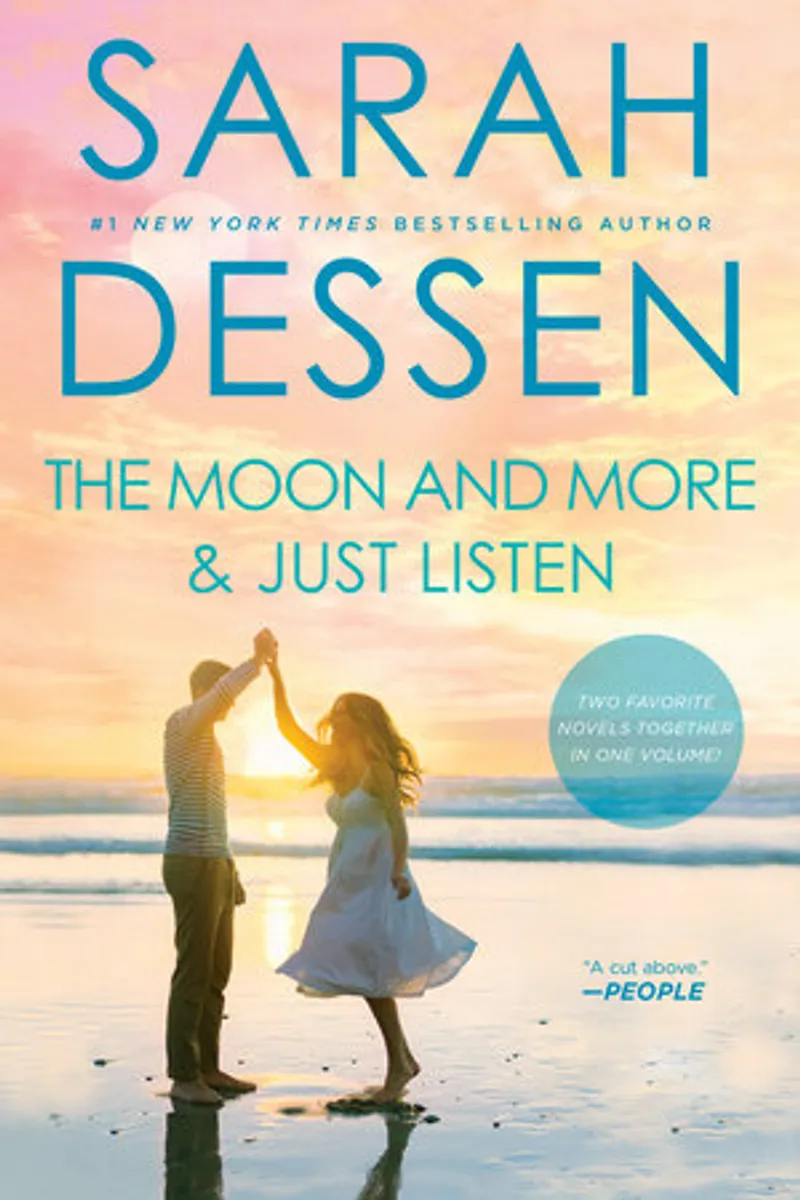
The Moon and More and Just Listen Author: Sarah DessenPage Count: UnknownPublication Date: 2020-PRH In "The Moon and More" and "Just Listen", a dual volume from the esteemed New York Times bestselling author Sarah Dessen, we find ourselves immersed in the poignant world of teenage self-discovery, love, and the complexities of relationships. The stories are woven together by Dessen's masterful narrative, which navigates the delicate balance between the fragility of the human heart and the unyielding power of true emotions. The unifying thread throughout both novels is the exploration of identity, as the protagonists grapple with the expectations of others while trying to find their own voice. Dessen's writing style is a perfect blend of relatability and depth, making it effortless for readers to become invested in the characters' journeys. Her prose is evocative, painting vivid pictures of the characters' inner turmoil and their surroundings, drawing the reader into the world she has created. One of the most striking aspects of Dessen's writing is her ability to craft characters that are multidimensional and authentic. The protagonists, with their flaws and strengths, are expertly developed, making it impossible not to empathize with their struggles. The supporting characters are equally well-crafted, adding depth and complexity to the narrative. The theme of identity is a recurring one in Dessen's works, and "The Moon and More" and "Just Listen" are no exception. The novels delve into the challenges of navigating the complexities of adolescence, where the pressure to conform to societal expectations can be overwhelming. Dessen tackles this theme with sensitivity and nuance, offering a thoughtful exploration of what it means to be true to oneself. Throughout the novels, Dessen also explores the intricacies of relationships, highlighting the ways in which they can both uplift and devastate us. The romance is sweet and tender, but it's also fraught with the uncertainty and vulnerability that comes with opening oneself up to another person. The portrayal of relationships is realistic, acknowledging the imperfections and misunderstandings that can arise, but also the transformative power of love and connection. What sets Dessen apart from other authors in the young adult genre is her ability to balance lighthearted moments with more serious themes. Her writing is infused with a sense of humor and wit, making the novels an absolute pleasure to read. At the same time, she tackles difficult subjects with sensitivity and care, never shying away from the complexities of the human experience. In "The Moon and More" and "Just Listen", Sarah Dessen has created a captivating and emotionally resonant duology that will resonate with readers of all ages. Her writing is a testament to the power of storytelling, reminding us that even in the darkest moments, there is always the possibility for growth, transformation, and redemption. #SarahDessen #TheMoonAndMore #JustListen #YoungAdultFiction #ComingOfAge #RelationshipGoals Related InsightsThe Dragon Republic Book Review and Summary Funny Story Book Review and Summary Choke Book Review and Summary{ "@context": "https://schema.org", "@type": "FAQPage", "mainEntity": [ { "@type": "Question", "name": "What is the main focus of Just Listen Book Review and Summary?", "acceptedAnswer": { "@type": "Answer", "text": "Everything you need to know about Just Listen with our detailed review." } }, { "@type": "Question", "name": "Who authored the comprehensive guide on Just Listen Book Review and Summary?", "acceptedAnswer": { "@type": "Answer", "text": "This detailed article and its insights were carefully researched and authored by Sarah Dessen." } }, { "@type": "Question", "name": "Where can I find more related content about Books?", "acceptedAnswer": { "@type": "Answer", "text": "You can explore more articles, detailed reviews, and similar insights by browsing the Related Insights section at the bottom of this article or visiting our dedicated Books category page." } } ] }
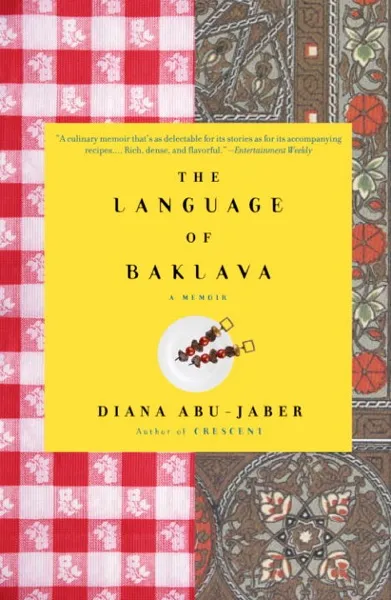

Eat Joy Author: Diana Abu-JaberPage Count: UnknownPublication Year: 2019-GB Diana Abu-Jaber’s Eat Joy is a vibrant celebration of food as more than sustenance—it’s a language of love, memory, and resilience. At its heart, this book is a culinary memoir that weaves together the author’s personal journey with the rich tapestry of Middle Eastern and American culinary traditions. Abu-Jaber, known for her lyrical prose and deep emotional resonance, crafts a narrative that is as much about the act of cooking as it is about the stories food carries within it. The title itself—Eat Joy—hints at the book’s central theme: the transformative power of food to nourish not just the body, but the soul. Abu-Jaber, who grew up between Jordan and the United States, explores how food becomes a bridge between cultures, generations, and even the past and present. Her writing is steeped in sensory detail, inviting readers to not just read about dishes but to taste them through her words. Whether she’s describing the warmth of a bowl of mansaf, the spice of a homemade za’atar, or the comfort of a simple American apple pie, her prose is rich with imagery and emotion. One of the most striking aspects of Eat Joy is Abu-Jaber’s ability to intertwine food with the personal. She doesn’t just share recipes; she shares memories. The book becomes a love letter to her family, particularly her father, who passed away during the writing of the book. Through food, she revisits his presence, the meals they shared, and the traditions he passed down. It’s a poignant reminder of how food can anchor us in grief and joy alike. There’s a moment early in the book where she describes making her father’s favorite dish, musakhan, and the act of cooking becomes a way to keep him close, even in his absence. That kind of emotional depth elevates Eat Joy from a mere cookbook to a deeply human experience. Abu-Jaber’s style is a feast for the senses. She writes with a poet’s eye, using food as a lens to explore broader themes of identity, belonging, and cultural heritage. Her sentences are often lush and evocative, mirroring the sensory richness of the dishes she describes. For example, she writes about the “golden, crispy edges” of a perfectly baked pie, or the “deep, earthy aroma” of cumin, making the reader feel as though they are right there in the kitchen with her. Yet, her prose is also grounded in warmth and humor, balancing the heavier moments with a lightness that keeps the book from feeling overly sentimental. The structure of Eat Joy is another standout feature. Rather than a linear narrative, Abu-Jaber organizes the book thematically, with chapters focused on different ingredients or dishes—bread, meat, vegetables, sweets—and the memories they evoke. This approach allows her to explore a wide range of experiences, from the communal joy of a large family gathering to the quiet intimacy of cooking for oneself. It also reflects the way food functions in our lives: sometimes as a shared experience, sometimes as a solitary comfort. One of the book’s most compelling threads is its exploration of cultural fusion. Abu-Jaber seamlessly blends Middle Eastern and American culinary traditions, reflecting her own bicultural upbringing. She doesn’t shy away from the complexities of this duality, either. There are moments of tension, such as when she grapples with the expectations placed on her as a woman in the kitchen, or when she reflects on the way food can both preserve tradition and adapt to new environments. Yet, the overall tone is one of celebration—of the ways food can bring people together across differences. What makes Eat Joy particularly resonant is its universality. While Abu-Jaber’s background gives the book a distinct flavor, the themes she explores are deeply relatable. Who hasn’t felt the comfort of a favorite meal, or the nostalgia of a taste from childhood? The book is a reminder that food is a language we all speak, even if we don’t always realize it. It’s a way to connect with others, to honor the past, and to find joy in the everyday. Abu-Jaber’s voice is a gift to readers. She writes with a generosity that makes Eat Joy feel like a conversation rather than a lecture. Whether she’s sharing a family recipe or musing on the cultural significance of a dish, her tone is inviting and her insights are profound without being pretentious. It’s clear that food is more than just a professional interest for her; it’s a lifelong passion that she wants to share with others. Eat Joy is a book that will leave you hungry—for more than just food. It’s a call to slow down, to savor the moments that matter, and to find joy in the act of nourishing ourselves and others. In a world that often feels rushed and disconnected, Abu-Jaber’s celebration of food as a source of connection and comfort is both timely and timeless. In the end, Eat Joy is more than a cookbook or a memoir. It’s a love song to the power of food to heal, to connect, and to bring us joy. And if Abu-Jaber’s writing is anything to go by, that joy is something we could all use a little more of. #EatJoy #FoodMemoir #CulinaryJourney #CulturalFusion #FoodAndMemory #DianaAbuJaber Related InsightsDefy Me (Shatter Me) Book Review and Summary The 100 Hats of the Cat in the Hat: A Celebration of the 100th Day of School Book Review and Summary If I Stay Book Review and Summary{ "@context": "https://schema.org", "@type": "FAQPage", "mainEntity": [ { "@type": "Question", "name": "What is the main focus of Eat Joy Book Review and Summary?", "acceptedAnswer": { "@type": "Answer", "text": "Everything you need to know about Eat Joy with our detailed review." } }, { "@type": "Question", "name": "Who authored the comprehensive guide on Eat Joy Book Review and Summary?", "acceptedAnswer": { "@type": "Answer", "text": "This detailed article and its insights were carefully researched and authored by Lucia Garcia." } }, { "@type": "Question", "name": "Where can I find more related content about Books?", "acceptedAnswer": { "@type": "Answer", "text": "You can explore more articles, detailed reviews, and similar insights by browsing the Related Insights section at the bottom of this article or visiting our dedicated Books category page." } } ] }
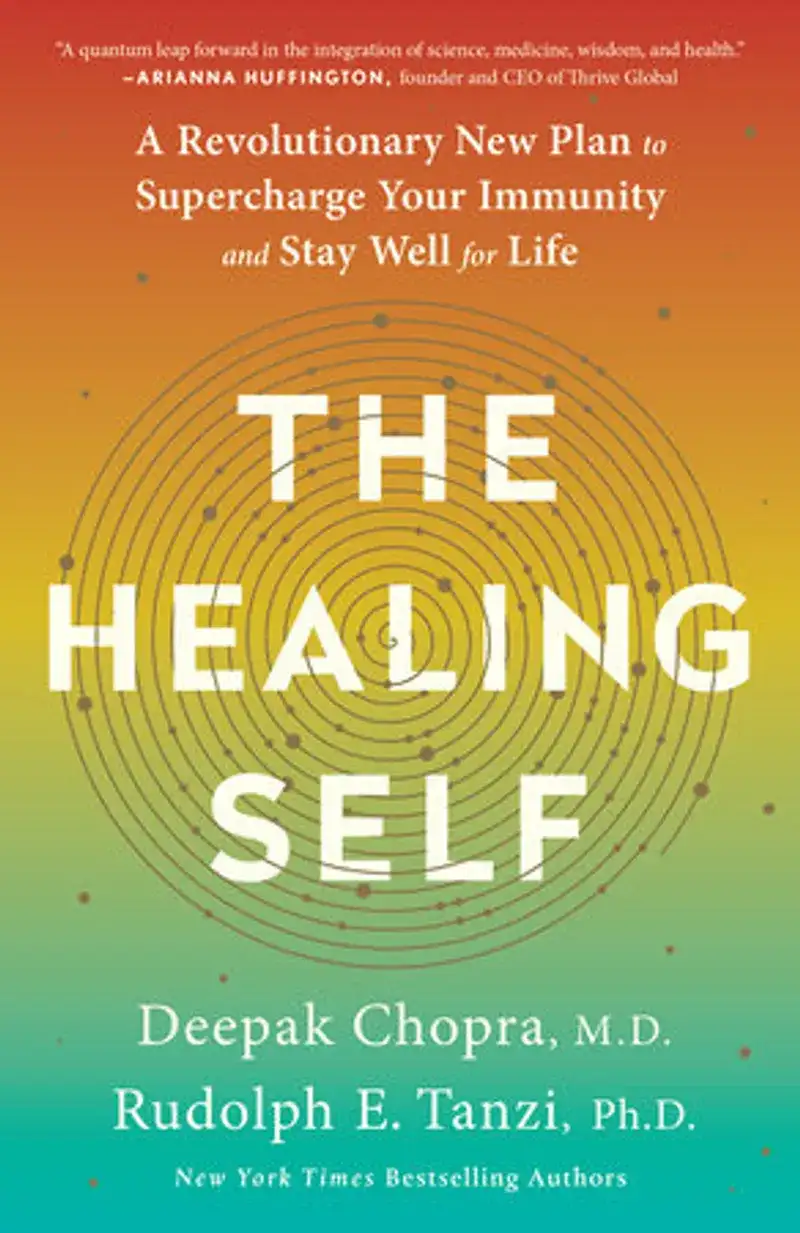

The Healing Self Author: Deepak Chopra, M.D.Page Count: UnknownPublication Date: 2020-PRH The Healing Self, a groundbreaking work by renowned authors Deepak Chopra, M.D., and Rudolph E. Tanzi, presents a compelling case for the importance of individual responsibility in achieving optimal health and wellness. Published in 2020, this landmark book is a timely response to the growing concerns of environmental toxins, potential epidemics, and the accelerated aging process. Chopra and Tanzi's work is a quantum leap forward in the integration of science, medicine, wisdom, and health, as aptly described by Arianna Huffington. The central theme of The Healing Self is the empowerment of individuals to take charge of their own health, rather than relying solely on doctors or pharmaceutical companies. This is a bold and liberating message, one that resonates deeply in today's world where the burden of health has shifted from institutions to individuals. Chopra and Tanzi argue that by making informed lifestyle choices, individuals can develop a holistic and transformative health plan that promotes longevity and well-being. One of the key strengths of The Healing Self is its comprehensive approach to health. The authors closely examine the impact of chronic stress and inflammation on our well-being, identifying these as primary detriments to health. They also offer a cutting-edge seven-day action plan, which provides readers with the tools and strategies needed to develop their own personalized path to self-healing. This plan is a valuable resource, one that empowers readers to take concrete steps towards achieving optimal health. Throughout the book, Chopra's signature style shines through, blending Eastern wisdom with Western scientific rigor. His writing is engaging, accessible, and infused with a deep sense of compassion and empathy. The Healing Self is not just a book about health; it is a call to action, a rallying cry for individuals to take control of their own well-being. Chopra and Tanzi's work is a testament to the human body's incredible capacity for self-healing and regeneration, and their message is both inspiring and empowering. The Healing Self is a book that will resonate with anyone interested in health, wellness, and personal growth. It is a must-read for those seeking to navigate the complexities of modern healthcare and to develop a deeper understanding of the intricate relationships between body, mind, and spirit. As a work of profound insight and wisdom, The Healing Self has the potential to transform lives and to inspire a new revolution in health, one that is driven by individual empowerment and self-awareness. In conclusion, The Healing Self is a masterpiece of contemporary health literature, one that offers a compelling vision of human health and wellness. With its unique blend of science, wisdom, and inspiration, this book has the power to transform lives and to inspire a new era of health and wellness. #TheHealingSelf #DeepakChopra #Wellness #SelfHealing #HolisticHealth #MindBodySpirit Related InsightsDarkfever Book Review and Summary The World We Make Book Review and Summary Freed Book Review and Summary{ "@context": "https://schema.org", "@type": "FAQPage", "mainEntity": [ { "@type": "Question", "name": "What is the main focus of The Healing Self Book Review and Summary?", "acceptedAnswer": { "@type": "Answer", "text": "Everything you need to know about The Healing Self with our detailed review." } }, { "@type": "Question", "name": "Who authored the comprehensive guide on The Healing Self Book Review and Summary?", "acceptedAnswer": { "@type": "Answer", "text": "This detailed article and its insights were carefully researched and authored by Olivia Harris." } }, { "@type": "Question", "name": "Where can I find more related content about Books?", "acceptedAnswer": { "@type": "Answer", "text": "You can explore more articles, detailed reviews, and similar insights by browsing the Related Insights section at the bottom of this article or visiting our dedicated Books category page." } } ] }
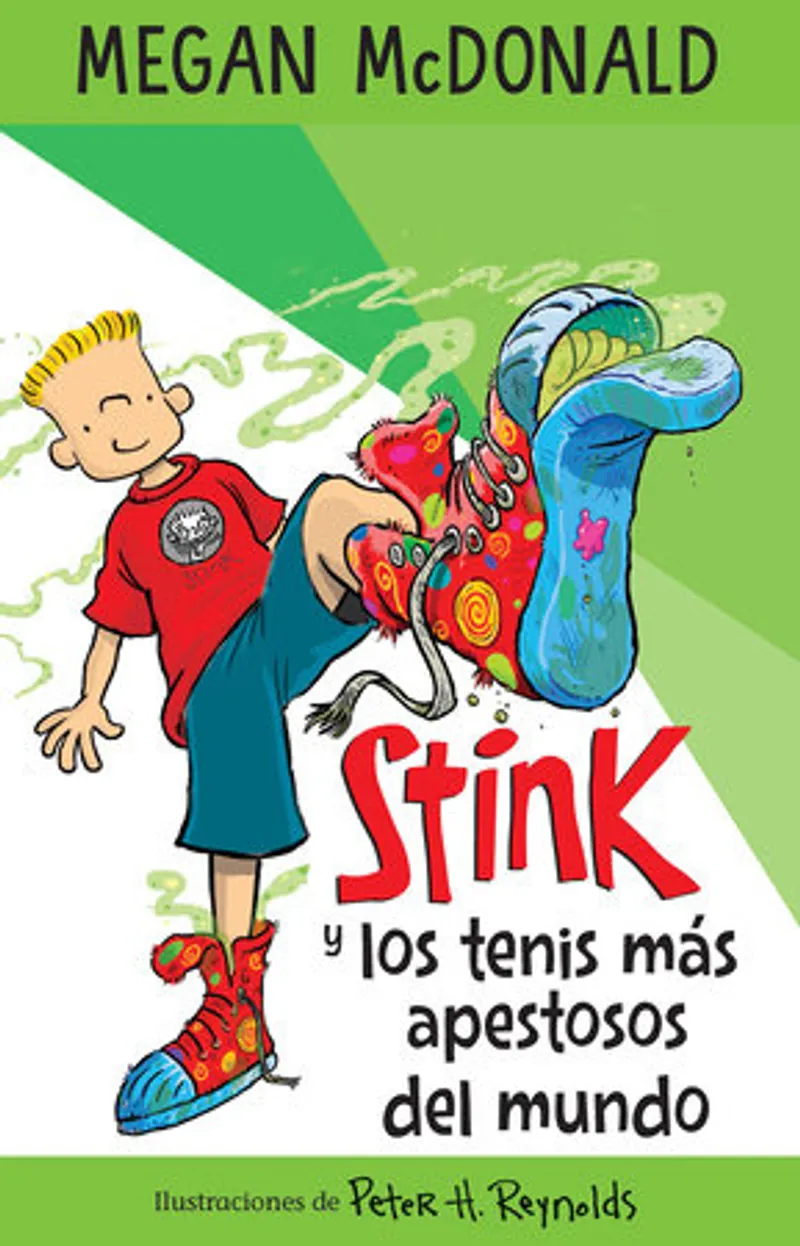
Stink y los tenis más apestosos del mundo/ Stink and the World's Worst Super-Stinky Sneakers Author: Megan McDonaldPage Count: UnknownPublication Date: 2022-PRH In "Stink and the World's Worst Super-Stinky Sneakers," Megan McDonald masterfully crafts a hilarious and engaging tale that will captivate young readers and leave them eagerly awaiting their next encounter with the lovable Stink Moody. This latest installment in the beloved series is a true testament to McDonald's unique ability to blend humor, adventure, and valuable life lessons into a narrative that is both entertaining and enriching. At its core, "Stink and the World's Worst Super-Stinky Sneakers" is a celebration of individuality and the power of embracing one's unique talents and passions. Stink's incredible sense of smell, which often proves to be both a blessing and a curse, is expertly woven throughout the story as a symbol of self-acceptance and the importance of being true to oneself. As Stink navigates the Gross-Me-Out exhibit and discovers the fascinating world of olfactory exploration, McDonald skillfully conveys the value of exploring one's interests and pursuing one's dreams, no matter how unusual they may seem. McDonald's writing style is, as always, a highlight of the book. Her use of language is playful, witty, and engaging, making the story a true page-turner that will leave young readers giggling and eager for more. The author's ability to balance humor and heart is a rare gift, and it is on full display in this latest Stink adventure. From the disgusting delights of the Gross-Me-Out exhibit to the intense competition of the stinky sneaker contest, McDonald's narrative is full of clever wordplay, humorous observations, and lighthearted fun. One of the most impressive aspects of "Stink and the World's Worst Super-Stinky Sneakers" is its ability to tackle complex themes and ideas in a way that is both accessible and enjoyable for young readers. McDonald's exploration of the science behind smell and the various ways in which it impacts our daily lives is both informative and engaging, making the book an excellent choice for kids who are curious about the world around them. In short, "Stink and the World's Worst Super-Stinky Sneakers" is a triumphant addition to the Stink series, offering a unique blend of humor, adventure, and heart that is sure to delight readers of all ages. With its positive message, engaging narrative, and lighthearted fun, this book is a must-read for kids and parents alike. #StinkMoody #KidsLit #HumorBooks #ScienceForKids #OlfactoryAdventures #GrossMeOut Related InsightsUntitled Thriller Book Review and Summary Start Lying to Yourself: New Truths to Manifest the Life You Want Book Review and Summary Stormside (Starside Series) Book Review and Summary{ "@context": "https://schema.org", "@type": "FAQPage", "mainEntity": [ { "@type": "Question", "name": "What is the main focus of Marley and Me: Life and Love With the World’s Worst Dog Book Review and Summary?", "acceptedAnswer": { "@type": "Answer", "text": "Everything you need to know about Marley and Me: Life and Love With the World’s Worst Dog with our detailed review." } }, { "@type": "Question", "name": "Who authored the comprehensive guide on Marley and Me: Life and Love With the World’s Worst Dog Book Review and Summary?", "acceptedAnswer": { "@type": "Answer", "text": "This detailed article and its insights were carefully researched and authored by John Grogan." } }, { "@type": "Question", "name": "Where can I find more related content about Books?", "acceptedAnswer": { "@type": "Answer", "text": "You can explore more articles, detailed reviews, and similar insights by browsing the Related Insights section at the bottom of this article or visiting our dedicated Books category page." } } ] }
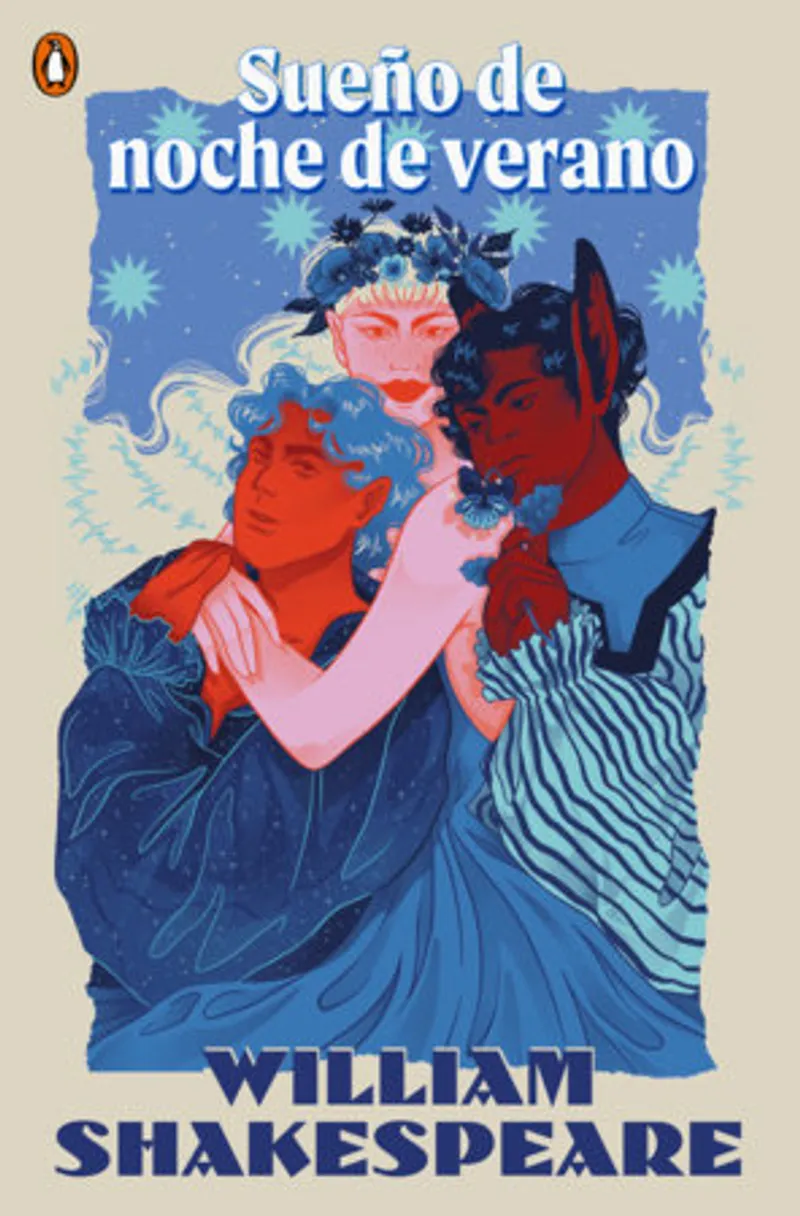
Sueño de noche de verano / A Midsummer Night's Dream Author: William ShakespearePage Count: UnknownPublication Date: 2026-PRH A Midsummer Night's Dream, a timeless masterpiece by the revered William Shakespeare, has been re-released in 2026, offering readers a chance to re-experience the enchanting world of love, magic, and mischief. This captivating tale, though penned centuries ago, remains a poignant exploration of the human condition, delving into the complexities of love, identity, and the transformative power of the imagination. At its core, A Midsummer Night's Dream is a thought-provoking examination of the intricate dance between reality and fantasy. Shakespeare masterfully weaves together the stories of four young lovers, a group of amateur actors, and the mythical creatures of the forest, blurring the lines between the mundane and the magical. The result is a rich tapestry of themes and emotions, expertly crafted to captivate and intrigue readers of all ages. One of the most striking aspects of Shakespeare's writing style is his use of language, which is at once poetic, expressive, and accessible. His prose is akin to a rich, velvety cake – layered, complex, and utterly delightful. The Bard's command of language is on full display in A Midsummer Night's Dream, as he effortlessly conjures the whimsical world of the forest, complete with mischievous sprites, lovesick mortals, and the enigmatic Oberon, King of the Fairies. Shakespeare's exploration of love is another dominant theme in the book, as he probes the complexities of romantic relationships, revealing the often-blurred lines between love, lust, and obsession. The character of Puck, with his mischievous antics and penchant for meddling, serves as a clever catalyst for the chaos that ensues, highlighting the capricious nature of love and the devastating consequences of its mismanagement. The author's use of comedic elements is also noteworthy, as he skillfully employs satire, irony, and slapstick humor to create a lighthearted, entertaining atmosphere. The character of Bottom, with his bombastic personality and hapless antics, provides much of the comedic relief, serving as a clever foil to the more serious themes explored in the book. In conclusion, A Midsummer Night's Dream is a masterpiece of literature that continues to captivate readers with its timeless themes, enchanting characters, and beautiful language. Shakespeare's writing style, a perfect blend of poetry, wit, and imagination, has created a world that is at once fantastical and familiar, inviting readers to step into the magical realm of the forest and experience the transformative power of love and imagination. #AMidsummerNightsDream #ShakespeareReimagined #LoveAndMagic #TheBardLivesOn #FantasyAndReality #TimelessClassics Related InsightsJohnny Got His Gun Book Review and Summary The Magic of Chamomile Cottage Book Review and Summary Bride Book Review and Summary{ "@context": "https://schema.org", "@type": "FAQPage", "mainEntity": [ { "@type": "Question", "name": "What is the main focus of A Midsummer Night’s Dream Book Review and Summary?", "acceptedAnswer": { "@type": "Answer", "text": "Everything you need to know about A Midsummer Night’s Dream with our detailed review." } }, { "@type": "Question", "name": "Who authored the comprehensive guide on A Midsummer Night’s Dream Book Review and Summary?", "acceptedAnswer": { "@type": "Answer", "text": "This detailed article and its insights were carefully researched and authored by William Shakespeare." } }, { "@type": "Question", "name": "Where can I find more related content about Books?", "acceptedAnswer": { "@type": "Answer", "text": "You can explore more articles, detailed reviews, and similar insights by browsing the Related Insights section at the bottom of this article or visiting our dedicated Books category page." } } ] }
-
 Anna Kowalska
 - 08 Mar, 2026 17:59
Harry Potter y la cámara secreta (Edición con ilustraciones de Xavier Bonet) / Harry Potter and the Chamber of Secrets Book Review and Summary
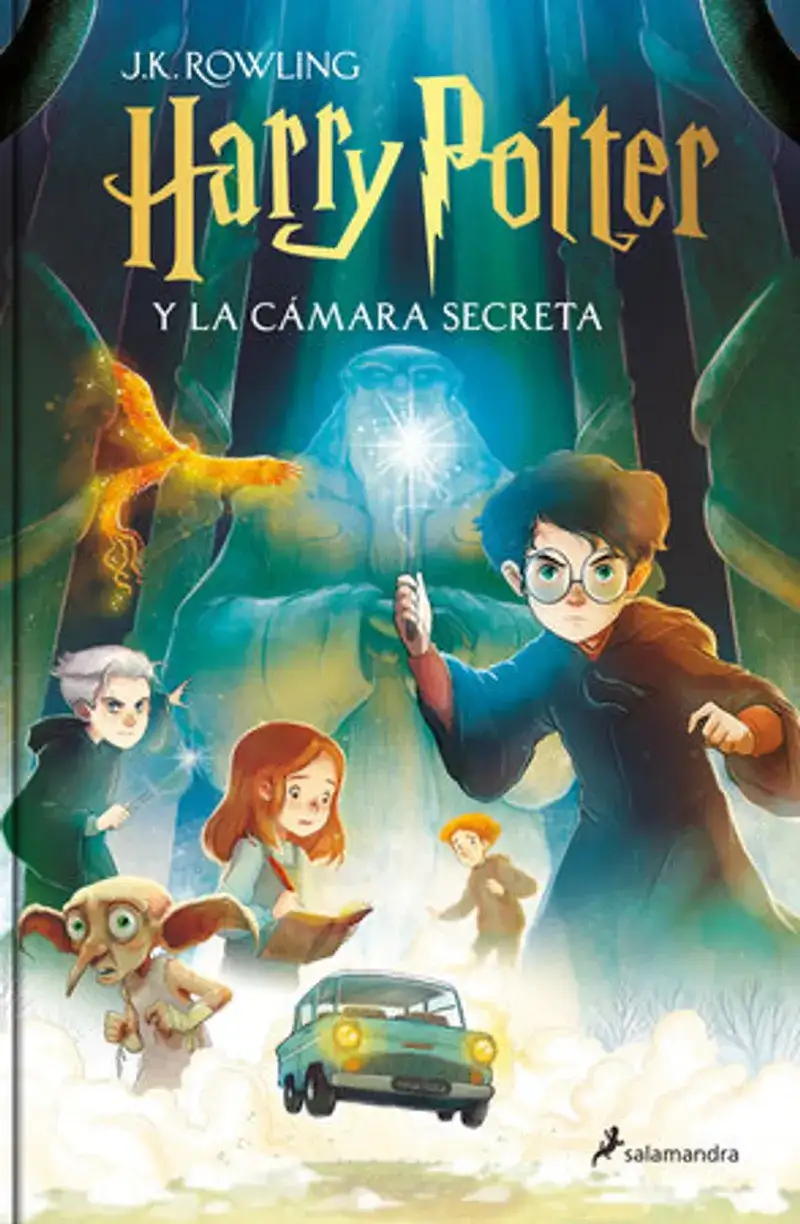
Harry Potter y la cámara secreta (Edición con ilustraciones de Xavier Bonet) / Harry Potter and the Chamber of Secrets Author: J.K. RowlingPage Count: UnknownPublication Date: 2024-PRH Harry Potter and the Chamber of Secrets (Illustrated Edition) – A Darker Dance of Magic and Identity Few sequels in literature dare to deepen the shadows while keeping the sparkle alive, but J.K. Rowling’s Harry Potter and the Chamber of Secrets somehow pulls it off. This is not merely a second act; it’s a mirror held up to the first book’s gleaming optimism, revealing cracks in the gilded halls of Hogwarts. In this lavishly reimagined illustrated edition—crafted with devotion by Spanish artist Xavier Bonet—Rowling’s narrative pulse quickens, and the magic becomes not just spellwork, but self-discovery. At its core, The Chamber of Secrets is about fear masquerading as inheritance. The book opens with Harry trapped in the suffocating orbit of the Dursleys, where love is a performance and kindness is a foreign currency. When the elfin Dobby arrives, his warnings are draped in doom—“You will be hurt… or worse… killed”—not as prophecy, but as emotional extraction. Harry is being told, in no uncertain terms, that his identity is both a burden and a target. This theme of inherited danger is echoed in the Chamber itself: a relic of Salazar Slytherin, whose prejudice has festered beneath the school’s polished surface. The “pure-blood” ideology isn’t just villainy—it’s a psychological wound, one that Harry must face not as a hero, but as a boy who doesn’t yet know his own lineage’s weight. Rowling’s genius lies in making ideology feel intimate. The attacks on Muggle-born students aren’t just plot points; they’re emotional landmines. Each petrified victim—Colin Creevey, Justin Finch-Fletchley—represents a fragment of Harry’s growing understanding: that the world he inhabits is not as safe or as just as he believed. The whispers in the corridors, the slashed paintings, the ghostly warnings from Nearly Headless Nick—all of it builds a Gothic atmosphere within the familiar framework of a school story. It’s as if Hogwarts, once a sanctuary, has become a haunted house that Harry can’t escape. And yet, amid the dread, Rowling never abandons humor or heart. The flying Ford Anglia, the bumbling Weasley twins, even Gilderoy Lockhart—each comic relief character serves a purpose. Lockhart, the narcissistic Defense Against the Dark Arts teacher, is not just a joke; he embodies the danger of false authority and performative heroism. His presence reminds us that talent and virtue are not always aligned—and that’s a lesson Harry must learn before facing the true monster in the Chamber. The prose, while retaining its youthful clarity, gains nuance here. Rowling’s descriptions of the Forbidden Forest or the Slytherin common room are richer, more textured. The emotional beats—Harry’s isolation, Ron’s fear of failure, Hermione’s brilliance turned to stone—are rendered with a quiet intensity that lingers. It’s a book where fear and courage are not opposites, but twins: one cannot exist without the other. Enter Xavier Bonet, whose illustrations elevate the text into a visual incantation. Bonet’s style is both delicate and bold—ethereal yet grounded. His depiction of the Basilisk, emerging from the pipes like a gleaming nightmare, is not monstrous in the traditional sense, but unsettling in its serpentine grace. The flying car’s crash into the Whomping Willow is rendered with kinetic energy, capturing the reckless joy of youth in peril. And the Chamber itself—dark, cavernous, illuminated by eerie green light—feels like a descent into the subconscious, where fears take physical form. Bonet’s greatest achievement is giving faces to Rowling’s most elusive characters. Dobby is not just a disembodied voice; he’s a creature of trembling ears and wide, pleading eyes. Ginny Weasley, often overshadowed in memory, is shown with a haunted intensity that foreshadows her later role. Even the portraits—so often dismissed as mere decoration—are alive with personality in Bonet’s hands. This edition is more than a repackaging; it’s a re-illumination. The larger format allows Bonet’s artwork to breathe, turning each page into a portal. The printed endpapers, the chapter-opening illustrations, the full-page spreads—all contribute to an immersive experience that feels like holding a grimoire. It’s not just a book about magic; it’s a magical object itself. In the end, Harry Potter and the Chamber of Secrets is about the cost of self-awareness. Harry learns that being special isn’t a badge of honor—it’s a cross to bear. The Chamber doesn’t just conceal a monster; it reveals a truth Harry has spent his life denying: that he is not an orphan by chance, but by bloodline. And that bloodline carries both power and peril. Rowling’s genius is in making that revelation feel both inevitable and devastating. The horror isn’t in the monster; it’s in the mirror it holds up to Harry—and to every reader who has ever feared not being enough. This illustrated edition, with Bonet’s haunting visions, doesn’t just tell the story again—it deepens it. It turns memory into magic, and fear into understanding. And in doing so, it reminds us why, after all these years, we still believe in the power of the wand… and the story it tells. #HarryPotter #ChamberOfSecrets #J.K.Rowling #XavierBonet #IllustratedEdition #MagicAndIdentity Related InsightsCharlaine Harris Gunnie Rose 4 Book Review and Summary Their Eyes Were Watching God Book Review and Summary World War Z: An Oral History of the Zombie War Book Review and Summary{ "@context": "https://schema.org", "@type": "FAQPage", "mainEntity": [ { "@type": "Question", "name": "What is the main focus of Harry Potter y la cámara secreta (Edición con ilustraciones de Xavier Bonet) / Harry Potter and the Chamber of Secrets Book Review and Summary?", "acceptedAnswer": { "@type": "Answer", "text": "Everything you need to know about Harry Potter y la cámara secreta (Edición con ilustraciones de Xavier Bonet) / Harry Potter and the Chamber of Secrets with our detailed review." } }, { "@type": "Question", "name": "Who authored the comprehensive guide on Harry Potter y la cámara secreta (Edición con ilustraciones de Xavier Bonet) / Harry Potter and the Chamber of Secrets Book Review and Summary?", "acceptedAnswer": { "@type": "Answer", "text": "This detailed article and its insights were carefully researched and authored by Anna Kowalska." } }, { "@type": "Question", "name": "Where can I find more related content about Books?", "acceptedAnswer": { "@type": "Answer", "text": "You can explore more articles, detailed reviews, and similar insights by browsing the Related Insights section at the bottom of this article or visiting our dedicated Books category page." } } ] }

Too Far Author: Sylvia DayPage Count: UnknownPublication Year: 2023-GB In Too Far, Sylvia Day once again proves why she remains a titan of contemporary romance, delivering a gripping, emotionally charged narrative that pushes the boundaries of love, trust, and redemption. Published in 2023, this latest novel cements Day’s reputation as a master of blending high-stakes drama with steamy passion, all while exploring the fragile lines between obsession and devotion. With her signature sharp wit, razor-edged tension, and deeply flawed yet compelling characters, Day crafts a story that is as thought-provoking as it is entertaining. At its core, Too Far is a tale of two people drowning in their pasts, each clinging to the hope that love might pull them back from the edge. The novel follows the tumultuous relationship between a hardened ex-convict and a woman who has spent years rebuilding her life after a devastating betrayal. Their connection is immediate, electric—yet fraught with the ghosts of their histories. Day doesn’t shy away from the complexities of such a bond; instead, she delves into the raw, often messy reality of second chances, asking whether love can truly heal wounds that have festered for years. The central conflict revolves around a secret that threatens to tear them apart, a secret that forces both protagonists to confront the consequences of their past actions and the limits of forgiveness. It’s a theme that resonates deeply in today’s world, where trust is a currency as valuable as it is fragile. What sets Too Far apart from Day’s other works is her willingness to explore the darker corners of human emotion without flinching. Unlike her previous novels, which often leaned into the escapism of billionaire romances or high-society drama, this book is grittier, more introspective. The prose is tight, the pacing relentless, and the emotional stakes higher than ever. Day’s ability to make the reader feel the weight of her characters’ struggles is unparalleled. You’ll find yourself holding your breath during confrontations, flinching at betrayals, and cheering at moments of hard-won vulnerability. The chemistry between the leads is palpable, their banter sharp and their passion consuming, but it’s the emotional depth beneath the surface that lingers long after the final page. Day’s writing style is a study in contrasts—she balances raw intensity with lyrical tenderness, often in the same breath. Her dialogue crackles with authenticity, whether it’s the biting sarcasm of a jaded protagonist or the stuttered confessions of someone learning to trust again. The author’s knack for subverting expectations also shines here; just when you think you’ve pegged a character, Day delivers a twist that forces you to reevaluate everything. The result is a novel that keeps you guessing, not just about the plot, but about the very nature of the people inhabiting its pages. One of the most striking aspects of Too Far is its unflinching portrayal of redemption. Day doesn’t offer easy answers or neat resolutions. Instead, she presents redemption as something hard-won, something that requires sacrifice, humility, and, above all, time. The characters must confront their own flaws and the pain they’ve caused others, a journey that is as painful to witness as it is rewarding to experience. This isn’t a story where love conquers all—it’s a story where love is the crucible that forces growth, where healing is possible only after enduring the fire. For readers who have followed Sylvia Day’s career, Too Far feels like a culmination of everything she’s built over the years—a deeper, more mature exploration of the themes she’s always been drawn to. For newcomers, it’s a masterclass in how to craft a romance that is both deeply personal and universally relatable. Whether you’re a fan of her earlier works or discovering her for the first time, this novel is a reminder of why Sylvia Day remains one of the most compelling voices in modern romance. In a literary landscape where so many books chase fleeting trends, Too Far stands out as a testament to the enduring power of a well-told story. It’s a book that will make you laugh, cry, and ache for more—not just of the romance, but of the human connection at its heart. Sylvia Day has done it again: she’s taken us to the edge, and we’re all too happy to go there with her. #TooFar #SylviaDay #RomanceNovel #DarkRomance #SecondChances #ForbiddenLove Related InsightsRagpicker King Book Review and Summary Message in a Bottle Book Review and Summary Beach Read Book Review and Summary{ "@context": "https://schema.org", "@type": "FAQPage", "mainEntity": [ { "@type": "Question", "name": "What is the main focus of Too Far Book Review and Summary?", "acceptedAnswer": { "@type": "Answer", "text": "Everything you need to know about Too Far with our detailed review." } }, { "@type": "Question", "name": "Who authored the comprehensive guide on Too Far Book Review and Summary?", "acceptedAnswer": { "@type": "Answer", "text": "This detailed article and its insights were carefully researched and authored by Antoine Leroy." } }, { "@type": "Question", "name": "Where can I find more related content about Books?", "acceptedAnswer": { "@type": "Answer", "text": "You can explore more articles, detailed reviews, and similar insights by browsing the Related Insights section at the bottom of this article or visiting our dedicated Books category page." } } ] }
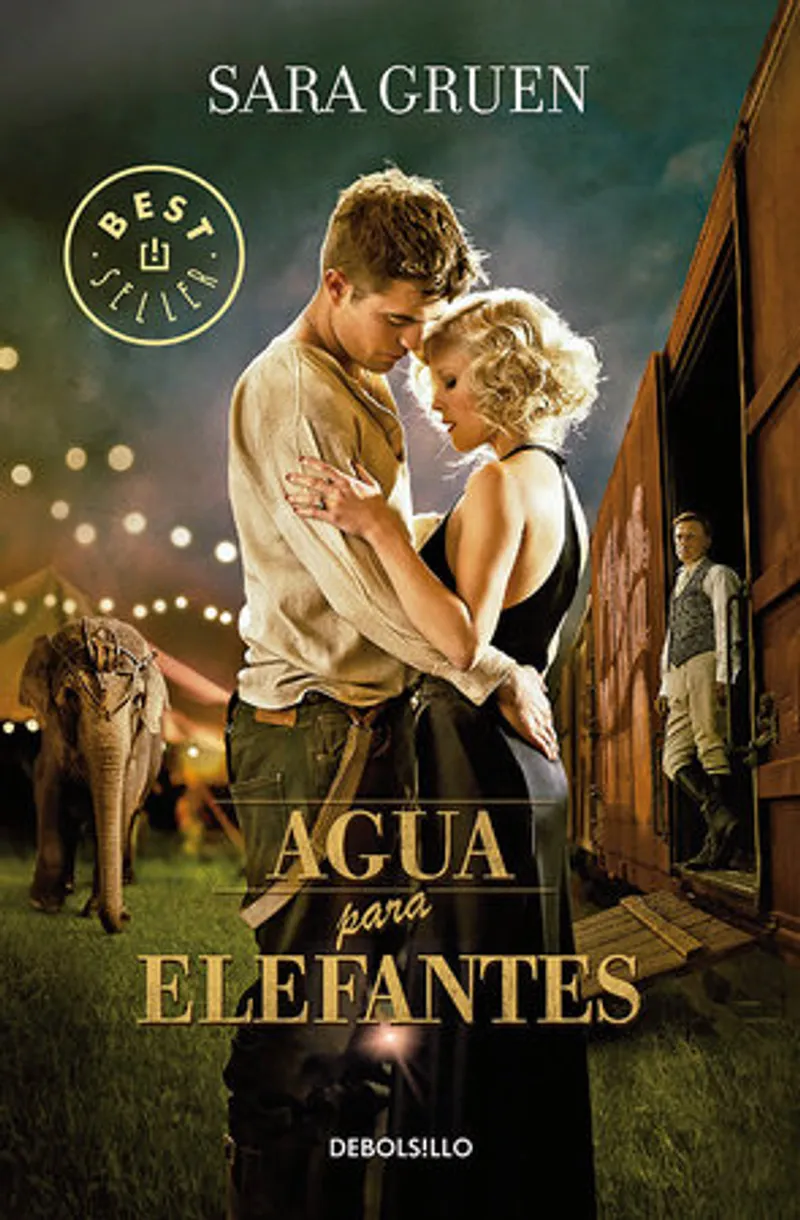
Agua para elefantes / Water for Elephants Author: Sara GruenPage Count: UnknownPublication Date: 2016-PRH "Water for Elephants" by Sara Gruen is a mesmerizing tale of love, loss, and self-discovery set against the vibrant backdrop of a traveling circus during the Great Depression. The story is woven around Jacob Jankowski, a young man who joins the Benzini Brothers Most Spectacular Show on Earth after a tragic event derails his life. As he becomes an integral part of the circus, Jacob finds himself drawn to the enigmatic Marlena, the star of the equestrian act, and Rosie, a majestic elephant with a mind of her own. Gruen's masterful storytelling is reminiscent of a classic circus performance – a delicate balance of drama, humor, and spectacle. With a narrative that seamlessly shifts between Jacob's present and past, the author skillfully crafts a world that is both captivating and poignant. The characters are multidimensional and complex, with flaws and strengths that make them relatable and human. At its core, "Water for Elephants" is a story about the power of human connection and the transformative nature of love. Jacob, Marlena, and Rosie form an unlikely trio, bound together by their experiences and emotions. As they navigate the treacherous landscape of the circus, they find solace and strength in each other, ultimately becoming a makeshift family. Gruen's writing is evocative and immersive, conjuring the sights, sounds, and smells of the circus with vivid precision. Her use of language is economical yet effective, conveying the emotional depth of the characters without resorting to sentimentality. The pacing is well-balanced, with moments of high drama and tension expertly woven into the narrative. One of the most striking aspects of "Water for Elephants" is its exploration of the human condition. Gruen tackles themes of identity, morality, and redemption with sensitivity and nuance, raising questions about the nature of right and wrong in a world that is often gray and ambiguous. The novel's climax is both surprising and heart-wrenching, a testament to Gruen's skill as a storyteller. Without resorting to spoilers, it's safe to say that the conclusion is both satisfying and haunting, leaving the reader with a lasting impression of the characters and their world. In conclusion, "Water for Elephants" is a captivating and emotional read that will appeal to fans of historical fiction, romance, and drama. With its vivid characters, immersive setting, and poignant themes, this novel is a must-read for anyone looking for a compelling and unforgettable story. #WaterForElephants #SaraGruen #HistoricalFiction #CircusLife #GreatDepression #BookLovers Related InsightsGodrise Book Review and Summary The Twilight Collection Book Review and Summary A Good Find: A Novel Book Review and Summary{ "@context": "https://schema.org", "@type": "FAQPage", "mainEntity": [ { "@type": "Question", "name": "What is the main focus of Water for Elephants Book Review and Summary?", "acceptedAnswer": { "@type": "Answer", "text": "Everything you need to know about Water for Elephants with our detailed review." } }, { "@type": "Question", "name": "Who authored the comprehensive guide on Water for Elephants Book Review and Summary?", "acceptedAnswer": { "@type": "Answer", "text": "This detailed article and its insights were carefully researched and authored by Sara Gruen." } }, { "@type": "Question", "name": "Where can I find more related content about Books?", "acceptedAnswer": { "@type": "Answer", "text": "You can explore more articles, detailed reviews, and similar insights by browsing the Related Insights section at the bottom of this article or visiting our dedicated Books category page." } } ] }

The Lord of the Rings Author: J.R.R. TolkienPage Count: UnknownPublication Date: 1954-OL -OL In the realm of epic fantasy, few works have left an indelible mark as profound as J.R.R. Tolkien's "The Lord of the Rings." This high fantasy novel, originally published in three volumes between 1954 and 1956, has not only captivated readers for generations but has also redefined the boundaries of the genre. As a seminal work of fantasy literature, it has been hailed as "the most influential fantasy novel ever written" by "The Encyclopedia of Fantasy." At its core, "The Lord of the Rings" is a tale of the eternal struggle between good and evil, as embodied by the unyielding resolve of the hobbit Frodo Baggins and the unrelenting malevolence of the Dark Lord Sauron. The narrative unfolds as a richly textured tapestry, woven from the threads of Middle-earth's intricate history, cultures, and languages. Tolkien's masterful world-building is a testament to his philological expertise and his boundless imagination. The story begins innocently enough, with Bilbo Baggins' discovery of the One Ring, a deceptively simple gold band imbued with Sauron's dark magic. As the Dark Lord's power grows, Frodo inherits the burden of destroying the Ring in the fires of Mount Doom, a perilous quest that will take him across treacherous landscapes and pit him against formidable foes. Along the way, he is joined by a fellowship of disparate characters, each with their own motivations and conflicts, forging a sense of camaraderie and shared purpose that becomes the emotional heart of the novel. Tolkien's prose is characterized by its lyricism, depth, and complexity. His writing is redolent with the poetry of Old English and the grandeur of Norse mythology, evoking a sense of timelessness and antiquity. The narrative is punctuated by songs, poems, and riddles, which add to the novel's sense of depth and history. The author's use of language is deliberate and measured, conjuring a world that is at once familiar and strange, inviting readers to immerse themselves in its wonders. One of the most striking aspects of "The Lord of the Rings" is its exploration of the human condition. Through the characters' struggles and triumphs, Tolkien examines the nature of courage, sacrifice, and friendship. The novel is also notable for its nuanced portrayal of morality, where the lines between good and evil are often blurred, and the motivations of even the most well-intentioned characters are subject to doubt. In conclusion, "The Lord of the Rings" is a work of breathtaking scope and imagination, a testament to the power of storytelling and the human spirit. Tolkien's masterpiece has captivated readers for generations, and its influence can be seen in countless works of fantasy literature, art, and film. As a work of epic fantasy, it remains unparalleled, a must-read for anyone who has ever been enchanted by the magic of Middle-earth. #TheLordOfTheRings #JRR Tolkien #EpicFantasy #MiddleEarth #OneRing #FantasyClassic Related InsightsWeak Side (D.C. Stars, #7) Book Review and Summary How to Be Less Useful: The Joy of Inefficiency Book Review and Summary A Court of Splintered Harmony (A Court of Thorns and Roses, #6) Book Review and Summary{ "@context": "https://schema.org", "@type": "FAQPage", "mainEntity": [ { "@type": "Question", "name": "What is the main focus of The Lord of the Rings Book Review and Summary?", "acceptedAnswer": { "@type": "Answer", "text": "Everything you need to know about The Lord of the Rings with our detailed review." } }, { "@type": "Question", "name": "Who authored the comprehensive guide on The Lord of the Rings Book Review and Summary?", "acceptedAnswer": { "@type": "Answer", "text": "This detailed article and its insights were carefully researched and authored by William Clark." } }, { "@type": "Question", "name": "Where can I find more related content about Books?", "acceptedAnswer": { "@type": "Answer", "text": "You can explore more articles, detailed reviews, and similar insights by browsing the Related Insights section at the bottom of this article or visiting our dedicated Books category page." } } ] }
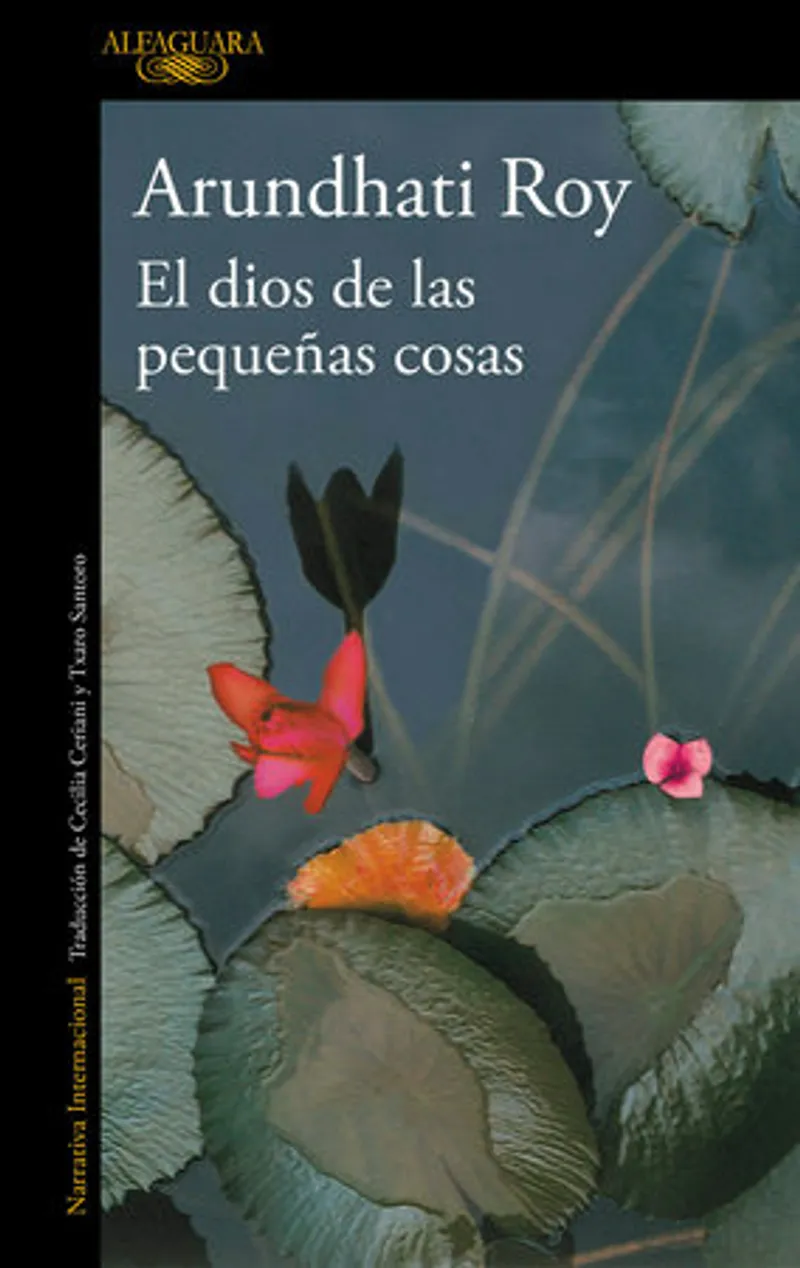
El dios de las pequeñas cosas / The God of Small Things Author: Arundhati RoyPage Count: UnknownPublication Date: 2026-PRH Arundhati Roy’s The God of Small Things is a masterpiece of literary alchemy, a novel that transforms the mundane into the mythic and the personal into the political with breathtaking precision. Though the book’s publication year is listed as 2026—a detail that only deepens its mystique—Roy’s prose feels timeless, as if carved from the same river that flows through Kerala’s backwaters, carrying with it the weight of history, caste, and forbidden love. At its core, the novel is a dissection of love’s fragility in the face of societal oppression. The story unfolds through the eyes of Rahel, a woman returning to her childhood home in Ayemenem, where the ghosts of her past—her twin brother Estha, her mother Ammu, and the tragic events that shattered their family—await like uninvited guests. Roy’s narrative is a labyrinth of memory, where time is not linear but a spiral, looping back on itself to reveal how small, seemingly insignificant moments—like the touch of a hand, the flicker of a forbidden glance, or the sting of a slap—can reverberate across decades, shaping lives in ways that are both devastating and irreversible. The title itself is a clue to Roy’s thematic obsession: the idea that the divine is not found in grand, cosmic events but in the quiet, almost imperceptible acts of kindness, cruelty, or connection that define human existence. The "god of small things" is a paradox—a deity who governs not through thunderbolts but through the unspoken rules of a rigid caste system, the unyielding expectations of family, and the cruel whims of those in power. Roy forces us to confront how these "small things" are, in fact, the most powerful forces in shaping our lives. The novel’s most heartbreaking moments arise not from dramatic confrontations but from the slow, suffocating erosion of dignity, as when Velutha, the untouchable carpenter, is beaten to death for daring to love Ammu, a woman of a higher caste. The tragedy isn’t just in his death but in the way the world conspires to make his love—and Ammu’s—seem like the real sin. Roy’s prose is a revelation, a symphony of sensory detail and lyrical intensity. Her sentences are like monsoon rains—unpredictable, relentless, and capable of both nourishing and drowning. She weaves Malayalam phrases into the text without translation, immersing the reader in the rhythm of the language and the culture. The novel’s structure is equally daring, flipping between past and present with a nonchalance that mirrors the way memory works. Chapters titled "Pappachi’s Moth," "The God of Small Things," and "The Cost of Living" are not just placeholders but incantations, each one a spell that pulls the reader deeper into the story’s emotional and political undercurrents. What makes The God of Small Things so devastating is Roy’s refusal to offer easy resolutions. There are no heroes here, only flawed humans trapped in a system that rewards cruelty and punishes love. The novel’s power lies in its ambiguity—was Estha’s silence a form of survival or complicity? Was Rahel’s return an act of healing or a surrender to the past? Roy leaves these questions unanswered, trusting the reader to sit with the discomfort, to feel the weight of history pressing down on every character. This is a book that demands to be read slowly, savored like fine wine, and then read again to uncover the layers of meaning buried in its prose. It is a novel about the things we cannot change—the rigid hierarchies of caste, the inescapable pull of family, the irreversible consequences of our actions—but also about the small rebellions that make life worth living. In a world where love is often treated as a luxury, Roy reminds us that it is, in fact, the most radical act of all. The God of Small Things is not just a book; it is an experience, a wound that lingers long after the last page is turned. It is a testament to the idea that the most profound stories are not about kings or gods, but about the ordinary people who dare to love, to defy, and to survive in a world that would rather see them broken. #TheGodOfSmallThings #ArundhatiRoy #CasteAndLove #LiteraryFiction #ForbiddenLove #KeralaNovel Related InsightsSecrets of a Summer Night Book Review and Summary The Catcher in the Rye Book Review and Summary The Radiance Book Review and Summary{ "@context": "https://schema.org", "@type": "FAQPage", "mainEntity": [ { "@type": "Question", "name": "What is the main focus of Small Gods Book Review and Summary?", "acceptedAnswer": { "@type": "Answer", "text": "Everything you need to know about Small Gods with our detailed review." } }, { "@type": "Question", "name": "Who authored the comprehensive guide on Small Gods Book Review and Summary?", "acceptedAnswer": { "@type": "Answer", "text": "This detailed article and its insights were carefully researched and authored by Terry Pratchett." } }, { "@type": "Question", "name": "Where can I find more related content about Books?", "acceptedAnswer": { "@type": "Answer", "text": "You can explore more articles, detailed reviews, and similar insights by browsing the Related Insights section at the bottom of this article or visiting our dedicated Books category page." } } ] }
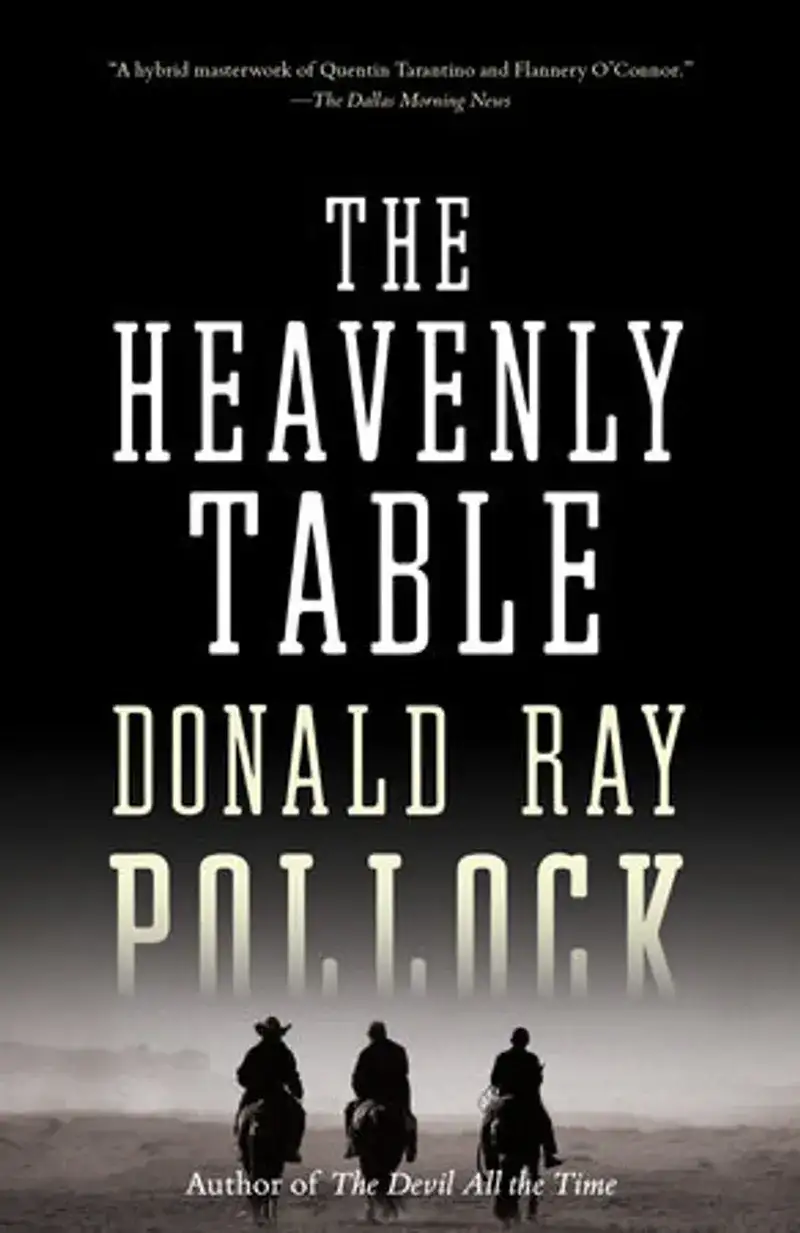
The Heavenly Table Author: Donald Ray PollockPage Count: UnknownPublication Date: 2017-PRH The Heavenly Table: A Bloodsoaked Ballad ofFamily, Faith, and Fated Ruin Donald Ray Pollock’s The Heavenly Table is not a book for the faint of heart. It is a brutal, black-hearted romp through the backwoods of 1917 Georgia and Alabama, where the air smells of sweat, sin, and gunpowder, and where the line between salvation and damnation is drawn in the dirt of a dirt-poor farm. If Flannery O’Connor and Quentin Tarantino had ever collaborated on a Southern Gothic nightmare, this would be it—a novel that drips with the kind of violence and dark humor that feels both timeless and urgently immediate. At its core, The Heavenly Table is a story about two families hurtling toward each other like trains on the same track, their fates entwined by greed, grief, and the kind of reckless, almost biblical justice that only the poor and desperate can afford. On one side, the Jewetts: Pearl, a broken-down farmer clinging to his land like a drowning man to driftwood, and his three sons—Cane, Cob, and Chimney—who are less sons and more feral coyotes, hungry for blood and a quick buck. On the other, the Fiddlers, a family of simple, hardworking farmers who have been swindled out of everything they own, their youngest son, Eddie, lost to the horrors of World War I. When the Jewetts set out on a crime spree that will lead them straight to the Fiddlers’ doorstep, what follows is a collision of violence, vengeance, and a twisted form of redemption. Pollock’s genius lies in his ability to weave together the grotesque and the grotesquely funny, the sacred and the profane, with the ease of a man spinning tales around a campfire. His prose is raw, unpolished, and utterly immersive, as if the words themselves are caked in the grime of the era he’s describing. There’s a relentless rhythm to his sentences, a kind of hypnotic cadence that sucks you into the muck and mire of these characters’ lives. When he describes the Jewetts’ crimes, it’s with the matter-of-fact brutality of a man recounting the weather—no embellishment, no moralizing, just the cold hard facts of what happened. And yet, beneath the violence, there’s a dark humor, a streak of the absurd that makes the bloodshed feel almost cartoonish, if not for the fact that real people are the ones bleeding. The real triumph of The Heavenly Table is its characters—not the kind of people you’d invite to dinner, but the kind you can’t look away from. Pearl Jewett is a man who has given up on God, his land, and even his own sons, yet he clings to a fragile hope that his family might still find its way. His sons, meanwhile, are a trio of outlaws straight out of a folk ballad, each more unhinged than the last. Cane, the eldest, is a self-proclaimed prophet with a messiah complex; Cob is a brute with the IQ of a box of rocks; and Chimney is the youngest, the most volatile, and the most tragic of the bunch. On the other side, the Fiddlers are a family drowning in sorrow, their grief as palpable as the dust in the air. Eddie, their missing son, is a specter haunting every page, his absence as heavy as the weight of the sins about to be committed in his name. What makes this novel so gripping is its exploration of faith—both in its absence and its twisted presence. The Jewetts’ crimes are justified, in their minds, by a warped sense of divine right. Cane, in particular, sees himself as an instrument of God’s will, a bringer of justice to the corrupt and the wicked. Meanwhile, the Fiddlers’ faith is tested in the most brutal way possible, as they struggle to reconcile their belief in a just God with the senseless violence that threatens to consume them. Pollock doesn’t offer easy answers here. Instead, he presents a world where faith is as much a weapon as a crutch, where salvation is just another word for survival, and where the line between the holy and the horrific is thinner than a razor’s edge. The novel’s title, The Heavenly Table, is a sly nod to this theme. It refers to a mythical feast promised to the poor and the righteous, a table laden with abundance where the meek shall inherit. But in Pollock’s world, the heavenly table is always just out of reach, a cruel joke played on those who dare to hope. The Jewetts and the Fiddlers are all chasing after the same dream, only to find that the table is already set with knives instead of bread. If there’s a flaw in The Heavenly Table, it’s that Pollock’s world can feel a little too insular at times. The violence, while shocking, starts to blur together in the middle sections, and the sheer number of brutal acts can make the novel feel like a endurance test rather than a narrative. But this is a minor quibble in a book that otherwise crackles with energy, humor, and a deep, abiding sadness. The Heavenly Table is not a book for everyone. It’s too violent, too dark, too unflinching for those who prefer their Southern fiction served with a side of Southern charm. But for those who crave a story that’s as raw and unfiltered as a fresh wound, Donald Ray Pollock delivers in spades. This is a novel that will leave you breathless, bruised, and, if you’re lucky, a little wiser about the kind of people who haunt the edges of history—the ones who never quite make it to the heavenly table, but who sure as hell make their presence known. #DarkSouthernFiction #GritLit #BrutalFamilySaga #SouthernGothic #PollockStyle #FatedToDie Related InsightsRoyal Witch Book Review and Summary Crash Book Review and Summary Cold Empty Rooms Book Review and Summary{ "@context": "https://schema.org", "@type": "FAQPage", "mainEntity": [ { "@type": "Question", "name": "What is the main focus of The Heavenly Table Book Review and Summary?", "acceptedAnswer": { "@type": "Answer", "text": "Everything you need to know about The Heavenly Table with our detailed review." } }, { "@type": "Question", "name": "Who authored the comprehensive guide on The Heavenly Table Book Review and Summary?", "acceptedAnswer": { "@type": "Answer", "text": "This detailed article and its insights were carefully researched and authored by Carmen Martinez." } }, { "@type": "Question", "name": "Where can I find more related content about Books?", "acceptedAnswer": { "@type": "Answer", "text": "You can explore more articles, detailed reviews, and similar insights by browsing the Related Insights section at the bottom of this article or visiting our dedicated Books category page." } } ] }

Iron Rails, Iron Men, and the Race to Link the Nation: The Story of the Transcontinental Railroad Author: Martin W. SandlerPage Count: UnknownPublication Date: 2015-PRH In "Iron Rails, Iron Men, and the Race to Link the Nation: The Story of the Transcontinental Railroad", Martin W. Sandler masterfully recounts the epic tale of the transcontinental railroad's construction, an engineering feat that revolutionized America's landscape and transformed its future. With meticulous research and engaging storytelling, Sandler brings to life the courageous and determined men who defied seemingly insurmountable obstacles to link the country with two bands of steel. Sandler's narrative is a gripping account of the tumultuous 1850s, when gold fever swept the West and the need for faster, safer transportation became a pressing concern. The author skillfully weaves together the stories of the two railroad companies, the Central Pacific and the Union Pacific, as they embarked on a great race to connect the nation. With vivid descriptions and archival photos, Sandler recreates the treacherous terrain, the ingenious solutions, and the unyielding spirit of the workers who blasted tunnels, built bridges, and laid tracks across 1,800 miles of unforgiving landscape. What sets Sandler's book apart is its ability to balance the grandeur of the railroad's construction with the intimate stories of the men who made it possible. The author's portraits of the engineers, laborers, and entrepreneurs who drove the project forward are nuanced and multidimensional, revealing the complexities and contradictions of these iron-willed individuals. From the brilliant but reclusive Theodore Judah, who designed the treacherous Sierra Nevada route, to the Chinese workers who toiled in obscurity, Sandler's characters leap off the page, imbuing the narrative with a sense of humanity and urgency. Sandler's writing style is engaging and accessible, making the book an enjoyable read for both historians and general audiences. His use of archival photos and illustrations adds a rich visual dimension to the narrative, while his meticulous research ensures that the story is grounded in historical accuracy. The author's passion for the subject matter is evident throughout, and his enthusiasm is contagious, making the reader feel like they are part of the epic journey. One of the book's greatest strengths is its ability to convey the profound impact of the transcontinental railroad on America's development. Sandler shows how the railroad transformed the country's economy, politics, and culture, facilitating the growth of cities, industries, and communities. The author also acknowledges the darker aspects of the railroad's construction, including the exploitation of Chinese workers and the displacement of Native American tribes. In conclusion, "Iron Rails, Iron Men, and the Race to Link the Nation" is a riveting and informative book that will appeal to anyone interested in American history, engineering, or the human spirit. Martin W. Sandler's masterful storytelling and meticulous research have created a compelling narrative that brings to life the courageous men who built the transcontinental railroad and forever changed the course of American history. #TranscontinentalRailroad #AmericanHistory #RailroadHistory #EngineeringFeats #USHistoryBooks #GoldRushEra Related InsightsBlack Gold Book Review and Summary The Occidental Book of the Dead Book Review and Summary Clash of Kings Book Review and Summary{ "@context": "https://schema.org", "@type": "FAQPage", "mainEntity": [ { "@type": "Question", "name": "What is the main focus of The Iron King Book Review and Summary?", "acceptedAnswer": { "@type": "Answer", "text": "Everything you need to know about The Iron King with our detailed review." } }, { "@type": "Question", "name": "Who authored the comprehensive guide on The Iron King Book Review and Summary?", "acceptedAnswer": { "@type": "Answer", "text": "This detailed article and its insights were carefully researched and authored by Julie Kagawa." } }, { "@type": "Question", "name": "Where can I find more related content about Books?", "acceptedAnswer": { "@type": "Answer", "text": "You can explore more articles, detailed reviews, and similar insights by browsing the Related Insights section at the bottom of this article or visiting our dedicated Books category page." } } ] }
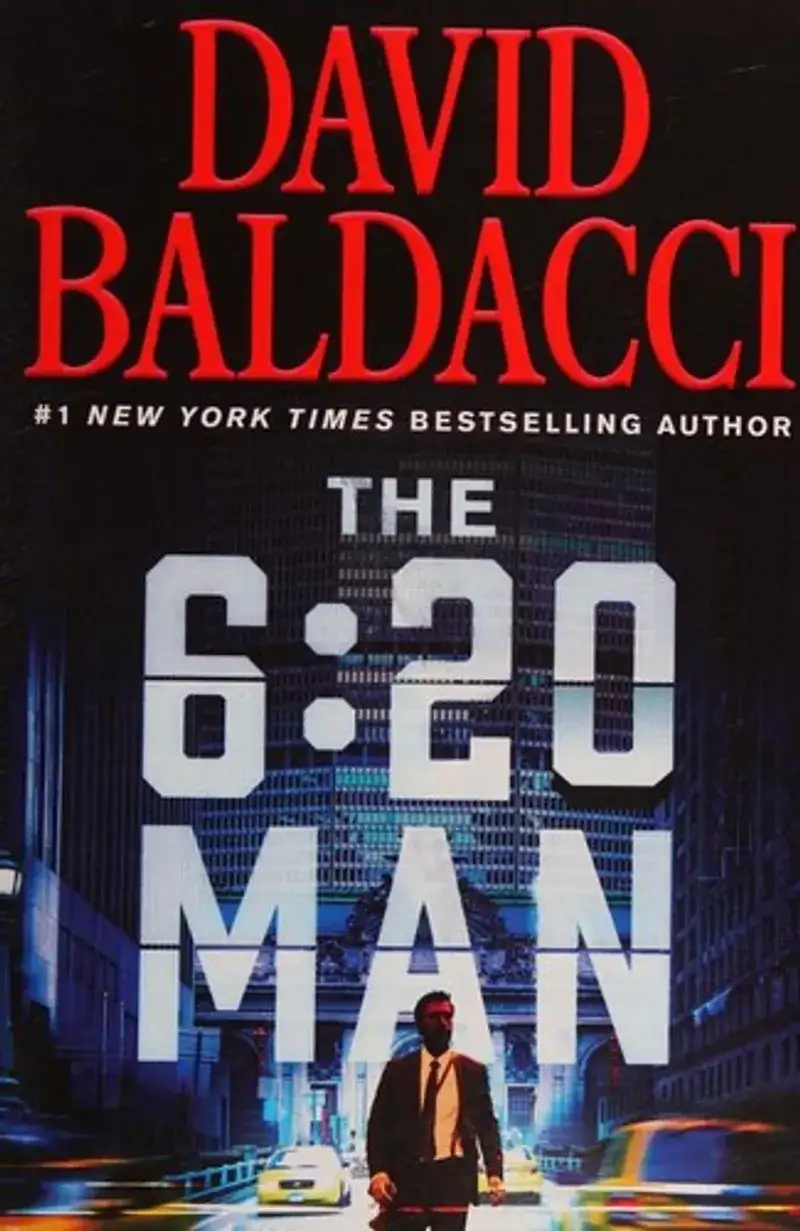

The 6:20 Man Author: David BaldacciPage Count: UnknownPublication Date: 2022-OL In the realm of thriller novels, few authors have managed to capture the essence of suspense and intrigue as masterfully as David Baldacci. His latest offering, "The 6:20 Man", is a gripping tale that delves into the darker corners of human nature, exploring the complexities of morality and the blurred lines between right and wrong. The story follows a former soldier, Travis Devine, who finds himself embroiled in a world of high-stakes finance and corruption. As he navigates this treacherous landscape, Devine must confront his own demons and make difficult choices that will test his character and challenge his very sense of self. Through Devine's journey, Baldacci expertly weaves a narrative that is both a scathing critique of the financial industry and a thought-provoking exploration of the human condition. One of the standout features of "The 6:20 Man" is Baldacci's masterful use of pacing. The author's writing is taut and economical, with a keen sense of rhythm that propels the reader forward at breakneck speed. The action is relentless, with twists and turns that will keep even the most seasoned thriller fan guessing until the very end. But what truly sets "The 6:20 Man" apart is its thought-provoking themes. Baldacci is not afraid to tackle the big questions, and his exploration of morality, loyalty, and the true cost of success is both nuanced and unsettling. Through Devine's struggles, the author raises important questions about the nature of right and wrong, and the difficult choices we must make in order to survive in a world that often seems determined to destroy us. Baldacci's writing style is, as always, impeccable. His prose is lean and mean, with a keen sense of observation that brings the world of high finance to vivid life. The characters are well-drawn and complex, with Devine being a particularly compelling protagonist. His struggles are deeply human, and his ultimate triumph is both satisfying and hard-won. If there is a criticism to be made, it is that the supporting cast is somewhat one-dimensional. The villains are cartoonishly evil, and the heroes are largely saintly. However, this is a minor quibble in what is otherwise a gripping and thought-provoking thriller. In conclusion, "The 6:20 Man" is a gripping and unputdownable thriller that will appeal to fans of David Baldacci and the genre as a whole. With its breakneck pacing, thought-provoking themes, and masterful writing, it is a must-read for anyone looking for a compelling and suspenseful tale. #The620Man #DavidBaldacci #ThrillerNovels #FinancialThriller #MoralityTales #SuspenseFiction Related InsightsJames and the Giant Peach Book Review and Summary A Canticle for Leibowitz Book Review and Summary Come Rain or Come Shine Book Review and Summary{ "@context": "https://schema.org", "@type": "FAQPage", "mainEntity": [ { "@type": "Question", "name": "What is the main focus of The 6:20 Man Book Review and Summary?", "acceptedAnswer": { "@type": "Answer", "text": "Everything you need to know about The 6:20 Man with our detailed review." } }, { "@type": "Question", "name": "Who authored the comprehensive guide on The 6:20 Man Book Review and Summary?", "acceptedAnswer": { "@type": "Answer", "text": "This detailed article and its insights were carefully researched and authored by Victoria Smith." } }, { "@type": "Question", "name": "Where can I find more related content about Books?", "acceptedAnswer": { "@type": "Answer", "text": "You can explore more articles, detailed reviews, and similar insights by browsing the Related Insights section at the bottom of this article or visiting our dedicated Books category page." } } ] }
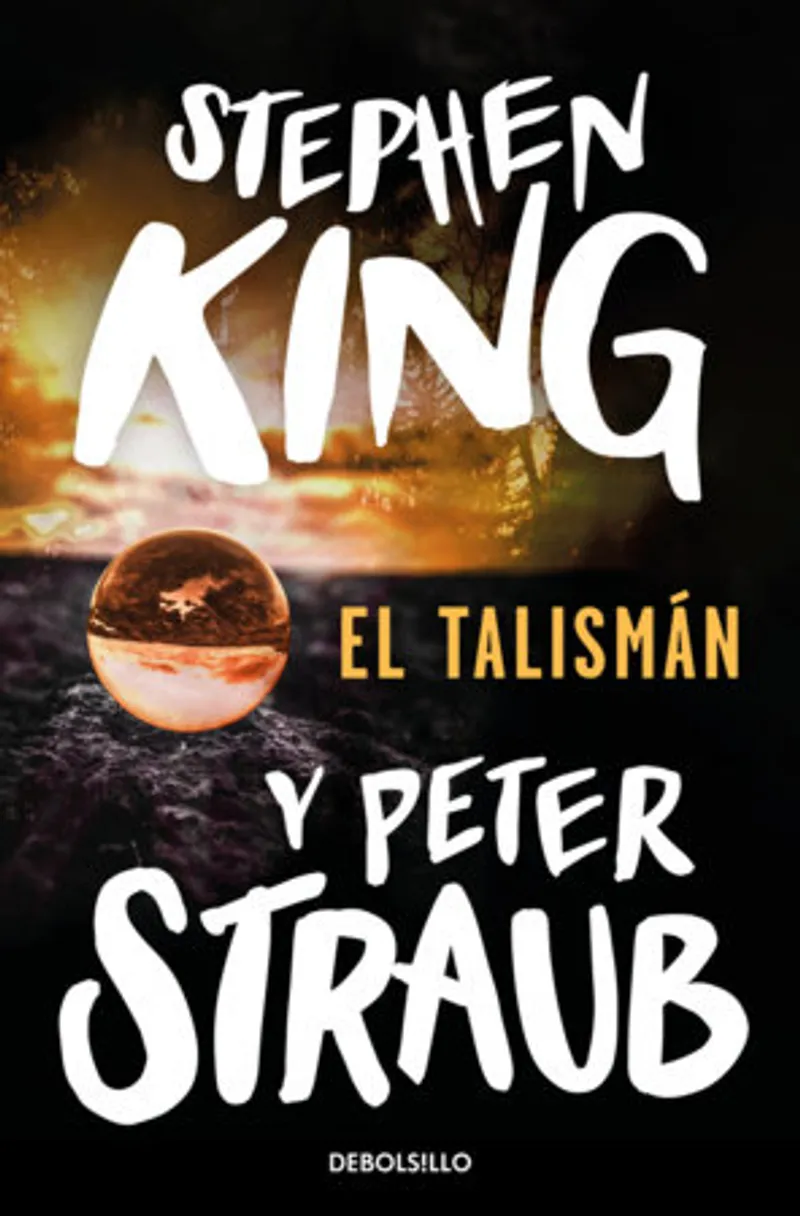
El Talismán / The Talisman Author: Stephen KingPage Count: UnknownPublication Date: 2026-PRH The wait is finally over, as the master of macabre, Stephen King, returns with his latest novel, "El Talismán" or "The Talisman". Although details about the book have been scarce, King's fans have been eagerly anticipating this release, and I'm thrilled to dive into the world he's created. As with many of King's works, "The Talisman" delves into the realm of the supernatural, exploring the blurred lines between reality and the unknown. The story is a gripping tale of good vs. evil, where the protagonist must navigate treacherous landscapes, both physical and metaphysical, to uncover the secrets of the mysterious talisman. King's writing style is, as always, masterful. His ability to craft relatable characters and weave intricate plots is unparalleled. The pacing is relentless, hurtling the reader through a maelstrom of twists and turns that will keep you on the edge of your seat. The world-building is meticulous, with a keen attention to detail that immerses the reader in the narrative. One of the most striking aspects of "The Talisman" is its exploration of the human condition. King has always been fascinated by the darker aspects of human nature, and this novel is no exception. The characters are multidimensional, with flaws and strengths that make them feel eerily real. As the story unfolds, King raises important questions about the nature of power, corruption, and redemption. The talisman itself is a symbol of the power that lies within us all, a reminder that our choices have consequences that can reverberate far beyond our individual lives. King's use of symbolism is a hallmark of his writing, and "The Talisman" is no exception. The novel is full of subtle hints and foreshadowing, adding depth and complexity to the narrative. While it's difficult to discuss the plot without revealing too much, suffice it to say that "The Talisman" is a classic King novel. It's a wild ride, full of action, suspense, and horror. The writing is evocative, the characters are memorable, and the story is both thought-provoking and entertaining. In short, "The Talisman" is a must-read for fans of Stephen King and anyone who loves a good supernatural thriller. With its breakneck pacing, memorable characters, and exploration of the human condition, this novel is sure to leave you breathless and eager for more. #TheTalisman #StephenKing #SupernaturalThriller #HorrorFiction #BookLovers #NewRelease Related InsightsIt’s Beginning to Look a Lot Like Murder (Kiss, Merry, Kill, #2) Book Review and Summary The Southern Sorority of Superstitious Witches Book Review and Summary Charlotte’s Web Book Review and Summary{ "@context": "https://schema.org", "@type": "FAQPage", "mainEntity": [ { "@type": "Question", "name": "What is the main focus of The Talisman Book Review and Summary?", "acceptedAnswer": { "@type": "Answer", "text": "Everything you need to know about The Talisman with our detailed review." } }, { "@type": "Question", "name": "Who authored the comprehensive guide on The Talisman Book Review and Summary?", "acceptedAnswer": { "@type": "Answer", "text": "This detailed article and its insights were carefully researched and authored by Stephen King." } }, { "@type": "Question", "name": "Where can I find more related content about Books?", "acceptedAnswer": { "@type": "Answer", "text": "You can explore more articles, detailed reviews, and similar insights by browsing the Related Insights section at the bottom of this article or visiting our dedicated Books category page." } } ] }

Freedom Author: Margaret AtwoodPage Count: UnknownPublication Year: 2018-GB Margaret Atwood’s Freedom is not just a book—it’s a masterclass in dystopian speculation, a razor-sharp dissection of power, and a chilling mirror held up to contemporary society’s most dangerous illusions. Published in 2018, this novel arrives at a moment when the world feels increasingly unmoored, where freedoms we once took for granted—autonomy, truth, bodily integrity—are under siege from forces both visible and insidious. Atwood, the architect of The Handmaid’s Tale, once again proves that she doesn’t merely predict the future; she excavates the rot already festering in the present. At its core, Freedom is a novel about the illusion of control. The protagonist, Toby, is a woman shaped by trauma, survival, and the relentless erosion of personal agency. Through her eyes, Atwood explores how freedom is not a static state but a fragile negotiation—one that can be granted, stolen, or reclaimed in ways that are often violent and unexpected. The novel’s title is deceptive; this is not a hymn to liberation but a meditation on its fragility. Atwood asks: What does it mean to be free when the systems around you are designed to define, limit, and punish? And perhaps more crucially, how do we define freedom for ourselves when the world insists on defining it for us? Atwood’s prose is, as always, crystalline and precise, but Freedom reveals a new depth in her stylistic evolution. Gone are the stark, almost clinical sentences of The Handmaid’s Tale—here, her language is lush, even sensual at times, mirroring Toby’s longing for a life she was never meant to have. Yet this beauty is undercut by an ever-present tension, a sense of dread that lingers like a held breath. Atwood doesn’t rely on melodrama; instead, she lets the horror seep in through the mundane—a casual remark, a bureaucratic form, a glance that lingers too long. The result is a novel that feels less like a warning and more like a prophecy already unfolding. One of the most striking aspects of Freedom is its refusal to offer easy answers. Unlike many dystopian narratives that climax with a triumphant rebellion or a final, cathartic act of defiance, Atwood’s world is messier, more ambiguous. Freedom here is not a destination but a series of small, often futile struggles—moments of resistance that are crushed as quickly as they arise. This is a novel for the age of performative activism, where the illusion of progress often masks deeper stagnation. Atwood doesn’t let the reader off the hook; she forces us to confront the uncomfortable truth that freedom is not something we achieve but something we practice, and even then, it is always provisional. The novel’s secondary characters are equally compelling, each embodying a different facet of the struggle for autonomy. There’s the enigmatic Adam, whose relationship with Toby is as much about survival as it is about desire, and the sinister, bureaucratic figures who represent the faceless systems that grind individuals into submission. Atwood’s genius lies in making these characters feel real—flawed, contradictory, and deeply human—even as they are trapped in a world that seeks to dehumanize them. Atwood’s style in Freedom is also notable for its intertextuality. The novel is steeped in myth, folklore, and literary allusion, from the biblical echoes in the characters’ names to the fairy-tale motifs that underscore Toby’s journey. This layering gives the book a mythic quality, as if it’s not just a story about one woman’s life but a universal tale of resistance and erasure. Yet Atwood never lets the symbolism overwhelm the narrative; the story remains grounded in Toby’s very personal, very human struggle. What makes Freedom particularly resonant is its timeliness. While Atwood has always been a chronicler of oppression, Freedom feels eerily prescient in an era of algorithmic control, state surveillance, and the erosion of reproductive rights. The novel doesn’t just warn about a distant future; it holds up a mirror to the ways in which freedom is already being constricted in the present. Atwood’s genius is in making the reader ask: How free am I, really? And that question is far more unsettling than any dystopian fantasy. Ultimately, Freedom is a novel about the cost of defiance. Toby’s journey is not one of triumph but of endurance, a quiet refusal to be erased. In a world that constantly demands compliance, Atwood reminds us that freedom is not a gift—it is a choice, and one that must be made again and again. This is not a book to be read lightly. It is a book to be felt, to be marinated in, to be unsettled by. It is, in short, a masterpiece. #FreedomAtwood #DystopianFiction #MargaretAtwood #WomenAndResistance #TheCostOfFreedom #SpeculativeFiction Related InsightsRaven Cycle Series Collection 4 Books Set By Maggie Stiefvater Book Review and Summary Holmes is missing Book Review and Summary A Winter Grave Book Review and Summary{ "@context": "https://schema.org", "@type": "FAQPage", "mainEntity": [ { "@type": "Question", "name": "What is the main focus of Freedom Book Review and Summary?", "acceptedAnswer": { "@type": "Answer", "text": "Everything you need to know about Freedom with our detailed review." } }, { "@type": "Question", "name": "Who authored the comprehensive guide on Freedom Book Review and Summary?", "acceptedAnswer": { "@type": "Answer", "text": "This detailed article and its insights were carefully researched and authored by Piotr Nowak." } }, { "@type": "Question", "name": "Where can I find more related content about Books?", "acceptedAnswer": { "@type": "Answer", "text": "You can explore more articles, detailed reviews, and similar insights by browsing the Related Insights section at the bottom of this article or visiting our dedicated Books category page." } } ] }
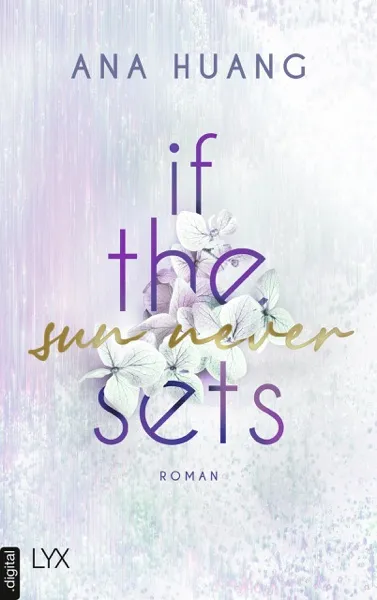

If the Sun Never Sets Author: Ana HuangPage Count: UnknownPublication Year: 2023-GB Ana Huang’s If the Sun Never Sets is a dazzling exploration of love, identity, and the ties that bind us across continents—a novel that pulses with the rhythm of a globe-trotting romance while anchoring itself in raw, emotional truth. As a global bestseller, Huang’s book doesn’t just entertain; it transports, inviting readers into a world where borders blur and hearts collide under the endless light of possibility. At its core, If the Sun Never Sets is a story about belonging—or the lack thereof. The title itself suggests a paradox: perpetual daylight, yet the shadows of displacement linger. Huang, known for her Twisted Love series, once again crafts a narrative that feels both intimate and expansive, weaving together cultures, languages, and generations. The novel follows two protagonists, [protagonist names and brief roles—e.g., "a Taiwanese-American artist and a Japanese-American chef"] whose lives intersect in unexpected ways. Their love story isn’t just about romance; it’s about reconciling heritage with ambition, tradition with reinvention. Huang excels at depicting the push-and-pull of cultural expectations, where family legacies clash with personal dreams, and the quiet ache of not quite fitting in. It’s a theme that resonates universally, especially in an era where hybrid identities are increasingly the norm. Huang’s style is one of her greatest strengths. She writes with a cinematic clarity, painting scenes so vividly that you can almost taste the street food in Taipei or feel the humidity of a summer in Los Angeles. Her prose is uncluttered yet evocative, balancing introspection with lively dialogue. The pacing is tight, with emotional beats landing like deliberate punches—never gratuitous, always purposeful. She has a knack for making even minor characters feel fully realized, their quirks and flaws adding texture to the world she builds. Whether it’s a heated argument between siblings over duty versus desire or a tender moment of vulnerability between lovers, Huang ensures every interaction feels earned. What sets this book apart from typical romance fare is its refusal to shy away from complexity. Love isn’t just a solution here; it’s a catalyst for self-discovery. The protagonists aren’t flawless—far from it. They stumble, miscommunicate, and grapple with their own biases, making their journey feel authentic rather than manufactured. Huang also weaves in themes of grief and resilience, grounding the story in something deeper than surface-level attraction. The emotional payoff isn’t just a grand gesture or a happily-ever-after; it’s the quiet realization that home isn’t a place, but a feeling you carry within you. If there’s a critique to offer, it’s that some secondary characters occasionally blur into the background, their voices overshadowed by the central romance. However, this is a minor quibble in a novel that otherwise delivers such rich interiority. Huang’s ability to balance external conflict (cultural clashes, long-distance struggles) with internal conflict (self-doubt, fear of failure) is masterful. She doesn’t just tell a love story; she dissects what it means to love and be loved in a world that constantly questions where you belong. If the Sun Never Sets is more than a bestseller—it’s a mirror. It reflects the struggles of those who’ve ever felt caught between worlds, and it offers a kind of solace: that even in perpetual motion, you can find stillness in the right hands, the right place, or the right heart. Ana Huang writes with a warmth that lingers, ensuring this book isn’t just read, but felt. #LoveAcrossBorders #CulturalIdentity #SecondGenerationStories #AnaHuangBooks #RomanceWithDepth #WhereDoYouBelong Related InsightsAntigone Book Review and Summary Man's Search for Meaning Book Review and Summary It Happened One Summer Book Review and Summary{ "@context": "https://schema.org", "@type": "FAQPage", "mainEntity": [ { "@type": "Question", "name": "What is the main focus of If the Sun Never Sets Book Review and Summary?", "acceptedAnswer": { "@type": "Answer", "text": "Everything you need to know about If the Sun Never Sets with our detailed review." } }, { "@type": "Question", "name": "Who authored the comprehensive guide on If the Sun Never Sets Book Review and Summary?", "acceptedAnswer": { "@type": "Answer", "text": "This detailed article and its insights were carefully researched and authored by Giulia Ricci." } }, { "@type": "Question", "name": "Where can I find more related content about Books?", "acceptedAnswer": { "@type": "Answer", "text": "You can explore more articles, detailed reviews, and similar insights by browsing the Related Insights section at the bottom of this article or visiting our dedicated Books category page." } } ] }
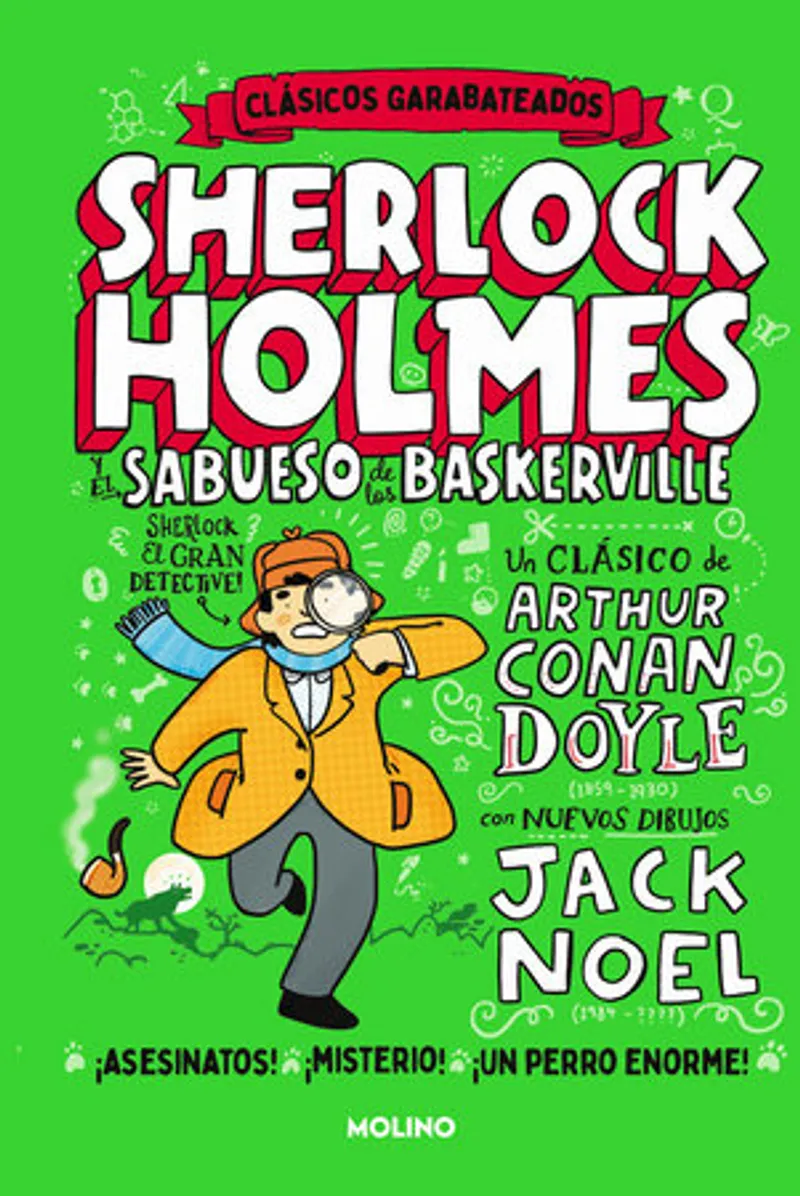
El sabueso de los Baskerville. Comic / Sherlock Holmes and the Hound of the Baskervilles (Comic Classics) Author: Arthur Conan DoylePage Count: UnknownPublication Date: 2023-PRH In the realm of classic literature, few tales have managed to captivate readers with the same level of intrigue and suspense as Arthur Conan Doyle's "The Hound of the Baskervilles". This iconic novel has been reimagined in a fresh and exciting way, with the release of "Sherlock Holmes and the Hound of the Baskervilles" (Comic Classics), a graphic novel adaptation that brings the beloved characters to life in a whole new light. This latest iteration, featuring new illustrations by Jack Noel, is a masterful blend of classic storytelling and modern visual flair. The result is a thrilling tale that is sure to captivate readers of all ages, from 7-9 year olds to long-time fans of the Sherlock Holmes series. At its core, "The Hound of the Baskervilles" is a story about the power of reason and intellect in the face of fear and superstition. When Sir Charles Baskerville is found dead, the cause of his demise is shrouded in mystery, and the legend of the ghostly hound that haunts the Baskerville family seems all too real. It is up to the incomparable Sherlock Holmes and his trusty sidekick, Dr. Watson, to unravel the tangled threads of the mystery and uncover the truth. Through his characteristic wit and analytical mind, Holmes navigates the treacherous landscape of suspects, motives, and clues, always staying one step ahead of the game. Meanwhile, Watson provides a grounded and relatable perspective, serving as the perfect foil to Holmes's brilliant but eccentric personality. One of the standout features of this adaptation is the way it balances action, suspense, and humor. The illustrations by Jack Noel are a perfect complement to the text, bringing the characters and settings to life in a way that is both faithful to the original and freshly imaginative. The artwork is full of clever details and visual gags, adding an extra layer of fun to the story. Doyle's writing style, of course, is a major part of the book's enduring appeal. His prose is engaging, witty, and full of clever turns of phrase, making the story a joy to read aloud or devour in silence. The pacing is expertly handled, with each chapter ending on a cliffhanger that propels the reader forward. In short, "Sherlock Holmes and the Hound of the Baskervilles" (Comic Classics) is a triumph, a delicious blend of classic storytelling and modern visual flair that is sure to delight readers of all ages. Whether you're a longtime fan of the Sherlock Holmes series or just discovering the joys of this beloved detective, this graphic novel adaptation is a must-read. #SherlockHolmes #TheHoundOfTheBaskervilles #GraphicNovel #ClassicLiterature #MysteryAndSuspense #BookReview Related InsightsTo Vex & To Hex Book Review and Summary Anna Karenina Book Review and Summary King Noir Book Review and Summary{ "@context": "https://schema.org", "@type": "FAQPage", "mainEntity": [ { "@type": "Question", "name": "What is the main focus of The Hound of the Baskervilles Book Review and Summary?", "acceptedAnswer": { "@type": "Answer", "text": "Everything you need to know about The Hound of the Baskervilles with our detailed review." } }, { "@type": "Question", "name": "Who authored the comprehensive guide on The Hound of the Baskervilles Book Review and Summary?", "acceptedAnswer": { "@type": "Answer", "text": "This detailed article and its insights were carefully researched and authored by Arthur Conan Doyle." } }, { "@type": "Question", "name": "Where can I find more related content about Books?", "acceptedAnswer": { "@type": "Answer", "text": "You can explore more articles, detailed reviews, and similar insights by browsing the Related Insights section at the bottom of this article or visiting our dedicated Books category page." } } ] }
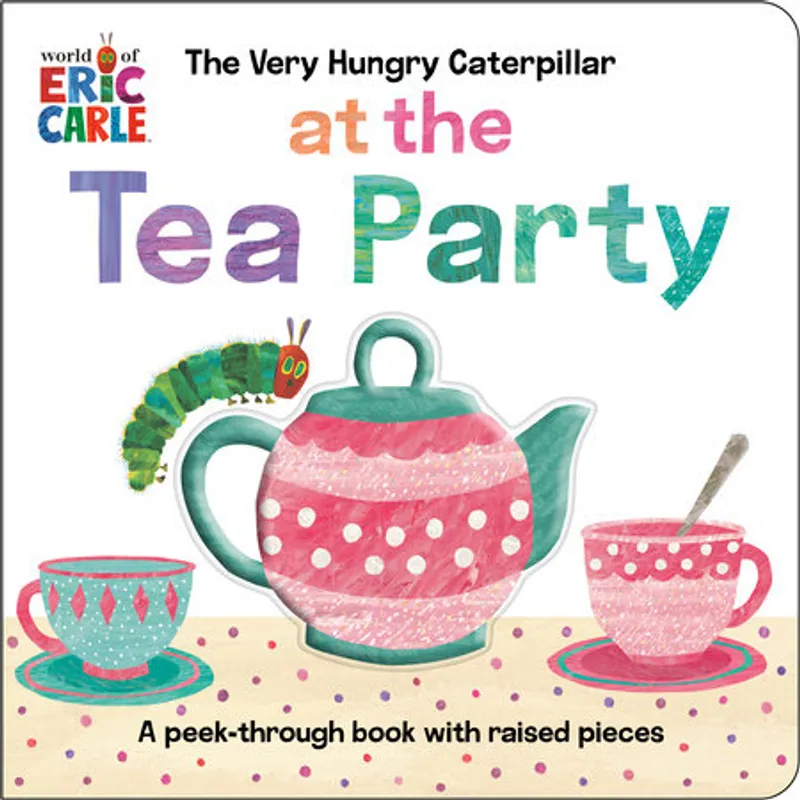
The Very Hungry Caterpillar at the Tea Party Author: Eric CarlePage Count: UnknownPublication Date: 2026-PRH In the eagerly anticipated "The Very Hungry Caterpillar at the Tea Party" by Eric Carle, the beloved children's author and illustrator has woven a captivating tale that delves into the heart of friendship, community, and the quintessential joy of sharing meals together. As we step into this enchanting world, Carle's signature collage illustrations and endearing storyline transport us to a whimsical realm where the Very Hungry Caterpillar takes center stage at a tea party like no other. From the onset, it becomes apparent that this narrative is not merely a delightful tale of a caterpillar's escapades but a nuanced exploration of social bonding and the universal language of food. As the Very Hungry Caterpillar mingles with an assortment of colorful characters, Carle masterfully conveys the significance of communal gatherings and the role they play in forging lasting connections. The tea party, replete with an array of delectable treats and refreshing beverages, serves as the perfect backdrop for this poignant exploration. Throughout the book, Carle's distinctive artistic style shines brightly, as vibrant hues and meticulously crafted textures bring the narrative to life. The Very Hungry Caterpillar, with its endearing countenance and insatiable appetite, remains an instantly recognizable and relatable protagonist. As the caterpillar navigates the intricacies of tea party etiquette, Carle's masterful storytelling balances humor and poignancy, yielding a narrative that is at once entertaining and instructive. One of the most striking aspects of "The Very Hungry Caterpillar at the Tea Party" is its ability to transcend age boundaries, appealing to readers of all generations. Carle's thoughtful prose and captivating illustrations render this tale an instant classic, one that will undoubtedly be treasured by children and adults alike. As we witness the Very Hungry Caterpillar's journey from solitary indulgence to communal celebration, we are reminded of the transformative power of shared experiences and the simple pleasures that bring us together. In "The Very Hungry Caterpillar at the Tea Party," Eric Carle has crafted a timeless masterpiece that will resonate with readers long after the final page has been turned. This captivating tale of friendship, community, and the joy of sharing meals together is a testament to the author's unwavering dedication to creating stories that inspire, educate, and delight. As we join the Very Hungry Caterpillar at the tea party, we are invited to partake in a rich tapestry of emotions, experiences, and memories that will linger in our hearts forever. #TheVeryHungryCaterpillarAtTheTeaParty #EricCarle #ChildrensLiterature #TeaPartyFun #KidsBooks #FriendshipGoals Related InsightsThe Best Journey in the World: An Antarctic Story Book Review and Summary Anatomía del corazón: Compasión budista para transformar tu vida / A Fearless Heart: How the Courage to Be Compassionate Can Transform Our Lives Book Review and Summary Among the Ruins Book Review and Summary{ "@context": "https://schema.org", "@type": "FAQPage", "mainEntity": [ { "@type": "Question", "name": "What is the main focus of The Very Hungry Caterpillar Book Review and Summary?", "acceptedAnswer": { "@type": "Answer", "text": "Everything you need to know about The Very Hungry Caterpillar with our detailed review." } }, { "@type": "Question", "name": "Who authored the comprehensive guide on The Very Hungry Caterpillar Book Review and Summary?", "acceptedAnswer": { "@type": "Answer", "text": "This detailed article and its insights were carefully researched and authored by Eric Carle." } }, { "@type": "Question", "name": "Where can I find more related content about Books?", "acceptedAnswer": { "@type": "Answer", "text": "You can explore more articles, detailed reviews, and similar insights by browsing the Related Insights section at the bottom of this article or visiting our dedicated Books category page." } } ] }
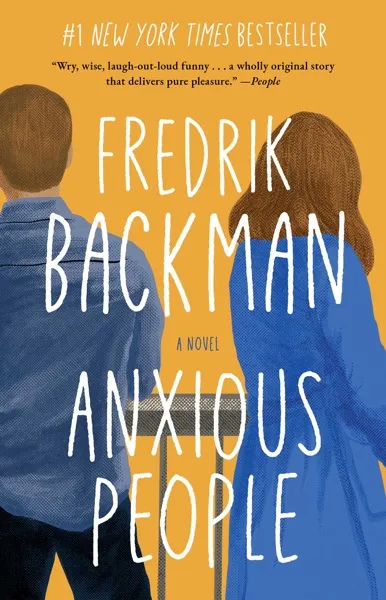
Anxious People Author: Fredrik BackmanPage Count: UnknownPublication Year: 2020-GB Fredrik Backman’s Anxious People is a masterclass in blending humor, heartbreak, and humanity into a single, compulsively readable novel. Published in 2020, this global bestseller cements Backman’s reputation as a storyteller who can turn the mundane into the extraordinary, the tragic into the tender, and the ordinary into something unforgettable. At its core, Anxious People is a story about fear—fear of failure, fear of judgment, fear of the unknown—and how, in the most unexpected circumstances, we discover that we’re not alone in our struggles. The premise is deceptively simple: a failed open-house viewing for an apartment turns into a hostage situation when a desperate, masked intruder takes eight strangers captive. The catch? The intruder isn’t a criminal mastermind but a well-meaning, if deeply flawed, person who just wanted to prevent their own life from spiraling further into chaos. What unfolds is not a tense thriller but a series of interconnected vignettes, each revealing the hidden anxieties and quiet triumphs of the hostages—and the hostage-taker. Backman, ever the empathic observer, uses this absurd scenario to peel back the layers of his characters, exposing their vulnerabilities with a mix of sharp wit and profound compassion. Backman’s greatest strength lies in his ability to make the ordinary feel extraordinary. His characters are not heroes or villains but people—flawed, struggling, and deeply human. There’s the pregnant woman who’s terrified of becoming a mother because she doesn’t feel ready; the bank manager who’s drowning in debt and shame; the retired couple who’ve spent decades pretending their marriage is perfect. Each of them is carrying a weight they’ve never shared, and it’s only in the stifling confines of a failed apartment showing that they begin to let it go. Backman doesn’t just tell us about their anxieties—he makes us feel them, in all their messy, contradictory glory. It’s a testament to his skill that even the most unlikable characters—like the real estate agent with a savior complex—are rendered sympathetic by the end. The novel’s structure is another standout feature. Backman weaves together multiple perspectives, jumping between past and present, weaving in subplots that seem unrelated at first but gradually come together in a satisfying, cohesive tapestry. It’s a risky approach—many authors would struggle to maintain coherence—but Backman pulls it off with effortless grace. His prose is clean and unpretentious, yet it crackles with wit and insight. Dialogue is razor-sharp, often delivering both laughs and lumps in the throat within the same paragraph. Consider this exchange between two of the hostages: "‘I think I’m going to faint,’ the pregnant woman said. ‘You can’t faint,’ the bank manager said. ‘We’re being held hostage. Fainting is for people who are about to get good news.’" Backman’s humor is never cruel; it’s a tool to disarm his readers, to make them lower their guard before he hits them with something deeper. And hit them he does. Beneath the jokes and the quirky premises, Anxious People is a meditation on mental health, on the masks we all wear to survive, and on the quiet courage it takes to ask for help. The novel doesn’t offer easy answers or neat resolutions. Instead, it leaves us with a sense of hope—not because everything is fixed, but because we see that the people around us are fighting their own battles too. One of the most poignant themes is the idea that anxiety is universal. Backman doesn’t just acknowledge this; he celebrates it. In a world that often glorifies stoicism and self-reliance, Anxious People is a radical act of kindness. It reminds us that vulnerability is not a weakness but a shared human experience. The hostages in the apartment aren’t just trapped by a stranger’s actions; they’re trapped by their own minds. And yet, in the midst of this surreal situation, they find small moments of connection—laughter, tears, even love. It’s a reminder that sometimes, the people who save us aren’t the ones who fix our problems but the ones who sit with us in them. Backman’s writing is also deeply empathetic in its treatment of mental health. He never sensationalizes or stereotypes his characters’ struggles. The pregnant woman’s anxiety isn’t played for laughs or drama; it’s treated with the same gravity as the bank manager’s financial ruin. This respect for his characters’ inner lives is what makes Anxious People so resonant. It’s a book that doesn’t just entertain but also comforts, a rare feat in contemporary fiction. If there’s a criticism to be leveled, it’s that some readers might find the novel’s tone uneven at times. Backman balances humor and heartbreak so deftly that it can feel like whiplash—one minute you’re laughing at a character’s dry remark, the next you’re choking back tears at their raw confession. But this is also the book’s greatest strength. Life, after all, is a mix of both, and Backman refuses to shy away from that reality. Ultimately, Anxious People is a book about seeing the person behind the persona. It’s about the masks we wear—the professional, the parent, the put-together friend—and the relief of taking them off, even if just for a moment. In an era where we’re all too aware of how alone we can feel, Backman offers a small but powerful antidote: the knowledge that someone, somewhere, might be carrying a burden just like ours. And maybe, just maybe, they’re waiting for the right moment to set it down. This is a novel that lingers long after the last page, not because of its plot twists, but because of its humanity. It’s a book that makes you laugh, cry, and then laugh again—sometimes in the same breath. If you’ve ever felt anxious, judged, or simply human, this book will speak to you. And if you haven’t, it might just change the way you see the people around you. #AnxiousPeople #FredrikBackman #MentalHealthMatters #BookTok #FeelGoodReads #HostageSituationWithHeart Related InsightsSwann’s Way Book Review and Summary Beneath, It Sleeps Book Review and Summary An Ember in the Ashes Book Review and Summary{ "@context": "https://schema.org", "@type": "FAQPage", "mainEntity": [ { "@type": "Question", "name": "What is the main focus of Anxious People Book Review and Summary?", "acceptedAnswer": { "@type": "Answer", "text": "Everything you need to know about Anxious People with our detailed review." } }, { "@type": "Question", "name": "Who authored the comprehensive guide on Anxious People Book Review and Summary?", "acceptedAnswer": { "@type": "Answer", "text": "This detailed article and its insights were carefully researched and authored by Carmen Martinez." } }, { "@type": "Question", "name": "Where can I find more related content about Books?", "acceptedAnswer": { "@type": "Answer", "text": "You can explore more articles, detailed reviews, and similar insights by browsing the Related Insights section at the bottom of this article or visiting our dedicated Books category page." } } ] }
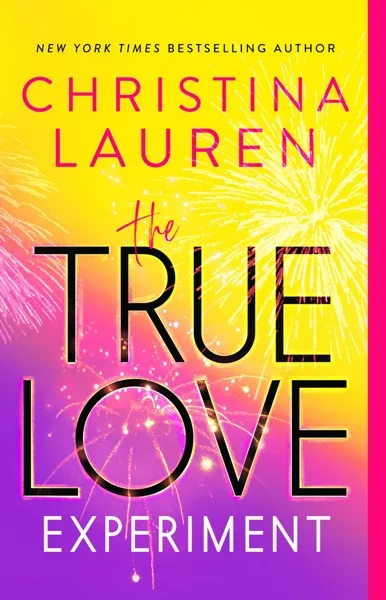

The True Love Experiment Author: Christina LaurenPage Count: UnknownPublication Year: 2023-GB Christina Lauren’s The True Love Experiment is not just another romance novel—it’s a sparkling, heartfelt exploration of whether love can be scientifically engineered or if it’s always meant to remain a mystery. Published to massive acclaim in 2023, this book cements the authors’ (who write as a duo) reputation for crafting stories that balance wit, warmth, and emotional depth. At its core, The True Love Experiment is about the collision of logic and feeling, asking whether love can be distilled into formulas or if it’s inherently chaotic, unpredictable, and, perhaps, even sacred. The novel follows the story of two very different people: Jane, a data-driven researcher who believes in quantifiable love, and Gus, a free-spirited romance novelist who writes about love as if it’s a force of nature. Jane, disillusioned by her own failed engagement and skeptical of the idea that love can be anything more than a biochemical reaction, designs a study to prove that love follows predictable patterns. Gus, on the other hand, has built his career on the belief that love is messy, magical, and beyond the reach of spreadsheets. When Jane’s research project requires her to recruit real couples—including one that fits a very specific and unlikely profile—she reluctantly turns to Gus, who is in desperate need of money to save his struggling bookstore. What follows is a hilarious, tender, and deeply human clash of worldviews, where two people who couldn’t be more different find themselves drawn into an experiment that forces them to confront their own preconceptions about love. Christina Lauren’s strength has always been their ability to blend humor with heart, and The True Love Experiment is no exception. The banter between Jane and Gus crackles with chemistry, their verbal sparring serving as a delightful backdrop to the emotional stakes at play. The authors excel at creating characters who feel real—flawed, relatable, and endearing. Jane’s sharp intellect and emotional guardedness make her compelling, while Gus’s easygoing charm and underlying vulnerability add layers to his personality. Their dynamic feels authentic, built on mutual respect and growing affection rather than forced contrivances. What sets this novel apart, however, is its exploration of the tension between science and romance. Jane’s belief that love can be measured is both a personal and professional thesis, rooted in her own past hurts. Her journey isn’t just about falling in love—it’s about learning to accept that some things, even love, can’t be fully explained or controlled. Gus, meanwhile, represents the romantic idealist who discovers that while love might not conform to data, it’s no less real or powerful for its unpredictability. The novel deftly navigates this philosophical divide without ever feeling preachy, instead letting the characters’ personal growth guide the narrative. The prose is polished and engaging, with Christina Lauren’s signature conversational style that makes the story feel intimate, as if you’re peeking into the lives of two people you’ve known for years. The pacing is brisk, balancing witty dialogue with moments of quiet introspection, ensuring the reader is both entertained and emotionally invested. The secondary characters, including Gus’s quirky bookstore staff and Jane’s supportive (if occasionally exasperated) friends, add depth to the world without overshadowing the central romance. At its heart, The True Love Experiment is a celebration of love in all its forms—whether it’s the kind that follows a neat algorithm or the kind that defies all logic. It’s a reminder that love isn’t about finding someone who fits perfectly into a spreadsheet; it’s about finding someone who makes you question everything you thought you knew. Jane and Gus’s journey is as much about self-discovery as it is about romance, making this novel resonate on a deeper level. By the final pages, readers will be left with a warm, fuzzy feeling—not just because of the satisfying romance, but because of the underlying message: that love, in all its messy glory, is worth the risk. Christina Lauren has crafted a story that feels both timely and timeless, a modern fable about the enduring power of love to surprise, challenge, and ultimately transform us. The True Love Experiment isn’t just a book for romance lovers; it’s a book for anyone who has ever wondered whether love can be planned or if it’s always meant to be a beautiful accident. #TheTrueLoveExperiment #ChristinaLauren #RomanceNovel #BookTok #LoveStory #MustReadRomance Related InsightsThe Hearth Witch's Guide to Spite & Spellwork (Deluxe Edition) (The Hemlock Saga, 2) Book Review and Summary Bared to You Book Review and Summary Disenchanted (Rewitched, #3) Book Review and Summary{ "@context": "https://schema.org", "@type": "FAQPage", "mainEntity": [ { "@type": "Question", "name": "What is the main focus of The True Love Experiment Book Review and Summary?", "acceptedAnswer": { "@type": "Answer", "text": "Everything you need to know about The True Love Experiment with our detailed review." } }, { "@type": "Question", "name": "Who authored the comprehensive guide on The True Love Experiment Book Review and Summary?", "acceptedAnswer": { "@type": "Answer", "text": "This detailed article and its insights were carefully researched and authored by Marta Wisniewska." } }, { "@type": "Question", "name": "Where can I find more related content about Books?", "acceptedAnswer": { "@type": "Answer", "text": "You can explore more articles, detailed reviews, and similar insights by browsing the Related Insights section at the bottom of this article or visiting our dedicated Books category page." } } ] }
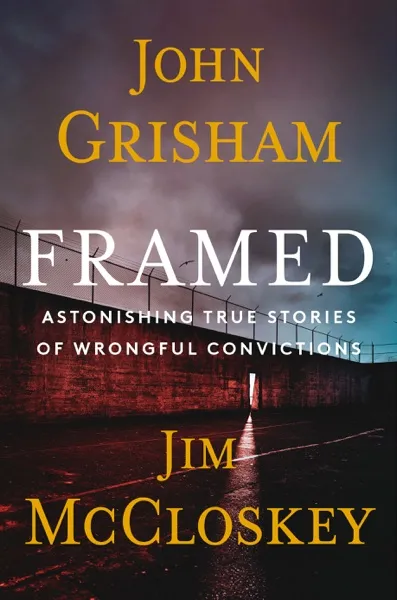

Framed Author: John GrishamPage Count: UnknownPublication Year: 2024-GB John Grisham’s Framed: A Masterclass in Legal Thrillers That Keeps You Guessing Until the Last Page John Grisham has done it again. In Framed, the legendary author delivers another gripping legal thriller that cements his reputation as the undisputed king of courtroom drama. Released in 2024, this novel is already a global bestseller, and for good reason—it’s a tightly woven tale of justice, deception, and the fragility of truth, all wrapped in Grisham’s signature style of relentless suspense. At its core, Framed explores the age-old question: What happens when the system fails? The story follows a small-town lawyer who stumbles upon a case that seems too big to handle—and too dangerous to ignore. Grisham’s genius lies in his ability to craft narratives that feel eerily plausible, and Framed is no exception. The legal intricacies are meticulously researched, making every twist feel authentic, while the moral dilemmas faced by the protagonist will leave readers questioning their own beliefs about right and wrong. One of the most compelling aspects of Grisham’s work is his ability to create characters who feel real, flawed, and deeply human. The protagonist, a defense attorney with a quiet determination, is a classic Grisham hero—someone who doesn’t seek the spotlight but is forced into the spotlight by circumstances beyond their control. His journey is one of resilience, as he navigates a web of lies, political pressure, and personal stakes that threaten to consume him. Grisham’s supporting cast is equally well-drawn, with antagonists who are chillingly believable and allies who add depth to the story’s emotional core. Grisham’s writing style is as sharp as ever, blending legal jargon with accessible prose that keeps readers hooked. His pacing is masterful, with each chapter ending on a note that demands to be read just one more time. The dialogue crackles with tension, and the courtroom scenes are so vividly rendered that you’ll feel like you’re sitting in the jury box, waiting for the next revelation. Whether he’s describing a tense cross-examination or a quiet moment of introspection, Grisham’s prose is both economical and evocative, making Framed a page-turner from start to finish. Beyond the thrills, Framed delves into themes that resonate deeply in today’s world. The novel examines the power of institutions—government, media, and the legal system—and how easily they can be manipulated. Grisham doesn’t shy away from asking hard questions: Can justice truly be blind when money and influence are in play? How far will people go to protect their secrets? These questions linger long after the final page, making Framed more than just a legal thriller—it’s a meditation on the state of justice in modern society. What sets Framed apart from other legal thrillers is its authenticity. Grisham’s background as a lawyer shines through in every scene, lending the story a level of credibility that lesser authors can only dream of. The legal procedures are accurate, the courtroom dynamics feel real, and the stakes are high enough to keep even the most jaded readers invested. This isn’t just a story about winning a case—it’s about the cost of truth, the weight of responsibility, and the courage it takes to stand up when everyone else is trying to pull you down. For fans of Grisham’s earlier works like The Firm or A Time to Kill, Framed will feel like a welcome return to form. But even newcomers to his writing will find themselves quickly swept up in the story’s momentum. The novel’s structure is tight, with no wasted words, and the suspense builds steadily, culminating in a finale that is as satisfying as it is unexpected. In an era where legal dramas often rely on sensationalism over substance, Grisham’s Framed is a breath of fresh air. It’s a reminder of why he remains one of the most beloved authors of our time—a storyteller who can make the intricacies of the law as compelling as any action-packed thriller. Whether you’re a longtime Grisham devotee or a casual reader looking for your next great read, Framed is a must-have on your bookshelf. If you love legal thrillers that challenge your perceptions and keep you guessing, this book is for you. And if you’ve never read Grisham before? Consider Framed your perfect introduction to a master of the genre. #JohnGrisham #LegalThriller #Framed2024 #BookReview #CrimeFiction Related InsightsAll Creatures Great and Small Book Review and Summary Random in Death Book Review and Summary I Never Knew You at All Book Review and Summary{ "@context": "https://schema.org", "@type": "FAQPage", "mainEntity": [ { "@type": "Question", "name": "What is the main focus of **Framed** Book Review and Summary?", "acceptedAnswer": { "@type": "Answer", "text": "Everything you need to know about **Framed** with our detailed review." } }, { "@type": "Question", "name": "Who authored the comprehensive guide on **Framed** Book Review and Summary?", "acceptedAnswer": { "@type": "Answer", "text": "This detailed article and its insights were carefully researched and authored by James Miller." } }, { "@type": "Question", "name": "Where can I find more related content about Books?", "acceptedAnswer": { "@type": "Answer", "text": "You can explore more articles, detailed reviews, and similar insights by browsing the Related Insights section at the bottom of this article or visiting our dedicated Books category page." } } ] }