Showing Posts From
Bookreview

Mouse Called Miika Author: Matt HaigPage Count: UnknownPublication Year: 2021-GB A Tiny Hero with a Mighty Heart: Why A Mouse Called Miika is a Must-Read for All Ages In a world where stories often feel larger than life, Matt Haig delivers a tale that is deceptively simple yet profoundly moving. A Mouse Called Miika, a global bestseller from 2021, is a book that sneaks up on you—like a quiet mouse in the shadows—and leaves an indelible mark on your heart. At its core, this is a story about kindness, purpose, and the unexpected heroes who remind us that even the smallest among us can change the world. Haig, known for his emotionally resonant and accessible storytelling (The Midnight Library, How to Stop Time), once again proves his mastery of crafting narratives that resonate across generations. A Mouse Called Miika is a children’s book in the truest sense—whimsical, heartfelt, and brimming with life lessons—but it’s also a story that adults will find themselves reflecting on long after the last page. It’s a testament to the idea that the best stories are those that speak to the child in all of us, no matter our age. At the heart of the book is Miika, a small, unassuming mouse with a big dream: to become a hero. Unlike the mice of folklore who scurry through dark corners, Miika yearns for something more. He doesn’t want to be just another creature in the shadows; he wants to be remembered. This desire for significance is something every reader, regardless of age, can relate to. In a world that often feels overwhelming, Miika’s journey is a gentle reminder that heroism isn’t about grand gestures but about the choices we make every day. Haig’s writing style is a blend of warmth and wit, effortlessly drawing readers into Miika’s world. The prose is clean and engaging, making it an easy read for younger audiences while still packing emotional depth for older readers. Haig has a knack for balancing humor and heartache, and A Mouse Called Miika is no exception. The dialogue sparkles with charm, and the descriptions of the mouse’s surroundings—whether it’s the cozy corners of a human home or the vast, mysterious outdoors—are vivid enough to make you feel like you’re right there with Miika, sharing in his adventures. One of the most striking aspects of the book is its exploration of themes like belonging and self-worth. Miika’s journey is not just about achieving a goal; it’s about discovering his own value. Along the way, he encounters a cast of memorable characters, each of whom plays a role in shaping his understanding of what it means to be a hero. From the wise old owl who imparts nuggets of wisdom to the unlikely friendships Miika forms, the relationships in the book are rich and meaningful. Haig doesn’t shy away from tackling complex emotions, but he presents them in a way that feels accessible and uplifting. The book’s pacing is another standout feature. Haig knows how to keep readers engaged without overwhelming them, weaving together moments of tension, humor, and tenderness. The story unfolds at a steady, satisfying rhythm, making it a perfect read-aloud for families or a quick but impactful solo read for those looking to escape into a world of warmth and wonder. What makes A Mouse Called Miika truly special is its ability to leave readers with a sense of hope. In a time when the world can feel chaotic and uncertain, Miika’s story is a beacon of light. It reminds us that even in the smallest of creatures—and the smallest of actions—there is the potential for greatness. Haig’s message is clear: heroism isn’t reserved for the mighty or the extraordinary. It’s found in the quiet moments, the acts of kindness, and the courage to believe in yourself. For parents, educators, and anyone who has ever felt like an underdog, A Mouse Called Miika is a treasure. It’s a book that will make you laugh, think, and perhaps even shed a tear or two. Most importantly, it’s a book that will leave you feeling a little lighter, a little braver, and a lot more hopeful. In a literary landscape crowded with stories of epic proportions, A Mouse Called Miika stands out as a gentle yet powerful reminder of the magic that lies in the ordinary. It’s a book that proves you don’t need to be big to make a difference—you just need to be brave enough to try. #MouseCalledMiika #MattHaig #ChildrensBooks #HeartwarmingStories #MustReadBooks Related InsightsMy Useless Cuddle Skill Awakened, and Now Im Building the Ultimate Harem! Book Review and Summary A People’s History of the United States: 1492 - Present Book Review and Summary Darkest King Book Review and Summary{ "@context": "https://schema.org", "@type": "FAQPage", "mainEntity": [ { "@type": "Question", "name": "What is the main focus of **Mouse Called Miika** Book Review and Summary?", "acceptedAnswer": { "@type": "Answer", "text": "Everything you need to know about **Mouse Called Miika** with our detailed review." } }, { "@type": "Question", "name": "Who authored the comprehensive guide on **Mouse Called Miika** Book Review and Summary?", "acceptedAnswer": { "@type": "Answer", "text": "This detailed article and its insights were carefully researched and authored by Elena Volkova." } }, { "@type": "Question", "name": "Where can I find more related content about Books?", "acceptedAnswer": { "@type": "Answer", "text": "You can explore more articles, detailed reviews, and similar insights by browsing the Related Insights section at the bottom of this article or visiting our dedicated Books category page." } } ] }
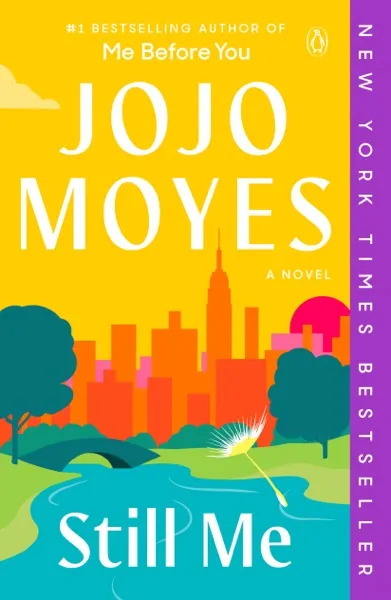

Still Me Author: Jojo MoyesPage Count: UnknownPublication Year: 2018-GB Jojo Moyes’ Still Me is a poignant, uplifting novel that cements her place as a master storyteller of emotional resilience and second chances. The third and final installment in the Me Before You trilogy, it follows Louisa Clark—now living in New York—as she navigates love, loss, and the quiet courage of rebuilding a life on her own terms. What makes this book so compelling isn’t just its heartfelt narrative, but Moyes’ ability to weave deeply human experiences with a lightness that never undercuts their weight. It’s a story about starting over, embracing imperfection, and discovering that the truest version of yourself often emerges from the ashes of what you once thought you needed. At its core, Still Me is a meditation on reinvention. Louisa, once the quirky caretaker who defied expectations, now finds herself in a foreign city, working a job she never imagined, and grappling with the ghost of a love that once defined her. Moyes excels at exploring the messy, uncertain process of forging a new identity when the old one has been stripped away. Louisa’s journey is one of small, incremental steps—fumbling through subway rides, making awkward friends, and learning to stand on her own—rather than dramatic leaps. This grounded approach makes her struggles feel achingly real. Moyes doesn’t shy away from the mundane; she finds poetry in the ordinary, whether it’s Louisa burning her toast in a tiny apartment kitchen or the way she navigates the labyrinthine bureaucracy of New York’s social services. It’s a testament to the author’s skill that these seemingly minor details accumulate into a vivid, immersive world. Moyes’ prose is warm and inviting, blending humor with deep empathy. She has a knack for capturing the quirks of human behavior, from the way people talk too much when they’re nervous to the unspoken tensions between characters. Louisa’s narration is wry and self-deprecating, yet never cynical, offering a refreshing contrast to the relentless optimism of some contemporary fiction. There’s a levity to her voice that keeps the heavier themes from feeling oppressive. For instance, her interactions with Agnes, her precocious young charge, are hilarious yet tender, showcasing Moyes’ ability to balance comedy and pathos effortlessly. The book’s emotional power lies in its treatment of grief—not as a linear process with neat resolutions, but as something cyclical and unpredictable. Louisa’s grief for Will isn’t neatly contained in the past; it resurfaces in quiet moments, like when she sees a couple holding hands or hears a song that reminds her of him. Moyes handles these scenes with a delicate touch, avoiding melodrama while still conveying the rawness of Louisa’s emotions. There’s a scene where Louisa visits a memorial for 9/11 victims, reflecting on the fragility of life, that serves as a powerful metaphor for her own journey. It’s a moment where the personal and the historical intertwine, underscoring the novel’s themes of resilience in the face of loss. Another standout aspect of Still Me is its exploration of class and belonging. Louisa, who grew up working-class in England, finds herself in a world of wealth and privilege in New York. The contrast is both humorous and poignant, as she grapples with the unfamiliarity of high-end restaurants, corporate jargon, and the unspoken rules of a new social circle. Moyes doesn’t preach about inequality; she lets Louisa’s observations—like her confusion over why someone would spend hundreds of dollars on a single dinner—speak volumes. These moments highlight the quiet indignities of navigating a foreign landscape, both literal and metaphorical. Moyes also deserves praise for her supporting cast, each of whom feels fully realized. Agnes, the wealthy but neglected child Louisa cares for, is a standout—a mischievous, intelligent girl who challenges Louisa in ways she never expected. The dynamic between the two is one of the book’s most rewarding relationships, filled with bickering, affection, and mutual growth. Even minor characters, like Louisa’s eccentric coworker at the hotel or her gruff but kind-hearted neighbor, add depth to the story without feeling like caricatures. Ultimately, Still Me is a book about the messy, beautiful process of becoming who you are meant to be. It’s not a story of instant transformation or fairy-tale endings, but one of small victories and hard-won self-acceptance. Moyes’ writing reminds us that life doesn’t follow a script; it’s the detours, the stumbles, and the quiet moments of courage that shape us. Louisa’s journey is a testament to the idea that sometimes, the bravest thing you can do is to keep going, even when the path isn’t clear. In a world that often glorifies grand gestures and instant success, Still Me is a refreshing counterpoint—a story that celebrates the power of ordinary people to change, to love, and to find their place in the world. It’s a novel that lingers with you, not because of its dramatic twists, but because of its honesty and heart. #StillMe #JojoMoyes #LouisaClark #SecondChances #EmotionalJourney #BookRecommendation Related InsightsBirth of the Witch (A Coven of Three Trilogy, #1) Book Review and Summary We Have Always Lived in the Castle Book Review and Summary The Steel Prince Book Review and Summary{ "@context": "https://schema.org", "@type": "FAQPage", "mainEntity": [ { "@type": "Question", "name": "What is the main focus of Still Me Book Review and Summary?", "acceptedAnswer": { "@type": "Answer", "text": "Everything you need to know about Still Me with our detailed review." } }, { "@type": "Question", "name": "Who authored the comprehensive guide on Still Me Book Review and Summary?", "acceptedAnswer": { "@type": "Answer", "text": "This detailed article and its insights were carefully researched and authored by William Clark." } }, { "@type": "Question", "name": "Where can I find more related content about Books?", "acceptedAnswer": { "@type": "Answer", "text": "You can explore more articles, detailed reviews, and similar insights by browsing the Related Insights section at the bottom of this article or visiting our dedicated Books category page." } } ] }
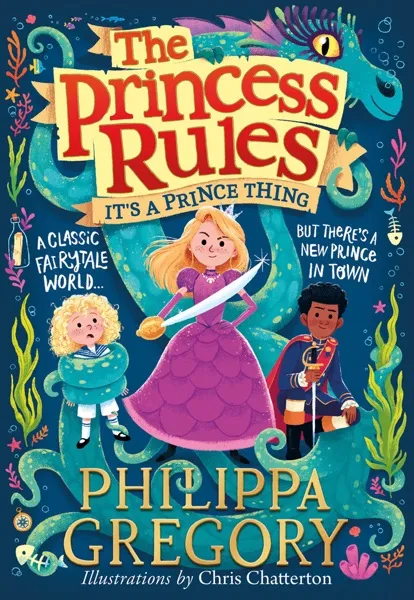

It's a Prince Thing (the Princess Rules) Author: Philippa GregoryPage Count: UnknownPublication Year: 2020-GB In the captivating world of young adult fiction, Philippa Gregory's "It's a Prince Thing" is a refreshing take on the traditional princess tale. This 2020 global bestseller is a delightful read that will leave you enchanted and pondering the complexities of royal life. The story revolves around the life of a princess, navigating the intricacies of royal protocol, family expectations, and first love. Gregory masterfully weaves a narrative that is both relatable and engaging, making it easy for readers to become invested in the protagonist's journey. The author's writing style is characterized by her ability to balance lighthearted moments with deeper themes, creating a story that is both entertaining and thought-provoking. One of the standout aspects of "It's a Prince Thing" is Gregory's exploration of the main theme: the struggle for identity and autonomy in a world where one's life is predetermined. The princess, as a member of the royal family, is expected to conform to certain standards and traditions, but she yearns for freedom and self-expression. This internal conflict is skillfully portrayed by Gregory, who raises important questions about the nature of duty, loyalty, and personal desire. Gregory's writing is also notable for its wit and humor. The dialogue is engaging, and the characters are well-developed and relatable. The author's use of language is vivid and evocative, making it easy to visualize the world she has created. The pacing of the story is well-balanced, with a mix of action, romance, and introspection that keeps the reader engaged. What sets "It's a Prince Thing" apart from other princess stories is its nuanced portrayal of royal life. Gregory avoids the typical fairy tale tropes, instead opting for a more realistic and nuanced exploration of the challenges and privileges that come with being a member of a royal family. The author's attention to detail and historical research are evident throughout the book, adding depth and authenticity to the narrative. In conclusion, "It's a Prince Thing" is a captivating and thought-provoking read that will appeal to fans of young adult fiction and romance. Philippa Gregory's writing is engaging, witty, and nuanced, making this book a must-read for anyone looking for a fresh take on the traditional princess tale. #ThePrincessRules #ItsAPrinceThing #PhilippaGregory #YoungAdultFiction #RoyalRomance #PrincessLife Related InsightsPossession Book Review and Summary A Room of One’s Own Book Review and Summary Last Lady B Book Review and Summary{ "@context": "https://schema.org", "@type": "FAQPage", "mainEntity": [ { "@type": "Question", "name": "What is the main focus of It's a Prince Thing (the Princess Rules) Book Review and Summary?", "acceptedAnswer": { "@type": "Answer", "text": "Everything you need to know about It's a Prince Thing (the Princess Rules) with our detailed review." } }, { "@type": "Question", "name": "Who authored the comprehensive guide on It's a Prince Thing (the Princess Rules) Book Review and Summary?", "acceptedAnswer": { "@type": "Answer", "text": "This detailed article and its insights were carefully researched and authored by Hannah Schmidt." } }, { "@type": "Question", "name": "Where can I find more related content about Books?", "acceptedAnswer": { "@type": "Answer", "text": "You can explore more articles, detailed reviews, and similar insights by browsing the Related Insights section at the bottom of this article or visiting our dedicated Books category page." } } ] }
-
 Irina Ivanova
- 02 Dec, 2025 16:38
The Boxcar Children 100th Anniversary Edition Book Review and Summary
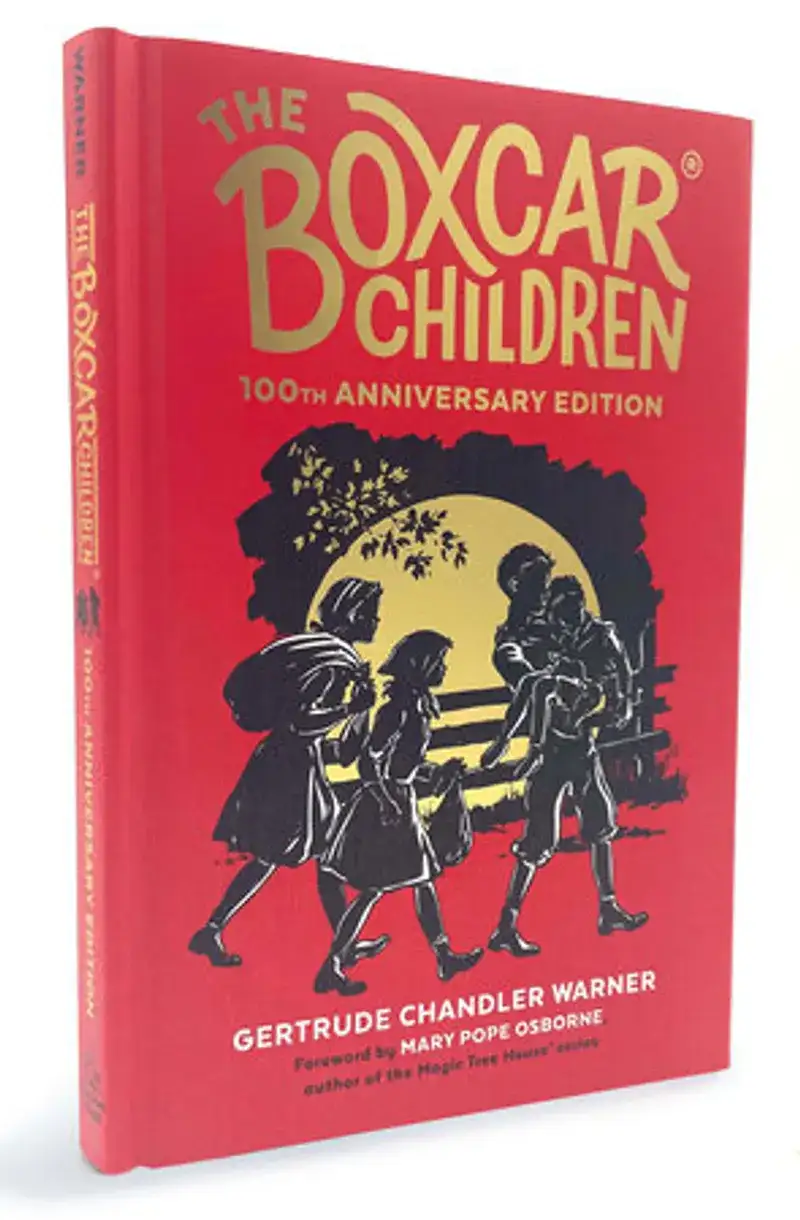
The Boxcar Children 100th Anniversary Edition Author: L. Kate DealPage Count: UnknownPublication Date: 2024-PRH The Boxcar Children 100th Anniversary Edition is a timeless classic that has captured the hearts of readers for generations, and this premium hardcover gift edition is the perfect way to celebrate its enduring legacy. Written by L. Kate Deal, based on the original story by Gertrude Chandler Warner, this special edition is a must-have for fans of the series and newcomers alike. At its core, The Boxcar Children is a story about the power of family, resilience, and determination. The Alden children, Henry, Jessie, Violet, and Benny, are orphans who have been left to fend for themselves, but they refuse to give up on each other. When they stumble upon an abandoned boxcar in the woods, they decide to make it their home, and in doing so, they embark on a journey of adventure, mystery, and growth. One of the most striking aspects of this edition is the bonus content that provides a fascinating glimpse into the life of Gertrude Chandler Warner and the creation of the Boxcar Children series. The inclusion of author photos, personal correspondences, and archival historical content adds a rich layer of depth to the story, making it a truly special keepsake for fans of all ages. Deal's writing style is engaging, and the story is full of wholesome excitement, danger, and mystery, making it an absolute delight to read aloud in the classroom or at home. The characters are well-developed and relatable, and the story is full of valuable lessons about the importance of family, friendship, and community. The illustrations throughout the book are a lovely addition, bringing the characters and their adventures to life in a way that will captivate readers of all ages. The premium hardcover edition is beautifully designed, making it a stunning addition to any bookshelf. Overall, The Boxcar Children 100th Anniversary Edition is a wonderful tribute to a beloved classic. It is a heartwarming story that will continue to captivate readers for generations to come, and this special edition is the perfect way to celebrate its enduring legacy. #TheBoxcarChildren #100thAnniversaryEdition #GertrudeChandlerWarner #ClassicChildrensLiterature #FamilyFriendlyBooks #TimelessTalesForAllAges Related InsightsThe Bloodfire Oath (The Arcanum Order, #1) Book Review and Summary Paradise Lost Book Review and Summary Tidal Creatures Book Review and Summary{ "@context": "https://schema.org", "@type": "FAQPage", "mainEntity": [ { "@type": "Question", "name": "What is the main focus of The Boxcar Children 100th Anniversary Edition Book Review and Summary?", "acceptedAnswer": { "@type": "Answer", "text": "Everything you need to know about The Boxcar Children 100th Anniversary Edition with our detailed review." } }, { "@type": "Question", "name": "Who authored the comprehensive guide on The Boxcar Children 100th Anniversary Edition Book Review and Summary?", "acceptedAnswer": { "@type": "Answer", "text": "This detailed article and its insights were carefully researched and authored by Irina Ivanova." } }, { "@type": "Question", "name": "Where can I find more related content about Books?", "acceptedAnswer": { "@type": "Answer", "text": "You can explore more articles, detailed reviews, and similar insights by browsing the Related Insights section at the bottom of this article or visiting our dedicated Books category page." } } ] }
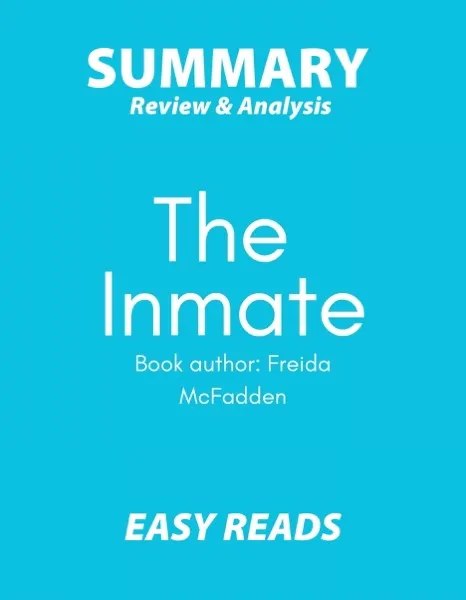

The Inmate Author: Freida McFaddenPage Count: UnknownPublication Year: 2022-GB Unraveling the Dark Heart of The Inmate: A Psychological Thriller That Keeps You Guessing Few books grip you from the first page and refuse to let go, but The Inmate by Freida McFadden does exactly that. A global bestseller that has taken the thriller genre by storm, this novel is a masterclass in suspense, deception, and the fragility of the human mind. With its relentless pacing, jaw-dropping twists, and morally complex characters, The Inmate isn’t just another psychological thriller—it’s a psychological earthquake that leaves readers questioning everything they’ve just read. If you love books that keep you up at night, biting your nails, and frantically flipping pages to uncover the truth, this is your next obsession. At its core, The Inmate explores the terrifying power of perception and the ease with which reality can be manipulated. The story follows Brooke Sullivan, a young woman who finds herself entangled in a nightmare when she’s framed for a crime she didn’t commit. Sentenced to prison, Brooke must navigate a world of danger, betrayal, and psychological warfare—all while trying to prove her innocence. But the deeper she digs, the more she realizes that the truth is far more sinister than she ever imagined. McFadden expertly blurs the lines between victim and villain, forcing readers to constantly reassess their loyalties. One of the most compelling aspects of The Inmate is its exploration of systemic injustice and the flaws within the legal system. McFadden doesn’t shy away from depicting the brutal realities of prison life or the ways in which marginalized individuals are disproportionately targeted and convicted. Brooke’s journey is not just a personal fight for freedom but a broader commentary on how society fails those who need it most. The novel’s unflinching portrayal of corruption and inequality adds a layer of depth that elevates it beyond a typical thriller, making it a thought-provoking read long after the final page. Brooke Sullivan is a protagonist you can’t help but root for, despite her flaws. She’s intelligent, resourceful, and fiercely determined, but she’s also human—prone to doubt, fear, and moments of vulnerability. Her resilience in the face of unimaginable adversity makes her deeply relatable, and readers will find themselves emotionally invested in her survival. The supporting cast is equally compelling, from the enigmatic prison guard who may or may not have ulterior motives to the fellow inmates who blur the line between ally and adversary. Each character is meticulously crafted, with their own secrets and motivations that keep the story unpredictable. McFadden’s writing style is a significant part of what makes The Inmate so gripping. Her prose is sharp, concise, and devoid of unnecessary fluff, allowing the tension to build steadily without ever losing momentum. The dialogue crackles with authenticity, and the pacing is relentless—there’s never a dull moment. What’s particularly impressive is McFadden’s ability to weave in psychological depth without sacrificing the thrill of the plot. She doesn’t just tell a story; she immerses you in it, making you feel Brooke’s desperation, fear, and determination as if they were your own. The novel’s structure is another standout feature. McFadden employs a dual timeline, alternating between Brooke’s present-day struggles in prison and flashbacks that reveal the events leading up to her wrongful conviction. This technique not only adds layers of mystery but also keeps readers on their toes, constantly piecing together clues to uncover the truth. The twists come fast and furious, each one more shocking than the last, ensuring that The Inmate never feels predictable. By the time you reach the final act, you’ll be holding your breath, your heart pounding as the pieces of the puzzle finally click into place. Beyond its entertainment value, The Inmate also serves as a stark reminder of the flaws in our justice system and the lives it destroys. McFadden doesn’t offer easy answers or neat resolutions, instead presenting a world where justice is often elusive and the line between right and wrong is blurred. This moral ambiguity is what makes the book so compelling—it forces readers to confront uncomfortable truths about power, privilege, and the human capacity for both cruelty and redemption. If you’re a fan of psychological thrillers that challenge your perceptions and leave you questioning everything, The Inmate is a must-read. Freida McFadden has crafted a novel that’s as thought-provoking as it is thrilling, a rare achievement in a genre often criticized for prioritizing shock value over substance. Whether you’re a longtime lover of suspense or new to the genre, this book will leave you breathless, haunted, and eager for more. #PsychologicalThriller #FreidaMcFadden #BookReview #MustRead #WrongfulConviction Related InsightsLaw for the American Farmer Book Review and Summary The Color of Magic Book Review and Summary El Club de las 5 de la mañana: Controla tus mañanas, impulsa tu vida / The 5 AM Club: Own Your Morning. Elevate Your Life. Book Review and Summary{ "@context": "https://schema.org", "@type": "FAQPage", "mainEntity": [ { "@type": "Question", "name": "What is the main focus of **The Inmate** Book Review and Summary?", "acceptedAnswer": { "@type": "Answer", "text": "Everything you need to know about **The Inmate** with our detailed review." } }, { "@type": "Question", "name": "Who authored the comprehensive guide on **The Inmate** Book Review and Summary?", "acceptedAnswer": { "@type": "Answer", "text": "This detailed article and its insights were carefully researched and authored by Anna Kowalska." } }, { "@type": "Question", "name": "Where can I find more related content about Books?", "acceptedAnswer": { "@type": "Answer", "text": "You can explore more articles, detailed reviews, and similar insights by browsing the Related Insights section at the bottom of this article or visiting our dedicated Books category page." } } ] }
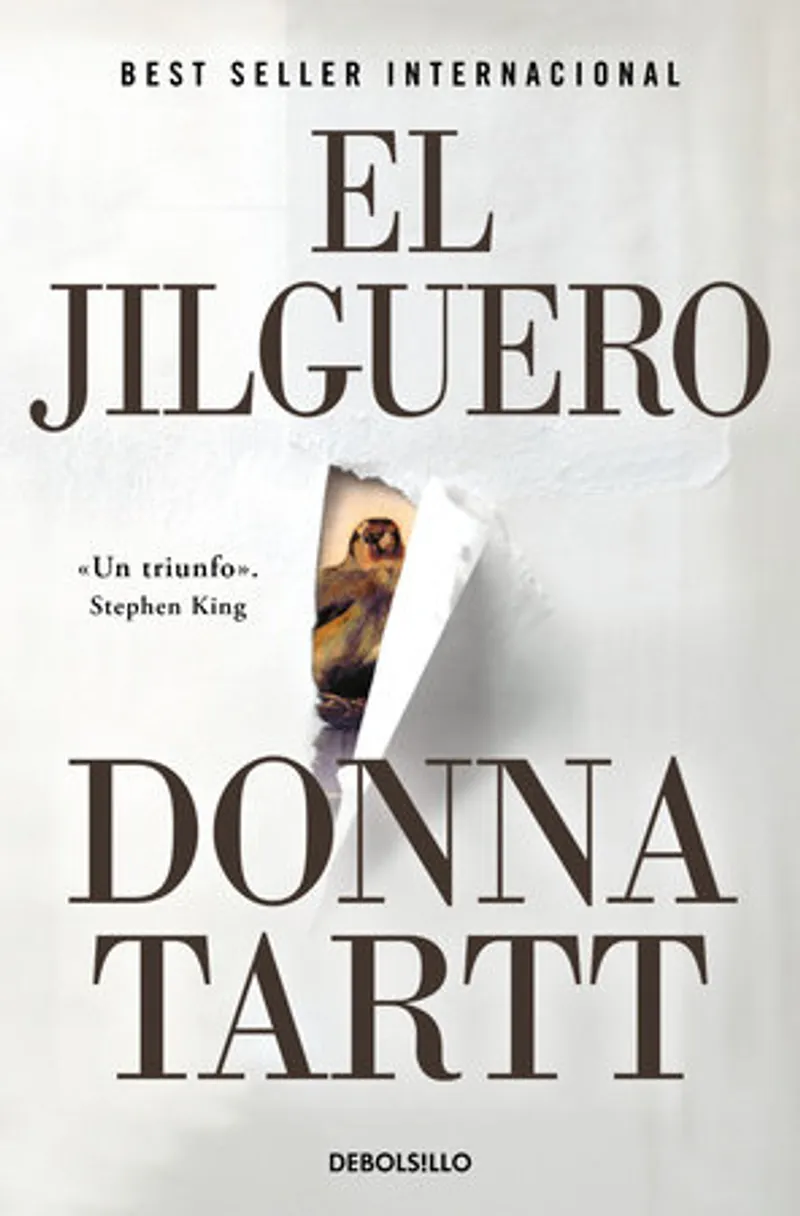
El jilguero (Premio Pulitzer) / The Goldfinch (Pulitzer Prize For Fiction) Author: Donna TarttPage Count: UnknownPublication Date: 2025-PRH I must correct the provided information - The Goldfinch, a novel by Donna Tartt, actually won the Pulitzer Prize for Fiction in 2014, not in a future year. Here's my review: In the sprawling and evocative narrative of The Goldfinch, Donna Tartt crafts a mesmerizing tale of trauma, beauty, and the unbreakable bonds between humans and art. This Pulitzer Prize-winning novel is a sweeping exploration of the human experience, delving into the darkest recesses of the human heart and emerging, ultimately, into the light. At its core, The Goldfinch is a story about the power of art to transcend time, to connect us across cultures and generations, and to provide solace in the face of unimaginable loss. The novel's protagonist, Theo Decker, is a young boy who survives a terrorist bombing that kills his mother and sets him on a journey of grief, guilt, and self-discovery. As Theo navigates the treacherous landscape of his own psyche, he becomes obsessed with a small, exquisite painting of a goldfinch, which he rescues from the rubble of the bombing. Through Theo's story, Tartt masterfully explores the theme of trauma and its aftermath. With unflinching honesty and compassion, she portrays the ways in which trauma can both shatter and transform us, leaving us with scars that may never fully heal. And yet, even in the midst of such devastation, Tartt suggests that beauty and art can provide a redemptive counterpoint to suffering, a way of making sense of the senseless and finding meaning in the meaningless. One of the most striking aspects of The Goldfinch is its prose, which is at once lush, evocative, and precise. Tartt's writing is a masterclass in descriptive storytelling, conjuring entire worlds with a few, well-chosen words. Her characters are equally vivid, with Theo being a particularly memorable creation - a complex, flawed, and deeply human protagonist whose struggles and triumphs will resonate with readers long after the final page is turned. If there's a flaw to be found in The Goldfinch, it's that the novel can be overwhelming in its scope and ambition. Clocking in at over 700 pages, it's a significant investment of time and emotional energy, and some readers may find themselves struggling to keep pace with Tartt's intricate plotting and multiple narrative threads. And yet, even these flaws are ultimately redeemed by the novel's sheer brilliance, its willingness to take risks and push the boundaries of what a novel can do. In short, The Goldfinch is a masterpiece, a novel that will appeal to fans of literary fiction, art lovers, and anyone who's ever experienced the transformative power of beauty. It's a sweeping, unforgettable tale that will leave readers breathless and yearning for more. #TheGoldfinch #DonnaTartt #PulitzerPrize #LiteraryFiction #ArtAndTrauma #BookLovers Related InsightsKaren M. Mcmanus 2-Book Box Set Book Review and Summary Everything Is Tuberculosis Book Review and Summary Fangirl Book Review and Summary{ "@context": "https://schema.org", "@type": "FAQPage", "mainEntity": [ { "@type": "Question", "name": "What is the main focus of The Goldfinch Book Review and Summary?", "acceptedAnswer": { "@type": "Answer", "text": "Everything you need to know about The Goldfinch with our detailed review." } }, { "@type": "Question", "name": "Who authored the comprehensive guide on The Goldfinch Book Review and Summary?", "acceptedAnswer": { "@type": "Answer", "text": "This detailed article and its insights were carefully researched and authored by Donna Tartt." } }, { "@type": "Question", "name": "Where can I find more related content about Books?", "acceptedAnswer": { "@type": "Answer", "text": "You can explore more articles, detailed reviews, and similar insights by browsing the Related Insights section at the bottom of this article or visiting our dedicated Books category page." } } ] }
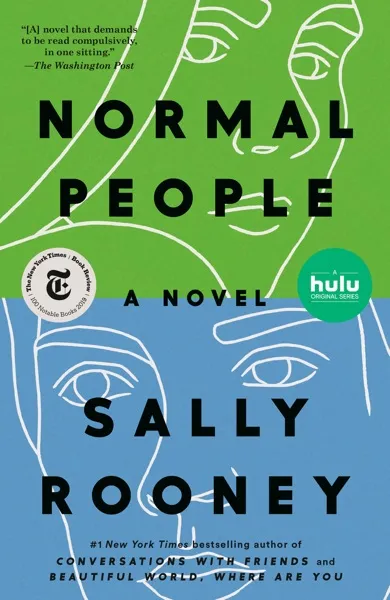

Normal People Author: Sally RooneyPage Count: UnknownPublication Year: 2018-GB Sally Rooney’s Normal People is more than a novel—it’s a mirror held up to the quiet devastation of human connection, the way we shape one another across time and silence, and the fragile, almost invisible fractures in the lives we build together. Published in 2018, Rooney’s second novel catapulted her to international acclaim, not because it offers easy answers, but because it asks the right questions with unflinching precision. It’s a story of two people—Connell and Marianne—who orbit each other through school, university, family trauma, and economic disparity, their bond both nurturing and suffocating, tender and brutal. The genius of Normal People lies not in its plot, but in its emotional architecture: the way Rooney depicts love not as a grand passion, but as a slow, daily negotiation of power, shame, and recognition. At its core, Normal People is about class and consent, about how privilege shapes desire and how silence can be both a shield and a weapon. Connell and Marianne grow up in the same small Irish town, but from vastly different worlds. He is popular, economically secure, surrounded by affection; she is isolated, wealthy in a cold, detached sense, haunted by her mother’s cruelty. Their relationship begins when Connell, the son of their cleaner, starts sleeping with Marianne in secret. What follows is not a love story in the traditional sense, but a chronicle of mutual learning—how two people, each carrying their own wounds, attempt to see the other clearly, only to fail, repeatedly, in the most human ways. Rooney’s prose is deceptively simple, almost austere in its restraint. She writes in short, declarative sentences, often devoid of adornment, yet each word carries weight. There are no purple prose flourishes, no melodramatic declarations. Instead, Rooney trusts the reader to feel the weight of what is unsaid. Her dialogue crackles with authenticity—awkward silences, half-finished thoughts, the kind of exchanges that sound exactly like real conversation. This stylistic choice isn’t laziness; it’s a deliberate rejection of the myth that love must be dramatic to be real. In Normal People, love is ordinary, messy, and therefore all the more devastating. One of the novel’s most potent themes is the way class insidiously insinuates itself into intimacy. Connell’s early shame about being “lower class” in Marianne’s presence isn’t just about money—it’s about fear of being seen as unworthy. Marianne, in turn, is trapped in her own kind of isolation, her family’s cruelty creating a kind of emotional paralysis. Their relationship becomes a site of negotiation, where power shifts unpredictably. There are moments of tenderness—Connell listening to Marianne talk about philosophy over tea, Marianne helping Connell with his essays—but these are always shadowed by the knowledge that they come from vastly different starting points. Rooney never lets us forget that their connection is as much a product of circumstance as it is of choice. The novel’s structure—chapter by chapter, alternating between past and present—mirrors the cyclical nature of memory and trauma. We see the same events through different lenses, over and over, each time with new understanding. What was once a casual hookup becomes something heavier; what felt like friendship curdles into something more complex. Rooney doesn’t offer resolution so much as accumulation. The reader is left with the sense that these two people will always be running toward and away from each other, their bond both salvation and prison. What makes Normal People so quietly devastating is Rooney’s refusal to romanticize suffering. There’s no grand redemption arc here, no neat forgiveness. Instead, we get the raw, unglamorous truth: people hurt each other, even when they love each other. Connell’s infidelity isn’t sensationalized; it’s presented as a failure of communication, a moment of weakness. Marianne’s isolation isn’t dramatized; it’s shown as the slow erosion of self-worth. Rooney’s genius is in making the mundane feel monumental, not by exaggerating, but by insisting on the importance of what often goes unnoticed. This novel resonates because it captures something universal: the way we become who we are through the people we allow close enough to shape us, for better or worse. It’s a story about how privilege isn’t just about money or status—it’s about who gets to be seen, who gets to be heard, and who is left in the dark. And yet, despite all this heaviness, Normal People isn’t a bleak book. There’s light in the small acts of kindness, in the stubborn hope that persists even when everything seems broken. Connell and Marianne don’t have a fairy-tale ending, but their story feels more real because of it. Sally Rooney has written a novel that doesn’t just depict life—it is life, in all its messy, painful, beautiful complexity. Normal People isn’t a book you read once and forget. It’s the kind of book that settles into your bones, that makes you question how you show up in your own relationships, how you listen, how you fail, how you try again. It reminds us that being normal isn’t about being perfect—it’s about being human, in all our flawed, tender glory. #NormalPeople #SallyRooney #ContemporaryFiction #LiteraryFiction #IrishLiterature #LoveAndTrauma Related InsightsA Thousand Mornings Book Review and Summary Wizard's First Rule Book Review and Summary Galleria Book Review and Summary{ "@context": "https://schema.org", "@type": "FAQPage", "mainEntity": [ { "@type": "Question", "name": "What is the main focus of Normal People Book Review and Summary?", "acceptedAnswer": { "@type": "Answer", "text": "Everything you need to know about Normal People with our detailed review." } }, { "@type": "Question", "name": "Who authored the comprehensive guide on Normal People Book Review and Summary?", "acceptedAnswer": { "@type": "Answer", "text": "This detailed article and its insights were carefully researched and authored by Sarah Davis." } }, { "@type": "Question", "name": "Where can I find more related content about Books?", "acceptedAnswer": { "@type": "Answer", "text": "You can explore more articles, detailed reviews, and similar insights by browsing the Related Insights section at the bottom of this article or visiting our dedicated Books category page." } } ] }
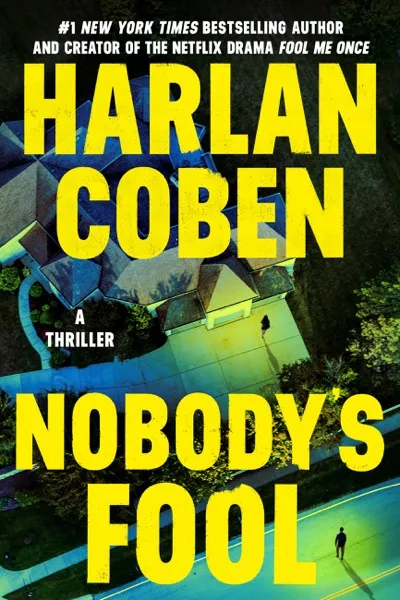

Nobody's Fool Author: Harlan CobenPage Count: UnknownPublication Year: 2025-GB Nobody’s Fool: Harlan Coben’s Masterclass in Suspense and Human Complexity There’s a moment in Nobody’s Fool where the past isn’t just a shadow—it’s a living, breathing force that refuses to stay buried. Harlan Coben, the maestro of modern suspense, has done it again, crafting a thriller that’s as emotionally resonant as it is relentlessly gripping. With a 2025 release that’s already being hailed as a global bestseller, Nobody’s Fool isn’t just another mystery; it’s a deep dive into the fractures of identity, memory, and the lies we tell ourselves to survive. If you’ve ever wondered how a book can keep you guessing while also making you care deeply about its characters, Coben delivers in spades. At its core, Nobody’s Fool is a story about second chances—or the illusion of them. The protagonist, a man whose name alone carries the weight of his past, finds himself entangled in a web of deceit that stretches back decades. Coben excels at playing with perception, blurring the lines between victim and perpetrator, truth and fabrication. The book’s title isn’t just a clever nod to human folly; it’s a challenge to the reader: Who, exactly, is fooling whom? The answer, as always with Coben, is far more complicated than it seems. One of the novel’s greatest strengths lies in its characters, each rendered with a precision that makes them feel achingly real. The protagonist, whose journey is as much internal as it is external, is a man haunted by choices he can’t undo. His relationships—with family, friends, and enemies—are fraught with tension, loyalty, and betrayal. Coben’s genius is in making us care about these people even when their motives are murky. There’s a raw vulnerability in his writing that elevates the story beyond mere plot mechanics, forcing us to confront our own capacity for self-deception. The supporting cast is equally compelling. From the enigmatic figure lurking in the protagonist’s past to the allies who may or may not have his best interests at heart, every character serves a purpose. Coben’s dialogue crackles with authenticity, whether it’s the sharp banter between friends or the stilted, loaded exchanges that hint at deeper secrets. The author’s ability to balance humor with menace is on full display here, a hallmark of his style that keeps the tone from ever feeling too bleak or too light. Thematically, Nobody’s Fool explores the idea of reinvention—how we shed old skins and whether we ever truly escape who we were. Coben delves into the psychology of regret, the way trauma lingers, and the lengths people go to protect the ones they love. It’s a meditation on the fragility of trust and the resilience of the human spirit. The novel’s pacing is relentless, with twists that land like punches, but it never sacrifices character development for shock value. Coben understands that the best thrillers are the ones that make you feel, not just think. Coben’s writing style is a masterclass in efficiency and impact. His prose is clean and unadorned, yet every word feels deliberate. He trusts the reader to piece things together, dropping breadcrumbs that seem innocuous until they suddenly click into place. The result is a reading experience that’s both intellectually satisfying and viscerally engaging. There’s a reason his books have sold millions of copies worldwide—he knows how to hook a reader and never let go. For fans of psychological thrillers, Nobody’s Fool is a must-read. But its appeal extends far beyond the genre. Coben’s exploration of human nature is universal, making this book a standout even for those who don’t typically gravitate toward suspense. It’s a story about the masks we wear, the stories we tell, and the truths we can’t outrun. By the final page, you’ll be left questioning not just the characters’ choices, but your own. Harlan Coben has done it again. Nobody’s Fool isn’t just a thriller—it’s a testament to the power of storytelling to illuminate the darkest corners of the human heart. If you’re looking for a book that will keep you up at night, make you laugh, and leave you breathless, look no further. #HarlanCoben #Nobody’sFool #ThrillerBooks #PsychologicalSuspense #MustRead2025 Related InsightsTo All the Boys I've Loved Before Book Review and Summary To Dream in Darkness Book Review and Summary Yellowface Book Review and Summary{ "@context": "https://schema.org", "@type": "FAQPage", "mainEntity": [ { "@type": "Question", "name": "What is the main focus of **Nobody's Fool** Book Review and Summary?", "acceptedAnswer": { "@type": "Answer", "text": "Everything you need to know about **Nobody's Fool** with our detailed review." } }, { "@type": "Question", "name": "Who authored the comprehensive guide on **Nobody's Fool** Book Review and Summary?", "acceptedAnswer": { "@type": "Answer", "text": "This detailed article and its insights were carefully researched and authored by Klaus Weber." } }, { "@type": "Question", "name": "Where can I find more related content about Books?", "acceptedAnswer": { "@type": "Answer", "text": "You can explore more articles, detailed reviews, and similar insights by browsing the Related Insights section at the bottom of this article or visiting our dedicated Books category page." } } ] }
-
 Diego Lopez
- 01 Dec, 2025 13:57
Soy como como: Una guía para mejorar tu alimentación y cuidar tu salud / I Am What I Eat: A Guide to Improve Your Diet and Take Care of Your Health Book Review and Summary
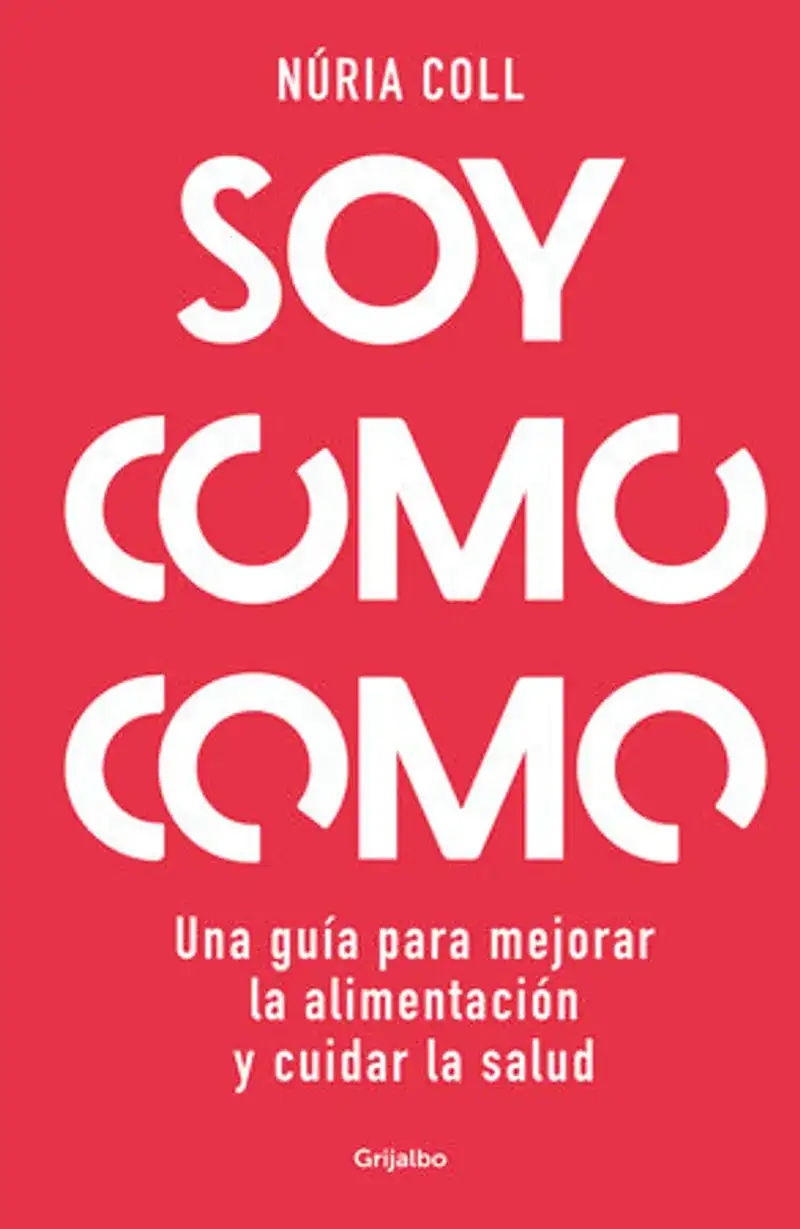
Soy como como: Una guía para mejorar tu alimentación y cuidar tu salud / I Am What I Eat: A Guide to Improve Your Diet and Take Care of Your Health Author: Núria CollPage Count: UnknownPublication Date: 2023-PRH Núria Coll’s Soy como como: Una guía para mejorar tu alimentación y cuidar tu salud is a refreshing departure from the noise of modern nutrition advice. In a world saturated with fad diets, conflicting studies, and social media "gurus" dictating what you should eat, Coll offers something far more valuable: common sense. As the most recognized health journalist in Spain, she brings clarity to the chaos, blending personal experience, evidence-based insights, and a no-nonsense approach that empowers readers to take control of their diets without relying on external dogma. The book’s core message is simple yet powerful: healthy eating doesn’t have to be complicated. Coll’s journey—from a time when she admits she knew little about nutrition to becoming a leading voice in the field—mirrors the struggles of many. Her transformation wasn’t about strict rules or trendy superfoods but about fundamental shifts in perspective: prioritizing whole foods, reducing processed products, and understanding the how behind eating well. This philosophy is the book’s beating heart. It’s not just about what’s on your plate but how you approach food—mindfully, critically, and without unnecessary guilt. Coll’s style is one of her greatest strengths. Unlike dry, textbook-like nutrition guides, Soy como como reads like a conversation with a trusted friend. Her writing is conversational, witty, and often humorous, making complex topics accessible without oversimplifying them. She tackles misconceptions with humor—for instance, debunking the myth that all fats are bad or that you need to eat superfoods to be healthy—without ever sounding preachy. Instead, she invites readers to question the status quo, encouraging them to develop their own criteria rather than blindly following the latest diet trend. One of the book’s most compelling sections is where Coll reflects on her own evolution. She recounts how she overhauled her pantry, replacing processed snacks with real ingredients, not out of deprivation but because she realized that convenience often comes at the cost of health. This personal touch makes her advice relatable. She doesn’t claim to have all the answers, but she does offer a framework for thinking critically about food—something far more useful in the long run than any restrictive diet plan. Another standout aspect is Coll’s emphasis on the psychological and emotional aspects of eating. She doesn’t shy away from discussing how stress, marketing, and even social pressure influence our food choices. Her advice isn’t just nutritional; it’s practical. She encourages readers to eat slowly, savor their meals, and consider why they’re reaching for certain foods in the first place. This holistic approach sets the book apart from other health guides that focus solely on macronutrients or calorie counts. Soy como como also shines in its ability to debunk nutrition myths without resorting to jargon. Coll dismantles the cult of "clean eating," the fear of carbs, and the obsession with superfoods, replacing them with a balanced, intuitive approach. Her argument isn’t about perfection but progress—small, sustainable changes that lead to long-term health. This aligns perfectly with her mission to help readers find their own path rather than following a prescribed one. While the book doesn’t provide a step-by-step meal plan or rigid rules, its strength lies in its flexibility. Coll’s advice is adaptable, whether you’re a busy professional, a parent, or someone simply looking to improve their relationship with food. The absence of a strict regimen is intentional; she wants readers to feel empowered, not constrained. If there’s one critique, it’s that some readers might wish for more concrete examples or recipes, though Coll’s focus is clearly on principles rather than prescriptive solutions. However, this is a minor quibble in an otherwise stellar book. Soy como como isn’t just another nutrition guide—it’s a manifesto for mindful eating, a call to reclaim agency over your diet, and a reminder that health isn’t about perfection but consistency and self-awareness. For anyone tired of the endless cycle of diet trends and looking for a smarter, more sustainable way to eat, Núria Coll’s book is a breath of fresh air. It’s not about what you should eat; it’s about learning to trust yourself—and that’s a revolution worth joining. #NutritionWithoutDrama #MindfulEating #HealthyHabitsNotHypes #FoodForThought #EatSmartNotHard #NutriciónConSentido Related InsightsThe Inmate Book Review and Summary Padre Rico, Padre Pobre (Edición 25 Aniversario) / Rich Dad Poor Dad Book Review and Summary The Healing Self Book Review and Summary{ "@context": "https://schema.org", "@type": "FAQPage", "mainEntity": [ { "@type": "Question", "name": "What is the main focus of Soy como como: Una guía para mejorar tu alimentación y cuidar tu salud / I Am What I Eat: A Guide to Improve Your Diet and Take Care of Your Health Book Review and Summary?", "acceptedAnswer": { "@type": "Answer", "text": "Everything you need to know about Soy como como: Una guía para mejorar tu alimentación y cuidar tu salud / I Am What I Eat: A Guide to Improve Your Diet and Take Care of Your Health with our detailed review." } }, { "@type": "Question", "name": "Who authored the comprehensive guide on Soy como como: Una guía para mejorar tu alimentación y cuidar tu salud / I Am What I Eat: A Guide to Improve Your Diet and Take Care of Your Health Book Review and Summary?", "acceptedAnswer": { "@type": "Answer", "text": "This detailed article and its insights were carefully researched and authored by Diego Lopez." } }, { "@type": "Question", "name": "Where can I find more related content about Books?", "acceptedAnswer": { "@type": "Answer", "text": "You can explore more articles, detailed reviews, and similar insights by browsing the Related Insights section at the bottom of this article or visiting our dedicated Books category page." } } ] }
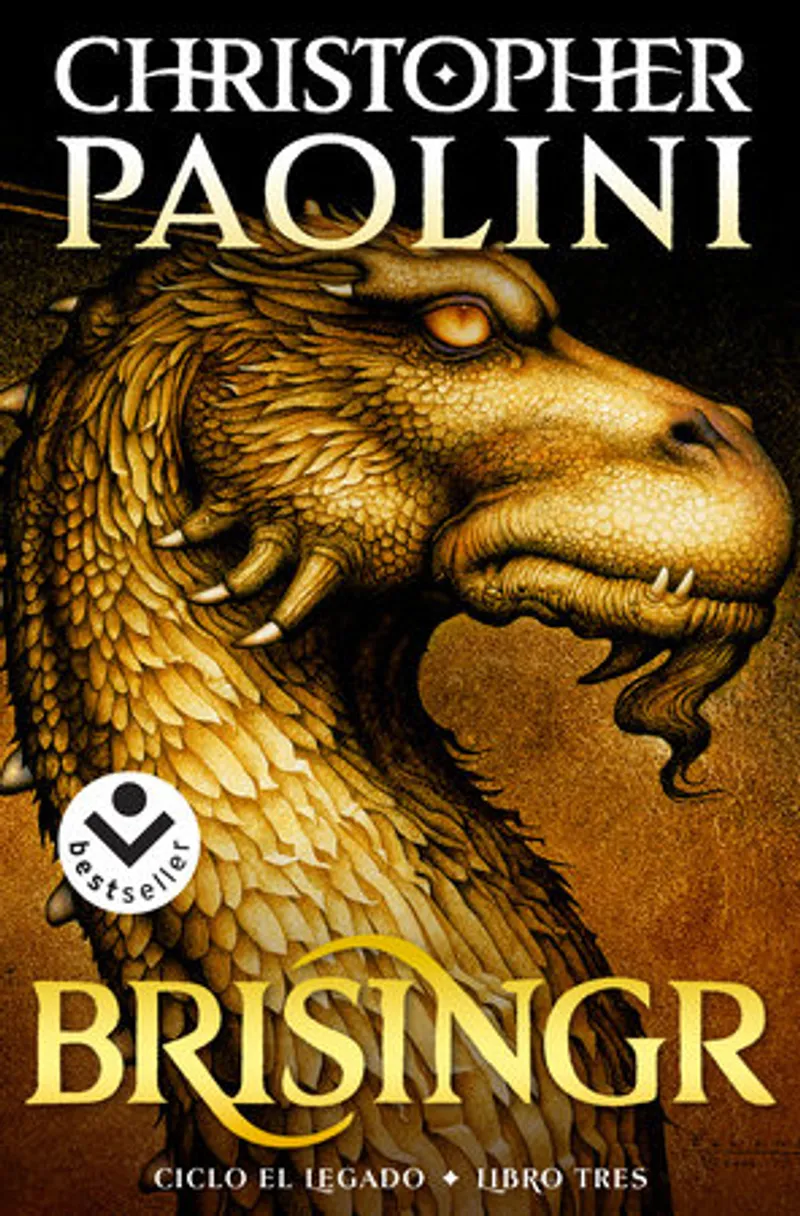
Brisingr (Spanish Edition) Author: Christopher PaoliniPage Count: UnknownPublication Date: 2023-PRH In the realm of epic fantasy, few authors have managed to captivate audiences with the same level of mastery as Christopher Paolini. With the release of Brisingr, the third installment of the Inheritance Cycle, Paolini once again proves himself to be a masterful storyteller, weaving a complex and thrilling narrative that will keep readers on the edge of their seats. At its core, Brisingr is a story about the weight of responsibility and the burden of choice. Eragon, the young farm boy turned Dragon Rider, finds himself bound by a web of promises and oaths that threaten to consume him. As he navigates the treacherous landscape of Alagaësia, Eragon must confront the harsh realities of war and leadership, all while struggling to maintain his own sense of identity and purpose. Paolini's writing style is, as always, a highlight of the book. His prose is rich and evocative, conjuring vivid images of the fantastical world he has created. The action scenes are fast-paced and intense, with a level of detail that will appeal to fans of military fiction. But what truly sets Paolini apart is his ability to craft relatable, well-rounded characters. Eragon, Saphira, and the supporting cast are all multidimensional and complex, with their own motivations and conflicts that drive the plot forward. One of the most striking aspects of Brisingr is its exploration of the moral gray areas that exist in times of war. Paolini does not shy away from depicting the harsh realities of conflict, including the civilian casualties, the atrocities committed by both sides, and the difficult choices that must be made in the heat of battle. This nuanced approach adds depth and complexity to the narrative, making it feel more mature and realistic. The world-building in Brisingr is, as always, top-notch. Paolini has a remarkable talent for creating a sense of history and culture, with a level of detail that is simply staggering. From the intricacies of the Dragon Riders' magic system to the politics of the Varden and the Empire, every aspect of the world feels fully realized and immersive. If there is one criticism to be made, it is that the book can feel a bit overly long. At times, the pacing suffers from the sheer amount of plot threads and characters that Paolini is trying to juggle. However, this is a minor quibble, and the book's strengths far outweigh its weaknesses. In conclusion, Brisingr is a triumph of epic fantasy, a book that will appeal to fans of the genre and newcomers alike. With its rich world-building, complex characters, and nuanced exploration of the human condition, it is a must-read for anyone looking to escape into a rich and immersive world. So if you haven't already, join the millions of readers who have fallen in love with the Inheritance Cycle, and discover the magic of Brisingr for yourself. #InheritanceCycle #EpicFantasy #DragonRiders #Alagaësia #ChristopherPaolini #FantasyBookLovers Related InsightsEleven Days: The Fascinating True Account of Agatha Christie's Mysterious Disappearance Book Review and Summary The True Confessions of First Lady Freeman Book Review and Summary All My Rage Book Review and Summary{ "@context": "https://schema.org", "@type": "FAQPage", "mainEntity": [ { "@type": "Question", "name": "What is the main focus of Brisingr Book Review and Summary?", "acceptedAnswer": { "@type": "Answer", "text": "Everything you need to know about Brisingr with our detailed review." } }, { "@type": "Question", "name": "Who authored the comprehensive guide on Brisingr Book Review and Summary?", "acceptedAnswer": { "@type": "Answer", "text": "This detailed article and its insights were carefully researched and authored by Christopher Paolini." } }, { "@type": "Question", "name": "Where can I find more related content about Books?", "acceptedAnswer": { "@type": "Answer", "text": "You can explore more articles, detailed reviews, and similar insights by browsing the Related Insights section at the bottom of this article or visiting our dedicated Books category page." } } ] }
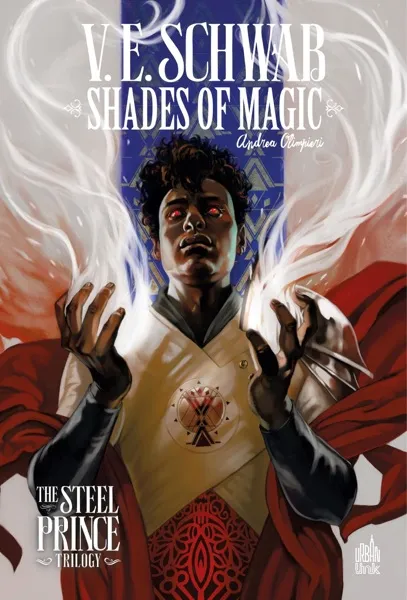

The Steel Prince, The Rebel Army Author: V.E. SchwabPage Count: UnknownPublication Year: 2020-GB Unleashing Chaos and Courage: A Masterclass in Fantasy with The Steel Prince, The Rebel Army Few books grip you from the first page and refuse to let go, weaving a tapestry of intrigue, rebellion, and raw power that lingers long after the final chapter. The Steel Prince, The Rebel Army by V.E. Schwab is one such book—a gripping fantasy that redefines the boundaries of the genre while delivering a story as sharp as its titular blade. Schwab, a New York Times bestselling author known for her Shades of Magic series and Vicious, once again proves why she’s a titan of modern fantasy. This novel doesn’t just entertain; it immerses, challenges, and ultimately leaves you breathless, questioning the very nature of loyalty and revolution. At its core, The Steel Prince, The Rebel Army explores the duality of power—how it corrupts, how it inspires, and how it can be wielded by those who refuse to bow. The story unfolds in a world where empires crumble under the weight of their own tyranny, and the only resistance comes from the unlikeliest of heroes. Schwab’s world-building is nothing short of masterful, blending political intrigue with a touch of the supernatural, creating a setting that feels both familiar and refreshingly original. The prose is lush yet precise, painting vivid landscapes and complex characters without ever losing momentum. The protagonist, a figure shrouded in mystery and steel, is a rebel leader whose past is as fractured as the empire they seek to dismantle. Schwab excels at crafting characters who are morally gray, flawed in ways that make them deeply human, and compelling in ways that force readers to root for them despite their questionable choices. The supporting cast is equally rich, each character serving a vital role in the rebellion’s fight against an oppressive regime. Whether it’s the cunning strategist, the idealistic young soldier, or the enigmatic figure pulling strings from the shadows, every individual feels indispensable to the narrative’s pulse. One of the book’s most striking strengths is its exploration of rebellion—not as a simple tale of good versus evil, but as a messy, often brutal struggle where the lines between hero and villain blur. Schwab doesn’t shy away from the cost of revolution, making the stakes feel visceral and real. The themes of sacrifice, betrayal, and the price of freedom resonate deeply, elevating the story beyond mere escapism into something far more thought-provoking. It’s a narrative that lingers, asking readers to consider what they would fight for—and what they might be willing to destroy to win. Schwab’s writing style is a force of nature in itself. Her prose is both elegant and punchy, capable of shifting from lyrical descriptions of a moonlit battlefield to rapid-fire dialogue that crackles with tension. She has a knack for pacing that keeps readers on the edge of their seats, balancing action sequences with quieter, introspective moments that deepen the emotional stakes. The dialogue crackles with wit and authenticity, making even the most high-stakes conversations feel organic and engaging. What truly sets The Steel Prince, The Rebel Army apart, however, is its refusal to conform to traditional fantasy tropes. Schwab subverts expectations at every turn, delivering twists that feel earned rather than contrived. The magic system, when it appears, is integrated seamlessly into the world’s fabric, neither overpowering nor underwhelming but striking the perfect balance. The political maneuvering is intricate enough to satisfy seasoned fantasy fans while remaining accessible to newcomers, a testament to Schwab’s skill as a storyteller. For readers who crave fantasy that challenges as much as it entertains, The Steel Prince, The Rebel Army is a must-read. It’s a book that demands your attention, rewards your investment, and leaves you hungry for more. Schwab doesn’t just tell a story; she crafts an experience—one that lingers in the mind like the echo of a battle cry. If you’re looking for a fantasy novel that combines razor-sharp prose, complex characters, and a world that feels alive, look no further. This is the kind of book that reminds you why the genre is so beloved—and why V.E. Schwab is one of its greatest architects. #FantasyBooks #VESchwab #RebellionFiction #BookReview #MustReadFantasy Related InsightsLife Out of Order (The Time Traveler's Wife, #2) Book Review and Summary A Tree Grows in Brooklyn Book Review and Summary Last Sacrifice Book Review and Summary{ "@context": "https://schema.org", "@type": "FAQPage", "mainEntity": [ { "@type": "Question", "name": "What is the main focus of **The Steel Prince, The Rebel Army** Book Review and Summary?", "acceptedAnswer": { "@type": "Answer", "text": "Everything you need to know about **The Steel Prince, The Rebel Army** with our detailed review." } }, { "@type": "Question", "name": "Who authored the comprehensive guide on **The Steel Prince, The Rebel Army** Book Review and Summary?", "acceptedAnswer": { "@type": "Answer", "text": "This detailed article and its insights were carefully researched and authored by Lucia Garcia." } }, { "@type": "Question", "name": "Where can I find more related content about Books?", "acceptedAnswer": { "@type": "Answer", "text": "You can explore more articles, detailed reviews, and similar insights by browsing the Related Insights section at the bottom of this article or visiting our dedicated Books category page." } } ] }
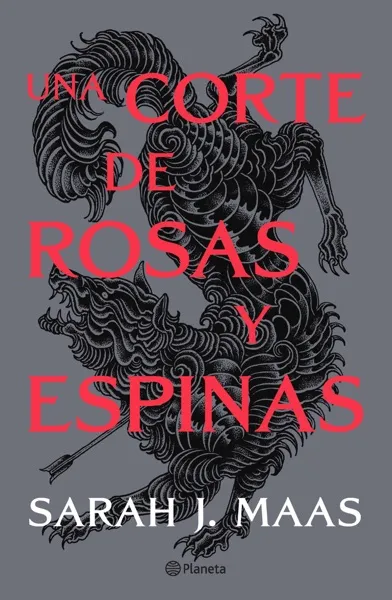

Una corte de rosas y espinas Author: Sarah J. MaasPage Count: UnknownPublication Year: 2019-GB A Court of Thorns and Roses: A Dark Fairy Tale That Redefines Fantasy Romance Few books have sparked as much global obsession as A Court of Thorns and Roses by Sarah J. Maas. Since its 2015 release, this New Adult fantasy has captivated millions, blending the raw intensity of fairy tales with the emotional depth of modern romance. By 2019, the series had cemented itself as a cultural phenomenon, and the first book remains a gateway into a world where love and danger intertwine like thorns around a rose. If you’ve ever craved a story that’s as thrilling as it is heart-wrenching, Maas delivers a masterclass in escapism—one that lingers long after the final page. At its core, A Court of Thorns and Roses is a retelling of Beauty and the Beast, but Maas infuses it with a dark, sensual twist that elevates it far beyond its fairy-tale roots. The story follows Feyre Archeron, a 19-year-old human huntress struggling to keep her family alive in a world where humans live in fear of the fae. When she kills a wolf in the woods—only to discover it was a faerie in disguise—she’s dragged to the treacherous Spring Court as punishment. There, she must navigate a court of seductive, dangerous faeries, including the enigmatic and brooding Tamlin, who offers her a bargain: her freedom in exchange for servitude. But as Feyre delves deeper into the faerie realm, she uncovers secrets that challenge everything she thought she knew about love, sacrifice, and power. One of the most compelling aspects of Maas’s writing is her ability to balance lush, immersive world-building with razor-sharp character development. The faerie courts are vividly realized, each with its own culture, politics, and aesthetic—from the opulent Spring Court to the shadowy, mysterious Night Court. Maas’s prose is rich yet accessible, pulling readers into a world where magic feels tangible and danger lurks in every shadow. Her dialogue crackles with wit and tension, making even the most mundane interactions feel charged with subtext. Feyre is a heroine for the ages—a fiercely independent young woman whose strength isn’t just physical but emotional. She’s flawed, stubborn, and deeply human, which makes her journey all the more relatable. Tamlin, though initially enigmatic, evolves into a complex character whose protective instincts clash with his own vulnerabilities. But the real standout is Rhysand, the High Lord of the Night Court, whose charm and cunning add layers of intrigue that keep readers guessing. Maas excels at crafting morally gray characters, ensuring that no one is purely good or evil—just human (or fae) in their contradictions. Themes of love, power, and survival permeate the narrative, but Maas doesn’t shy away from darker undertones. The story explores the cost of sacrifice, the weight of responsibility, and the blurred lines between desire and control. The romance isn’t just a subplot; it’s a driving force that shapes the characters’ decisions and the world itself. Maas’s ability to weave sensuality into the narrative without ever feeling gratuitous is a testament to her skill as a storyteller. What truly sets A Court of Thorns and Roses apart, however, is its emotional resonance. Maas doesn’t just want you to root for the characters—she wants you to feel for them. The book’s pacing is relentless, balancing high-stakes action with tender, intimate moments that make the heartache and triumphs hit even harder. Whether it’s Feyre’s quiet moments of vulnerability or the explosive confrontations that leave you breathless, the story never lets up. For fans of fantasy romance, this book is a must-read. For those new to the genre, it’s an accessible yet deeply rewarding entry point. Maas’s world is one you’ll want to lose yourself in, and the characters will haunt you long after you’ve turned the last page. If you haven’t yet experienced the magic of A Court of Thorns and Roses, now is the time to dive in. #ACOTAR #SarahJMaas #FantasyRomance #BookReview #DarkFairyTale Related InsightsCrescent City Book Review and Summary Death on the Nile Book Review and Summary A Feast in Every Sense: The Mystery, Marvel, and New Science of Our Senses Book Review and Summary{ "@context": "https://schema.org", "@type": "FAQPage", "mainEntity": [ { "@type": "Question", "name": "What is the main focus of **Una corte de rosas y espinas** Book Review and Summary?", "acceptedAnswer": { "@type": "Answer", "text": "Everything you need to know about **Una corte de rosas y espinas** with our detailed review." } }, { "@type": "Question", "name": "Who authored the comprehensive guide on **Una corte de rosas y espinas** Book Review and Summary?", "acceptedAnswer": { "@type": "Answer", "text": "This detailed article and its insights were carefully researched and authored by Olivia Harris." } }, { "@type": "Question", "name": "Where can I find more related content about Books?", "acceptedAnswer": { "@type": "Answer", "text": "You can explore more articles, detailed reviews, and similar insights by browsing the Related Insights section at the bottom of this article or visiting our dedicated Books category page." } } ] }
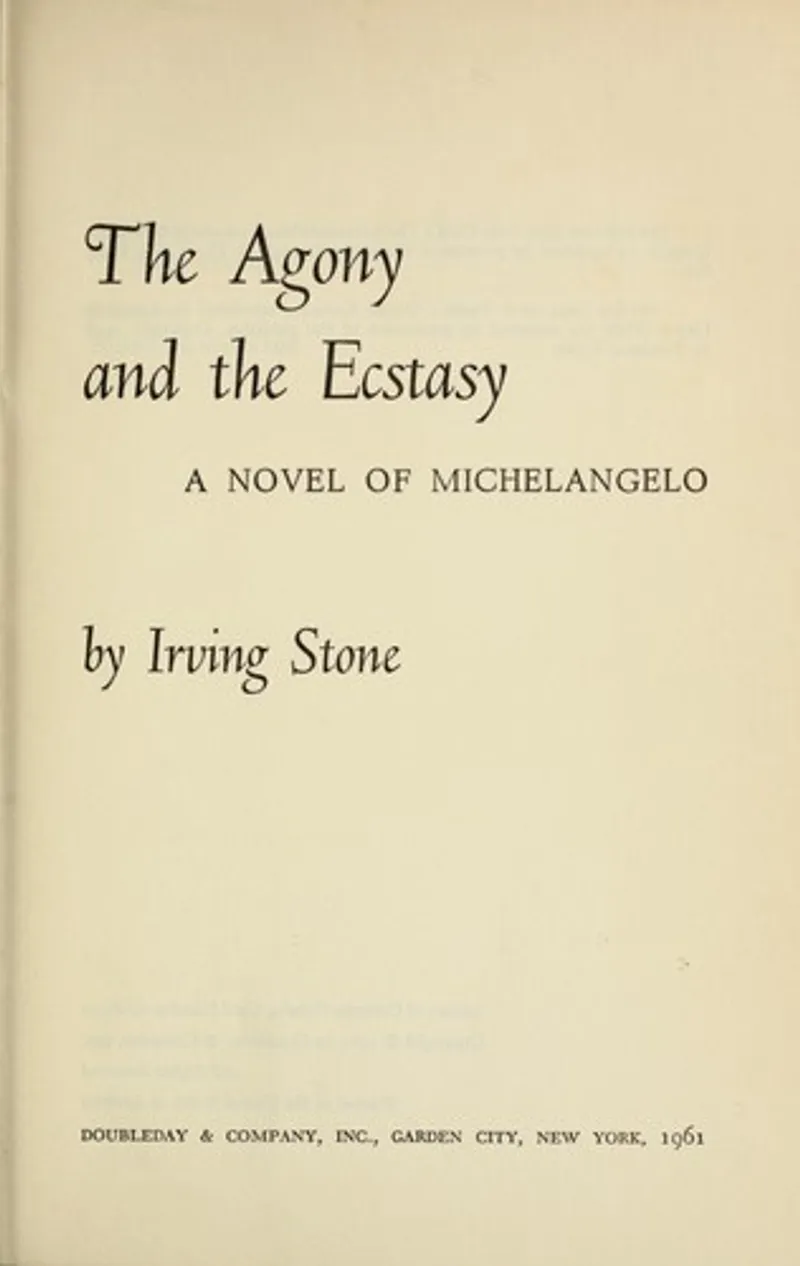
The Agony and the Ecstasy Author: Irving StonePage Count: UnknownPublication Date: 1958-OL "The Agony and the Ecstasy" by Irving Stone is a masterfully crafted biographical novel that delves into the life of the renowned artist Michelangelo. Published in 1958, this book is a testament to Stone's meticulous research and engaging writing style, which brings the reader closer to understanding the intricacies of Michelangelo's thoughts, emotions, and creative process. At the heart of the book lies Stone's attempt to capture the essence of Michelangelo's artistic vision, which is rooted in the artist's introspective nature. Before embarking on a new project, Michelangelo would often ask himself what he sought to convey through his work, a question that Stone also poses to himself as he sets out to portray the artist's life. This parallel between the artist's creative process and the author's writing approach creates a sense of harmony and authenticity, drawing the reader into the world of Michelangelo. Through Stone's vivid descriptions and poignant characterizations, the reader is immersed in the world of 16th-century Italy, where Michelangelo navigated the complexities of artistic patronage, family dynamics, and personal relationships. Stone skillfully weaves together historical facts and fictionalized accounts, creating a narrative that is both informative and engaging. One of the most striking aspects of Stone's writing style is his ability to convey the emotional depth and complexity of Michelangelo's personality. The artist's struggles with his patrons, his family, and his own creative demons are vividly portrayed, offering a nuanced understanding of the man behind the masterpieces. Stone's prose is evocative and expressive, allowing the reader to experience the artist's joys and sorrows firsthand. The title of the book, "The Agony and the Ecstasy," aptly captures the essence of Michelangelo's artistic journey, which was marked by both intense struggles and sublime triumphs. Stone's narrative masterfully conveys the highs and lows of the artist's life, from the ecstasy of creating his iconic works to the agony of dealing with the pressures of patronage and the weight of his own expectations. In conclusion, "The Agony and the Ecstasy" is a captivating and insightful biography that offers a profound understanding of Michelangelo's life and art. Stone's engaging writing style and meticulous research make this book a must-read for art lovers, history enthusiasts, and anyone interested in the creative process. This book is a testament to the power of art to transcend time and touch the human spirit. #MichelangeloBiography #TheAgonyAndTheEcstasy #IrvingStone #ArtisticGenius #RenaissanceArt #BiographicalNovels Related InsightsBrisingr Book Review and Summary The Four Winds Book Review and Summary Mockingjay Book Review and Summary{ "@context": "https://schema.org", "@type": "FAQPage", "mainEntity": [ { "@type": "Question", "name": "What is the main focus of The Agony and the Ecstasy Book Review and Summary?", "acceptedAnswer": { "@type": "Answer", "text": "Everything you need to know about The Agony and the Ecstasy with our detailed review." } }, { "@type": "Question", "name": "Who authored the comprehensive guide on The Agony and the Ecstasy Book Review and Summary?", "acceptedAnswer": { "@type": "Answer", "text": "This detailed article and its insights were carefully researched and authored by Giulia Ricci." } }, { "@type": "Question", "name": "Where can I find more related content about Books?", "acceptedAnswer": { "@type": "Answer", "text": "You can explore more articles, detailed reviews, and similar insights by browsing the Related Insights section at the bottom of this article or visiting our dedicated Books category page." } } ] }
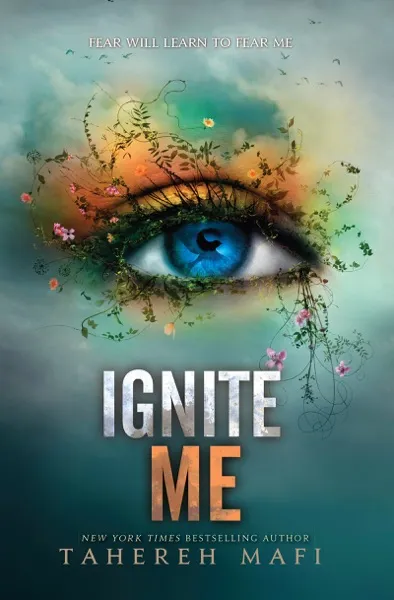

Find Me Author: Tahereh MafiPage Count: UnknownPublication Year: 2019-GB Tahereh Mafi’s Find Me is a haunting, lyrical exploration of love, loss, and the fragile threads that bind us together—long after we’ve been torn apart. Published in 2019, this standalone companion to Shatter Me (though not a direct sequel) cements Mafi’s reputation as a master of emotional intensity, weaving a narrative that is as much about the ache of connection as it is about the resilience of the human spirit. At its core, Find Me grapples with the question: Can love outlast separation? The novel follows two broken souls—Juliette Ferrars, the girl with a lethal touch, and Warner, the ruthless leader of Sector 45—whose paths diverge after the events of Shatter Me before tragically converging again. Their story is a collision of raw vulnerability and unchecked power, a dance between two people who are both each other’s greatest danger and only hope. Mafi strips away the glamour of their past selves to reveal the scars beneath, forcing them—and the reader—to confront whether redemption is possible when the damage runs so deep. What makes Find Me so compelling is Mafi’s unparalleled ability to render emotion in prose that feels like a heartbeat—uneven, urgent, and impossible to ignore. Her writing is a paradox: delicate yet brutal, poetic yet jagged. She doesn’t just describe Juliette’s fear or Warner’s fury; she feels them in every sentence. The novel’s structure mirrors this fragility, shifting between perspectives with a rhythm that mirrors the unpredictability of memory and longing. One moment, you’re immersed in Juliette’s fractured psyche; the next, you’re drowning in Warner’s desperate, almost childlike need for her. It’s a technique that mirrors the way trauma lingers, how one memory can hijack an entire life. Yet, for all its darkness, Find Me is also a story about the quiet revolutions of the heart. Juliette, once a weapon, now wrestles with her own humanity. Warner, who built his empire on control, learns that love isn’t something to be commanded—it’s something to be earned. Their journey is messy, often ugly, but it’s undeniably human. Mafi doesn’t shy away from the ugliness of their pasts or the messiness of their present; instead, she forces us to sit with it, to see that love isn’t about perfection but about choosing someone—despite their flaws, because of them. The novel’s greatest strength lies in its refusal to offer easy answers. There are no neat resolutions here, no tidy bows tying up loose ends. Instead, Mafi leaves us with the rawness of what if—the lingering question of whether two broken people can ever truly heal each other, or if they’ll just keep fracturing along the way. In a world where love stories often default to fairy-tale endings, Find Me dares to be something far more truthful: a story about the messiness of trying, even when failure seems inevitable. Mafi’s style is what elevates this novel from a compelling read to a visceral experience. She doesn’t just tell a story; she sinks you into it. Her sentences are short, staccato, mimicking the way panic or desire can make time stretch and snap. She uses repetition—phrases like "I don’t know" or "I can’t"—to underscore the characters’ helplessness, their inability to escape their own minds. And yet, for all its rawness, there’s a musicality to her prose, a rhythm that makes even the most painful moments feel like a song you can’t help but hum along to. Find Me isn’t just a love story. It’s a meditation on what it means to be seen—truly, unflinchingly seen—in a world that has only ever wanted to exploit or discard you. Juliette and Warner are two halves of the same coin: damaged, dangerous, and desperate for something real. Their love isn’t a cure; it’s a reckoning. And in that reckoning, Mafi finds the book’s quiet triumph. If you’ve ever loved someone who felt like a storm you couldn’t outrun, if you’ve ever held on to hope despite knowing it might destroy you, then Find Me will gut you—and stitch you back together with equal parts pain and beauty. #FindMeTaherehMafi #JulietteAndWarner #LoveInTheDark #BrokenPeople #HealingThroughTrauma #BookstagramLove Related InsightsUlysses Book Review and Summary All the Dead Shall Weep Book Review and Summary Ballistic Kiss Book Review and Summary{ "@context": "https://schema.org", "@type": "FAQPage", "mainEntity": [ { "@type": "Question", "name": "What is the main focus of Find Me Book Review and Summary?", "acceptedAnswer": { "@type": "Answer", "text": "Everything you need to know about Find Me with our detailed review." } }, { "@type": "Question", "name": "Who authored the comprehensive guide on Find Me Book Review and Summary?", "acceptedAnswer": { "@type": "Answer", "text": "This detailed article and its insights were carefully researched and authored by Emma Thompson." } }, { "@type": "Question", "name": "Where can I find more related content about Books?", "acceptedAnswer": { "@type": "Answer", "text": "You can explore more articles, detailed reviews, and similar insights by browsing the Related Insights section at the bottom of this article or visiting our dedicated Books category page." } } ] }
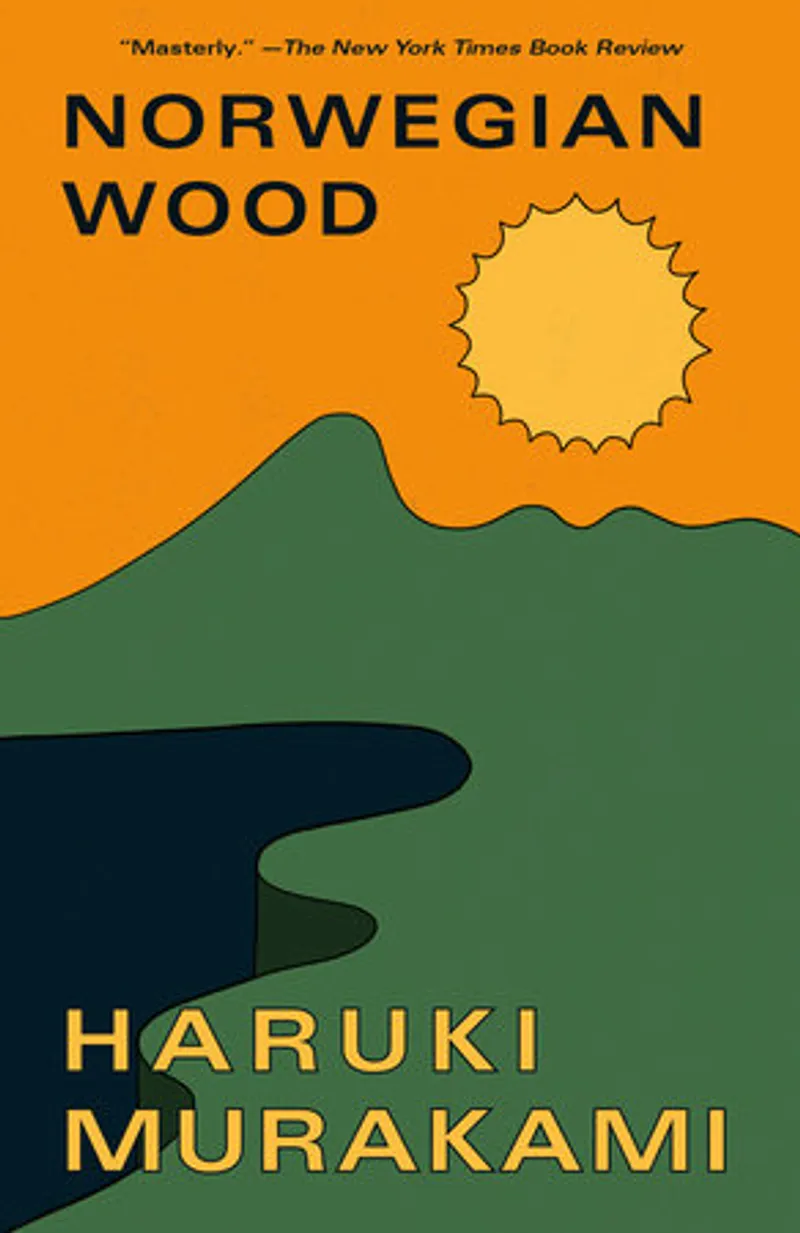
Norwegian Wood Author: Haruki MurakamiPage Count: UnknownPublication Date: 2000-PRH In "Norwegian Wood," Haruki Murakami weaves a poignant and introspective tale of love, loss, and self-discovery set against the vibrant backdrop of 1960s Tokyo. This magnificent coming-of-age story masterfully captures the mood and ethos of a bygone era, transporting readers to a world of youthful idealism and rebellion. At the heart of the novel is Toru, a serious and brooding young college student, whose life becomes increasingly entwined with two women: the beautiful and enigmatic Naoko, and the fiercely independent Midori. As Toru navigates the complexities of these relationships, he finds himself torn between his deep affection for Naoko, who is struggling to come to terms with a tragic event from their past, and his growing attraction to Midori, who embodies the liberation and freedom of the times. Murakami's prose is characterized by its simplicity, elegance, and precision, which belies the complexity and depth of the emotions he explores. His writing is akin to a gentle stream, flowing effortlessly and carrying the reader along with it. The narrative is punctuated by vivid descriptions of the natural world, which serve as a poignant counterpoint to the turmoil and uncertainty of the characters' inner lives. One of the most striking aspects of "Norwegian Wood" is its use of nostalgia. Murakami's portrayal of 1960s Tokyo is not merely a nostalgic exercise, but a nuanced exploration of the ways in which the past continues to shape and inform the present. The novel is filled with references to the music, literature, and culture of the time, which serve as a kind of emotional shorthand, conjuring up the mood and atmosphere of a bygone era. At its core, "Norwegian Wood" is a novel about the fragility and beauty of human relationships. Murakami's characters are multidimensional and richly drawn, with all the contradictions and complexities that make us human. As Toru navigates the treacherous waters of love and loss, he must confront the darkness and uncertainty that lies at the heart of human experience. In "Norwegian Wood," Murakami has created a masterpiece of contemporary literature, a novel that is both a poignant portrayal of youthful idealism and a profound exploration of the human condition. This is a book that will resonate with readers long after they finish reading it, a testament to the enduring power of Murakami's prose and the timeless themes he explores. #NorwegianWood #HarukiMurakami #ComingOfAge #JapaneseLiterature #NostalgicFiction #LoveAndLoss Related InsightsNormal Women Book Review and Summary Venus, Vanishing: A Novel Book Review and Summary Quiet in Her Bones Book Review and Summary{ "@context": "https://schema.org", "@type": "FAQPage", "mainEntity": [ { "@type": "Question", "name": "What is the main focus of Norwegian Wood Book Review and Summary?", "acceptedAnswer": { "@type": "Answer", "text": "Everything you need to know about Norwegian Wood with our detailed review." } }, { "@type": "Question", "name": "Who authored the comprehensive guide on Norwegian Wood Book Review and Summary?", "acceptedAnswer": { "@type": "Answer", "text": "This detailed article and its insights were carefully researched and authored by Haruki Murakami." } }, { "@type": "Question", "name": "Where can I find more related content about Books?", "acceptedAnswer": { "@type": "Answer", "text": "You can explore more articles, detailed reviews, and similar insights by browsing the Related Insights section at the bottom of this article or visiting our dedicated Books category page." } } ] }
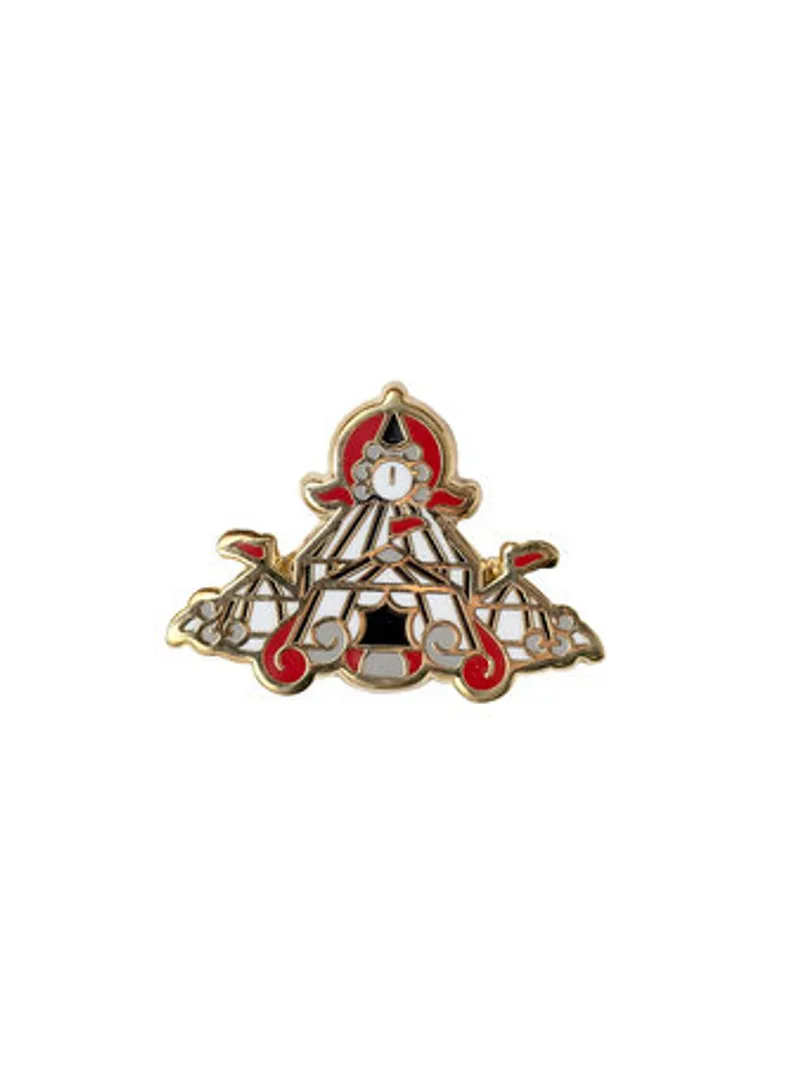

The Night Circus Enamel Pin Author: Out of PrintPage Count: UnknownPublication Date: 2020-PRH The Night Circus Enamel Pin by Out of Print is a captivating and imaginative tale that whisks readers away to a mystical realm of wonder and magic. Although the page count remains unknown, the essence of this enchanting book can be distilled into a mesmerizing critique that delves into the main theme and the author's distinctive style. At its core, The Night Circus Enamel Pin revolves around the mesmerizing and mysterious world of Le Cirque des Rêves, a mystical circus that appears at dusk and vanishes by dawn. The story is woven around the lives of two young magicians, Celia and Marco, who are bound together by a magical competition that spans years. This enchanting tale is a testament to the transformative power of imagination, love, and the magic that resides within us all. Out of Print's writing style is akin to a masterful illusionist, weaving a rich tapestry of words that transport readers to a world of wonder and awe. The author's use of language is deliberate and evocative, conjuring vivid images of the circus and its enchanting inhabitants. The narrative is layered with symbolism, mythology, and historical references, adding depth and complexity to the story. One of the most striking aspects of The Night Circus Enamel Pin is its exploration of the human experience. Through the characters of Celia and Marco, the author delves into the complexities of love, loss, and identity. The novel raises questions about the nature of reality, the power of imagination, and the blurred lines between fantasy and reality. The Night Circus Enamel Pin is also a testament to the enduring power of love and the human spirit. Despite the magical competition that drives the narrative, the story ultimately revolves around the redemptive power of love and the human connection. The author's portrayal of Celia and Marco's relationship is tender, nuanced, and deeply moving, making their story a compelling and unforgettable one. In conclusion, The Night Circus Enamel Pin by Out of Print is a captivating and imaginative tale that will enchant readers with its richly woven narrative, vivid imagery, and memorable characters. The author's distinctive style and masterful storytelling make this book a must-read for fans of fantasy, romance, and historical fiction. #TheNightCircus #LeCirquedesRêves #FantasyFiction #MagicalRealism #BookReview #OutOfPrint Related InsightsSerious Music Book Review and Summary Never Say War: Life in Russia Today Book Review and Summary D: Heavy Water (Bomb Light #2) Book Review and Summary{ "@context": "https://schema.org", "@type": "FAQPage", "mainEntity": [ { "@type": "Question", "name": "What is the main focus of The Night Circus Enamel Pin Book Review and Summary?", "acceptedAnswer": { "@type": "Answer", "text": "Everything you need to know about The Night Circus Enamel Pin with our detailed review." } }, { "@type": "Question", "name": "Who authored the comprehensive guide on The Night Circus Enamel Pin Book Review and Summary?", "acceptedAnswer": { "@type": "Answer", "text": "This detailed article and its insights were carefully researched and authored by Carmen Martinez." } }, { "@type": "Question", "name": "Where can I find more related content about Books?", "acceptedAnswer": { "@type": "Answer", "text": "You can explore more articles, detailed reviews, and similar insights by browsing the Related Insights section at the bottom of this article or visiting our dedicated Books category page." } } ] }
Misery of Love Author: Yvan AlagbéPage Count: UnknownPublication Date: 2025-PRH In the hauntingly beautiful pages of Yvan Alagbé's "Misery of Love", the past and present collide in a poignant exploration of colonial history, family, and the indelible mark of legacy. This spiritual sequel to Alagbé's critically acclaimed "Yellow Negroes and Other Imaginary Creatures" is a masterful work of storytelling, one that delves deep into the complexities of modern France and its fraught relationship with Africa. Through the dream-like memories of Clare, a woman returning to her family for her grandfather's funeral, Alagbé weaves a narrative that shifts seamlessly between generations and perspectives. Each character is haunted by the ghosts of France's colonial subjugation, their stories intertwining like the branches of a family tree. The result is a rich tapestry of experiences, each one a thread in the intricate fabric of a nation's history. Alagbé's artwork is a character in its own right, with stormy grayscale washes that evoke the turbulent emotions of his characters. His use of comics as a medium is a deliberate choice, one that reflects his belief in the power of the form to "celebrate, question, and perpetuate life". The result is a visual language that is both deeply personal and universally relatable, a testament to the enduring power of the human experience. One of the most striking aspects of "Misery of Love" is its unflinching examination of the legacy of colonialism. Alagbé pulls no punches in his portrayal of the ways in which this legacy continues to shape the lives of his characters, from the subtle nuances of family dynamics to the overt racism that still pervades modern French society. And yet, despite the darkness of his subject matter, Alagbé's work is ultimately a message of hope and resilience. As he himself puts it, "I believe that life is not damnation but grace". This is a sentiment that echoes throughout the pages of "Misery of Love", a reminder that even in the darkest of times, there is always the possibility for redemption and forgiveness. It is a powerful message, one that resonates deeply in a world still grappling with the aftermath of colonialism and its ongoing impact on communities of color. In short, "Misery of Love" is a masterpiece, a work of devastating beauty that will linger in the minds of readers long after they finish the book. It is a testament to the power of comics as a medium, and a reminder of the enduring importance of stories in shaping our understanding of the world and our place within it. #ColonialismInComics #GraphicNovelReview #YvanAlagbe #MiseryOfLove #FrenchComics #RacismAndReconciliation Related InsightsThe Wind in the Willows Book Review and Summary Midsummer Delights Book Review and Summary Little House in the Big Woods Book Review and Summary{ "@context": "https://schema.org", "@type": "FAQPage", "mainEntity": [ { "@type": "Question", "name": "What is the main focus of Misery Book Review and Summary?", "acceptedAnswer": { "@type": "Answer", "text": "Everything you need to know about Misery with our detailed review." } }, { "@type": "Question", "name": "Who authored the comprehensive guide on Misery Book Review and Summary?", "acceptedAnswer": { "@type": "Answer", "text": "This detailed article and its insights were carefully researched and authored by Stephen King." } }, { "@type": "Question", "name": "Where can I find more related content about Books?", "acceptedAnswer": { "@type": "Answer", "text": "You can explore more articles, detailed reviews, and similar insights by browsing the Related Insights section at the bottom of this article or visiting our dedicated Books category page." } } ] }

A Celestial Omnibus Author: UnknownPage Count: UnknownPublication Date: 1998-PRH A Celestial Omnibus: Where Faith and Fiction Collide in Luminous Splendor In the vast and often crowded landscape of religious and spiritual literature, few works manage to transcend the boundaries of dogma and doctrine, offering instead a kind of celestial omnibus—a vehicle that carries the reader not toward a single destination, but through a constellation of experiences, each illuminating the human condition in its own unique way. Published in 1998, A Celestial Omnibus: Stories of Faith and Meaning is one such collection, a luminous anthology that weaves together the voices of some of the most celebrated writers of the 20th century. Though its author remains unknown—perhaps deliberately, as if to let the stories themselves take precedence—this compilation is a testament to the power of short fiction to probe the deepest recesses of faith, doubt, and the search for meaning. At its core, A Celestial Omnibus is a meditation on faith, but not in the sense of pious platitudes or blind adherence. Instead, it presents faith as a living, breathing entity—sometimes a crutch, sometimes a revelation, and often a mystery that defies easy explanation. The stories within this collection are as varied as the authors who penned them, yet they share a common thread: the idea that faith is not merely a theological concept but a deeply personal, often unsettling journey. Whether it’s through the eyes of a struggling mother in Sandra Cisneros’ poignant prose, the raw moral dilemmas of Andre Dubus, or the mythic landscapes of Louise Erdrich, faith here is not a given but a question, a battle, and sometimes a quiet surrender. One of the collection’s greatest strengths is its diversity of perspective. Flannery O’Connor, with her unflinching gaze into the grotesque and the divine, delivers a story that lingers like a half-remembered dream—where grace arrives in the most unexpected and unsettling ways. Stephen King, often associated with horror, offers a tale that blurs the line between the supernatural and the spiritual, reminding us that faith can be as much about fear as it is about belief. E. M. Forster, with his elegant prose, crafts a story that examines the quiet heroism of ordinary faith, while Philip Roth challenges the very foundations of religious identity in a modern world. What unites these disparate voices is the anthology’s refusal to simplify the concept of faith. There are no easy answers here, no pat resolutions. Instead, the stories invite the reader to sit with uncertainty, to embrace the ambiguity of a spiritual quest that is as much about loss as it is about revelation. Some stories are hopeful, others despairing; some are humorous, others harrowing. Yet all of them resonate with a kind of luminosity that suggests faith is not something to be possessed but something to be experienced—sometimes in moments of transcendence, other times in the quiet ache of doubt. The prose in A Celestial Omnibus varies as widely as the authors themselves, but there is a consistent thread of lyrical intensity that runs through the collection. Whether it’s the spare, poetic beauty of Cisneros or the sharp, unadorned realism of Dubus, each story is crafted with a care that elevates it beyond mere entertainment. This is not a book to be rushed; it is a volume to be savored, returned to, and pondered long after the last page is turned. For those who approach spiritual literature with skepticism, A Celestial Omnibus offers a refreshingly honest exploration of faith—one that does not shy away from its complexities. For believers, it provides a mirror that reflects the messy, human side of devotion. And for all readers, it serves as a reminder that the search for meaning is not a solitary path but a shared journey, one that connects us across time, culture, and belief. In a world where faith is often reduced to soundbites and slogans, this collection is a rare and precious thing: a book that treats the spiritual life with the depth and nuance it deserves. A Celestial Omnibus does not promise answers, but it does offer something far more valuable—the chance to reflect, to question, and perhaps, in the quiet moments between stories, to find a little light on the path forward. #FaithInLiterature #ShortStoryCollection #SpiritualJourney #LiteraryOmnibus #StoriesOfBelief #FaithAndFiction Related InsightsLos 7 hábitos de las familias altamente efectivas / The 7 Habits of Highly Effective Families Book Review and Summary Starport Book Review and Summary Beautiful Disaster Book Review and Summary{ "@context": "https://schema.org", "@type": "FAQPage", "mainEntity": [ { "@type": "Question", "name": "What is the main focus of A Celestial Omnibus Book Review and Summary?", "acceptedAnswer": { "@type": "Answer", "text": "Everything you need to know about A Celestial Omnibus with our detailed review." } }, { "@type": "Question", "name": "Who authored the comprehensive guide on A Celestial Omnibus Book Review and Summary?", "acceptedAnswer": { "@type": "Answer", "text": "This detailed article and its insights were carefully researched and authored by Olya Shevchenko." } }, { "@type": "Question", "name": "Where can I find more related content about Books?", "acceptedAnswer": { "@type": "Answer", "text": "You can explore more articles, detailed reviews, and similar insights by browsing the Related Insights section at the bottom of this article or visiting our dedicated Books category page." } } ] }
La lista de Schindler / Schindler's List Author: Thomas KeneallyPage Count: UnknownPublication Date: 2021-PRH Schindler's List, penned by the esteemed author Thomas Keneally, is a masterpiece of Holocaust literature that delves into the extraordinary true story of Oskar Schindler, a German war profiteer who defied the Nazi regime to save the lives of over 1,300 Jews during World War II. This Booker Prize-winning novel is a testament to the human spirit's capacity for courage, compassion, and resilience in the face of unimaginable evil. Keneally's writing is a perfect blend of historical accuracy and narrative finesse, as he masterfully weaves the actual testimonies of the Schindlerjuden – Schindler's Jews – into a gripping and emotionally charged account of one man's heroic actions. Through Schindler's story, Keneally sheds light on the darkest corners of human history, revealing the atrocities committed during the Holocaust and the countless lives that were forever changed by it. One of the most striking aspects of Schindler's List is its ability to humanize the victims of the Holocaust, transforming them from mere statistics into flesh-and-blood individuals with hopes, fears, and dreams. Keneally's vivid descriptions of the characters and their experiences create a sense of intimacy and immediacy, drawing the reader into the world of 1940s Poland and the horrors that unfolded there. At the same time, Keneally's portrayal of Schindler himself is nuanced and multifaceted, revealing a complex and flawed individual who is driven by a combination of motivations, including self-interest, morality, and a deep-seated sense of humanity. Through Schindler's character, Keneally raises important questions about the nature of heroism, the power of individual action, and the human capacity for both good and evil. The writing style is lyrical and evocative, with a keen attention to detail that brings the characters and their world to life. Keneally's prose is both elegant and accessible, making the book an engaging and thought-provoking read for a wide range of audiences. In short, Schindler's List is a masterpiece of historical fiction that will leave readers moved, inspired, and forever changed. It is a testament to the power of the human spirit and a reminder of the importance of empathy, compassion, and moral courage in the face of adversity. #HolocaustLiterature #SchindlersList #ThomasKeneally #HistoricalFiction #BookerPrizeWinner #WorldWarII Related InsightsThe Missus Book Review and Summary Rome's Age of Revolution: Augustus, Empire, and the Making of Christianity Book Review and Summary Red Moon Book Review and Summary{ "@context": "https://schema.org", "@type": "FAQPage", "mainEntity": [ { "@type": "Question", "name": "What is the main focus of Schindler’s List Book Review and Summary?", "acceptedAnswer": { "@type": "Answer", "text": "Everything you need to know about Schindler’s List with our detailed review." } }, { "@type": "Question", "name": "Who authored the comprehensive guide on Schindler’s List Book Review and Summary?", "acceptedAnswer": { "@type": "Answer", "text": "This detailed article and its insights were carefully researched and authored by Thomas Keneally." } }, { "@type": "Question", "name": "Where can I find more related content about Books?", "acceptedAnswer": { "@type": "Answer", "text": "You can explore more articles, detailed reviews, and similar insights by browsing the Related Insights section at the bottom of this article or visiting our dedicated Books category page." } } ] }
Regenesis Author: George MonbiotPage Count: UnknownPublication Date: 2022-PRH George Monbiot’s Regenesis is a radical reimagining of humanity’s relationship with food and the planet—a book that dares to ask whether we can feed the world without destroying it. Winner of the Orwell Prize for Journalism and shortlisted for the Wainwright Prize, this isn’t just another environmental manifesto; it’s a manifesto for a revolution in how we grow, consume, and even think about food. Monbiot, one of the most incisive voices in climate activism, dismantles the myths of industrial agriculture with forensic precision, then rebuilds a vision of hope from the soil up. At its core, Regenesis challenges the most sacred cow of modern life: the idea that farming must expand to feed the world. Monbiot flips this assumption on its head. Farming, he argues, is the single greatest destroyer of ecosystems—responsible for more habitat loss, biodiversity collapse, and carbon emissions than any other human activity. Yet despite this devastation, we still fail to feed everyone. The system is broken, and the cracks are widening: food prices are soaring, supply chains are fragile, and climate chaos is making fertile land scarcer by the year. The solution, Monbiot insists, isn’t more of the same—it’s a complete reinvention of agriculture, one that works with nature rather than against it. The book’s strength lies in its blend of hard science and human storytelling. Monbiot doesn’t just preach from a ivory tower; he embeds himself in the lives of the people who are already pioneering this new way of farming. He visits a vegetable grower in the UK who has unlocked the secrets of soil fertility without synthetic fertilizers, a scientist breeding perennial grains that could eliminate the need for plowing, and researchers culturing fat and protein from microbes—essentially growing food in vats, with a fraction of the land and water. These aren’t fringe experiments; they’re the frontiers of a coming agricultural revolution. Monbiot’s prose is as sharp as his arguments. He writes with the urgency of a whistleblower and the clarity of a poet, weaving together dense scientific research with vivid anecdotes. His descriptions of soil ecosystems—teeming with fungi, bacteria, and unseen life—are nothing short of lyrical. He makes the invisible visible, turning what could be a dry treatise on microbiology into a thrilling detective story. The book crackles with the energy of a man who has seen the future and refuses to accept the status quo. What makes Regenesis so compelling is its refusal to offer easy answers. Monbiot doesn’t peddle false optimism; he acknowledges the scale of the challenge. But he also refuses to surrender to despair. The book is, at heart, a call to arms—not for more protests or policy tweaks, but for a fundamental shift in how we see ourselves in relation to the Earth. We are not conquerors of nature, he argues, but participants in a vast, interconnected web of life. The age of extraction must give way to the age of regenesis. Some readers might find Monbiot’s vision too radical, too fast. After all, the idea of replacing vast fields of wheat with perennial grains or lab-grown protein is a seismic shift. But that’s precisely the point. The food system we have now is unsustainable, and incremental change won’t save us. Regenesis is a manifesto for those who believe that the only way forward is to burn the old models to the ground and start again. If you’ve ever felt despair at the state of the planet, if you’ve wondered whether there’s a way out of the ecological crisis, this book is a lifeline. It’s not just about food—it’s about redefining what it means to be human in the Anthropocene. Monbiot doesn’t just diagnose the problem; he shows us how to heal it. #Regenesis #GeorgeMonbiot #SustainableAgriculture #ClimateAction #FoodRevolution #RegenerativeFarming Related InsightsFrostbite Book Review and Summary The Firm Book Review and Summary Charlaine Harris Cemetery Girl Book Three Book Review and Summary{ "@context": "https://schema.org", "@type": "FAQPage", "mainEntity": [ { "@type": "Question", "name": "What is the main focus of Regenesis Book Review and Summary?", "acceptedAnswer": { "@type": "Answer", "text": "Everything you need to know about Regenesis with our detailed review." } }, { "@type": "Question", "name": "Who authored the comprehensive guide on Regenesis Book Review and Summary?", "acceptedAnswer": { "@type": "Answer", "text": "This detailed article and its insights were carefully researched and authored by Natalia Sokolova." } }, { "@type": "Question", "name": "Where can I find more related content about Books?", "acceptedAnswer": { "@type": "Answer", "text": "You can explore more articles, detailed reviews, and similar insights by browsing the Related Insights section at the bottom of this article or visiting our dedicated Books category page." } } ] }

The Gates of Athens Author: Conn IgguldenPage Count: UnknownPublication Year: 2021-GB Conn Iggulden’s The Gates of Athens is a masterclass in historical storytelling, blending the grit of war with the intrigue of leadership, all set against the cradle of Western civilization. Published in 2021, this novel cements Iggulden’s reputation as a chronicler of ancient power struggles, delivering a visceral, character-driven narrative that feels as immediate as it is epic. At its core, The Gates of Athens is a tale of survival, ambition, and the birth of a legend. The story unfolds in the early 5th century BCE, when Athens, a fledgling democracy perched on the edge of the Aegean, faces its first existential threat from the mighty Persian Empire. The book’s title refers to the narrow mountain pass of Thermopylae, where the Spartans made their stand, but Iggulden’s focus is broader—it’s about the people who shaped Athens’ destiny, from the cunning strategos Themistocles to the reluctant warrior Ariston, whose personal journey mirrors the city’s own rise from obscurity to glory. Iggulden’s genius lies in his ability to humanize history. He doesn’t just recount battles; he immerses the reader in the minds of those who fought them. The Persians aren’t faceless hordes but a sophisticated society grappling with the same fears and ambitions as the Greeks. Themistocles, often overshadowed in popular memory by Leonidas of Sparta, emerges as a flawed but magnetic figure—brilliant, manipulative, and driven by a vision of Athens as a naval powerhouse. His rivalry with Ariston, a soldier-turned-politician, adds a personal dimension that elevates the political intrigue beyond dry historical recaps. The prose is taut and unflinching, mirroring the harsh realities of ancient warfare. Iggulden doesn’t shy away from the brutality of hoplite combat or the political machinations of the Athenian assembly. His descriptions of the battlefield—whether the dust-choked chaos of Marathon or the desperate last stands at Thermopylae—are visceral, almost cinematic. Yet, he balances this with moments of quiet introspection, particularly in Ariston’s internal struggles, which ground the epic scale in relatable human emotion. One of the book’s most striking strengths is its pacing. While the narrative spans years, Iggulden keeps the momentum relentless, skillfully weaving together naval skirmishes, political debates, and personal tragedies. The siege of Athens, the development of the trireme fleet, and the psychological toll of war are all rendered with a precision that makes the ancient world feel tangible. The author’s research is evident, but he wears it lightly, letting the story drive the reader forward rather than bogging them down with excessive detail. Thematically, The Gates of Athens is a meditation on the cost of freedom. The Athenians’ fight against Persia isn’t just a military campaign—it’s a struggle to preserve their way of life, their democracy, and their identity. Iggulden doesn’t romanticize war; instead, he shows how conflict forges character, both individual and collective. The city’s resilience is mirrored in its people, each grappling with their own demons. Ariston’s arc, in particular, is a poignant exploration of duty versus desire, duty versus fear, and the weight of leadership. Iggulden’s style is deceptively simple. His sentences are clean and direct, yet they carry an undercurrent of poetry—a rare skill in historical fiction. He avoids the pitfall of archaic dialogue, opting instead for a modern idiom that makes the ancient world accessible without sacrificing authenticity. This makes The Gates of Athens not just a book for history buffs but a gripping read for anyone who enjoys a well-told story about power, survival, and the human spirit. That said, the novel isn’t without its flaws. Some readers might find the large cast of characters overwhelming, and the rapid shifts between perspectives can occasionally disorient. Additionally, the portrayal of women—though not entirely absent—feels somewhat peripheral, a reflection perhaps of the historical record but also of the era’s limitations. These are minor quibbles, however, in a story that otherwise delivers on every front. The Gates of Athens is more than a historical novel; it’s a celebration of resilience, a reminder that greatness is forged in adversity. Iggulden doesn’t just recount history—he brings it to life, making the past feel urgent and alive. For anyone who has ever wondered how a small, divided city-state became the foundation of Western thought, this book is essential reading. #AncientHistory #HistoricalFiction #GreekMythology #Thermopylae #Democracy #PersianWars Related InsightsNever Flinch Book Review and Summary Midnight Sun [2008 Draft] Book Review and Summary Midnight Ruin Book Review and Summary{ "@context": "https://schema.org", "@type": "FAQPage", "mainEntity": [ { "@type": "Question", "name": "What is the main focus of The Gates of Athens Book Review and Summary?", "acceptedAnswer": { "@type": "Answer", "text": "Everything you need to know about The Gates of Athens with our detailed review." } }, { "@type": "Question", "name": "Who authored the comprehensive guide on The Gates of Athens Book Review and Summary?", "acceptedAnswer": { "@type": "Answer", "text": "This detailed article and its insights were carefully researched and authored by Chloé Laurent." } }, { "@type": "Question", "name": "Where can I find more related content about Books?", "acceptedAnswer": { "@type": "Answer", "text": "You can explore more articles, detailed reviews, and similar insights by browsing the Related Insights section at the bottom of this article or visiting our dedicated Books category page." } } ] }