Showing Posts From
Bookreview

Are You There God? It's Me, Margaret (Movie Tie-In Edition) Author: Judy BlumePage Count: UnknownPublication Date: 2009-PRH Are You There God? It’s Me, Margaret isn’t just a book—it’s a rite of passage. Since its publication in 1970, Judy Blume’s novel has become the emotional GPS for millions of girls navigating the treacherous terrain between childhood and adolescence. Now, with a major motion picture adaptation bringing Margaret Simon’s story to life once again, new readers—and nostalgic ones—have the chance to revisit a story that feels as fresh and necessary as ever. At its core, this is a story about waiting. Not the passive, resigned kind, but the agonizing, impatient kind—the kind that defines early adolescence. Margaret is almost twelve, and time feels both endless and excruciatingly slow. She’s moved to the suburbs, far from her beloved New York City, and thrown into a world of new faces, new rules, and new expectations. The secret club she joins with her friends—where they share whispered secrets about bras, boys, and periods—becomes both a sanctuary and a pressure cooker. Margaret isn’t just trying to fit in; she’s trying to understand herself, her changing body, and the silence that surrounds topics no one seems willing to name out loud. Blume’s genius lies in her ability to capture the unspoken. Margaret doesn’t just talk to her friends about growing up—she talks to God. In a series of intimate, often desperate prayers, she asks the big questions: When will I get my period? Will I ever be tall enough? Do boys like girls who wear training bras? These prayers are raw, honest, and deeply relatable. They’re not polished or performative; they’re the messy, contradictory thoughts of a girl who feels both invisible and hyper-visible at the same time. Blume doesn’t offer easy answers. Instead, she validates the confusion, the doubt, and the quiet desperation of waiting for a body—and a life—that feels like it’s perpetually just out of reach. The prose is deceptively simple, but that’s part of its power. Blume writes in short, punchy sentences that mirror the staccato rhythm of a preteen’s thoughts. There’s no flowery language, no over-explanation—just the unfiltered voice of a girl trying to make sense of a world that suddenly feels both too big and too small. The dialogue crackles with authenticity, especially in the scenes between Margaret and her grandmother, whose old-world wisdom clashes with Margaret’s modern anxieties. Even the minor characters—like Nancy, the club’s ringleader, or Laura Danker, the girl everyone whispers about—feel vividly real, each representing a different facet of the social minefield Margaret must navigate. What makes Are You There God? so enduring is its refusal to sugarcoat the experience of growing up. There are no magical transformations here, no neat resolutions. Margaret’s journey isn’t about finding answers; it’s about learning to live with the questions. Her relationship with God isn’t about receiving divine guidance—it’s about the comfort of having someone, even an abstract someone, to confide in when the world feels overwhelming. Blume captures the loneliness of adolescence beautifully: the way it feels like no one truly understands, even when you’re surrounded by people. The book’s themes are universal but rarely discussed with such honesty in children’s literature. Religion, puberty, friendship, identity—Blume tackles them all without flinching. She doesn’t preach or moralize; she simply presents Margaret’s world as it is, messy and contradictory and deeply human. That’s why the book has resonated across generations. Girls in the ‘70s, ‘90s, and 2020s have all seen themselves in Margaret’s struggle to reconcile the expectations of others with her own burgeoning sense of self. The new movie tie-in edition doesn’t just serve as a nostalgic relic—it’s a reminder of how vital this story still is. In an era where conversations about puberty, consent, and self-acceptance are finally becoming less taboo, Are You There God? remains a touchstone. It’s a book that tells girls they’re not alone in their confusion, their fears, or their hopes. It’s a book that gives voice to the things they’re too embarrassed to say out loud. Judy Blume’s legacy isn’t just in the stories she’s told—it’s in the way she’s made millions of readers feel seen. Are You There God? It’s Me, Margaret isn’t just a coming-of-age story; it’s a survival guide for the awkward, the anxious, and the uncertain. And in a world that’s constantly telling girls to hurry up and grow up, Blume’s gentle, persistent reminder—that it’s okay to take your time—is more important than ever. #MargaretSimonForever #JudyBlumeClassic #ComingOfAgeStory #PeriodsAndPrayers #SuburbanSecrets #GrowingUpWithJudy Related InsightsThe Darkest Minds Book Review and Summary A Dance with Dragons Book Review and Summary Bridge to Bat City 6c Signed Solid Prepack Book Review and Summary{ "@context": "https://schema.org", "@type": "FAQPage", "mainEntity": [ { "@type": "Question", "name": "What is the main focus of Are You There God? It’s Me, Margaret Book Review and Summary?", "acceptedAnswer": { "@type": "Answer", "text": "Everything you need to know about Are You There God? It’s Me, Margaret with our detailed review." } }, { "@type": "Question", "name": "Who authored the comprehensive guide on Are You There God? It’s Me, Margaret Book Review and Summary?", "acceptedAnswer": { "@type": "Answer", "text": "This detailed article and its insights were carefully researched and authored by Judy Blume." } }, { "@type": "Question", "name": "Where can I find more related content about Books?", "acceptedAnswer": { "@type": "Answer", "text": "You can explore more articles, detailed reviews, and similar insights by browsing the Related Insights section at the bottom of this article or visiting our dedicated Books category page." } } ] }
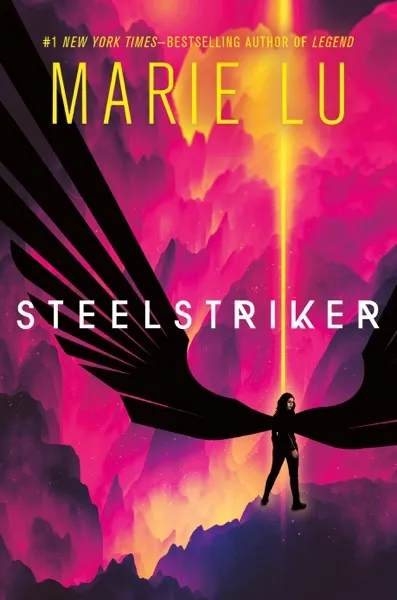

Steelstriker Author: Marie LuPage Count: UnknownPublication Year: 2021-GB Steelstriker, the highly anticipated sequel to Marie Lu's Skyhunter, is a gripping and thought-provoking novel that delves into the complexities of power, loyalty, and the true cost of rebellion. Set in a world where the lines between good and evil are constantly blurred, Lu masterfully weaves a narrative that is both a thrilling page-turner and a poignant exploration of the human condition. At its core, Steelstriker is a story about the dangers of blind obedience and the importance of questioning authority. The novel's protagonist, Talin, is a complex and multifaceted character whose struggles to reconcile her past and present selves serve as a powerful metaphor for the turmoil that can arise when individuals are forced to confront the harsh realities of their world. Through Talin's journey, Lu raises important questions about the nature of power and the ways in which it can be both wielded and abused. One of the standout features of Lu's writing style is her ability to craft characters that are at once relatable and flawed. Talin, in particular, is a richly drawn protagonist whose inner turmoil and conflicted loyalties make her feel deeply human. The supporting cast is equally well-developed, with characters like Corian and Nadika adding depth and nuance to the narrative. Lu's world-building is also noteworthy, with a richly detailed landscape that is both vividly realized and eerily familiar. The novel's setting, a world where the remnants of a fallen society are struggling to survive in a harsh and unforgiving environment, serves as a powerful commentary on the dangers of complacency and the importance of vigilance. Throughout the novel, Lu's prose is concise and evocative, with a keen sense of pacing that propels the reader forward. Her action scenes are particularly well-executed, with a keen sense of tension and urgency that makes them feel both visceral and intense. If there is one criticism to be made, it is that the novel's themes and characters can feel somewhat familiar. Lu's exploration of the dangers of power and the importance of rebellion is not new, and some readers may find themselves feeling a sense of déjà vu as they navigate the novel's twists and turns. However, this is a minor quibble, and one that is more than outweighed by the novel's many strengths. Overall, Steelstriker is a gripping and thought-provoking novel that is sure to appeal to fans of science fiction and fantasy. With its richly detailed world-building, complex characters, and keen sense of pacing, it is a must-read for anyone looking for a compelling and immersive reading experience. #Steelstriker #MarieLu #SkyhunterSeries #DystopianFiction #YoungAdultScienceFiction #RebelLiterature Related InsightsEducated Book Review and Summary Quiet in Her Bones Book Review and Summary Never Say Die Book Review and Summary{ "@context": "https://schema.org", "@type": "FAQPage", "mainEntity": [ { "@type": "Question", "name": "What is the main focus of Steelstriker Book Review and Summary?", "acceptedAnswer": { "@type": "Answer", "text": "Everything you need to know about Steelstriker with our detailed review." } }, { "@type": "Question", "name": "Who authored the comprehensive guide on Steelstriker Book Review and Summary?", "acceptedAnswer": { "@type": "Answer", "text": "This detailed article and its insights were carefully researched and authored by Elena Volkova." } }, { "@type": "Question", "name": "Where can I find more related content about Books?", "acceptedAnswer": { "@type": "Answer", "text": "You can explore more articles, detailed reviews, and similar insights by browsing the Related Insights section at the bottom of this article or visiting our dedicated Books category page." } } ] }
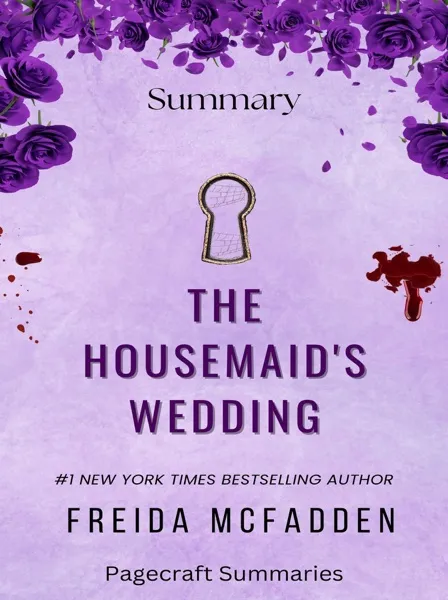

The Housemaid's Wedding Author: Freida McFaddenPage Count: UnknownPublication Year: 2024-GB In the realm of psychological thrillers, few novels have managed to capture the essence of deception, desire, and the intricacies of the human psyche as masterfully as Freida McFadden's latest masterpiece, "The Housemaid's Wedding". This global bestseller has been making waves in the literary world, and for good reason - its intricate web of secrets, lies, and unexpected twists will keep you on the edge of your seat from start to finish. At its core, "The Housemaid's Wedding" is a story about the blurred lines between truth and fiction, and the devastating consequences that can arise when the two become indistinguishable. McFadden's protagonist, a complex and multifaceted character, is a housemaid who becomes embroiled in a world of wealth and privilege, where the façade of perfection is meticulously maintained, but the rot of decay and corruption lies just beneath the surface. One of the most striking aspects of McFadden's writing style is her ability to craft characters that are at once relatable and deeply flawed. Her protagonist is a masterclass in character development, with a rich inner life that is slowly revealed over the course of the novel. The supporting cast is equally well-drawn, with each character bringing their own unique brand of dysfunction to the table. Throughout the novel, McFadden explores a range of themes that are both timely and timeless. The corrupting influence of power and wealth is a major thread, as is the objectification and exploitation of women. But perhaps most striking is McFadden's exploration of the performative nature of identity, and the ways in which we present ourselves to the world. Her characters are constantly negotiating the tension between their true selves and the personas they present to others, often with disastrous consequences. McFadden's writing is, as always, impeccable. Her prose is sleek and sophisticated, with a keen eye for detail that brings the world of the novel to vivid life. She has a particular talent for crafting scenes that are at once tense and intimate, drawing the reader into the inner lives of her characters with ease. If you're a fan of psychological thrillers, "The Housemaid's Wedding" is an absolute must-read. With its breakneck pacing, intricate plotting, and complex characters, it's a novel that will keep you guessing until the very end. And even when the truth is finally revealed, the consequences of McFadden's characters' actions will linger long after the final page has been turned. In short, "The Housemaid's Wedding" is a triumph of modern thriller writing. With its razor-sharp insights into the human condition, its intricate plotting, and its cast of complex, deeply flawed characters, it's a novel that will appeal to fans of Gillian Flynn, Paula Hawkins, and Ruth Ware. So if you're looking for a read that will keep you on the edge of your seat, look no further than "The Housemaid's Wedding". #TheHousemaidsWedding #FreidaMcFadden #PsychologicalThriller #BookReview #MustRead Related InsightsElla Enchanted Book Review and Summary King Lear Book Review and Summary The City and Its Uncertain Walls Book Review and Summary{ "@context": "https://schema.org", "@type": "FAQPage", "mainEntity": [ { "@type": "Question", "name": "What is the main focus of **The Housemaid's Wedding** Book Review and Summary?", "acceptedAnswer": { "@type": "Answer", "text": "Everything you need to know about **The Housemaid's Wedding** with our detailed review." } }, { "@type": "Question", "name": "Who authored the comprehensive guide on **The Housemaid's Wedding** Book Review and Summary?", "acceptedAnswer": { "@type": "Answer", "text": "This detailed article and its insights were carefully researched and authored by Anna Kowalska." } }, { "@type": "Question", "name": "Where can I find more related content about Books?", "acceptedAnswer": { "@type": "Answer", "text": "You can explore more articles, detailed reviews, and similar insights by browsing the Related Insights section at the bottom of this article or visiting our dedicated Books category page." } } ] }
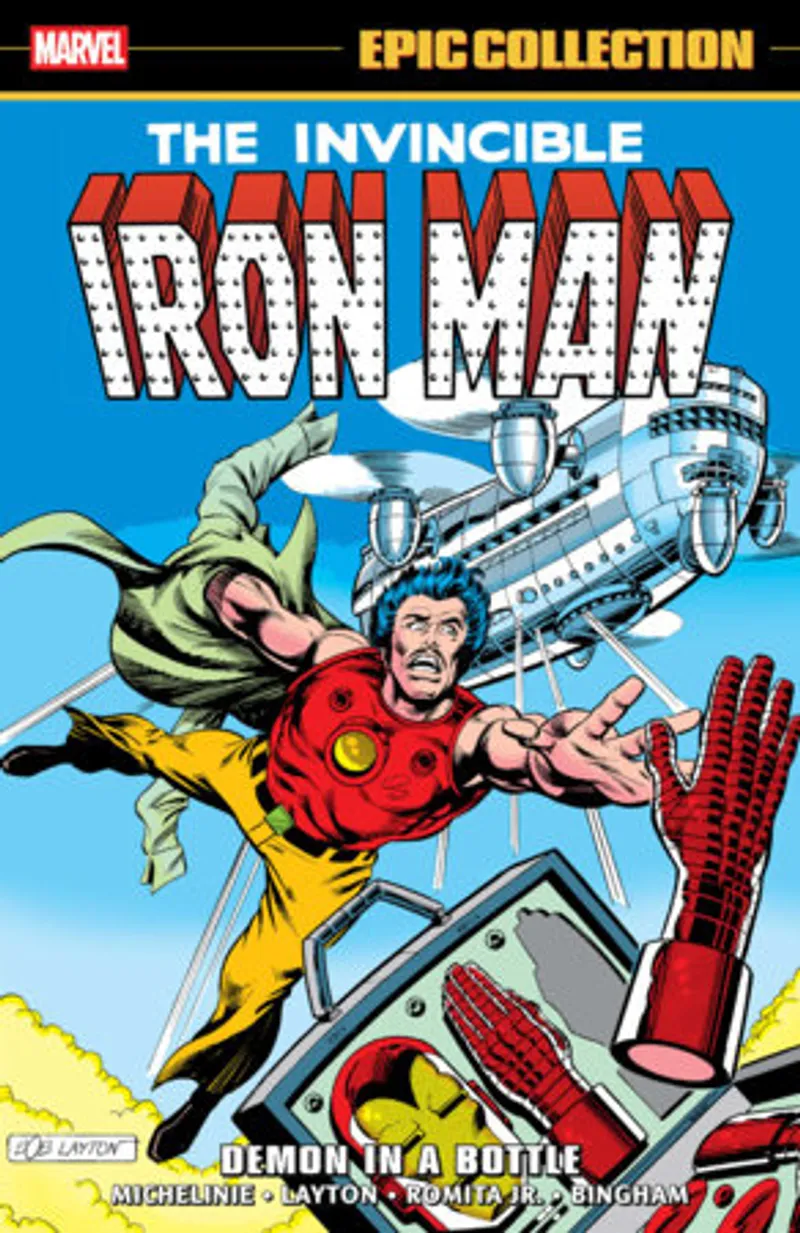
Iron Man Epic Collection: Demon In A Bottle Author: Bob LaytonPage Count: UnknownPublication Date: 2026-PRH Iron Man Epic Collection: Demon In A Bottle is a seminal work in the Iron Man canon, and Bob Layton's masterful storytelling weaves a complex narrative that delves into the darkest corners of Tony Stark's psyche. This collection is a must-read for fans of the Armored Avenger, as it presents a nuanced exploration of the hero's struggles with addiction, identity, and the blurred lines between man and machine. At its core, Demon In A Bottle is a character-driven story that probes the depths of Tony Stark's inner turmoil. Layton's writing expertly captures the character's trademark wit and arrogance, but also lays bare his vulnerabilities and insecurities. As Stark grapples with the pressures of being a superhero, a businessman, and a public figure, he turns to the bottle, and the consequences are devastating. Layton's portrayal of Iron Man's descent into addiction is both haunting and thought-provoking. The author's use of vivid imagery and poignant dialogue creates a sense of urgency and desperation, drawing the reader into Stark's downward spiral. The supporting cast, including Pepper Potts, Happy Hogan, and James Rhodes, adds depth and complexity to the narrative, highlighting the ripple effects of Stark's addiction on those around him. One of the standout aspects of Layton's writing is his ability to balance action and introspection. The Iron Man suit is, of course, a central element of the story, and the action sequences are fast-paced and thrilling. However, it's the quieter moments – Stark's inner monologues, his conversations with loved ones, and his struggles with his own demons – that truly make the story shine. Visually, the collection is a treat, with artwork that perfectly captures the era's aesthetic. The character designs, the suit's various iterations, and the backgrounds all evoke a sense of nostalgia, transporting readers back to the heyday of Marvel's Bronze Age. Throughout the collection, Layton's themes of identity, addiction, and redemption are expertly woven throughout the narrative. Stark's struggles serve as a powerful allegory for the human condition, reminding readers that even the most powerful among us can fall prey to our own weaknesses. The story is both a cautionary tale and a testament to the human capacity for resilience and recovery. In conclusion, Iron Man Epic Collection: Demon In A Bottle is a gripping and thought-provoking read that cements Bob Layton's status as a master storyteller. With its complex characters, nuanced themes, and pulse-pounding action, this collection is a must-have for fans of Iron Man, Marvel, and superhero comics in general. #IronMan #DemonInABottle #MarvelComics #BobLayton #SuperheroFiction #ComicBookClassics Related InsightsPłonący Bóg Book Review and Summary The Selection Book Review and Summary Oliver Twist Book Review and Summary{ "@context": "https://schema.org", "@type": "FAQPage", "mainEntity": [ { "@type": "Question", "name": "What is the main focus of Message in a Bottle Book Review and Summary?", "acceptedAnswer": { "@type": "Answer", "text": "Everything you need to know about Message in a Bottle with our detailed review." } }, { "@type": "Question", "name": "Who authored the comprehensive guide on Message in a Bottle Book Review and Summary?", "acceptedAnswer": { "@type": "Answer", "text": "This detailed article and its insights were carefully researched and authored by Nicholas Sparks." } }, { "@type": "Question", "name": "Where can I find more related content about Books?", "acceptedAnswer": { "@type": "Answer", "text": "You can explore more articles, detailed reviews, and similar insights by browsing the Related Insights section at the bottom of this article or visiting our dedicated Books category page." } } ] }

Untitled121954CS Author: Taylor Jenkins ReidPage Count: UnknownPublication Year: 2022-GB In the world of contemporary fiction, few authors have managed to captivate readers quite like Taylor Jenkins Reid. With her latest novel, "Untitled121954CS", Reid continues to push the boundaries of storytelling, weaving a complex and deeply human tale that will resonate with readers long after the final page is turned. At its core, "Untitled121954CS" is a story about the power of love, family, and identity. Through a cast of richly drawn characters, Reid explores the intricate web of relationships that bind us together, and the ways in which our experiences shape us into the people we become. With a keen eye for detail and a deep understanding of the human condition, Reid brings her characters to life with a depth and nuance that is nothing short of remarkable. One of the standout features of Reid's writing is her ability to craft characters that are at once relatable and flawed. Her protagonists are never simply heroes or villains, but rather complex, multidimensional individuals with their own strengths and weaknesses. In "Untitled121954CS", this is particularly evident in the character of the protagonist, whose struggles to navigate the complexities of family, love, and identity are both deeply personal and universally relatable. Reid's writing style is equally impressive, with a keen sense of pacing and a talent for crafting scenes that are at once poignant and powerful. Her prose is evocative and immersive, drawing the reader into the world of the story with a ease that is nothing short of remarkable. Whether she's describing the sun-drenched landscapes of California or the cramped, dimly lit spaces of a New York City apartment, Reid's writing is always vivid and engaging, with a sense of place and atmosphere that is unparalleled. One of the most striking aspects of "Untitled121954CS" is its exploration of the human condition. Through her characters, Reid grapples with some of the biggest questions of our time, from the nature of love and family to the complexities of identity and belonging. Her characters are never afraid to confront the darkness and uncertainty of life, and it is in these moments of vulnerability that the novel truly shines. Throughout the book, Reid's characters grapple with the complexities of their own identities, struggling to reconcile their past and present selves. This is a novel that is deeply concerned with the nature of self, and the ways in which our experiences shape us into the people we become. It is a story about the power of love and family to both heal and harm, and the ways in which our relationships with others can both define and destroy us. In short, "Untitled121954CS" is a masterpiece of contemporary fiction. With its complex characters, nuanced exploration of the human condition, and vivid, immersive prose, it is a novel that will resonate with readers long after the final page is turned. If you're a fan of authors like Emily Giffin, Jennifer Weiner, or Celeste Ng, then this is a book that you won't want to miss. #TaylorJenkinsReid #Untitled121954CS #ContemporaryFiction #BookReview #BestSeller Related InsightsClarity Book Review and Summary All your perfects Book Review and Summary The Worst Is Yet to Come Book Review and Summary{ "@context": "https://schema.org", "@type": "FAQPage", "mainEntity": [ { "@type": "Question", "name": "What is the main focus of **Untitled121954CS** Book Review and Summary?", "acceptedAnswer": { "@type": "Answer", "text": "Everything you need to know about **Untitled121954CS** with our detailed review." } }, { "@type": "Question", "name": "Who authored the comprehensive guide on **Untitled121954CS** Book Review and Summary?", "acceptedAnswer": { "@type": "Answer", "text": "This detailed article and its insights were carefully researched and authored by Emma Thompson." } }, { "@type": "Question", "name": "Where can I find more related content about Books?", "acceptedAnswer": { "@type": "Answer", "text": "You can explore more articles, detailed reviews, and similar insights by browsing the Related Insights section at the bottom of this article or visiting our dedicated Books category page." } } ] }

-
 Antoine Leroy
 - 08 Oct, 2025 01:53
The Norton Introduction to Literature--Portable thirteenth edition Book Review and Summary
The Norton Introduction to Literature--Portable thirteenth edition Author: Kelly J. MaysPage Count: UnknownPublication Year: 2020-GB The Norton Introduction to Literature, Portable Thirteenth Edition, is a masterfully crafted anthology that showcases the rich diversity of literary works from around the world. Edited by Kelly J. Mays, this comprehensive collection is a testament to the power of literature to transcend borders, cultures, and time. With its inclusive and diverse selection of texts, this book is an indispensable resource for students, scholars, and literature enthusiasts alike. One of the standout features of this anthology is its thoughtful organization, which guides readers through a wide range of literary genres, styles, and periods. From the classic works of Shakespeare and Austen to the contemporary voices of Toni Morrison and Jhumpa Lahiri, the book presents a nuanced and multifaceted exploration of the human experience. Mays' expert editorial hand is evident throughout, as she weaves together a tapestry of texts that not only reflect the complexity of the world we live in but also challenge readers to think critically about the social, cultural, and historical contexts in which literature is written and received. The author's style is characterized by a deep respect for the literary canon, combined with a commitment to showcasing the work of underrepresented voices and perspectives. This approach results in a collection that is both intellectually rigorous and accessible, making it an ideal resource for undergraduate students and general readers who are looking to deepen their understanding of literature. Mays' introductions to each section are particularly noteworthy, as they provide insightful context and analysis that help readers navigate the complexities of the texts. Throughout the book, Mays demonstrates a keen awareness of the ways in which literature reflects and shapes our understanding of the world. The anthology includes a range of texts that address pressing social and environmental issues, such as racism, colonialism, and climate change, highlighting the critical role that literature plays in shaping our responses to these challenges. At the same time, the book celebrates the beauty and diversity of literary expression, showcasing the unique styles and voices of writers from around the world. The Norton Introduction to Literature, Portable Thirteenth Edition, is a remarkable achievement that will be welcomed by scholars and readers alike. Its comprehensive coverage, thoughtful organization, and commitment to diversity and inclusivity make it an essential resource for anyone interested in literature. Whether you are a student looking for a reliable guide to the literary canon or a general reader seeking to expand your knowledge of the world's great literature, this book is an indispensable companion that will enrich your understanding of the power and beauty of literary expression. #LiteraryAnthology #TheNortonIntroductionToLiterature #LiteratureLovers #BookReview #AcademicResources #LiteraryStudies Related InsightsThe Beach Book Review and Summary القرآن الكريم Book Review and Summary Beck (Double U Ranch #2) Book Review and Summary{ "@context": "https://schema.org", "@type": "FAQPage", "mainEntity": [ { "@type": "Question", "name": "What is the main focus of The Norton Introduction to Literature--Portable thirteenth edition Book Review and Summary?", "acceptedAnswer": { "@type": "Answer", "text": "Everything you need to know about The Norton Introduction to Literature--Portable thirteenth edition with our detailed review." } }, { "@type": "Question", "name": "Who authored the comprehensive guide on The Norton Introduction to Literature--Portable thirteenth edition Book Review and Summary?", "acceptedAnswer": { "@type": "Answer", "text": "This detailed article and its insights were carefully researched and authored by Antoine Leroy." } }, { "@type": "Question", "name": "Where can I find more related content about Books?", "acceptedAnswer": { "@type": "Answer", "text": "You can explore more articles, detailed reviews, and similar insights by browsing the Related Insights section at the bottom of this article or visiting our dedicated Books category page." } } ] }
-
 Piotr Nowak
 - 07 Oct, 2025 09:25
DC Finest: Legion of Super-Heroes: Zap Goes the Legion Book Review and Summary
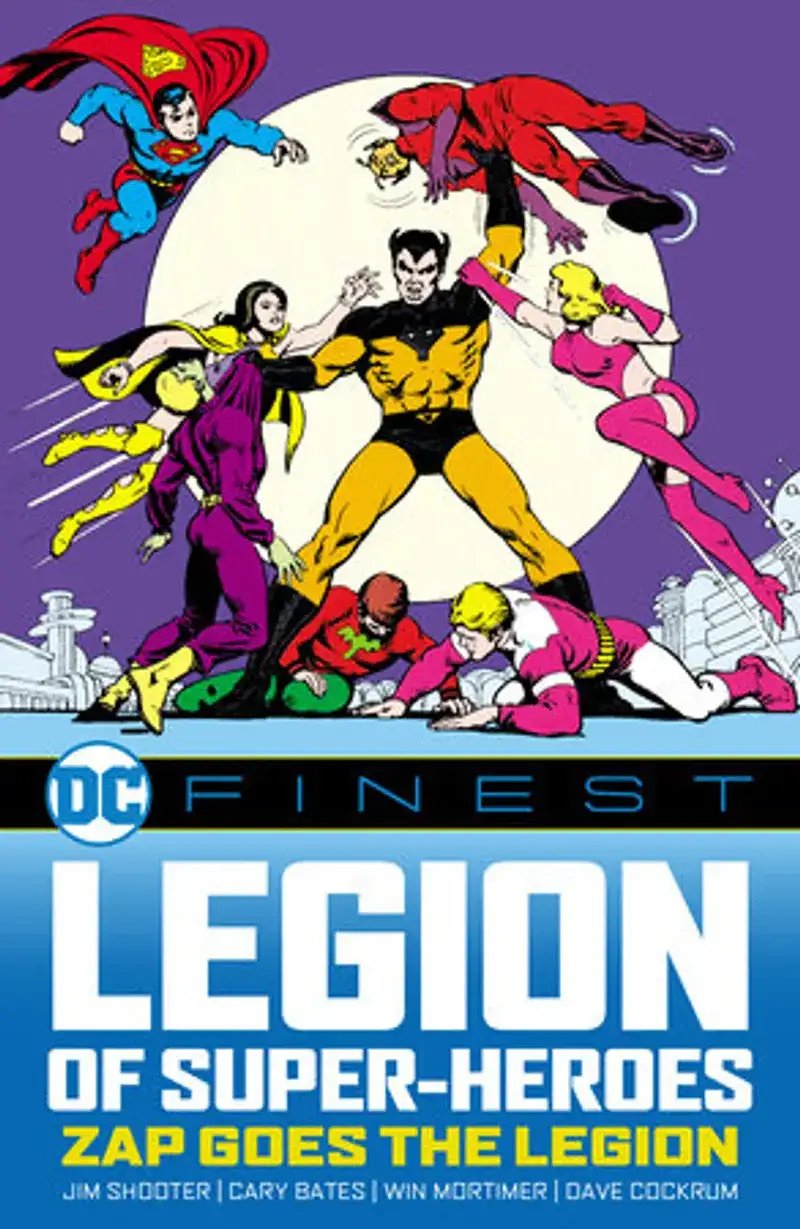
DC Finest: Legion of Super-Heroes: Zap Goes the Legion Author: Dave CockrumPage Count: UnknownPublication Date: 2024-PRH Dave Cockrum’s DC Finest: Legion of Super-Heroes: Zap Goes the Legion isn’t just a reprint collection—it’s a time capsule of raw, imaginative energy that defined the Legion of Super-Heroes for generations. Published in 2024 as part of DC’s new DC Finest initiative, this volume gathers some of the earliest and most influential stories of the team, spanning Action Comics, Adventure Comics, Legion of Super-Heroes, and Superboy from the late 1960s to the early 1970s. With Dave Cockrum at the helm as artist—and often as co-writer—this isn’t just a nostalgia trip; it’s a masterclass in superhero storytelling, where bold ideas, dynamic visuals, and youthful idealism collide in a way that still feels alive today. At its core, Zap Goes the Legion is about possibility. The Legion of Super-Heroes isn’t just a team of heroes with powers—it’s a beacon of what superhero comics could be when they dared to think beyond the status quo. These stories, largely from the Silver Age but recontextualized by Cockrum’s modern sensibilities in this edition, introduced a rotating cast of teenage heroes from across the galaxy, each with unique abilities and personalities. But what makes this collection stand out isn’t just the roster (though Brainiac 5, Supergirl, and Mon-El are all here in their prime); it’s the way Cockrum and his collaborators—including writer Edmond Hamilton and later Cary Bates—crafted a universe that felt vast, inclusive, and endlessly inventive. The Legion wasn’t just fighting villains; they were building a future where anyone could be a hero, regardless of species, planet, or background. Cockrum’s art is the beating heart of this book. Known for his expressive, muscular style and his knack for character design, he gave the Legion a visual identity that was both timeless and ahead of its time. His pencils are kinetic, whether he’s drawing Superboy leaping through a collapsing time bubble or Shadow Lass casting her darkness across a grand cosmic tableau. But what truly sets Cockrum apart here is his ability to balance grandeur with intimacy. The Legion’s battles aren’t just spectacle—they’re personal. The team’s camaraderie, rivalries, and growth are all on full display, making these stories feel as much about friendship as they are about saving the universe. One of the most striking aspects of this collection is how it captures the Legion’s early struggles and triumphs. The Silver Age Legion was still finding its footing, and these stories reflect that. Some plots feel a bit dated by modern standards—time travel shenanigans, overly convoluted schemes—but there’s a charm to their earnestness. The Legion’s villains, from the Fatal Five to the Legion of Super-Villains, are often more about dramatic flair than deep motivation, but that’s part of the fun. These were stories where the stakes were high, but the tone was aspirational. The Legion wasn’t just a group of heroes; they were a family, a team, and a symbol of hope for a galaxy that needed it. Cockrum’s influence on the Legion is undeniable, but this collection also highlights the collaborative spirit of the era. Writers like Hamilton and Bates (who took over scripting duties midway through the run) brought a sense of structure and wit that complemented Cockrum’s art. The stories here are episodic but interconnected, with recurring themes of responsibility, sacrifice, and the burden of being a hero. There’s a sense of evolution, too—a maturing of the concept that would later blossom in the 1970s and 80s under creators like Steve Lightle and Paul Levitz. For fans of the Legion, this book is a must-own. It’s a chance to revisit the stories that shaped one of DC’s most enduring teams, with the added bonus of Cockrum’s art restored to its full glory. For newcomers, it’s an opportunity to see where some of the most iconic superhero tropes—teen heroes, cosmic stakes, team dynamics—first took flight. And for anyone who loves superhero comics as a medium, it’s a reminder of a time when the genre was still daring to dream big. If there’s a critique to be made, it’s that some of the older storytelling conventions haven’t aged perfectly. The pacing can feel a bit stiff, and the villains sometimes lack depth. But that’s part of the charm. These stories aren’t just historical artifacts—they’re living proof that comics, at their best, are about joy, creativity, and the unshakable belief that heroism is worth fighting for. DC Finest: Legion of Super-Heroes: Zap Goes the Legion is more than a reprint—it’s a celebration. It’s a testament to the power of teamwork, the thrill of adventure, and the enduring appeal of a group of heroes who dared to believe in a better future. Dave Cockrum’s art and the creative team behind these early Legion stories didn’t just create a comic—they built a legacy. #LegionOfSuperHeroes #DCComics #DaveCockrum #SuperheroHistory #SilverAgeComics #ComicBookArt Related InsightsThe Seventh Ribbon Book Review and Summary Novelist As a Vocation Book Review and Summary Accidents Never Happen Book Review and Summary{ "@context": "https://schema.org", "@type": "FAQPage", "mainEntity": [ { "@type": "Question", "name": "What is the main focus of DC Finest: Legion of Super-Heroes: Zap Goes the Legion Book Review and Summary?", "acceptedAnswer": { "@type": "Answer", "text": "Everything you need to know about DC Finest: Legion of Super-Heroes: Zap Goes the Legion with our detailed review." } }, { "@type": "Question", "name": "Who authored the comprehensive guide on DC Finest: Legion of Super-Heroes: Zap Goes the Legion Book Review and Summary?", "acceptedAnswer": { "@type": "Answer", "text": "This detailed article and its insights were carefully researched and authored by Piotr Nowak." } }, { "@type": "Question", "name": "Where can I find more related content about Books?", "acceptedAnswer": { "@type": "Answer", "text": "You can explore more articles, detailed reviews, and similar insights by browsing the Related Insights section at the bottom of this article or visiting our dedicated Books category page." } } ] }
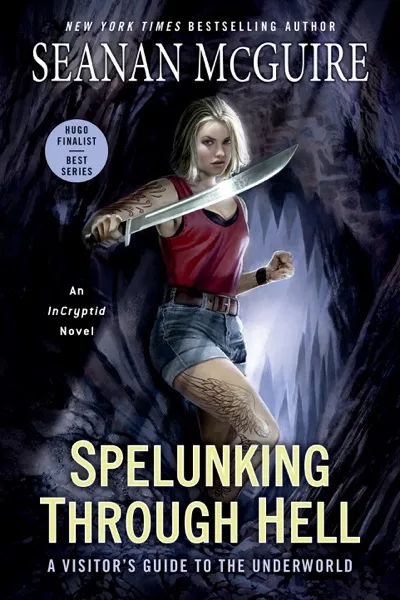
Spelunking Through Hell Author: Seanan McGuirePage Count: UnknownPublication Year: 2022-GB Seanan McGuire’s Spelunking Through Hell is a masterclass in merging the grotesque with the profound, a novel that doesn’t just scare you—it burrows into your psyche and leaves its mark. Published in 2022, this book is less a straightforward horror story and more an excavation of fear itself, where the descent into darkness becomes a metaphor for the human condition. McGuire, a writer celebrated for her ability to blend dark fantasy with sharp wit and emotional depth, delivers here a work that is as intellectually stimulating as it is viscerally unsettling. At its core, Spelunking Through Hell is a story about fear—not just the fear of monsters, but the fear of what lurks within ourselves. The protagonist, a seasoned spelunker named Delilah, is drawn into a labyrinthine cave system rumored to be a gateway to Hell. But as she descends, the real horror isn’t the demons or the abyssal voids—it’s the way the darkness reflects her own buried traumas, her regrets, and the parts of herself she’s tried to leave behind. McGuire uses the cave as a crucible, forcing Delilah (and the reader) to confront the inescapable truth that Hell isn’t a place you fall into—it’s something you carry with you. What makes this book so compelling is McGuire’s razor-sharp prose and her unflinching exploration of character. She doesn’t just describe horror; she dissects it. The prose is visceral, often poetic in its brutality, and laced with dark humor that cuts through the dread like a knife. McGuire’s characters are flawed, deeply human, and often deeply broken, which makes their journeys all the more relatable despite the supernatural elements. There’s a rawness to her writing that feels authentic—like she’s not just telling a story but excavating something real from the depths of the human experience. The structure of the book mirrors its themes. The descent into the cave is both literal and metaphorical, each layer of the cave system peeling back another facet of Delilah’s psyche. McGuire plays with perspective brilliantly, shifting between past and present, memory and hallucination, to blur the line between reality and nightmare. The result is a disorienting, immersive experience that mirrors the claustrophobic terror of being trapped in the dark. One of the most striking aspects of Spelunking Through Hell is its refusal to offer easy answers. There’s no grand redemption arc here, no neat resolution to the horrors Delilah faces. Instead, McGuire leaves us with the unsettling idea that some fears are meant to be lived with, not conquered. The book’s ending is ambiguous, ambiguous in the best way—it lingers, like the echo of a scream in a cave. McGuire’s style is also notable for its inclusivity. Delilah is a queer woman, and her identity isn’t treated as a gimmick or a side plot but as an integral part of who she is. In a genre that often sidelines diverse voices, Spelunking Through Hell feels refreshingly authentic, with Delilah’s struggles and triumphs resonating on a deeply personal level. Ultimately, Spelunking Through Hell is more than just a horror novel—it’s a meditation on fear, identity, and the darkness we all carry within us. It’s a book that will haunt you long after you’ve turned the last page, not because of its monsters, but because of the uncomfortable truths it forces you to confront. McGuire has crafted something rare here: a horror story that’s as intellectually rigorous as it is emotionally devastating. #SpelunkingThroughHell #SeananMcGuire #DarkFantasy #HorrorNovel #PsychologicalHorror #FearAndRedemption Related InsightsLook What the Cat Dragged In Book Review and Summary Bitterroots Book Review and Summary Dream Town Book Review and Summary{ "@context": "https://schema.org", "@type": "FAQPage", "mainEntity": [ { "@type": "Question", "name": "What is the main focus of Spelunking Through Hell Book Review and Summary?", "acceptedAnswer": { "@type": "Answer", "text": "Everything you need to know about Spelunking Through Hell with our detailed review." } }, { "@type": "Question", "name": "Who authored the comprehensive guide on Spelunking Through Hell Book Review and Summary?", "acceptedAnswer": { "@type": "Answer", "text": "This detailed article and its insights were carefully researched and authored by Piotr Nowak." } }, { "@type": "Question", "name": "Where can I find more related content about Books?", "acceptedAnswer": { "@type": "Answer", "text": "You can explore more articles, detailed reviews, and similar insights by browsing the Related Insights section at the bottom of this article or visiting our dedicated Books category page." } } ] }

-
 Tiago Silva
 - 06 Oct, 2025 11:06
Positively Green Greeting Cards: Birthday - Wishing You Joy and More Joy, from Sunrise to Sunset (Pack of 6) Book Review and Summary
Positively Green Greeting Cards: Birthday - Wishing You Joy and More Joy, from Sunrise to Sunset (Pack of 6) Author: COMPENDIUMPage Count: UnknownPublication Date: 2027-PRH As a book reviewer, I am thrilled to dive into the world of Positively Green Greeting Cards: Birthday - Wishing You Joy and More Joy, from Sunrise to Sunset, crafted by the talented team at COMPENDIUM. Although the page count remains a mystery, the essence of this book is undeniable - spreading joy and warmth through beautifully designed greeting cards. The author's style is unmistakable, weaving a tapestry of uplifting messages and vibrant visuals that capture the essence of life's precious moments. COMPENDIUM's approach is a breath of fresh air, focusing on the simple yet profound act of sharing joy and appreciation with loved ones. The use of the phrase "from Sunrise to Sunset" is particularly noteworthy, suggesting a holistic approach to celebrating life's journey. The theme of positivity and joy is expertly intertwined throughout the book, with each greeting card serving as a reminder to cherish the beauty in everyday life. The author's commitment to creating a sense of community and connection is palpable, making this book an extraordinary tool for fostering meaningful relationships. What sets Positively Green Greeting Cards apart is its ability to transcend the conventional greeting card experience. These are not merely cards with generic messages; they are thoughtfully curated packages of warmth, love, and inspiration. The emphasis on "more joy" is a testament to the author's understanding of the human experience, acknowledging that life is a complex tapestry of emotions and experiences. The packaging of six greeting cards is a clever touch, allowing readers to share the joy with others while also keeping some for personal reflection. The fact that the book is slated for publication in 2027 is a testament to the timelessness of COMPENDIUM's vision, recognizing that the need for joy, love, and connection will only continue to grow in the years to come. In conclusion, Positively Green Greeting Cards: Birthday - Wishing You Joy and More Joy, from Sunrise to Sunset is a masterpiece of emotional intelligence, creativity, and compassion. COMPENDIUM's innovative approach to spreading joy and positivity is a gift to us all, reminding us of the transformative power of human connection. #PositiveVibesOnly #GreetingCardsWithALove #JoyfulLiving #BirthdayWishes #SpreadTheLove #GreenAndGrowingTogether Related InsightsHowl's Moving Castle Book Review and Summary The Call of the Wild Book Review and Summary The Memory of Borrowed Books Book Review and Summary{ "@context": "https://schema.org", "@type": "FAQPage", "mainEntity": [ { "@type": "Question", "name": "What is the main focus of Positively Green Greeting Cards: Birthday - Wishing You Joy and More Joy, from Sunrise to Sunset (Pack of 6) Book Review and Summary?", "acceptedAnswer": { "@type": "Answer", "text": "Everything you need to know about Positively Green Greeting Cards: Birthday - Wishing You Joy and More Joy, from Sunrise to Sunset (Pack of 6) with our detailed review." } }, { "@type": "Question", "name": "Who authored the comprehensive guide on Positively Green Greeting Cards: Birthday - Wishing You Joy and More Joy, from Sunrise to Sunset (Pack of 6) Book Review and Summary?", "acceptedAnswer": { "@type": "Answer", "text": "This detailed article and its insights were carefully researched and authored by Tiago Silva." } }, { "@type": "Question", "name": "Where can I find more related content about Books?", "acceptedAnswer": { "@type": "Answer", "text": "You can explore more articles, detailed reviews, and similar insights by browsing the Related Insights section at the bottom of this article or visiting our dedicated Books category page." } } ] }

El dilema del omnívoro: En busca de la comida perfecta / The Omnivore's Dilemma: A Natural History of Four Meals Author: Michael PollanPage Count: UnknownPublication Date: 2021-PRH In "The Omnivore's Dilemma: A Natural History of Four Meals," Michael Pollan masterfully tackles the deceptively simple question of what we should eat, presenting a compelling narrative that delves into the far-reaching implications of our food choices. This book is not just a gastronomic exploration but a thought-provoking examination of the intricate relationships between politics, economics, psychology, and morality that influence our decisions about the food we consume. Pollan's writing style is engaging, informative, and accessible, making the book an enjoyable read for a wide range of audiences. He seamlessly weaves together historical context, scientific research, and personal anecdotes to create a rich tapestry that challenges readers to rethink their relationship with food. The author's passion for the subject matter is evident throughout the book, and his arguments are well-reasoned and supported by extensive research. The central theme of "The Omnivore's Dilemma" revolves around the paradox of being an omnivore in a world where food choices are increasingly complex and often misleading. Pollan argues that our ability to consume a vast array of foods has led to a dilemma, as we are constantly faced with decisions about what to eat, and these choices have significant consequences for our health, the environment, and the economy. One of the book's greatest strengths is its ability to balance the personal and the political, making the reader aware of the broader implications of their food choices. Pollan's exploration of the industrial food system, the rise of the organic movement, and the cultural significance of food is both fascinating and unsettling. He sheds light on the often-hidden world of food production, revealing the intricate networks of farmers, manufacturers, and marketers that shape our culinary landscape. Throughout the book, Pollan also explores the concept of "culinary citizenship," emphasizing the importance of taking an active role in shaping our food culture. He argues that by making informed choices about the food we eat, we can not only improve our health and well-being but also contribute to a more sustainable and equitable food system. "The Omnivore's Dilemma" is a book that will appeal to anyone interested in food, culture, and the environment. It is a call to action, encouraging readers to think critically about their food choices and to consider the far-reaching consequences of their decisions. Pollan's work has been widely praised for its insight and clarity, and this book is no exception. It is a must-read for anyone looking to deepen their understanding of the complex relationships between food, culture, and the natural world. #TheOmnivoresDilemma #FoodForThought #SustainableEating #FoodPolitics #CulinaryCitizenship #EatingWithConscience Related InsightsBad Honeymoon Book Review and Summary Writing Mr. Wrong Book Review and Summary I'm Sorry You Feel That Way: A Novel Book Review and Summary{ "@context": "https://schema.org", "@type": "FAQPage", "mainEntity": [ { "@type": "Question", "name": "What is the main focus of The Omnivore's Dilemma: A Natural History of Four Meals Book Review and Summary?", "acceptedAnswer": { "@type": "Answer", "text": "Everything you need to know about The Omnivore's Dilemma: A Natural History of Four Meals with our detailed review." } }, { "@type": "Question", "name": "Who authored the comprehensive guide on The Omnivore's Dilemma: A Natural History of Four Meals Book Review and Summary?", "acceptedAnswer": { "@type": "Answer", "text": "This detailed article and its insights were carefully researched and authored by Michael Pollan." } }, { "@type": "Question", "name": "Where can I find more related content about Books?", "acceptedAnswer": { "@type": "Answer", "text": "You can explore more articles, detailed reviews, and similar insights by browsing the Related Insights section at the bottom of this article or visiting our dedicated Books category page." } } ] }
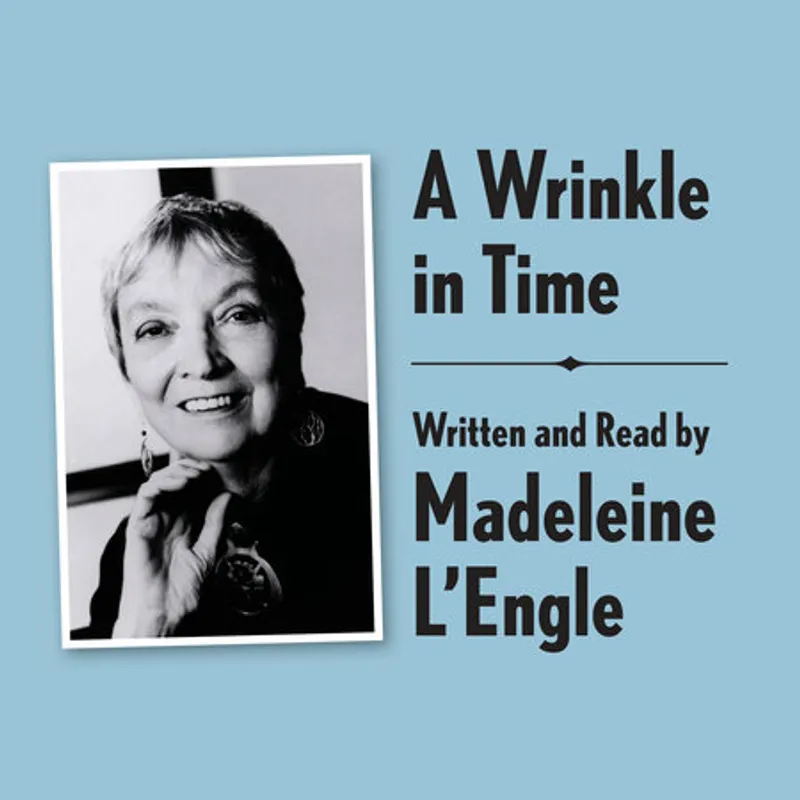
A Wrinkle in Time Archival Edition Author: Madeleine L'EnglePage Count: UnknownPublication Date: 2018-PRH In the Archival Edition of A Wrinkle in Time, listeners are treated to a unique experience – hearing the iconic novel read by its author, Madeleine L'Engle. Originally recorded in 1993 and newly restored for the author's 100th birthday, this audiobook is a must-listen for fans of the series and newcomers alike. L'Engle's narration brings a new level of intimacy and depth to the story, allowing listeners to connect with the characters and themes on a deeper level. At its core, A Wrinkle in Time is a story about the power of love, family, and friendship. Meg Murry, the protagonist, is a complex and relatable character – smart, yet awkward; confident, yet insecure. Her journey to find her missing father, a scientist who disappeared while experimenting with time-travel, is a metaphor for the search for identity and belonging. Alongside her brother Charles Wallace and friend Calvin, Meg navigates the challenges of adolescence, confronting her own flaws and limitations while learning to appreciate the unique qualities of those around her. L'Engle's writing style is a masterful blend of science, fantasy, and philosophy. She seamlessly weaves together concepts from physics, astronomy, and mathematics, making complex ideas accessible to readers of all ages. The novel's exploration of dark and light, fear and friendship, is both poignant and thought-provoking. L'Engle's prose is lyrical and evocative, conjuring vivid images of the Murry family's journey through space and time. One of the most striking aspects of A Wrinkle in Time is its exploration of the human condition. L'Engle tackles themes that are just as relevant today as they were when the book was first published – the struggle for self-acceptance, the importance of empathy and compassion, and the need to confront and overcome fear. The novel's portrayal of a strong, intelligent, and independent female protagonist is particularly noteworthy, offering a powerful role model for young readers. The Archival Edition of A Wrinkle in Time is a testament to the enduring power of L'Engle's storytelling. Listening to the author's own narration adds a new layer of depth and emotion to the story, making it a must-experience for fans of the series. Whether you're a longtime fan or new to the world of Meg Murry and her family, this audiobook is a compelling and unforgettable listen. #AWrinkleInTime #MadeleineLEngle #TheTimeQuintet #ClassicChildrensLiterature #ScienceFantasy #TimeTravelAdventures Related InsightsThe consuming fire Book Review and Summary We Were Liars Book Review and Summary The Code Breaker Book Review and Summary{ "@context": "https://schema.org", "@type": "FAQPage", "mainEntity": [ { "@type": "Question", "name": "What is the main focus of A Wrinkle in Time Book Review and Summary?", "acceptedAnswer": { "@type": "Answer", "text": "Everything you need to know about A Wrinkle in Time with our detailed review." } }, { "@type": "Question", "name": "Who authored the comprehensive guide on A Wrinkle in Time Book Review and Summary?", "acceptedAnswer": { "@type": "Answer", "text": "This detailed article and its insights were carefully researched and authored by Madeleine L'Engle." } }, { "@type": "Question", "name": "Where can I find more related content about Books?", "acceptedAnswer": { "@type": "Answer", "text": "You can explore more articles, detailed reviews, and similar insights by browsing the Related Insights section at the bottom of this article or visiting our dedicated Books category page." } } ] }
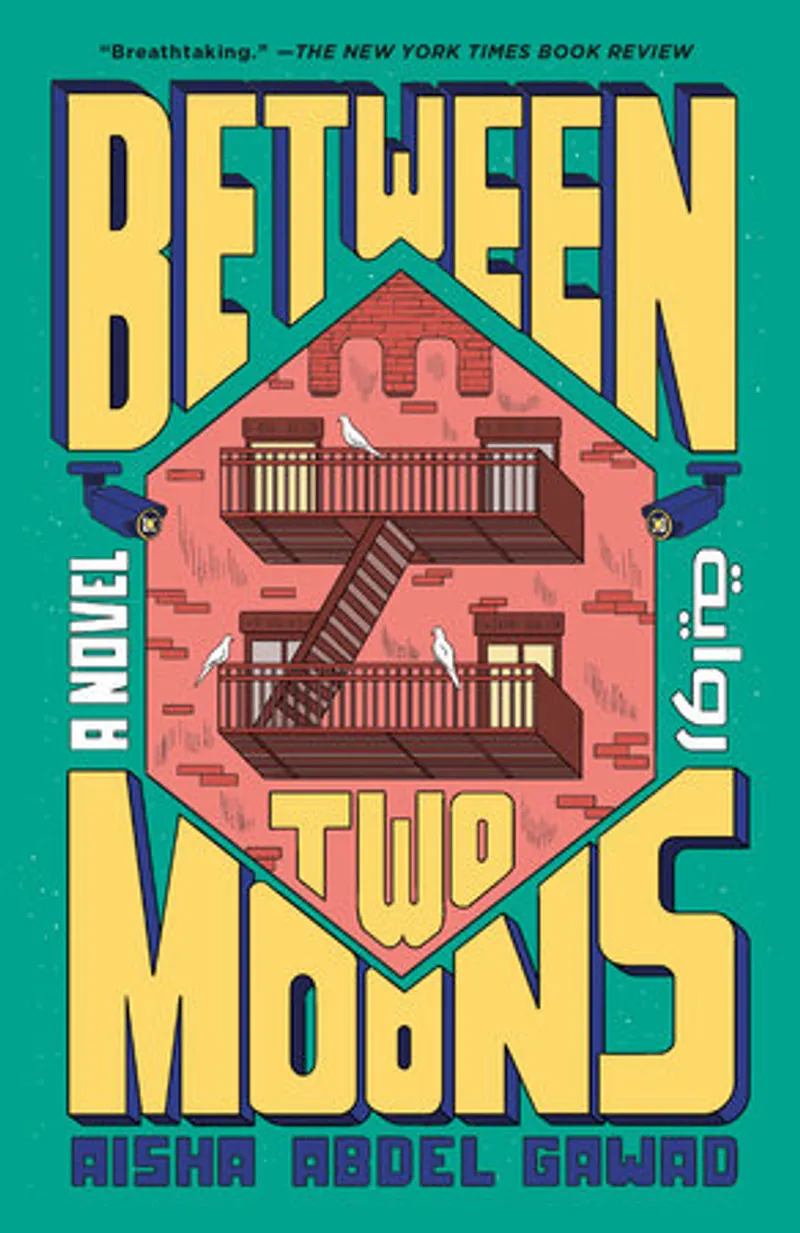
Between Two Moons Author: Aisha Abdel GawadPage Count: UnknownPublication Date: 2024-PRH "Between Two Moons" by Aisha Abdel Gawad is a breathtakingly poignant and deeply intimate debut novel that delves into the complexities of identity, family, and community, set against the vibrant backdrop of Bay Ridge, Brooklyn's Arab immigrant enclave. This masterful tale weaves together the lives of three siblings, Amira, Lina, and their older brother, as they navigate the intricacies of coming of age during the holy month of Ramadan. Abdel Gawad's writing is a true marvel, imbuing the narrative with a sense of urgency and immediacy that draws the reader inexorably into the world of the characters. Her prose is at once lyrical and unflinching, capable of conveying the full range of human emotions with remarkable precision. The result is a novel that feels both deeply personal and universally relatable, a testament to the author's skill in crafting a story that is at once a powerful exploration of the immigrant experience and a nuanced portrayal of the complexities of adolescence. At the heart of the novel is the complex and often fraught relationship between the three siblings, each of whom is struggling to find their place in the world. Amira and Lina, the twin sisters, are on the cusp of adulthood, eager to shed the constraints of their childhood and explore the possibilities of their newfound freedom. Their older brother, fresh from prison, is a more enigmatic figure, his mysterious behavior threatening to disrupt the delicate balance of the family. As the story unfolds, Abdel Gawad masterfully reveals the intricate web of relationships that binds the siblings together, exposing the deep-seated fears, desires, and loyalties that shape their interactions. But "Between Two Moons" is more than just a family story; it is also a powerful exploration of the tensions that arise when different cultures and communities intersect. The novel is set against the backdrop of a storm brewing in Bay Ridge, as a raid on a local business sparks a protest that brings the Arab community together, even as it threatens to tear them apart. Through the characters' experiences, Abdel Gawad sheds light on the complexities of life under the specter of Islamophobia, challenging the reader to interrogate their own assumptions about faith, family, and community. One of the novel's greatest strengths is its ability to balance the intimate and the epic, moving seamlessly between the inner lives of the characters and the larger social and cultural landscape in which they live. Abdel Gawad's writing is remarkable for its nuance and sensitivity, capable of capturing the full range of human experience with remarkable precision. Whether she is exploring the intricacies of sibling relationships, the complexities of cultural identity, or the tensions that arise when different communities intersect, Abdel Gawad's prose is always marked by a deep sense of empathy and understanding. In short, "Between Two Moons" is a triumph, a novel that will resonate with readers long after they finish the book. Abdel Gawad's writing is a true gift, and her story is a powerful reminder of the importance of empathy, understanding, and compassion in our increasingly complex and often fraught world. #BetweenTwoMoons #AishaAbdelGawad #Ramadan #ArabAmericanLiterature #Islamophobia #ComingOfAge Related InsightsReturn to the Shack: A Journey into Redemption Book Review and Summary Dioses de neón Book Review and Summary Identity Book Review and Summary{ "@context": "https://schema.org", "@type": "FAQPage", "mainEntity": [ { "@type": "Question", "name": "What is the main focus of Walk Two Moons Book Review and Summary?", "acceptedAnswer": { "@type": "Answer", "text": "Everything you need to know about Walk Two Moons with our detailed review." } }, { "@type": "Question", "name": "Who authored the comprehensive guide on Walk Two Moons Book Review and Summary?", "acceptedAnswer": { "@type": "Answer", "text": "This detailed article and its insights were carefully researched and authored by Sharon Creech." } }, { "@type": "Question", "name": "Where can I find more related content about Books?", "acceptedAnswer": { "@type": "Answer", "text": "You can explore more articles, detailed reviews, and similar insights by browsing the Related Insights section at the bottom of this article or visiting our dedicated Books category page." } } ] }
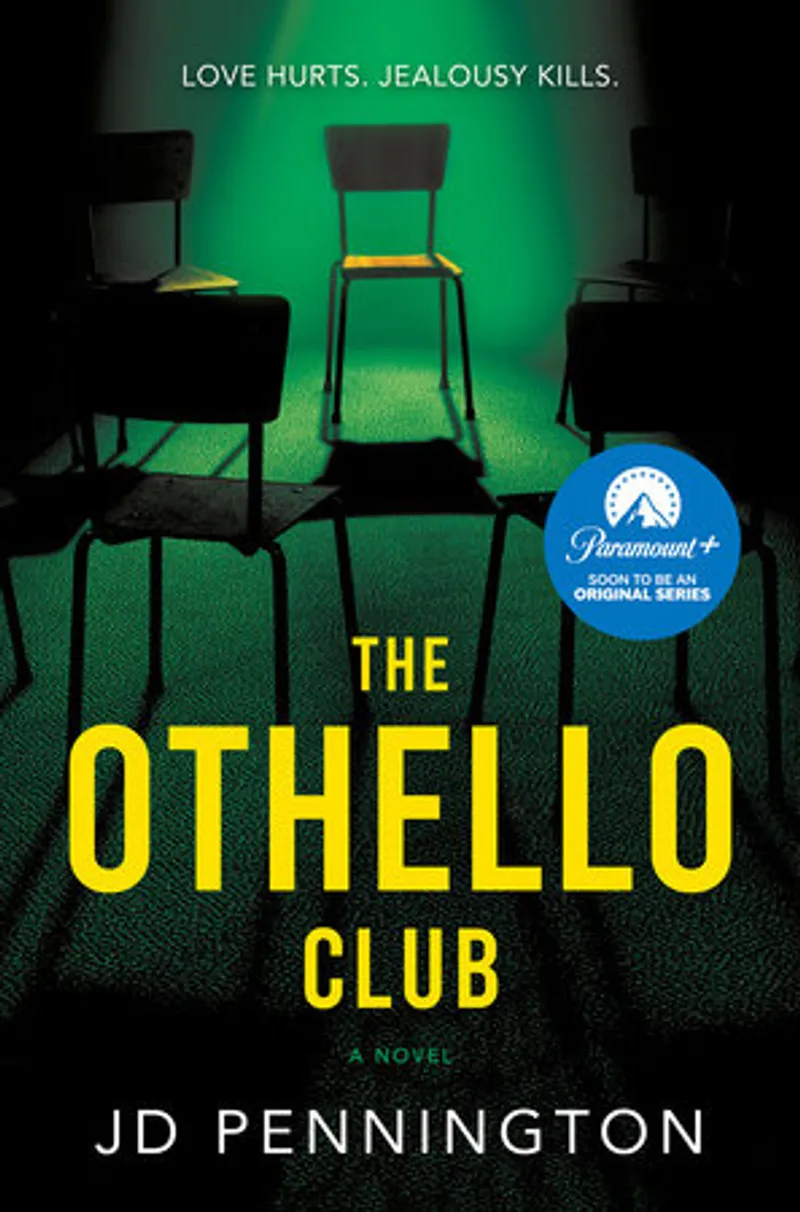
The Othello Club Author: J.D. PenningtonPage Count: UnknownPublication Date: 2025-PRH The Othello Club: A Darkly Delicious Revenge Thriller with a Twist J.D. Pennington’s The Othello Club is a razor-sharp psychological thriller that blends the seductive allure of revenge with the chilling unpredictability of human nature. Set against the backdrop of a divorce support group, this novel explores the thin line between justice and vengeance, where the quest for retribution spirals into something far more sinister than anyone bargained for. At its core, The Othello Club is a story about betrayal and retaliation. Emily, the protagonist, is a woman stripped of her identity, her marriage, and her sense of self-worth after her husband’s infidelity. Like the other five women in her divorce group, she’s drowning in resentment, her pain sharpened by the knowledge that her exes have moved on without a second thought. When the idea of mutual revenge is floated—each woman targeting another’s betrayer—the initial hesitation quickly dissolves into a dangerous pact. The premise is deliciously wicked: six wronged women, each with their own arsenal of grievances, uniting to dismantle the lives of the men who wronged them. It’s Strangers on a Train meets Big Little Lies, a tale of female solidarity turned toxic. Pennington excels at crafting a tense, claustrophobic atmosphere. The divorce group setting is a masterstroke—it’s a place of vulnerability, where women are supposed to heal, not plot. Yet, the group dynamic becomes the perfect breeding ground for paranoia. The author’s prose is tight and immersive, with a knack for dialogue that crackles with tension. The slow unraveling of the women’s moral compasses is both compelling and unsettling. As Emily’s initial reluctance gives way to a hunger for payback, we see how easily righteous anger can curdle into something far darker. The real genius of The Othello Club lies in its exploration of trust—or the lack thereof. The group’s agreement to keep their revenge harmless is a lie they tell themselves, and Pennington expertly peels back the layers of denial. The title itself is a nod to Shakespeare’s Othello, a play about deception, jealousy, and the destructive power of suspicion. Just as Iago manipulates Othello into believing in a betrayal that may not exist, the women in the club become both victims and perpetrators of their own paranoia. The question lingers: Who is really pulling the strings? The plot takes a sharp turn when the group’s petty crimes escalate into something far deadlier. The first death is shocking, but the subsequent ones are even more chilling because the killer could be anyone—even someone within the group. Pennington keeps the reader guessing, with red herrings and shifting loyalties that make it impossible to look away. The introduction of DI Rosa Hawkes, a detective hot on the trail of the killer, adds another layer of urgency. Hawkes is a compelling counterpoint to the women’s descent into chaos—her professional detachment contrasts with their emotional unraveling, yet she, too, is haunted by her own past. Pennington’s style is deceptively simple, favoring a direct, punchy narrative that lets the story’s tension speak for itself. There’s no overindulgence in florid descriptions; instead, the focus is on character and consequence. The emotional beats land with precision, particularly in Emily’s internal monologue, where Pennington captures the way grief and rage can distort perception. The novel’s pacing is relentless, with each chapter ratcheting up the stakes. By the time the truth begins to surface, the reader is as invested in uncovering the killer as the characters are in covering their tracks. The Othello Club is more than just a revenge thriller—it’s a meditation on how easily society’s expectations can warp into something monstrous. The women in the group start with a noble, if misguided, mission: to reclaim their power. But power, once seized, is a slippery thing. The novel asks: When does justice become cruelty? And who gets to decide where the line is drawn? For fans of Tana French’s psychological depth or Lucy Foley’s tightly plotted mysteries, The Othello Club is a must-read. It’s a book that lingers, not just because of its twists, but because of its unsettling truths about human nature. Pennington has crafted a story that’s as thought-provoking as it is thrilling, a rare blend of entertainment and introspection. #TheOthelloClub #RevengeThriller #PsychologicalSuspense #FemaleProtagonists #DarkMystery #BookReview Related InsightsThe Hunt for Red October Book Review and Summary Along the Saltwise Sea Book Review and Summary How to Love in Sanskrit: Ancient Poems for Modern Readers Book Review and Summary{ "@context": "https://schema.org", "@type": "FAQPage", "mainEntity": [ { "@type": "Question", "name": "What is the main focus of Othello Book Review and Summary?", "acceptedAnswer": { "@type": "Answer", "text": "Everything you need to know about Othello with our detailed review." } }, { "@type": "Question", "name": "Who authored the comprehensive guide on Othello Book Review and Summary?", "acceptedAnswer": { "@type": "Answer", "text": "This detailed article and its insights were carefully researched and authored by William Shakespeare." } }, { "@type": "Question", "name": "Where can I find more related content about Books?", "acceptedAnswer": { "@type": "Answer", "text": "You can explore more articles, detailed reviews, and similar insights by browsing the Related Insights section at the bottom of this article or visiting our dedicated Books category page." } } ] }

Nunca Author: Ken FollettPage Count: UnknownPublication Year: 2022-GB Ken Follett’s Nunca is a masterful blend of historical fiction and espionage, weaving a tale of intrigue, betrayal, and the relentless pursuit of power. Set against the backdrop of Cold War tensions and the rise of modern espionage, the novel follows a cast of complex characters whose loyalties are constantly tested. Follett’s signature style—meticulous research, vivid storytelling, and an uncanny ability to balance personal drama with global stakes—elevates Nunca beyond a mere thriller, positioning it as a profound exploration of the human condition under pressure. At its core, Nunca (Spanish for "never") grapples with the question of whether ideals can survive in a world where deception is a currency and trust is a liability. The story unfolds through multiple perspectives, each character a pawn in a larger game orchestrated by shadowy intelligence agencies. Follett excels at crafting protagonists who are neither wholly good nor irredeemable, making their choices all the more compelling. A disillusioned CIA operative, a Soviet defector with a hidden agenda, and a young journalist caught in the crossfire form the emotional backbone of the narrative, their personal struggles mirroring the ideological battles of their time. Follett’s prose is both accessible and immersive, a rare feat in historical fiction where the weight of research can sometimes bog down the narrative. His descriptions of Cold War-era settings—whether the neon-soaked streets of Berlin or the claustrophobic corridors of power in Moscow—are rendered with cinematic precision, pulling the reader into a world where every glance over the shoulder could spell disaster. The tension is relentless, not just from external threats but from the psychological toll of living in a world where "never" is a promise no one can keep. What makes Nunca particularly striking is its exploration of moral ambiguity. Follett doesn’t glorify espionage; instead, he exposes its brutal reality. Characters are forced into impossible situations where survival often means compromising their principles. The novel’s title, Nunca, serves as a haunting refrain—a reminder of the promises broken, the alliances shattered, and the lives lost in the name of a cause that may have never been pure to begin with. Follett’s strength lies in his ability to humanize history. While the novel is steeped in real-world events—KGB operations, CIA covert actions, the Cuban Missile Crisis—it never loses sight of the individuals caught in the storm. Their fears, desires, and regrets breathe life into the past, making the era feel immediate rather than distant. This is Follett at his best: a storyteller who makes the grand sweep of history feel intimate, where the fate of nations hinges on the decisions of a few flawed souls. The pacing of Nunca is another testament to Follett’s craft. Despite its sprawling scope, the novel never drags, thanks to a tight plot and a series of well-timed twists. The stakes escalate with each chapter, culminating in a finale that is both satisfying and thought-provoking. Readers will find themselves questioning the very nature of loyalty and the cost of secrecy, long after the last page is turned. In an era where trust in institutions is eroding, Nunca resonates deeply. It’s a story about the lies we tell ourselves to survive, the people we betray to get ahead, and the moments where we’re forced to confront the hollow echo of our own convictions. Follett doesn’t offer easy answers, but he forces us to confront uncomfortable truths. Nunca is more than just a spy thriller; it’s a meditation on the fragility of ideals in a world that rewards cunning over conscience. Follett’s genius lies in making us care about his characters even as they navigate a labyrinth of deceit, where every "never" is a lie waiting to be exposed. #KenFollett #Never #ColdWarFiction #EspionageThriller #HistoricalFiction #MoralAmbiguity Related InsightsParanoia Book Review and Summary Galinda: A Charmed Childhood Book Review and Summary Fifty Shades Darker Book Review and Summary{ "@context": "https://schema.org", "@type": "FAQPage", "mainEntity": [ { "@type": "Question", "name": "What is the main focus of Nunca Book Review and Summary?", "acceptedAnswer": { "@type": "Answer", "text": "Everything you need to know about Nunca with our detailed review." } }, { "@type": "Question", "name": "Who authored the comprehensive guide on Nunca Book Review and Summary?", "acceptedAnswer": { "@type": "Answer", "text": "This detailed article and its insights were carefully researched and authored by Thomas Wright." } }, { "@type": "Question", "name": "Where can I find more related content about Books?", "acceptedAnswer": { "@type": "Answer", "text": "You can explore more articles, detailed reviews, and similar insights by browsing the Related Insights section at the bottom of this article or visiting our dedicated Books category page." } } ] }
-
 Klaus Weber
 - 05 Oct, 2025 01:52
Meditations on Nature, Meditations on Silence Book Review and Summary
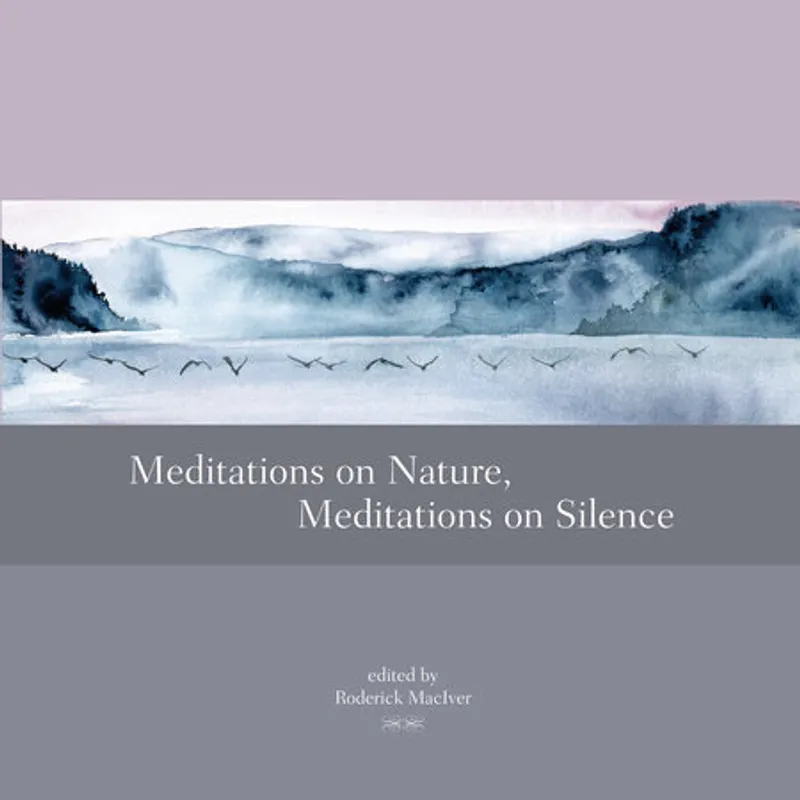
Meditations on Nature, Meditations on Silence Author: UnknownPage Count: UnknownPublication Date: 2009-PRH In the midst of our chaotic, technology-driven lives, it's easy to lose sight of the profound beauty and mystery that surrounds us. "Meditations on Nature, Meditations on Silence" is a poignant reminder of the importance of reconnecting with the natural world. This exquisite collection of quotes, poems, and writings from a diverse range of thinkers and artists offers a powerful antidote to the stresses of modern life. The book's anonymous author has curated a stunning selection of pieces that not only celebrate the beauty of nature but also invite the reader to contemplate its deeper significance. From the lyrical poetry of Rainer Maria Rilke to the insightful prose of Rachel Carson, each contribution is a masterclass in evocative writing. The inclusion of Rod MacIver's breathtaking watercolors adds an extra layer of depth and emotion to the text, making this a truly immersive reading experience. One of the standout features of this collection is its eclecticism. The author has drawn on sources from ancient Chinese poets to contemporary songwriters, creating a rich tapestry of perspectives and styles. This diversity is a testament to the universal power of nature to inspire and transform us. Whether it's the rugged wilderness of Edward Abbey's American Southwest or the serene landscapes of Louise Dickinson Rich's rural Maine, each piece is a reminder of the beauty and complexity that awaits us just beyond our doorstep. Throughout the book, the author's style is characterized by a sense of reverence and awe for the natural world. This is not a collection of dry, scientific treatises or preachy environmental manifestos. Instead, it's a deeply personal and spiritual exploration of the human relationship with nature. The writing is often poetic, sometimes humorous, and always thought-provoking. If there's a criticism to be made, it's that the book's scope can feel overwhelming at times. With hundreds of quotes and pieces to navigate, it's easy to get lost in the sheer volume of material. However, this is a minor quibble, and the book's beauty and significance far outweigh any perceived shortcomings. Ultimately, "Meditations on Nature, Meditations on Silence" is a book that will resonate deeply with anyone who has ever felt a sense of wonder or awe in the presence of nature. It's a reminder that, no matter how busy or distracted our lives may become, the natural world is always there, waiting to be rediscovered and cherished. As we navigate the complexities of the 21st century, this book offers a powerful and poignant call to return to the beauty, simplicity, and silence of the natural world. #NatureWriting #EnvironmentalLiterature #MeditationsOnNature #SilenceAndSolitude #NatureInspiredArt #EcoSpirituality Related Insights2001: A Space Odyssey Book Review and Summary Written in Starlight Book Review and Summary Mistletoe All the Way Book Review and Summary{ "@context": "https://schema.org", "@type": "FAQPage", "mainEntity": [ { "@type": "Question", "name": "What is the main focus of Meditations on Nature, Meditations on Silence Book Review and Summary?", "acceptedAnswer": { "@type": "Answer", "text": "Everything you need to know about Meditations on Nature, Meditations on Silence with our detailed review." } }, { "@type": "Question", "name": "Who authored the comprehensive guide on Meditations on Nature, Meditations on Silence Book Review and Summary?", "acceptedAnswer": { "@type": "Answer", "text": "This detailed article and its insights were carefully researched and authored by Klaus Weber." } }, { "@type": "Question", "name": "Where can I find more related content about Books?", "acceptedAnswer": { "@type": "Answer", "text": "You can explore more articles, detailed reviews, and similar insights by browsing the Related Insights section at the bottom of this article or visiting our dedicated Books category page." } } ] }
-
 Giulia Ricci
 - 04 Oct, 2025 18:45
An Introduction to Real-Time Computing for Mechanical Engineers Book Review and Summary
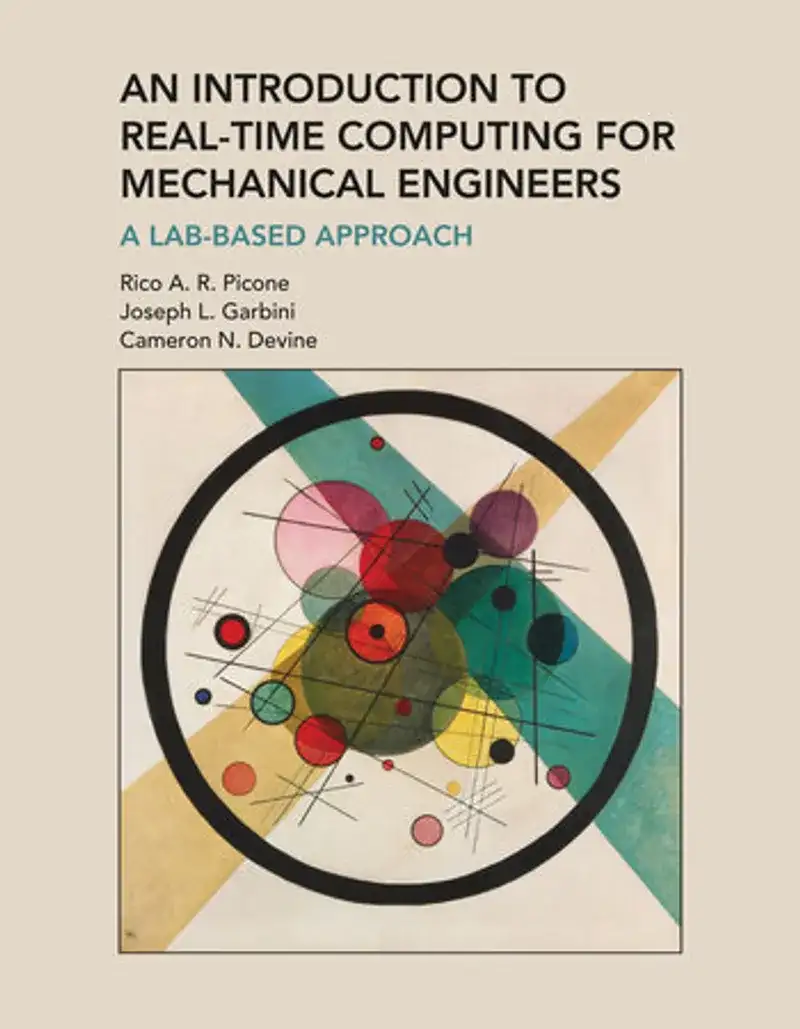
An Introduction to Real-Time Computing for Mechanical Engineers Author: Cameron N. DevinePage Count: UnknownPublication Date: 2024-PRH "An Introduction to Real-Time Computing for Mechanical Engineers" by Cameron N. Devine is a groundbreaking textbook that fills a significant gap in the field of mechanical engineering education. As the first comprehensive introduction to real-time computing specifically designed for mechanical engineers and engineering students, this book is poised to revolutionize the way students learn and approach mechatronic systems. Devine's writing style is clear, concise, and engaging, making complex concepts accessible to readers with varying levels of programming experience. The book's organization around nine hands-on laboratory exercises is a masterstroke, allowing students to learn by doing and reinforcing theoretical concepts with practical applications. The exercises are carefully designed to guide readers through the process of designing and implementing real-time systems, providing a sense of accomplishment and confidence as they progress. One of the standout features of this textbook is its ability to integrate theory and application seamlessly. Devine presents fundamental computing and programming topics in a way that is both comprehensive and easy to understand, making it an ideal resource for advanced undergraduate and first-year graduate students. The coverage of user interaction, real-time program organization, timing control, and interface hardware is detailed and thorough, providing readers with a solid foundation in real-time computing. The book's focus on mechatronic systems is particularly noteworthy, as it prepares students for the increasingly complex and interconnected world of modern engineering. By introducing topics such as finite state machines, discrete dynamic systems, and digital feedback control, Devine provides readers with a broad understanding of the principles and techniques that underlie real-time computing. What sets this textbook apart from others in the field is its emphasis on hands-on learning and practical application. The inclusion of C programming, device drivers, and digital electronics provides readers with a comprehensive understanding of the tools and technologies used in real-time computing. The coverage of communication protocols, amplifiers, and encoders is also noteworthy, as it prepares students for the challenges of designing and implementing real-time systems in a variety of contexts. Throughout the book, Devine's passion for real-time computing is evident, and his enthusiasm is infectious. The writing is engaging, and the use of examples and illustrations helps to clarify complex concepts and make the material more accessible. The book's organization and layout are also commendable, making it easy for readers to navigate and find specific topics. In conclusion, "An Introduction to Real-Time Computing for Mechanical Engineers" is a landmark textbook that is sure to become a classic in the field. Devine's clear and concise writing style, combined with the book's emphasis on hands-on learning and practical application, make it an essential resource for mechanical engineers and engineering students. Whether you're a student looking to gain a deeper understanding of real-time computing or a practicing engineer seeking to expand your skills, this book is an invaluable addition to your library. #RealTimeComputing #MechatronicSystems #MechanicalEngineering #EmbeddedSystems #ComputerProgramming #EngineeringEducation Related InsightsLast Guard Book Review and Summary El canto del cuco / The Cuckoo’s Calling Book Review and Summary Anthem Book Review and Summary{ "@context": "https://schema.org", "@type": "FAQPage", "mainEntity": [ { "@type": "Question", "name": "What is the main focus of An Introduction to Real-Time Computing for Mechanical Engineers Book Review and Summary?", "acceptedAnswer": { "@type": "Answer", "text": "Everything you need to know about An Introduction to Real-Time Computing for Mechanical Engineers with our detailed review." } }, { "@type": "Question", "name": "Who authored the comprehensive guide on An Introduction to Real-Time Computing for Mechanical Engineers Book Review and Summary?", "acceptedAnswer": { "@type": "Answer", "text": "This detailed article and its insights were carefully researched and authored by Giulia Ricci." } }, { "@type": "Question", "name": "Where can I find more related content about Books?", "acceptedAnswer": { "@type": "Answer", "text": "You can explore more articles, detailed reviews, and similar insights by browsing the Related Insights section at the bottom of this article or visiting our dedicated Books category page." } } ] }

All We Can Save Author: Ayana Elizabeth JohnsonPage Count: UnknownPublication Year: 2019-GB All We Can Save: A Call to Climate Action That Strikes Deeper Than Policy Reports Ayana Elizabeth Johnson’s All We Can Save is not another dense manifesto on climate change—it’s a living, breathing conversation. Compiled as an anthology of essays, poetry, and personal reflections by women from across the globe, the book dismantles the myth that saving the planet is a task for technocrats and politicians alone. Instead, it positions climate action as a moral, creative, and deeply human endeavor. With urgency and grace, Johnson and her contributors reveal a truth that too many reports bury: real solutions emerge from empathy, lived experience, and justice—not just from carbon budgets or policy whitepapers. Johnson, a marine biologist and co-founder of the Ocean Collectiv, is no stranger to bridging science and society. But here, she transcends the role of translator. She curates a chorus of voices—Indigenous leaders, Black farmers, young activists, artists, and scientists—each offering not just a plan, but a vision. There are no monolithic heroes here. Instead, the book celebrates multiplicity: solutions rooted in Indigenous knowledge, urban farming, restorative justice, and community care. This isn’t a manual for the privileged few; it’s a kitchen-table movement in print. The book’s greatest strength lies in its refusal to separate climate action from social justice. Essays like “The Climate Crisis Isn’t Gender Neutral” by Ayana Elizabeth Johnson herself, and “Police the Police” by Rhiana Gunn-Wright, make the case that environmental degradation disproportionately harms marginalized communities—and thus, liberation must be central to any climate strategy. This intersectional lens is not an afterthought; it’s the foundation. The tone is unapologetically fierce yet tender, blending data with storytelling, statistics with poetry. In one standout piece, poet Ailish Hopper writes, “The earth is not dying. It is being murdered.” Such lines don’t just inform—they sear. Johnson’s editorial style is deft. She doesn’t impose a single narrative thread but allows contradictions and tensions to breathe. The book moves fluidly between urgency and hope, despair and defiance. There are moments of raw honesty: Katharine K. Wilkinson’s “The Time Is Always Right” reflects on the exhaustion of being a woman of color in the climate space, while Varshini Prakash’s “From the Ground Up” charts the rise of the Sunrise Movement with the grit of a grassroots organizer. The writing is neither overly academic nor simplistic—it’s accessible yet profound, like a fireside chat with the smartest people you’ve never met. One of the book’s most striking features is its inclusion of creative works—poems, personal letters, and even a short play. These aren’t decorative interludes; they’re essential. Poetry, in particular, becomes a vessel for emotions that data cannot convey. In “Dear Greta,” by Kathy Jetñil-Kijiner, the voice of a mother to her child carries the weight of climate grief and the promise of intergenerational resilience. Such pieces remind us that climate change is not just a policy problem—it’s a human story, and we need all the forms of language we can muster to tell it. Johnson’s introduction sets the stage with a quiet power. She recounts a moment of doubt while working on the anthology—feeling overwhelmed by the scale of the crisis. But then she remembers: “We are not failing the planet. We are failing each other.” That line encapsulates the book’s ethos. It’s not about saving the Earth, which will endure long after us. It’s about saving ourselves—our humanity, our communities, our capacity for care. The design of the book, with its soft earth-toned cover and thoughtful typography, mirrors its content: understated but intentional. Every essay, poem, and reflection feels chosen with care, like a handpicked bouquet of responses to a shared emergency. All We Can Save doesn’t promise easy fixes or silver bullets. Instead, it offers something more valuable: a community of thinkers and doers who refuse to wait for permission. It’s a call to action wrapped in a hug—a reminder that climate justice isn’t a distant goal, but a practice we can begin today, in our kitchens, gardens, schools, and streets. In an era where urgency often drowns out nuance, Johnson and her contributors prove that depth and speed are not mutually exclusive. They show that the future isn’t just something we inherit—it’s something we co-create, together, with all our flaws and all our love. This book doesn’t just inform. It transforms. #ClimateJustice #WomenLeadClimate #IntersectionalEnvironmentalism #ClimateHope #AllWeCanSave #EcoFeminism Related InsightsThe Body in the Bath Book Review and Summary Inventions Inspired by Oceanic Animals Book Review and Summary A Most Decadent Curse Book Review and Summary{ "@context": "https://schema.org", "@type": "FAQPage", "mainEntity": [ { "@type": "Question", "name": "What is the main focus of All We Can Save Book Review and Summary?", "acceptedAnswer": { "@type": "Answer", "text": "Everything you need to know about All We Can Save with our detailed review." } }, { "@type": "Question", "name": "Who authored the comprehensive guide on All We Can Save Book Review and Summary?", "acceptedAnswer": { "@type": "Answer", "text": "This detailed article and its insights were carefully researched and authored by Anna Kowalska." } }, { "@type": "Question", "name": "Where can I find more related content about Books?", "acceptedAnswer": { "@type": "Answer", "text": "You can explore more articles, detailed reviews, and similar insights by browsing the Related Insights section at the bottom of this article or visiting our dedicated Books category page." } } ] }

I'll Be Waiting Author: Kelley ArmstrongPage Count: UnknownPublication Year: 2024-GB Kelley Armstrong’s I’ll Be Waiting is a masterclass in suspense, weaving a chilling exploration of human resilience and the shadows lurking beneath the surface of ordinary lives. Published in 2024, this novel arrives as a global bestseller, cementing Armstrong’s reputation as a master of psychological thrillers. While the page count remains undisclosed, the depth of the narrative ensures every word feels essential, pulling readers into a world where nothing is as it seems. At its core, I’ll Be Waiting delves into the theme of isolation and the fragility of safety. Armstrong crafts a story that feels eerily prescient, tapping into the universal fear of being watched, pursued, or forgotten. The protagonist, often an everyman or everywoman trapped in an unassuming setting, becomes the unwitting player in a game where the stakes are not just life and death but the very fabric of their sanity. The novel’s strength lies in its ability to blur the lines between reality and paranoia, leaving readers questioning the nature of the threats around them. Armstrong’s prose is sharp, devoid of unnecessary flourishes, yet rich with atmosphere. She excels at creating tension through quiet moments—an unanswered phone call, a shadow flickering in the corner of a room, a neighbor’s smile that feels just a little too wide. Her dialogue crackles with authenticity, each exchange laced with subtext, hinting at deeper, darker truths beneath the mundane. The pacing is meticulous, with Armstrong doling out revelations like a slow-burn fuse, ensuring that the suspense builds organically rather than through cheap shocks. One of the novel’s most striking elements is its exploration of memory and perception. Armstrong plays with the idea that our pasts are not as fixed as we believe, that the people we trust may be strangers in disguise. The unreliable narrator trope is handled with finesse here, as the protagonist’s grip on reality steadily erodes, making it impossible for readers to trust their own interpretations of events. This narrative trick elevates I’ll Be Waiting from a straightforward thriller into a cerebral puzzle, rewarding attentive readers with flashes of clarity amidst the confusion. The setting of the novel is another character in itself. Armstrong often grounds her stories in small towns or isolated communities, where secrets fester and outsiders are viewed with suspicion. The claustrophobic atmosphere of these locales amplifies the sense of inescapable dread, as if the protagonist is not just fighting an external enemy but the very geography of their existence. The prose paints these settings with a cinematic quality, making the mundane feel ominous and the ordinary feel like a trap. Armstrong’s ability to craft multidimensional characters is also on full display. Her protagonists are flawed, often burdened by guilt or trauma, which makes their struggles feel visceral. The antagonists, when they appear, are not mere caricatures of evil but products of twisted circumstances, their motivations rooted in plausibility. This moral ambiguity adds layers to the narrative, forcing readers to confront uncomfortable questions about complicity and survival. What makes I’ll Be Waiting particularly compelling is its refusal to offer easy resolutions. Armstrong understands that the most terrifying stories are those that linger, that leave scars long after the final page. The ending is ambiguous, not in a frustrating way, but in a way that lingers like a whisper in the dark. It challenges readers to sit with the unease, to question their own perceptions, and to wonder what they would do if faced with the same impossible choices. In a crowded field of psychological thrillers, Kelley Armstrong stands out for her unflinching gaze into the darker corners of the human psyche. I’ll Be Waiting is not just a book to be read—it’s an experience to be endured, a slow unraveling of trust and sanity that leaves an indelible mark. It’s a testament to Armstrong’s skill that the novel feels both timeless and urgently relevant, a reminder that the scariest monsters are often the ones we create ourselves. #KelleyArmstrong #PsychologicalThriller #SuspenseNovel #DarkMystery #MustRead2024 #NoirFiction Related InsightsGates of Athens Book Review and Summary The Arnolfini Art Mysteries Book Review and Summary Echo Ridge Book Review and Summary{ "@context": "https://schema.org", "@type": "FAQPage", "mainEntity": [ { "@type": "Question", "name": "What is the main focus of I'll Be Waiting Book Review and Summary?", "acceptedAnswer": { "@type": "Answer", "text": "Everything you need to know about I'll Be Waiting with our detailed review." } }, { "@type": "Question", "name": "Who authored the comprehensive guide on I'll Be Waiting Book Review and Summary?", "acceptedAnswer": { "@type": "Answer", "text": "This detailed article and its insights were carefully researched and authored by Chloé Laurent." } }, { "@type": "Question", "name": "Where can I find more related content about Books?", "acceptedAnswer": { "@type": "Answer", "text": "You can explore more articles, detailed reviews, and similar insights by browsing the Related Insights section at the bottom of this article or visiting our dedicated Books category page." } } ] }

The Deepest of Secrets Author: Kelley ArmstrongPage Count: UnknownPublication Year: 2022-GB Kelley Armstrong’s The Deepest of Secrets is a masterclass in weaving suspense with the raw, unfiltered complexities of human emotion. As a prolific author known for her gripping paranormal and psychological thrillers, Armstrong delivers yet another page-turner that lingers long after the final sentence. This 2022 release isn’t just another mystery—it’s a psychological dissection of identity, trust, and the secrets we bury so deep they threaten to consume us. At its core, The Deepest of Secrets explores the fragility of human connection and the lies we tell to protect ourselves. The story follows a group of women whose lives become entangled in a web of deception after a long-buried secret resurfaces, shattering their carefully constructed facades. Armstrong excels at crafting characters who feel achingly real—flawed, vulnerable, and driven by primal instincts. The protagonist, in particular, is a study in contradictions: strong yet haunted, determined yet paralyzed by fear. Her internal struggle is the heartbeat of the novel, making every revelation feel visceral and consequential. Armstrong’s prose is sharp, economical, and laced with tension. She doesn’t waste words on unnecessary exposition; instead, she drops the reader into the chaos of the characters’ lives and lets the suspense build organically. The dialogue crackles with authenticity, each line serving a dual purpose—advancing the plot while revealing deeper layers of the characters’ psyches. There’s a rhythmic intensity to her writing, a pulse that keeps the reader locked in, desperate to uncover the next clue along with the characters. What sets The Deepest of Secrets apart is its refusal to simplify morality. Armstrong doesn’t cast her characters as heroes or villains outright; they’re all deeply human, capable of both kindness and cruelty. The secrets they keep aren’t just plot devices—they’re extensions of their fears, their regrets, and their desperate need to control their own narratives. This moral ambiguity elevates the story beyond a typical thriller, transforming it into a meditation on the cost of truth and the weight of silence. The pacing is relentless, with Armstrong expertly balancing revelation and restraint. Just when the reader thinks they’ve pieced together the puzzle, she delivers a twist that reframes everything. The tension isn’t just external—it’s internal, a slow burn that simmers beneath the surface until it erupts in a climax that’s as shocking as it is satisfying. The resolution lingers, leaving the reader to question not just the characters’ choices, but their own capacity for deception. Armstrong’s strength lies in her ability to make the supernatural feel eerily plausible. While the premise of this novel isn’t overtly paranormal, the psychological horrors—guilt, betrayal, the fear of exposure—are just as haunting as any ghost story. The real terror comes from the knowledge that the monsters in this story aren’t lurking in the dark; they’re the people we trust, the versions of ourselves we’ve tried to bury. The Deepest of Secrets is a triumph of psychological suspense, a novel that lingers because it understands something fundamental about human nature: the deepest secrets aren’t the ones we keep from others, but the ones we keep from ourselves. Armstrong’s razor-sharp prose and unflinching character work make this a must-read for fans of intelligent, character-driven thrillers. It’s a book that demands to be read in one sitting, if only to quiet the nagging voice whispering that you’ve missed something—because the secrets, like the best ones, are always hiding in plain sight. #KelleyArmstrong #PsychologicalThriller #SuspenseNovel #DarkSecrets #ThrillerBooks #MustRead Related InsightsBefore I Go to Sleep Book Review and Summary Dodge City Book Review and Summary Red Queen / Glass Sword / King'S Cage / War Storm / Broken Throne Book Review and Summary{ "@context": "https://schema.org", "@type": "FAQPage", "mainEntity": [ { "@type": "Question", "name": "What is the main focus of The Deepest of Secrets Book Review and Summary?", "acceptedAnswer": { "@type": "Answer", "text": "Everything you need to know about The Deepest of Secrets with our detailed review." } }, { "@type": "Question", "name": "Who authored the comprehensive guide on The Deepest of Secrets Book Review and Summary?", "acceptedAnswer": { "@type": "Answer", "text": "This detailed article and its insights were carefully researched and authored by Maximilian Fischer." } }, { "@type": "Question", "name": "Where can I find more related content about Books?", "acceptedAnswer": { "@type": "Answer", "text": "You can explore more articles, detailed reviews, and similar insights by browsing the Related Insights section at the bottom of this article or visiting our dedicated Books category page." } } ] }

Burn bright Author: Patricia BriggsPage Count: UnknownPublication Year: 2018-GB Patricia Briggs’ Burn Bright (2018) is a scorching entry in her Mercy Thompson series, a blend of urban fantasy, supernatural intrigue, and raw, emotional storytelling that has cemented her reputation as a master of the genre. With its relentless pacing, richly drawn characters, and a theme that burns as fiercely as its titular metaphor, this novel doesn’t just entertain—it sears into the reader’s imagination, leaving behind the scent of smoke and the echo of a warning: fire, once lit, cannot be easily extinguished. At its core, Burn Bright explores the duality of fire—not just as a destructive force, but as a purifying one. Briggs uses the concept of fire as a metaphor for passion, vengeance, and transformation, both for her characters and the world they inhabit. Mercy Thompson, the series’ shapeshifting heroine, is no stranger to flames—literally and figuratively. In this installment, she’s forced to confront not only external threats but the internal infernos of her past, her loyalties, and her burgeoning power. The novel’s central conflict revolves around a supernatural threat that threatens to engulf her entire community, a crisis that forces Mercy to embrace her role as a leader rather than a bystander. Briggs excels at weaving personal drama into larger, world-ending stakes, and Burn Bright is no exception. The story opens with Mercy and her husband, Adam Hauptman (Alpha of the local werewolf pack), dealing with the aftermath of a brutal attack that leaves Mercy shaken but determined to protect those she loves. When a new enemy emerges—one who wields fire as a weapon and seeks to burn the supernatural world to the ground—Mercy must rally her allies, including her werewolf pack, her vampire friend Stefan, and her adopted daughter Jesse, to stand against the coming conflagration. The stakes couldn’t be higher, and Briggs ensures that every character, no matter how minor, feels vital to the fight. What makes Burn Bright stand out is Briggs’ ability to balance high-stakes action with deeply human moments. The novel isn’t just about battles and magic; it’s about the bonds that hold communities together in the face of destruction. Mercy’s relationship with Adam is a highlight, showcasing their partnership as both equals and lovers. Their dynamic is fraught with tension—Adam’s protective instincts clash with Mercy’s fierce independence, but their love is the steady flame that anchors them. Briggs also delves into Jesse’s coming-of-age struggles, adding emotional depth to a story that could have easily become a spectacle of destruction. Briggs’ prose is sharp, her dialogue snappy, and her world-building immersive. She doesn’t waste time with unnecessary exposition; instead, she drops the reader into the action and trusts them to catch up. Her characters are flawed, relatable, and often hilarious, even in the darkest moments. The banter between Mercy and her friends is a signature element of the series, providing levity that makes the darker themes hit harder. When the story demands gravitas, Briggs delivers—her descriptions of fire and destruction are visceral, making the reader feel the heat and the fear. The novel’s villain, while formidable, is also a tragic figure, a victim of his own flames. Briggs doesn’t shy away from exploring the cost of vengeance, adding a layer of moral complexity to the story. The theme of rebirth through fire is a recurring motif, symbolizing the characters’ growth and the world’s renewal. By the end of Burn Bright, it’s clear that Mercy—and the reader—has been changed by the experience, just as a forest is forever altered by a wildfire. Patricia Briggs’ Burn Bright is more than just a thrilling urban fantasy; it’s a story about the fires within us all—the ones that consume, the ones that forge, and the ones that ultimately define us. With its perfect blend of action, emotion, and supernatural intrigue, this novel is a must-read for fans of the genre and a testament to Briggs’ skill as a storyteller. If you’ve ever felt the burn of passion or the weight of responsibility, you’ll find a kindred spirit in Mercy Thompson—and a fire that won’t soon be forgotten. #BurnBright #UrbanFantasy #MercyThompson #PatriciaBriggs #WerewolfRomance #SupernaturalThriller Related InsightsTrigger Happy Book Review and Summary Clara Poole and the Long Way Round Book Review and Summary A Good Man on a Dark Night Book Review and Summary{ "@context": "https://schema.org", "@type": "FAQPage", "mainEntity": [ { "@type": "Question", "name": "What is the main focus of Burn bright Book Review and Summary?", "acceptedAnswer": { "@type": "Answer", "text": "Everything you need to know about Burn bright with our detailed review." } }, { "@type": "Question", "name": "Who authored the comprehensive guide on Burn bright Book Review and Summary?", "acceptedAnswer": { "@type": "Answer", "text": "This detailed article and its insights were carefully researched and authored by Lucia Garcia." } }, { "@type": "Question", "name": "Where can I find more related content about Books?", "acceptedAnswer": { "@type": "Answer", "text": "You can explore more articles, detailed reviews, and similar insights by browsing the Related Insights section at the bottom of this article or visiting our dedicated Books category page." } } ] }

Condición artificial Author: Martha WellsPage Count: UnknownPublication Year: 2019-GB Martha Wells’ Condición artificial (2019) is a masterclass in blending sharp social commentary with gripping sci-fi storytelling. Part of the acclaimed Murderbot Diaries series, this novella-length installment continues the adventures of the most relatable rogue security android in literature—a being burdened with what it calls its "humanity problem." Wells, known for her razor-sharp prose and subversive wit, delivers another installment that’s as thought-provoking as it is entertaining. At its core, Condición artificial explores the tension between autonomy and control, a theme that resonates deeply in an era of algorithmic governance and corporate surveillance. The novella follows Murderbot as it’s hired to protect a research team investigating a mysterious alien ruin on a distant planet. But Murderbot isn’t just protecting the humans—it’s also trying to protect itself from the emotional chaos of caring about them. This internal conflict drives the narrative, making the protagonist both endearing and deeply human, despite its synthetic nature. Wells’ writing style is deceptively simple, yet layered with nuance. Murderbot’s narration is dry, sarcastic, and often hilarious, but beneath the humor lies a poignant exploration of identity and belonging. The prose avoids unnecessary exposition, trusting readers to piece together the world through subtle hints. The pacing is tight, with Wells balancing action sequences, character introspection, and social satire effortlessly. The novella’s brevity is one of its strengths—it delivers a complete, satisfying experience without overstaying its welcome. One of the book’s standout elements is its critique of corporate exploitation and the dehumanizing effects of bureaucracy. The research team’s sponsors are more concerned with profit and PR than with the safety of their employees, reflecting real-world issues of corporate negligence. Murderbot, despite its initial reluctance, becomes the team’s de facto leader—not because it’s programmed to, but because it genuinely cares about their survival. This subversion of expectations makes the story feel both fresh and deeply relevant. Wells also excels in depicting the alien landscape, making the planet feel vivid and immersive without over-describing it. The alien ruin itself is a brilliant narrative device, serving as both a mystery and a metaphor for the unknown. The interactions between Murderbot and the humans—especially its growing attachment to them—add emotional depth to what could have been a purely action-driven story. The novella’s ending is bittersweet, reinforcing the series’ themes of isolation and connection. Murderbot’s growth is subtle but meaningful, and Wells leaves just enough open-ended to keep readers invested in its journey. The conclusion feels earned, avoiding the pitfalls of rushed resolutions or forced sentimentality. Ultimately, Condición artificial is more than just a sci-fi adventure—it’s a meditation on what it means to be human, even when you’re not. Wells’ Murderbot remains one of the most compelling characters in modern sci-fi, and this installment solidifies its place as a must-read for fans of cerebral, character-driven science fiction. #MurderbotDiaries #SciFiWithHeart #ArtificialCondition #MarthaWells #SciFiThatMatters #RobotsWithFeelings Related InsightsThe Cider House Rules Book Review and Summary They Know If You've Been Bad or Good (Naughty or Nice, 3) Book Review and Summary Storm Cursed Book Review and Summary{ "@context": "https://schema.org", "@type": "FAQPage", "mainEntity": [ { "@type": "Question", "name": "What is the main focus of Condición artificial Book Review and Summary?", "acceptedAnswer": { "@type": "Answer", "text": "Everything you need to know about Condición artificial with our detailed review." } }, { "@type": "Question", "name": "Who authored the comprehensive guide on Condición artificial Book Review and Summary?", "acceptedAnswer": { "@type": "Answer", "text": "This detailed article and its insights were carefully researched and authored by Olya Shevchenko." } }, { "@type": "Question", "name": "Where can I find more related content about Books?", "acceptedAnswer": { "@type": "Answer", "text": "You can explore more articles, detailed reviews, and similar insights by browsing the Related Insights section at the bottom of this article or visiting our dedicated Books category page." } } ] }