Showing Posts From
Bridget jones s diar
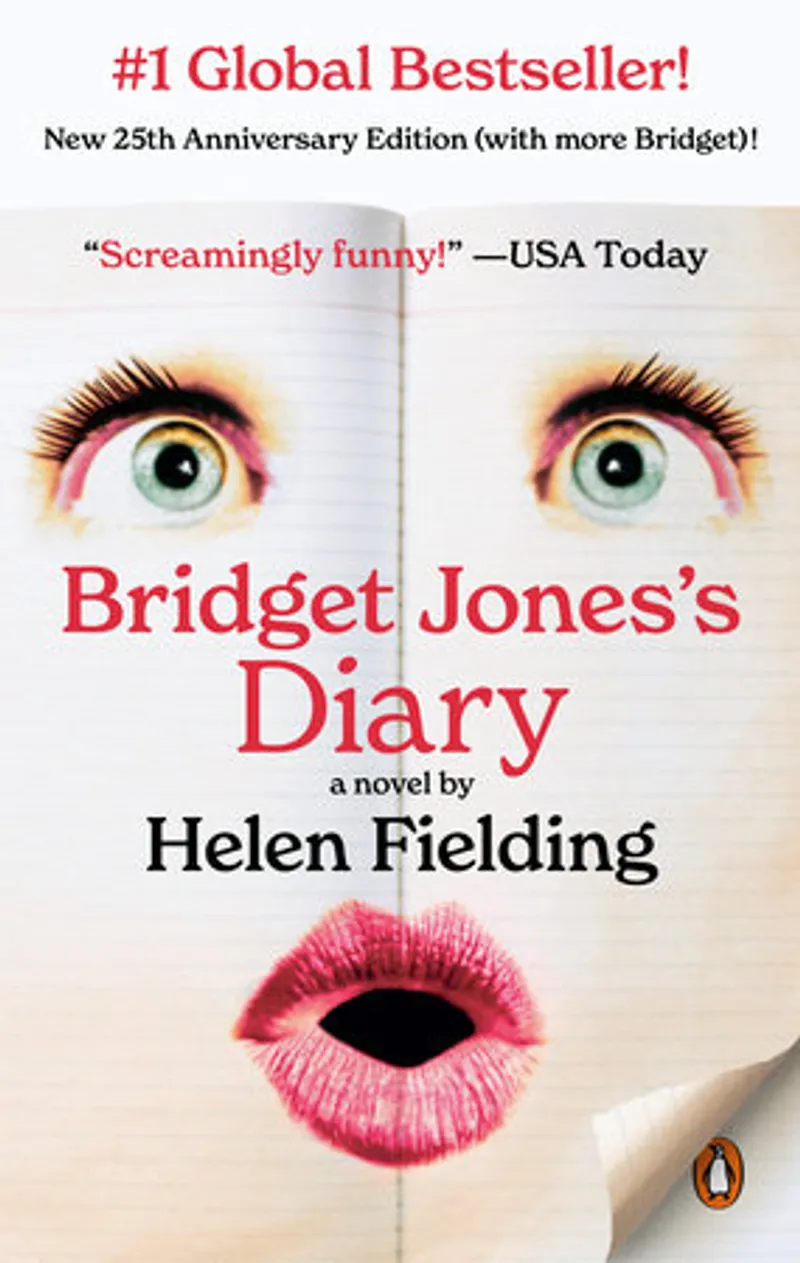
Bridget Jones's Diary Author: Helen FieldingPage Count: UnknownPublication Date: 1999-PRH Bridget Jones’s Diary isn’t just a book—it’s a cultural phenomenon, a mirror held up to the anxieties of modern womanhood, and a laugh so sharp it cuts through the pretenses of self-improvement culture. Helen Fielding’s 1999 debut isn’t merely a bestseller; it’s a time capsule of the late ‘90s, a witty, unflinching chronicle of a woman’s messy, hilarious, and deeply relatable struggle to be better while knowing she’ll probably fail. At its core, this isn’t a story about transformation—it’s about the absurdity of trying to transform in a world that sets impossible standards. Fielding’s genius lies in her ability to blend humor with heartbreak. Bridget Jones isn’t just a lovable mess; she’s a fully realized character whose flaws make her endearing. Her diary entries—full of crossed-out resolutions, exclamation-laden rants, and self-deprecating humor—read like the inner monologue of anyone who’s ever made a New Year’s resolution they couldn’t keep. The genius is that Bridget isn’t just funny; she’s painfully real. She smokes too much, eats too much, obsesses over her weight, and yet, she’s also fiercely intelligent, self-aware, and capable of deep vulnerability. In a world where women are often reduced to either saints or caricatures, Bridget is gloriously human—a 30-something singleton who wants love, success, and a smaller waistline, but can’t quite get her act together. The book’s strength is its authenticity. Fielding doesn’t soften Bridget’s edges; she leans into them. The humor isn’t just situational—it’s existential. Bridget’s diary entries are a masterclass in observational comedy, capturing the absurdity of modern life with lines like, "I will not drink more than fourteen alcohol units a week… Oh, sod it." Her voice is a mix of Bridget’s self-loathing and her defiant optimism, a tone that feels like a best friend’s late-night confessions. The book thrives on its relatability—whether it’s her disastrous dates, her workplace faux pas, or her endless battle with her own reflection, Bridget’s struggles feel universal. Fielding’s writing style is deceptively simple but brilliantly effective. The diary format gives the story an intimate, confessional feel, as if we’re peeking into someone’s private thoughts. The short, punchy entries mimic the chaos of real life, where one minute you’re vowing to never eat chocolate again, and the next, you’re face-down in a tub of Ben & Jerry’s. The humor is dry, self-deprecating, and often cringe-inducing in the best way—like laughing at yourself in the mirror. Yet beneath the laughs, there’s a poignant undercurrent. Bridget’s loneliness, her fear of aging, and her desperate need for validation aren’t just jokes; they’re the raw, unfiltered truth of many women’s lives. The book’s themes resonate just as strongly today as they did in 1999. Bridget’s quest for self-improvement isn’t just about weight loss or quitting smoking—it’s about the pressure to be perfect in a world that constantly tells women they’re not enough. Her diary entries mock the absurdity of diet culture, the performative nature of dating apps, and the exhausting cycle of setting goals only to fail at them. In doing so, Fielding exposes the hypocrisy of a society that demands women be both effortlessly beautiful and endlessly ambitious while offering no real support in between. The romance subplot—Bridget’s on-again, off-again relationship with the smarmy but charming Daniel Cleaver and the brooding, enigmatic Mark Darcy—adds another layer of complexity. These characters are more than just love interests; they’re foils to Bridget’s insecurities. Daniel represents the toxic allure of bad boys, while Mark embodies the quiet, steady love that’s often overlooked in favor of drama. Their dynamic isn’t just a romantic trope; it’s a commentary on the choices women make when they’re desperate for validation. Ultimately, Bridget Jones’s Diary is a celebration of imperfection. It’s a book that doesn’t just make you laugh—it makes you feel seen. In a world obsessed with curated lives and flawless Instagram feeds, Bridget’s messy, unfiltered existence is a breath of fresh air. She’s not a heroine; she’s a human being, and that’s what makes her so compelling. Fielding’s writing reminds us that life isn’t about achieving perfection—it’s about surviving the chaos, laughing at the absurdity, and maybe, just maybe, finding someone who loves you despite (or because of) your flaws. If you’ve ever felt like you’re failing at life, like your resolutions are doomed from the start, or like your inner monologue is a running commentary of self-sabotage, then Bridget Jones is your spirit animal. This book isn’t just a comedy—it’s a lifeline for anyone who’s ever felt like they’re not enough. And that’s why, 25 years later, it still feels like it was written just for you. #BridgetJones #HelenFielding #ChickLit #SelfImprovementGoneWrong #RelatableProtagonist #ModernClassic Related InsightsThe Kingdom of Back Book Review and Summary Because of Winn-Dixie Book Review and Summary My Last Duchess Book Review and Summary{ "@context": "https://schema.org", "@type": "FAQPage", "mainEntity": [ { "@type": "Question", "name": "What is the main focus of Bridget Jones’s Diary Book Review and Summary?", "acceptedAnswer": { "@type": "Answer", "text": "Everything you need to know about Bridget Jones’s Diary with our detailed review." } }, { "@type": "Question", "name": "Who authored the comprehensive guide on Bridget Jones’s Diary Book Review and Summary?", "acceptedAnswer": { "@type": "Answer", "text": "This detailed article and its insights were carefully researched and authored by Helen Fielding." } }, { "@type": "Question", "name": "Where can I find more related content about Books?", "acceptedAnswer": { "@type": "Answer", "text": "You can explore more articles, detailed reviews, and similar insights by browsing the Related Insights section at the bottom of this article or visiting our dedicated Books category page." } } ] }