Showing Posts From
Buddhist temples
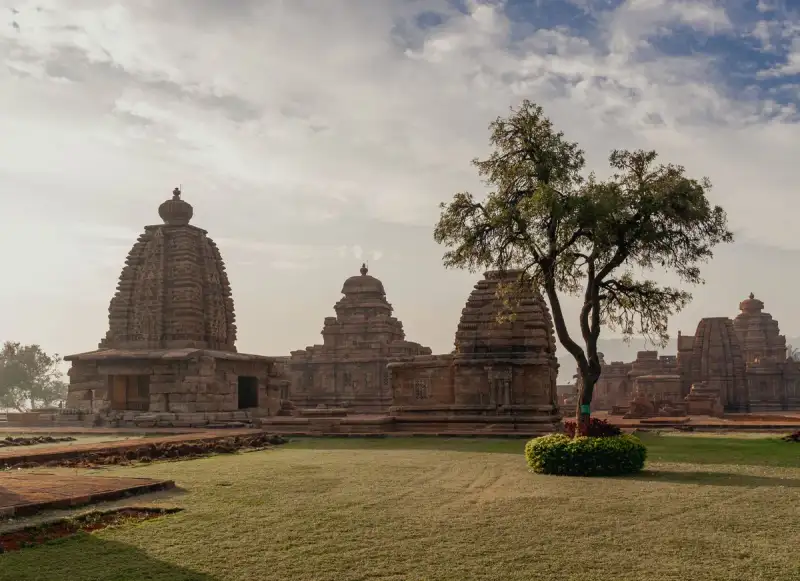

Luang Prabang, the capital of Luang Prabang Province in north-central Laos, is a city that embodies the essence of Lao culture, history, and natural beauty. The city's name, meaning "Royal Buddha Image," is derived from the Phra Bang, a statue symbolizing Lao sovereignty. Designated a UNESCO World Heritage Site in 1995, Luang Prabang is a treasure trove of Lao architecture, European colonial buildings, and over 30 Buddhist temples. History of Luang Prabang The city's history dates back to the 6th century, when the Mon peoples created the Dvaravati kingdoms. By the 8th century, the Mon had pushed north to create city states in Fa Daet, Sri Gotapura, Muang Sua, and Chantaburi. In the 8th century CE, Sri Gotapura controlled trade throughout the middle Mekong region. The city states introduced Theravada Buddhism from Sri Lankan missionaries throughout the region.In 1238, an internal uprising in the Khmer outpost of Sukhothai expelled the Khmer overlords. Xieng Dong Xieng Thong, the precursor to Luang Prabang, experienced a period of Khmer suzerainty under Jayavarman VII from 1185 to 1191. In 1353, Xieng Dong Xieng Thong became the capital of the Lan Xang kingdom. The city's name was changed to Luangphabang, named after the Buddha image, and it was used to spread Theravada Buddhism in the kingdom.Tourism in Luang Prabang Luang Prabang is a popular tourist destination, with numerous natural and cultural attractions. The Kuang Si Falls, Tat Sae Waterfalls, and Pak Ou Caves are some of the city's most popular natural tourism sites. Visitors can also explore the city's many Buddhist temples, including the Haw Kham Royal Palace Museum and the Wat Xieng Thong temple.The city's main street is lined with smaller wats, such as Wat Hosian Voravihane, and every morning at sunrise, monks walk in a procession through the streets accepting alms offered by local residents. Visitors can also participate in traditional Lao activities, such as elephant riding and making crafts.Gastronomy in Luang Prabang Luang Prabang is renowned for its delicious local cuisine, which includes dishes such as Or lam, Luang Prabang sausage, mokpa (steamed fish), and Kaipen made from Mekong River moss. Visitors can sample these dishes at local restaurants and markets, such as the night market, which offers a wide range of Lao street food.Transportation in Luang Prabang Luang Prabang is served by Route 13, which connects to Vang Vieng and Vientiane to the south, and to Boten in the north. The road is paved, and daily buses run from Vientiane to Luang Prabang, taking 11–13 hours. Since 2014, a road connects Kasi (near Vang Vieng) to Luang Prabang, allowing the trip to be made in about 3 hours.In December 2021, Luang Prabang was connected to the Vientiane–Boten railway, which parallels Route 13 and runs from Boten at the Chinese border in the north to Vientiane in the south. The complete journey takes less than 3 hours by train instead of 3 days by road.#Travel #LuangPrabang #LaosTourism #BuddhistTemples #UNESCOWorldHeritageSite #LaoCulture #NaturalBeauty #History #Gastronomy #Transportation Related InsightsWhispers in the Verdant Depths: Unearthing Japan's Secret 'Shizen no Koe' Moss Worlds Villa Adriana: Il Rifugio Imperiale a Tivoli Grüne Pfade: Wie nachhaltiger Tourismus das Herz der Erde bewahrt{ "@context": "https://schema.org", "@type": "FAQPage", "mainEntity": [ { "@type": "Question", "name": "What is the main focus of Discover Luang Prabang's Hidden Gems?", "acceptedAnswer": { "@type": "Answer", "text": "Delve into the enchanting world of Luang Prabang, a city steeped in history, culture, and natural beauty, and uncover its secrets." } }, { "@type": "Question", "name": "Who authored the comprehensive guide on Discover Luang Prabang's Hidden Gems?", "acceptedAnswer": { "@type": "Answer", "text": "This detailed article and its insights were carefully researched and authored by John Explorer." } }, { "@type": "Question", "name": "Where can I find more related content about Travel?", "acceptedAnswer": { "@type": "Answer", "text": "You can explore more articles, detailed reviews, and similar insights by browsing the Related Insights section at the bottom of this article or visiting our dedicated Travel category page." } } ] }