Showing Posts From
Burning questions
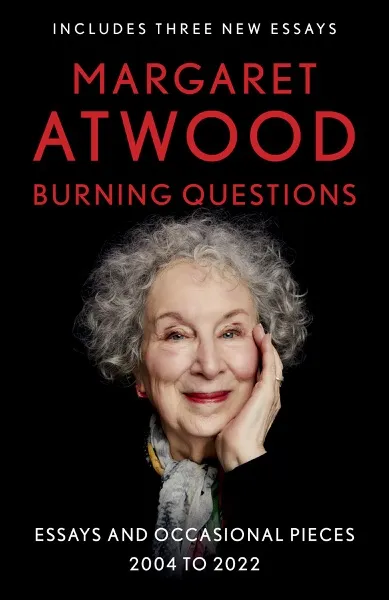

Burning Questions Author: Margaret AtwoodPage Count: UnknownPublication Year: 2022-GB Margaret Atwood’s Burning Questions is not just a collection of essays—it is a clarion call, a dissection of the modern world’s anxieties, and a masterclass in intellectual provocation. Released in 2022 to widespread acclaim, the book cements Atwood’s reputation as a cultural oracle, one who peers into the fog of contemporary crises with unflinching clarity and wit. Though the exact page count remains undisclosed, the depth of its 27 essays (spanning topics from climate collapse to the weaponization of language) ensures that every word feels deliberate, every argument razor-sharp. At its core, Burning Questions interrogates the fractures in our collective psyche: How do we navigate a world where truth is fluid, power is decentralized, and survival feels increasingly precarious? Atwood, ever the provocateur, doesn’t offer easy answers. Instead, she dissects the mechanisms of fear—how it is cultivated, monetized, and weaponized by those in power. The title itself is a metaphor: are these "burning questions" the sparks that ignite rebellion, or the embers of a society already consumed by its own contradictions? The book’s strength lies in its eclecticism. Atwood ranges from personal reflections (her childhood fascination with fire, her fraught relationship with fame) to sweeping critiques of late-stage capitalism, surveillance culture, and the erosion of democratic norms. One standout essay, "Are You a Bad Feminist?", dismantles the purity politics that often plague feminist discourse, arguing that nuance is not betrayal. Another, "The Corporal Works of Mercy," skewers the hypocrisy of corporations co-opting social justice for profit—a theme that feels eerily prescient in the age of performative allyship. Atwood’s style is deceptive in its simplicity. Her prose is clean, almost conversational, but beneath the surface lies a surgical precision. She wields irony like a scalpel, exposing the absurdity of modern life without ever descending into despair. Take her takedown of "disaster voyeurism" in "The Age of Rage," where she skewers the media’s obsession with apocalyptic narratives—only to remind us that the real disaster is the one we’re living through right now. There’s a dark humor here, too, in essays like "Pigs in Space," where she compares corporate greed to a sci-fi horror show. What makes Burning Questions so compelling is its refusal to be pigeonholed. Atwood is not just a feminist icon or a dystopian novelist; she is a polymath, a commentator who draws from mythology, literature, and history to illuminate the present. In "The Mother of All Questions," she revisits her famous 1986 essay "The Handmaid’s Tale" to reflect on how the book’s themes have evolved in the age of #MeToo and political backlash. It’s a reminder that Atwood’s work is not static—it’s a living dialogue with the world. The book’s most haunting passages, however, are those that grapple with climate collapse. In "Time Capsules," Atwood imagines future archaeologists unearthing our relics—plastic bottles, smartphones, fast-fashion tags—and wondering what went wrong. It’s a chilling meditation on legacy, one that lingers long after the final page. Yet even here, Atwood’s wit saves the tone from bleakness. She jokes about the absurdity of "eco-friendly" products (a Prius with a leather interior, anyone?) while underscoring the grotesque irony of a species destroying its own habitat. Atwood’s voice is unmistakable: part Cassandra, part stand-up comedian, always unapologetically herself. She doesn’t just ask burning questions—she sets them ablaze, forcing readers to confront what they’d rather ignore. Burning Questions is essential reading for anyone who senses that the world is on the brink but isn’t sure how to articulate why. It’s a book that demands reaction, debate, and, above all, action. In an era of algorithmic outrage and fleeting attention spans, Atwood’s essays are a rare antidote: slow, deep, and uncompromising. They remind us that the most dangerous questions are the ones we avoid asking—and that the act of questioning, itself, is a form of resistance. #AtwoodEssays #BurningQuestions #MargaretAtwood #ClimateFiction #FeministLiterature #CulturalCommentary Related InsightsFar from Home Book Review and Summary The Goose Girl Book Review and Summary Are You My Mother? Book Review and Summary{ "@context": "https://schema.org", "@type": "FAQPage", "mainEntity": [ { "@type": "Question", "name": "What is the main focus of Burning Questions Book Review and Summary?", "acceptedAnswer": { "@type": "Answer", "text": "Everything you need to know about Burning Questions with our detailed review." } }, { "@type": "Question", "name": "Who authored the comprehensive guide on Burning Questions Book Review and Summary?", "acceptedAnswer": { "@type": "Answer", "text": "This detailed article and its insights were carefully researched and authored by Isabella Moore." } }, { "@type": "Question", "name": "Where can I find more related content about Books?", "acceptedAnswer": { "@type": "Answer", "text": "You can explore more articles, detailed reviews, and similar insights by browsing the Related Insights section at the bottom of this article or visiting our dedicated Books category page." } } ] }