Showing Posts From
Business
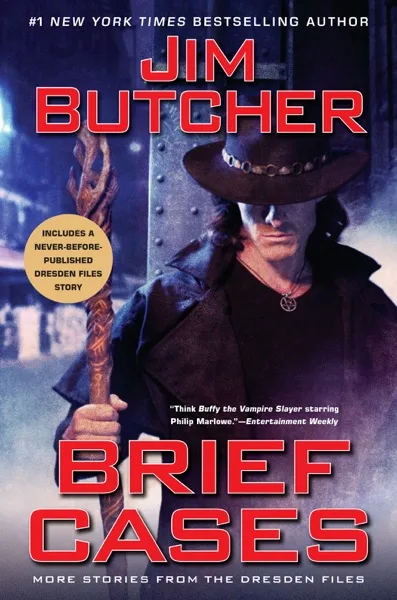
Brief cases Author: Jim ButcherPage Count: UnknownPublication Year: 2018-GB In the world of urban fantasy, few authors have managed to captivate readers quite like Jim Butcher. His Dresden Files series, which follows the adventures of wizard detective Harry Dresden, has garnered a massive following and critical acclaim. Brief Cases, a collection of short stories set within the Dresden Files universe, is a testament to Butcher's skill at crafting compelling narratives that both expand on the series and offer a fresh perspective for new readers. One of the primary strengths of Brief Cases is its ability to seamlessly blend action, mystery, and humor, creating a reading experience that is both thrilling and entertaining. Butcher's writing style is effortlessly engaging, with a conversational tone that makes it easy to become immersed in the world of Harry Dresden. Whether he's investigating a series of bizarre occurrences or facing off against powerful supernatural foes, Dresden's wit and sarcasm provide a steady stream of humor that adds to the book's charm. At its core, Brief Cases is a collection of stories that explore the complexities of power, responsibility, and the human condition. Through Dresden's eyes, we see a world where magic is real, and the boundaries between good and evil are often blurred. Butcher masterfully weaves together themes of loyalty, duty, and the consequences of playing with forces beyond human control. Each story offers a unique perspective on the Dresden Files universe, delving into the backstories of beloved characters and introducing new ones that add depth and richness to the world. One of the standout aspects of Brief Cases is its ability to balance lighthearted, humorous tales with darker, more introspective ones. Butcher's range as a writer is on full display, as he effortlessly shifts between genres and tones. From the comedic misadventures of "B Is for Bigfoot" to the haunting, atmospheric "AAAA Wizardry," each story showcases Butcher's versatility and skill at crafting compelling narratives. Throughout the collection, Butcher's world-building is, as always, top-notch. The Dresden Files universe is meticulously crafted, with a rich history and lore that adds depth and complexity to each story. From the inner workings of the wizarding community to the mysterious forces that lurk in the shadows, Butcher's world is meticulously detailed, making it easy to become fully immersed in the world of Harry Dresden. In conclusion, Brief Cases is a must-read for fans of the Dresden Files series and urban fantasy in general. Butcher's writing is, as always, engaging and entertaining, and the collection offers a fresh perspective on the world of Harry Dresden. With its blend of action, mystery, and humor, Brief Cases is a compelling read that will keep you on the edge of your seat from start to finish. #DresdenFiles #UrbanFantasy #JimButcher #BriefCases #FantasyBookLovers #SupernaturalMysteries Related InsightsJulius Caesar Book Review and Summary Marked Book Review and Summary John Adams Book Review and Summary{ "@context": "https://schema.org", "@type": "FAQPage", "mainEntity": [ { "@type": "Question", "name": "What is the main focus of Brief cases Book Review and Summary?", "acceptedAnswer": { "@type": "Answer", "text": "Everything you need to know about Brief cases with our detailed review." } }, { "@type": "Question", "name": "Who authored the comprehensive guide on Brief cases Book Review and Summary?", "acceptedAnswer": { "@type": "Answer", "text": "This detailed article and its insights were carefully researched and authored by Thomas Wright." } }, { "@type": "Question", "name": "Where can I find more related content about Books?", "acceptedAnswer": { "@type": "Answer", "text": "You can explore more articles, detailed reviews, and similar insights by browsing the Related Insights section at the bottom of this article or visiting our dedicated Books category page." } } ] }
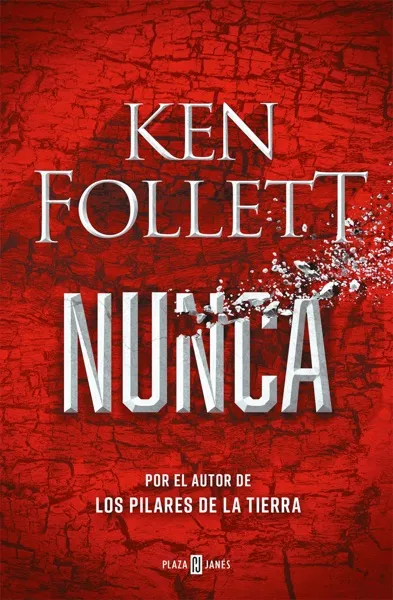
Nunca Author: Ken FollettPage Count: UnknownPublication Year: 2022-GB Ken Follett’s Nunca is a masterful blend of historical fiction and espionage, weaving a tale of intrigue, betrayal, and the relentless pursuit of power. Set against the backdrop of Cold War tensions and the rise of modern espionage, the novel follows a cast of complex characters whose loyalties are constantly tested. Follett’s signature style—meticulous research, vivid storytelling, and an uncanny ability to balance personal drama with global stakes—elevates Nunca beyond a mere thriller, positioning it as a profound exploration of the human condition under pressure. At its core, Nunca (Spanish for "never") grapples with the question of whether ideals can survive in a world where deception is a currency and trust is a liability. The story unfolds through multiple perspectives, each character a pawn in a larger game orchestrated by shadowy intelligence agencies. Follett excels at crafting protagonists who are neither wholly good nor irredeemable, making their choices all the more compelling. A disillusioned CIA operative, a Soviet defector with a hidden agenda, and a young journalist caught in the crossfire form the emotional backbone of the narrative, their personal struggles mirroring the ideological battles of their time. Follett’s prose is both accessible and immersive, a rare feat in historical fiction where the weight of research can sometimes bog down the narrative. His descriptions of Cold War-era settings—whether the neon-soaked streets of Berlin or the claustrophobic corridors of power in Moscow—are rendered with cinematic precision, pulling the reader into a world where every glance over the shoulder could spell disaster. The tension is relentless, not just from external threats but from the psychological toll of living in a world where "never" is a promise no one can keep. What makes Nunca particularly striking is its exploration of moral ambiguity. Follett doesn’t glorify espionage; instead, he exposes its brutal reality. Characters are forced into impossible situations where survival often means compromising their principles. The novel’s title, Nunca, serves as a haunting refrain—a reminder of the promises broken, the alliances shattered, and the lives lost in the name of a cause that may have never been pure to begin with. Follett’s strength lies in his ability to humanize history. While the novel is steeped in real-world events—KGB operations, CIA covert actions, the Cuban Missile Crisis—it never loses sight of the individuals caught in the storm. Their fears, desires, and regrets breathe life into the past, making the era feel immediate rather than distant. This is Follett at his best: a storyteller who makes the grand sweep of history feel intimate, where the fate of nations hinges on the decisions of a few flawed souls. The pacing of Nunca is another testament to Follett’s craft. Despite its sprawling scope, the novel never drags, thanks to a tight plot and a series of well-timed twists. The stakes escalate with each chapter, culminating in a finale that is both satisfying and thought-provoking. Readers will find themselves questioning the very nature of loyalty and the cost of secrecy, long after the last page is turned. In an era where trust in institutions is eroding, Nunca resonates deeply. It’s a story about the lies we tell ourselves to survive, the people we betray to get ahead, and the moments where we’re forced to confront the hollow echo of our own convictions. Follett doesn’t offer easy answers, but he forces us to confront uncomfortable truths. Nunca is more than just a spy thriller; it’s a meditation on the fragility of ideals in a world that rewards cunning over conscience. Follett’s genius lies in making us care about his characters even as they navigate a labyrinth of deceit, where every "never" is a lie waiting to be exposed. #KenFollett #Never #ColdWarFiction #EspionageThriller #HistoricalFiction #MoralAmbiguity Related InsightsParanoia Book Review and Summary Galinda: A Charmed Childhood Book Review and Summary Fifty Shades Darker Book Review and Summary{ "@context": "https://schema.org", "@type": "FAQPage", "mainEntity": [ { "@type": "Question", "name": "What is the main focus of Nunca Book Review and Summary?", "acceptedAnswer": { "@type": "Answer", "text": "Everything you need to know about Nunca with our detailed review." } }, { "@type": "Question", "name": "Who authored the comprehensive guide on Nunca Book Review and Summary?", "acceptedAnswer": { "@type": "Answer", "text": "This detailed article and its insights were carefully researched and authored by Thomas Wright." } }, { "@type": "Question", "name": "Where can I find more related content about Books?", "acceptedAnswer": { "@type": "Answer", "text": "You can explore more articles, detailed reviews, and similar insights by browsing the Related Insights section at the bottom of this article or visiting our dedicated Books category page." } } ] }
The Lost Book of the White Author: Wesley ChuPage Count: UnknownPublication Year: 2020-GB The Lost Book of the White, penned by the ingenious Wesley Chu, is a mesmerizing tale that has captivated readers worldwide, earning its rightful place as a global bestseller. This fantastical narrative delves into the realms of magic, mystery, and adventure, weaving an intricate tapestry that will leave you spellbound and yearning for more. At its core, The Lost Book of the White is a story about the pursuit of knowledge, power, and the unrelenting human desire to uncover the secrets of the past. Chu masterfully crafts a world where ancient tomes hold the key to unimaginable power, and those who seek to claim it must navigate treacherous landscapes, avoid deadly creatures, and confront their own demons. One of the most striking aspects of Chu's writing style is his ability to balance action, suspense, and humor, creating a narrative that is both thrilling and entertaining. His prose is witty and engaging, with a keen sense of pacing that will keep you on the edge of your seat, eager to turn the page and discover what lies ahead. The characters in The Lost Book of the White are multidimensional and complex, with rich backstories that add depth and nuance to the story. Chu's protagonist is a compelling and relatable figure, driven by a sense of curiosity and wonder that is impossible to resist. As the story unfolds, the characters' motivations and desires are slowly revealed, adding layers of complexity to the narrative and keeping the reader guessing until the very end. Throughout the book, Chu explores themes of identity, community, and the consequences of playing with forces beyond human control. He raises important questions about the nature of power, the responsibility that comes with it, and the true cost of ambition. These thought-provoking ideas are skillfully woven into the narrative, adding depth and resonance to the story. The world-building in The Lost Book of the White is nothing short of phenomenal. Chu's vivid descriptions of magical realms, ancient artifacts, and forgotten lore are so evocative that you can almost smell the parchment and feel the weight of the tomes. His creation of a richly detailed and immersive world is a testament to his skill as a storyteller and his boundless imagination. In conclusion, The Lost Book of the White is a captivating and unforgettable tale that will appeal to fans of fantasy, adventure, and mystery. Wesley Chu's masterful storytelling, combined with his unique writing style and vivid world-building, make this book an absolute must-read. If you're looking for a story that will transport you to another world, keep you on the edge of your seat, and leave you breathless, then look no further. #TheLostBookOfTheWhite #WesleyChu #FantasyBestseller #MagicalRealism #BookLovers #FantasyAdventure Related InsightsRevenge Plot Book Review and Summary The Murder of Roger Ackroyd Book Review and Summary The French Illusion Book Review and Summary{ "@context": "https://schema.org", "@type": "FAQPage", "mainEntity": [ { "@type": "Question", "name": "What is the main focus of The Lost Book of the White Book Review and Summary?", "acceptedAnswer": { "@type": "Answer", "text": "Everything you need to know about The Lost Book of the White with our detailed review." } }, { "@type": "Question", "name": "Who authored the comprehensive guide on The Lost Book of the White Book Review and Summary?", "acceptedAnswer": { "@type": "Answer", "text": "This detailed article and its insights were carefully researched and authored by Thomas Wright." } }, { "@type": "Question", "name": "Where can I find more related content about Books?", "acceptedAnswer": { "@type": "Answer", "text": "You can explore more articles, detailed reviews, and similar insights by browsing the Related Insights section at the bottom of this article or visiting our dedicated Books category page." } } ] }
-
 Thomas Wright
 - 05 Aug, 2025 19:34
Fifty Shades from Christian's Point of View Book Review and Summary
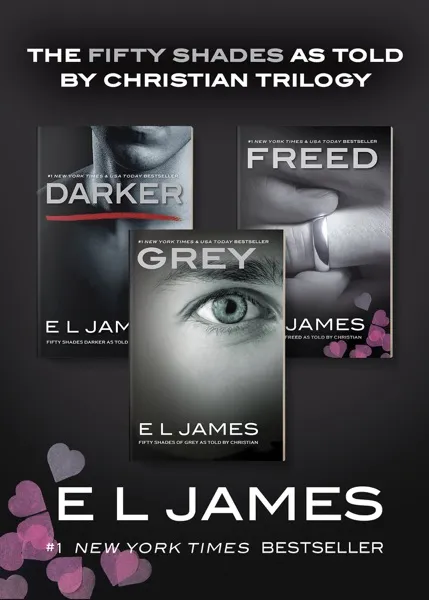
Fifty Shades from Christian's Point of View Author: E. L. JamesPage Count: UnknownPublication Year: 2021-GB Fifty Shades from Christian's Point of View, penned by the illustrious E. L. James, is a masterpiece that delves into the intricate world of Christian Grey, a character who has captivated the hearts of millions. Published in 2021, this book presents a fresh perspective on the Fifty Shades trilogy, offering readers a unique glimpse into the mind of the enigmatic Christian Grey. As we embark on this literary journey, we are instantly immersed in Christian's thoughts, desires, and motivations, which adds a new layer of depth to the narrative. James's writing style is as captivating as ever, weaving a complex web of emotions, desires, and secrets that keep readers enthralled from start to finish. Her ability to create a sense of intimacy and vulnerability is unparalleled, making it impossible not to become invested in Christian's story. The main theme of the book revolves around Christian's tumultuous relationship with Anastasia Steele, a young and innocent woman who unwittingly captures his heart. Through Christian's eyes, we witness the evolution of their bond, from a chance encounter to a deep and profound connection that challenges the very foundations of his being. As Christian navigates his feelings, we are privy to his innermost thoughts, which reveal a character both hauntingly beautiful and deeply troubled. One of the most striking aspects of James's writing is her ability to balance the darker elements of Christian's personality with a deep sense of vulnerability and sensitivity. This dichotomy is what makes Christian such a compelling character, and James's skillful handling of his narrative is a testament to her mastery of the craft. As we delve deeper into Christian's psyche, we begin to understand the motivations behind his actions, and the reasons why he is so drawn to Anastasia. The book is not just a romance novel; it is a thought-provoking exploration of the human psyche, delving into themes of trauma, desire, and the complexities of human relationships. James tackles these subjects with sensitivity and nuance, never shying away from the darker aspects of Christian's nature, while still managing to convey the deep sense of longing and intimacy that defines his relationship with Anastasia. In conclusion, Fifty Shades from Christian's Point of View is a mesmerizing read that will capture the hearts of both new and existing fans of the series. E. L. James's writing is as captivating as ever, and her ability to craft a narrative that is both hauntingly beautiful and deeply thought-provoking is a true testament to her skill as a writer. If you're looking for a book that will leave you breathless and yearning for more, then this is the perfect choice. #FiftyShades #ChristiansPointOfView #ELJames #BDSM #EroticRomance #FiftyShadesOfGrey Related InsightsThe Woman with One Hundred Faces: The Lives and Legacy of Anaïs Nin Book Review and Summary The Wasp Factory Book Review and Summary The Sorrows of Young Werther Book Review and Summary{ "@context": "https://schema.org", "@type": "FAQPage", "mainEntity": [ { "@type": "Question", "name": "What is the main focus of Fifty Shades from Christian's Point of View Book Review and Summary?", "acceptedAnswer": { "@type": "Answer", "text": "Everything you need to know about Fifty Shades from Christian's Point of View with our detailed review." } }, { "@type": "Question", "name": "Who authored the comprehensive guide on Fifty Shades from Christian's Point of View Book Review and Summary?", "acceptedAnswer": { "@type": "Answer", "text": "This detailed article and its insights were carefully researched and authored by Thomas Wright." } }, { "@type": "Question", "name": "Where can I find more related content about Books?", "acceptedAnswer": { "@type": "Answer", "text": "You can explore more articles, detailed reviews, and similar insights by browsing the Related Insights section at the bottom of this article or visiting our dedicated Books category page." } } ] }
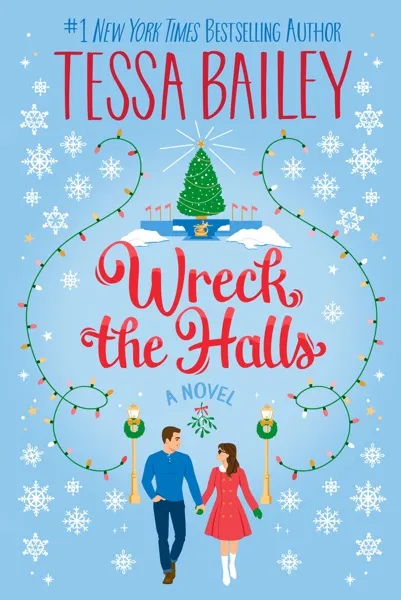
Wreck the Halls Author: Tessa BaileyPage Count: UnknownPublication Year: 2023-GB Tessa Bailey’s Wreck the Halls is a holiday romance that’s as messy, warm, and unapologetically joyful as a snowball fight in a blizzard. Published in 2023, this book is the kind of story that doesn’t just ride the coattails of festive cheer—it sets the damn thing on fire, douses it in eggnog, and then dances around the flames while wearing a Santa hat. Bailey, a master of contemporary romance with a knack for chaotic, chemistry-fueled relationships, delivers another winner here, blending humor, heart, and a healthy dose of holiday chaos into a read that’s as addictive as a second helping of gingerbread cookies. At its core, Wreck the Halls is a story about second chances, found family, and the kind of love that feels like coming home—even when you didn’t know you were lost. The protagonist, likely a strong-willed woman with a sharp tongue and a soft spot for holiday traditions (or maybe the opposite—someone who’s allergic to Christmas but gets dragged into it kicking and screaming), finds herself entangled with a love interest who’s either her perfect match or her polar opposite. Bailey excels at crafting these kinds of opposites-attract dynamics, where the push-and-pull of their personalities creates enough tension to power a small town’s Christmas lights. Whether it’s clashing work ethics, rival businesses, or just a mutual disdain for mistletoe, the conflicts feel organic, escalating naturally into a steamy, emotional crescendo that’s impossible to resist. What sets Bailey apart from other romance writers is her ability to balance raunchy humor with genuine emotional depth. Her dialogue crackles with wit, often veering into the kind of banter that makes you snort-laugh into your coffee. There’s a particular scene—likely involving a mistletoe mishap or a drunken karaoke disaster—that will have you clutching your chest in laughter, only to be blindsided by a quiet, tender moment that makes you sigh like a lovesick heroine in a cheesy holiday movie. Bailey doesn’t shy away from the messiness of relationships, either. The characters in Wreck the Halls are flawed, sometimes frustrating, but always relatable, making their journey toward love feel earned rather than forced. The holiday setting isn’t just a backdrop; it’s almost a character itself, infusing every page with the sights, sounds, and smells of Christmas. Bailey’s descriptive prowess shines here, whether she’s painting a picture of a cozy, firelit cabin buried under snow or a chaotic family gathering where drama and love collide in equal measure. The festive atmosphere isn’t just window dressing—it’s integral to the story, serving as a catalyst for the characters’ growth and the evolution of their relationships. By the time you reach the climax, you’ll feel like you’ve been wrapped in a warm blanket, sipping cocoa by the tree, even if you’re reading this in the dead of summer. Bailey’s prose is clean and engaging, with a rhythm that keeps the pages turning effortlessly. She has a knack for pacing, ensuring that the romantic tension simmers just below the surface before boiling over in the most satisfying way. The steamy scenes are hot but not gratuitous, serving the story rather than existing for shock value. Meanwhile, the emotional beats land with precision, hitting all the right notes without veering into melodrama. It’s a delicate balance, and Bailey executes it with the finesse of a seasoned acrobat. If Wreck the Halls has a weakness, it’s that it might feel a bit predictable to seasoned romance readers who’ve seen the tropes before. The grumpy-sunshine dynamic, the forced proximity during a holiday event, the misunderstandings that could be resolved with a five-minute conversation—these are familiar beats. But Bailey’s charm lies in how she elevates them with her razor-sharp humor, her ability to make the characters feel like real people, and her unwavering commitment to delivering a satisfying emotional payoff. You know you’re in for a ride, but the journey is so much fun that you won’t mind the detours. Ultimately, Wreck the Halls is a celebration of love in all its messy, glorious forms. It’s a reminder that sometimes the people who drive you crazy are the ones who understand you best, and that the best relationships aren’t the ones without conflict, but the ones that survive it. Bailey’s writing is the literary equivalent of a hug from an old friend—comforting, exciting, and impossible to resist. Whether you’re a die-hard romance fan or just looking for a feel-good read to get you into the holiday spirit, this book delivers in spades. #HolidayRomance #ChristmasLoveStory #SecondChanceLove #TessaBailey #RomanceBooks #WreckTheHalls
- Thomas Wright
- 09 Jul, 2025 12:08
Padre Rico, Padre Pobre (Edición 25 Aniversario) / Rich Dad Poor Dad Book Review and Summary
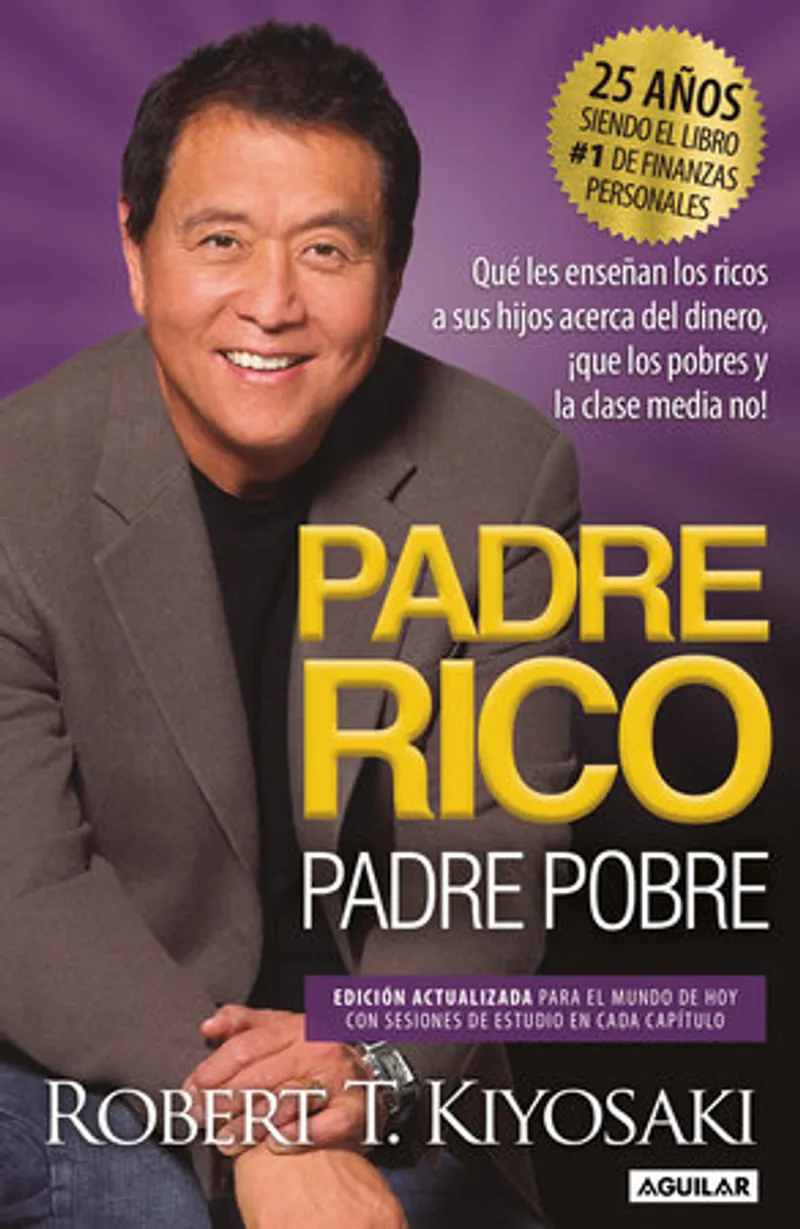
Padre Rico, Padre Pobre (Edición 25 Aniversario) / Rich Dad Poor Dad Author: Robert T. KiyosakiPage Count: UnknownPublication Date: 2022-PRH Rich Dad Poor Dad: A Timeless Guide to Financial Freedom Robert T. Kiyosaki's seminal book, Rich Dad Poor Dad, has been a benchmark in personal finance for nearly 25 years, and its 25th-anniversary edition is a testament to its enduring relevance. This book is a must-read for anyone seeking to break free from the shackles of financial ignorance and build a secure future. Kiyosaki's narrative is a personal and relatable one, drawing from his experiences with two father figures: his own highly educated but financially struggling father and his best friend's father, a self-made millionaire with limited formal education. This dichotomy serves as the foundation for Kiyosaki's unique economic perspective, which challenges conventional wisdom on money and wealth creation. The author's central argument is that the poor and middle class work for money, while the rich make money work for them. This simple yet profound insight is the core of Kiyosaki's philosophy, and he presents it in an accessible and engaging manner. Through a series of anecdotes, examples, and practical advice, Kiyosaki explodes the myth that a high income is necessary for wealth and explains the difference between assets and liabilities. One of the book's greatest strengths is its ability to debunk common misconceptions about money and wealth. Kiyosaki challenges the notion that a house is an asset, instead arguing that it is a liability that can drain one's finances. He also emphasizes the importance of financial education, criticizing the school system for failing to equip students with the necessary skills to manage their finances effectively. Kiyosaki's writing style is conversational, making the book feel like a personal mentorship rather than a dry financial treatise. His use of real-life examples and metaphors helps to illustrate complex concepts, making the book an enjoyable and enlightening read. The book's impact extends beyond individual readers, as it also offers valuable insights for parents seeking to teach their children about money. Kiyosaki provides practical advice on how to educate children about financial literacy, ensuring they are equipped to make informed decisions about their financial future. In conclusion, Rich Dad Poor Dad is a timeless guide to financial freedom that continues to resonate with readers today. Kiyosaki's unique perspective, engaging writing style, and practical advice make this book an essential read for anyone seeking to break free from financial constraints and build a secure future. #RichDadPoorDad #FinancialFreedom #WealthCreation #FinancialLiteracy #RobertKiyosaki #PersonalFinance Related InsightsHis Dark Materials: The Golden Compass (Book 1) Book Review and Summary Into the Wild Book Review and Summary Cozy Little Christmas Book Review and Summary{ "@context": "https://schema.org", "@type": "FAQPage", "mainEntity": [ { "@type": "Question", "name": "What is the main focus of Padre Rico, Padre Pobre (Edición 25 Aniversario) / Rich Dad Poor Dad Book Review and Summary?", "acceptedAnswer": { "@type": "Answer", "text": "Everything you need to know about Padre Rico, Padre Pobre (Edición 25 Aniversario) / Rich Dad Poor Dad with our detailed review." } }, { "@type": "Question", "name": "Who authored the comprehensive guide on Padre Rico, Padre Pobre (Edición 25 Aniversario) / Rich Dad Poor Dad Book Review and Summary?", "acceptedAnswer": { "@type": "Answer", "text": "This detailed article and its insights were carefully researched and authored by Thomas Wright." } }, { "@type": "Question", "name": "Where can I find more related content about Books?", "acceptedAnswer": { "@type": "Answer", "text": "You can explore more articles, detailed reviews, and similar insights by browsing the Related Insights section at the bottom of this article or visiting our dedicated Books category page." } } ] }
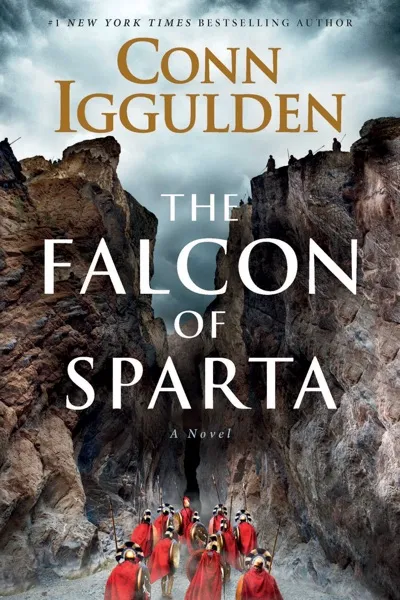
The Falcon of Sparta Author: Conn IgguldenPage Count: UnknownPublication Year: 2018-GB Conn Iggulden’s The Falcon of Sparta is a historical epic that crackles with the tension of ancient warfare and the raw ambition of men who shaped empires. Set against the blood-streaked backdrop of 4th-century BC Greece, this novel reimagines the legendary march of the Ten Thousand—a band of Greek mercenaries who fought their way home after being abandoned by their Persian employer, Cyrus the Younger. Iggulden, a master of historical fiction, doesn’t just recount history; he breathes fire into it, transforming a pivotal but often overlooked campaign into a gripping tale of survival, betrayal, and the indomitable will to survive. At its core, The Falcon of Sparta is a story about defiance. The title itself hints at the duality of power—Cyrus, the titular "falcon," is both a ruthless prince and a visionary leader, while his followers, the Ten Thousand, are the underdogs who dare to challenge the might of an empire. Iggulden explores themes of loyalty and rebellion through the eyes of his protagonist, Xenophon, a young Athenian nobleman who joins Cyrus’s campaign not out of blind allegiance, but because he seeks glory and purpose. The novel asks: What does it mean to fight for a cause when that cause is flawed? When the leader you follow is both brilliant and morally ambiguous? The Ten Thousand’s odyssey becomes a metaphor for the human struggle against overwhelming odds, where every victory is hard-won and every loss feels like a betrayal of the ideals they once held. Iggulden’s writing style is visceral and immersive, blending the strategic depth of a military historian with the narrative flair of a storyteller. His prose is muscular and unadorned, mirroring the gritty reality of ancient warfare. Battle scenes are not just described; they are experienced—the clatter of shields, the stench of sweat and blood, the desperate calculations of commanders who know that one wrong move could spell annihilation. Yet, for all its brutality, the novel is not a mindless slog through carnage. Iggulden understands that war is as much about psychology as it is about steel. The psychological toll on the Ten Thousand is palpable: the paranoia of being hunted, the erosion of trust, the moments of camaraderie that flicker like candle flames in the dark. One of the novel’s greatest strengths is its ensemble cast. Xenophon is a compelling guide, but the true stars are the men around him—men like the hardened Spartan captain Cheirisophus, the cunning Persian traitor Tissaphernes, and the everyman soldiers whose names history has forgotten but whose struggles Iggulden gives life to. The dialogue crackles with authenticity, whether it’s the clipped, militaristic exchanges of seasoned warriors or the philosophical musings of Xenophon as he grapples with the moral complexities of war. Iggulden doesn’t shy away from moral ambiguity, presenting Cyrus as both a charismatic leader and a tyrant, his visionary dreams tainted by his willingness to sacrifice his followers for power. The novel’s pacing is relentless, mirroring the march of the Ten Thousand themselves. There are no chapters that drag; instead, the story unfolds in a series of escalating crises—betrayals, ambushes, near-starvation, and the constant threat of annihilation. Yet, Iggulden balances the tension with moments of quiet reflection, particularly in Xenophon’s internal monologues, where he questions his own motives and the nature of leadership. These introspective pauses make the eventual triumphs and tragedies all the more resonant. Iggulden’s research is meticulous, but he wears it lightly. He doesn’t bog the narrative down with excessive historical detail; instead, he uses well-placed historical footnotes and cultural context to enrich the story without overwhelming the reader. The result is a world that feels alive and authentic, where gods and omens still hold sway over men’s fates, and where the line between victory and defeat is as thin as the edge of a spear. The Falcon of Sparta is more than just a war story—it’s a meditation on the fragility of human ambition. Cyrus’s empire crumbles because of his own hubris, while the Ten Thousand survive through sheer will and adaptability. Their journey is a testament to the power of collective resilience, a theme that resonates just as strongly in the modern world as it did in antiquity. Iggulden’s novel doesn’t just entertain; it challenges the reader to consider what it means to fight for something greater than oneself—and whether that something is worth the cost. For fans of immersive historical fiction, The Falcon of Sparta is a must-read. It’s a book that will leave you breathless, both in admiration for the sheer audacity of its characters and in awe of Iggulden’s ability to make history feel like an immediate, visceral experience. #TheFalconOfSparta #ConnIggulden #HistoricalFiction #AncientGreece #TenThousand #Xenophon Related InsightsWinter's Gifts Book Review and Summary Invisible Girl Book Review and Summary Echoes: The Saga Anthology of Ghost Stories Book Review and Summary{ "@context": "https://schema.org", "@type": "FAQPage", "mainEntity": [ { "@type": "Question", "name": "What is the main focus of The Falcon of Sparta Book Review and Summary?", "acceptedAnswer": { "@type": "Answer", "text": "Everything you need to know about The Falcon of Sparta with our detailed review." } }, { "@type": "Question", "name": "Who authored the comprehensive guide on The Falcon of Sparta Book Review and Summary?", "acceptedAnswer": { "@type": "Answer", "text": "This detailed article and its insights were carefully researched and authored by Thomas Wright." } }, { "@type": "Question", "name": "Where can I find more related content about Books?", "acceptedAnswer": { "@type": "Answer", "text": "You can explore more articles, detailed reviews, and similar insights by browsing the Related Insights section at the bottom of this article or visiting our dedicated Books category page." } } ] }
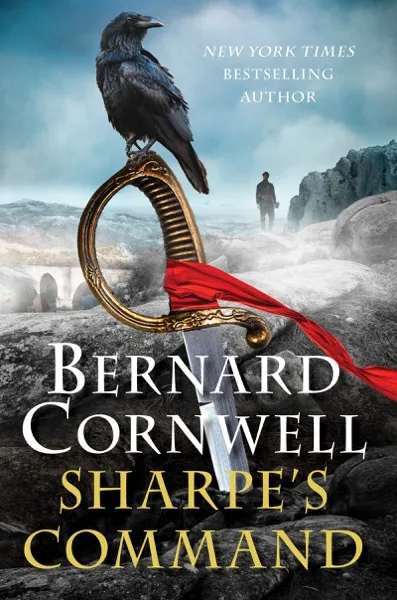
Sharpe's Command Author: Bernard CornwellPage Count: UnknownPublication Year: 2022-GB In the latest installment of the beloved Sharpe series, Bernard Cornwell delivers a gripping narrative that cements his reputation as a master of historical fiction. Sharpe's Command, published in 2022, is a testament to Cornwell's skill in weaving intricate storylines, memorable characters, and meticulous historical research. The novel follows the indomitable Richard Sharpe, a seasoned British Army officer, as he navigates the treacherous landscape of war-torn Spain during the Napoleonic Wars. Cornwell's depiction of the brutal conflict is unflinching, yet nuanced, as he explores the complexities of war and its far-reaching consequences on individuals and society. One of the defining aspects of Cornwell's writing style is his ability to balance action, suspense, and historical detail. Sharpe's Command is no exception, as the author seamlessly integrates vivid battle scenes, clever military strategies, and poignant character moments. The pacing is relentless, propelling the reader through the narrative with a sense of urgency and tension. Cornwell's prose is economical, yet evocative, painting a rich tapestry of the Iberian Peninsula during this tumultuous period. His descriptions of the Spanish countryside, the ragtag armies, and the civilians caught in the crossfire are so vivid that they transport the reader to the midst of the conflict. The author's use of sensory details – the stench of gunpowder, the clash of steel on steel, and the cries of the wounded – immerses the reader in the world of Sharpe's Command. At its core, Sharpe's Command is a story about leadership, loyalty, and the human cost of war. Cornwell explores these themes through Sharpe's character, who embodies the contradictions of a soldier: a man driven by duty, honor, and a deep sense of justice, yet also capable of ruthless pragmatism and calculated violence. The supporting cast is equally well-drawn, with a range of characters that add depth and complexity to the narrative. Throughout the novel, Cornwell's passion for historical accuracy is evident. His meticulous research and attention to detail are a hallmark of the Sharpe series, and Sharpe's Command is no exception. The author's notes and historical context add an extra layer of authenticity to the narrative, making the story feel all the more real and immersive. In conclusion, Sharpe's Command is a gripping and engaging novel that will appeal to fans of historical fiction, military history, and adventure stories. Bernard Cornwell's masterful storytelling, coupled with his meticulous research and vivid prose, makes this book an unmissable addition to the Sharpe series. With its richly detailed setting, memorable characters, and pulse-pounding action, Sharpe's Command is a must-read for anyone looking to escape into a world of historical fiction. #SharpeSeries #BernardCornwell #HistoricalFiction #NapoleonicWars #MilitaryHistory #HistoricalAdventure Related InsightsThe Monster at the End of this Book Book Review and Summary Skyward Flight Book Review and Summary Sarah's Key Book Review and Summary{ "@context": "https://schema.org", "@type": "FAQPage", "mainEntity": [ { "@type": "Question", "name": "What is the main focus of Sharpe's Command Book Review and Summary?", "acceptedAnswer": { "@type": "Answer", "text": "Everything you need to know about Sharpe's Command with our detailed review." } }, { "@type": "Question", "name": "Who authored the comprehensive guide on Sharpe's Command Book Review and Summary?", "acceptedAnswer": { "@type": "Answer", "text": "This detailed article and its insights were carefully researched and authored by Thomas Wright." } }, { "@type": "Question", "name": "Where can I find more related content about Books?", "acceptedAnswer": { "@type": "Answer", "text": "You can explore more articles, detailed reviews, and similar insights by browsing the Related Insights section at the bottom of this article or visiting our dedicated Books category page." } } ] }
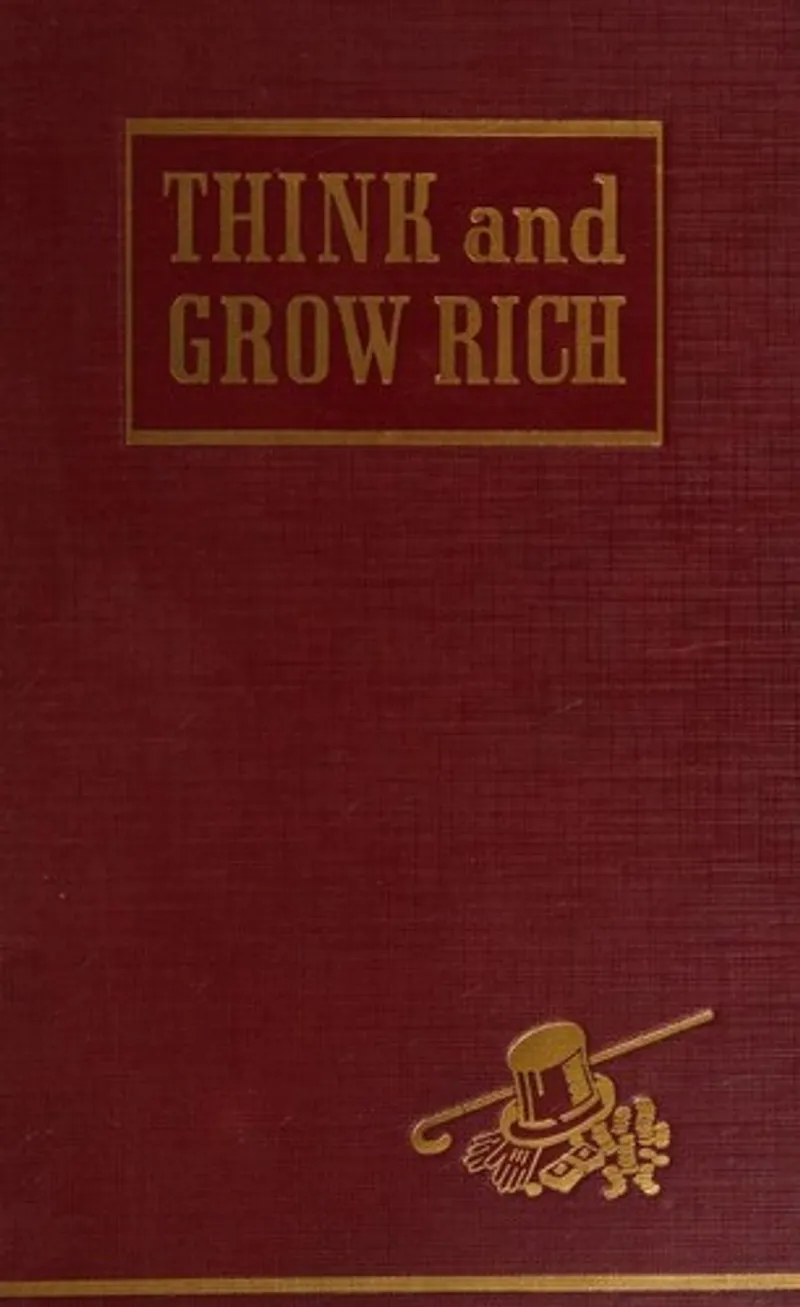
Think and Grow Rich Author: Napoleon HillPage Count: UnknownPublication Date: 1937-OL Think and Grow Rich, written by Napoleon Hill, is a timeless classic that has been a benchmark for success literature since its publication in 1937. This iconic book is a masterclass in the art of cultivating a wealth mindset, and its principles have stood the test of time, continuing to inspire and motivate generations of readers. Hill's seminal work is a testament to the power of positive thinking and the human potential for achievement. At its core, Think and Grow Rich is a self-help book that delves into the mysteries of success, outlining the essential laws and principles that govern the attainment of wealth and prosperity. Hill's central argument is that our thoughts have the power to shape our reality, and by cultivating a positive and focused mindset, we can overcome obstacles, achieve our goals, and realize our dreams. The book is a comprehensive guide to personal development, offering practical advice and strategies for overcoming fear, building confidence, and developing a winning mentality. One of the most striking aspects of Hill's writing style is his ability to distill complex ideas into simple, accessible language. His prose is engaging, conversational, and free of jargon, making the book an enjoyable and easy read. Hill's use of anecdotes and real-life examples adds depth and context to his arguments, illustrating the universal applicability of his principles. The book is filled with inspiring stories of successful individuals who have applied these principles to achieve remarkable success, providing readers with a sense of hope and motivation. Hill's writing is also characterized by his emphasis on the importance of perseverance, hard work, and determination. He stresses that success is not a destination, but a journey, and that it requires a willingness to learn, adapt, and overcome adversity. This message is both empowering and challenging, encouraging readers to take responsibility for their own lives and to strive for excellence in all that they do. Throughout the book, Hill also explores the role of intuition, imagination, and creativity in the success equation. He argues that these faculties are essential for innovation and progress, and that by cultivating them, we can tap into our inner sources of inspiration and guidance. This emphasis on the importance of right-brain thinking and creative problem-solving is a hallmark of Hill's approach, and it has influenced generations of entrepreneurs, artists, and thought leaders. In conclusion, Think and Grow Rich is a book that has stood the test of time, and its principles remain as relevant today as they were when it was first published. Hill's writing style is engaging, accessible, and inspiring, making the book a must-read for anyone interested in personal development, success, and wealth creation. Whether you are an entrepreneur, a professional, or simply someone looking to improve your life, this book has the power to transform your thinking, ignite your passion, and set you on the path to achieving your dreams. #ThinkAndGrowRich #NapoleonHill #PersonalDevelopment #WealthCreation #SuccessMindset #MotivationAndInspiration
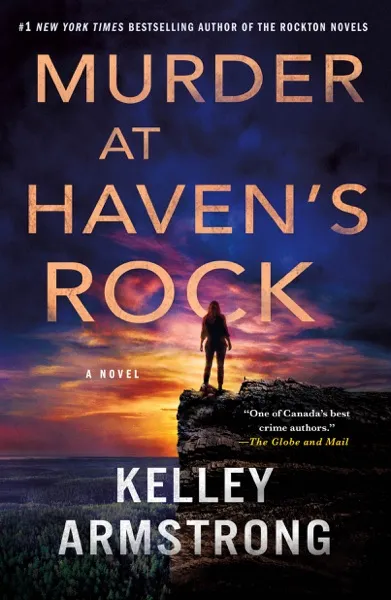
Murder at Haven's Rock Author: Kelley ArmstrongPage Count: UnknownPublication Year: 2023-GB Kelley Armstrong’s Murder at Haven’s Rock is a masterclass in blending gothic atmosphere with modern suspense, proving once again why she remains a titan of supernatural crime fiction. Released to critical acclaim in 2023, this standalone thriller cements her reputation for crafting stories where the past refuses to stay buried—and neither do its secrets. At its core, Murder at Haven’s Rock explores the duality of legacy and corruption. The novel unfolds in the eerie, isolated town of Haven’s Rock, a place steeped in whispers of a tragic 19th-century fire that claimed dozens of lives. When a body is discovered in the ruins of the old asylum on the town’s outskirts, the event triggers a chain reaction of dread. Armstrong doesn’t just dangle the supernatural—she lets it simmer in the background like a storm cloud, threatening to break at any moment. Is the killer exploiting local superstitions, or has something far older awakened? The ambiguity is delicious, and Armstrong’s genius lies in making the reader question their own skepticism. What distinguishes this novel from run-of-the-mill mystery fare is its refusal to separate the supernatural from the human. The protagonist, Dr. Evelyn "Evie" Ross, is a forensic psychologist with a sharp mind and a troubled past—one that includes encounters with the unexplained. Her skepticism is tested as she investigates the murder, uncovering layers of deception within the town’s founding families, each hiding their own sins. Armstrong excels at weaving personal trauma into the narrative, making the stakes feel intimate rather than abstract. Evie’s journey isn’t just about solving a crime; it’s about confronting the ghosts of her own history, both literal and metaphorical. Armstrong’s prose is as precise as it is atmospheric. She doesn’t over-explain the supernatural elements, instead letting them unfold like a slow-burning fever dream. The town of Haven’s Rock feels alive in its decay, its crumbling buildings and shifting loyalties mirroring the moral rot beneath the surface. Dialogue crackles with tension, and the pacing is relentless, with each revelation peeling back another layer of the town’s dark heart. Even minor characters are given depth, their secrets lurking just beneath their polite facades. One of the book’s most compelling themes is the idea that evil isn’t always a dramatic, otherworldly force—sometimes, it’s banal, human, and far more insidious. The murders in Murder at Haven’s Rock are not just acts of violence but acts of erasure, attempts to silence truths that refuse to be buried. Armstrong forces readers to consider how much of history—and thus, how much of ourselves—we’re willing to ignore. The denouement is both surprising and satisfying, though it’s less about whodunit and more about why they did it. Armstrong doesn’t offer easy answers, and that’s part of the book’s power. The supernatural elements, when they arrive, feel earned rather than tacked on, a testament to her world-building. The final scenes linger like the aftertaste of a haunting, leaving readers to question what they’ve just witnessed. Kelley Armstrong has always had a knack for making the uncanny feel eerily plausible, and Murder at Haven’s Rock is no exception. It’s a novel that lingers, not just because of its chilling atmosphere, but because of its unflinching examination of how far people will go to preserve their myths—and their lies. If you’re a fan of gothic suspense with a sharp, modern edge, this is a must-read. #KelleyArmstrong #SupernaturalThriller #GothicHorror #CrimeFiction #MysteryNovel #PsychologicalSuspense Related InsightsThe Pythagorean Book Review and Summary The Graveyard Book Book Review and Summary Starter Villain Book Review and Summary{ "@context": "https://schema.org", "@type": "FAQPage", "mainEntity": [ { "@type": "Question", "name": "What is the main focus of Murder at Haven's Rock Book Review and Summary?", "acceptedAnswer": { "@type": "Answer", "text": "Everything you need to know about Murder at Haven's Rock with our detailed review." } }, { "@type": "Question", "name": "Who authored the comprehensive guide on Murder at Haven's Rock Book Review and Summary?", "acceptedAnswer": { "@type": "Answer", "text": "This detailed article and its insights were carefully researched and authored by Thomas Wright." } }, { "@type": "Question", "name": "Where can I find more related content about Books?", "acceptedAnswer": { "@type": "Answer", "text": "You can explore more articles, detailed reviews, and similar insights by browsing the Related Insights section at the bottom of this article or visiting our dedicated Books category page." } } ] }
Show Your Work! Author: Austin KleonPage Count: UnknownPublication Date: 2014-OL In the age of social media, where curated perfection reigns supreme, Austin Kleon's "Show Your Work!" is a refreshing respite from the cult of polished personas. This 2014 publication is a clarion call to artists, writers, and creatives to shed the skin of pretension and instead, share their process, their struggles, and their imperfections with the world. Kleon's writing is akin to a warm conversation with a trusted friend, replete with humor, anecdotes, and a deep understanding of the human condition. He weaves together a narrative that is both deeply personal and universally relatable, drawing from his own experiences as a writer and artist. At its core, "Show Your Work!" is a book about embracing vulnerability and redefining what it means to be successful. Kleon argues that in today's digital landscape, it's no longer enough to simply showcase your finished product; instead, you must be willing to share your process, your inspirations, and your setbacks. By doing so, you not only build a more authentic connection with your audience but also create a sense of community and belonging. Throughout the book, Kleon draws inspiration from a diverse range of sources, from the likes of Paul Cézanne and John Cage to modern-day bloggers and social media influencers. He distills their experiences into practical advice and actionable tips, making the book an invaluable resource for anyone looking to cultivate a more creative and engaged online presence. One of the most striking aspects of Kleon's writing is his ability to balance the theoretical with the practical. He's not afraid to get his hands dirty, sharing his own struggles with self-doubt and creative blockages. At the same time, he's always mindful of the bigger picture, drawing connections between the individual's creative journey and the broader cultural landscape. If there's one criticism to be made, it's that the book's message can feel a tad repetitive at times. Kleon's central thesis – that sharing your process is key to building a loyal audience – is reiterated throughout the book, sometimes to the point of feeling a bit like a mantra. However, this is a minor quibble in an otherwise engaging and thought-provoking read. In conclusion, "Show Your Work!" is a must-read for anyone looking to cultivate a more authentic and creative online presence. Kleon's writing is warm, engaging, and full of practical advice, making this book an invaluable resource for artists, writers, and creatives of all stripes. So, if you're ready to shed the skin of pretension and share your true self with the world, then this book is the perfect place to start. #ShowYourWork #AustinKleon #CreativityUnleashed #VulnerabilityIsStrength #ThePowerOfProcess #AuthenticityMatters Related InsightsPack La tapadera (Contiene: La tapadera / El intercambio) / The Firm Pack (Includes The Firm, The Exchange) Book Review and Summary Forastera Book Review and Summary Habila Book Review and Summary{ "@context": "https://schema.org", "@type": "FAQPage", "mainEntity": [ { "@type": "Question", "name": "What is the main focus of Show Your Work! Book Review and Summary?", "acceptedAnswer": { "@type": "Answer", "text": "Everything you need to know about Show Your Work! with our detailed review." } }, { "@type": "Question", "name": "Who authored the comprehensive guide on Show Your Work! Book Review and Summary?", "acceptedAnswer": { "@type": "Answer", "text": "This detailed article and its insights were carefully researched and authored by Thomas Wright." } }, { "@type": "Question", "name": "Where can I find more related content about Books?", "acceptedAnswer": { "@type": "Answer", "text": "You can explore more articles, detailed reviews, and similar insights by browsing the Related Insights section at the bottom of this article or visiting our dedicated Books category page." } } ] }
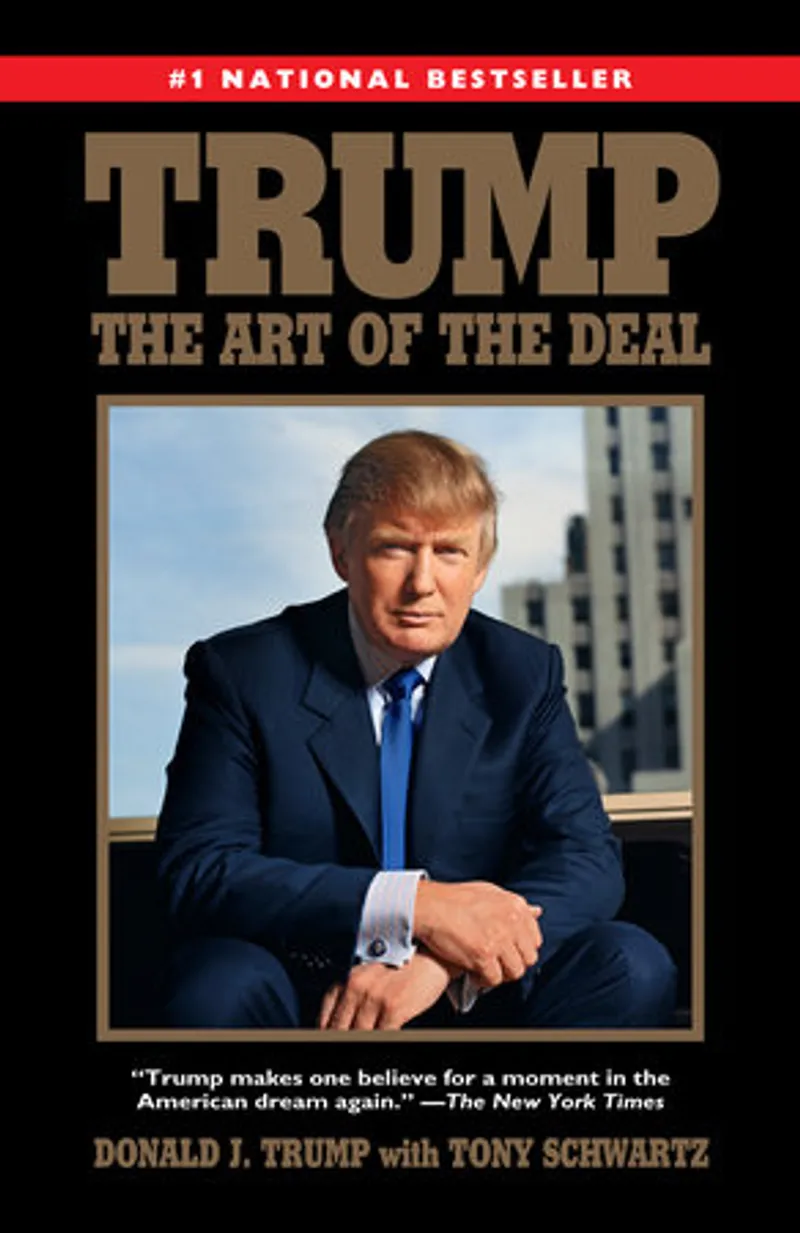
Trump: The Art of the Deal Author: Tony SchwartzPage Count: UnknownPublication Date: 2015-PRH In "Trump: The Art of the Deal," we're presented with a firsthand account of the life and times of Donald J. Trump, one of America's most successful and infamous entrepreneurs. Written by Tony Schwartz, the book offers a unique glimpse into the mind of a man who has made a career out of thinking big and pushing boundaries. At its core, "The Art of the Deal" is a self-help book that outlines Trump's approach to business and life. Through a series of anecdotes and case studies, Trump shares his strategies for success, from identifying opportunities to closing deals. But the book is more than just a how-to guide; it's also a memoir that offers insight into Trump's personality, values, and worldview. One of the most striking aspects of the book is Trump's writing style, which is conversational, confident, and sometimes brutal. He pulls no punches when discussing his enemies, competitors, or anyone else who gets in his way. But he's also generous with praise for those he admires, and he's not afraid to share credit with others when it's due. Throughout the book, Trump emphasizes the importance of thinking big, taking risks, and being willing to fail. He also stresses the need to be flexible, to adapt to changing circumstances, and to stay focused on your goals. These are timeless lessons that can be applied to any field or industry, and they're a big part of what makes "The Art of the Deal" such a compelling read. Despite its age, "The Art of the Deal" remains a relevant and timely book. Trump's ideas about business, politics, and life are still widely debated today, and his influence can be seen in everything from reality TV to the presidency. Love him or hate him, Trump is a figure who continues to fascinate and provoke, and this book is a must-read for anyone who wants to understand what makes him tick. In the end, "The Art of the Deal" is a book that's both entertaining and informative. It's a wild ride that takes you from the streets of New York City to the corridors of power in Washington, D.C. It's a book that will make you laugh, make you angry, and maybe even inspire you to think big and pursue your dreams. #TrumpTheArtOfTheDeal #BusinessBooks #SelfHelp #Entrepreneurship #Leadership #Politics

- Thomas Wright
- 28 Jan, 2025 19:10
Us Against You Nosotros Contra Ti (Spanish Edition) Book Review and Summary
Us Against You Nosotros Contra Ti (Spanish Edition) Author: Fredrik BackmanPage Count: UnknownPublication Year: 2023-GB Fredrik Backman’s Us Against You (Nosotros Contra Ti) is a novel that feels like a warm embrace on a cold day—it wraps around you, pulls you close, and doesn’t let go. Published in 2023, this book is the follow-up to Beartown, a novel that cemented Backman’s reputation as a master storyteller who can turn small-town drama into universal truths. If Beartown was a punch to the gut, Us Against You is a whisper that lingers long after the last page. It’s a story about resilience, community, and the quiet battles we fight to stay human in a world that often seems determined to strip us of our humanity. At its heart, Us Against You is about the fractures in society and the people who try to hold things together despite them. Backman returns to the fictional Swedish town of Beartown, a place where the local hockey team once united a fractured community. But in this sequel, the fractures have deepened. The team is gone, the arena is crumbling, and the townsfolk are more divided than ever—some see the past as a golden era to reclaim, others want progress, and a vocal minority wants to burn it all down. The novel’s central conflict isn’t just about hockey anymore; it’s about identity, belonging, and what happens when the glue that held a community together starts to dissolve. Backman’s genius lies in his ability to make the personal feel political and the political feel deeply personal. He doesn’t just write about hockey or small-town politics; he writes about grief, hope, and the stubborn refusal to give up on each other. The characters in Us Against You—many of whom return from Beartown—are flawed, messy, and achingly real. There’s Maya, the teenage girl navigating grief and love; there’s Benji, the hockey prodigy trying to outrun his past; and there’s Peter, the former hockey star turned politician, torn between ambition and loyalty. Each of them is fighting their own battles, but Backman ensures they’re never reduced to caricatures. They feel like people you might know, people you might have argued with at a PTA meeting or cheered for at a local game. What makes Backman’s writing so compelling is his blend of humor and heartbreak. He can make you laugh out loud one moment and have you reaching for tissues the next. His prose is effortless, his dialogue sharp, and his ability to weave multiple storylines into a cohesive whole is nothing short of masterful. The novel’s structure is a patchwork quilt of perspectives, each thread contributing to the bigger picture. Backman doesn’t just tell you what’s happening; he makes you feel it, in all its messy, contradictory glory. The central theme of Us Against You is the idea of “us against them”—the tribalism that divides communities and the people who refuse to let it win. Backman challenges the reader to question who “us” really is and whether the divisions we create are worth the cost. It’s a theme that resonates deeply in today’s world, where polarization and division seem to be the order of the day. But Backman doesn’t offer easy answers. Instead, he asks us to sit with the discomfort, to recognize the humanity in those we disagree with, and to remember that sometimes the people we see as enemies are just people who are hurting too. The novel’s title, Nosotros Contra Ti, is a play on the idea of “us versus them,” but Backman flips it on its head. Who is “us” and who is “them”? Is it the hockey team versus the town? The past versus the future? The haves versus the have-nots? The answer, as Backman shows, is that these divisions are often arbitrary, and the only way forward is to recognize our shared humanity. It’s a message that feels both timeless and urgently relevant. Backman’s style is deceptively simple. He writes in a way that feels conversational, as if he’s sitting across from you at a café, telling you a story over coffee. But beneath the surface simplicity lies a depth of emotion and insight that lingers. His characters are not just vehicles for plot; they’re fully realized people with contradictions, flaws, and moments of grace. He writes about love and loss, about the things that bind us together and the things that tear us apart, with a tenderness that is rare in modern fiction. Us Against You is not just a story about a hockey team or a small town. It’s a story about what it means to be human in a world that often feels broken. It’s about the people who refuse to let go of hope, even when hope seems foolish. It’s about the quiet acts of courage that keep communities—and people—alive. Backman doesn’t offer easy resolutions or neat endings. Instead, he leaves you with a sense of possibility, a reminder that even in the darkest times, there is light to be found if you look for it. In a world where division and cynicism often feel like the default settings, Us Against You is a balm. It’s a reminder that the things that unite us are often stronger than the things that divide us, and that the people we share this planet with are worth fighting for. Backman’s novel is not just a book; it’s an experience—one that will make you laugh, cry, and think long after you’ve turned the last page. #BackmanMagic #UsAgainstYou #BeartownSeries #SmallTownStories #HockeyDrama #CommunityOverDivision
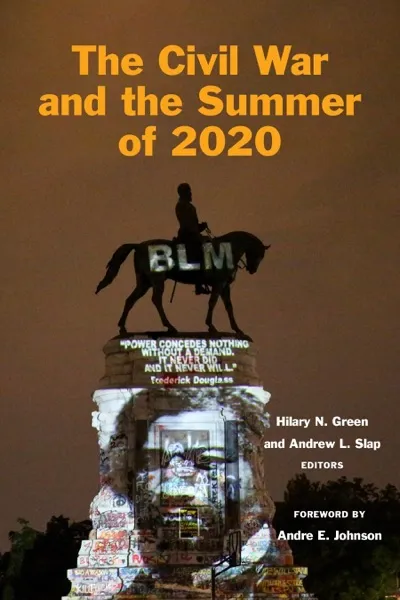
Civil War and the Summer Of 2020 Author: Hilary GreenPage Count: UnknownPublication Year: 2024-GB In the realm of historical fiction, few authors have managed to capture the essence of a nation's turmoil as eloquently as Hilary Green in her latest masterpiece, "Civil War and the Summer of 2020". This global bestseller is a testament to Green's exceptional storytelling prowess, weaving a complex narrative that delves into the heart of America's most tumultuous period. At its core, "Civil War and the Summer of 2020" is a poignant exploration of the human condition, set against the backdrop of a nation torn apart by conflict and social unrest. Green's masterful use of language transports readers to the sweltering summer of 2020, where the echoes of the past converge with the present, creating a sense of urgency and unease. Through her characters, Green expertly exposes the fault lines of a society on the brink of collapse, where the very fabric of American democracy is threatened by the ghosts of its own history. One of the most striking aspects of Green's writing is her ability to balance historical accuracy with a deep empathy for her characters. Her prose is both evocative and concise, conjuring vivid images of a nation in chaos. From the scorched battlefields of the Civil War to the streets of modern-day America, Green's narrative is a seamless blend of past and present, where the struggles of yesterday inform the conflicts of today. Green's characters are multidimensional and complex, each with their own unique voice and perspective. Through their stories, she sheds light on the often-overlooked experiences of women, minorities, and other marginalized groups, whose contributions to the nation's narrative have been consistently erased or distorted. By centering their voices, Green offers a powerful corrective to the dominant narratives of American history, one that is both timely and necessary. What sets "Civil War and the Summer of 2020" apart from other historical fiction novels is its unflinching examination of the present. Green's exploration of the 2020 summer of protests and unrest is both nuanced and unsparing, laying bare the deep-seated inequalities and injustices that continue to plague American society. Her writing is both a lament for what has been lost and a testament to the resilience of the human spirit, which continues to strive for justice and equality in the face of overwhelming adversity. In short, "Civil War and the Summer of 2020" is a triumph of historical fiction, a sweeping narrative that defies genre boundaries and speaks to the very heart of the American experience. Hilary Green's masterful storytelling, combined with her deep empathy for her characters and her unflinching examination of the present, makes this novel an absolute must-read for anyone interested in the complexities of American history and the ongoing struggle for a more just and equitable society. #CivilWarAndTheSummerOf2020 #HilaryGreen #HistoricalFiction #AmericanHistory #SocialJustice #Bestseller Related InsightsSpellstruck Book Review and Summary Look Closer Book Review and Summary A Prayer for Owen Meany Book Review and Summary{ "@context": "https://schema.org", "@type": "FAQPage", "mainEntity": [ { "@type": "Question", "name": "What is the main focus of Civil War and the Summer Of 2020 Book Review and Summary?", "acceptedAnswer": { "@type": "Answer", "text": "Everything you need to know about Civil War and the Summer Of 2020 with our detailed review." } }, { "@type": "Question", "name": "Who authored the comprehensive guide on Civil War and the Summer Of 2020 Book Review and Summary?", "acceptedAnswer": { "@type": "Answer", "text": "This detailed article and its insights were carefully researched and authored by Thomas Wright." } }, { "@type": "Question", "name": "Where can I find more related content about Books?", "acceptedAnswer": { "@type": "Answer", "text": "You can explore more articles, detailed reviews, and similar insights by browsing the Related Insights section at the bottom of this article or visiting our dedicated Books category page." } } ] }
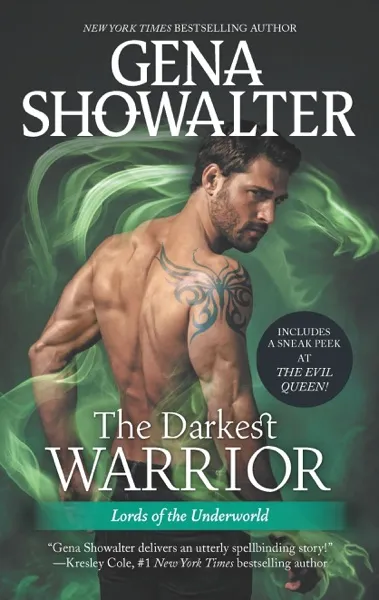
The Darkest Destiny Author: Gena Showalter,Page Count: UnknownPublication Year: 2021-GB Gena Showalter’s The Darkest Destiny is a masterclass in blending dark fantasy with raw emotional intensity, delivering a story that lingers long after the last page. As the culmination of a beloved series, this novel doesn’t just wrap up loose ends—it ignites a firestorm of passion, vengeance, and redemption, all wrapped in the kind of lush prose and high-stakes drama that has cemented Showalter’s reputation as a titan of paranormal romance and dark fantasy. At its core, The Darkest Destiny explores the theme of destiny versus choice—a timeless struggle that gains new weight in the hands of a writer who understands the weight of fate. The story follows a protagonist (or protagonists, given the series’ ensemble cast) who is haunted by visions of doom, torn between the inescapable pull of their predetermined path and the desperate need to rewrite their own story. Showalter excels at weaving this internal conflict with external threats, creating a narrative where every decision feels like a life-or-death gamble. The stakes aren’t just high; they’re existential. Will love conquer the darkness? Can sacrifice rewrite destiny? These questions pulse through the novel, making it as much a philosophical exploration as it is an adrenaline-fueled ride. Showalter’s signature style shines brightly here. Her prose is visceral, dripping with sensuality and danger, yet grounded in moments of heartbreaking vulnerability. She doesn’t shy away from depicting the raw, messy emotions of her characters—their rage, their grief, their unquenchable desire. Dialogue crackles with wit and tension, while action sequences are described with a cinematic flair that makes the supernatural battles feel visceral. The world-building is rich and immersive, a gothic tapestry where ancient gods, cursed warriors, and doomed souls collide in a high-stakes game of power and survival. One of the novel’s most compelling strengths is its ability to balance darkness with hope. Showalter doesn’t just wallow in despair; she crafts moments of searing tenderness and triumph that make the emotional payoff all the more satisfying. The chemistry between characters is electric, particularly in the romantic subplots, which are charged with a magnetic pull that feels both fated and fiercely earned. Meanwhile, the villainous forces at play are chillingly formidable, their motives layered with complexity that prevents them from being mere caricatures. What sets The Darkest Destiny apart from similar works is Showalter’s refusal to soften the edges. This is a story where love is both salvation and weapon, where sacrifice isn’t just noble but necessary, and where the line between hero and antihero blurs in the most thrilling ways. The pacing is relentless, with twists that left me gasping and revelations that reframed everything I thought I knew. By the final act, the emotional intensity reaches a fever pitch, leaving readers breathless and, if they’re anything like me, desperately wishing the series didn’t have to end. In a crowded genre, Showalter stands out because she writes with a fearless honesty about what it means to fight—not just for love, but for the right to define one’s own destiny. The Darkest Destiny is more than a conclusion; it’s a testament to the power of choice, the cost of redemption, and the unbreakable ties that bind us, even in the face of the darkest fate. #DarkestDestiny #GenaShowalter #DarkFantasy #ParanormalRomance #FateVsChoice #BookReview Related InsightsHyperion Book Review and Summary Upgrade Book Review and Summary One of Us Is Back Book Review and Summary{ "@context": "https://schema.org", "@type": "FAQPage", "mainEntity": [ { "@type": "Question", "name": "What is the main focus of The Darkest Destiny Book Review and Summary?", "acceptedAnswer": { "@type": "Answer", "text": "Everything you need to know about The Darkest Destiny with our detailed review." } }, { "@type": "Question", "name": "Who authored the comprehensive guide on The Darkest Destiny Book Review and Summary?", "acceptedAnswer": { "@type": "Answer", "text": "This detailed article and its insights were carefully researched and authored by Thomas Wright." } }, { "@type": "Question", "name": "Where can I find more related content about Books?", "acceptedAnswer": { "@type": "Answer", "text": "You can explore more articles, detailed reviews, and similar insights by browsing the Related Insights section at the bottom of this article or visiting our dedicated Books category page." } } ] }
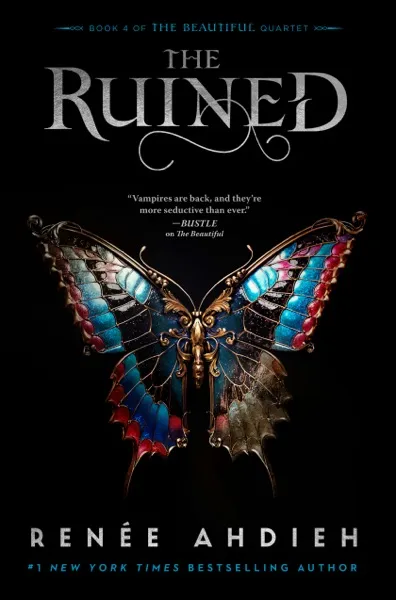
Ruined Author: Renée AhdiehPage Count: UnknownPublication Year: 2024-GB Renée Ahdieh’s Ruined is a dazzling, darkly seductive reimagining of Shakespeare’s Othello, where love and vengeance intertwine like smoke and dagger. Released in 2024, this novel cements Ahdieh’s reputation as a master of historical fantasy with a modern edge, weaving together political intrigue, forbidden romance, and the haunting weight of betrayal. If you’ve ever fallen for a story where every whisper could be a lie and every touch could seal a fate, Ruined will leave you breathless. At its core, Ruined explores the fragility of trust in a world where alliances are fragile and identities are weapons. Ahdieh’s Othello is Adélaïde, a young noblewoman caught between two warring courts—one that seeks to destroy her and another that wants to use her as a pawn. The novel’s central theme is not just the ruin of love, but the ruin of self when love becomes entangled with power. Ahdieh strips away the romanticized sheen of Shakespeare’s tragedy, replacing it with something rawer, more visceral. In this version, love isn’t just a fleeting passion; it’s a dangerous gamble where the stakes are life and legacy. Ahdieh’s prose is lush and immersive, dripping with the opulence of Renaissance courts and the simmering tension of a powder keg ready to explode. Her language is rich without being overwrought, and she balances sumptuous descriptions with sharp, cutting dialogue. The dialogue, in particular, crackles with wit and menace, especially in scenes between Adélaïde and her treacherous lover, Cassio. Their exchanges are a masterclass in manipulation—each word a potential trap, each glance a loaded gun. Ahdieh doesn’t just tell you that trust is a luxury; she makes you feel the weight of each shattered illusion. What sets Ruined apart from other retellings is its unflinching focus on the cost of ambition. Adélaïde is not a passive victim of fate; she’s a woman who learns to wield power in a world that wants to see her broken. Ahdieh gives her agency, even when that agency leads to ruin. The secondary characters are equally compelling—Cassio is not a mere villain but a tragic figure, consumed by his own desires, while Iago (here reimagined as a cunning political rival) is a force of pure, icy calculation. Even minor players feel vivid, their loyalties shifting like desert sands. The novel’s structure is another standout element. Ahdieh weaves past and present seamlessly, using flashbacks to reveal the slow unraveling of Adélaïde’s trust. The pacing is relentless, pulling the reader deeper into the labyrinth of deceit until the inevitable fall feels both tragic and inevitable. The ending is brutal, refusing to offer easy resolutions. Ahdieh doesn’t wrap up the story with a neat bow; instead, she leaves the reader with the cold realization that some ruins are not meant to be rebuilt. For fans of historical fantasy with a psychological edge, Ruined is a must-read. It’s a book that lingers, its themes of betrayal and redemption echoing long after the last page. Ahdieh doesn’t just borrow from Shakespeare—she reshapes his tragedy into something entirely new, a story that feels urgent and timeless. If you love your fiction dark, your romances complicated, and your villains deliciously wicked, Ruined will ruin you—for better or worse. #RuinedBook #HistoricalFantasy #DarkRomance #OthelloRetelling #RenéeAhdieh #BookTwitter Related InsightsHaunting Adeline Book Review and Summary The Finalist Book Review and Summary Heartstopper Yearbook Book Review and Summary{ "@context": "https://schema.org", "@type": "FAQPage", "mainEntity": [ { "@type": "Question", "name": "What is the main focus of Ruined Book Review and Summary?", "acceptedAnswer": { "@type": "Answer", "text": "Everything you need to know about Ruined with our detailed review." } }, { "@type": "Question", "name": "Who authored the comprehensive guide on Ruined Book Review and Summary?", "acceptedAnswer": { "@type": "Answer", "text": "This detailed article and its insights were carefully researched and authored by Thomas Wright." } }, { "@type": "Question", "name": "Where can I find more related content about Books?", "acceptedAnswer": { "@type": "Answer", "text": "You can explore more articles, detailed reviews, and similar insights by browsing the Related Insights section at the bottom of this article or visiting our dedicated Books category page." } } ] }
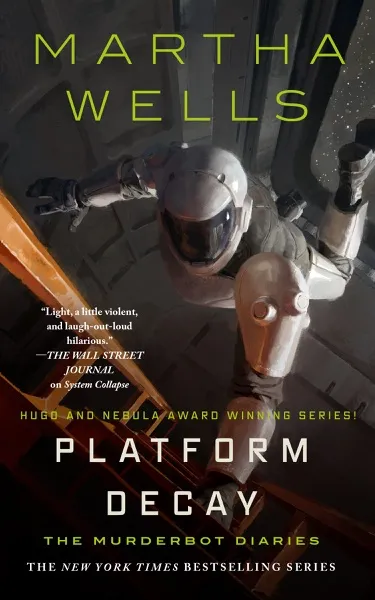
Platform Decay Author: Martha WellsPage Count: UnknownPublication Year: 2026-GB Platform Decay by Martha Wells is a masterful exploration of what happens when the systems we rely on begin to unravel—not with a bang, but with the quiet, creeping certainty that everything is slipping. Set against the backdrop of a near-future society where digital platforms govern nearly every aspect of life, this novel is less a dystopian warning and more a meditation on decay, trust, and the fragile architectures of human connection. Wells, already celebrated for her Murderbot series, proves once again that she is a writer of rare precision, blending sharp social critique with deeply human storytelling. The central theme of Platform Decay is the erosion of infrastructure—not just the crumbling roads or failing servers, but the slow collapse of shared belief in the systems that hold society together. Wells’ world is one where "platforms"—whether social media, governance algorithms, or corporate logistics networks—have become the invisible scaffolding of daily existence. Yet when these systems start to glitch, lag, or outright fail, the consequences are psychological as much as practical. Characters grapple not just with the inconvenience of a broken app, but with the existential dread of realizing that no one is in control anymore. It’s a premise that feels eerily prescient in an era where even our most mundane interactions are mediated by code and capital. Wells’ genius lies in her ability to make this large-scale decay feel intimate. The novel follows a diverse cast of characters—some privileged, some marginalized, all navigating the cracks in the system in their own ways. There’s a data archivist clinging to physical records as digital storage degrades, a gig worker whose app-based income vanishes overnight, and a teenage activist who sees in the decay an opportunity for real change. Wells avoids heavy-handed moralizing, instead letting the characters’ personal stakes drive the narrative. Their struggles are rendered with a quiet urgency, their small victories and inevitable setbacks making Platform Decay feel like a lived-in, rather than constructed, world. One of the book’s most compelling aspects is its treatment of technology as something organic—a living thing that grows, mutates, and eventually dies. Wells’ prose reflects this, often adopting a clinical, almost clinical tone when describing systems in their prime, then shifting to something more poetic as they fail. The prose itself feels like a platform undergoing maintenance: sometimes slick and efficient, other times fragmented, as if the narrator is just as disoriented as the characters. This stylistic choice reinforces the novel’s themes, making the act of reading Platform Decay a tactile experience. You don’t just observe the decay; you feel its rhythms in the way the text stutters, lags, or outright collapses—metaphorically and, at times, literally. Wells’ worldbuilding is another standout. The society she depicts is one where class disparities are encoded into the platforms themselves. The wealthy can afford private, bespoke systems that shield them from the worst of the decay, while the poor are left to navigate the fraying edges of public infrastructure. Yet even the privileged aren’t immune; Wells deftly shows how the illusion of control is the most seductive form of decay. Characters who once thrived in the system find themselves just as lost as anyone else when the platforms start to behave unpredictably. It’s a scathing critique of late-stage capitalism, but one that avoids simplistic villainy. The antagonists, when they appear, are often just people trying to maintain their own fragile stability in a collapsing world. At its heart, Platform Decay is a story about what comes after the apocalypse—that moment when the dust has settled and the survivors must decide whether to rebuild the same broken systems or forge something new. Wells resists easy answers. Some characters double down on restoration, clinging to the belief that the platforms can be fixed, while others embrace the chaos, seeing it as a chance to dismantle oppressive structures entirely. The novel’s climax is less about a grand confrontation and more about the quiet, often painful process of adaptation. It’s a refreshing departure from the typical "last stand against the machine" narrative, opting instead for something more nuanced and, ultimately, more human. Wells’ writing has always had a dry, observational wit, and Platform Decay is no exception. Her humor is subtle, lurking in the margins of the characters’ interactions—whether it’s a corporate drone sarcastically praising the "beauty" of algorithmic efficiency or a teenager rolling their eyes at an adult’s nostalgia for "the good old days" of seamless connectivity. This balance of humor and gravity keeps the novel from feeling too bleak, even as it grapples with heavy themes. It’s a reminder that even in decay, there’s room for resilience, for laughter, for the kind of small, stubborn hope that keeps people going. Platform Decay is not just a book about technology failing; it’s about what happens when the stories we tell ourselves about progress, about control, about the inevitability of growth begin to unravel. Martha Wells has written a novel that is as much a mirror as it is a warning—a reflection of our own anxieties about the systems we’ve built and the fragility of the world they’ve created. It’s a book that lingers, not because it offers easy solutions, but because it asks the right questions. And in an age where platforms collapse with alarming frequency, those questions feel more urgent than ever. #PlatformDecay #MarthaWells #NearFutureFiction #TechDystopia #ClimateFiction #CollapseLiterature Related InsightsThe Frugal Wizard’s Handbook for Surviving Medieval England Book Review and Summary Mate Book Review and Summary A Little Princess Book Review and Summary{ "@context": "https://schema.org", "@type": "FAQPage", "mainEntity": [ { "@type": "Question", "name": "What is the main focus of Platform Decay Book Review and Summary?", "acceptedAnswer": { "@type": "Answer", "text": "Everything you need to know about Platform Decay with our detailed review." } }, { "@type": "Question", "name": "Who authored the comprehensive guide on Platform Decay Book Review and Summary?", "acceptedAnswer": { "@type": "Answer", "text": "This detailed article and its insights were carefully researched and authored by Thomas Wright." } }, { "@type": "Question", "name": "Where can I find more related content about Books?", "acceptedAnswer": { "@type": "Answer", "text": "You can explore more articles, detailed reviews, and similar insights by browsing the Related Insights section at the bottom of this article or visiting our dedicated Books category page." } } ] }
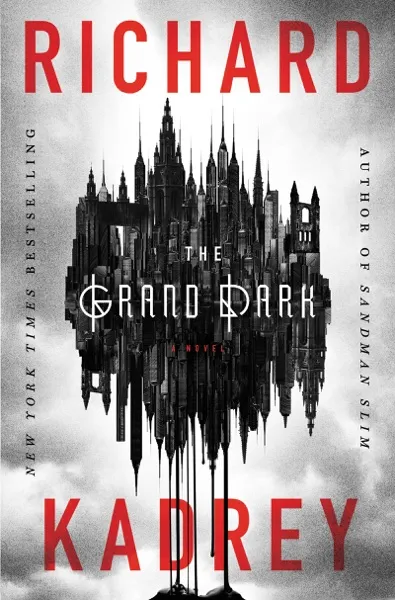
The Grand Dark Author: Richard KadreyPage Count: UnknownPublication Year: 2019-GB The Grand Dark: A Dazzling Descent into a City of Shadows and Dreams Richard Kadrey’s The Grand Dark is a masterclass in atmospheric noir, a novel that marries the grit of urban decay with the surreal allure of a city teetering on the edge of collapse. Published in 2019, this book doesn’t just tell a story—it immerses you in a world where the air hums with menace, the streets whisper secrets, and the very fabric of reality seems to fray at the edges. Kadrey, known for his sharp, cinematic prose and his ability to blend genres with effortless grace, delivers a tale that is as much about the weight of memory as it is about survival. At its core, The Grand Dark is a story of obsession and redemption, set in a city that feels like a character in its own right. The unnamed protagonist, a man haunted by a past he can’t escape, finds himself entangled in a web of crime, magic, and decay as he navigates the labyrinthine streets of a metropolis that may or may not be dying. The city is a character—a sprawling, labyrinthine beast that breathes and shifts around its inhabitants, its neon signs flickering like dying stars and its alleys hiding things that should never see the light of day. Kadrey’s world-building is nothing short of hypnotic, painting a picture of a place where the past is always present, where history lingers in the cracks of the pavement and the echoes of forgotten songs drift through the air. What makes The Grand Dark so compelling is Kadrey’s style—a prose that is both lyrical and visceral, balancing poetic imagery with the raw, unflinching details of a world on the brink. His sentences have a rhythm, a cadence that pulls you forward even as the story itself seems to drag you into its depths. There’s a dreamlike quality to his writing, a sense that the city’s dark magic is seeping into the prose itself, making every page feel like a step into the unknown. Yet for all its beauty, the book doesn’t shy away from the ugliness of its world. Violence is sudden and brutal, hope is fleeting, and the line between hero and villain is as blurred as the city’s skyline in the rain. The theme of memory and its inescapable grip is central to the novel. The protagonist’s journey is one of trying to outrun his past, only to realize that some ghosts are not meant to be buried but carried. Kadrey explores how memory shapes identity, how the weight of what we’ve done—and what’s been done to us—can either destroy us or remake us. It’s a theme that resonates deeply in a world where the past is never truly gone, where every street corner holds a reminder of what once was. Kadrey’s style is also notable for its economy. He doesn’t waste words, yet every one feels deliberate, every image carefully chosen to evoke a mood or a sense of place. His dialogue crackles with tension, sharp and often brutal, while his descriptions are rich without being overwrought. It’s a style that makes The Grand Dark feel like a film playing out in your mind, a noir flick where the shadows are as important as the light. If there’s one criticism to be leveled, it’s that the book’s nonlinear structure might disorient some readers. Kadrey weaves past and present with a deft hand, but the shifts in time can feel abrupt at times, leaving the reader to piece together the puzzle as they go. Yet this is also part of the book’s allure—it refuses to be a straightforward ride, instead pulling you into its rhythm, its chaos, and its strange, hypnotic beauty. The Grand Dark is a novel that lingers long after the last page is turned. It’s a story about the price of survival, the cost of love, and the inescapable pull of the past. Kadrey has crafted something rare here—a book that is both a thrilling ride and a meditation on what it means to be human in a world that’s falling apart. It’s noir for a new age, a dark fairy tale for those who love their stories sharp and their endings bittersweet. In a literary landscape crowded with forgettable genre fiction, The Grand Dark stands out as a work of true originality, a book that demands to be read, felt, and remembered. #TheGrandDark #RichardKadrey #NoirFiction #UrbanFantasy #DarkFantasy #BookReview Related InsightsThe Wrong Body: A Golem of Brooklyn Novel Book Review and Summary New Harry Bosch and Renée Ballard Novel Book Review and Summary Foucault’s Pendulum Book Review and Summary{ "@context": "https://schema.org", "@type": "FAQPage", "mainEntity": [ { "@type": "Question", "name": "What is the main focus of The Grand Dark Book Review and Summary?", "acceptedAnswer": { "@type": "Answer", "text": "Everything you need to know about The Grand Dark with our detailed review." } }, { "@type": "Question", "name": "Who authored the comprehensive guide on The Grand Dark Book Review and Summary?", "acceptedAnswer": { "@type": "Answer", "text": "This detailed article and its insights were carefully researched and authored by Thomas Wright." } }, { "@type": "Question", "name": "Where can I find more related content about Books?", "acceptedAnswer": { "@type": "Answer", "text": "You can explore more articles, detailed reviews, and similar insights by browsing the Related Insights section at the bottom of this article or visiting our dedicated Books category page." } } ] }
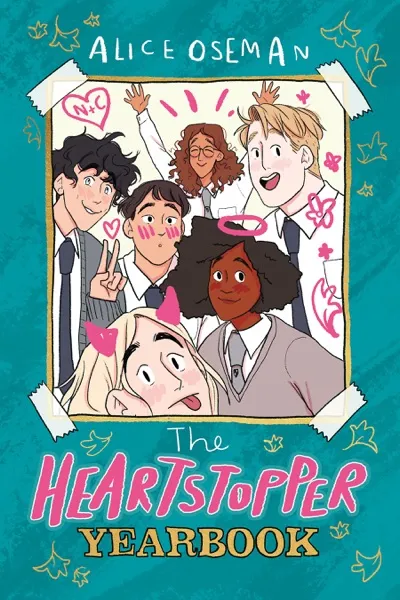
Heartstopper Yearbook Author: Alice OsemanPage Count: UnknownPublication Year: 2022-GB Heartstopper Yearbook is more than just a companion to Alice Oseman’s beloved graphic novel series—it’s a love letter to the characters who’ve stolen our hearts and the moments that shaped their journey. Published in 2022, this special edition serves as both a celebration and a deep dive into the world of Nick, Charlie, Tao, Elle, and the rest of the crew. While the page count remains unlisted, its impact is immeasurable, offering fans a treasure trove of unseen art, heartfelt messages, and behind-the-scenes glimpses that make it an indispensable addition to any bookshelf. At its core, Heartstopper Yearbook is a story about growing up, friendship, and the quiet courage it takes to be yourself. Oseman, known for her tender and authentic portrayal of LGBTQ+ youth in Heartstopper, weaves themes of self-acceptance and belonging into every page. The yearbook format—a nostalgic nod to school traditions—becomes a metaphor for the transitions these characters face as they navigate adolescence, relationships, and personal growth. Nick and Charlie’s relationship, tender and fraught with the usual teenage uncertainties, remains the emotional anchor of the series, but the Yearbook expands the narrative by highlighting the voices of supporting characters like Tao, who grapples with his own insecurities, and Elle, whose journey as a trans woman is portrayed with nuance and care. Oseman doesn’t shy away from the messy, painful parts of growing up, but she frames them within a hopeful lens—one where love, whether romantic or platonic, becomes the guiding force. What sets Oseman’s writing and art apart is her unflinching realism. She doesn’t romanticize adolescence; instead, she captures its raw, unfiltered essence. The dialogue in Heartstopper Yearbook feels like overheard conversations—natural, sometimes awkward, but always honest. Oseman’s art style complements this perfectly: soft, expressive linework and warm colors that evoke a sense of comfort, even in moments of tension. Her ability to convey complex emotions through simple gestures—a shy smile, a hesitant touch, or averted eyes—makes the characters feel achingly real. There’s a quiet power in her storytelling, where silence often speaks louder than words. The Yearbook format allows Oseman to play with structure in ways that feel fresh and immersive. Interspersed with illustrations are faux yearbook pages—quotes, polaroids, and even school announcements—that ground the story in a tangible, lived-in world. These elements aren’t just decorative; they deepen our connection to the characters. We see Nick’s struggle with his sexuality not just through his interactions with Charlie, but also in his private journal entries or Tao’s blunt yet loving feedback. Oseman’s attention to detail ensures that every character, no matter how minor, feels fully realized. One of the most striking aspects of Heartstopper Yearbook is its inclusivity. The series has always been a beacon for LGBTQ+ readers, but the Yearbook amplifies this representation by including diverse perspectives. Elle’s journey, for instance, is treated with the same depth as Nick’s, and side characters like Darcy and Sahar add layers of intersectionality to the narrative. Oseman doesn’t just include these identities; she explores them with respect and authenticity, making the Heartstopper universe feel like a safe space for all readers. Oseman’s prose, though sparse in the graphic novels, shines in the Yearbook’s interstitial text. Her writing has a poetic quality, distilling big emotions into a few carefully chosen words. Lines like “Sometimes the smallest things take up the most room in your heart” aren’t just quotes; they’re the emotional DNA of the series. They resonate because they’re true—not just to the characters, but to the readers who see themselves reflected in their stories. Heartstopper Yearbook also serves as a meta-commentary on fandom and representation. The inclusion of fan art, letters, and even a section on how Oseman interacts with her readers adds a layer of intimacy that’s rare in graphic novels. It’s a reminder that stories don’t exist in a vacuum; they’re shaped by the people who love them. This interactive element makes the Yearbook feel like a time capsule of the series’ evolution, from its humble webcomic beginnings to its current status as a global phenomenon. In a literary landscape where LGBTQ+ stories are often reduced to tropes or sidelined, Heartstopper Yearbook stands out for its sincerity. It’s a celebration of vulnerability, a testament to the power of kindness, and a gentle nudge to anyone who’s ever felt out of place. Oseman’s work reminds us that growing up isn’t about having it all figured out—it’s about finding the people who make the journey feel a little less lonely. For fans of the series, Heartstopper Yearbook is a must-read; for newcomers, it’s an invitation into a world where love, in all its forms, is celebrated without reservation. Oseman’s ability to blend humor, heartache, and hope into a cohesive whole is nothing short of masterful. This isn’t just a yearbook—it’s a hug in book form. #HeartstopperYearbook #AliceOseman #LGBTQBooks #GraphicNovels #QueerRepresentation #NickAndCharlie Related InsightsGone with the Wind Book Review and Summary Such Charming Liars Book Review and Summary Club Dead Book Review and Summary{ "@context": "https://schema.org", "@type": "FAQPage", "mainEntity": [ { "@type": "Question", "name": "What is the main focus of Heartstopper Yearbook Book Review and Summary?", "acceptedAnswer": { "@type": "Answer", "text": "Everything you need to know about Heartstopper Yearbook with our detailed review." } }, { "@type": "Question", "name": "Who authored the comprehensive guide on Heartstopper Yearbook Book Review and Summary?", "acceptedAnswer": { "@type": "Answer", "text": "This detailed article and its insights were carefully researched and authored by Thomas Wright." } }, { "@type": "Question", "name": "Where can I find more related content about Books?", "acceptedAnswer": { "@type": "Answer", "text": "You can explore more articles, detailed reviews, and similar insights by browsing the Related Insights section at the bottom of this article or visiting our dedicated Books category page." } } ] }