Showing Posts From
Caraval
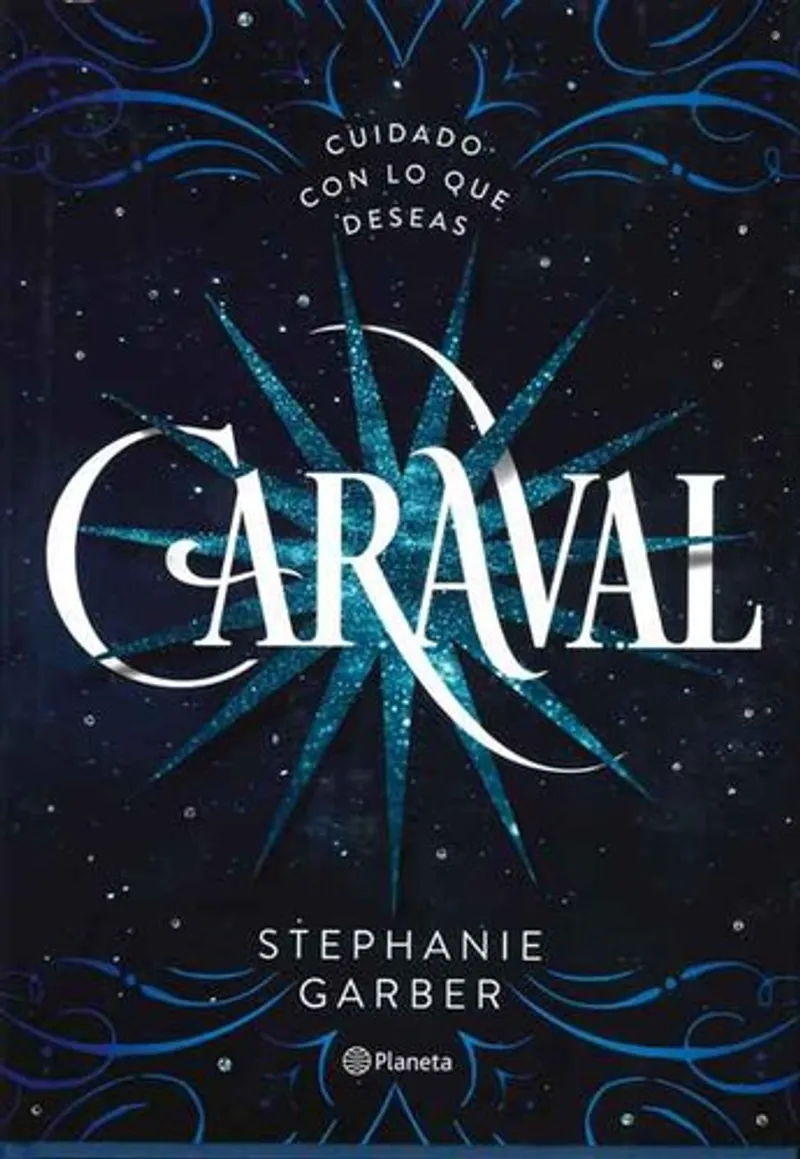
Caraval Author: Stephanie GarberPage Count: UnknownPublication Date: 2000-OL Stephanie Garber’s Caraval is a dazzling, intoxicating whirlwind of fantasy, romance, and sisterhood that lingers long after the final page. At its heart, the novel is a masterclass in illusion versus reality, wrapped in a glittering, high-stakes game where nothing is quite as it seems. Garber doesn’t just tell a story—she invites readers to step into a dream, where the boundaries between performance and truth blur so seamlessly that you’ll question what’s real by the time you reach the last chapter. The central theme of Caraval is the power of belief—both in the fantastical and in the bonds that tie us to others. Scarlett Dragna, our reluctant heroine, has spent her life believing in the safety of certainty, clinging to the rigid rules of her isolated world. Her father’s cruelty has taught her that trust is a luxury she can’t afford, and her dreams of Caraval—a legendary, once-a-year game of magic and deception—are just that: dreams. But when an invitation arrives, Scarlett is forced to confront the terrifying possibility that some things, like love and loyalty, might be worth risking everything for. The game becomes a metaphor for life itself: a series of choices where the line between performance and authenticity is deliberately erased, and the only way to win is to embrace the chaos. Garber’s prose is as lush and intoxicating as the Caraval itself. Her writing is vivid, almost cinematic, painting every scene with a richness that makes the world feel tangible. The island where Scarlett and her sister Tella live is suffocating, a place of oppressive heat and unspoken fears, while the world of Caraval is a riot of color and sensation—sweetmeats that taste like memories, dresses that shimmer with hidden secrets, and a sky that shifts colors like a mood ring. Garber doesn’t just describe these elements; she immerses the reader in them, making it impossible not to feel the tension, the wonder, and the creeping dread that something is off. What truly elevates Caraval, however, is its exploration of sisterhood. Scarlett and Tella’s relationship is the emotional core of the novel, a love that is fierce, flawed, and ultimately redemptive. Scarlett’s devotion to her sister is both her greatest strength and her Achilles’ heel, driving her to make reckless choices in a game where every decision could have dire consequences. Their bond is tested in ways that are heart-wrenching and raw, reminding us that the people we love most are often the ones who challenge us the most. Garber doesn’t shy away from the complexities of their dynamic—there’s jealousy, resentment, and sacrifice woven into their story, making their love feel authentic rather than saccharine. The romance in Caraval is equally compelling, though it operates on a different wavelength than the sisterly love. Scarlett’s relationship with Julian, the enigmatic sailor who helps her enter the game, is a slow-burning flame that flickers with danger and desire. Their chemistry is electric, but it’s also fraught with uncertainty—is Julian truly who he claims to be, or is he another player in Caraval’s grand deception? The tension between them is palpable, and Garber does an excellent job of making their connection feel earned rather than forced. The love story here isn’t just about passion; it’s about learning to trust, to believe in something beyond the tangible, and to take risks for the sake of those you care about. One of the most striking aspects of Caraval is its refusal to provide easy answers. Garber plays with the reader’s perceptions, constantly blurring the lines between what’s real and what’s part of the performance. Is Legend, the mastermind behind Caraval, a villain or a visionary? Are the emotions Scarlett feels genuine, or are they manufactured for the sake of the game? The ambiguity is what makes the novel so gripping—it forces readers to engage with the story on a deeper level, questioning their own assumptions and biases. It’s a testament to Garber’s skill that she can weave such a complex narrative without ever feeling convoluted. Every twist and turn feels organic, every revelation earned. That said, Caraval isn’t without its flaws. The pacing can feel uneven at times, with moments of intense action followed by stretches of introspection that slow the momentum. Some readers might find the world-building overwhelming, as Garber introduces a dizzying array of characters, rules, and lore in a relatively short span. However, these are minor quibbles in an otherwise brilliantly executed novel. The strengths of Caraval—its lush prose, its emotional depth, and its fearless exploration of illusion and reality—far outweigh any weaknesses. Ultimately, Caraval is a book that lingers in the mind like a half-remembered dream. It’s a story about the stories we tell ourselves to survive, the games we play to feel alive, and the people who make us brave enough to step into the unknown. Garber has crafted a world that is as enchanting as it is dangerous, a place where the line between fantasy and reality is as thin as a whisper. By the time you reach the final page, you’ll be left wondering: what would you sacrifice to believe in magic? And more importantly, what would you do to protect the people you love? #Caraval #FantasyRomance #Sisterhood #StephanieGarber #Bookstagram #MagicAndDeception Related InsightsSecrets of a Summer Night Book Review and Summary Hello Girls Book Review and Summary Adam and Eve Book Review and Summary{ "@context": "https://schema.org", "@type": "FAQPage", "mainEntity": [ { "@type": "Question", "name": "What is the main focus of Caraval Book Review and Summary?", "acceptedAnswer": { "@type": "Answer", "text": "Everything you need to know about Caraval with our detailed review." } }, { "@type": "Question", "name": "Who authored the comprehensive guide on Caraval Book Review and Summary?", "acceptedAnswer": { "@type": "Answer", "text": "This detailed article and its insights were carefully researched and authored by Stephanie Garber." } }, { "@type": "Question", "name": "Where can I find more related content about Books?", "acceptedAnswer": { "@type": "Answer", "text": "You can explore more articles, detailed reviews, and similar insights by browsing the Related Insights section at the bottom of this article or visiting our dedicated Books category page." } } ] }