Showing Posts From
Caravanserai
-
 Aisha Sharma
 - 24 Sep, 2026 21:44
The Silk Road Rediscovered: Navigating the Ancient Caravanserais of Central Asia
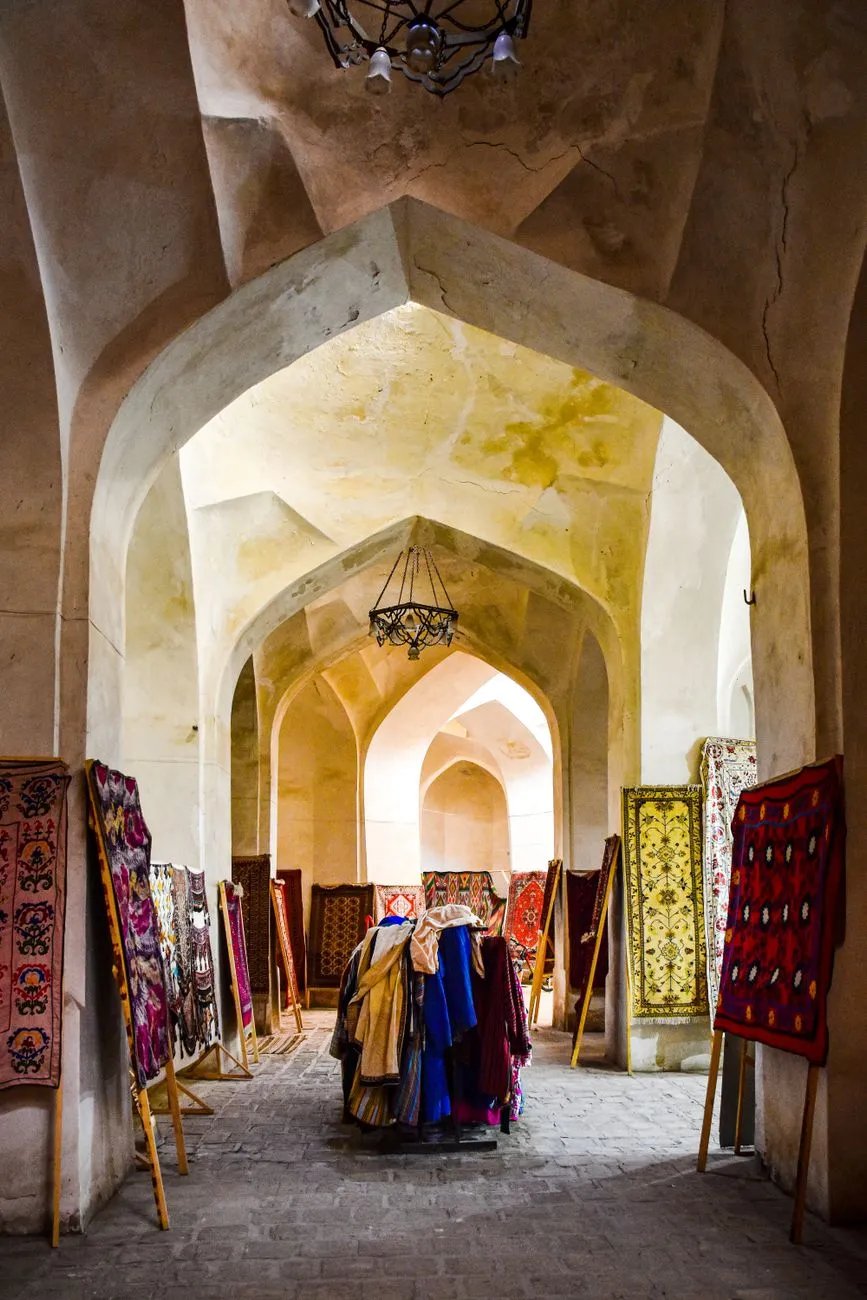
The Silk Road was never a single highway; it was a living network of oases, mountain passes, and bustling markets stitched together by the humble caravanserai. These fortified inns offered shelter, fresh water, and a place to trade news as readily as silk, spices, or ideas. Today, the stone arches of those waystations still stand across Uzbekistan, Kyrgyzstan, Kazakhstan, Turkmenistan, and Tajikistan, inviting modern travelers to step into a narrative that spans millennia. Whether you are a history‑obsessed backpacker, a digital nomad chasing reliable Wi‑Fi in a courtyard of turquoise tiles, or a photographer hunting the perfect light on a domed roof, the surviving caravanserais deliver an authentic pulse of the past that no museum replica can replicate. Whispers of the Dunes: Khiva’s Living MuseumKhiva, a UNESCO World Heritage site, feels less like a city and more like a time capsule from the Silk Road era. The inner fortress, Ichan Kala, houses a cluster of restored caravanserais that once accommodated camel caravans laden with Chinese porcelain and Persian carpets. The most iconic, the Kalta Minor Minaret complex, includes a vaulted courtyard where merchants tethered their beasts beneath a canopy of blue‑glazed bricks. Walking the narrow lanes, you can still see the original “suv” (water) channels that fed both humans and animals, a hydraulic ingenuity that predates modern plumbing by centuries. For the digital nomad, Khiva offers a rare blend of atmosphere and connectivity. According to Numbeo’s crowdsourced data, a modest one‑bedroom apartment in the historic centre rents for roughly $250‑$300 per month, while a high‑speed internet package averages $15‑$20. Cafés tucked into former caravanserai cells serve strong Uzbek coffee and reliable Wi‑Fi, making deep‑work sessions feel like a scholarly retreat. Safety scores on Numbeo place Khiva well above the regional average, with a crime index below 20, so evening strolls through the moonlit arches are both inspiring and secure. Beyond the main tourist circuit, the Kunya‑Ark Citadel houses a lesser‑known caravanserai that now functions as a craft workshop. Artisans demonstrate silk‑weaving techniques unchanged since the 14th century, and visitors can purchase hand‑loomed fabrics directly from the loom. The site’s preservation plan, funded jointly by the Uzbek government and UNESCO, emphasizes adaptive reuse—keeping the stones alive with contemporary purpose rather than fossilizing them behind glass. Practical tip: Arrive early (before 9 am) to avoid tour groups and capture the courtyard’s geometric shadows at their sharpest. A local guide can unlock the “hidden hammam” beneath the main hall, a subterranean bathhouse once reserved for high‑ranking merchants. Bring a reusable water bottle; the ancient “suv” channels still run, and the water is potable after a quick filter. Stone Sentinels of the Steppe: Tash Rabat and the Kyrgyz HighlandsPerched at 3,200 meters on the ancient “Great Silk Road” branch that linked Kashgar to Lake Issyk‑Kul, Tash Rabat is a stone‑built caravanserai that feels more like a fortress than an inn. Its massive basalt walls, each over a meter thick, enclose a central courtyard flanked by 31 vaulted chambers—each designed to house a merchant, his goods, and a pair of camels. The structure’s orientation follows the cardinal points, a deliberate design that maximized solar gain in winter and shade in summer. Reaching Tash Rabat requires a 4‑hour drive from Naryn on a partially paved mountain road that climbs through the “Kyzyl‑Art” pass. The journey itself is a pilgrimage: yurts dot the valleys, herders wave from horseback, and the air carries the scent of juniper and fermented mare’s milk (kumis). Numbeo lists Naryn’s cost of living at roughly $350‑$400 per month for a modest lifestyle, with internet packages around $25—slightly higher than Khiva due to the remote terrain. The caravanserai’s interior remains remarkably intact. Archaeologists have uncovered “tandoor” ovens, grain silos, and a sophisticated “qanat” drainage system that channeled meltwater away from the sleeping quarters. Recent restoration, financed by the World Monuments Fund, replaced collapsed roof sections with locally quarried stone, preserving the original “corbelled” vaulting technique. Visitors can now spend a night in a restored chamber, sleeping on felt mats while the wind whistles through the stone lintels—a rare chance to experience the Silk Road as a traveler, not a spectator. For those planning a multi‑day trek, the nearby “Kara‑Kul” lake offers a high‑altitude campsite with basic facilities. Local tour operators provide “horse‑back” packages that follow the historic caravan trail to “Kashgar” (now in China), though border permits are required. Digital nomads should note that mobile coverage is spotty; a satellite hotspot is advisable if uninterrupted connectivity is essential. Blueprint of Hospitality: Bukhara’s Timeless InnsBukhara, the “City of a Thousand Minarets,” boasts a concentration of caravanserais unmatched anywhere on the route. The “Caravanserai of Sayfuddin” (also known as “Tim‑Abdullah”) sits directly opposite the “Kalyan Minaret”, its massive wooden gates still swinging on iron hinges forged in the 16th century. Inside, a double‑height arcade runs the length of the courtyard, each bay once rented to a different guild—spice merchants, textile traders, metalworkers—creating a micro‑economy that mirrored the macro‑trade of the Silk Road. Modern Bukhara has leveraged this heritage for tourism without sacrificing authenticity. The “Bukhara Silk Road Festival” each May transforms the caravanserai courtyards into open‑air galleries, where calligraphers, miniature painters, and “dutar” musicians perform. Numbeo data shows a comfortable one‑bedroom in the old town averages $300‑$350, while coworking spaces like “Silk Hub” charge $80‑$100 per month for a dedicated desk and high‑speed fiber. A hidden gem lies beneath the “Mir-i-Arab Madrasa”: a subterranean “sardoba” (water reservoir) that once supplied the entire caravanserai complex. Guided tours reveal the “karez” engineering—vertical shafts linked by gently sloping tunnels—that transported groundwater from the “Zarafshan” mountains over 30 kilometers. The system’s resilience is a testament to the hydraulic mastery that sustained desert commerce for centuries. Food lovers should not miss the “Plov” prepared in a “kazan” (cast‑iron cauldron) within the caravanserai’s communal kitchen. The recipe, passed down through generations of “oshpaz” (master chefs), includes “devzira” rice, “quince”, and a secret blend of “cumin, coriander, and barberries”. Sharing a plate with local artisans offers a direct line to the oral histories that no guidebook can capture. Crossroads of Empires: Samarkand’s Merchant HallsSamarkand’s “Registan” square is framed by three madrasas, but tucked behind the “Sher‑Dor” façade lies the “Caravanserai of the Silk Merchants”, a sprawling complex that once housed up to 500 camels. Its layout follows a “four‑iwan” plan—four vaulted halls opening onto a central courtyard—allowing separate zones for “wholesale”, “retail”, “storage”, and “rest”. The “iwan” arches are adorned with “muqarnas” (stalactite vaulting) that diffuse sunlight into a soft, golden glow, a design later echoed in Mughal architecture across the subcontinent. Today, the complex hosts the “International Craft Center”, where master ceramists fire “blue‑white” tiles using the same “cobalt” pigments that colored the “Bibi‑Khanym Mosque” dome. Numbeo lists Samarkand’s average rent for a centrally located apartment at $350‑$420, with internet at $18‑$22. The city’s “Silk Road Co‑Working” space, housed in a restored caravanserai wing, offers $90 monthly memberships and a community of freelance developers, translators, and travel writers. A practical itinerary for a two‑day deep dive: Day 1 – morning tour of the “Ulugbek Observatory”, then lunch at the caravanserai’s “chaikhana” (tea house) sampling “shashlik” grilled over apricot Related InsightsExploring the Aegean Coast Svalbard: Arctic Adventures Beyond the Northern Lights – A Remote Paradise for Explorers and Digital Nomads (Part 2) Rusting Rails of the Sahara: The Forgotten Iron Spine of a Colonial Dream{ "@context": "https://schema.org", "@type": "FAQPage", "mainEntity": [ { "@type": "Question", "name": "What is the main focus of The Silk Road Rediscovered: Navigating the Ancient Caravanserais of Central Asia?", "acceptedAnswer": { "@type": "Answer", "text": "Journey through the restored caravanserais that once powered the world’s greatest trade route, with practical tips, cost insights, and hidden gems." } }, { "@type": "Question", "name": "Who authored the comprehensive guide on The Silk Road Rediscovered: Navigating the Ancient Caravanserais of Central Asia?", "acceptedAnswer": { "@type": "Answer", "text": "This detailed article and its insights were carefully researched and authored by Aisha Sharma." } }, { "@type": "Question", "name": "Where can I find more related content about Travel?", "acceptedAnswer": { "@type": "Answer", "text": "You can explore more articles, detailed reviews, and similar insights by browsing the Related Insights section at the bottom of this article or visiting our dedicated Travel category page." } } ] }