Showing Posts From
Chain of iron
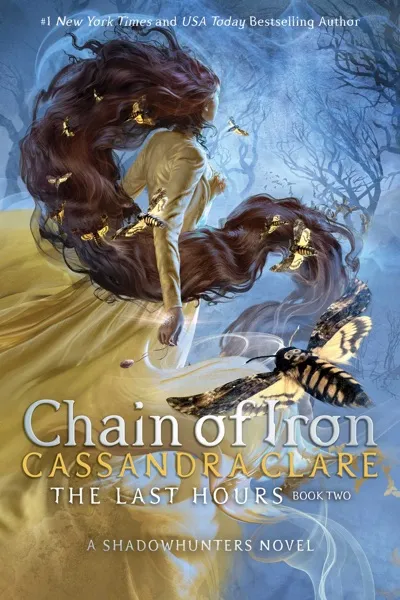

Chain of Iron Author: Cassandra ClarePage Count: UnknownPublication Year: 2021-GB Chain of Iron: A Tapestry of Desire, Devotion, and Devastation in Cassandra Clare’s Shadowhunter World Cassandra Clare’s Chain of Iron is not merely a sequel to Chain of Gold; it is a masterclass in weaving desire into the very fabric of a world already steeped in supernatural intrigue. Published in 2021, this installment plunges deeper into the Shadowhunter society of Edwardian London, where the line between duty and passion blurs with every whispered vow and every forbidden glance. The book, while its page count remains officially unconfirmed, feels vast—not in length, but in emotional density. Clare crafts a narrative so rich with longing and betrayal that the reader is left breathless, caught in the same magnetic pull as the characters themselves. At its heart, Chain of Iron explores the paradox of love as both salvation and ruin. The central romance—between Cordelia Carstairs and James Herondale—is not a simple tale of two souls finding solace in each other. Instead, it is a tempestuous dance of devotion and doubt, where every declaration of love is shadowed by the specter of past sins and future betrayals. Clare excels in portraying love as a chain, a binding force that can either elevate or ensnare. Cordelia, with her fierce independence and unshakable loyalty, is drawn to James not despite his flaws, but because of them—because he mirrors her own struggles with identity and purpose. Their relationship is a testament to the idea that love, in Clare’s world, is never pure; it is always complicated by duty, by secrets, by the weight of legacy. But Chain of Iron is not just a love story. It is a story about the cost of power and the price of secrets. The Shadowhunters of this London are not the righteous warriors of lore; they are flawed, ambitious, and often morally ambiguous. The “Chain of Iron” itself—a literal and metaphorical bond—becomes a symbol of the burdens they carry. James, as the reluctant heir to the Herondale name, is trapped by his lineage, while Cordelia grapples with the expectations placed upon her as a woman in a patriarchal society. Clare’s genius lies in her ability to make these struggles feel personal, not just political. The reader doesn’t just witness the characters’ battles; they feel the weight of their choices, the ache of their sacrifices. Clare’s writing style is deceptively effortless. She balances lush, almost cinematic descriptions of 1903 London with sharp, witty dialogue that crackles with tension. Her prose is rich without being overwrought, immersive without losing clarity. The pacing is relentless, each chapter ending on a note that demands the reader keep turning pages, even as they dread what might come next. The novel’s structure—shifting between multiple perspectives—allows Clare to build a world that feels alive with competing voices and secrets. Every character, from the brooding Matthew Fairchild to the enigmatic Lucie Herondale, is given depth, their motivations laid bare in a way that makes their triumphs and failures deeply resonant. One of the most striking aspects of Chain of Iron is its unflinching portrayal of queer desire. Clare does not shy away from depicting the complexities of same-sex relationships in a society that would condemn them. The slow-burn romance between Jesse Blackthorn and Christopher Lightwood is handled with a tenderness that makes their love feel both revolutionary and fragile. Their journey is not just about romance; it is about self-acceptance and the courage to defy expectations. Clare’s approach to queer narratives is refreshingly unapologetic, treating these relationships with the same weight and seriousness as any heterosexual romance in the book. Yet, for all its beauty, Chain of Iron is not without its shadows. The novel’s atmosphere is thick with melancholy, a sense that happiness is fleeting and that every joy is tinged with sorrow. The Shadowhunters’ world is one of constant danger, where death lingers just beyond the next page. Clare doesn’t shy away from the brutality of this existence, and her willingness to let characters suffer—sometimes irreparably—adds a layer of raw authenticity to the story. This is not a tale where love conquers all; it is a tale where love endures despite everything. In many ways, Chain of Iron is a meditation on the cost of legacy. The characters are all, in one way or another, prisoners of their names. James is burdened by the Herondale legacy; Cordelia by the expectations of her family; Matthew by his reputation as a reprobate. Clare asks: what does it mean to forge your own path when the past is always pulling you back? The answer, it seems, is found in the chains they choose to wear—not the ones forced upon them. Love, in this world, is the ultimate act of defiance. Cassandra Clare has always had a knack for blending the fantastical with the deeply human, and Chain of Iron is no exception. It is a novel that lingers long after the last page, not just because of its plot twists, but because of its emotional resonance. It is a story about the chains that bind us—whether they are made of iron, of duty, or of love—and the fragile, fierce bonds that set us free. #ChainOfIron #CassandraClare #ShadowhunterChronicles #FantasyRomance #DarkAcademia #BookTok Related InsightsThe Reader Book Review and Summary Great Big Beautiful Life Book Review and Summary Muses and Melodies - Hush Note #3 Book Review and Summary{ "@context": "https://schema.org", "@type": "FAQPage", "mainEntity": [ { "@type": "Question", "name": "What is the main focus of Chain of Iron Book Review and Summary?", "acceptedAnswer": { "@type": "Answer", "text": "Everything you need to know about Chain of Iron with our detailed review." } }, { "@type": "Question", "name": "Who authored the comprehensive guide on Chain of Iron Book Review and Summary?", "acceptedAnswer": { "@type": "Answer", "text": "This detailed article and its insights were carefully researched and authored by Camille Dubois." } }, { "@type": "Question", "name": "Where can I find more related content about Books?", "acceptedAnswer": { "@type": "Answer", "text": "You can explore more articles, detailed reviews, and similar insights by browsing the Related Insights section at the bottom of this article or visiting our dedicated Books category page." } } ] }