Showing Posts From
Chatgpt and the futu
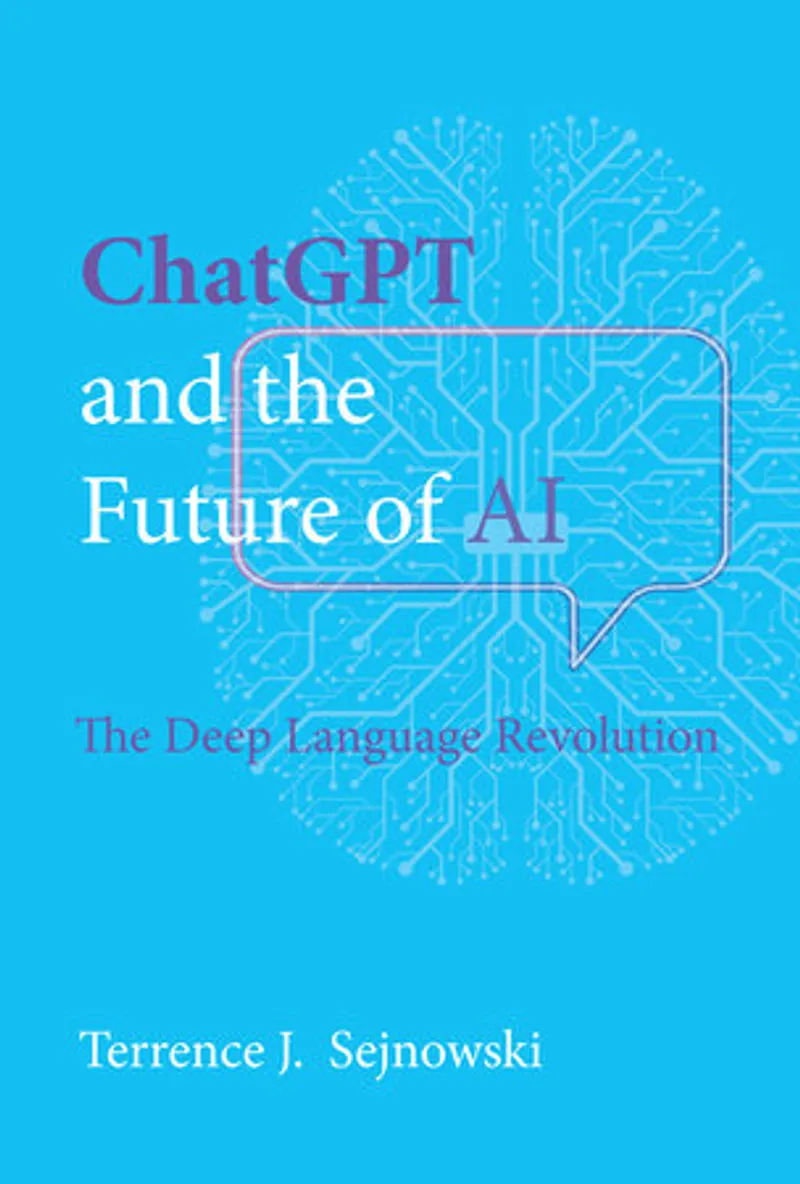

ChatGPT and the Future of AI Author: Terrence J. SejnowskiPage Count: UnknownPublication Date: 2024-PRH Terrence J. Sejnowski’s ChatGPT and the Future of AI is not just another book about artificial intelligence—it’s a masterclass in demystifying the hype while illuminating the profound implications of the technology that is reshaping our world. As a pioneer in computational neuroscience and a key figure in the deep learning revolution, Sejnowski brings a rare blend of technical rigor and philosophical depth to the subject, making this book essential reading for anyone trying to navigate the dizzying rise of large language models like ChatGPT. At its core, the book grapples with a question that has haunted AI discourse for decades: Do these systems truly understand what they say, or are they merely sophisticated mirrors, reflecting back the intelligence of their users? Sejnowski doesn’t shy away from the controversy. He dismantles the simplistic narratives—both the breathless optimism of AI evangelists and the doomsday prophecies of skeptics—with a scientist’s precision. His answer is nuanced: LLMs don’t "understand" in the human sense, but their ability to generate coherent, contextually relevant text is a form of emergent intelligence, one that emerges from the interplay of massive data, computational power, and algorithmic design. This isn’t just a technical point; it’s a philosophical one, forcing us to redefine what we mean by "thinking" in an age where machines can mimic it so convincingly. Sejnowski’s style is what makes this book so compelling. He writes with the clarity of a teacher and the authority of a pioneer, weaving together history, science, and speculation without ever losing the reader in jargon. His explanations of transformers—the neural network architecture behind LLMs—are some of the most accessible I’ve encountered, even for readers without a technical background. Yet, he never dumbs down the material. Instead, he invites the reader into the conversation, acknowledging the uncertainties and open questions that still linger in AI research. This balance between depth and accessibility is rare in books about AI, where authors often veer into either impenetrable technical detail or vague, motivational fluff. One of the book’s most striking sections is its historical deep dive into the evolution of language models. Sejnowski traces the lineage of LLMs from early statistical models to today’s transformer-based systems, highlighting how each breakthrough—from the introduction of attention mechanisms to the scaling laws that govern model performance—was driven by a mix of theoretical insight and brute-force computation. He doesn’t just recount the milestones; he shows how they reflect deeper trends in AI research, such as the shift from rule-based systems to data-driven approaches. This historical perspective is crucial because it reminds us that the rise of ChatGPT wasn’t inevitable—it was the result of decades of incremental progress, serendipity, and relentless experimentation. But Sejnowski doesn’t stop at the past. He looks ahead, offering a vision of where AI might go next. He explores the tantalizing possibility of next-generation LLMs inspired by nature—systems that draw on the efficiency and adaptability of biological brains. He also sounds a necessary alarm about the energy costs of training and running these models, arguing that sustainability must be a priority if AI is to have a long-term future. These forward-looking chapters are where the book truly shines, blending optimism with pragmatism. Sejnowski doesn’t just ask what can AI do? but what should AI do?—a question that’s all too often overlooked in the rush to deploy ever-larger models. What elevates this book beyond a mere technical explainer is Sejnowski’s dual perspective as both a neuroscientist and an AI researcher. He constantly draws parallels between how the brain processes language and how LLMs do it, cautioning against overinterpreting the similarities while still acknowledging the profound questions they raise about cognition. This interdisciplinary approach makes the book a standout in a field often dominated by either engineers or philosophers. Sejnowski’s voice is that of a scientist who has spent a lifetime studying the brain, yet he remains humble enough to admit that we still don’t fully understand how intelligence works—whether in humans or machines. If there’s a critique to be made, it’s that the book occasionally feels slightly rushed in its final chapters, as if Sejnowski is trying to cover too much ground in too little space. The sections on energy efficiency and future AI architectures are fascinating but could benefit from deeper exploration. Still, this is a minor quibble in what is otherwise a remarkably well-rounded and thought-provoking book. ChatGPT and the Future of AI is more than a guide to understanding large language models—it’s a call to think critically about the technology that is already transforming how we work, learn, and communicate. Sejnowski’s blend of expertise, clarity, and intellectual honesty makes this the definitive book on the subject, whether you’re a seasoned AI researcher, a curious layperson, or someone simply trying to make sense of the AI-driven world we now inhabit. #AI #ChatGPT #ArtificialIntelligence #FutureOfTech #Neuroscience #DeepLearning Related InsightsBrief cases Book Review and Summary Glass Queen Book Review and Summary Dead Until Dark Book Review and Summary{ "@context": "https://schema.org", "@type": "FAQPage", "mainEntity": [ { "@type": "Question", "name": "What is the main focus of ChatGPT and the Future of AI Book Review and Summary?", "acceptedAnswer": { "@type": "Answer", "text": "Everything you need to know about ChatGPT and the Future of AI with our detailed review." } }, { "@type": "Question", "name": "Who authored the comprehensive guide on ChatGPT and the Future of AI Book Review and Summary?", "acceptedAnswer": { "@type": "Answer", "text": "This detailed article and its insights were carefully researched and authored by Antoine Leroy." } }, { "@type": "Question", "name": "Where can I find more related content about Books?", "acceptedAnswer": { "@type": "Answer", "text": "You can explore more articles, detailed reviews, and similar insights by browsing the Related Insights section at the bottom of this article or visiting our dedicated Books category page." } } ] }