Showing Posts From
Chiang mai food
-
 Marcus Vance
 - 15 Jul, 2026 22:44
Thai Street Food: Aromatic Delights from Bangkok to Chiang Mai – The Ultimate Guide to Southeast Asia’s Most Vibrant Culinary Adventure
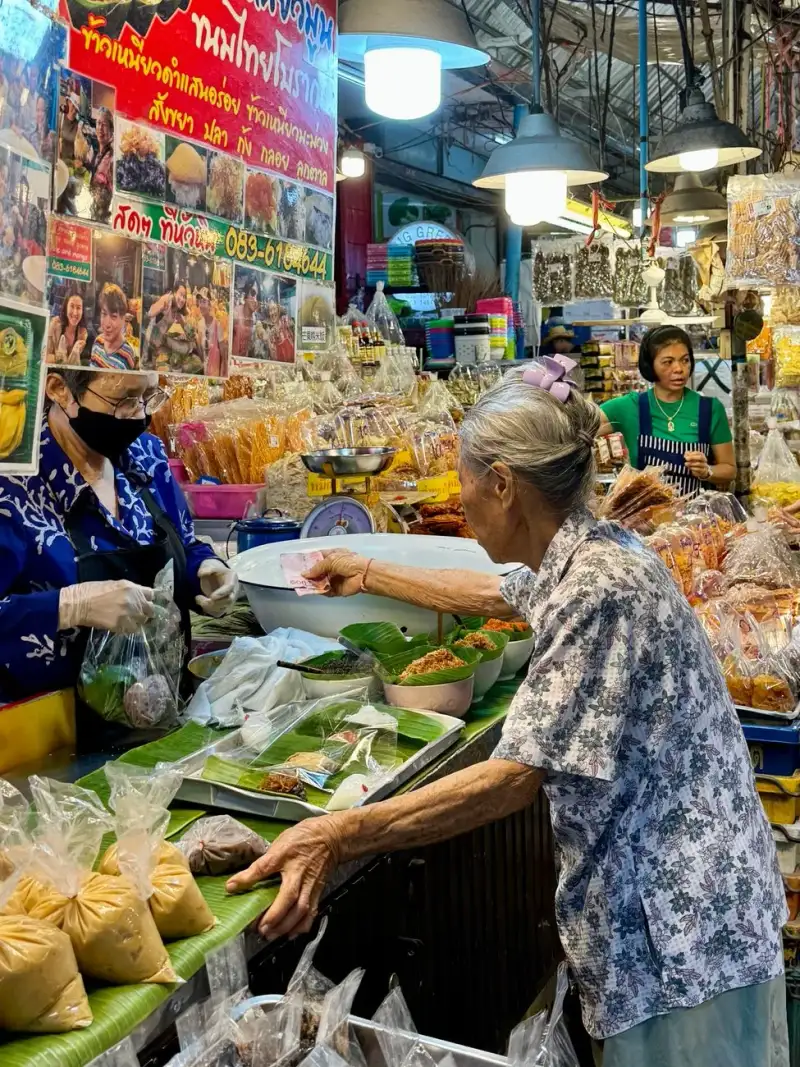
Introduction Thailand’s street food is more than just a meal—it’s a cultural phenomenon, a sensory explosion, and a testament to the country’s rich culinary heritage. From the bustling alleys of Bangkok to the serene night markets of Chiang Mai, every corner of Thailand offers a new adventure for the palate. Did you know that Thailand’s street food scene is so iconic it has been recognized by UNESCO as part of the country’s Intangible Cultural Heritage? This isn’t just food; it’s a way of life. But what makes Thai street food so irresistible? It’s the perfect balance of sweet, sour, spicy, and savory flavors, often achieved in a single dish. Whether it’s the sizzling wok of pad thai, the aromatic tom yum goong soup, or the crispy khao man gai (chicken rice), each bite tells a story of tradition, innovation, and passion. In this guide, we’ll dive deep into the heart of Thailand’s street food culture, uncovering the must-try dishes, regional specialties, and insider tips to make your culinary journey unforgettable.The Evolution of Thai Street Food: From Humble Origins to Global Fame Thai street food has evolved over centuries, shaped by trade, migration, and local ingenuity. The roots of this culinary tradition can be traced back to the Ayutthaya period (14th–18th centuries), when Thailand’s capital was a bustling hub of commerce and cultural exchange. Traders from China, India, and Persia introduced new ingredients and cooking techniques, which were quickly adapted by Thai chefs to create unique fusion dishes. One of the most significant influences on Thai street food is the Chinese diaspora. Dishes like khao man gai (chicken rice) and guay teow (noodle soup) are direct descendants of Chinese culinary traditions, but with a distinctly Thai twist. The use of fragrant herbs like lemongrass, galangal, and kaffir lime leaves is a hallmark of Thai cuisine, reflecting the country’s tropical climate and agricultural abundance. In the 20th century, Thai street food gained international recognition thanks to the rise of tourism and global media. The 1997 Asian financial crisis even played a role, as many Thais turned to street food vending as a means of survival, leading to an explosion of creativity and innovation in the street food scene. Today, Thai street food is celebrated worldwide, with dishes like pad thai and mango sticky rice becoming global icons.Bangkok’s Street Food Scene: A Symphony of Flavors and Chaos Bangkok is the undisputed capital of Thai street food, where the energy of the city is matched only by the intensity of the flavors. The city’s street food scene is a symphony of sizzling woks, aromatic curries, and the rhythmic clatter of vendors at work. To truly experience Bangkok’s street food, you need to dive into its neighborhoods, each with its own unique character. Chinatown (Yaowarat) is a must-visit for food lovers. This bustling district is home to some of the city’s most famous street food stalls, including Jek Pui Curry, a legendary spot for khao gaeng (curry rice). The dish here is a masterclass in balance—rich, coconut-based curries paired with fragrant jasmine rice and crispy pork belly. Another iconic spot is Nai Ek Roll Noodle, where you can try kuay teow neua (beef noodle soup), a dish that has been perfected over generations. Khao San Road is another hotspot, though it’s more touristy than the others. Here, you’ll find everything from grilled scorpions to som tam (green papaya salad). While the food is decent, the real draw is the atmosphere—vibrant, chaotic, and quintessentially backpacker. For a more authentic experience, head to Thipsamai, famous for its pad thai. This dish, now a global phenomenon, originated in Thailand and is best enjoyed fresh off the wok. Thipsamai’s version is legendary, with a perfect balance of sweet, sour, and savory flavors, topped with a crispy egg and a squeeze of lime.Chiang Mai’s Street Food: Northern Thailand’s Hidden Gems While Bangkok may be the heart of Thai street food, Chiang Mai is the soul. Nestled in the mountains of northern Thailand, Chiang Mai’s street food scene is a reflection of the region’s rich cultural heritage and agricultural bounty. The food here is heartier, spicier, and often more herbaceous than its southern counterpart, thanks to the influence of the Lanna culture. One of the must-try dishes in Chiang Mai is sai oua, a northern Thai sausage made with minced pork, lemongrass, galangal, and kaffir lime leaves. The sausage is grilled to perfection, with a smoky aroma that fills the air. Another iconic dish is khao soi, a coconut curry noodle soup that is Chiang Mai’s signature dish. The dish is a harmonious blend of textures and flavors—crispy fried noodles on top, soft egg noodles in the broth, and a rich, spicy coconut curry base. For a truly unique experience, visit the Sunday Walking Street Market. This weekly event transforms the city’s historic center into a food lover’s paradise, with stalls selling everything from khao tom mat (sticky rice stuffed with mung bean paste) to sai krok Isan (fermented sausage from the Isan region). Chiang Mai’s street food scene is also a great place to explore Thailand’s vegetarian and vegan options. Many stalls cater to Buddhist traditions, offering dishes like pad pak boong (stir-fried morning glory) and gaeng jued (clear vegetable soup).The Science of Thai Street Food: Why It Tastes So Good Thai street food is a masterclass in flavor chemistry, where the interplay of sweet, sour, spicy, and savory creates a harmonious experience. The secret lies in the balance of ingredients and the use of fresh, high-quality produce. One of the key components of Thai cuisine is the umami bomb—fermented fish sauce (nam pla), shrimp paste (kapi), and soy sauce. These ingredients add depth and complexity to dishes, enhancing the natural flavors of the ingredients. For example, tom yum goong, a hot and sour shrimp soup, relies on the umami-rich broth to create its signature taste. Another critical element is the use of fresh herbs and spices. Lemongrass, galangal, kaffir lime leaves, and Thai basil are staples in Thai cooking, adding bright, citrusy, and aromatic notes to dishes. The heat in Thai food comes from fresh chilies, which are used liberally in both paste and fresh form. The Scoville scale, which measures the heat of peppers, is a useful tool for understanding the spice levels in Thai dishes. For example, a prik kee noo (mouse-dropping chili) can reach up to 100,000 Scoville heat units, while a prik chi fa (sky-pointing chili) is milder at around 50,000 units. The cooking techniques also play a crucial role. Stir-frying (pad), deep-frying (tod), and grilling (yang) are common methods that create distinct textures and flavors. For instance, pad thai is stir-fried quickly over high heat to achieve a perfect balance of crispy and tender noodles, while moo ping (grilled pork skewers) is marinated in a sweet and savory sauce before being grilled to caramelized perfection.A Price Breakdown: How Much Does Thai Street Food Cost? Thai street food is not only delicious but also incredibly affordable. Whether you’re a budget traveler or a foodie looking for a bargain, you’ll find plenty of options to suit your wallet. Below is a breakdown of average prices for popular street food dishes in Thailand:Dish Price (THB) Price (USD) DescriptionPad Thai 50–80 $1.50–$2.50 Stir-fried rice noodles with egg, tofu, and shrimpKhao Man Gai 40–70 $1.20–$2.10 Steamed chicken over rice with ginger sauceSom Tam 50–90 $1.50–$2.70 Green papaya salad with chili and limeTom Yum Goong 80–120 $2.40–$3.60 Hot and sour shrimp soupMango Sticky Rice 60–100 $1.80–$3.00 Sweet coconut sticky rice with ripe mangoSai Oua 30–60 $0.90–$1.80 Northern Thai grilled pork sausageKhao Soi 60–100 $1.80–$3.00 Coconut curry noodle soup with crispy noodlesPrices can vary depending on the location and the vendor’s reputation. In tourist-heavy areas like Bangkok’s Khao San Road, prices may be slightly higher, while local markets and street stalls offer the best deals.The Health Benefits of Thai Street Food: More Than Just Taste Thai street food isn’t just a treat for the taste buds—it’s also packed with nutritional benefits. The cuisine is inherently balanced, with an emphasis on fresh vegetables, lean proteins, and aromatic herbs. Here’s why Thai street food is a healthy choice:Rich in Antioxidants: Thai cuisine makes heavy use of herbs like lemongrass, galangal, and kaffir lime leaves, which are rich in antioxidants and anti-inflammatory properties. High in Fiber: Dishes like som tam (green papaya salad) and pad pak boong (stir-fried morning glory) are loaded with fiber, aiding digestion and promoting gut health. Lean Proteins: Many street food dishes feature lean proteins like grilled chicken, shrimp, or tofu, making them a great option for health-conscious eaters. Low in Unhealthy Fats: While some dishes are fried, the use of coconut milk is often balanced with plenty of vegetables and lean meats, keeping the fat content in check. Hydrating Soups: Dishes like tom yum goong and tom kha gai are broth-based, helping to keep you hydrated in Thailand’s tropical climate.Of course, moderation is key. While Thai street food is generally healthy, some dishes can be high in sodium or sugar, so it’s important to balance your meals with plenty of water and fresh fruits.Conclusion Thai street food is a journey of the senses—a symphony of flavors, textures, and aromas that reflects the heart and soul of Thailand. From the sizzling woks of Bangkok to the hidden gems of Chiang Mai, every bite is a story waiting to be told. Whether you’re a seasoned traveler or a first-time visitor, the street food scene in Thailand offers an unparalleled culinary adventure. As you explore the vibrant markets and bustling stalls, remember that the best dishes are often found where the locals gather. Don’t be afraid to strike up a conversation with a vendor, ask for recommendations, or even try something new. After all, the magic of Thai street food lies in its spontaneity and authenticity. So, pack your appetite and your sense of adventure—Thailand’s street food scene is waiting to delight you.#ThaiStreetFood #BangkokEats #ChiangMaiFood #SoutheastAsianCuisine #FoodTravel#ThaiFood #StreetFood #Bangkok #ChiangMai #CulinaryAdventure Related InsightsCaprese Salad: A Symphony of Flavors and Antioxidants Unveiling Injera: Why This Sour, Spongy Ethiopian Staple Is the World's Most Underrated Superfood (And How to Master It) The Mediterranean Symphony: Whole Wheat Pasta Primavera with Abundant Vegetables{ "@context": "https://schema.org", "@type": "FAQPage", "mainEntity": [ { "@type": "Question", "name": "What is the main focus of Thai Street Food: Aromatic Delights from Bangkok to Chiang Mai – The Ultimate Guide to Southeast Asia’s Most Vibrant Culinary Adventure?", "acceptedAnswer": { "@type": "Answer", "text": "Explore Thailand’s iconic street food scene with expert insights on must-try dishes, regional specialties, and hidden gems from Bangkok to Chiang Mai." } }, { "@type": "Question", "name": "Who authored the comprehensive guide on Thai Street Food: Aromatic Delights from Bangkok to Chiang Mai – The Ultimate Guide to Southeast Asia’s Most Vibrant Culinary Adventure?", "acceptedAnswer": { "@type": "Answer", "text": "This detailed article and its insights were carefully researched and authored by Marcus Vance." } }, { "@type": "Question", "name": "Where can I find more related content about Food?", "acceptedAnswer": { "@type": "Answer", "text": "You can explore more articles, detailed reviews, and similar insights by browsing the Related Insights section at the bottom of this article or visiting our dedicated Food category page." } } ] }