Showing Posts From
Chinese food culture
-
 Kenji Sato
 - 18 Aug, 2026 19:09
The Art of Dim Sum: Hong Kong’s Tiny Bites That Pack a World of Flavor
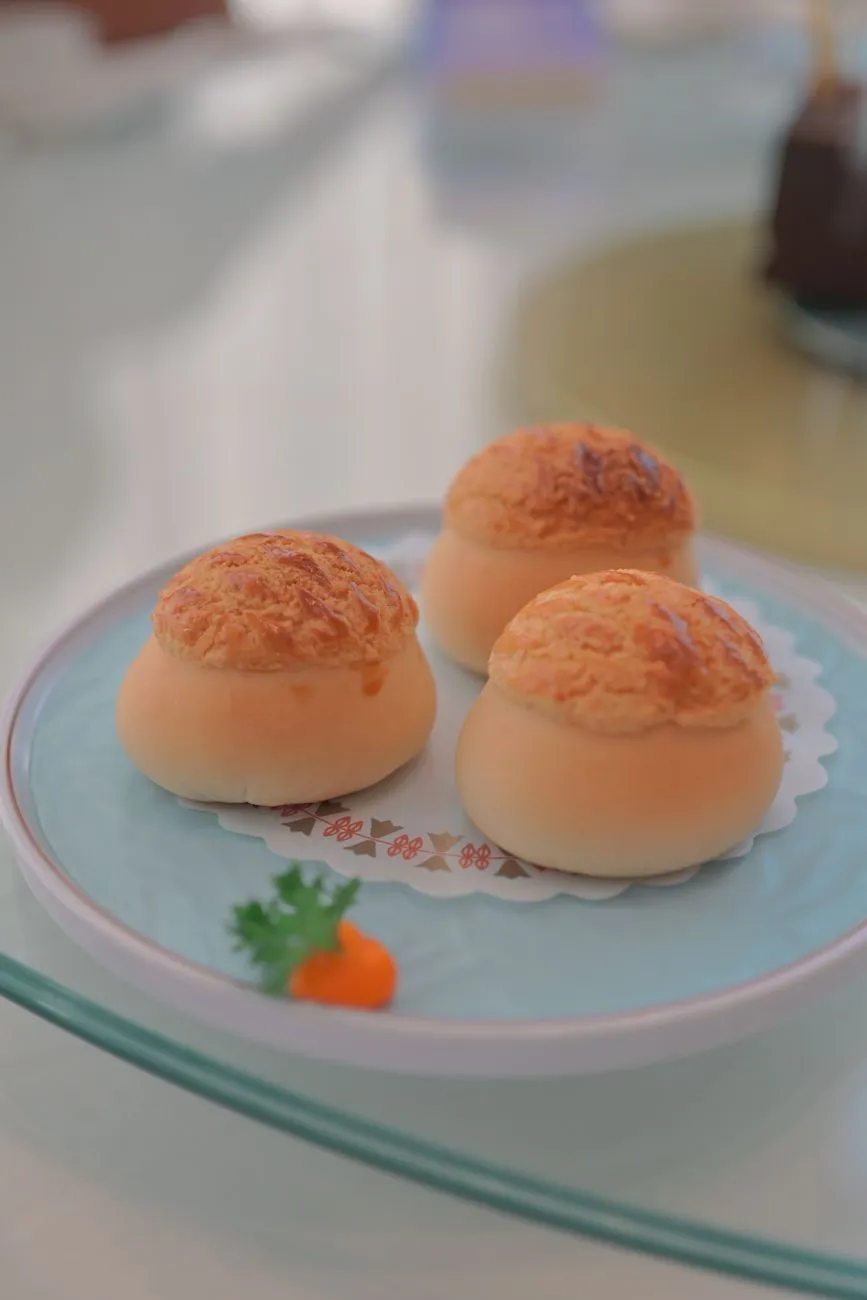
Where Bamboo Steamers Meet Century-Old Traditions Hong Kong’s dim sum culture is a living museum of culinary artistry, where the clatter of bamboo steamers and the hum of teacups create a symphony of tradition. Born in the teahouses of Cantonese-speaking regions during the Song Dynasty (960–1279 AD), dim sum—literally translating to "touch the heart"—was originally a snack served with tea to travelers and farmers. By the time British colonial rule took hold in the 19th century, these humble bites evolved into a sophisticated dining ritual, blending Chinese heritage with Western influences. Today, dim sum is the heartbeat of Hong Kong’s food scene, a daily ritual for locals and a must-try experience for visitors. The magic of dim sum lies in its communal nature. Unlike Western meals where dishes are served sequentially, dim sum is a parade of small plates passed around the table, encouraging sharing and conversation. Each bite tells a story—whether it’s the delicate folds of a har gow (shrimp dumpling) that reveal a chef’s skill or the crispy layers of a char siu bao (barbecue pork bun) that hint at hours of steaming. The artistry extends beyond taste to presentation: dumplings are pleated into intricate shapes, buns are dusted with sesame seeds, and rice rolls are garnished with vibrant vegetables. Even the choice of tea—from floral jasmine to robust pu-erh—plays a role in balancing the flavors of the meal. But dim sum is more than just food; it’s a cultural institution. In Hong Kong, teahouses like Lin Heung Tea House in Central or the legendary Luk Yu Tea House in Central District have been serving dim sum since the 1920s, their wooden booths and tiled floors echoing with the laughter of families and the clinking of teacups. These institutions are where generations gather to celebrate birthdays, weddings, and even business deals. The tradition is so ingrained that the Hong Kong Tourism Board has designated dim sum as an intangible cultural heritage, recognizing its role in shaping the city’s identity.To truly understand dim sum, one must start with its foundation: the teahouse. In Hong Kong, these establishments are more than just restaurants; they’re social hubs where the elderly sip tea for hours while younger generations catch up over plates of siu mai (pork dumplings) and turnip cakes. The teahouse culture is a testament to the city’s fast-paced yet deeply rooted lifestyle. Here, time slows down, and every bite is savored with intention. The teahouse isn’t just a place to eat—it’s a sanctuary where the past and present collide in a steam-filled embrace.From Har Gow to Egg Tarts: The Dim Sum Pantheon You Must Know Dim sum is a vast and varied world, with over 100 dishes that can be broadly categorized into steamed, fried, baked, and rice-based bites. Each category offers a unique texture and flavor profile, making the dim sum menu a playground for adventurous eaters. To navigate this culinary labyrinth, it’s essential to familiarize yourself with the most iconic dishes, each a masterpiece in its own right. Steamed Delights: The Art of the Dumpling Steamed dim sum is where precision meets passion. The most celebrated of these is har gow (虾饺), the translucent shrimp dumpling with a pleated edge that resembles a lotus bud. Made from wheat starch and tapioca flour, har gow’s skin is so thin it’s almost translucent, revealing the plump shrimp and pork filling inside. The dumpling’s texture is a delicate balance—chewy yet tender, with a slight bounce that melts in the mouth. Authentic har gow is made with fresh, high-quality shrimp, and the pleats are hand-folded, a skill that takes years to master. In Hong Kong, teahouses like Maxim’s Palace pride themselves on their har gow, often serving it as the first dish to whet the appetite. Next in line is siu mai (烧卖), the open-faced pork dumpling that’s a staple in every dim sum spread. Unlike har gow, siu mai’s skin is thicker and slightly chewy, designed to hold its shape during steaming. The filling is a mix of minced pork, shrimp, and sometimes mushrooms or water chestnuts for added texture. The top is often garnished with a tiny piece of carrot or a pea, adding a pop of color. The best siu mai are juicy and flavorful, with a hint of sweetness from the pork fat. In Hong Kong, siu mai is often paired with chili sauce or soy sauce, but purists prefer it plain to appreciate the purity of the ingredients. Another steamed gem is the cheung fun (肠粉), a delicate rice noodle roll filled with shrimp, beef, or barbecue pork. The noodles are steamed into thin sheets, then rolled around the filling and sliced into bite-sized pieces. Cheung fun is often served with a drizzle of soy sauce and sesame oil, and in some teahouses, it’s topped with crispy fried dough sticks for added crunch. The texture is silky and smooth, with a slight chewiness that makes it irresistible. Cheung fun is a favorite among locals, especially as a breakfast item, and it’s a dish that showcases the versatility of rice in Cantonese cuisine. Fried and Baked Wonders: Crisp, Golden, and Irresistible Fried dim sum is where texture takes center stage. The most iconic of these is the char siu bao (叉烧包), a fluffy steamed bun filled with sweet and savory barbecue pork. The bun’s skin is soft and pillowy, with a slight sheen from the steaming process, while the filling is sticky, sweet, and infused with the smoky aroma of char siu. In Hong Kong, char siu bao is often served as a mid-morning snack or as part of a dim sum brunch. The best versions are made with slow-cooked pork that’s been marinated in a blend of soy sauce, honey, and five-spice powder, then glazed with a sweet hoisin sauce. Another fried delight is the turnip cake (萝卜糕), a savory cake made from shredded daikon radish and rice flour. The cake is steamed until firm, then pan-fried until crispy on the outside and tender on the inside. Turnip cake is often served with a side of chili sauce or soy sauce, and it’s a popular choice for those who prefer a heartier bite. The texture is a delightful contrast—crispy on the outside, soft and slightly sticky on the inside, with a subtle sweetness from the radish. In Hong Kong, turnip cake is a common sight in dim sum teahouses, often served as part of a larger spread. For those with a sweet tooth, the egg tart (蛋挞) is a must-try. This Portuguese-inspired pastry features a buttery, flaky crust filled with a rich, creamy custard. The custard is made from egg yolks, sugar, and condensed milk, giving it a velvety texture and a deep golden color. In Hong Kong, egg tarts are a staple in dim sum menus, with each teahouse offering its own twist. Some versions are baked until the custard is slightly caramelized on top, while others are steamed for a softer finish. The best egg tarts have a custard that’s just set, with a slight wobble when shaken, and a crust that’s crisp yet tender. Rice-Based Bites: Comfort in Every Bite Rice-based dim sum offers a comforting alternative to dumplings and buns. The most beloved of these is the glutinous rice roll (糯米卷), a sticky rice roll filled with mushrooms, pork, or shrimp. The rice is steamed until tender, then rolled into a cylinder and sliced into bite-sized pieces. Glutinous rice rolls are often served with a drizzle of soy sauce or a sprinkle of sesame seeds, and they’re a popular choice for those who prefer a heartier texture. In Hong Kong, glutinous rice rolls are a common sight in dim sum teahouses, often served as part of a larger spread. Another rice-based gem is the congee (粥), a savory rice porridge that’s often served as a starter or a light meal. In dim sum culture, congee is typically topped with ingredients like century egg, pork floss, or pickled vegetables. The porridge itself is smooth and creamy, with a subtle sweetness from the rice. Congee is a comforting dish that’s perfect for a chilly morning or a late-night snack, and it’s a staple in many Hong Kong teahouses.The Dim Sum Ritual: How to Order, Eat, and Savor Like a Local Ordering dim sum can be intimidating for first-timers, but with a few insider tips, you’ll be navigating the menu like a pro. The key is to start with a mix of steamed, fried, and rice-based dishes to get a sense of the flavors and textures. In Hong Kong, dim sum is typically served in a continuous stream, with carts or waitstaff circling the restaurant to offer dishes. To order, simply point at the dishes you want or ask the server for recommendations. If you’re unsure, look for dishes with high turnover—like har gow or char siu bao—as these are often fresher. One of the most important aspects of dim sum is the tea. In Hong Kong, tea is more than just a beverage; it’s a ritual. The most common teas served with dim sum are pu-erh, jasmine, and oolong, each chosen for its ability to cleanse the palate and complement the flavors of the food. When the tea arrives, it’s poured into small cups, and the server will often leave the pot at the table so you can refill as needed. A local tip: never fill your own cup; instead, let the server or a dining companion pour for you as a sign of respect. Timing is everything when it comes to dim sum. In Hong Kong, the best time to go is between 8 AM and 11 AM, when the teahouses are buzzing with locals enjoying their morning ritual. If you’re visiting a popular spot like Lin Heung Tea House or Luk Yu Tea House, be prepared to wait—these places are often packed, and the wait can be up to an hour during peak hours. Once seated, don’t rush. Dim sum is meant to be savored slowly, with plenty of time for conversation and laughter. Another local custom is the use of dim sum lingo. For example, har gow is often called "prawn dumplings," while siu mai is referred to as "pork dumplings." If you’re unsure about a dish, don’t hesitate to ask the server for clarification. And remember, in Hong Kong, it’s perfectly acceptable to order just one or two dishes and share them with your dining companions. Dim sum is all about variety, so don’t feel pressured to try everything at once. When it comes to eating, the rules are simple: use chopsticks for dumplings and buns, and a spoon for rice-based dishes. If you’re unsure how to eat a particular dish, watch what the locals do and follow their lead. And don’t forget to try the dipping sauces! Soy sauce, chili sauce, and vinegar are common accompaniments, but some teahouses offer unique sauces like XO sauce or hoisin sauce for added depth of flavor.Beyond the Basics: Regional Variations and Modern Twists While Cantonese dim sum is the most widely recognized, Hong Kong’s culinary scene is a melting pot of influences, and this is reflected in the city’s dim sum offerings. From traditional teahouses to modern fusion restaurants, there’s a dim sum experience for every palate. One of the most exciting trends in Hong Kong’s dim sum scene is the rise of modern twists on classic dishes. Chefs are experimenting with ingredients and techniques to create innovative takes on traditional bites. For example, some restaurants now offer har gow made with lobster instead of shrimp, or siu mai filled with truffle-infused pork. Others are reimagining egg tarts with matcha or black sesame custard, or turning turnip cake into a deconstructed dish with crispy elements and dipping sauces. These modern interpretations are a testament to Hong Kong’s dynamic food culture, where tradition and innovation coexist. Another trend is the fusion of dim sum with other cuisines. In recent years, some restaurants have begun offering dim sum-inspired dishes with Japanese, Korean, or even Western influences. For example, you might find sushi rolls made with dim sum fillings, or dumplings stuffed with cheese and bacon. These fusion dishes are a fun way to explore the versatility of dim sum, but purists argue that they stray too far from the traditional roots of the cuisine. Regional variations also play a role in Hong Kong’s dim sum scene. While Cantonese dim sum dominates, you’ll also find dishes inspired by other Chinese regional cuisines. For example, Shanghai-style soup dumplings (xiao long bao) are now a common sight in some teahouses, as are Sichuan-style dumplings with spicy fillings. These regional variations add a new dimension to the dim sum experience, allowing diners to explore the diverse flavors of China in a single meal. For those looking to dive deeper into Hong Kong’s dim sum culture, there are plenty of resources available. Cookbooks like Dim Sum: The Art of Chinese Tea Lunch by Eileen Yin-Fei Lo offer step-by-step guides to making classic dishes at home, while food tours like the Dim Sum Crawl in Central provide a hands-on introduction to the city’s best teahouses. And if you’re visiting Hong Kong, be sure to check out the annual Dim Sum Festival, where local chefs showcase their creativity and innovation in the world of dim sum.The Dim Sum Diet: Nutrition, Calories, and How to Enjoy Guilt-Free Dim sum is often associated with indulgence, and for good reason. Many dishes are fried, steamed in oil, or filled with rich ingredients like pork fat and barbecue sauce. However, dim sum can also be a balanced and nutritious meal if you make smart choices. The key is to focus on dishes that are steamed or baked rather than fried, and to balance richer bites with lighter options. Here’s a breakdown of the nutritional profiles of some popular dim sum dishes, based on standard serving sizes:Dish Calories (per serving) Protein (g) Carbs (g) Fat (g) Fiber (g)Har gow (3 pieces) 120 6 18 2 1Siu mai (3 pieces) 150 8 15 5 1Char siu bao (1 bun) 250 10 35 8 1Turnip cake (1 slice) 180 3 25 7 2Egg tart (1 tart) 200 3 22 12 0Cheung fun (1 roll) 100 4 18 2 1As you can see, dim sum dishes vary widely in their nutritional content. Steamed dishes like har gow and cheung fun are lighter and lower in calories, while fried and baked items like char siu bao and egg tarts are richer and higher in fat. To enjoy dim sum without overindulging, consider sharing dishes with your dining companions, and opt for steamed or baked options whenever possible. You can also balance richer bites with lighter dishes like congee or rice rolls. Another tip is to pay attention to portion sizes. In Hong Kong, dim sum dishes are typically served in small portions, but it’s easy to overindulge when faced with a table full of delicious bites. To avoid overeating, try to limit yourself to 6–8 dishes per meal, and take your time savoring each bite. And don’t forget to hydrate! Tea is a great way to cleanse the palate and aid digestion, so be sure to sip plenty throughout the meal. For those with dietary restrictions, dim sum can still be enjoyed with a few adjustments. Many teahouses offer vegetarian or gluten-free options, such as steamed vegetable dumplings or rice-based dishes like cheung fun. Be sure to ask the server about ingredients and preparation methods to avoid allergens or unwanted ingredients. And if you’re watching your sodium intake, opt for dishes that are steamed or baked rather than fried, and ask for sauces on the side to control the amount you consume.Where to Find the Best Dim Sum in Hong Kong: A Local’s Guide Hong Kong is a city of culinary wonders, and its dim sum scene is no exception. From century-old teahouses to modern fusion restaurants, there’s a dim sum experience for every taste and budget. Here’s a local’s guide to the best spots to indulge in Hong Kong’s iconic bites. Classic Teahouses: Timeless Elegance For a taste of old-school Hong Kong, head to one of the city’s classic teahouses. Lin Heung Tea House in Central is a must-visit, with its wooden booths, tiled floors, and bustling atmosphere. The har gow here is legendary, and the siu mai is juicy and flavorful. Another iconic spot is Luk Yu Tea House in Central District, which has been serving dim sum since 1933. The egg tarts here are a standout, with a buttery crust and a rich, creamy custard. Modern Twists: Innovation Meets Tradition If you’re looking for a contemporary take on dim sum, check out restaurants like Tim Ho Wan, which gained fame as the world’s cheapest Michelin-starred restaurant. Tim Ho Wan offers a modern dim sum menu with dishes like baked BBQ pork buns and truffle dumplings. Another great option is Lung King Heen, the first Chinese restaurant in the world to earn three Michelin stars. Their dim sum menu features dishes like lobster dumplings and abalone congee, showcasing the best of Cantonese cuisine with a modern twist. Hidden Gems: Off the Beaten Path For a more local experience, venture off the beaten path to teahouses like Yum Lai Yuen in Mong Kok. This no-frills spot is beloved by locals for its generous portions and affordable prices. The turnip cake here is a must-try, and the congee is comforting and flavorful. Another hidden gem is the Tsui Hang Village Teahouse in Sheung Wan, which offers a mix of traditional and modern dim sum in a cozy, rustic setting. Late-Night Dim Sum: For the Night Owls Dim sum isn’t just a breakfast or lunch affair in Hong Kong—it’s a 24-hour culture. For late-night dim sum, head to Maxim’s Palace in Tsim Sha Tsui, which stays open until 4 AM. The char siu bao here is a standout, and the atmosphere is lively and bustling, even in the wee hours. Another great option is the New Asia Tea House in Tsuen Wan, which offers a mix of classic and modern dim sum until the early morning. Street Food Dim Sum: Casual and Delicious If you’re looking for a more casual dim sum experience, check out the city’s street food stalls. At the Sham Shui Po Cooked Food Market, you’ll find vendors selling everything from steamed dumplings to fried rice rolls. The prices are unbeatable, and the flavors are authentic. Another great spot is the Temple Street Night Market, where you can enjoy dim sum while soaking in the vibrant atmosphere of the market.The Last Bite: Why Dim Sum is More Than Just Food Dim sum is more than just a meal—it’s a cultural experience that embodies the spirit of Hong Kong. It’s a celebration of tradition, innovation, and community, where every bite tells a story and every teahouse has its own unique charm. Whether you’re a first-time visitor or a seasoned local, dim sum offers something for everyone, from the delicate folds of a har gow to the crispy layers of a char siu bao. In a city that’s constantly evolving, dim sum remains a constant, a reminder of Hong Kong’s rich culinary heritage. It’s a dish that brings people together, fostering connections and creating memories that last a lifetime. So the next time you find yourself in Hong Kong, skip the fancy restaurants and head to a teahouse instead. Pull up a stool, pour yourself a cup of tea, and let the magic of dim sum unfold. And remember, the best dim sum is the kind that’s shared with good company. So gather your friends and family, order a spread of your favorite dishes, and savor every bite. Because in the end, dim sum isn’t just about the food—it’s about the people you share it with.#DimSumDelights #HongKongEats #CantoneseCuisine #TeaHouseCulture #FoodieAdventures Related InsightsAromatic Flavors of India: Understanding Biryani's Rich Legacy The Heartbeat of Anatolia: Demir Şef's High-Protein Red Lentil Soup with Invigorating Mint and Chili Il Farro Inquieto: Tracce di un Cereale Millenario Tra Imperi Dimenticati e Rivoluzioni Gastronomiche Rurali{ "@context": "https://schema.org", "@type": "FAQPage", "mainEntity": [ { "@type": "Question", "name": "What is the main focus of The Art of Dim Sum: Hong Kong’s Tiny Bites That Pack a World of Flavor?", "acceptedAnswer": { "@type": "Answer", "text": "Dive into the vibrant world of Hong Kong dim sum, where tradition meets innovation in steamed, fried, and baked morsels. Discover the history, must-try dishes, and insider tips to savor these iconic bites like a local." } }, { "@type": "Question", "name": "Who authored the comprehensive guide on The Art of Dim Sum: Hong Kong’s Tiny Bites That Pack a World of Flavor?", "acceptedAnswer": { "@type": "Answer", "text": "This detailed article and its insights were carefully researched and authored by Kenji Sato." } }, { "@type": "Question", "name": "Where can I find more related content about Food?", "acceptedAnswer": { "@type": "Answer", "text": "You can explore more articles, detailed reviews, and similar insights by browsing the Related Insights section at the bottom of this article or visiting our dedicated Food category page." } } ] }