Showing Posts From
Christmasmarkets
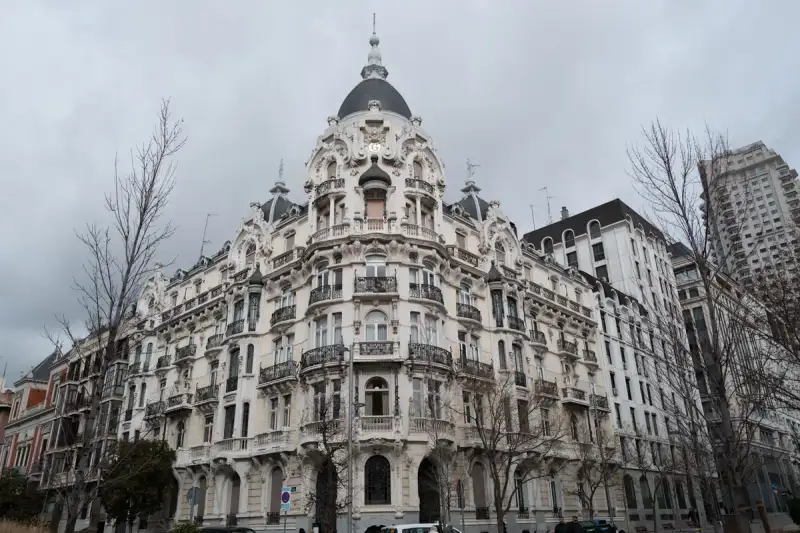
Winter in Europe is an incredibly magical time. While summer brings the crowds, the heat, and the long lines, the colder months offer something far more intimate, atmospheric, and profoundly beautiful. There’s a certain stillness in the crisp winter air, a warm glow radiating from the festive streetlights, and the unmistakable scent of roasted chestnuts and mulled wine drifting through ancient cobblestone streets. From the relatively mild, sun-drenched avenues of Madrid to the deep, snowy fairy tales of Central Europe, the continent transforms into a diverse canvas of winter wonderlands waiting to be explored. This comprehensive guide is designed to take you on an epic European winter journey. We will begin in the vibrant heart of Spain, exploring the best things to do in Madrid during the colder months, before expanding our horizons. We’ll board the metaphorical train heading north and east, delving into the imperial elegance of Vienna, the gothic romance of a snowy Prague, the steaming thermal baths of Budapest, and finally, the quintessential Christmas capital of the world: Strasbourg. Grab a cup of hot chocolate, settle in, and let’s embark on the ultimate European winter adventure. #EuropeWinterTravel #WinterWanderlustPart 1: Madrid in Winter – The Warm Heart of Spain When one thinks of winter in Europe, Spain might not be the first destination that comes to mind. However, Madrid in winter is one of the continent’s best-kept secrets. Unlike the sweltering heat of August, winter in the Spanish capital is crisp, bright, and often graced with brilliant blue skies. The crowds have thinned out, leaving you with unimpeded access to world-class museums, cozy taverns, and spectacular royal parks. #MadridInWinter #VisitSpain The Magic of Plaza Mayor and the Holiday Spirit The true heart of Madrid’s winter beats in the Plaza Mayor. This expansive, rectangular square, framed by stunning red-brick architecture and historic balconies, transforms into a festive hub as the temperature drops. If you visit in December, the square hosts the famous Mercado de Navidad (Christmas Market), a tradition that dates back to the 19th century. Wandering through the myriad of stalls, you’ll find artisans selling intricately crafted figurines for the Belen (Nativity scenes), which is a massive part of Spanish holiday traditions. Beyond the figurines, there are colorful wigs, joke items for Día de los Santos Inocentes (Spain's version of April Fools' Day on December 28th), and endless arrays of local sweets. The atmosphere is electric, filled with families, street performers, and the infectious energy that Madrileños are famous for. #PlazaMayor #NavidadMadrid A Culinary Imperative: Churros con Chocolate at San Ginés No winter trip to Madrid is complete without indulging in the city's ultimate comfort food: churros con chocolate. While you can find this treat on almost every corner, the quintessential experience is at the historic Chocolatería San Ginés, tucked away in an alley near Puerta del Sol. Founded in 1894, this iconic café is open 24 hours a day. Imagine stepping out of the chilly winter night into a vibrant, mirror-lined room echoing with chatter, and ordering a cup of chocolate so thick and rich that your spoon practically stands up in it. The churros are freshly fried, perfectly crispy on the outside, and tender inside—the ideal vessel for scooping up the molten chocolate. It is a ritual that warms both the body and the soul. #ChurrosConChocolate #SanGines Strolling Through the El Retiro Park El Retiro Park is spectacular in any season, but winter gives it a serene, melancholic beauty. The deciduous trees shed their leaves, offering clear, unobstructed views of the park’s grand monuments, such as the Monument to Alfonso XII overlooking the great lake. On a sunny winter afternoon, renting a rowboat on the lake is surprisingly pleasant. Take a walk to the Palacio de Cristal (Crystal Palace). Built in 1887 to house exotic plants from the Philippines, this glass and iron pavilion looks exceptionally striking against a crisp winter sky. Inside, you’ll often find contemporary art installations hosted by the Reina Sofía Museum, offering a perfect blend of historic architecture and modern thought. #RetiroPark #PalacioDeCristal World-Class Art Without the Crowds Madrid’s "Golden Triangle of Art" is infinitely more enjoyable in the winter. The Prado Museum, one of the greatest art museums in the world, is home to masterpieces by Velázquez, Goya, and El Greco. In the summer, you might have to elbow your way to see Velázquez’s Las Meninas or Goya’s El Tres de Mayo. In January or February, you can stand before these massive canvases in quiet contemplation, truly absorbing the genius of the Spanish masters. Equally accessible are the Thyssen-Bornemisza National Museum, offering an incredible overview of art history from the 13th to the late 20th century, and the Reina Sofía, home to Picasso’s heart-wrenching masterpiece, Guernica. Winter provides the physical and mental space required to truly appreciate these cultural treasures. #PradoMuseum #ArtHistoryPart 2: Vienna, Austria – The Imperial Winter Dream Leaving the sunny skies of Madrid behind, we travel to Central Europe, where winter is a serious, snow-draped affair. Vienna, the capital of Austria, does winter with an imperial elegance that is unmatched anywhere else in the world. This is the city of Mozart, Beethoven, and the Habsburgs, and its grand architecture seems tailor-made to be dusted with snow. #ViennaWinter #WienLiebeThe Epicenter of Christmas Markets If Strasbourg is the capital of Christmas, Vienna is arguably its grandest palace. The city is practically synonymous with the Christkindlmarkt. From mid-November until Christmas Day, the squares of Vienna are transformed into glowing, fragrant wonderlands. The most famous market sits in front of the Rathaus (City Hall). The Neo-Gothic architecture provides a dramatic backdrop to over a hundred stalls selling everything from blown-glass ornaments to hand-carved wooden toys. The air is thick with the scent of roasted almonds, baked apples, and the essential Punsch or Glühwein (mulled wine). However, don't limit yourself to the Rathausplatz. The market in front of the Schönbrunn Palace offers a more regal atmosphere, while the Spittelberg market, winding through narrow Biedermeier streets, feels delightfully local and intimate. The Karlsplatz market, focused entirely on local arts and crafts, is perfect for finding unique, high-quality gifts. #ViennaChristmasMarket #Gluhwein Coffee House Culture: The Ultimate Winter Refuge When the Central European cold seeps into your bones, Vienna offers the perfect antidote: its legendary coffee houses. The Viennese Kaffeehaus is not just a place to get a caffeine fix; it is an institution, recognized by UNESCO as intangible cultural heritage. Step into Café Central, Café Sperl, or Café Landtmann. You are stepping into rooms where Trotsky, Freud, and Klimt once sat, debated, and created. Order a Melange (similar to a cappuccino but uniquely Viennese) and a slice of Sachertorte or Apfelstrudel. You can sit there for hours, reading a newspaper, watching the snow fall outside the large windows, and no waiter will ever rush you. It is the epitome of winter coziness. #VienneseCoffeeHouse #Sachertorte Classical Music and Imperial Palaces Winter is the height of the classical music season in Vienna. Attending a concert at the Musikverein or the State Opera is a transcendent experience. Even if you aren't a die-hard classical fan, hearing a Mozart symphony played in the city where it was composed, in a hall glittering with gold leaf, is something you will never forget. During the day, the imperial palaces offer fantastic winter explorations. The Hofburg Palace, the winter residence of the Habsburgs, houses the Sisi Museum and the breathtaking Austrian National Library. Schönbrunn Palace, the summer residence, is equally spectacular in winter, especially when its vast gardens are blanketed in pristine white snow. #HofburgPalace #ClassicalMusicPart 3: Prague, Czech Republic – A Snowy Fairytale A short train ride from Vienna brings us to Prague, the "City of a Hundred Spires." If Vienna is imperial and grand, Prague is gothic, mysterious, and profoundly romantic. While Prague is heavily touristed in the summer, winter strips away the massive crowds, revealing the city's true, atmospheric character. When the cobblestones are dusted with snow and the gas lamps cast a warm, flickering light through the fog, Prague feels like a scene straight out of a medieval fairy tale. #PragueInWinter #VisitCZThe Silence of the Charles Bridge The Charles Bridge, commissioned by King Charles IV in 1357, is the iconic symbol of Prague. Lined with 30 baroque statues of saints, it is usually packed shoulder-to-shoulder with tourists. But in the depths of winter, especially early in the morning or late at night, the bridge is transformed. Walking across the Vltava River in the quiet, crisp air, surrounded by the darkened silhouettes of the statues with the illuminated Prague Castle looming in the distance, is an almost mystical experience. The silence is profound, broken only by the sound of the river and your own footsteps on the snow-dusted stones. #CharlesBridge #Praha Exploring the Prague Castle Complex Perched on a hill overlooking the city, Prague Castle is the largest ancient castle complex in the world. In winter, the steep walk up the hill keeps the crowds at bay. Inside, the massive St. Vitus Cathedral dominates the skyline. The gothic architecture, with its flying buttresses and menacing gargoyles, looks even more dramatic against a grey winter sky. Don't miss the Golden Lane, a street of tiny, colorful houses built into the castle walls in the 16th century. Once home to castle guards and later to the writer Franz Kafka, these small dwellings are incredibly charming and offer a glimpse into the historic life of the city. After exploring the castle, warm up with a glass of Svařák (Czech hot wine) or a traditional Trdelník (a sweet, cylindrical pastry roasted over an open flame) from a nearby vendor. #PragueCastle #StVitusCathedral The Old Town Square and the Astronomical Clock The Old Town Square is the beating heart of Prague. Dominated by the Church of Our Lady before Týn with its fairy-tale spires, the square is spectacular. In December, it hosts a vibrant Christmas market, famous for its massive, brightly lit tree and stalls selling hot mead, roasted ham, and handmade crafts. Every hour, crowds gather in front of the Old Town Hall to watch the Prague Astronomical Clock (Orloj) strike. Installed in 1410, it is the oldest astronomical clock still operating. Watching the procession of the Twelve Apostles in the freezing winter air, surrounded by historic facades, you can easily feel transported back half a millennium in time. #OldTownSquare #AstronomicalClockPart 4: Budapest, Hungary – Thermal Baths and Winter Magic Continuing our journey eastward along the Danube, we arrive in Budapest. The Hungarian capital is a city of stunning contrasts, where grandeur meets grit, and the old world seamlessly blends with the new. Budapest is arguably one of the best winter cities in Europe, largely thanks to its unique geothermal geography. #BudapestWinter #VisitHungaryThe Széchenyi Thermal Baths: A Winter Essential There is no experience quite like visiting the Széchenyi Thermal Baths in the dead of winter. Located in the City Park, this is the largest medicinal bath in Europe, supplied by two thermal springs. The neo-Baroque yellow buildings provide a stunning backdrop to the massive outdoor pools. Imagine the air temperature dropping below freezing, snow gently falling around you, while you are submerged chest-deep in water that is naturally heated to a blissful 38°C (100°F). Thick clouds of steam rise from the surface of the water, creating an ethereal, foggy atmosphere where you can watch older Hungarian men playing chess on floating boards. It is a surreal, deeply relaxing experience that cures jet lag, winter chills, and weary traveler muscles all at once. #SzechenyiBaths #ThermalBaths The Majestic Parliament and the Danube Promenade The Hungarian Parliament Building is an architectural masterpiece, blending neo-Gothic, neo-Romanesque, and neo-Baroque styles. It is stunning by day, but in the winter evenings, when it is heavily illuminated against the dark sky, it looks like a glowing golden fortress reflecting perfectly in the icy waters of the Danube River. Take a walk along the Danube Promenade, starting from the iconic Chain Bridge. The cold wind blowing off the river is invigorating. Along the way, you will encounter the "Shoes on the Danube Bank," a poignant and moving memorial to the Jews who were killed by fascist Arrow Cross militiamen in Budapest during World War II. It is a somber reminder of history, made even more stark by the biting winter cold. #BudapestParliament #DanubeRiver Warming Up in Ruin Pubs and Grand Cafés Budapest offers two distinct ways to warm up indoors. First are the famous "ruin pubs" (Romkocsma), primarily located in the old Jewish Quarter (District VII). Szimpla Kert is the most famous. These bars are built in abandoned buildings and decorated with an eclectic, chaotic mix of mismatched furniture, vintage electronics, and bizarre art installations. In winter, they are bustling, warm, and offer an incredibly unique nightlife experience. On the other end of the spectrum is Budapest’s grand café culture, rivaling that of Vienna. The New York Café, often dubbed the "most beautiful café in the world," is an explosion of Italian Renaissance style, with marble columns, gilded stuccoes, and crystal chandeliers. Sitting here with a slice of Dobos Torte and a rich coffee is the height of Central European luxury. #RuinPubs #NewYorkCafeBudapestPart 5: Strasbourg, France – The Capital of Christmas For the final stop on our grand European winter tour, we travel west to the Alsace region of France, to a city that officially calls itself the "Capital of Christmas": Strasbourg. Located right on the border with Germany, Strasbourg’s culture, architecture, and food are a beautiful blend of both nations, creating a uniquely charming atmosphere that reaches its absolute peak in December. #Strasbourg #AlsaceWinterThe Oldest Christmas Market in France Strasbourg’s Christkindelsmärik (Market of the Christ Child) dates back to 1570, making it the oldest in France and one of the oldest in Europe. During the winter, the entire city center, which is situated on the Grande Île (a UNESCO World Heritage site), is transformed into a festive dreamscape. There are over 300 wooden chalets spread across various squares in the city. The most spectacular is located at Place Kléber, which hosts the Great Christmas Tree—a massive, natural fir tree sourced from the nearby Vosges mountains, towering over 30 meters high and dripping with lights and ornaments. The air smells of vin chaud (hot wine), choucroute (sauerkraut), and bredele (traditional Alsatian Christmas cookies). The sheer scale and historical authenticity of the market make it a must-visit for anyone who loves the winter holidays. #CapitalOfChristmas #Christkindelsmarik The Stunning Cathédrale Notre-Dame Towering over the city is the Cathédrale Notre-Dame de Strasbourg. Victor Hugo once described it as a "gigantic and delicate marvel." For over 200 years, it was the tallest building in the world. Built from distinctive pink sandstone, the cathedral takes on a beautiful, warm glow in the low light of a winter afternoon. The intricate gothic facade is mind-boggling in its detail. Inside, the astronomical clock, a masterpiece of the Renaissance, puts on a mechanical show every day at solar noon (12:30 PM). If you can brave the cold and the stairs, climbing to the viewing platform offers sweeping views over the snow-dusted roofs of Strasbourg, the Black Forest in Germany to the east, and the Vosges mountains to the west. #StrasbourgCathedral #GothicArchitecture La Petite France in the Snow The most picturesque neighborhood in Strasbourg is La Petite France. Historically the area where millers, tanners, and fishermen lived, it is characterized by exceptionally well-preserved half-timbered houses lining a network of canals. In winter, when a light dusting of snow covers the steeply pitched roofs and the window boxes, it looks like a scene painted by a master artist. Walking through the narrow, winding streets, crossing the small pedestrian bridges over the freezing canals, and ducking into a traditional Winstub (Alsatian tavern) for a hearty meal of Baeckeoffe (a rich meat and potato casserole) or Tarte Flambée (a thin, crispy pizza-like dish with cream, onions, and bacon) is the perfect way to spend a winter evening. #LaPetiteFrance #AlsatianFoodConclusion: Embracing the European Winter Traveling through Europe in the winter requires a shift in mindset. It’s not about ticking off outdoor sights under a blazing sun; it’s about atmosphere, intimacy, and slowing down. It’s about replacing the frantic energy of summer tourism with the cozy warmth of a cafe, the historical reflection of quiet museum halls, and the communal joy of a bustling, freezing Christmas market. From the sunlit grandeur of Madrid to the imperial elegance of Vienna, the gothic mystery of Prague, the steaming thermal waters of Budapest, and the unrivaled festive spirit of Strasbourg, the continent offers a lifetime of winter memories. Quick Winter Travel TipsLayering is Key: European weather can vary wildly. Madrid might require just a light jacket in the afternoon, while Prague will demand thermal underwear and a heavy wool coat. Layering allows you to adapt to both the freezing outdoors and the highly heated indoors (like museums and trains). Good Footwear: You will do a lot of walking on cobblestones, which can become incredibly slick when wet, icy, or snowy. Invest in warm, waterproof, and slip-resistant boots. Shorter Days: Remember that daylight is limited in winter. In places like Prague or Vienna, it can get dark by 4:00 PM. Plan your outdoor sightseeing for the morning and early afternoon, and save museums, cafes, and shopping for the evening. Embrace the Local Warmth: Every culture has its winter warmers. Drink the churros con chocolate in Spain, the Glühwein in Germany/Austria, the Svařák in the Czech Republic, and the thermal waters in Hungary. These aren't just tourist traps; they are essential local survival mechanisms!The winter winds may be cold, but the welcome across these historic cities is warmer than ever. So pack your heaviest coat, bring your sense of wonder, and discover the true, timeless magic of Europe in winter. #WinterTravel #EuroTrip #TravelBlogger #Wanderlust #ExploreEurope #OffSeasonTravel #SnowyCities #WinterVacation Related InsightsPatagonian Ice Fields: The Ultimate Guide to Glacier Trekking in Chile Azure Horizons and Fragile Ecosystems: The Maldives Reality Check The Ruins of Troy{ "@context": "https://schema.org", "@type": "FAQPage", "mainEntity": [ { "@type": "Question", "name": "What is the main focus of Winter Wonderland: Must-See Attractions in Madrid and Across Europe?", "acceptedAnswer": { "@type": "Answer", "text": "Discover the magic of Europe in winter. Starting from the sunny, crisp days in Madrid, we embark on a grand journey across the continent to Vienna, Prague, Budapest, and Strasbourg." } }, { "@type": "Question", "name": "Who authored the comprehensive guide on Winter Wonderland: Must-See Attractions in Madrid and Across Europe?", "acceptedAnswer": { "@type": "Answer", "text": "This detailed article and its insights were carefully researched and authored by Cemre Seyyah." } }, { "@type": "Question", "name": "Where can I find more related content about Travel?", "acceptedAnswer": { "@type": "Answer", "text": "You can explore more articles, detailed reviews, and similar insights by browsing the Related Insights section at the bottom of this article or visiting our dedicated Travel category page." } } ] }