Showing Posts From
Contemporary
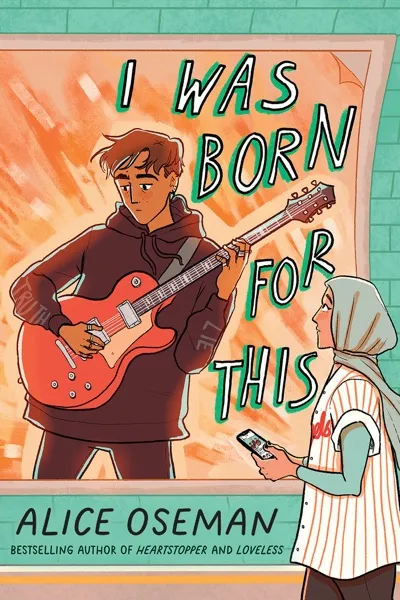

I Was Born for This Author: Alice OsemanPage Count: UnknownPublication Year: 2018-GB Alice Oseman’s I Was Born for This is a dazzling exploration of fandom, destiny, and the blurred lines between passion and obsession. Published in 2018, this novel cements Oseman’s reputation as a master storyteller who captures the raw, often messy emotions of adolescence with unflinching honesty. At its heart, the book is a love letter to the transformative power of fandom—but it’s also a cautionary tale about the cost of devotion when it consumes rather than fulfills. The story revolves around two teenagers: Angel Rahimi, a devout fan of the fictional boy band The Ark, and Jimmy Kaga-Ricci, the band’s lead singer, who is grappling with the suffocating expectations of fame. Their lives collide in unexpected ways, forcing both to confront the realities behind the glittering facade of stardom and fandom. Oseman doesn’t shy away from the darker side of obsession—whether it’s Angel’s self-worth tied to her favorite band or Jimmy’s struggle with identity beyond his public persona. The novel asks: What happens when the thing you love becomes the thing that destroys you? Oseman’s writing is electric, blending sharp dialogue with introspective prose that feels like eavesdropping on the deepest, most unfiltered thoughts of her characters. She excels at capturing the nuances of modern fandom—how it can be a lifeline for the lonely, a source of joy, and sometimes, a trap. The novel’s structure is clever, alternating between Angel’s and Jimmy’s perspectives, which deepens the emotional stakes. You’ll laugh, you’ll cringe, and you’ll ache as these characters navigate love, betrayal, and self-discovery. What makes I Was Born for This so compelling is its refusal to romanticize fandom or fame. Oseman portrays both with equal parts reverence and critique. Angel’s devotion is portrayed as both beautiful and troubling—her entire identity is wrapped up in The Ark, to the point where she struggles to define herself outside of it. Jimmy, meanwhile, is trapped in a gilded cage, his every move scrutinized, his humanity reduced to a marketable image. The novel’s emotional core lies in their shared realization that they are more than just their roles—Angel is more than a fan, Jimmy is more than a star—but breaking free isn’t easy. Oseman’s dialogue sparkles with authenticity, whether it’s the rapid-fire banter of fandom forums or the quiet, painful confessions between Angel and Jimmy. Her characters feel real—not polished, not perfect, but raw and relatable. The novel also tackles themes of mental health, identity, and the pressures of performance with a deft touch, never veering into didacticism but instead letting the characters’ struggles breathe naturally within the story. The climax of the novel is a gut-punch moment that forces both characters to confront their fears and illusions. Without giving too much away, Oseman delivers a resolution that is bittersweet but true to life. It’s a reminder that while fandom can be a source of incredible joy, it can also be a distraction from the messy, unglamorous work of growing up. If you loved Oseman’s Heartstopper series, you’ll appreciate the same warmth and emotional depth here, but with a grittier, more mature edge. I Was Born for This is a novel for anyone who has ever loved something so deeply it hurt, or for anyone who has ever wondered what happens when the thing that defines you is taken away. Don’t read this book if you’re looking for a neat, uplifting resolution. Read it if you want to feel seen, if you want to be challenged, if you want to remember what it’s like to be young, passionate, and just a little bit lost. #FandomForever #AliceOseman #YAContemporary #BookReview #FanCulture #ComingOfAge Related InsightsThe Gates of Athens Book Review and Summary As Good As Dead Book Review and Summary King of Wrath / King of Pride / King of Greed / King of Sloth Book Review and Summary{ "@context": "https://schema.org", "@type": "FAQPage", "mainEntity": [ { "@type": "Question", "name": "What is the main focus of I Was Born for This Book Review and Summary?", "acceptedAnswer": { "@type": "Answer", "text": "Everything you need to know about I Was Born for This with our detailed review." } }, { "@type": "Question", "name": "Who authored the comprehensive guide on I Was Born for This Book Review and Summary?", "acceptedAnswer": { "@type": "Answer", "text": "This detailed article and its insights were carefully researched and authored by Olya Shevchenko." } }, { "@type": "Question", "name": "Where can I find more related content about Books?", "acceptedAnswer": { "@type": "Answer", "text": "You can explore more articles, detailed reviews, and similar insights by browsing the Related Insights section at the bottom of this article or visiting our dedicated Books category page." } } ] }
-
 Lucia Garcia
 - 13 Jul, 2025 08:27
**AQA GCSE 9-1 Food Preparation and Nutrition Workbook** Book Review and Summary
AQA GCSE 9-1 Food Preparation and Nutrition Workbook Author: Collins Collins GCSEPage Count: UnknownPublication Year: 2018-GB Mastering GCSE Food Prep & Nutrition: Why the Collins Workbook is a Must-Have for Aspiring Chefs For any student stepping into the world of GCSE Food Preparation and Nutrition, the journey can feel as daunting as perfecting a soufflé—one wrong move, and everything collapses. But what if you had a secret weapon? A guide that transforms confusion into confidence, theory into practical mastery, and exam stress into structured success? Enter the AQA GCSE 9-1 Food Preparation and Nutrition Workbook by Collins, a powerhouse resource that has become the go-to companion for thousands of students navigating this rigorous syllabus. Whether you're a budding chef, a science enthusiast, or simply aiming for top grades, this workbook isn’t just another textbook—it’s your personal tutor, your revision partner, and your ticket to acing the exam. At its core, the AQA GCSE 9-1 Food Preparation and Nutrition Workbook is more than a collection of questions and answers; it’s a meticulously designed tool that aligns perfectly with the AQA specification, ensuring every topic is covered in depth. The book’s structure mirrors the exam’s demands, breaking down complex concepts like nutrition, food science, and practical cooking skills into digestible chunks. Unlike traditional textbooks that overwhelm with walls of text, this workbook adopts an interactive approach, blending theory with hands-on activities that reinforce learning. From analyzing macronutrients to mastering knife skills, each section is crafted to build both knowledge and confidence. One of the workbook’s standout features is its emphasis on active learning. Instead of passive reading, students are encouraged to engage with the material through fill-in-the-blank exercises, short-answer questions, and scenario-based tasks that mimic exam conditions. This method isn’t just effective—it’s essential for GCSE success, where rote memorization often falls short. The authors, experts in educational publishing, understand that food preparation isn’t just about cooking; it’s about understanding the science behind it. The workbook excels in bridging this gap, integrating food science principles with practical applications. Whether dissecting the Maillard reaction or exploring the nutritional impacts of different diets, the content is both rigorous and accessible. The writing style is refreshingly clear and concise, avoiding the jargon-heavy prose that plagues many revision guides. Key terms are highlighted, diagrams are used sparingly but effectively, and the layout is clean, making it easy to navigate. This is particularly beneficial for students who struggle with information overload—a common pitfall in GCSE subjects. The workbook also includes exam-style questions with mark schemes, allowing students to self-assess and refine their responses. This feature alone makes it an invaluable tool for revision, as it demystifies the exam format and helps students understand what examiners are looking for. Another strength lies in its practical focus. Food preparation and nutrition is a hands-on subject, and the workbook doesn’t shy away from this. While it can’t replace actual kitchen time, it provides structured activities that encourage students to think critically about their cooking practices. For example, sections on food safety, sensory analysis, and recipe adaptation push students to apply theoretical knowledge in real-world contexts. This holistic approach ensures that learners aren’t just memorizing facts—they’re developing the skills to excel in both the written exam and practical assessments. For educators and parents, the workbook is a game-changer. Its alignment with the AQA specification means it can be seamlessly integrated into lesson plans or used for independent study. The inclusion of progress tracking features, such as checklists and self-assessment grids, empowers students to take ownership of their learning. This is especially important in a subject where practical skills and theoretical understanding must coexist. The workbook’s design also makes it ideal for flipped learning, where students can prepare ahead of lessons, maximizing classroom time for hands-on activities. Of course, no resource is perfect, and the AQA GCSE 9-1 Food Preparation and Nutrition Workbook has a few minor limitations. Some students might find the exercises repetitive if they’re already confident in certain areas, though this is a trade-off for the workbook’s comprehensive coverage. Additionally, while the practical elements are well-integrated, they can’t fully replace in-person cooking experience—a limitation inherent to any written resource. However, these are minor quibbles in an otherwise outstanding tool. In a competitive academic landscape, where GCSE grades can open or close doors, having a reliable, high-quality revision aid is non-negotiable. The AQA GCSE 9-1 Food Preparation and Nutrition Workbook delivers exactly that. It’s not just a book; it’s a strategic ally in the quest for exam success. Whether you’re a student aiming for a 9, a teacher seeking a dependable resource, or a parent supporting your child’s learning, this workbook is a wise investment. It transforms the daunting task of GCSE revision into a structured, achievable journey—one where every question answered brings you closer to mastery. For anyone serious about excelling in Food Preparation and Nutrition, this workbook isn’t just recommended; it’s essential. #GCSEFoodPrep #AQAGCSE #ExamRevision #StudyHacks #FoodNutrition Related InsightsThe Little Book of Loss Rituals: 75 Practices for Grieving, Mourning, and Healing Book Review and Summary Brave New World Book Review and Summary Look Closer Book Review and Summary{ "@context": "https://schema.org", "@type": "FAQPage", "mainEntity": [ { "@type": "Question", "name": "What is the main focus of **AQA GCSE 9-1 Food Preparation and Nutrition Workbook** Book Review and Summary?", "acceptedAnswer": { "@type": "Answer", "text": "Everything you need to know about **AQA GCSE 9-1 Food Preparation and Nutrition Workbook** with our detailed review." } }, { "@type": "Question", "name": "Who authored the comprehensive guide on **AQA GCSE 9-1 Food Preparation and Nutrition Workbook** Book Review and Summary?", "acceptedAnswer": { "@type": "Answer", "text": "This detailed article and its insights were carefully researched and authored by Lucia Garcia." } }, { "@type": "Question", "name": "Where can I find more related content about Books?", "acceptedAnswer": { "@type": "Answer", "text": "You can explore more articles, detailed reviews, and similar insights by browsing the Related Insights section at the bottom of this article or visiting our dedicated Books category page." } } ] }
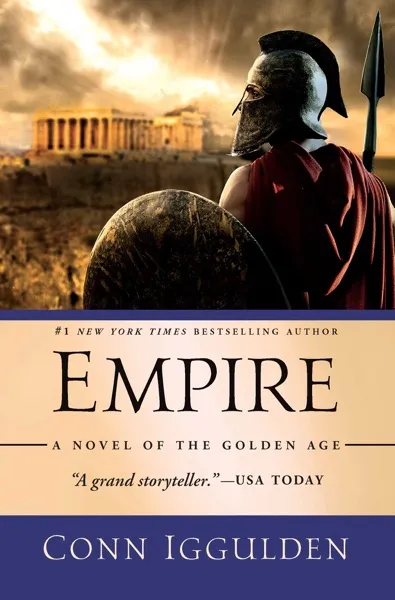
Empire Author: Conn IgguldenPage Count: UnknownPublication Year: 2024-GB Conn Iggulden’s Empire (2024) is a sweeping historical epic that cements his reputation as one of the modern masters of the genre. Following his blockbuster The Gates of Rome and the Emperor series, Iggulden returns to the ancient world, this time to the rise of Rome itself—a tale of ambition, power, and the relentless march of history. With his signature blend of meticulous research, cinematic prose, and unflinching character studies, Iggulden crafts a story that is as much about the birth of an empire as it is about the men and women who made it possible. At its core, Empire explores the transformative power of vision—how a single idea, nurtured by ruthless pragmatism and sheer will, can reshape the world. The novel centers on the legendary figure of Julius Caesar, though Iggulden resists the temptation to mythologize him. Instead, Caesar emerges as a complex, flawed genius, a man whose ambition is both his greatest strength and his undoing. The book doesn’t just retell the familiar story of conquest and political maneuvering; it delves into the psychological toll of empire-building, the sacrifices required, and the moral ambiguities that lurk beneath the glittering surface of power. Iggulden’s strength lies in his ability to humanize history. He doesn’t just present Caesar as a distant, larger-than-life figure but as a man besieged by doubt, haunted by his own mortality, and driven by an almost compulsive need to leave a mark on the world. The supporting cast is equally compelling—Brutus, the reluctant idealist; Cicero, the sharp-tongued orator; and Cleopatra, the shrewd strategist whose own empire-building ambitions collide with Rome’s rise. Each character is given depth, their motivations dissected with a novelist’s eye, making their triumphs and failures feel deeply personal. The novel’s pacing is relentless, mirroring the inexorable expansion of Rome itself. Iggulden balances grand set pieces—battles that shake the earth, political intrigues that shift alliances overnight—with intimate, introspective moments where characters grapple with their own demons. His prose is muscular yet fluid, carrying the reader through vast landscapes and crowded senate chambers with equal ease. There’s a tactile quality to his writing; you can almost feel the dust of Gaul on Caesar’s boots or the weight of a toga on a Roman senator’s shoulders. One of the most striking aspects of Empire is its refusal to shy away from the brutality of the ancient world. Iggulden doesn’t glorify war or violence, but he doesn’t soften it either. The cost of empire is laid bare—cities burned, families torn apart, and lives sacrificed on the altar of ambition. Yet, even in these moments of darkness, there’s a dark humor, a wry acknowledgment of human folly that keeps the narrative from becoming oppressive. The historical backdrop is richly detailed, but Iggulden never lets the research overshadow the story. The world of Empire feels alive, from the clatter of sandals on marble floors to the scent of incense in temples. His depiction of Rome isn’t just a backdrop; it’s a character in its own right, a city that grows and changes alongside its people. The political machinery of the Republic is rendered with particular care, showing how fragile and contingent power really is. One misstep, one miscalculated alliance, and empires crumble. Iggulden’s style is deceptively simple—he writes in a way that feels effortless, but every word is carefully chosen. He excels at dialogue, giving each character a distinct voice that reveals their personality and status. The conversations crackle with tension, whether it’s a backroom deal in the Forum or a desperate strategy session before battle. His battle scenes are visceral, not just in their description of violence but in their portrayal of the chaos and fear that accompany war. There’s no romanticizing the ancient world here; it’s a place of grit and grime, where survival often comes at a terrible price. At its heart, Empire is a meditation on the nature of power—how it corrupts, how it elevates, and how it inevitably slips through the fingers of those who grasp too tightly. Caesar’s story is one of rise and fall, but it’s also a story about the people who enable that rise and hasten that fall. Iggulden doesn’t take sides; he presents the contradictions, the competing visions of what Rome should be, and lets the reader decide where justice lies. For fans of historical fiction, Empire is a must-read—a masterclass in blending history with compelling storytelling. For newcomers, it’s an invitation into a world that is both familiar and strange, where the echoes of the past still resonate in the present. Conn Iggulden has once again proven why he’s a name synonymous with epic historical fiction. #ConnIggulden #HistoricalFiction #AncientRome #JuliusCaesar #EmpireBuilding #HistoricalEpic Related InsightsLongitude Book Review and Summary Untitled #1 Book Review and Summary El peor vecino del mundo Book Review and Summary{ "@context": "https://schema.org", "@type": "FAQPage", "mainEntity": [ { "@type": "Question", "name": "What is the main focus of Empire Book Review and Summary?", "acceptedAnswer": { "@type": "Answer", "text": "Everything you need to know about Empire with our detailed review." } }, { "@type": "Question", "name": "Who authored the comprehensive guide on Empire Book Review and Summary?", "acceptedAnswer": { "@type": "Answer", "text": "This detailed article and its insights were carefully researched and authored by Lucia Garcia." } }, { "@type": "Question", "name": "Where can I find more related content about Books?", "acceptedAnswer": { "@type": "Answer", "text": "You can explore more articles, detailed reviews, and similar insights by browsing the Related Insights section at the bottom of this article or visiting our dedicated Books category page." } } ] }
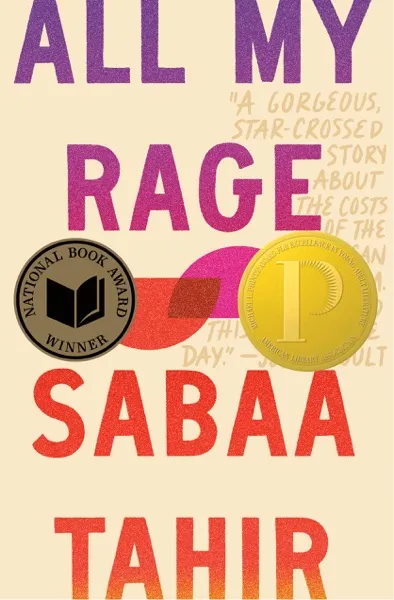
All My Rage Author: Sabaa TahirPage Count: UnknownPublication Year: 2022-GB A Fierce Symphony of Grief, Rage, and Redemption: All My Rage by Sabaa Tahir Sabaa Tahir’s All My Rage is a masterclass in emotional devastation and quiet resilience, a novel that punches the reader in the gut while leaving them breathless with its raw humanity. Winner of the 2023 Printz Award and a New York Times bestseller, this book doesn’t just tell a story—it unfolds like a wound, bleeding out its pain and beauty in equal measure. Tahir, the acclaimed author of the An Ember in the Ashes series, proves here that her talent isn’t confined to epic fantasy; her prose is as sharp as shattered glass, cutting deep into themes of immigration, identity, generational trauma, and the fragile, fleeting nature of hope. At its core, All My Rage is a novel about the weight of unspoken grief. It follows two Pakistani-American teenagers, Misbah and Salahudin, whose lives are irrevocably altered by the death of Misbah’s husband and the subsequent collapse of their family’s struggling motel in Juniper, Nevada. Misbah, a devout Muslim woman who has spent her life serving others, is left drowning in sorrow and financial ruin, while Salahudin, her fiercely intelligent but reckless son, spirals into self-destruction in his grief. Interwoven with their present-day struggles is a heartbreaking flashback narrative of Misbah’s youth in Pakistan, where her own dreams were sacrificed for duty and survival. Tahir’s genius lies in her ability to juxtapose these timelines—not to compare suffering, but to show how pain echoes across generations, a relentless inheritance. The novel’s title is no accident. All My Rage isn’t just about anger; it’s about the kind of rage that simmers in the bones of those who have been broken but refuse to stay broken. Salahudin’s rage is a wildfire, consuming everything in its path—his academics, his relationships, even his own body. Misbah’s rage is quieter, a slow burn of resentment toward a God who took everything from her and a world that offered no alternatives. Yet neither of them is a victim. Tahir refuses to romanticize their suffering; instead, she forces the reader to sit with their flaws, their mistakes, their moments of cruelty. Salahudin, in particular, is a character who could have been easy to dismiss—a bratty, self-sabotaging teen—but Tahir imbues him with such depth that his redemption feels earned, not contrived. Tahir’s prose is deceptively simple, lulling the reader into a false sense of stability before delivering gut-punch sentences that linger long after the page is turned. Her descriptions are visceral: the scent of fried food clinging to the motel’s curtains, the way Salahudin’s hands shake when he’s sober, the suffocating heat of a Nevada summer that mirrors the emotional stifling of his life. The dual timelines are handled with precision, each chapter peeling back another layer of Misbah’s past until the reader understands, viscerally, why she clings to tradition and why Salahudin rebels against it. The result is a novel that feels like a living thing, one that breathes alongside its characters. What makes All My Rage truly extraordinary, however, is its refusal to offer easy answers. There is no neat resolution to Misbah’s grief, no magical cure for Salahudin’s self-destructive tendencies. Instead, Tahir offers something far more powerful: the acknowledgment that some wounds never fully heal, but that love—however fractured—can still be a balm. The novel’s climax is not a grand, cinematic moment of triumph, but a quiet, almost mundane scene of two people finally seeing each other, truly seeing each other, after years of talking past one another. It’s a testament to Tahir’s skill that she can make such a small moment feel like a revolution. In an era where YA fiction is often dismissed as frivolous or formulaic, All My Rage stands as a defiant rebuttal. It is a book for anyone who has ever felt like an outsider, for anyone who has loved someone so deeply it hurt, for anyone who has ever wanted to scream into the void and found no words to do it justice. Tahir doesn’t just write about rage—she dissects it, she holds it up to the light, and she shows us that even in its ugliest form, it can be the first step toward something new. This is a novel that will leave you shattered. It is a novel that will make you want to hug the people you love a little tighter. It is a novel that lingers, like the echo of a prayer in an empty room. And that, perhaps, is its greatest triumph. #AllMyRage #SabaaTahir #YAContemporary #ImmigrantStories #GenerationalTrauma #PrintzAwardWinner Related InsightsLast Wizards' Ball Book Review and Summary Ignite Me Book Review and Summary House of Sky and Breath Book Review and Summary{ "@context": "https://schema.org", "@type": "FAQPage", "mainEntity": [ { "@type": "Question", "name": "What is the main focus of All My Rage Book Review and Summary?", "acceptedAnswer": { "@type": "Answer", "text": "Everything you need to know about All My Rage with our detailed review." } }, { "@type": "Question", "name": "Who authored the comprehensive guide on All My Rage Book Review and Summary?", "acceptedAnswer": { "@type": "Answer", "text": "This detailed article and its insights were carefully researched and authored by Olya Shevchenko." } }, { "@type": "Question", "name": "Where can I find more related content about Books?", "acceptedAnswer": { "@type": "Answer", "text": "You can explore more articles, detailed reviews, and similar insights by browsing the Related Insights section at the bottom of this article or visiting our dedicated Books category page." } } ] }
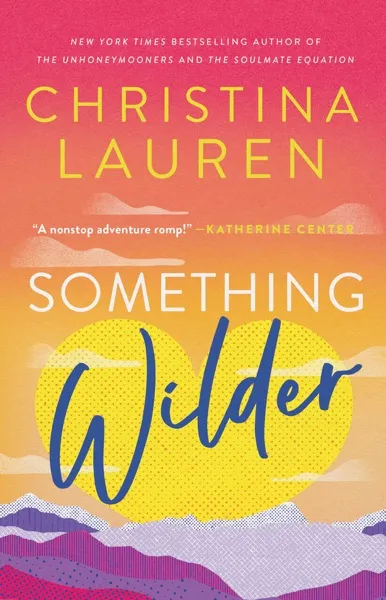
Something Wilder Author: Christina LaurenPage Count: UnknownPublication Year: 2022-GB Christina Lauren’s Something Wilder is a deliciously chaotic cocktail of romance, mischief, and self-discovery—a book that proves the best love stories aren’t always soft and predictable, but sometimes wild, a little reckless, and utterly unforgettable. Published in 2022, this novel cements the duo’s reputation for crafting emotionally rich, witty, and deeply engaging narratives that resonate with readers worldwide. If you loved The Soulmate Equation or Josh and Hazel’s Guide to Not Dating, you’ll find familiar magic here, but with a sharper edge and a more adventurous spirit. At its heart, Something Wilder is a story about second chances—both in love and in life. The protagonist, Iris, is a pragmatic woman who has spent years building a stable, if uninspiring, life, only to find herself unexpectedly tangled with Wilder, her childhood best friend’s reckless, charming brother. He’s the kind of man who shows up unannounced, drags her into absurd schemes, and leaves her questioning every decision she’s ever made. Their dynamic is electric, a push-and-pull of loyalty and longing that feels both nostalgic and fresh. What sets this novel apart is Christina Lauren’s signature blend of humor and heartache. The dialogue crackles with wit, filled with banter that feels authentic rather than forced. Iris and Wilder’s exchanges are particularly sharp, laced with a history that makes their bickering feel intimate rather than irritating. The author excels at balancing levity with deeper emotional beats, ensuring that the laughs never undercut the genuine stakes at play. This isn’t a story where love is easy or inevitable—it’s messy, uncertain, and often downright confusing, which makes it all the more compelling. The theme of reinvention runs deep. Iris, who has spent years playing it safe, begins to realize that her carefully constructed life lacks the spark she once craved. Wilder, on the other hand, is the human embodiment of spontaneity—chaotic, free-spirited, and frustratingly resistant to commitment. Their relationship forces Iris to confront what she truly wants, not just from love, but from herself. It’s a relatable struggle, especially for readers who’ve ever felt torn between security and passion. Christina Lauren’s writing style is effortlessly engaging, with a knack for creating characters who feel like real people. Iris isn’t just a love interest waiting to be won; she’s flawed, introspective, and fiercely independent. Wilder is more than the charming rogue—he’s vulnerable in ways that make him endearing rather than infuriating. The chemistry between them is undeniable, but it’s their individual journeys that anchor the story, making their eventual romance feel earned rather than rushed. The pacing is another standout feature. The novel moves briskly, with just enough twists and turns to keep the pages turning, but never so fast that the emotional core gets lost in the whirlwind. There’s a sense of unpredictability here, a willingness to embrace chaos that makes Something Wilder feel bolder than many contemporary romances. It’s a book that trusts its readers to keep up, rewarding them with sharp insights and satisfying payoffs. If there’s a criticism to be leveled, it’s that the supporting cast sometimes feels underdeveloped. Iris’s best friend, for instance, exists mainly as a sounding board rather than a fully realized character. However, this is a minor quibble in a story that otherwise shines with authenticity and charm. The emotional payoff at the end is well-earned, leaving readers with a sense of warmth and possibility. Ultimately, Something Wilder is a celebration of taking risks—not just in love, but in life. It’s a reminder that sometimes the most worthwhile adventures come when you least expect them. Christina Lauren has crafted a novel that’s as smart as it is swoon-worthy, proving once again why they’re a powerhouse in modern romance. #ChristinaLauren #SomethingWilder #RomanceNovel #SecondChances #NewAdultRomance #BookTok Related InsightsAnji in Shadow (The Rising Tide, #2) Book Review and Summary Words of Radiance Book Review and Summary Poisoner's Ring Book Review and Summary{ "@context": "https://schema.org", "@type": "FAQPage", "mainEntity": [ { "@type": "Question", "name": "What is the main focus of Something Wilder Book Review and Summary?", "acceptedAnswer": { "@type": "Answer", "text": "Everything you need to know about Something Wilder with our detailed review." } }, { "@type": "Question", "name": "Who authored the comprehensive guide on Something Wilder Book Review and Summary?", "acceptedAnswer": { "@type": "Answer", "text": "This detailed article and its insights were carefully researched and authored by Olya Shevchenko." } }, { "@type": "Question", "name": "Where can I find more related content about Books?", "acceptedAnswer": { "@type": "Answer", "text": "You can explore more articles, detailed reviews, and similar insights by browsing the Related Insights section at the bottom of this article or visiting our dedicated Books category page." } } ] }

Just Pick up the Peg Author: Angie Collins-BurkePage Count: UnknownPublication Year: 2020-GB In a world where self-doubt and fear of failure often hold us back from realizing our true potential, Angie Collins-Burke's thought-provoking novel "Just Pick up the Peg" offers a powerful and uplifting message that resonates deeply with readers of all ages. This highly acclaimed global bestseller, published in 2020, has captured the hearts of millions with its poignant and inspiring story, making it a must-read for anyone seeking motivation, guidance, and a fresh perspective on life. At its core, "Just Pick up the Peg" is a story about resilience, hope, and the human spirit's capacity to overcome even the most daunting challenges. Through her masterful storytelling, Collins-Burke delves into the complexities of the human experience, exploring themes such as self-discovery, perseverance, and the importance of staying true to oneself. The novel's narrative is woven together with a rich tapestry of characters, each with their own unique struggles, strengths, and quirks, making it easy for readers to become fully invested in their journeys. One of the most striking aspects of Collins-Burke's writing style is her ability to craft characters that are both relatable and flawed. Her protagonists are multidimensional and authentic, with their own distinct voices and perspectives, which adds depth and nuance to the narrative. The author's use of dialogue is also noteworthy, as it feels natural and unforced, allowing the characters to shine through in their interactions with one another. The pacing of the novel is expertly managed, with a narrative that flows seamlessly between moments of introspection, drama, and humor. Collins-Burke's prose is another highlight of the book, as she demonstrates a remarkable talent for descriptive language and evocative storytelling. Her writing is lyrical and expressive, with a keen eye for detail that brings the characters and their world to vivid life. The author's use of metaphors and symbolism adds an extra layer of complexity to the narrative, inviting readers to interpret the story in their own way and reflect on the themes and messages that resonate with them. Throughout the novel, Collins-Burke tackles a range of complex issues, including mental health, relationships, and personal growth, with sensitivity and compassion. Her approach is never heavy-handed or didactic, instead opting for a gentle and supportive tone that encourages readers to engage with the material on their own terms. This approach makes "Just Pick up the Peg" an ideal read for anyone looking for a story that will challenge their perspectives, inspire their spirit, and leave them feeling hopeful and motivated. In terms of its appeal, "Just Pick up the Peg" has something to offer readers from all walks of life. The novel's themes and messages are timeless and universal, making it an excellent choice for book clubs, reading groups, and individual readers alike. Collins-Burke's writing is accessible and engaging, with a narrative that is both entertaining and thought-provoking. Whether you're in the mood for a story that will make you laugh, cry, or reflect on your own life journey, "Just Pick up the Peg" is sure to deliver. In conclusion, "Just Pick up the Peg" is a remarkable novel that will resonate with readers long after they finish the book. With its powerful themes, memorable characters, and masterful storytelling, this global bestseller is an absolute must-read for anyone looking for a story that will inspire, motivate, and uplift them. Angie Collins-Burke's writing is a gift, and her novel is a testament to the transformative power of literature to touch our hearts, challenge our minds, and change our lives. #JustPickUpThePeg #BestsellerBooks #InspirationalFiction #MotivationalReading #BookLoversUnite Related InsightsHow to Win Friends & Influence People Book Review and Summary Franny and Zooey Book Review and Summary The Witching Hour Book Review and Summary{ "@context": "https://schema.org", "@type": "FAQPage", "mainEntity": [ { "@type": "Question", "name": "What is the main focus of **Just Pick up the Peg** Book Review and Summary?", "acceptedAnswer": { "@type": "Answer", "text": "Everything you need to know about **Just Pick up the Peg** with our detailed review." } }, { "@type": "Question", "name": "Who authored the comprehensive guide on **Just Pick up the Peg** Book Review and Summary?", "acceptedAnswer": { "@type": "Answer", "text": "This detailed article and its insights were carefully researched and authored by Lucia Garcia." } }, { "@type": "Question", "name": "Where can I find more related content about Books?", "acceptedAnswer": { "@type": "Answer", "text": "You can explore more articles, detailed reviews, and similar insights by browsing the Related Insights section at the bottom of this article or visiting our dedicated Books category page." } } ] }

Not in Otter's Pocket! Author: Suzanne SeniorPage Count: UnknownPublication Year: 2020-GB In the unassuming world of children's literature, a quiet revolution has been brewing, and "Not in Otter's Pocket!" by Suzanne Senior is at the forefront of this movement. This deceptively simple tale has captured the hearts of readers worldwide, and its enduring popularity is a testament to the power of storytelling that transcends age and genre. At its core, "Not in Otter's Pocket!" is a story about the complexities of friendship, the importance of empathy, and the challenges of growing up. The narrative follows the journey of a young otter as she navigates the intricacies of relationships, confronts her own vulnerabilities, and learns valuable lessons about loyalty, trust, and the true meaning of friendship. Through the eyes of this endearing protagonist, Senior masterfully explores the universal themes that resonate deeply with readers of all ages. One of the standout features of Senior's writing style is her remarkable ability to craft relatable, well-rounded characters that leap off the page. The otter, with her endearing quirks and flaws, is a masterclass in character development, and her interactions with the supporting cast are authentic, humorous, and poignant. Senior's prose is economical, yet evocative, conjuring vivid images of the natural world and the inner lives of her characters. Senior's writing is also notable for its subtlety and nuance, tackling complex emotional themes with sensitivity and tact. The narrative is peppered with moments of quiet introspection, where the otter grapples with her own emotions, and these scenes are handled with a deftness that is both impressive and moving. The author's refusal to shy away from difficult topics, such as anxiety, self-doubt, and the fragility of relationships, adds depth and complexity to the narrative, making it a rich and rewarding read. The world-building in "Not in Otter's Pocket!" is equally impressive, with Senior conjuring a vivid, immersive environment that is both fantastical and grounded in reality. The natural world is lovingly rendered, with a keen eye for detail and a deep appreciation for the beauty and wonder of the environment. This attention to detail creates a sense of authenticity, drawing the reader into the world of the story and refusing to let go. What sets "Not in Otter's Pocket!" apart from other children's books is its ability to balance lighthearted, humorous moments with more serious, introspective themes. Senior's writing is both playful and profound, making it a joy to read aloud or devour in a single sitting. The narrative is expertly paced, with a keen sense of tension and release, keeping the reader engaged and invested in the story. In short, "Not in Otter's Pocket!" is a triumph of children's literature, a book that will resonate with readers of all ages. With its memorable characters, nuanced themes, and vivid world-building, it is a story that will stay with you long after the final page has been turned. If you're looking for a book that will capture your heart and inspire your imagination, look no further than Suzanne Senior's masterpiece. #ChildrensLiterature #BookReview #NotInOttersPocket #SuzanneSenior #KidsLit Related InsightsNorwegian Wood Book Review and Summary Wheel of the Infinite Book Review and Summary Eleven Days: The Fascinating True Account of Agatha Christie's Mysterious Disappearance Book Review and Summary{ "@context": "https://schema.org", "@type": "FAQPage", "mainEntity": [ { "@type": "Question", "name": "What is the main focus of **Not in Otter's Pocket!** Book Review and Summary?", "acceptedAnswer": { "@type": "Answer", "text": "Everything you need to know about **Not in Otter's Pocket!** with our detailed review." } }, { "@type": "Question", "name": "Who authored the comprehensive guide on **Not in Otter's Pocket!** Book Review and Summary?", "acceptedAnswer": { "@type": "Answer", "text": "This detailed article and its insights were carefully researched and authored by Lucia Garcia." } }, { "@type": "Question", "name": "Where can I find more related content about Books?", "acceptedAnswer": { "@type": "Answer", "text": "You can explore more articles, detailed reviews, and similar insights by browsing the Related Insights section at the bottom of this article or visiting our dedicated Books category page." } } ] }
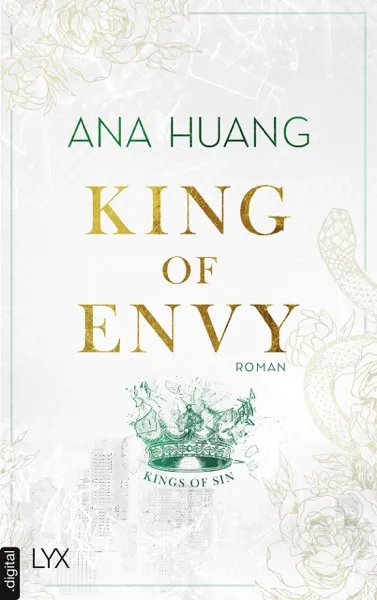
King of Envy Author: Ana HuangPage Count: UnknownPublication Year: 2025-GB King of Envy – A Masterclass in Moral Ambiguity and Raw Emotional Power Ana Huang’s King of Envy, published in 2025, cements her reputation as a literary force unafraid to dissect the darker corners of human nature. As a global bestseller, this novel doesn’t just entertain—it unsettles, provokes, and lingers long after the final page. Huang, known for her razor-sharp character studies and unflinching exploration of toxic relationships, delivers another tour de force with a story that blends psychological depth with the raw, unfiltered intensity of envy. At its core, King of Envy is a meditation on obsession, resentment, and the destructive power of comparison. The novel follows Elias Varga, a ruthless billionaire whose empire is built on his ability to exploit weaknesses—his own and others’. But when he crosses paths with a woman who embodies everything he despises yet can’t resist, the story spirals into a battle of wills where morality is as fluid as the emotions driving them. Huang doesn’t shy away from portraying Elias as a villain, yet she ensures he remains compelling, flawed in ways that feel painfully human. His envy isn’t just a plot device; it’s a living, breathing force that warps his relationships, his ambitions, and ultimately, his sense of self. What sets Huang apart is her refusal to romanticize her characters. Elias isn’t a hero in disguise, nor is the woman who challenges him a damsel in distress. Their dynamic is a push-and-pull of manipulation and defiance, where power shifts like the tide. Huang’s prose is electric, charged with tension, and her dialogue crackles with verbal sparring that feels both authentic and meticulously crafted. She doesn’t just tell you these characters are complex—she forces you to feel their complexity, their contradictions, their capacity for both cruelty and vulnerability. The novel’s strength lies in its thematic richness. Envy, as Huang portrays it, is more than a simple emotion—it’s a lens through which to examine ambition, privilege, and the societal structures that fuel resentment. Elias’s envy isn’t just personal; it’s systemic, a reflection of the cutthroat world he inhabits. Huang weaves this into the narrative seamlessly, making King of Envy as much a critique of modern capitalism as it is a gripping psychological thriller. Stylistically, Huang’s writing is sleek and immersive. She balances introspection with high-stakes drama, ensuring the story never feels weighed down by its own themes. The pacing is relentless, mirroring the characters’ own frantic, often self-destructive pursuits. Yet, it’s the quiet moments—the unguarded glances, the whispered confessions—that linger. Huang understands that the most explosive conflicts often simmer beneath the surface, and she excels at drawing that tension to the forefront. If King of Envy has a weakness, it’s its occasional tendency to revel a bit too deeply in its own darkness. There are moments where the bleakness feels gratuitous, where the line between compelling and gratuitous suffering blurs. Yet, this is also what makes the novel so gripping—it refuses to offer easy answers or catharsis. Huang trusts her readers to sit with the discomfort, to grapple with the moral grayness alongside her characters. In a literary landscape crowded with sanitized romance and predictable arcs, King of Envy stands out as a bold, unapologetic exploration of human vice. It’s a book that demands emotional investment, rewarding those who dare to look beneath the polished veneer of success and power. Ana Huang has crafted not just a bestseller, but a modern classic—one that will be dissected, debated, and defended for years to come. #KingOfEnvy #AnaHuang #DarkRomance #PsychologicalThriller #MoralAmbiguity #NewRelease2025 Related InsightsLong Shadows Book Review and Summary The Murder Party Book Review and Summary Marked Book Review and Summary{ "@context": "https://schema.org", "@type": "FAQPage", "mainEntity": [ { "@type": "Question", "name": "What is the main focus of King of Envy Book Review and Summary?", "acceptedAnswer": { "@type": "Answer", "text": "Everything you need to know about King of Envy with our detailed review." } }, { "@type": "Question", "name": "Who authored the comprehensive guide on King of Envy Book Review and Summary?", "acceptedAnswer": { "@type": "Answer", "text": "This detailed article and its insights were carefully researched and authored by Olya Shevchenko." } }, { "@type": "Question", "name": "Where can I find more related content about Books?", "acceptedAnswer": { "@type": "Answer", "text": "You can explore more articles, detailed reviews, and similar insights by browsing the Related Insights section at the bottom of this article or visiting our dedicated Books category page." } } ] }

- Lucia Garcia
- 03 May, 2025 08:32
**Exotic Amphibians and Reptiles of the United States** Book Review and Summary
Exotic Amphibians and Reptiles of the United States Author: Walter E. MeshakaPage Count: UnknownPublication Year: 2022-GB Unlocking the Hidden Wonders of America’s Reptilian and Amphibian Kingdoms: A Masterclass in Herpetology Few books manage to blend scientific rigor with sheer wonder, but Exotic Amphibians and Reptiles of the United States by Walter E. Meshaka does just that—and more. Published in 2022, this meticulously researched tome has swiftly ascended to global bestseller status, not just among herpetologists and wildlife enthusiasts, but also among curious readers eager to explore the vibrant, often misunderstood world of non-native reptiles and amphibians thriving across the U.S. Whether you're a seasoned biologist, an avid nature photographer, or simply someone who marvels at the resilience of life in unexpected places, Meshaka’s work is a revelation. At its core, this book is a celebration of adaptation, survival, and the delicate balance between human activity and wildlife. Meshaka, a renowned herpetologist with decades of field experience, takes readers on a journey through the hidden ecosystems where exotic species—whether introduced accidentally or intentionally—have carved out niches in the American landscape. From the vibrant green anoles of Florida to the elusive Burmese pythons of the Everglades, the book shatters the myth that these creatures are mere invaders. Instead, Meshaka presents them as complex, often fascinating players in their new environments, their presence reshaping local biodiversity in ways both profound and unpredictable. One of the book’s most compelling themes is the concept of ecological disruption and resilience. Meshaka doesn’t shy away from the controversies surrounding invasive species—whether it’s the ecological toll of the Burmese python in the Everglades or the debate over the ethical implications of releasing pet reptiles into the wild. Yet, rather than preaching a single perspective, he invites readers to engage with the science, the history, and the real-world consequences of these introductions. His writing style is refreshingly accessible, blending rigorous data with vivid storytelling. Technical terms are explained with clarity, and anecdotes from his own fieldwork add a personal, almost cinematic quality to the narrative. It’s a rare feat to make population genetics and habitat fragmentation as engaging as a thriller, but Meshaka pulls it off. The book’s structure is another standout feature. Organized by region—from the humid swamps of the Southeast to the arid deserts of the Southwest—each chapter serves as a portal into a different ecological story. Meshaka doesn’t just list species; he weaves their histories into the broader tapestry of American environmental change. Readers will learn how the Cuban treefrog became a Florida staple, why the red-eared slider turtle is now a global hitchhiker, and how the pet trade has inadvertently created some of the most unexpected ecological experiments of our time. The inclusion of stunning photography and detailed distribution maps further enhances the reading experience, making this book as much a visual feast as it is an intellectual one. What truly sets Exotic Amphibians and Reptiles of the United States apart, however, is its refusal to simplify. Meshaka acknowledges the gray areas—where science meets policy, where wonder meets caution, and where beauty meets consequence. He doesn’t demonize exotic species, nor does he romanticize their impact. Instead, he fosters a nuanced understanding that challenges readers to think critically about humanity’s role in shaping the natural world. In an era where environmental discourse often defaults to doom and gloom, this book offers a refreshing dose of curiosity-driven exploration. For educators, this book is a goldmine. Meshaka’s ability to distill complex ecological concepts into digestible insights makes it an invaluable resource for classrooms and nature centers. For policymakers and conservationists, it’s a wake-up call about the unintended consequences of global trade and the need for proactive, science-based management strategies. And for the general reader? It’s nothing short of a passport to a hidden world, one where every backyard, canal, and abandoned lot could be harboring a reptile or amphibian story waiting to be told. In a crowded field of nature writing, Exotic Amphibians and Reptiles of the United States stands out as a modern classic—a book that informs, inspires, and leaves readers with a deeper appreciation for the tenacity of life. Meshaka’s passion for his subject is palpable, and his expertise shines through every page. Whether you’re flipping through it for the first time or returning to it as a reference, this book is sure to leave a lasting impression. If you’ve ever paused to watch a lizard bask on a fence post or wondered about the origins of that oddly patterned snake in your local park, this is the book you’ve been waiting for. It doesn’t just answer questions—it ignites curiosity, fosters respect for the natural world, and reminds us that even in the most unexpected places, life finds a way. #Herpetology #NatureWriting #WildlifeConservation #ExoticSpecies #ScienceBooks Related InsightsStrangers in Time Book Review and Summary Tourism, Cosmopolitanism and Global Citizenship Book Review and Summary The Glass Menagerie Book Review and Summary{ "@context": "https://schema.org", "@type": "FAQPage", "mainEntity": [ { "@type": "Question", "name": "What is the main focus of **Exotic Amphibians and Reptiles of the United States** Book Review and Summary?", "acceptedAnswer": { "@type": "Answer", "text": "Everything you need to know about **Exotic Amphibians and Reptiles of the United States** with our detailed review." } }, { "@type": "Question", "name": "Who authored the comprehensive guide on **Exotic Amphibians and Reptiles of the United States** Book Review and Summary?", "acceptedAnswer": { "@type": "Answer", "text": "This detailed article and its insights were carefully researched and authored by Lucia Garcia." } }, { "@type": "Question", "name": "Where can I find more related content about Books?", "acceptedAnswer": { "@type": "Answer", "text": "You can explore more articles, detailed reviews, and similar insights by browsing the Related Insights section at the bottom of this article or visiting our dedicated Books category page." } } ] }
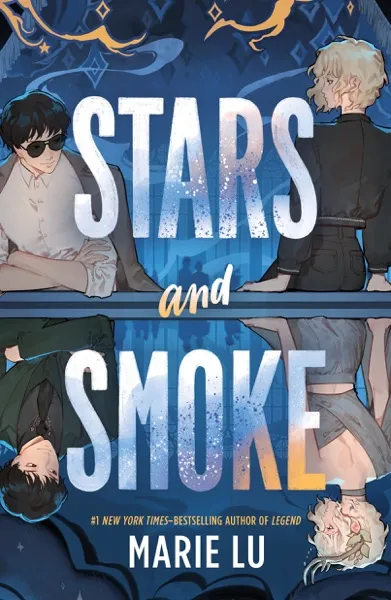
Stars and Smoke Author: Marie LuPage Count: UnknownPublication Year: 2023-GB Stars and Smoke: A Dazzling Dance of Espionage, Identity, and the Shadows of Power Marie Lu, the New York Times bestselling author behind the Legend trilogy and The Young Elites series, has once again proven her mastery of high-stakes storytelling with Stars and Smoke. While the exact page count remains elusive, what is clear is that this 2023 release is a global phenomenon, a book that has captivated readers from Tokyo to Toronto with its intoxicating blend of espionage, forbidden romance, and the high-stakes world of international diplomacy. If you thought Lu’s signature blend of sharp wit and heart-stopping action was confined to dystopian futures, Stars and Smoke will shatter that illusion. At its core, Stars and Smoke is a story about duality—of selves, of nations, of the thin line between heroism and villainy. The novel follows Emiko, a young woman who exists in the margins of two worlds: as a member of the elite guard of the Chinese Imperial Family, she is bound by duty, secrecy, and the cold calculations of power. But beneath her disciplined exterior burns a desire for freedom, a longing to step out of the shadows and into the light of her own choosing. When she is thrust into a dangerous mission alongside Dante, a roguish American diplomat with a penchant for trouble and a knack for survival, Emiko’s carefully constructed identity begins to unravel. The result is a breathless exploration of what it means to belong—not just to a country, but to oneself. Lu’s writing is a masterclass in tension, each sentence crackling with the electricity of a wire about to snap. She has a rare ability to balance the grandeur of international intrigue with the intimate, often messy, emotions of her characters. The prose is sleek and immersive, pulling the reader into a world where every glance, every whispered word, could be a betrayal or a lifeline. The dialogue crackles with wit and subtext, particularly in the banter between Emiko and Dante, whose dynamic is equal parts push-and-pull romance and reluctant partnership. Their chemistry is combustible, the kind that makes you want to shout at the pages: Just kiss already! (And yet, when it happens, it’s worth the wait.) One of the most striking aspects of Stars and Smoke is Lu’s deconstruction of the spy genre. She doesn’t just give us a heroine in a trench coat and a hero with a fake passport; she interrogates the cost of loyalty, the weight of secrecy, and the ways in which identity is both a weapon and a cage. Emiko’s internal struggle is the heart of the novel, a quiet battle that rages beneath the explosions and chase sequences. Lu refuses to romanticize espionage, instead painting it as a grimy, morally ambiguous world where the lines between right and wrong are drawn in smoke and mirrors. The world-building is another triumph. Lu effortlessly conjures a 1920s-inspired global stage, where airships glide over neon-lit cities and the whispers of revolution hang in the air like gunpowder. The setting isn’t just a backdrop; it’s a character in its own right, a place where the past clings to the present and the future is a ticking bomb. The contrast between the opulence of the Imperial Court and the grit of the underworld is deliciously rendered, making every scene feel vivid and alive. If there’s a critique to be offered, it’s that the pacing, while relentless, occasionally veers into the territory of plot convenience—moments where the characters’ survival feels less like consequence and more like narrative acrobatics. But this is a minor quibble in a book that otherwise delivers on every front. Lu’s ability to weave together action, romance, and deep thematic questions is nothing short of spectacular. Stars and Smoke is more than just a spy thriller; it’s a meditation on what it means to be human in a world that demands you be anything but. It’s a book that will leave you breathless, your heart pounding long after the last page. Marie Lu has done it again—she’s written a story that is as thought-provoking as it is thrilling, a tale that lingers like the scent of gunpowder in an empty room. Don’t just read it—live it. And when you do, you’ll understand why the world can’t stop talking about it. #StarsAndSmoke #MarieLu #SpyThriller #HistoricalFiction #RomanceAndEspionage #BookTok Related InsightsLe Rythme Invisible du Progrès : L'Odyssée de la Batterie Lithium-Ion City of Bones Book Review and Summary Sapiens. De animales a dioses (Edición especial 10º aniversario) / Sapiens: A Brief History of Humankind Book Review and Summary{ "@context": "https://schema.org", "@type": "FAQPage", "mainEntity": [ { "@type": "Question", "name": "What is the main focus of Stars and Smoke Book Review and Summary?", "acceptedAnswer": { "@type": "Answer", "text": "Everything you need to know about Stars and Smoke with our detailed review." } }, { "@type": "Question", "name": "Who authored the comprehensive guide on Stars and Smoke Book Review and Summary?", "acceptedAnswer": { "@type": "Answer", "text": "This detailed article and its insights were carefully researched and authored by Lucia Garcia." } }, { "@type": "Question", "name": "Where can I find more related content about Books?", "acceptedAnswer": { "@type": "Answer", "text": "You can explore more articles, detailed reviews, and similar insights by browsing the Related Insights section at the bottom of this article or visiting our dedicated Books category page." } } ] }
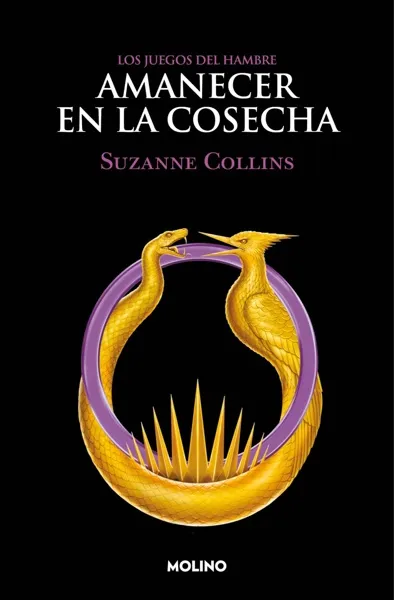
Amanecer de la Cosecha Author: Suzanne CollinsPage Count: UnknownPublication Year: 2025-GB Amanecer de la Cosecha: Suzanne Collins’ Masterful Return to the Hunger Games Universe In a world where dystopian fiction often treads familiar ground, Suzanne Collins once again proves why she remains a titan of the genre with Amanecer de la Cosecha. Set in the hauntingly vivid landscape of Panem, this long-awaited sequel to The Ballad of Songbirds and Snakes doesn’t just revisit the ruins of the Capitol—it redefines them. With razor-sharp prose, morally complex characters, and a narrative that pulses with urgency, Collins delivers a story that is as thought-provoking as it is thrilling. For fans of the original trilogy and newcomers alike, Amanecer de la Cosecha is a literary harvest of the highest order, reaping what Collins has sown with unparalleled skill. At its core, Amanecer de la Cosecha explores the cyclical nature of power, rebellion, and human resilience. The story unfolds in a Panem that has been scarred by decades of upheaval, where the Capitol’s grip has loosened but not broken. Collins masterfully dissects the psychological toll of oppression, not just on those who suffer under it, but on those who perpetuate it. The novel’s title itself—a nod to the agricultural metaphor that has always underpinned the Hunger Games—hints at a deeper reckoning with survival, sacrifice, and the price of freedom. Themes of identity and reinvention loom large, as characters grapple with who they are in a world that demands they be something else. The protagonist, a figure whose past is shrouded in controversy, is a revelation. Collins crafts a protagonist who is neither hero nor villain but a product of their environment, forced to navigate a labyrinth of moral ambiguity. Their journey is one of self-discovery, but it’s also a mirror held up to the reader, forcing us to confront our own complicity in systems of control. The supporting cast is equally compelling, with Collins breathing new life into familiar faces while introducing a fresh generation of rebels whose motivations are as layered as the districts they hail from. The dynamics between characters crackle with tension, whether it’s the quiet defiance of a young tribute or the calculated ruthlessness of a Capitol elite clinging to power. Collins’ writing style in Amanecer de la Cosecha is a masterclass in pacing and atmosphere. Her prose is lean yet evocative, painting a world that is both brutal and beautiful in its decay. The author’s ability to balance action with introspection ensures that the story never feels rushed, even as the stakes escalate. Collins’ signature use of stark, unflinching detail—whether describing the aftermath of a bombing or the quiet desperation of a character’s internal monologue—anchors the narrative in raw authenticity. The dialogue crackles with wit and tension, a testament to Collins’ ear for human speech and her knack for crafting exchanges that reveal as much as they conceal. What sets Amanecer de la Cosecha apart is its refusal to offer easy answers. Collins doesn’t shy away from the messy realities of revolution, where victory often comes at a cost that no one is prepared to pay. The novel’s climax is a tour de force of suspense, blending high-stakes action with a gut-wrenching emotional climax that lingers long after the final page. It’s a story that demands to be read in one sitting, not just for its gripping plot, but for the questions it leaves rattling in the reader’s mind: What does it mean to be free? Can power ever be wielded without corruption? And how far would you go to protect what you love? For those who have followed Collins’ work from the beginning, Amanecer de la Cosecha is a triumphant return to the world that made her a household name. For those discovering her for the first time, it’s an invitation to a universe that is as rich in history as it is in heart. Whether you’re a fan of dystopian fiction, political allegory, or simply great storytelling, this novel delivers on every level. Suzanne Collins has once again proven that she is not just a chronicler of dark futures, but a visionary who shapes them. Amanecer de la Cosecha isn’t just a book—it’s an experience. And like the best harvests, it leaves you richer for having read it. #AmanecerDeLaCosecha #SuzanneCollins #HungerGames #DystopianFiction #BookReview Related InsightsThe Divide Book Review and Summary Crescent City Book Review and Summary Lolita Book Review and Summary{ "@context": "https://schema.org", "@type": "FAQPage", "mainEntity": [ { "@type": "Question", "name": "What is the main focus of **Amanecer de la Cosecha** Book Review and Summary?", "acceptedAnswer": { "@type": "Answer", "text": "Everything you need to know about **Amanecer de la Cosecha** with our detailed review." } }, { "@type": "Question", "name": "Who authored the comprehensive guide on **Amanecer de la Cosecha** Book Review and Summary?", "acceptedAnswer": { "@type": "Answer", "text": "This detailed article and its insights were carefully researched and authored by Lucia Garcia." } }, { "@type": "Question", "name": "Where can I find more related content about Books?", "acceptedAnswer": { "@type": "Answer", "text": "You can explore more articles, detailed reviews, and similar insights by browsing the Related Insights section at the bottom of this article or visiting our dedicated Books category page." } } ] }
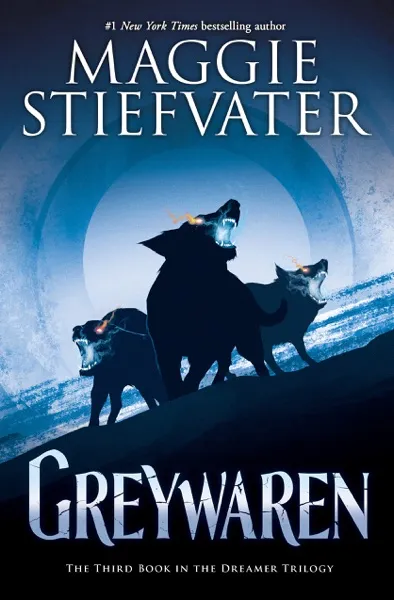
Greywaren Author: Maggie StiefvaterPage Count: UnknownPublication Year: 2022-GB Maggie Stiefvater’s Greywaren is a literary spell woven from threads of myth, memory, and the haunting beauty of the unknown. Published in 2022, this novel cements Stiefvater’s reputation as a masterful storyteller, blending supernatural intrigue with raw human emotion. While the page count remains undisclosed, its impact lingers like a half-remembered dream—vivid, unsettling, and impossible to shake. At its core, Greywaren explores the tension between fate and choice, the weight of inherited legacies, and the quiet rebellion of those who refuse to be defined by the past. The story follows Nora Seed, a young woman grappling with the sudden return of her estranged father—a man she believed long dead—who brings with him a revelation that threatens to unravel everything she thought she knew. He is not her father in the conventional sense but something older, something woven from the fabric of myth and forgotten history. This revelation propels Nora into a world where bloodlines are curses, where names hold power, and where the line between human and myth blurs with devastating consequences. Stiefvater’s prose is as mesmerizing as it is deliberate. Her writing is lyrical yet grounded, lush with imagery that feels tactile—the scent of rain on ancient stones, the weight of a name spoken in the dark, the visceral pull of a heritage that is both blessing and burden. She has a rare ability to balance the eerie and the intimate, making the supernatural feel as tangible as a lover’s breath. The dialogue crackles with wit and subtext, each exchange carrying the weight of unspoken truths. One of the novel’s most compelling strengths is its exploration of identity. Nora is a protagonist who feels achingly real—not because she is flawless, but because she is deeply flawed and struggling. Her journey is not one of triumphant self-discovery but of painful reckoning. She is haunted by the past, not just in the literal sense of ghosts or curses, but in the way memory shapes us. Stiefvater doesn’t shy away from the messy, contradictory nature of human connection. Nora’s relationships—familial, romantic, and platonic—are fraught with tension, love, and betrayal, mirroring the duality of her own nature. The novel’s pacing is deliberate, allowing the story to breathe and the themes to simmer beneath the surface. There are no rushed climaxes or neat resolutions here. Instead, Greywaren unfolds like a slow-burning incantation, each chapter adding another layer to the mystery. The supernatural elements are woven seamlessly into the narrative, never feeling like a gimmick but rather an extension of the characters’ deepest fears and desires. The result is a story that feels both timeless and urgently modern, a tale that could have been plucked from folklore but feels distinctly personal. Stiefvater’s style is also deeply atmospheric. She has a painter’s eye for setting, whether it’s the mist-shrouded moors of Nora’s childhood or the claustrophobic corridors of a family estate steeped in secrets. The world-building is rich but never overbearing, allowing the reader to immerse themselves fully without getting lost in extraneous detail. The magic system, if it can be called that, is subtle and elusive, existing just beyond the reach of logic, much like the emotions it mirrors. What makes Greywaren truly stand out, however, is its emotional depth. This is not a book that relies on cheap thrills or easy answers. It is a story about grief, about the ways we inherit pain and the courage it takes to break cycles. Nora’s journey is one of acceptance—not in the passive sense, but in the active, painful work of letting go. The novel asks difficult questions: Can we ever truly escape our past? Is love a choice or a fate? And what does it mean to be human when the boundaries between myth and reality dissolve? In the end, Greywaren is a book that lingers because it refuses to offer neat resolutions. It is messy, beautiful, and deeply human—a testament to the power of stories to both haunt and heal. Maggie Stiefvater has crafted something rare here: a novel that is as thought-provoking as it is immersive, as heartbreaking as it is hopeful. #Greywaren #MaggieStiefvater #DarkFantasy #SupernaturalFiction #YAFantasy #MythAndMagic Related InsightsStyx - The River (Goddesses of the Underworld, #2) Book Review and Summary Along the Saltwise Sea Book Review and Summary Carry On Book Review and Summary{ "@context": "https://schema.org", "@type": "FAQPage", "mainEntity": [ { "@type": "Question", "name": "What is the main focus of Greywaren Book Review and Summary?", "acceptedAnswer": { "@type": "Answer", "text": "Everything you need to know about Greywaren with our detailed review." } }, { "@type": "Question", "name": "Who authored the comprehensive guide on Greywaren Book Review and Summary?", "acceptedAnswer": { "@type": "Answer", "text": "This detailed article and its insights were carefully researched and authored by Lucia Garcia." } }, { "@type": "Question", "name": "Where can I find more related content about Books?", "acceptedAnswer": { "@type": "Answer", "text": "You can explore more articles, detailed reviews, and similar insights by browsing the Related Insights section at the bottom of this article or visiting our dedicated Books category page." } } ] }
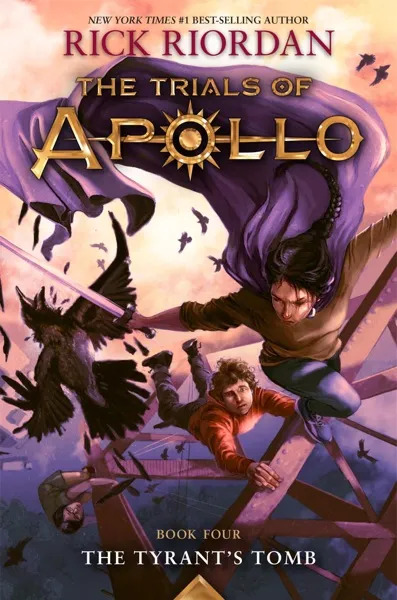
The Tyrant's Tomb Author: Rick RiordanPage Count: UnknownPublication Year: 2019-GB In the world of young adult fantasy, few authors have managed to capture the hearts of readers quite like Rick Riordan. With his latest installment, The Tyrant's Tomb, Riordan proves once again why he's the master of his craft, weaving a tale that's equal parts thrilling, heartwarming, and thought-provoking. As the fourth book in The Trials of Apollo series, The Tyrant's Tomb promises to be an unforgettable ride, and we're here to dive into what makes it so special. At its core, The Tyrant's Tomb is a story about identity, power, and the complexities of heroism. Riordan's protagonist, Apollo, is a god-turned-mortal who's still grappling with the consequences of his newfound humanity. Throughout the book, Apollo's struggles to reconcile his past and present selves serve as a powerful reminder that even the most powerful beings can be vulnerable. This theme is expertly intertwined with the larger narrative, which sees Apollo and his friends facing off against a formidable foe who threatens the very fabric of the demigod world. One of the standout aspects of The Tyrant's Tomb is its cast of characters. Riordan has always been known for his ability to craft relatable, well-rounded protagonists, and Apollo is no exception. But what truly sets this book apart is its supporting cast, which includes a diverse array of demigods, gods, and monsters. From the stoic and enigmatic Meg McCaffrey to the charming and cunning Lu, each character brings their own unique voice and perspective to the table. Riordan's character development is, as always, top-notch, and fans of the series will be delighted to see their favorite characters grow and evolve in meaningful ways. Riordan's writing style is, of course, a major part of what makes The Tyrant's Tomb so compelling. His prose is effortlessly engaging, with a perfect balance of humor, action, and heart. The pacing is expertly managed, with a narrative that's both propulsive and thoughtful. Riordan's world-building is, as always, meticulous and immersive, drawing heavily from Greek mythology while still managing to feel fresh and innovative. One of the most impressive aspects of The Tyrant's Tomb is its ability to balance lighthearted moments with more serious themes. Riordan tackles some heavy topics, including the nature of power, the dangers of toxic masculinity, and the importance of empathy and understanding. But he does so in a way that's never preachy or heavy-handed, instead trusting his readers to infer and interpret the themes for themselves. In short, The Tyrant's Tomb is a triumph, a book that's sure to delight both longtime fans of Riordan's work and newcomers to the series. With its diverse cast of characters, expertly woven narrative, and thought-provoking themes, it's a must-read for anyone who loves fantasy, adventure, or just great storytelling in general. #TheTrialsOfApollo #RickRiordan #TheTyrantsTomb #YoungAdultFantasy #GreekMythology Related InsightsThe Housemaid's Wedding Book Review and Summary Acheron Book Review and Summary A Glimmer of Death (Merry Gentry, #10) Book Review and Summary{ "@context": "https://schema.org", "@type": "FAQPage", "mainEntity": [ { "@type": "Question", "name": "What is the main focus of **The Tyrant's Tomb** Book Review and Summary?", "acceptedAnswer": { "@type": "Answer", "text": "Everything you need to know about **The Tyrant's Tomb** with our detailed review." } }, { "@type": "Question", "name": "Who authored the comprehensive guide on **The Tyrant's Tomb** Book Review and Summary?", "acceptedAnswer": { "@type": "Answer", "text": "This detailed article and its insights were carefully researched and authored by Lucia Garcia." } }, { "@type": "Question", "name": "Where can I find more related content about Books?", "acceptedAnswer": { "@type": "Answer", "text": "You can explore more articles, detailed reviews, and similar insights by browsing the Related Insights section at the bottom of this article or visiting our dedicated Books category page." } } ] }
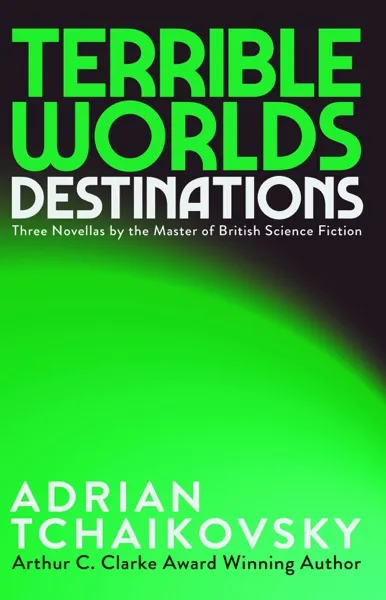
Terrible Worlds Author: Adrian TchaikovskyPage Count: UnknownPublication Year: 2023-GB Terrible Worlds: Adrian Tchaikovsky’s Chilling Symphony of Cosmic Horror Adrian Tchaikovsky’s Terrible Worlds is not just another anthology of science fiction and horror—it is a masterclass in how to weaponize dread, subvert expectations, and leave the reader’s mind simmering in the afterglow of some unseen, unfathomable terror. Published in 2023, this collection cements Tchaikovsky’s reputation as a writer who doesn’t just tell stories but crafts experiences, dragging his audience into realms where the familiar curdles into something grotesque and the unknowable gnaws at the edges of perception. At its core, Terrible Worlds is a meditation on isolation, transformation, and the fragility of human (and post-human) identity. The stories within span a vast expanse of time and space, from the claustrophobic corridors of a derelict starship to the eerie quiet of a colony world where the truth is buried deeper than the mines. Yet no matter the setting, Tchaikovsky’s unifying theme emerges: the terror of becoming something else. His characters—whether they are astronauts, soldiers, or ordinary people caught in extraordinary circumstances—are constantly on the precipice of losing themselves, whether to alien biology, cosmic phenomena, or their own unraveling psyches. What makes Terrible Worlds so unsettling is Tchaikovsky’s refusal to offer easy answers. He doesn’t provide neat resolutions or comforting explanations. Instead, he leaves the reader in the same state of bewilderment as his protagonists, forcing us to sit with the ambiguity, the horror of the unknown. In “The Expert System’s Guide to the Extraterrestrial,” a linguist’s attempt to communicate with an alien intelligence spirals into an existential crisis where language itself becomes a prison. In “The Last Days of the Beasts,” a dying world’s final inhabitants grapple with the realization that their bodies are not their own, that they have been hosts for something far older and more predatory. These stories don’t just scare—they haunt, lingering like a half-remembered nightmare. Tchaikovsky’s prose is a weapon in itself. His writing is precise, economical, yet rich with texture, painting vivid, almost tactile worlds that feel real enough to step into. He has a gift for pacing—building tension with the quiet dread of a slow-burn mystery before unleashing a crescendo of terror that leaves the reader breathless. His dialogue crackles with authenticity, even in the most surreal scenarios, grounding the absurd in the relatable. When a character’s voice wavers, or their thoughts spiral into paranoia, you can feel it—the way fear distorts perception, the way the mind clings to sanity when every rational explanation has been torn away. One of the collection’s most striking strengths is its diversity of approaches to horror. Some stories are intimate, psychological nightmares, like “Gone Fishing,” where a man’s obsession with a mysterious lake leads to a chilling revelation about the nature of time. Others are grand, operatic tales of cosmic terror, such as “The Bees of Europa,” where a scientist’s discovery of an alien hive mind unravels the very fabric of human civilization. Tchaikovsky doesn’t rely on jump scares or grotesque imagery (though there’s plenty of that when needed); instead, he crafts horror from the slow realization that the universe is not just indifferent to humanity—it is actively hostile, and we are but fleeting, insignificant blips in its grand, indifferent design. What elevates Terrible Worlds beyond mere genre exercise is its thematic depth. These stories aren’t just about being afraid—they’re about what it means to be human in a cosmos that doesn’t care whether we exist or not. They explore the terror of losing agency, of being consumed by forces beyond comprehension, and yet, in the face of annihilation, the characters often find a strange resilience. There’s a melancholy beauty in Tchaikovsky’s work, a recognition that even in the face of the terrible, life—and humanity—persists, flawed and fragile but unbroken. For readers who crave horror that lingers, that burrows into the brain and refuses to leave, Terrible Worlds is a must-read. It’s a testament to Tchaikovsky’s skill that he can make the vastness of space feel claustrophobic, that he can turn a simple act of communication into a descent into madness. This is horror for thinkers, for those who prefer their nightmares to be cerebral as much as visceral. If you’ve ever lain awake at night, staring into the dark and wondering what might be staring back, this book will not just confirm your fears—it will amplify them. #Tchaikovsky #CosmicHorror #ScienceFictionHorror #AdrianTchaikovsky #TerribleWorlds #DarkSF Related InsightsNine Perfect Strangers Book Review and Summary Lightning & Thunder (Heroes and Romance, #1) Book Review and Summary Throttled Book Review and Summary{ "@context": "https://schema.org", "@type": "FAQPage", "mainEntity": [ { "@type": "Question", "name": "What is the main focus of Terrible Worlds Book Review and Summary?", "acceptedAnswer": { "@type": "Answer", "text": "Everything you need to know about Terrible Worlds with our detailed review." } }, { "@type": "Question", "name": "Who authored the comprehensive guide on Terrible Worlds Book Review and Summary?", "acceptedAnswer": { "@type": "Answer", "text": "This detailed article and its insights were carefully researched and authored by Lucia Garcia." } }, { "@type": "Question", "name": "Where can I find more related content about Books?", "acceptedAnswer": { "@type": "Answer", "text": "You can explore more articles, detailed reviews, and similar insights by browsing the Related Insights section at the bottom of this article or visiting our dedicated Books category page." } } ] }
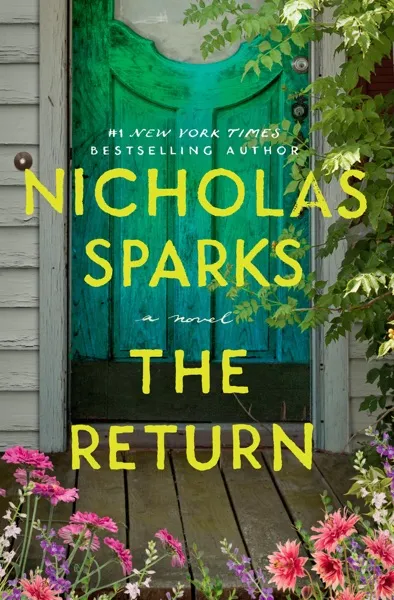
The Return Author: Nicholas SparksPage Count: UnknownPublication Year: 2021-GB Nicholas Sparks has long been the maestro of heart-stirring romance, weaving tales that linger in the mind long after the last page is turned. With The Return, his 2021 release, he once again proves why he remains a global bestseller, capturing the essence of love, loss, and the quiet resilience of the human spirit. This novel is not just another love story—it’s a poignant exploration of second chances, the ghosts of the past, and the enduring power of human connection. At its core, The Return revolves around the theme of reconciliation—both with others and oneself. The story follows Trevor Benson, a man who returns to his small hometown of Edenton, North Carolina, after a decade away, seeking solace and a chance to reconnect with his estranged family. His journey is not just geographical but emotional, as he grapples with old wounds and the weight of unspoken truths. Sparks masterfully delves into the complexities of family dynamics, portraying how past betrayals and misunderstandings can fester, yet how love and forgiveness can ultimately bridge even the deepest divides. What makes The Return particularly compelling is Sparks’ signature style—lyrical prose that paints vivid landscapes, both external and internal. His descriptions of Edenton’s coastal charm are almost tactile, immersing the reader in the salty breeze, the rustle of palm trees, and the quiet charm of a town frozen in time. Yet, it’s his ability to dissect human emotions with surgical precision that truly sets him apart. Sparks doesn’t just tell us his characters are hurting; he makes us feel their pain, their longing, and their fragile hope. Dialogue feels authentic, never forced, and the pacing is meticulously balanced—never rushed, yet never dull. The novel’s emotional depth is further enhanced by its exploration of time and memory. Trevor’s return is not just a physical journey but a reckoning with his past. He encounters people who knew him before, each interaction forcing him to confront the choices he made and the relationships he left behind. Sparks excels at depicting these moments of quiet revelation, where a single glance or a half-remembered conversation can unravel years of suppressed emotion. The result is a story that feels deeply personal, as if we, too, are revisiting our own pasts and questioning the roads we’ve taken. One of the most striking aspects of The Return is its portrayal of small-town life. Edenton isn’t just a backdrop; it’s a character in its own right, a place where everyone knows your name and your history. Sparks captures the intricacies of such communities—the gossip, the loyalty, the unspoken rules that govern relationships. This setting amplifies the novel’s themes of belonging and redemption, making Trevor’s journey all the more resonant. His struggle to fit back into a life he once rejected feels achingly real, and the townsfolk he encounters add layers of complexity to the narrative, each with their own stories of love and loss. Sparks’ writing is deceptively simple, yet it carries a quiet power. He doesn’t rely on melodrama or grand gestures; instead, he lets emotions simmer beneath the surface, building to moments of raw, unfiltered feeling. The love stories in The Return are not about grand declarations or perfect endings; they’re about the messy, imperfect reality of human connection. Whether it’s Trevor’s fraught relationship with his family or the tender, understated romance that unfolds, the novel reminds us that love isn’t always about passion—sometimes, it’s about patience, understanding, and the courage to try again. Of course, no discussion of Sparks’ work would be complete without acknowledging his emotional resonance. The Return is a tearjerker, but not in a manipulative way. The pain his characters endure feels earned, their triumphs hard-won. There’s a bittersweet quality to the story, a recognition that life doesn’t always give us the endings we want, but it does give us the chance to find meaning in the journey. By the final pages, readers will likely find themselves reflecting on their own lives—on the people they’ve loved, the mistakes they’ve made, and the roads they’ve yet to travel. In many ways, The Return is a love letter to second chances. It’s a story that insists redemption is possible, that the past doesn’t have to define us, and that sometimes, the greatest risk we take is allowing ourselves to hope again. Sparks’ genius lies in making these universal truths feel intimate and immediate, wrapping them in a narrative that is as comforting as it is compelling. If you’re a fan of Nicholas Sparks’ work, The Return will feel like a familiar embrace—a warm, emotional journey that leaves you both satisfied and yearning for more. If you’re new to his writing, this novel is a perfect introduction to his ability to craft stories that resonate deeply with the human experience. Either way, The Return is a reminder that even in a world that often feels fractured, there is still room for healing, for love, and for the quiet miracle of returning home. #TheReturn #NicholasSparks #SecondChances #LoveStories #EmotionalJourney #SmallTownRomance Related InsightsInventions Inspired by Oceanic Animals Book Review and Summary The Land of Tears and Hope: The Ukrainian Story Book Review and Summary A Crimson Ridge Christmas (Crimson Ridge #2.5, 4.5) Book Review and Summary{ "@context": "https://schema.org", "@type": "FAQPage", "mainEntity": [ { "@type": "Question", "name": "What is the main focus of The Return Book Review and Summary?", "acceptedAnswer": { "@type": "Answer", "text": "Everything you need to know about The Return with our detailed review." } }, { "@type": "Question", "name": "Who authored the comprehensive guide on The Return Book Review and Summary?", "acceptedAnswer": { "@type": "Answer", "text": "This detailed article and its insights were carefully researched and authored by Lucia Garcia." } }, { "@type": "Question", "name": "Where can I find more related content about Books?", "acceptedAnswer": { "@type": "Answer", "text": "You can explore more articles, detailed reviews, and similar insights by browsing the Related Insights section at the bottom of this article or visiting our dedicated Books category page." } } ] }
Somewhere Beyond the Sea Author: T. J. KlunePage Count: UnknownPublication Year: 2024-GB Somewhere Beyond the Sea by T. J. Klune is a sweeping narrative that masterfully delves into the complexities of the human experience, deftly weaving a tale that is both poignant and uplifting. As a global bestseller, this book has captured the hearts of readers worldwide, and it's easy to see why. From the onset, Klune's writing style is evocative and immersive, drawing the reader into a world that is at once familiar and yet, utterly unique. His prose is lyrical and expressive, with a keen attention to detail that makes the characters and their experiences feel deeply relatable. With each turn of the page, the reader is transported to a realm that is both fantastical and grounded in reality, a true testament to Klune's skill as a storyteller. At its core, Somewhere Beyond the Sea is a book about the power of human connection and the transformative impact it can have on our lives. Klune explores this theme with nuance and sensitivity, creating a narrative that is both deeply personal and universally relatable. Through the eyes of his characters, we witness the beauty and complexity of relationships, the ways in which they can both heal and harm us, and the profound ways in which they shape us into the people we become. One of the most striking aspects of Klune's writing is his ability to balance light and dark, humor and pathos, in a way that feels both authentic and effortless. His characters are multidimensional and richly drawn, with a depth and complexity that makes them feel fully realized. They are flawed and vulnerable, yet resilient and strong, and it is this very humanity that makes them so compelling. Throughout the book, Klune tackles a range of themes, from love and loss to identity and belonging. He does so with a deft hand, never shying away from the difficult or the painful, yet always managing to find a way to infuse even the darkest moments with a sense of hope and redemption. This is a book that will make you laugh and cry, often in the same breath, and it is this very emotional resonance that makes it so unforgettable. In short, Somewhere Beyond the Sea is a masterpiece of contemporary fiction, a book that will resonate with readers long after they finish reading it. With its richly drawn characters, its nuanced exploration of the human experience, and its beautifully expressive prose, this book is a must-read for anyone who loves great storytelling. So come and immerse yourself in Klune's world, and let the beauty and wonder of Somewhere Beyond the Sea wash over you. #TJklune #SomewhereBeyondTheSea #LGBTQPlusFiction #MagicalRealism #ContemporaryFiction #BookLovers Related InsightsWhat You Need to Be Warm Book Review and Summary City of Fallen Angels Book Review and Summary Neverwhere Book Review and Summary{ "@context": "https://schema.org", "@type": "FAQPage", "mainEntity": [ { "@type": "Question", "name": "What is the main focus of Somewhere Beyond the Sea Book Review and Summary?", "acceptedAnswer": { "@type": "Answer", "text": "Everything you need to know about Somewhere Beyond the Sea with our detailed review." } }, { "@type": "Question", "name": "Who authored the comprehensive guide on Somewhere Beyond the Sea Book Review and Summary?", "acceptedAnswer": { "@type": "Answer", "text": "This detailed article and its insights were carefully researched and authored by Olya Shevchenko." } }, { "@type": "Question", "name": "Where can I find more related content about Books?", "acceptedAnswer": { "@type": "Answer", "text": "You can explore more articles, detailed reviews, and similar insights by browsing the Related Insights section at the bottom of this article or visiting our dedicated Books category page." } } ] }
- Lucia Garcia
- 20 Feb, 2025 10:40
**Camp Jupiter Classified - A Probatio's Journal** Book Review and Summary
Camp Jupiter Classified - A Probatio's Journal Author: Rick RiordanPage Count: UnknownPublication Year: 2020-GB Unlocking the Secrets of Camp Jupiter: A Riveting Dive into Camp Jupiter Classified – A Probatio’s Journal Few authors have mastered the art of blending mythology, modern adventure, and heartfelt storytelling quite like Rick Riordan. With Camp Jupiter Classified – A Probatio’s Journal, Riordan once again proves why he remains a titan in young adult fiction, delivering a fresh, immersive experience that feels both familiar and groundbreaking. This installment in the Trials of Apollo series isn’t just a side story—it’s a treasure trove of secrets, humor, and raw emotion that will leave readers clamoring for more. At its core, Camp Jupiter Classified is a journal-style narrative that offers an insider’s perspective on the Roman demigods of Camp Jupiter. Unlike the Olympian-focused adventures of Percy Jackson, this book shifts the spotlight to the lesser-known but equally compelling world of Roman demigods, where honor, duty, and survival take center stage. The journal format—a clever narrative device—immerses readers in the daily lives, struggles, and triumphs of the camp’s newest recruits, known as probationaries or probationes. This unique structure not only adds authenticity but also makes the story feel intimate, as if we’re flipping through the pages of a real diary filled with sketches, doodles, and confidential notes. Riordan’s signature wit and humor shine throughout, but what sets this book apart is its deeper exploration of themes like identity, belonging, and the weight of legacy. The protagonist, a young probatio named Austin, grapples with the pressures of proving himself in a camp where failure could mean expulsion—or worse. Through Austin’s eyes, readers witness the harsh realities of Roman demigod life, from brutal training exercises to the ever-present threat of monsters lurking beyond camp borders. Yet, beneath the action and humor, Riordan weaves a poignant commentary on what it means to find one’s place in a world that often feels unforgiving. The supporting cast is a delightful mix of familiar faces and intriguing newcomers. Fans of the Percy Jackson universe will recognize beloved characters like Reyna and Nico, whose presence adds depth and continuity to the story. Meanwhile, the introduction of new probatio recruits—each with their own quirks, insecurities, and hidden strengths—brings fresh energy to the narrative. Riordan excels at crafting characters who feel real, flawed, and deeply human, making their victories and setbacks all the more compelling. One of the most striking aspects of Camp Jupiter Classified is Riordan’s ability to balance humor with high-stakes drama. The book is peppered with laugh-out-loud moments, from absurd monster encounters to the over-the-top antics of the camp’s eccentric residents. Yet, these lighter scenes are seamlessly interwoven with moments of genuine tension, where the fate of Camp Jupiter—and possibly the entire world—hangs in the balance. This tonal dexterity keeps readers on the edge of their seats while ensuring they never lose sight of the story’s emotional core. Riordan’s writing style is as dynamic as ever, characterized by snappy dialogue, vivid descriptions, and a knack for pacing that keeps the plot moving at a breakneck speed. The journal format allows for a more fragmented, almost cinematic storytelling approach, with entries ranging from terse mission logs to heartfelt personal reflections. This variety not only enhances the immersive experience but also gives readers a sense of immediacy, as if they’re uncovering the story in real time. For those unfamiliar with the Trials of Apollo series, Camp Jupiter Classified serves as an excellent entry point, offering enough context to stand alone while rewarding longtime fans with deeper lore and Easter eggs. Riordan’s world-building is, as always, meticulous, blending ancient Roman mythology with modern sensibilities in a way that feels both authentic and accessible. Whether it’s the intricate politics of Camp Jupiter or the creative reinterpretations of mythological figures, every detail feels purposeful and enriching. Ultimately, Camp Jupiter Classified – A Probatio’s Journal is more than just a spin-off—it’s a love letter to fans of the series and a testament to Riordan’s unparalleled ability to reinvent himself while staying true to his roots. It’s a book that will make you laugh, gasp, and maybe even shed a tear, all while leaving you hungry for the next adventure. For anyone who has ever felt like an outsider or struggled to find their place in the world, this story resonates on a deeply personal level. And for those who simply love a good adventure, Riordan delivers yet again, proving that the magic of Camp Half-Blood and Camp Jupiter is far from fading. #RickRiordan #CampJupiterClassified #TrialsOfApollo #PercyJackson #MiddleGradeBooks Related InsightsTao Te Ching Book Review and Summary Oliver Twist Book Review and Summary Chasing the Devil: The Search for Africa's Fighting Spirit Book Review and Summary{ "@context": "https://schema.org", "@type": "FAQPage", "mainEntity": [ { "@type": "Question", "name": "What is the main focus of **Camp Jupiter Classified - A Probatio's Journal** Book Review and Summary?", "acceptedAnswer": { "@type": "Answer", "text": "Everything you need to know about **Camp Jupiter Classified - A Probatio's Journal** with our detailed review." } }, { "@type": "Question", "name": "Who authored the comprehensive guide on **Camp Jupiter Classified - A Probatio's Journal** Book Review and Summary?", "acceptedAnswer": { "@type": "Answer", "text": "This detailed article and its insights were carefully researched and authored by Lucia Garcia." } }, { "@type": "Question", "name": "Where can I find more related content about Books?", "acceptedAnswer": { "@type": "Answer", "text": "You can explore more articles, detailed reviews, and similar insights by browsing the Related Insights section at the bottom of this article or visiting our dedicated Books category page." } } ] }
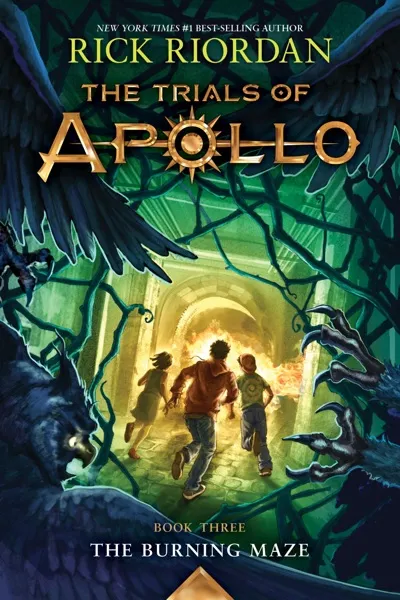
Trials of Apollo Author: Rick RiordanPage Count: UnknownPublication Year: 2020-GB Dive Back into the Mythic Chaos: Why Trials of Apollo is Rick Riordan’s Most Daring Adventure Yet Few authors have mastered the art of blending ancient mythology with modern wit as effortlessly as Rick Riordan. Since his Percy Jackson series redefined young adult fantasy, Riordan has continued to captivate millions with his clever retellings of gods, monsters, and heroes. But with Trials of Apollo, the New York Times bestselling author doesn’t just revisit familiar ground—he shatters it. Published in 2020 as the final installment in the Trials of Apollo series, this book is a masterclass in reinvention, emotional depth, and high-stakes adventure that cements Riordan’s legacy as the godfather of mythological fiction. At its core, Trials of Apollo is a story of transformation—literally and metaphorically. After being cast down from Olympus by his father Zeus, the once-arrogant god Apollo is stripped of his divinity and forced to live as a mortal teenager named Lester Papadopoulos. The premise alone is a stroke of genius: a deity reduced to acne, puberty, and the humiliating realities of human life. Riordan takes this fish-out-of-water scenario and runs with it, crafting a narrative that is as hilarious as it is poignant. Apollo’s journey isn’t just about regaining his powers; it’s about confronting his past mistakes, learning humility, and discovering what it truly means to be a hero—not just a god. One of the series’ greatest strengths lies in its ensemble cast. Meg McCaffrey, Apollo’s sharp-witted demigod companion, steals every scene with her dry humor and unexpected depth. Meanwhile, Percy Jackson and Annabeth Chase return in pivotal roles, their chemistry as strong as ever. Riordan’s ability to balance humor with heart is on full display here, as the characters grapple with themes of identity, family, and redemption. The banter is razor-sharp, the emotional beats land with precision, and the stakes have never felt higher. Riordan’s writing style is a masterclass in accessibility and engagement. His prose is clean and propulsive, making Trials of Apollo a page-turner from start to finish. Yet beneath the humor and action lies a deeper exploration of mythology itself. The book weaves in lesser-known gods, obscure prophecies, and obscure monsters, rewarding readers who pay attention while never alienating casual fans. This balance is key to Riordan’s enduring appeal—he makes the ancient feel fresh and the fantastical feel tangible. Thematically, Trials of Apollo delves into the duality of human and divine nature. Apollo’s forced mortality forces him to confront his own flaws, a journey that mirrors the classic hero’s arc. The series also explores the idea of legacy—how the actions of gods ripple through generations and how even immortals can be shaped by their choices. These themes resonate deeply, especially in a world where young readers are constantly searching for their own identities. What sets Trials of Apollo apart from other Riordan novels is its willingness to take risks. The stakes are higher, the villains more menacing, and the emotional payoffs more satisfying. Riordan doesn’t shy away from dark moments, and the book’s climax is both thrilling and bittersweet. Fans of the series will appreciate the callbacks and Easter eggs, while newcomers will be swept up in the adventure. Ultimately, Trials of Apollo is more than just a conclusion to a beloved series—it’s a testament to Riordan’s storytelling prowess. It’s a book that makes you laugh, cry, and cheer, all while reminding you why mythology has endured for millennia. Whether you’re a longtime fan or a first-time reader, this is a story that will leave you hungry for more. For anyone who’s ever dreamed of gods walking among us—or just wanted to see Zeus get a taste of his own medicine—Trials of Apollo delivers in spades. #RickRiordan #TrialsOfApollo #PercyJackson #MythologyBooks #FantasyAdventure
Normal Women Author: Philippa GregoryPage Count: UnknownPublication Year: 2024-GB Philippa Gregory’s Normal Women (2024) is a bold and transformative work that challenges the very idea of history as it has been told—centuries of stories dominated by men, about men, for men. With her signature narrative flair, Gregory shatters the myth of the passive, marginalized woman and instead presents a sweeping, intimate, and often revolutionary portrait of ordinary women whose lives shaped—and were shaped by—the turbulent tides of British history. This is not a book about queens or warriors in silk gowns; it is a celebration of the unsung, the overlooked, the "normal" women who lived, loved, rebelled, and endured across two millennia. In doing so, Gregory doesn’t just rewrite history—she redefines it. The central theme of Normal Women is a radical assertion: that women, in all their diversity and complexity, have always been the backbone of society, even when their stories were deliberately erased or trivialized. Gregory structures her narrative not around grand events or famous figures, but around the lived experiences of women from different classes, regions, and eras—from Iron Age pottery makers to medieval brewers, from Victorian factory workers to World War II land girls. Each chapter is a vignette, a snapshot of a life, yet collectively, they form a mosaic that recontextualizes known historical moments through the lens of female agency. What makes Gregory’s approach so compelling is her refusal to romanticize. These are not idealized heroines but real, flawed, and fiercely human women. A 14th-century peasant woman who steals a sheep to feed her family is not just a statistic in a court record—she becomes a figure of quiet defiance. A 19th-century factory girl who organizes a strike is not merely a footnote in labor history but a pioneer of collective action. Gregory’s genius lies in her ability to humanize the abstract, to take the dry bones of historical records and clothe them in flesh, blood, and emotion. She doesn’t just tell us what these women did; she makes us feel it. Her writing style is deceptively simple yet deeply immersive. Gregory has a remarkable talent for blending rigorous historical research with vivid, cinematic storytelling. She doesn’t overwhelm the reader with footnotes or academic jargon; instead, she trusts the power of narrative to convey truth. The prose flows effortlessly, drawing the reader into each era with rich sensory details—smells of a medieval alehouse, the texture of a woolen shift, the clatter of a suffragette’s heels on cobblestones. Yet beneath the lyrical surface, there is a steely intellect at work, meticulously reconstructing lives that were deliberately buried in the archives. One of the most striking aspects of Normal Women is its unflinching examination of power—how women wielded it, resisted it, and were crushed by it. Gregory doesn’t shy away from the brutality of patriarchal systems, whether it’s the forced marriages of medieval heiresses, the witch trials of the early modern period, or the systemic silencing of working-class women in industrial England. Yet she also highlights the spaces where women carved out autonomy: in the kitchens of grand houses, in the fields of communal farms, in the underground networks of suffragist societies. History, she reminds us, is not a linear march of progress but a series of struggles, some won, some lost, all fought in the shadows. Gregory’s use of multiple perspectives is particularly effective. By giving voice to women from vastly different backgrounds, she exposes the fallacy of a single "female experience." A noblewoman’s perspective on marriage is not the same as a laundress’s, nor should it be. This diversity enriches the narrative, making it feel both panoramic and deeply personal. The book’s structure—episodic yet thematically cohesive—allows Gregory to explore large-scale historical shifts (the Black Death, the Industrial Revolution, the rise of feminism) without losing sight of the individual. At times, Normal Women reads like a corrective to centuries of historical erasure. Gregory doesn’t just fill in gaps; she dismantles the frameworks that created those gaps in the first place. Her work challenges the reader to question who gets to write history—and why. In an era where women’s voices are still fighting for space in public discourse, this book feels not just timely but essential. It’s a rallying cry for anyone who has ever felt invisible in the official record. Philippa Gregory’s Normal Women is more than a history book; it’s a manifesto. It’s a love letter to the resilience of ordinary people, a challenge to the narratives we’ve been fed, and a testament to the power of storytelling itself. By centering the lives of women who were never meant to be remembered, Gregory doesn’t just recover lost history—she redefines what history can be. #WomenWhoShapedHistory #HiddenFiguresUnveiled #RewriteTheNarrative #EverydayHeroines #HistoryFromBelow #PhilippaGregoryAtHerBest Related InsightsMarked Book Review and Summary The Lies of Locke Lamora Book Review and Summary Long Walk Book Review and Summary{ "@context": "https://schema.org", "@type": "FAQPage", "mainEntity": [ { "@type": "Question", "name": "What is the main focus of Normal Women Book Review and Summary?", "acceptedAnswer": { "@type": "Answer", "text": "Everything you need to know about Normal Women with our detailed review." } }, { "@type": "Question", "name": "Who authored the comprehensive guide on Normal Women Book Review and Summary?", "acceptedAnswer": { "@type": "Answer", "text": "This detailed article and its insights were carefully researched and authored by Lucia Garcia." } }, { "@type": "Question", "name": "Where can I find more related content about Books?", "acceptedAnswer": { "@type": "Answer", "text": "You can explore more articles, detailed reviews, and similar insights by browsing the Related Insights section at the bottom of this article or visiting our dedicated Books category page." } } ] }
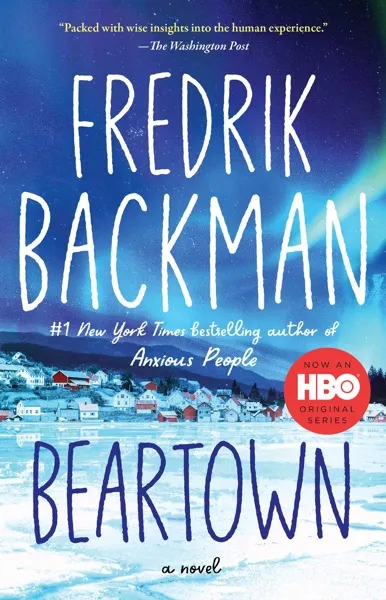
Beartown Author: Fredrik BackmanPage Count: UnknownPublication Year: 2018-GB Fredrik Backman’s Beartown is a masterclass in storytelling that transcends the boundaries of a simple sports novel. At its core, it is a searing exploration of community, ambition, and the fractures that form when dreams collide with human frailty. Set in the remote, economically struggling town of Beartown, Backman crafts a narrative that is as much about the place as it is about the people who call it home. The book doesn’t just depict a town; it breathes life into it, making the forest, the hockey rink, and the crumbling infrastructure feel like characters in their own right. This is no small feat—Backman turns a struggling municipality into a crucible of emotion, where every decision, every silence, and every cheer echoes through the lives of its inhabitants. The central conflict revolves around the town’s junior ice hockey team, which is on the verge of a historic breakthrough. The hope of a championship is more than just a sporting achievement; it’s a lifeline. Beartown’s identity, its very soul, is tied to this team, and the town’s future hangs in the balance. When a violent incident involving two of its star players threatens to shatter this fragile dream, the community is forced to confront its own hypocrisies, prejudices, and moral failings. Backman doesn’t shy away from the ugliness that festers in the shadows of small-town life. Instead, he dissects it with unflinching honesty, exposing the way people rationalize their choices, protect their own, and often sacrifice the truth on the altar of collective survival. What makes Beartown so compelling is Backman’s ability to weave personal and communal narratives into a single, resonant chord. The characters are not merely vessels for the plot; they are deeply human, flawed, and achingly real. May, the general manager’s wife, is a woman clinging to the hope that her husband’s vision for the town can outlast its decay. Her quiet strength and simmering frustration make her one of the most compelling figures in the book. Kevin Erdahl, the team’s golden boy, is a paradox—a prodigy whose talent is matched only by his entitlement. His fall from grace is not just a personal tragedy but a reflection of how talent, when untempered by accountability, becomes a weapon. And then there’s Amat, the underdog who represents the town’s last hope, whose journey is as much about proving himself as it is about reclaiming his family’s dignity. Backman’s prose is deceptively simple, yet it carries the weight of a sledgehammer. His sentences are clean, direct, and devoid of pretension, but they land with the force of revelation. He has a rare gift for capturing the unspoken tensions between people—the way a glance can speak volumes, how a single word can fracture a fragile peace. His dialogue crackles with authenticity, whether it’s the raw, unfiltered conversations between friends or the stilted, performative exchanges that mask deeper resentments. There’s a scene where a group of parents in the stands argue over their children’s futures, their voices rising and falling like the tide, each one trying to out-shout the others while saying nothing at all. It’s a moment that encapsulates the book’s essence: a community united by shared dreams and divided by the fear of losing them. The novel’s structure is another of its strengths. Backman doesn’t rely on linear storytelling; instead, he allows the narrative to unfold in layers, revealing new perspectives with each chapter. This approach mirrors the way truth is often uncovered—not all at once, but in fragments, through the accumulation of small, telling details. The reader is drawn into the town’s rhythm, feeling the pulse of its heartbeat as it races toward disaster. The hockey matches, the local gossip, the quiet moments of introspection—all of it builds to a climax that is as inevitable as it is heartbreaking. Backman doesn’t offer easy resolutions or neat moral lessons. Instead, he leaves the reader with the uncomfortable realization that life, much like hockey, is a game of inches where every choice has consequences. At its heart, Beartown is a story about the stories we tell ourselves to survive. The town’s inhabitants cling to the myth of their own resilience, even as the cracks in that myth grow wider. They blame outsiders, bad luck, and each other for their misfortunes, refusing to acknowledge the role they play in their own undoing. But Backman doesn’t let them off the hook. He forces them—and the reader—to look in the mirror. The book asks: What are we willing to sacrifice for the things we love? How far will we go to protect our dreams, even when they’re built on broken foundations? And perhaps most importantly, can a community heal when its fractures run so deep? Backman’s genius lies in his refusal to glorify suffering or romanticize struggle. Beartown is not a tale of triumph over adversity, at least not in the conventional sense. It’s a story about the messy, often ugly process of growth, where progress is measured in small, hard-won victories and setbacks that leave scars. The book’s power comes from its unvarnished honesty. It doesn’t flinch from the darkness, but it also doesn’t wallow in it. There’s a raw beauty in the way Backman captures the resilience of ordinary people, their capacity for both cruelty and kindness, their ability to endure even when the weight of the world presses down on them. In many ways, Beartown is a mirror held up to society, reflecting the tensions that exist in any community where hope and desperation walk hand in hand. It’s a story about hockey, but it’s also about class, gender, ambition, and the stories we tell to make sense of our lives. Backman doesn’t provide answers; he provides the questions, and it’s up to the reader to sit with them, to feel the weight of their implications. This is a book that lingers long after the last page is turned, a testament to the power of storytelling to illuminate the corners of the human experience we often overlook. If you’re looking for a book that will make you laugh, cry, and think deeply about the world around you, Beartown is a must-read. It’s a story that resonates because it’s not just about a town or a team or a game. It’s about all of us, and the choices we make when our backs are against the wall. #Beartown #FredrikBackman #BookReview #SmallTownDrama #HockeyNovel #LiteraryFiction Related InsightsOne Killing Frost (Mercy & Elvis Mysteries, #8) Book Review and Summary The True Love Experiment Book Review and Summary Il Dialogo Silenzioso: L'Arte della Marginalia e il Mondo Segreto delle Annotazioni Nei Libri Antichi{ "@context": "https://schema.org", "@type": "FAQPage", "mainEntity": [ { "@type": "Question", "name": "What is the main focus of Beartown Book Review and Summary?", "acceptedAnswer": { "@type": "Answer", "text": "Everything you need to know about Beartown with our detailed review." } }, { "@type": "Question", "name": "Who authored the comprehensive guide on Beartown Book Review and Summary?", "acceptedAnswer": { "@type": "Answer", "text": "This detailed article and its insights were carefully researched and authored by Olya Shevchenko." } }, { "@type": "Question", "name": "Where can I find more related content about Books?", "acceptedAnswer": { "@type": "Answer", "text": "You can explore more articles, detailed reviews, and similar insights by browsing the Related Insights section at the bottom of this article or visiting our dedicated Books category page." } } ] }
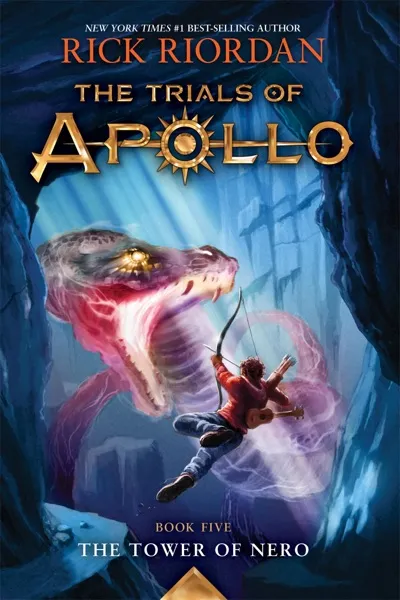
The Tower of Nero Author: Rick RiordanPage Count: UnknownPublication Year: 2020-GB Immerse yourself in a world of mythological wonders, where the lines between reality and fantasy blur, and the fate of the world hangs in the balance. In The Tower of Nero, Rick Riordan masterfully weaves a tale of adventure, friendship, and self-discovery, transporting readers to a richly imagined realm that will leave them breathless and yearning for more. As the fifth installment in The Trials of Apollo series, this book is a testament to Riordan's unparalleled skill in crafting stories that captivate audiences of all ages. At its core, The Tower of Nero is a thought-provoking exploration of the human condition, delving into themes of identity, morality, and the complexities of growing up. The story follows Apollo, a former god turned mortal, as he navigates the treacherous landscape of modern-day New York City. With his signature wit and sarcasm, Apollo embarks on a perilous quest to defeat the evil Triumvirate, a trio of powerful Roman emperors who threaten to destroy the world. Along the way, he must confront his own demons, forging unlikely alliances and discovering the true meaning of friendship, love, and sacrifice. One of the most striking aspects of Riordan's writing style is his ability to craft relatable, well-rounded characters that leap off the page. Apollo, with his flaws and insecurities, is a deeply humanized protagonist, making his journey all the more compelling and authentic. The supporting cast is equally impressive, featuring a diverse array of characters from various mythological backgrounds. From the fiercely loyal Meg McCaffrey to the enigmatic and powerful Luguselwa, each character brings their own unique perspective and voice to the narrative, enriching the story and adding depth to the world-building. Riordan's writing is, as always, a masterclass in pacing, tone, and description. His prose is effortlessly engaging, shifting seamlessly between humor, action, and poignant moments of introspection. The world of The Tower of Nero is meticulously crafted, drawing inspiration from a wide range of mythologies, including Greek, Roman, and African. The result is a vibrant, immersive environment that is both familiar and fresh, inviting readers to explore its many wonders and secrets. Throughout the book, Riordan tackles complex issues with sensitivity and nuance, never shying away from difficult topics or resorting to simplistic solutions. The story is layered with subtle social commentary, addressing issues such as identity, privilege, and the consequences of power. These themes are woven throughout the narrative, adding depth and resonance to the story, and encouraging readers to think critically about the world around them. In conclusion, The Tower of Nero is a triumph of storytelling, a captivating and emotionally resonant tale that will appeal to fans of fantasy, adventure, and mythology. With its richly imagined world, memorable characters, and thought-provoking themes, this book is an instant classic, solidifying Riordan's position as one of the most beloved and respected authors of his generation. Whether you're a longtime fan of the series or new to the world of Rick Riordan, The Tower of Nero is an unforgettable reading experience that will leave you eager to return to the world of myth and magic. #RickRiordan #TheTowerOfNero #TheTrialsOfApollo #MythologyInLiterature #FantasyBookReviews Related InsightsEscape Me (Shatter Me: Series Two #3) Book Review and Summary Breakfast of Champions Book Review and Summary Clockwork Princess Book Review and Summary{ "@context": "https://schema.org", "@type": "FAQPage", "mainEntity": [ { "@type": "Question", "name": "What is the main focus of **The Tower of Nero** Book Review and Summary?", "acceptedAnswer": { "@type": "Answer", "text": "Everything you need to know about **The Tower of Nero** with our detailed review." } }, { "@type": "Question", "name": "Who authored the comprehensive guide on **The Tower of Nero** Book Review and Summary?", "acceptedAnswer": { "@type": "Answer", "text": "This detailed article and its insights were carefully researched and authored by Lucia Garcia." } }, { "@type": "Question", "name": "Where can I find more related content about Books?", "acceptedAnswer": { "@type": "Answer", "text": "You can explore more articles, detailed reviews, and similar insights by browsing the Related Insights section at the bottom of this article or visiting our dedicated Books category page." } } ] }