Showing Posts From
Contemporaryart
-
 Cemre Seyyah
 - 28 Aug, 2026 01:54
Beyond the Horizon: Unveiling Naoshima and Teshima - Japan's Transformative Art Island Odyssey
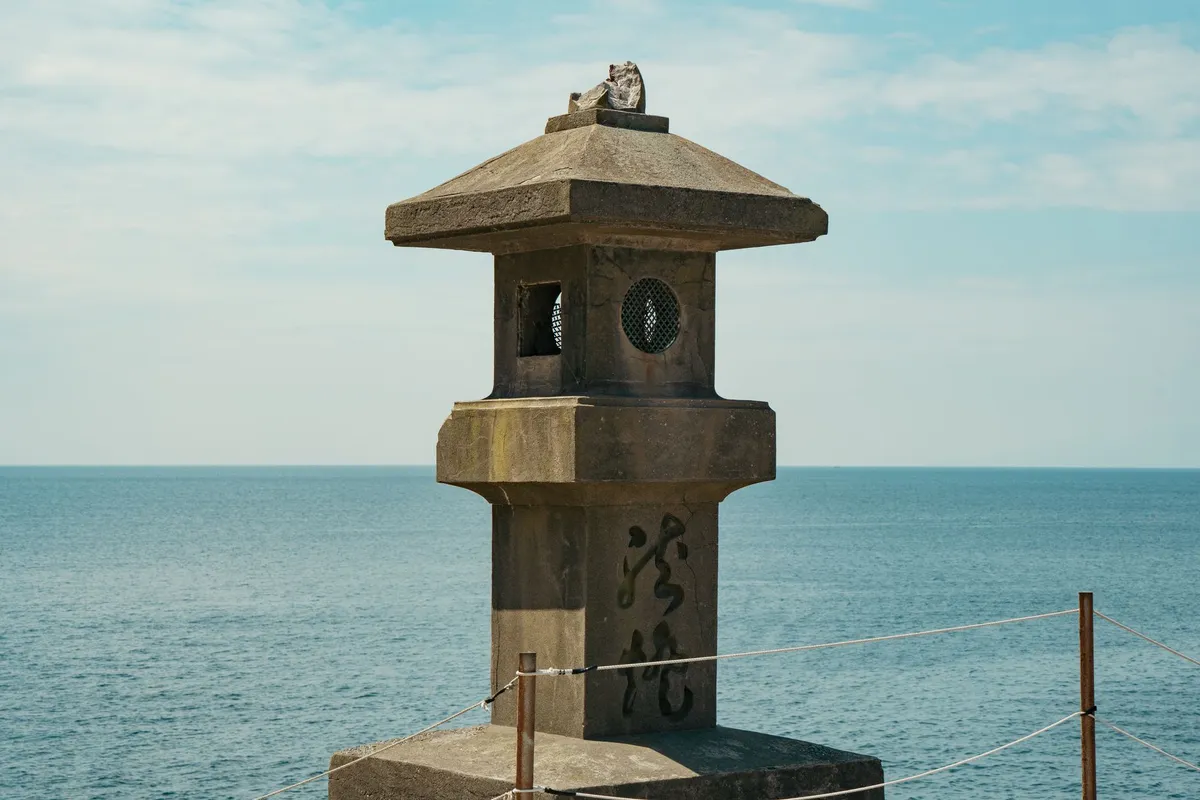
The morning mist clings to the Seto Inland Sea like a whispered secret, a translucent veil separating the mundane world from the ethereal reality of Naoshima and Teshima. As the ferry cuts through the calm, obsidian waters of the Okayama prefecture, the modern frantic pace of Tokyo or Osaka feels like a lifetime away. Here, art does not merely sit within frames or behind velvet ropes; it breathes, it grows, and it merges with the rugged granite coastlines and the salt-sprayed air of rural Japan. This is Cemre Seyyah, and today, we are embarking on an odyssey where the horizon is not an end, but a canvas. Where Architecture Meets the Soul of the Sea Naoshima is the epicenter of this metamorphosis. Once a quiet island community struggling with the industrial fallout of smelting, it has been painstakingly repurposed into a global pilgrimage site for art lovers. At the heart of this transformation lies the vision of the Benesse Corporation and the stark, meditative concrete geometry of Pritzker Prize-winning architect Tadao Ando. When you step foot on Naoshima, you aren't just visiting a museum; you are entering a dialogue between nature and structural minimalism. The Benesse House, designed by Ando, is a masterclass in subtlety. Built partially underground to minimize its footprint, it ensures that the majesty of the Seto Inland Sea remains the focal point. Standing in the gallery, watching the light shift against a Monet water lily print while the real sea waves crash just meters away, is a sensory experience that defines the Naoshima spirit.The Art of the Abandoned and the Reborn Walking through the Honmura district, you will encounter the Art House Project. This is not a collection of galleries built from scratch, but rather a profound repurposing of time itself. Artists and architects were commissioned to take vacant, traditional Japanese houses and turn them into immersive installations. Take, for instance, Hiroshi Sugimoto’s treatment of the Go'o Shrine. By combining traditional Shinto aesthetics with modern optical glass, the shrine bridges the gap between the Edo period and the digital age. Or consider the Kadoya house, where digital LED counters flicker in the darkness, a heartbeat within a structure that has seen generations of life pass by. It is a reminder that on these islands, history is not preserved in formaldehyde; it is woven into the present. A Drop of Water in a Concrete Shell If Naoshima is the masterclass in deliberate design, Teshima is its introspective, poetic sibling. A short ferry ride brings you to an island that feels far more pastoral, draped in rice terraces that roll down to the water. The crown jewel here is the Teshima Art Museum. Architect Ryue Nishizawa and artist Rei Naito collaborated to create a space that defies all traditional definitions of a museum. There are no paintings on the wall. There are no sculptures on pedestals. Instead, the building itself—a massive, shell-like concrete structure with two large apertures open to the elements—serves as the medium. Water beads up from tiny holes in the concrete floor, slowly migrating across the space to form small, transient puddles that eventually coalesce into larger pools before disappearing into drains. It is a meditation on the cycle of life, the ephemerality of existence, and the quiet beauty of a single droplet. You find yourself sitting on the floor, in silence, watching nature perform its slow, silent dance. It is, perhaps, the most transformative experience in contemporary art.The Culinary Rhythm of the Inland Sea An odyssey of this magnitude requires sustenance that honors the terrain. Island life on Naoshima and Teshima is inextricably linked to the bounty of the Seto Inland Sea. Here, the seafood is not a luxury; it is the heartbeat of the local diet. In the small cafes dotting the coast, you will find shirasu-don—a simple, elegant bowl of tiny whitebait served over steaming rice with a drizzle of soy sauce and a garnish of green onions. It tastes of the ocean, briny and fresh, a perfect reflection of the morning commute. The influence of citrus is also omnipresent. Because the islands are known for their lemon and mandarin groves, you will find lemon-infused everything, from local artisan salt to refreshing summer spritzes that cut through the humidity. Eating here is an exercise in localism; the food is grown on the hillsides you walk, or caught in the nets you see drying on the docks as the sun sets. Navigating the Islands: A Practical Guide for the Wanderer To truly understand Naoshima and Teshima, one must embrace the pace of the bicycle. While shuttle buses exist, the soul of the island is discovered in the climb up a steep hill leading to a hidden overlook, or the sudden discovery of a stray cat napping in a patch of sunlight outside a gallery.Rent an Electric Bicycle: The topography of Naoshima is deceptively hilly. An e-bike is not a luxury; it is the key to unlocking the entire island without exhaustion. Book Museums in Advance: Specifically for the Teshima Art Museum and the Chichu Art Museum, tickets are often limited and must be reserved weeks, if not months, in advance. Respect the Living Community: These are not theme parks. Real people live, work, and farm on these islands. Keep your noise levels down, stay on marked paths, and always ask before photographing someone’s private home. Follow the Seasons: Spring brings mild temperatures and the vibrancy of the Seto Triennale, but autumn offers a melancholic beauty as the leaves change and the crowds dissipate, leaving the galleries to the silence they were designed for.Beyond the Horizon of Art As the sun begins to dip below the horizon, painting the Seto Inland Sea in shades of violent violet and liquid gold, one cannot help but reflect on what we seek when we travel. We often look for the "big" sights—the Eiffel Towers, the Great Walls, the crowded metropolises. But there is a different kind of travel, one that asks us to slow down, to look at a puddle of water, to listen to the creak of an old floorboard, and to find the humanity in the architecture. Naoshima and Teshima teach us that beauty is not about scale. It is about the intent behind the object. By taking spaces that were abandoned and giving them new purpose, by honoring the geography of the land, and by inviting the wind and the rain into our galleries, the people of these islands have created something far more valuable than a tourist destination. They have created a sanctuary for the mind. Whether you are an architect, an artist, or simply a wanderer looking for a place to breathe, these islands offer a rare commodity: clarity. In the reflection of a water droplet at the Teshima Art Museum or the shadow cast by a concrete pillar at the Chichu Art Museum, you find not just the art, but yourself. And perhaps, that is the true horizon we are all chasing—a place where the chaos of the world falls away, leaving only the quiet, beautiful truth of the present moment. Pack light, bring an open mind, and prepare to be changed. The Seto Inland Sea is waiting, and its secrets are best discovered one pedal stroke, one silence, and one horizon at a time. #Naoshima #Teshima #ArtIsland #JapanTravel #SetoInlandSea #ContemporaryArt #SlowTravel Related InsightsL’Australie, terre de contrastes : quand l’économie du rêve façonne un continent L'Eterna Seduzione della Costa Azzurra: Tra Scogliere di Porfido e Misteri Belle Époque Svalbard: Arctic Adventures Beyond the Northern Lights – A Remote Paradise for Explorers{ "@context": "https://schema.org", "@type": "FAQPage", "mainEntity": [ { "@type": "Question", "name": "What is the main focus of Beyond the Horizon: Unveiling Naoshima and Teshima - Japan's Transformative Art Island Odyssey?", "acceptedAnswer": { "@type": "Answer", "text": "Journey through the Seto Inland Sea to discover the serene intersection of contemporary architecture, avant-garde art, and the tranquil Japanese archipelago." } }, { "@type": "Question", "name": "Who authored the comprehensive guide on Beyond the Horizon: Unveiling Naoshima and Teshima - Japan's Transformative Art Island Odyssey?", "acceptedAnswer": { "@type": "Answer", "text": "This detailed article and its insights were carefully researched and authored by Cemre Seyyah." } }, { "@type": "Question", "name": "Where can I find more related content about Travel?", "acceptedAnswer": { "@type": "Answer", "text": "You can explore more articles, detailed reviews, and similar insights by browsing the Related Insights section at the bottom of this article or visiting our dedicated Travel category page." } } ] }