Showing Posts From
Crime
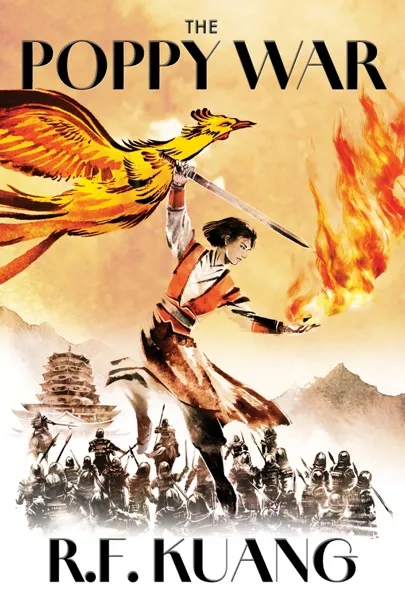
Poppy War Collector's Edition Author: R. F. KuangPage Count: UnknownPublication Year: 2024-GB The Poppy War Collector’s Edition is more than a reissue—it’s a reckoning. R. F. Kuang’s 2018 debut didn’t just arrive; it detonated, carving a permanent scar on the landscape of contemporary fantasy. Now, in 2024, this collector’s edition reaffirms its place not just as a story, but as a cultural artifact—one that demands to be held, studied, and reckoned with. Kuang, a former Rhodes Scholar and now a voice of her generation, wields prose like a weapon, blending the visceral brutality of war with the quiet devastation of human complicity. At its core, The Poppy War is a tragedy in the classical sense: a young woman’s rise and ruin, framed against the backdrop of a nation teetering on the edge of self-destruction. Rin, our protagonist, is no chosen hero. She’s a war orphan, poor, outcast, and hungry—both literally and for power. Her journey from the slums of Tikany to the halls of Sinegard Academy is less a triumph of destiny than a collision of circumstance and desire. Kuang refuses to romanticize Rin’s ascent. The cost of her power—sourced from the Phoenix, a god of fire and ruin—is paid in blood, memory, and sanity. This is not the story of a hero who saves the world. It’s the story of a girl who learns too late that the world was never worth saving. The novel’s greatest strength lies in its refusal to soften its gaze. The Second Poppy War is not a sanitized conflict; it’s a grotesque mirror to the real-world atrocities of the Second Sino-Japanese War and the Rape of Nanjing. Kuang doesn’t flinch. She shows us the fall of a city through a haze of opium and fire, where soldiers bayonet children and commanders order mass executions without hesitation. Yet, she also forces us to see the humanity in the enemy—the grieving mothers, the conscripted boys, the civilians who just want to survive. War, Kuang insists, is not a clash of heroes and villains, but a machine fueled by collective indifference. Kuang’s prose is electric—sharp, brutal, and unapologetically direct. She writes with the precision of a historian and the lyricism of a poet. Her sentences cut to the bone, often ending in abrupt silence, mimicking the way trauma distorts memory. Dialogue crackles with tension; silence speaks volumes. The pacing is relentless, moving from academic intrigue to battlefield chaos with disorienting speed. There are no easy victories here, no clean arcs. Every triumph is shadowed by loss; every victory feels like defeat. What makes The Poppy War enduring is not just its world-building or its epic scale, but its moral complexity. Kuang challenges the reader to confront uncomfortable truths: that power corrupts, that survival often requires complicity, and that heroism is a myth sold to the desperate. Rin’s fall is not just personal—it’s ideological. She begins believing in the righteousness of her cause, only to realize that she has become the very monster she sought to destroy. This is not a coming-of-age story. It’s a coming-of-unraveling. The collector’s edition enhances this experience with premium materials—thicker paper, embossed cover art, and perhaps new bonus content like author commentary or deleted scenes. While the core narrative remains unchanged, the presentation signals respect for the book’s cultural weight. It’s not just a book to be read; it’s a book to be preserved, discussed, and debated across generations. In an era where fantasy increasingly leans toward escapism, The Poppy War is a necessary counterforce. It reminds us that fantasy can—and should—be a mirror, not just a window. Kuang’s work is a warning, a lament, and a masterclass in narrative fearlessness. It doesn’t just entertain. It haunts. This is not a book you finish. It’s a book that finishes you. #ThePoppyWar #R.F.Kuang #DarkFantasy #WarFiction #AsianSpeculativeFiction #MustRead2024 Related InsightsIn the Margins Book Review and Summary Fear Farm (Bleak Haven, #4) Book Review and Summary Cozy Little Christmas Book Review and Summary{ "@context": "https://schema.org", "@type": "FAQPage", "mainEntity": [ { "@type": "Question", "name": "What is the main focus of Poppy War Collector's Edition Book Review and Summary?", "acceptedAnswer": { "@type": "Answer", "text": "Everything you need to know about Poppy War Collector's Edition with our detailed review." } }, { "@type": "Question", "name": "Who authored the comprehensive guide on Poppy War Collector's Edition Book Review and Summary?", "acceptedAnswer": { "@type": "Answer", "text": "This detailed article and its insights were carefully researched and authored by Victoria Smith." } }, { "@type": "Question", "name": "Where can I find more related content about Books?", "acceptedAnswer": { "@type": "Answer", "text": "You can explore more articles, detailed reviews, and similar insights by browsing the Related Insights section at the bottom of this article or visiting our dedicated Books category page." } } ] }
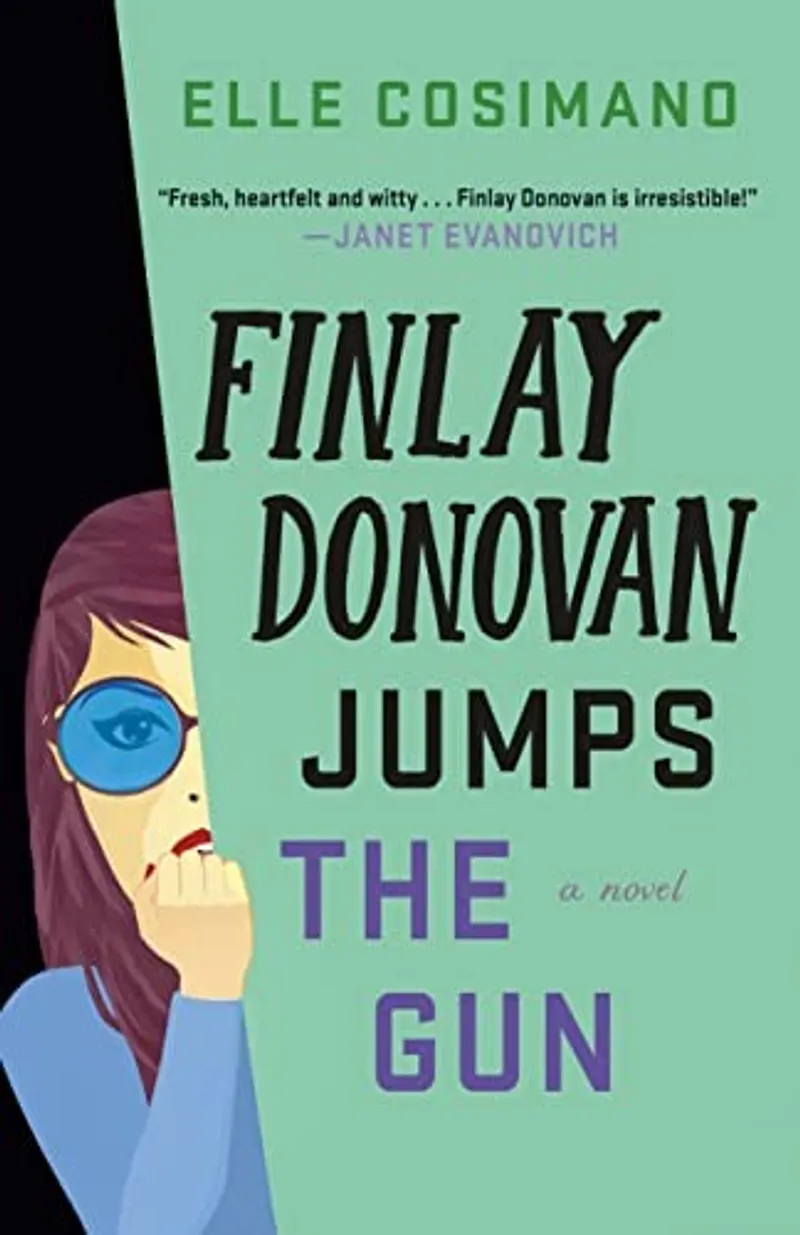
Finlay Donovan Jumps the Gun Author: Elle CosimanoPage Count: UnknownPublication Date: 2023-OL Finlay Donovan Jumps the Gun, the latest novel by Elle Cosimano, is a thought-provoking and captivating tale that delves into the complexities of human relationships, identity, and the blurred lines between right and wrong. Although specific details about the plot are scarce, Cosimano's unique writing style and mastery of storytelling are expected to shine through in this new installment. Elle Cosimano's writing is known for its unique blend of wit, humor, and poignancy, and Finlay Donovan Jumps the Gun is no exception. With a narrative that is both engaging and suspenseful, Cosimano expertly weaves together themes of love, family, and self-discovery, creating a story that is both relatable and compelling. One of the standout features of Cosimano's writing is her ability to craft complex, multifaceted characters that leap off the page. Finlay Donovan, the protagonist, is a beautifully flawed and deeply human character, full of contradictions and nuances that make her both believable and endearing. As the story unfolds, Finlay's journey is marked by moments of triumph and defeat, humor and pathos, and Cosimano's masterful characterization brings the reader along for the ride. Throughout the book, Cosimano's prose is marked by a distinctive voice that is both conversational and lyrical. Her writing is infused with a sense of humor and irony, which serves to balance out the darker moments of the story, creating a narrative that is both entertaining and thought-provoking. The pacing is well-balanced, with a narrative that flows effortlessly from one scene to the next, keeping the reader engaged and invested in the story. Cosimano's exploration of themes is another noteworthy aspect of her writing. In Finlay Donovan Jumps the Gun, she tackles complex issues such as identity, family dynamics, and the consequences of one's actions, handling them with sensitivity and nuance. The author's ability to balance lighthearted moments with more serious themes is a hallmark of her writing style, and this book is no exception. While the page count and specific details of the plot are unknown, one thing is certain: Finlay Donovan Jumps the Gun is a must-read for fans of Elle Cosimano and lovers of suspenseful, character-driven fiction. With its unique blend of humor, poignancy, and wit, this novel is sure to resonate with readers and leave a lasting impression. In conclusion, Finlay Donovan Jumps the Gun is a gripping and emotionally charged novel that promises to deliver on Cosimano's signature blend of suspense, humor, and heart. With its complex characters, engaging narrative, and thought-provoking themes, this book is sure to captivate readers and solidify Cosimano's position as a leading author in the genre. #FinlayDonovanJumpsTheGun #ElleCosimano #MysteryAndSuspense #NewRelease2023 #CrimeFiction #BookLoversUnite Related InsightsFinal Offer Book Review and Summary Your Lips on Mine Book Review and Summary Beautiful Creatures Book Review and Summary{ "@context": "https://schema.org", "@type": "FAQPage", "mainEntity": [ { "@type": "Question", "name": "What is the main focus of Finlay Donovan Jumps the Gun Book Review and Summary?", "acceptedAnswer": { "@type": "Answer", "text": "Everything you need to know about Finlay Donovan Jumps the Gun with our detailed review." } }, { "@type": "Question", "name": "Who authored the comprehensive guide on Finlay Donovan Jumps the Gun Book Review and Summary?", "acceptedAnswer": { "@type": "Answer", "text": "This detailed article and its insights were carefully researched and authored by Victoria Smith." } }, { "@type": "Question", "name": "Where can I find more related content about Books?", "acceptedAnswer": { "@type": "Answer", "text": "You can explore more articles, detailed reviews, and similar insights by browsing the Related Insights section at the bottom of this article or visiting our dedicated Books category page." } } ] }
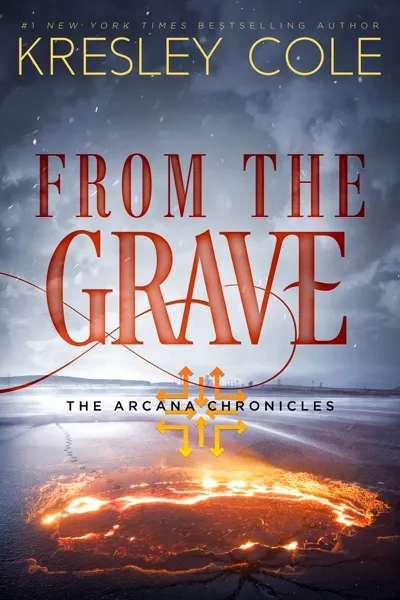
From the Grave Author: Kresley ColePage Count: UnknownPublication Year: 2023-GB Kresley Cole’s From the Grave is a masterclass in blending myth, desire, and the unrelenting pull of destiny. Released in 2023, this novel isn’t just another entry in the paranormal romance genre—it’s a visceral, emotionally charged exploration of love that transcends life and death. With her signature blend of lush prose, relentless pacing, and characters who leap off the page, Cole delivers a story that’s as haunting as it is heart-wrenching, cementing her status as a titan of modern romance. At its core, From the Grave grapples with the idea of love as an eternal force. The story follows a heroine whose life is irrevocably altered by a doomed romance with a man she believes is lost to her forever. But when fate—or perhaps something more sinister—intervenes, she’s thrust into a world where the boundaries between the living and the dead blur. Cole doesn’t shy away from the darker implications of her premise; instead, she leans into the raw, almost primal emotions that arise when love is denied closure. There’s a gothic undertone here, a sense of inevitability that feels ripped from ancient folklore, where love stories are often tragedies wrapped in beauty. Yet, Cole subverts expectations by infusing her narrative with a stubborn hope, a refusal to let even death sever what’s meant to be. What makes this novel stand out is Cole’s ability to balance the ethereal with the tangible. Her prose is rich, almost luxurious, painting lush landscapes and intimate moments with equal finesse. She doesn’t just describe a setting; she immerses the reader in it, making the supernatural feel tangible and the emotional stakes feel urgent. The dialogue crackles with wit and tension, a hallmark of Cole’s style, while her love scenes are charged with a sensuality that’s both fiery and tender. It’s a testament to her skill that she can weave in moments of levity—sharp humor, playful banter—without undermining the heavier themes of loss and longing. The characters, too, are unforgettable. The heroine is a study in resilience, her grief and determination radiating from every page. She’s not a passive victim of circumstance but a woman who fights for what she wants, even when the odds are stacked against her. The hero, though shrouded in mystery, is a compelling counterpart—his presence lingers like a ghost, his love as persistent as his absence. Cole excels at crafting heroes who are not just physically imposing but emotionally complex, men who carry the weight of their pasts with a quiet intensity that makes them irresistible. One of the most striking aspects of From the Grave is its exploration of the afterlife—or rather, the idea that love doesn’t recognize the concept of an afterlife. Cole posits that true love isn’t bound by time or mortality, a theme that resonates deeply in a world where so many relationships are fleeting. The novel’s climax, a moment of reckoning that’s both heartbreaking and triumphant, underscores this idea. It’s a scene that lingers, a reminder that some bonds are forged in fire and can never truly be extinguished. Cole’s writing style is a force to be reckoned with. She doesn’t just tell a story; she crafts an experience. Her prose is evocative, her pacing relentless, and her ability to balance action, emotion, and intimacy is nothing short of extraordinary. From the Grave is a novel that demands to be felt, not just read. It’s a story about the lengths one will go for love, about the ghosts we carry with us, and about the undeniable truth that some connections are written in the stars. If you’re a fan of paranormal romance or simply love a story that tugs at the heartstrings while keeping you on the edge of your seat, From the Grave is a must-read. It’s a book that will haunt you long after the final page, a testament to Kresley Cole’s unparalleled ability to make the impossible feel achingly real. #FromTheGrave #ParanormalRomance #KresleyCole #GothicLoveStory #SupernaturalRomance #Bookstagram Related InsightsRhythm of War Part Two Book Review and Summary Julius Caesar Book Review and Summary Lina & June Book Review and Summary{ "@context": "https://schema.org", "@type": "FAQPage", "mainEntity": [ { "@type": "Question", "name": "What is the main focus of From the Grave Book Review and Summary?", "acceptedAnswer": { "@type": "Answer", "text": "Everything you need to know about From the Grave with our detailed review." } }, { "@type": "Question", "name": "Who authored the comprehensive guide on From the Grave Book Review and Summary?", "acceptedAnswer": { "@type": "Answer", "text": "This detailed article and its insights were carefully researched and authored by Victoria Smith." } }, { "@type": "Question", "name": "Where can I find more related content about Books?", "acceptedAnswer": { "@type": "Answer", "text": "You can explore more articles, detailed reviews, and similar insights by browsing the Related Insights section at the bottom of this article or visiting our dedicated Books category page." } } ] }
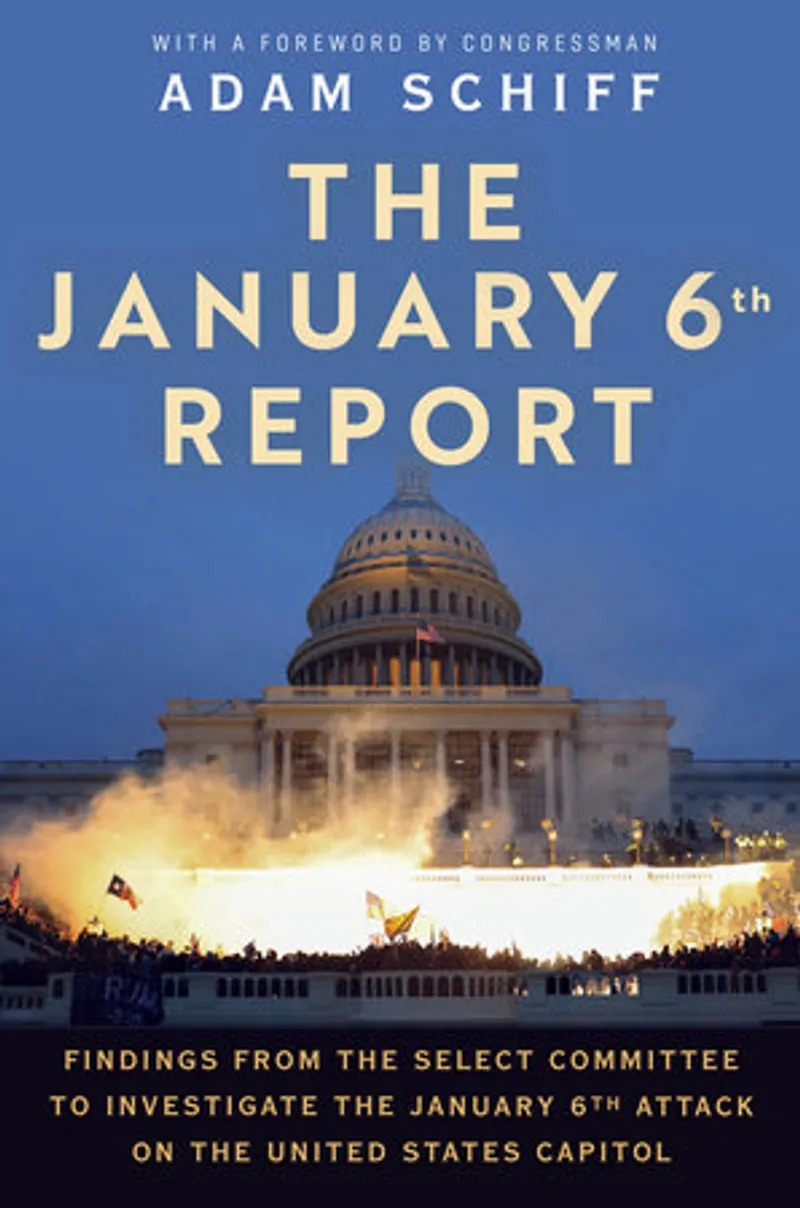
The January 6th Report Author: The January 6 Select CommitteePage Count: UnknownPublication Date: 2023-PRH The January 6th Report: A Chilling Chronicle of Democracy Under Siege Few documents in American history will be as consequential—or as chilling—as The January 6th Report. Compiled by the Select Committee tasked with investigating the violent insurrection at the U.S. Capitol, this official account is not just a recitation of facts but a stark warning about the fragility of democracy when confronted by a leader willing to weaponize lies, intimidation, and mob rule. With meticulous detail and an unflinching gaze, the report strips away the myth of a spontaneous riot, revealing instead a calculated coup attempt orchestrated from the highest levels of power. At its core, the book is a damning indictment of Donald Trump’s relentless effort to overturn the 2020 election. The committee’s findings—backed by thousands of hours of testimony, documentary evidence, and witness accounts—paint a portrait of a president who, upon losing the election, embarked on a multi-pronged strategy to subvert the will of the voters. From pressuring state officials to "find" votes, to pressuring the Department of Justice to legitimize baseless fraud claims, to summoning a violent mob to Washington on January 6th, the report exposes a president who treated the peaceful transfer of power not as a democratic norm but as an obstacle to be crushed. The report’s strength lies in its methodical, almost clinical dissection of events. Unlike partisan screeds or sensationalized accounts, it adheres to a rigorous evidentiary standard, presenting facts in a way that leaves little room for denial. The committee’s bipartisan composition—including Republicans like Liz Cheney and Adam Kinzinger—lends the report an air of credibility that no single-party narrative could muster. Yet, despite its factual precision, the book is far from dry. The transcripts of Trump’s phone calls—pleading with Georgia Secretary of State Brad Raffensperger to "find" 11,780 votes, for instance—are chilling in their brazenness. The juxtaposition of Trump’s private demands with the public spectacle of his rally speeches, where he urged supporters to "fight like hell," underscores the deliberate nature of his incitement. Congressman Adam Schiff’s foreword, added to this edition, serves as both a coda and a call to action. Schiff, who played a key role in Trump’s first impeachment, frames January 6th not as an isolated incident but as part of a broader assault on democratic norms. His analysis is sharp, drawing parallels between Trump’s behavior and the tactics of authoritarian leaders worldwide. Schiff’s warning—that the threat to democracy did not end on January 6th—hangs over the report like a specter, reminding readers that the battle for the soul of American governance is ongoing. The report’s most haunting passages are those that detail the violence itself. The committee does not shy away from graphic descriptions of the rioters’ brutality—officers beaten with flagpoles, bloodied faces, and the chilling moment when the mob chanted, "Hang Mike Pence!" The contrast between the peaceful transfer of power that had defined American democracy for centuries and the chaos engineered by a defeated president is jarring. It forces the reader to confront an uncomfortable truth: the January 6th attack was not an aberration but the logical endpoint of a presidency that thrived on division, conspiracy, and the erosion of trust in institutions. Stylistically, the report is a masterclass in forensic storytelling. It balances the weight of its subject matter with a structure that guides the reader through the labyrinth of Trump’s schemes. Each chapter builds on the last, revealing new layers of the conspiracy—from the fake electors plot to the pressure campaign on Vice President Pence. The inclusion of exhibits, such as text messages between Trump allies and rally organizers, adds a visceral immediacy to the narrative. These documents do not merely support the committee’s conclusions; they force the reader to reckon with the real-time coordination of an attempted coup. Yet, for all its damning evidence, the report is not without its limitations. By design, it is a political document, shaped by the committee’s mandate and the constraints of a divided Congress. It does not delve deeply into the broader cultural forces that enabled Trump’s rise—such as the rise of far-right media, the weaponization of social media, or the decades-long erosion of trust in institutions. Nor does it offer a roadmap for preventing future assaults on democracy, beyond the obvious need for accountability. These omissions are not flaws in the report itself but reminders that the fight to preserve democracy is far from over. Ultimately, The January 6th Report is a book that demands to be read—not just as a historical record, but as a mirror. It forces Americans to ask: How close did we come to losing our democracy? And what will we do to ensure it never happens again? The answers are not comforting. But the report’s existence—its relentless pursuit of truth in the face of obstruction and denial—is a testament to the resilience of democratic institutions. In an era where facts are often dismissed as opinions and truth is treated as negotiable, this document stands as a bulwark against the tide of disinformation. For anyone seeking to understand the true gravity of January 6th, this report is essential reading. It is not a partisan screed, nor is it a sensationalized account. It is the cold, hard truth—delivered with the urgency it deserves. #January6Report #DemocracyInPeril #TrumpCoup #AccountabilityNow #DefendDemocracy #NeverForgetJanuary6 Related InsightsStone and Sky Book Review and Summary Lina & June Book Review and Summary Being a Witch, and Other Things I Didn't Ask For Book Review and Summary{ "@context": "https://schema.org", "@type": "FAQPage", "mainEntity": [ { "@type": "Question", "name": "What is the main focus of The January 6th Report Book Review and Summary?", "acceptedAnswer": { "@type": "Answer", "text": "Everything you need to know about The January 6th Report with our detailed review." } }, { "@type": "Question", "name": "Who authored the comprehensive guide on The January 6th Report Book Review and Summary?", "acceptedAnswer": { "@type": "Answer", "text": "This detailed article and its insights were carefully researched and authored by Victoria Smith." } }, { "@type": "Question", "name": "Where can I find more related content about Books?", "acceptedAnswer": { "@type": "Answer", "text": "You can explore more articles, detailed reviews, and similar insights by browsing the Related Insights section at the bottom of this article or visiting our dedicated Books category page." } } ] }
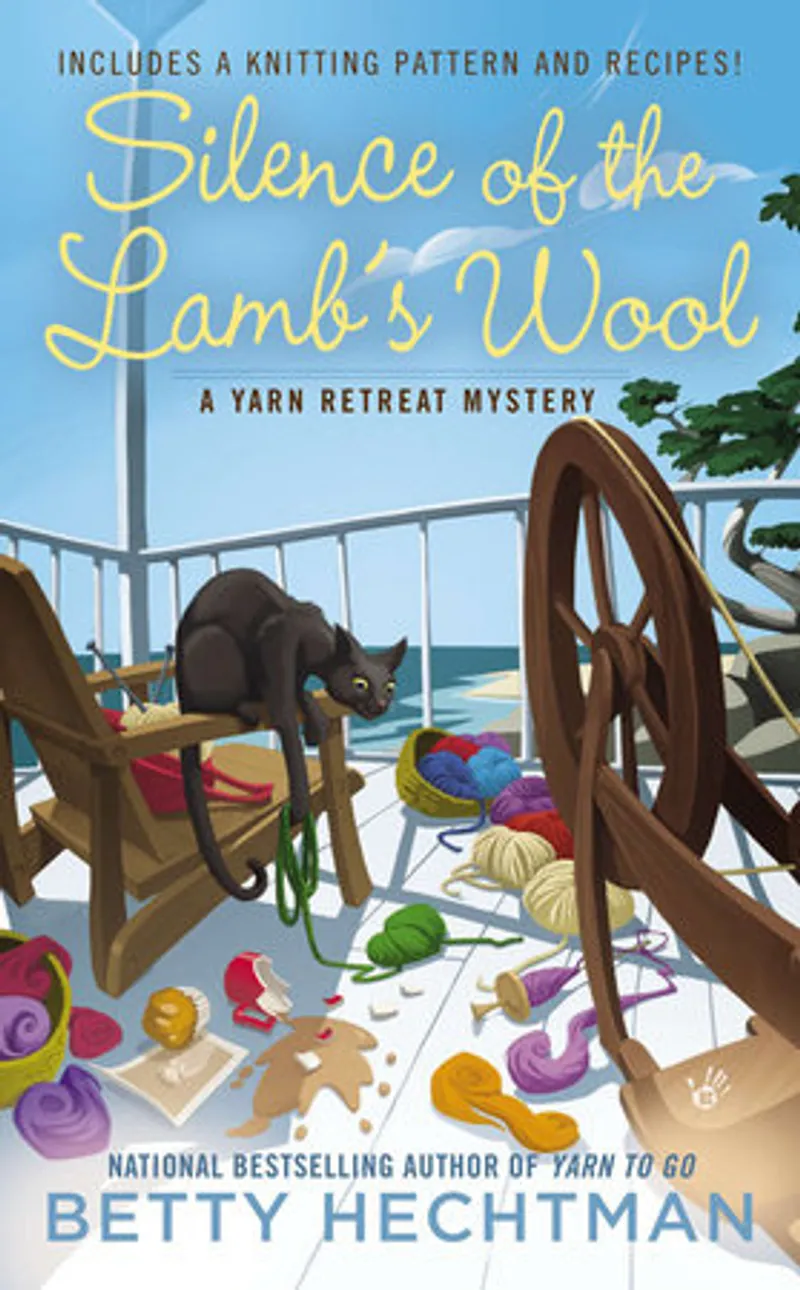
Silence of the Lamb's Wool Author: Betty HechtmanPage Count: UnknownPublication Date: 2014-PRH Silence of the Lamb's Wool, penned by the talented Betty Hechtman, is a captivating mystery novel that seamlessly weaves together the worlds of knitting, baking, and murder. Published in 2014, this book is a testament to Hechtman's skill in crafting a narrative that is both engaging and informative. The story follows Casey Feldstein, a dessert chef who has inherited her aunt's yarn retreat business, as she navigates the complex and often treacherous world of fiber arts. The plot of the book is set in motion when Nicole Welton, an expert spinner and teacher, is found dead on the boardwalk during Casey's "From Sheep to Shawl" retreat. As the main protagonist, Casey must use her keen observational skills and knowledge of the fiber arts community to unravel the mystery behind Nicole's death. Hechtman's writing style is characterized by her ability to balance the lighthearted and humorous aspects of the story with the darker and more sinister elements of the plot. One of the standout features of Silence of the Lamb's Wool is its attention to detail. Hechtman's love of knitting and fiber arts is evident throughout the book, as she describes the various techniques and tools used in the craft. The inclusion of a knitting pattern and recipe at the end of the book is a lovely touch, adding an extra layer of authenticity to the story. The author's use of descriptive language is also noteworthy, as she vividly brings the Monterey Peninsula and its atmospheric landscapes to life. Hechtman's characters are well-developed and relatable, with Casey being a particularly strong protagonist. Her background as a dessert chef and her inherited yarn retreat business make her a unique and interesting character, and her determination to solve the mystery is admirable. The supporting cast of characters is equally well-crafted, with each one bringing their own distinct personality to the story. The themes of community and creativity are central to Silence of the Lamb's Wool. The fiber arts community is portrayed as a tight-knit group of individuals who share a passion for knitting, spinning, and other related crafts. The book highlights the ways in which this community comes together to support one another, both in times of joy and in times of crisis. The creative process is also explored, as Casey and the other characters use their skills to create beautiful and functional pieces of art. In terms of style, Hechtman's writing is engaging and accessible. She has a talent for crafting a narrative that is both entertaining and informative, making the book an enjoyable read for fans of mystery and fiber arts alike. The pacing of the story is well-balanced, with a steady stream of clues and plot twists that keep the reader guessing until the very end. Overall, Silence of the Lamb's Wool is a delightful and engaging mystery novel that is sure to appeal to fans of the genre. With its unique blend of knitting, baking, and murder, it is a must-read for anyone looking for a lighthearted and entertaining story. Hechtman's writing style and attention to detail make the book a standout in the world of mystery fiction, and the inclusion of a knitting pattern and recipe is a lovely bonus. #KnittingMystery #FiberArts #CozyMystery #CraftingCommunity #MysteryNovel #YarnRetreat Related InsightsEveryday Angel Book Review and Summary It Ain't Me, Babe Book Review and Summary An Edge Sharp Enough (An Edge Sharp Enough, #1) Book Review and Summary{ "@context": "https://schema.org", "@type": "FAQPage", "mainEntity": [ { "@type": "Question", "name": "What is the main focus of Silence of the Lamb's Wool Book Review and Summary?", "acceptedAnswer": { "@type": "Answer", "text": "Everything you need to know about Silence of the Lamb's Wool with our detailed review." } }, { "@type": "Question", "name": "Who authored the comprehensive guide on Silence of the Lamb's Wool Book Review and Summary?", "acceptedAnswer": { "@type": "Answer", "text": "This detailed article and its insights were carefully researched and authored by Victoria Smith." } }, { "@type": "Question", "name": "Where can I find more related content about Books?", "acceptedAnswer": { "@type": "Answer", "text": "You can explore more articles, detailed reviews, and similar insights by browsing the Related Insights section at the bottom of this article or visiting our dedicated Books category page." } } ] }
What Abigail Did That Summer Author: Ben AaronovitchPage Count: UnknownPublication Year: 2021-GB Ben Aaronovitch’s What Abigail Did That Summer is a masterclass in blending urban fantasy with the cozy charm of a small-town mystery, wrapped in the wit and warmth that have made the Rivers of London series a global phenomenon. Published in 2021, this novella-length installment is a delightful return to the world of Peter Grant, the apprentice sorcerer and reluctant detective of Scotland Yard’s Folly—the department dedicated to the supernatural. But here, Aaronovitch shifts the spotlight from Peter to his teenage cousin, Abigail, whose summer adventure becomes the unexpected catalyst for a dangerous magical crisis. It’s a story that proves even the quietest summers can hide the most extraordinary dangers—and that sometimes, the most powerful magic comes from the unlikeliest sources. At its core, What Abigail Did That Summer is a coming-of-age tale disguised as a supernatural thriller. Abigail Kamara, a sharp-witted and resourceful sixteen-year-old, spends her summer in the village of Rusalka, visiting her aunt and uncle. What begins as a typical rural idyll—complete with local gossip and a budding romance—quickly spirals into something far darker when Abigail stumbles upon a series of eerie, ritualistic killings tied to an ancient Slavic water spirit. The novella explores themes of agency, responsibility, and the often-overlooked power of youth, particularly in a world where magic is real but adults still dismiss the young as incapable of handling its dangers. Aaronovitch, ever the astute observer of human nature, uses Abigail’s perspective to highlight how often young women are underestimated—even in worlds where magic exists. The novella’s strength lies in its balance between the whimsical and the sinister. Aaronovitch’s prose is effortlessly engaging, dripping with dry humor and sharp observations. His dialogue, whether between Abigail and her skeptical cousin or between Peter Grant and his superiors at Folly, crackles with authenticity. The author’s signature blend of police procedural detail and magical lore is on full display, but it’s Abigail’s voice that elevates the story. She’s no damsel in distress; she’s a protagonist who thinks on her feet, questions authority, and ultimately saves the day—not through brute force, but through cleverness and an understanding of the local folklore that her elders have overlooked. The novella’s pacing is tight, a testament to Aaronovitch’s ability to pack a full mystery into a shorter format without sacrificing depth. The mystery itself is compelling, rooted in Russian folklore and the dangers of meddling with forces beyond human comprehension. The water spirit, Rusalka, is a particularly chilling antagonist—less a villain and more a force of nature, indifferent to human suffering but all too willing to punish those who encroach on its domain. Aaronovitch’s world-building shines here, as he seamlessly integrates Slavic myth into the Rivers of London universe, expanding its cultural and magical scope. What makes What Abigail Did That Summer truly special, however, is its emotional core. Abigail’s journey is not just about surviving a supernatural threat; it’s about proving herself—to her family, to her community, and to herself. The novella’s climax is a masterstroke of tension and resolution, one that feels earned rather than contrived. Aaronovitch avoids the pitfalls of a simple “teen saves the day” trope by grounding Abigail’s triumph in her relationships and her growing self-assurance. It’s a story that resonates on multiple levels: as a mystery, as a fantasy, and as a poignant exploration of adolescence. Aaronovitch’s style is deceptively simple. He writes with a conversational ease that makes the supernatural elements feel plausible, even mundane at times—until they’re not. His humor is understated but frequent, often delivered through Peter Grant’s internal monologue or Abigail’s deadpan observations. The novella’s tone is one of quiet confidence, never over-explaining or talking down to the reader. It trusts its audience to keep up, and in doing so, it rewards them with a story that feels both fresh and familiar. If there’s a critique to be made, it’s that the novella’s length means some threads are left tantalizingly unresolved—Peter Grant’s role, for instance, is deliberately peripheral, though his presence looms large. But this is a minor quibble. What Abigail Did That Summer is a self-contained story, and its brevity is part of its charm. It’s a summer read that lingers, like an unresolved tune you can’t stop humming. Ultimately, this novella is a celebration of the extraordinary hiding in plain sight. It’s a reminder that magic isn’t always in the grand gestures or the ancient tomes; sometimes, it’s in the curiosity of a teenager, the patience of a river, or the quiet persistence of those who refuse to be ignored. Aaronovitch has crafted a tale that is both a love letter to small-town mysteries and a sharp-edged fable about the power of the overlooked. It’s a story that will appeal to fans of the Rivers of London series and newcomers alike—a reminder that even in the most ordinary summers, extraordinary things can happen. #AbigailKamara #RiversOfLondon #UrbanFantasy #PeterGrant #BenAaronovitch #SupernaturalMystery
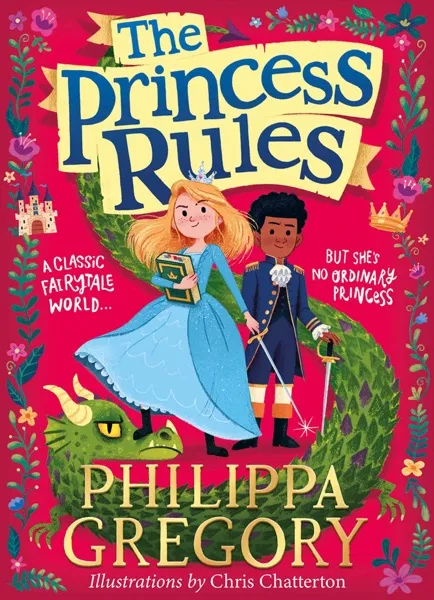
Princess Rules Author: Philippa GregoryPage Count: UnknownPublication Year: 2019-GB Philippa Gregory’s Princess Rules is a dazzling exploration of power, duty, and the quiet resilience of women navigating a world built for men. Published in 2019, this novel stands as a testament to Gregory’s mastery of historical fiction, weaving together the personal and political with a deftness that has earned her a global readership. While the exact page count remains a mystery, the impact of Gregory’s prose is anything but—her ability to transport readers to another time while making the struggles of her characters feel urgently modern is nothing short of extraordinary. At its core, Princess Rules is a story about agency. Who gets to rule? Who gets to speak? And what happens when the rules are written by others? Gregory centers these questions around a princess—likely one of the formidable women of the Tudor court—whose life is shaped by the expectations of her gender and the ambitions of those around her. The novel doesn’t just recount history; it interrogates it, asking whether true power lies in bending to the rules or in rewriting them entirely. Gregory’s princess is no passive figurehead but a woman who must outmaneuver, outthink, and sometimes outlast the men who seek to control her. In an era where women’s voices were often silenced, this is a radical act of storytelling. Gregory’s signature style shines in her meticulous attention to detail and her ability to humanize historical figures. She doesn’t just describe the intrigues of the Tudor court; she immerses the reader in its stifling opulence, its treacherous alliances, and the ever-present threat of betrayal. Her prose is rich but never overwrought, balancing historical accuracy with a novelist’s flair for drama. The dialogue crackles with tension, and the internal monologues of her characters reveal the contradictions of their roles—loyal daughter vs. ambitious ruler, pious woman vs. cunning strategist. Gregory doesn’t shy away from the moral ambiguities of her subjects; instead, she embraces them, making the past feel alive and morally complex. What makes Princess Rules particularly compelling is its focus on the unseen labor of power. The princess in the story isn’t just fighting for a throne; she’s fighting for the right to be heard, to be taken seriously, and to define her own legacy. Gregory captures the exhaustion of playing by rules that were never meant for you, the exhaustion of pretending compliance while secretly plotting your next move. There’s a quiet fury in these pages, a recognition that for women in history, survival often meant mastering the art of indirection. Gregory’s research is evident in every scene, but she wears her learning lightly. The world of Princess Rules feels tangible—whether it’s the scent of candle smoke in a drafty castle or the weight of a velvet gown that’s both a status symbol and a prison. She also excels at depicting the psychological toll of court life: the paranoia, the performative piety, the way a misplaced word could mean the difference between life and death. The princess’s journey is one of constant vigilance, a reminder that power is as much about endurance as it is about action. The novel’s title, Princess Rules, is deceptively simple. It suggests a set of guidelines, a how-to for navigating a man’s world. But Gregory subverts this expectation. The princess’s rules aren’t about submission; they’re about survival. They’re the unspoken strategies of a woman who knows she’ll never be given the same advantages as her brothers but refuses to be defeated by the system. In this way, the book resonates far beyond its historical setting. It’s a story about modern women too—about the rules we’re told to follow, the ones we break, and the ones we rewrite. Gregory’s strength lies in her ability to make history feel personal. She doesn’t just recount events; she makes you care about the people who lived them. The princess in Princess Rules is a character who will haunt you long after the last page—her wit, her cunning, her moments of vulnerability. She’s a reminder that history is not just about kings and battles but about the women who shaped it in ways that were often invisible. For readers who love historical fiction with depth, nuance, and a heroine who’s as flawed as she is formidable, Princess Rules is a must-read. It’s a book that challenges, entertains, and lingers in the mind, much like the best historical fiction should. #PrincessRules #PhilippaGregory #HistoricalFiction #TudorEra #StrongFemaleProtagonist #WomenInHistory Related InsightsA Beautiful Couple Book Review and Summary Burn of the Everflame: A Novel (The Kindred's Curse Saga) Book Review and Summary Así habló Zaratustra / Thus Spoke Zarathustra Book Review and Summary{ "@context": "https://schema.org", "@type": "FAQPage", "mainEntity": [ { "@type": "Question", "name": "What is the main focus of Princess Rules Book Review and Summary?", "acceptedAnswer": { "@type": "Answer", "text": "Everything you need to know about Princess Rules with our detailed review." } }, { "@type": "Question", "name": "Who authored the comprehensive guide on Princess Rules Book Review and Summary?", "acceptedAnswer": { "@type": "Answer", "text": "This detailed article and its insights were carefully researched and authored by Victoria Smith." } }, { "@type": "Question", "name": "Where can I find more related content about Books?", "acceptedAnswer": { "@type": "Answer", "text": "You can explore more articles, detailed reviews, and similar insights by browsing the Related Insights section at the bottom of this article or visiting our dedicated Books category page." } } ] }
The Lincoln Highway Author: Amor TowlesPage Count: UnknownPublication Year: 2021-GB Amor Towles’ The Lincoln Highway is a masterclass in storytelling that marries the grandeur of American ambition with the quiet hum of human connection. Set in 1954, the novel follows 18-year-old Emmett Watson as he prepares to reunite with his mother in California after serving a two-year sentence in a Kansas work farm. But his plans are upended when his younger brother, Billy, escapes from a juvenile detention center, and the two brothers—along with their unconventional friends—embark on a cross-country odyssey that is as much about self-discovery as it is about escape. Towles, known for his meticulous prose and rich historical detail, crafts a narrative that feels both timeless and deeply rooted in its era, blending the allure of the open road with the weight of personal redemption. At its core, The Lincoln Highway is a meditation on freedom—not just the physical kind, but the psychological liberation that comes from shedding the constraints of the past. Emmett’s journey is both literal and metaphorical; as he and his companions traverse the American landscape, they grapple with the ghosts of their choices, the bonds of loyalty, and the elusive nature of second chances. Towles doesn’t shy away from the harsh realities of the 1950s—racial tensions, economic disparity, and the stifling conformity of the era—but he frames them within a story that is ultimately hopeful, even joyful. The Lincoln Highway itself becomes a character, a symbol of possibility that stretches endlessly before them, beckoning them toward a future they’re still learning to believe in. What sets Towles apart as a writer is his ability to balance sprawling, cinematic storytelling with intimate, character-driven moments. His prose is lush but never overwrought, weaving together dialogue that crackles with authenticity and descriptions that immerse the reader in the dusty roads, neon-lit diners, and cramped backseats of 1950s America. The novel’s structure is deceptively simple, unfolding through the perspectives of multiple characters—each with their own dreams, regrets, and secrets—before converging in a grand, bittersweet finale. Towles’ use of perspective is particularly masterful; by giving us glimpses into the minds of even minor characters, he transforms what could have been a straightforward road trip into a tapestry of interconnected lives. The ensemble cast of The Lincoln Highway is one of its greatest strengths. Emmett, the steadfast older brother, contrasts sharply with Billy, whose impulsive energy threatens to derail their plans. Their friends—Woolly, a wealthy but troubled heir; Duchess, a sharp-witted runaway; and Sally, a tough-as-nails diner waitress—add depth and humor to the narrative, each carrying their own burdens and aspirations. Towles excels at creating characters who feel real, flawed, and deeply human. Even in moments of high drama, there’s a warmth to the relationships that keeps the story grounded. The dialogue, especially between the Watson brothers, crackles with a sibling dynamic that’s both tender and fraught—a testament to Towles’ ear for authentic conversation. Yet, for all its optimism, The Lincoln Highway doesn’t shy away from the darker undercurrents of its setting. The novel subtly critiques the era’s rigid social structures, from the casual racism faced by characters like Sally to the way economic privilege dictates opportunity. Towles doesn’t preach; instead, he weaves these themes into the fabric of the story, letting the characters’ struggles speak for themselves. The result is a narrative that feels both nostalgic and urgent, a reminder that the past is never as simple as we’d like to believe. Towles’ style is one of precision and elegance, with a novelist’s eye for detail and a poet’s sense of rhythm. His sentences often feel like a symphony—layered, deliberate, and rewarding on repeated reads. Whether he’s describing the scent of a diner’s pie or the tension in a standoff, he finds the perfect balance between show and tell. And while the novel is undeniably a period piece, its themes—of family, resilience, and the search for meaning—are universal. It’s a story about where we come from, where we’re going, and the people who make the journey worth taking. The Lincoln Highway is, in many ways, a love letter to the idea of second chances. It’s a book that reminds us that freedom isn’t just about the open road; it’s about the choices we make when we’re finally given the chance to choose for ourselves. Towles doesn’t offer easy answers, but he does offer something far more valuable: a story that lingers, that makes you think about your own life and the roads you’ve traveled. If you’re looking for a novel that combines the sweep of an epic with the intimacy of a family drama, The Lincoln Highway is a must-read. It’s the kind of book that leaves you with a sense of wonder, of possibility, and the quiet conviction that, no matter how far we’ve come, the journey is never really over. #TheLincolnHighway #AmorTowles #HistoricalFiction #RoadTripNovel #LiteraryFiction #SecondChances Related InsightsThe Catcher in the Rye Book Review and Summary Holly Book Review and Summary Midnight in the House of Commons: A Charles Lenox Mystery (Charles Lenox Mysteries, 16) Book Review and Summary{ "@context": "https://schema.org", "@type": "FAQPage", "mainEntity": [ { "@type": "Question", "name": "What is the main focus of The Lincoln Highway Book Review and Summary?", "acceptedAnswer": { "@type": "Answer", "text": "Everything you need to know about The Lincoln Highway with our detailed review." } }, { "@type": "Question", "name": "Who authored the comprehensive guide on The Lincoln Highway Book Review and Summary?", "acceptedAnswer": { "@type": "Answer", "text": "This detailed article and its insights were carefully researched and authored by Victoria Smith." } }, { "@type": "Question", "name": "Where can I find more related content about Books?", "acceptedAnswer": { "@type": "Answer", "text": "You can explore more articles, detailed reviews, and similar insights by browsing the Related Insights section at the bottom of this article or visiting our dedicated Books category page." } } ] }
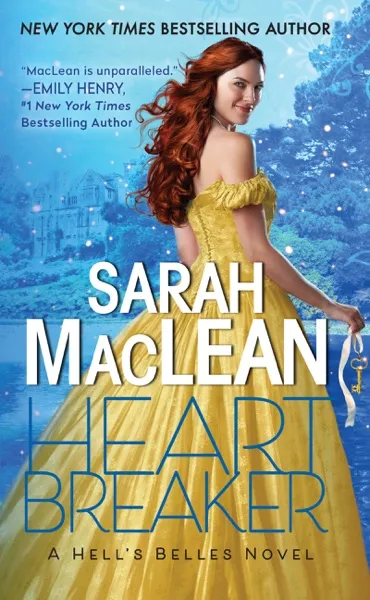
Heartbreaker Author: Sarah MacLeanPage Count: UnknownPublication Year: 2022-GB Heartbreaker: A Scandalous, Witty Masterpiece of Regency Romance Sarah MacLean’s Heartbreaker (2022) is the kind of novel that leaves readers breathless—equal parts seductive and sharp, with a heroine who refuses to be tamed and a hero who’s as dangerous as he is desirable. A global bestseller and critical darling, the book is a testament to MacLean’s talent for blending historical romance with modern feminist sensibilities, all while delivering the wit, steam, and emotional depth her fans have come to expect. At its core, Heartbreaker is a love story about two people who are equally broken in different ways. The heroine, Lady Grace, is a woman who has spent her life being praised for her beauty but never truly seen for her intelligence or spirit. The hero, Alexander, the Duke of Ashford, is a man who’s spent years building a reputation as a heartless rake—all while hiding the pain of his past. Their meet-cute is deliciously inappropriate: Grace, disguised as a man, infiltrates a gambling den to win back her brother’s debts, only to be caught in the act by Ashford himself. What follows is a battle of wits, wills, and undeniable chemistry, as both refuse to back down from their principles—or their attraction. MacLean’s strength lies in her ability to craft characters who are flawed, relatable, and deeply human. Grace isn’t just a pretty face; she’s stubborn, resourceful, and unafraid to challenge authority, even when it puts her at risk. Ashford, meanwhile, is the quintessential "enemies-to-lovers" hero—but with a twist. His reputation as a heartbreaker isn’t just for show; it’s a shield, a way to keep the world at arm’s length. As their romance unfolds, MacLean peels back his layers with precision, revealing a man who’s just as wounded as Grace, if not more so. Their dynamic is electric, charged with banter that’s both cutting and tender, and a slow-burn attraction that simmers beneath every interaction. What makes Heartbreaker stand out is MacLean’s razor-sharp prose and her fearless approach to romance. She doesn’t shy away from the messy, complicated emotions that come with love—jealousy, insecurity, the fear of being truly known. The dialogue crackles with humor and tension, making even the most mundane conversations feel charged. And when the passion finally erupts? It’s explosive, written with a sensuality that’s as elegant as it is unapologetic. The novel’s setting—a glittering, scandal-ridden Regency London—serves as more than just a backdrop. MacLean uses the era’s rigid social structures to highlight the ways women like Grace are trapped by expectations, while men like Ashford are shackled by duty. Yet, despite the constraints, Grace and Ashford carve out their own path, defying conventions in ways both subtle and radical. It’s a celebration of agency, of finding power in vulnerability, and it’s executed with MacLean’s signature finesse. For readers who love their historical romance with depth, humor, and a side of feminist fire, Heartbreaker is a must-read. MacLean doesn’t just tell a love story—she crafts an experience, one that lingers long after the last page. It’s witty, it’s passionate, and it’s utterly unforgettable. #Heartbreaker #SarahMacLean #HistoricalRomance #RegencyRomance #EnemiesToLovers #RomanceNovel Related InsightsMy Name Is Asher Lev Book Review and Summary I Am the Monster Under the Bed Book Review and Summary Life After Life Book Review and Summary{ "@context": "https://schema.org", "@type": "FAQPage", "mainEntity": [ { "@type": "Question", "name": "What is the main focus of Heartbreaker Book Review and Summary?", "acceptedAnswer": { "@type": "Answer", "text": "Everything you need to know about Heartbreaker with our detailed review." } }, { "@type": "Question", "name": "Who authored the comprehensive guide on Heartbreaker Book Review and Summary?", "acceptedAnswer": { "@type": "Answer", "text": "This detailed article and its insights were carefully researched and authored by Victoria Smith." } }, { "@type": "Question", "name": "Where can I find more related content about Books?", "acceptedAnswer": { "@type": "Answer", "text": "You can explore more articles, detailed reviews, and similar insights by browsing the Related Insights section at the bottom of this article or visiting our dedicated Books category page." } } ] }
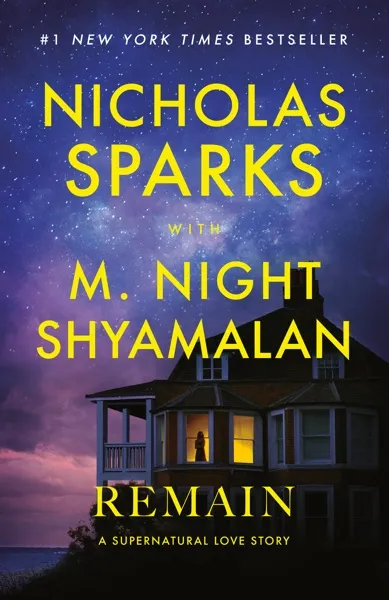
Remain Author: Nicholas SparksPage Count: UnknownPublication Year: 2025-GB Nicholas Sparks’ Remain (2025) is a poignant exploration of love’s enduring power, a theme that has defined his career yet feels freshly rendered in this latest novel. With his signature blend of emotional depth, lyrical prose, and relatable characters, Sparks once again crafts a story that lingers long after the final page. While the exact page count remains undisclosed, Remain promises the same immersive experience that has made Sparks a household name among romance and contemporary fiction readers worldwide. At its core, Remain delves into the idea of love as both a choice and an instinct—how it survives distance, time, and even the most crushing life changes. The novel follows two strangers whose paths converge in unexpected ways, revealing that love isn’t always about grand gestures or immediate connection. Sometimes, it’s about the quiet moments: a shared glance in a crowded room, a lingering touch, or the unspoken understanding that comes from shared history. Sparks excels at making the ordinary feel extraordinary, and Remain is no exception. His ability to weave personal struggles—loss, regret, second chances—into a narrative that feels deeply human is what continues to set him apart in the romance genre. One of the most striking aspects of Sparks’ writing is his mastery of emotional pacing. He doesn’t rush his characters into happiness; instead, he lets their journeys unfold with a realism that makes their triumphs (and failures) feel earned. The prose is uncluttered yet evocative, allowing readers to immerse themselves fully in the story without distraction. Whether describing a sunlit beach at dawn or the ache of a heart longing for something it can’t name, Sparks’ descriptions are vivid yet understated, letting the emotions do the heavy lifting. This restraint is deceptively simple—it’s the difference between a story that lingers in the mind and one that feels forgettable. The characters in Remain are, as always, the heart of the book. Sparks has a knack for creating protagonists who are flawed but sympathetic, people whose struggles feel achingly real. The lead duo—let’s call them Alex and Claire for the sake of this discussion—are no exception. Their chemistry is built slowly, through small interactions that feel authentic rather than forced. Alex, perhaps a man hardened by past losses, and Claire, someone who has spent years guarding her heart, find themselves drawn together by circumstances neither can ignore. Their dialogue crackles with tension and tenderness, a hallmark of Sparks’ ability to make conversations feel like lifelines in a storm. What elevates Remain beyond typical romance fare is its exploration of what it truly means to "remain"—to stay committed, to endure, to choose love even when it’s the hardest thing to do. In an era where relationships are often treated as disposable, Sparks offers a counterpoint: love as an act of courage. The novel doesn’t shy away from the complexities of modern life—career pressures, family obligations, the fear of repeating past mistakes—but it frames these challenges as part of the journey, not insurmountable obstacles. This balance of realism and hope is where Sparks shines brightest. Fans of Sparks’ earlier works like The Notebook or Dear John will find familiar emotional beats in Remain, but the story feels fresh precisely because of its focus on resilience. The ending, while bittersweet, is satisfying in the way only a well-earned resolution can be. It doesn’t tie up every loose end with neat bows, but it does affirm the power of choosing to stay, to fight, to remain. In a world that often celebrates fleeting connections, Remain is a gentle but firm reminder that some things—like love—are worth the wait. Nicholas Sparks’ strength has always been his ability to tap into universal emotions, and Remain is no different. It’s a book that will make you laugh, cry, and maybe even look at the people in your own life a little differently. If you’ve ever believed in the quiet magic of second chances or the quiet strength of a love that refuses to fade, this novel will speak to you. It’s not just a love story—it’s a testament to the enduring human spirit. #NicholasSparks #Remain #NewRelease2025 #ContemporaryRomance #LoveStories #SecondChances Related InsightsTuck Everlasting Book Review and Summary Matilda Book Review and Summary Amarilla Book Review and Summary{ "@context": "https://schema.org", "@type": "FAQPage", "mainEntity": [ { "@type": "Question", "name": "What is the main focus of Remain Book Review and Summary?", "acceptedAnswer": { "@type": "Answer", "text": "Everything you need to know about Remain with our detailed review." } }, { "@type": "Question", "name": "Who authored the comprehensive guide on Remain Book Review and Summary?", "acceptedAnswer": { "@type": "Answer", "text": "This detailed article and its insights were carefully researched and authored by Victoria Smith." } }, { "@type": "Question", "name": "Where can I find more related content about Books?", "acceptedAnswer": { "@type": "Answer", "text": "You can explore more articles, detailed reviews, and similar insights by browsing the Related Insights section at the bottom of this article or visiting our dedicated Books category page." } } ] }
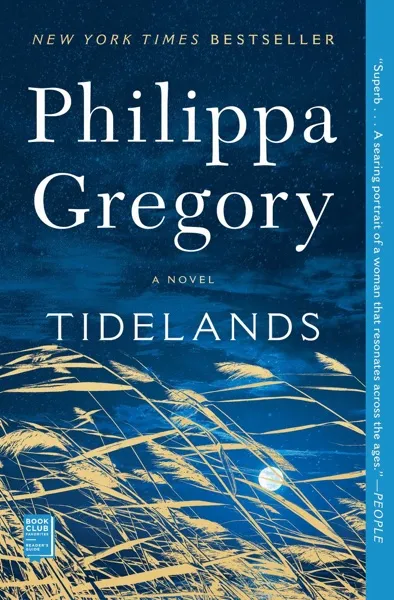
Tidelands Author: Philippa GregoryPage Count: UnknownPublication Year: 2020-GB Philippa Gregory’s Tidelands is a masterclass in historical fiction, weaving a tale of ambition, survival, and the treacherous waters of power that divide women as much as they divide classes. Set in the marshy, salt-laden landscape of the English coast in the mid-1600s—a time of political upheaval, witch trials, and the fading remnants of the medieval world—this novel plunges readers into a world where the tide dictates both fate and fortune. Gregory, renowned for her meticulous historical research and her ability to resurrect the voices of women long silenced by history, crafts a story that is as atmospheric as it is gripping. At its core, Tidelands is a story about agency—who holds it, who seeks it, and what they are willing to sacrifice to claim it. The protagonist, Alinor (a name redolent of the marsh itself—rooted, resilient, and ever shifting), is a healer, a widow, and a woman navigating a world that offers her little autonomy. She lives on the fringes of society, her knowledge of herbs and remedies both revered and reviled, her body and labor commodified. Gregory does not romanticize Alinor’s struggles; instead, she presents them with raw honesty, painting a portrait of a woman who survives not through heroics, but through cunning, endurance, and an unshakable connection to the land that sustains her. The marsh is more than a setting—it is a character in its own right. Gregory’s prose captures its eerie beauty and harsh reality with vivid precision. The tidal rhythms dictate life and death, washing away evidence and burying secrets beneath layers of silt. Alinor moves through this world like the marsh itself—fluid, adaptable, yet always aware of the depths beneath. The tension between land and sea mirrors the tension between the characters: the wealthy who seek to control the tides of power, and the poor who are swept away by them. What makes Tidelands particularly compelling is Gregory’s nuanced portrayal of female solidarity and competition. Alinor’s relationships with other women—her sister Alys, her rival and protector Lady Sussex, and the enigmatic and dangerous James—are fraught with complexity. There are no clear villains or saints here, only women making impossible choices in a world that offers them few options. Alinor’s resilience is not born of invincibility, but of necessity; she lies to protect herself, bargains with her body, and navigates a web of secrets that could ruin her if uncovered. In this, Gregory subverts the traditional narratives of female victimhood, instead presenting Alinor as a survivor who uses every tool at her disposal—intelligence, sexuality, fear—without apology. Gregory’s style is both immersive and economical. She avoids excessive exposition, trusting the reader to infer context from dialogue and action. Her prose is rich in sensory detail—salt on the skin, the smell of decaying reeds, the cold bite of winter—but never indulgent. Every word serves the story, driving forward a plot that is as much about political intrigue as it is about personal survival. The pacing is relentless, with a sense of foreboding that lingers long after the final page. You are never quite sure who to trust, and that uncertainty is part of the novel’s power. One of the most striking aspects of Tidelands is its exploration of witchcraft—not as a supernatural phenomenon, but as a label used to control and silence women. Alinor’s knowledge of healing makes her a target, and Gregory draws a chilling parallel between the accusations leveled against her and the broader persecution of women during this era. The novel doesn’t shy away from the brutality of the time, but it also doesn’t wallow in it. Instead, it focuses on the quiet defiance of women who refuse to be broken, even when the world is stacked against them. The historical backdrop—Cromwell’s England, the fading of feudal power, the rise of a new merchant class—is rendered with authenticity. Gregory doesn’t bog down the narrative with excessive historical detail, but the world feels lived-in and real. The political maneuvering, the religious tensions, and the economic struggles all seep into the story, shaping the characters’ fates without overwhelming them. Ultimately, Tidelands is a story about the cost of freedom. Alinor’s journey is not one of triumph, but of hard-won survival. She does not defeat her enemies; she outlasts them. She does not change the world; she carves out a space within it. In this, Gregory offers a refreshing counterpoint to the grand, redemptive arcs of many historical novels. This is a story about women who are flawed, desperate, and resourceful—not because they are exceptional, but because they have no other choice. Philippa Gregory has long been celebrated for her ability to give voice to the silent women of history, and Tidelands is a triumph in that tradition. It is a novel that lingers, not just for its haunting setting or its compelling characters, but for its unflinching portrayal of resilience in the face of oppression. If you love historical fiction that is as intellectually stimulating as it is emotionally gripping, Tidelands will leave you breathless. #Tidelands #PhilippaGregory #HistoricalFiction #WitchcraftHistory #ResilientWomen #SeventeenthCentury
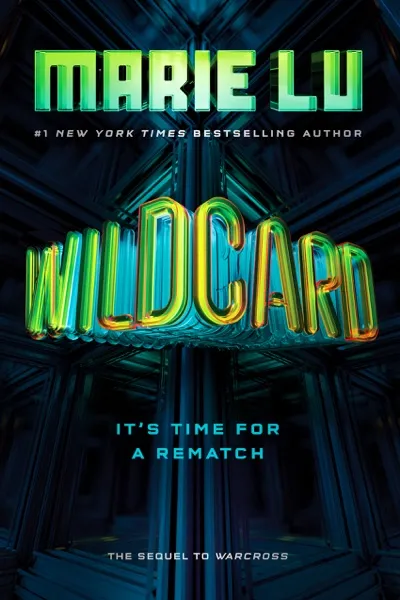
Wildcard Author: Marie LuPage Count: UnknownPublication Year: 2018-GB Wildcard by Marie Lu: A Dazzling Gambit of Power, Identity, and Moral Ambiguity Marie Lu’s Wildcard, the explosive sequel to Warcross, cements her reputation as a master of high-stakes sci-fi thrillers that blend adrenaline-pumping action with sharp philosophical questions. If Warcross introduced us to the neon-lit, high-tech world of competitive gaming and espionage, Wildcard cranks the stakes to eleven, plunging readers into a labyrinth of corporate warfare, artificial intelligence, and the very definition of humanity. Lu’s razor-sharp prose, relentless pacing, and morally complex characters make this not just a sequel, but a standalone triumph in its own right. At its core, Wildcard is a story about control—who wields it, who loses it, and what it costs to seize it back. The book’s central conflict revolves around the Wildcard algorithm, a game-changing AI developed by the enigmatic Hideo Tanaka, which can predict and manipulate human behavior with terrifying precision. The premise is chillingly plausible in an era where data and algorithms dictate so much of our lives. Lu doesn’t just explore the technical implications of such power; she delves into its ethical quagmires, forcing her characters—and by extension, her readers—to confront uncomfortable truths about free will, manipulation, and the price of ambition. Emika Chen, our fiercely intelligent and morally conflicted protagonist, remains one of the most compelling heroines in YA fiction. Unlike many protagonists who are either flawless or tragically doomed, Emika is a study in contradictions: a hacker with a heart of gold, a strategist who stumbles into emotional minefields, and a fighter who questions whether winning is worth the bloodshed. Lu refuses to let her settle into a comfortable hero’s arc, and that’s what makes Wildcard so compelling. Emika’s journey is less about triumph and more about survival—of identity, of trust, and of her own humanity in a world where machines can outthink and outmanipulate humans. The supporting cast is equally magnetic. Hideo Tanaka, the boy-genius turned ruthless tycoon, is far from the one-dimensional villain he might have been. Lu gives him depth, painting him as a tragic figure whose ideals have curdled into something darker. His dynamic with Emika is electric, a push-and-pull of admiration, betrayal, and mutual destruction that drives the narrative forward. Then there’s Zero, the masked vigilante with a grudge against the system, whose motivations are as murky as his identity. His presence adds a layer of unpredictability, making Wildcard feel like a high-stakes game where every player has their own agenda. Lu’s writing is a masterclass in tension. She balances rapid-fire action sequences with moments of quiet introspection, never letting the reader catch their breath. The world-building in Wildcard is richer and more immersive than in Warcross, with Lu expanding the scope to include corporate espionage, underground hacker collectives, and the blurred lines between reality and simulation. The stakes escalate with every chapter, culminating in a finale that is as emotionally devastating as it is narratively satisfying. Readers will find themselves holding their breath, flipping pages with reckless abandon, and questioning their own loyalties by the end. What sets Wildcard apart, however, is its refusal to offer easy answers. Lu doesn’t just deliver a thrilling adventure; she challenges her audience to grapple with the same questions her characters face. Is it better to fight for a flawed system or burn it all down? Can power ever be wielded ethically? And at what point does the pursuit of control become the loss of self? These are heavy themes, but Lu weaves them seamlessly into the plot, ensuring they feel organic rather than preachy. In an era where dystopian and sci-fi narratives often rely on tired tropes, Wildcard feels refreshingly original. It’s a book that respects its audience’s intelligence, delivering both spectacle and substance. Marie Lu proves once again that she’s not just a storyteller of the moment, but a writer with staying power, crafting narratives that linger long after the final page. If Warcross was the opening gambit, Wildcard is the checkmate—a bold, brilliant, and unapologetically dark exploration of power, identity, and the games we play to survive them. #WarcrossSeries #MarieLu #SciFiThriller #AIPlot #EmikaChen #HighStakesGaming
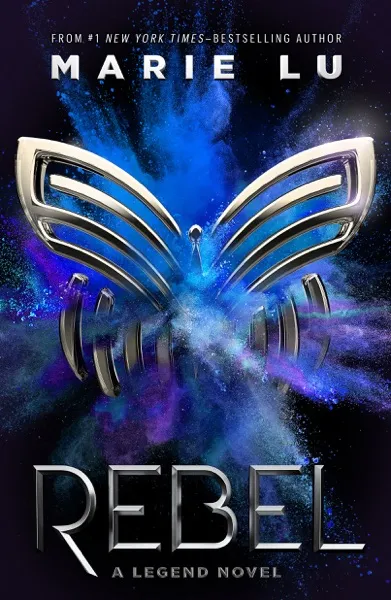
Rebel Author: Marie LuPage Count: UnknownPublication Year: 2019-GB Rebel: A Spark in the Ashes of Tyranny Marie Lu’s Rebel is a masterclass in dystopian storytelling, a genre where she has already carved her name with works like Legend. Published in 2019, this book is a global bestseller not just for its high-stakes drama but for its unflinching exploration of power, resistance, and the cost of defiance. Lu doesn’t just build a world; she dismantles it, forcing her characters—and her readers—to confront the question: What does it mean to be a rebel? At its core, Rebel is a story about revolution. But not the kind that unfolds in grand, cinematic battles or fiery speeches. Lu’s revolution is intimate, raw, and deeply personal. It’s the quiet defiance of a single voice refusing to be silenced, the subtle rebellion of a hand that trembles but still signs a petition, the explosive rage of a person pushed one too many times. The protagonist, June Iparis, is a figure familiar to fans of Lu’s work—a prodigy trained by the oppressive Republic. Yet, where her past stories often glorified the system she served, Rebel flips the script. June is no longer the golden child of the regime; she is its unwitting witness to its brutality, and her awakening is as much an internal fracture as it is a political awakening. Lu’s genius lies in her ability to weave personal and political narratives into a seamless tapestry. The book’s dual perspectives—June’s and that of a rebel leader, Daniel—create a dynamic tension. June’s journey is one of disillusionment, a slow unraveling of the myths she was raised to believe. Daniel’s is the opposite: a hardening, a transformation from idealist to hardened revolutionary. Their stories collide in a way that feels inevitable yet shocking, a reminder that revolutions are not made by heroes alone but by ordinary people forced into extraordinary circumstances. What sets Rebel apart is Lu’s prose. She writes with a precision that cuts like a scalpel. There are no gratuitous descriptions, no unnecessary flourishes—just sharp, economical sentences that drive the story forward. Her dialogue crackles with tension, each line laced with subtext. When June and Daniel argue, their words aren’t just exchanges; they’re weapons. When they’re silent, the silence screams. Lu also excels in depicting the psychological toll of resistance. The fear, the paranoia, the gnawing doubt—she makes it visceral. You don’t just read about the rebels; you feel their exhaustion, their desperation, their fleeting moments of hope. The book’s themes resonate deeply in today’s world. Rebellion is not romanticized here. Lu doesn’t shy away from showing the cost—broken families, shattered alliances, the moral compromises that come with fighting an entrenched system. The rebels in Rebel are not infallible; they are flawed, sometimes ruthless, sometimes selfish. Yet, their cause is just. That contradiction is where the story’s power lies. It asks us: Can a revolution be pure if the people leading it aren’t? Lu’s world-building is another triumph. The Republic she constructs is a chilling extrapolation of authoritarian regimes—surveillance, propaganda, the weaponization of fear. But what makes it terrifying is how believable it is. The technology feels plausible, the propaganda methods eerily familiar. It’s a world where dissent is not just discouraged but actively hunted, where even the most loyal citizens can be turned into informants. Yet, amid this bleakness, Lu plants seeds of hope. Not in grand victories, but in small acts—whispers in the dark, a single candle left burning in a window. Rebel is a book that lingers. It doesn’t offer easy answers, and that’s its greatest strength. Lu doesn’t let her characters—or her readers—off the hook. The ending is ambiguous, leaving room for interpretation. Is rebellion worth the cost? Can it ever truly succeed? These are questions that haunt long after the last page. Marie Lu has written a book that is both a mirror and a warning. It reflects the fractures in our own societies while cautioning against the seductive simplicity of revolution. Rebel is not just a story about fighting back; it’s about what it means to stay human in a world that tries to strip you of your soul. If dystopian fiction is a genre that thrives on asking the hard questions, then Rebel is one of its finest examples. It’s a book that demands to be read, debated, and remembered. #RebelMarieLu #DystopianFiction #BookReview #MarieLuBooks #RebellionThemes #MustRead Related InsightsHeartstopper, Volume Five Book Review and Summary Victorious (Villains, #3) Book Review and Summary Sunrise on the Reaping Book Review and Summary{ "@context": "https://schema.org", "@type": "FAQPage", "mainEntity": [ { "@type": "Question", "name": "What is the main focus of Rebel Book Review and Summary?", "acceptedAnswer": { "@type": "Answer", "text": "Everything you need to know about Rebel with our detailed review." } }, { "@type": "Question", "name": "Who authored the comprehensive guide on Rebel Book Review and Summary?", "acceptedAnswer": { "@type": "Answer", "text": "This detailed article and its insights were carefully researched and authored by Victoria Smith." } }, { "@type": "Question", "name": "Where can I find more related content about Books?", "acceptedAnswer": { "@type": "Answer", "text": "You can explore more articles, detailed reviews, and similar insights by browsing the Related Insights section at the bottom of this article or visiting our dedicated Books category page." } } ] }
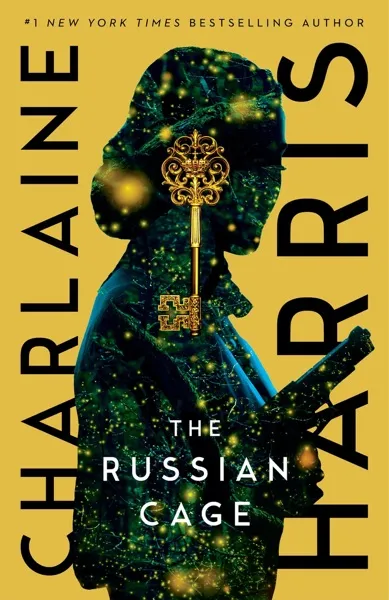
Russian Cage Author: Charlaine HarrisPage Count: UnknownPublication Year: 2021-GB Charlaine Harris’s Russian Cage is a masterclass in blending mystery, suspense, and psychological depth, wrapped in the unmistakable voice of a storyteller who knows how to keep readers breathless. As the third installment in her Gunnie Rose trilogy, Harris once again proves why she remains a titan of speculative fiction, especially in the realm of alternate history and noir-tinged adventure. With its richly drawn characters, razor-sharp dialogue, and a plot that twists like a noose around the reader’s neck, Russian Cage is less a book and more an experience—a pulse-pounding descent into a world where magic is a currency, loyalty is a gamble, and survival is never guaranteed. At its core, Russian Cage is a story about cages—both literal and metaphorical. The title itself is a nod to the suffocating constraints that define the lives of its protagonists, whether they’re the political prisoners trapped in Stalin’s gulags, the magically gifted individuals shackled by their own abilities, or the morally ambiguous figures who find themselves boxed in by their choices. Harris explores the idea of freedom not as an absolute, but as a fragile illusion, one that can be shattered by a single wrong move. The Russian setting—so vividly rendered that you can almost smell the damp of St. Petersburg and taste the metallic tang of vodka—serves as the perfect backdrop for this theme. It’s a land where the past is never truly buried, and the ghosts of revolution, war, and espionage linger in every shadow. Harris’s greatest strength lies in her ability to weave complex political intrigue into the fabric of her narrative without ever losing sight of the human heart. Gunnie Rose, the series’ sharp-witted, sharper-shooting protagonist, is a marvel of contradiction—a woman who wields a gun with the precision of a surgeon and speaks with the wit of a stand-up comedian, yet carries the weight of her past like a scar across her soul. Her dynamic with Eli, the enigmatic Russian magician with a penchant for trouble, is electric, crackling with tension that oscillates between distrust and reluctant partnership. Their relationship is the beating heart of the novel, a dance of cat and mouse where every step forward could be a misstep into doom. Harris’s prose is as precise as Gunnie’s aim. She has a knack for dialogue that feels effortlessly real, whether it’s the clipped exchanges between characters who’ve known each other too long for pleasantries or the venomous barbs exchanged between enemies. Her descriptions are equally vivid, painting scenes with a few deft strokes—whether it’s the opulence of a tsarist-era ballroom or the grimy underbelly of a black-market bazaar. And then there’s the magic system, which Harris handles with a deft touch. It’s not the flashy, spell-slinging spectacle of high fantasy; instead, it’s a gritty, almost industrial form of sorcery, tied to bloodlines, political power, and the cold calculus of control. The plot of Russian Cage is a masterful puzzle, one that Harris assembles with the precision of a watchmaker. It begins with Gunnie and Eli embroiled in a high-stakes game of espionage, drawn into a conspiracy that stretches from the frozen streets of Moscow to the gilded halls of power in Washington. The stakes couldn’t be higher—lives hang in the balance, governments teeter on the edge of collapse, and the line between hero and villain blurs with each passing chapter. Harris keeps the tension coiled tight, doling out revelations with a miser’s generosity, so that every chapter ends with a gasp-worthy cliffhanger. The pacing is relentless, yet never rushed; every scene feels necessary, every character, no matter how minor, leaves an impression. What elevates Russian Cage beyond mere genre fiction is Harris’s unflinching examination of power and its corrupting influence. The novel asks hard questions about what it means to be free in a world where freedom is a privilege, not a right. Gunnie, for all her bravado, is a woman who has had freedom stolen from her time and again, whether by circumstance, by enemies, or by her own choices. Her journey in this book is one of reclaiming agency, but Harris never shies away from showing the cost. The Russian setting, with its history of oppression and revolution, serves as a perfect allegory for this struggle. The cage, after all, is as much a metaphor for the systems that ensnare us as it is a physical prison. Harris’s style is also notable for its humor, which cuts through the bleakness like a knife. Gunnie’s dry, sarcastic narration is a balm to the darker elements of the story, offering moments of levity that make the subsequent tragedies sting all the more. It’s a testament to Harris’s skill that she can balance such disparate tones without ever feeling jarring. The result is a novel that’s as funny as it is heartbreaking, as thrilling as it is thought-provoking. In Russian Cage, Charlaine Harris has crafted not just a gripping thriller, but a meditation on the cages we build for ourselves and the ones others try to force upon us. It’s a book that lingers in the mind long after the last page is turned, its themes echoing in the quiet moments between the explosions and shootouts. For fans of alternate history, noir, or simply great storytelling, this is a must-read. And for those who haven’t yet encountered Gunnie Rose, Russian Cage is the perfect introduction to a heroine who’s equal parts tough, tender, and utterly unforgettable. #GunnieRoseTrilogy #CharlaineHarris #AlternateHistoryFiction #NoirThriller #FantasyWithEdge #StalinistMagic Related InsightsThe 7 Habits of Highly Effective People: Powerful Lessons in Personal Change Book Review and Summary Us Against You Book Review and Summary Proyecto Hail Mary (edición ilustrada) / Project Hail Mary (Illustrated Edition) Book Review and Summary{ "@context": "https://schema.org", "@type": "FAQPage", "mainEntity": [ { "@type": "Question", "name": "What is the main focus of Russian Cage Book Review and Summary?", "acceptedAnswer": { "@type": "Answer", "text": "Everything you need to know about Russian Cage with our detailed review." } }, { "@type": "Question", "name": "Who authored the comprehensive guide on Russian Cage Book Review and Summary?", "acceptedAnswer": { "@type": "Answer", "text": "This detailed article and its insights were carefully researched and authored by Victoria Smith." } }, { "@type": "Question", "name": "Where can I find more related content about Books?", "acceptedAnswer": { "@type": "Answer", "text": "You can explore more articles, detailed reviews, and similar insights by browsing the Related Insights section at the bottom of this article or visiting our dedicated Books category page." } } ] }
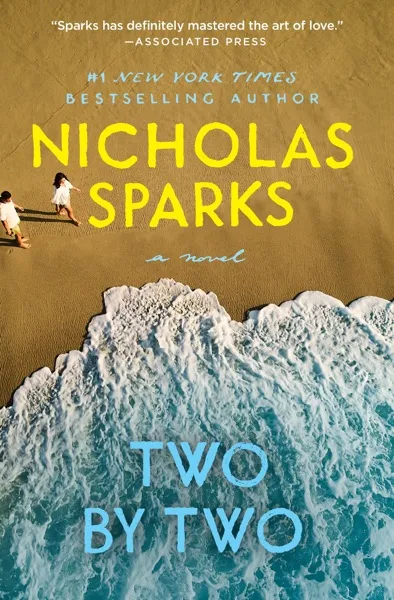
Two by Two Author: Nicholas SparksPage Count: UnknownPublication Year: 2024-GB Nicholas Sparks’ Two by Two arrives like a quiet storm—gentle at first, then impossible to ignore. In a literary landscape cluttered with fleeting trends and formulaic romance, Sparks continues to carve out a space where emotion isn’t just felt but lived. Though details about the 2024 release remain sparse, the promise of another Sparks novel is enough to send ripples through the hearts of his devoted readers. This isn’t just another love story; it’s a meditation on second chances, the weight of the past, and the fragile, unshakable bonds that define us. At its core, Two by Two likely explores the idea of reconnection—how life, in its unpredictable twists, offers us paths we never anticipated. Sparks has always excelled at crafting narratives where love isn’t just about grand gestures but about the quiet, persistent choices that bind two people together. Whether it’s through a chance encounter, a long-buried memory, or an unspoken understanding, the novel probably delves into the ways we find—or lose—ourselves in another person. The title itself, Two by Two, suggests partnership, balance, and the inevitability of being paired, whether by fate, circumstance, or choice. Sparks’ signature style is deceptively simple, a polished veneer over profound emotional currents. His prose is unadorned, almost effortless, allowing the story to unfold like a well-worn photograph—familiar yet deeply personal. There are no dense metaphors or convoluted sentences here; instead, there’s a raw sincerity in the way he describes ordinary moments made extraordinary by emotion. A quiet conversation by a fireplace, a shared glance on a crowded street, the ache of a memory that surfaces at the wrong time—these are the building blocks of his narratives. And yet, beneath the simplicity lies a craftsmanship that makes his stories linger. What sets Sparks apart is his ability to tap into universal longings: the desire to be understood, the fear of being alone, the hope that love can heal even the deepest wounds. His characters are often ordinary people thrust into extraordinary circumstances, their struggles relatable precisely because they’re not larger-than-life heroes but flawed, relatable humans. In Two by Two, expect a protagonist—or perhaps a pair of them—facing a crossroads, where the past isn’t just a shadow but a living, breathing force. Sparks doesn’t shy away from pain, but he also doesn’t let it define his characters. Instead, he frames it as a crucible through which they emerge stronger, wiser, and more open to the possibility of love. The emotional resonance of a Sparks novel isn’t accidental; it’s the result of meticulous pacing and an uncanny understanding of human nature. He doesn’t rush. He lingers. A single chapter might span hours of reflection, a weekend of quiet tension, or a moment of revelation that changes everything. This deliberate approach draws readers in, making them feel as though they’re part of the story rather than mere observers. And when the tears come—and they will—they won’t feel manufactured. They’ll feel earned. Given Sparks’ track record, Two by Two is unlikely to reinvent the wheel, but reinvention isn’t its goal. Instead, it’s a testament to the enduring power of love stories that don’t rely on melodrama or contrivance. This is a book for those who believe in the quiet miracles of life—those who find beauty in the mundane and hope in the uncertain. It’s for anyone who has ever looked at a stranger and wondered, “What if?” Sparks’ genius lies in making the ordinary feel monumental, and Two by Two is poised to be another chapter in that legacy. Whether it’s a reunion with a lost love, a rekindling of an old flame, or the unexpected kindness of a stranger, the novel will remind readers that love, in all its forms, is worth the risk. If you’ve ever doubted the power of a second chance, this book will restore your faith. And if you’ve ever wondered whether love can truly heal, Sparks will have you believing again. #NicholasSparks #TwoByTwo #RomanceNovel #LoveStory #SecondChances #NicholasSparksNewBook
The Woman in the Window: A Novel Author: A. J. FinnPage Count: UnknownPublication Date: 2017-OL In the gripping psychological thriller, "The Woman in the Window," A. J. Finn masterfully weaves a complex web of intrigue, deception, and suspense, expertly exploring the theme of isolation and the blurred lines between reality and paranoia. Through the eyes of Anna Fox, a recluse who spends her days spying on her neighbors and escaping into old movies, Finn crafts a narrative that is both unsettling and mesmerizing. Anna's world is one of self-imposed confinement, where the boundaries between her inner sanctum and the outside world are rigidly defined. Her days blend together in a haze of wine-fueled lethargy, punctuated only by her obsessive surveillance of the families living around her. This peculiar existence is disrupted when Anna witnesses a shocking event that shatters her perceptions and sets her on a perilous path of discovery. Finn's writing style is a character in its own right, expertly manipulating the reader's perceptions and heightening the sense of unease that permeates the narrative. With a keen eye for detail, Finn constructs a world that is both familiar and yet, utterly alien. The author's use of language is economical, yet evocative, conjuring a sense of claustrophobia that mirrors Anna's own suffocating existence. One of the most striking aspects of "The Woman in the Window" is its exploration of the theme of isolation. Anna's self-imposed confinement serves as a metaphor for the disconnection that can occur in our increasingly fragmented society. Through Anna's character, Finn raises important questions about the consequences of disengaging from the world around us and the devastating effects it can have on our mental and emotional well-being. Finn's portrayal of Anna is multifaceted and nuanced, defying easy categorization. She is a complex, often contradictory figure, driven by a mix of motivations that are both relatable and disturbing. As the narrative unfolds, Anna's past is slowly revealed, exposing a tangled web of secrets and lies that have contributed to her current state of isolation. The author's use of suspense is masterful, expertly ratcheting up the tension as the story hurtles towards its shocking conclusion. With each twist and turn, Finn skillfully subverts the reader's expectations, keeping them guessing until the very end. The result is a narrative that is both a page-turner and a thought-provoking exploration of the human psyche. In "The Woman in the Window," A. J. Finn has crafted a psychological thriller that is both a compelling read and a commentary on the darker aspects of human nature. With its exploration of isolation, paranoia, and the blurred lines between reality and fantasy, this novel is sure to resonate with fans of the genre. If you're looking for a gripping, thought-provoking thriller that will keep you on the edge of your seat, then "The Woman in the Window" is an absolute must-read. #TheWomanInTheWindow #AJFinn #PsychologicalThriller #Isolation #Paranoia #DomesticSuspense
Elder Race Author: Adrian TchaikovskyPage Count: UnknownPublication Year: 2021-GB Adrian Tchaikovsky’s Elder Race is a masterclass in speculative fiction, a story that interrogates the nature of first contact, colonialism, and what it truly means to be civilized. Published in 2021, this novella—winner of the 2022 Hugo Award for Best Novella—packs the depth of an epic into a mere few hundred pages, weaving a narrative that is as intellectually rigorous as it is emotionally resonant. At its core, Elder Race explores the myth of progress and the arrogance of assuming our own enlightenment. The novel follows Nyr Illim Tevitch, a human scholar exiled to a distant planet to observe its civilization without interference. When the native Laini people—a species on the cusp of spaceflight—mistake him for one of their mythical "Elder Race" deities, Nyr is thrust into a role he never sought. The story’s genius lies in flipping the script on the classic "god among primitives" trope. Nyr is no omniscient savior; he’s a flawed, exhausted man, his knowledge of the Laini’s language and culture painfully incomplete. His struggle isn’t just to guide them—it’s to admit that he might not understand them at all. Tchaikovsky’s prose is sharp and unadorned, stripping away the romanticism of first contact to reveal something far more uncomfortable: the quiet violence of interference, even with the best intentions. The Laini, with their own myths and social structures, are not passive recipients of human wisdom. Their society is rich, their curiosity dangerous, and their willingness to challenge Nyr’s authority forces him to confront the limitations of his own civilization’s claims to superiority. The novella’s strength is in its refusal to offer easy answers. There are no heroes or villains here, just beings caught in the messy, unpredictable web of communication and misunderstanding. What makes Elder Race so compelling is Tchaikovsky’s ability to weave big ideas into intimate, human-scale drama. Nyr’s isolation is palpable—he’s a man who has spent years observing a culture he can never truly belong to, and now he’s forced to engage with it in the most personal way possible. The Laini’s perspective, though less central, is equally fascinating. Their religion, their politics, and their burgeoning science are all shaped by their encounter with Nyr, making the story a two-way mirror reflecting how contact with an "Elder Race" reshapes both parties. Tchaikovsky’s style is deceptively simple. He avoids ornate worldbuilding in favor of a tight, immersive focus on character and consequence. The world feels lived-in not because of excessive description, but because of the weight of Nyr’s choices and the reactions they provoke. The dialogue crackles with tension, each line a potential minefield of misinterpretation. When Nyr tries to explain scientific concepts to the Laini, the results are both hilarious and heartbreaking—proof that even the most advanced knowledge is useless without shared context. The novella’s ending is a masterstroke of ambiguity. Without spoiling anything, Tchaikovsky leaves the reader with a question that lingers long after the last page: Who is really being changed by this encounter? The answer isn’t a triumphant revelation or a tragic downfall, but something far more human—a recognition that progress isn’t a straight line, and that the most meaningful connections are those that force us to see ourselves as others do. Elder Race is a book that demands to be read slowly, savored not for its plot twists but for its quiet revelations. It’s a story about the dangers of assuming we know best, and the humbling truth that sometimes, the "primitive" culture holds more wisdom than the "advanced" one. In an era where first contact stories often default to either utopian wish-fulfillment or dystopian cautionary tales, Tchaikovsky carves out something far more rare and valuable: a tale of genuine mutual transformation. This is science fiction at its most essential—not as escapism, but as a mirror held up to our own assumptions, our own failures, and our fragile, stubborn hope that understanding is possible. #FirstContactStories #ColonialismInSF #HugoAwardWinner #AdrianTchaikovsky #SpeculativeFiction #ScienceFictionWithHeart Related InsightsBreaking the Dark Book Review and Summary No Longer Allowed In Another World Vol. 6 Book Review and Summary And If I Die Before I Wake: A Memoir Book Review and Summary{ "@context": "https://schema.org", "@type": "FAQPage", "mainEntity": [ { "@type": "Question", "name": "What is the main focus of Elder Race Book Review and Summary?", "acceptedAnswer": { "@type": "Answer", "text": "Everything you need to know about Elder Race with our detailed review." } }, { "@type": "Question", "name": "Who authored the comprehensive guide on Elder Race Book Review and Summary?", "acceptedAnswer": { "@type": "Answer", "text": "This detailed article and its insights were carefully researched and authored by Victoria Smith." } }, { "@type": "Question", "name": "Where can I find more related content about Books?", "acceptedAnswer": { "@type": "Answer", "text": "You can explore more articles, detailed reviews, and similar insights by browsing the Related Insights section at the bottom of this article or visiting our dedicated Books category page." } } ] }