Showing Posts From
Culinary art
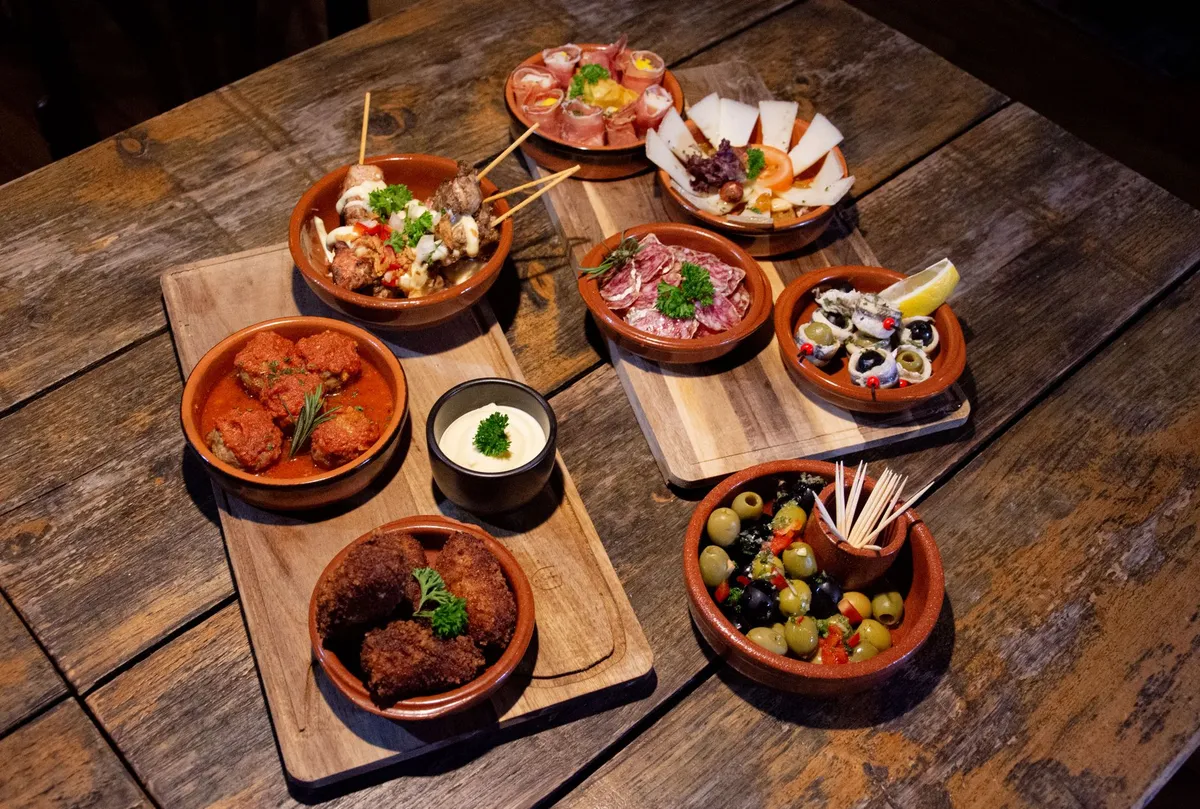

Basque Pintxos: Spain’s Tiny Plates of Culinary Genius You Must Try In the heart of northern Spain, where the Pyrenees meet the Bay of Biscay, lies a culinary tradition that has captivated food lovers for centuries. This is the world of Basque pintxos—small, artfully crafted bites that are as much about visual appeal as they are about flavor. Unlike their more famous cousin, tapas, pintxos are not just about sharing; they are about precision, creativity, and a deep respect for tradition. Each pintxo is a miniature masterpiece, designed to be eaten in one or two bites, often skewered with a toothpick to signal its price and availability. The word "pintxo" itself comes from the Basque word "pintxo," meaning "spike" or "skewer," a nod to the humble toothpick that holds these culinary gems together. What makes pintxos so extraordinary is their ability to encapsulate the essence of Basque culture in a single bite. The Basque Country, or Euskadi, is a region with a distinct language, history, and culinary identity. Here, food is not just sustenance; it is a way of life. Pintxos bars, known as "pintxos barrak," are the social hubs where locals and visitors alike gather to indulge in this edible art form. Whether it’s a classic Gilda—a skewer of anchovy, olive, and guindilla pepper—or a modern creation like foie gras atop caramelized onions on brioche, each pintxo tells a story. The tradition of pintxos is deeply rooted in the region’s history, with recipes passed down through generations and techniques refined over centuries. For food enthusiasts, pintxos offer a journey into the soul of Basque cuisine, where every ingredient is chosen with care and every presentation is a testament to the chef’s skill. But pintxos are more than just a culinary delight; they are a cultural experience. The ritual of hopping from one bar to another, sampling a variety of pintxos while sipping on a glass of txakoli (a crisp Basque white wine) or a local beer, is a rite of passage for anyone visiting the region. The pintxos culture is a celebration of community, where strangers become friends over shared plates and animated conversations. It’s a tradition that has stood the test of time, evolving with modern tastes while staying true to its roots. Whether you’re a seasoned foodie or a curious traveler, exploring the world of Basque pintxos is an adventure that will leave you craving more.The History and Cultural Significance of Pintxos The origins of pintxos can be traced back to the early 19th century in the Basque Country, a region known for its rugged landscapes and resilient people. The word "pintxo" first appeared in written records in the 1920s, but the tradition likely began much earlier as a way for workers to enjoy a quick, affordable meal. The concept of small, skewered bites was practical—easy to eat with one hand while standing at a bar—but it quickly evolved into a form of culinary expression. The Basque people, with their deep connection to the sea and the land, began incorporating local ingredients like fresh fish, cured meats, and seasonal vegetables into their pintxos. Over time, the tradition spread beyond the Basque Country, becoming a symbol of Spanish gastronomy. The cultural significance of pintxos goes beyond their taste. In Basque society, pintxos bars are places of social interaction, where people gather to discuss politics, sports, and life. The act of standing at a bar, ordering a drink, and sampling a variety of pintxos is a communal experience that fosters connection. This is reflected in the Basque phrase "ir de pintxos," which means "to go for pintxos," a ritual that is as much about the people you share it with as the food itself. The pintxos culture is also a testament to the Basque people’s resilience and creativity. During times of hardship, such as the Spanish Civil War and the post-war period, pintxos allowed people to enjoy small luxuries without breaking the bank. Today, pintxos bars range from humble, family-run establishments to high-end gastronomic temples, each offering a unique take on this timeless tradition. One of the most fascinating aspects of pintxos culture is its regional diversity. While the Basque Country is the epicenter of pintxos, other regions of Spain have adopted and adapted the tradition. In San Sebastián, for example, pintxos bars are a major tourist attraction, with some establishments gaining international acclaim. The city’s three-Michelin-starred restaurants, like Arzak and Mugaritz, have roots in the pintxos tradition, with many chefs starting their careers in local bars. Meanwhile, in Bilbao, pintxos bars are more traditional, with recipes that have been passed down for generations. This diversity is a reflection of Spain’s rich culinary tapestry, where regional identity is celebrated through food. For visitors, exploring the different styles of pintxos is like taking a culinary tour of the Basque Country, each bar offering a glimpse into the local culture and history.The Art of Crafting Pintxos: Techniques and Ingredients Creating a perfect pintxo is an art form that requires skill, creativity, and an intimate knowledge of ingredients. Unlike tapas, which can be simple and rustic, pintxos are meticulously crafted, with each element carefully chosen and prepared. The foundation of a great pintxo is the base, which can range from a slice of crusty bread to a delicate puff pastry shell. In traditional Basque cuisine, the base is often a slice of pan de cristal, a thin, airy bread that is crisp on the outside and soft on the inside. The bread is toasted and topped with ingredients that complement its texture, such as smoked salmon, serrano ham, or roasted peppers. The next layer of a pintxo is the main ingredient, which can be anything from fresh seafood to cured meats, cheeses, or vegetables. Seafood is a staple in Basque pintxos, thanks to the region’s coastal location. Anchovies, tuna, and cod are popular choices, often marinated in olive oil, garlic, and vinegar. Cured meats like chorizo, morcilla (blood sausage), and jamón ibérico are also common, adding a rich, savory depth to the pintxo. Cheeses, such as Idiazábal and Roncal, are another favorite, offering a creamy contrast to the crispy bread. Vegetables like roasted peppers, artichokes, and asparagus are used to add freshness and color. The key to a successful pintxo is balance—combining flavors and textures that complement each other without overpowering the palate. Presentation is just as important as taste when it comes to pintxos. A well-crafted pintxo is a feast for the eyes, with vibrant colors and intricate arrangements. Chefs often use garnishes like microgreens, edible flowers, and sauces to elevate the visual appeal. For example, a pintxo of foie gras might be drizzled with a reduction of Pedro Ximénez sherry, while a seafood pintxo could be garnished with a sprinkle of smoked paprika or a dollop of aioli. The use of skewers is also an art form, with chefs choosing the right size and shape to enhance the pintxo’s appearance. In some cases, the skewer itself is part of the presentation, such as a decorative toothpick or a small wooden stick. The goal is to create a pintxo that is as beautiful as it is delicious, a testament to the chef’s skill and creativity.Must-Try Pintxos: A Guide to the Classics and Modern Innovations For anyone visiting the Basque Country, trying the classic pintxos is a rite of passage. These timeless creations are a window into the region’s culinary soul, with recipes that have been perfected over generations. One of the most iconic pintxos is the Gilda, named after the 1946 film Gilda starring Rita Hayworth. This simple yet flavorful pintxo consists of an anchovy, a green olive, and a guindilla pepper, all skewered together. The combination of salty, briny, and slightly spicy flavors makes it a favorite among locals and visitors alike. Another classic is the Tigres, or "Tigers," which features oysters stuffed with a mixture of breadcrumbs, garlic, parsley, and sometimes a touch of chili. The oysters are breaded and fried, creating a crispy, savory bite that is both indulgent and refreshing. Seafood pintxos are a staple in the Basque Country, thanks to the region’s proximity to the Atlantic Ocean. One standout is the Bacalao al Pil-Pil, a pintxo made with salted cod cooked in olive oil and garlic, creating a silky, emulsified sauce that clings to the fish. Another popular choice is the Txangurro a la Donostiarra, a spider crab salad served on a slice of bread, topped with a creamy sauce made from the crab’s roe. For meat lovers, the Txuleta pintxo is a must-try. This pintxo features a small piece of grilled ribeye steak, often served with a side of chistorra (a Basque chorizo) and a drizzle of chimichurri sauce. Cheese lovers will delight in the Idiazábal al Txoko, a pintxo made with grilled Idiazábal cheese, often served with a side of quince paste or membrillo. While traditional pintxos are a cornerstone of Basque cuisine, modern chefs are pushing the boundaries with innovative creations that blend tradition with contemporary techniques. One such example is the Foie Gras y Caramelo pintxo, which features seared foie gras atop a slice of brioche, topped with a caramelized onion compote and a drizzle of balsamic reduction. Another modern favorite is the Tartar de Atún con Aguacate, a diced tuna tartar served on a crispy wonton shell, garnished with avocado, mango, and a lime-cilantro aioli. Vegetarian pintxos are also gaining popularity, with options like Pimientos de Padrón con Queso de Cabra, which features blistered Padrón peppers topped with goat cheese and a drizzle of honey. These modern pintxos showcase the creativity and versatility of Basque cuisine, proving that tradition and innovation can coexist harmoniously.Where to Experience the Best Pintxos: Top Bars and Regions No exploration of Basque pintxos would be complete without a guide to the best bars and regions to try them. The Basque Country is home to some of the most renowned pintxos bars in the world, each offering a unique take on this culinary tradition. In San Sebastián, the heart of pintxos culture, bars like La Cuchara de San Telmo and Bar Txepetxa are must-visits. La Cuchara de San Telmo is famous for its slow-cooked meats, including a legendary morcilla (blood sausage) pintxo, while Bar Txepetxa is known for its anchovy-based pintxos, particularly the Bacalao al Pil-Pil. For a more upscale experience, Ganbara offers a refined take on pintxos, with dishes like foie gras and truffle-infused creations. In Bilbao, the pintxos scene is more traditional, with bars like Café Iruña and Casa Rufo offering classic recipes that have been perfected over generations. Café Iruña, one of the oldest bars in Bilbao, is known for its Gilda pintxos and a wide selection of local wines. Casa Rufo, on the other hand, is famous for its Txangurro a la Donostiarra and other seafood pintxos. For a modern twist, Gure Toki offers innovative pintxos that blend Basque tradition with contemporary techniques. Meanwhile, in Vitoria-Gasteiz, the capital of the Basque Autonomous Community, bars like Borda Berri and Zaldiaran are celebrated for their creative pintxos and lively atmosphere. Beyond the Basque Country, pintxos have gained popularity in other parts of Spain and even internationally. In Madrid, bars like Casa Revuelta and Bodega de la Ardosa offer a taste of Basque pintxos, though they may not be as authentic as those found in the Basque Country. In Barcelona, El Xampanyet is a beloved spot for pintxos, particularly its anchovies with peppers and pan con tomate. Internationally, cities like New York, London, and Tokyo have seen a rise in pintxos bars, often run by Basque chefs or inspired by the tradition. These global outposts offer a chance to experience pintxos outside of Spain, though purists may argue that the true essence of the tradition can only be found in the Basque Country.Pintxos Bar Location Signature Pintxo Price Range (€) AtmosphereLa Cuchara de San Telmo San Sebastián Morcilla con Pimientos 3-5 Cozy, traditionalBar Txepetxa San Sebastián Bacalao al Pil-Pil 4-6 Lively, seafood-focusedCafé Iruña Bilbao Gilda 2-4 Historic, elegantCasa Rufo Bilbao Txangurro a la Donostiarra 5-7 Traditional, family-runBorda Berri Vitoria-Gasteiz Foie Gras y Caramelo 6-8 Modern, innovativeThe Future of Pintxos: Trends and Global Influence As Basque pintxos continue to gain international recognition, the tradition is evolving to meet the demands of modern diners. One of the most significant trends is the rise of vegetarian and vegan pintxos, driven by the growing demand for plant-based options. Chefs are experimenting with ingredients like roasted vegetables, mushrooms, and plant-based cheeses to create pintxos that are both delicious and sustainable. For example, the Pimientos de Padrón con Queso Vegano is a popular vegan pintxo that features blistered Padrón peppers topped with vegan cheese and a drizzle of tahini. Another trend is the fusion of Basque pintxos with other culinary traditions, such as Japanese, Mexican, or Middle Eastern. These innovative creations, like Tartar de Atún con Wasabi or Pulpo a la Gallega con Miso, are pushing the boundaries of what a pintxo can be. Sustainability is also becoming a key focus in the world of pintxos. With increasing awareness of environmental issues, chefs are sourcing ingredients locally and seasonally, reducing food waste, and using eco-friendly packaging. For example, some bars are replacing plastic toothpicks with biodegradable alternatives, while others are incorporating "ugly" produce into their pintxos to reduce waste. The use of foraged ingredients, such as wild mushrooms and herbs, is also on the rise, adding a unique twist to traditional recipes. Additionally, the pintxos culture is embracing technology, with some bars offering digital menus, online reservations, and even virtual tastings. These innovations are making pintxos more accessible to a global audience while preserving the tradition’s authenticity. The global influence of pintxos is undeniable, with the tradition inspiring chefs and food enthusiasts around the world. In cities like New York, London, and Tokyo, pintxos bars are popping up in trendy neighborhoods, offering a taste of Basque culture to international audiences. These global outposts often put a modern spin on traditional pintxos, catering to local tastes while staying true to the spirit of the tradition. For example, in New York, Txikito offers a mix of classic and innovative pintxos, while in London, Pintxos y Tapas serves a fusion of Basque and Spanish tapas. The global popularity of pintxos is also reflected in food festivals and competitions, where chefs from around the world showcase their take on this culinary tradition. As pintxos continue to evolve, they serve as a reminder of the power of food to bring people together, transcending borders and cultures.Conclusion: Why Pintxos Are a Must-Try Culinary Experience Basque pintxos are more than just a culinary delight; they are a cultural phenomenon that embodies the spirit of the Basque Country. From their humble origins as a practical way to enjoy a quick meal to their current status as a global gastronomic treasure, pintxos have stood the test of time. They are a testament to the Basque people’s creativity, resilience, and deep connection to their land and sea. Whether you’re savoring a classic Gilda or indulging in a modern foie gras creation, each pintxo tells a story—a story of tradition, innovation, and community. For food enthusiasts, pintxos offer a unique opportunity to explore the rich culinary heritage of the Basque Country. The act of hopping from one bar to another, sampling a variety of pintxos while sipping on a glass of txakoli, is an experience that engages all the senses. It’s a chance to connect with locals, learn about the region’s history, and discover the artistry behind each bite. Even if you can’t visit the Basque Country, pintxos bars around the world offer a taste of this tradition, allowing you to bring a piece of Basque culture into your own home. As pintxos continue to evolve, they remind us of the power of food to bring people together. Whether you’re a seasoned foodie or a curious traveler, exploring the world of pintxos is an adventure that will leave you craving more. So the next time you’re looking for a culinary experience that is both delicious and meaningful, seek out a pintxos bar near you—or better yet, book a trip to the Basque Country. Because in the world of pintxos, every bite is a masterpiece.#BasqueCuisine #FoodTravel #GourmetBites #CulinaryArt #SpanishTapas Related InsightsHawawshi: The Spiced Meat Bread of Cairo The Emerald Jewel of Turkish Cuisine: Çoban Salata with Walnuts – A Masterclass in Antioxidant-Rich Gastronomy Il Garum Pompeiano: Il Sangue Salato degli Dei e la Sua Rinascita Gastronomica{ "@context": "https://schema.org", "@type": "FAQPage", "mainEntity": [ { "@type": "Question", "name": "What is the main focus of Basque Pintxos: Spain’s Tiny Plates of Culinary Genius You Must Try?", "acceptedAnswer": { "@type": "Answer", "text": "Uncover the artistry behind Basque pintxos—Spain’s bite-sized culinary treasures. From traditional recipes to modern twists, explore why these miniature masterpieces are a must-try." } }, { "@type": "Question", "name": "Who authored the comprehensive guide on Basque Pintxos: Spain’s Tiny Plates of Culinary Genius You Must Try?", "acceptedAnswer": { "@type": "Answer", "text": "This detailed article and its insights were carefully researched and authored by Kenji Sato." } }, { "@type": "Question", "name": "Where can I find more related content about Food?", "acceptedAnswer": { "@type": "Answer", "text": "You can explore more articles, detailed reviews, and similar insights by browsing the Related Insights section at the bottom of this article or visiting our dedicated Food category page." } } ] }