Showing Posts From
Cut to the ending a
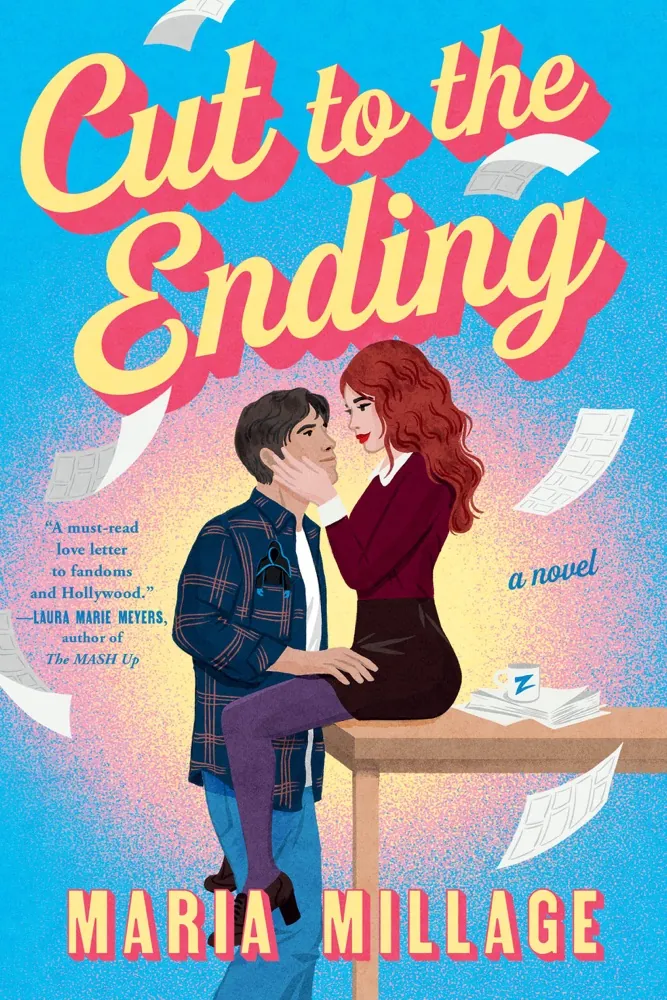

Author: Maria MillagePage Count: UnknownPublication Date: Expected publication 2026-11-03 APL Grandchildren will never understand the weight of an epic cycle. They consume moving pictures on glowing rectangles, blissfully unaware of the generational suffering required to build a sprawling fictional cosmos, complete with invented languages and convoluted genealogies that stretch across ten thousand pages of parchment. Or, in this particular case, a megahit fantasy franchise called Magician’s Gambit. Maria Millage has decided to skewer the very machine that manufactures these modern myths. And honestly? Good for her. The Forge of Lore and Late-Stage Capitalism Delaney Webber is just trying to survive the meat grinder of modern Los Angeles. A misogynistic producer torpedoed her career, leaving her stranded in the purgatory of running errands for an eccentric mentor. Yet the gods of Hollywood throw her a bone. They hand her the crown jewel: the finale of Magician’s Gambit. The catch? She has never laid eyes upon an orc. Enter Max Sullivan. Max is an exhausted assistant tethered to a tyrannical talent manager, surviving on sheer caffeine and nostalgic memories of the epic fantasy films his father raised him on. We are looking at a classic mythic structure here. The reluctant hero meets the scholarly guide. But let us be entirely real for a moment—why do contemporary romantic comedies insist on pairing ambitious women with men who are described as "annoyingly hot" nerds? It feels deeply insulting to actual nerds who look like bruised fruit and smell like cold brew coffee left out in a Toyota Corolla for three days. My own grandfather used to tell the tale of Achilles and Patroclus, and let me tell you, neither of them were agonizingly attractive assistants juggling a hyper-specific macchiato order while having a panic attack in a talent agency lobby. Modern fiction sanitizes the absolute squalor of ambition. The Cult of Canon and Modern Mythology The obsession with "canon" in this plot is frankly exhausting. Remember when people gathered around the hearth to hear about gods throwing lightning bolts at each other, and nobody raised their hand to scream about continuity errors in the pantheon? Now every story must adhere to a strict set of rules dictated by internet commenters who treat fictional kingdoms like sacred scripture. Delaney needs Max to teach her the difference between an orc and a hobbit—a sentence that makes my ancient bones turn to dust. If you do not know the difference by adulthood, perhaps you belong in exile. Still, Millage is leaning heavily into the Book Lovers and How to End a Love Story lineage, which guarantees snappy banter and enough sexual tension to power a small municipality. The synopsis promises electric chemistry that turns strictly unprofessional. Predictable? Absolutely. Will I read it while muttering darkly about the decline of true epic poetry? Yes. Because at the end of the day, watching two stressed-out Los Angeles worker bees fall in love over fictional lore is vastly superior to watching another CGI dragon set fire to a castle for two and a half hours. I am going to go take a nap now, assuming the back porch doesn't catch fire from the dry leaves. Related InsightsIt Book Review and Summary Daughter of Smoke & Bone Book Review and Summary Tender Is the Night Book Review and Summary{ "@context": "https://schema.org", "@type": "FAQPage", "mainEntity": [ { "@type": "Question", "name": "What is the main focus of Cut to the Ending: A Novel Book Review and Summary?", "acceptedAnswer": { "@type": "Answer", "text": "Everything you need to know about Cut to the Ending: A Novel with our detailed review." } }, { "@type": "Question", "name": "Who authored the comprehensive guide on Cut to the Ending: A Novel Book Review and Summary?", "acceptedAnswer": { "@type": "Answer", "text": "This detailed article and its insights were carefully researched and authored by Antoine Leroy." } }, { "@type": "Question", "name": "Where can I find more related content about Books?", "acceptedAnswer": { "@type": "Answer", "text": "You can explore more articles, detailed reviews, and similar insights by browsing the Related Insights section at the bottom of this article or visiting our dedicated Books category page." } } ] }