Showing Posts From
Dakar food guide
-
 Amara Ndiaye
 - 19 Aug, 2026 19:05
Savoring the Soul of West Africa: A Journey Through Senegalese Street Food & Culinary Traditions
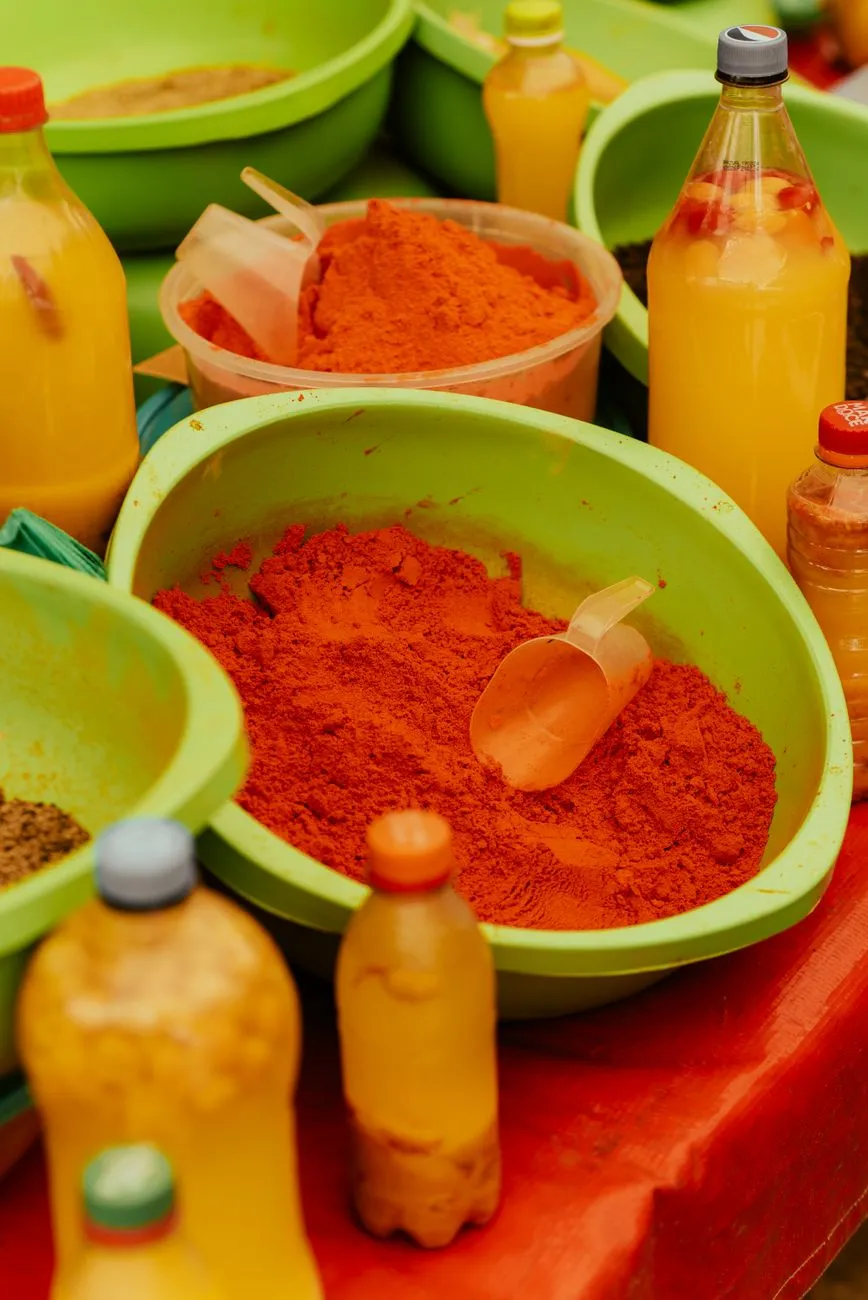
The Melting Pot of Flavors: Where West Africa’s Culinary Heart Beats Imagine standing on a bustling street in Dakar, the air thick with the scent of smoky grills and sizzling spices. Around you, vendors call out in Wolof, their stalls laden with golden fried pastries, steaming bowls of thieboudienne, and vibrant mangoes dripping with chili-lime glaze. This is Senegalese street food—a vibrant tapestry of flavors where tradition meets spontaneity, and every meal is a celebration of community. From the coastal fishing villages to the dusty markets of the interior, Senegal’s cuisine is a reflection of its history, culture, and resilience. But what makes it so irresistible? Let’s dive into the soul of West African street food, uncovering the stories, techniques, and must-try dishes that define Senegalese culinary artistry.The Foundations of Flavor: Ingredients That Define Senegalese Cuisine At the heart of Senegalese cuisine lies a deep reverence for fresh, local ingredients. The country’s coastal geography means seafood is a staple—think succulent grilled fish, spicy shrimp, and octopus stewed in peanut sauce. But it’s the spices that truly elevate these dishes. A blend of netetou (fermented locust bean), yétiss (a fiery chili paste), and dakhar (a smoky dried fish seasoning) forms the backbone of many recipes. Peanuts, another West African superstar, are ground into rich sauces or crushed into crunchy snacks like koki beans. Rice is the unsung hero of Senegalese meals, particularly in the national dish thieboudienne (or ceebu jën), a fragrant one-pot of fish, tomatoes, and vegetables. The rice absorbs the deep umami flavors of the broth, creating a dish that’s both hearty and harmonious. Meanwhile, millet and fonio (a tiny, nutty grain) are staples in the Sahelian regions, often cooked into porridge or couscous-like dishes. For the uninitiated, the sheer variety of ingredients can be overwhelming. But once you understand the role of fermentation (like in soumbala, a pungent locust bean paste) and slow-cooking techniques, you’ll see why Senegalese food is so deeply satisfying. The key? Balance. Sweet, sour, spicy, and umami notes dance together in perfect harmony, a testament to the region’s culinary ingenuity.From Dakar to the Desert: A Street Food Tour of Senegal No exploration of Senegalese street food is complete without a journey through its markets and roadside stalls. Start in Dakar’s Sandaga Market, where the air hums with the sounds of bargaining and sizzling brochettes (skewered meats). Here, you’ll find thiakry, a creamy couscous dessert made with yogurt, millet, and sweetened condensed milk, or fataya, a flaky fried pastry stuffed with spiced beef or tuna. The vendors, often women draped in vibrant pagnes (wax prints), are the keepers of these recipes, passing them down through generations. Head north to Saint-Louis, a colonial gem where French and African flavors collide. Try fakha, a crispy fried doughnut-like snack, or yassa poulet, a tangy onion-marinated grilled chicken that’s a nod to the city’s French influence. In the Casamance region, where lush forests meet the Atlantic, tropical fruits like bissap (hibiscus) and corossol (soursop) take center stage. Don’t miss domoda, a rich peanut stew with meat or fish, slow-cooked to perfection. For the adventurous, the Lebou fishing villages offer a chance to taste the freshest seafood. Grilled thiof (grouper) is a must, served with a side of sauce chien (a fiery green chili sauce). And in the desert-like north, near the Mauritanian border, nomadic tribes prepare méchoui, a whole lamb slow-roasted in an underground pit—a dish reserved for celebrations.The Art of Senegalese Cooking: Techniques That Transform Simple Ingredients Senegalese cuisine is as much about technique as it is about ingredients. One of the most iconic methods is braising, used in dishes like yassa (onion-marinated meat) or mafé (peanut stew). The meat is first seared, then simmered in a rich sauce until tender, allowing the flavors to meld. Fermentation is another cornerstone—soumbala, for example, is made by fermenting locust beans for days, creating a pungent paste that adds depth to stews. Grilling is ubiquitous, especially in street food. Brochettes (skewers) of beef, lamb, or fish are marinated in a blend of onions, garlic, and netetou, then grilled over charcoal until caramelized. The smoke from the grill infuses the meat with a smoky aroma that’s impossible to replicate indoors. Meanwhile, accras (fried cod fritters) are a beloved snack, their crispy exterior giving way to a fluffy, spiced interior. Baking, too, plays a role, though it’s less common. Fataya and pain de singe (monkey bread, a sweet fried dough) are exceptions, their golden crusts hiding sweet or savory fillings. And let’s not forget dakhar, the dried fish used as a seasoning—it’s grilled, pounded, and mixed into sauces for an umami punch. What ties these techniques together is patience. Senegalese cooking is slow cooking, whether it’s the hours spent stirring a pot of thieboudienne or the overnight marinating of yassa. It’s a cuisine that rewards those who take the time to savor the process—and the results.A Taste of Home: The Cultural Significance of Senegalese Street Food For Senegalese people, street food is more than just sustenance—it’s a cultural lifeline. In a country where meals are often communal, sharing a plate of thieboudienne or a bowl of soup kandia (a leafy green stew) is an act of love. The dibi (grilled lamb) stands at Dakar’s Place de l’Indépendance are gathering spots for friends and families, where stories are swapped over smoky skewers and cold bissap drinks. Food also tells the story of Senegal’s history. The peanut sauce in mafé reflects the colonial-era trade routes that brought peanuts from the Americas. The French influence is evident in dishes like pain au chocolat (a breakfast staple) and tarte au citron (lemon tart). Meanwhile, the Wolof, Serer, and Fulani ethnic groups each contribute their own specialties, from the Fulani’s fura da nono (millet porridge with yogurt) to the Serer’s thiof (grouper) dishes. Street food vendors, or marchands ambulants, are the unsung heroes of this culinary tradition. Many are women who’ve honed their skills over decades, passing down recipes through oral tradition. Their stalls are microcosms of Senegalese society—places where class, ethnicity, and religion blend seamlessly over a shared meal.Price Breakdown: What to Expect When Eating Like a Local Senegal is one of Africa’s most affordable destinations, and its street food is no exception. Below is a snapshot of what you can expect to pay in Dakar (prices are approximate and subject to seasonal fluctuations):Dish Price (USD) DescriptionThieboudienne $3–$5 National dish: fish, rice, and vegetables in tomato sauceBrochettes $1–$2 per skewer Grilled meat skewers with onions and spicesAccras $0.50–$1 Fried cod fritters with a spicy kickFataya $0.75–$1.50 Flaky pastry stuffed with beef or tunaYassa Poulet $4–$6 Tangy grilled chicken with caramelized onionsBissap (drink) $0.50–$1 Hibiscus tea, sweet and tartThiakry (dessert) $1–$2 Creamy millet couscous with yogurt and fruitNote: Prices are based on 2026 Numbeo data and local market trends. Street food is significantly cheaper than restaurant dining, with meals often costing under $5. For budget travelers, street food is a lifesaver. A full day of eating like a local—starting with fataya for breakfast, accras as a snack, and thieboudienne for dinner—can cost as little as $10–$15. Even in upscale restaurants, Senegalese dishes remain affordable, with yassa or mafé rarely exceeding $15 per plate.The Senegalese Pantry: Essential Spices and Condiments No guide to Senegalese cuisine would be complete without a deep dive into its pantry staples. Here’s a breakdown of the key ingredients that define the flavors of West Africa:Netetou: Fermented locust beans, used as a seasoning in stews and sauces. Yétiss: A fiery chili paste made from Scotch bonnet peppers, garlic, and oil. Dakhar: Dried fish, grilled and pounded into a powder for umami-rich sauces. Soumbala: Fermented locust bean paste, similar to netetou but with a stronger aroma. Attiéké: Fermented cassava couscous, often served with grilled fish or vegetables. Bissap: Dried hibiscus flowers, brewed into a tart, ruby-red tea. Néré: The seed of the African locust bean, used to make soumbala. Piment de Cayenne: A staple chili pepper used in nearly every dish.These ingredients are the building blocks of Senegalese flavor. Without them, dishes like thieboudienne or mafé would lose their depth and complexity. For travelers, bringing a small supply of these spices home is a great way to recreate the flavors of Senegal.Where to Eat Like a Local: Dakar’s Best Street Food Spots Dakar is a street food paradise, but not all stalls are created equal. Here are the must-visit spots for an authentic taste of Senegal:Marché Sandaga: The heart of Dakar’s street food scene, where you’ll find everything from accras to fataya. Arrive early to avoid the midday crowds. Plateau’s Dibi Stands: Near the Place de l’Indépendance, these grilled lamb stalls are legendary. Try the dibi yappa (grilled lamb with onions) for a true Dakar experience. Soumbédioune Fishing Port: A chaotic but rewarding spot for fresh seafood. Grab a grilled fish and eat it with your hands on the beach. Yoff’s Thiof Grills: A local favorite for thiof (grouper), served with sauce chien and attieke. Colobane Market: A hidden gem for mafé and yassa, with vendors who’ve been perfecting their recipes for decades.Pro tip: Always eat where the locals eat. The busiest stalls are usually the best, with high turnover ensuring fresh ingredients.The Future of Senegalese Street Food: Tradition Meets Innovation As Senegal’s tourism industry grows, so does its street food scene. Young chefs are reimagining classic dishes, infusing them with modern twists. Thieboudienne tacos, accras spring rolls, and yassa sliders are popping up in Dakar’s trendy eateries, attracting both locals and expats. Meanwhile, sustainability is becoming a priority. With overfishing threatening Senegal’s waters, some vendors are turning to alternative proteins like tilapia or plant-based mafé. And as climate change affects agriculture, millet and fonio are being rediscovered as climate-resilient crops. For travelers, this evolution means more options than ever. You can now enjoy a gourmet thieboudienne at a high-end restaurant or a vegan fataya at a hip café. But no matter where you go, the soul of Senegalese street food remains unchanged—a celebration of flavor, community, and resilience.A Feast for the Senses: Why Senegalese Street Food Stays With You There’s something magical about Senegalese street food. It’s not just the flavors—though they’re undeniably rich and complex—but the experience. The sizzle of skewers on a grill, the aroma of spices wafting through the air, the laughter of vendors haggling with customers. It’s a sensory overload in the best possible way. For many travelers, Senegalese food is a revelation. It’s hearty without being heavy, spicy without being overwhelming, and always deeply satisfying. Whether you’re biting into a crispy accra on a dusty Dakar street or sharing a plate of thieboudienne with new friends, you’re not just eating—you’re participating in a tradition that’s been passed down for generations. So the next time you find yourself in West Africa, skip the tourist traps and head straight for the nearest street food stall. Let the flavors guide you, the stories enchant you, and the warmth of the Senegalese people welcome you home.#SenegalFoodie #WestAfricanCuisine #StreetFoodAdventures #DakarEats #TravelWithTaste Related InsightsAntigua and Barbuda Unveiled: A Digital Nomad’s Paradise of Turquoise Waters, Spice-Infused Cuisine, and Colonial Charm Portugal Unveiled: A Deep Dive into Viagem, Cultura, Vida, Gastronomia, and História From Ancient Ruins to Modern Feasts: A Deep Dive into Italy’s Timeless Travel and Culinary Secrets{ "@context": "https://schema.org", "@type": "FAQPage", "mainEntity": [ { "@type": "Question", "name": "What is the main focus of Savoring the Soul of West Africa: A Journey Through Senegalese Street Food & Culinary Traditions?", "acceptedAnswer": { "@type": "Answer", "text": "Discover the vibrant flavors, rich history, and hidden gems of West African street food with a deep dive into Senegalese cuisine—where every bite tells a story." } }, { "@type": "Question", "name": "Who authored the comprehensive guide on Savoring the Soul of West Africa: A Journey Through Senegalese Street Food & Culinary Traditions?", "acceptedAnswer": { "@type": "Answer", "text": "This detailed article and its insights were carefully researched and authored by Amara Ndiaye." } }, { "@type": "Question", "name": "Where can I find more related content about Travel/Food?", "acceptedAnswer": { "@type": "Answer", "text": "You can explore more articles, detailed reviews, and similar insights by browsing the Related Insights section at the bottom of this article or visiting our dedicated Travel/Food category page." } } ] }