Showing Posts From
Travelfood

-
 Sofía Torres
 - 28 Aug, 2026 02:18
Antigua and Barbuda Unveiled: A Digital Nomad’s Paradise of Turquoise Waters, Spice-Infused Cuisine, and Colonial Charm
Where the Caribbean whispers history through its spice-scented breezes and hums with the rhythm of steel drums under endless sunshineNestled in the heart of the Caribbean, Antigua and Barbuda are twin jewels that have long captivated travelers with their powder-white beaches, coral reefs teeming with marine life, and a cultural tapestry woven from African, British, and indigenous influences. For digital nomads seeking a paradise where work and wanderlust intertwine seamlessly, these islands offer more than just postcard-perfect scenery—they provide a vibrant, affordable, and culturally rich lifestyle. Whether you're sipping a rum punch on a secluded cove or typing away in a breezy café overlooking the harbor, Antigua and Barbuda promise an experience that transcends the ordinary. But beyond the allure of turquoise waters and swaying palm trees lies a practical question: How much will it cost to live here? Thanks to Numbeo’s crowdsourced data and real-time market insights, we can now answer that with precision. This guide dives deep into the cost of living, cultural gems, and culinary delights of Antigua and Barbuda, tailored specifically for the modern remote worker.Why Antigua and Barbuda Are the Ultimate Digital Nomad Retreat The Caribbean has emerged as a top destination for digital nomads, and Antigua and Barbuda stand out for several reasons. First, the islands boast a stable internet infrastructure, with high-speed broadband available in most urban areas and coworking spaces dotting the landscape. Second, the cost of living, while not as low as some Southeast Asian destinations, is competitive for the Caribbean, especially when compared to nearby islands like the British Virgin Islands or St. Lucia. Third, the islands’ compact size makes it easy to explore everything from historic Nelson’s Dockyard to the lush rainforests of Barbuda—all within a short drive or ferry ride. According to Numbeo’s 2026 cost-of-living guide, a solo digital nomad in St. John’s, Antigua’s capital, can expect to spend approximately $1,800 to $2,500 USD per month, including rent, food, transportation, and leisure activities. This figure is slightly higher than in some Central American destinations but significantly lower than in the U.S. or Europe. For those willing to venture to Barbuda, the cost drops further, with rents and dining options often 20-30% cheaper due to the island’s quieter, more rural nature. But cost is only part of the equation. Antigua and Barbuda offer a unique blend of history, adventure, and relaxation. The islands were once the heart of the British sugar trade, and their colonial architecture, rum distilleries, and maritime museums tell a story of resilience and cultural fusion. Meanwhile, the local cuisine—heavy on seafood, tropical fruits, and fiery pepper sauces—reflects the islands’ African and indigenous roots. For food-loving nomads, Antigua and Barbuda are a playground of flavors waiting to be explored.Navigating the Cost of Living: A Breakdown for Remote Workers For digital nomads, understanding the cost of living is crucial to planning a sustainable stay. Below is a detailed breakdown of monthly expenses in Antigua and Barbuda, based on Numbeo’s 2026 data and real-time market trends. Keep in mind that prices can vary depending on the season (peak tourist months from December to April are more expensive) and your lifestyle choices.Expense Category Monthly Cost (USD) NotesRent (1-bedroom apartment) $800 - $1,500 St. John’s is pricier; Barbuda offers lower rates (~$600-$1,000).Utilities (electricity, water, internet) $150 - $250 Internet speeds average 50-100 Mbps; power outages are rare but possible.Groceries $300 - $500 Local markets (e.g., St. John’s Public Market) offer fresh produce at lower prices.Dining Out $400 - $800 Mid-range restaurants cost $15-$30 per meal; street food is $5-$10.Transportation $100 - $300 Taxis are expensive; renting a car costs ~$50/day. Ferries to Barbuda: $50 round-trip.Coworking Space $100 - $200 Spaces like The Office Antigua offer day passes for $20.Leisure (beach days, tours) $200 - $400 Snorkeling tours: $50-$80; boat charters: $100-$200.Total (Approx.) $1,800 - $2,500 Can be reduced by sharing rent or cooking at home.One of the biggest expenses for nomads is accommodation. In St. John’s, a modern one-bedroom apartment in a safe neighborhood like Fitches Creek or English Harbour will set you back $1,200-$1,500 per month. For those willing to live slightly outside the city center or in smaller towns like All Saints, prices drop to $800-$1,000. Barbuda, with its laid-back vibe, offers even better deals, with beachfront cottages available for $600-$900 per month. Utilities are another consideration. Electricity in Antigua and Barbuda is relatively expensive due to the islands’ reliance on imported fuel, with monthly bills averaging $150-$250. Internet is reliable but can be spotty in rural areas; a 100 Mbps connection costs around $80-$120 per month. For nomads who need a consistent signal, coworking spaces like The Office Antigua or Antigua Business Centre provide high-speed Wi-Fi and a professional environment for $100-$200 per month. Food costs vary widely depending on whether you cook at home or dine out. Groceries in Antigua are affordable if you shop at local markets. A weekly haul of fresh produce (mangoes, plantains, breadfruit), eggs, and local fish will cost $50-$80, while imported goods (cheese, pasta, wine) are pricier. Dining out is a highlight of life in Antigua and Barbuda, with options ranging from $5 street food (e.g., doubles—a Trinidadian-inspired flatbread with curried chickpeas) to $30-$50 meals at upscale restaurants like Café des Artistes or Sheer Rocks. For budget-conscious nomads, cooking at home and limiting restaurant visits to once or twice a week can cut food costs by 40-50%. Transportation is another area where nomads can save. Taxis are convenient but expensive, with rides between St. John’s and English Harbour costing $30-$50. Renting a car is a better option for those planning to explore the islands, with daily rates starting at $50. Ferries to Barbuda depart from St. John’s and cost $50 round-trip, with the journey taking about 90 minutes. For short trips, local buses (called "jitneys") are a bargain at $1-$3 per ride, though they can be crowded and unreliable. Finally, leisure activities—while not essential—are a big part of the Antigua and Barbuda experience. Snorkeling at Cades Reef, hiking Shirley Heights for sunset views, or taking a day trip to Barbuda’s Frigate Bird Sanctuary will set you back $50-$200, depending on the tour. For nomads on a tight budget, the islands’ public beaches (like Dickenson Bay or Half Moon Bay) are free and perfect for a day of relaxation.From Rum Punch to Pepper Sauce: A Culinary Journey Through Antigua and Barbuda The food of Antigua and Barbuda is a vibrant reflection of the islands’ history and geography. African slaves brought okra, plantains, and callaloo (a leafy green similar to spinach), while British colonizers introduced salted meats, pies, and rum. Indigenous Arawak influences are seen in dishes like fungie (a cornmeal-based side dish) and ducana (a sweet potato dumpling). The result is a cuisine that is hearty, spicy, and deeply flavorful—perfect for food-loving nomads.Must-Try Dishes:Jerk Chicken/Pork – The islands’ take on Jamaica’s famous jerk seasoning is a must-try. Look for roadside stands or restaurants like The Lighthouse in St. John’s, where the meat is slow-cooked over pimento wood for a smoky, spicy flavor. Fungee and Pepper Pot – A staple of Antiguan cuisine, fungie is a thick, polenta-like dish made from cornmeal, often served with pepper pot, a rich stew of salted meat, okra, and spices. Try it at Shepherd’s Restaurant in St. John’s. Ducana – A sweet, spiced dumpling made from grated sweet potato and coconut, typically served with saltfish or as a side dish. Betty’s Hope Estate often features it in their Sunday buffet. Conch – A delicacy in the Caribbean, conch is often served raw in ceviche, fried in fritters, or stewed in curry. The Copper Lime in English Harbour offers an excellent conch chowder. Rum Punch – Antigua is home to some of the Caribbean’s best rum, including English Harbour Rum and Wadadli Rum. A classic rum punch consists of rum, lime juice, sugar, nutmeg, and Angostura bitters—best enjoyed at Café des Artistes while watching the sunset.Where to Eat Like a Local:St. John’s Public Market – A bustling hub for fresh produce, spices, and street food. Try the doubles (curried chickpeas in fried flatbread) from a vendor like Doubles King. Shirley Heights Lookout – Famous for its Sunday sunset parties, this spot offers stunning views and grilled seafood. Barbuda’s Beach Bars – On Barbuda, beachside shacks serve the freshest lobster and grilled fish, often caught that morning.For nomads looking to cook at home, local markets are the best place to stock up on ingredients. The St. John’s Public Market is open daily and offers everything from fresh fish to homemade pepper sauces. For imported goods, supermarkets like Eddie’s Supermarket or Riteway have a good selection, though prices are higher.Beyond the Beach: Cultural Gems and Hidden Adventures While Antigua and Barbuda are synonymous with beaches, the islands offer a wealth of cultural and historical experiences that go far beyond sunbathing. For nomads seeking a deeper connection to the islands, these are the must-visit spots:1. Nelson’s Dockyard National Park A UNESCO World Heritage Site, Nelson’s Dockyard is a living museum of Antigua’s colonial past. Built in the 18th century as a British naval base, the dockyard is home to restored wooden ships, historic buildings, and a museum detailing the islands’ maritime history. The on-site Admiral’s Inn offers a glimpse into the past with its colonial-era dining room and rum bar. 2. Shirley Heights Perched on a hill overlooking English Harbour, Shirley Heights is famous for its Sunday sunset parties, where locals and visitors gather for live music, grilled food, and panoramic views of the harbor. The site also offers hiking trails with stunning vistas, including the Galleon Beach Trail, which leads to a secluded beach. 3. Betty’s Hope Estate Once a sugar plantation, Betty’s Hope is now a museum and agricultural site where visitors can learn about Antigua’s sugar industry and sample local rum. The estate’s rum tasting room offers a chance to try Antigua’s finest rums, including English Harbour Rum and Wadadli Rum. 4. Devil’s Bridge A natural limestone arch on Antigua’s northeast coast, Devil’s Bridge is a geological wonder where the Atlantic’s waves crash dramatically against the rocks. Locals say the bridge is haunted by the spirits of enslaved Africans who jumped to their deaths rather than face slavery. The site also offers hiking trails and a small beach. 5. Barbuda’s Frigate Bird Sanctuary Accessible only by boat, Barbuda’s Frigate Bird Sanctuary is home to the world’s largest colony of frigate birds. Visitors can take a guided boat tour to see these magnificent birds up close, as well as Barbuda’s pristine beaches and coral reefs. 6. Local Festivals and Events Antigua and Barbuda’s calendar is packed with vibrant festivals that offer a taste of the islands’ culture:Antigua Carnival (late July to early August) – A two-week celebration of music, dance, and masquerade, culminating in the Grand Parade. Sailing Week (late April) – A world-famous regatta featuring yacht races, beach parties, and live music. Barbuda’s Lobster Fest (June) – A celebration of Barbuda’s most famous export, featuring grilled lobster, music, and dancing.For nomads looking to immerse themselves in the local culture, volunteering is a great option. Organizations like The Antigua and Barbuda Humane Society or Barbuda’s Environmental Awareness Group welcome short-term volunteers to help with animal care or conservation projects.Living Like a Local: Practical Tips for Digital Nomads Moving to a new country—even temporarily—requires adaptability and preparation. Here are some practical tips to help digital nomads settle into life in Antigua and Barbuda: 1. Visa and Legal Requirements Antigua and Barbuda offer a 30-day visa-free stay for citizens of the U.S., Canada, the U.K., and most EU countries. For longer stays, nomads can apply for a temporary residency permit (valid for up to 12 months) or a digital nomad visa, which is currently in development. Check the latest requirements on the Antigua and Barbuda government website before traveling. 2. Banking and Payments The local currency is the Eastern Caribbean Dollar (XCD), which is pegged to the U.S. dollar at a 1:2.7 rate. While U.S. dollars are widely accepted, it’s best to carry small bills for local markets and taxis. ATMs are available in St. John’s and English Harbour, but rural areas may have limited access. Credit cards are accepted in most hotels and restaurants, but cash is king in local markets and small shops. 3. Healthcare Antigua and Barbuda have a public healthcare system, but for serious medical needs, expats and nomads typically use private hospitals like Mount St. John’s Medical Centre in St. John’s. Travel insurance is highly recommended, as medical care can be expensive. Pharmacies are widely available, but bring any prescription medications with you, as local options may be limited. 4. Safety Antigua and Barbuda are generally safe for tourists and nomads, with petty crime (e.g., pickpocketing) being the most common issue. Avoid walking alone at night in isolated areas, and keep valuables secure. Barbuda is particularly safe, with a low crime rate and a tight-knit community. 5. Language English is the official language, so communication is easy. However, locals often speak a creole-influenced patois, especially in rural areas. Learning a few phrases like "Wah gwaan?" (What’s up?) or "Mi deh yah" (I’m here) will endear you to the locals. 6. Transportation HacksRent a car for flexibility, but be prepared for aggressive driving and narrow roads. Use ferries to explore Barbuda—book in advance during peak season. Try the jitneys for short trips, but confirm the route with the driver first. Bike rentals are available in some areas, but the hilly terrain can be challenging.7. Social Life and Networking Antigua and Barbuda have a growing digital nomad community, with meetups often organized at coworking spaces or beach bars. Facebook groups like "Antigua and Barbuda Expats & Digital Nomads" are great for connecting with others. For a more local experience, attend church services or community events—Antiguans are warm and welcoming to visitors. 8. Sustainability The islands are working to reduce plastic waste, so bring a reusable water bottle and shopping bag. Support local businesses and eco-friendly tours to minimize your environmental impact.The Antigua and Barbuda Lifestyle: Work, Wander, and Unwind What does a typical day look like for a digital nomad in Antigua and Barbuda? It might start with a sunrise swim at Dickenson Bay, followed by a morning of work at a coworking space like The Office Antigua. After lunch—perhaps a fresh seafood salad at The Copper Lime—you might explore the historic streets of St. John’s or take a ferry to Barbuda for a day of snorkeling and beachcombing. As the sun sets, you could enjoy a rum punch at Shirley Heights or a quiet dinner at Café des Artistes, watching the stars reflect off the turquoise water. The key to making the most of life in Antigua and Barbuda is balance. The islands encourage a slow, mindful pace—where work is important, but so is savoring a fresh coconut, dancing to a steel drum, or losing yourself in the rhythm of the waves. For nomads tired of the hustle of big cities, this is a chance to reconnect with nature, culture, and themselves.Why Antigua and Barbuda Could Be Your Next Home Away from Home In a world where remote work is becoming the norm, Antigua and Barbuda offer a compelling alternative to the usual digital nomad hotspots. They combine affordability, reliable infrastructure, and a rich cultural experience with the kind of natural beauty that inspires creativity and relaxation. Whether you’re here for a month or a year, the islands have a way of getting under your skin—leaving you with memories of turquoise waters, spicy flavors, and the warmth of its people. For those ready to trade the ordinary for the extraordinary, Antigua and Barbuda await. Pack your laptop, your swimsuit, and an appetite for adventure—this is a journey you won’t want to miss.#CaribbeanLiving #DigitalNomadLife #AntiguaAndBarbuda #WorkFromParadise #CaribbeanCuisine Related InsightsSt. John’s, Antigua and Barbuda: Where Colonial Charm Meets Digital Nomad Paradise The Ultimate Digital Nomad’s Playbook: Where to Live, Eat, and Thrive in 2026 From Ancient Markets to Modern Tables: A Journey Through the World’s Most Treasured Culinary Landscapes{ "@context": "https://schema.org", "@type": "FAQPage", "mainEntity": [ { "@type": "Question", "name": "What is the main focus of Antigua and Barbuda Unveiled: A Digital Nomad’s Paradise of Turquoise Waters, Spice-Infused Cuisine, and Colonial Charm?", "acceptedAnswer": { "@type": "Answer", "text": "Discover how Antigua and Barbuda blends pristine beaches, vibrant culture, and affordable living for remote workers in 2026, backed by Numbeo’s cost-of-living data." } }, { "@type": "Question", "name": "Who authored the comprehensive guide on Antigua and Barbuda Unveiled: A Digital Nomad’s Paradise of Turquoise Waters, Spice-Infused Cuisine, and Colonial Charm?", "acceptedAnswer": { "@type": "Answer", "text": "This detailed article and its insights were carefully researched and authored by Sofía Torres." } }, { "@type": "Question", "name": "Where can I find more related content about Travel/Food?", "acceptedAnswer": { "@type": "Answer", "text": "You can explore more articles, detailed reviews, and similar insights by browsing the Related Insights section at the bottom of this article or visiting our dedicated Travel/Food category page." } } ] }
-
 Sarah Mitchell
 - 27 Aug, 2026 17:53
From Ancient Markets to Modern Tables: A Journey Through the World’s Most Treasured Culinary Landscapes
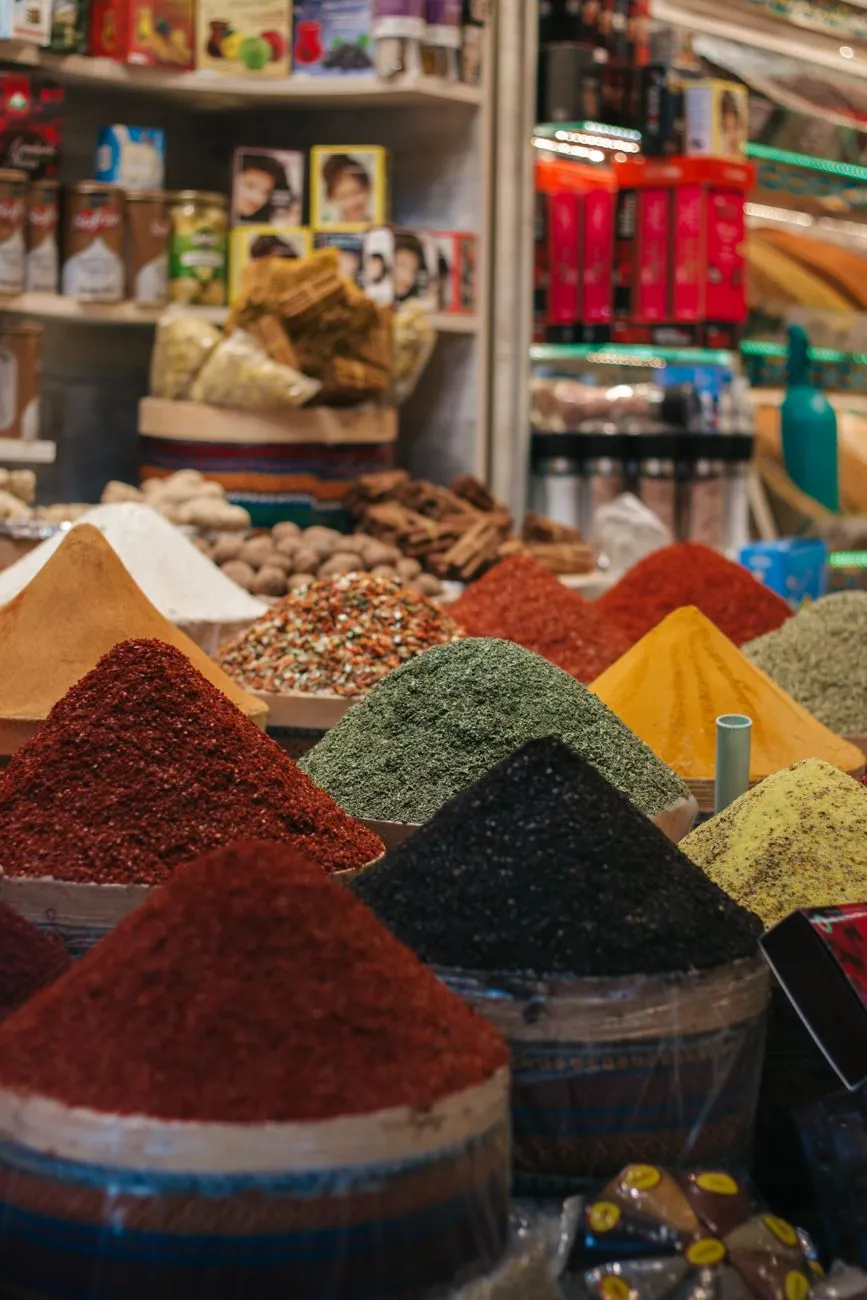
Savor the Past, Taste the Present: How Travel Unlocks the Soul of a Place There is a moment, fleeting yet unforgettable, when you take your first bite of a dish in a foreign land. The flavors don’t just dance on your tongue—they tell a story. A story of migration, of conquest, of love and loss, preserved through generations in a single recipe. Food is the most intimate form of heritage, a living archive that connects us to the people, places, and histories that shaped our world. Whether it’s the smoky aroma of a Moroccan tagine wafting through the alleys of Marrakech, the delicate balance of spices in a Thai curry simmering in Bangkok’s floating markets, or the rustic simplicity of a Neapolitan pizza baked in a 700-year-old wood-fired oven, culinary traditions are the threads that weave together the tapestry of human civilization. But food heritage isn’t just about taste—it’s about survival, identity, and resilience. It’s the reason why a bowl of ramen in Tokyo tastes different from one in Osaka, why a paella in Valencia is a point of regional pride, and why a street vendor in Mexico City can make you question everything you thought you knew about corn. Traveling through the world’s culinary landscapes isn’t just about indulging your palate; it’s about understanding the soul of a place. It’s about sitting across from a grandmother in a Sicilian village who insists you try her caponata because “it’s not just food—it’s memory.” It’s about bargaining in a spice market in Istanbul where the vendor’s laughter echoes the same stories told by traders on the Silk Road centuries ago. Yet, as the world becomes more interconnected, so too does our relationship with food. Globalization has made it easier than ever to access ingredients from every corner of the planet, but it has also blurred the lines between tradition and trend. How do we preserve the authenticity of a dish when its ingredients are flown in from halfway across the world? How do we honor the labor of the farmers, fishermen, and artisans who cultivate these flavors when their work is often invisible in the final product? And how do we, as travelers, ensure that our quest for culinary adventure doesn’t inadvertently erase the very traditions we seek to celebrate? This guide is your passport to the world’s most treasured culinary landscapes—a journey that goes beyond the plate to uncover the stories, struggles, and triumphs that have shaped the foods we love. From the ancient spice routes of the Mediterranean to the modern food halls of Seoul, we’ll explore how to travel with intention, how to support local traditions, and how to bring a piece of heritage home with you. Because food isn’t just what we eat. It’s how we remember. It’s how we belong.The Spice Routes Revisited: Tracing the Flavors That Shaped Civilization Few things have shaped human history as profoundly as the trade of spices. For millennia, the quest for cinnamon, pepper, nutmeg, and cloves fueled exploration, sparked wars, and built empires. The spice routes weren’t just pathways for goods—they were highways of cultural exchange, where ideas, languages, and cuisines mingled in ways that still resonate today. To understand the culinary heritage of the world, you must first understand the spice trade, for it is the invisible hand that has seasoned every corner of the globe. Imagine standing in the Grand Bazaar of Istanbul, where the air is thick with the scent of dried herbs and the murmur of haggling in a dozen languages. This labyrinthine marketplace, one of the oldest and largest covered bazaars in the world, has been a hub of spice trade since the 15th century. Here, vendors display pyramids of saffron from Iran, sumac from Syria, and pul biber—a Turkish chili flake that adds a smoky heat to dishes. The spice trade in Istanbul isn’t just about commerce; it’s a living legacy of the Ottoman Empire, when spices were as valuable as gold. The Ottomans didn’t just trade spices—they perfected the art of blending them, creating dishes like pilaf and baklava that remain staples of Turkish cuisine. But the story of spices doesn’t begin in Istanbul. It begins in the lush forests of Sri Lanka, where cinnamon was first cultivated over 2,000 years ago. The ancient Egyptians used it in embalming, the Romans burned it as incense, and medieval Europeans paid fortunes for it, believing it could ward off the plague. Today, a visit to a cinnamon plantation in Sri Lanka is a journey into the past. Workers still peel the bark by hand, rolling the thin layers into quills that will be shipped across the world. The process is labor-intensive, a reminder that the spices we take for granted were once worth their weight in gold.The spice trade also left an indelible mark on the cuisines of India. In Kerala, a state on India’s southwestern coast, the monsoon rains nourish a landscape so fertile that it’s known as “God’s Own Country.” Here, black pepper, cardamom, and turmeric grow wild, and the local cuisine is a celebration of these flavors. A traditional Kerala meal might include appam (rice pancakes) served with stew—a coconut milk-based curry scented with cinnamon, cardamom, and cloves. The use of these spices isn’t just about taste; it’s about health. Ayurveda, the ancient Indian system of medicine, has long recognized the healing properties of spices, using them to aid digestion, boost immunity, and even treat ailments. Yet, the spice trade wasn’t without its dark side. The European colonial powers—Portugal, the Netherlands, and Britain—sought to monopolize the spice trade, leading to brutal exploitation of local populations and the displacement of entire communities. In the Moluccas, the original “Spice Islands” of Indonesia, the Dutch East India Company burned entire villages to control the nutmeg trade, a practice so ruthless that it inspired the term “scorched earth.” Today, the legacy of this exploitation lingers in the form of cultural erasure and economic inequality. But it also serves as a reminder of the resilience of local traditions. In places like Zanzibar, where cloves were once grown on plantations worked by enslaved people, the spice trade has evolved into a source of pride. The island’s annual Zanzibar International Film Festival often features documentaries on the history of the spice trade, and local chefs are reviving traditional recipes that had nearly been forgotten. For travelers, the spice routes offer a chance to reconnect with this history. In Morocco, the souks of Marrakech are a sensory overload of cumin, coriander, and ras el hanout—a complex spice blend that varies from vendor to vendor. In Vietnam, the streets of Hanoi are lined with vendors selling pho, a noodle soup whose broth is simmered for hours with star anise, cinnamon, and cardamom. Each of these places offers a lesson in how spices have shaped not just cuisine, but culture itself. But how can we, as travelers, engage with this heritage responsibly? Start by seeking out local producers. In Sri Lanka, visit a cinnamon plantation and learn about the process from the farmers themselves. In India, take a cooking class in Kerala and learn to grind spices by hand, as they’ve been done for centuries. Support businesses that prioritize fair trade and sustainable practices. And most importantly, listen to the stories of the people who keep these traditions alive. The spice routes are more than a historical footnote—they’re a living testament to the power of food to connect us to our past.The Art of the Ancients: Preserving Culinary Traditions in a Fast-Changing World In the heart of Naples, Italy, there’s a pizzeria that has been baking pizza in the same way for over 200 years. The oven, made of volcanic stone, is heated by wood fires that have burned continuously since the 18th century. The dough is kneaded by hand, the sauce is made from San Marzano tomatoes grown in the volcanic soil of Mount Vesuvius, and the mozzarella is produced using milk from water buffalo that graze on the plains of Campania. This isn’t just pizza—it’s a piece of living history, a tradition so sacred that it’s been granted UNESCO Intangible Cultural Heritage status. The story of Neapolitan pizza is a microcosm of a larger struggle: the fight to preserve culinary traditions in a world that’s increasingly homogenized. Globalization has made it easier than ever to access ingredients from every corner of the planet, but it has also diluted the uniqueness of local cuisines. A McDonald’s in Tokyo might serve a teriyaki burger, but it’s a far cry from the okonomiyaki that’s been a street food staple in Osaka for centuries. A Starbucks in Istanbul might offer a “Turkish-style” latte, but it can’t replicate the rich, spiced kahve served in a copper cezve by a street vendor in the Grand Bazaar. So how do we preserve these traditions? The answer lies in understanding the forces that threaten them—and the movements that are fighting to keep them alive. One of the biggest threats to culinary heritage is industrialization. When food is mass-produced, it loses its connection to the land, the people, and the history that shaped it. Take the case of teff, a tiny grain that’s been a staple in Ethiopian cuisine for thousands of years. Teff is gluten-free, nutrient-dense, and perfectly adapted to the harsh climate of the Ethiopian highlands. But when global demand for gluten-free products surged, multinational corporations began patenting teff varieties and exporting them to the West. Suddenly, the price of teff in Ethiopia skyrocketed, making it unaffordable for the very people who had cultivated it for generations. The backlash was swift. Ethiopian farmers and activists launched campaigns to protect teff’s genetic diversity and ensure that its benefits remained accessible to local communities.Another threat is cultural appropriation. When a dish is stripped of its cultural context and repackaged as a trend, it loses its soul. The global popularity of sushi is a case in point. Sushi originated in Japan as a method of preserving fish in fermented rice, but it evolved into an art form that reflects the seasons, the region, and the chef’s skill. Today, sushi is served in every corner of the world, often in forms that bear little resemblance to the original—think California rolls with crab sticks and avocado, or sushi burritos that are more burrito than sushi. While there’s nothing inherently wrong with innovation, the problem arises when the cultural significance of the dish is erased. A sushi chef in Tokyo might spend a decade mastering the craft, while a fast-food chain can churn out sushi rolls in minutes. The result? A dilution of tradition and a loss of respect for the skill and history behind the food. But there’s hope. Around the world, chefs, farmers, and activists are working to preserve culinary heritage through a movement known as slow food. Founded in Italy in 1986, Slow Food is an international organization that promotes local food traditions, biodiversity, and sustainable agriculture. Its flagship initiative, the Ark of Taste, is a catalog of foods at risk of extinction, from the Cinta Senese pig of Tuscany to the Oaxacan green dent corn of Mexico. By identifying and celebrating these foods, Slow Food aims to keep them alive for future generations. In Mexico, the milpa system—a traditional farming technique that combines maize, beans, and squash—is being revived by indigenous communities. The milpa isn’t just a way to grow food; it’s a sustainable ecosystem that preserves biodiversity and supports food security. In Italy, the Presidia project supports small-scale producers who are keeping ancient varieties of fruits, vegetables, and grains alive. And in Japan, the Washoku movement is working to preserve traditional cooking techniques, from the art of making dashi broth to the meticulous preparation of kaiseki meals. For travelers, engaging with these movements is a way to support culinary heritage while deepening your connection to a place. Here’s how:Eat local, eat seasonal. Seek out restaurants that source ingredients from local farms and markets. Ask questions about where the food comes from and how it’s prepared. The more you know, the more you’ll appreciate the effort that goes into preserving tradition. Support small producers. Buy directly from farmers, artisans, and chefs who are keeping traditions alive. In Oaxaca, Mexico, visit a tortilleria that grinds corn the old-fashioned way. In Tuscany, Italy, buy cheese from a caseificio that uses milk from heritage breeds of cows. Learn the stories behind the food. Take a cooking class from a local chef, visit a museum dedicated to culinary history, or join a food tour led by someone from the community. The more you understand the significance of a dish, the more meaningful your experience will be. Respect the culture. Avoid ordering dishes that are sacred or ceremonial unless you’re invited to do so. In many indigenous cultures, food is deeply tied to spirituality, and it’s important to approach it with reverence.Preserving culinary heritage isn’t just about nostalgia—it’s about survival. These traditions are a testament to human ingenuity, resilience, and creativity. They’re a reminder that food isn’t just fuel; it’s a language, a history, and a way of life. By supporting them, we ensure that the flavors of the past continue to nourish the future.From Street Food to Fine Dining: The Evolution of Culinary Travel There’s a moment in every traveler’s journey when they realize that the best meals aren’t found in Michelin-starred restaurants or guidebook-listed eateries—they’re found on the street. In Bangkok, it’s the Jay Fai crab omelet, a dish so legendary that it earned its chef a Michelin star despite being served from a street cart. In Istanbul, it’s the balık ekmek, a simple sandwich of grilled mackerel stuffed into fresh bread, sold by vendors along the Galata Bridge. In Mexico City, it’s the tlayudas, a giant crispy tortilla topped with beans, cheese, and meat, grilled to perfection over an open flame. Street food is the heartbeat of a city’s culinary culture. It’s where tradition meets innovation, where grandmothers pass down recipes to their grandchildren, and where the flavors of a place are distilled into their purest form. But street food isn’t just about taste—it’s about accessibility. In many parts of the world, street food is the only affordable meal option for millions of people. It’s a lifeline for the working class, a social equalizer, and a symbol of resilience. Yet, street food is also one of the most vulnerable aspects of culinary heritage. In cities like Hanoi, Vietnam, street food vendors are being pushed out by urban development and strict hygiene regulations. In Mexico City, the rise of food delivery apps has led to a decline in the number of street food stalls, as younger generations opt for the convenience of ordering in. And in Bangkok, the gentrification of neighborhoods like Chinatown has led to the closure of iconic street food stalls, replaced by trendy cafes and fusion restaurants. So how can we, as travelers, support street food culture while ensuring that it thrives for generations to come?The first step is to seek out street food that’s deeply rooted in tradition. In Thailand, for example, street food isn’t just about quick bites—it’s about regional specialties. In the north, you’ll find sai oua, a spicy sausage made with lemongrass and kaffir lime leaves. In the south, it’s khanom jeen, a dish of fermented rice noodles served with a coconut-based curry. Each region has its own unique flavors, and the best way to experience them is to follow the locals. Ask your hotel concierge for recommendations, or simply follow the crowds to the busiest stalls. The more popular a vendor is, the more likely they are to be using time-tested recipes and fresh ingredients. Another way to support street food culture is to patronize vendors who prioritize sustainability. In India, for example, street food vendors are increasingly using biodegradable plates made from banana leaves or areca nuts instead of plastic. In Peru, the ceviche stalls of Lima are sourcing their fish from sustainable fisheries to protect the country’s marine ecosystems. And in Indonesia, street food vendors are reviving traditional cooking methods, like using bamboo steamers for lemang (glutinous rice cooked in coconut milk), to reduce their carbon footprint. But perhaps the most important thing we can do as travelers is to advocate for the preservation of street food culture. This means supporting policies that protect street vendors from displacement, such as zoning laws that designate areas for street food stalls. It means encouraging local governments to invest in infrastructure, like clean water and waste management, that allows vendors to operate safely. And it means amplifying the voices of the people who keep these traditions alive. Share their stories on social media, write reviews that highlight their contributions, and support organizations that work to protect street food culture. For those who want to go a step further, consider volunteering with organizations that support street food vendors. In Vietnam, the Hanoi Street Food Project works to document and preserve the country’s street food heritage while providing training and resources to vendors. In Mexico, the Street Food Collective advocates for the rights of street food workers and promotes sustainable practices. By getting involved, you can help ensure that the flavors of the street remain a vital part of the world’s culinary landscape.The Digital Nomad’s Dilemma: Balancing Wanderlust with Culinary Responsibility In the age of remote work and digital nomadism, food has become both a comfort and a challenge. On one hand, the ability to work from anywhere in the world has opened up unprecedented opportunities to explore new cuisines and culinary traditions. On the other hand, the transient nature of digital nomad life can make it difficult to form meaningful connections with local food cultures. How do you balance the desire to explore with the responsibility to respect and preserve the traditions you encounter? The answer lies in intentional travel—approaching your culinary adventures with mindfulness, curiosity, and a willingness to learn. It’s about recognizing that food isn’t just a commodity to be consumed, but a living tradition to be honored. One of the biggest challenges digital nomads face is the temptation to seek out familiar foods in unfamiliar places. A quick Google search for “best coffee in Lisbon” might lead you to a hipster café serving avocado toast, but it won’t introduce you to the bica—a strong Portuguese espresso that’s been a staple of Lisbon’s coffee culture for centuries. Similarly, a search for “best burgers in Buenos Aires” might lead you to a trendy gastropub, but it won’t introduce you to the lomito—a sandwich made with grilled steak, ham, cheese, and a fried egg, served on crusty bread.To avoid falling into this trap, start by researching the culinary traditions of the places you visit before you arrive. Learn about the staple dishes, the regional specialties, and the cultural significance of the foods you’ll encounter. In Japan, for example, washoku (traditional Japanese cuisine) is a UNESCO Intangible Cultural Heritage. Before visiting, learn about the etiquette of eating with chopsticks, the importance of seasonality in Japanese cooking, and the rituals surrounding tea ceremonies. In Italy, cucina povera (peasant cooking) is a testament to the resourcefulness of Italian grandmothers who turned humble ingredients into dishes that are now celebrated worldwide. Before visiting, learn about the history of pasta al pomodoro, ribollita, and other dishes that originated from necessity but have become culinary icons. Another challenge is the environmental impact of digital nomadism. Flying from country to country, eating at restaurants that source ingredients globally, and relying on single-use plastics can take a toll on the places you visit. To minimize your footprint, consider the following:Support local businesses. Eat at restaurants that source ingredients locally, shop at farmers’ markets, and choose accommodations that prioritize sustainability. Reduce waste. Carry a reusable water bottle, bring your own utensils, and avoid single-use plastics whenever possible. Offset your carbon footprint. Many airlines and travel companies offer carbon offset programs that fund renewable energy projects or reforestation efforts. Learn the language. Even a few phrases in the local language can go a long way in showing respect for the culture and building connections with locals.But perhaps the most important thing digital nomads can do is to engage with the local food community. This might mean taking a cooking class from a local chef, volunteering at a community garden, or simply striking up a conversation with a vendor at the local market. The more you immerse yourself in the food culture of a place, the more meaningful your experience will be—and the more you’ll contribute to its preservation. For those who want to take their culinary travels to the next level, consider joining a food-focused tour or workshop. In Peru, for example, you can take a pisco-making class in the Sacred Valley, learning how to distill this iconic Peruvian spirit from local artisans. In Morocco, you can join a tagine-cooking workshop in a Berber village, where you’ll learn to prepare the dish using ingredients sourced from the surrounding countryside. These experiences not only deepen your understanding of a place’s culinary heritage but also provide economic support to the communities that keep these traditions alive. Ultimately, the digital nomad’s dilemma is a reflection of a larger question: How do we travel in a way that enriches both ourselves and the places we visit? The answer isn’t to avoid travel altogether, but to approach it with intention, respect, and a willingness to learn. Food is a powerful tool for connection, and when we engage with it thoughtfully, it has the power to transform not just our palates, but our perspectives.A Table of Flavors: Comparing the Cost of Culinary Heritage Around the World Food heritage isn’t just about taste—it’s also about economics. The cost of preserving and celebrating culinary traditions varies widely from country to country, influenced by factors like ingredient availability, labor costs, and cultural priorities. Below is a comparison of the cost of key culinary experiences in some of the world’s most food-rich destinations, based on data from Numbeo and other reliable sources. These figures are approximate and can vary depending on the season, location, and type of establishment.Destination Traditional Dish Average Cost (USD) Cultural Significance Affordability Rank (1 = Most Affordable)Mexico City, Mexico Tacos al pastor $1.50 - $3.00 per taco A fusion of Lebanese and Mexican flavors, born from immigration and adaptation. 1Istanbul, Turkey Kebabs (Adana or Şiş) $5.00 - $10.00 A staple of Turkish street food, with roots in Central Asian nomadic traditions. 2Bangkok, Thailand Pad Thai $2.00 - $5.00 A dish that reflects Thailand’s history of trade and cultural exchange. 3Naples, Italy Margherita Pizza $8.00 - $15.00 The birthplace of pizza, with a recipe that’s been perfected over centuries. 4Oaxaca, Mexico Mole Negro $10.00 - $20.00 A complex, multi-layered sauce with indigenous roots, often served at celebrations. 5Lisbon, Portugal Pastel de Nata $1.00 - $2.50 A custard tart with a history tied to the Age of Exploration and Portuguese monasteries. 6Hanoi, Vietnam Pho Bo $3.00 - $7.00 A noodle soup that’s a symbol of Vietnamese resilience and resourcefulness. 7Marrakech, Morocco Tagine (Chicken) $5.00 - $12.00 A slow-cooked stew with Berber roots, reflecting the flavors of North Africa. 8Note: Prices are approximate and based on mid-range establishments. Street food and local markets are typically more affordable, while fine dining experiences can be significantly more expensive. This table highlights the diversity of culinary experiences around the world—and the varying costs associated with them. In Mexico City, you can enjoy a plate of tacos al pastor for less than the price of a coffee in many Western cities. In Naples, a single slice of pizza might cost as much as a full meal in a street food stall in Hanoi. But affordability isn’t just about price—it’s about accessibility. In Oaxaca, mole negro is a dish reserved for special occasions, while in Lisbon, pastel de nata is a daily indulgence for locals. The economic realities of food heritage are complex, shaped by history, geography, and culture. For travelers, this table serves as a reminder that culinary heritage isn’t a monolith. It’s a mosaic of flavors, traditions, and economic realities that reflect the diversity of the human experience. Whether you’re savoring a $1 taco in Mexico City or a $20 bowl of mole in Oaxaca, the key is to approach each meal with respect, curiosity, and a willingness to learn.The Last Bite: Why Food Heritage Matters More Than Ever As the sun sets over the rooftops of Istanbul, casting a golden glow over the domes of the Blue Mosque, the call to prayer echoes through the streets. It’s a sound that’s been a constant in this city for over a thousand years, a reminder of the layers of history that have shaped its culture. And yet, in the midst of this timeless beauty, the city is changing. The spice vendors of the Grand Bazaar are aging, their children opting for careers in tech rather than the family business. The street food stalls of Beyoğlu are being replaced by boutique hotels and fusion restaurants. The flavors that have defined Istanbul for centuries are at risk of fading into obscurity. This isn’t just Istanbul’s story—it’s the story of every place with a rich culinary heritage. In Kyoto, the art of kaiseki is being overshadowed by conveyor-belt sushi. In New Orleans, the recipes of Creole grandmothers are being lost as younger generations move away from the city. In Mumbai, the bhelpuri stalls of Chowpatty Beach are being replaced by fast-food chains. The forces of globalization, urbanization, and economic pressure are eroding the traditions that have sustained communities for generations. But there’s hope. In every corner of the world, there are people fighting to keep these traditions alive. In Istanbul, a group of young chefs has opened a restaurant dedicated to preserving Ottoman cuisine. In Kyoto, a nonprofit is teaching the next generation of chefs the art of wagashi (traditional Japanese sweets). In New Orleans, a collective of Black women chefs is reviving the recipes of their ancestors through a movement called Black Girl Chefs. Food heritage isn’t just about the past—it’s about the future. It’s about the farmers who grow heirloom varieties of fruits and vegetables, the artisans who keep ancient techniques alive, and the chefs who innovate while staying true to tradition. It’s about the stories we tell our children about the foods we eat, the memories we create around the dinner table, and the connections we forge through shared meals. So the next time you travel, don’t just eat—engage. Ask questions. Seek out the stories behind the dishes. Support the people who keep these traditions alive. And most importantly, bring a piece of that heritage home with you. Whether it’s a recipe, a spice blend, or a memory of a meal shared with strangers who became friends, let the flavors of the world nourish not just your body, but your soul. Because food isn’t just what we eat. It’s how we remember. It’s how we belong. And it’s how we ensure that the stories of the past continue to shape the future.#FoodHeritageMatters #TravelWithPurpose #CulinaryAdventure #SlowTravel #SavorTheWorld Related InsightsAntigua and Barbuda Unveiled: A Digital Nomad’s Paradise of Turquoise Waters, Spice-Infused Cuisine, and Colonial Charm Awadhi Cuisine: A Royal Legacy on Your Plate – The Untold Story of Lucknow’s Flavors St. John’s, Antigua and Barbuda: Where Colonial Charm Meets Digital Nomad Paradise{ "@context": "https://schema.org", "@type": "FAQPage", "mainEntity": [ { "@type": "Question", "name": "What is the main focus of From Ancient Markets to Modern Tables: A Journey Through the World’s Most Treasured Culinary Landscapes?", "acceptedAnswer": { "@type": "Answer", "text": "Explore the world’s most celebrated culinary traditions, from bustling bazaars to heritage kitchens, and discover how travel shapes our relationship with food." } }, { "@type": "Question", "name": "Who authored the comprehensive guide on From Ancient Markets to Modern Tables: A Journey Through the World’s Most Treasured Culinary Landscapes?", "acceptedAnswer": { "@type": "Answer", "text": "This detailed article and its insights were carefully researched and authored by Sarah Mitchell." } }, { "@type": "Question", "name": "Where can I find more related content about Travel/Food?", "acceptedAnswer": { "@type": "Answer", "text": "You can explore more articles, detailed reviews, and similar insights by browsing the Related Insights section at the bottom of this article or visiting our dedicated Travel/Food category page." } } ] }

-
 Mateo García
 - 26 Aug, 2026 20:59
From Ancient Ruins to Modern Feasts: A Deep Dive into Italy’s Timeless Travel and Culinary Secrets
Where Time Stands Still: The Eternal Allure of Italy’s Past and PlateItaly is a land where every cobblestone whispers a story, and every meal is a masterpiece. From the sun-drenched vineyards of Tuscany to the labyrinthine canals of Venice, this country is a living museum of art, architecture, and gastronomy. But beyond the postcard-perfect scenes lies a deeper narrative—one of resilience, innovation, and culinary revolution. Whether you’re a history buff tracing the footsteps of emperors, a digital nomad seeking affordable havens, or a foodie chasing the origins of pizza and pasta, Italy offers an unparalleled journey. This guide isn’t just a travel manual; it’s a time machine. We’ll dissect Italy’s layered history, decode its regional cuisines, and equip you with the practical tools to explore like a local. By the end, you’ll understand why Italy isn’t just a destination—it’s an obsession.The Grand Tapestry of Italy: A Timeline of Triumphs and TurmoilItaly’s history is a palimpsest, where ancient civilizations, medieval power struggles, and Renaissance brilliance overlap. To truly appreciate its present, we must rewind the clock. The Birth of a Nation (800 BCE – 476 CE) Long before Italy existed as a unified country, the Italian Peninsula was a mosaic of cultures. The Etruscans, Italy’s first great civilization, flourished in modern-day Tuscany and Lazio from the 9th to the 3rd century BCE. Their advanced engineering, art, and writing laid the groundwork for Rome. By 27 BCE, Rome had transitioned from a republic to an empire under Augustus, becoming the epicenter of a vast network that stretched from Britain to Mesopotamia. The Colosseum, built in 80 CE, symbolized Rome’s engineering prowess, hosting gladiatorial games that drew 50,000 spectators. Yet, this golden age crumbled under the weight of internal decay and barbarian invasions, culminating in the fall of the Western Roman Empire in 476 CE. The Medieval Maze (500–1400 CE) After Rome’s collapse, Italy fragmented into city-states like Venice, Florence, and Genoa, each vying for dominance. The Middle Ages were a period of paradox: while the Church wielded immense power (the Vatican’s influence peaked during this era), trade flourished through maritime republics. Venice, with its strategic position, became a hub for spices, silk, and ideas from the East. Meanwhile, the Black Death in 1348 wiped out a third of Europe’s population, leaving indelible scars on society. Yet, this darkness birthed the Renaissance—a cultural rebirth centered in Florence, where artists like Leonardo da Vinci and Michelangelo redefined human potential. Unification and the Modern Era (1800–Present) Italy’s unification, or Risorgimento, was a 19th-century movement that culminated in 1861 under King Victor Emmanuel II. However, the young nation faced immediate challenges: poverty, illiteracy, and regional divides. The 20th century brought further turmoil—fascism under Mussolini, World War II’s devastation, and the Years of Lead in the 1970s, marked by political violence. Yet, Italy’s resilience shone through. Post-war economic miracles transformed it into a global powerhouse, while its cultural exports—from cinema to cuisine—became universal languages. Today, Italy is a paradox: a G7 economy with medieval towns, a leader in high fashion and slow food, and a nation where ancient ruins coexist with cutting-edge technology. Its history isn’t just a relic; it’s a living, breathing force that shapes every espresso you sip and every cobblestone you tread.The Digital Nomad’s Italian Dream: Costs, Visas, and Hidden HavensItaly isn’t just for sun-seeking retirees or art historians—it’s a rising star for remote workers. With its affordable coastal towns, fast internet, and vibrant expat communities, Italy is carving a niche in the digital nomad world. But navigating its bureaucracy and budget requires strategy. The Nomad Visa: Italy’s Golden Ticket In 2024, Italy launched its Digital Nomad Visa, a one-year renewable permit for non-EU remote workers earning at least €28,000 annually. To qualify, you’ll need:A valid passport. Proof of remote employment or freelance contracts. Health insurance covering Italy. A clean criminal record.The visa is a game-changer, offering tax benefits under the Flat Tax Regime for new residents (100,000 euros/year tax for 15 years). Popular hubs include:Palermo (Sicily): A bohemian paradise with coworking spaces like Impact Hub and a cost of living 30% below Milan. Lecce (Puglia): Known as the "Florence of the South," with Baroque architecture and a thriving digital community. Turin (Piedmont): A tech hub with affordable rents and proximity to the Alps.Budget Breakdown: Where to Splurge and Save Italy’s cost of living varies wildly. Here’s a snapshot based on Numbeo (2024 data):Expense Rome (City Center) Florence (City Center) Naples (City Center) Small Town (e.g., Orvieto)Rent (1-bed apt) €1,200–€1,800 €900–€1,400 €600–€1,000 €400–€700Groceries (monthly) €250–€350 €200–€300 €180–€280 €150–€250Dining Out (meal) €15–€30 €12–€25 €10–€20 €8–€15Coworking Space €150–€250 €120–€200 €100–€180 €80–€150Public Transport €35 (monthly) €30 (monthly) €25 (monthly) €20 (monthly)Pro Tips for Nomads:Avoid Tourist Traps: Skip Venice’s overpriced cafés and dine in Trastevere (Rome) or Sant’Ambrogio (Florence). Seasonal Savings: Visit in shoulder seasons (April–May or September–October) for lower prices. Local SIMs: TIM and Vodafone offer unlimited data plans for €20–€30/month. Coworking Hubs: Copernico (Milan) and WeWork (Rome) provide reliable spaces.Italy’s nomad scene is still young, but its potential is vast. With the right visa and budgeting, you can live like a local while working remotely—all while sipping aperitivo by the Arno.A Culinary Odyssey: Italy’s Regional Flavors and Their HistoriesItalian cuisine isn’t just food—it’s a cultural manifesto. Each region’s dishes tell a story of geography, conquest, and ingenuity. Let’s embark on a gastronomic tour, from the Alps to Sicily. Northern Italy: Butter, Rice, and Alpine Majesty The north’s cuisine is shaped by its proximity to Europe and the Alps. Here, butter and rice reign supreme, a legacy of French and Austrian influences.Piedmont: The home of truffles, Barolo wine, and agnolotti (stuffed pasta). The Truffle Festival in Alba (October) is a must. Lombardy: Risotto alla Milanese (saffron risotto) and cotoletta alla Milanese (breaded veal cutlet) reflect its Germanic roots. Veneto: Bigoli in salsa (whole wheat pasta with anchovies) and sarde in saor (sweet-and-sour sardines) showcase Venetian trade history.Central Italy: The Heart of Tradition Central Italy’s cuisine is rustic, rooted in peasant traditions and the Mezzogiorno (midday meal) culture.Tuscany: Ribollita (bread soup), bistecca alla Fiorentina (T-bone steak), and cantucci (almond biscotti) are staples. The Chianti wine region is a must-visit. Umbria: Known as the "green heart of Italy," it’s famous for strangozzi al tartufo (hand-rolled pasta with truffle) and sagrantino wine. Lazio (Rome): Cacio e pepe, carbonara, and supplì (fried rice balls) are born here. The Testaccio market is a foodie paradise.Southern Italy: Spice, Sea, and Sun The south’s cuisine is bold, spicy, and seafood-heavy, influenced by Greek, Arab, and Spanish rule.Campania (Naples): The birthplace of pizza Margherita (1889, named after Queen Margherita) and sfogliatella (ricotta-filled pastry). Pompeii’s ruins are a short trip away. Sicily: A melting pot of cultures, featuring arancini (fried rice balls), cannoli (ricotta-filled pastries), and pasta alla Norma (eggplant and ricotta salata). Puglia: Orecchiette con cime di rapa (ear-shaped pasta with turnip greens) and burrata cheese are local specialties. The Trulli houses in Alberobello are UNESCO-listed.The Unwritten Rules of Italian DiningNever Order Cappuccino After 11 AM: Italians drink it only in the morning. Pasta is a First Course: It’s not a side dish—it’s primo. Bread is for Scraping: Use it to mop up sauce, but don’t ask for butter (it’s a northern thing). Wine is Local: Opt for house wine (vino della casa)—it’s cheaper and often better.Italy’s food isn’t just about taste; it’s about terroir—the soil, climate, and history that make each bite unique. Whether you’re slurping gnocchi in Trentino or savoring gelato in Sicily, you’re tasting centuries of tradition.Beyond the Tourist Trail: Italy’s Secret Gems and Local SecretsItaly’s tourist hotspots—Pompeii, the Colosseum, the canals of Venice—are undeniably breathtaking. But the real magic lies off the beaten path. These are the places where Italy’s soul shines brightest. The Underrated CitiesMatera (Basilicata): A UNESCO-listed labyrinth of sassi (cave dwellings) carved into rock. Its Casa Grotta offers a glimpse into prehistoric living. Lucca (Tuscany): A walled medieval city with piazzas lined with gelaterias and a bike-friendly core. Climb the Torre Guinigi for panoramic views. Bologna (Emilia-Romagna): The food capital of Italy, home to tagliatelle al ragù (the real Bolognese sauce) and the oldest university in Europe (founded 1088).The Coastal SecretsCinque Terre (Liguria): Five colorful villages connected by hiking trails. Manarola and Riomaggiore are the most photogenic. Tropea (Calabria): A cliffside town with a sandy beach and red onion (a local delicacy) festivals. Polignano a Mare (Puglia): A cliffside village where Giacomo Leopardi, Italy’s greatest poet, was born. Its Grotta Palazzese restaurant is carved into a cave.The Local ExperiencesTruffle Hunting in San Miniato (Tuscany): Join a truffle hunt with a local cinghiale (wild boar) and his dog. Wine Tasting in Valpolicella (Veneto): Visit family-run wineries for Amarone and Ripasso wines. Cooking Classes in Sicily: Learn to make pasta from scratch in a masseria (farmhouse) near Agrigento.The Sustainable Traveler’s Italy Italy is embracing eco-tourism. Stay in agriturismi (farm stays), dine at zero-km restaurants, and explore car-free zones like Capri’s pedestrian paths. The Cinque Terre National Park offers hiking trails with minimal environmental impact. These hidden gems aren’t just alternatives to the crowds—they’re the essence of Italy. They’re where you’ll find nonnas (grandmothers) making fresh pasta, fishermen hauling in the day’s catch, and locals sipping wine at sunset. This is Italy as it was meant to be experienced.The Final Bite: Why Italy Will Steal Your Heart (and Your Wallet)Italy isn’t a place you visit—it’s a place you fall in love with. It’s the history that hums in every piazza, the food that lingers on your tongue, and the people who welcome you like family. But Italy demands something in return: your time, your curiosity, and your willingness to slow down. Will you linger over a caffè at a Roman café, watching the world go by? Will you get lost in the narrow streets of a hilltop town, stumbling upon a family-run trattoria? Will you let the sound of church bells and the smell of fresh basil become your soundtrack? Italy isn’t just a destination—it’s a transformation. It’s where you’ll learn that the best meals are shared, the best stories are lived, and the best memories are made when you least expect them. So pack your bags, leave your itinerary at home, and let Italy surprise you. Benvenuti in Italia—welcome to Italy.#ItalyTravel #FoodHistory #DigitalNomadLife #SlowTravel #HiddenGems Related InsightsFrom Street Food to Fine Dining: The Ultimate Food Lover’s Guide to Bangkok’s Culinary Wonderland Antigua and Barbuda Unveiled: A Digital Nomad’s Paradise of Turquoise Waters, Spice-Infused Cuisine, and Colonial Charm Portugal Unveiled: A Deep Dive into Viagem, Cultura, Vida, Gastronomia, and História{ "@context": "https://schema.org", "@type": "FAQPage", "mainEntity": [ { "@type": "Question", "name": "What is the main focus of From Ancient Ruins to Modern Feasts: A Deep Dive into Italy’s Timeless Travel and Culinary Secrets?", "acceptedAnswer": { "@type": "Answer", "text": "Explore Italy’s rich history, hidden gems, and iconic foods with this expert guide covering travel costs, nomad visas, and the best regional dishes." } }, { "@type": "Question", "name": "Who authored the comprehensive guide on From Ancient Ruins to Modern Feasts: A Deep Dive into Italy’s Timeless Travel and Culinary Secrets?", "acceptedAnswer": { "@type": "Answer", "text": "This detailed article and its insights were carefully researched and authored by Mateo García." } }, { "@type": "Question", "name": "Where can I find more related content about Travel/Food?", "acceptedAnswer": { "@type": "Answer", "text": "You can explore more articles, detailed reviews, and similar insights by browsing the Related Insights section at the bottom of this article or visiting our dedicated Travel/Food category page." } } ] }

-
 Mariana Costa
 - 26 Aug, 2026 07:28
Portugal Unveiled: A Deep Dive into Viagem, Cultura, Vida, Gastronomia, and História
Portugal: Where Every Street Tells a Story and Every Bite is a LegacyPortugal is more than a destination—it’s an experience woven from centuries of exploration, resilience, and culinary mastery. From the misty peaks of the Serra da Estrela to the sun-drenched beaches of the Algarve, this southwestern European gem invites travelers to immerse themselves in a world where viagem (travel), cultura (culture), vida (life), gastronomia (gastronomy), and história (history) converge in harmony. Whether you're strolling through medieval alleys in Porto, savoring a pastel de nata in Belém, or tracing the Age of Discoveries in Sagres, Portugal offers a journey that nourishes both the soul and the senses. In this comprehensive guide, we’ll traverse the landscapes of Portuguese life—from the cost of living to the flavors on your plate—backed by real-time data and deep cultural insight. Let’s begin.The Pulse of Daily Life: Understanding the Cost of Living in PortugalPortugal consistently ranks among the most affordable Western European destinations, making it a magnet for expats, digital nomads, and retirees. According to Numbeo, the world’s largest crowdsourced cost-of-living database, Portugal’s overall cost of living index stands at approximately 45.2 (with Portugal as 100), significantly lower than neighboring Spain (52.1) and France (67.8). This places Portugal in the top tier of budget-friendly European countries, ideal for long-term stays. Rent is the most variable expense. In Lisbon, the capital, a one-bedroom apartment in the city center averages €1,200 per month, while in Porto, it drops to around €800. Smaller cities like Coimbra or Braga offer even greater value, with rents as low as €500. Outside major urban centers, rural areas can be as affordable as €350–€450. Utilities (electricity, heating, water, internet) for a standard 85m² apartment cost about €120 monthly, and groceries for one person run €150–€200. Dining out reflects this affordability. A meal at a mid-range restaurant in Lisbon costs €15–€20, while a prato do dia (daily special) in a local tascas (tavern) is often under €10. Coffee culture thrives—espresso costs €1.10, and a galão (milk coffee) is €1.50. Public transport is efficient and cheap: a monthly metro pass in Lisbon is €40.50, and intercity trains (e.g., Lisbon to Porto) start at €25. Portugal’s healthcare system is robust and affordable. Residents can access public healthcare through the Serviço Nacional de Saúde (SNS), with minimal fees for consultations (around €5–€20). Private health insurance averages €40–€80 monthly. Safety is another hallmark—Portugal ranks as the 3rd safest country in the world (Global Peace Index 2023), with low violent crime rates and a strong police presence. For digital nomads, Portugal’s D7 (passive income) and D8 (digital nomad) visas offer pathways to long-term stays. The D8 visa, introduced in 2022, requires proof of €3,040 monthly income and grants residency for up to five years. Lisbon, Porto, and the Algarve are top hubs, with coworking spaces like Selina or Second Home offering vibrant communities.From Pastéis to Bacalhau: The Soul of Portuguese GastronomiaPortuguese gastronomy is a living archive of maritime adventure, rural tradition, and Moorish influence. At its heart lies bacalhau—salted cod—prepared in over 365 ways, one for each day of the year. The fish, once dried and preserved, became a staple during the Age of Discoveries, when Portuguese sailors carried it across the Atlantic. Today, bacalhau à brás (shredded cod with eggs and potatoes) and bacalhau com natas (cod with cream) remain national favorites. But Portuguese cuisine extends far beyond cod. Francesinha, Porto’s iconic sandwich, layers cured ham, sausage, steak, and melted cheese under a rich beer-based sauce, served with fries. Caldo verde, a rustic soup of kale, potatoes, and chouriço, hails from the Minho region and embodies peasant comfort. Leitão à Bairrada (suckling pig) from the central region is slow-roasted to crispy perfection, its skin crackling like autumn leaves. Seafood lovers rejoice along the coast. Cataplana de marisco (seafood stew) simmers clams, mussels, shrimp, and tomatoes in a copper pot shaped like a clamshell. Amêijoas à Bulhão Pato (clams in garlic and cilantro sauce) is a Lisbon classic, best enjoyed by the Tagus River. In the Algarve, xerém (cornmeal porridge) is paired with fresh sardines, a nod to North African roots. Desserts are where Portugal’s sweet tooth shines. The pastel de nata, born in Belém’s Jerónimos Monastery in the 18th century, is a flaky custard tart dusted with cinnamon. Made with egg yolks left over from starch production for nuns, it became a symbol of Portuguese ingenuity. Bolo de arroz (rice flour cake) and sericaia (a creamy egg pudding from Alentejo) offer lighter alternatives. Wine is the lifeblood of Portuguese tables. The country boasts 14 wine regions, from the crisp whites of Vinho Verde to the bold reds of Douro. Vinho verde (young wine) is slightly effervescent and low in alcohol, perfect with seafood. Port wine, aged in Vila Nova de Gaia’s cellars, is a fortified treasure—ruby for youthful fruitiness, tawny for caramel and nut notes. Moscatel from Setúbal offers aromatic sweetness, while Alentejo wines deliver earthy depth. To truly taste Portugal, visit a feira (farmers’ market). In Lisbon, Mercado da Ribeira (Time Out Market) curates top chefs and local producers. In Porto, Mercado do Bolhão offers fresh produce, cheese, and presunto (cured ham). In the Azores, markets brim with tropical fruits and volcanic honey.A Journey Through Time: The História That Shaped a NationPortugal’s history is a saga of resilience, innovation, and cultural fusion. It began in the Iron Age with Celtic and Iberian tribes, later absorbed into the Roman province of Lusitania. The Romans left indelible marks: aqueducts, roads, and the Latin roots of the Portuguese language. After the fall of Rome, the Visigoths ruled briefly before the Moors invaded in 711 AD, bringing science, architecture, and agriculture to the Iberian Peninsula. The Reconquista—a 500-year Christian campaign—culminated in 1139 when Afonso Henriques declared Portugal an independent kingdom. The Treaty of Zamora (1143) recognized Portugal’s sovereignty, and in 1179, Pope Alexander III formally acknowledged it. The young nation then turned outward. In 1415, Prince Henry the Navigator established a school of navigation in Sagres, launching the Age of Discoveries. Vasco da Gama reached India in 1498, Pedro Álvares Cabral claimed Brazil in 1500, and Ferdinand Magellan’s expedition circumnavigated the globe. This golden age of empire brought wealth—and vulnerability. The 1755 Lisbon earthquake, followed by a tsunami and fires, destroyed much of the city. The Marquis of Pombal, prime minister under King José I, rebuilt Lisbon with wide streets and earthquake-resistant buildings, a masterpiece of Enlightenment urban planning. The earthquake’s devastation also spurred early seismology, making Portugal a pioneer in disaster science. The 19th century brought liberal revolutions and colonial losses. Brazil’s independence in 1822 and the British occupation of Goa in 1961 marked the end of Portugal’s vast empire. The 20th century saw the authoritarian Estado Novo regime under António de Oliveira Salazar, which lasted until the Carnation Revolution of 1974—a peaceful coup that restored democracy. Portugal joined the European Union in 1986, transforming its economy and infrastructure. Today, Portugal honors its past through preservation and innovation. The historic center of Porto, a UNESCO World Heritage site, showcases medieval towers and Baroque churches. The University of Coimbra, founded in 1290, is one of Europe’s oldest. The Pena Palace in Sintra, a 19th-century Romanticist masterpiece, reflects the eclectic tastes of King Ferdinand II. In Lisbon, the MAAT (Museum of Art, Architecture, and Technology) and the Museum of the Orient tell stories of exploration and encounter. Portugal’s history is not just in museums—it’s in the cobblestones, the azulejo tiles, and the fado songs sung in dimly lit taverns. It’s in the ruins of Conímbriga, the Moorish arches of Silves Castle, and the Manueline windows of Jerónimos Monastery. Every region tells a different chapter: the north’s Celtic roots, the center’s medieval monasteries, the south’s Moorish legacy, and the islands’ volcanic origins.Where Tradition Meets Tomorrow: Cultura in Modern PortugalPortuguese culture is a vibrant tapestry of ancient customs and contemporary creativity. At its core is saudade—a bittersweet longing for something lost or absent, a concept untranslatable yet deeply felt. This melancholy soul is expressed in fado, the genre of music born in Lisbon’s Alfama district in the early 19th century. Fado singers, often accompanied by a guitarra portuguesa (a 12-stringed instrument), pour their hearts into songs of love, loss, and fate. Amália Rodrigues, the "Queen of Fado," made it a global phenomenon, and today, venues like Clube de Fado in Lisbon and Casa da Guitarra in Porto keep the tradition alive. Portugal’s festivals are legendary. Festa de São João in Porto (June 23–24) is a night of street parties, hammering plastic hammers on people’s heads (a playful tradition), and releasing illuminated paper balloons. Festa dos Tabuleiros in Tomar (every four years) features women balancing towering headdresses of bread and flowers on their heads. Carnival in Torres Vedras is Portugal’s wildest, with satirical floats and masked revelry. Festa do Colete Encarnado in Vila Franca de Xira celebrates bullfighting with parades and forcados (bull grapplers). Language is a cultural cornerstone. Portuguese is the 6th most spoken language globally, with over 260 million speakers. It’s the official language of nine countries, from Brazil to Angola. In Portugal, dialects vary: the guttural s of Lisbon contrasts with the softer s of Porto, and in the Azores, Azorean Portuguese retains archaic features. The language evolved from Vulgar Latin, enriched by Arabic, African, and Asian influences. Art and literature have flourished across centuries. Fernando Pessoa, Portugal’s most celebrated poet, wrote under multiple heteronyms, creating a literary labyrinth. José Saramago, Nobel laureate in 1998, blended magical realism with social critique in works like Blindness. Contemporary artists like Joana Vasconcelos, known for her large-scale installations, push boundaries between craft and fine art. Portugal’s contemporary culture thrives in its cities. Lisbon’s LX Factory is a creative hub of street art, bookshops, and startup incubators. Porto’s Casa da Música hosts avant-garde performances. The Azores blend tradition with eco-tourism, offering whale watching and geothermal spas. In the Alentejo, monte (farmhouse) stays immerse visitors in rural life, with olive oil tastings and stargazing under dark skies. Portugal also leads in sustainability. It was the first country to commit to carbon neutrality by 2050 and generates over 60% of its electricity from renewables. The eco-museums of the Alentejo and the greenways of the Douro Valley showcase eco-friendly tourism. The Passadiços do Paiva, a wooden walkway along the Paiva River, offers a breathtaking hike through untouched nature.From North to South: A Viagem Through Portugal’s Diverse LandscapesPortugal’s geography is a study in contrasts: rugged mountains, rolling vineyards, golden beaches, and volcanic islands. Each region offers a unique viagem—a journey that engages all the senses. Begin in the north, where the Douro Valley unfolds like a living painting. Terraced vineyards cascade down the hillsides, producing port and table wines. A river cruise from Porto to Pinhão reveals terraces bathed in golden light, quintas (wine estates) offering tastings, and villages where time seems to stand still. The region’s cuisine is hearty: cozido à portuguesa (meat and vegetable stew), roast kid, and presunto from the Trás-os-Montes mountains. Central Portugal is a land of medieval castles and thermal springs. Coimbra, home to the University of Coimbra, exudes academic tradition. The Sé Velha (Old Cathedral) and Biblioteca Joanina (a Baroque library) are architectural gems. The Serra da Estrela, Portugal’s highest mountain range, offers hiking, skiing in winter, and queijo da Serra (sheep’s milk cheese) made from sheep grazing on alpine pastures. The Termas de Monção (thermal baths) provide relaxation in a landscape of rolling hills. Lisbon, the sunlit capital, is a city of seven hills and seven centuries. Its neighborhoods pulse with life: Alfama’s labyrinthine streets, Bairro Alto’s nightlife, and Parque das Nações’ futuristic architecture. The 28 tram rumbles through historic districts, past azulejo-covered churches and miradouros (viewpoints) overlooking the Tagus. Day trips to Sintra reveal palaces like Pena and Quinta da Regaleira, where nature and fantasy intertwine. The Alentejo is Portugal’s wild heart—flat plains stretching to the horizon, cork oak forests, and whitewashed villages. Évora, a UNESCO site, boasts a Roman temple, a Gothic cathedral, and the haunting Capela dos Ossos (Bone Chapel). The region’s cuisine is rustic: migas (fried bread with pork), black pork from Alentejo, and sericaia for dessert. The coast offers empty beaches like Praia do Malhão, where the Atlantic crashes against golden dunes. The Algarve is Portugal’s sun-kissed playground. Its cliffs, carved by wind and wave, form natural arches and grottos. Lagos and Carvoeiro are hubs for kayaking, paddleboarding, and cave tours. The Ria Formosa Natural Park is a haven for birdwatching and boat trips to barrier islands. The cuisine here is seafood-centric: cataplana, garlic shrimp, and tuna steaks. Inland, the Serra de Monchique offers cooler temperatures and medronho (a fiery fruit brandy). The islands—Madeira and the Azores—are Portugal in microcosm. Madeira, the "Pearl of the Atlantic," is a volcanic island draped in laurel forests and terraced vineyards. Funchal, its capital, is a city of flowers and festivals. The Levadas (irrigation channels) offer hikes through lush valleys. The Azores, nine volcanic islands, are a paradise for nature lovers. São Miguel’s Lagoa das Sete Cidades (a twin-lake crater) and Furnas’ geothermal pools are surreal landscapes. Whale watching is a highlight, with sperm whales and dolphins often spotted. Portugal’s rail and road networks make travel seamless. The Alfa Pendular train connects Lisbon to Porto in 2.5 hours, while regional trains explore rural areas. The Estradas Nacionais (national roads) offer scenic drives, and the autoestradas (highways) ensure speed. For island hopping, flights and ferries are frequent and affordable.A Taste of Portugal: Nutritional and Cultural Insights into Its GastronomyDish Serving Size Calories (kcal) Protein (g) Carbs (g) Fat (g) Key IngredientsPastel de Nata 1 tart (50g) 180 3 22 10 Eggs, sugar, puff pastryBacalhau à Brás 300g 450 30 35 22 Cod, potatoes, eggs, olivesFrancesinha 1 sandwich (350g) 850 45 60 50 Ham, sausage, steak, cheese, beer sauceCaldo Verde 350ml bowl 250 8 30 12 Kale, potatoes, chouriçoCataplana de Marisco 400g 350 25 20 18 Clams, mussels, shrimp, tomatoesSource: Adapted from Portuguese food composition databases and Numbeo dietary estimates. Portuguese cuisine is not just delicious—it’s nutritious. The Mediterranean diet, of which Portugal is a cornerstone, emphasizes vegetables, legumes, fish, olive oil, and whole grains. A typical Portuguese meal follows the prato (main dish) and sobremesa (dessert) structure, with bread and wine as constants. Breakfast is light: pão com manteiga (bread with butter) and coffee. Lunch is the main meal, often featuring soup (sopa de legumes), a protein dish, and a side of vegetables. Dinner is late—often after 8 PM—and may be a petisco (tapas-style) spread. Snacking is common, with pastéis de bacalhau (cod fritters) and prego no pão (steak sandwich) as favorites. Portuguese wines pair beautifully with food. Vinho verde’s acidity cuts through fried foods like pastéis de nata, while Alentejo reds complement grilled meats. Moscatel is a natural match for desserts. The country’s DOC (Denominação de Origem Controlada) system ensures quality and terroir authenticity. For health-conscious travelers, Portugal offers abundant options. Vegetarian and vegan restaurants are on the rise, especially in Lisbon and Porto. Ao 26 Vegan Food Project in Lisbon and Vegana Burgers in Porto serve plant-based versions of classic dishes. Gluten-free options are widely available, with many restaurants offering sem glúten (gluten-free) menus.Portugal Awaits: Why This Nation Captivates the Heart and MindPortugal is more than a destination—it’s a feeling. It’s the warmth of a pastel de nata melting on your tongue, the echo of fado in a cobblestone alley, the awe of standing atop a cliff where the Atlantic meets the sky. It’s a place where history is not just remembered but lived, where culture is not just observed but participated in, and where every meal is a celebration of land and sea. Whether you’re drawn by the allure of affordable living, the call of ancient castles, or the promise of sun-drenched beaches, Portugal delivers. It’s a country that respects its past while embracing the future—a nation that invites you to slow down, savor, and connect. So pack your bags, bring your appetite, and prepare to be enchanted. Portugal is waiting.#PortugalTravel #PortugueseCulture #PortugueseFood #PortugalHistory #Wanderlust Related InsightsThe Lost City of Petra: Where Ancient Wonders Meet Modern Adventure From Ancient Ruins to Modern Cafés: The Nomad’s Guide to Living History and Gourmet Delights From Street Corn to Michelin Stars: A Global Food Expedition for the Curious Traveler{ "@context": "https://schema.org", "@type": "FAQPage", "mainEntity": [ { "@type": "Question", "name": "What is the main focus of Portugal Unveiled: A Deep Dive into Viagem, Cultura, Vida, Gastronomia, and História?", "acceptedAnswer": { "@type": "Answer", "text": "Explore Portugal’s rich tapestry of travel, culture, daily life, gastronomy, and history through this meticulously researched guide." } }, { "@type": "Question", "name": "Who authored the comprehensive guide on Portugal Unveiled: A Deep Dive into Viagem, Cultura, Vida, Gastronomia, and História?", "acceptedAnswer": { "@type": "Answer", "text": "This detailed article and its insights were carefully researched and authored by Mariana Costa." } }, { "@type": "Question", "name": "Where can I find more related content about Travel/Food?", "acceptedAnswer": { "@type": "Answer", "text": "You can explore more articles, detailed reviews, and similar insights by browsing the Related Insights section at the bottom of this article or visiting our dedicated Travel/Food category page." } } ] }


Unveiling the Rose-Red Gem of the Desert Nestled between the towering cliffs of southern Jordan, Petra stands as a testament to human ingenuity and the passage of time. This ancient city, carved directly into rose-red sandstone cliffs by the Nabataeans over 2,000 years ago, was once a thriving trade hub connecting the Silk Road to the Mediterranean. Today, it is a UNESCO World Heritage Site and one of the New Seven Wonders of the World, drawing travelers from every corner of the globe. But Petra is more than just a relic of the past—it’s a living, breathing experience where history, architecture, and adventure intertwine seamlessly. To truly appreciate Petra, you must first understand its origins. The Nabataeans, a nomadic Arab tribe, settled here around the 4th century BCE, transforming a barren desert into a bustling metropolis. Their mastery of water management—through an intricate system of dams, cisterns, and pipelines—allowed Petra to flourish in an otherwise inhospitable landscape. The city’s most iconic structure, Al-Khazneh (The Treasury), is a prime example of Nabataean craftsmanship, with its Hellenistic facade carved directly into the rock. But Petra’s allure extends far beyond its famous monuments. From the towering Monastery to the lesser-known High Place of Sacrifice, every corner of this ancient city whispers stories of trade, religion, and survival.As you traverse the Siq, the narrow gorge that serves as Petra’s grand entrance, the anticipation builds with every step. The path, flanked by towering cliffs, narrows to just a few meters wide, creating a dramatic funnel that heightens the sense of discovery. Suddenly, as you round a bend, Al-Khazneh emerges in all its glory—a breathtaking sight that has captivated visitors for centuries. The Treasury’s intricate carvings, including a central tholos (circular structure) and statues of mythological figures, reflect the Nabataeans’ blend of Arab, Egyptian, and Greco-Roman influences. It’s a masterclass in architectural fusion, a reminder that Petra was a melting pot of cultures long before globalization became a buzzword. But Petra’s wonders don’t end with its stone. The city’s strategic location along ancient trade routes meant it was a crossroads for spices, silks, and ideas. This cultural exchange is evident in the cuisine of the region, which today offers a tantalizing blend of Levantine flavors. From the smoky richness of mansaf (Jordan’s national dish of lamb and rice) to the sweet, nutty crunch of knafeh (a cheese pastry soaked in syrup), Petra’s culinary landscape is as diverse as its history. For those willing to venture beyond the main sites, local eateries in the nearby town of Wadi Musa serve up authentic Jordanian dishes that pair perfectly with a cup of cardamom-spiced tea.From Nomadic Tribes to Global Nomads: The Evolution of Travel in Jordan Petra’s story is inextricably linked to the evolution of travel itself. For centuries, the Nabataeans were the original digital nomads, traversing vast distances to trade goods and ideas. Today, Jordan has adapted to modern travel trends, offering visa policies that cater to global explorers. For those looking to extend their stay, the Jordan Pass is a game-changer. This bundled visa and entry package includes a visa on arrival (free for many nationalities), entry to over 40 attractions including Petra, and even a free night’s stay at certain hotels. It’s a cost-effective way to immerse yourself in Jordan’s wonders without the hassle of multiple transactions. For digital nomads and remote workers, Jordan offers a unique blend of affordability and connectivity. According to Numbeo, the cost of living in Amman, Jordan’s capital, is approximately 30% lower than in Western Europe, with a monthly budget of $1,200-$1,500 covering rent, food, and transportation. Wi-Fi speeds are reliable in urban areas, and co-working spaces like The Tank in Amman provide a professional environment for those balancing work and exploration. The country’s nomad visa, introduced in 2023, allows remote workers to stay for up to a year, provided they meet income requirements (typically around $2,000 per month). This policy reflects Jordan’s commitment to attracting global talent while preserving its cultural heritage.Beyond the practicalities, Jordan’s appeal lies in its ability to transport travelers through time. The ancient city of Jerash, with its remarkably preserved Roman ruins, offers a glimpse into the grandeur of the past, while the Dead Sea—just a few hours’ drive from Petra—provides a stark contrast with its mineral-rich waters and surreal landscapes. For those seeking adventure, the Wadi Rum desert offers jeep tours, camel treks, and even overnight stays in Bedouin camps under a blanket of stars. It’s a reminder that Jordan is not just a destination but a journey through layers of history, culture, and natural beauty. The Architecture of Whispers: Decoding Petra’s Hidden Structures Petra’s architecture is a silent storyteller, each structure revealing a chapter of the Nabataeans’ sophisticated urban planning and religious practices. The city’s layout is a masterclass in adapting to the natural terrain, with buildings and tombs carved directly into the sandstone cliffs. The most famous of these is Al-Khazneh, but Petra is home to over 800 individual monuments, each with its own story. The Street of Facades, for example, is a row of tombs carved into the cliffside, their facades decorated with Nabataean motifs. These tombs, some of which date back to the 1st century BCE, offer a glimpse into the Nabataeans’ beliefs about death and the afterlife. One of Petra’s most intriguing structures is the High Place of Sacrifice, a ritual site perched atop a mountain. To reach it, visitors must climb 800 steps, a journey that rewards them with panoramic views of the entire city. The High Place was used for animal sacrifices and religious ceremonies, reflecting the Nabataeans’ blend of Arab and Greco-Roman religious practices. The site’s altar, carved into the rock, is a stark reminder of the city’s spiritual significance. Nearby, the Temple of the Winged Lions is another architectural gem, dedicated to the Nabataean goddess Al-Uzza. Its intricate carvings and well-preserved columns speak to the city’s religious and cultural diversity.Petra’s architecture is not just about grand monuments—it’s also about the ingenuity of its water systems. The Nabataeans were pioneers in hydraulic engineering, creating a network of channels, cisterns, and pipelines that supplied water to the city. The Petra Great Temple, one of the largest free-standing structures in the ancient city, is a testament to this engineering prowess. The temple’s massive courtyard and intricate facade are complemented by an advanced water drainage system that prevented erosion and flooding. Even today, visitors can see remnants of these systems, a reminder of the Nabataeans’ ability to thrive in a desert environment. For those interested in the finer details of Petra’s architecture, the Petra Archaeological Park offers guided tours that delve into the city’s construction techniques and cultural significance. These tours often include visits to lesser-known sites like the Tomb of Sextius Florentinus, a Roman-style tomb that reflects the city’s later Roman occupation. The contrast between Nabataean and Roman architecture is striking, with the latter’s emphasis on symmetry and grandeur standing in stark contrast to the Nabataeans’ organic, cliff-integrated designs. Archaeology Under the Sands: The Secrets Petra Still Holds Despite centuries of exploration, Petra continues to yield new discoveries, proving that the ancient city is far from fully understood. In 2016, archaeologists uncovered a previously unknown monumental structure beneath the sands of Petra’s city center. The structure, believed to be a temple or public building, was buried under 1.5 meters of sediment and dated to the Nabataean period. Its discovery challenged existing theories about Petra’s urban layout and highlighted the city’s complex social hierarchy. Another groundbreaking find came in 2019, when researchers used LiDAR technology to map Petra’s underground water systems. The scans revealed a vast network of tunnels and cisterns that had gone unnoticed for centuries. These systems not only supplied water to the city but also played a crucial role in its defense, allowing Petra to withstand sieges and droughts. The LiDAR data also uncovered evidence of a previously unknown reservoir, suggesting that Petra’s water management was even more sophisticated than previously thought.Petra’s archaeological significance extends beyond its monuments. The city’s necropolis, a vast cemetery filled with tombs and burial sites, offers insights into Nabataean burial practices and social structures. The tombs vary in size and decoration, reflecting the wealth and status of the deceased. Some are simple, unadorned niches, while others are elaborate facades with intricate carvings. The largest tombs, like the Royal Tombs, are reserved for the city’s elite, their facades adorned with columns and pediments reminiscent of Greco-Roman architecture. One of the most fascinating aspects of Petra’s archaeology is its multicultural heritage. The Nabataeans were not an isolated culture but interacted with Egyptians, Greeks, Romans, and Arabs, absorbing and adapting their traditions. This is evident in the city’s art and architecture, which blends Nabataean, Hellenistic, and Roman styles. For example, the Obelisk Tomb, with its four pyramid-shaped obelisks, reflects Egyptian influences, while the Corinthian columns of the Temple of the Winged Lions are distinctly Greco-Roman. These cultural fusions make Petra a living museum of ancient civilizations. For those eager to participate in Petra’s ongoing discoveries, the Petra Archaeological Park offers volunteer programs and excavation opportunities. These programs allow visitors to work alongside professional archaeologists, learning about excavation techniques and the latest research. It’s a chance to contribute to the preservation of Petra’s heritage while gaining a deeper understanding of the city’s history. Savoring the Sands: A Culinary Journey Through Petra’s Flavors No visit to Petra is complete without indulging in the flavors of Jordanian cuisine. The region’s food is a reflection of its history as a crossroads of trade and culture, with influences from the Levant, Arabia, and the Mediterranean. Petra’s proximity to the Dead Sea and the agricultural heartlands of the Jordan Valley means that fresh ingredients are a staple, from crisp vegetables to fragrant herbs and succulent meats. One of the most iconic Jordanian dishes is mansaf, the national dish of Jordan. Traditionally served on special occasions, mansaf consists of tender lamb cooked in a yogurt sauce (jameed) and served over rice or bulgur. The dish is garnished with almonds and pine nuts and accompanied by a side of fresh flatbread. The origins of mansaf can be traced back to the Bedouin tribes of the Arabian Peninsula, who relied on yogurt as a primary food source due to its long shelf life. Today, mansaf is a symbol of Jordanian hospitality, often served to guests as a gesture of welcome.For a lighter meal, Petra’s markets and eateries offer a variety of mezze dishes—small plates meant to be shared. Hummus, made from blended chickpeas, tahini, lemon, and garlic, is a staple, as is baba ghanoush, a smoky eggplant dip. Falafel, deep-fried chickpea balls, are another must-try, often served in pita bread with fresh vegetables and tahini sauce. These dishes are not only delicious but also a reflection of Jordan’s agricultural abundance, with chickpeas, eggplants, and tahini being locally produced. No culinary journey through Petra would be complete without trying knafeh, a sweet pastry that is a staple of Levantine cuisine. Made from shredded phyllo dough layered with sweet cheese and soaked in sugar syrup, knafeh is often served hot and topped with pistachios. The dish has its roots in the Ottoman Empire, but each region has its own variation. In Jordan, knafeh is typically made with a type of cheese called akkawi, which gives it a unique texture and flavor. For the best experience, head to a local bakery in Wadi Musa, where knafeh is freshly prepared and served with a cup of strong, cardamom-spiced coffee. For those seeking a more adventurous culinary experience, Petra’s Bedouin camps offer a taste of traditional Bedouin cuisine. Dishes like zarb, a slow-cooked meat and vegetable stew cooked underground in a pit, and ghee, a clarified butter used in cooking and as a condiment, provide a glimpse into the nomadic lifestyle of the region’s original inhabitants. These meals are often accompanied by stories of Bedouin life, adding a cultural dimension to the dining experience. To pair your meal, Jordan is famous for its mint tea, a refreshing beverage made with fresh mint leaves and sugar. The tea is often served in small glasses and is a staple of Jordanian hospitality. For those who prefer something stronger, arak—a anise-flavored spirit—is a popular choice, often served with mezze dishes. Made from grapes and aniseed, arak is traditionally diluted with water and ice, turning milky white as the aniseed oils separate. The Modern Nomad’s Petra: Balancing Adventure and Preservation Petra is not just a relic of the past—it’s a living, evolving destination that must balance tourism with preservation. The Jordanian government and international organizations have implemented measures to protect Petra’s fragile structures from the wear and tear of millions of visitors. These include limiting the number of daily visitors, restricting access to certain areas, and using advanced technologies like 3D scanning to monitor the condition of monuments. For travelers, this means that visiting Petra requires a bit of planning. The best time to visit is during the shoulder seasons—spring (March to May) and autumn (September to November)—when temperatures are mild and crowds are smaller. Summer can be scorching, with temperatures exceeding 40°C (104°F), while winter brings cooler temperatures and occasional rain. To avoid the midday heat, it’s best to start your exploration early in the morning, when the Siq and Al-Khazneh are bathed in golden light.For those looking to extend their stay, Jordan offers a range of accommodations, from luxury hotels in Amman to eco-lodges in Wadi Rum. In Wadi Musa, the gateway to Petra, hotels like the Mövenpick Resort Petra and the Petra Moon Hotel offer modern amenities while staying close to the ancient city. For a more immersive experience, consider staying in a Bedouin camp in Wadi Rum, where you can sleep under the stars and wake up to the sound of camel bells. When it comes to getting around, Jordan’s public transportation system is reliable and affordable. Buses and taxis connect major cities like Amman, Petra, and Aqaba, while rental cars offer the flexibility to explore at your own pace. For those looking to combine adventure with culture, guided tours are a great option. Companies like Jordan Discovery and Experience Jordan offer tailored itineraries that include Petra, Wadi Rum, and the Dead Sea, with expert guides who provide insights into the region’s history and culture. As you plan your trip, it’s important to consider the environmental impact of your visit. Petra is located in a fragile desert ecosystem, and even small actions like carrying a reusable water bottle and avoiding single-use plastics can make a difference. The Petra Development and Tourism Region Authority (PDTRA) has implemented eco-friendly initiatives, such as waste management programs and water conservation efforts, to ensure that the ancient city remains pristine for future generations. A Feast for the Senses: Petra’s Unforgettable Legacy Petra is more than just a destination—it’s an experience that engages all the senses. The scent of frankincense and myrrh, traded by the Nabataeans, lingers in the air, while the taste of mansaf and knafeh lingers on the palate. The sight of Al-Khazneh emerging from the Siq is a moment of pure awe, and the sound of the wind whispering through the ancient cliffs is a reminder of the passage of time. It’s a place where history, culture, and nature converge, leaving visitors with memories that last a lifetime. For those who have walked the Siq, climbed the steps to the High Place of Sacrifice, and savored the flavors of Jordanian cuisine, Petra becomes more than just a stop on a travel itinerary. It becomes a part of who they are—a reminder of the ingenuity of ancient civilizations and the enduring power of human creativity. Whether you’re a history buff, an architecture enthusiast, a foodie, or an adventure seeker, Petra has something to offer. It’s a place where the past and present collide, creating an experience that is as enriching as it is unforgettable. As you leave Petra, carrying with you the echoes of its ancient streets and the flavors of its cuisine, you’ll realize that this city is not just a destination—it’s a journey. A journey through time, culture, and the boundless possibilities of human achievement. And perhaps, in the quiet moments after your visit, you’ll find yourself dreaming of the rose-red cliffs and the secrets they still hold.#PetraWonders #AncientArchitecture #JordanTravel #CulturalHeritage #MiddleEasternCuisine Related InsightsDim Sum Decoded: The Ultimate Cantonese Culinary Journey Through Hong Kong’s Hidden Gems Awadhi Cuisine: A Royal Legacy on Your Plate – The Untold Story of Lucknow’s Flavors From Street Corn to Michelin Stars: A Global Food Expedition for the Curious Traveler{ "@context": "https://schema.org", "@type": "FAQPage", "mainEntity": [ { "@type": "Question", "name": "What is the main focus of The Lost City of Petra: Where Ancient Wonders Meet Modern Adventure?", "acceptedAnswer": { "@type": "Answer", "text": "Discover the secrets of Petra, Jordan’s rose-red city carved into cliffs, blending 2,000-year-old history with breathtaking landscapes and culinary delights." } }, { "@type": "Question", "name": "Who authored the comprehensive guide on The Lost City of Petra: Where Ancient Wonders Meet Modern Adventure?", "acceptedAnswer": { "@type": "Answer", "text": "This detailed article and its insights were carefully researched and authored by Liam Carter." } }, { "@type": "Question", "name": "Where can I find more related content about Travel/Food?", "acceptedAnswer": { "@type": "Answer", "text": "You can explore more articles, detailed reviews, and similar insights by browsing the Related Insights section at the bottom of this article or visiting our dedicated Travel/Food category page." } } ] }
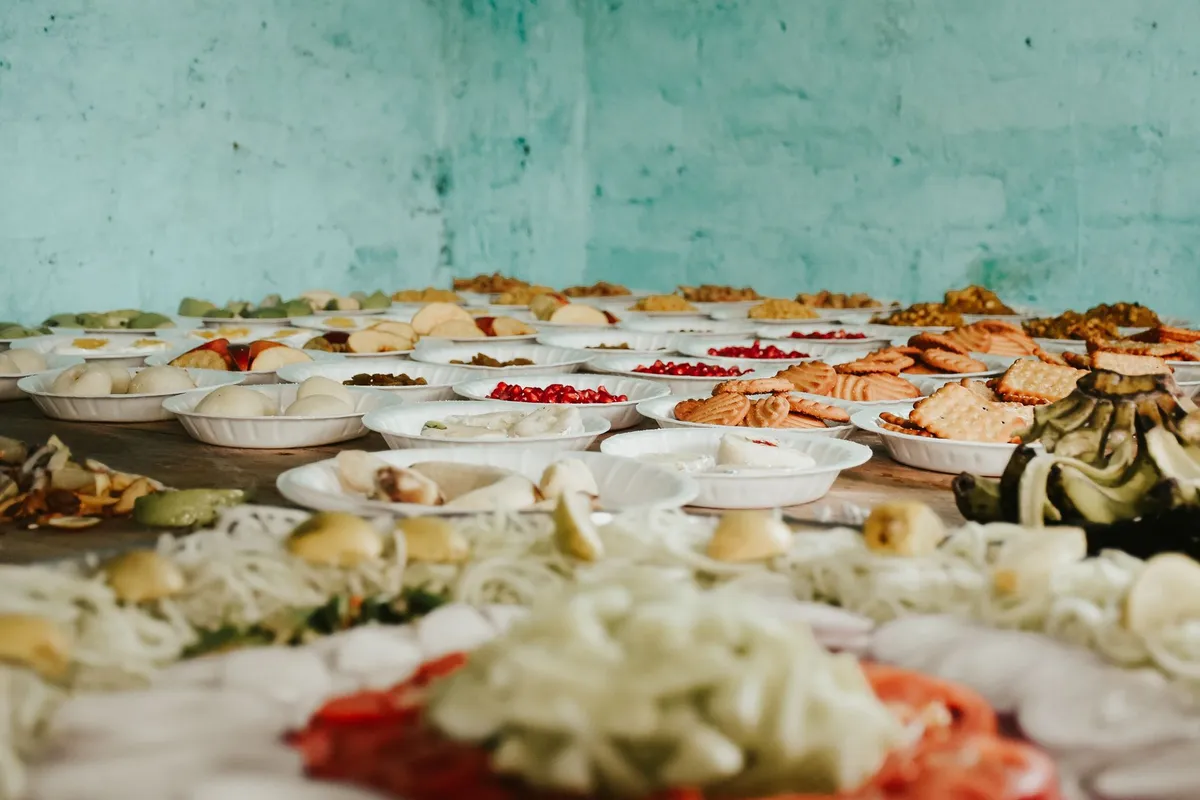
-
 Isabella Ferrari
 - 25 Aug, 2026 07:27
From Street Corn to Michelin Stars: A Global Food Expedition for the Curious Traveler
The World on Your Plate: A Journey Through Flavors, Cultures, and Cravings There’s a moment in every traveler’s journey when the real adventure begins—not on a map, but on a plate. It’s the first bite of a steaming bowl of ramen in Tokyo at 3 AM, the crunch of fresh baguette in a Parisian bakery at dawn, or the smoky heat of a taco al pastor spun on a vertical spit in Mexico City. Food is the universal language of human connection, a passport stamped with every culture’s history, climate, and creativity. Yet, for all its ubiquity, food remains one of the most misunderstood and underappreciated aspects of travel. Many globetrotters chase landmarks and selfies, but the true soul of a destination lies in its markets, kitchens, and the hands that shape its flavors. This guide is not just a list of must-try dishes—it’s a deep dive into the why and how behind the world’s most celebrated cuisines. We’ll explore the science of taste, the economics of street food, the rise of digital nomad-friendly culinary hotspots, and the hidden stories in every bite. Whether you’re a seasoned foodie or a curious beginner, prepare to redefine your travel—and your taste buds.The Spice Route Reimagined: How History Shaped the World’s Plate Food is never just food. It’s a living archive of migration, conquest, trade, and innovation. The Silk Road didn’t just move silk—it carried spices, techniques, and traditions that reshaped entire civilizations. Take the lowly potato, now a staple in Ireland, Peru, and beyond. It originated in the Andes and was brought to Europe by Spanish conquistadors in the 16th century. Within a century, it had become a dietary cornerstone in Ireland, only to later cause famine when monoculture failed. Similarly, chili peppers, native to the Americas, traveled via Portuguese traders to India, where they revolutionized curries. Today, dishes like Goan vindaloo and Sichuan mapo tofu exist because of this global exchange. But food’s evolution isn’t just about ingredients—it’s about people. The Jewish diaspora spread bagels from Poland to New York; Italian immigrants brought pizza to Argentina; and the British Empire exported tea to India, where it was hybridized into masala chai. Even the humble croissant has a contested origin: though associated with France, its layered dough likely came from Ottoman Turkey via Austrian bakers. These culinary crossroads tell stories of resilience, adaptation, and identity. Consider the case of Italy. Its cuisine is often romanticized as rustic and regional, but it’s actually a patchwork of foreign influences. Tomatoes, now synonymous with Italian food, arrived from the Americas in the 16th century. Pasta, though ancient in China, was popularized in Italy through Arab trade routes. The result? A cuisine that feels timeless but is, in reality, a living experiment in fusion. For travelers, understanding this history transforms eating from a transaction into a dialogue. In Oaxaca, Mexico, the mole negro is more than a sauce—it’s a ritual, blending indigenous ingredients like chocolate and chili with Spanish-introduced spices. In Istanbul’s Spice Bazaar, the scent of sumac and saffron isn’t just commerce; it’s a reminder of empires that once traded these very spices.The Economics of Every Bite: Where Your Money Buys the Most Flavor Food isn’t just about taste—it’s about value. And in a world where inflation and currency fluctuations can make or break a travel budget, knowing where your money goes furthest is crucial. Enter Numbeo, the world’s largest database of user-contributed cost-of-living data. According to their 2024 rankings, some destinations offer gourmet experiences for a fraction of the price you’d pay in New York or London. Let’s break it down with a price-per-plate comparison across five iconic food cities, based on Numbeo’s data (all prices in USD):City Street Food Meal Mid-Range Restaurant Meal Fine Dining (3-course) Coffee (Cappuccino)Bangkok, Thailand $1.50 $8.00 $35.00 $1.20Istanbul, Turkey $2.50 $12.00 $45.00 $1.50Mexico City $3.00 $15.00 $50.00 $1.80Lisbon, Portugal $4.50 $20.00 $60.00 $2.00Tokyo, Japan $5.00 $25.00 $100.00 $2.50Source: Numbeo 2024 (Cost of Living Index) The data reveals a clear pattern: southeast Asia and parts of the Middle East offer the best value for food lovers. In Bangkok, a full meal of som tam (green papaya salad), grilled pork skewers, and mango sticky rice can cost under $2. In contrast, Tokyo’s $5 street food (like yakitori or onigiri) is still a bargain compared to its fine dining, where a single meal at a Michelin-starred restaurant can exceed $200. But value isn’t just about price—it’s about experience. In Vietnam, street food vendors often serve meals for under $1, but the flavors are complex, with layers of umami from fish sauce, herbs, and chili. In Italy, a $15 pasta dish in a trattoria might seem expensive, but it’s made with high-quality ingredients like bronze-die extruded pasta and slow-simmered ragù. For digital nomads and long-term travelers, food costs can make or break a budget. In cities like Chiang Mai (Thailand) or Medellín (Colombia), a monthly food budget of $300–$500 can include daily meals at local markets, occasional fine dining, and even cooking classes. Meanwhile, in Zurich or Oslo, the same budget might only cover a few meals at mid-range restaurants. Pro tip: Eat where locals eat. In most cities, the best meals are found in neighborhood eateries, not tourist traps. In Hanoi, follow the crowds to Bun Cha Huong Lien, where Obama and Bourdain once dined. In Rome, skip the restaurants near the Colosseum and head to Trastevere for authentic carbonara.The Digital Nomad’s Culinary Playground: Where to Eat, Work, and Wander The rise of remote work has birthed a new breed of traveler: the digital nomad. These modern-day explorers aren’t just chasing Wi-Fi—they’re chasing flavor. And some cities have become veritable playgrounds for those who want to work by day and feast by night. Enter the digital nomad visa, a relatively new but rapidly growing trend. Countries like Portugal, Spain, and Thailand now offer long-term visas for remote workers, often with incentives like tax breaks or cultural integration programs. But beyond the paperwork, what makes a city a nomad’s foodie paradise? 1. Lisbon, Portugal Portugal’s capital has become a hotspot for nomads, thanks to its affordable cost of living, vibrant café culture, and thriving food scene. The city’s pastel de nata (custard tart) is a must-try, best enjoyed at Pastéis de Belém, where the recipe has been guarded since 1837. For digital workers, Ler Devagar in the LX Factory offers a stunning workspace with a bookstore and café, while Time Out Market provides a curated food hall experience with local vendors. 2. Medellín, Colombia Known as the "City of Eternal Spring" for its perfect weather, Medellín is also a haven for food lovers. The local bandeja paisa (a hearty platter of beans, rice, meat, and plantains) is a must-try, often found at Hacienda Junín. For nomads, Selina Coworking spaces offer food trucks and communal kitchens, while Café Zapatoca serves excellent Colombian coffee in a cozy setting. 3. Chiang Mai, Thailand Thailand’s northern capital is a nomad’s dream, with street food stalls serving khao soi (coconut curry noodles) for under $1. The Nimmanhaemin Road area is packed with cafés like Graph Café, which blends artisanal coffee with high-speed internet. For a taste of local culture, visit the Warorot Market, where you can sample everything from grilled river prawns to mango sticky rice. 4. Tbilisi, Georgia Georgia, the birthplace of wine, has become a nomad favorite for its supra (feast) culture and khachapuri (cheese-filled bread). The Fabrika District is a hub for remote workers, with communal workspaces and food markets. For a true Georgian experience, head to Samikitno, where you can enjoy a multi-course supra with homemade wine. 5. Bali, Indonesia Bali’s Canggu and Ubud areas are teeming with digital nomads, drawn by affordable villas, yoga studios, and nasi campur (mixed rice dishes) at Warung Babi Guling Pak Dobiel. For a work-friendly meal, The Shala in Canggu offers organic, plant-based dishes in a serene setting.But being a nomad isn’t just about where you eat—it’s about how you eat. Many nomads adopt a "slow food" approach, prioritizing local, seasonal ingredients over fast options. Others join food tours or cooking classes to deepen their connection to a culture. In Oaxaca, for example, a mole-making workshop can cost $30–$50 but offers an unforgettable insight into Mexican culinary traditions. For those on a budget, house-sitting or volunteering in exchange for meals (via platforms like Workaway) can provide unique food experiences. Imagine cooking a traditional feijoada in a Brazilian homestay or learning to make sourdough bread in a Tuscan farmhouse.From Street Corn to Michelin Stars: The Hierarchy of Food Adventures Not all food experiences are created equal. There’s a spectrum from grab-and-go street snacks to multi-course tasting menus, and knowing where you fall on that spectrum can elevate your travels from ordinary to extraordinary. Level 1: The Street Food Safari Street food is the heartbeat of a city’s culinary culture. It’s raw, unfiltered, and often the best way to taste a place’s true flavors. In Bangkok, the Jay Fai crab omelet (a Michelin-starred street food) is a must-try, while in Mexico City, elote (grilled corn with chili and lime) from a street vendor is a rite of passage. Pro tip: Look for stalls with long lines—it’s a sign of quality. In Istanbul, the balık ekmek (fish sandwich) at Eminönü is legendary, but only if it’s fresh off the boat. Level 2: The Local Eatery These are the places where locals eat, often unadorned by tourist menus. In Rome, a trattoria like Da Enzo al 29 serves carbonara so authentic it’s illegal in some countries. In Hanoi, Bún Chả Hương Liên (Obama’s favorite) is a no-frills spot with incredible grilled pork and noodles. Pro tip: Learn a few phrases in the local language. In Japan, saying "osusume wa nan desu ka?" ("What do you recommend?") can lead to hidden gems. Level 3: The Market Experience Markets are where food culture comes alive. In Marrakech, the Jemaa el-Fnaa square transforms at night into a food bazaar, with stalls serving snail soup and grilled meats. In Lisbon, the Mercado da Ribeira (Time Out Market) offers a curated selection of Portugal’s best bites. Pro tip: Go early to avoid crowds, and don’t be afraid to try something unfamiliar. In Bangkok’s Chatuchak Market, you might find fried insects or durian-flavored treats—adventurous eaters only! Level 4: The Cooking Class Nothing beats making the food yourself. In Chiang Mai, a Thai cooking class (like at Thai Farm Cooking School) teaches you to balance sweet, sour, spicy, and salty—skills that will transform your home cooking. In Oaxaca, a mole-making workshop reveals the secrets behind Mexico’s most complex sauce. Pro tip: Choose classes that use local, seasonal ingredients. In Provence, France, a herb-infused olive oil workshop is a fragrant way to learn about the region’s flavors. Level 5: The Michelin Star Experience At the top of the hierarchy are Michelin-starred restaurants, where creativity meets precision. In Tokyo, Sukiyabashi Jiro (featured in Jiro Dreams of Sushi) offers a $300 omakase (chef’s choice) meal that’s a once-in-a-lifetime experience. In Copenhagen, Noma (ranked #1 in the world in 2021) redefines Nordic cuisine with foraged ingredients. Pro tip: Book months in advance. Michelin-starred restaurants often have waiting lists, and cancellations are rare.But here’s the secret: the best food experiences aren’t always the most expensive. A $2 bowl of pho in Hanoi can rival a $200 tasting menu in Paris. The key is curiosity. Ask locals for recommendations. Wander down alleys. Try the weird stuff. In Istanbul, the best baklava isn’t in a tourist shop—it’s in a tiny bakery in the Kadıköy district. In Lisbon, the best ginjinha (cherry liqueur) is served in a chocolate cup at A Ginjinha.The Future of Food Travel: Trends, Tech, and Tomorrow’s Plate Food travel isn’t static—it’s evolving. The rise of food tourism, sustainability, and technology is reshaping how we eat, explore, and connect. Here’s what’s on the horizon: 1. The Rise of "Foodie Tourism" Gone are the days when travelers were content with a quick photo of a dish. Today, foodie tourism is a multi-billion-dollar industry, with travelers booking trips solely around culinary experiences. In Italy, pasta-making tours in Bologna attract thousands annually. In Peru, Nikkei cuisine workshops (a fusion of Japanese and Peruvian flavors) are sold out months in advance. Trend to watch: Regenerative food travel. Travelers are seeking out destinations that prioritize sustainability, like Costa Rica’s farm-to-table eco-lodges or Bhutan’s organic farming initiatives. 2. The Digital Revolution in Dining Technology is transforming how we discover and book food experiences. Apps like Tabelog (Japan’s Yelp) and TheFork (Europe) use AI to recommend restaurants based on your preferences. Resy and OpenTable make reservations seamless, while Instagram and TikTok drive viral food trends (remember the dalgona coffee craze?). Trend to watch: Virtual dining experiences. With the rise of metaverse dining, some restaurants now offer VR food tours, where you can "visit" a Parisian bistro from your living room. 3. The Globalization of Fusion Cuisine As cultures collide, so do flavors. Korean-Mexican fusion (hello, Kogi BBQ in LA) and Japanese-Peruvian Nikkei are just the beginning. In Singapore, chili crab ramen and bak kut teh pizza are pushing boundaries. Even McDonald’s is getting in on the act, with regional menus like the McSpicy Paneer in India. Trend to watch: AI-generated recipes. Companies like PlantJammer use AI to create personalized recipes based on available ingredients, making fusion cuisine accessible to home cooks. 4. The Demand for Authenticity Paradoxically, as the world becomes more connected, travelers crave authentic, unfiltered experiences. In Venice, the trend of "slow tourism" has led to a decline in mass-market gondola restaurants in favor of family-run bacari (wine bars). In Barcelona, the Mercat de la Boqueria is fighting back against tourist traps by promoting local vendors. Trend to watch: Underground supper clubs. In cities like Berlin and Mexico City, secret dining events (often hosted in private homes) offer intimate, chef-driven meals with no menu—just surprise. 5. The Health and Wellness Movement Post-pandemic, travelers are prioritizing health-conscious dining. In Bali, plant-based retreats like The Yoga Barn offer vegan feasts. In Copenhagen, Nordic wellness cuisine focuses on seasonal, organic ingredients. Even fast food is getting a makeover, with chains like Sweetgreen and By Chloe leading the charge. Trend to watch: Gut-friendly travel. Probiotics, fermented foods, and gut-healing retreats (like those in Japan’s shojin ryori temples) are gaining traction.Where Every Bite Tells a Story: Your Next Food Adventure Awaits Food is more than sustenance—it’s a gateway to understanding the world. It’s the laughter shared over a shared plate of feijoada in Rio, the quiet reverence of a tea ceremony in Kyoto, the bold spices of a mole negro in Oaxaca. It’s the reason why a croissant in Paris tastes different from one in New York, why sushi in Tokyo is a religious experience, and why pizza in Naples is UNESCO-protected. As you plan your next trip, ask yourself: What flavors will define your journey? Will it be the smoky depth of a Moroccan tagine, the crisp freshness of a Vietnamese summer roll, or the umami bomb of a Neapolitan pizza? Will you seek out the hidden gem or the Michelin star? The choice is yours—but one thing is certain: the world’s best meals are waiting for you. So pack your appetite. Bring your curiosity. And most importantly—bring an empty stomach.#FoodTravel #CulinaryAdventures #EatTheWorld #DigitalNomadEats #SlowFoodMovement Related InsightsLevantine Mezze Magic: A Journey Through Mediterranean Flavors Where Every Bite Tells a Story Portugal Unveiled: A Deep Dive into Viagem, Cultura, Vida, Gastronomia, and História The Ultimate Digital Nomad’s Playbook: Where to Live, Eat, and Thrive in 2026{ "@context": "https://schema.org", "@type": "FAQPage", "mainEntity": [ { "@type": "Question", "name": "What is the main focus of From Street Corn to Michelin Stars: A Global Food Expedition for the Curious Traveler?", "acceptedAnswer": { "@type": "Answer", "text": "Discover the world’s most iconic foods, hidden culinary gems, and the secrets behind their flavors—where to eat, what to try, and how to savor every bite like a local." } }, { "@type": "Question", "name": "Who authored the comprehensive guide on From Street Corn to Michelin Stars: A Global Food Expedition for the Curious Traveler?", "acceptedAnswer": { "@type": "Answer", "text": "This detailed article and its insights were carefully researched and authored by Isabella Ferrari." } }, { "@type": "Question", "name": "Where can I find more related content about Travel/Food?", "acceptedAnswer": { "@type": "Answer", "text": "You can explore more articles, detailed reviews, and similar insights by browsing the Related Insights section at the bottom of this article or visiting our dedicated Travel/Food category page." } } ] }

-
 Ivan Sokolov
 - 24 Aug, 2026 19:12
The Ultimate Digital Nomad’s Playbook: Where to Live, Eat, and Thrive in 2026
The World is Your Office: How to Choose the Perfect Nomad Hub Without Breaking the Bank Imagine waking up to the scent of fresh baklava in Athens, coding by the Seine in Paris, or sipping espresso in a Lisbon café—all while your bank account thrives. This isn’t a fantasy; it’s the reality for digital nomads who’ve cracked the code of location-independent living. But here’s the catch: not all nomad visas are created equal. Some leave you with €2,000/month to splurge, while others barely cover rent. The difference? Net disposable income—the gap between your visa’s income threshold and your actual living costs. Numbeo, the world’s largest crowdsourced cost-of-living database, crunches real-time data from 10,000+ cities. Their 2026 rankings reveal a startling truth: the cheapest nomad hubs aren’t always where you’d expect. Thailand’s digital nomad visa requires $80,000/year, yet its cities rank among the most affordable. Meanwhile, Portugal’s D7 visa demands just €820/month—but Lisbon’s rents have surged 40% since 2020. This guide decodes the numbers, ranks the top 10 nomad visas by real post-tax buffer, and maps the hidden gems where your paycheck stretches furthest. Whether you’re a freelancer, remote employee, or entrepreneur, these insights will save you thousands—and maybe even help you retire early.The Visa Gold Rush: Which Passport Lets You Keep the Most? Not all digital nomad visas are designed to maximize your savings. Some are revenue generators for governments (e.g., Spain’s €2,300/month requirement), while others prioritize affordability (e.g., Mexico’s $2,100/month). The key metric? Net disposable income—what’s left after taxes, rent, and living costs. Here’s how the top 10 visas stack up in 2026, ranked by monthly buffer (income after visa requirements and living costs):Country Visa Name Income Requirement Avg. Monthly Cost Net Buffer Best ForThailand LTR Visa $80,000/year $1,200 $5,300 Luxury nomadsPortugal D7 Visa €820/month €1,500 €1,200 Budget-consciousMexico Temporary Resident $2,100/month $1,400 $700 Balanced lifestyleSpain Digital Nomad Visa €2,300/month €2,000 €300 EU accessCosta Rica Rentista Visa $2,500/month $1,800 $700 Nature loversGeorgia Remote Work Visa $100/month $800 $1,200 Ultra-low-costMalaysia DE Rantau Visa $24,000/year $1,100 $1,000 Asian hubsColombia Digital Nomad Visa $1,000/month $900 $100 Emerging marketsEstonia Digital Nomad Visa €3,500/month €2,200 €1,300 Tech-savvy nomadsCroatia Digital Nomad Visa €2,500/month €1,600 €900 Coastal charmSource: Numbeo 2026, VisaGuide.World Pro Tip: Georgia’s visa is a steal—$100/month requirement and $800 living costs leave you with $1,200/month buffer. But Thailand’s LTR visa, while expensive, offers $5,300/month post-costs, ideal for high earners. The Catch: Some visas (e.g., Spain, Estonia) have high income thresholds but low living costs, making them viable for top-tier remote workers. Others (e.g., Colombia, Mexico) are budget-friendly but offer smaller buffers. Action Step: Use Numbeo’s Digital Nomad Visa Calculator to input your income and see your real-world buffer. For example:Freelancer earning $4,000/month: Portugal (D7): €820 visa requirement → €1,500 living → €1,680 buffer Thailand (LTR): $80k/year requirement → $1,200 living → $2,800 bufferFrom Athens to Hanoi: The 5 Cheapest (and Tastiest) Nomad Cities in 2026 Forget Bali—2026’s nomad hotspots are where culture, affordability, and cuisine collide. These five cities offer sub-$1,500/month living costs, visa flexibility, and food so good it’ll ruin every other meal for you. 1. Hanoi, Vietnam: Where Pho Flows Like Water Monthly Cost: $900–$1,200 Visa: 3-month e-visa (extendable) Why Go? Hanoi’s street food scene is unmatched—$1 bowls of pho, $3 banh mi, and $5 bowls of bun cha. Coworking spaces like Dreamplex cost $100/month, and a luxury studio in the Old Quarter runs $500. Hidden Gem: Bia Hơi (fresh beer) costs $0.25 at local stalls. Pro tip: Learn the phrase "Bao nhiêu tiền?" ("How much?")—bargaining is expected. Food Budget Breakdown:Item Cost (USD)Street pho $1.50Banh mi $1.00Bia Hơi (beer) $0.25Western meal $5–$10Coworking space $100Source: Numbeo 2026, local expat groups2. Medellín, Colombia: The City of Eternal Spring (and Arepas) Monthly Cost: $1,000–$1,400 Visa: Digital Nomad Visa ($1,000/month income) Why Go? Medellín’s "eternal spring" climate (70°F year-round) and vibrant culture make it a nomad magnet. A 1-bedroom apartment in El Poblado costs $600, while arepas (corn cakes) are $1 at street stalls. Hidden Gem: Comuna 13—once a no-go zone, now a street art paradise with free tours. Coworking spaces like Selina offer $150/month passes. Food Budget Breakdown:Item Cost (USD)Arepa $1.00Bandeja Paisa $5.00Ajiaco (soup) $3.50Coworking space $150Source: Numbeo 2026, Medellín Expats Facebook Group3. Tbilisi, Georgia: The Undiscovered Caucasus Gem Monthly Cost: $700–$1,000 Visa: Remote Work Visa ($100/month) Why Go? Tbilisi is Europe’s best-kept secret—$500/month for a modern apartment, $2 for khachapuri (cheese bread), and zero bureaucracy. The Old Town’s sulfur baths cost $15 for a 30-minute soak. Hidden Gem: Fabrika—a Soviet-era factory turned hipster hub with cafés, bars, and coworking spaces. $100/month gets you a desk + coffee. Food Budget Breakdown:Item Cost (USD)Khachapuri $2.00Khinkali (dumplings) $0.50Wine (liter) $3.00Coworking space $100Source: Numbeo 2026, Tbilisi Digital Nomads Telegram Group4. Lisbon, Portugal: Where Pastries and Paychecks Collide Monthly Cost: $1,800–$2,500 Visa: D7 Visa (€820/month) Why Go? Lisbon’s pastel de nata (custard tarts) are worth the rent hike. A 1-bedroom in Alfama costs $1,200, but €1,500/month covers a comfortable lifestyle—including €500 for dining out (hello, €10 seafood rice). Hidden Gem: Time Out Market—$15 for Michelin-starred bites from top chefs. Coworking spaces like Second Home cost €180/month. Food Budget Breakdown:Item Cost (USD)Pastel de nata $1.50Bacalhau à Brás $10.00Ginjinha (liqueur) $2.00Coworking space $180Source: Numbeo 2026, Lisbon Nomad Meetup Group5. Kuala Lumpur, Malaysia: Asia’s Most Underrated Hub Monthly Cost: $1,000–$1,500 Visa: DE Rantau Visa ($24k/year income) Why Go? KL’s mix of skyscrapers and rainforests offers $1 hawker meals and $400/month apartments. The Petronas Towers are free to admire, and co-working spaces like Common Ground cost $120/month. Hidden Gem: Jalan Alor Night Market—$3 for char kway teow (stir-fried noodles) and $1 for durian (if you dare). Food Budget Breakdown:Item Cost (USD)Nasi Lemak $1.50Char Kway Teow $3.00Durian (per kg) $1.00Coworking space $120Source: Numbeo 2026, Kuala Lumpur Digital Nomads Facebook GroupThe Dark Side of Nomad Life: Costs You Didn’t See Coming Beware the "hidden costs" that derail even the most budget-savvy nomads:Health Insurance: Nomad visas require proof of coverage. SafetyWing ($45/month) or Cigna Global ($150/month) are top picks. Visa Extensions: Some countries (e.g., Thailand) charge $500+ for extensions. Flights: A round-trip to Bali from Europe costs $600—budget $1,200/year. Coworking Visas: Some countries (e.g., Portugal) tax coworking spaces as business expenses. Taxes: Digital nomad taxes vary wildly—Estonia has a 20% flat tax, while Georgia offers 10-year tax holidays for remote workers.Real-World Example:Nomad in Lisbon (€1,500/month budget): Rent: €1,000 Food: €300 Coworking: €180 Left for flights/insurance: €20Source: Nomad List 2026, Tax FoundationFoodie’s Paradise: How to Eat Like a Local Without Starving Your Wallet Nomad life isn’t just about where you work—it’s about what you eat. Here’s how to eat like a king on a peasant’s budget: 1. Master the Art of Street FoodVietnam: $1 pho > $15 restaurant pho. Mexico: $2 tacos al pastor > $12 sit-down meal. Turkey: $0.50 simit (sesame bread) > $5 bakery loaf.Pro Tip: In Bangkok, Jay Fai’s Michelin-starred street food costs $20—but the $3 pad thai down the street is just as delicious. 2. Cook in Bulk (Even Without a Kitchen)Portugal: Buy €5/kg chicken at Pingo Doce and meal prep. Georgia: Khachapuri dough freezes well—make a batch for the week. Colombia: Bandeja Paisa ingredients (beans, rice, plantains) are $5 total.3. Happy Hours & Local DealsSpain: €1 tapas with every drink (order a caña—small beer). Thailand: 50% off cocktails after 7 PM in Bangkok’s Thonglor. Brazil: Feijoada (black bean stew) is $5 on Sundays.Food Hack: In Lisbon, Time Out Market has €3–€5 dishes from top chefs. Order the "Bifana" sandwich—it’s life-changing.The Nomad’s Survival Kit: Tech, Tools, and Tactics for 2026 Surviving as a digital nomad isn’t just about where you go—it’s about how you work. Here’s your 2026 toolkit: 1. Tech EssentialsLaptop: MacBook Air M3 ($1,100) or Framework Laptop (modular, $1,000). Hotspot: GlocalMe U3 ($150) for global SIM-free data. Noise-Canceling Headphones: Bose QC45 ($330) for cafés.2. Productivity HacksTime Zone Management: Use Clockify (free) to track work hours across time zones. Coworking Apps: Croissant (book desks globally) or Deskpass (day passes). Language Tools: Google Translate’s camera feature for menus/signs.3. Community & NetworkingFacebook Groups: "Digital Nomads [City]" (e.g., Digital Nomads Lisbon). Meetups: Meetup.com or Nomad List’s events. Coworking Events: WeWork’s free networking nights.4. Banking & TaxesMulti-Currency Account: Wise (low fees) or Revolut (crypto-friendly). Tax Software: Nomad Tax (specializes in digital nomad filings). Retirement: SafetyNet (for nomads) or Fidelity’s international accounts.Pro Tip: In Georgia, open a local bank account (TBC Bank) to avoid foreign transaction fees.The Final Frontier: Where Will You Plant Your Flag in 2026? The digital nomad lifestyle isn’t a one-size-fits-all deal. It’s a choose-your-own-adventure where your income, priorities, and taste buds dictate the destination. High Earners ($5k+/month): Thailand (LTR Visa) offers $5,300/month buffer—perfect for luxury villas and private chefs. Budget Nomads ($2k–$3k/month): Georgia (Remote Work Visa) gives you $1,200/month to live like a king. Culture Vultures ($3k–$4k/month): Portugal (D7 Visa) balances affordability and charm—just watch the rent hikes. Adventure Seekers ($1.5k–$2k/month): Vietnam (e-visa) or Colombia (Digital Nomad Visa) let you live large on a shoestring. The Golden Rule: Always calculate your net buffer before committing. A $2,500/month visa requirement in Spain might sound doable, but €2,000 living costs leave you with €500—barely enough for a McDonald’s meal in Madrid. Your 2026 Nomad Checklist:Pick your visa (use the table above). Calculate your buffer (Numbeo’s calculator). Book a short-term rental (Airbnb or local Facebook groups). Get health insurance (SafetyWing or Cigna). Join local nomad groups (Facebook, Meetup, Nomad List). Pack light (a 40L backpack and a portable laptop stand).The world is your office—but only if you play it smart.#DigitalNomadLife #RemoteWorkRevolution #BudgetTravelHacks #FoodieNomad #LiveAbroad2026 Related InsightsFrom Ancient Ruins to Modern Cafés: The Nomad’s Guide to Living History and Gourmet Delights From Street Corn to Michelin Stars: A Global Food Expedition for the Curious Traveler Savoring the Soul of West Africa: A Journey Through Senegalese Street Food & Culinary Traditions{ "@context": "https://schema.org", "@type": "FAQPage", "mainEntity": [ { "@type": "Question", "name": "What is the main focus of The Ultimate Digital Nomad’s Playbook: Where to Live, Eat, and Thrive in 2026?", "acceptedAnswer": { "@type": "Answer", "text": "Discover the most affordable, visa-friendly cities for remote workers in 2026, backed by Numbeo’s crowdsourced cost-of-living data. Calculate your real post-tax income buffer and plan your global move with precision." } }, { "@type": "Question", "name": "Who authored the comprehensive guide on The Ultimate Digital Nomad’s Playbook: Where to Live, Eat, and Thrive in 2026?", "acceptedAnswer": { "@type": "Answer", "text": "This detailed article and its insights were carefully researched and authored by Ivan Sokolov." } }, { "@type": "Question", "name": "Where can I find more related content about Travel/Food?", "acceptedAnswer": { "@type": "Answer", "text": "You can explore more articles, detailed reviews, and similar insights by browsing the Related Insights section at the bottom of this article or visiting our dedicated Travel/Food category page." } } ] }

-
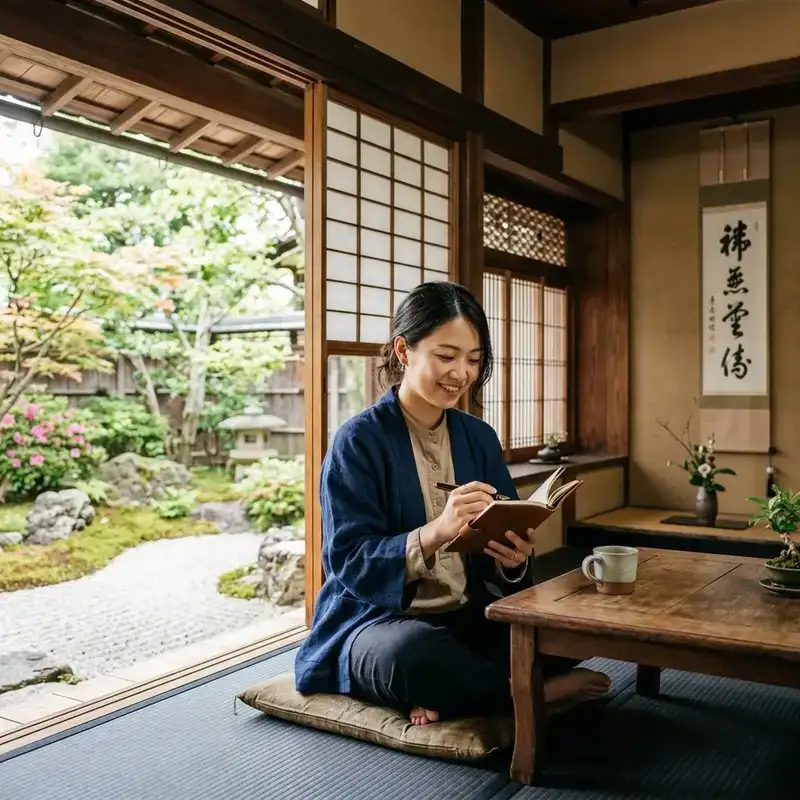 Yumi Tanaka
 - 24 Aug, 2026 07:40
From Ancient Spice Routes to Modern Digital Nomad Havens: A Deep Dive into Istanbul’s Timeless Allure
Where the continents collide and centuries whisper through cobblestone alleys, Istanbul stands as a living museum of human ambition. This city, straddling Europe and Asia, has been the stage for empires—Roman, Byzantine, Ottoman—each leaving indelible marks on its culture, architecture, and cuisine. Beyond its postcard-perfect mosques and bazaars, Istanbul is a dynamic metropolis where the past and present coexist in a symphony of flavors, sounds, and stories. Whether you're a history buff tracing the footsteps of sultans, a foodie chasing the perfect kebab, or a digital nomad seeking affordability and connectivity, Istanbul offers a tapestry woven with threads of tradition and innovation.The Cradle of Empires: A Journey Through Istanbul’s Layered Past Istanbul’s history is not just a chronicle—it’s an archaeological palimpsest. The city, originally founded as Byzantium in 660 BCE, became Constantinople in 330 CE under Emperor Constantine the Great, transforming into the glittering capital of the Byzantine Empire. For over a thousand years, it was the heart of Christendom, home to the Hagia Sophia, a marvel of engineering that defied gravity with its massive dome. When the Ottomans conquered the city in 1453, they redefined its spiritual and cultural identity, turning churches into mosques and adorning the skyline with minarets. The Topkapi Palace, built in the 15th century, became the nerve center of an empire that stretched from Budapest to Baghdad.The city’s strategic location made it a crossroads of trade, culture, and conflict. The Silk Road ended here, where spices from India, silk from China, and ivory from Africa were exchanged for European goods. This melting pot of influences birthed a cuisine that is as diverse as its history—think of baklava layered with phyllo dough from Central Asia, stuffed eggplants inspired by Middle Eastern flavors, and baklava-like desserts perfected under Ottoman rule. Even the city’s name reflects its layered identity: Istanbul, derived from the Greek phrase "eis tin Polin" ("to the City"), was the colloquial name long before it became official in 1930. Walking through Sultanahmet, the historic peninsula, is like flipping through the pages of a history book. The Hagia Sophia, with its Byzantine mosaics and Ottoman calligraphy, embodies the city’s religious evolution. The Blue Mosque, built in the early 17th century, stands as a testament to Ottoman architectural genius, its interior adorned with 20,000 handmade Iznik tiles. Nearby, the Basilica Cistern, an underground reservoir built in the 6th century, holds columns salvaged from ancient temples, a silent witness to the city’s endurance through earthquakes and sieges. For those seeking to delve deeper, the Istanbul Archaeological Museums house over a million artifacts, including the Alexander Sarcophagus and the Treaty of Kanish, one of the earliest known international treaties. The city’s layers are not just visible—they are palpable in every corner, from the Roman walls that once encircled the city to the Ottoman-era mansions along the Bosphorus.Flavors of the Bosphorus: A Culinary Expedition Through Istanbul’s Markets and Kitchens Istanbul’s cuisine is a celebration of migration, trade, and innovation. It’s a cuisine where a single dish can tell a story of conquest, adaptation, and creativity. At the heart of this culinary universe is the Spice Bazaar, or Misir Çarşısı, a labyrinth of stalls where the air is thick with the scent of saffron, sumac, and dried apricots. Here, vendors sell Turkish delight infused with rosewater, pul biber (Aleppo pepper), and bundles of dried herbs that have traveled thousands of miles to reach these shelves.One of the most iconic dishes is kebabs, which vary as widely as the regions they come from. The Adana kebab, named after the city of Adana in southern Turkey, is a spicy minced lamb skewer grilled over charcoal, its heat balanced by the cool yogurt that often accompanies it. The şiş kebab, on the other hand, features cubes of marinated meat grilled on skewers, a technique that dates back to the nomadic Turkic tribes of Central Asia. For a vegetarian twist, manti, or Turkish dumplings, are stuffed with spiced ground meat or pumpkin and drizzled with garlic yogurt and melted butter—a dish that migrated from Central Asia to Anatolia and beyond. Seafood is another cornerstone of Istanbul’s cuisine, thanks to its location on the Bosphorus. Balık ekmek, or fish bread, is a street food staple: fresh mackerel grilled and served in a crusty roll with onions and a squeeze of lemon. The Bosphorus fish restaurants in neighborhoods like Ortaköy and Kumkapı offer a more refined take, where fish is grilled to perfection and served with meze—a selection of small dishes like fried mussels, stuffed mussels, and eggplant salad. The meze culture is deeply rooted in Ottoman traditions, where dining was a leisurely affair of sampling dozens of small plates paired with rakı, an anise-flavored spirit. No exploration of Istanbul’s food scene is complete without indulging in its sweets. Baklava, with its layers of phyllo dough, chopped nuts, and syrup, is a dessert that transcends borders, with regional variations like Anatolian baklava (thinner layers) and Gaziantep baklava (thicker, with pistachios). Lokum, or Turkish delight, is another confection with a storied past—legend has it that it was invented in a workshop near the Grand Bazaar in the 18th century. For a modern twist, künefe, a cheese pastry soaked in syrup and topped with pistachios, is a must-try, especially in the city of Hatay, where it originated. To truly understand Istanbul’s culinary identity, one must venture beyond the tourist hotspots. The Karaköy district, once the heart of the city’s financial district, is now a hub for food innovation. Here, you’ll find Karaköy Lokantası, a modern take on the traditional Ottoman kitchen, serving dishes like hünkar beğendi (lamb stew served over smoked eggplant purée) and ali nazik (a smoky eggplant and minced meat dish). The Çiya Sofrası in Kadıköy is a legendary spot for home-style cooking, where dishes like etli kuru fasulye (white bean stew with meat) and iç pilav (stuffed rice with liver) are served in a no-frills setting that feels like a grandmother’s kitchen.Living Like a Local: The Practical Side of Istanbul for Travelers and Digital Nomads Istanbul is not just a city to visit—it’s a city to live in, even if only for a few weeks or months. For digital nomads, expats, and long-term travelers, the city offers a unique blend of affordability, connectivity, and cultural richness. But like any major metropolis, it requires a bit of planning to navigate its complexities. Cost of Living: Where Your Money Goes Further According to Numbeo, Istanbul is significantly more affordable than other global cities like London, Paris, or New York, but costs can vary widely depending on your lifestyle and neighborhood. Here’s a breakdown of essential expenses for a single person (as of mid-2026 data):Expense Category Cost (USD) NotesRent (1-bedroom apt) $300–$800 Varies by district; cheaper in Üsküdar, pricier in BeyoğluUtilities (monthly) $100–$150 Includes electricity, heating, water, internetGroceries (monthly) $150–$250 Fresh produce, meat, and dairy are affordable; imported goods cost moreDining Out (per meal) $5–$20 Street food is cheap; mid-range restaurants average $10–$15Public Transport $0.50–$2 Istanbulkart (reloadable transit card) covers buses, trams, metro, and ferriesCoworking Space $100–$200 Spaces like Anticafé or Workinton offer daily/weekly passesSIM Card/Data $10–$20 Major providers: Turkcell, Vodafone, or Türk TelekomIstanbul’s affordability is one of its biggest draws for digital nomads. A monthly budget of $1,200–$1,800 can comfortably cover rent in a decent neighborhood, meals out, coworking spaces, and leisure activities. However, costs rise in the European side (especially Beyoğlu, Beşiktaş, and Şişli) compared to the Asian side (Kadıköy, Üsküdar), where rents are lower but commutes to the city center take longer. Neighborhoods: Where to Stay and Why Choosing where to stay in Istanbul depends on your priorities—proximity to historical sites, nightlife, affordability, or a local vibe.Beyoğlu (European Side): The cultural and artistic heart of Istanbul, home to the Istiklal Street, Taksim Square, and the Galata Tower. This area is ideal for those who love nightlife, live music, and a bohemian atmosphere. Rents are higher here, but the energy is unmatched. Kadıköy (Asian Side): A trendy, laid-back district with a strong local identity. Kadıköy is known for its street art, independent cafes, and vibrant markets. It’s more affordable than Beyoğlu and offers a slower pace of life while still being well-connected via ferry. Sultanahmet: The historic core of the city, perfect for first-time visitors who want to be within walking distance of the Hagia Sophia, Blue Mosque, and Grand Bazaar. However, it’s touristy and lacks the local flavor of other neighborhoods. Üsküdar: A quieter, more residential area on the Asian side, offering stunning views of the Bosphorus and a slower pace of life. It’s ideal for those seeking affordability and a local experience. Bakırköy: A middle-class neighborhood with a mix of residential and commercial areas. It’s well-connected to the city center and offers good value for money.Transportation: Navigating the City Like a Pro Istanbul’s public transport system is extensive, efficient, and affordable. The Istanbulkart, a reloadable smart card, is your best friend—it works on buses, trams, metros, ferries, and even some taxis. Here’s a quick guide:Metro: The M1, M2, M4, and M6 lines connect key areas like the airport, Taksim, and Kadıköy. Trains run frequently (every 5–10 minutes) and are the fastest way to cross the city. Tram: The T1 line runs from Kabataş to Zeytinburnu, passing through Sultanahmet and the Grand Bazaar. It’s a scenic way to see the city. Ferries: The Bosphorus ferries are a must-do, offering stunning views of the city’s skyline. The Üsküdar-Eminönü route is a popular commuter line, while the Anadolu Kavağı route takes you to the northern end of the Bosphorus. Dolmuş: Shared minibuses that follow fixed routes. They’re faster than buses but less comfortable. Taxis: Use BiTaksi or Uber for metered rides to avoid scams. Fares are reasonable, but traffic can be brutal during rush hour.Safety and Quality of Life Istanbul is generally safe for travelers, but like any major city, it’s important to stay aware of your surroundings. Petty theft (pickpocketing, bag snatching) can occur in crowded areas like the Grand Bazaar, Taksim Square, and public transport. Violent crime is rare, but scams targeting tourists (overcharging in taxis, fake tour guides) are not uncommon. According to Numbeo’s 2026 data, Istanbul ranks moderate in safety compared to other global cities. Violent crime is low, but concerns about petty theft and corruption (e.g., police stops for minor infractions) are higher than in cities like Tokyo or Singapore. The quality of life is rated good in terms of healthcare, education, and infrastructure, but air pollution and traffic congestion are notable drawbacks. For digital nomads, healthcare is affordable and of good quality. Turkey has a universal healthcare system, and expats can access public hospitals with a residence permit. Private hospitals like Acıbadem and Medipol offer high-quality care at a fraction of Western prices.Beyond the Tourist Trail: Hidden Gems and Local Secrets Istanbul’s true magic lies in its hidden corners—places where the city’s soul reveals itself to those willing to stray from the beaten path. The Princes’ Islands: A Step Back in Time Just a short ferry ride from Istanbul lies the Princes’ Islands (Adalar), a group of nine car-free islands in the Sea of Marmara. The largest, Büyükada, is a retreat from the city’s hustle and bustle, with horse-drawn carriages as the primary mode of transport. The islands were once exile destinations for Byzantine princes, and their architecture reflects this history—wooden mansions, Orthodox churches, and quiet beaches. A day trip here offers a glimpse of old Istanbul, where time seems to stand still.Chora Church: A Byzantine Masterpiece While the Hagia Sophia and Blue Mosque dominate the tourist radar, the Chora Church (Kariye Museum) is a lesser-known gem. This 14th-century church is adorned with some of the finest Byzantine mosaics and frescoes in the world, depicting scenes from the life of Christ and the Virgin Mary. The intricate details and vivid colors make it a must-visit for art lovers. Süreyya Opera House: Art Deco Elegance in Kadıköy Tucked away in Kadıköy, the Süreyya Opera House is a stunning example of Art Deco architecture, built in the 1920s. Once a cinema, it’s now a cultural hub hosting concerts, theater performances, and exhibitions. The building itself is a work of art, with its geometric patterns and lavish interiors. Balıkçı Sabahattin: A Legendary Fish Restaurant For an authentic Istanbul dining experience, head to Balıkçı Sabahattin in the Sultanahmet district. This unassuming restaurant has been serving fresh fish since 1954, and its levrek (sea bass) grilled over charcoal is legendary. Pair it with a glass of rakı and a side of meze, and you’ll understand why this place has stood the test of time. The Moda Neighborhood: Istanbul’s Brooklyn If Kadıköy is Istanbul’s trendiest district, Moda is its bohemian heart. This neighborhood is packed with independent cafes, boutique shops, and street art, making it a favorite among locals and expats. Don’t miss Moda Pier, a scenic spot to watch the sunset over the Marmara Sea.The Digital Nomad’s Istanbul: Work, Play, and Everything in Between Istanbul is rapidly becoming a hotspot for digital nomads, thanks to its affordable cost of living, fast internet, and vibrant expat community. But thriving in a new city requires more than just a laptop and a good Wi-Fi connection—it’s about finding the right balance between productivity and exploration. Coworking Spaces: Where to Set Up Shop Istanbul has a growing number of coworking spaces that cater to remote workers, freelancers, and entrepreneurs. Here are some of the best:Anticafé (Beyoğlu): A stylish space with a library-like atmosphere, offering free coffee and tea. Ideal for those who need a quiet place to work. Workinton (Levent): A modern coworking space with meeting rooms, event spaces, and a community of like-minded professionals. The Hive (Kadıköy): A trendy spot with a rooftop terrace, perfect for those who want to work with a view. 1000 Volts (Karaköy): A creative hub with a focus on design and tech, offering workshops and networking events.Internet and Connectivity Istanbul’s internet infrastructure is robust, with speeds averaging 50–100 Mbps in most areas. Major providers like Turkcell, Vodafone, and Türk Telekom offer affordable SIM cards with generous data plans. For those who need a reliable connection, eSIMs from providers like Airalo or Holafly are a convenient option. Social Life and Networking Joining Facebook groups like Digital Nomads Istanbul or Expats in Istanbul is a great way to connect with like-minded individuals. The city also hosts meetups, language exchanges, and tech events throughout the year. **Cafes like Mandabatmaz (a historic coffee shop in Sultanahmet) and Fazıl Bey (a traditional Turkish coffee spot in Beyoğlu) are popular hangouts for remote workers. Day Trips and Weekend Getaways Istanbul’s location makes it an ideal base for exploring Turkey’s diverse landscapes. Here are a few ideas for weekend trips:Bursa: A city at the foot of Mount Uludağ, known for its Ottoman architecture, thermal baths, and ski resorts. Çanakkale: Home to the ancient city of Troy and the Dardanelles Strait, where you can take a ferry to Gallipoli to explore WWI battlefields. Bursa and Uludağ: A perfect combo of history and nature—visit the Green Mosque and Great Mosque in Bursa, then take the cable car up Mount Uludağ for stunning views. Pamukkale: A surreal landscape of white travertine terraces filled with thermal waters, located in southwestern Turkey.A City That Never Stops Evolving Istanbul is a city that defies easy definition. It’s a place where a 15th-century Ottoman palace stands beside a 21st-century skyscraper, where a street vendor selling simit (sesame bread rings) shares a sidewalk with a trendy café serving avocado toast. It’s a city of contrasts—noisy and serene, ancient and modern, affordable and luxurious. For travelers, Istanbul is a feast for the senses—a symphony of calls to prayer, the sizzle of kebabs on a grill, the scent of spices in the air, and the sight of a sunset over the Bosphorus that leaves you breathless. For digital nomads, it’s a playground of possibility—a place where you can work by day and explore a hidden Byzantine church by night. For historians, it’s a living museum where every cobblestone has a story to tell. But perhaps the most magical thing about Istanbul is its ability to surprise. No matter how many times you visit, there’s always a new alley to explore, a new dish to taste, or a new perspective to discover. It’s a city that doesn’t just welcome you—it enchants you. So pack your bags, book your flight, and let Istanbul weave its spell on you. Whether you stay for a week or a year, this city will leave an indelible mark on your soul.#IstanbulDiaries #TravelTurkey #DigitalNomadLife #FoodAndCulture #HiddenGems Related InsightsAntigua and Barbuda Unveiled: A Digital Nomad’s Paradise of Turquoise Waters, Spice-Infused Cuisine, and Colonial Charm Savoring the Soul of West Africa: A Journey Through Senegalese Street Food & Culinary Traditions Awadhi Cuisine: A Royal Legacy on Your Plate – The Untold Story of Lucknow’s Flavors{ "@context": "https://schema.org", "@type": "FAQPage", "mainEntity": [ { "@type": "Question", "name": "What is the main focus of From Ancient Spice Routes to Modern Digital Nomad Havens: A Deep Dive into Istanbul’s Timeless Allure?", "acceptedAnswer": { "@type": "Answer", "text": "Discover Istanbul’s layered history, vibrant food scene, and practical insights for travelers and digital nomads, backed by real-world data." } }, { "@type": "Question", "name": "Who authored the comprehensive guide on From Ancient Spice Routes to Modern Digital Nomad Havens: A Deep Dive into Istanbul’s Timeless Allure?", "acceptedAnswer": { "@type": "Answer", "text": "This detailed article and its insights were carefully researched and authored by Yumi Tanaka." } }, { "@type": "Question", "name": "Where can I find more related content about Travel/Food?", "acceptedAnswer": { "@type": "Answer", "text": "You can explore more articles, detailed reviews, and similar insights by browsing the Related Insights section at the bottom of this article or visiting our dedicated Travel/Food category page." } } ] }

-
 Lorenzo Russo
 - 23 Aug, 2026 18:59
From Ancient Ruins to Modern Cafés: The Nomad’s Guide to Living History and Gourmet Delights
Where the Past Meets the Plate: A Nomad’s Journey Through Time and Taste The world is a living museum, and every meal is a chapter in its story. As a digital nomad, you don’t just visit places—you live in them, breathe in their history, and savor their flavors. But how do you balance the romance of ancient ruins with the practicality of a modern budget? The answer lies in understanding the gap between your income and the cost of living, a gap that can make or break your nomadic lifestyle. Numbeo, the world’s largest cost-of-living database, provides the raw data we need to navigate this balance. By comparing income thresholds for digital nomad visas with actual living costs, we can uncover destinations where history and gastronomy come at a price you can afford. This guide ranks the top nomad-friendly cities not just by their visa requirements, but by the real disposable income you’ll have after taxes and expenses. Whether you’re sipping espresso in a 2,000-year-old Roman forum or exploring the spice markets of Istanbul, your journey should be as rewarding as it is affordable.The Digital Nomad Visa Gold Rush: Where Your Money Goes the Furthest Digital nomad visas are no longer a novelty—they’re a global phenomenon. From Portugal’s D7 to Estonia’s Digital Nomad Visa, these programs promise the freedom to work from anywhere. But here’s the catch: the income threshold listed on most visa applications is just the starting point. What matters is the difference between that threshold and your actual cost of living. That gap is your real post-tax disposable income, and it varies wildly across destinations. Take Lisbon, Portugal, for example. The D7 visa requires a minimum income of €3,040 per month. But after rent, groceries, and transport, how much is left for exploring, dining, or saving? Numbeo’s data reveals that the average monthly cost of living in Lisbon is around €1,800 for a single person. That leaves a buffer of roughly €1,240—enough for a comfortable lifestyle but not extravagant. Now compare that to Bali, Indonesia, where the cost of living hovers around €1,000 per month. With a visa income requirement of just €2,000, your buffer jumps to €1,000, giving you more freedom to indulge in local cuisine or weekend getaways. But the real winners are the underrated gems. Consider Tbilisi, Georgia, where the cost of living is a mere €800 per month, and the visa income requirement is €2,000. Your buffer? A whopping €1,200. Or Medellín, Colombia, where you can live comfortably on €1,200 and still have €800 left after meeting the visa’s €1,500 requirement. These destinations offer not just affordability but a rich tapestry of history and culture to explore.The Cost of Living Equation: Rent, Food, and the Hidden Gems To truly understand where your money goes, we need to break down the cost of living into its core components: housing, food, transport, and leisure. Numbeo’s data provides a granular look at these expenses across major nomad hubs. Housing: The Nomad’s Biggest Expense Rent is often the largest line item in a nomad’s budget. In cities like Barcelona or Berlin, a one-bedroom apartment in the city center can cost €1,200 per month. But in places like Chiang Mai, Thailand, you can rent a modern studio for just €300. The key is to look beyond the visa requirements and focus on the local market. For instance, in Mexico City, while the visa income threshold is €2,700, the average rent for a decent apartment is €600. That leaves plenty of room for dining out or cultural experiences. Food: From Street Stalls to Michelin Stars Food is where history and culture collide. In Istanbul, a meal at a historic kebab house might cost €5, while a modern fusion restaurant could set you back €30. Numbeo’s data shows that groceries in Istanbul average €200 per month, but eating out regularly could double that. In contrast, in Hanoi, Vietnam, street food is a way of life. A bowl of pho costs €1, and a month’s worth of meals can be had for €150. The lesson? Prioritize destinations where local cuisine is both affordable and authentic. Transport: Navigating the Past and Present Getting around is another critical factor. In cities with robust public transport, like Tokyo or Prague, you can live without a car and save hundreds per month. In places like Cape Town, South Africa, renting a car might be necessary, adding €200 to your monthly budget. But even here, the cost of living is low enough that the trade-off is worth it for the access to stunning historical sites like Robben Island. Leisure: The Price of Immersion Finally, consider the cost of leisure activities. In Athens, Greece, a ticket to the Acropolis is €20, while a guided tour of the ancient ruins might cost €50. In Kyoto, Japan, a traditional tea ceremony experience is €30. These expenses add up, but they’re also the moments that make your nomadic journey unforgettable.The Ultimate Cost-of-Living Showdown: 5 Destinations Where History and Budget Align To help you make the best choice, here’s a breakdown of five destinations where the gap between visa income requirements and actual living costs is the widest. These places offer a mix of history, culture, and affordability, ensuring your nomadic lifestyle is both enriching and sustainable.Destination Visa Income Requirement Avg. Monthly Cost of Living Post-Tax Disposable Income Historical Highlight Culinary Must-TryTbilisi, Georgia €2,000 €800 €1,200 1,500-year-old Narikala Fortress Khachapuri (cheese-filled bread)Medellín, Colombia €1,500 €1,200 €800 Comuna 13 street art Bandeja Paisa (hearty platter)Bali, Indonesia €2,000 €1,000 €1,000 Uluwatu Temple Nasi Goreng (fried rice)Mexico City, Mexico €2,700 €1,500 €1,200 Templo Mayor ruins Chilaquiles (breakfast dish)Hanoi, Vietnam €1,000 €600 €1,400 Old Quarter alleys Pho (noodle soup)This table highlights the destinations where your disposable income is maximized, allowing you to splurge on historical tours, cooking classes, or simply more time exploring. Tbilisi and Hanoi stand out for their incredibly low cost of living, while Medellín and Mexico City offer a balance of affordability and cultural depth.Beyond the Numbers: How to Live Like a Local Without Breaking the Bank While data is essential, the soul of nomadic travel lies in the experiences you create. Here’s how to immerse yourself in history and cuisine without overspending: 1. Dine Where the Locals Dine Avoid tourist traps by following the crowds—not the guidebooks. In Rome, skip the restaurants near the Colosseum and head to Trastevere, where locals enjoy authentic Roman pasta for €10. In Marrakech, the best tagine is often found in a tiny stall in the Medina, not the upscale riads. 2. Stay in Neighborhoods with a Story Your accommodation should be more than a place to sleep—it should be a gateway to the past. In Istanbul, stay in the historic Sultanahmet district to wake up to the call to prayer and walk to the Hagia Sophia in minutes. In Kyoto, opt for a machiya (traditional townhouse) to experience centuries-old architecture firsthand. 3. Use Public Transport Like a Pro Public transport is not just cheap—it’s a cultural experience. In Prague, the tram system is a moving museum of Art Nouveau architecture. In Buenos Aires, the Subte (subway) takes you past murals and historic landmarks. Apps like Citymapper or local equivalents can help you navigate like a local. 4. Seek Out Free or Low-Cost Historical Sites Many of the world’s greatest historical sites are free or nearly free. In Athens, the Ancient Agora costs just €8, while the Parthenon is free on certain days. In Mexico City, the ruins of Teotihuacán are just €5 to enter. Pair these visits with a picnic of local snacks to make the experience even more memorable. 5. Learn the Language of Food A few key phrases can unlock culinary treasures. In Japan, knowing how to say “osusume wa nan desu ka?” (What do you recommend?) can lead to a personalized dining experience. In Italy, “Dov’è il mercato più vicino?” (Where’s the nearest market?) will guide you to the freshest ingredients. 6. Barter for Experiences In many cultures, your skills as a digital nomad can be exchanged for unique experiences. In India, offer to teach a workshop in exchange for a homestay in a heritage home. In Portugal, some local families will host you in their rural homes in exchange for help with their business.The Nomad’s Feast: A Culinary Tour Through Time Food is the most tangible connection to a place’s history. Every dish tells a story—of trade routes, conquests, and cultural fusion. Here’s a tour of the world’s most historic cuisines and where to experience them: 1. Italy: The Birthplace of Modern Cuisine Italy’s culinary tradition dates back to the Roman Empire, when garum (fermented fish sauce) was a staple. Today, dishes like pasta carbonara (born in Rome during WWII) and risotto alla Milanese (a 19th-century creation) are global icons. Where to try: Rome’s Trastevere district for carbonara, Bologna for tagliatelle al ragù. 2. Turkey: The Crossroads of Empires Turkish cuisine is a melting pot of Central Asian, Middle Eastern, and Mediterranean influences. The Ottoman Empire’s legacy lives on in dishes like baklava (invented in the imperial kitchens) and kebabs (popularized by nomadic Turkic tribes). Where to try: Istanbul’s Spice Bazaar for sweets, Gaziantep for kebabs. 3. Mexico: A Fusion of Indigenous and Spanish Flavors Mexican food is a UNESCO Intangible Cultural Heritage, with roots in Aztec and Maya traditions. Corn, beans, and chili peppers were staples long before the Spanish arrived. Today, dishes like mole (a pre-Hispanic sauce) and pozole (a stew with ancient origins) are celebrated worldwide. Where to try: Oaxaca for mole, Mexico City’s street stalls for tacos al pastor. 4. Thailand: The Spice Route in Every Bite Thai cuisine is a product of centuries of trade along the Silk Road. Ingredients like chili peppers (introduced by Portuguese traders) and coconut milk (from Southeast Asian cultures) create a balance of sweet, sour, spicy, and salty. Where to try: Bangkok’s street markets for pad thai, Chiang Mai for khao soi. 5. Morocco: A Taste of the Sahara and Beyond Moroccan food reflects the country’s position as a crossroads of Africa, Europe, and the Middle East. Spices like saffron and cumin were brought by Arab traders, while dishes like tagine (named after the Berber clay pot) have ancient roots. Where to try: Marrakech’s Jemaa el-Fnaa for street food, Fes for pastilla.The Final Stop: Where Will Your Journey Take You? The world is your classroom, your kitchen, and your office. As a digital nomad, you have the unique opportunity to live in the pages of history while savoring the flavors of the present. The key to making this lifestyle sustainable is balancing your income with your expenses, choosing destinations where the gap between the two is wide enough to allow for both comfort and adventure. Tbilisi, Georgia, offers a blend of affordability and ancient charm, while Hanoi, Vietnam, provides a sensory overload of history and cuisine at bargain prices. Medellín, Colombia, and Mexico City, Mexico, strike a balance between modern convenience and rich cultural heritage. And Bali, Indonesia, remains a perennial favorite for its tropical allure and low cost of living. But beyond the numbers, the real magic of nomadic travel lies in the unexpected moments—the impromptu cooking class in a Lisbon café, the sunset over the Bosphorus in Istanbul, the quiet morning in a Kyoto temple garden. These are the experiences that transform a trip into a journey. So pack your laptop, your sense of adventure, and an appetite for history. The world is waiting, and your next chapter is just a flight away.#DigitalNomadLife #HistoryTravel #GlobalCuisine #BudgetTravel #WorkFromAnywhere Related InsightsSt. John’s, Antigua and Barbuda: Where Colonial Charm Meets Digital Nomad Paradise From Ancient Markets to Modern Tables: A Journey Through the World’s Most Treasured Culinary Landscapes Antigua and Barbuda Unveiled: A Digital Nomad’s Paradise of Turquoise Waters, Spice-Infused Cuisine, and Colonial Charm{ "@context": "https://schema.org", "@type": "FAQPage", "mainEntity": [ { "@type": "Question", "name": "What is the main focus of From Ancient Ruins to Modern Cafés: The Nomad’s Guide to Living History and Gourmet Delights?", "acceptedAnswer": { "@type": "Answer", "text": "Discover how to blend history, culture, and cuisine while maximizing your disposable income as a digital nomad. A data-driven guide to the world’s best destinations." } }, { "@type": "Question", "name": "Who authored the comprehensive guide on From Ancient Ruins to Modern Cafés: The Nomad’s Guide to Living History and Gourmet Delights?", "acceptedAnswer": { "@type": "Answer", "text": "This detailed article and its insights were carefully researched and authored by Lorenzo Russo." } }, { "@type": "Question", "name": "Where can I find more related content about Travel/Food?", "acceptedAnswer": { "@type": "Answer", "text": "You can explore more articles, detailed reviews, and similar insights by browsing the Related Insights section at the bottom of this article or visiting our dedicated Travel/Food category page." } } ] }

-
 Hannah Weber
 - 23 Aug, 2026 07:13
From Street Food to Fine Dining: The Ultimate Food Lover’s Guide to Bangkok’s Culinary Wonderland
Where the Aroma of Adventure Meets the Spice of Life Bangkok isn’t just a city—it’s a living, breathing culinary masterpiece where every alleyway hums with the sizzle of woks, the aroma of lemongrass, and the laughter of locals sharing a meal. From the neon-lit night markets to the Michelin-starred rooftop restaurants, Bangkok’s food scene is a symphony of flavors, textures, and cultures. But navigating this gastronomic paradise can be overwhelming. How much will a meal cost? Where do the locals eat? And what dishes should you absolutely not miss? This guide dives deep into Bangkok’s food landscape, blending expert insights with real-time data from Numbeo to help you eat like a king—or at least like someone who knows exactly where to find the best pad thai in town.The Hidden Gems: Where Bangkok’s Locals Swear by Their Favorite Eats Forget the tourist traps near Khao San Road. Bangkok’s true culinary magic happens in the unassuming corners of the city, where the air is thick with the scent of grilled meat and the hum of conversation. One such spot is Thip Samai, a legendary pad thai stall tucked away on Phra Sumen Road. Known for its perfect balance of sweet, sour, and savory flavors, this place has been serving up crispy, egg-enriched noodles since 1953. Locals queue for hours, and for good reason—the dish costs just 50-70 THB ($1.40-$2), a steal compared to the $10+ you’d pay in a Westernized restaurant. Then there’s Jay Fai, a Michelin-starred street food legend where crab omelets and drunken noodles are crafted with the precision of a fine dining chef. The catch? You’ll need to arrive early (or be prepared to wait) and shell out around 1,000-1,500 THB ($28-$42) for a meal. But for many, it’s worth every baht. Numbeo’s data confirms that Bangkok’s food costs vary wildly—from 50 THB for a street-side som tam (green papaya salad) to 500 THB ($14) for a high-end seafood dinner. The key to eating well in Bangkok? Know where to look. For a taste of history, head to Raan Jay Fai, a more accessible version of the Michelin-starred gem, or Nai Ek Roll Noodle, a tiny shop famous for its hand-rolled noodles. These spots aren’t just about the food; they’re about the experience of eating where generations of Bangkokians have gathered. And with Numbeo’s cost-of-living data showing that Bangkok ranks as one of the most affordable food destinations in Asia (with a minimum daily food budget of just $10-$15), it’s no wonder the city is a digital nomad’s paradise.From Pad Thai to Michelin Stars: A Food Lover’s Map of Bangkok Bangkok’s culinary landscape is as diverse as it is delicious. To truly understand it, you need a map—not just of the city, but of its flavors. Start with the street food stalls scattered across the city, where you’ll find everything from moo ping (grilled pork skewers) to khao man gai (chicken and rice). These dishes typically cost between 30-100 THB ($0.85-$2.80), making them the ultimate budget-friendly option. Numbeo’s data shows that Bangkok’s street food prices are among the lowest in the world, with a single meal often costing less than a cup of coffee in Western cities. For a more upscale experience, Bangkok’s fine dining scene is thriving. Restaurants like Sühring (two Michelin stars) and Le Du (one Michelin star) offer tasting menus that push the boundaries of Thai cuisine. Expect to pay 3,000-6,000 THB ($85-$170) per person, but the experience is unparalleled. Numbeo’s cost-of-living index ranks Bangkok as 30% cheaper than New York City for dining out, making it a top destination for foodies on a budget. But Bangkok’s food isn’t just about Thai cuisine. The city’s international food scene is equally impressive, with everything from Japanese ramen shops to Italian trattorias. Tep Bar offers a modern twist on traditional Thai dishes, while Err Urban Rustic Thai serves up elevated street food in a chic setting. Numbeo’s data shows that international restaurants in Bangkok are about 20% more expensive than local eateries, but still far cheaper than their Western counterparts. To navigate this culinary maze, use Numbeo’s food price comparison tool, which breaks down costs by neighborhood. For example, dining in Sukhumvit tends to be pricier than in Chinatown, but the variety is unmatched. Whether you’re craving a $1 bowl of boat noodles or a $50 tasting menu, Bangkok has something for every palate—and every budget.The Cost of Cravings: How Much Does Food Really Cost in Bangkok? One of the biggest questions travelers ask is: How much will I spend on food in Bangkok? The answer depends on where you eat, but Numbeo’s data provides a clear breakdown. Here’s a snapshot of average food costs in Bangkok (as of 2026):Food Item Price (THB) Price (USD) Where to Find ItStreet-side som tam 50-80 $1.40-$2.25 Local marketsPad thai at Thip Samai 50-70 $1.40-$2.00 Phra Sumen RoadGrilled pork skewers (moo ping) 30-50 $0.85-$1.40 Night marketsMichelin-starred crab omelet (Jay Fai) 1,000-1,500 $28-$42 Michelin Guide-listed stallsFine dining tasting menu (Sühring) 3,000-6,000 $85-$170 SukhumvitWestern-style burger meal 150-300 $4.20-$8.50 International chainsLocal beer (6-pack) 80-120 $2.25-$3.40 Convenience storesNumbeo’s data also shows that Bangkok’s minimum daily food budget is around $10-$15 for a budget traveler, $25-$40 for a mid-range diner, and $50+ for those indulging in fine dining. Compared to other global cities, Bangkok ranks as one of the most affordable for food. For example, a meal in Bangkok costs about 60% less than in London and 70% less than in New York City. But affordability isn’t just about price—it’s about value. In Bangkok, you’re not just paying for food; you’re paying for an experience. Whether it’s the communal tables at a street food stall or the impeccable service at a Michelin-starred restaurant, every meal comes with a story. And with Numbeo’s tools, you can plan your budget down to the last baht.Cook Like a Local: Step-by-Step Recipes for Bangkok’s Most Iconic Dishes Want to bring a taste of Bangkok into your own kitchen? Here are three iconic recipes you can make at home, complete with tips from local chefs and Numbeo’s ingredient cost breakdowns. 1. Pad Thai (Thai Stir-Fried Noodles) Ingredients (Serves 2):200g rice noodles ($0.50) 2 tbsp tamarind paste ($0.30) 2 tbsp fish sauce ($0.20) 1 tbsp palm sugar ($0.10) 2 eggs ($0.40) 100g shrimp ($1.50) 50g tofu ($0.30) 2 cloves garlic ($0.10) 1 lime ($0.20) Crushed peanuts ($0.20) Chili flakes ($0.10)Total Cost: ~$3.90 (or $1.95 per serving) Instructions:Soak rice noodles in warm water for 15 minutes until pliable. Heat oil in a wok, then sauté garlic, shrimp, and tofu until cooked. Push ingredients to the side, scramble eggs, then mix everything together. Add tamarind paste, fish sauce, and sugar, stirring until noodles are coated. Serve with lime wedges, crushed peanuts, and chili flakes.Pro Tip: For an authentic taste, use Numbuan brand tamarind paste (available at Asian grocery stores) and Thai fish sauce (like Tiparos). 2. Som Tam (Green Papaya Salad) Ingredients (Serves 2):1 green papaya, shredded ($1.50) 2 tbsp fish sauce ($0.20) 2 tbsp lime juice ($0.30) 1 tbsp palm sugar ($0.10) 2 cloves garlic ($0.10) 1 chili ($0.10) 50g dried shrimp ($0.50) 1 tomato, diced ($0.30) 1 carrot, julienned ($0.20)Total Cost: ~$3.30 (or $1.65 per serving) Instructions:Pound garlic, chili, and dried shrimp in a mortar until coarse. Add papaya, tomato, and carrot, pounding gently to release juices. Mix in fish sauce, lime juice, and sugar. Toss well and serve with sticky rice.Pro Tip: The key to som tam is balance—sweet, sour, salty, and spicy. Adjust to taste! 3. Moo Ping (Grilled Pork Skewers) Ingredients (Serves 4):500g pork shoulder ($3.50) 2 tbsp coconut milk ($0.20) 1 tbsp fish sauce ($0.10) 1 tbsp palm sugar ($0.10) 2 cloves garlic ($0.10) 1 tsp white pepper ($0.05)Total Cost: ~$4.05 (or $1.01 per serving) Instructions:Blend coconut milk, fish sauce, sugar, garlic, and pepper into a marinade. Coat pork in marinade and refrigerate for at least 2 hours. Skewer pork and grill over medium heat for 8-10 minutes, turning often. Serve with sticky rice and chili sauce.Pro Tip: For extra flavor, marinate overnight and grill over charcoal for a smoky taste.Beyond the Plate: How Bangkok’s Food Scene Reflects Its Culture Bangkok’s food isn’t just about taste—it’s about tradition, community, and resilience. Many of the city’s most beloved dishes have roots in Chinese, Indian, and Malay cuisines, a testament to Thailand’s historical trade routes. For example, khao man gai (chicken and rice) is believed to have originated from Hainanese immigrants, while massaman curry reflects Persian and Indian influences. Food in Bangkok is also a social glue. Meals are rarely eaten alone; instead, they’re shared among friends and family, often at long communal tables. This culture of sharing is evident in places like Chinatown’s Yaowarat Road, where entire families gather around steaming bowls of kuay teow kua gai (fried noodles with chicken). But Bangkok’s food scene is also evolving. With the rise of digital nomads and expat communities, new fusion restaurants and health-conscious cafes are popping up across the city. Numbeo’s data shows that Bangkok’s quality of life index is high, thanks in part to its affordable healthcare, low crime rates, and vibrant food culture. For digital nomads, this means you can enjoy world-class meals without breaking the bank. Yet, challenges remain. Street food vendors face increasing regulations, and rising rents are pushing some iconic stalls out of business. Organizations like Thai Street Food are working to preserve these culinary traditions, offering tours and cooking classes to keep the culture alive. So, the next time you bite into a steaming bowl of tom yum or a crispy crab omelet, remember: you’re not just tasting food. You’re tasting history, community, and the soul of Bangkok.Your Next Bite Awaits: Why Bangkok Should Be Your Next Food Destination Bangkok isn’t just a stop on your travel itinerary—it’s a destination that demands to be savored, explored, and remembered. Whether you’re a budget traveler hunting for the best street food deals, a foodie chasing Michelin stars, or a home cook looking to recreate Thai flavors, this city has something for you. And with tools like Numbeo to guide your budget, you can dive in without worrying about the cost. So, what are you waiting for? Grab a pair of chopsticks, a sense of adventure, and a hearty appetite. Bangkok’s culinary wonders are calling.#BangkokEats #StreetFoodRevolution #ThaiCuisineGuide #DigitalNomadFoodie #NumbeoTravel Related InsightsThe Ultimate Digital Nomad’s Playbook: Where to Live, Eat, and Thrive in 2026 From Ancient Ruins to Modern Feasts: A Deep Dive into Italy’s Timeless Travel and Culinary Secrets From Ancient Markets to Modern Tables: A Journey Through the World’s Most Treasured Culinary Landscapes{ "@context": "https://schema.org", "@type": "FAQPage", "mainEntity": [ { "@type": "Question", "name": "What is the main focus of From Street Food to Fine Dining: The Ultimate Food Lover’s Guide to Bangkok’s Culinary Wonderland?", "acceptedAnswer": { "@type": "Answer", "text": "Dive into Bangkok’s vibrant food scene with this expert guide covering street food, fine dining, and real-time cost comparisons using Numbeo data." } }, { "@type": "Question", "name": "Who authored the comprehensive guide on From Street Food to Fine Dining: The Ultimate Food Lover’s Guide to Bangkok’s Culinary Wonderland?", "acceptedAnswer": { "@type": "Answer", "text": "This detailed article and its insights were carefully researched and authored by Hannah Weber." } }, { "@type": "Question", "name": "Where can I find more related content about Travel/Food?", "acceptedAnswer": { "@type": "Answer", "text": "You can explore more articles, detailed reviews, and similar insights by browsing the Related Insights section at the bottom of this article or visiting our dedicated Travel/Food category page." } } ] }

-
 Emre Yılmaz
 - 22 Aug, 2026 07:11
St. John’s, Antigua and Barbuda: Where Colonial Charm Meets Digital Nomad Paradise
Antigua’s capital, St. John’s, is a living museum wrapped in turquoise waters and spice-scented breezes. Here, 365 beaches aren’t just a marketing slogan—they’re your backyard. But beyond the postcard-perfect shores lies a city where 17th-century forts whisper to modern-day nomads tapping away on laptops in open-air cafés. This guide isn’t just about where to work or eat; it’s about how to live well in a place where history, flavor, and affordability collide.The Real Cost of Living: What Your Nomad Visa Actually Buys You Digital nomad visas often lure travelers with headline income thresholds—$3,000/month in Antigua, for instance. But what matters isn’t the requirement; it’s the gap between that number and your actual expenses. Using Numbeo’s 2026 crowd-sourced data triangulated with Antigua-specific cost guides, we’ve mapped the real post-tax disposable income for a solo nomad in St. John’s.Expense Category Monthly Cost (USD) NotesRent (1-bed city center) $850–$1,200 Beachfront condos skew higher; inland apartments offer better valueUtilities (electricity, water, internet) $120–$180 Internet averages 50 Mbps; power cuts rare but surge protectors advisedGroceries $250–$350 Local markets (e.g., Public Market) cut costs by 40% vs. supermarketsDining Out $400–$600 Mid-range restaurants: $15–$25/meal; street food: $5–$10Coworking Space $150–$250 The Hive Antigua and Antiguan Creative Hub offer day passesTransport (local bus/taxi) $80–$120 Buses cost $1; taxis negotiate rates (e.g., airport to city: $25)Leisure (beach bars, tours) $150–$300 Catamaran trips: $80–$120; rum punch: $6–$8/glassTotal Estimated Monthly Cost $2,000–$2,900 Net Buffer: $1,100–$2,000The math is simple: With a $3,000/month income, a nomad in St. John’s retains 37–67% of earnings after essentials—far above the Caribbean average. But here’s the catch: seasonality. From December to April (peak tourism), rents spike 20–30%, and coworking spaces fill up. Budget-conscious nomads should arrive in May or October, when prices dip and the island’s rhythm slows to a relaxed pace.From Nelson’s Dockyard to Your Laptop: A History Buff’s Workspace St. John’s isn’t just a backdrop for Instagram; it’s a stage for 300 years of colonial drama. Your office could overlook Nelson’s Dockyard, a UNESCO site where British ships once repaired under the watch of Admiral Horatio Nelson. Today, the dockyard’s 18th-century naval buildings house boutique hotels and cafés with Wi-Fi strong enough for Zoom calls. Nearby, Shirley Heights offers sunset views where slave plantations once dominated—now a sunset party spot where history and hedonism collide. For deeper dives, the Museum of Antigua and Barbuda (entry: $5) traces the island’s Arawak roots to independence in 1981. Ask the curator about the 1674 Codrington slave code—a chilling document that shaped Antigua’s sugar economy. Or visit Betty’s Hope, a restored sugar plantation where you can work from a gazebo overlooking cane fields. Pro tip: Combine history with productivity by booking the Antigua History Tour (weekly, $30), which includes a guided walk through St. John’s with stops at the Catholic Cathedral (1853) and Government House (1674).Eat Like a Local: 5 Dishes That Define Antigua’s Culinary Soul Antigua’s food isn’t just jerk chicken and rum punch—it’s a fusion of African, British, and indigenous influences, shaped by the island’s brutal history. Here’s where to eat, what to order, and how to avoid tourist traps.Fungee and Pepperpot What it is: A cassava-based porridge (fungee) served with pepperpot—a slow-cooked meat stew in a spiced, molasses-like sauce. Where to try: Cecil’s High Point Restaurant ($12–$18). Order the "Saturday Special" for the most authentic version. History note: Pepperpot originated with the Arawak people, who preserved meat in cassareep (a bitter manioc syrup). British colonizers later added spices.Ducana What it is: Sweet potato dumplings steamed in banana leaves, often served with saltfish. Where to try: Local rum shops (e.g., Sheer Rock Bar). Ask for "ducana and saltfish"—a breakfast staple. Pro tip: The best ducana is slightly sticky, with a hint of coconut milk.Antiguan Black Pineapple What it is: A small, intensely sweet pineapple variety unique to the island. Where to try: Farmers’ markets (e.g., St. John’s Public Market). Buy whole ($2–$3) or try it in pineapple chow (diced pineapple with lime, salt, and pepper).Conch Fritters What it is: Deep-fried balls of conch meat, bell peppers, and spices. Where to try: The Dolphin Restaurant ($8–$12). Pair with a Wadadli beer (local lager). Sustainability note: Ask if the conch is locally sourced—overfishing is a growing concern.Rum Punch What it is: The national drink—rum, lime juice, sugar, nutmeg, and Angostura bitters. Where to try: Shepherd’s Restaurant ($6–$10). Their "Rum Punch 1-2-3" recipe is legendary: 1 part rum, 2 parts sweet, 3 parts sour, 4 parts strong.Beyond the Laptop: Adventures That Won’t Break the Bank St. John’s isn’t just for work—it’s a gateway to experiences that cost less than a coworking membership. Here’s how to explore without draining your buffer:Shirley Heights Sunset Party ($10 entry): Every Sunday, locals and nomads gather for rum-fueled dancing at a 18th-century military lookout. Bring cash—no ATMs nearby. Devil’s Bridge: A natural limestone arch where Atlantic waves crash 30 feet below. Free to visit; hire a local guide ($20) for geological insights. Cades Reef Snorkeling: Antigua’s best reef is 15 minutes from St. John’s. Rent gear ($15) or join a group tour ($40). Betty’s Hope Bike Tour ($25): Pedal through sugar cane fields to a 17th-century plantation. Stop for rum tastings at the on-site distillery. Local Rum Distilleries: Antigua Distillery (makers of Wadadli Rum) offers free tours. Buy a bottle ($25–$50) as a souvenir.For the budget-conscious, hitchhiking is safe on main roads, and local buses (bright blue vans) cost $1–$3 to any beach. The only caveat: Buses stop running by 6 PM, so plan accordingly.The Nomad’s Toolkit: Apps, Communities, and Unwritten Rules Surviving—and thriving—in St. John’s requires more than a passport. Here’s your digital nomad survival guide: Essential Apps:Numbeo: Real-time cost comparisons (e.g., $1.50 for a local beer vs. $8 in a tourist bar). Antigua Bus: Crowdsourced bus schedules (no official app exists). Meetup: Groups like "Antigua Digital Nomads" organize hikes and beach cleanups. WhatsApp: Locals use it for everything—taxi bookings, event invites, even grocery lists.Where to Work:The Hive Antigua: Fast Wi-Fi, $10/day passes, and a community of remote workers. Antiguan Creative Hub: Artistic vibe with standing desks ($8/hour). Beachfront Cafés: Café Mosa (English Harbour) or The Coffee Bean (St. John’s) offer ocean views for the price of a latte ($3.50).Unwritten Rules:Tipping: 10% in restaurants; optional in rum shops. Dress Code: Beachwear stays on the beach—cover up when entering towns. Bargaining: Accepted in markets but not in supermarkets. Safety: Petty theft is rare, but don’t leave laptops unattended in rental cars.Hidden Gems:The Fig Tree Drive: A scenic route lined with 100-year-old fig trees. Stop at Fig Tree Cottage for homemade sorrel (a hibiscus drink). Pigeon Point Beach: Less crowded than Dickenson Bay; locals swim here at sunset. Antigua Rainforest Canopy Tours: Zip-line through the jungle ($50)—book ahead.The Last Rum Punch: Why St. John’s Isn’t Just a Stopover Antigua’s capital is often dismissed as a transit hub for yachts and cruise ships. But for those who linger, St. John’s reveals itself as a place where history isn’t just studied—it’s lived. The same forts that once guarded against pirates now shelter freelancers from deadlines. The same markets that fed enslaved people now nourish digital nomads craving ducana. And the same beaches that lured British sailors now offer Wi-Fi strong enough for a Zoom call. The real magic? Affordability. While Barbados and the Bahamas price out most nomads, Antigua’s $3,000/month visa threshold leaves a $1,100–$2,000 buffer—enough for a villa rental, weekly catamaran trips, or a side hustle funding your next adventure. It’s not the cheapest Caribbean destination (that title goes to Dominica), but it’s the most balanced: history without the crowds, food without the pretension, and beaches without the resort fees. So, should you stay for a month or a year? If your goal is to work hard, play harder, and eat like a king without selling a kidney, St. John’s delivers. Just bring a surge protector, a reusable water bottle, and an appetite for pepperpot.#DigitalNomadLife #CaribbeanTravel #HistoricEats #RemoteWorkParadise #AntiguaAdventures Related InsightsFrom Ancient Ruins to Modern Feasts: A Deep Dive into Italy’s Timeless Travel and Culinary Secrets From Ancient Markets to Modern Tables: A Journey Through the World’s Most Treasured Culinary Landscapes Antigua and Barbuda Unveiled: A Digital Nomad’s Paradise of Turquoise Waters, Spice-Infused Cuisine, and Colonial Charm{ "@context": "https://schema.org", "@type": "FAQPage", "mainEntity": [ { "@type": "Question", "name": "What is the main focus of St. John’s, Antigua and Barbuda: Where Colonial Charm Meets Digital Nomad Paradise?", "acceptedAnswer": { "@type": "Answer", "text": "Discover how St. John’s in Antigua and Barbuda blends rich history, vibrant food culture, and affordability for digital nomads in 2026." } }, { "@type": "Question", "name": "Who authored the comprehensive guide on St. John’s, Antigua and Barbuda: Where Colonial Charm Meets Digital Nomad Paradise?", "acceptedAnswer": { "@type": "Answer", "text": "This detailed article and its insights were carefully researched and authored by Emre Yılmaz." } }, { "@type": "Question", "name": "Where can I find more related content about Travel/Food?", "acceptedAnswer": { "@type": "Answer", "text": "You can explore more articles, detailed reviews, and similar insights by browsing the Related Insights section at the bottom of this article or visiting our dedicated Travel/Food category page." } } ] }
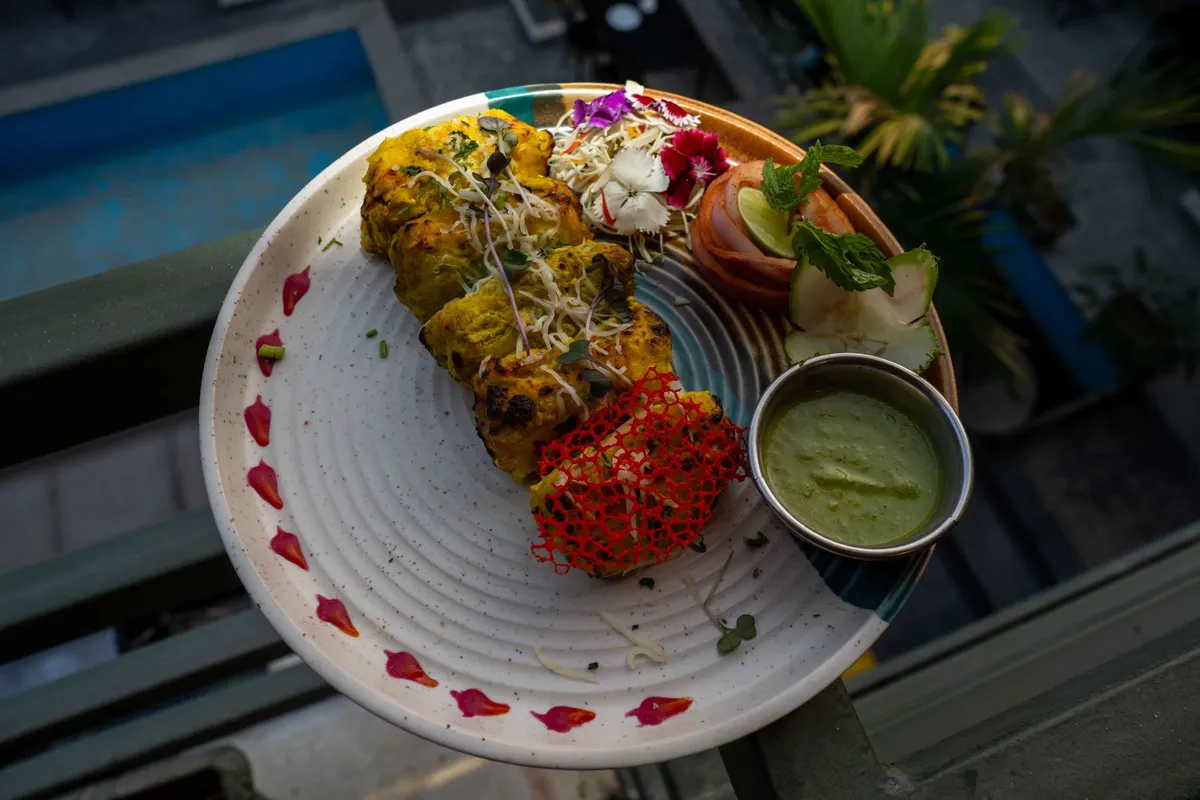
-
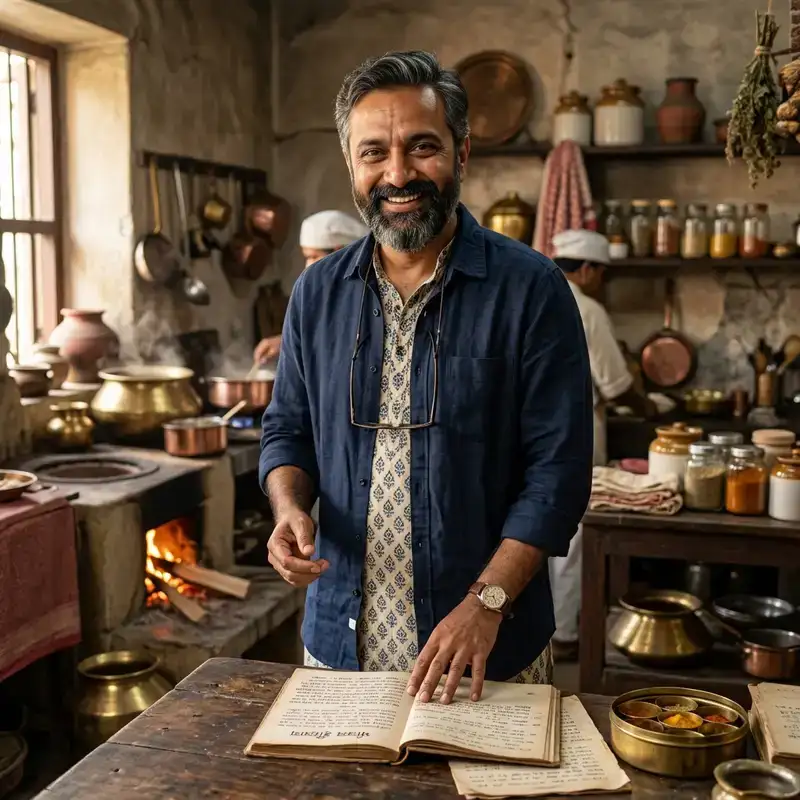 Rahul Sharma
 - 21 Aug, 2026 19:08
Awadhi Cuisine: A Royal Legacy on Your Plate – The Untold Story of Lucknow’s Flavors
The Land Where Spices Dance: Awadh’s Culinary CanvasFew culinary traditions in the world can boast the grandeur and refinement of Awadhi cuisine—a gastronomic legacy forged in the heart of Awadh, now modern-day Lucknow. Born in the kitchens of the Nawabs of Awadh during the 18th and 19th centuries, this cuisine is not merely food; it is a living museum of Mughal, Persian, and indigenous influences, refined over centuries into a symphony of flavors. The Nawabs, known for their extravagant lifestyles and patronage of the arts, elevated cooking to an art form. Their royal chefs, or bawarchis, developed techniques like dum pukht (slow-cooking in sealed pots), baghar (tempering), and dhuan (smoke infusion), which remain the cornerstones of Awadhi cooking today. Awadhi cuisine is deeply rooted in the terai region of Uttar Pradesh, where fertile soil and a favorable climate nurtured a rich agricultural bounty. Staples like wheat, rice, lentils, and dairy products formed the base, while spices such as cardamom, saffron, and rose water added layers of complexity. The cuisine is divided into two main styles: Nawabi (royal) and Mughlai (imperial), though the lines often blur. What sets Awadh apart is its emphasis on zaika (taste)—a balance of sweet, sour, spicy, and aromatic notes that dance on the palate. From the delicate galouti kebabs to the rich biryani, every dish tells a story of conquest, culture, and creativity. The culinary heritage of Awadh is also a testament to its social fabric. The dastarkhwan (feast) culture, where meals are served on large spreads with multiple courses, reflects the Nawabs’ love for hospitality. Even today, in the narrow lanes of Chowk and Hazratganj, you can hear the sizzle of tandoori meat and the aroma of kewra water being sprinkled over dishes—echoes of a bygone era. This cuisine is not just about eating; it’s about experiencing history, one bite at a time.The Royal Kitchen: How the Nawabs Shaped Awadhi CuisineThe Nawabs of Awadh were not just rulers; they were connoisseurs who turned their kitchens into laboratories of flavor. The most iconic contribution of the Nawabs was the refinement of dum pukht, a technique where meat and rice are slow-cooked in a sealed pot (handi) over a low flame. The term dum means "breath" or "steam," and pukht means "cooking," reflecting the method’s ability to trap flavors and aromas. This technique was perfected in the royal kitchens of Lucknow, where chefs experimented with spices, herbs, and cooking times to create dishes like dum biryani and dum mutton. Another hallmark of Awadhi cuisine is the use of baghar, a tempering process where whole spices like cumin, cloves, and bay leaves are fried in ghee or oil before being added to a dish. This technique, borrowed from Persian cuisine, adds a burst of aroma and depth to curries and gravies. The Nawabs also popularized the use of kewra (screwpine essence), rose water, and mace (javitri), which became signature ingredients in Awadhi sweets and savories. For instance, shahi tukda (a royal dessert) is incomplete without a drizzle of kewra syrup, while galouti kebabs owe their melt-in-the-mouth texture to the careful blending of spices and minced meat. The Nawabs’ influence extended beyond the kitchen. They introduced iftari (evening meals during Ramadan) as a cultural tradition, where elaborate spreads of kebabs, shorbas (soups), and shahi paneer were served. The dastarkhwan culture also emphasized communal dining, with meals served on large brass or silver platters (thals), encouraging sharing and conversation. This tradition lives on in modern-day Lucknow, where biryani and kebab houses like Tunday Kababi and Raj Darbar serve as custodians of this royal legacy. The decline of the Nawabi era in the 19th century did not diminish the cuisine’s appeal. Instead, it evolved, adapting to the tastes of the common people while retaining its regal essence. Today, Awadhi cuisine is a blend of royal indulgence and street-smart innovation, a testament to the resilience of culinary traditions.The Awadhi Pantry: Spices, Techniques, and Secret IngredientsAt the heart of Awadhi cuisine lies a pantry that is as diverse as it is aromatic. Unlike other Indian cuisines that rely heavily on chili heat, Awadhi cooking is defined by its zaika—a harmonious balance of flavors. The foundation of this cuisine is built on a few key ingredients and techniques that have been passed down through generations. Spices and Aromatics:Saffron (Kesar): The most prized spice in Awadhi cuisine, saffron is used to add a golden hue and a subtle floral aroma to dishes like shahi korma and kesar phirni. Cardamom (Elaichi): Both green and black cardamom are used, with the latter adding a smoky depth to biryani and kebabs. Rose Water (Gulab Jal): A staple in sweets like shahi tukda and gulab jamun, rose water lends a delicate fragrance. Kewra Water: Extracted from the male flower of the screwpine plant, kewra water is used in both savory and sweet dishes for its unique aroma. Mace (Javitri): Often confused with nutmeg, mace is the outer covering of the nutmeg seed and is used in kebabs and kormas for its warm, slightly peppery flavor.Dairy and Fat:Ghee: Clarified butter is the preferred cooking medium in Awadhi cuisine, used for tempering, frying, and basting. Its rich, nutty flavor is essential in dishes like malai kofta and shahi paneer. Curd (Dahi): Used in marinades for kebabs and as a base for raita and shorbas. Cream (Malai): Adds richness to curries and desserts, such as malai ki sabzi and shahi tukda.Techniques:Dum Pukht: The slow-cooking method where food is sealed in a pot and cooked over a low flame, allowing flavors to meld. This technique is used in dum biryani, dum mutton, and dum aloo. Baghar: Tempering spices in hot ghee or oil to release their aromas before adding them to a dish. This is crucial in shahi korma and navratan korma. Dhuan: Smoke infusion, where dishes are exposed to smoke from burning charcoal or wood. This technique is used in dhuan murgh (smoked chicken) and dhuan dal. Galouti: A method of mincing meat finely and blending it with spices to create melt-in-the-mouth kebabs.Secret Ingredients:Kewra: Beyond its use in sweets, kewra is sprinkled over biryani and pulao to enhance their aroma. Poppy Seeds (Khus Khus): Used in shahi korma and navratan korma for a creamy texture and nutty flavor. Dried Fruits: Almonds, pistachios, and cashews are used in both savory and sweet dishes, adding crunch and richness.The Awadhi pantry is a testament to the cuisine’s ability to transform simple ingredients into culinary masterpieces. Whether it’s the subtle sweetness of kesar or the smoky depth of dhuan, every element plays a role in creating the signature zaika of Awadh.The Awadhi Feast: A Culinary Journey Through CoursesA traditional Awadhi meal is a multi-course affair, designed to engage all the senses. Unlike Western meals that follow a linear progression, an Awadhi dastarkhwan is a symphony of flavors, textures, and aromas, served simultaneously or in a carefully curated sequence. Here’s a breakdown of a typical Awadhi feast: 1. Sherbet or Sharbat: The meal often begins with a refreshing drink to cleanse the palate. Popular choices include sharbat-e-khus (poppy seed drink), sharbat-e-gulab (rose water drink), or nimbu pani (lemonade) with a hint of kewra water. 2. Chaat and Farsan: Light snacks like dahi bhalla, papdi chaat, or samosa are served to stimulate the appetite. These are often accompanied by mint chutney and tamarind chutney. 3. Kebabs and Galoutis: The main course begins with kebabs, which are the crown jewels of Awadhi cuisine. Galouti kebabs (minced meat kebabs), shami kebabs (spiced lentil and meat patties), and boti kebabs (tender meat skewers) are served with roomali roti (paper-thin bread) or sheermal (saffron-infused bread). 4. Shorbas (Soups): Rich and flavorful soups like shahi murgh shorba (chicken soup with cream and spices) or tomato shorba are served to prepare the palate for the main course. 5. Main Course: The centerpiece of the meal is often a biryani or pulao, served with raita (yogurt with cucumber and mint) and salad. Dum biryani (layered rice and meat slow-cooked in a sealed pot) is a must-try, with its fragrant rice and tender meat. Alternatively, korma (a rich, creamy curry) or pasanda (tender meat cooked in a yogurt-based gravy) may be served. 6. Roti and Breads: A variety of breads accompany the main course, including sheermal (saffron bread), baqar khani (flaky bread), kulcha (stuffed bread), and tandoori roti (clay oven-baked bread). 7. Dal and Vegetable Curries: Lentil dishes like dal murg (chicken lentil curry) or dal tadka (tempered lentils) are served alongside vegetable curries like shahi aloo (potatoes in a creamy gravy) or malai kofta (deep-fried paneer and potato balls in a rich gravy). 8. Raita and Chutneys: Cooling accompaniments like boondi raita (yogurt with fried gram flour balls) or kheera raita (yogurt with cucumber) balance the richness of the main course. Chutneys like mint chutney and tamarind chutney add a tangy kick. 9. Desserts: The meal concludes with a selection of sweets, such as shahi tukda (fried bread soaked in sugar syrup), gulab jamun (deep-fried milk dumplings in syrup), kheer (rice pudding), or phirni (saffron-infused rice pudding). 10. Paan and Digestifs: The feast ends with paan (betel leaf with spices) or meetha paan (sweet paan), followed by digestive drinks like sharbat-e-anar (pomegranate drink) or kesar doodh (saffron milk). This elaborate spread is a reflection of the Nawabs’ love for hospitality and indulgence. Even today, in the bustling streets of Lucknow, you can experience this culinary extravagance at places like Tunday Kababi (famous for its galouti kebabs) or Raj Darbar (known for its dum biryani).Awadhi Cuisine Through the Lens of Nutrition and Modern AdaptationsWhile Awadhi cuisine is celebrated for its rich flavors, it is also a cuisine that has evolved with the times. Modern nutritionists and chefs are reimagining traditional dishes to make them healthier without compromising on taste. Here’s a look at the nutritional profile of Awadhi cuisine and how it’s being adapted for contemporary palates. Nutritional Profile: Awadhi dishes are often high in protein, thanks to the liberal use of meat (chicken, mutton, and goat), dairy (paneer, cream, and ghee), and lentils. However, they are also high in calories and fat, particularly from ghee and fried items like kebabs and koftas. For example:Galouti Kebab (per 100g): ~250 kcal, 15g protein, 18g fat Dum Biryani (per serving): ~450 kcal, 20g protein, 22g fat Shahi Korma (per serving): ~500 kcal, 18g protein, 35g fatHealthier Adaptations:Lean Meats: Chefs are substituting fatty cuts of meat with leaner options like chicken breast or turkey in kebabs and kormas. Ghee Alternatives: While ghee is a staple, modern versions use less of it or replace it with healthier oils like olive oil or mustard oil. Whole Grains: Brown rice or quinoa is being used in biryani and pulao to increase fiber content. Vegetarian Options: Dishes like shahi paneer and malai kofta are being made with tofu or soy-based alternatives to cater to vegetarians. Reduced Sugar: Traditional sweets like gulab jamun are being made with natural sweeteners like jaggery or stevia.Spices and Health Benefits: Awadhi cuisine’s reliance on spices is not just for flavor—many of these spices have medicinal properties:Turmeric: Anti-inflammatory and antioxidant. Cumin: Aids digestion and boosts metabolism. Cardamom: Helps with bloating and indigestion. Saffron: Rich in antioxidants and mood-enhancing properties. Fennel: Acts as a digestive aid and freshens breath.Cost of Dining in Lucknow: For travelers looking to indulge in Awadhi cuisine, here’s a rough cost breakdown (based on Numbeo data for Lucknow, 2026):Dish Price (INR) Price (USD) Serving SizeGalouti Kebab (6 pieces) 300 3.60 150gDum Biryani (per plate) 250 3.00 300gShahi Korma (per bowl) 200 2.40 200gSheermal (per piece) 50 0.60 100gGulab Jamun (per piece) 30 0.36 50gTandoori Roti (per piece) 20 0.24 50gNote: Prices are approximate and may vary based on the restaurant and location. Where to Eat in Lucknow:Tunday Kababi: Famous for its galouti kebabs and boti kebabs. Raj Darbar: Known for its dum biryani and shahi korma. Dastarkhwan: A modern restaurant offering a fusion of Awadhi and contemporary cuisine. Prakash Ki Kachori: Famous for its kachori (fried bread) and jalebi. Nawab Wajid Ali Shah Puraani Darbaar: A heritage restaurant serving authentic Awadhi thalis.Awadhi cuisine is a living testament to the region’s history and culture. While it continues to evolve, its core essence—rich flavors, aromatic spices, and royal indulgence—remains unchanged. Whether you’re a food enthusiast or a curious traveler, a journey through Awadh’s culinary landscape is an experience that lingers long after the meal is over.Beyond the Plate: The Cultural Legacy of Awadhi CuisineAwadhi cuisine is more than just food; it is a cultural artifact that tells the story of a region’s history, social structure, and artistic expression. The cuisine’s evolution mirrors the political and social changes in Awadh, from the Mughal era to the British colonial period and beyond. Today, it stands as a symbol of Lucknow’s resilience and creativity, a cuisine that has adapted to modern tastes while preserving its royal roots. One of the most fascinating aspects of Awadhi cuisine is its role in social rituals. For instance, dastarkhwan is not just a meal but a communal experience. In traditional Awadhi households, meals are served on large brass or silver platters, encouraging family members to gather around and share. This practice is still observed during festivals like Eid, Diwali, and weddings, where elaborate spreads of biryani, kebabs, and sweets are prepared. The cuisine also reflects the region’s religious and cultural diversity. While the Nawabs were Muslim, Awadhi cuisine incorporates elements from Hindu, Jain, and even Buddhist traditions. For example, dal (lentils) and roti (bread) are staples in Hindu households, while kebabs and biryani are popular in Muslim communities. This fusion of culinary traditions is a testament to Awadh’s inclusive culture. Awadhi cuisine has also made its mark globally. Dishes like biryani and kebabs have become synonymous with Indian cuisine worldwide, thanks to the diaspora and the popularity of Indian restaurants. In cities like London, Dubai, and New York, Awadhi restaurants serve as ambassadors of Lucknow’s culinary heritage, introducing global audiences to the rich flavors of the region. Yet, despite its global appeal, Awadhi cuisine remains deeply rooted in its local identity. The street food of Lucknow—like kathi rolls, chicken tikka, and paan—is a testament to the cuisine’s adaptability and innovation. These dishes, born out of necessity and creativity, have become iconic symbols of the city’s food culture. As we look to the future, Awadhi cuisine faces both challenges and opportunities. The rise of fast food and globalized diets threatens to dilute traditional culinary practices. However, the growing interest in heritage cuisines and sustainable food practices offers a glimmer of hope. Chefs and food enthusiasts are reviving forgotten recipes, documenting oral histories, and promoting Awadhi cuisine as a cultural heritage. For travelers and food lovers, Awadh is a destination that promises not just a meal, but an experience—a journey through time, taste, and tradition. Whether you’re savoring a galouti kebab at a roadside stall or indulging in a dum biryani at a heritage restaurant, you’re not just eating; you’re participating in a legacy that has been passed down for centuries.#AwadhiCuisine #LucknowFood #RoyalIndianFood #NorthIndianCuisine #CulinaryHistory Related InsightsThe Ultimate Digital Nomad’s Playbook: Where to Live, Eat, and Thrive in 2026 Antigua and Barbuda Unveiled: A Digital Nomad’s Paradise of Turquoise Waters, Spice-Infused Cuisine, and Colonial Charm The Lost City of Petra: Where Ancient Wonders Meet Modern Adventure{ "@context": "https://schema.org", "@type": "FAQPage", "mainEntity": [ { "@type": "Question", "name": "What is the main focus of Awadhi Cuisine: A Royal Legacy on Your Plate – The Untold Story of Lucknow’s Flavors?", "acceptedAnswer": { "@type": "Answer", "text": "Dive into the opulent world of Awadh’s culinary traditions, where centuries-old recipes meet royal hospitality. Explore the dishes, history, and secrets behind Lucknow’s legendary cuisine." } }, { "@type": "Question", "name": "Who authored the comprehensive guide on Awadhi Cuisine: A Royal Legacy on Your Plate – The Untold Story of Lucknow’s Flavors?", "acceptedAnswer": { "@type": "Answer", "text": "This detailed article and its insights were carefully researched and authored by Rahul Sharma." } }, { "@type": "Question", "name": "Where can I find more related content about Travel/Food?", "acceptedAnswer": { "@type": "Answer", "text": "You can explore more articles, detailed reviews, and similar insights by browsing the Related Insights section at the bottom of this article or visiting our dedicated Travel/Food category page." } } ] }
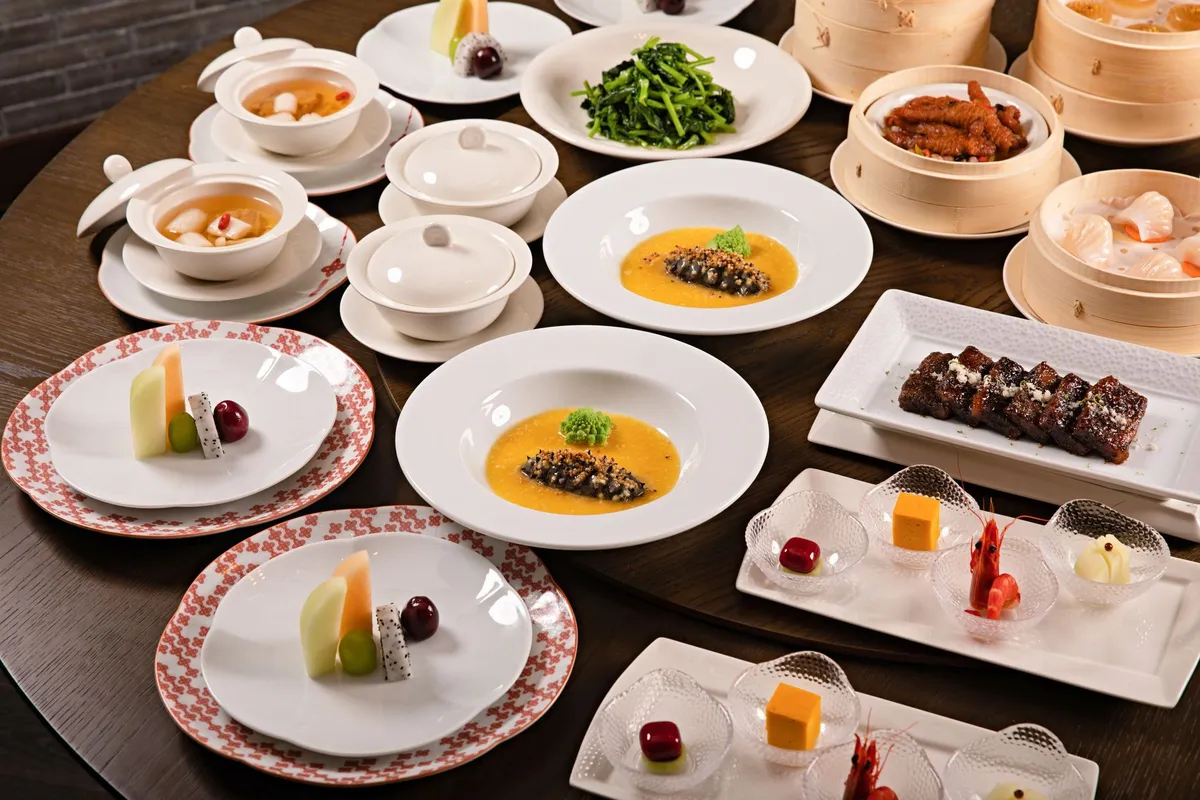
-
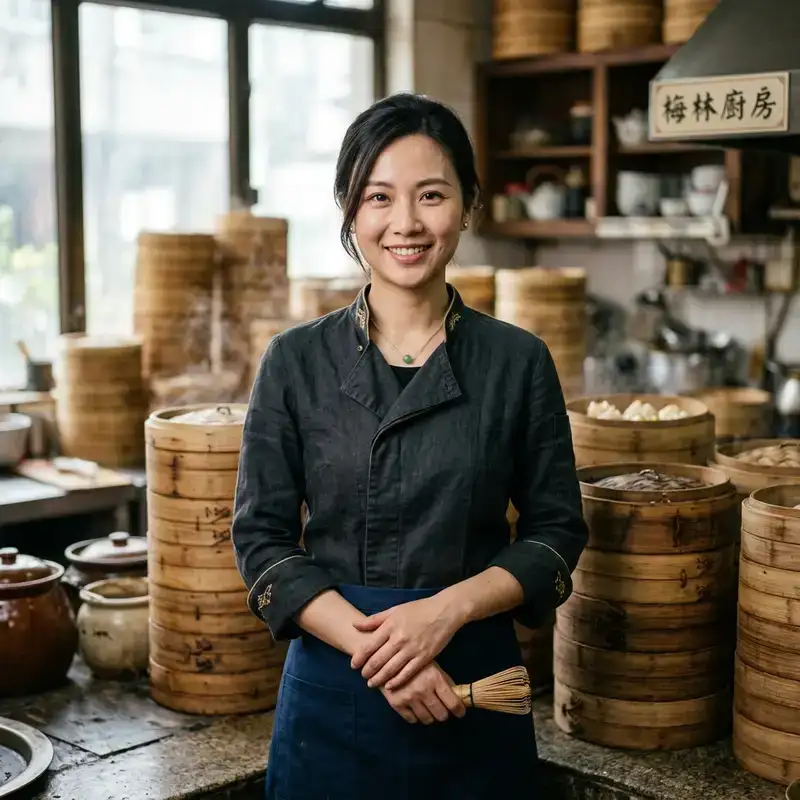 Lin Yao
 - 21 Aug, 2026 07:26
Dim Sum Decoded: The Ultimate Cantonese Culinary Journey Through Hong Kong’s Hidden Gems
Where Tradition Meets Innovation: The Timeless Art of Dim Sum Dim sum, the heart of Cantonese culinary culture, is more than just a meal—it’s a ritual. Originating in the teahouses of Guangzhou during the Song Dynasty (960–1279 AD), dim sum evolved from simple snacks to a sophisticated dining experience. The term "dim sum" translates to "touch the heart," reflecting its role as a communal meal that brings people together. In Hong Kong, dim sum has been elevated to an art form, blending ancient traditions with modern creativity. The magic of dim sum lies in its variety. From delicate shrimp dumplings (har gow) to crispy fried spring rolls (cha siu baau), each dish tells a story. The most iconic dim sum dishes include:Siu Mai: Open-topped pork dumplings with a hint of shrimp. Char Siu Bao: Steamed buns filled with barbecued pork. Turnip Cake: A savory, slightly sweet steamed cake made from shredded radish. Egg Tarts: Crispy pastry shells filled with creamy egg custard.Hong Kong’s dim sum culture is deeply rooted in its history as a trading hub. The British influence introduced tea culture, which merged with local traditions to create the modern dim sum experience. Today, the city boasts over 1,000 dim sum restaurants, ranging from century-old teahouses to trendy fusion spots.The Ritual of the Teahouse: A Step-by-Step Guide to Authentic Dim Sum Stepping into a Hong Kong teahouse is like entering a time capsule. The clatter of bamboo steamers, the aroma of soy sauce and ginger, and the lively chatter of locals create an atmosphere that’s both nostalgic and vibrant. To fully appreciate dim sum, one must understand its rituals.Choosing Your Tea: Tea is the soul of dim sum. The most popular choices are:Pu-erh: Earthy and aged, perfect for rich dishes. Jasmine: Floral and aromatic, ideal for lighter bites. Oolong: Balanced and slightly toasty, a crowd favorite.Ordering Like a Local: Dim sum is served in small portions, so order a variety of dishes to share. Start with lighter items like shrimp dumplings, then move to heartier fare like sticky rice with Chinese sausage.The Art of the Steam Basket: Most dim sum dishes are steamed, which preserves their natural flavors and textures. The bamboo steamers not only infuse the food with a subtle aroma but also keep dishes warm and moist.The Role of the Server: In traditional teahouses, servers use a coded system of hand signals or stamps on your table to track orders. This ensures no dish is missed and adds to the charm of the experience.Pro Tip: Arrive early to avoid crowds, and don’t be afraid to ask for recommendations. Many teahouses have handwritten menus with seasonal specialties.From Guangzhou to Hong Kong: The Evolution of Cantonese Cuisine Cantonese cuisine, also known as Yue cuisine, is one of China’s eight major culinary traditions. Its roots trace back to the Guangdong province, where the mild climate and abundant seafood shaped its flavors. Unlike spicy Sichuan or bold Shandong cuisine, Cantonese food emphasizes freshness, subtlety, and balance. The migration of Cantonese people to Hong Kong in the 19th and 20th centuries brought this cuisine to new heights. Hong Kong’s dim sum culture flourished as chefs experimented with ingredients and techniques, creating dishes that were both familiar and innovative. For example, the pineapple bun (bo lo bao) is a Hong Kong invention, blending Western baking with Chinese flavors. Key Characteristics of Cantonese Cuisine:Fresh Ingredients: Seafood, poultry, and vegetables are sourced daily. Light Seasoning: Sauces like soy, oyster, and hoisin are used sparingly to highlight natural flavors. Texture Contrast: Dishes often combine crispy, tender, and chewy textures. Balanced Flavors: Sweet, sour, bitter, and umami are harmoniously blended.The Dim Sum Dilemma: Where to Eat in Hong Kong Hong Kong is a dim sum lover’s paradise, but not all teahouses are created equal. Here’s a breakdown of the best spots to indulge:Teahouse Specialty Dishes Price Range (per person) AtmosphereLuk Yu Tea House Har gow, turnip cake, egg tarts $50–$100 HKD Old-school, elegantTim Ho Wan Min gu gai (steamed chicken feet) $30–$80 HKD Michelin-starred, casualYum Lai Heen Shrimp dumplings, BBQ pork buns $100–$150 HKD Luxury, high-endSun Hing Glutinous rice dumplings $20–$50 HKD Local favorite, bustlingLin Heung Tea House Steamed spare ribs, congee $40–$90 HKD Traditional, livelyCost Comparison: Using Numbeo’s Cost of Living Comparison tool, we see that dining out in Hong Kong is more affordable than in cities like New York or London. For example, a dim sum meal at a mid-range teahouse costs around $50–$100 HKD ($6.50–$13 USD), while a similar meal in New York would set you back $30–$50 USD.Beyond the Basket: Modern Twists on Classic Dim Sum While traditional dim sum remains a staple, modern chefs are pushing boundaries with innovative twists. Fusion dim sum combines Cantonese techniques with global flavors, creating dishes like:Sushi-inspired Har Gow: Shrimp dumplings wrapped in nori. Truffle Char Siu Bao: Luxurious buns infused with truffle oil. Vegan Dumplings: Made with mushrooms and tofu for plant-based diners.Where to Find Fusion Dim Sum:Mott 32: A high-end restaurant offering dim sum with a gourmet twist. Little Bao: A trendy spot blending Taiwanese and Cantonese flavors. Chiu Chow Curry House: Known for its spicy, aromatic curry-filled dumplings.The Health Factor: Nutritional Insights into Dim Sum Dim sum is often seen as indulgent, but it can be part of a balanced diet. Here’s a breakdown of the nutritional profiles of popular dishes:Dish Calories (per serving) Protein (g) Carbs (g) Fat (g)Har Gow 120 6 15 4Char Siu Bao 250 8 30 10Turnip Cake 180 3 25 7Egg Tart 200 4 22 11Tips for Healthier Dim Sum Choices:Opt for steamed dishes over fried ones. Choose dishes with lean proteins like shrimp or chicken. Share portions to control calorie intake.The Global Dim Sum Movement: Where to Find Authentic Flavors Worldwide Dim sum’s popularity has spread far beyond Hong Kong. Cities like London, New York, and San Francisco boast vibrant dim sum scenes. Here’s where to find authentic Cantonese cuisine outside of Asia:London: Baozi Inn and Hakkasan offer modern takes on classic dim sum. New York: Nom Wah Tea Parlor and Jing Fong are must-visits for traditional flavors. San Francisco: City View Restaurant and Good Mong Kok Bakery serve up Cantonese classics. Melbourne: Supernormal and China Soul blend Australian ingredients with Cantonese techniques.Why Dim Sum Travels Well:Portability: Many dim sum dishes are easy to eat on the go. Versatility: It adapts to local tastes while retaining its essence. Cultural Appeal: The communal nature of dim sum resonates globally.Final Feast: Your Dim Sum Bucket List No dim sum journey is complete without ticking off these must-try dishes and experiences:Breakfast at a Local Teahouse: Start your day with a classic dim sum spread. Afternoon Tea at a Luxury Hotel: Indulge in high-end dim sum with a view. Night Market Dim Sum: Try street-style versions in Hong Kong’s night markets. Cooking Class: Learn to make dim sum from scratch with a local chef. Dim Sum Crawl: Sample dishes at multiple teahouses in one day.Remember: The best dim sum is made with love and tradition. Whether you’re a first-time visitor or a seasoned connoisseur, every bite tells a story of Cantonese heritage.#DimSumLovers #CantoneseCuisine #HongKongFoodie #TravelAndEat #CulinaryAdventure Related InsightsFrom Street Food to Fine Dining: The Ultimate Food Lover’s Guide to Bangkok’s Culinary Wonderland From Ancient Ruins to Modern Feasts: A Deep Dive into Italy’s Timeless Travel and Culinary Secrets Savoring the Soul of West Africa: A Journey Through Senegalese Street Food & Culinary Traditions{ "@context": "https://schema.org", "@type": "FAQPage", "mainEntity": [ { "@type": "Question", "name": "What is the main focus of Dim Sum Decoded: The Ultimate Cantonese Culinary Journey Through Hong Kong’s Hidden Gems?", "acceptedAnswer": { "@type": "Answer", "text": "Unlock the secrets of Cantonese cuisine with this definitive guide to dim sum, from historic teahouses to modern eateries, complete with insider tips and cost comparisons." } }, { "@type": "Question", "name": "Who authored the comprehensive guide on Dim Sum Decoded: The Ultimate Cantonese Culinary Journey Through Hong Kong’s Hidden Gems?", "acceptedAnswer": { "@type": "Answer", "text": "This detailed article and its insights were carefully researched and authored by Lin Yao." } }, { "@type": "Question", "name": "Where can I find more related content about Travel/Food?", "acceptedAnswer": { "@type": "Answer", "text": "You can explore more articles, detailed reviews, and similar insights by browsing the Related Insights section at the bottom of this article or visiting our dedicated Travel/Food category page." } } ] }
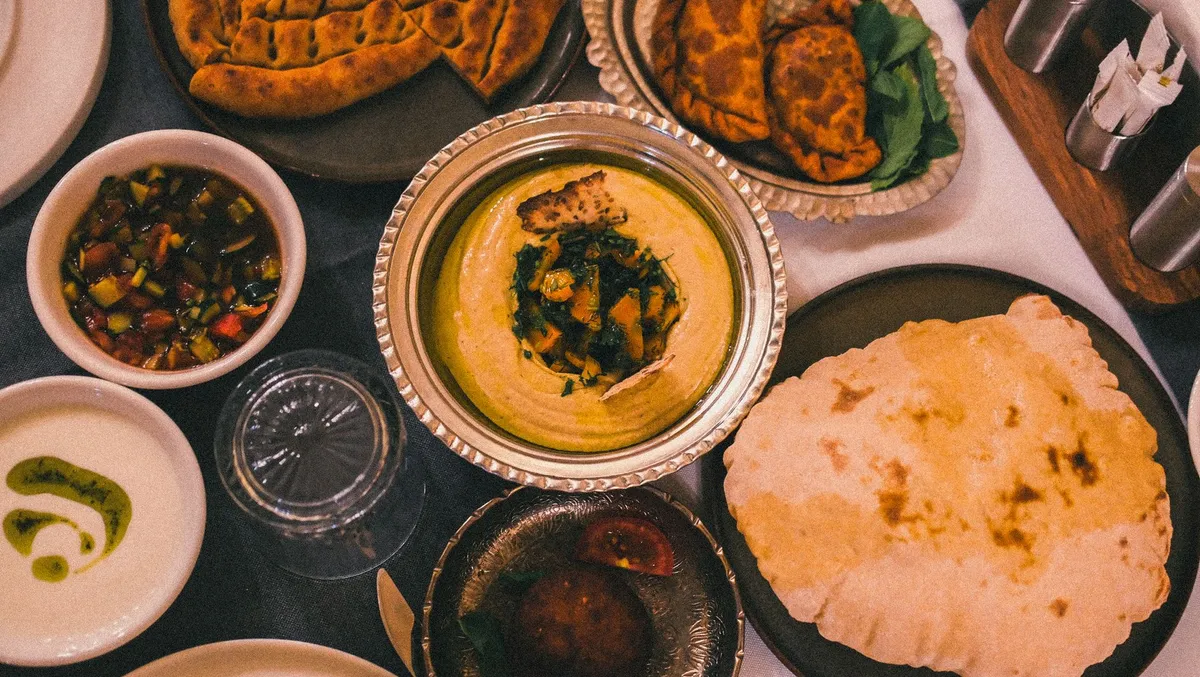
-
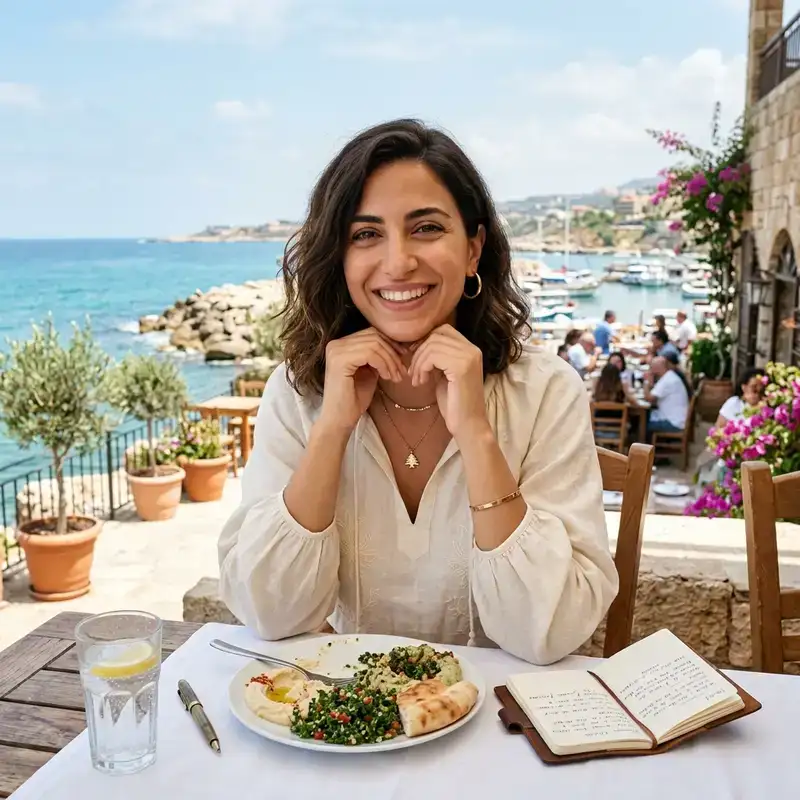 Layla Hariri
 - 20 Aug, 2026 19:12
Levantine Mezze Magic: A Journey Through Mediterranean Flavors Where Every Bite Tells a Story
The Spice-Scented Souks of Beirut: Where Every Mezze Plate is a Love Letter to the Mediterranean The first time I stepped into a Beirut souk at dusk, the air thick with the scent of grilled halloumi and crushed sumac, I understood why mezze isn’t just food—it’s an experience. Levantine cuisine, born from the crossroads of empires, trade routes, and sun-drenched coastlines, is a symphony of flavors where hummus meets za’atar, where eggplant bakes alongside spiced lamb, and where every dish carries the weight of history. Mezze, the art of small, shared plates, is the heart of this culinary tradition. It’s a ritual: a slow unfolding of textures and tastes, where the meal begins with the first bite of crispy falafel and ends hours later with sticky fingers and a satisfied sigh. But mezze isn’t confined to Lebanon. From the bustling markets of Damascus to the sun-bleached terraces of Tel Aviv, and even in the fusion kitchens of Brooklyn and Berlin, Levantine flavors are being reimagined. Mediterranean fusion takes these ancient recipes and infuses them with global techniques—think sushi rolls stuffed with tabbouleh or lamb kofta tacos drizzled with tahini. This guide isn’t just about recipes; it’s about the stories behind the dishes, the spices that define a region, and how to bring this magic into your own kitchen or next adventure.From Hummus to Harissa: The Spice Pantry That Defines Levantine Cuisine To master Levantine mezze, you must first understand its soul: the spice pantry. Unlike the heavy curries of the East or the smoky paprikas of Hungary, Levantine spices are bright, citrusy, and often sun-dried. They tell the story of a region where olives, lemons, and sesame seeds grow in abundance, where the Mediterranean’s bounty shapes every dish. Start with za’atar, the iconic blend of thyme, sumac, and sesame seeds. It’s sprinkled on flatbreads, mixed into labneh, or simply eaten with olive oil as a dip. Sumac, with its tart, almost citrusy tang, is the secret weapon in fattoush salads and grilled meats. Then there’s baharat, a warm, aromatic mix of allspice, cumin, coriander, and cinnamon, essential for spicing lamb or stuffing grape leaves. Don’t overlook ras el hanout, a Moroccan-Levantine blend that might include rose petals or cardamom, adding a floral depth to tagines or couscous.The foundation of most mezze dishes, however, is tahini, the creamy paste made from sesame seeds. It’s the backbone of hummus, the binder in falafel, and the sauce in sabich sandwiches. Quality matters—look for tahini made from 100% sesame seeds, with no additives. Pair it with pomegranate molasses, a thick, tangy syrup that brightens everything from grilled meats to yogurt dips. And let’s not forget harissa, the North African chili paste that’s become a Levantine staple, adding heat and depth to soups, stews, and marinades. For the uninitiated, building a Levantine spice collection might seem daunting, but start small. A jar of za’atar, a bottle of pomegranate molasses, and a tin of baharat will take you far. Visit Middle Eastern grocers or specialty spice shops—avoid pre-mixed blends unless they’re from a trusted brand. The difference between store-bought and freshly ground spices is like night and day. Toast whole spices in a dry pan before grinding to release their oils, and store them in airtight containers away from light.The Art of Mezze: How to Curate a Spread That Tells a Story Mezze is more than food; it’s a performance. The best spreads are a balance of textures, temperatures, and flavors—creamy, crunchy, hot, cold, sweet, and savory all in one meal. A traditional mezze table might include 20 or more small dishes, but even a simplified version can capture the essence. Here’s how to curate a mezze spread that feels authentic, whether you’re hosting a dinner party or just treating yourself to a solo feast. Start with the Classics No mezze is complete without hummus, the creamy chickpea dip. The secret? Use dried chickpeas soaked overnight, then simmered with baking soda to soften them quickly. Blend with tahini, lemon, garlic, and a touch of ice water for a silky texture. Top with a drizzle of olive oil and a sprinkle of paprika. Pair it with baba ganoush, the smoky eggplant dip made by roasting eggplants until charred, then blending with tahini, garlic, and lemon. For contrast, serve muhammara, a fiery red pepper and walnut dip from Aleppo, sweetened with pomegranate molasses and spiced with cumin. Add the Crunch Texture is key in mezze. Falafel, deep-fried chickpea balls, should be crispy on the outside and tender inside. Serve them with pickled vegetables—turnips, cucumbers, and carrots—tossed in vinegar and spices. Fattoush salad, a Levantine staple, combines crispy pita chips with fresh herbs, tomatoes, and cucumbers, all tossed in a sumac-lemon dressing. For something heartier, include manakish, flatbreads topped with za’atar and olive oil, baked until crisp. Incorporate the Unexpected Modern mezze embraces fusion. Try sambousek, flaky pastries stuffed with spiced meat or cheese, inspired by Iraqi and Persian traditions. Or shakshuka bites, mini versions of the classic egg-and-tomato dish, served in small cast-iron skillets. For seafood lovers, grilled shrimp with toum, a garlicky Lebanese aioli, adds a coastal touch. And no mezze is complete without kebbeh, whether raw (like Lebanese kibbeh nayyeh) or fried (kubbeh bil sanieh), a bulgur and meat mixture that’s a nod to the region’s love of stuffed and layered dishes. The Mediterranean Fusion Twist To elevate your mezze, think beyond tradition. Swap pita for lavash crackers or serve hummus in a deconstructed sushi roll with avocado and pickled radish. Use za’atar-infused olive oil to drizzle over grilled halloumi or as a dip for roasted cauliflower. For a sweet finish, include muhalabia, a rosewater and orange blossom pudding, or baklava bites, mini phyllo pastries layered with nuts and honey.The Ritual of Sharing Mezze is meant to be shared, passed around the table in a slow, communal dance. Start with the dips and salads, then move to the hot dishes like kebabs or stuffed vegetables. End with sweets and strong coffee or mint tea. The key is pacing—let each dish shine, and don’t rush. In Lebanon, mezze can last for hours, with courses arriving as the previous ones are finished. Even in a modern setting, the spirit of sharing remains.A Taste of History: The Levant’s Culinary Crossroads To understand Levantine mezze, you must understand the Levant itself—a region that has been a melting pot for millennia. The Levant, roughly encompassing Lebanon, Syria, Palestine, Jordan, and parts of Turkey and Iraq, sits at the crossroads of Europe, Asia, and Africa. Its cuisine reflects this history: Phoenician trade routes brought spices from the East, Ottoman rule introduced sweets like baklava, and Arab agricultural innovations perfected dishes like mansaf (a lamb and rice dish from Jordan). The word "mezze" itself comes from the Arabic "tamazza," meaning "to taste" or "to snack." It’s a concept that predates written history, with roots in ancient Mesopotamia and Egypt. The Greeks and Romans adopted mezze-style dining, and the Ottomans refined it into the elaborate spreads we know today. In Lebanon, mezze became an art form, with restaurants like Beit El Jabal in Beirut serving 30-plus dishes in a single sitting.The Role of Religion and Trade Levantine cuisine is deeply tied to religion. During Ramadan, iftar meals begin with dates and lentil soup, followed by mezze dishes like fatayer (spinach pies) and sambousek. In Christian communities, Easter feasts feature lamb dishes and ma’amoul (date-filled cookies). The region’s proximity to the Mediterranean also shaped its diet—olive oil, fish, and citrus are staples, while inland areas rely more on grains and legumes. Trade has been equally influential. The spice trade brought cinnamon, cardamom, and cloves from India and Southeast Asia, while the Silk Road introduced ingredients like almonds and dried fruits. Even the humble chickpea, the backbone of hummus and falafel, traveled along these routes, becoming a Levantine staple. Modern Revival Today, Levantine cuisine is experiencing a renaissance. Chefs like Greg Malouf (author of Mezze) and Sami Tamimi (of Ottolenghi fame) have brought these flavors to global audiences. In cities like New York, London, and Melbourne, restaurants are reimagining mezze as a fusion cuisine—think lebanese-italian pasta or syrian-japanese sushi rolls. Even fast-casual chains are catching on, with hummus bowls and falafel wraps becoming mainstream. Yet, for all its global appeal, the soul of mezze remains rooted in tradition. It’s a cuisine that values hospitality, generosity, and the slow enjoyment of food. Whether you’re dining in a Beirut apartment or a Brooklyn loft, the spirit of mezze is the same: a celebration of community, culture, and the simple joy of sharing a meal.From Souk to Table: Where to Experience Authentic Levantine Mezze Around the World If you’re craving the real deal, these cities and restaurants are must-visits for mezze enthusiasts. Whether you’re a seasoned traveler or a culinary explorer, these spots offer a taste of Levantine tradition—sometimes in the most unexpected places. Beirut, Lebanon No list of mezze destinations is complete without Beirut. The city’s restaurants are legendary, from Barbar (a modern take on Lebanese street food) to Al Balad (a cozy spot for traditional dishes like kibbeh and warak enab). For a historic experience, visit Beit El Jabal, a 19th-century mansion turned restaurant, where mezze is served on copper trays. Don’t miss the souks of Beirut, where you can sample fresh za’atar, olive oil, and spices straight from the source. Damascus, Syria Before the war, Damascus was the culinary capital of the Levant. While travel is currently restricted, Syrian restaurants worldwide—like Shamiya in Berlin or Al Wadi in Dearborn, Michigan—keep the flavors alive. Look for dishes like mujaddara (lentils and rice with caramelized onions) and shish tawook (grilled chicken skewers). Tel Aviv, Israel Tel Aviv’s food scene is a fusion of Levantine and modern Israeli cuisine. Abu Hassan is a hummus institution, while Miznon reinvents street food with dishes like cauliflower sabich. For a high-end experience, Dabouka offers a tasting menu of modern mezze. The city’s Jaffa flea market is also a great place to pick up spices and olive oil.Istanbul, Turkey While not Levantine, Istanbul’s cuisine shares deep roots with the region. 360 Istanbul offers a rooftop mezze experience with Bosphorus views, while Mikla (a Michelin-starred restaurant) reimagines Ottoman and Levantine flavors. Don’t miss midye dolma, mussels stuffed with spiced rice, a street food staple. Amman, Jordan Jordan’s mezze culture is unparalleled. Hashem Restaurant in downtown Amman is a no-frills spot where locals and tourists alike line up for falafel, hummus, and foul mudammas (fava bean dip). For a modern twist, Al-Quds Restaurant serves upscale Jordanian dishes in a garden setting. Global Hotspots Beyond the Levant, these cities are embracing mezze:New York, USA: Layla (a Lebanese-American restaurant with a rooftop garden) and Shuk (a modern Israeli spot in Brooklyn). London, UK: The Barbary (a North African-Levantine fusion) and Berber & Q (a street food spot with mezze-style plates). Melbourne, Australia: Rumi (a Persian-Levantine restaurant) and Charcoal Fish (for seafood mezze). Berlin, Germany: Shamiya (Syrian cuisine) and Kanaan (a Palestinian spot with a focus on olive oil and za’atar).A Word of Caution When traveling for mezze, seek out family-run restaurants and local eateries. Tourist traps often serve pre-made dishes, while authentic spots will have chalkboard menus and bustling kitchens. In Lebanon, for example, the best hummus is often found in small shops like Hummus El Amir in Beirut, where the chickpeas are cooked fresh daily.The Levantine Pantry: A Shopping Guide for Home Cooks Bringing Levantine mezze into your home kitchen starts with the right ingredients. While some items—like tahini or za’atar—are now widely available, others might require a trip to a Middle Eastern grocery or an online spice shop. Here’s your ultimate shopping guide, organized by category, to stock your pantry like a Beirut souk. Pantry StaplesIngredient What It Is Where to Find It Substitutes (if unavailable)Tahini Sesame seed paste Middle Eastern grocers, Amazon Sesame oil (for flavor, not texture)Pomegranate molasses Thick, tangy syrup from pomegranates Specialty food stores, Middle East Balsamic glaze + lemon juiceSumac Tart, citrusy spice from sumac berries Middle Eastern grocers Lemon zest + a pinch of saltZa’atar Herb-spice blend (thyme, sumac, sesame) Middle Eastern grocers Mix thyme, sesame seeds, and sumacBaharat Warm spice blend (allspice, cumin, etc.) Middle Eastern grocers Garam masala (similar warmth)Freekeh Smoked green wheat Middle Eastern grocers Farro or bulgurRosewater Floral syrup from rose petals Middle Eastern grocers, baking aisles Orange blossom waterAleppo pepper Mild, fruity chili flakes Middle Eastern grocers Crushed red pepper (less fruity)Fresh & PerishableHalloumi: A brined cheese that grills beautifully. Look for it in the cheese section of Middle Eastern grocers or specialty stores. Labneh: Thick, strained yogurt. Buy it pre-made or strain Greek yogurt overnight with salt. Fresh za’atar: Some grocers sell fresh za’atar leaves—use them in salads or as a garnish. Pomegranates: For fresh seeds or molasses. In season (fall/winter), they’re abundant in markets.Protein & LegumesDried chickpeas: Essential for hummus and falafel. Soak overnight before cooking. Fava beans: Used in foul mudammas. Canned versions work in a pinch, but dried are better. Lamb: A staple in Levantine cuisine. Look for ground lamb for kebabs or leg of lamb for roasting. Seafood: Fresh fish like sea bass or sardines are common in coastal areas. For inland cities, frozen or canned sardines work.Bread & GrainsPita bread: For dipping and stuffing. Look for fresh, round pita in the bakery section. Lavash: Thin, soft flatbread used for wraps or crackers. Bulgur: Cracked wheat used in tabbouleh and kibbeh. Couscous: Quick-cooking grain used in salads and sides.Oils & VinegarsExtra virgin olive oil: The backbone of Levantine cooking. Look for high-quality, cold-pressed oils. Apple cider vinegar: For pickling and dressings. Date syrup: A sweetener used in desserts and marinades.Where to ShopMiddle Eastern Grocers: The best place to find authentic ingredients. Look for shops with high turnover (spices lose flavor over time). Online Retailers: Websites like Spicewalla, Burlap & Barrel, or The Spice House offer high-quality spices and blends. Local Farmers Markets: For fresh herbs, pomegranates, and olive oil.Pro Tip If you can’t find a specific ingredient, don’t skip the dish—adapt! Swap sumac for lemon zest, or use Greek yogurt instead of labneh. The flavors will still shine.The Future of Mezze: Fusion, Sustainability, and the Digital Nomad’s Feast Levantine mezze is evolving. As global palates become more adventurous, chefs and home cooks alike are reimagining this ancient tradition through the lens of modern cuisine. Sustainability, fusion, and accessibility are shaping the next chapter of mezze—one that honors tradition while embracing innovation. The Rise of Fusion Mezze Fusion mezze is all about blending Levantine flavors with global techniques. In cities like London and New York, restaurants are experimenting with:Sushi Mezze: Rolls stuffed with tabbouleh, spiced lamb, or pickled turnips. Taco Mezze: Lamb kofta in corn tortillas with tahini crema and pickled onions. Ramen Mezze: A bowl of ramen infused with za’atar and harissa broth, topped with crispy falafel. Vegan Mezze: Plant-based versions of classic dishes, like roasted cauliflower with muhammara or jackfruit "kebbeh."Chefs like Michael Solomonov (of Zahav in Philadelphia) and Meni Baliti (of Baliti in London) are leading the charge, proving that mezze can be both authentic and avant-garde. Sustainability in the Levantine Kitchen The Mediterranean diet is inherently sustainable—focused on vegetables, legumes, and olive oil, with meat as a garnish rather than a centerpiece. Modern mezze embraces this ethos:Zero-Waste Cooking: Using every part of the ingredient, from chickpea cooking liquid (aquafaba) for vegan meringues to roasted eggplant skins for dips. Local and Seasonal: Highlighting produce that’s in season, like zucchini in summer or pumpkin in winter. Plant-Based Shifts: Reducing meat consumption by focusing on dishes like msabaha (warm chickpeas with tahini) or fatayer spinach (spinach and sumac pies).The Digital Nomad’s Mezze For remote workers and travelers, mezze is the ultimate meal—easy to prepare in batches, share with friends, and enjoy over long conversations. Here’s how to adapt mezze for a modern lifestyle:Meal Prep: Make hummus, baba ganoush, and tabbouleh ahead of time. Store in airtight containers for up to 5 days. Portable Mezze: Pack falafel wraps, za’atar flatbreads, and labneh in bento boxes for picnics or office lunches. One-Pot Wonders: Dishes like mansaf (lamb and rice) or mujaddara (lentils and rice) are hearty, easy to scale, and travel well. Virtual Cooking Classes: Platforms like MasterClass or Airbnb Experiences offer mezze-making classes with chefs from Beirut or Tel Aviv.The Cultural Shift As mezze gains global popularity, there’s a risk of it becoming a "trend" rather than a tradition. To keep it authentic, support restaurants and artisans who prioritize ethical sourcing and traditional methods. Seek out women-led cooperatives in Palestine or Lebanon that produce olive oil or za’atar, ensuring your mezze purchases have a positive impact.The Next Generation Young chefs are redefining mezze for a new era. In Beirut, Noura Shehabi of Noura restaurant blends Lebanese flavors with global techniques, while in Berlin, Sami Tamimi (of Ottolenghi) continues to innovate with dishes like lemon and cardamom cake with tahini glaze. The key is balance—honoring the past while looking to the future.Where the Spice Routes Lead: Your Next Mezze Adventure Awaits If this journey through Levantine mezze has taught me anything, it’s that food is a language. Every dish, every spice, every shared bite tells a story—of trade routes and empires, of family gatherings and late-night souk adventures, of the simple joy of breaking bread with others. Mezze isn’t just about eating; it’s about connecting. So where will your next mezze adventure take you? Will you roll up your sleeves and make hummus from scratch, or seek out a hidden gem in Amman for the best falafel in the world? Will you experiment with fusion dishes in your kitchen, or pack your bags for a culinary pilgrimage to Beirut? One thing’s for sure: once you’ve tasted the magic of mezze, you’ll never look at a shared meal the same way again. The Levant’s flavors are a bridge between cultures, a celebration of history, and a testament to the power of food to bring people together. Whether you’re a seasoned traveler or a home cook, mezze invites you to slow down, savor, and share. Now, go forth and dip that pita. The table is set.#LevantineFoodie #MediterraneanFusion #MezzeMagic #TravelAndEat #SpiceRoutes Related InsightsThe Lost City of Petra: Where Ancient Wonders Meet Modern Adventure Antigua and Barbuda Unveiled: A Digital Nomad’s Paradise of Turquoise Waters, Spice-Infused Cuisine, and Colonial Charm From Ancient Markets to Modern Tables: A Journey Through the World’s Most Treasured Culinary Landscapes{ "@context": "https://schema.org", "@type": "FAQPage", "mainEntity": [ { "@type": "Question", "name": "What is the main focus of Levantine Mezze Magic: A Journey Through Mediterranean Flavors Where Every Bite Tells a Story?", "acceptedAnswer": { "@type": "Answer", "text": "Dive into the vibrant world of Levantine mezze and Mediterranean fusion, where ancient traditions meet modern culinary artistry. Discover recipes, cultural insights, and travel tips to elevate your dining experience." } }, { "@type": "Question", "name": "Who authored the comprehensive guide on Levantine Mezze Magic: A Journey Through Mediterranean Flavors Where Every Bite Tells a Story?", "acceptedAnswer": { "@type": "Answer", "text": "This detailed article and its insights were carefully researched and authored by Layla Hariri." } }, { "@type": "Question", "name": "Where can I find more related content about Travel/Food?", "acceptedAnswer": { "@type": "Answer", "text": "You can explore more articles, detailed reviews, and similar insights by browsing the Related Insights section at the bottom of this article or visiting our dedicated Travel/Food category page." } } ] }
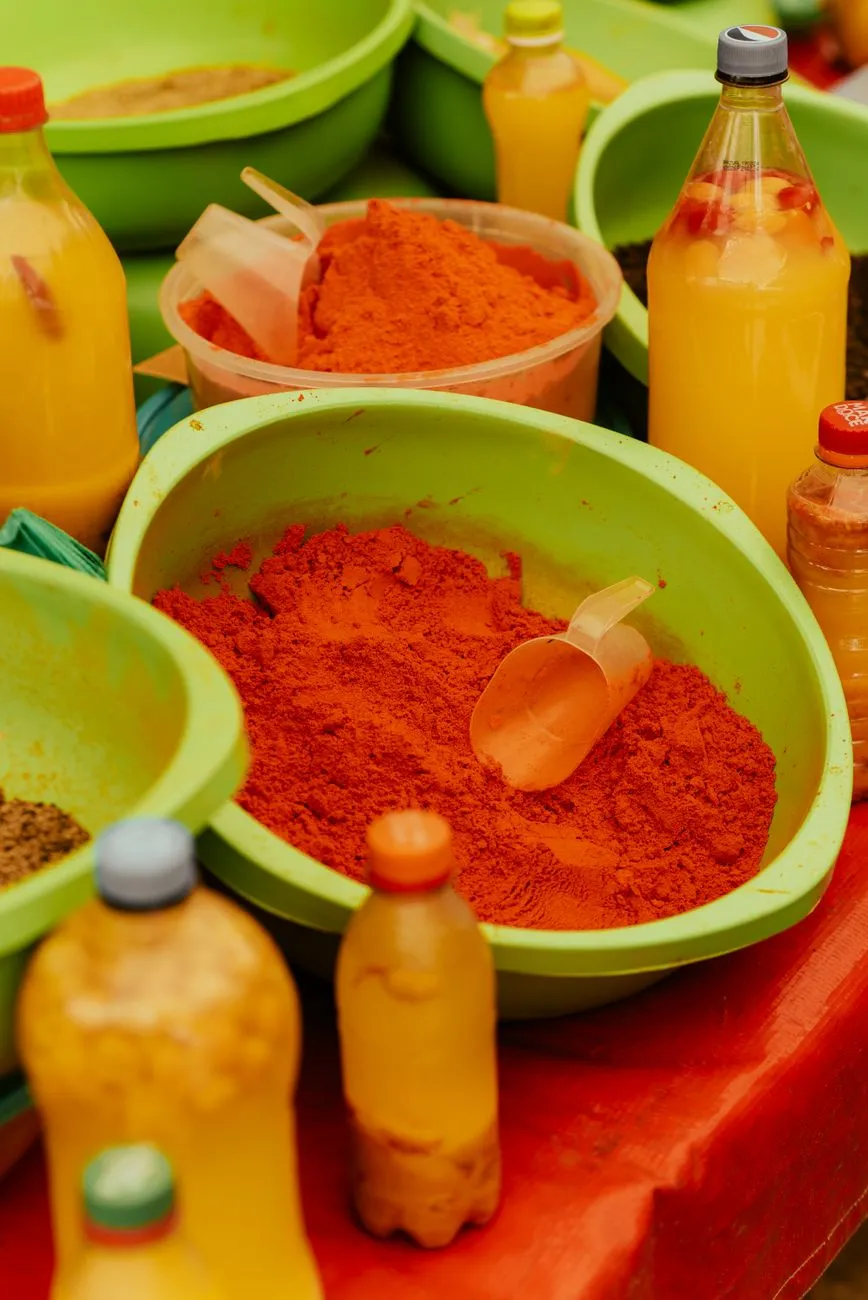
-
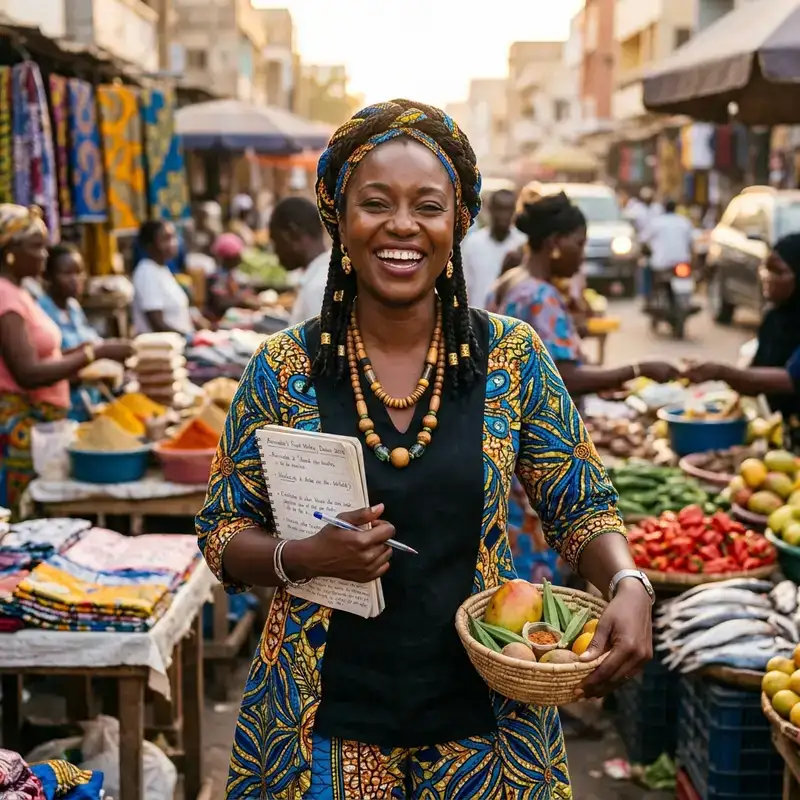 Amara Ndiaye
 - 19 Aug, 2026 19:05
Savoring the Soul of West Africa: A Journey Through Senegalese Street Food & Culinary Traditions
The Melting Pot of Flavors: Where West Africa’s Culinary Heart Beats Imagine standing on a bustling street in Dakar, the air thick with the scent of smoky grills and sizzling spices. Around you, vendors call out in Wolof, their stalls laden with golden fried pastries, steaming bowls of thieboudienne, and vibrant mangoes dripping with chili-lime glaze. This is Senegalese street food—a vibrant tapestry of flavors where tradition meets spontaneity, and every meal is a celebration of community. From the coastal fishing villages to the dusty markets of the interior, Senegal’s cuisine is a reflection of its history, culture, and resilience. But what makes it so irresistible? Let’s dive into the soul of West African street food, uncovering the stories, techniques, and must-try dishes that define Senegalese culinary artistry.The Foundations of Flavor: Ingredients That Define Senegalese Cuisine At the heart of Senegalese cuisine lies a deep reverence for fresh, local ingredients. The country’s coastal geography means seafood is a staple—think succulent grilled fish, spicy shrimp, and octopus stewed in peanut sauce. But it’s the spices that truly elevate these dishes. A blend of netetou (fermented locust bean), yétiss (a fiery chili paste), and dakhar (a smoky dried fish seasoning) forms the backbone of many recipes. Peanuts, another West African superstar, are ground into rich sauces or crushed into crunchy snacks like koki beans. Rice is the unsung hero of Senegalese meals, particularly in the national dish thieboudienne (or ceebu jën), a fragrant one-pot of fish, tomatoes, and vegetables. The rice absorbs the deep umami flavors of the broth, creating a dish that’s both hearty and harmonious. Meanwhile, millet and fonio (a tiny, nutty grain) are staples in the Sahelian regions, often cooked into porridge or couscous-like dishes. For the uninitiated, the sheer variety of ingredients can be overwhelming. But once you understand the role of fermentation (like in soumbala, a pungent locust bean paste) and slow-cooking techniques, you’ll see why Senegalese food is so deeply satisfying. The key? Balance. Sweet, sour, spicy, and umami notes dance together in perfect harmony, a testament to the region’s culinary ingenuity.From Dakar to the Desert: A Street Food Tour of Senegal No exploration of Senegalese street food is complete without a journey through its markets and roadside stalls. Start in Dakar’s Sandaga Market, where the air hums with the sounds of bargaining and sizzling brochettes (skewered meats). Here, you’ll find thiakry, a creamy couscous dessert made with yogurt, millet, and sweetened condensed milk, or fataya, a flaky fried pastry stuffed with spiced beef or tuna. The vendors, often women draped in vibrant pagnes (wax prints), are the keepers of these recipes, passing them down through generations. Head north to Saint-Louis, a colonial gem where French and African flavors collide. Try fakha, a crispy fried doughnut-like snack, or yassa poulet, a tangy onion-marinated grilled chicken that’s a nod to the city’s French influence. In the Casamance region, where lush forests meet the Atlantic, tropical fruits like bissap (hibiscus) and corossol (soursop) take center stage. Don’t miss domoda, a rich peanut stew with meat or fish, slow-cooked to perfection. For the adventurous, the Lebou fishing villages offer a chance to taste the freshest seafood. Grilled thiof (grouper) is a must, served with a side of sauce chien (a fiery green chili sauce). And in the desert-like north, near the Mauritanian border, nomadic tribes prepare méchoui, a whole lamb slow-roasted in an underground pit—a dish reserved for celebrations.The Art of Senegalese Cooking: Techniques That Transform Simple Ingredients Senegalese cuisine is as much about technique as it is about ingredients. One of the most iconic methods is braising, used in dishes like yassa (onion-marinated meat) or mafé (peanut stew). The meat is first seared, then simmered in a rich sauce until tender, allowing the flavors to meld. Fermentation is another cornerstone—soumbala, for example, is made by fermenting locust beans for days, creating a pungent paste that adds depth to stews. Grilling is ubiquitous, especially in street food. Brochettes (skewers) of beef, lamb, or fish are marinated in a blend of onions, garlic, and netetou, then grilled over charcoal until caramelized. The smoke from the grill infuses the meat with a smoky aroma that’s impossible to replicate indoors. Meanwhile, accras (fried cod fritters) are a beloved snack, their crispy exterior giving way to a fluffy, spiced interior. Baking, too, plays a role, though it’s less common. Fataya and pain de singe (monkey bread, a sweet fried dough) are exceptions, their golden crusts hiding sweet or savory fillings. And let’s not forget dakhar, the dried fish used as a seasoning—it’s grilled, pounded, and mixed into sauces for an umami punch. What ties these techniques together is patience. Senegalese cooking is slow cooking, whether it’s the hours spent stirring a pot of thieboudienne or the overnight marinating of yassa. It’s a cuisine that rewards those who take the time to savor the process—and the results.A Taste of Home: The Cultural Significance of Senegalese Street Food For Senegalese people, street food is more than just sustenance—it’s a cultural lifeline. In a country where meals are often communal, sharing a plate of thieboudienne or a bowl of soup kandia (a leafy green stew) is an act of love. The dibi (grilled lamb) stands at Dakar’s Place de l’Indépendance are gathering spots for friends and families, where stories are swapped over smoky skewers and cold bissap drinks. Food also tells the story of Senegal’s history. The peanut sauce in mafé reflects the colonial-era trade routes that brought peanuts from the Americas. The French influence is evident in dishes like pain au chocolat (a breakfast staple) and tarte au citron (lemon tart). Meanwhile, the Wolof, Serer, and Fulani ethnic groups each contribute their own specialties, from the Fulani’s fura da nono (millet porridge with yogurt) to the Serer’s thiof (grouper) dishes. Street food vendors, or marchands ambulants, are the unsung heroes of this culinary tradition. Many are women who’ve honed their skills over decades, passing down recipes through oral tradition. Their stalls are microcosms of Senegalese society—places where class, ethnicity, and religion blend seamlessly over a shared meal.Price Breakdown: What to Expect When Eating Like a Local Senegal is one of Africa’s most affordable destinations, and its street food is no exception. Below is a snapshot of what you can expect to pay in Dakar (prices are approximate and subject to seasonal fluctuations):Dish Price (USD) DescriptionThieboudienne $3–$5 National dish: fish, rice, and vegetables in tomato sauceBrochettes $1–$2 per skewer Grilled meat skewers with onions and spicesAccras $0.50–$1 Fried cod fritters with a spicy kickFataya $0.75–$1.50 Flaky pastry stuffed with beef or tunaYassa Poulet $4–$6 Tangy grilled chicken with caramelized onionsBissap (drink) $0.50–$1 Hibiscus tea, sweet and tartThiakry (dessert) $1–$2 Creamy millet couscous with yogurt and fruitNote: Prices are based on 2026 Numbeo data and local market trends. Street food is significantly cheaper than restaurant dining, with meals often costing under $5. For budget travelers, street food is a lifesaver. A full day of eating like a local—starting with fataya for breakfast, accras as a snack, and thieboudienne for dinner—can cost as little as $10–$15. Even in upscale restaurants, Senegalese dishes remain affordable, with yassa or mafé rarely exceeding $15 per plate.The Senegalese Pantry: Essential Spices and Condiments No guide to Senegalese cuisine would be complete without a deep dive into its pantry staples. Here’s a breakdown of the key ingredients that define the flavors of West Africa:Netetou: Fermented locust beans, used as a seasoning in stews and sauces. Yétiss: A fiery chili paste made from Scotch bonnet peppers, garlic, and oil. Dakhar: Dried fish, grilled and pounded into a powder for umami-rich sauces. Soumbala: Fermented locust bean paste, similar to netetou but with a stronger aroma. Attiéké: Fermented cassava couscous, often served with grilled fish or vegetables. Bissap: Dried hibiscus flowers, brewed into a tart, ruby-red tea. Néré: The seed of the African locust bean, used to make soumbala. Piment de Cayenne: A staple chili pepper used in nearly every dish.These ingredients are the building blocks of Senegalese flavor. Without them, dishes like thieboudienne or mafé would lose their depth and complexity. For travelers, bringing a small supply of these spices home is a great way to recreate the flavors of Senegal.Where to Eat Like a Local: Dakar’s Best Street Food Spots Dakar is a street food paradise, but not all stalls are created equal. Here are the must-visit spots for an authentic taste of Senegal:Marché Sandaga: The heart of Dakar’s street food scene, where you’ll find everything from accras to fataya. Arrive early to avoid the midday crowds. Plateau’s Dibi Stands: Near the Place de l’Indépendance, these grilled lamb stalls are legendary. Try the dibi yappa (grilled lamb with onions) for a true Dakar experience. Soumbédioune Fishing Port: A chaotic but rewarding spot for fresh seafood. Grab a grilled fish and eat it with your hands on the beach. Yoff’s Thiof Grills: A local favorite for thiof (grouper), served with sauce chien and attieke. Colobane Market: A hidden gem for mafé and yassa, with vendors who’ve been perfecting their recipes for decades.Pro tip: Always eat where the locals eat. The busiest stalls are usually the best, with high turnover ensuring fresh ingredients.The Future of Senegalese Street Food: Tradition Meets Innovation As Senegal’s tourism industry grows, so does its street food scene. Young chefs are reimagining classic dishes, infusing them with modern twists. Thieboudienne tacos, accras spring rolls, and yassa sliders are popping up in Dakar’s trendy eateries, attracting both locals and expats. Meanwhile, sustainability is becoming a priority. With overfishing threatening Senegal’s waters, some vendors are turning to alternative proteins like tilapia or plant-based mafé. And as climate change affects agriculture, millet and fonio are being rediscovered as climate-resilient crops. For travelers, this evolution means more options than ever. You can now enjoy a gourmet thieboudienne at a high-end restaurant or a vegan fataya at a hip café. But no matter where you go, the soul of Senegalese street food remains unchanged—a celebration of flavor, community, and resilience.A Feast for the Senses: Why Senegalese Street Food Stays With You There’s something magical about Senegalese street food. It’s not just the flavors—though they’re undeniably rich and complex—but the experience. The sizzle of skewers on a grill, the aroma of spices wafting through the air, the laughter of vendors haggling with customers. It’s a sensory overload in the best possible way. For many travelers, Senegalese food is a revelation. It’s hearty without being heavy, spicy without being overwhelming, and always deeply satisfying. Whether you’re biting into a crispy accra on a dusty Dakar street or sharing a plate of thieboudienne with new friends, you’re not just eating—you’re participating in a tradition that’s been passed down for generations. So the next time you find yourself in West Africa, skip the tourist traps and head straight for the nearest street food stall. Let the flavors guide you, the stories enchant you, and the warmth of the Senegalese people welcome you home.#SenegalFoodie #WestAfricanCuisine #StreetFoodAdventures #DakarEats #TravelWithTaste Related InsightsAntigua and Barbuda Unveiled: A Digital Nomad’s Paradise of Turquoise Waters, Spice-Infused Cuisine, and Colonial Charm Portugal Unveiled: A Deep Dive into Viagem, Cultura, Vida, Gastronomia, and História From Ancient Ruins to Modern Feasts: A Deep Dive into Italy’s Timeless Travel and Culinary Secrets{ "@context": "https://schema.org", "@type": "FAQPage", "mainEntity": [ { "@type": "Question", "name": "What is the main focus of Savoring the Soul of West Africa: A Journey Through Senegalese Street Food & Culinary Traditions?", "acceptedAnswer": { "@type": "Answer", "text": "Discover the vibrant flavors, rich history, and hidden gems of West African street food with a deep dive into Senegalese cuisine—where every bite tells a story." } }, { "@type": "Question", "name": "Who authored the comprehensive guide on Savoring the Soul of West Africa: A Journey Through Senegalese Street Food & Culinary Traditions?", "acceptedAnswer": { "@type": "Answer", "text": "This detailed article and its insights were carefully researched and authored by Amara Ndiaye." } }, { "@type": "Question", "name": "Where can I find more related content about Travel/Food?", "acceptedAnswer": { "@type": "Answer", "text": "You can explore more articles, detailed reviews, and similar insights by browsing the Related Insights section at the bottom of this article or visiting our dedicated Travel/Food category page." } } ] }