Showing Posts From
Dark tides
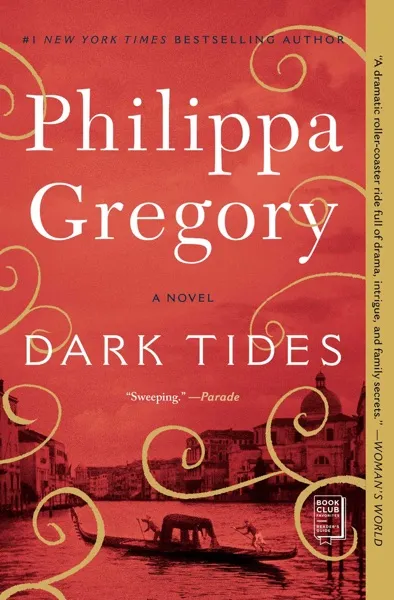

Dark Tides Author: Philippa GregoryPage Count: UnknownPublication Year: 2020-GB Philippa Gregory’s Dark Tides: A Masterclass in Historical Fiction with Tides of Betrayal and Ambition Philippa Gregory, the queen of Tudor-era historical fiction, once again proves her mastery of the genre with Dark Tides, a novel that transcends the familiar confines of royal intrigue to deliver a sweeping saga of power, greed, and survival. Set against the backdrop of 17th-century London and the fledgling American colonies, this book is less a standalone story and more a vital link in Gregory’s Tudor Novels universe, weaving together the lives of those left in the wake of England’s most notorious dynasty. While Dark Tides may not be as widely celebrated as The Other Boleyn Girl or The White Queen, it is a triumph of atmospheric storytelling, historical depth, and relentless human drama. At its core, Dark Tides explores the theme of legacy—how the sins of the past shape the future, and how ambition can either drown or elevate those who dare to reach for more. The novel follows two central characters: Alinor, the resilient healer from Gregory’s earlier Tidelands, and her brother, Rob, who flees England for the New World in search of fortune. Their journeys are mirror images of each other—Alinor, bound by duty and superstition in a world that fears her knowledge, and Rob, seduced by the promise of wealth in a land where morality is as fluid as the tides. Gregory’s genius lies in her ability to portray both characters with equal depth, making their struggles feel urgent and deeply personal. Alinor’s battles are fought in whispers and shadows, while Rob’s are waged in the brutal, sun-scorched wilderness of Virginia. Yet both are driven by the same hunger: to escape the past and carve out a future on their own terms. Gregory’s prose is rich and immersive, transporting readers to a world where the scent of salt and decay lingers in the air, where the church’s shadow looms over every decision, and where the line between survival and sin is perilously thin. Her descriptions of 17th-century London—its bustling docks, its stinking alleys, its whispers of witchcraft and rebellion—are so vivid that the city almost becomes a character itself. The prose is not merely descriptive but alive, pulsing with the same restless energy as the characters. Gregory excels at dialogue, too, capturing the cadence of the era without slipping into caricature. The conversations crackle with tension, whether between Alinor and her skeptical neighbors or Rob and the cutthroat merchants of the Virginia Company. One of the novel’s most compelling strengths is its refusal to romanticize the past. Gregory doesn’t shy away from depicting the brutality of the era—the exploitation of the poor, the persecution of women, the ruthless pursuit of profit at any cost. Alinor’s role as a healer, a profession often conflated with witchcraft, is particularly poignant. She is a woman who knows too much, feared for her independence, yet trapped by the very systems that seek to control her. Her struggle is not just against external forces but against the internalized guilt of surviving in a world that would rather see her broken. Rob’s story, meanwhile, is a darker one—his journey to America is framed as an escape, but Gregory quickly reveals the horrors beneath the glittering promise of gold. The colonies are not a paradise but a purgatory, where greed and disease run rampant, and where even the most cunning can be undone by their own ambition. Gregory’s ability to weave multiple perspectives without losing narrative cohesion is another hallmark of her style. Dark Tides shifts between Alinor’s struggles in England and Rob’s misadventures in Virginia, as well as the perspectives of secondary characters like the scheming merchant Nicholas Hore and the enigmatic Native American woman who crosses Rob’s path. Each viewpoint adds a new layer to the story, deepening the themes of displacement and the cost of progress. The pacing is relentless, with Gregory deftly balancing domestic drama with high-stakes historical events, such as the Great Fire of London and the political upheavals of the time. What elevates Dark Tides beyond a mere historical novel is its emotional resonance. Gregory doesn’t just chronicle events; she makes the reader feel them. The betrayals, the small victories, the quiet moments of resilience—all are rendered with a precision that lingers. The ending, in particular, is masterfully ambiguous, leaving readers with a sense of both closure and unease. It’s a testament to Gregory’s skill that even in a story so steeped in history, the human heart of the tale beats loudest. For fans of Gregory’s earlier works, Dark Tides will feel like reuniting with old friends. For newcomers, it’s an excellent entry point into her universe, offering a self-contained story while hinting at the larger tapestry of her historical fiction. Whether you’re drawn to the political machinations, the vivid historical settings, or the raw humanity of its characters, Dark Tides delivers a reading experience that is as satisfying as it is thought-provoking. Philippa Gregory has long been celebrated for her ability to bring history to life, and Dark Tides is no exception. It’s a novel that reminds us that the past is never truly dead—its tides always pull us back, whether we like it or not. #DarkTides #PhilippaGregory #HistoricalFiction #TudorEra #ColonialAmerica #HistoricalDrama Related InsightsOur Dark Incantations Book Review and Summary 301 More Ways to Have Fun At Work Book Review and Summary Crone Book Review and Summary{ "@context": "https://schema.org", "@type": "FAQPage", "mainEntity": [ { "@type": "Question", "name": "What is the main focus of Dark Tides Book Review and Summary?", "acceptedAnswer": { "@type": "Answer", "text": "Everything you need to know about Dark Tides with our detailed review." } }, { "@type": "Question", "name": "Who authored the comprehensive guide on Dark Tides Book Review and Summary?", "acceptedAnswer": { "@type": "Answer", "text": "This detailed article and its insights were carefully researched and authored by Sarah Davis." } }, { "@type": "Question", "name": "Where can I find more related content about Books?", "acceptedAnswer": { "@type": "Answer", "text": "You can explore more articles, detailed reviews, and similar insights by browsing the Related Insights section at the bottom of this article or visiting our dedicated Books category page." } } ] }