Showing Posts From
Dawn of the planet o
-
 Piotr Nowak
 - 28 Dec, 2025 17:07
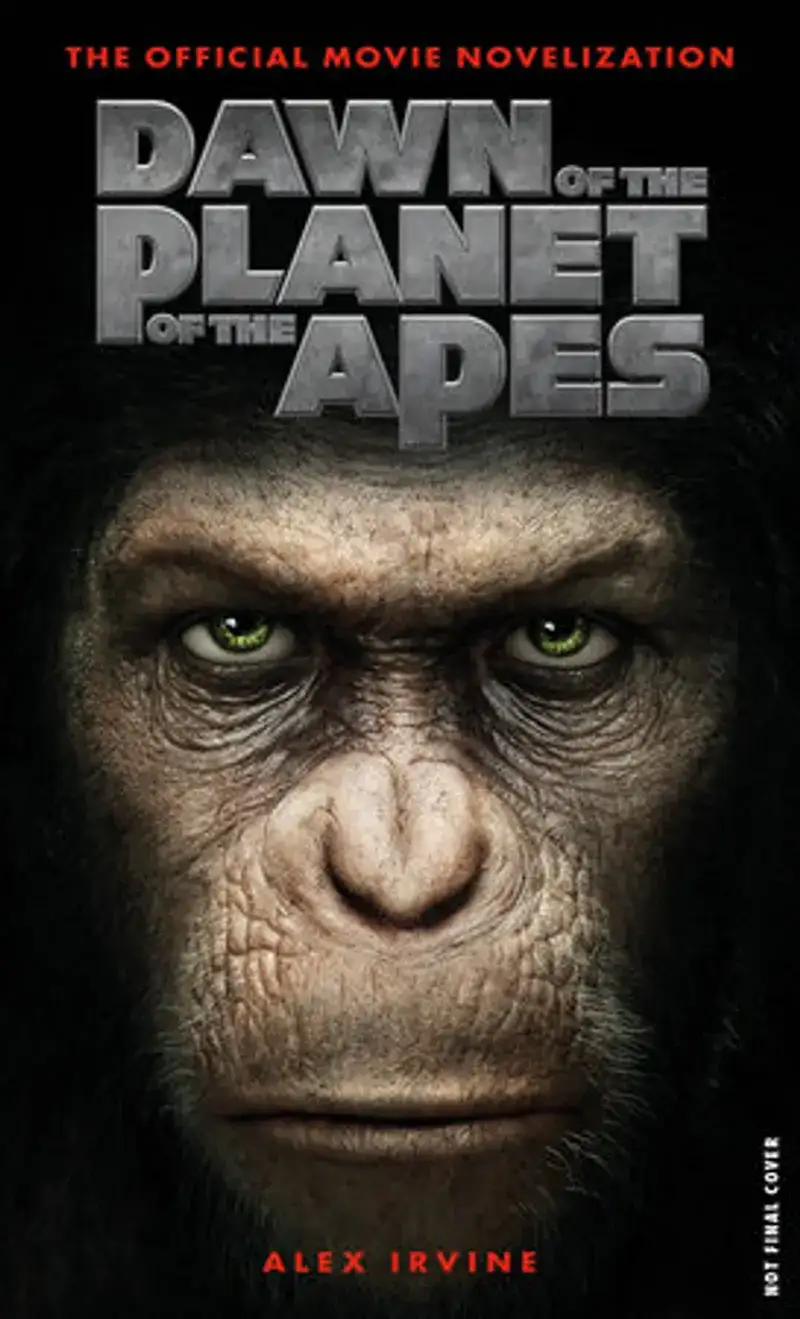
Dawn of the Planet of the Apes: The Official Movie Novelization Book Review and Summary
Dawn of the Planet of the Apes: The Official Movie Novelization Author: Alex IrvinePage Count: UnknownPublication Date: 2014-PRH Alex Irvine’s Dawn of the Planet of the Apes: The Official Movie Novelization is more than just a retelling of the film—it’s a gripping exploration of conflict, survival, and the fragile boundaries between humanity and its evolutionary kin. While the movie brilliantly visualizes the tension between apes and humans, Irvine’s novelization delves deeper into the psychological and moral complexities that define this clash. Through sharp prose and an immersive narrative style, Irvine elevates the source material, making the story resonate not just as a blockbuster spectacle, but as a meditation on what it truly means to be civilized. The core theme of Dawn is survival, but not in the simplistic sense of physical endurance. Instead, Irvine examines survival as a struggle for identity, purpose, and coexistence. The novel forces readers to confront the question: What happens when two intelligent species, both scarred by a catastrophic past, must either unite or annihilate each other? The answer is neither straightforward nor comforting. The humans, led by Malcolm (a standout character in Irvine’s hands), cling to hope in the face of despair, while Caesar’s apes grapple with the weight of leadership and the fear of losing what little they’ve built. This duality is where the novel excels—it doesn’t glorify either side. Instead, it presents both as flawed, desperate, and ultimately human (or ape-like) in their fears and ambitions. Irvine’s writing style is economical yet evocative. He doesn’t waste words on excessive exposition; instead, he trusts the reader to fill in the gaps between the film’s iconic moments. His prose is tight, focusing on the emotional beats that the movie occasionally glosses over. For instance, the strained relationship between Caesar and his second-in-command, Maurice, feels more personal in the novel. Maurice’s quiet wisdom and Caesar’s growing paranoia are rendered with nuance, making their dynamic a microcosm of the larger conflict. Irvine also shines in his descriptions of the apes’ evolving society—whether it’s the sacred grove where Caesar seeks guidance or the makeshift home Malcolm builds in the ruins of San Francisco, the world feels lived-in and tangible. One of the novel’s most compelling strengths is its handling of the virus’s aftermath. Unlike many post-apocalyptic stories that revel in bleakness, Dawn finds a kind of fragile beauty in resilience. The humans aren’t mindless monsters; they’re grieving, angry, and terrified. The apes aren’t noble savages—they’re strategic, flawed, and capable of cruelty. Irvine avoids moral binaries, instead painting a world where every decision is a gamble with devastating consequences. This ambiguity makes the story thrillingly unpredictable. Will Caesar choose peace or war? Will Malcolm’s idealism survive the weight of human survival instincts? Irvine keeps you guessing, even if you know the film’s outcome. The novelization’s greatest achievement might be its ability to stand on its own. While it faithfully follows the movie’s structure, Irvine’s additions—such as deeper internal monologues for key characters and expanded scenes—give readers a richer experience. For instance, Caesar’s internal conflict during the pivotal confrontation with Koba is far more visceral in print. You feel his rage, his doubt, and his desperate need to believe in a future where apes and humans can coexist. These moments elevate the book from a mere tie-in to a standalone work of speculative fiction. That said, Dawn isn’t without its limitations. Some readers might find Irvine’s dialogue occasionally stilted, particularly in the humans’ exchanges, which can feel overly expository. The novel also struggles to match the raw visual power of the film—after all, no book can replicate the sheer spectacle of Caesar’s roar or the eerie silence of the collapsing Golden Gate Bridge. Yet these are minor quibbles in an otherwise masterfully crafted narrative. Ultimately, Dawn of the Planet of the Apes: The Official Movie Novelization is a triumph of adaptation, turning a blockbuster into a thought-provoking exploration of humanity’s darkest impulses and its capacity for hope. Irvine doesn’t just tell us a story; he makes us question the very foundations of civilization. In a world where division and conflict seem inevitable, Dawn reminds us that survival isn’t about which species wins, but whether either side is willing to learn from the other’s suffering. #PlanetOfTheApes #DawnOfThePlanetOfTheApes #SciFiNovelization #PostApocalyptic #Caesar #Malcolm Related InsightsThe 10:12: A Novel Book Review and Summary Zen and the Art of Motorcycle Maintenance: An Inquiry Into Values Book Review and Summary The Goose Girl Book Review and Summary{ "@context": "https://schema.org", "@type": "FAQPage", "mainEntity": [ { "@type": "Question", "name": "What is the main focus of Dawn of the Planet of the Apes: The Official Movie Novelization Book Review and Summary?", "acceptedAnswer": { "@type": "Answer", "text": "Everything you need to know about Dawn of the Planet of the Apes: The Official Movie Novelization with our detailed review." } }, { "@type": "Question", "name": "Who authored the comprehensive guide on Dawn of the Planet of the Apes: The Official Movie Novelization Book Review and Summary?", "acceptedAnswer": { "@type": "Answer", "text": "This detailed article and its insights were carefully researched and authored by Piotr Nowak." } }, { "@type": "Question", "name": "Where can I find more related content about Books?", "acceptedAnswer": { "@type": "Answer", "text": "You can explore more articles, detailed reviews, and similar insights by browsing the Related Insights section at the bottom of this article or visiting our dedicated Books category page." } } ] }