Showing Posts From
Deadlock
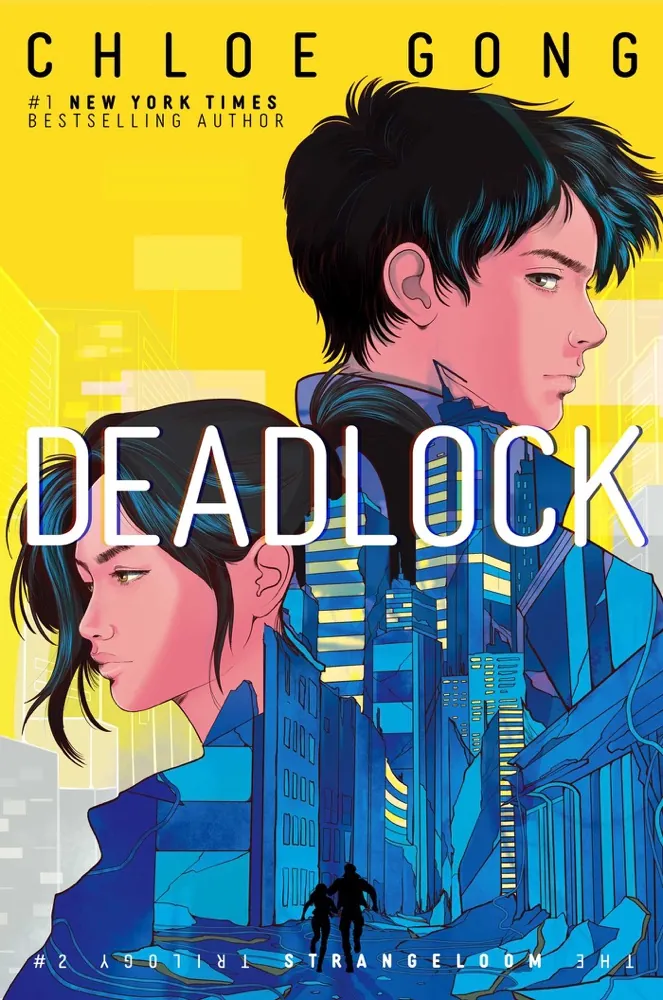

Author: Chloe GongPage Count: UnknownPublication Date: Expected publication 2026-11-17 APL The synopsis for Deadlock reads like a corporate memo written by someone who’s been drinking too much synth-whiskey at a NileCorp black-tie gala—all polished edges and no real substance beneath. The tension is there, sure, but it’s the kind of tension you feel when you’re stuck in an elevator with a man who’s just told you he’s a "visionary leader" and you’re not sure if he’s talking about art or a new kind of neural interface. The problem isn’t that the stakes feel low—it’s that the stakes feel too familiar, like someone took the DNA of Snow Crash and The Matrix and then crossbred it with a corporate thriller from the early 2000s, the kind where the villain monologues about "synergy" while his underlings nod like trained seals. Eirale Ward, the former traitor-turned-spy, is the kind of character who would make a Mad Men executive weep with envy—she’s got that rare blend of ruthlessness and self-loathing that makes her feel like a woman who’s been too well-designed. The synopsis doesn’t tell us what she’s actually doing in this book, but the implication is that she’s being forced to confront the fact that her entire identity as a soldier was a lie, and now she’s got to burn it all down or become something worse. That’s the kind of existential crisis that would make Annihilation’s Lovecraftian horror feel like a Sunday picnic, but the way it’s framed here—like a corporate espionage thriller where the real enemy is the boardroom—makes me wonder if Gong is trying to do for dystopian fiction what Devs did for existential dread: make it feel like a glitch in the system, not a revolution. Then there’s Nik Grant, who seems to be the emotional punching bag for the entire trilogy. The synopsis drops him into the mix like a plot device in a John Wick sequel—"Oh, and here’s the guy who’s got a target on his back, and also he’s not happy about the Coalition’s restraint, so he’s gonna go full Mad Max on NileCorp’s HQ." But the real question is: what does he want? Is he just a man with a grudge, or is he the kind of character who could, in a better world, have been a poet? The way the synopsis treats him—like a variable in an equation rather than a human being—makes me think Gong might be playing with the same tropes as Altered Carbon, where the body is just a shell and the real conflict is between the soul and the system. But where Altered Carbon at least gave us a protagonist who was interesting in his desperation, Nik feels like he’s been drafted into this fight against his will, like a background character who got a sudden promotion to "main plot device." And then there’s Kieren, the vice president of Atahua, who’s introduced like a Greek chorus member who’s just realized he’s been cast in a tragedy. The synopsis doesn’t say much about him, but the implication is that he’s the kind of leader who believes in Lia’s potential—like a mentor who’s also a gambler, betting everything on one hand. That’s the kind of dynamic that could either be The Social Network’s Zuckerberg and his idealistic roommate, or it could be The Hunger Games’ President Snow, if Snow had ever had a moment of doubt. The problem is, the synopsis doesn’t give us enough to tell which one it is. Is Kieren a visionary, or is he just another puppet in NileCorp’s shadow play? The real question, though, is whether Deadlock is going to be the kind of book that makes you feel like you’re living inside a video game, or the kind that makes you feel like you’re living inside a corporate nightmare. The synopsis leans hard into the latter—it’s all about power plays and betrayals and the kind of high-stakes tension that would make a Succession writer jealous. But the danger is that it might feel like The Circle meets Black Mirror, which is to say, a world where the technology is advanced but the people are still just people, and the real horror isn’t the machines but the fact that we’d let them get this far. But then—and this is where I have to pivot—maybe that’s the point. Maybe Gong isn’t trying to give us a fresh dystopia, but instead a reflection of the one we’re already living in, where the lines between work and play, reality and simulation, are so blurred that we don’t even notice when we’ve crossed them. That would make Deadlock something closer to Ready Player One’s satire of capitalism than Snow Crash’s cyberpunk revolution. The synopsis doesn’t say enough to confirm that, but it’s the kind of ambiguity that makes me want to read it anyway, like a puzzle box that’s been left open just long enough to make you curious about what’s inside. I need to repair the ribbon on my vintage Underwood typewriter. #dystopianfiction #chloegong #nilecorp #virtualreality #trilogyalert Related InsightsThe Woman in White Book Review and Summary Im Westen nichts Neues Book Review and Summary Night of the Mallrats: A Novel Book Review and Summary{ "@context": "https://schema.org", "@type": "FAQPage", "mainEntity": [ { "@type": "Question", "name": "What is the main focus of Deadlock Book Review and Summary?", "acceptedAnswer": { "@type": "Answer", "text": "Everything you need to know about Deadlock with our detailed review." } }, { "@type": "Question", "name": "Who authored the comprehensive guide on Deadlock Book Review and Summary?", "acceptedAnswer": { "@type": "Answer", "text": "This detailed article and its insights were carefully researched and authored by Giulia Ricci." } }, { "@type": "Question", "name": "Where can I find more related content about Books?", "acceptedAnswer": { "@type": "Answer", "text": "You can explore more articles, detailed reviews, and similar insights by browsing the Related Insights section at the bottom of this article or visiting our dedicated Books category page." } } ] }