Showing Posts From
Defy me shatter me
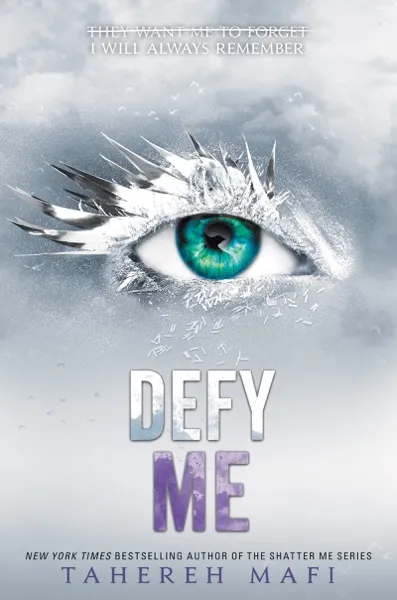

Defy Me (Shatter Me) Author: Tahereh MafiPage Count: UnknownPublication Year: 2019-GB Defy Me (Shatter Me), the fifth and penultimate installment in Tahereh Mafi’s Shatter Me series, is a pulse-pounding culmination of years of high-stakes rebellion, impossible choices, and the raw, unfiltered power of human connection. Where earlier volumes teased the boundaries between control and autonomy, Defy Me shatters them entirely—both thematically and structurally—leaving readers gasping at the wreckage of old loyalties and the fragile hope of something new. Mafi doesn’t just write dystopian fiction; she crafts a psychological storm where identity, power, and love are charged currents, and you can’t look away even when the lightning strikes closest to home. At its core, Defy Me interrogates the cost of rebellion. The Reestablishment, the regime that once sought to harness Juliette’s lethal touch, is in tatters, but so is Juliette herself. Trapped in a gilded cage of her own mind after a catastrophic act of self-sacrifice, she grapples with guilt so visceral it borders on paralysis. Mafi strips away the glamour of heroism to expose the rawest form of defiance: surviving when you’ve already lost. Juliette’s arc isn’t about defeating the enemy—it’s about proving that even shattered people can still stand, even when the ground beneath them is ash. The novel forces readers to confront a brutal truth: freedom isn’t a destination; it’s a daily act of defiance against the echoes of our own prisons. What makes this theme land with such staggering force is Mafi’s stylistic mastery. Her prose remains a living entity—visceral, poetic, and deliberately fragmented. Juliette’s narration is a storm of crossed-out words, staccato sentences, and gut-wrenching ellipses, mirroring her fractured psyche. Lines like “I am the storm. I am the end. I am Juliette” aren’t just stylistic flourishes; they’re incantations, spells cast to reclaim agency from a world that tried to erase her. The use of white space and visual silence on the page isn’t decorative—it’s a rebellion against the tyranny of prose, a refusal to be polished or predictable. In Defy Me, language itself becomes an act of defiance. Yet Mafi balances this lyrical intensity with relentless pacing. The plot hurtles forward with the urgency of a ticking bomb, weaving political intrigue, brutal fight sequences, and emotional gut-punches into a narrative that never lets up. The introduction of new characters—some allies, some wolves in sheep’s clothing—keeps the tension taut, while familiar faces like Warner and Adam are stripped of their archetypal roles, forced into morally ambiguous territory. Mafi refuses to let anyone off easy, least of all the reader. Every victory feels pyrrhic, every alliance temporary, and every act of kindness laced with the potential for betrayal. The emotional resonance of Defy Me lies in its portrayal of found family. Juliette’s squad—Kenji, Castle, Nazeera, and the rest—aren’t just sidekicks; they’re the mirror that reflects her humanity back to her. Their loyalty isn’t blind; it’s tested, questioned, and ultimately reaffirmed in moments that are less about grand gestures and more about small, stubborn kindnesses. When Juliette whispers, “You are my home,” it’s not a cliché; it’s a lifeline in a world that’s tried to drown her. The novel argues, quietly but insistently, that defiance isn’t a solo act. It’s a chorus. Mafi also deepens her exploration of power’s corrupting influence. Warner, once a villain clad in charm, is now a man drowning in the wreckage of his own manipulations. His vulnerability is chilling precisely because it’s so recognizably human. The novel asks: Can power ever be reclaimed without becoming its own kind of prison? The answer, Mafi suggests, lies not in domination but in surrender—surrender to love, to trust, to the terrifying risk of being seen. It’s a radical idea in a world built on control. Defy Me is a book that refuses to be contained. It’s messy, painful, and at times frustratingly ambiguous—just like real rebellion. Mafi doesn’t offer easy resolutions or neat character arcs. Instead, she leaves us with a question that lingers long after the final page: What does it mean to defy not just the world, but yourself? The answer, she implies, is in the doing, not the having. In a literary landscape crowded with dystopian tales, Defy Me stands apart because it understands that the truest rebellion isn’t about changing the world—it’s about changing yourself in the process. And sometimes, that’s the hardest fight of all. #DefyMe #ShatterMeSeries #TaherehMafi #YAFantasy #DystopianNovel #RebellionAndRedemption Related InsightsWinter Song Book Review and Summary Days of Shattered Faith Book Review and Summary 'Die stille Revolution: Wie Noise-Cancelling-Kopfhörer die Welt zum Verstummen bringen'{ "@context": "https://schema.org", "@type": "FAQPage", "mainEntity": [ { "@type": "Question", "name": "What is the main focus of Defy Me (Shatter Me) Book Review and Summary?", "acceptedAnswer": { "@type": "Answer", "text": "Everything you need to know about Defy Me (Shatter Me) with our detailed review." } }, { "@type": "Question", "name": "Who authored the comprehensive guide on Defy Me (Shatter Me) Book Review and Summary?", "acceptedAnswer": { "@type": "Answer", "text": "This detailed article and its insights were carefully researched and authored by James Miller." } }, { "@type": "Question", "name": "Where can I find more related content about Books?", "acceptedAnswer": { "@type": "Answer", "text": "You can explore more articles, detailed reviews, and similar insights by browsing the Related Insights section at the bottom of this article or visiting our dedicated Books category page." } } ] }