Showing Posts From
Divergent
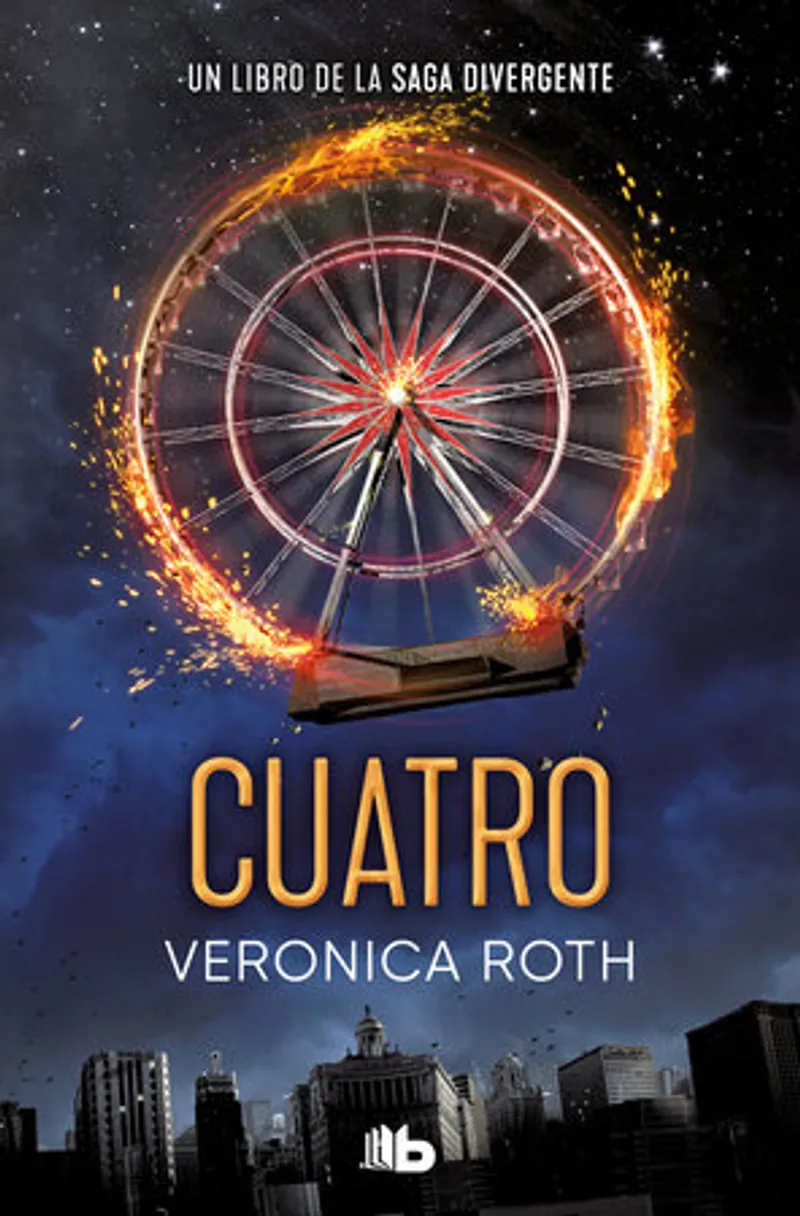
Cuatro / Four: A Divergent Collection Author: Veronica RothPage Count: UnknownPublication Date: 2023-PRH Veronica Roth’s Four: A Divergent Collection is a masterclass in fleshing out a beloved character while deepening the lore of a dystopian universe that has already captivated millions. This spin-off, centered on Tobias Eaton—better known as Four—is not just a nostalgic trip for fans of Divergent; it’s a revelatory exploration of identity, choice, and the fractures within a society that demands conformity. Roth’s prose remains sharp, her emotional beats precise, and her world-building as immersive as ever, but what makes this collection truly stand out is how it reframes the original trilogy through the eyes of a man whose quiet intensity often took a backseat to Tris Prior’s fiery arc. At its core, Four is about the weight of choice—not just the grand, life-altering decisions, but the cumulative ones that shape a person before the world ever notices them. The four main stories—"The Transfer," "The Initiate," "The Son," and "The Traitor"—trace Tobias’s journey from a disillusioned Abnegation transfer to Dauntless initiate, then to a reluctant leader uncovering corruption, and finally to a man torn between duty and love. Each story peels back another layer of his psyche, revealing a protagonist who is far more complex than his stoic, commanding presence in the original series suggests. Roth excels at capturing the internal conflict of a character who is both a product of his environment and a rebel against it. Tobias’s Abnegation upbringing instills in him a sense of self-sacrifice, but his Dauntless training forces him to confront his own capacity for violence and dominance. The result is a man who is perpetually caught between two extremes, neither fully belonging to one faction nor the other. Roth’s style in Four is deceptively simple. She doesn’t rely on ornate descriptions or convoluted metaphors; instead, she lets Tobias’s voice—introspective, sometimes bitter, but always honest—carry the narrative. His perspective is a breath of fresh air in a series where Tris’s perspective often dominated. Where she was impulsive and emotional, he is measured and strategic, making his internal monologues a study in restraint and self-awareness. Yet, Roth ensures he is never a static character. His growth is subtle but undeniable, from a young man rebelling against his father’s expectations to a leader who must decide whether to uphold a broken system or burn it down. The additional scenes from Divergent, told from Tobias’s point of view, are a particular delight. They offer new insights into key moments—his first meeting with Tris, his complicated relationship with his father, Marcus, and his role in the faction system’s unraveling. These vignettes don’t just retread familiar ground; they enrich it, adding emotional depth to scenes that fans thought they already knew. For instance, seeing Tris’s fearless nature through Tobias’s cautious admiration makes their dynamic even more compelling. It’s a reminder that love in Roth’s world is never simple, but always earned through shared struggle. One of the most striking themes in Four is the idea of systemic rot. Tobias’s journey is as much about uncovering the lies of the faction system as it is about his personal evolution. The stories reveal how power corrupts, even in a society that prides itself on order and selflessness. The leaders of Abnegation and Dauntless are not just flawed—they are actively harmful, and Tobias’s disillusionment mirrors the reader’s own growing skepticism about the world Roth has built. This theme resonates particularly in today’s climate, where institutional trust is at an all-time low, making Four feel not just like a dystopian tale, but a cautionary one. Roth’s ability to balance action with introspection is one of her greatest strengths, and Four is no exception. The fight scenes are visceral, the emotional beats are raw, and the political intrigue is as tense as it is in the original trilogy. Yet, what lingers is the quiet moments—the way Tobias remembers his mother’s kindness, the way he grapples with the idea of family, the way he learns that love is not just a choice, but a risk. These are the threads that make Four more than just a companion piece; they make it essential reading for anyone who wants to understand the man behind the faction tattoos. If there is a criticism to be leveled, it’s that some readers might find Tobias’s introspection occasionally too inward-facing. His voice, while compelling, can at times verge on brooding, and the pacing of the earlier stories might feel slow to those used to the breakneck speed of Divergent. However, these are minor quibbles in a collection that ultimately delivers exactly what it promises: a deeper, more nuanced look at one of young adult fiction’s most intriguing characters. Four: A Divergent Collection is a triumph of character-driven storytelling. It doesn’t just expand the Divergent universe—it redefines it, proving that the best dystopian tales are not just about the world that’s broken, but about the people who dare to fix it. Veronica Roth has given us a Tobias Eaton who is flawed, fascinating, and utterly human. And in doing so, she has reminded us why we fell in love with Divergent in the first place. #DivergentSeries #VeronicaRoth #TobiasEaton #DystopianFiction #YABooks #FourDivergentCollection Related InsightsMaybe You Should Talk to Someone Book Review and Summary Primera persona del singular Book Review and Summary The Blade Itself Book Review and Summary{ "@context": "https://schema.org", "@type": "FAQPage", "mainEntity": [ { "@type": "Question", "name": "What is the main focus of Divergent Book Review and Summary?", "acceptedAnswer": { "@type": "Answer", "text": "Everything you need to know about Divergent with our detailed review." } }, { "@type": "Question", "name": "Who authored the comprehensive guide on Divergent Book Review and Summary?", "acceptedAnswer": { "@type": "Answer", "text": "This detailed article and its insights were carefully researched and authored by Veronica Roth." } }, { "@type": "Question", "name": "Where can I find more related content about Books?", "acceptedAnswer": { "@type": "Answer", "text": "You can explore more articles, detailed reviews, and similar insights by browsing the Related Insights section at the bottom of this article or visiting our dedicated Books category page." } } ] }